
How refractory material innovation is changing kiln life




For technical evaluators, refractory material innovation has moved from a maintenance topic to a strategic operating variable. In cement, glass, incineration, metallurgy, and extrusion systems, kiln life now depends on how well refractory design matches heat load, chemical attack, cycling stress, and digital control.
This shift matters across the broader industrial chain tracked by CF-Elite. Better refractory material innovation can extend campaign length, stabilize energy use, reduce shutdown frequency, and support decarbonization targets without sacrificing output quality.
When kiln conditions change, refractory material innovation becomes a scenario decision
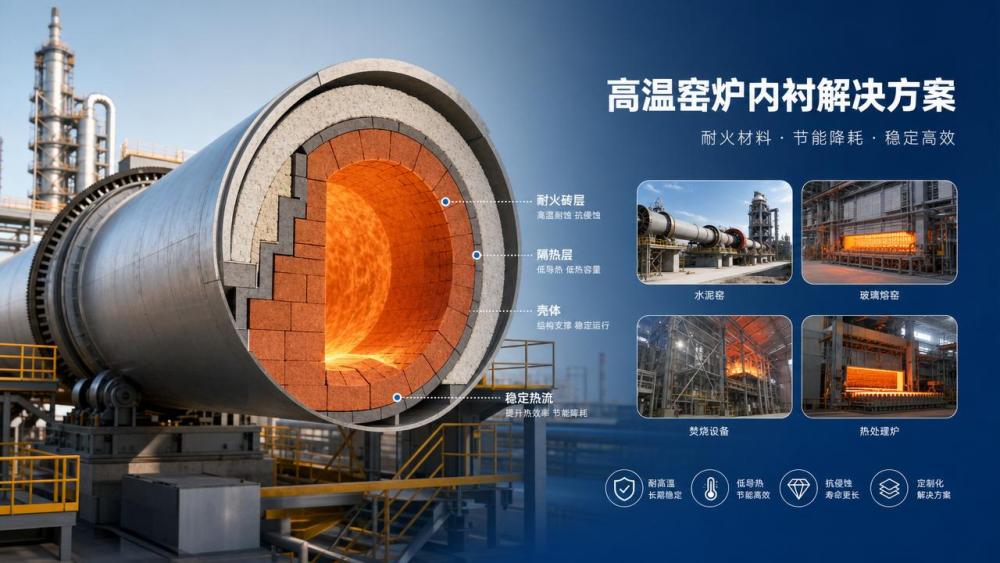
Not every kiln fails for the same reason. Some linings suffer alkali attack. Others crack under thermal shock. Some lose life because shell temperature fluctuates beyond design assumptions.
That is why refractory material innovation should be evaluated by operating scene, not by price alone. A high-grade brick or castable performs well only when its microstructure fits the real duty profile.
In integrated thermal systems, lining choices also affect burner tuning, fuel flexibility, coating behavior, heat recovery, and carbon intensity. The best answer is often a system match, not a single premium material.
Why scene-based evaluation now matters more
- Alternative fuels create more variable flame chemistry and local corrosion.
- Higher efficiency targets push kilns toward tighter thermal margins.
- Faster ramping increases thermal cycling stress on linings.
- Digital monitoring reveals hidden wear patterns earlier than before.
In cement rotary kilns, refractory material innovation targets chemical attack and campaign stability
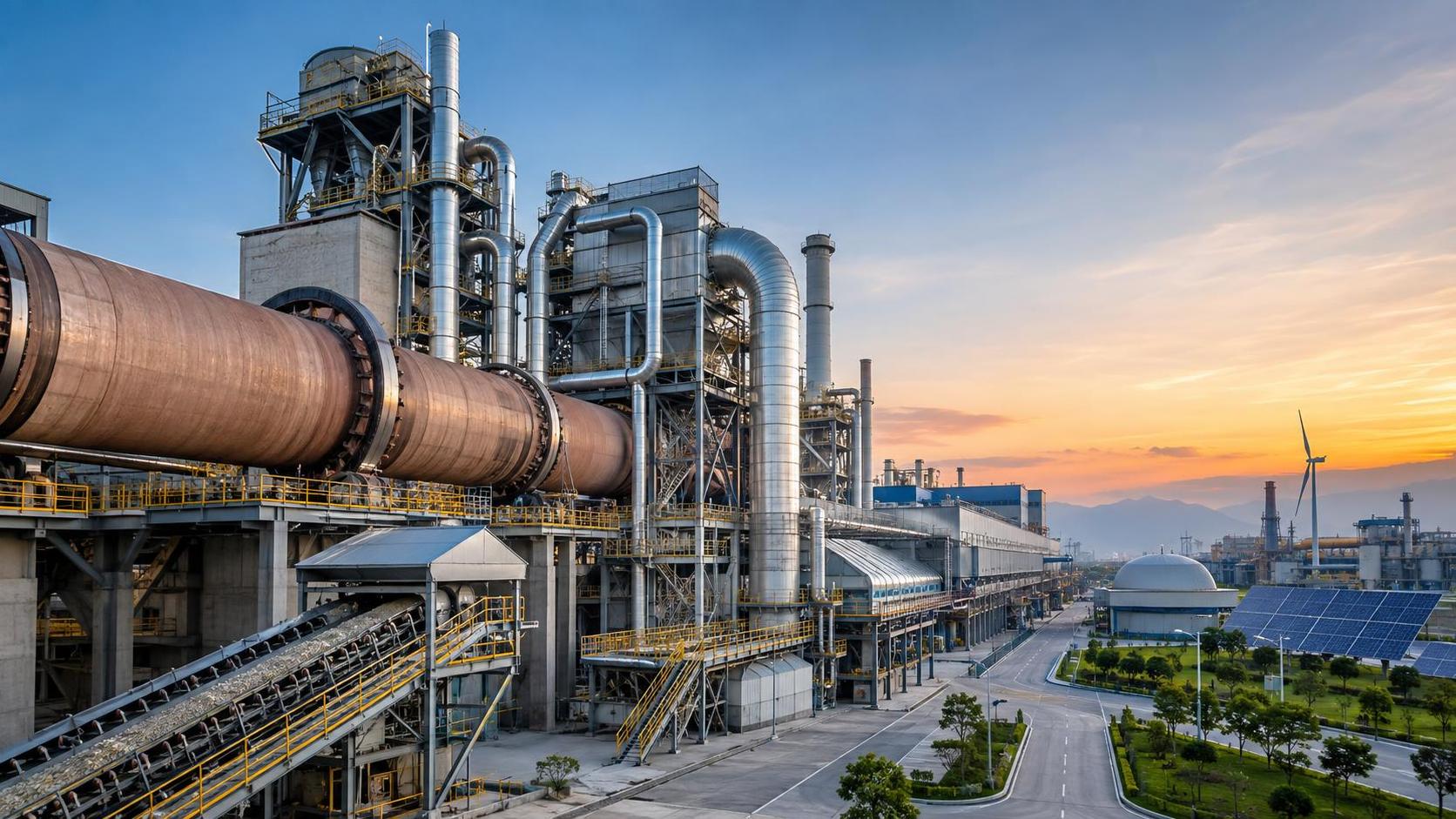
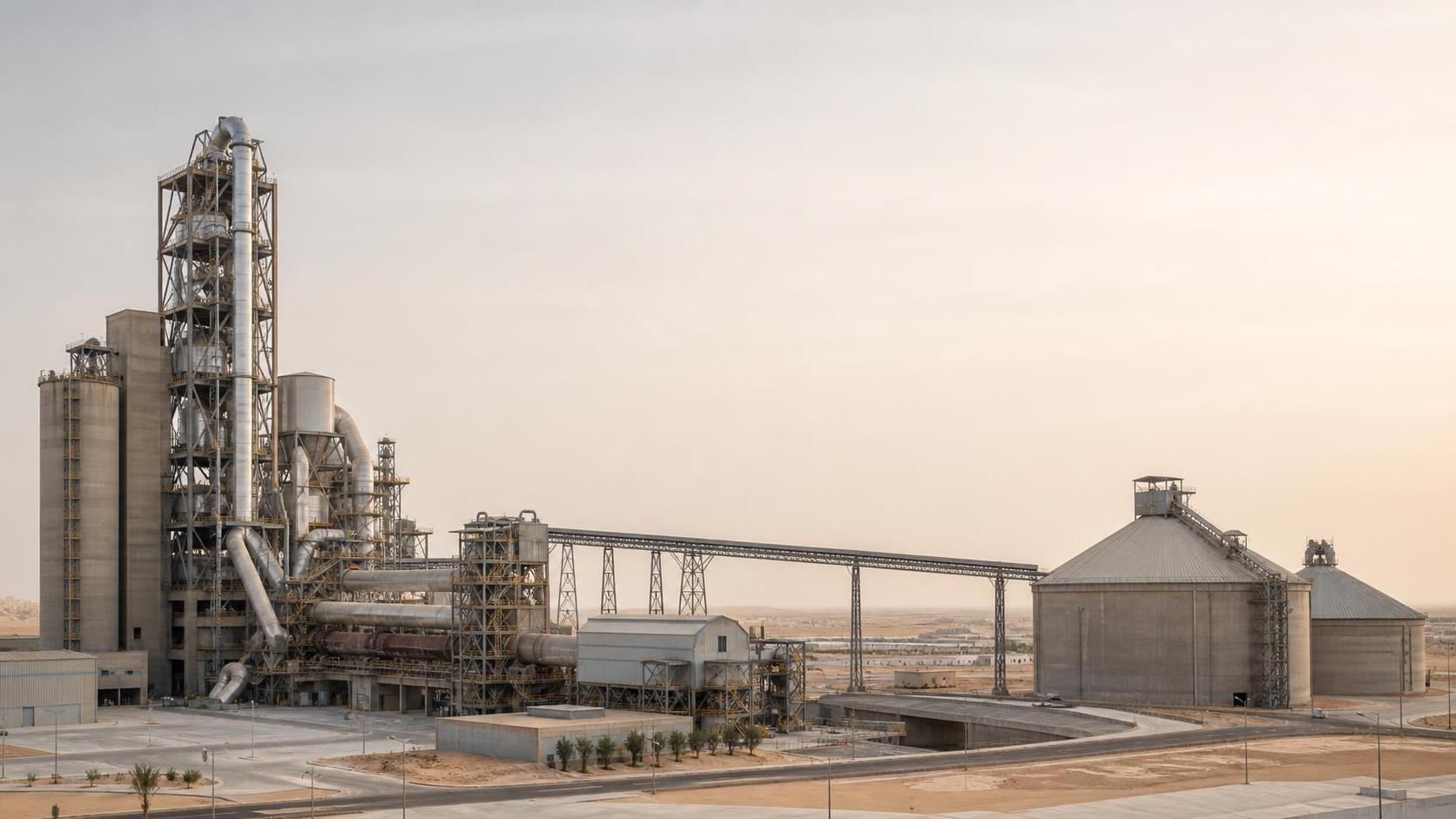
Cement lines present one of the clearest use cases for refractory material innovation. The burning zone, transition zone, and inlet each face different combinations of abrasion, coating instability, alkali penetration, and clinker infiltration.
Recent advances include optimized magnesia-spinel systems, improved bonding phases, lower-porosity structures, and castables designed for stronger hot-face integrity. These changes aim to reduce structural spalling and preserve coating attachment.
Key judgment points in cement scenes
If alternative fuel rates are rising, refractory material innovation should be checked for resistance to chlorine, sulfur, and atmosphere shifts. If coating is unstable, thermal conductivity and surface chemistry become critical selection factors.
When shell hotspots repeat in the same ring, the issue may not be material grade alone. Installation quality, anchoring, expansion allowance, and process imbalance can erase the value of advanced refractories.
In glass furnaces and thermal processing lines, refractory material innovation protects purity and heat balance
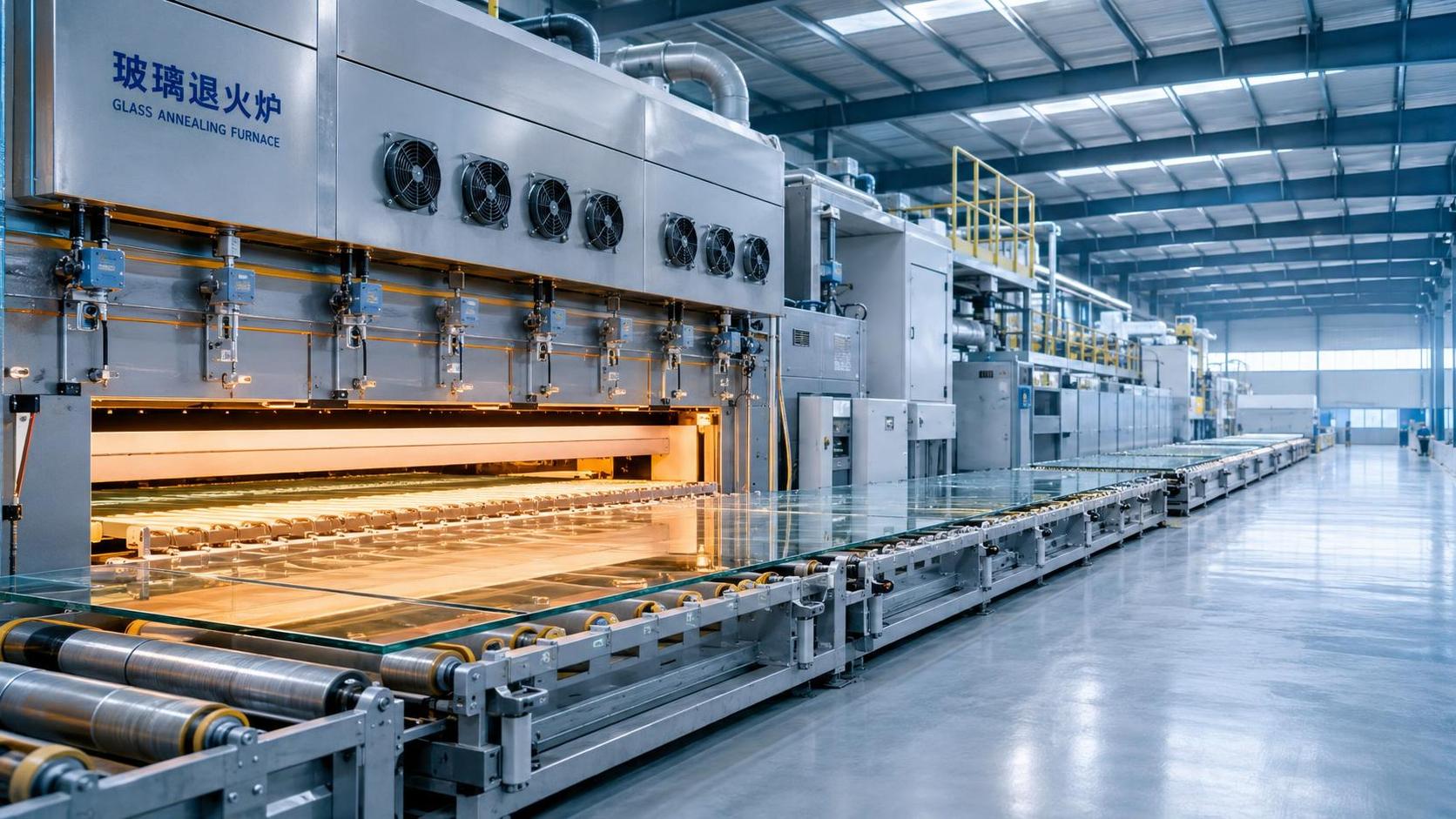
Glass manufacturing imposes a different risk profile. Here, refractory material innovation is judged not only by life extension, but also by contamination control, dimensional stability, and resistance to glass contact corrosion.
Fusion-cast materials, engineered zircon systems, and refined insulating back-up layers help reduce heat loss while maintaining furnace geometry. Better material combinations also support stable pull rates and lower defect risk.
Where evaluators should look first
- Crown zones with long-term creep exposure.
- Glass-contact regions vulnerable to dissolution.
- Regenerators affected by dust loading and thermal cycling.
- Insulation packages influencing outer wall temperature.
In these scenes, refractory material innovation supports both product quality and energy strategy. A small reduction in heat leakage can compound into meaningful fuel savings over a long furnace campaign.
In incineration and waste-to-energy plants, refractory material innovation must survive unstable chemistry
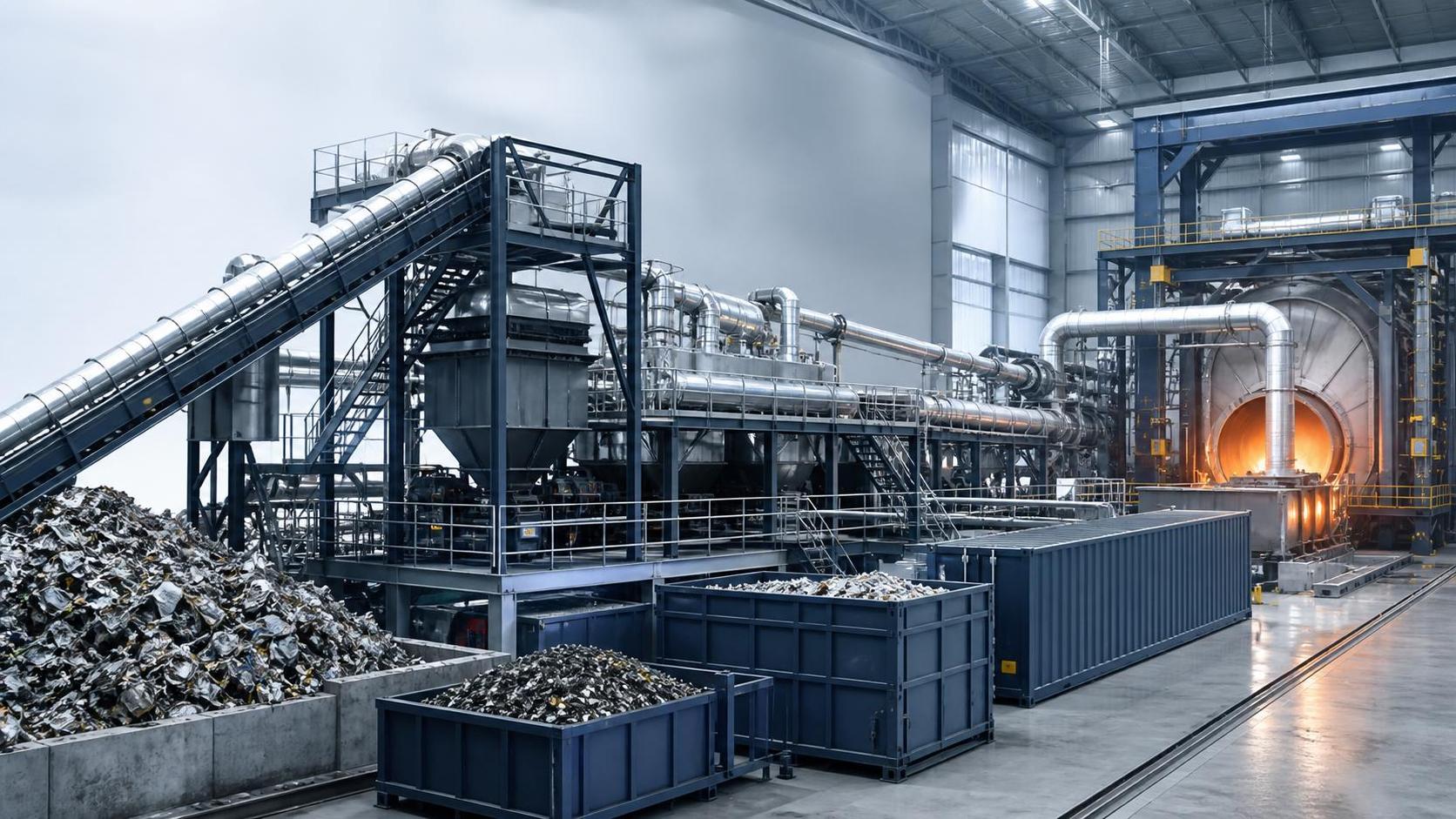
Incineration systems operate under aggressive and often changing feed conditions. Chlorides, heavy metals, slagging behavior, and rapid temperature shifts make refractory material innovation especially valuable in primary chambers, secondary chambers, and ash handling interfaces.
Here, low-cement castables, anti-penetration formulations, and abrasion-resistant linings often outperform legacy materials. However, chemical resistance should be tested against the actual waste stream, not assumed from a generic specification.
Core judgment points for these scenes
The main question is whether refractory material innovation can tolerate feed variability without rapid loss of thickness or anchor failure. Thermal shock resistance, gas-tightness, and maintenance accessibility matter as much as nominal refractoriness.
Different industrial scenes demand different refractory material innovation priorities
A useful comparison is to rank needs by damage mechanism first. That avoids overdesign in one area and underprotection in another.
How to adapt refractory material innovation to real operating scenarios
A practical selection process should begin with failure mapping, then move to thermal profile review, chemistry review, and installation method verification. Only after that should material substitution be finalized.
Recommended adaptation steps
- Segment the kiln by zone, temperature, atmosphere, and movement.
- Identify dominant wear mode from shutdown inspection data.
- Compare legacy lining life with process changes over time.
- Test refractory material innovation against actual fuel or feed chemistry.
- Verify anchors, joints, dry-out curve, and commissioning practice.
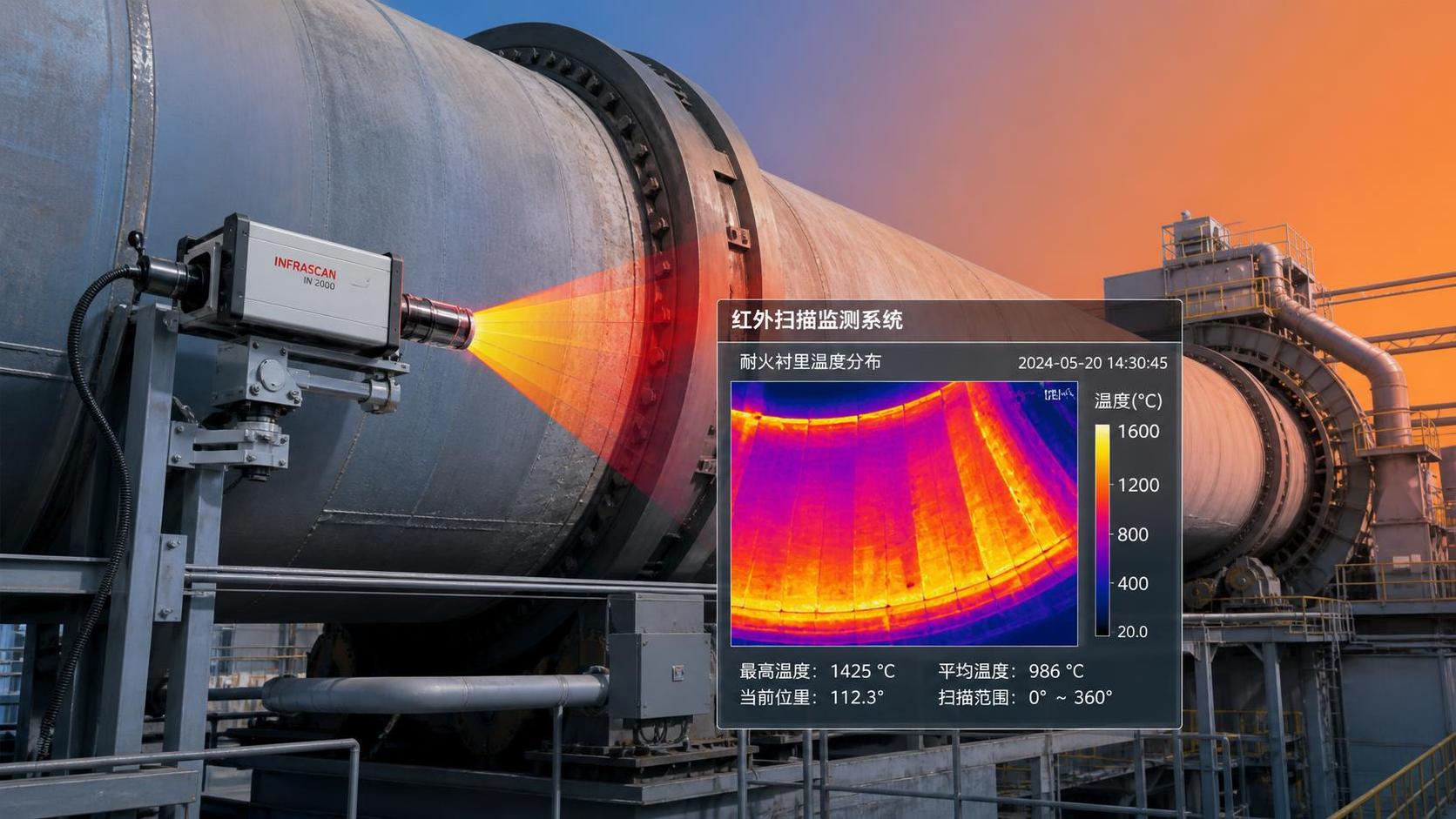
- Add shell scanning or embedded monitoring for early trend detection.
This approach aligns with CF-Elite’s intelligence logic. Thermal management works best when material science, process conditions, and digital observation are stitched together into one decision framework.
Common misjudgments that limit kiln life despite refractory material innovation
One frequent mistake is assuming that higher alumina or denser structure always means longer life. In some scenes, excessive stiffness can worsen crack propagation during thermal cycling.
Another mistake is treating refractory material innovation as a drop-in replacement. New linings may need different heating curves, anchor spacing, expansion gaps, or coating management practices.
A third blind spot is separating refractory review from emissions and energy goals. Lining heat loss, unplanned shutdowns, and unstable combustion all affect carbon performance and operating cost.
- Ignoring feed chemistry shifts after fuel substitution.
- Underestimating installation quality and curing discipline.
- Using average temperature data instead of peak local data.
- Evaluating cost by purchase price instead of campaign value.
Next-step actions for evaluating refractory material innovation with confidence
The best next step is to build a scene-based audit of current kiln zones, failure modes, and thermal signals. That makes refractory material innovation measurable instead of promotional.
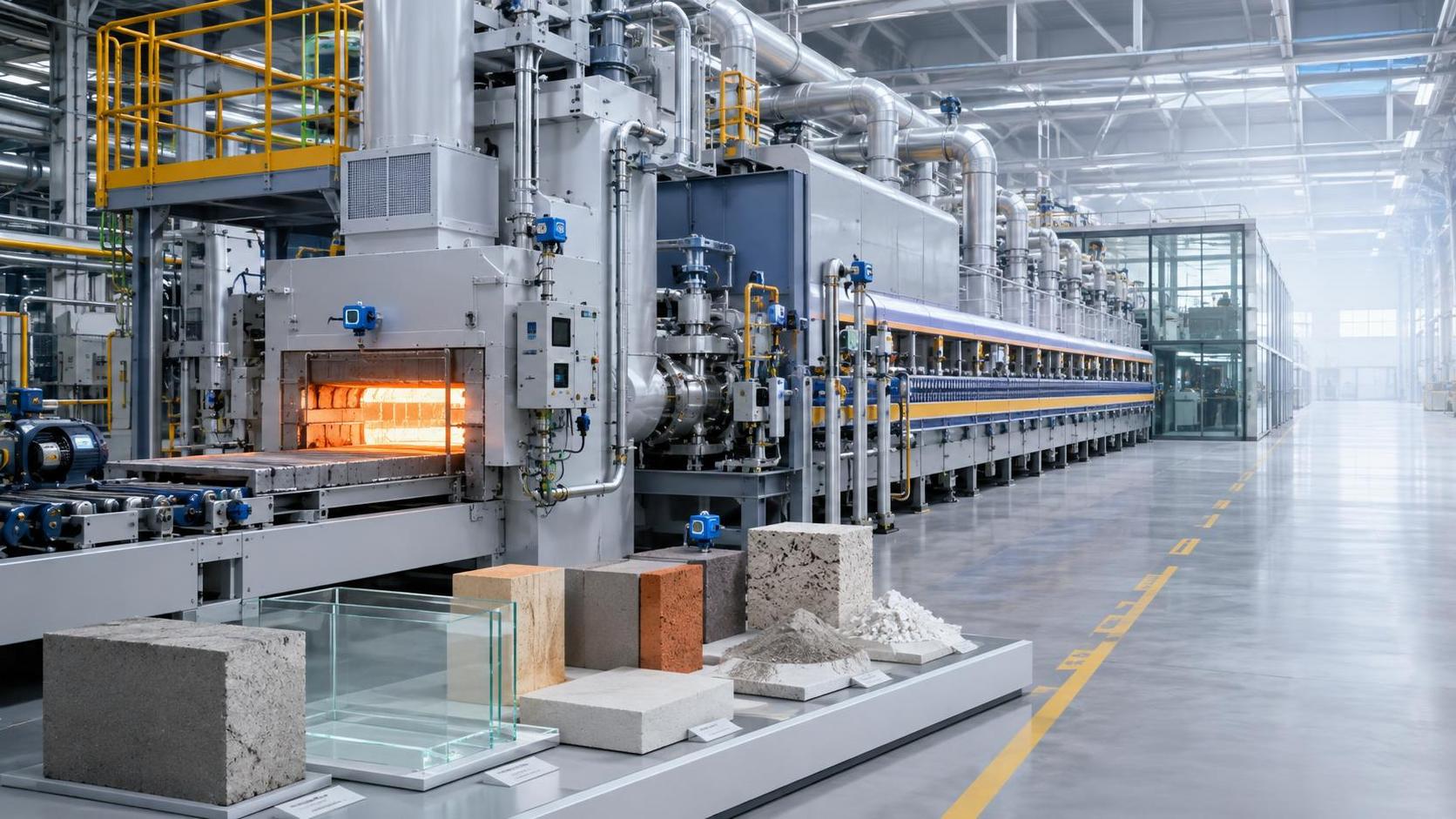
For complex cement, glass, incineration, and refractory production lines, CF-Elite’s intelligence perspective is especially useful. It links process evolution, lining performance, energy efficiency, and long-cycle investment logic.
When the right material is matched to the right zone and monitored correctly, kiln life improves in a practical way. Refractory material innovation then becomes not just a materials upgrade, but a durable advantage in uptime, heat control, and carbon-aware operation.
Related News
 Optical Glass Tech FellowHow to Evaluate a Glass Annealing Equipment Manufacturer for Production StabilityChoose a glass annealing equipment manufacturer with proven thermal uniformity, reliable controls, lifecycle value, and responsive service for stable production.Sep 08, 2026
 Prof. Marcus ChenThermal Energy Architecture in North America: Strategies for Lower Building Energy UseThermal energy architecture North America helps project leaders cut building energy use through stronger envelopes, right-sized HVAC, storage, and smart commissioning.Sep 07, 2026
 Ms. Elena RodriguezHow Should Buyers Evaluate Building Material Industry Intelligence Pricing?Building material industry intelligence pricing: learn how to compare coverage, technical depth, and ROI to choose intelligence that reduces procurement risk.Sep 07, 2026
 Ms. Elena RodriguezHow to Use Building Material Intelligence Data for Market and Investment DecisionsBuilding material industry intelligence data helps leaders evaluate demand, costs, regulation, capacity, and technology to make smarter market and investment decisions.Sep 05, 2026
 Thermal Energy ArchitectHow PLC Control Improves Energy Efficiency and Temperature Stability in KilnsEnergy efficient kilns PLC control improves temperature stability, cuts fuel waste, and optimizes combustion, draft, and material flow. Explore proven strategies for smarter kiln modernization.Sep 04, 2026
 Optical Glass Tech FellowEuropean Glass Melting Processes: Furnace Choices, Energy Use, and Quality ControlGlass melting process Europe: explore furnace choices, energy efficiency, cullet strategy, and quality control to improve output, compliance, and long-term glass performance.Sep 03, 2026
 Thermal Energy ArchitectWhat Determines Refractory Lining Monitoring Price for Industrial Kilns?Refractory lining monitoring price depends on kiln size, sensor technology, installation, software, and support. Compare total lifecycle costs and choose the right solution.Sep 02, 2026
 Silicate Process EngineerCement Production System Costs: A Plant Buyer’s Guide to Budgeting and ROICement production systems cost planning made clear: compare CAPEX, operating costs, compliance, and ROI to build a resilient, profitable cement plant investment.Sep 01, 2026
 Dr. Alistair VaughnWhat Should a Process Technology Database Track for High-Temperature Plants?Process technology database essentials for high-temperature plants: track thermal profiles, feed chemistry, refractory wear, emissions, energy, and maintenance for safer, data-driven decisions.Aug 31, 2026
 Ms. Elena RodriguezHow to Evaluate a Silicate Processing Equipment Manufacturer for Plant ProjectsSilicate processing equipment manufacturer selection: assess process fit, guarantees, energy, compliance, delivery risk, and lifecycle support for dependable plant performance.Aug 30, 2026
 Dr. Alistair VaughnHow to Specify Custom Agricultural Processing Equipment for Throughput and HygieneEquipment customization services for agricultural processing: learn to specify hygienic, high-throughput lines that improve yield, reliability, and long-term efficiency.Aug 29, 2026
 Dr. Alistair VaughnHow to Select Process Plant Equipment for High-Temperature, Abrasive Production LinesProcess plant equipment selection for high-temperature, abrasive lines: reduce downtime, improve durability, and optimize lifecycle performance.Aug 28, 2026
 Silicate Process EngineerHow Kiln Heat Recovery Systems Cut Fuel Use in Cement and Lime ProductionKiln heat recovery helps cement and lime plants cut fuel use, improve thermal stability, and build practical, reliable decarbonization strategies.Aug 27, 2026
 Ms. Elena RodriguezProcess Equipment Comparison: Which Metrics Matter Most for Reliable Selection?Process equipment comparison made practical: discover which metrics truly drive reliable selection, from energy efficiency and control stability to wear life, maintainability, and uptime.Aug 26, 2026
 Ms. Elena RodriguezWhat Buyers Should Check Before Sourcing Precision Alloy Bars for Critical PartsPrecision Alloy Bars buyers should verify grade, chemistry, tolerances, surface quality, traceability, and lead time before sourcing for critical parts. Learn what prevents costly machining and reliability risks.Aug 27, 2026
 Ms. Elena RodriguezHow to Evaluate Thermal Management Solutions Insulation for High-Heat Industrial SystemsThermal management solutions insulation: learn how to assess high-heat industrial systems by thermal performance, durability, lifecycle cost, and supplier data for smarter decisions.Aug 25, 2026
 Ms. Elena RodriguezWhat Drives Waste Recycling Cost in Industrial Projects and How to Estimate It?Waste recycling cost in industrial projects depends on composition, moisture, transport, pre-treatment, and compliance. Learn how to estimate it accurately and compare suppliers with confidence.Aug 24, 2026
 Silicate Process EngineerHow to Evaluate Cement Production Plants in the Middle East for Capacity, Fuel Flexibility, and ROIcement production plants Middle East: Learn how to assess true capacity, fuel flexibility, and ROI risks to identify resilient assets and smarter investment opportunities.Aug 23, 2026
 Structural Material AnalystHow to Evaluate Lightweight Material Machinery for Output, Energy Use, and Product QualityLightweight material machinery evaluation guide: compare stable output, energy use, and product quality to choose equipment that cuts waste, lowers costs, and improves production confidence.Aug 22, 2026
 Material Heat-Resist ExpertWhat Determines Refractory Production Line Price in a Turnkey Plant Project?Refractory production line price depends on raw materials, forming method, kiln and drying design, automation, utilities, and scope. Learn what really drives turnkey plant cost before you invest.Aug 21, 2026

Related News
- 00
0000-00
What Determines Refractory Production Line Price in a Turnkey Plant Project? - 00
0000-00
How to Evaluate a Silicate Production Line for Capacity, Energy Use, and Product Quality - 00
0000-00
Silicate Production Line Process Explained: Key Stages, Equipment, and Quality Control - 00
0000-00
How to Evaluate a Refractory Production Line in Southeast Asia: Capacity, Fuel, and Raw Material Factors - 00
0000-00
How to Evaluate a Silicate Production Lines Supplier for Capacity, Automation, and Raw Material Fit
Weekly Insights
Stay ahead with our curated technology reports delivered every Monday.