
Industrial Decarbonization Solutions That Do Not Stall Output




For project leaders under pressure to cut emissions without risking throughput, industrial decarbonization solutions must deliver measurable gains in energy efficiency, process stability, and compliance. From cement and glass to kilns, incineration, refractories, and extrusion lines, CF-Elite connects technical intelligence with practical decision-making to help high-temperature industries reduce carbon while keeping output on track.
The core search intent behind “industrial decarbonization solutions” is practical, not theoretical. Readers are looking for proven ways to reduce carbon emissions in energy-intensive operations without creating production losses, quality instability, or unplanned capital burdens. They want to know which options are mature, where the fast returns are, and how to sequence projects so decarbonization supports operations instead of disrupting them.
For project managers and engineering leads, the biggest concerns are usually clear: Can the line keep running? What is the payback period? Will product quality change? How complex is integration? What data is needed to justify investment? And how do new systems affect maintenance, fuel flexibility, environmental compliance, and plant uptime?
This is why the most useful discussion is not a generic list of green technologies. The decision value comes from comparing solution types by risk, implementation complexity, carbon impact, and production compatibility. In high-temperature industries, the best decarbonization pathway is often the one that first stabilizes heat use, then improves fuel and process control, and only after that introduces larger structural changes.
What Project Leaders Really Need From Industrial Decarbonization Solutions
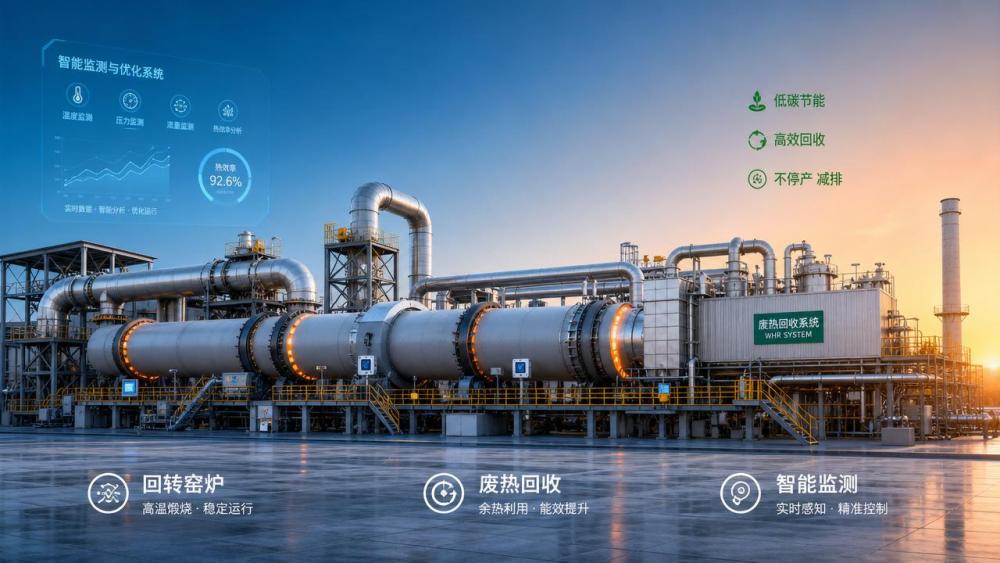
For most heavy industrial sites, the right decarbonization plan is not “lowest emissions at any cost.” It is “lowest feasible emissions per ton without sacrificing output, safety, or commercial viability.” That distinction matters. A cement kiln, float glass furnace, hazardous waste incinerator, refractory tunnel kiln, or extrusion line operates within tight thermal windows. If a carbon strategy weakens thermal stability, it can quickly damage productivity and margin.
That is why project teams should judge industrial decarbonization solutions across five filters. First, direct carbon reduction per unit of output. Second, effect on energy consumption. Third, effect on throughput and process stability. Fourth, implementation difficulty during live operations. Fifth, compatibility with future upgrades such as alternative fuels, waste heat recovery, electrification, or digital monitoring.
In practice, solutions that preserve or improve heat balance tend to outperform those that reduce emissions on paper but complicate operations. In high-temperature sectors, output protection usually comes from better combustion control, tighter thermal management, improved refractory performance, reduced excess air, lower heat losses, and stronger online monitoring. These are often the most reliable starting points.
For decision-makers, the key insight is simple: decarbonization that protects output usually begins with efficiency and control, not with the most visible headline technology. Once a plant has stronger process discipline and better data, larger steps become easier to justify and safer to implement.
Start With the Lowest-Disruption Carbon Reduction Levers
The first category of solutions should be the least disruptive and the easiest to verify. These projects often deliver the fastest return because they cut fuel use while improving process consistency. They are especially attractive for facilities that cannot afford major shutdowns or long commissioning cycles.
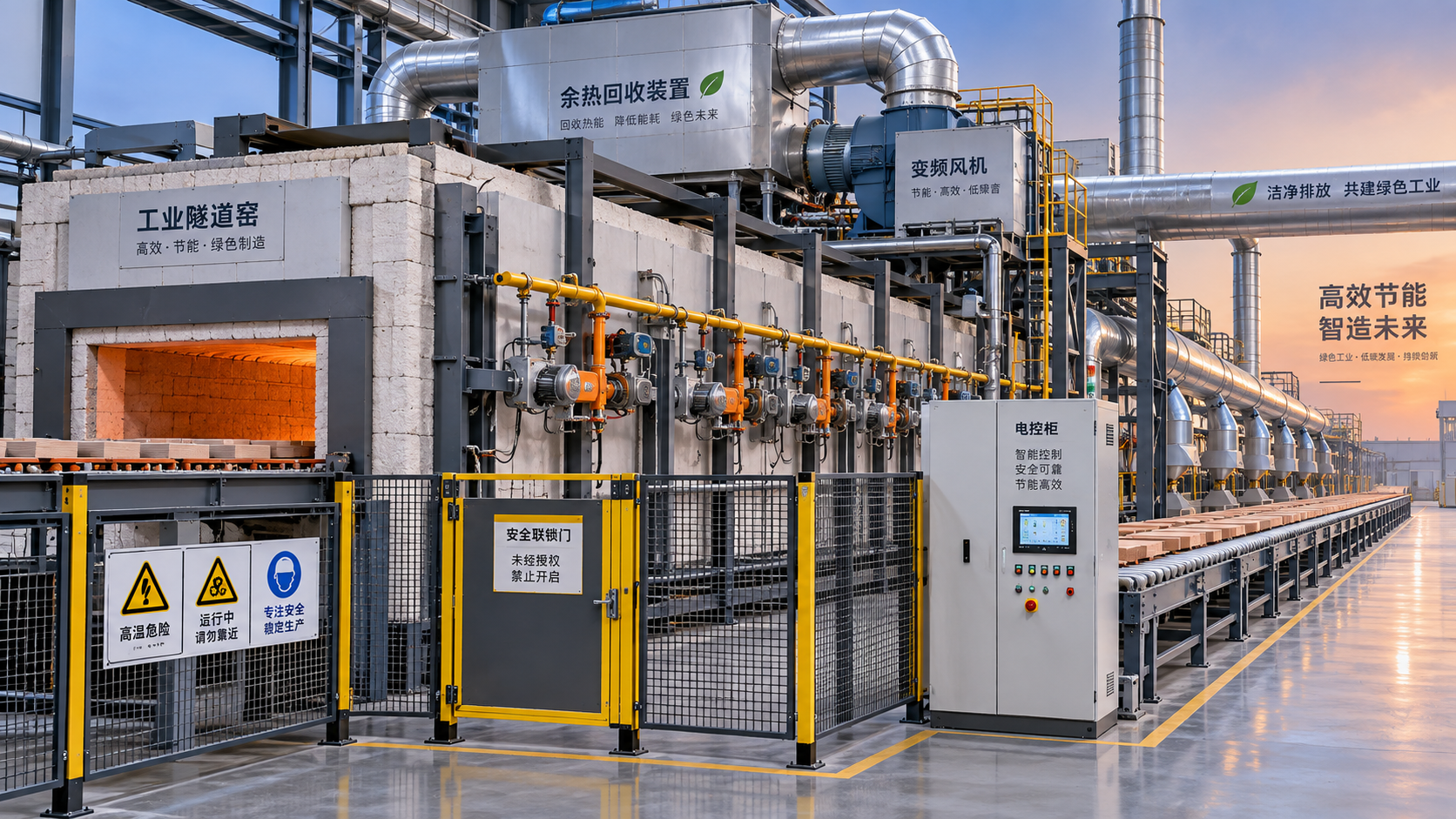
Typical low-disruption levers include combustion optimization, burner upgrades, variable frequency drives, improved insulation, tighter refractory management, leakage reduction, better heat recovery from exhaust streams, and advanced process controls. In many plants, these changes reduce energy waste before any major fuel switch or equipment replacement is considered.
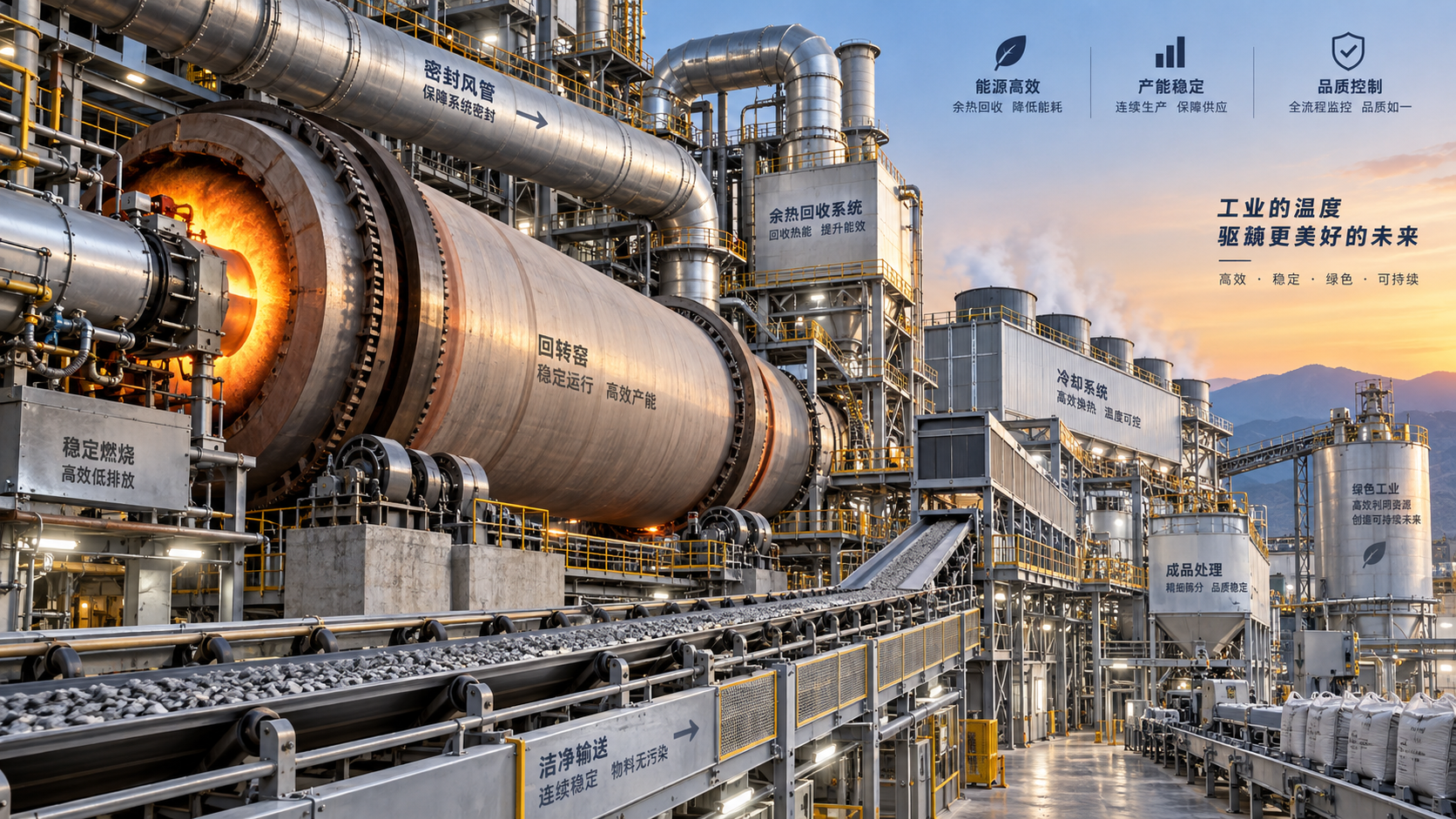
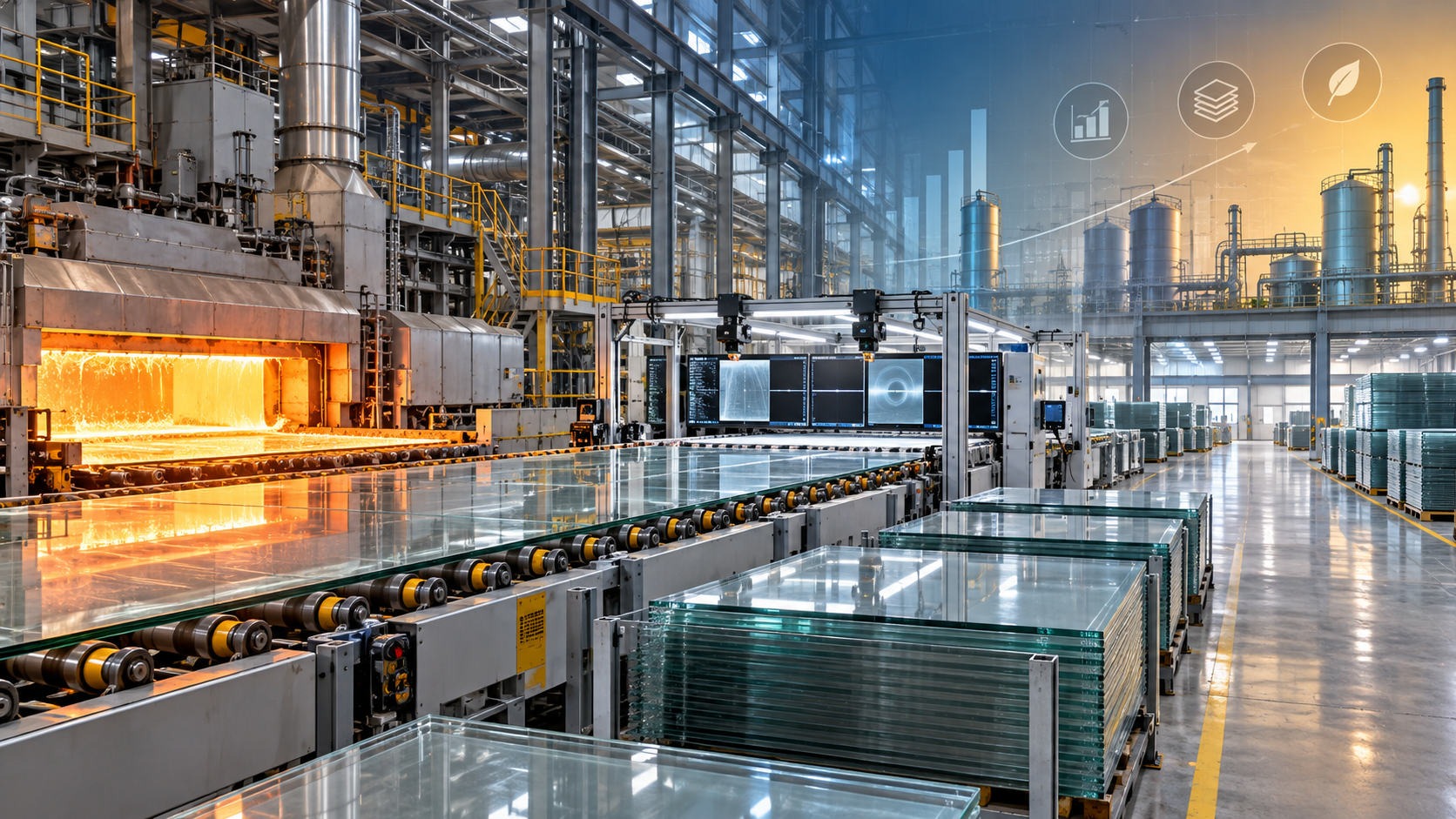
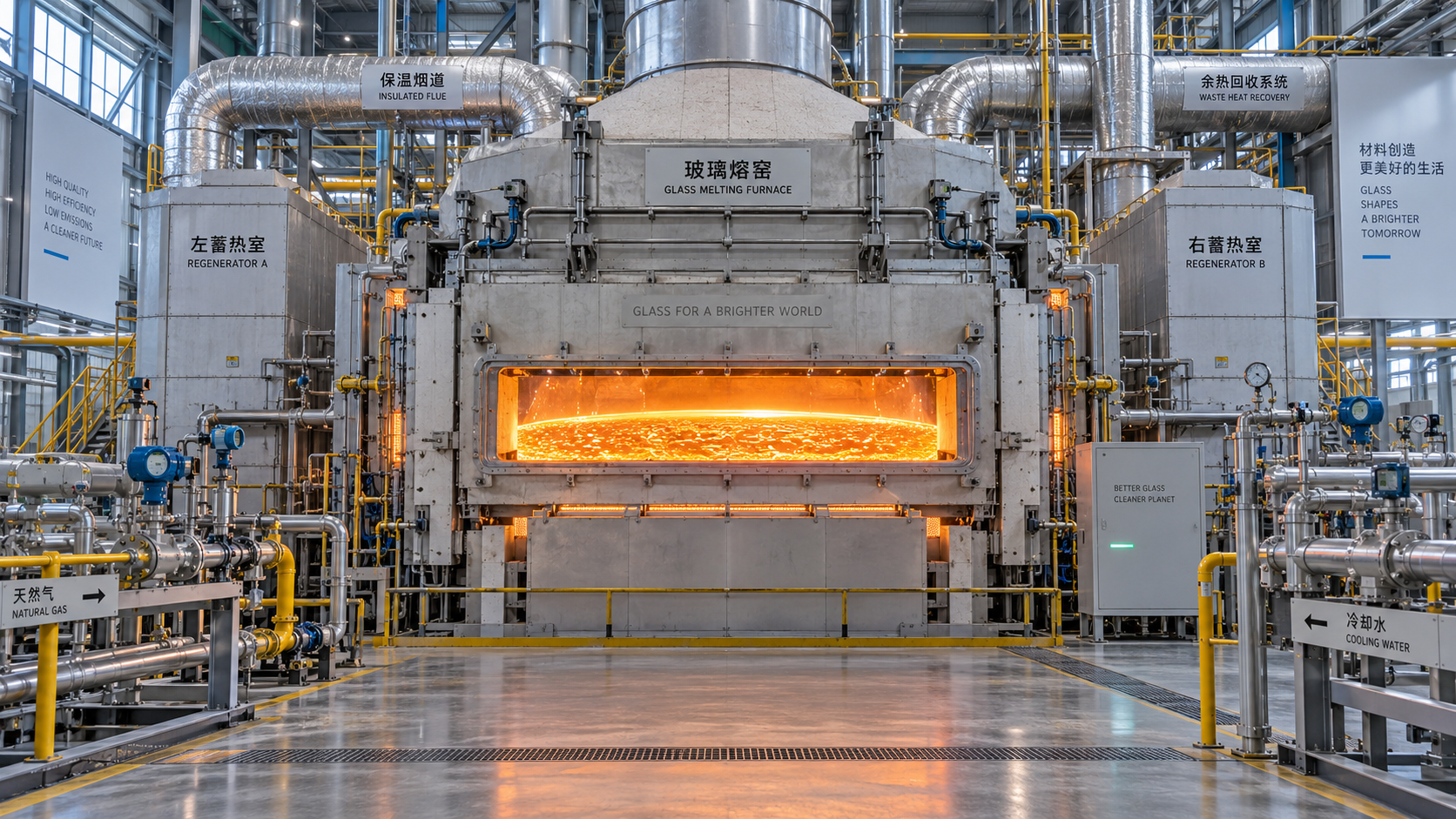
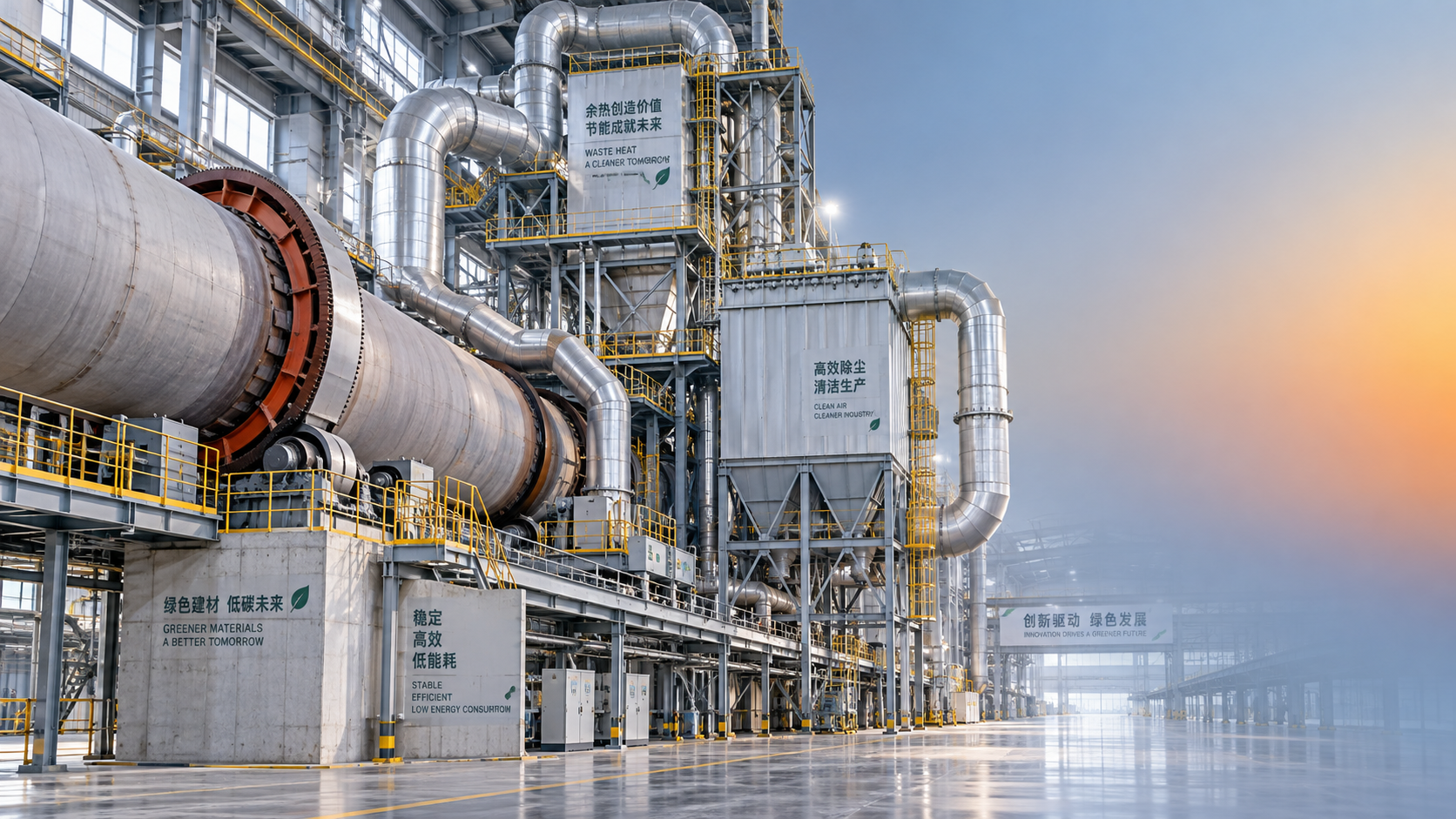
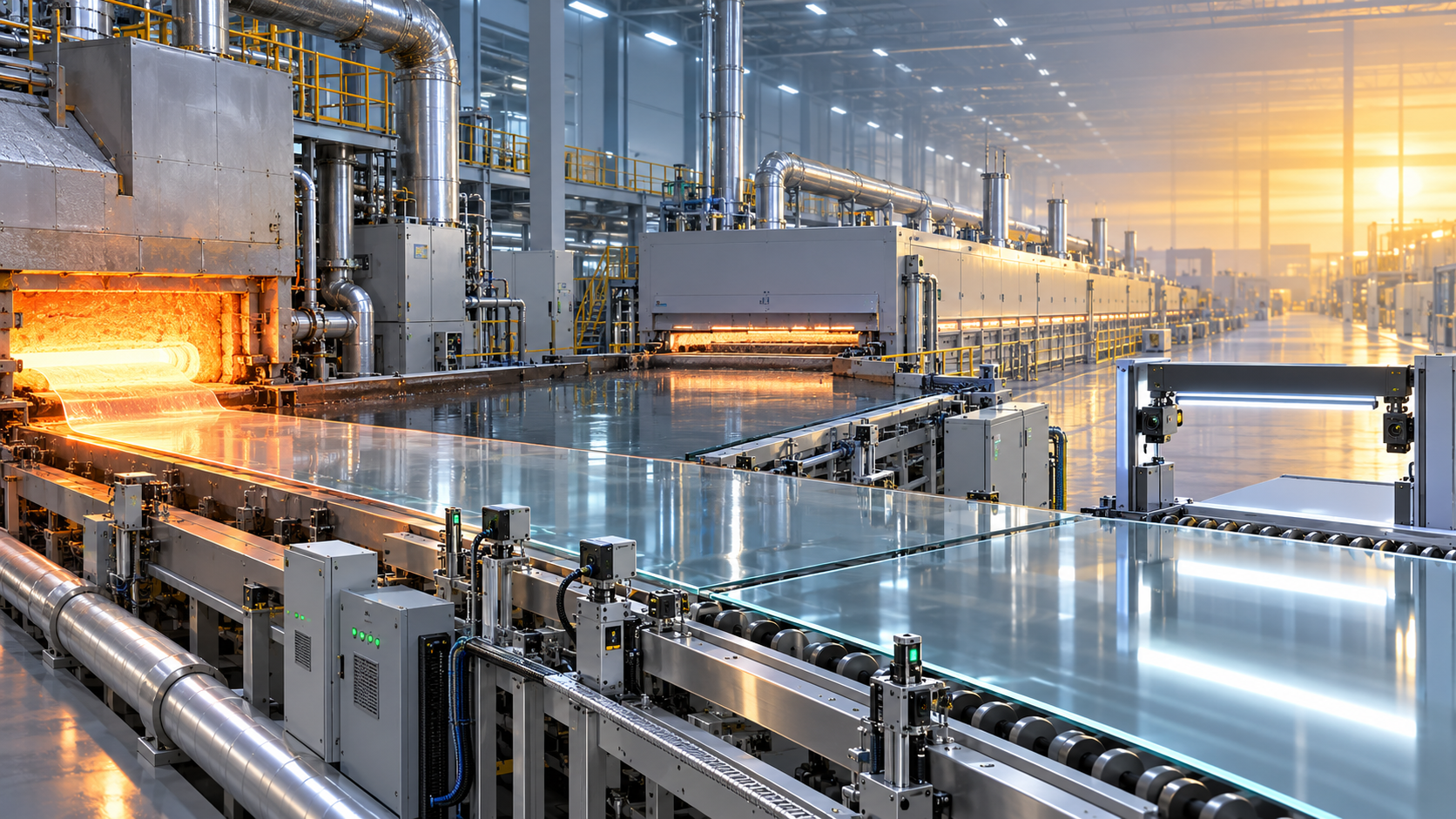
For cement production, this may mean optimizing kiln combustion, improving preheater efficiency, reducing false air, and stabilizing clinker quality through better thermal profiling. For glass lines, it often includes furnace heat balance tuning, improved regenerator performance, and smarter annealing control. For incineration systems, feed consistency, oxygen control, and secondary combustion optimization can significantly improve both destruction efficiency and fuel economy.
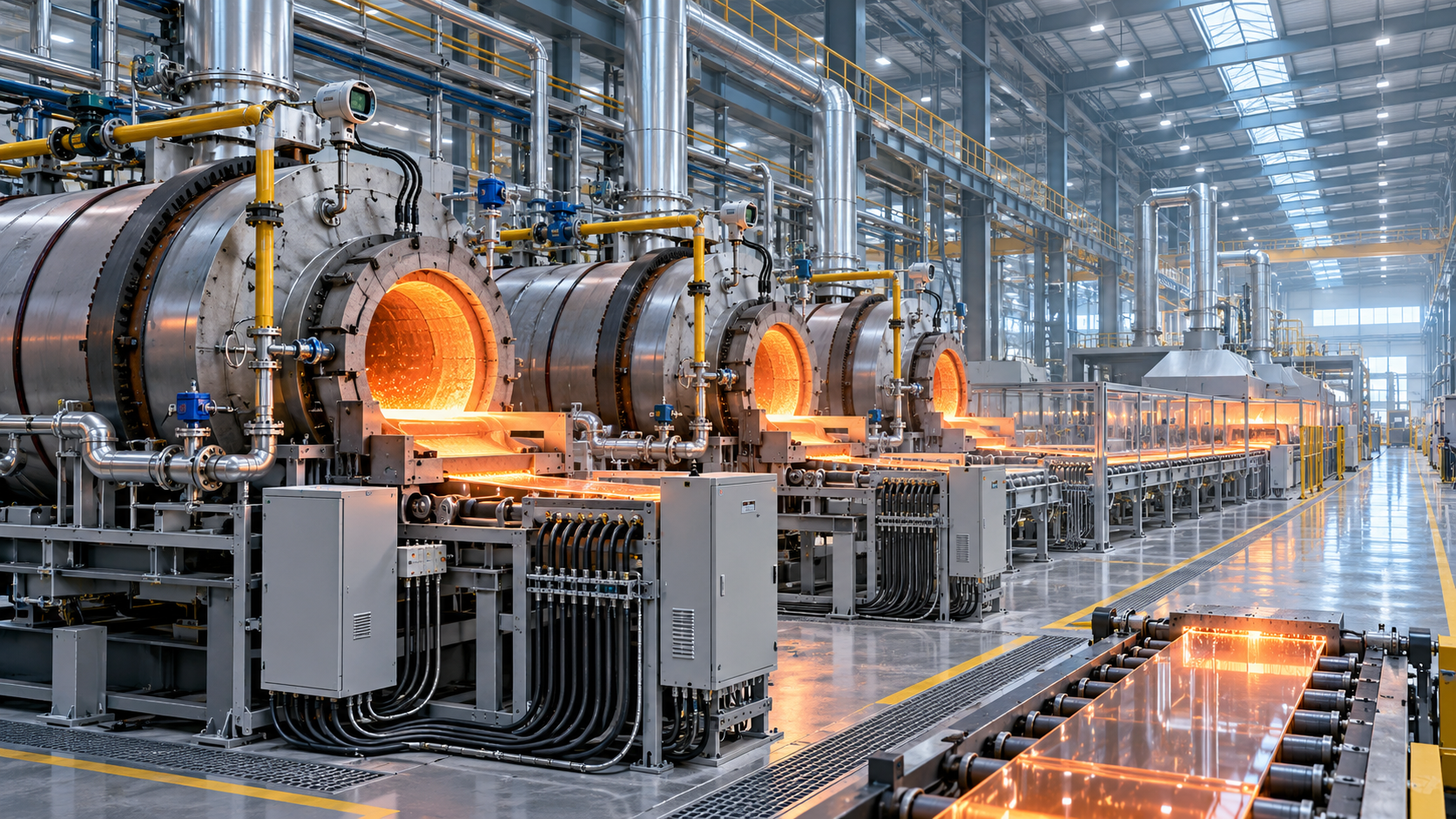
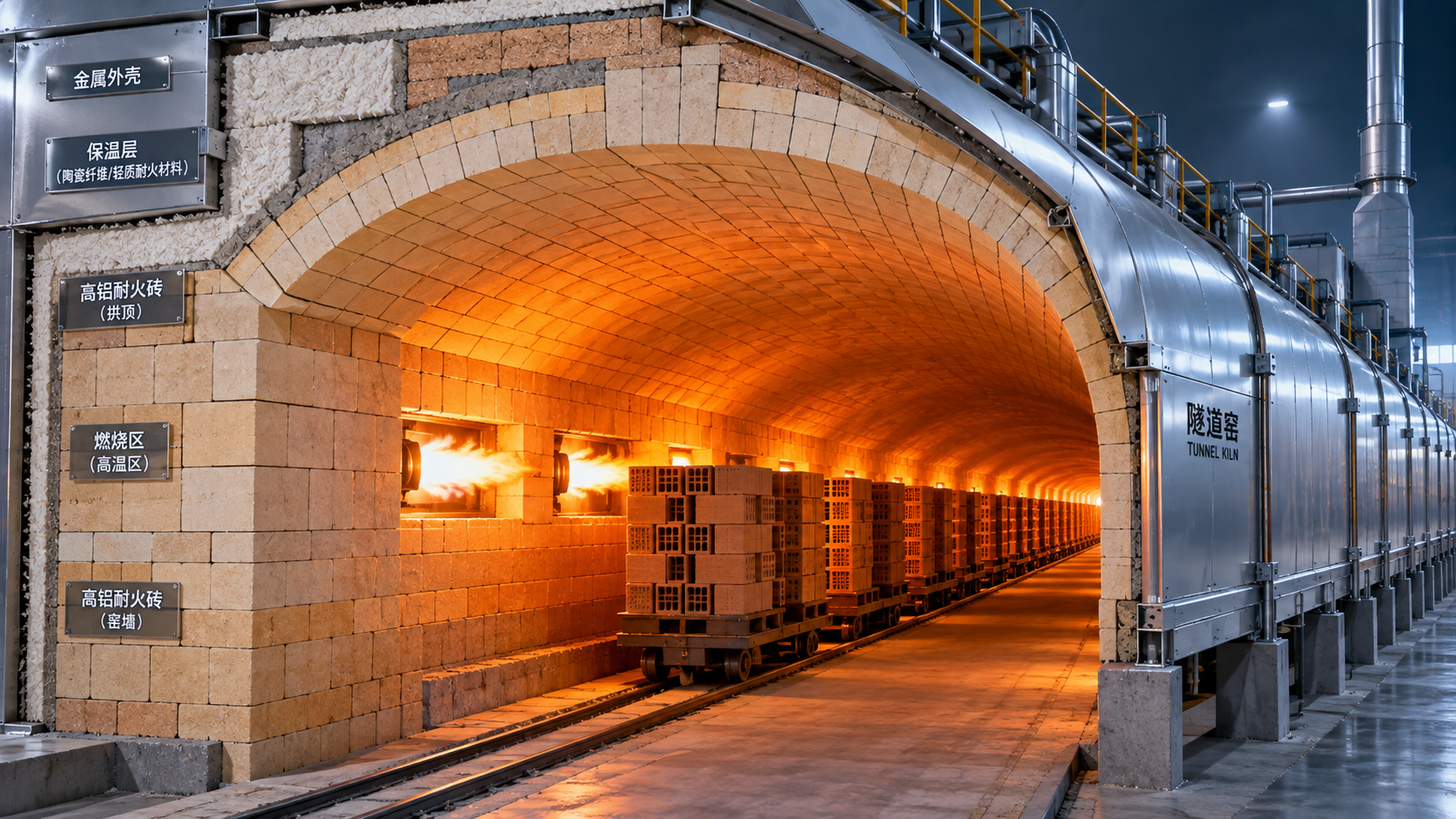
For refractory and extrusion operations, the gains may come from more durable linings, better zone temperature control, and lower heat loss during steady-state production. In each case, the decarbonization benefit is closely linked to process discipline. Less wasted heat means lower fuel intensity, fewer temperature swings, and often better product quality.
These are not always the most dramatic projects from a branding perspective, but they are often the most bankable. They also create the technical foundation for more ambitious carbon reduction programs later.
Use Digital Monitoring to Reduce Carbon Without Guesswork
One of the most undervalued industrial decarbonization solutions is better visibility into how heat, air, fuel, and materials behave in real production conditions. Many plants still operate with fragmented data, delayed reporting, or incomplete thermal diagnostics. That leads to reactive decisions, unstable setpoints, and hidden energy losses.
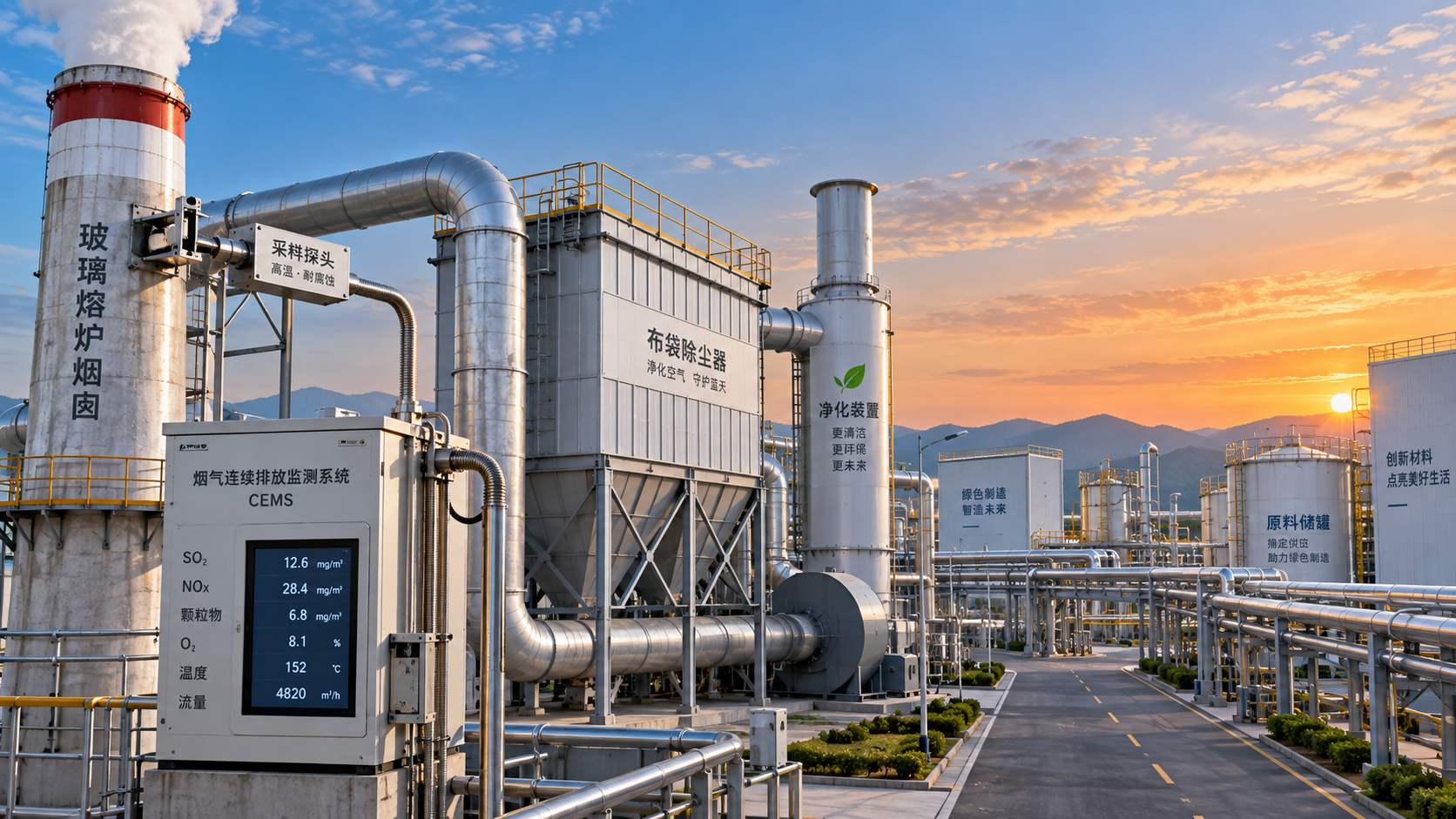
Digital monitoring changes the quality of decision-making. Online temperature mapping, combustion analytics, draft and pressure monitoring, refractory condition tracking, and energy dashboards help teams identify where carbon is actually being generated unnecessarily. Digital twin tools add even more value by allowing project teams to test process changes before implementing them on the live line.
For project managers, this matters because data reduces execution risk. If a plant can establish an accurate energy baseline, map bottlenecks, and understand process sensitivity, it becomes much easier to build a realistic business case. The conversation shifts from “we think this may help” to “we expect a defined reduction in fuel intensity, a stable quality window, and a measurable payback.”
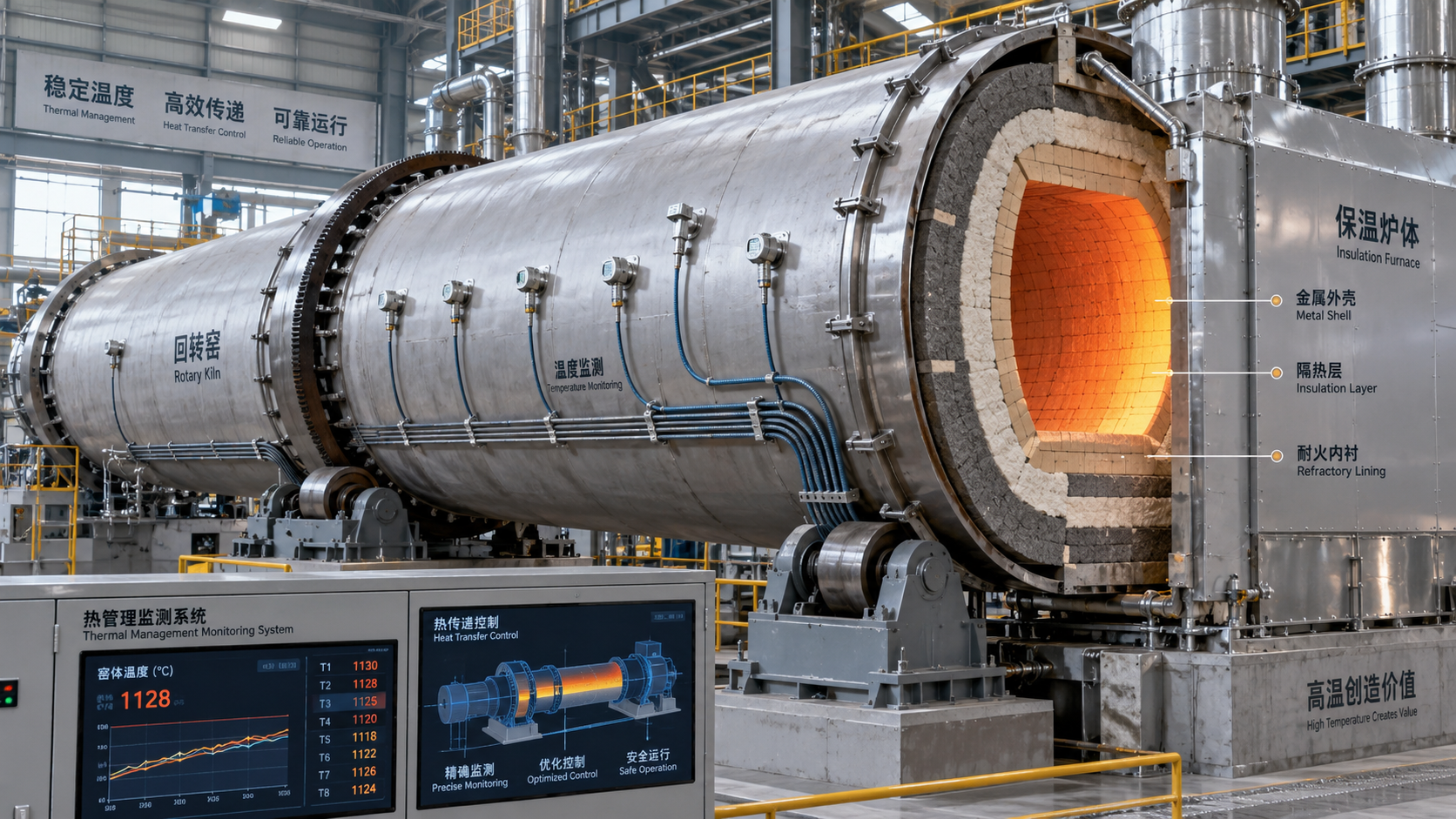
In glass manufacturing, digital furnace models can support pull-rate stability while reducing excess thermal input. In rotary kilns, integrated monitoring of shell temperature, flame conditions, draft balance, and material progression can reveal hidden efficiency losses that were previously accepted as normal. In refractory lines, real-time lining data can support maintenance planning that avoids catastrophic heat loss and shutdown risk.
The broader point is that digitalization is not separate from decarbonization. In many high-temperature environments, it is what makes decarbonization operationally credible.
Alternative Fuels and Circular Feedstocks: High Potential, Higher Discipline Required
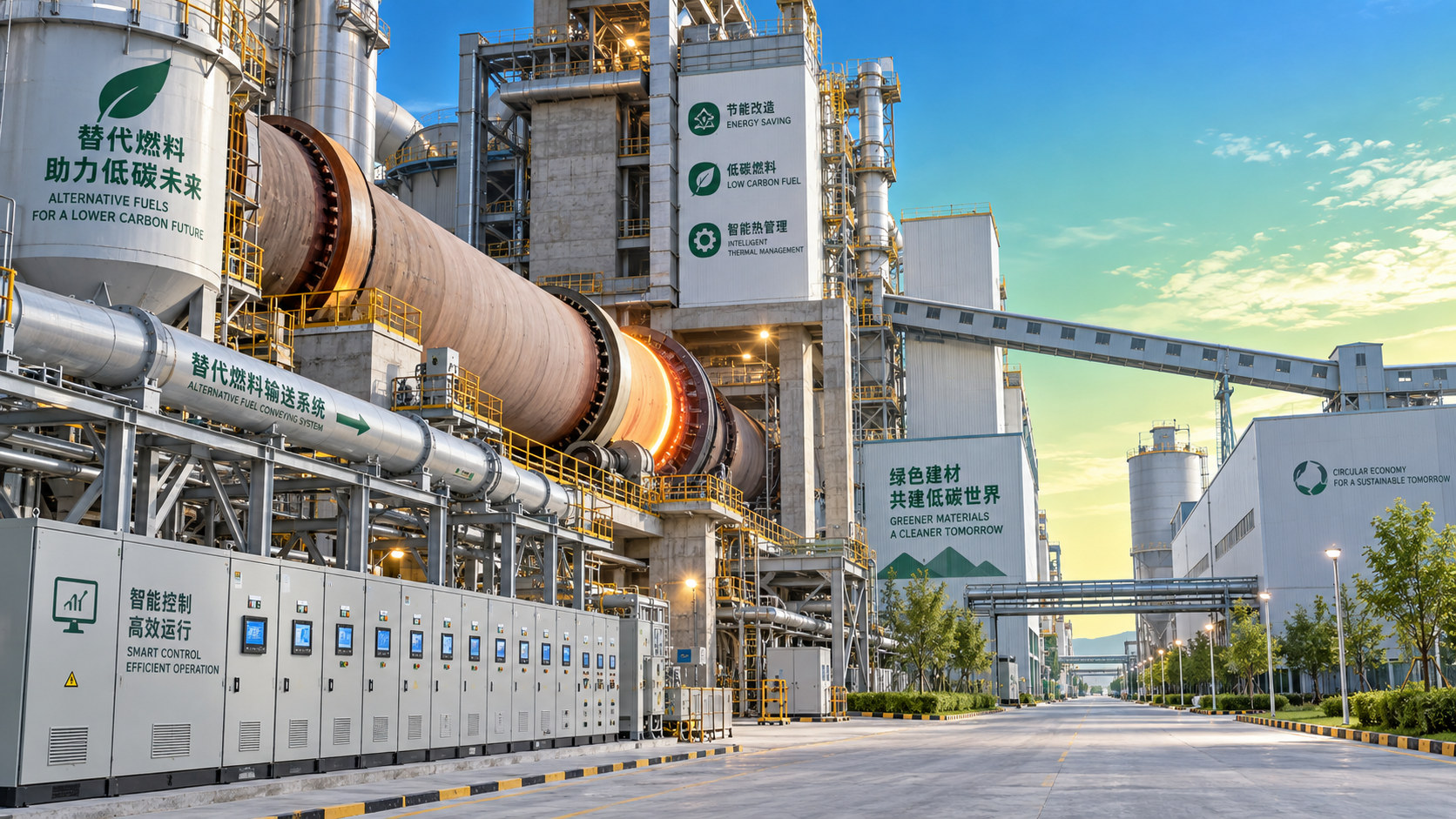
When project teams look beyond efficiency upgrades, alternative fuels and circular material substitution are often the next major pathway. These can deliver meaningful carbon reductions, especially in sectors such as cement and industrial kilns, where fossil fuel dependence remains high and co-processing potential is significant.
But these options do not automatically protect output. Fuel variability, ash behavior, chlorine and sulfur cycles, combustion instability, emissions control challenges, and impacts on final product quality all need careful assessment. A technically possible fuel switch is not the same as a production-safe fuel strategy.
For this reason, successful implementation depends on strong front-end engineering. Teams need to evaluate calorific value consistency, moisture content, feed system reliability, burner compatibility, residence time, flame shape, emissions behavior, and effects on downstream equipment. They also need realistic contingency plans for unstable supply or changing regulatory conditions.
In incineration and waste-to-energy settings, feed heterogeneity is a constant challenge, so decarbonization and operational reliability must be designed together. In cement kilns, co-processing can be highly effective, but only when material chemistry, kiln conditions, and environmental compliance are managed as one integrated system. For glass and specialty thermal processes, the tolerance for thermal variation may be much narrower, making selective rather than aggressive substitution the wiser path.
The lesson for project leaders is that alternative fuels are powerful but not simple. They should be pursued where the plant has the monitoring, control capability, and supply chain reliability to manage them well.
Electrification and Waste Heat Recovery: Strong Opportunities, Different Timelines
Two of the most discussed industrial decarbonization solutions today are electrification and waste heat recovery. Both can be valuable, but they serve different plant realities and investment horizons.
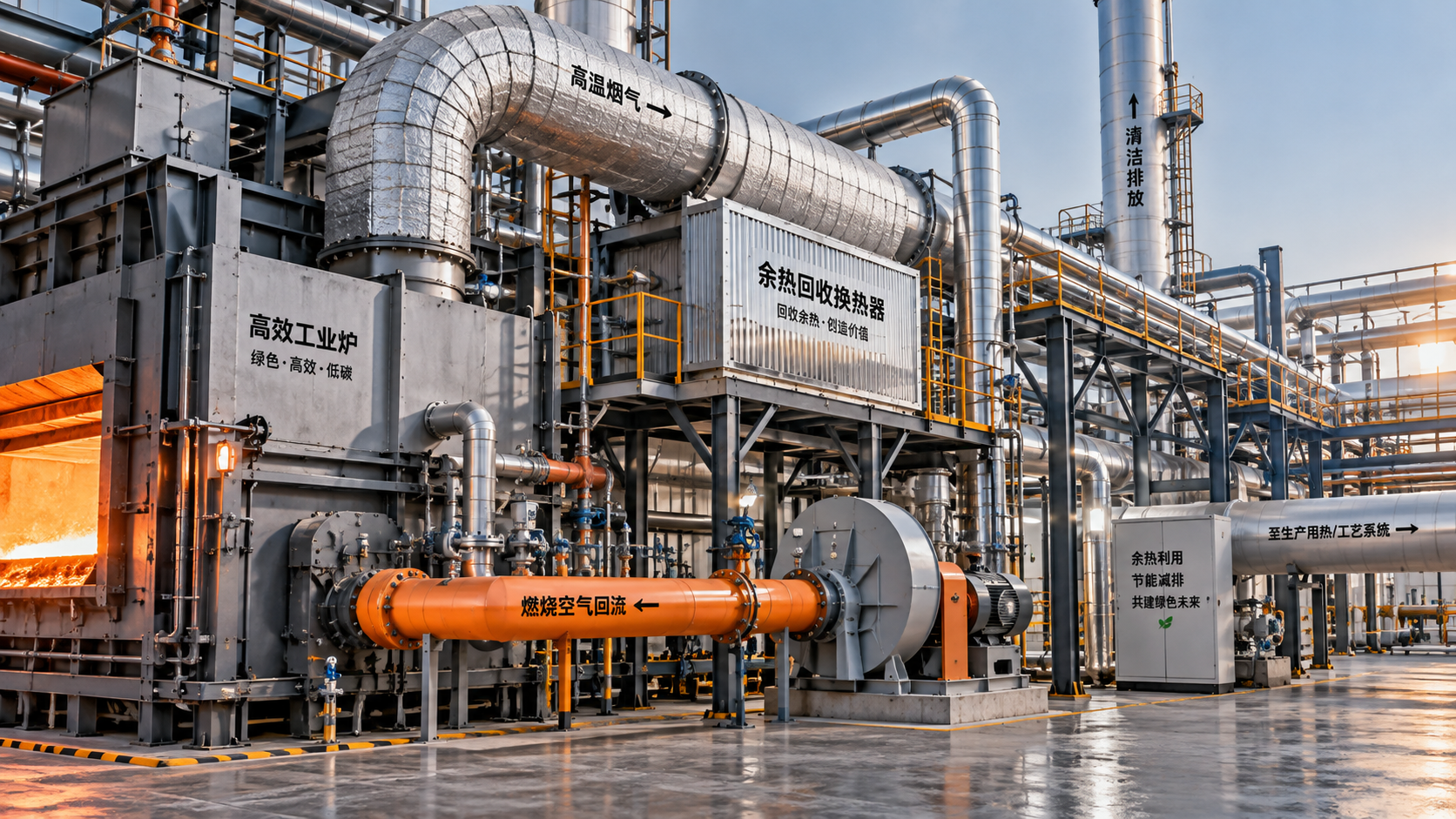
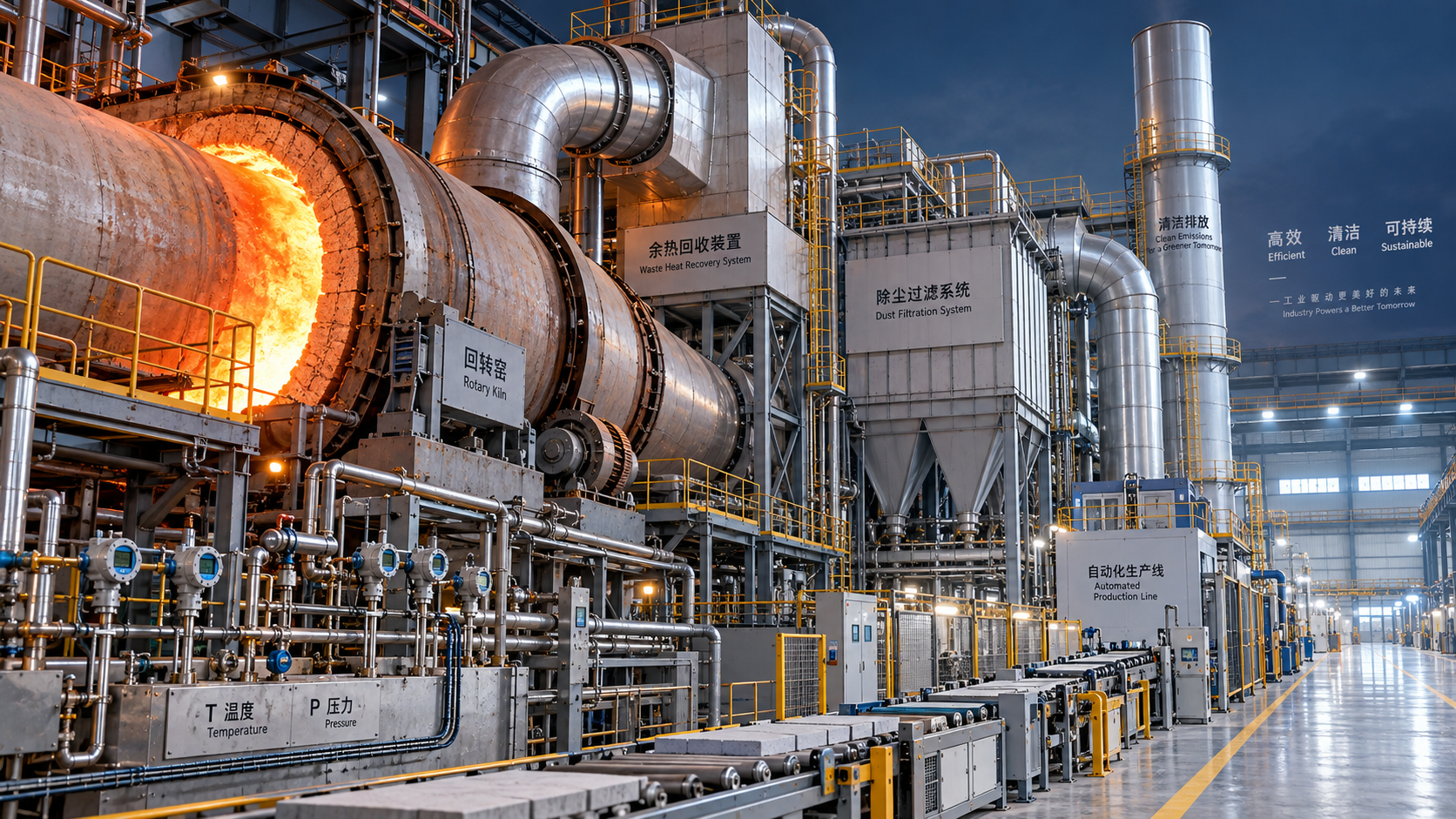
Waste heat recovery is often the more immediate option for facilities with large, stable thermal exhaust streams. When the plant operates continuously and exhaust conditions are suitable, recovering heat for power generation, preheating, drying, or process reuse can improve carbon performance without changing core production chemistry. This makes it attractive for output-sensitive operations.
However, waste heat projects depend heavily on local economics, utility prices, maintenance capability, and system integration quality. Poorly scoped projects can underperform if the thermal source fluctuates more than expected or if recovered energy cannot be used effectively across the site.
Electrification is more transformative but also more dependent on technology maturity and power availability. In some process segments, electric boosting, electric heating, or hybrid systems can reduce direct fossil combustion. Yet in very high-temperature continuous operations, full electrification may still face challenges related to grid capacity, electricity carbon intensity, retrofitting complexity, and total cost of ownership.
For project managers, the right question is not whether electrification is the future. It is whether electrification is the right move now for a specific process step, geography, and commercial context. In many plants, partial electrification combined with process optimization and waste heat utilization is the more practical route than a full conversion target.
How to Evaluate ROI Without Ignoring Throughput Risk
Many decarbonization proposals fail internal approval not because they lack environmental value, but because they are presented with incomplete operational logic. Project leaders need evaluation frameworks that speak to both sustainability and production performance.
A useful assessment model includes six dimensions: carbon reduction per ton, energy savings, throughput impact, quality impact, maintenance burden, and implementation risk. These should be compared across short-, medium-, and long-term scenarios rather than reviewed as a single static payback figure.
For example, a combustion optimization project may offer moderate carbon reduction but low risk and quick returns. A waste heat recovery installation may provide larger long-term savings but require more integration planning. An alternative fuel system may show strong carbon potential but introduce feedstock uncertainty and quality risk. A full electrification concept may align with future strategy yet remain commercially weak under current energy pricing.
By comparing options this way, project teams can build a staged roadmap. Phase one targets no-regret efficiency wins. Phase two introduces control, monitoring, and selective process retrofits. Phase three evaluates larger structural shifts once the plant has stronger operational resilience and better data confidence.
This staged approach is often what keeps decarbonization from stalling output. It recognizes that operational maturity and carbon ambition must advance together.
Sector-Specific Priorities for High-Temperature Industries
Although the overall logic is shared, the best industrial decarbonization solutions vary by sector. Project leaders should avoid copy-paste strategies and instead focus on where carbon and process risk are most tightly linked in their own operations.
In cement, priorities often include thermal efficiency, clinker factor reduction, co-processing capability, waste heat recovery, and digital kiln optimization. The strongest gains usually come from combining process control with fuel and material strategy rather than relying on one intervention alone.
In glass manufacturing, furnace efficiency, regenerator performance, cullet ratio, combustion control, and digital pull-rate optimization are critical. Because product quality requirements are strict, output-safe decarbonization depends on precise thermal management.
In industrial kilns and incineration, stable combustion, feed consistency, emissions control, and lining durability matter most. Carbon gains are often tied directly to reduced fuel overuse, fewer shutdowns, and better secondary heat utilization.
In refractory production, lining life, firing profile optimization, and kiln insulation are central. In extrusion-based new building materials, the balance between mechanical performance, curing energy, and line speed can define the carbon equation. Across all of these sectors, the most successful projects integrate thermal science, equipment reliability, and compliance strategy rather than treating them separately.
What a Practical Decarbonization Roadmap Looks Like
A credible roadmap begins with an honest baseline. Measure energy intensity, emissions per ton, thermal losses, downtime patterns, quality deviations, and current control limitations. Without this, project sequencing becomes guesswork.
Next, sort opportunities into three groups: immediate optimization, retrofit-ready upgrades, and strategic transformation projects. Immediate optimization should focus on low-disruption efficiency gains. Retrofit-ready projects can include monitoring systems, waste heat use, refractory improvements, and targeted equipment modernization. Strategic transformation may involve alternative fuels, deeper electrification, or larger process redesign.
Then define clear decision gates. Each project should have technical assumptions, expected carbon impact, production constraints, commissioning requirements, and fallback plans. This is especially important in continuous-process industries where one failed implementation can damage trust in the whole decarbonization agenda.
Finally, build the roadmap around plant reality, not corporate slogans. A site with aging equipment and poor data visibility should not start with the most complex carbon technology. A plant with strong controls, stable maintenance, and strategic market pressure may be ready for larger moves sooner.
CF-Elite’s perspective across cement plants, glass manufacturing gear, industrial kilns, incineration systems, refractory lines, and advanced extrusion equipment supports exactly this kind of decision-making. In high-temperature industries, the smartest path is rarely the loudest one. It is the one that aligns thermal performance, chemical process logic, equipment constraints, and carbon strategy into one executable plan.
Conclusion: Decarbonize in the Order That Protects Production
The most effective industrial decarbonization solutions are the ones that reduce emissions while strengthening how a plant runs. For project managers and engineering leaders, that means starting with energy efficiency, thermal stability, process visibility, and low-disruption upgrades before moving into higher-complexity transitions.
Alternative fuels, waste heat recovery, digital monitoring, electrification, and process modernization all have a place. But they do not carry equal risk, equal readiness, or equal value for every site. The best results come from matching each solution to operational maturity, sector constraints, and commercial priorities.
If the goal is to cut carbon without stalling output, the right strategy is not to pursue every option at once. It is to build a staged roadmap where each step improves control, reduces waste, and creates the conditions for the next level of decarbonization. That is how heavy industry moves from carbon pressure to competitive advantage.
Related News
 Ms. Elena RodriguezSilicate Processing Equipment Prices: How Capacity and Process Affect CostCompare silicate processing equipment price factors, from capacity and process routes to installation and operating costs. Discover how to assess quotes and choose the best-value line.Oct 16, 2026
 Thermal Energy ArchitectIndustrial Furnace Optimization: Heat Recovery Retrofit Costs and PaybackExplore industrial process optimization furnace strategies to assess heat recovery retrofit costs, calculate realistic payback and cut energy bills while protecting production.Oct 15, 2026
 Dr. Alistair VaughnIndustrial Waste Recycling: Selecting Conversion Systems by Feedstock and OutputCompare industrial waste conversion systems recycling teams can match to feedstock and output. Explore recovery routes, quality criteria, and costs to choose with confidence.Oct 14, 2026
 Ms. Elena RodriguezHigh-Pressure Molding Innovations: How Automation and Tooling Affect PriceExplore the high-pressure molding innovations price equation: compare automation, tooling, and ownership costs to find upgrades that cut waste and deliver measurable value.Oct 13, 2026
 Ms. Elena RodriguezIndustrial Process Optimization: Where to Target Energy, Yield, and Throughput LossesIndustrial process optimization: identify energy, yield, and throughput losses to improve plant stability, reduce costs, and unlock measurable performance gains.Oct 12, 2026
 Ms. Elena RodriguezGlass Market Intelligence: How to Assess Demand, Capacity, and Regional Growth RisksGlass market intelligence for evaluating demand, effective capacity, energy exposure, trade dynamics, and regional growth risks before investing in glass manufacturing.Oct 11, 2026
 Dr. Alistair VaughnWhat Thermal Management Data Should a Supplier Provide?What thermal management data should a supplier provide? Explore the essential test data, energy metrics, lifecycle evidence, and monitoring insights needed to reduce risk and improve performance.Oct 16, 2026
 Ms. Elena RodriguezHow Should Industrial Energy Efficiency Vendors Be Compared?How do I compare industrial energy efficiency vendors? Discover a practical framework for evaluating process fit, verified savings, reliability, emissions, and lifecycle support.Oct 15, 2026
 Silicate Process EngineerWhat Is a Realistic Energy Efficiency Target for a Cement Plant?What energy efficiency target is realistic for a cement plant? Explore practical thermal and electrical benchmarks, savings opportunities, and phased strategies to reduce costs, improve reliability, and build a credible decarbonization roadmap.Oct 14, 2026
 Ms. Elena RodriguezAre Green Building Materials More Expensive to Manufacture?Are green building materials more expensive to manufacture? Explore cost drivers, savings opportunities, and how sustainable production can strengthen long-term competitiveness.Oct 13, 2026
 Structural Material AnalystWhich Sustainable Construction Materials Are Suitable for Extrusion?Which sustainable construction materials are suitable for extrusion? Explore recycled clay, cementitious mixes, geopolymers, and bio-composites for reliable, lower-impact building products.Oct 12, 2026
 Optical Glass Tech FellowWhat Should a Glass Furnace Energy Specification Include?What should be included in a glass furnace energy specification? Explore performance, fuel flexibility, heat recovery, emissions, and monitoring essentials.Oct 11, 2026
 Dr. Alistair VaughnHow Process Technology Platforms Improve Control Across Multi-Line ManufacturingDiscover how a process technology platform strengthens cross-line control, connects operational data, and improves energy, quality, and maintenance decisions.Oct 10, 2026
 Optical Glass Tech FellowHow Glass Furnace Emissions Are Measured and Controlled for Regulatory ComplianceGlass furnace emissions: learn how to measure, monitor, and control NOx, SOx, particulate, CO, and CO2 for reliable regulatory compliance.Oct 08, 2026
 Prof. Marcus ChenIndustrial Decarbonization Strategies in Europe: A Roadmap for Energy-Intensive PlantsIndustrial decarbonization strategies Europe: explore practical pathways for energy-intensive plants to cut emissions, improve efficiency, and protect performance.Oct 07, 2026
 Thermal Energy ArchitectEnergy-Efficient Silicate Production Lines: What to Compare Before SelectionSilicate production lines energy efficient selection guide: compare thermal performance, stability, emissions, controls, and lifecycle value before investing.Oct 06, 2026
 Optical Glass Tech FellowHow to Evaluate Automated Float Glass Lines for Capacity, Quality, and Energy UseEvaluate automated float glass lines for net capacity, consistent quality, energy efficiency, automation reliability, and lifecycle value. Explore key criteria for smarter investment decisions.Oct 05, 2026
 Thermal Energy ArchitectWhat Does CE Marking Require for an Energy-Efficient Industrial Kiln?Energy efficient kiln CE requirements explained: assess safety, technical files, energy performance, and EU compliance before purchase or commissioning.Oct 04, 2026
 Thermal Energy ArchitectRefractory Manufacturing Solutions for Brick Plants: How to Extend Kiln LifeRefractory manufacturing solutions for brick plant operations: discover proven strategies to extend kiln life, reduce heat loss, prevent lining failures, and plan cost-effective repairs.Oct 03, 2026
 Thermal Energy ArchitectHow to Specify Heavy Industrial Process Systems for High-Temperature PlantsHeavy industrial processes systems: learn how to specify high-temperature plants for efficiency, emissions control, maintainability, and lifecycle performance.Oct 02, 2026
Related News
- 00
0000-00
What Is a Realistic Energy Efficiency Target for a Cement Plant? - 00
0000-00
How Latin American Cement Plants Can Reduce Dust Emissions in Kilns and Transfer Points - 00
0000-00
Cement Plant Emission Control: Selecting Systems for Dust, NOx, and SO2 Limits - 00
0000-00
Cement Production System Costs: A Plant Buyer’s Guide to Budgeting and ROI - 00
0000-00
How Kiln Heat Recovery Systems Cut Fuel Use in Cement and Lime Production
Weekly Insights
Stay ahead with our curated technology reports delivered every Monday.