
Thermal Barrier Coatings in High-Heat Equipment: Performance Factors and Selection Criteria




In high-heat equipment, thermal barrier coatings often decide whether a line runs steadily or enters a cycle of heat loss, surface damage, and unexpected stoppages.
That matters across cement plants, glass furnaces, incineration systems, refractory production, and extrusion lines, where temperature is not a background condition but the core operating force.
For evaluation work, the issue is rarely the coating alone. It is the match between coating design, substrate behavior, heat profile, chemical attack, maintenance strategy, and energy goals.
Viewed through the CF-Elite lens of thermal management and process intelligence, thermal barrier coatings are not a simple materials upgrade. They are a decision point linking durability, fuel efficiency, emissions pressure, and asset life.
What thermal barrier coatings actually do in high-heat systems
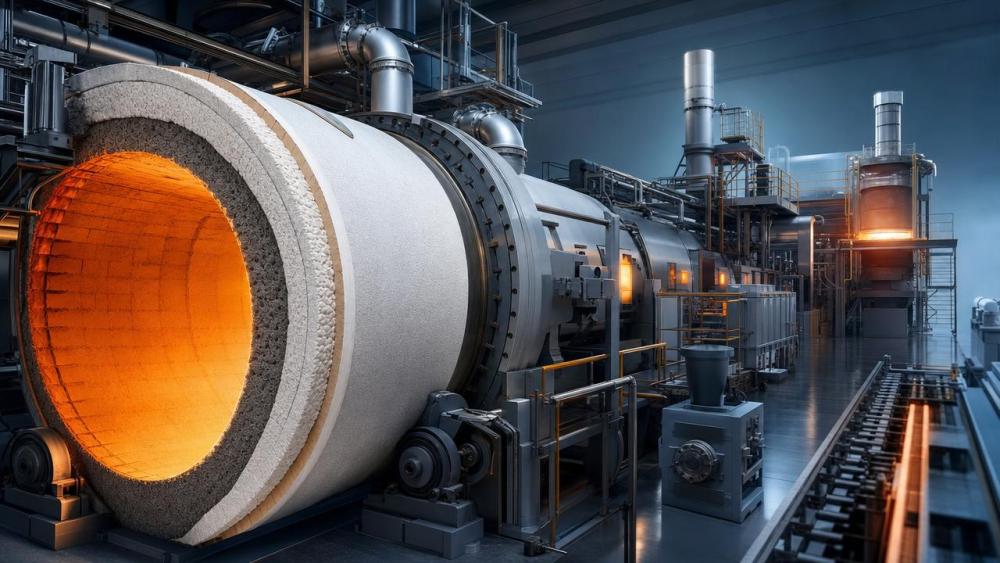
The basic purpose is straightforward: reduce heat transfer and protect the underlying surface from extreme thermal exposure.
In practice, thermal barrier coatings also help manage thermal gradients, slow oxidation, and limit mechanical stress created by repeated heating and cooling.
Most systems are not a single layer. They often include a prepared substrate, a bond coat, and a ceramic top coat designed for low thermal conductivity.
This layered structure matters because failure usually begins at an interface. Adhesion loss, thermal mismatch, or corrosive penetration can break performance long before visible spalling appears.
That is why thermal barrier coatings should be assessed as engineered systems, not just as a surface material with a high temperature rating.
Why the topic is drawing more attention now
Industrial heat users face tighter energy budgets, stricter emissions targets, and less tolerance for downtime.
At the same time, many plants are processing more variable feedstocks. Waste-derived fuels, recycled raw materials, and changing production recipes can alter flame chemistry and corrosion patterns.
This is especially visible in rotary kilns, glass manufacturing gear, and incineration lines, where thermal loads can shift quickly across zones.
Thermal barrier coatings therefore sit at the intersection of efficiency and reliability. A coating that lowers shell temperature but cannot survive alkali attack or rapid cycling is not a real improvement.
CF-Elite’s focus on linking physical parameters, chemical kinetics, and carbon reduction reflects this reality. Coating decisions increasingly need process data, not just catalog values.
Performance factors that separate durable systems from risky ones
Several factors shape whether thermal barrier coatings perform well in service or fail early under industrial conditions.
Thermal cycling resistance
Steady temperature is easier to manage than repeated startup, shutdown, and load swings.
Every cycle expands and contracts the coating and substrate. If their thermal expansion behavior differs too much, cracks and delamination become likely.
Substrate compatibility
The coating has to work with the base alloy, refractory-facing metal, or fabricated component underneath it.
Surface preparation, roughness profile, bond coat chemistry, and residual stress all influence long-term adhesion.
Chemical and particulate attack
High-heat equipment rarely faces temperature alone. It also sees sulfates, chlorides, alkalis, molten deposits, ash, and abrasive particles.
In kilns and incinerators, these agents can infiltrate pores, react with coating phases, and accelerate structural breakdown.
Thermal conductivity and thickness control
Lower thermal conductivity is desirable, but only within a controlled system.
Excessive thickness may raise stress, reduce adhesion margin, or distort local temperature balance at anchors, joints, and transitions.
Application quality
The best material can still underperform if deposition variables are poorly controlled.
Spray distance, feed consistency, curing conditions, and post-application inspection often determine whether designed performance is actually achieved.
Selection criteria by operating environment
A useful selection process starts with the real service profile, not the maximum listed temperature.
This comparison shows why thermal barrier coatings cannot be chosen with one universal rule. The heat source, atmosphere, geometry, and maintenance window all change the answer.
How to evaluate thermal barrier coatings in practical terms
A practical review usually works better when it combines process data, failure history, and installation constraints.
- Map actual temperature zones, including transient peaks rather than nameplate conditions.
- Identify chemical exposure by fuel type, raw mix, dust carryover, and deposit composition.
- Check substrate metallurgy, weld areas, and previous repair records before specifying a system.
- Review inspection methods such as thickness checks, adhesion testing, and thermal imaging.
- Estimate value through fuel savings, maintenance interval extension, and shutdown risk reduction.
More importantly, compare candidate systems against a service envelope. A coating that performs well in gas turbines may not fit a dust-heavy silicate line.
That is where intelligence platforms like CF-Elite add context. Cross-sector signals from kilns, float lines, and refractory monitoring can reveal whether a promising solution is truly transferable.
Common mistakes that distort coating selection
Several recurring errors lead to poor thermal barrier coatings decisions even when the material itself is reputable.
- Using peak temperature as the only criterion while ignoring cycling severity and dwell time.
- Assuming lower shell temperature automatically means longer equipment life.
- Overlooking the effect of corrosive deposits, especially in waste co-processing or mixed-fuel service.
- Treating application quality as secondary to material specification.
- Failing to connect coating selection with refractory design, burner settings, or airflow control.
These mistakes usually appear when coating review is separated from broader process evaluation. High-heat assets behave as systems, and thermal barrier coatings should be judged the same way.
What a stronger decision framework looks like
A stronger framework ties technical screening to operating economics and long-term plant direction.
Start with the target outcome. That may be lower energy use, reduced skin temperature, slower corrosion, or fewer shutdown interventions.
Then define the non-negotiables: thermal cycling range, atmosphere chemistry, substrate condition, allowable downtime, and inspection access.
From there, compare thermal barrier coatings on service-life evidence, not just lab properties. Field references from similar kiln, furnace, or extrusion conditions are highly valuable.
Where possible, link coating performance with digital monitoring. Temperature trending, infrared surveys, and lining condition data can confirm whether the coating is delivering the expected thermal response.
This approach fits the wider direction of decarbonization and intelligent asset management. Better coating selection can support lower fuel demand and more predictable maintenance without relying on broad assumptions.
A practical next step for evaluation
The most useful next step is to build a short comparison sheet for each high-heat asset zone rather than for the plant as a whole.
List process temperature behavior, cycling frequency, substrate material, contaminant profile, current failure mode, and maintenance interval.
Once that picture is clear, thermal barrier coatings can be screened against real operating demands instead of general expectations.
For organizations tracking kiln efficiency, glass line stability, refractory life, or incineration reliability, this more disciplined view often reveals where coating upgrades are justified and where other thermal controls matter more.
A well-chosen system does not just resist heat. It supports a more stable process, a cleaner energy balance, and a better basis for long-cycle equipment decisions.
Related News
![]() Ms. Elena RodriguezTechnical Comparison of Material Processing Methods: Key Factors for Process SelectionTechnical comparison for material processing made practical: learn how to evaluate energy, quality, maintenance, emissions, and feed variability to choose the right process with confidence.Jul 29, 2026
Ms. Elena RodriguezTechnical Comparison of Material Processing Methods: Key Factors for Process SelectionTechnical comparison for material processing made practical: learn how to evaluate energy, quality, maintenance, emissions, and feed variability to choose the right process with confidence.Jul 29, 2026![]() Silicate Process EngineerHow Cement Grinding Technology Affects Energy Use, Fineness, and Plant OutputCement grinding technology shapes energy use, fineness, and plant output. Learn how to compare mills, separators, drying, and control systems for smarter upgrades.Jul 28, 2026
Silicate Process EngineerHow Cement Grinding Technology Affects Energy Use, Fineness, and Plant OutputCement grinding technology shapes energy use, fineness, and plant output. Learn how to compare mills, separators, drying, and control systems for smarter upgrades.Jul 28, 2026![]() Ms. Elena RodriguezHeavy Equipment Trade Cost Trends: What Buyers Should Track in 2025Heavy equipment trade cost trends in 2025 reveal how freight, energy, lead times, and compliance reshape total equipment costs. Learn what buyers must track to reduce risk and protect budgets.Jul 27, 2026
Ms. Elena RodriguezHeavy Equipment Trade Cost Trends: What Buyers Should Track in 2025Heavy equipment trade cost trends in 2025 reveal how freight, energy, lead times, and compliance reshape total equipment costs. Learn what buyers must track to reduce risk and protect budgets.Jul 27, 2026![]() Material Heat-Resist ExpertSilicate Production Line Process Explained: Key Stages, Equipment, and Quality ControlSilicate production line process explained with key stages, core equipment, quality control, and energy checks—helping buyers and engineers assess stability, efficiency, and supplier capability.Jul 26, 2026
Material Heat-Resist ExpertSilicate Production Line Process Explained: Key Stages, Equipment, and Quality ControlSilicate production line process explained with key stages, core equipment, quality control, and energy checks—helping buyers and engineers assess stability, efficiency, and supplier capability.Jul 26, 2026 Optical Glass Tech FellowRefractory Material Science for Glass Furnaces: Key Properties That Drive Furnace LifeRefractory material science for glass furnaces explains how corrosion resistance, thermal shock, creep, and microstructure shape furnace life, glass quality, and campaign reliability.Jul 25, 2026
![]() Silicate Process EngineerCement Plant Equipment Price Guide: What Drives Cost and How to Budget WiselyCement plant equipment price explained: discover what drives costs, compare quotes wisely, spot hidden expenses, and build a smarter budget for long-term plant value.Jul 24, 2026
Silicate Process EngineerCement Plant Equipment Price Guide: What Drives Cost and How to Budget WiselyCement plant equipment price explained: discover what drives costs, compare quotes wisely, spot hidden expenses, and build a smarter budget for long-term plant value.Jul 24, 2026![]() Dr. Alistair VaughnHow Digital Twin Simulations Improve Process Plant Design, Safety, and UptimeDigital twin simulations for process plants help teams improve plant design, reduce safety risks, and protect uptime by validating thermal, control, and retrofit decisions before costly failures occur.Jul 23, 2026
Dr. Alistair VaughnHow Digital Twin Simulations Improve Process Plant Design, Safety, and UptimeDigital twin simulations for process plants help teams improve plant design, reduce safety risks, and protect uptime by validating thermal, control, and retrofit decisions before costly failures occur.Jul 23, 2026![]() Thermal Energy ArchitectRotary Kilns Price Guide: What Determines Cost and How to Compare Quotes?Rotary kilns price varies by capacity, fuel, refractory, automation, and emissions scope. Learn what drives cost, what cheap quotes may miss, and how to compare suppliers wisely.Jul 22, 2026
Thermal Energy ArchitectRotary Kilns Price Guide: What Determines Cost and How to Compare Quotes?Rotary kilns price varies by capacity, fuel, refractory, automation, and emissions scope. Learn what drives cost, what cheap quotes may miss, and how to compare suppliers wisely.Jul 22, 2026 Ms. Elena RodriguezHow to Evaluate Green Building Material Equipment Suppliers in Europe?Green building material equipment Europe buyers: learn how to evaluate suppliers by technical fit, compliance, lifecycle cost, and after-sales support for smarter sourcing decisions.Jul 21, 2026
![]() Thermal Energy ArchitectHow to Evaluate an Energy Efficient Tunnel Kiln for Lower Fuel Costs and Stable OutputEnergy efficient tunnel kiln evaluation starts with fuel cost, but real value comes from thermal stability, heat recovery, and consistent output. Learn what truly lowers cost per qualified ton.Jul 20, 2026
Thermal Energy ArchitectHow to Evaluate an Energy Efficient Tunnel Kiln for Lower Fuel Costs and Stable OutputEnergy efficient tunnel kiln evaluation starts with fuel cost, but real value comes from thermal stability, heat recovery, and consistent output. Learn what truly lowers cost per qualified ton.Jul 20, 2026![]() Ms. Elena RodriguezSustainable Material Production Compliance: Key Standards, Risks, and Audit ChecksSustainable material production compliance explained: key standards, audit checks, and hidden plant risks across cement, glass, and thermal lines—learn how to spot gaps before audits fail.Jul 19, 2026
Ms. Elena RodriguezSustainable Material Production Compliance: Key Standards, Risks, and Audit ChecksSustainable material production compliance explained: key standards, audit checks, and hidden plant risks across cement, glass, and thermal lines—learn how to spot gaps before audits fail.Jul 19, 2026![]() Thermal Energy ArchitectProcess Monitoring for Incinerators: Key Parameters, Sensors, and Compliance ChecksProcess monitoring for incinerators covers key parameters, sensor selection, and compliance checks to improve combustion stability, emissions control, and plant performance.Jul 18, 2026
Thermal Energy ArchitectProcess Monitoring for Incinerators: Key Parameters, Sensors, and Compliance ChecksProcess monitoring for incinerators covers key parameters, sensor selection, and compliance checks to improve combustion stability, emissions control, and plant performance.Jul 18, 2026![]() Thermal Energy ArchitectWhat Is Industrial Co-Processing? Process, Acceptable Waste Types, and Kiln Use CasesIndustrial co-processing explained: learn the process, acceptable waste types, and kiln use cases in cement and thermal industries to improve efficiency, compliance, and resource recovery.Jul 17, 2026
Thermal Energy ArchitectWhat Is Industrial Co-Processing? Process, Acceptable Waste Types, and Kiln Use CasesIndustrial co-processing explained: learn the process, acceptable waste types, and kiln use cases in cement and thermal industries to improve efficiency, compliance, and resource recovery.Jul 17, 2026![]() Ms. Elena RodriguezGlass Industry Intelligence in Europe: Key Market Signals Buyers Should TrackGlass industry intelligence Europe reveals the key market signals buyers should track, from energy and carbon exposure to furnace upgrades and usable capacity for smarter sourcing decisions.Jul 16, 2026
Ms. Elena RodriguezGlass Industry Intelligence in Europe: Key Market Signals Buyers Should TrackGlass industry intelligence Europe reveals the key market signals buyers should track, from energy and carbon exposure to furnace upgrades and usable capacity for smarter sourcing decisions.Jul 16, 2026![]() Ms. Elena RodriguezIndustrial Market Intelligence in North America: What Buyers Should Track in Supply, Pricing, and DemandIndustrial market intelligence North America reveals what buyers must track in supply, pricing, demand, and compliance to reduce risk and time smarter industrial investments.Jul 15, 2026
Ms. Elena RodriguezIndustrial Market Intelligence in North America: What Buyers Should Track in Supply, Pricing, and DemandIndustrial market intelligence North America reveals what buyers must track in supply, pricing, demand, and compliance to reduce risk and time smarter industrial investments.Jul 15, 2026![]() Optical Glass Tech FellowCommon Problems in Glass Annealing Lehr Systems and How to Improve Temperature UniformityGlass annealing lehr systems often suffer from uneven cooling, stress, and defects. Learn common causes and practical fixes to improve temperature uniformity, quality, and line stability.Jul 15, 2026
Optical Glass Tech FellowCommon Problems in Glass Annealing Lehr Systems and How to Improve Temperature UniformityGlass annealing lehr systems often suffer from uneven cooling, stress, and defects. Learn common causes and practical fixes to improve temperature uniformity, quality, and line stability.Jul 15, 2026![]() Optical Glass Tech FellowOxy Fuel Glass Melting Furnace vs Air-Fuel Systems: Which Fits Your Glass Plant Better?Oxy fuel glass melting furnace or air-fuel system? Compare energy use, NOx, melt quality, oxygen cost, and ROI to choose the best-fit furnace for your glass plant.Jul 15, 2026
Optical Glass Tech FellowOxy Fuel Glass Melting Furnace vs Air-Fuel Systems: Which Fits Your Glass Plant Better?Oxy fuel glass melting furnace or air-fuel system? Compare energy use, NOx, melt quality, oxygen cost, and ROI to choose the best-fit furnace for your glass plant.Jul 15, 2026![]() Dr. Alistair VaughnSilicate Processing Equipment Production Line: Key Machines, Layout Options, and Output PlanningSilicate processing equipment production line guide covering key machines, layout models, output planning, and control strategies to help improve efficiency, stability, and project ROI.Jul 15, 2026
Dr. Alistair VaughnSilicate Processing Equipment Production Line: Key Machines, Layout Options, and Output PlanningSilicate processing equipment production line guide covering key machines, layout models, output planning, and control strategies to help improve efficiency, stability, and project ROI.Jul 15, 2026![]() Material Heat-Resist ExpertHow to Evaluate a Refractory Production Line in Southeast Asia: Capacity, Fuel, and Raw Material FactorsRefractory production Southeast Asia: learn how to assess capacity, fuel strategy, and raw material stability to reduce risk, improve efficiency, and build a scalable, compliant plant.Jul 15, 2026
Material Heat-Resist ExpertHow to Evaluate a Refractory Production Line in Southeast Asia: Capacity, Fuel, and Raw Material FactorsRefractory production Southeast Asia: learn how to assess capacity, fuel strategy, and raw material stability to reduce risk, improve efficiency, and build a scalable, compliant plant.Jul 15, 2026![]() Ms. Elena RodriguezIndustrial Solution Comparison for Procurement: How to Compare CAPEX, OPEX, and Delivery RiskIndustrial solution comparison procurement made practical: compare CAPEX, OPEX, and delivery risk with a lifecycle approach to reduce downtime, control cost, and choose suppliers with confidence.Jul 14, 2026
Ms. Elena RodriguezIndustrial Solution Comparison for Procurement: How to Compare CAPEX, OPEX, and Delivery RiskIndustrial solution comparison procurement made practical: compare CAPEX, OPEX, and delivery risk with a lifecycle approach to reduce downtime, control cost, and choose suppliers with confidence.Jul 14, 2026

Related News
- 00
0000-00
Refractory Material Science for Glass Furnaces: Key Properties That Drive Furnace Life - 00
0000-00
Common Problems in Glass Annealing Lehr Systems and How to Improve Temperature Uniformity - 00
0000-00
Oxy Fuel Glass Melting Furnace vs Air-Fuel Systems: Which Fits Your Glass Plant Better? - 00
0000-00
Glass Annealing Equipment Manufacturer Guide: Furnace Types, Temperature Control, and Use Cases - 00
0000-00
Glass Melting Innovations Energy Saving: Which Technologies Deliver Stable Output?
Weekly Insights
Stay ahead with our curated technology reports delivered every Monday.