
Glass Industry Advancements: 7 Technologies Reshaping Furnace Efficiency and Product Quality




Glass industry advancements have moved well beyond routine furnace upgrades. They now shape how producers manage fuel intensity, batch chemistry, emissions exposure, and downstream quality risk in one connected system.
That shift matters because furnace performance still determines the economics of float lines, container plants, PV glass output, and specialty products. When melting becomes more stable, quality losses, energy waste, and maintenance surprises usually fall together.
For sectors tracked by CF-Elite, this is not only a glass issue. It sits inside a wider thermal-management agenda linking refractory life, combustion control, carbon reduction, and data-led production strategy across high-temperature industries.
Why furnace technology now sits at the center of glass competitiveness
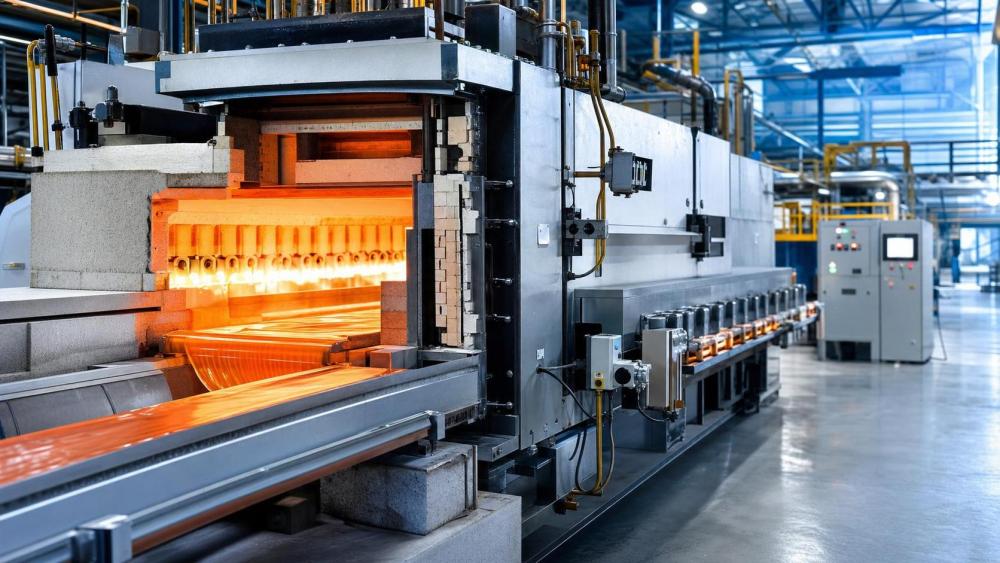
The current wave of glass industry advancements is driven by three pressures at once: volatile energy cost, tighter environmental rules, and rising quality expectations from advanced end markets.
A furnace is no longer judged only by tons per day. It is evaluated by specific energy consumption, thermal flexibility, cullet tolerance, NOx behavior, defect rates, and campaign life.
This is why investment discussions increasingly move from isolated equipment purchases to integrated system thinking. Combustion, refractories, controls, and forming quality now influence each other more directly than before.
In practical terms, the best results often come from technologies that reduce variation, not only peak consumption. Stable heat transfer and predictable residence time usually improve both cost control and product consistency.
Seven technologies changing furnace efficiency and product quality
Not every plant will adopt the same roadmap. Still, seven technologies are emerging as the strongest markers of glass industry advancements across modern melting operations.
1. Oxy-fuel and hybrid combustion systems
Oxy-fuel systems improve flame temperature control and reduce nitrogen entering the furnace. That can support higher thermal efficiency and lower flue-gas volumes.
Hybrid configurations are also gaining attention. They allow producers to balance fuel availability, oxygen cost, emissions requirements, and retrofit feasibility without redesigning the entire line at once.
2. Electric boosting and greater electrification
Electric boosting helps stabilize melting zones and adds controllable heat directly into the glass bath. It is especially valuable where precise temperature management affects optical, chemical, or thickness performance.
From a strategy view, electrification also supports decarbonization pathways. Its value depends on power quality, local tariffs, and the carbon intensity of the grid.
3. Advanced refractory materials and lining monitoring
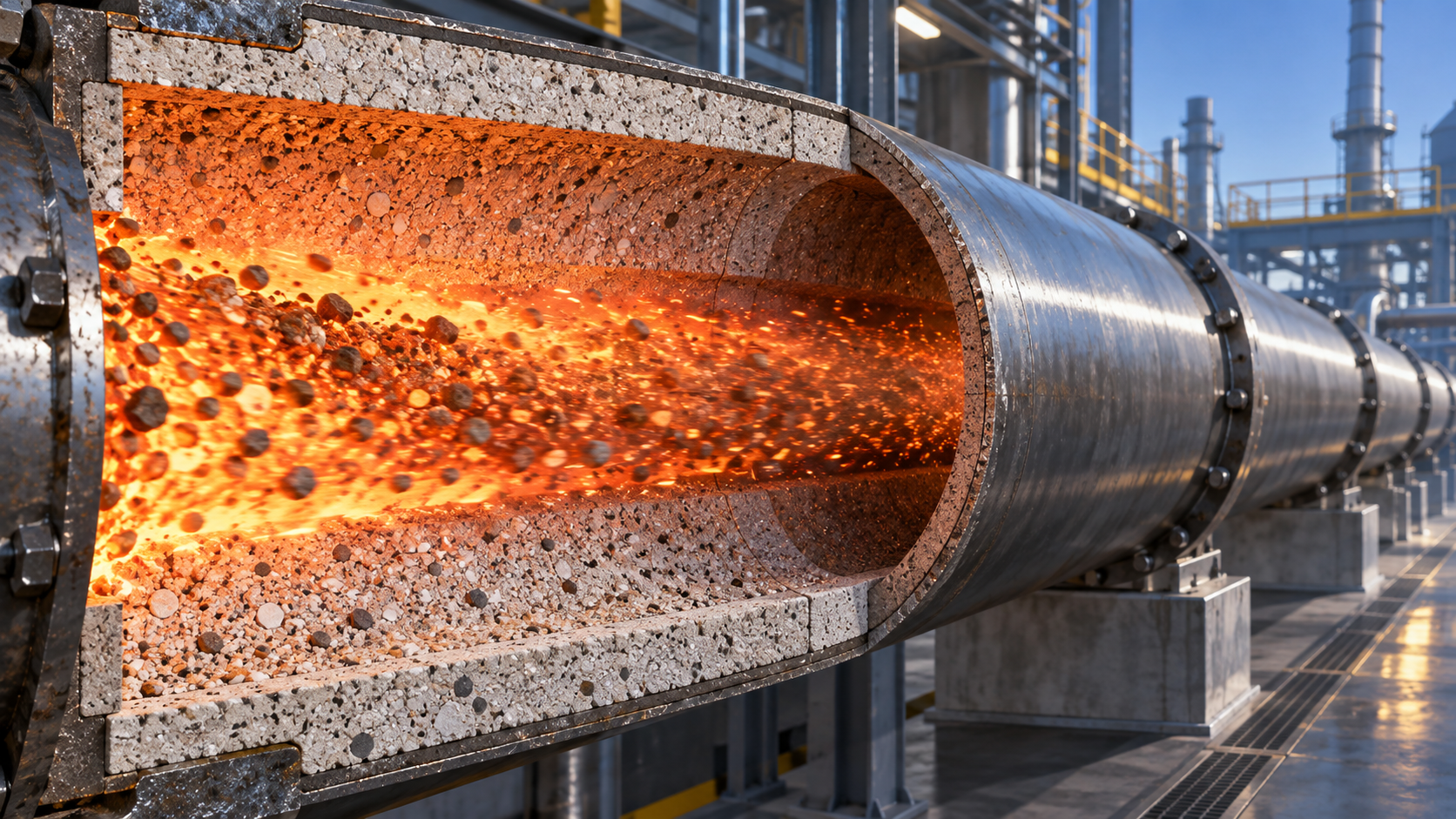
Furnace efficiency is not only about burners. Refractory selection influences heat loss, corrosion resistance, contamination risk, and campaign duration.
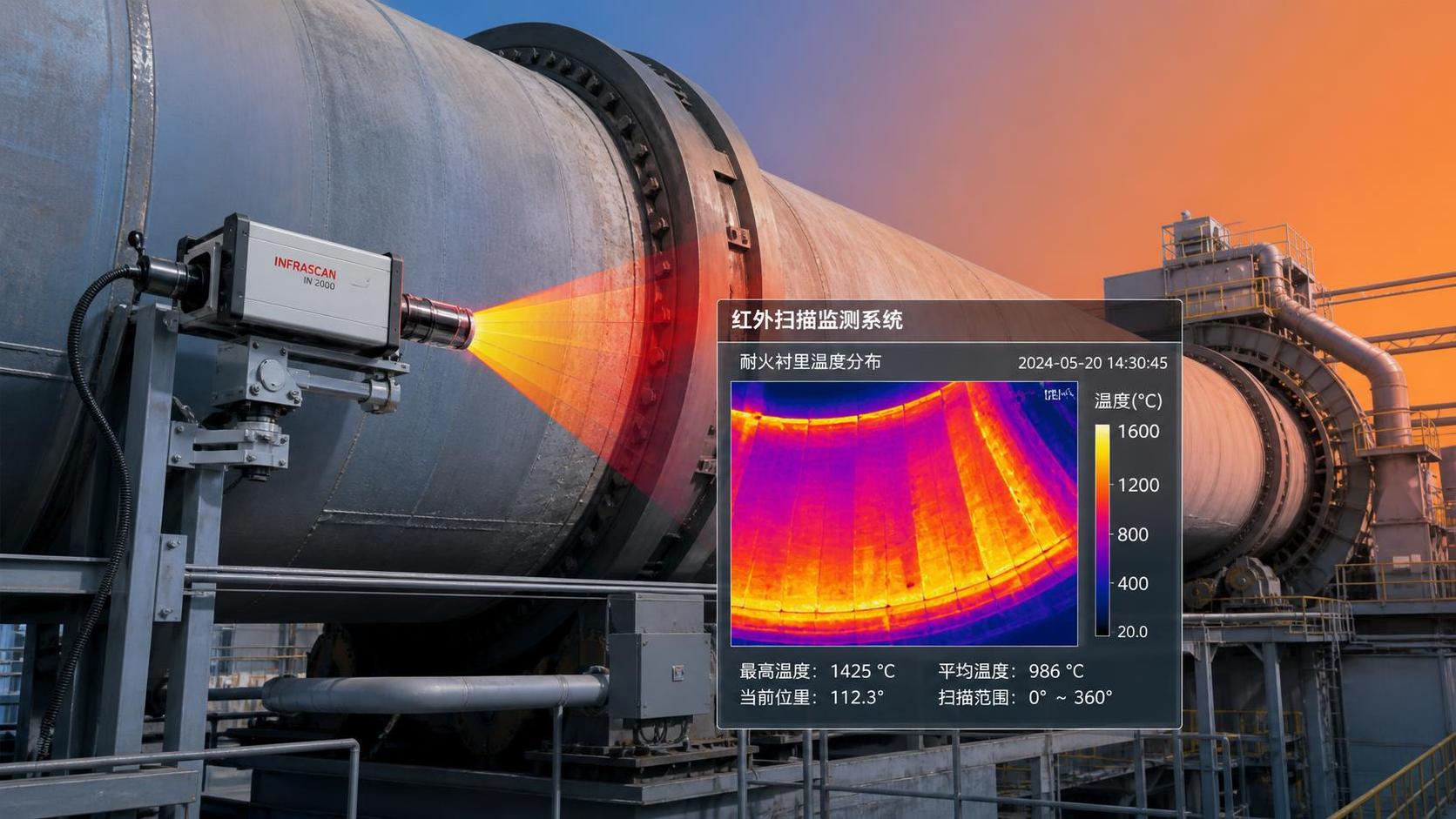
Online monitoring of lining condition is becoming more important. It helps detect wear patterns early, improving shutdown planning and protecting glass quality from refractory-related inclusions.
4. Digital twin and model-based furnace control
One of the most significant glass industry advancements is the move from reactive control to predictive control. Digital twins simulate thermal behavior, pull rates, and process response under changing conditions.
This matters when batch composition shifts, cullet ratio changes, or product mix becomes more demanding. Better modeling reduces trial-and-error decisions on live production assets.
5. Smart batch charging and cullet optimization
Charging technology affects melt homogeneity more than many operations assume. Uniform feed distribution can improve heat utilization, reduce cold spots, and support defect reduction.
Cullet management is equally strategic. Higher cullet use can cut energy demand, but only if sorting quality, contamination control, and melting behavior are tightly managed.
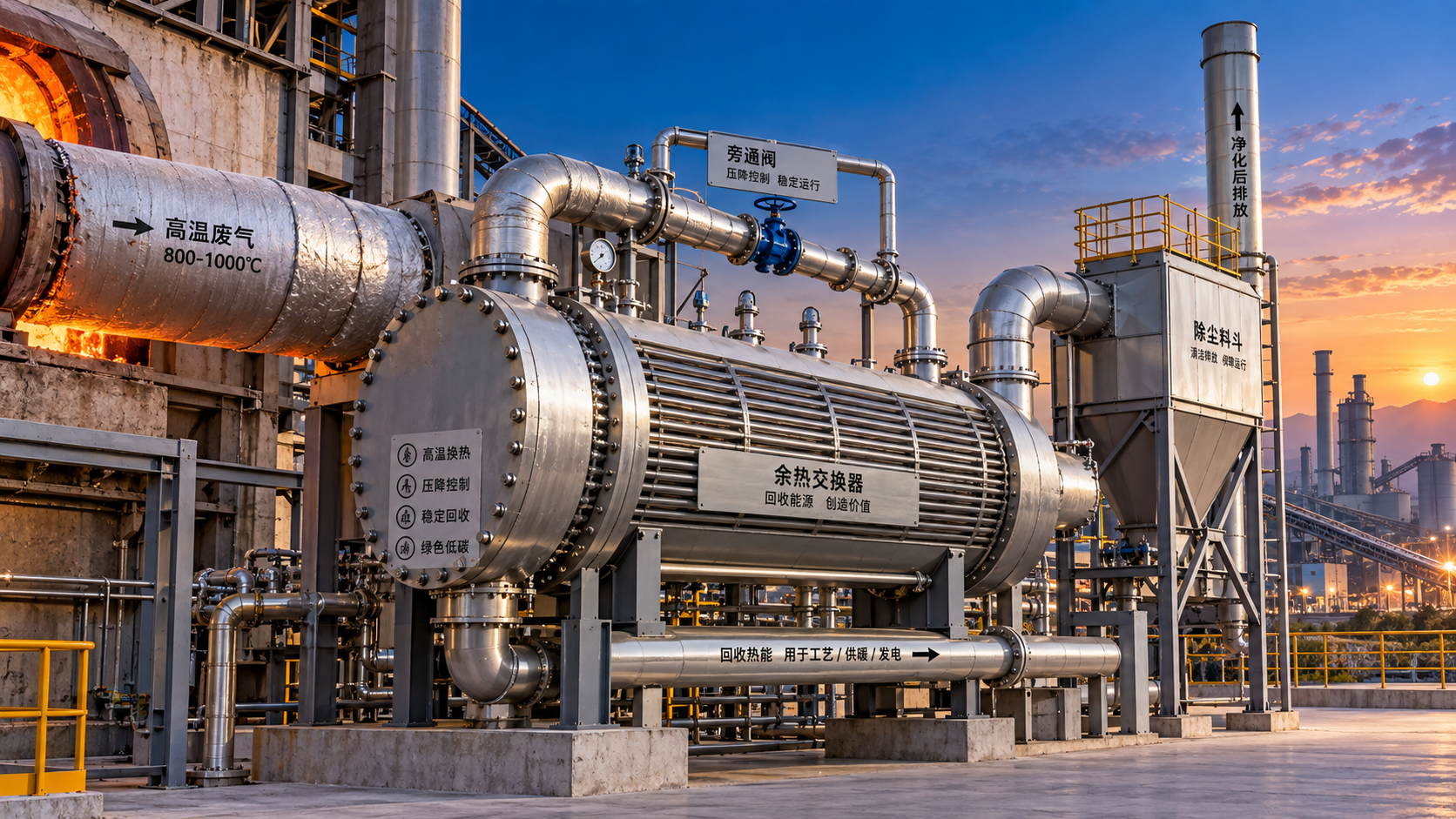
6. Waste heat recovery and energy integration
Heat recovery has become a broader systems issue. Plants are increasingly evaluating regenerator performance, exhaust recovery, and links to site-wide thermal reuse.
For organizations studying high-temperature industries through a CF-Elite lens, this mirrors trends seen in cement, kilns, and incineration: unused heat is now viewed as lost strategic value.
7. Real-time sensors, analytics, and defect intelligence
The final layer of glass industry advancements is better visibility. Sensors for temperature fields, combustion conditions, emissions, and forming data create a richer operational picture.
When analytics connect those signals to seeds, cords, bubbles, thickness variation, or breakage patterns, quality control becomes faster and more commercially useful.
Where these technologies create the most business value
The strongest value rarely comes from a single efficiency metric. It comes from how multiple gains accumulate across energy, maintenance, compliance, and saleable output.
This layered value explains why glass industry advancements are now discussed in board-level capital planning, not only in plant engineering reviews.
How application priorities differ by production scenario
Different product segments emphasize different bottlenecks. A useful technology in one line may have a slower return in another.
- Float glass lines usually prioritize thermal stability, surface quality, and continuous campaign reliability.
- Container glass operations often focus on cullet flexibility, energy intensity, and forming consistency at high volumes.
- PV glass production needs tight control over transmission-related properties and thickness uniformity.
- Specialty and ultra-thin glass often benefit most from precise boosting, cleaner refractory behavior, and strong digital control.
This is where cross-sector intelligence becomes useful. CF-Elite’s broader observation of thermal systems helps frame furnace decisions against longer trends in energy architecture, materials durability, and emissions policy.
What to examine before choosing an upgrade path
Many projects underperform because they start with a preferred technology instead of a verified operating problem. A better sequence is to define where losses or instability actually originate.
A useful evaluation frame
- Map current furnace constraints: fuel cost, emissions headroom, pull-rate ambition, and defect profile.
- Test whether the bottleneck is thermal, chemical, refractory-related, or control-related.
- Compare retrofit complexity against expected campaign timing and downtime exposure.
- Measure value through total performance, not a single energy KPI.
- Check data readiness before adopting digital twins or advanced analytics.
It is also worth judging technology maturity by supplier support, spare-part access, operator learning needs, and compatibility with future decarbonization plans.
That broader view usually separates durable glass industry advancements from short-lived upgrade trends.
The next decision is not whether change is coming
Across furnace modernization, the more practical question is where to start and what evidence should guide the sequence. Some sites need combustion reform first. Others need better cullet discipline or refractory insight.
The most effective response is usually a structured review of thermal performance, quality losses, and carbon exposure at the same time. That creates a clearer basis for comparing technology pathways.
As glass industry advancements continue to reshape furnace economics, the strongest position comes from linking process intelligence with long-cycle asset decisions. A focused benchmark of furnace data, lining condition, energy profile, and product requirements is often the best next step.
Related News
 Thermal Energy ArchitectHow European Plants Can Evaluate Energy Recovery Equipment for High-Temperature ProcessesIndustrial energy recovery equipment Europe: learn how high-temperature plants can assess waste-heat sources, integration risks, lifecycle value, and reliable recovery routes.Sep 20, 2026
 Thermal Energy ArchitectIndustrial Furnace Process Optimization: Reducing Fuel Use Without Sacrificing ThroughputIndustrial process optimization furnace strategies that cut fuel use while protecting throughput. Explore combustion control, heat recovery, refractory performance, and data-driven efficiency gains.Sep 19, 2026
 Ms. Elena RodriguezWhat Drives High-Pressure Extrusion Equipment Cost in Industrial Projects?High pressure extrusion equipment cost explained: compare pressure, die design, automation, wear, energy, and installation factors for smarter industrial investments.Sep 18, 2026
 Thermal Energy ArchitectHow to Size a Waste Heat Recovery Exchanger for High-Temperature Kiln Exhaust?Waste heat recovery exchanger sizing for high-temperature kiln exhaust: balance recoverable duty, fouling, corrosion limits, pressure drop, and reliable heat use.Sep 17, 2026
 Thermal Energy ArchitectWhy Heat-Resistant Materials Lose Abrasion Resistance at High TemperaturesHeat-resistant materials abrasion resistance can decline at high temperatures. Discover the thermal, chemical, and mechanical causes of wear—and how to choose longer-lasting linings.Sep 16, 2026
 Thermal Energy ArchitectHow to Evaluate a Thermal Energy Optimization Company for High-Temperature PlantsChoose a thermal energy optimization company with proven process expertise, measurable savings, and reliable delivery for high-temperature plants. Learn what to assess.Sep 15, 2026
 Thermal Energy ArchitectRotary Kiln Efficiency: How Feed Rate, Fuel Use, and Heat Loss Affect OutputRotary kiln efficiency explained: discover how feed rate, fuel use, heat loss, combustion, and cooling performance shape output, quality, and energy costs.Sep 14, 2026
 Thermal Energy ArchitectHow to Select Heat-Resistant Materials That Maintain Abrasion Resistance in KilnsHeat-resistant materials abrasion resistance: learn how to select kiln linings that withstand heat, wear, thermal cycling, and chemical attack for longer service life.Sep 13, 2026
 Thermal Energy ArchitectHow Rotary Kiln Automation Improves Temperature Control and Fuel EfficiencyRotary kiln technology automation enhances temperature control, stabilizes combustion, and improves fuel efficiency with smarter data, predictive control, and safer operations.Sep 12, 2026
 Silicate Process EngineerCement Plant Emission Control: Selecting Systems for Dust, NOx, and SO2 LimitsCement plant emission control guide: compare dust collectors, NOx reduction, and SO2 systems for reliable compliance across kiln modes, fuel changes, and operating upsets.Sep 11, 2026
 Thermal Energy ArchitectSelecting Abrasion-Resistant High-Temperature Materials for Kiln and Conveyor Wear ZonesHigh-temp material engineering guide to abrasion-resistant kiln and conveyor solutions—match wear, heat, chemistry, and installation design for longer service life.Sep 10, 2026
 Dr. Alistair VaughnIndustrial Process Engineering: How to Map Processes for Safer, More Efficient PlantsIndustrial process engineering reveals bottlenecks, safety risks, and energy losses through practical process mapping for safer, more efficient plants.Sep 09, 2026
 Optical Glass Tech FellowHow to Evaluate a Glass Annealing Equipment Manufacturer for Production StabilityChoose a glass annealing equipment manufacturer with proven thermal uniformity, reliable controls, lifecycle value, and responsive service for stable production.Sep 08, 2026
 Prof. Marcus ChenThermal Energy Architecture in North America: Strategies for Lower Building Energy UseThermal energy architecture North America helps project leaders cut building energy use through stronger envelopes, right-sized HVAC, storage, and smart commissioning.Sep 07, 2026
 Ms. Elena RodriguezHow Should Buyers Evaluate Building Material Industry Intelligence Pricing?Building material industry intelligence pricing: learn how to compare coverage, technical depth, and ROI to choose intelligence that reduces procurement risk.Sep 07, 2026
 Ms. Elena RodriguezHow to Use Building Material Intelligence Data for Market and Investment DecisionsBuilding material industry intelligence data helps leaders evaluate demand, costs, regulation, capacity, and technology to make smarter market and investment decisions.Sep 05, 2026
 Thermal Energy ArchitectHow PLC Control Improves Energy Efficiency and Temperature Stability in KilnsEnergy efficient kilns PLC control improves temperature stability, cuts fuel waste, and optimizes combustion, draft, and material flow. Explore proven strategies for smarter kiln modernization.Sep 04, 2026
 Optical Glass Tech FellowEuropean Glass Melting Processes: Furnace Choices, Energy Use, and Quality ControlGlass melting process Europe: explore furnace choices, energy efficiency, cullet strategy, and quality control to improve output, compliance, and long-term glass performance.Sep 03, 2026
 Thermal Energy ArchitectWhat Determines Refractory Lining Monitoring Price for Industrial Kilns?Refractory lining monitoring price depends on kiln size, sensor technology, installation, software, and support. Compare total lifecycle costs and choose the right solution.Sep 02, 2026
 Silicate Process EngineerCement Production System Costs: A Plant Buyer’s Guide to Budgeting and ROICement production systems cost planning made clear: compare CAPEX, operating costs, compliance, and ROI to build a resilient, profitable cement plant investment.Sep 01, 2026



Related News
- 00
0000-00
How to Evaluate a Glass Annealing Equipment Manufacturer for Production Stability - 00
0000-00
European Glass Melting Processes: Furnace Choices, Energy Use, and Quality Control - 00
0000-00
How Glass Melting Furnace Design Impacts Energy Use and Glass Quality - 00
0000-00
How Can Glass Manufacturing Technology Improve Furnace Efficiency and Cut Energy Costs? - 00
0000-00
How to Evaluate Continuous Glass Annealing Equipment for Stable Throughput?
Weekly Insights
Stay ahead with our curated technology reports delivered every Monday.