
High-Temperature Materials Explained: Key Properties for Glass and Furnace Use




High-temperature materials sit behind every stable melt, protected furnace shell, and controlled heat cycle in glass and thermal processing.
They are not a narrow materials topic. They shape uptime, fuel use, maintenance timing, emissions, and product consistency across several heavy industries.
That is why this subject matters across glass lines, kilns, incineration systems, refractory production, and advanced extrusion equipment.
For a platform such as CF-Elite, which tracks thermal management and silicate process intelligence, these materials are a practical decision layer rather than a background detail.
Why high-temperature materials deserve closer attention
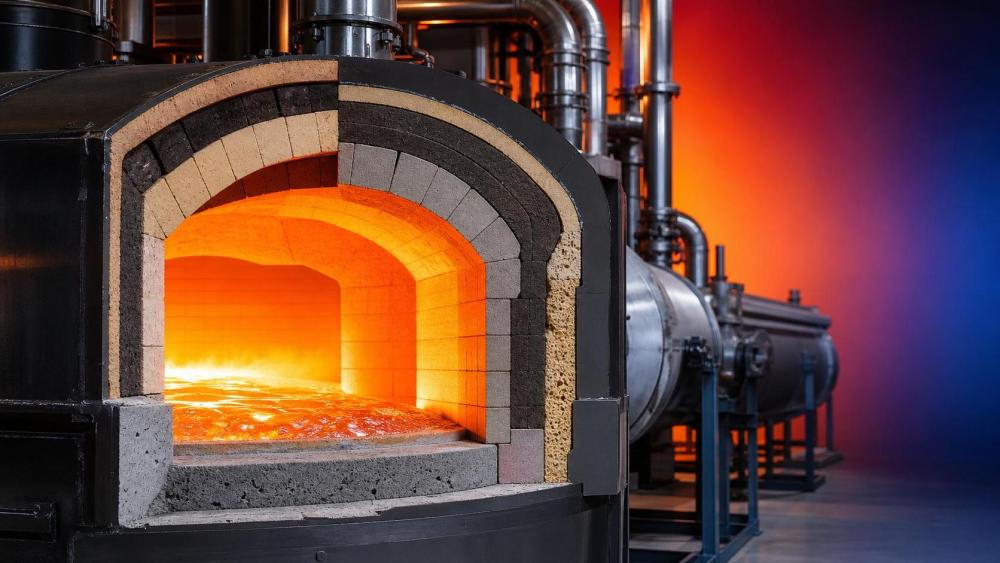
In industrial heat systems, failure rarely starts as a dramatic event. It often begins with slow cracking, chemical attack, thermal fatigue, or creeping deformation.
When that happens inside a furnace, regenerator, burner zone, or glass contact area, the cost spreads quickly through the whole process.
A poor material match can raise energy consumption, shorten campaign life, contaminate glass, weaken combustion stability, or increase unplanned shutdown risk.
The opposite is also true. Well-chosen high-temperature materials support more predictable heat transfer, cleaner product quality, and better lifecycle economics.
This has become more visible as decarbonization targets, alternative fuels, and digital monitoring push plants to operate closer to performance limits.
What the term really covers
In practice, high-temperature materials include refractories, advanced ceramics, insulation systems, castables, fibers, bonded shapes, and specialty alloys.
They are selected for environments where ordinary structural materials lose strength, oxidize too quickly, soften, or react with process media.
Glass manufacturing uses them in melting tanks, forehearths, regenerators, crowns, and feeder channels.
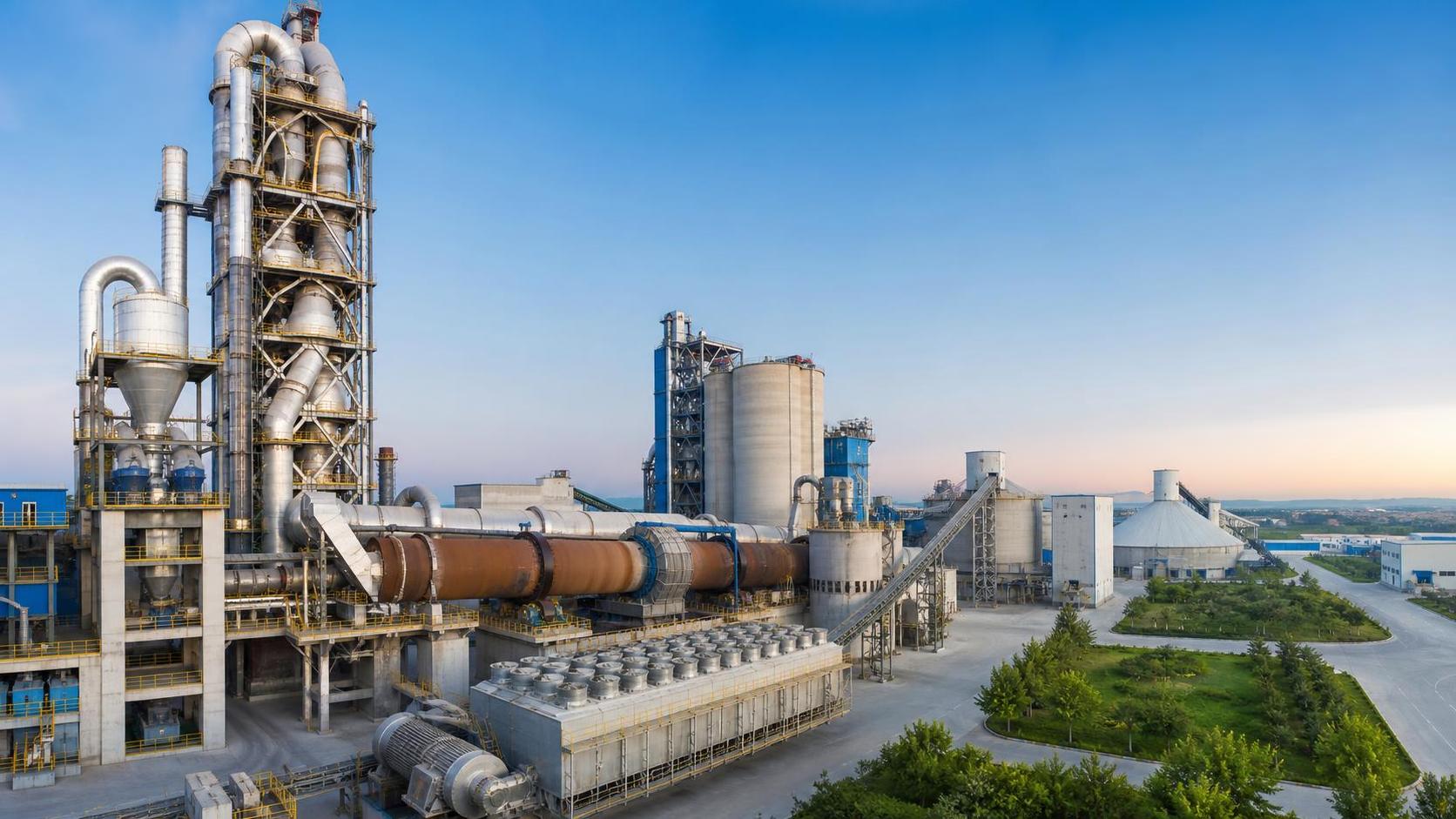
Furnace applications extend across cement kilns, waste incineration lines, steel reheating units, calcination systems, and thermal oxidation equipment.
The key point is simple. Heat resistance alone is not enough. A material must survive the specific mix of temperature, atmosphere, load, abrasion, and chemistry.
The core properties that influence real performance
Material data sheets can look technical, but several properties consistently decide whether performance is stable or short-lived.
Refractoriness and hot strength
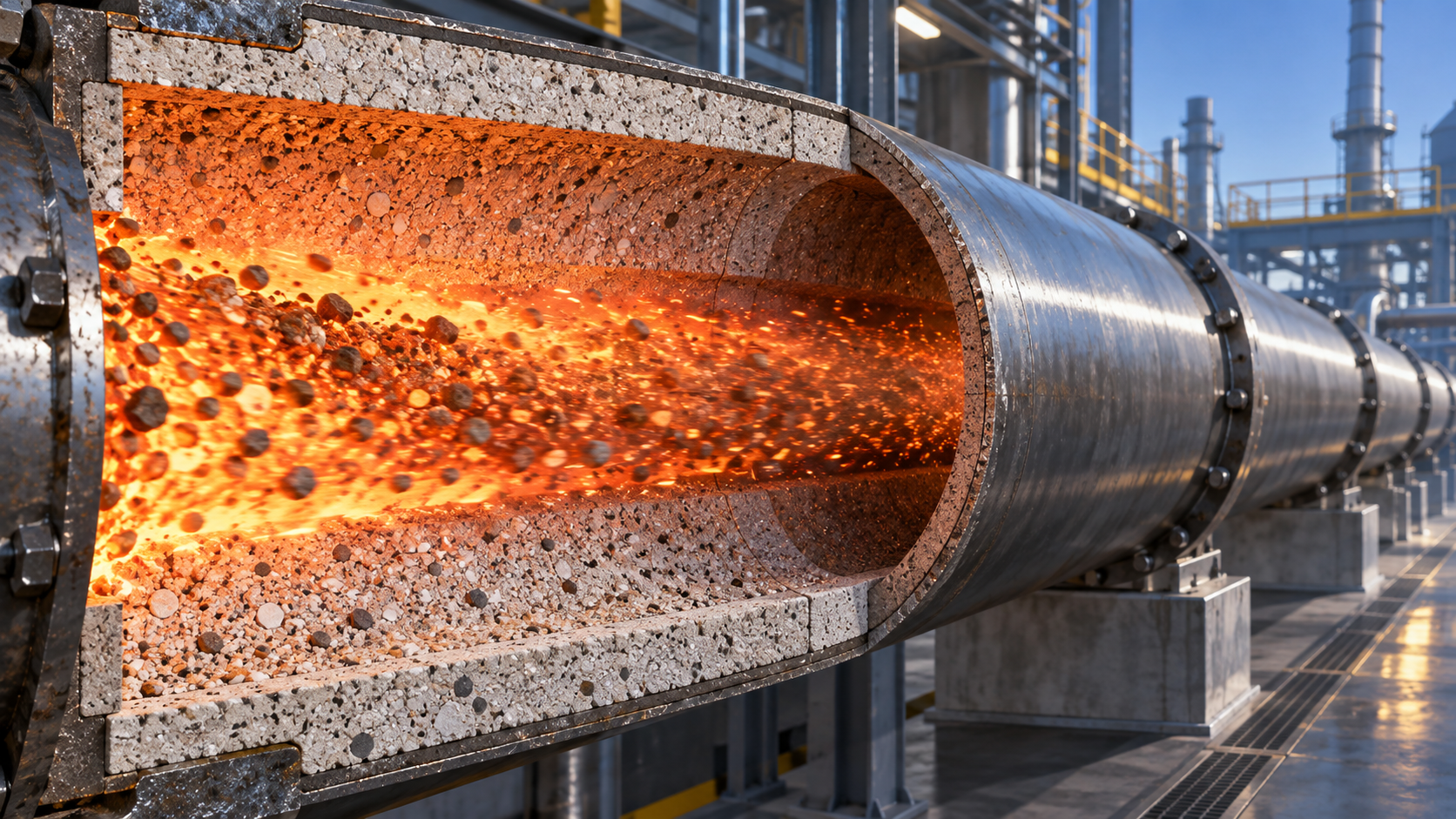
A material may tolerate a peak temperature on paper, yet deform under load after long exposure.
That is why softening point, creep resistance, and strength at operating temperature matter more than room-temperature numbers.
Thermal shock resistance
Rapid heating and cooling create stress between hot and cold zones.
In batch-fed furnaces, burner cycling, or intermittent waste streams, thermal shock resistance is often a deciding factor.
Chemical compatibility
Glass melts, alkalis, chlorides, sulfur-bearing gases, ash, and slags can all attack high-temperature materials in different ways.
Chemical corrosion is especially important where material contact can influence product purity or refractory wear patterns.
Thermal conductivity and insulation behavior
Some zones need to hold heat inside the process. Others need to move heat efficiently to maintain melt quality or temperature balance.
This means low conductivity is not automatically better. The right value depends on the function of each layer and zone.
Mechanical and abrasion resistance
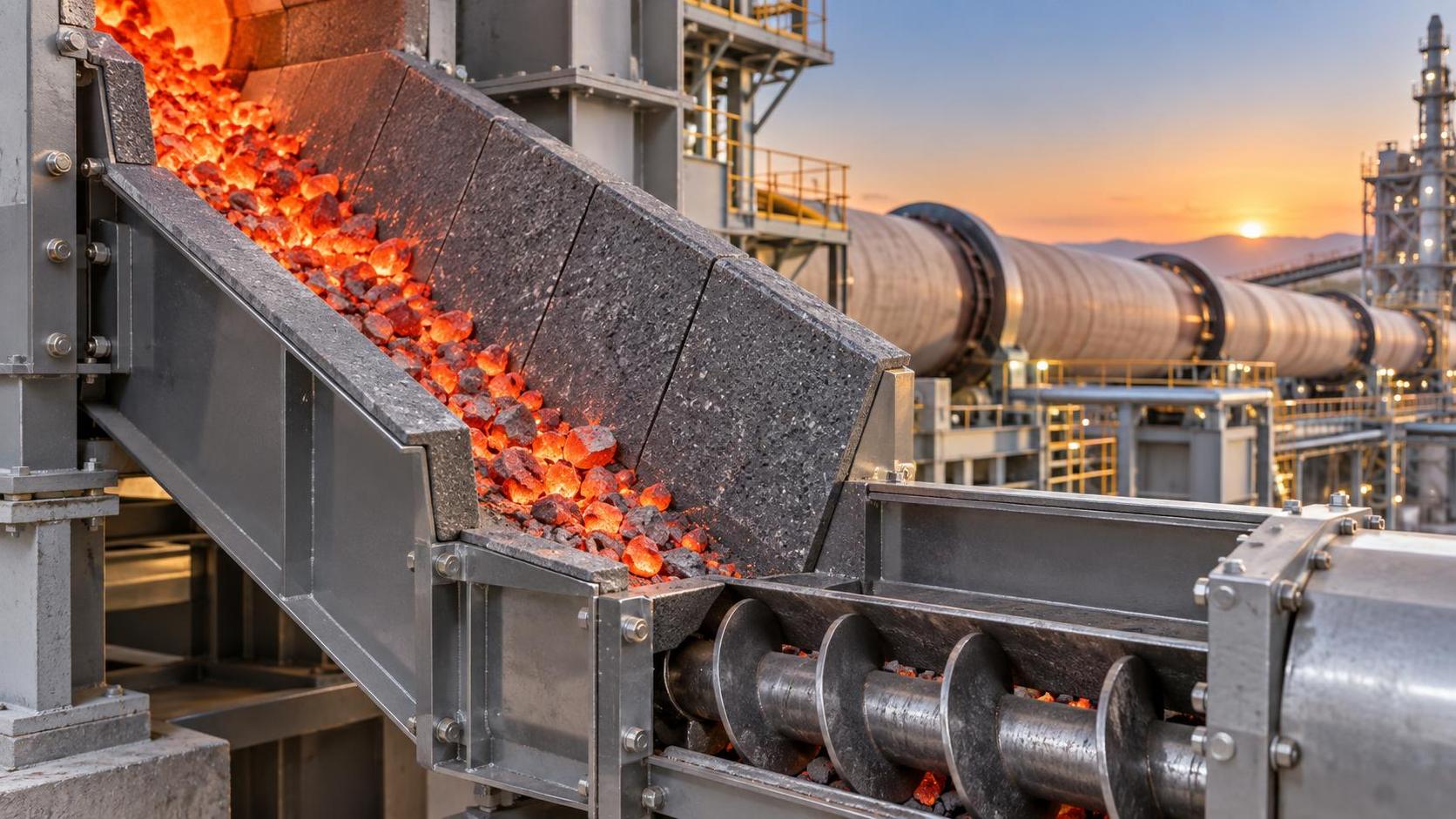
Kilns, transfer chutes, ash zones, and raw material handling points often expose surfaces to impact and erosion.
Even strong chemical resistance can be undermined if the surface wears away too quickly.
Where glass operations place different demands
Glass is a useful example because small material changes can influence both thermal behavior and finished product quality.
In the melting tank, high-temperature materials must resist corrosive glass contact, vapor attack, and continuous heat exposure.
In crowns and superstructures, thermal insulation and structural integrity become more critical.
Forehearth sections demand temperature stability and low contamination risk, especially for high-clarity or specialty glass.
For PV glass, display glass, or thin technical glass, tighter process windows make refractory selection even more sensitive.
That is one reason CF-Elite tracks both material parameters and process logic. The material cannot be judged in isolation from the line.
Furnace and incineration systems add another layer of complexity
Furnace environments are rarely uniform. Temperature, gas composition, ash chemistry, and mechanical stress can vary sharply within one installation.
Waste incineration is especially demanding because chlorine, alkali compounds, fluctuating feed quality, and thermal cycling work together.
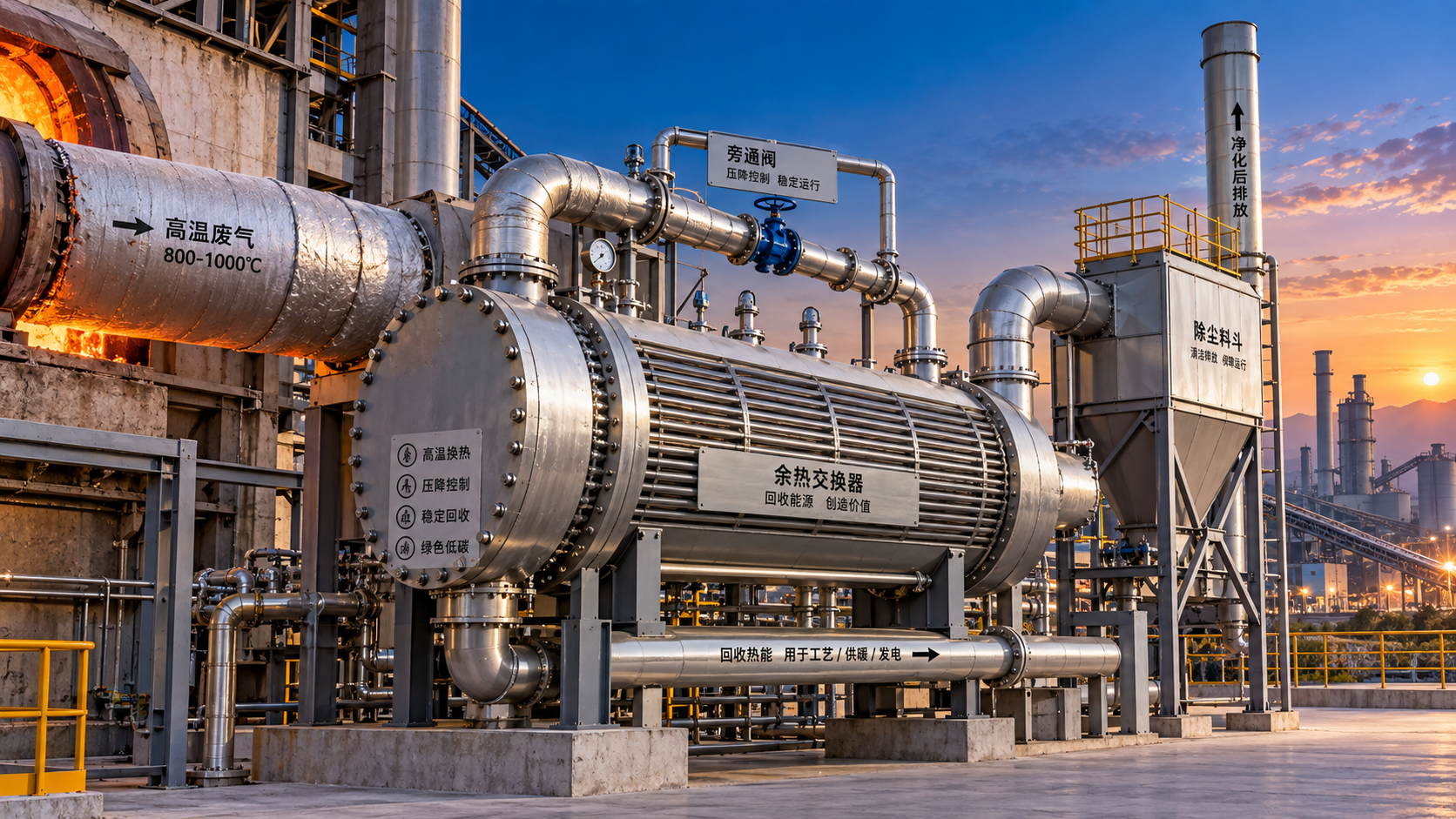
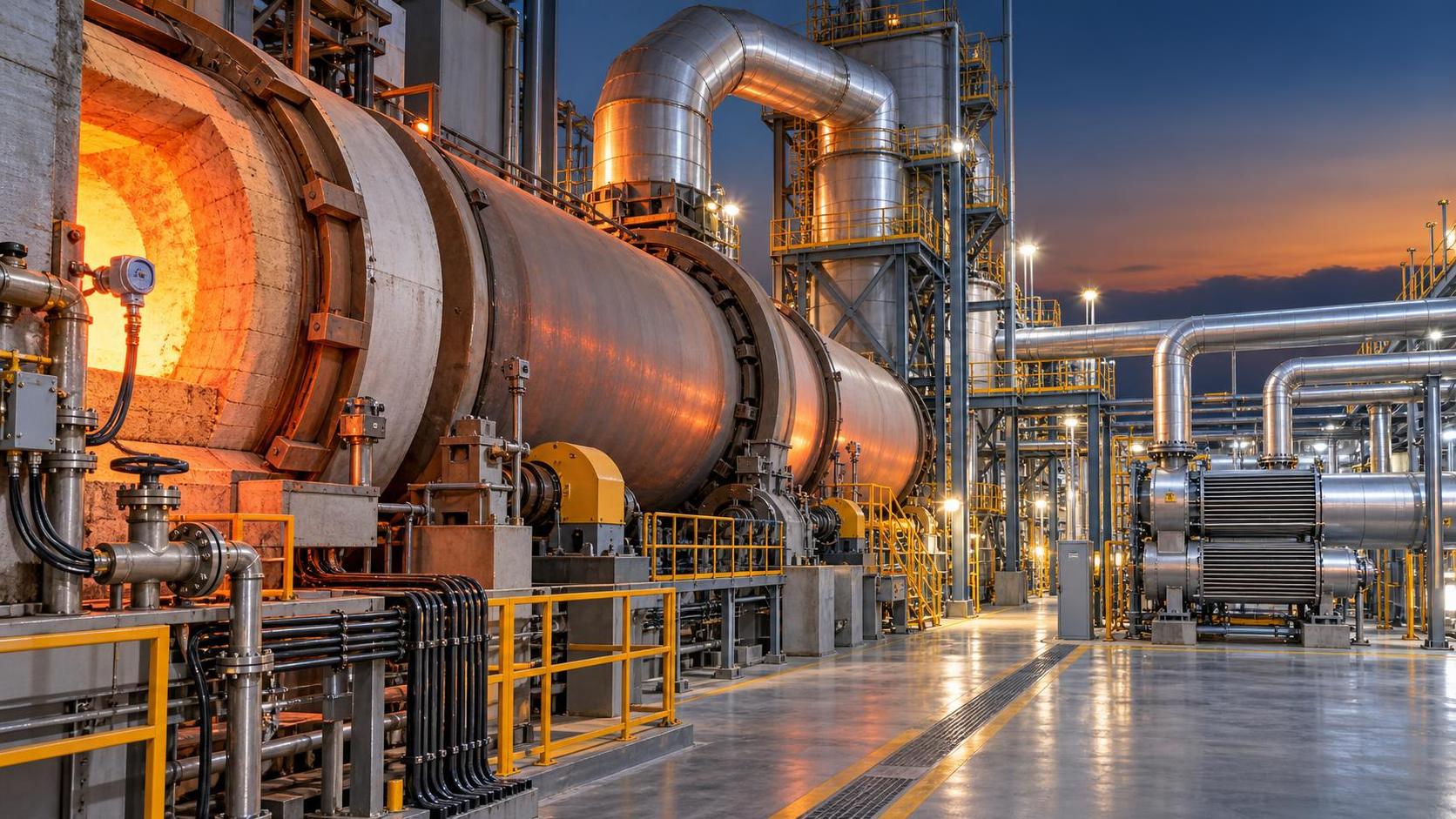
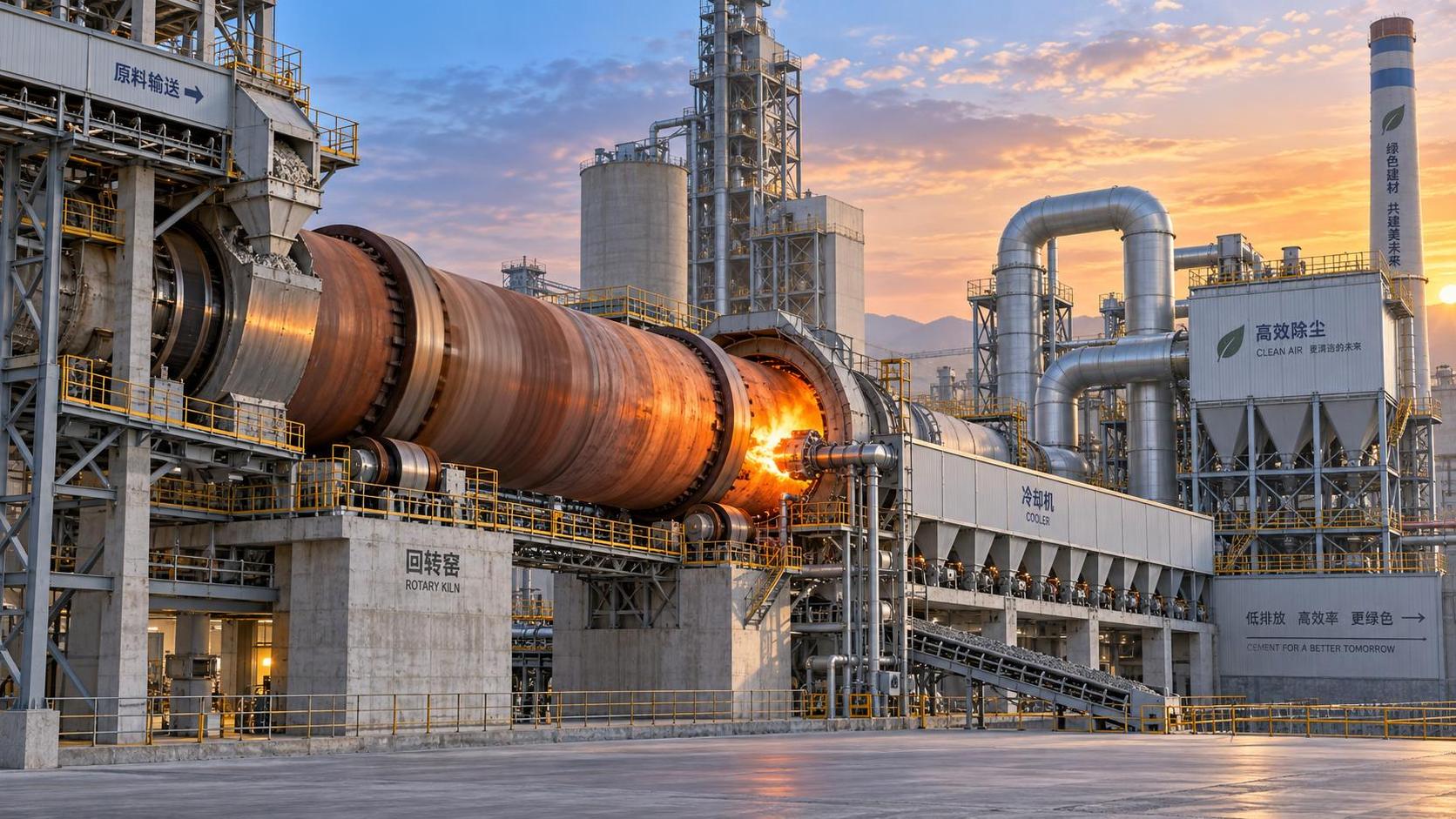
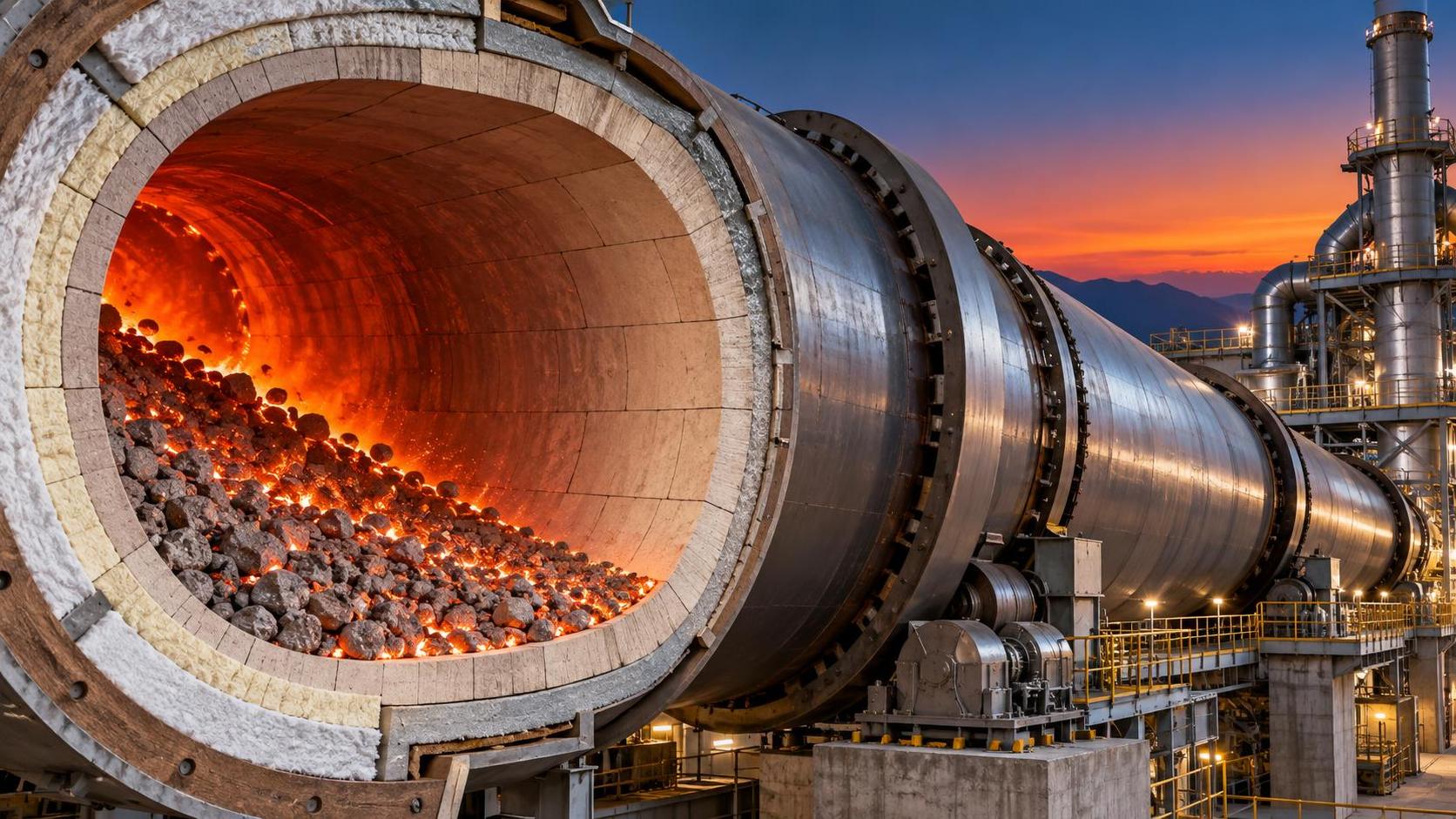
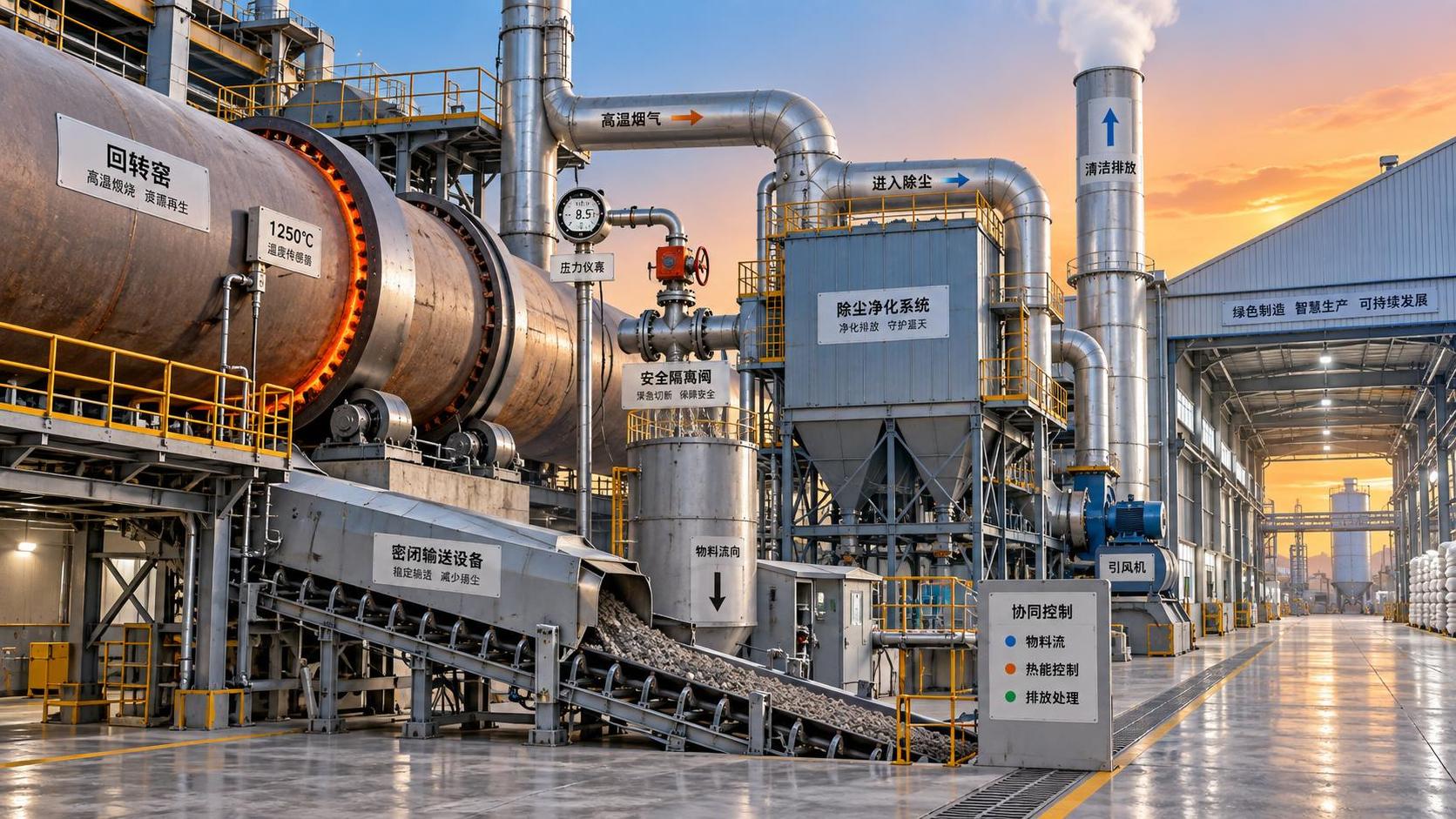
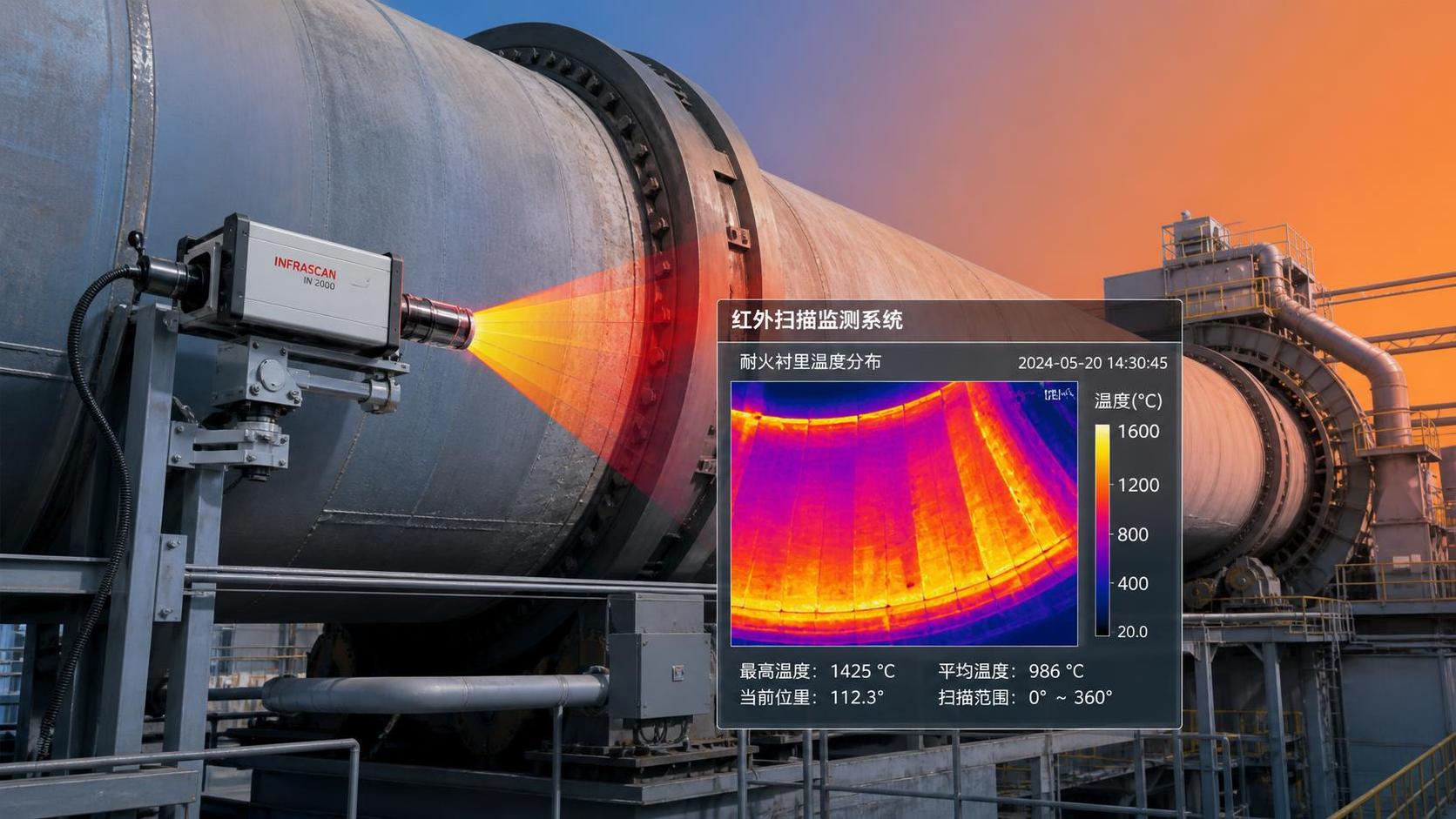
In rotary kilns, lining wear is linked not only to peak heat, but also to feed chemistry, coating behavior, flame pattern, and shell temperature control.
This is why high-temperature materials should be selected by zone, not by a single plant-wide specification.
- Burner zones often need high hot strength and resistance to flame turbulence.
- Transition zones may face coating instability and repeated stress shifts.
- Discharge or ash zones usually require strong abrasion and chemical resistance.
- Outer insulation layers must support energy efficiency without creating hidden moisture or anchoring problems.
How to judge materials beyond the brochure
Datasheets are useful, but they do not replace operating context.
A more reliable evaluation starts with four questions.
What is the real thermal profile?
Average temperature tells only part of the story. Peaks, gradients, cycling frequency, and startup behavior often matter more.
What is the chemical environment?
The same high-temperature materials can perform very differently in oxidizing gas, reducing atmospheres, alkali vapor, or direct melt contact.
What failure mode is most expensive?
Sometimes contamination is the main risk. In other cases, shell overheating, unplanned shutdown, or anchor failure causes the larger loss.
Can performance be monitored over time?
Digital twins, online lining monitoring, thermal imaging, and campaign history can turn material choice into a measurable management decision.
That approach aligns with the intelligence model promoted by CF-Elite, where material behavior is linked to process data and long-cycle equipment strategy.
Why this topic connects to energy and carbon strategy
High-temperature materials influence more than maintenance budgets.
They affect heat retention, burner efficiency, line stability, and the ability to adopt cleaner operating models.
A lining system with poor insulation may raise fuel demand for years. A chemically mismatched refractory may force early replacement and extra embodied carbon.
As thermal industries move toward lower emissions, alternative fuels, and smarter process control, material reliability becomes part of decarbonization planning.
In other words, the conversation is shifting from simple heat resistance to full thermal system performance.
A practical next step for better decisions
The most useful next step is to build a comparison framework around operating zones, failure history, energy goals, and product quality requirements.
For glass and furnace applications, compare high-temperature materials by service conditions rather than by headline temperature rating alone.
It also helps to review how process simulation, refractory monitoring, and market intelligence connect material selection with asset planning.
That broader view makes it easier to judge which material choices support durability, cleaner heat use, and long-term line performance.
When the technical, operational, and energy dimensions are read together, high-temperature materials become easier to evaluate with confidence.
Related News
 Thermal Energy ArchitectHow European Plants Can Evaluate Energy Recovery Equipment for High-Temperature ProcessesIndustrial energy recovery equipment Europe: learn how high-temperature plants can assess waste-heat sources, integration risks, lifecycle value, and reliable recovery routes.Sep 20, 2026
 Thermal Energy ArchitectIndustrial Furnace Process Optimization: Reducing Fuel Use Without Sacrificing ThroughputIndustrial process optimization furnace strategies that cut fuel use while protecting throughput. Explore combustion control, heat recovery, refractory performance, and data-driven efficiency gains.Sep 19, 2026
 Ms. Elena RodriguezWhat Drives High-Pressure Extrusion Equipment Cost in Industrial Projects?High pressure extrusion equipment cost explained: compare pressure, die design, automation, wear, energy, and installation factors for smarter industrial investments.Sep 18, 2026
 Thermal Energy ArchitectHow to Size a Waste Heat Recovery Exchanger for High-Temperature Kiln Exhaust?Waste heat recovery exchanger sizing for high-temperature kiln exhaust: balance recoverable duty, fouling, corrosion limits, pressure drop, and reliable heat use.Sep 17, 2026
 Thermal Energy ArchitectWhy Heat-Resistant Materials Lose Abrasion Resistance at High TemperaturesHeat-resistant materials abrasion resistance can decline at high temperatures. Discover the thermal, chemical, and mechanical causes of wear—and how to choose longer-lasting linings.Sep 16, 2026
 Thermal Energy ArchitectHow to Evaluate a Thermal Energy Optimization Company for High-Temperature PlantsChoose a thermal energy optimization company with proven process expertise, measurable savings, and reliable delivery for high-temperature plants. Learn what to assess.Sep 15, 2026
 Thermal Energy ArchitectRotary Kiln Efficiency: How Feed Rate, Fuel Use, and Heat Loss Affect OutputRotary kiln efficiency explained: discover how feed rate, fuel use, heat loss, combustion, and cooling performance shape output, quality, and energy costs.Sep 14, 2026
 Thermal Energy ArchitectHow to Select Heat-Resistant Materials That Maintain Abrasion Resistance in KilnsHeat-resistant materials abrasion resistance: learn how to select kiln linings that withstand heat, wear, thermal cycling, and chemical attack for longer service life.Sep 13, 2026
 Thermal Energy ArchitectHow Rotary Kiln Automation Improves Temperature Control and Fuel EfficiencyRotary kiln technology automation enhances temperature control, stabilizes combustion, and improves fuel efficiency with smarter data, predictive control, and safer operations.Sep 12, 2026
 Silicate Process EngineerCement Plant Emission Control: Selecting Systems for Dust, NOx, and SO2 LimitsCement plant emission control guide: compare dust collectors, NOx reduction, and SO2 systems for reliable compliance across kiln modes, fuel changes, and operating upsets.Sep 11, 2026
 Thermal Energy ArchitectSelecting Abrasion-Resistant High-Temperature Materials for Kiln and Conveyor Wear ZonesHigh-temp material engineering guide to abrasion-resistant kiln and conveyor solutions—match wear, heat, chemistry, and installation design for longer service life.Sep 10, 2026
 Dr. Alistair VaughnIndustrial Process Engineering: How to Map Processes for Safer, More Efficient PlantsIndustrial process engineering reveals bottlenecks, safety risks, and energy losses through practical process mapping for safer, more efficient plants.Sep 09, 2026
 Optical Glass Tech FellowHow to Evaluate a Glass Annealing Equipment Manufacturer for Production StabilityChoose a glass annealing equipment manufacturer with proven thermal uniformity, reliable controls, lifecycle value, and responsive service for stable production.Sep 08, 2026
 Prof. Marcus ChenThermal Energy Architecture in North America: Strategies for Lower Building Energy UseThermal energy architecture North America helps project leaders cut building energy use through stronger envelopes, right-sized HVAC, storage, and smart commissioning.Sep 07, 2026
 Ms. Elena RodriguezHow Should Buyers Evaluate Building Material Industry Intelligence Pricing?Building material industry intelligence pricing: learn how to compare coverage, technical depth, and ROI to choose intelligence that reduces procurement risk.Sep 07, 2026
 Ms. Elena RodriguezHow to Use Building Material Intelligence Data for Market and Investment DecisionsBuilding material industry intelligence data helps leaders evaluate demand, costs, regulation, capacity, and technology to make smarter market and investment decisions.Sep 05, 2026
 Thermal Energy ArchitectHow PLC Control Improves Energy Efficiency and Temperature Stability in KilnsEnergy efficient kilns PLC control improves temperature stability, cuts fuel waste, and optimizes combustion, draft, and material flow. Explore proven strategies for smarter kiln modernization.Sep 04, 2026
 Optical Glass Tech FellowEuropean Glass Melting Processes: Furnace Choices, Energy Use, and Quality ControlGlass melting process Europe: explore furnace choices, energy efficiency, cullet strategy, and quality control to improve output, compliance, and long-term glass performance.Sep 03, 2026
 Thermal Energy ArchitectWhat Determines Refractory Lining Monitoring Price for Industrial Kilns?Refractory lining monitoring price depends on kiln size, sensor technology, installation, software, and support. Compare total lifecycle costs and choose the right solution.Sep 02, 2026
 Silicate Process EngineerCement Production System Costs: A Plant Buyer’s Guide to Budgeting and ROICement production systems cost planning made clear: compare CAPEX, operating costs, compliance, and ROI to build a resilient, profitable cement plant investment.Sep 01, 2026



Related News
- 00
0000-00
How to Evaluate a Glass Annealing Equipment Manufacturer for Production Stability - 00
0000-00
European Glass Melting Processes: Furnace Choices, Energy Use, and Quality Control - 00
0000-00
How Glass Melting Furnace Design Impacts Energy Use and Glass Quality - 00
0000-00
How Can Glass Manufacturing Technology Improve Furnace Efficiency and Cut Energy Costs? - 00
0000-00
How to Evaluate Continuous Glass Annealing Equipment for Stable Throughput?
Weekly Insights
Stay ahead with our curated technology reports delivered every Monday.