
How glass manufacturing technology cuts defect rates




For quality control and safety management, defect reduction in glass lines is now a process discipline issue, not only a scrap-cost issue.
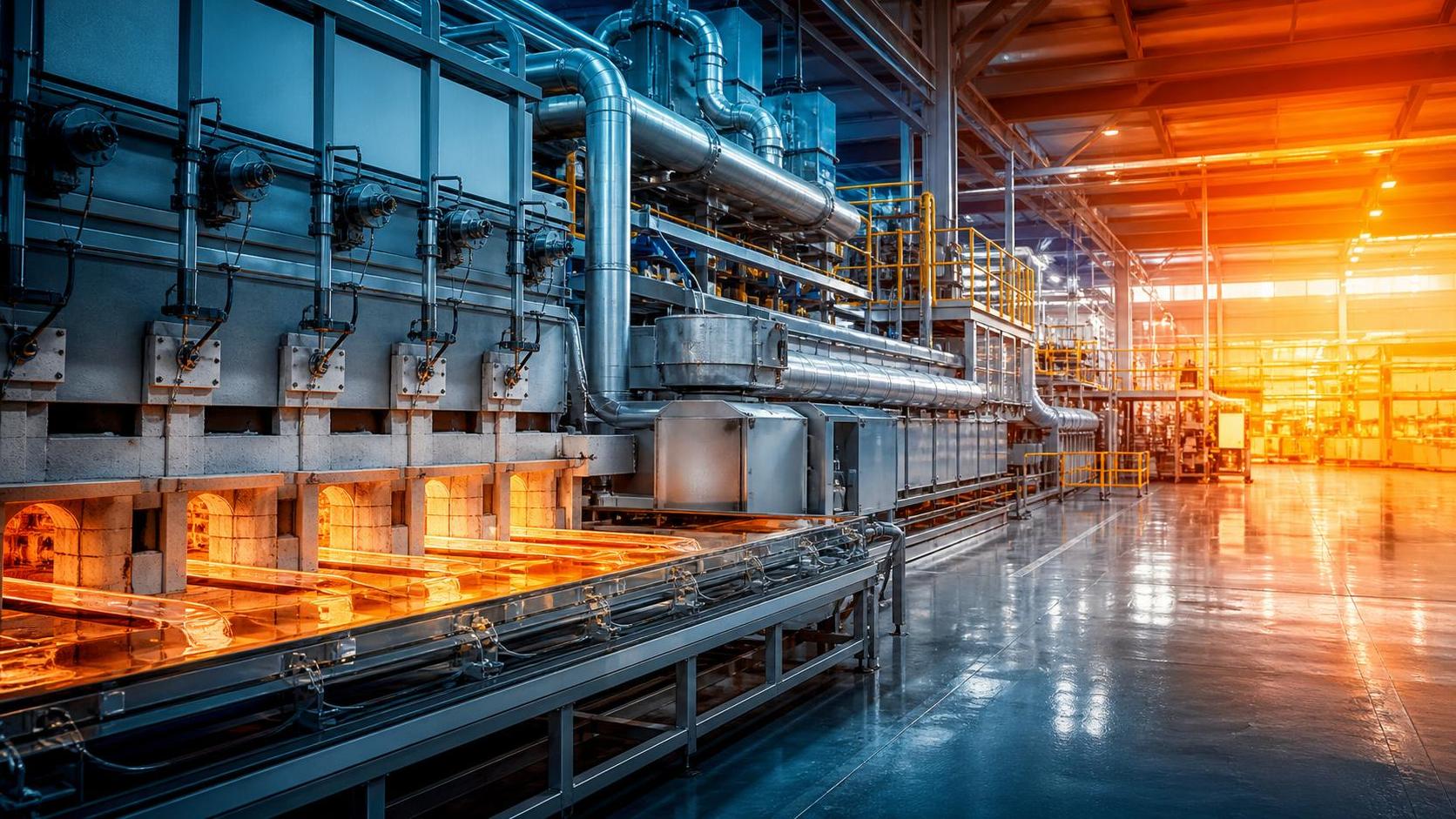
Modern glass manufacturing technology improves melting, forming, annealing, and inspection in connected ways.
When these controls work together, defect rates fall, safety performance improves, and compliance becomes easier to maintain.
This matters across integrated heavy industries observed by CF-Elite, where thermal stability, material behavior, and energy efficiency shape production quality.
What does glass manufacturing technology actually change in defect control?
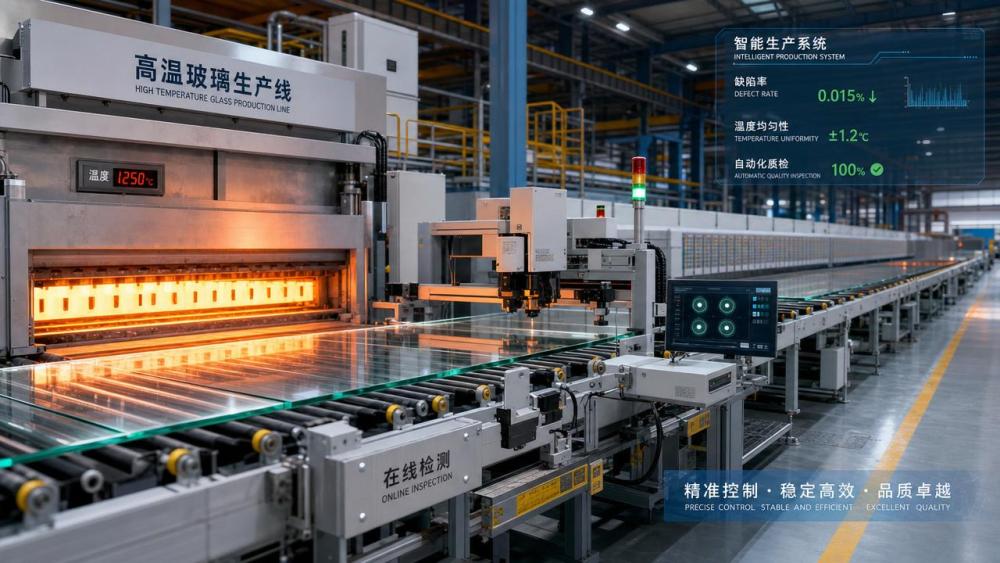
At its core, glass manufacturing technology reduces process variation before visible defects appear.
Defects rarely come from one single event.
They usually begin with unstable batch chemistry, uneven furnace temperatures, poor forming conditions, or weak annealing balance.
Advanced systems target those root causes with tighter measurement and faster correction loops.
In practical terms, glass manufacturing technology affects five key points:
- Batch consistency and cullet ratio control
- Furnace heat distribution and melt homogeneity
- Forming accuracy for thickness, shape, and surface quality
- Annealing stress relief across the ribbon or formed part
- Online inspection and traceable quality feedback
This integrated approach is important in float glass, container glass, PV glass, and specialty thin glass.
Each product family has different tolerance windows, but all depend on stable thermal management.
How do melting and refining technologies cut bubbles, stones, and cords?
Many serious defects begin in the furnace.
Bubbles, unmelted particles, stones, and cords often reflect poor melting kinetics or incomplete refining.
Modern glass manufacturing technology improves furnace discipline through better combustion control, stronger mixing behavior, and more reliable sensing.
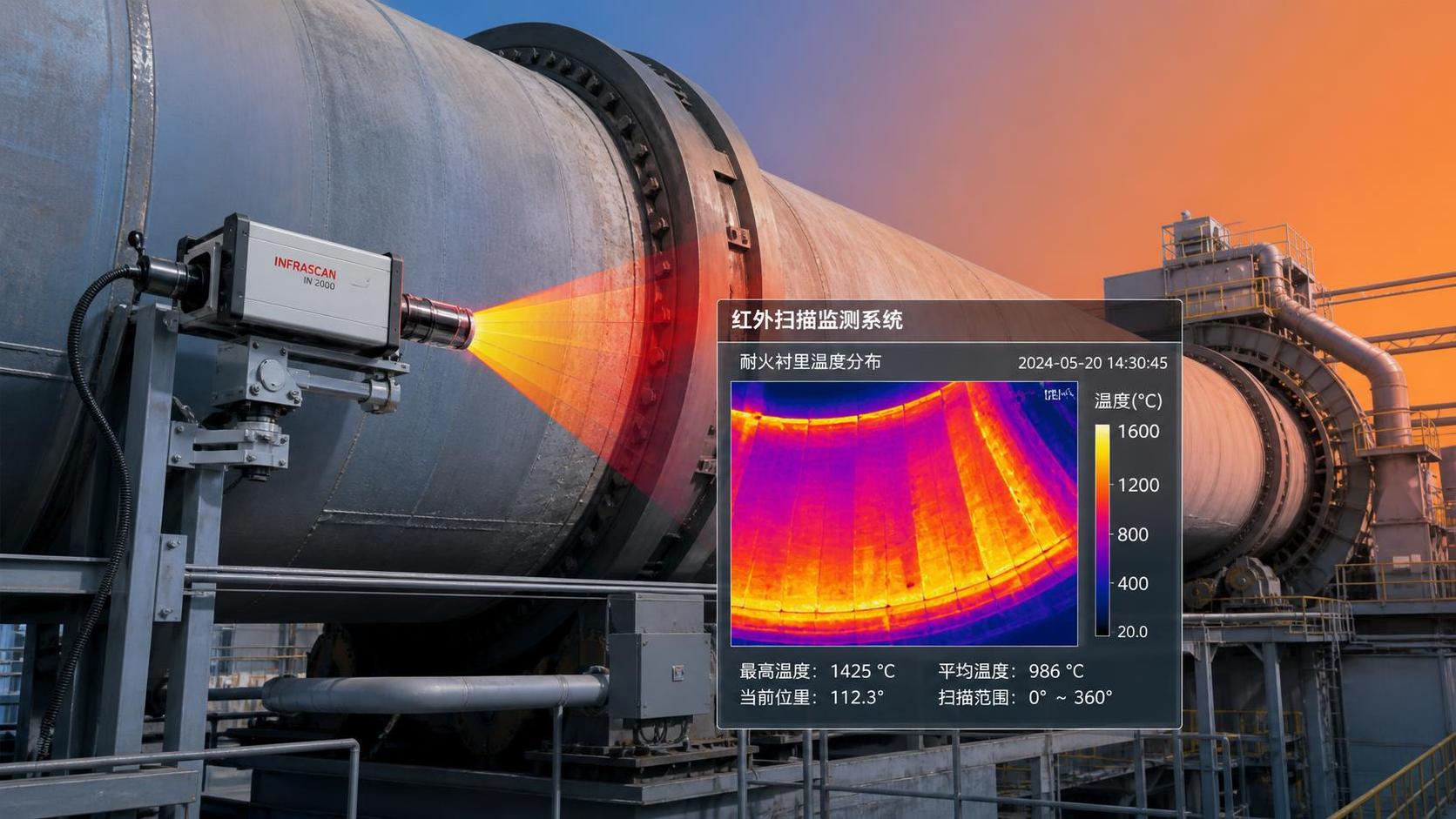
Temperature mapping is one major upgrade.
With distributed sensors and thermal modeling, operators can identify cold spots, overheated crowns, and uneven pull-related loading earlier.
That helps maintain a more uniform melt pool.
Combustion optimization is another key tool.
Stable flame shape, fuel-air ratio, and heat flux reduce local viscosity swings that trigger cords and incomplete dissolution.
Batch charging technology also matters.
More uniform distribution lowers localized reactions and improves melting residence time.
For many plants, this means fewer inclusions entering the working end.
Useful control priorities include:
- Real-time furnace pressure and temperature balancing
- Cullet cleanliness and particle size management
- Refining zone residence time verification
- Refractory wear monitoring to prevent contamination
These measures connect directly with CF-Elite’s broader focus on high-temperature process intelligence and refractory reliability.
Which forming technologies reduce thickness variation and surface defects?
After melting, the next defect filter is forming precision.
Even a clean melt can generate rejects if delivery temperature, speed, or mechanical alignment drifts.
In float lines, glass manufacturing technology improves ribbon stability through tighter control of top rollers, tin bath conditions, and draw speed.
In container production, gob weight control and mold condition are equally critical.
Servo systems and automated timing adjustments reduce dimensional scatter and seam-related defects.
For thin and specialty glass, vibration control and micro-tension balance become more important.
Very small disturbances can create edge waves, optical distortion, or surface marks.
Critical forming defects often include:
- Thickness non-uniformity
- Roll marks or contact damage
- Edge cracking and shape instability
- Optical distortion and wave patterns
The best glass manufacturing technology links forming data with upstream melt conditions.
That prevents teams from treating repeated defects as isolated mechanical problems.
Why is annealing control essential for lower breakage and safer handling?
Annealing is where hidden defects become either controlled stress or future failure.
Poor lehr settings may not show immediate visual problems.
However, residual stress raises breakage risk during cutting, transport, tempering, coating, and end use.
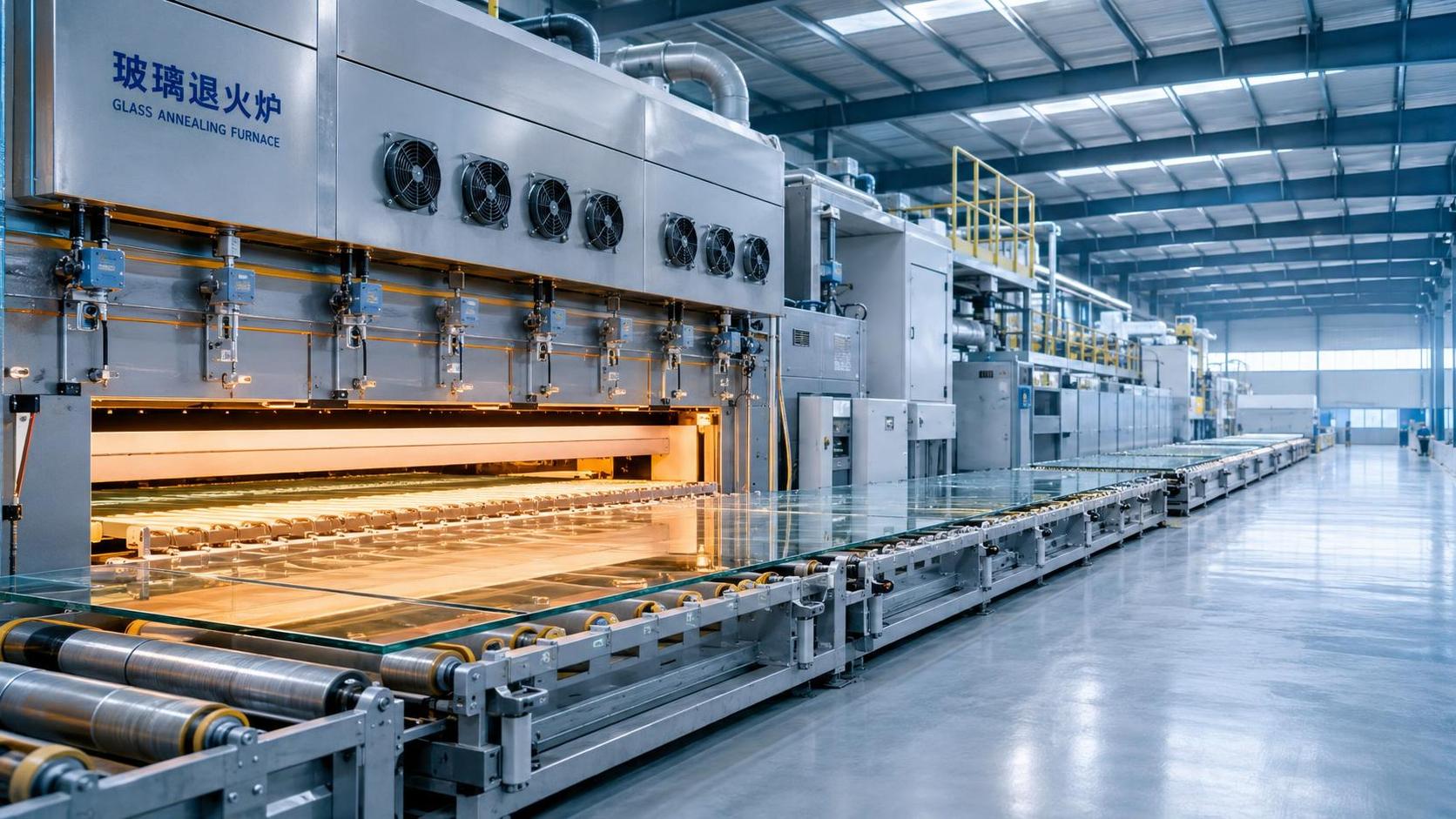
This is why glass manufacturing technology now emphasizes closed-loop annealing control.
Temperature profile tracking across width and length helps maintain proper cooling gradients.
When combined with line-speed synchronization, stress variation drops significantly.
Better annealing supports safety in two ways.
First, it reduces spontaneous breakage events inside downstream operations.
Second, it lowers handling instability that can expose workers and equipment to sudden shard release.
Warning signs of weak annealing control include:
- Frequent edge breakage after cutting
- Stress patterns that vary by shift
- More defects after speed changes
- Rising customer complaints despite stable dimensions
In many cases, the issue is not one hot zone.
It is an uncontrolled interaction between load, speed, ambient conditions, and equipment response.
How do online inspection and digital tools improve defect prevention?
Inspection used to be more reactive.
Today, glass manufacturing technology moves quality control upstream through machine vision, process analytics, and digital traceability.
Online scanners can identify bubbles, scratches, inclusions, coating flaws, and dimensional variation in real time.
That allows immediate correction before large volumes turn into scrap.
The strongest systems do more than classify visible defects.
They correlate defect maps with furnace zones, roller conditions, and annealing data.
This reveals repeating fault patterns that manual reviews may miss.
Digital twin models are increasingly useful.
They simulate heat flow, material behavior, and equipment interactions before process changes are applied on the line.
For high-value products, that reduces trial risk and speeds optimization.
This direction aligns with CF-Elite’s intelligence focus on digital twin simulation and online monitoring across thermal industries.
Quick FAQ comparison table
What mistakes limit the benefits of glass manufacturing technology?
A common mistake is buying isolated equipment without process integration.
A new scanner cannot solve defects caused by unstable melting chemistry.
Another mistake is chasing average performance instead of variation control.
Defects often rise when averages look acceptable, but excursions become more frequent.
Plants also underestimate refractory condition.
Wear, spalling, or contamination from furnace materials can quietly increase inclusions and thermal imbalance.
A further risk is weak change management.
If recipes, speeds, or maintenance intervals change without data discipline, defect trends become harder to interpret.
A more reliable improvement path usually follows this order:
- Stabilize batch and furnace fundamentals
- Standardize forming and annealing windows
- Add online inspection with traceable data links
- Use analytics to prioritize recurring loss mechanisms
How should improvement priorities be set for lower defect rates?
The right priority depends on defect type, line maturity, and product sensitivity.
Still, most roadmaps begin with a simple rule.
Fix the highest-frequency defect only after confirming its upstream trigger.
For example, edge breakage may look like a cutting issue.
Yet the real cause may be annealing stress or ribbon temperature variation.
A practical review checklist can include:
- Top three defect categories by cost and frequency
- Process stage where each defect first becomes detectable
- Current sensor coverage and data reliability
- Thermal bottlenecks and refractory condition history
- Impact on safety, energy use, and customer compliance
The value of glass manufacturing technology is greatest when quality, thermal efficiency, and operational safety are reviewed together.
That is especially true in modern industrial systems facing carbon pressure, tighter tolerances, and longer equipment life-cycle demands.
In summary, glass manufacturing technology cuts defect rates by controlling variation earlier and more precisely.
Better melting reduces inclusions, better forming improves geometry, better annealing lowers hidden stress, and better inspection prevents repeated losses.
The next practical step is to map major defects against furnace, forming, annealing, and inspection data in one review cycle.
That process-centered view often reveals where glass manufacturing technology can deliver the fastest quality and safety gains.
Related News
 Optical Glass Tech FellowHow to Evaluate a Glass Annealing Equipment Manufacturer for Production StabilityChoose a glass annealing equipment manufacturer with proven thermal uniformity, reliable controls, lifecycle value, and responsive service for stable production.Sep 08, 2026
 Prof. Marcus ChenThermal Energy Architecture in North America: Strategies for Lower Building Energy UseThermal energy architecture North America helps project leaders cut building energy use through stronger envelopes, right-sized HVAC, storage, and smart commissioning.Sep 07, 2026
 Ms. Elena RodriguezHow Should Buyers Evaluate Building Material Industry Intelligence Pricing?Building material industry intelligence pricing: learn how to compare coverage, technical depth, and ROI to choose intelligence that reduces procurement risk.Sep 07, 2026
 Ms. Elena RodriguezHow to Use Building Material Intelligence Data for Market and Investment DecisionsBuilding material industry intelligence data helps leaders evaluate demand, costs, regulation, capacity, and technology to make smarter market and investment decisions.Sep 05, 2026
 Thermal Energy ArchitectHow PLC Control Improves Energy Efficiency and Temperature Stability in KilnsEnergy efficient kilns PLC control improves temperature stability, cuts fuel waste, and optimizes combustion, draft, and material flow. Explore proven strategies for smarter kiln modernization.Sep 04, 2026
 Optical Glass Tech FellowEuropean Glass Melting Processes: Furnace Choices, Energy Use, and Quality ControlGlass melting process Europe: explore furnace choices, energy efficiency, cullet strategy, and quality control to improve output, compliance, and long-term glass performance.Sep 03, 2026
 Thermal Energy ArchitectWhat Determines Refractory Lining Monitoring Price for Industrial Kilns?Refractory lining monitoring price depends on kiln size, sensor technology, installation, software, and support. Compare total lifecycle costs and choose the right solution.Sep 02, 2026
 Silicate Process EngineerCement Production System Costs: A Plant Buyer’s Guide to Budgeting and ROICement production systems cost planning made clear: compare CAPEX, operating costs, compliance, and ROI to build a resilient, profitable cement plant investment.Sep 01, 2026
 Dr. Alistair VaughnWhat Should a Process Technology Database Track for High-Temperature Plants?Process technology database essentials for high-temperature plants: track thermal profiles, feed chemistry, refractory wear, emissions, energy, and maintenance for safer, data-driven decisions.Aug 31, 2026
 Ms. Elena RodriguezHow to Evaluate a Silicate Processing Equipment Manufacturer for Plant ProjectsSilicate processing equipment manufacturer selection: assess process fit, guarantees, energy, compliance, delivery risk, and lifecycle support for dependable plant performance.Aug 30, 2026
 Dr. Alistair VaughnHow to Specify Custom Agricultural Processing Equipment for Throughput and HygieneEquipment customization services for agricultural processing: learn to specify hygienic, high-throughput lines that improve yield, reliability, and long-term efficiency.Aug 29, 2026
 Dr. Alistair VaughnHow to Select Process Plant Equipment for High-Temperature, Abrasive Production LinesProcess plant equipment selection for high-temperature, abrasive lines: reduce downtime, improve durability, and optimize lifecycle performance.Aug 28, 2026
 Silicate Process EngineerHow Kiln Heat Recovery Systems Cut Fuel Use in Cement and Lime ProductionKiln heat recovery helps cement and lime plants cut fuel use, improve thermal stability, and build practical, reliable decarbonization strategies.Aug 27, 2026
 Ms. Elena RodriguezProcess Equipment Comparison: Which Metrics Matter Most for Reliable Selection?Process equipment comparison made practical: discover which metrics truly drive reliable selection, from energy efficiency and control stability to wear life, maintainability, and uptime.Aug 26, 2026
 Ms. Elena RodriguezWhat Buyers Should Check Before Sourcing Precision Alloy Bars for Critical PartsPrecision Alloy Bars buyers should verify grade, chemistry, tolerances, surface quality, traceability, and lead time before sourcing for critical parts. Learn what prevents costly machining and reliability risks.Aug 27, 2026
 Ms. Elena RodriguezHow to Evaluate Thermal Management Solutions Insulation for High-Heat Industrial SystemsThermal management solutions insulation: learn how to assess high-heat industrial systems by thermal performance, durability, lifecycle cost, and supplier data for smarter decisions.Aug 25, 2026
 Ms. Elena RodriguezWhat Drives Waste Recycling Cost in Industrial Projects and How to Estimate It?Waste recycling cost in industrial projects depends on composition, moisture, transport, pre-treatment, and compliance. Learn how to estimate it accurately and compare suppliers with confidence.Aug 24, 2026
 Silicate Process EngineerHow to Evaluate Cement Production Plants in the Middle East for Capacity, Fuel Flexibility, and ROIcement production plants Middle East: Learn how to assess true capacity, fuel flexibility, and ROI risks to identify resilient assets and smarter investment opportunities.Aug 23, 2026
 Structural Material AnalystHow to Evaluate Lightweight Material Machinery for Output, Energy Use, and Product QualityLightweight material machinery evaluation guide: compare stable output, energy use, and product quality to choose equipment that cuts waste, lowers costs, and improves production confidence.Aug 22, 2026
 Material Heat-Resist ExpertWhat Determines Refractory Production Line Price in a Turnkey Plant Project?Refractory production line price depends on raw materials, forming method, kiln and drying design, automation, utilities, and scope. Learn what really drives turnkey plant cost before you invest.Aug 21, 2026

Related News
- 00
0000-00
How to Evaluate a Glass Annealing Equipment Manufacturer for Production Stability - 00
0000-00
European Glass Melting Processes: Furnace Choices, Energy Use, and Quality Control - 00
0000-00
How Glass Melting Furnace Design Impacts Energy Use and Glass Quality - 00
0000-00
How Can Glass Manufacturing Technology Improve Furnace Efficiency and Cut Energy Costs? - 00
0000-00
How to Evaluate Continuous Glass Annealing Equipment for Stable Throughput?
Weekly Insights
Stay ahead with our curated technology reports delivered every Monday.