
Glass Manufacturing Technology Explained: Key Processes, Equipment, and Quality Risks




Glass manufacturing technology sits at the center of product consistency, furnace efficiency, and downstream value in modern industry. Whether the target is architectural glazing, PV glass, container glass, or display substrates, the production route depends on how well raw materials, thermal control, forming precision, and inspection systems work together. That is why the topic now draws wider attention across heavy industry intelligence platforms such as CF-Elite, where high-temperature process data, decarbonization pressure, and equipment evolution increasingly intersect.
Why glass manufacturing technology matters now
Glass plants no longer compete on output alone. They are judged by energy intensity, defect rates, fuel flexibility, emissions performance, and the ability to supply stable quality across long campaigns.
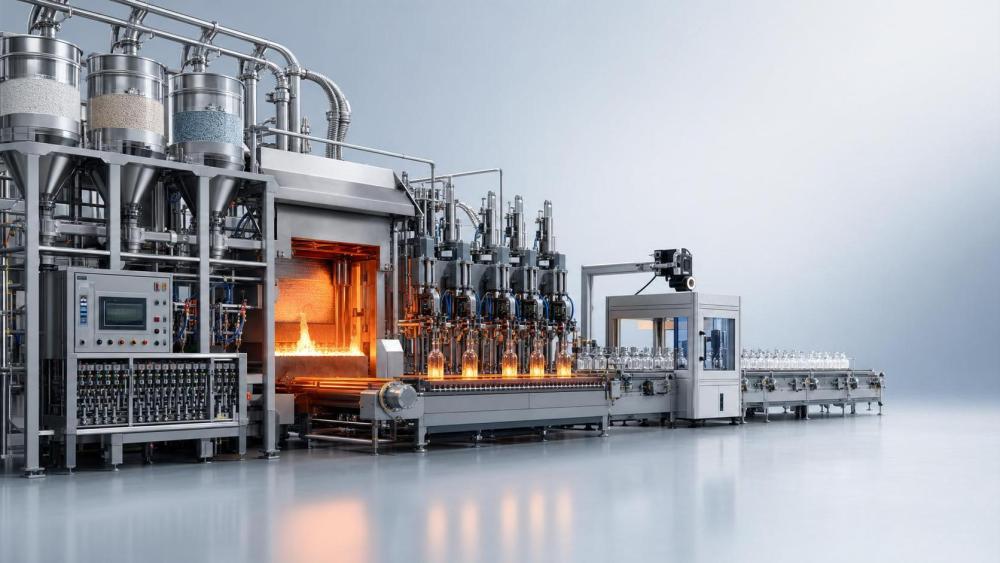
This shift makes glass manufacturing technology more than a factory issue. It links raw material strategy, furnace design, digital monitoring, refractory life, and carbon management in one operating system.
From CF-Elite’s perspective, this is where glass production connects naturally with adjacent silicate sectors. The same logic seen in kilns, thermal barriers, combustion systems, and online diagnostics also shapes float lines and specialty glass plants.
The process chain behind a stable glass line
At its core, glass manufacturing technology converts a controlled batch into a finished sheet, container, tube, or formed part with predictable properties.
The route looks simple on paper, but each stage can amplify hidden variation from the previous one.
Batch preparation
Silica sand, soda ash, limestone, dolomite, feldspar, and cullet are weighed, mixed, and fed with tight compositional control. Moisture, grain size, and cullet cleanliness strongly influence melting behavior.
Melting and refining
The furnace melts the batch and removes bubbles, unmelted particles, and chemical inhomogeneity. Residence time, flame distribution, crown temperature, and pull rate determine whether the glass becomes truly workable.
Conditioning and forming
After refining, the melt is conditioned to a narrower temperature window. It then moves into forming equipment such as a float bath, forehearth and IS machine, pressing unit, or drawing section.
Annealing and finishing
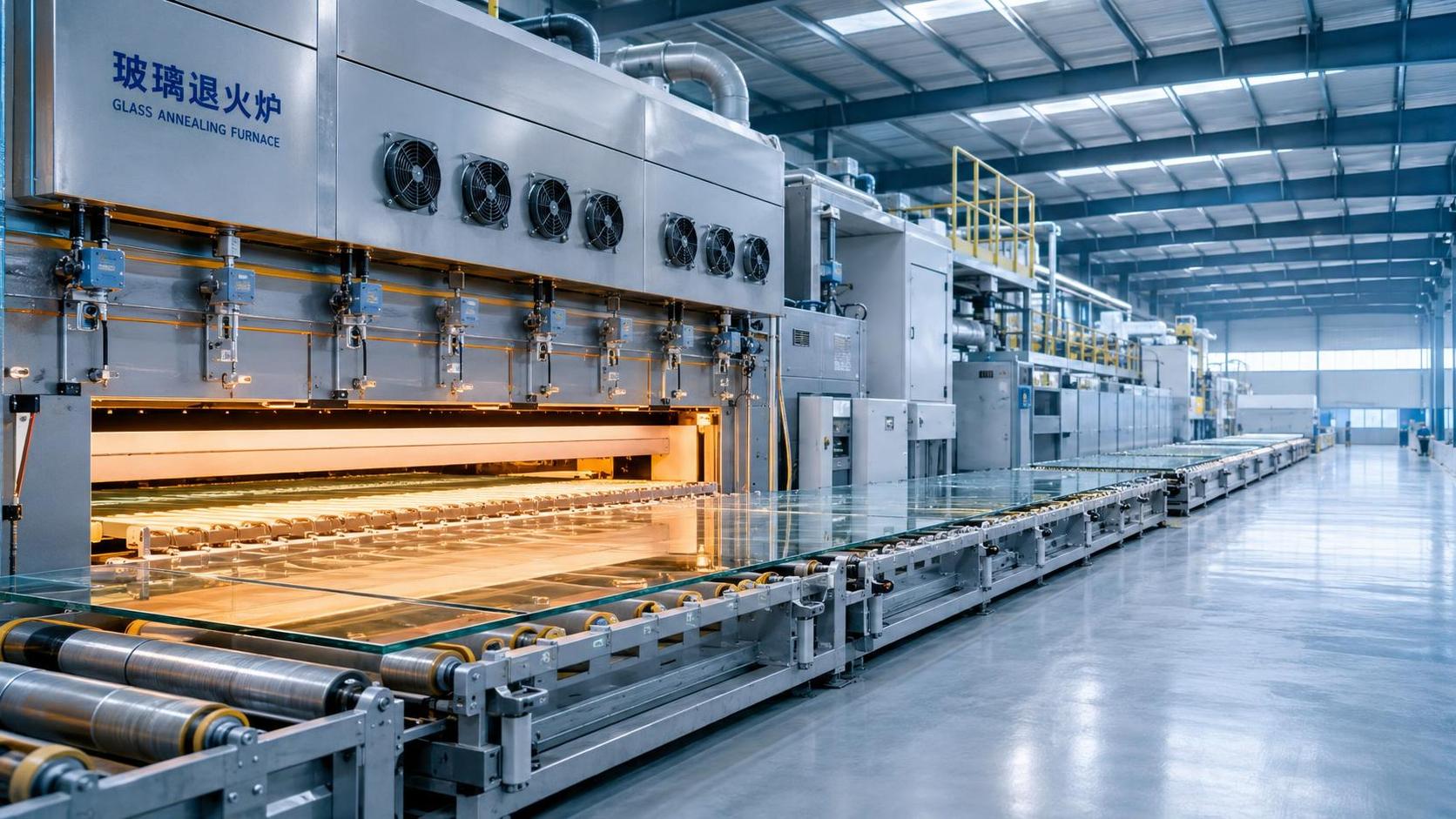
Internal stress must be released gradually. The annealing lehr stabilizes the glass before cutting, coating, tempering, laminating, or packaging.
Inspection and feedback
Modern glass manufacturing technology closes the loop with defect detection, dimensional control, and process analytics. The strongest plants do not treat inspection as a final gate, but as a live control signal.
Core equipment that shapes output quality
Equipment selection matters because every machine defines a different risk profile. In practice, a line performs only as well as the weakest thermal or handling segment.
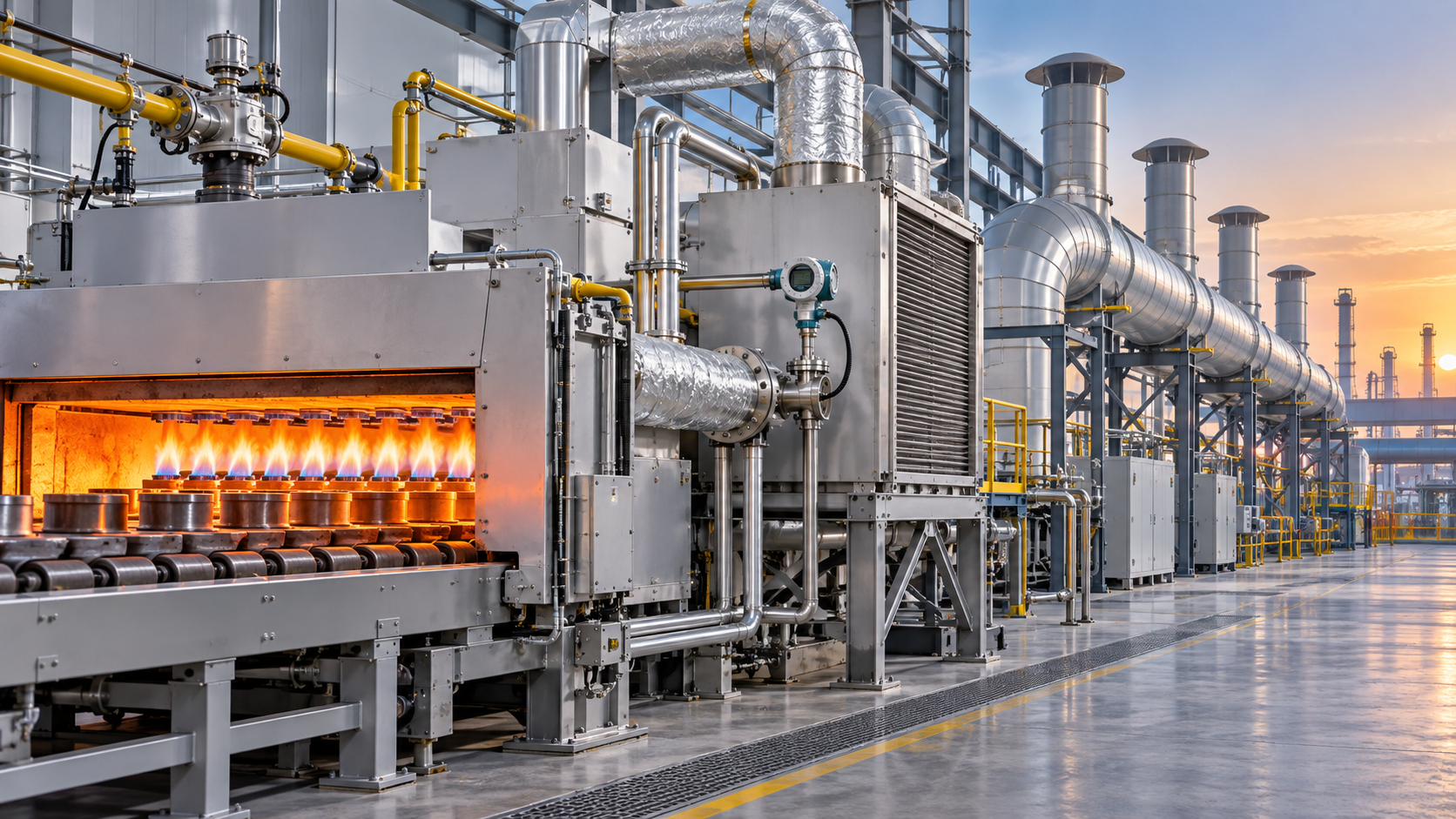
More advanced lines add combustion optimization, digital twins, refractory monitoring, and machine vision. These tools are increasingly important because glass manufacturing technology now has to balance quality with fuel cost and carbon exposure.
Where quality risks usually begin
Most visible defects start earlier than they appear. A bubble seen after forming may reflect poor refining, contaminated cullet, unstable burner control, or refractory interaction inside the furnace.
Raw material and batch risks
- Chemical inconsistency changes melting speed and glass composition.
- Cullet contamination introduces metals, ceramics, or unwanted color.
- Poor mixing causes local variation and incomplete fusion.
Thermal and furnace risks
- Uneven heat distribution leads to cords, seeds, and viscosity imbalance.
- Refractory corrosion can release inclusions into the melt.
- Combustion instability increases energy use and process fluctuation.
Forming and handling risks
- Temperature mismatch affects thickness and geometry.
- Surface contact issues create scratches, tin defects, or marks.
- Speed variation reduces dimensional stability.
Annealing and downstream risks
- Improper cooling leaves residual stress.
- Late inspection allows recurring defects to continue too long.
- Weak traceability makes root-cause analysis slower.
In other words, glass manufacturing technology should be read as a chain of dependencies rather than isolated machines.
Different product categories, different process priorities
The same production philosophy does not apply equally to every glass segment. Process windows change with the end-use requirement.
Float and architectural glass
Flatness, optical quality, thickness tolerance, and coating compatibility dominate decision-making. Tin bath stability and annealing profile are especially sensitive points.
PV glass and solar applications
Transmission performance, iron control, tempering behavior, and large-volume consistency matter more. Energy-efficient glass manufacturing technology also becomes critical because these lines often run at scale.
Container glass
Weight reduction, forming speed, impact resistance, and color consistency lead the conversation. Forehearth control and mold condition directly affect output stability.
Specialty and ultra-thin glass
Here, contamination control, micro-defect reduction, and exact thermal conditioning become far more demanding. Small disturbances can become unacceptable optical or mechanical problems.
How to evaluate a production line more effectively
A useful review of glass manufacturing technology should move beyond brochure specifications. The better question is how the line behaves under continuous production pressure.
- Check the relationship between furnace design, fuel choice, and pull rate.
- Compare refractory strategy with expected campaign life and glass type.
- Review whether online inspection feeds corrective action upstream.
- Measure cullet use against contamination risk and melting stability.
- Assess digital monitoring depth, not just sensor quantity.
- Look at emissions, waste heat use, and decarbonization readiness together.
This broader view reflects the way CF-Elite frames industrial intelligence. Thermal management, process chemistry, equipment durability, and carbon strategy are no longer separate discussions.
What deserves closer attention next
The future of glass manufacturing technology will likely be shaped by three converging pressures: cleaner heat, smarter control, and tighter product tolerances.
That means future assessments should look closely at hybrid combustion options, digital twin models, predictive refractory diagnostics, and inspection systems that can identify drift before scrap rises.
For anyone comparing lines, suppliers, or upgrade directions, the most practical next step is to map process stages against actual failure points. Once that map is clear, equipment choices, retrofit priorities, and quality benchmarks become much easier to judge.
In that sense, understanding glass manufacturing technology is not only about knowing how glass is made. It is about seeing how heat, chemistry, machinery, and risk control combine into a production system that must stay precise over time.
Related News
 Optical Glass Tech FellowSilicate Process Automation: Improving Batch Consistency and Energy ControlSilicate process automation improves batch consistency, energy control, traceability, and operator confidence across high-temperature manufacturing operations.Sep 22, 2026
 Optical Glass Tech FellowHow Silicate Industrial Processes Control Viscosity, Energy Use, and Product QualitySilicate industrial processes: learn how viscosity, chemistry, heat transfer, and atmosphere control reduce energy use, improve stability, and protect product quality.Sep 21, 2026
 Thermal Energy ArchitectHow European Plants Can Evaluate Energy Recovery Equipment for High-Temperature ProcessesIndustrial energy recovery equipment Europe: learn how high-temperature plants can assess waste-heat sources, integration risks, lifecycle value, and reliable recovery routes.Sep 20, 2026
 Thermal Energy ArchitectIndustrial Furnace Process Optimization: Reducing Fuel Use Without Sacrificing ThroughputIndustrial process optimization furnace strategies that cut fuel use while protecting throughput. Explore combustion control, heat recovery, refractory performance, and data-driven efficiency gains.Sep 19, 2026
 Ms. Elena RodriguezWhat Drives High-Pressure Extrusion Equipment Cost in Industrial Projects?High pressure extrusion equipment cost explained: compare pressure, die design, automation, wear, energy, and installation factors for smarter industrial investments.Sep 18, 2026
 Thermal Energy ArchitectHow to Size a Waste Heat Recovery Exchanger for High-Temperature Kiln Exhaust?Waste heat recovery exchanger sizing for high-temperature kiln exhaust: balance recoverable duty, fouling, corrosion limits, pressure drop, and reliable heat use.Sep 17, 2026
 Thermal Energy ArchitectWhy Heat-Resistant Materials Lose Abrasion Resistance at High TemperaturesHeat-resistant materials abrasion resistance can decline at high temperatures. Discover the thermal, chemical, and mechanical causes of wear—and how to choose longer-lasting linings.Sep 16, 2026
 Thermal Energy ArchitectHow to Evaluate a Thermal Energy Optimization Company for High-Temperature PlantsChoose a thermal energy optimization company with proven process expertise, measurable savings, and reliable delivery for high-temperature plants. Learn what to assess.Sep 15, 2026
 Thermal Energy ArchitectRotary Kiln Efficiency: How Feed Rate, Fuel Use, and Heat Loss Affect OutputRotary kiln efficiency explained: discover how feed rate, fuel use, heat loss, combustion, and cooling performance shape output, quality, and energy costs.Sep 14, 2026
 Thermal Energy ArchitectHow to Select Heat-Resistant Materials That Maintain Abrasion Resistance in KilnsHeat-resistant materials abrasion resistance: learn how to select kiln linings that withstand heat, wear, thermal cycling, and chemical attack for longer service life.Sep 13, 2026
 Thermal Energy ArchitectHow Rotary Kiln Automation Improves Temperature Control and Fuel EfficiencyRotary kiln technology automation enhances temperature control, stabilizes combustion, and improves fuel efficiency with smarter data, predictive control, and safer operations.Sep 12, 2026
 Silicate Process EngineerCement Plant Emission Control: Selecting Systems for Dust, NOx, and SO2 LimitsCement plant emission control guide: compare dust collectors, NOx reduction, and SO2 systems for reliable compliance across kiln modes, fuel changes, and operating upsets.Sep 11, 2026
 Thermal Energy ArchitectSelecting Abrasion-Resistant High-Temperature Materials for Kiln and Conveyor Wear ZonesHigh-temp material engineering guide to abrasion-resistant kiln and conveyor solutions—match wear, heat, chemistry, and installation design for longer service life.Sep 10, 2026
 Dr. Alistair VaughnIndustrial Process Engineering: How to Map Processes for Safer, More Efficient PlantsIndustrial process engineering reveals bottlenecks, safety risks, and energy losses through practical process mapping for safer, more efficient plants.Sep 09, 2026
 Optical Glass Tech FellowHow to Evaluate a Glass Annealing Equipment Manufacturer for Production StabilityChoose a glass annealing equipment manufacturer with proven thermal uniformity, reliable controls, lifecycle value, and responsive service for stable production.Sep 08, 2026
 Prof. Marcus ChenThermal Energy Architecture in North America: Strategies for Lower Building Energy UseThermal energy architecture North America helps project leaders cut building energy use through stronger envelopes, right-sized HVAC, storage, and smart commissioning.Sep 07, 2026
 Ms. Elena RodriguezHow Should Buyers Evaluate Building Material Industry Intelligence Pricing?Building material industry intelligence pricing: learn how to compare coverage, technical depth, and ROI to choose intelligence that reduces procurement risk.Sep 07, 2026
 Ms. Elena RodriguezHow to Use Building Material Intelligence Data for Market and Investment DecisionsBuilding material industry intelligence data helps leaders evaluate demand, costs, regulation, capacity, and technology to make smarter market and investment decisions.Sep 05, 2026
 Thermal Energy ArchitectHow PLC Control Improves Energy Efficiency and Temperature Stability in KilnsEnergy efficient kilns PLC control improves temperature stability, cuts fuel waste, and optimizes combustion, draft, and material flow. Explore proven strategies for smarter kiln modernization.Sep 04, 2026
 Optical Glass Tech FellowEuropean Glass Melting Processes: Furnace Choices, Energy Use, and Quality ControlGlass melting process Europe: explore furnace choices, energy efficiency, cullet strategy, and quality control to improve output, compliance, and long-term glass performance.Sep 03, 2026



Related News
- 00
0000-00
Silicate Process Automation: Improving Batch Consistency and Energy Control - 00
0000-00
How Silicate Industrial Processes Control Viscosity, Energy Use, and Product Quality - 00
0000-00
How to Evaluate a Glass Annealing Equipment Manufacturer for Production Stability - 00
0000-00
European Glass Melting Processes: Furnace Choices, Energy Use, and Quality Control - 00
0000-00
How Glass Melting Furnace Design Impacts Energy Use and Glass Quality
Weekly Insights
Stay ahead with our curated technology reports delivered every Monday.