
How Thermal Barrier Technology Improves Kiln Efficiency and Where It Delivers the Best Results




Why thermal barrier technology becomes a strategic decision in kiln operations
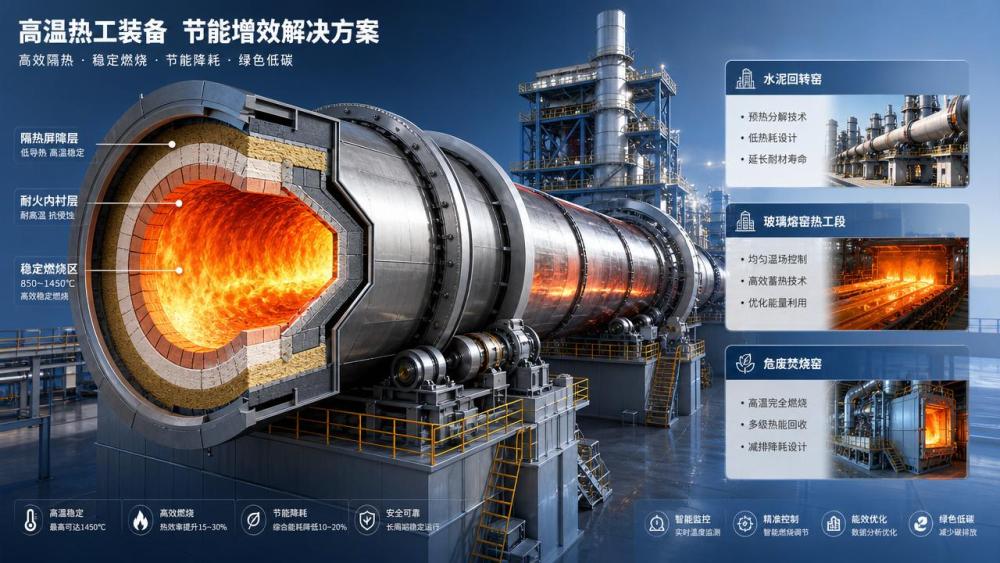
Thermal barrier technology now affects more than shell temperature or lining life. It shapes fuel use, uptime stability, heat balance, and the feasibility of lower-carbon production targets.
In practice, the best result does not come from choosing the highest insulation rating. It comes from matching thermal barrier technology to process load, atmosphere, cycling pattern, and maintenance discipline.
That is why the same solution performs differently in cement clinker kilns, glass forehearths, hazardous waste incinerators, and extrusion-related firing systems.
Across the sectors tracked by CF-Elite, thermal management decisions increasingly sit between process chemistry and carbon strategy. A barrier layer that improves energy retention in one line may create stress concentration in another.
The useful question is not whether thermal barrier technology works. The useful question is where it improves kiln efficiency most reliably, and under which operating conditions the return is durable.
Different kilns ask for different performance from the same barrier concept
High-temperature assets lose energy in different ways. Some lose it through shell radiation. Others lose it through unstable flame behavior, infiltrating air, coating disruption, or repeated thermal shock.
This changes the role of thermal barrier technology. In one case, the priority is reducing steady heat loss. In another, it is protecting the working lining against abrupt gradients and chemical attack.
A cement rotary kiln often rewards solutions that balance insulation value with coating support and mechanical resilience. A glass line usually needs thermal uniformity and dimensional stability before extreme insulation becomes the main target.
Incineration systems add another layer. Waste composition shifts flame profile, alkali loading, and corrosive gas exposure. Here, thermal barrier technology must survive variable chemistry, not just high temperature.
More advanced operators now compare not only refractory conductivity, but also anchor behavior, expansion compatibility, hot-face integrity, and sensor visibility for online monitoring.
Where cement and lime kilns usually see the clearest efficiency gains
Rotary kilns in cement and lime production often deliver the most visible savings from thermal barrier technology because fuel intensity is high and operating hours are long.
In these lines, even small reductions in heat loss can accumulate into meaningful fuel savings. The effect becomes stronger when the shell has known hot spots or the line runs with unstable coating zones.
Still, insulation alone is not enough. If a barrier layer lowers shell loss but weakens coating retention, overall kiln efficiency may fall after a short improvement window.
The better approach is to check three points together: burnability profile, shell temperature map, and refractory wear trend across burning and transition zones.
This is one reason CF-Elite often frames thermal barrier technology as an operational fit question. In large silicate lines, process reactions and thermal architecture cannot be separated for long.
When results are strongest in heavy-duty rotary service
The strongest gains usually appear where the kiln already runs near design throughput, fuel costs are significant, and refractory campaigns are long enough to capture lifecycle savings.
- Long campaigns make thermal savings measurable against shutdown and replacement costs.
- Stable feed chemistry allows the barrier system to perform within a predictable temperature window.
- Documented hot spots help prioritize zones instead of relining the entire shell without clear benefit.
- Alternative fuel usage often increases the value of better thermal containment and lining protection.
Glass, incineration, and specialty lines need a different judgment model
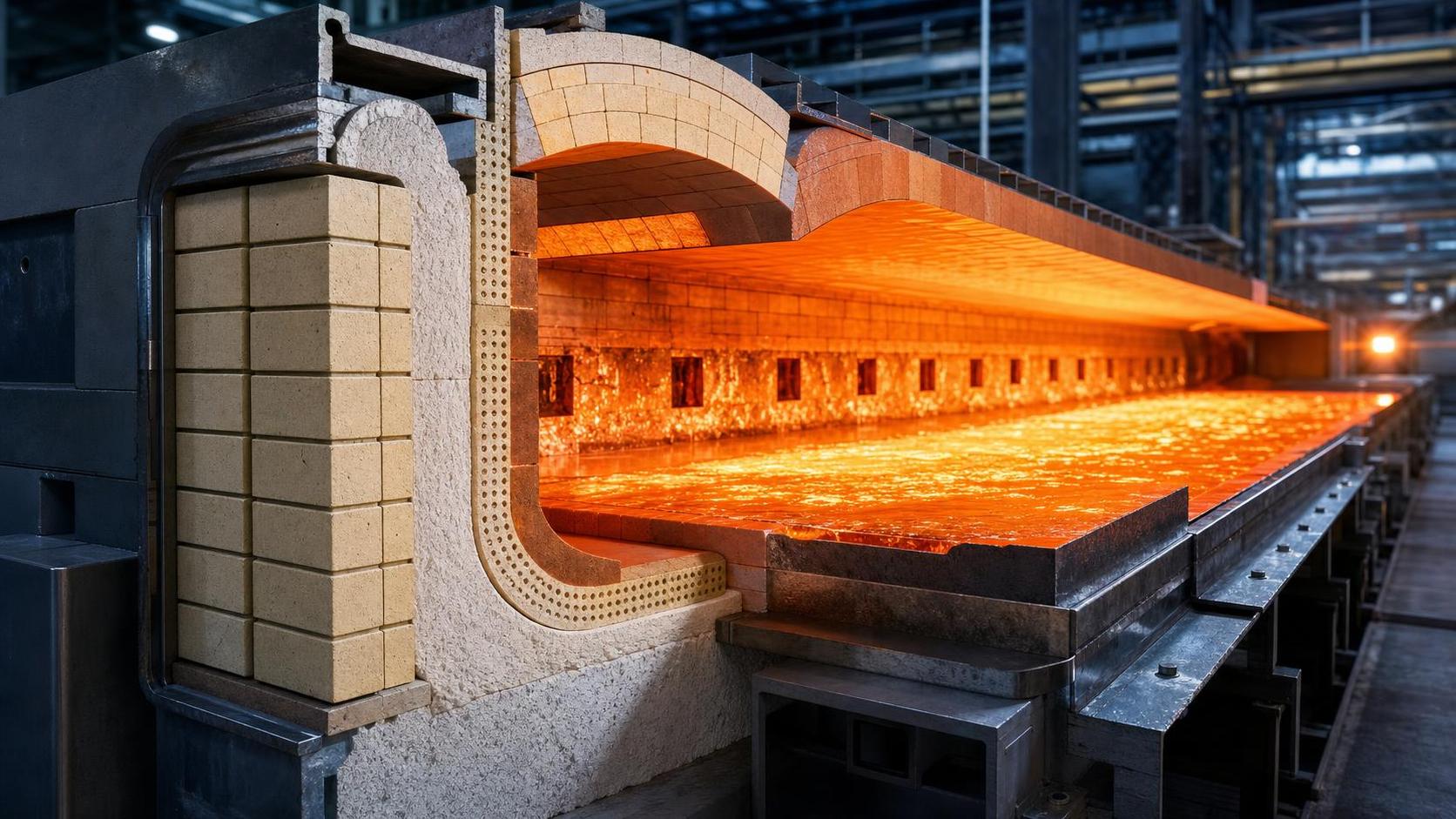
In glass manufacturing, thermal barrier technology is less about chasing maximum insulation and more about controlling heat distribution with precision.
Forehearths, annealing sections, and connected thermal zones react badly to uneven temperature fields. A barrier system that traps heat but disturbs uniformity can affect product quality before it improves energy metrics.
Industrial incineration is different again. Combustion variability and corrosive compounds often decide success faster than nominal conductivity data.
Thermal barrier technology delivers the best results there when it reduces shell loss while preserving resistance to slagging, chlorine attack, and sudden heating cycles.
In specialized extrusion and new building material firing systems, compact layouts make space efficiency important. Thin yet durable barrier assemblies can support energy savings where equipment geometry is constrained.
A practical comparison of demand differences
The table below shows why thermal barrier technology should be judged by application logic rather than by one headline specification.
What to verify before adopting thermal barrier technology at scale
A frequent mistake is to compare materials in isolation. Real performance depends on the entire thermal stack, from hot-face refractory to backup insulation, shell condition, and operating rhythm.
Another common misread is to treat similar kilns as identical. Two lines with the same diameter may still need different thermal barrier technology because feed volatility, burner tuning, and maintenance quality differ.
Before selection, it helps to verify a short list of field conditions.
- Temperature distribution by zone, not only average operating temperature.
- Mechanical stress, shell ovality, and expected expansion behavior.
- Chemical attack from alkalis, chlorides, sulfur compounds, or molten deposits.
- Shutdown frequency and how fast the line heats up or cools down.
- Inspection method, repair access, and compatibility with monitoring systems.
This is where intelligence-led evaluation matters. CF-Elite’s coverage of online lining monitoring, digital simulation, and refractory evolution reflects a broader shift toward evidence-based thermal decisions.
The best results usually come from selective deployment, not blanket installation
Thermal barrier technology often performs best when applied selectively. Burning zones, transition zones, burner surroundings, discharge sections, or vulnerable roof areas rarely behave the same way.
Selective deployment makes it easier to balance CAPEX with risk. It also reduces the chance of introducing a thermal mismatch across adjacent zones.
In real projects, the most successful upgrades usually start with a thermal map, a wear history review, and a clear definition of what “efficiency” actually means on that line.
Sometimes the target is lower specific fuel consumption. Sometimes it is extending campaign length. Sometimes it is stabilizing emissions by keeping process temperature more consistent.
When those goals are mixed together without priority, thermal barrier technology can be unfairly judged after installation.
Useful adaptation steps before final specification
- Define whether the main problem is heat loss, thermal shock, chemical wear, or unstable temperature control.
- Rank kiln zones by energy leakage and failure history.
- Estimate savings across the full campaign, not only the installation budget.
- Check whether the proposed barrier changes coating behavior or process control windows.
- Plan inspection intervals early, especially in lines with variable fuels or feedstocks.
A more reliable way to judge where thermal barrier technology should go next
The strongest value of thermal barrier technology appears where thermal losses are measurable, lining stress is manageable, and process stability can convert material performance into operating gains.
That usually favors rotary kilns with high fuel intensity, incineration assets facing harsh chemistry, and compact thermal systems where space-efficient insulation matters.
It is less useful to ask for a universal best material. A better next step is to map the real service environment, compare zone behavior, and test thermal barrier technology against lifecycle targets.
In sectors shaped by silicate processing, thermal management, and carbon pressure, that discipline creates better decisions than any single performance claim.
A practical path forward is to document operating conditions, separate high-value zones from low-impact areas, and build an application standard that connects efficiency, durability, maintenance, and emissions outcomes.
Related News
![]() Ms. Elena RodriguezTechnical Comparison of Material Processing Methods: Key Factors for Process SelectionTechnical comparison for material processing made practical: learn how to evaluate energy, quality, maintenance, emissions, and feed variability to choose the right process with confidence.Jul 29, 2026
Ms. Elena RodriguezTechnical Comparison of Material Processing Methods: Key Factors for Process SelectionTechnical comparison for material processing made practical: learn how to evaluate energy, quality, maintenance, emissions, and feed variability to choose the right process with confidence.Jul 29, 2026![]() Silicate Process EngineerHow Cement Grinding Technology Affects Energy Use, Fineness, and Plant OutputCement grinding technology shapes energy use, fineness, and plant output. Learn how to compare mills, separators, drying, and control systems for smarter upgrades.Jul 28, 2026
Silicate Process EngineerHow Cement Grinding Technology Affects Energy Use, Fineness, and Plant OutputCement grinding technology shapes energy use, fineness, and plant output. Learn how to compare mills, separators, drying, and control systems for smarter upgrades.Jul 28, 2026![]() Ms. Elena RodriguezHeavy Equipment Trade Cost Trends: What Buyers Should Track in 2025Heavy equipment trade cost trends in 2025 reveal how freight, energy, lead times, and compliance reshape total equipment costs. Learn what buyers must track to reduce risk and protect budgets.Jul 27, 2026
Ms. Elena RodriguezHeavy Equipment Trade Cost Trends: What Buyers Should Track in 2025Heavy equipment trade cost trends in 2025 reveal how freight, energy, lead times, and compliance reshape total equipment costs. Learn what buyers must track to reduce risk and protect budgets.Jul 27, 2026![]() Material Heat-Resist ExpertSilicate Production Line Process Explained: Key Stages, Equipment, and Quality ControlSilicate production line process explained with key stages, core equipment, quality control, and energy checks—helping buyers and engineers assess stability, efficiency, and supplier capability.Jul 26, 2026
Material Heat-Resist ExpertSilicate Production Line Process Explained: Key Stages, Equipment, and Quality ControlSilicate production line process explained with key stages, core equipment, quality control, and energy checks—helping buyers and engineers assess stability, efficiency, and supplier capability.Jul 26, 2026 Optical Glass Tech FellowRefractory Material Science for Glass Furnaces: Key Properties That Drive Furnace LifeRefractory material science for glass furnaces explains how corrosion resistance, thermal shock, creep, and microstructure shape furnace life, glass quality, and campaign reliability.Jul 25, 2026
![]() Silicate Process EngineerCement Plant Equipment Price Guide: What Drives Cost and How to Budget WiselyCement plant equipment price explained: discover what drives costs, compare quotes wisely, spot hidden expenses, and build a smarter budget for long-term plant value.Jul 24, 2026
Silicate Process EngineerCement Plant Equipment Price Guide: What Drives Cost and How to Budget WiselyCement plant equipment price explained: discover what drives costs, compare quotes wisely, spot hidden expenses, and build a smarter budget for long-term plant value.Jul 24, 2026![]() Dr. Alistair VaughnHow Digital Twin Simulations Improve Process Plant Design, Safety, and UptimeDigital twin simulations for process plants help teams improve plant design, reduce safety risks, and protect uptime by validating thermal, control, and retrofit decisions before costly failures occur.Jul 23, 2026
Dr. Alistair VaughnHow Digital Twin Simulations Improve Process Plant Design, Safety, and UptimeDigital twin simulations for process plants help teams improve plant design, reduce safety risks, and protect uptime by validating thermal, control, and retrofit decisions before costly failures occur.Jul 23, 2026![]() Thermal Energy ArchitectRotary Kilns Price Guide: What Determines Cost and How to Compare Quotes?Rotary kilns price varies by capacity, fuel, refractory, automation, and emissions scope. Learn what drives cost, what cheap quotes may miss, and how to compare suppliers wisely.Jul 22, 2026
Thermal Energy ArchitectRotary Kilns Price Guide: What Determines Cost and How to Compare Quotes?Rotary kilns price varies by capacity, fuel, refractory, automation, and emissions scope. Learn what drives cost, what cheap quotes may miss, and how to compare suppliers wisely.Jul 22, 2026 Ms. Elena RodriguezHow to Evaluate Green Building Material Equipment Suppliers in Europe?Green building material equipment Europe buyers: learn how to evaluate suppliers by technical fit, compliance, lifecycle cost, and after-sales support for smarter sourcing decisions.Jul 21, 2026
![]() Thermal Energy ArchitectHow to Evaluate an Energy Efficient Tunnel Kiln for Lower Fuel Costs and Stable OutputEnergy efficient tunnel kiln evaluation starts with fuel cost, but real value comes from thermal stability, heat recovery, and consistent output. Learn what truly lowers cost per qualified ton.Jul 20, 2026
Thermal Energy ArchitectHow to Evaluate an Energy Efficient Tunnel Kiln for Lower Fuel Costs and Stable OutputEnergy efficient tunnel kiln evaluation starts with fuel cost, but real value comes from thermal stability, heat recovery, and consistent output. Learn what truly lowers cost per qualified ton.Jul 20, 2026![]() Ms. Elena RodriguezSustainable Material Production Compliance: Key Standards, Risks, and Audit ChecksSustainable material production compliance explained: key standards, audit checks, and hidden plant risks across cement, glass, and thermal lines—learn how to spot gaps before audits fail.Jul 19, 2026
Ms. Elena RodriguezSustainable Material Production Compliance: Key Standards, Risks, and Audit ChecksSustainable material production compliance explained: key standards, audit checks, and hidden plant risks across cement, glass, and thermal lines—learn how to spot gaps before audits fail.Jul 19, 2026![]() Thermal Energy ArchitectProcess Monitoring for Incinerators: Key Parameters, Sensors, and Compliance ChecksProcess monitoring for incinerators covers key parameters, sensor selection, and compliance checks to improve combustion stability, emissions control, and plant performance.Jul 18, 2026
Thermal Energy ArchitectProcess Monitoring for Incinerators: Key Parameters, Sensors, and Compliance ChecksProcess monitoring for incinerators covers key parameters, sensor selection, and compliance checks to improve combustion stability, emissions control, and plant performance.Jul 18, 2026![]() Thermal Energy ArchitectWhat Is Industrial Co-Processing? Process, Acceptable Waste Types, and Kiln Use CasesIndustrial co-processing explained: learn the process, acceptable waste types, and kiln use cases in cement and thermal industries to improve efficiency, compliance, and resource recovery.Jul 17, 2026
Thermal Energy ArchitectWhat Is Industrial Co-Processing? Process, Acceptable Waste Types, and Kiln Use CasesIndustrial co-processing explained: learn the process, acceptable waste types, and kiln use cases in cement and thermal industries to improve efficiency, compliance, and resource recovery.Jul 17, 2026![]() Ms. Elena RodriguezGlass Industry Intelligence in Europe: Key Market Signals Buyers Should TrackGlass industry intelligence Europe reveals the key market signals buyers should track, from energy and carbon exposure to furnace upgrades and usable capacity for smarter sourcing decisions.Jul 16, 2026
Ms. Elena RodriguezGlass Industry Intelligence in Europe: Key Market Signals Buyers Should TrackGlass industry intelligence Europe reveals the key market signals buyers should track, from energy and carbon exposure to furnace upgrades and usable capacity for smarter sourcing decisions.Jul 16, 2026![]() Ms. Elena RodriguezIndustrial Market Intelligence in North America: What Buyers Should Track in Supply, Pricing, and DemandIndustrial market intelligence North America reveals what buyers must track in supply, pricing, demand, and compliance to reduce risk and time smarter industrial investments.Jul 15, 2026
Ms. Elena RodriguezIndustrial Market Intelligence in North America: What Buyers Should Track in Supply, Pricing, and DemandIndustrial market intelligence North America reveals what buyers must track in supply, pricing, demand, and compliance to reduce risk and time smarter industrial investments.Jul 15, 2026![]() Optical Glass Tech FellowCommon Problems in Glass Annealing Lehr Systems and How to Improve Temperature UniformityGlass annealing lehr systems often suffer from uneven cooling, stress, and defects. Learn common causes and practical fixes to improve temperature uniformity, quality, and line stability.Jul 15, 2026
Optical Glass Tech FellowCommon Problems in Glass Annealing Lehr Systems and How to Improve Temperature UniformityGlass annealing lehr systems often suffer from uneven cooling, stress, and defects. Learn common causes and practical fixes to improve temperature uniformity, quality, and line stability.Jul 15, 2026![]() Optical Glass Tech FellowOxy Fuel Glass Melting Furnace vs Air-Fuel Systems: Which Fits Your Glass Plant Better?Oxy fuel glass melting furnace or air-fuel system? Compare energy use, NOx, melt quality, oxygen cost, and ROI to choose the best-fit furnace for your glass plant.Jul 15, 2026
Optical Glass Tech FellowOxy Fuel Glass Melting Furnace vs Air-Fuel Systems: Which Fits Your Glass Plant Better?Oxy fuel glass melting furnace or air-fuel system? Compare energy use, NOx, melt quality, oxygen cost, and ROI to choose the best-fit furnace for your glass plant.Jul 15, 2026![]() Dr. Alistair VaughnSilicate Processing Equipment Production Line: Key Machines, Layout Options, and Output PlanningSilicate processing equipment production line guide covering key machines, layout models, output planning, and control strategies to help improve efficiency, stability, and project ROI.Jul 15, 2026
Dr. Alistair VaughnSilicate Processing Equipment Production Line: Key Machines, Layout Options, and Output PlanningSilicate processing equipment production line guide covering key machines, layout models, output planning, and control strategies to help improve efficiency, stability, and project ROI.Jul 15, 2026![]() Material Heat-Resist ExpertHow to Evaluate a Refractory Production Line in Southeast Asia: Capacity, Fuel, and Raw Material FactorsRefractory production Southeast Asia: learn how to assess capacity, fuel strategy, and raw material stability to reduce risk, improve efficiency, and build a scalable, compliant plant.Jul 15, 2026
Material Heat-Resist ExpertHow to Evaluate a Refractory Production Line in Southeast Asia: Capacity, Fuel, and Raw Material FactorsRefractory production Southeast Asia: learn how to assess capacity, fuel strategy, and raw material stability to reduce risk, improve efficiency, and build a scalable, compliant plant.Jul 15, 2026![]() Ms. Elena RodriguezIndustrial Solution Comparison for Procurement: How to Compare CAPEX, OPEX, and Delivery RiskIndustrial solution comparison procurement made practical: compare CAPEX, OPEX, and delivery risk with a lifecycle approach to reduce downtime, control cost, and choose suppliers with confidence.Jul 14, 2026
Ms. Elena RodriguezIndustrial Solution Comparison for Procurement: How to Compare CAPEX, OPEX, and Delivery RiskIndustrial solution comparison procurement made practical: compare CAPEX, OPEX, and delivery risk with a lifecycle approach to reduce downtime, control cost, and choose suppliers with confidence.Jul 14, 2026

Related News
- 00
0000-00
Rotary Kilns Price Guide: What Determines Cost and How to Compare Quotes? - 00
0000-00
How to Evaluate an Energy Efficient Tunnel Kiln for Lower Fuel Costs and Stable Output - 00
0000-00
Process Monitoring for Incinerators: Key Parameters, Sensors, and Compliance Checks - 00
0000-00
What Is Industrial Co-Processing? Process, Acceptable Waste Types, and Kiln Use Cases - 00
0000-00
Rotary Kiln Technology Manufacturer Selection: Which Technical Capabilities Should You Verify?
Weekly Insights
Stay ahead with our curated technology reports delivered every Monday.