
How to Choose High-Temp Industrial Solutions for Kilns, Furnaces, and Heat-Intensive Lines




How to Choose High-Temp Industrial Solutions for Kilns, Furnaces, and Heat-Intensive Lines
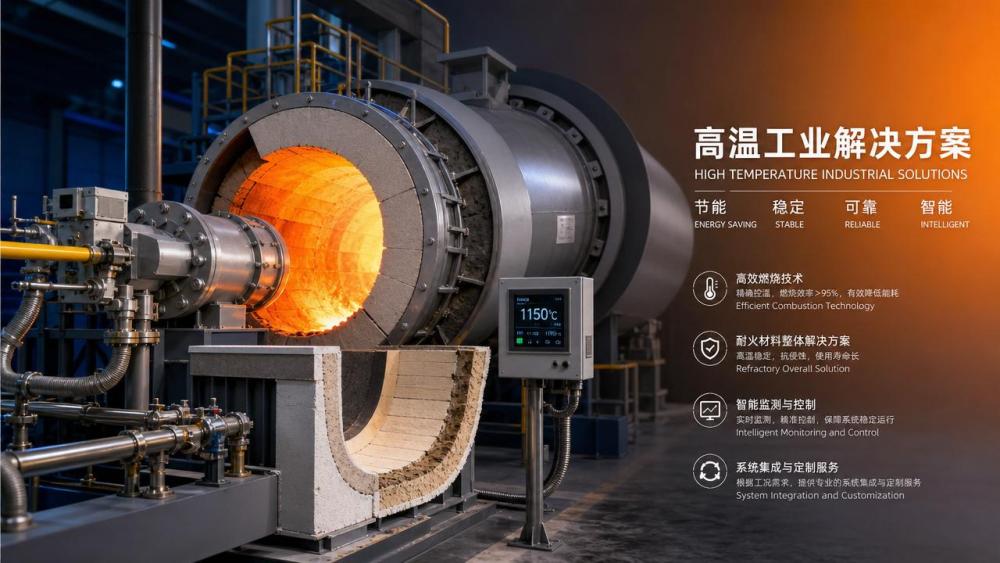
Choosing the right high-temp industrial solutions is rarely a simple equipment purchase. It shapes uptime, fuel use, product quality, maintenance pressure, and long-term compliance.
In kilns, furnaces, and heat-intensive lines, one weak selection can affect the whole process chain. That includes burners, refractories, insulation systems, controls, waste heat recovery, and emissions treatment.
From a project perspective, the goal is not buying the hottest technology. The goal is choosing high-temp industrial solutions that fit the actual thermal duty, chemistry, operating rhythm, and carbon targets.
That is where a structured evaluation matters. It reduces risk during design, commissioning, ramp-up, and full-scale production.
Start with the Real Process Envelope
Many selection mistakes begin with nominal temperature. Nameplate temperature alone does not define performance needs.
High-temp industrial solutions should be matched against the full process envelope. That means thermal peaks, cycling frequency, atmosphere, abrasion, corrosive species, and material residence time.
For example, a glass melting furnace and a hazardous waste rotary kiln may share extreme heat. Yet their chemical attack patterns, heat transfer needs, and maintenance windows differ sharply.
A practical review should confirm:
- Maximum continuous and transient temperatures
- Oxidizing, reducing, or neutral atmosphere conditions
- Dust loading, slag formation, and alkali exposure
- Feed variability and moisture swings
- Required product uniformity and thermal stability
- Planned campaign length and shutdown intervals
This first step sounds basic, but it often reveals why one supplier proposal looks cheaper and still carries more operational risk.
Evaluate Thermal Performance Beyond Rated Heat
The most effective high-temp industrial solutions deliver stable heat where it matters. They do not just survive high temperatures on paper.
Look closely at how heat is generated, transferred, retained, and controlled. Small inefficiencies multiply quickly in fuel-heavy operations.
Focus on these technical checkpoints:
- Burner efficiency and flame shaping accuracy
- Temperature uniformity across the working zone
- Heat-up and cool-down response speed
- Insulation losses through shell, roof, and openings
- Control precision from sensors and automation logic
- Waste heat recovery potential from flue gases
In real projects, temperature uniformity often matters more than peak capability. Uneven heat can cause clinker instability, glass defects, refractory stress, or poor extrusion consistency.
This also means digital monitoring is no longer optional in many cases. Advanced sensors, thermal imaging, and predictive controls improve decision quality during operation, not only during procurement.
Check Material Compatibility and Failure Modes
Material compatibility is where many high-temp industrial solutions either prove their value or fail early.
It is not enough for a refractory, alloy, or ceramic component to tolerate temperature. It must also withstand the specific chemical and mechanical environment.
For kilns and furnaces, common failure modes include:
- Alkali attack and slag penetration
- Thermal shock from rapid cycling
- Creep deformation under load
- Oxidation, sulfidation, or carburization
- Abrasion from solids and gas flow
- Structural cracking from poor anchoring design
When comparing high-temp industrial solutions, ask suppliers to explain expected failure mechanisms. That answer is often more useful than a generic performance brochure.
Better suppliers usually provide operating references, lining design logic, and service life assumptions linked to actual conditions. That gives a clearer basis for selection.
Compare Total Lifecycle Cost, Not Just CAPEX
A lower purchase price can be expensive over time. For heat-intensive lines, energy, downtime, spare parts, and relining intervals often outweigh initial capital savings.
That is why high-temp industrial solutions should be reviewed through lifecycle cost, not only CAPEX.
A simple comparison model should include:
In practice, the strongest business case often comes from stable operation. Even modest efficiency gains become significant across multi-year continuous production.
Factor in Compliance and Carbon Reduction Early
From recent market shifts, the clearer signal is this: high-temp industrial solutions are now judged by environmental performance as much as thermal performance.
This affects project approval, financing, export opportunities, and long-term operating flexibility.
For selection decisions, evaluate whether the solution supports:
- Lower specific fuel consumption
- Alternative fuel or mixed fuel capability
- Reduced NOx, SOx, dust, and CO emissions
- Waste heat utilization and energy recovery
- Digital monitoring for environmental reporting
- Future retrofit paths for decarbonization upgrades
This is especially relevant in cement plants, incineration units, glass lines, and refractory production. Regulatory pressure is rising, but so is customer demand for cleaner process performance.
CF-Elite closely tracks this shift across global high-temperature sectors. A recurring pattern is that future-ready systems attract stronger long-cycle value, even when evaluation takes longer upfront.
Assess Supplier Depth, Service Model, and Data Support
A good product does not guarantee a good project result. High-temp industrial solutions depend heavily on engineering support, startup guidance, and after-sales response.
This matters even more when process conditions are variable or when several systems must work together.
A serious supplier review should cover:
- Reference projects with similar fuel, temperature, and feedstock profiles
- Ability to provide thermal calculations and design assumptions
- Commissioning support and operator training quality
- Local or regional service capacity for urgent shutdowns
- Monitoring tools for performance tracking and diagnostics
- Clarity on warranty scope, exclusions, and expected wear rates
In actual operations, the best high-temp industrial solutions are rarely standalone items. They are part of a service ecosystem that reduces decision blind spots after installation.
Build a Shortlist with a Weighted Decision Matrix
To avoid subjective decisions, build a weighted matrix. It helps compare high-temp industrial solutions across technical, commercial, and strategic dimensions.
A useful matrix may score each option on:
- Thermal efficiency
- Material compatibility
- Reliability and service life
- Lifecycle cost
- Emissions and carbon performance
- Service and technical support
- Integration with existing systems
- Implementation risk and lead time
Give higher weight to the factors that most affect process continuity. For some lines, that may be refractory life. For others, it may be burner flexibility or emissions control.
This approach also makes internal alignment easier. Technical teams, operations, procurement, and sustainability stakeholders can review the same decision logic.
Common Selection Mistakes to Avoid
Even experienced teams can miss key signals when selecting high-temp industrial solutions. Most mistakes are not technical ignorance. They come from incomplete framing.
- Using peak temperature as the only benchmark
- Ignoring chemical attack and thermal cycling together
- Comparing quotes without normalized lifecycle assumptions
- Undervaluing commissioning and service response
- Postponing compliance review until late project stages
- Choosing systems that cannot adapt to future fuels or process changes
The better path is simple. Define the process reality clearly, challenge supplier assumptions, and compare options through operating value rather than brochure language.
Make the Final Choice with Long-Term Confidence
The right high-temp industrial solutions protect more than equipment. They protect production consistency, energy efficiency, maintenance planning, and future compliance readiness.
That is why the final decision should combine process data, material science, service capability, and carbon strategy in one view.
For teams navigating cement plants, glass manufacturing gear, industrial kilns, incineration systems, refractory production lines, or advanced extrusion equipment, disciplined evaluation creates a measurable edge.
CF-Elite continues to follow the technologies shaping high-temperature industries, from thermal management and refractory monitoring to digital intelligence and decarbonization pathways.
If the next investment decision involves heat-intensive operations, start with the process envelope, test every assumption, and choose high-temp industrial solutions that will still perform when conditions become tougher, not easier.
Related News
![]() Ms. Elena RodriguezTechnical Comparison of Material Processing Methods: Key Factors for Process SelectionTechnical comparison for material processing made practical: learn how to evaluate energy, quality, maintenance, emissions, and feed variability to choose the right process with confidence.Jul 29, 2026
Ms. Elena RodriguezTechnical Comparison of Material Processing Methods: Key Factors for Process SelectionTechnical comparison for material processing made practical: learn how to evaluate energy, quality, maintenance, emissions, and feed variability to choose the right process with confidence.Jul 29, 2026![]() Silicate Process EngineerHow Cement Grinding Technology Affects Energy Use, Fineness, and Plant OutputCement grinding technology shapes energy use, fineness, and plant output. Learn how to compare mills, separators, drying, and control systems for smarter upgrades.Jul 28, 2026
Silicate Process EngineerHow Cement Grinding Technology Affects Energy Use, Fineness, and Plant OutputCement grinding technology shapes energy use, fineness, and plant output. Learn how to compare mills, separators, drying, and control systems for smarter upgrades.Jul 28, 2026![]() Ms. Elena RodriguezHeavy Equipment Trade Cost Trends: What Buyers Should Track in 2025Heavy equipment trade cost trends in 2025 reveal how freight, energy, lead times, and compliance reshape total equipment costs. Learn what buyers must track to reduce risk and protect budgets.Jul 27, 2026
Ms. Elena RodriguezHeavy Equipment Trade Cost Trends: What Buyers Should Track in 2025Heavy equipment trade cost trends in 2025 reveal how freight, energy, lead times, and compliance reshape total equipment costs. Learn what buyers must track to reduce risk and protect budgets.Jul 27, 2026![]() Material Heat-Resist ExpertSilicate Production Line Process Explained: Key Stages, Equipment, and Quality ControlSilicate production line process explained with key stages, core equipment, quality control, and energy checks—helping buyers and engineers assess stability, efficiency, and supplier capability.Jul 26, 2026
Material Heat-Resist ExpertSilicate Production Line Process Explained: Key Stages, Equipment, and Quality ControlSilicate production line process explained with key stages, core equipment, quality control, and energy checks—helping buyers and engineers assess stability, efficiency, and supplier capability.Jul 26, 2026 Optical Glass Tech FellowRefractory Material Science for Glass Furnaces: Key Properties That Drive Furnace LifeRefractory material science for glass furnaces explains how corrosion resistance, thermal shock, creep, and microstructure shape furnace life, glass quality, and campaign reliability.Jul 25, 2026
![]() Silicate Process EngineerCement Plant Equipment Price Guide: What Drives Cost and How to Budget WiselyCement plant equipment price explained: discover what drives costs, compare quotes wisely, spot hidden expenses, and build a smarter budget for long-term plant value.Jul 24, 2026
Silicate Process EngineerCement Plant Equipment Price Guide: What Drives Cost and How to Budget WiselyCement plant equipment price explained: discover what drives costs, compare quotes wisely, spot hidden expenses, and build a smarter budget for long-term plant value.Jul 24, 2026![]() Dr. Alistair VaughnHow Digital Twin Simulations Improve Process Plant Design, Safety, and UptimeDigital twin simulations for process plants help teams improve plant design, reduce safety risks, and protect uptime by validating thermal, control, and retrofit decisions before costly failures occur.Jul 23, 2026
Dr. Alistair VaughnHow Digital Twin Simulations Improve Process Plant Design, Safety, and UptimeDigital twin simulations for process plants help teams improve plant design, reduce safety risks, and protect uptime by validating thermal, control, and retrofit decisions before costly failures occur.Jul 23, 2026![]() Thermal Energy ArchitectRotary Kilns Price Guide: What Determines Cost and How to Compare Quotes?Rotary kilns price varies by capacity, fuel, refractory, automation, and emissions scope. Learn what drives cost, what cheap quotes may miss, and how to compare suppliers wisely.Jul 22, 2026
Thermal Energy ArchitectRotary Kilns Price Guide: What Determines Cost and How to Compare Quotes?Rotary kilns price varies by capacity, fuel, refractory, automation, and emissions scope. Learn what drives cost, what cheap quotes may miss, and how to compare suppliers wisely.Jul 22, 2026 Ms. Elena RodriguezHow to Evaluate Green Building Material Equipment Suppliers in Europe?Green building material equipment Europe buyers: learn how to evaluate suppliers by technical fit, compliance, lifecycle cost, and after-sales support for smarter sourcing decisions.Jul 21, 2026
![]() Thermal Energy ArchitectHow to Evaluate an Energy Efficient Tunnel Kiln for Lower Fuel Costs and Stable OutputEnergy efficient tunnel kiln evaluation starts with fuel cost, but real value comes from thermal stability, heat recovery, and consistent output. Learn what truly lowers cost per qualified ton.Jul 20, 2026
Thermal Energy ArchitectHow to Evaluate an Energy Efficient Tunnel Kiln for Lower Fuel Costs and Stable OutputEnergy efficient tunnel kiln evaluation starts with fuel cost, but real value comes from thermal stability, heat recovery, and consistent output. Learn what truly lowers cost per qualified ton.Jul 20, 2026![]() Ms. Elena RodriguezSustainable Material Production Compliance: Key Standards, Risks, and Audit ChecksSustainable material production compliance explained: key standards, audit checks, and hidden plant risks across cement, glass, and thermal lines—learn how to spot gaps before audits fail.Jul 19, 2026
Ms. Elena RodriguezSustainable Material Production Compliance: Key Standards, Risks, and Audit ChecksSustainable material production compliance explained: key standards, audit checks, and hidden plant risks across cement, glass, and thermal lines—learn how to spot gaps before audits fail.Jul 19, 2026![]() Thermal Energy ArchitectProcess Monitoring for Incinerators: Key Parameters, Sensors, and Compliance ChecksProcess monitoring for incinerators covers key parameters, sensor selection, and compliance checks to improve combustion stability, emissions control, and plant performance.Jul 18, 2026
Thermal Energy ArchitectProcess Monitoring for Incinerators: Key Parameters, Sensors, and Compliance ChecksProcess monitoring for incinerators covers key parameters, sensor selection, and compliance checks to improve combustion stability, emissions control, and plant performance.Jul 18, 2026![]() Thermal Energy ArchitectWhat Is Industrial Co-Processing? Process, Acceptable Waste Types, and Kiln Use CasesIndustrial co-processing explained: learn the process, acceptable waste types, and kiln use cases in cement and thermal industries to improve efficiency, compliance, and resource recovery.Jul 17, 2026
Thermal Energy ArchitectWhat Is Industrial Co-Processing? Process, Acceptable Waste Types, and Kiln Use CasesIndustrial co-processing explained: learn the process, acceptable waste types, and kiln use cases in cement and thermal industries to improve efficiency, compliance, and resource recovery.Jul 17, 2026![]() Ms. Elena RodriguezGlass Industry Intelligence in Europe: Key Market Signals Buyers Should TrackGlass industry intelligence Europe reveals the key market signals buyers should track, from energy and carbon exposure to furnace upgrades and usable capacity for smarter sourcing decisions.Jul 16, 2026
Ms. Elena RodriguezGlass Industry Intelligence in Europe: Key Market Signals Buyers Should TrackGlass industry intelligence Europe reveals the key market signals buyers should track, from energy and carbon exposure to furnace upgrades and usable capacity for smarter sourcing decisions.Jul 16, 2026![]() Ms. Elena RodriguezIndustrial Market Intelligence in North America: What Buyers Should Track in Supply, Pricing, and DemandIndustrial market intelligence North America reveals what buyers must track in supply, pricing, demand, and compliance to reduce risk and time smarter industrial investments.Jul 15, 2026
Ms. Elena RodriguezIndustrial Market Intelligence in North America: What Buyers Should Track in Supply, Pricing, and DemandIndustrial market intelligence North America reveals what buyers must track in supply, pricing, demand, and compliance to reduce risk and time smarter industrial investments.Jul 15, 2026![]() Optical Glass Tech FellowCommon Problems in Glass Annealing Lehr Systems and How to Improve Temperature UniformityGlass annealing lehr systems often suffer from uneven cooling, stress, and defects. Learn common causes and practical fixes to improve temperature uniformity, quality, and line stability.Jul 15, 2026
Optical Glass Tech FellowCommon Problems in Glass Annealing Lehr Systems and How to Improve Temperature UniformityGlass annealing lehr systems often suffer from uneven cooling, stress, and defects. Learn common causes and practical fixes to improve temperature uniformity, quality, and line stability.Jul 15, 2026![]() Optical Glass Tech FellowOxy Fuel Glass Melting Furnace vs Air-Fuel Systems: Which Fits Your Glass Plant Better?Oxy fuel glass melting furnace or air-fuel system? Compare energy use, NOx, melt quality, oxygen cost, and ROI to choose the best-fit furnace for your glass plant.Jul 15, 2026
Optical Glass Tech FellowOxy Fuel Glass Melting Furnace vs Air-Fuel Systems: Which Fits Your Glass Plant Better?Oxy fuel glass melting furnace or air-fuel system? Compare energy use, NOx, melt quality, oxygen cost, and ROI to choose the best-fit furnace for your glass plant.Jul 15, 2026![]() Dr. Alistair VaughnSilicate Processing Equipment Production Line: Key Machines, Layout Options, and Output PlanningSilicate processing equipment production line guide covering key machines, layout models, output planning, and control strategies to help improve efficiency, stability, and project ROI.Jul 15, 2026
Dr. Alistair VaughnSilicate Processing Equipment Production Line: Key Machines, Layout Options, and Output PlanningSilicate processing equipment production line guide covering key machines, layout models, output planning, and control strategies to help improve efficiency, stability, and project ROI.Jul 15, 2026![]() Material Heat-Resist ExpertHow to Evaluate a Refractory Production Line in Southeast Asia: Capacity, Fuel, and Raw Material FactorsRefractory production Southeast Asia: learn how to assess capacity, fuel strategy, and raw material stability to reduce risk, improve efficiency, and build a scalable, compliant plant.Jul 15, 2026
Material Heat-Resist ExpertHow to Evaluate a Refractory Production Line in Southeast Asia: Capacity, Fuel, and Raw Material FactorsRefractory production Southeast Asia: learn how to assess capacity, fuel strategy, and raw material stability to reduce risk, improve efficiency, and build a scalable, compliant plant.Jul 15, 2026![]() Ms. Elena RodriguezIndustrial Solution Comparison for Procurement: How to Compare CAPEX, OPEX, and Delivery RiskIndustrial solution comparison procurement made practical: compare CAPEX, OPEX, and delivery risk with a lifecycle approach to reduce downtime, control cost, and choose suppliers with confidence.Jul 14, 2026
Ms. Elena RodriguezIndustrial Solution Comparison for Procurement: How to Compare CAPEX, OPEX, and Delivery RiskIndustrial solution comparison procurement made practical: compare CAPEX, OPEX, and delivery risk with a lifecycle approach to reduce downtime, control cost, and choose suppliers with confidence.Jul 14, 2026

Related News
- 00
0000-00
Rotary Kilns Price Guide: What Determines Cost and How to Compare Quotes? - 00
0000-00
How to Evaluate an Energy Efficient Tunnel Kiln for Lower Fuel Costs and Stable Output - 00
0000-00
Process Monitoring for Incinerators: Key Parameters, Sensors, and Compliance Checks - 00
0000-00
What Is Industrial Co-Processing? Process, Acceptable Waste Types, and Kiln Use Cases - 00
0000-00
Rotary Kiln Technology Manufacturer Selection: Which Technical Capabilities Should You Verify?
Weekly Insights
Stay ahead with our curated technology reports delivered every Monday.