
Rotary Kiln Technology Selection Guide: Capacity, Fuel Type, and Heat Efficiency




Rotary Kiln Technology Selection Guide: Capacity, Fuel Type, and Heat Efficiency
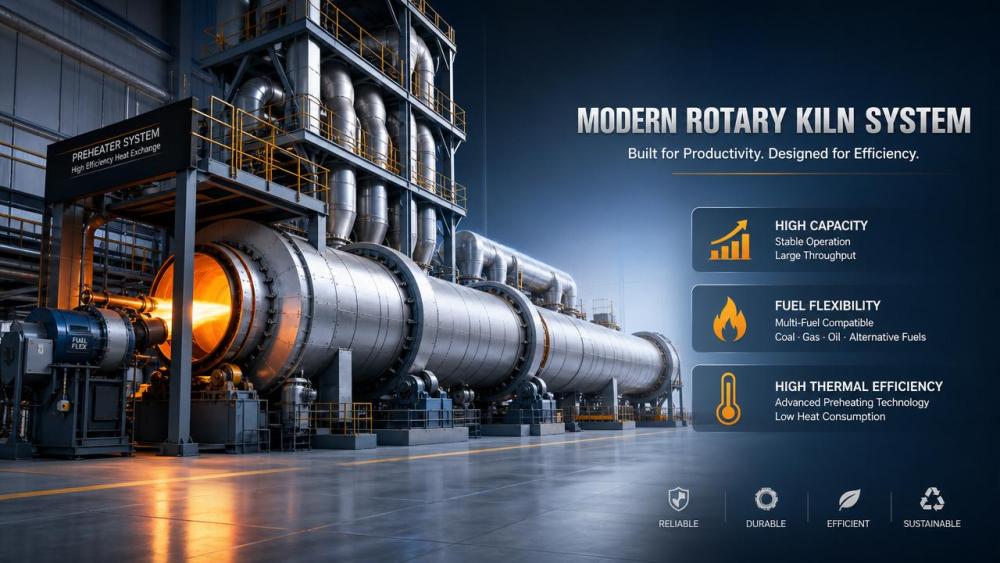
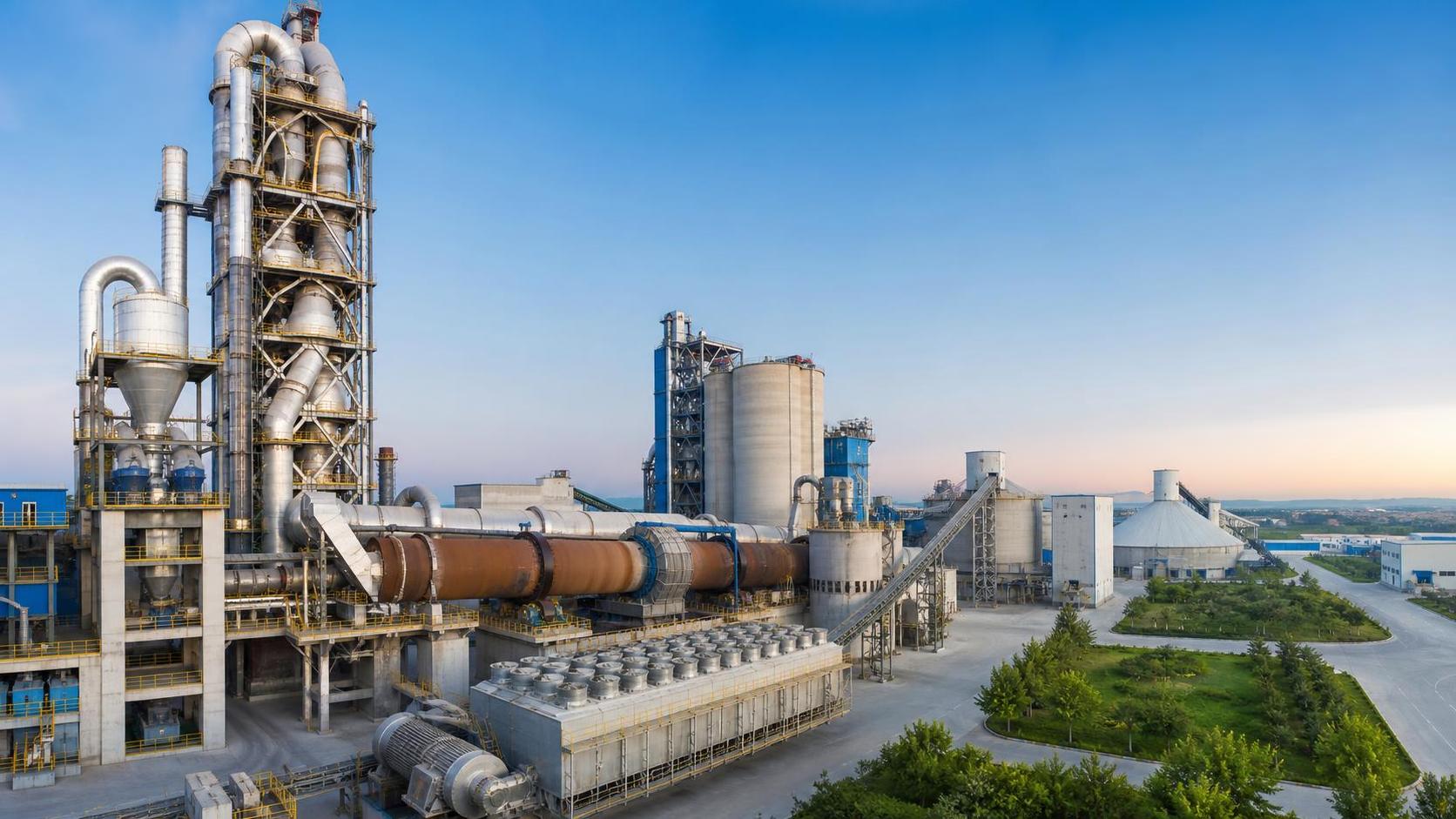
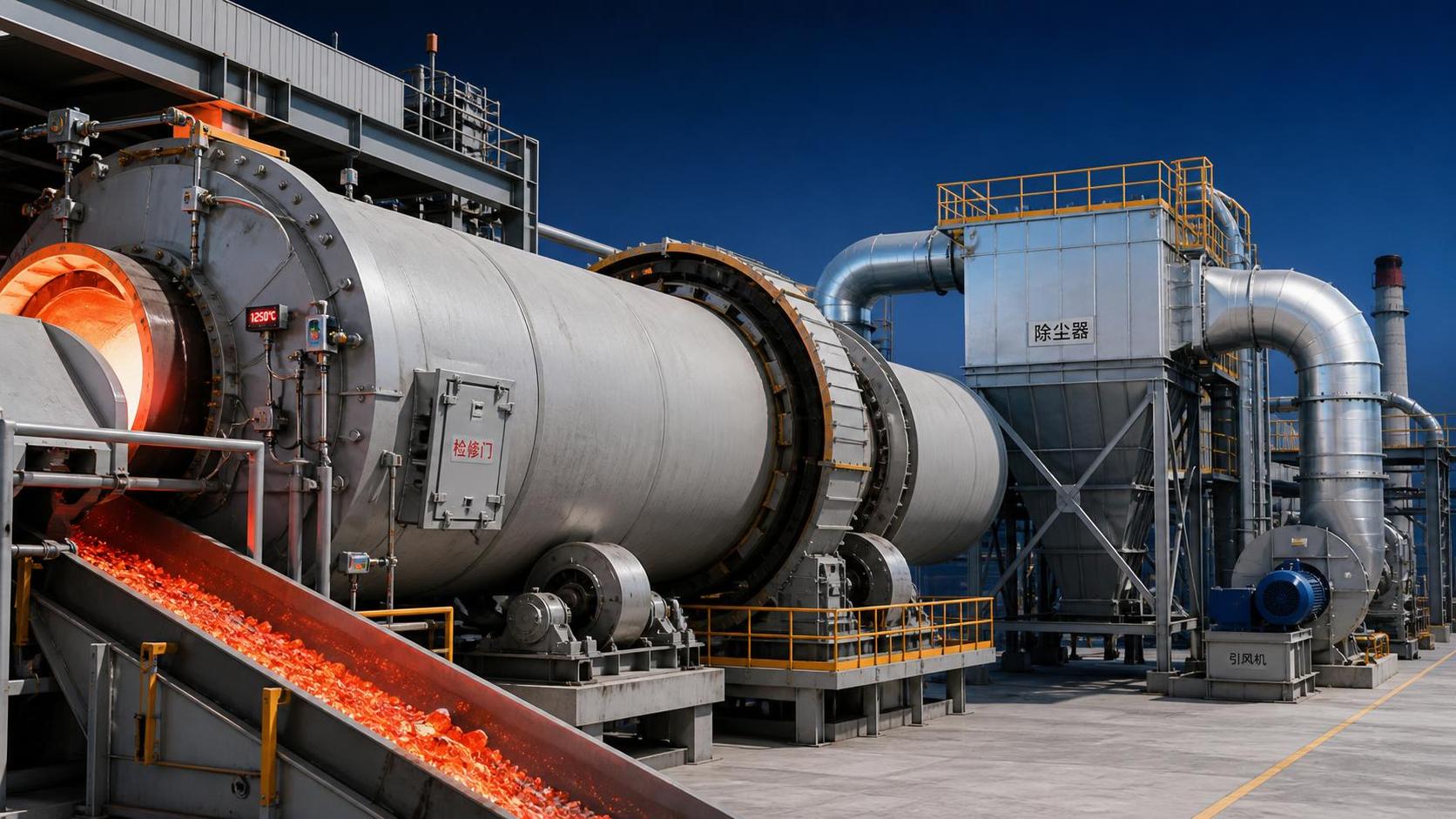
Choosing the right rotary kiln technology is a strategic decision for teams balancing output, fuel flexibility, and lifetime operating cost.
A kiln may look like one machine purchase, but it affects energy use, maintenance planning, emissions exposure, and product consistency for years.
That is why rotary kiln technology should be reviewed as a full production system, not just a line item.
In practical buying work, three questions usually decide the shortlist first: required capacity, available fuel, and expected heat efficiency.
Get these three right, and the project starts with a stronger cost base and fewer retrofit risks later.
For heavy industries covered by CF-Elite, from cement and refractory production to industrial incineration, the same rule applies.
The best rotary kiln technology is not the most complex design. It is the design that matches feed chemistry, thermal profile, and local energy economics.
Start with Capacity, Not Nameplate Hype
Capacity is often the first filter, but it should not be reduced to tons per day on a proposal sheet.
A realistic review looks at stable throughput, not peak output under ideal conditions.
When comparing rotary kiln technology, check how capacity changes with moisture, particle size, ash level, and feed variability.
A kiln sized too tightly may hit bottlenecks during seasonal raw material shifts. An oversized kiln may waste fuel and increase idle losses.
This is where process data matters more than brochure language.
- Confirm design capacity, guaranteed capacity, and tested operating range.
- Ask for reference cases using similar feedstock and ambient conditions.
- Review residence time, slope, rotation speed, and filling degree together.
- Check whether upstream drying or preheating is assumed in the offer.
From a cost perspective, stable capacity usually beats headline capacity. Lost production hours are far more expensive than a small difference in initial equipment price.
Questions That Expose Real Capacity
Ask suppliers how the rotary kiln technology performs during startup, partial load, and feed interruptions.
Also ask what operational assumptions sit behind each guarantee.
More clearly than before, buyers now want throughput data linked to downtime, ring formation risk, and refractory wear rate.
Fuel Type Shapes Both Cost and Flexibility
Fuel choice is no longer just a burner issue. It changes combustion control, emissions strategy, and daily operating resilience.
Modern rotary kiln technology often needs to handle natural gas, coal, petcoke, fuel oil, alternative fuels, or mixed firing modes.
That flexibility can protect operating budgets when energy markets swing sharply.
Still, multi-fuel capability is only valuable when the combustion system, seals, refractory design, and controls are built for it.
In real projects, low-cost fuel can become expensive if it reduces thermal stability or raises maintenance frequency.
This also means procurement decisions should include local fuel contracts, storage needs, permitting requirements, and future decarbonization pressure.
How to Compare Fuel Flexibility
- Verify burner turndown ratio and flame stability across fuels.
- Check fuel preparation needs, including grinding, drying, or dosing systems.
- Review impact on NOx, SOx, dust, and unburned material.
- Ask whether the rotary kiln technology supports future fuel switching without major rebuilds.
Heat Efficiency Is Where Lifetime Savings Hide
Heat efficiency deserves more attention because it drives the largest share of long-term operating cost.
Even small efficiency gains can create major savings over ten or fifteen years.
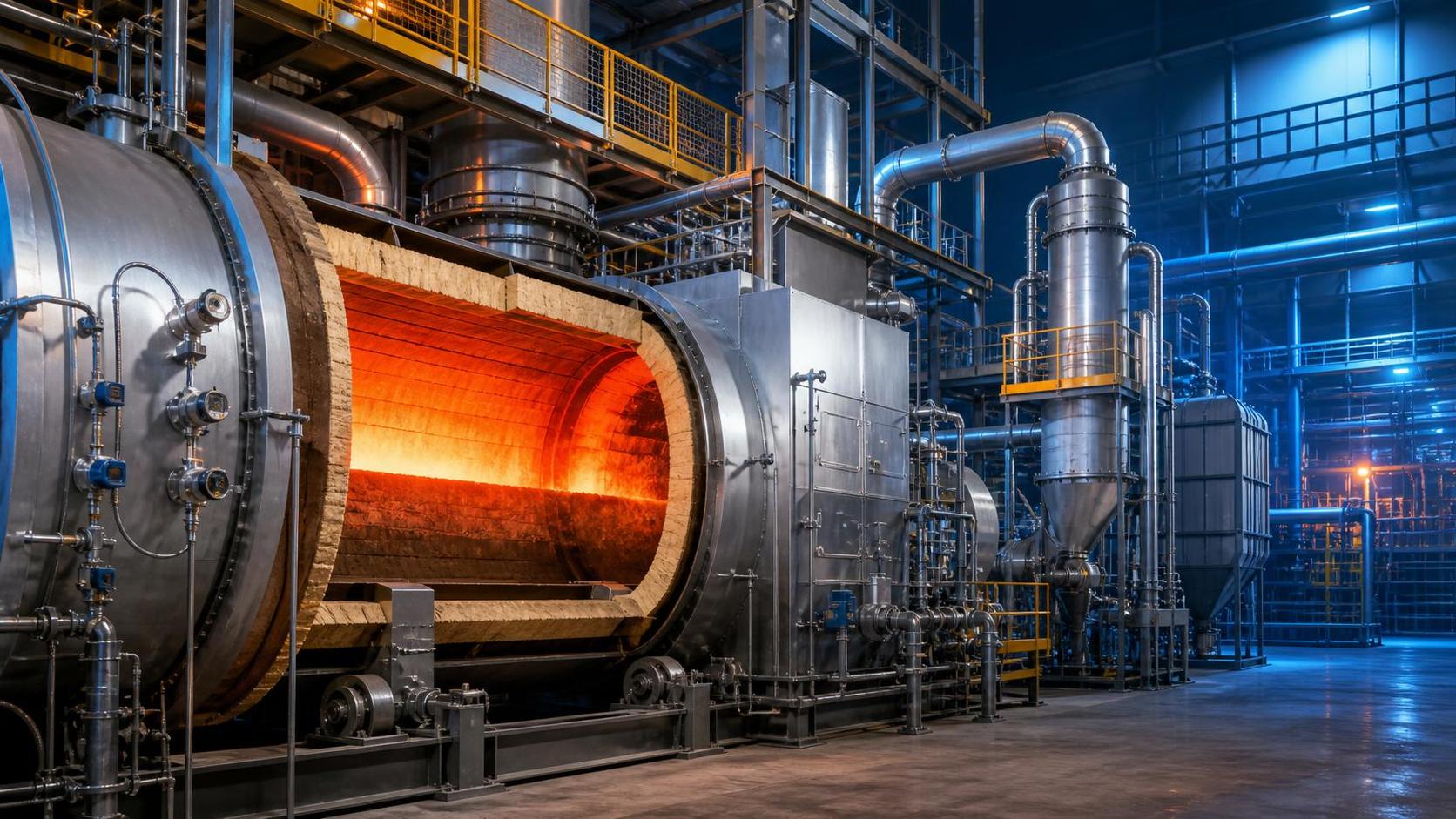
In rotary kiln technology, heat efficiency depends on shell losses, air leakage, combustion quality, material movement, insulation, and waste heat recovery.
A lower quoted machine price can quickly lose its appeal if thermal consumption stays high.
More buyers now compare specific heat consumption instead of relying on broad claims like energy-saving design.
That shift is healthy because it forces clearer accountability.
Main Design Features That Affect Efficiency
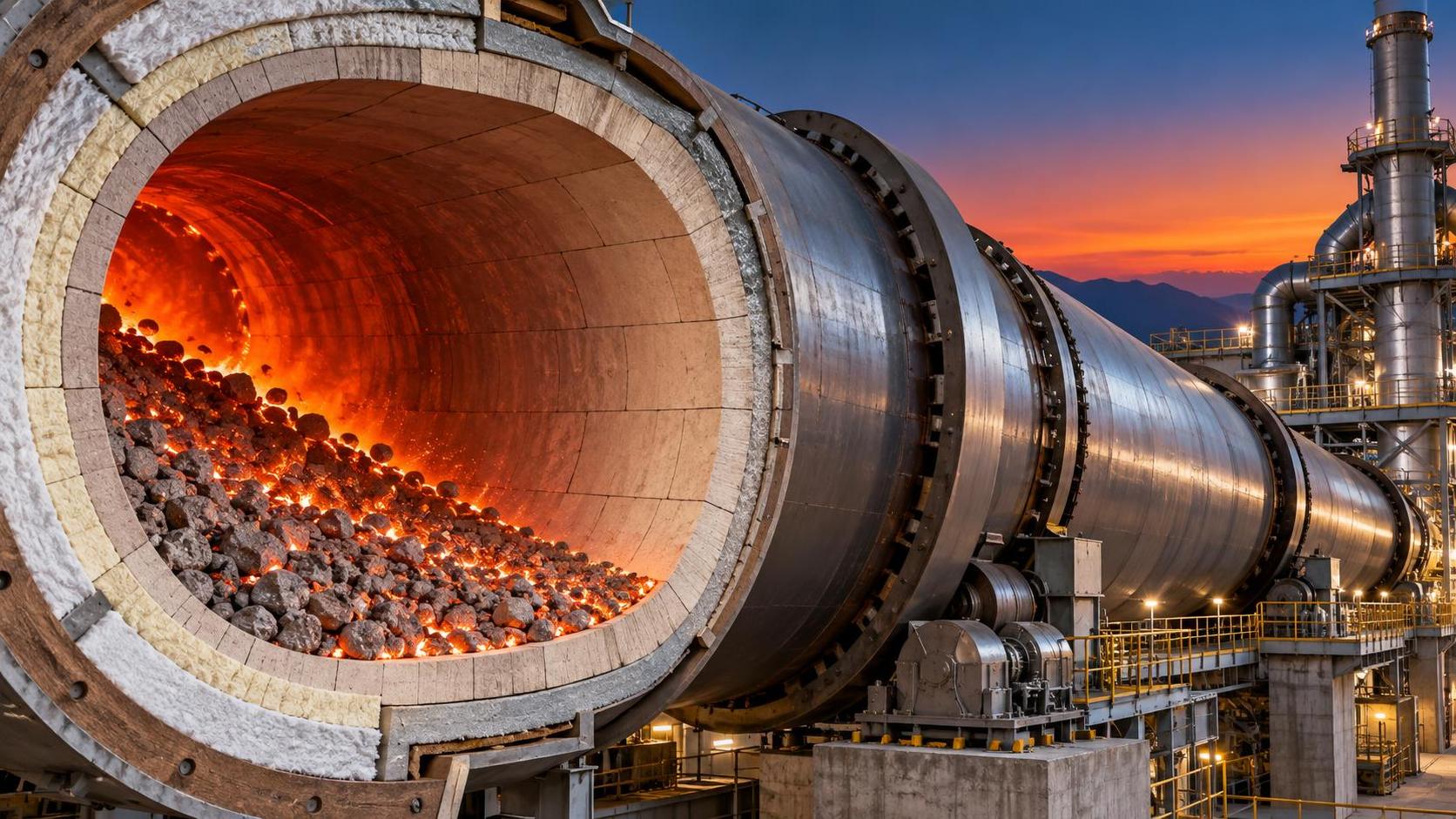
- High-performance refractory and shell insulation reduce heat loss.
- Effective seals limit false air entry and keep the thermal profile stable.
- Preheaters or pre-calciners can sharply reduce fuel intensity in suitable applications.
- Waste heat recovery improves total plant energy performance.
- Advanced controls support tighter combustion and oxygen management.
In actual operations, the best rotary kiln technology is usually the one that maintains efficiency under imperfect conditions, not only during commissioning tests.
Look Beyond CAPEX to Total Procurement Value
Procurement decisions become stronger when capital cost is balanced against fuel spend, spare parts, labor intensity, and downtime risk.
This is especially true for rotary kiln technology, where thermal inefficiency and unplanned shutdowns can erase initial savings fast.
A disciplined evaluation model should include direct and hidden costs.
- Initial equipment and installation cost.
- Fuel consumption at expected operating loads.
- Refractory life and replacement frequency.
- Seal wear, tyre support condition, and alignment maintenance.
- Control system complexity and training needs.
- Emission control costs and compliance risk.
From recent market changes, energy price uncertainty has made lifecycle analysis much more important than simple bid comparison.
A supplier offering stronger process guarantees and service support may deliver lower real ownership cost.
Red Flags During Supplier Evaluation
- Efficiency claims without measured reference data.
- Capacity guarantees tied to unrealistic feed conditions.
- Multi-fuel promises without burner or control detail.
- Weak spare parts planning or limited field service availability.
Use a Practical Shortlist Framework
To compare rotary kiln technology efficiently, use a scoring method that reflects operational reality.
This keeps teams aligned and reduces decisions driven by isolated features.
A good framework also accounts for the supplier’s engineering depth. That includes thermal modeling, commissioning support, and performance optimization after handover.
Final Decision: Match Technology to Operating Reality
The strongest buying decision does not chase the cheapest kiln or the most advanced specification on paper.
It matches rotary kiln technology to real feed conditions, realistic capacity needs, local fuel economics, and long-term efficiency targets.
For industrial operations under cost and carbon pressure, that balance is where competitive advantage starts.
A practical next step is to request supplier data in one comparable template covering throughput, fuel use, emissions, refractory life, and service scope.
Once those numbers are aligned, the right rotary kiln technology usually becomes much easier to identify with confidence.
For buyers tracking efficiency, flexibility, and risk together, that disciplined approach delivers better performance long after the purchase order is signed.
Related News
 Thermal Energy ArchitectHow to Evaluate a Thermal Energy Optimization Company for High-Temperature PlantsChoose a thermal energy optimization company with proven process expertise, measurable savings, and reliable delivery for high-temperature plants. Learn what to assess.Sep 15, 2026
 Thermal Energy ArchitectRotary Kiln Efficiency: How Feed Rate, Fuel Use, and Heat Loss Affect OutputRotary kiln efficiency explained: discover how feed rate, fuel use, heat loss, combustion, and cooling performance shape output, quality, and energy costs.Sep 14, 2026
 Thermal Energy ArchitectHow to Select Heat-Resistant Materials That Maintain Abrasion Resistance in KilnsHeat-resistant materials abrasion resistance: learn how to select kiln linings that withstand heat, wear, thermal cycling, and chemical attack for longer service life.Sep 13, 2026
 Thermal Energy ArchitectHow Rotary Kiln Automation Improves Temperature Control and Fuel EfficiencyRotary kiln technology automation enhances temperature control, stabilizes combustion, and improves fuel efficiency with smarter data, predictive control, and safer operations.Sep 12, 2026
 Silicate Process EngineerCement Plant Emission Control: Selecting Systems for Dust, NOx, and SO2 LimitsCement plant emission control guide: compare dust collectors, NOx reduction, and SO2 systems for reliable compliance across kiln modes, fuel changes, and operating upsets.Sep 11, 2026
 Thermal Energy ArchitectSelecting Abrasion-Resistant High-Temperature Materials for Kiln and Conveyor Wear ZonesHigh-temp material engineering guide to abrasion-resistant kiln and conveyor solutions—match wear, heat, chemistry, and installation design for longer service life.Sep 10, 2026
 Dr. Alistair VaughnIndustrial Process Engineering: How to Map Processes for Safer, More Efficient PlantsIndustrial process engineering reveals bottlenecks, safety risks, and energy losses through practical process mapping for safer, more efficient plants.Sep 09, 2026
 Optical Glass Tech FellowHow to Evaluate a Glass Annealing Equipment Manufacturer for Production StabilityChoose a glass annealing equipment manufacturer with proven thermal uniformity, reliable controls, lifecycle value, and responsive service for stable production.Sep 08, 2026
 Prof. Marcus ChenThermal Energy Architecture in North America: Strategies for Lower Building Energy UseThermal energy architecture North America helps project leaders cut building energy use through stronger envelopes, right-sized HVAC, storage, and smart commissioning.Sep 07, 2026
 Ms. Elena RodriguezHow Should Buyers Evaluate Building Material Industry Intelligence Pricing?Building material industry intelligence pricing: learn how to compare coverage, technical depth, and ROI to choose intelligence that reduces procurement risk.Sep 07, 2026
 Ms. Elena RodriguezHow to Use Building Material Intelligence Data for Market and Investment DecisionsBuilding material industry intelligence data helps leaders evaluate demand, costs, regulation, capacity, and technology to make smarter market and investment decisions.Sep 05, 2026
 Thermal Energy ArchitectHow PLC Control Improves Energy Efficiency and Temperature Stability in KilnsEnergy efficient kilns PLC control improves temperature stability, cuts fuel waste, and optimizes combustion, draft, and material flow. Explore proven strategies for smarter kiln modernization.Sep 04, 2026
 Optical Glass Tech FellowEuropean Glass Melting Processes: Furnace Choices, Energy Use, and Quality ControlGlass melting process Europe: explore furnace choices, energy efficiency, cullet strategy, and quality control to improve output, compliance, and long-term glass performance.Sep 03, 2026
 Thermal Energy ArchitectWhat Determines Refractory Lining Monitoring Price for Industrial Kilns?Refractory lining monitoring price depends on kiln size, sensor technology, installation, software, and support. Compare total lifecycle costs and choose the right solution.Sep 02, 2026
 Silicate Process EngineerCement Production System Costs: A Plant Buyer’s Guide to Budgeting and ROICement production systems cost planning made clear: compare CAPEX, operating costs, compliance, and ROI to build a resilient, profitable cement plant investment.Sep 01, 2026
 Dr. Alistair VaughnWhat Should a Process Technology Database Track for High-Temperature Plants?Process technology database essentials for high-temperature plants: track thermal profiles, feed chemistry, refractory wear, emissions, energy, and maintenance for safer, data-driven decisions.Aug 31, 2026
 Ms. Elena RodriguezHow to Evaluate a Silicate Processing Equipment Manufacturer for Plant ProjectsSilicate processing equipment manufacturer selection: assess process fit, guarantees, energy, compliance, delivery risk, and lifecycle support for dependable plant performance.Aug 30, 2026
 Dr. Alistair VaughnHow to Specify Custom Agricultural Processing Equipment for Throughput and HygieneEquipment customization services for agricultural processing: learn to specify hygienic, high-throughput lines that improve yield, reliability, and long-term efficiency.Aug 29, 2026
 Dr. Alistair VaughnHow to Select Process Plant Equipment for High-Temperature, Abrasive Production LinesProcess plant equipment selection for high-temperature, abrasive lines: reduce downtime, improve durability, and optimize lifecycle performance.Aug 28, 2026
 Silicate Process EngineerHow Kiln Heat Recovery Systems Cut Fuel Use in Cement and Lime ProductionKiln heat recovery helps cement and lime plants cut fuel use, improve thermal stability, and build practical, reliable decarbonization strategies.Aug 27, 2026



Related News
- 00
0000-00
How to Evaluate a Thermal Energy Optimization Company for High-Temperature Plants - 00
0000-00
Rotary Kiln Efficiency: How Feed Rate, Fuel Use, and Heat Loss Affect Output - 00
0000-00
How to Select Heat-Resistant Materials That Maintain Abrasion Resistance in Kilns - 00
0000-00
How Rotary Kiln Automation Improves Temperature Control and Fuel Efficiency - 00
0000-00
Selecting Abrasion-Resistant High-Temperature Materials for Kiln and Conveyor Wear Zones
Weekly Insights
Stay ahead with our curated technology reports delivered every Monday.