
Industrial Waste Conversion Methods: Which Processes Fit High-Moisture Materials?




Why high-moisture materials change the industrial waste conversion decision
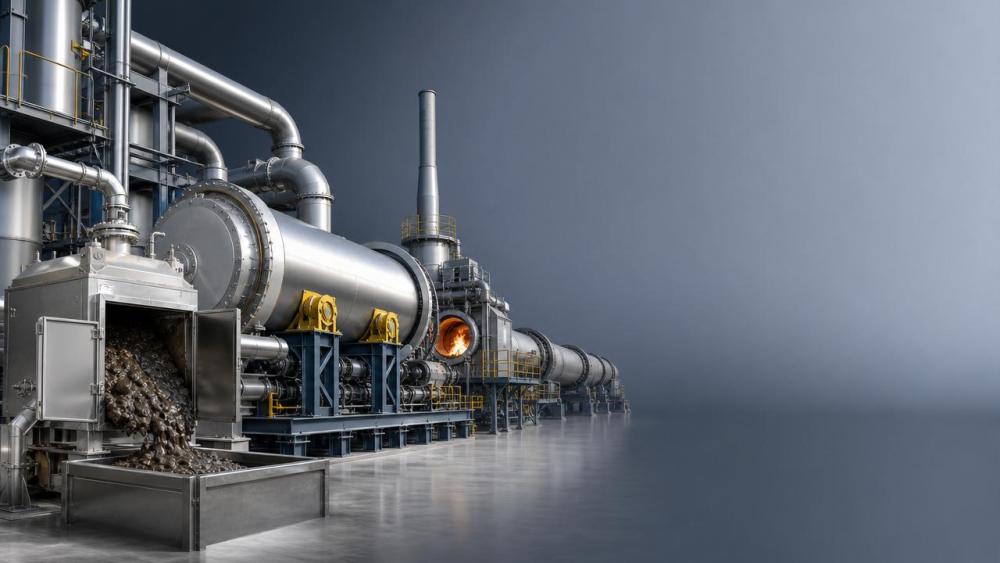
Industrial waste conversion becomes far more complex when feedstocks carry high water content, unstable solids, or sticky mineral fractions.
The issue is rarely disposal alone. Energy balance, throughput stability, emissions control, and residue quality all shift with moisture.
In actual plant conditions, wet sludge from surface treatment behaves differently from filter cake, slurry, or biological residue.
That is why industrial waste conversion cannot rely on nominal calorific value or a single equipment brochure.
For sectors followed by CF-Elite, this matters across cement kilns, industrial incineration lines, glass-related thermal systems, and mineral material processing.
The practical question is simple: which process still performs reliably after moisture, ash chemistry, and thermal limits are considered together?
Actual projects differ because the wet fraction creates different constraints
Some sites can accept high-moisture feed because they already have surplus heat, robust gas cleaning, and long residence time.
Other sites struggle even with moderate water content because process temperature windows are narrow or product quality is sensitive.
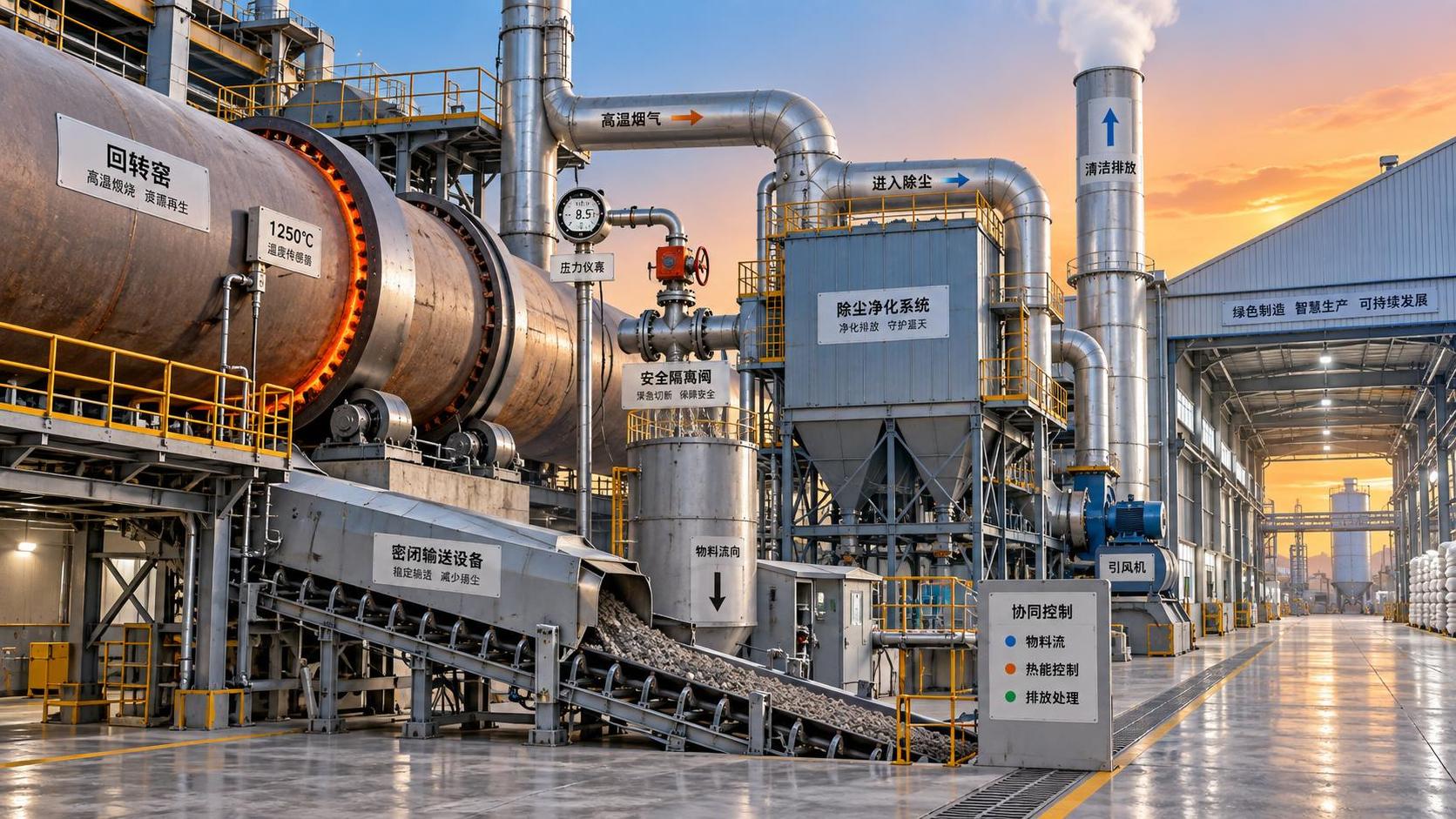
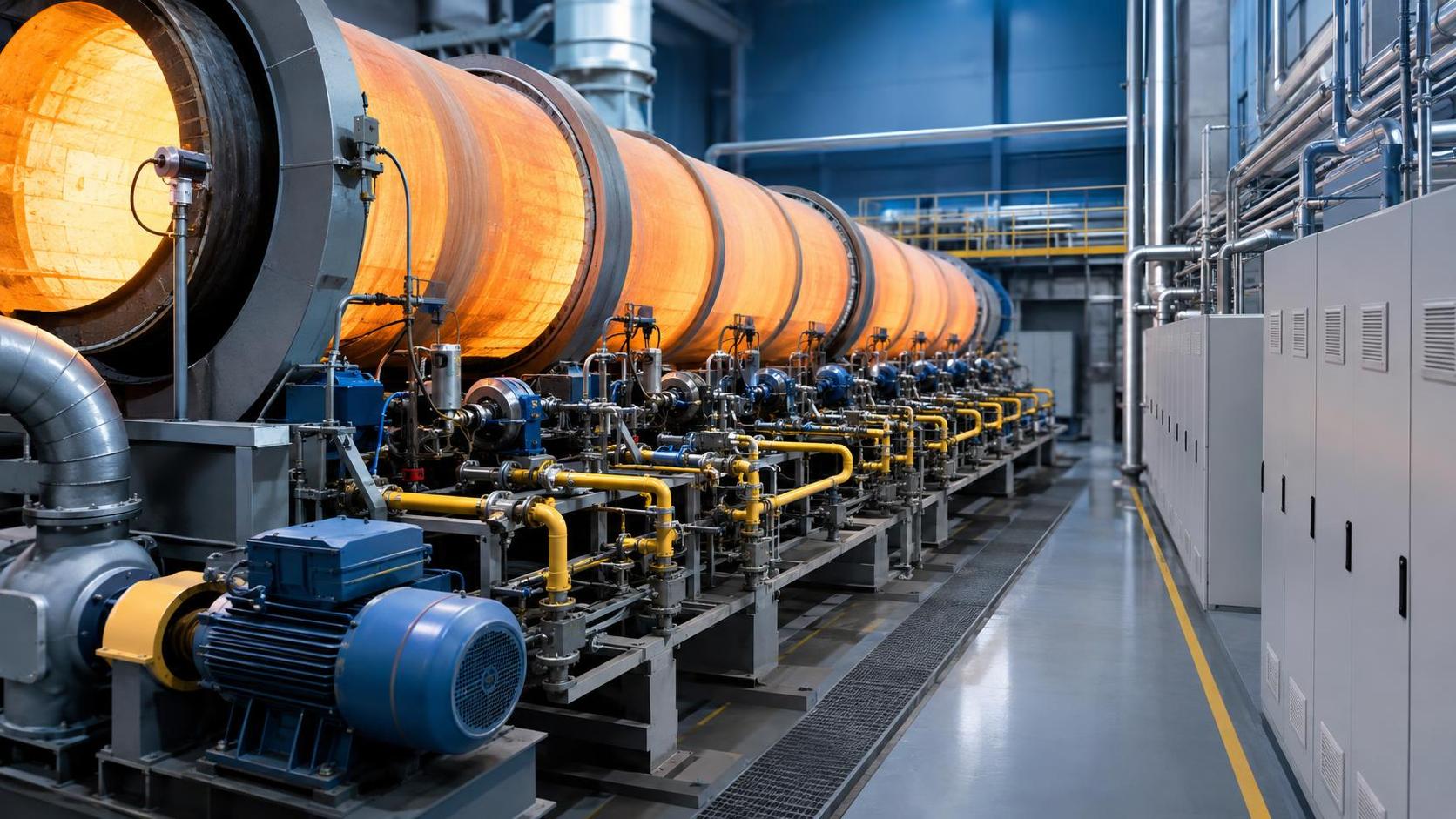
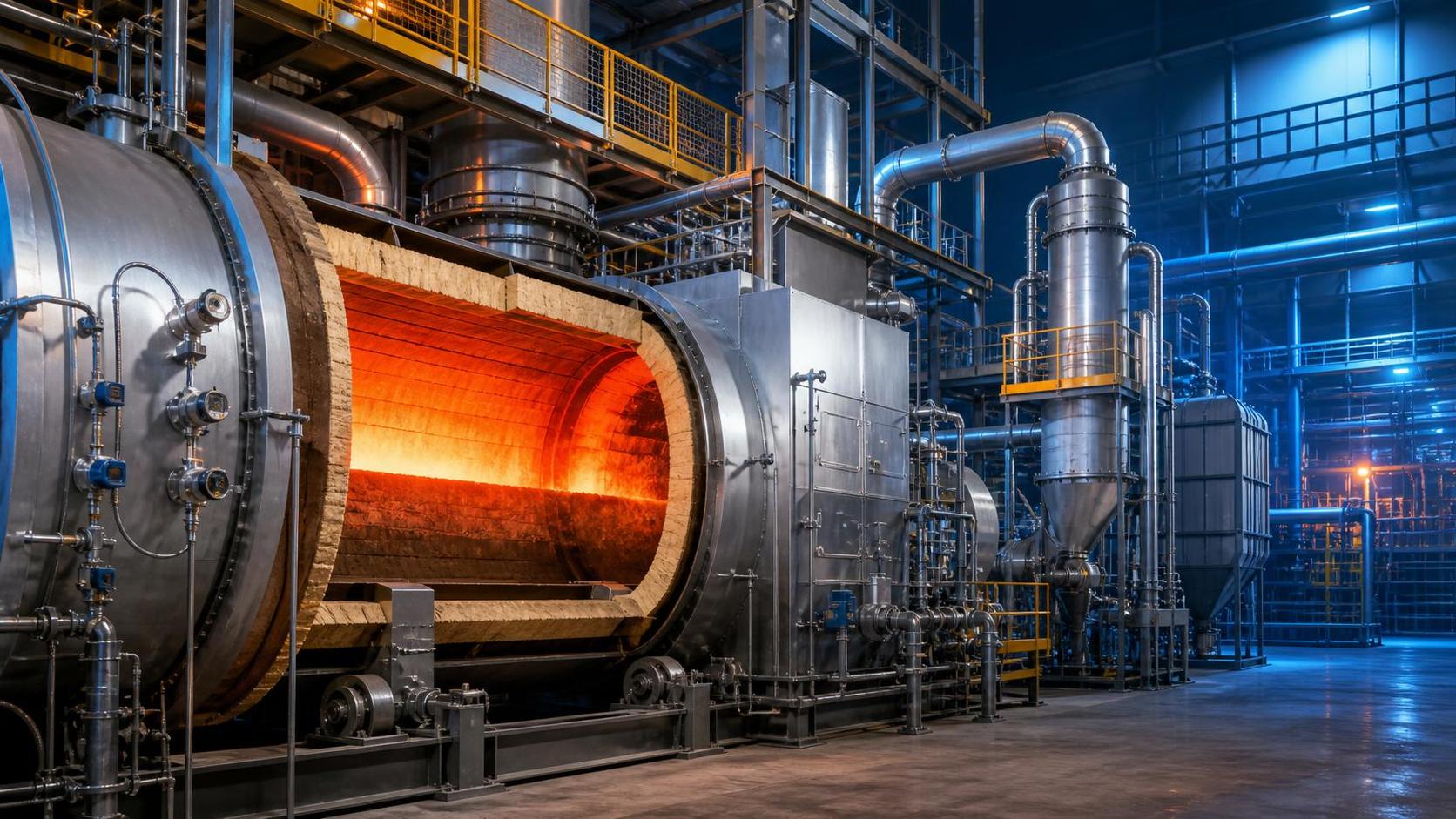
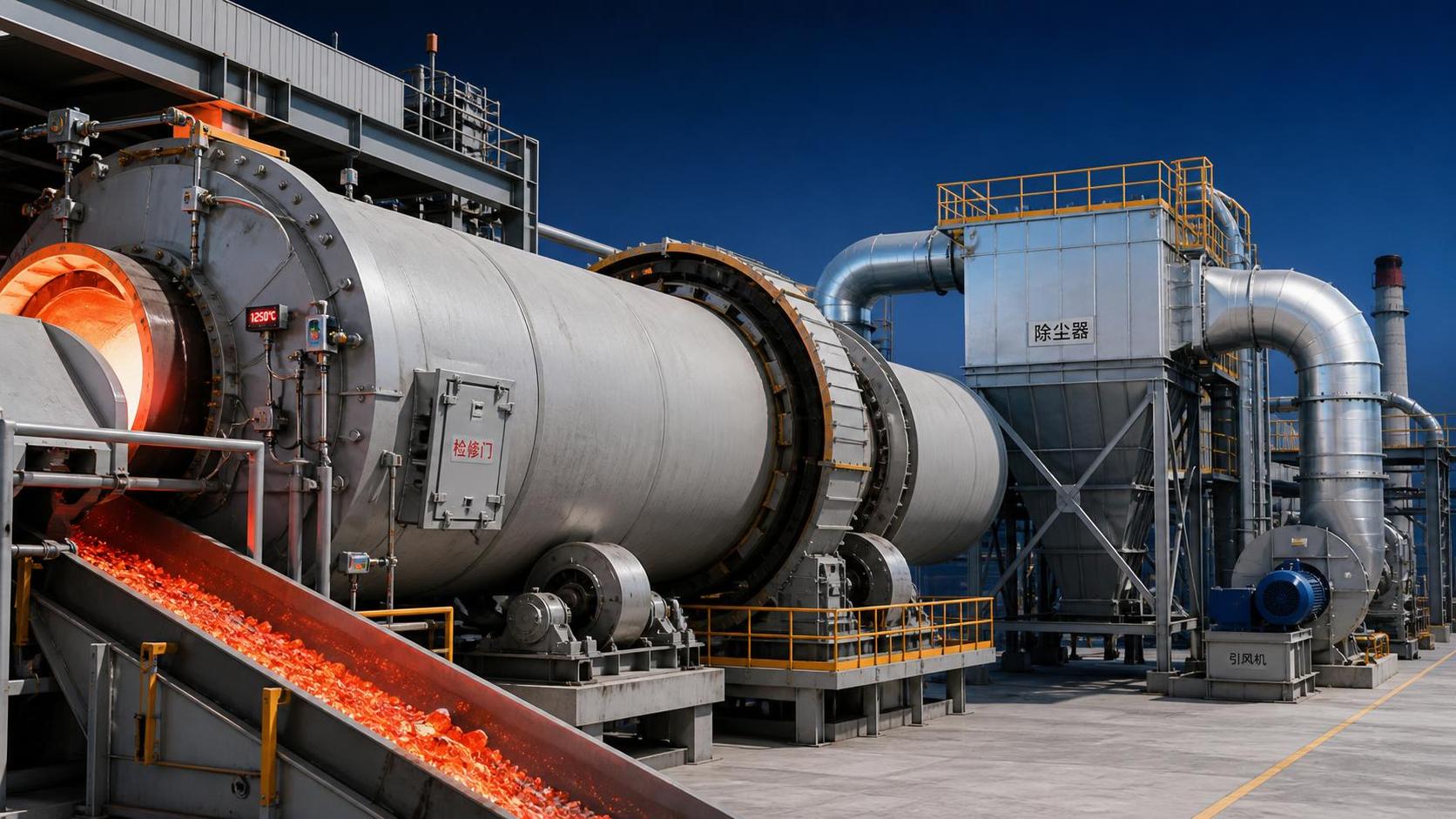
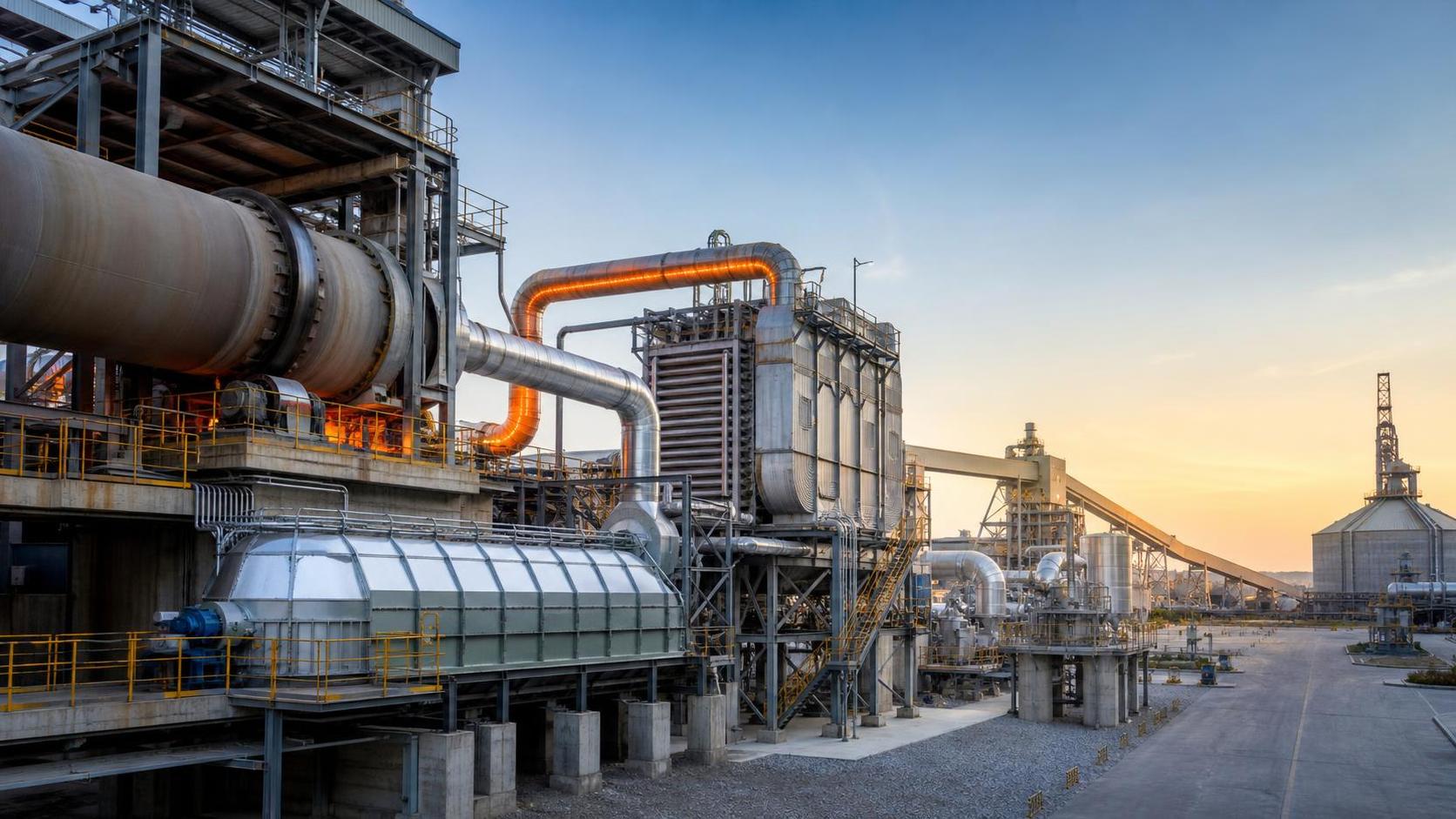
A rotary kiln used for co-processing usually tolerates variability better than a tightly balanced thermal line.
By contrast, material extrusion or mineral finishing systems often need upstream stabilization before any industrial waste conversion step.
More often, the decisive factors are not headline moisture alone but free water, particle size, chlorine, sulfur, alkalis, and feeding consistency.
This is also where CF-Elite’s intelligence perspective becomes useful, linking thermal behavior with reaction kinetics and carbon reduction priorities.
The first filter is process fit, not disposal pressure
A high-moisture residue may be legally urgent to treat, yet still unsuitable for direct thermal conversion.
If drying demand exceeds available waste heat, the chosen industrial waste conversion route may destroy project economics from the start.
When drying-integrated incineration makes sense
This route fits residues that are wet, combustible enough after drying, and too inconsistent for direct co-processing.
Typical examples include sludge from chemical treatment, paint residue, pulp waste, and mixed organic industrial slurry.
The real advantage is controllability. Drying, combustion, flue gas treatment, and ash handling stay within one thermal system.
That helps when compliance risk is high or waste composition changes week by week.
Still, industrial waste conversion through dedicated incineration only works well when parasitic energy demand is kept under control.
If exhaust heat recovery is weak, operators may end up burning valuable fuel just to evaporate water.
What usually decides viability here
- Net calorific value after realistic moisture reduction, not lab-dry values.
- Dryer integration with waste heat, not standalone thermal drying.
- Corrosion risk from halogens, acids, and sticky condensable compounds.
- Ash melting behavior that can affect furnace cleanliness and uptime.
Why kiln co-processing works in some wet waste cases and fails in others
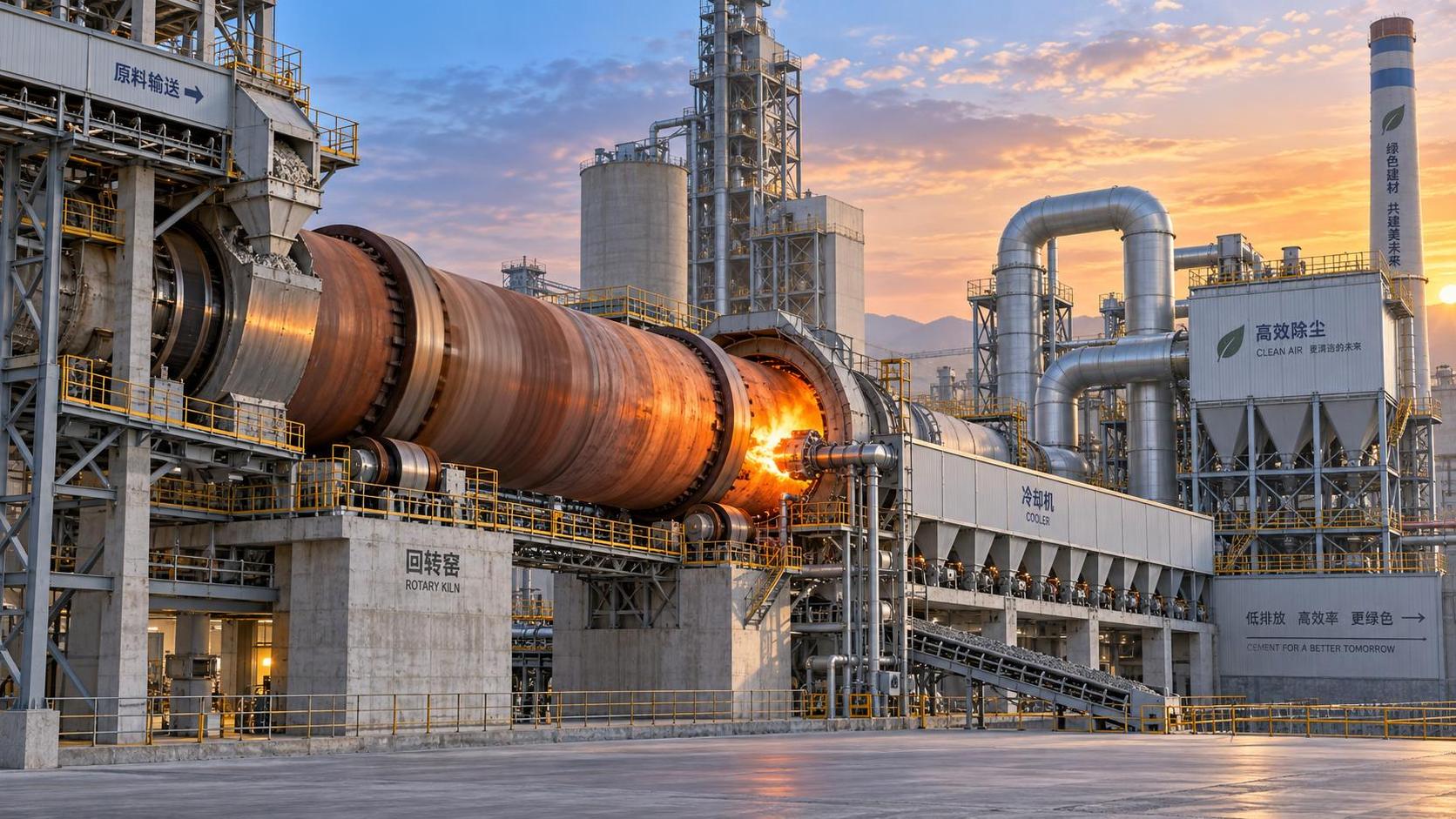
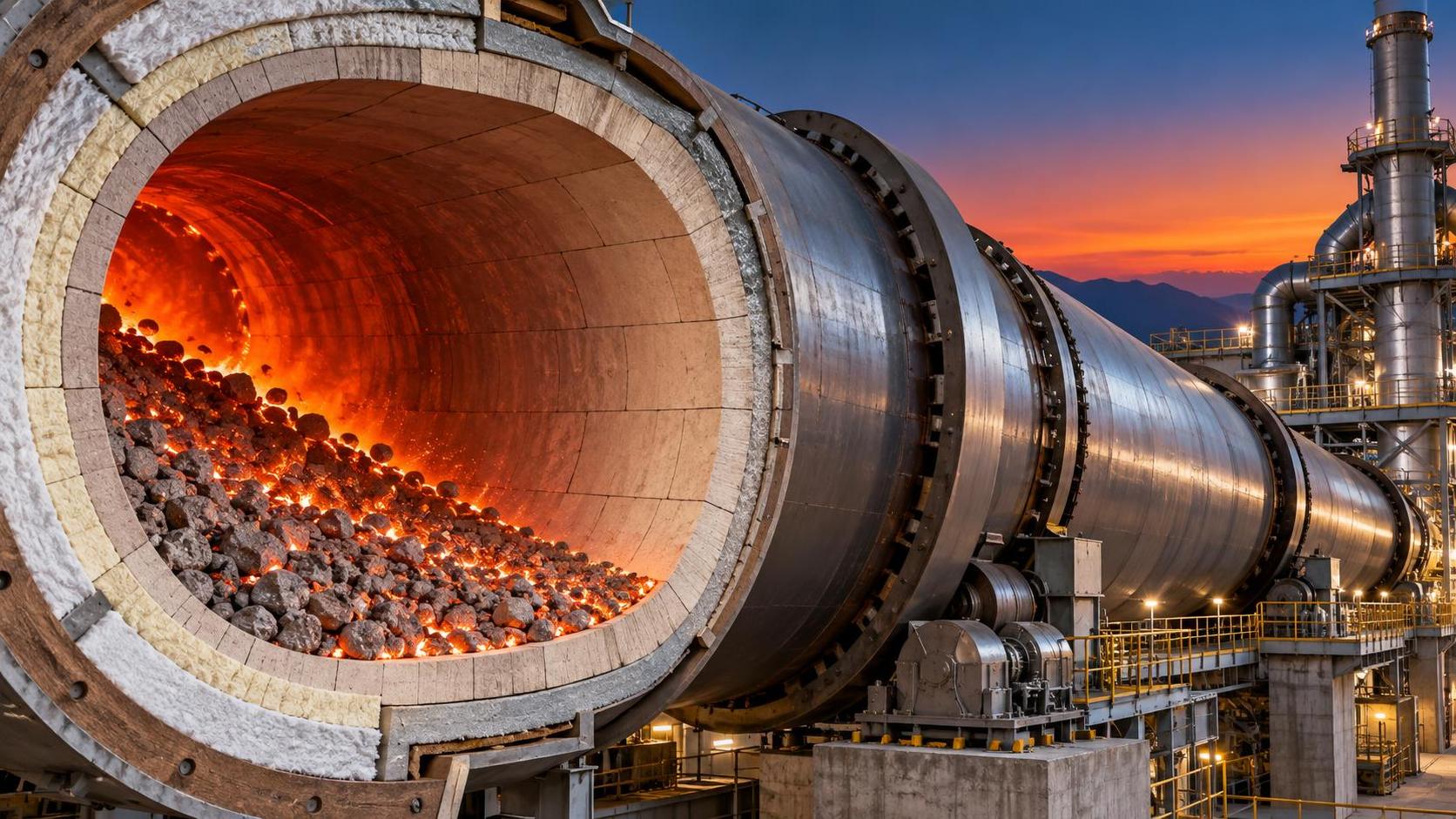
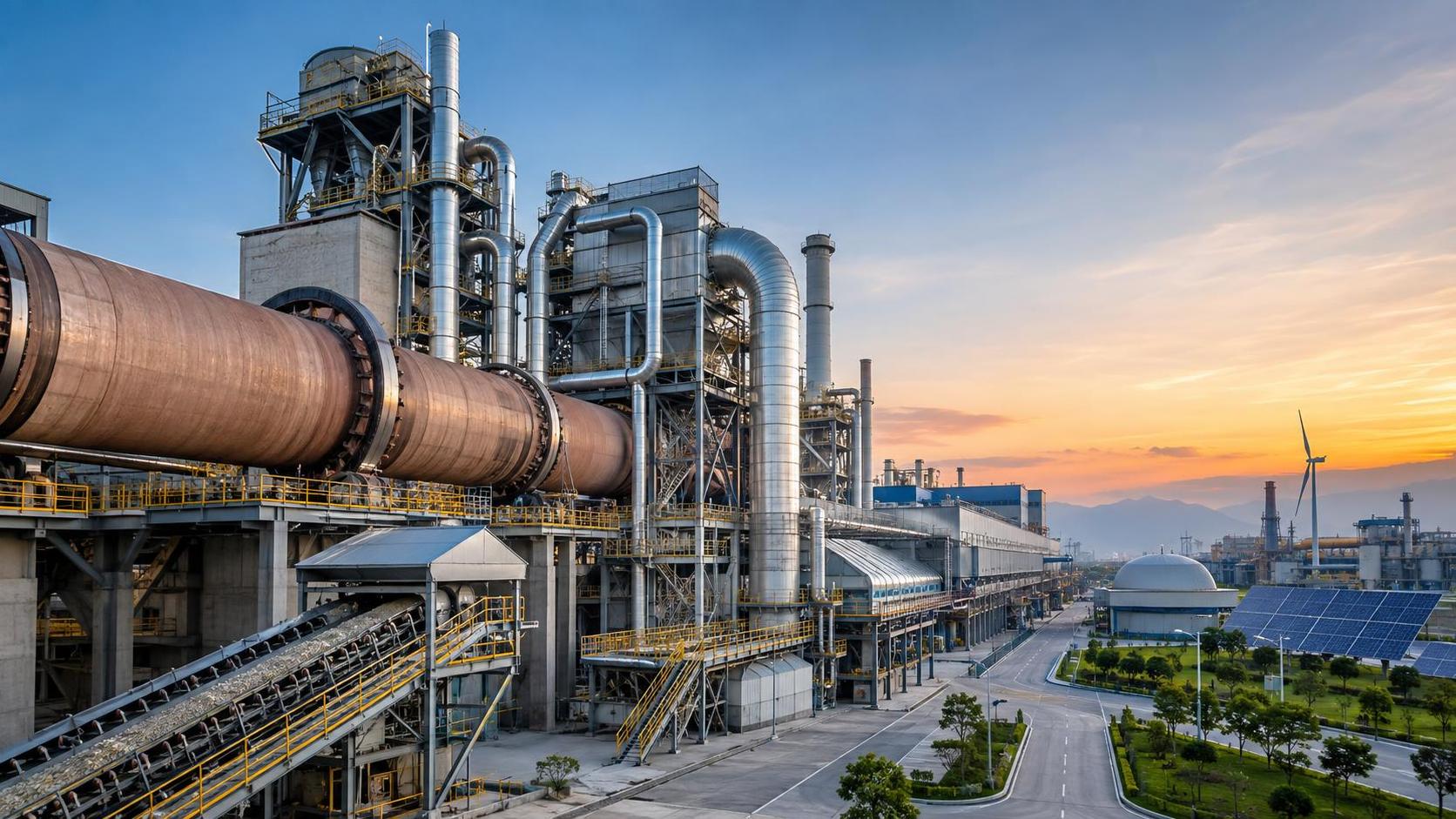
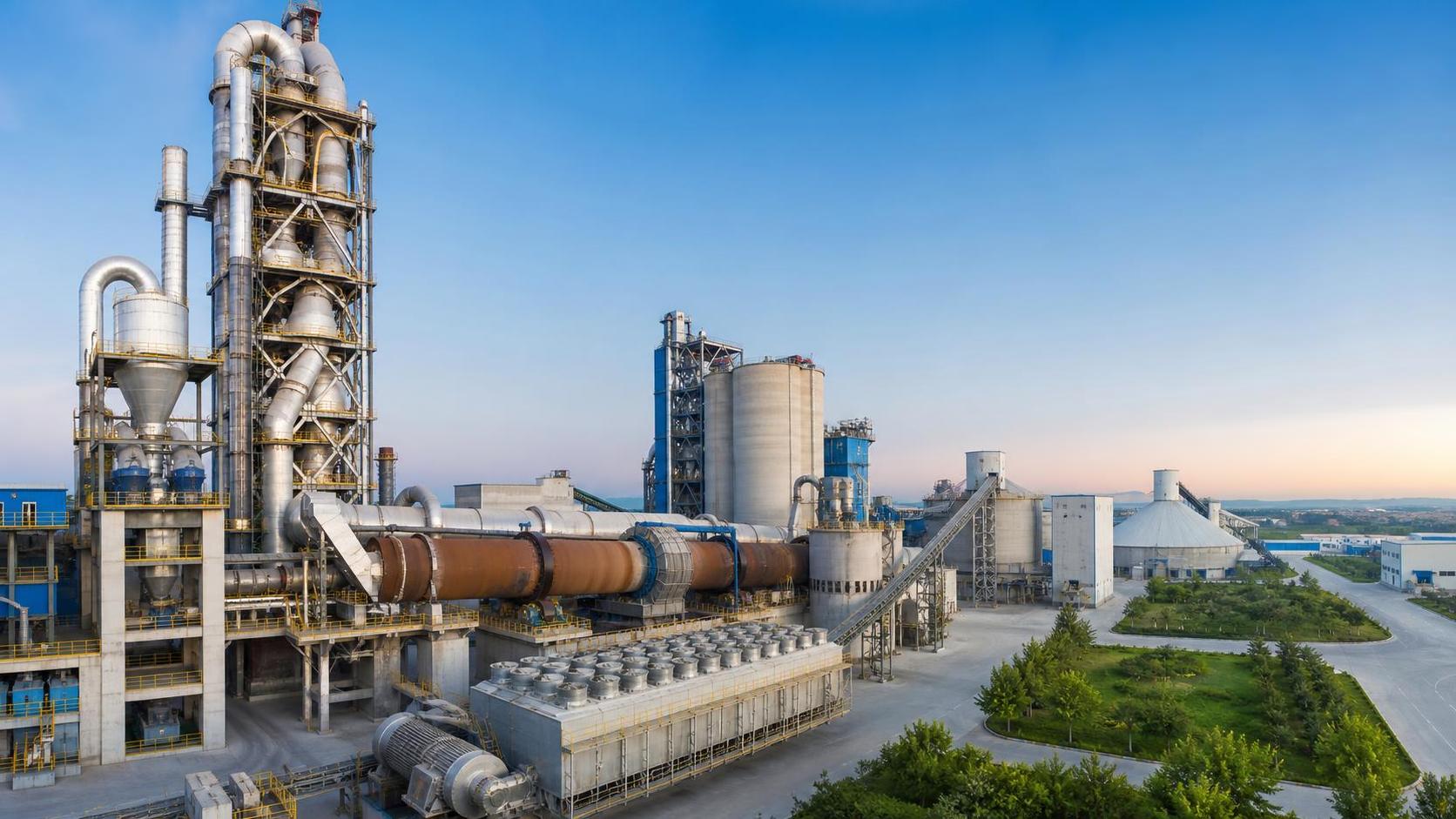
In cement and related high-temperature systems, industrial waste conversion can benefit from long residence time and mineral incorporation.
That creates a strong pathway for wet filter cake, sludge blends, and selected industrial by-products.
The route becomes attractive when the plant already operates large thermal mass and has a stable raw mix regime.
However, not every high-moisture material belongs in a kiln feed system.
Residues with unstable chlorine, sodium, potassium, or heavy metal profiles can upset circulation and raise bypass requirements.
A wet waste may look manageable by tonnage, yet still erode clinker quality or dust system performance.
Where co-processing is often the better fit
A common example is a cement line with recoverable low-grade heat and a controlled blending yard.
Here, industrial waste conversion can combine partial drying, homogenization, and staged feeding into the calciner or kiln inlet.
That lowers external fuel demand while avoiding an entirely separate incineration asset.
The fit improves further when ash becomes chemically compatible with the final mineral matrix.
Thermal pretreatment is often the overlooked middle route
Many projects frame the choice too narrowly: incinerate directly or send the waste to a kiln.
In practice, thermal pretreatment can be the more resilient industrial waste conversion step for unstable wet materials.
Low-temperature drying, dewatering support, blending, or mild thermal conditioning can transform feed behavior before final conversion.
This matters when the downstream system values consistency more than raw throughput.
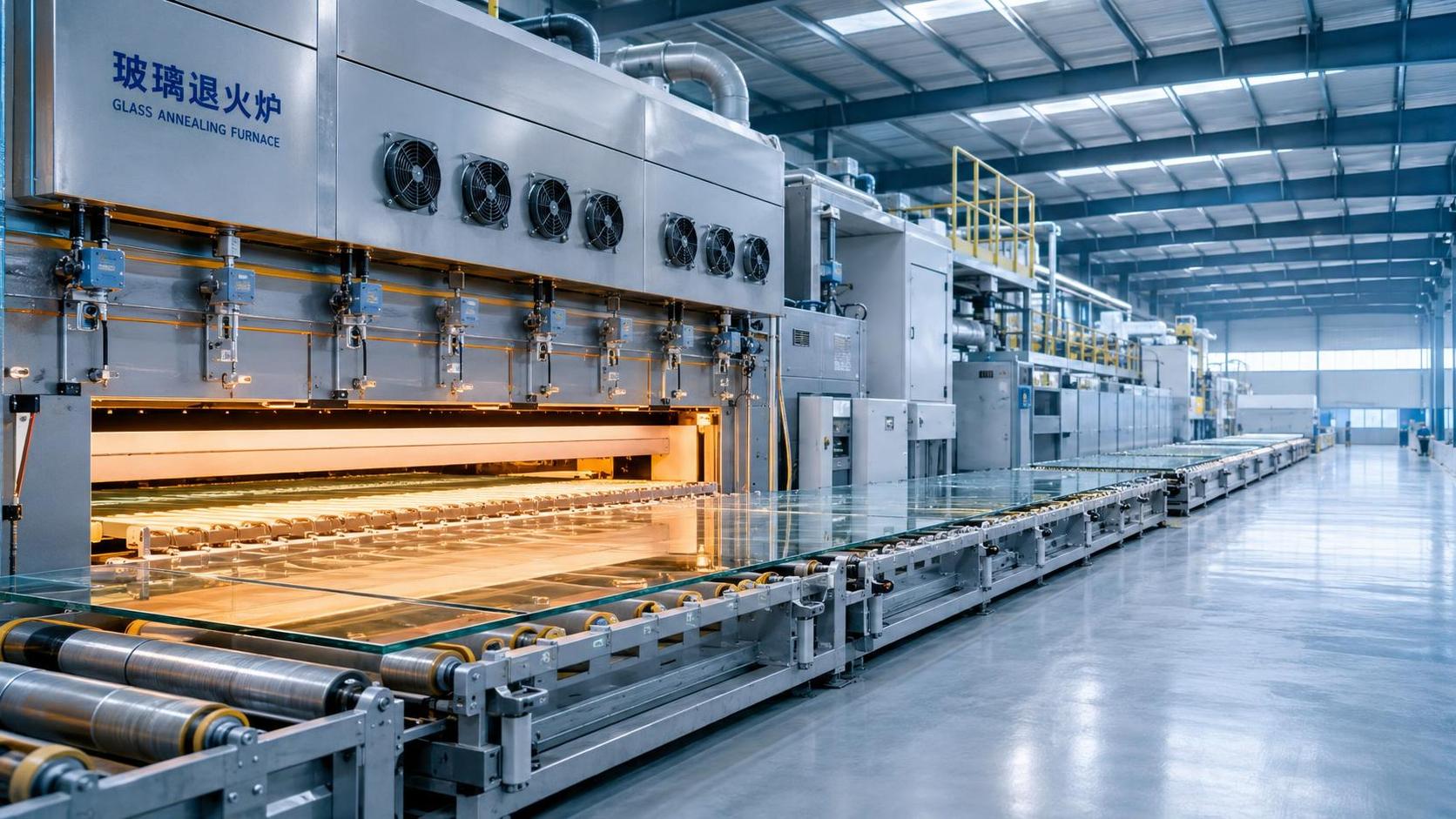
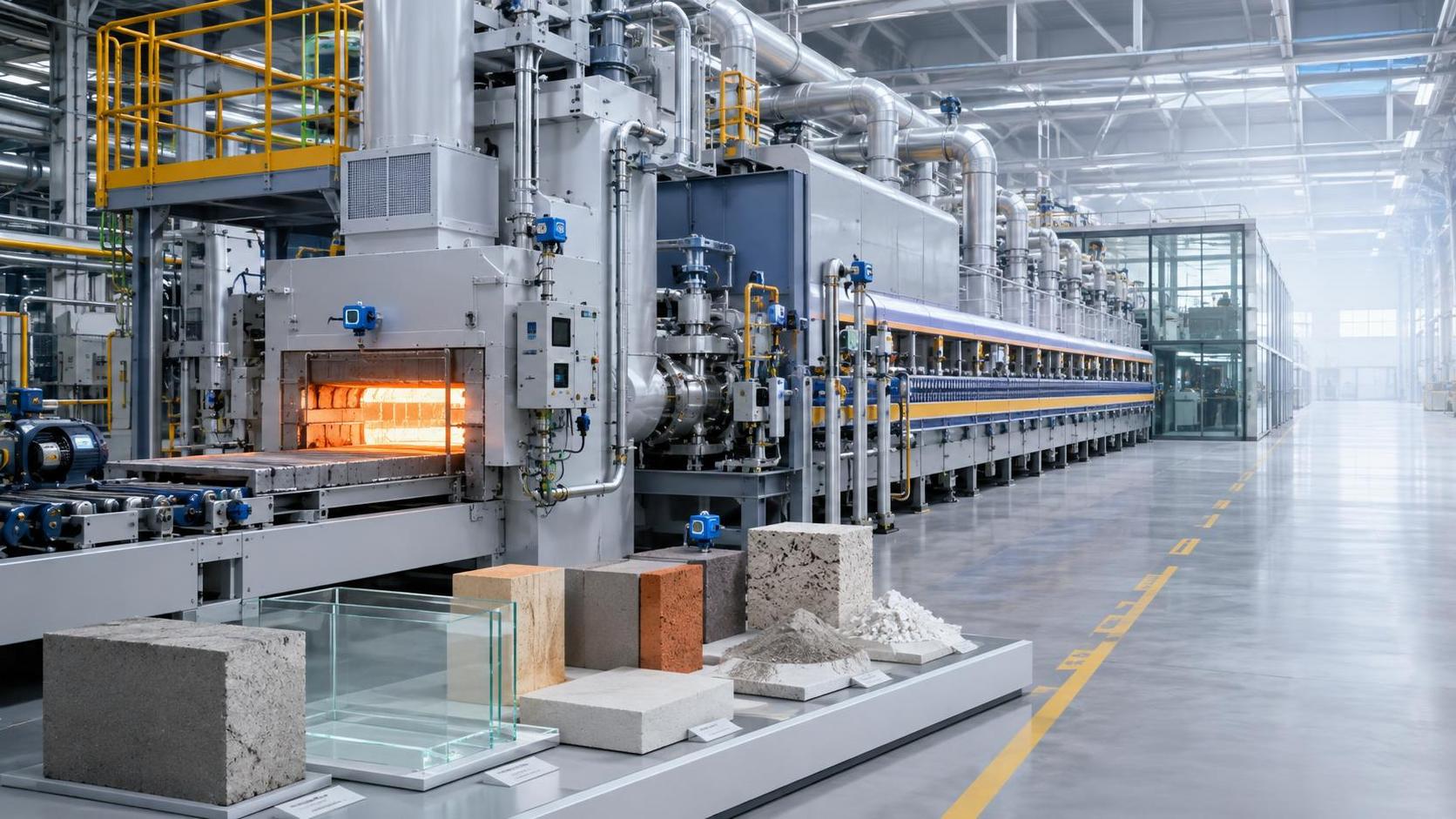
Glass-related thermal operations, refractory plants, and specialized material lines often prefer this approach.
Their process windows are narrower, and contamination costs are higher than many teams expect.
- Use pretreatment when moisture varies sharply across batches.
- Use it when feeding systems plug, bridge, or smear.
- Use it when downstream combustion is possible but unstable.
- Use it when ash chemistry must be understood before full thermal exposure.
Different scenarios demand different judgment priorities
The same industrial waste conversion target can produce different answers depending on the host process.
That is why screening should compare operational context rather than chase one universal conversion technology.
Where industrial waste conversion decisions often go wrong
One frequent mistake is treating two wet residues as equivalent because both show similar total moisture.
Bound water, viscosity, and mineral fines can change drying behavior dramatically.
Another misjudgment is using short-term samples to design a year-round industrial waste conversion system.
Seasonal changes, production campaigns, and cleaning cycles often shift moisture and contaminant loads.
There is also a cost bias. Capital savings from a simpler line may later be offset by fuel penalties, refractory wear, or unstable uptime.
In thermal industries, the cheapest route on paper is not always the most bankable route in operation.
Checks worth doing before process selection
- Map monthly moisture range instead of single-point values.
- Separate energy content before and after realistic pretreatment.
- Test feeding behavior, not only chemical composition.
- Check long-term effects on lining, dust, and downstream residue handling.
A practical route to choose the right fit
The better industrial waste conversion decision usually starts with three linked questions.
How much usable heat already exists on site, how variable the wet feed is, and how sensitive the host process remains.
If waste heat is strong and mineral compatibility is acceptable, co-processing deserves serious consideration.
If compliance control and feed isolation matter more, drying-integrated incineration often gives a cleaner operating envelope.
If neither route stays stable without conditioning, thermal pretreatment should move from backup idea to central design step.
For high-temperature industries tracked by CF-Elite, the most durable answer is usually the one that aligns heat flow, chemistry, and future carbon pressure.
The next step is to build a scenario-based screening sheet, compare real operating limits, and test conversion options against full-cycle performance.
Related News
 Thermal Energy ArchitectRotary Kiln Efficiency: How Feed Rate, Fuel Use, and Heat Loss Affect OutputRotary kiln efficiency explained: discover how feed rate, fuel use, heat loss, combustion, and cooling performance shape output, quality, and energy costs.Sep 14, 2026
 Thermal Energy ArchitectHow to Select Heat-Resistant Materials That Maintain Abrasion Resistance in KilnsHeat-resistant materials abrasion resistance: learn how to select kiln linings that withstand heat, wear, thermal cycling, and chemical attack for longer service life.Sep 13, 2026
 Thermal Energy ArchitectHow Rotary Kiln Automation Improves Temperature Control and Fuel EfficiencyRotary kiln technology automation enhances temperature control, stabilizes combustion, and improves fuel efficiency with smarter data, predictive control, and safer operations.Sep 12, 2026
 Silicate Process EngineerCement Plant Emission Control: Selecting Systems for Dust, NOx, and SO2 LimitsCement plant emission control guide: compare dust collectors, NOx reduction, and SO2 systems for reliable compliance across kiln modes, fuel changes, and operating upsets.Sep 11, 2026
 Thermal Energy ArchitectSelecting Abrasion-Resistant High-Temperature Materials for Kiln and Conveyor Wear ZonesHigh-temp material engineering guide to abrasion-resistant kiln and conveyor solutions—match wear, heat, chemistry, and installation design for longer service life.Sep 10, 2026
 Dr. Alistair VaughnIndustrial Process Engineering: How to Map Processes for Safer, More Efficient PlantsIndustrial process engineering reveals bottlenecks, safety risks, and energy losses through practical process mapping for safer, more efficient plants.Sep 09, 2026
 Optical Glass Tech FellowHow to Evaluate a Glass Annealing Equipment Manufacturer for Production StabilityChoose a glass annealing equipment manufacturer with proven thermal uniformity, reliable controls, lifecycle value, and responsive service for stable production.Sep 08, 2026
 Prof. Marcus ChenThermal Energy Architecture in North America: Strategies for Lower Building Energy UseThermal energy architecture North America helps project leaders cut building energy use through stronger envelopes, right-sized HVAC, storage, and smart commissioning.Sep 07, 2026
 Ms. Elena RodriguezHow Should Buyers Evaluate Building Material Industry Intelligence Pricing?Building material industry intelligence pricing: learn how to compare coverage, technical depth, and ROI to choose intelligence that reduces procurement risk.Sep 07, 2026
 Ms. Elena RodriguezHow to Use Building Material Intelligence Data for Market and Investment DecisionsBuilding material industry intelligence data helps leaders evaluate demand, costs, regulation, capacity, and technology to make smarter market and investment decisions.Sep 05, 2026
 Thermal Energy ArchitectHow PLC Control Improves Energy Efficiency and Temperature Stability in KilnsEnergy efficient kilns PLC control improves temperature stability, cuts fuel waste, and optimizes combustion, draft, and material flow. Explore proven strategies for smarter kiln modernization.Sep 04, 2026
 Optical Glass Tech FellowEuropean Glass Melting Processes: Furnace Choices, Energy Use, and Quality ControlGlass melting process Europe: explore furnace choices, energy efficiency, cullet strategy, and quality control to improve output, compliance, and long-term glass performance.Sep 03, 2026
 Thermal Energy ArchitectWhat Determines Refractory Lining Monitoring Price for Industrial Kilns?Refractory lining monitoring price depends on kiln size, sensor technology, installation, software, and support. Compare total lifecycle costs and choose the right solution.Sep 02, 2026
 Silicate Process EngineerCement Production System Costs: A Plant Buyer’s Guide to Budgeting and ROICement production systems cost planning made clear: compare CAPEX, operating costs, compliance, and ROI to build a resilient, profitable cement plant investment.Sep 01, 2026
 Dr. Alistair VaughnWhat Should a Process Technology Database Track for High-Temperature Plants?Process technology database essentials for high-temperature plants: track thermal profiles, feed chemistry, refractory wear, emissions, energy, and maintenance for safer, data-driven decisions.Aug 31, 2026
 Ms. Elena RodriguezHow to Evaluate a Silicate Processing Equipment Manufacturer for Plant ProjectsSilicate processing equipment manufacturer selection: assess process fit, guarantees, energy, compliance, delivery risk, and lifecycle support for dependable plant performance.Aug 30, 2026
 Dr. Alistair VaughnHow to Specify Custom Agricultural Processing Equipment for Throughput and HygieneEquipment customization services for agricultural processing: learn to specify hygienic, high-throughput lines that improve yield, reliability, and long-term efficiency.Aug 29, 2026
 Dr. Alistair VaughnHow to Select Process Plant Equipment for High-Temperature, Abrasive Production LinesProcess plant equipment selection for high-temperature, abrasive lines: reduce downtime, improve durability, and optimize lifecycle performance.Aug 28, 2026
 Silicate Process EngineerHow Kiln Heat Recovery Systems Cut Fuel Use in Cement and Lime ProductionKiln heat recovery helps cement and lime plants cut fuel use, improve thermal stability, and build practical, reliable decarbonization strategies.Aug 27, 2026
 Ms. Elena RodriguezProcess Equipment Comparison: Which Metrics Matter Most for Reliable Selection?Process equipment comparison made practical: discover which metrics truly drive reliable selection, from energy efficiency and control stability to wear life, maintainability, and uptime.Aug 26, 2026



Related News
- 00
0000-00
Rotary Kiln Efficiency: How Feed Rate, Fuel Use, and Heat Loss Affect Output - 00
0000-00
How to Select Heat-Resistant Materials That Maintain Abrasion Resistance in Kilns - 00
0000-00
How Rotary Kiln Automation Improves Temperature Control and Fuel Efficiency - 00
0000-00
Selecting Abrasion-Resistant High-Temperature Materials for Kiln and Conveyor Wear Zones - 00
0000-00
How PLC Control Improves Energy Efficiency and Temperature Stability in Kilns
Weekly Insights
Stay ahead with our curated technology reports delivered every Monday.