
Industrial Kiln Innovations for Lower Fuel Use and Better Temperature Control




Industrial kiln innovations matter most when process pressure is real
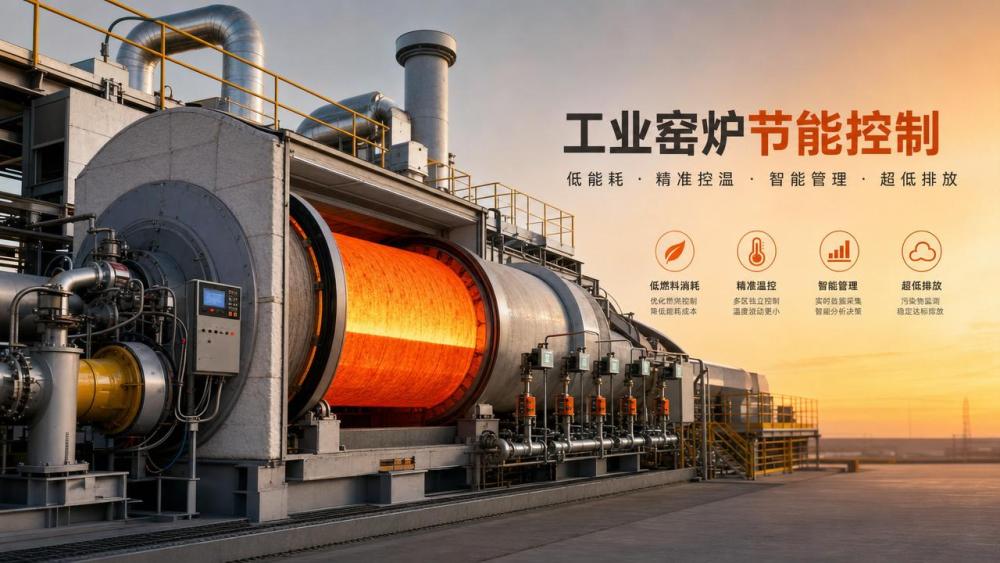
Industrial kiln innovations are no longer judged by headline efficiency alone.
They are judged by how well they hold temperature, protect throughput, and support emissions control during unstable operating hours.
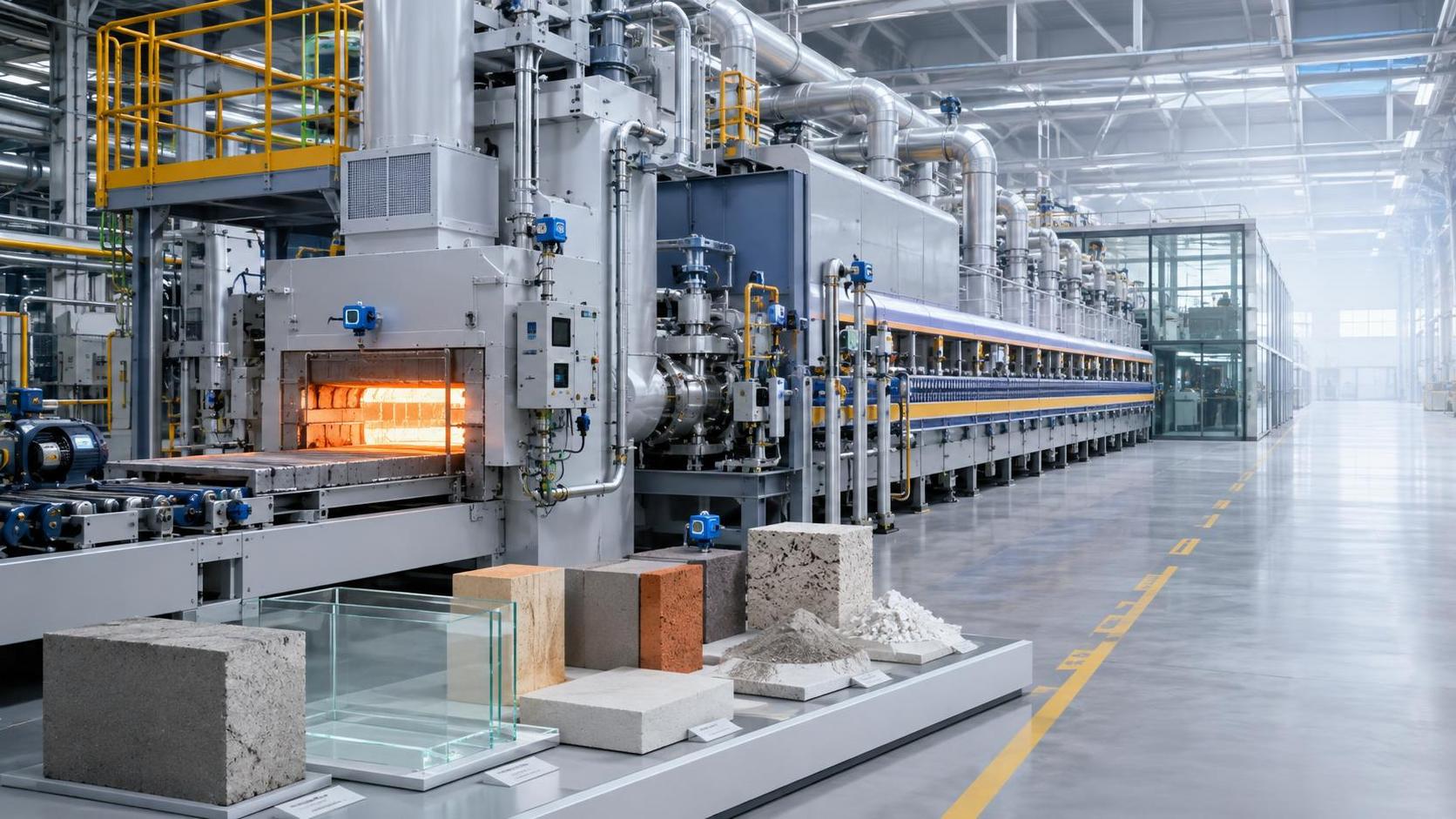
That distinction matters across cement plants, glass-related thermal systems, refractory production, incineration, and extrusion-linked heat treatment.
In practice, lower fuel use and better thermal control rarely come from one device.
They come from matching burner geometry, airflow, insulation, sensing, and control logic to a specific heat profile.
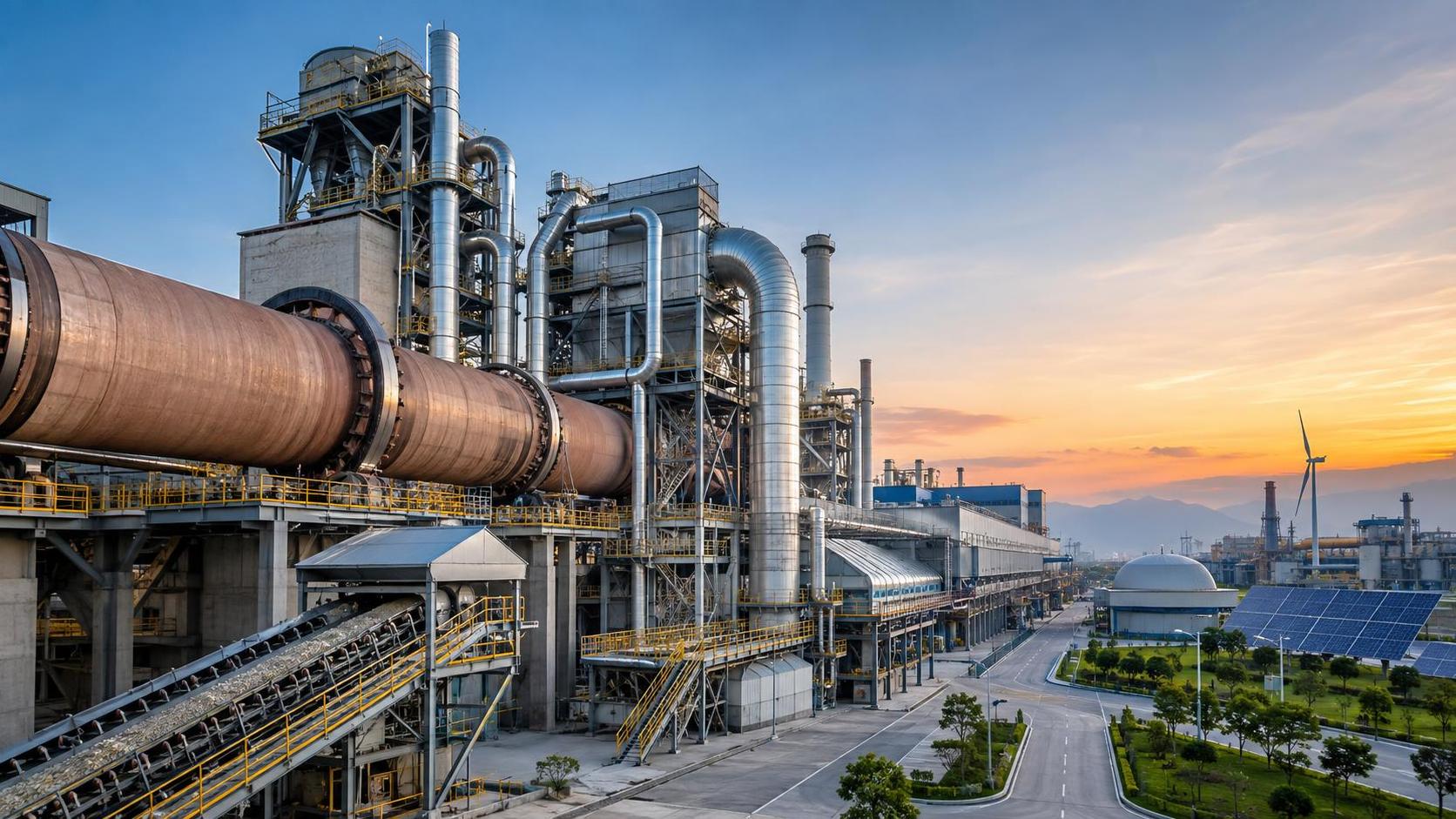
This is also why CF-Elite tracks kilns as part of a wider thermal management system.
Fuel saving in one zone can create instability in another if reaction kinetics, lining behavior, or exhaust recovery are misunderstood.
The better approach is scenario-based judgment, especially where carbon targets and product consistency now move together.
Actual operating conditions change what industrial kiln innovations should deliver
Different kiln environments ask for different priorities, even when the same efficiency target is used.
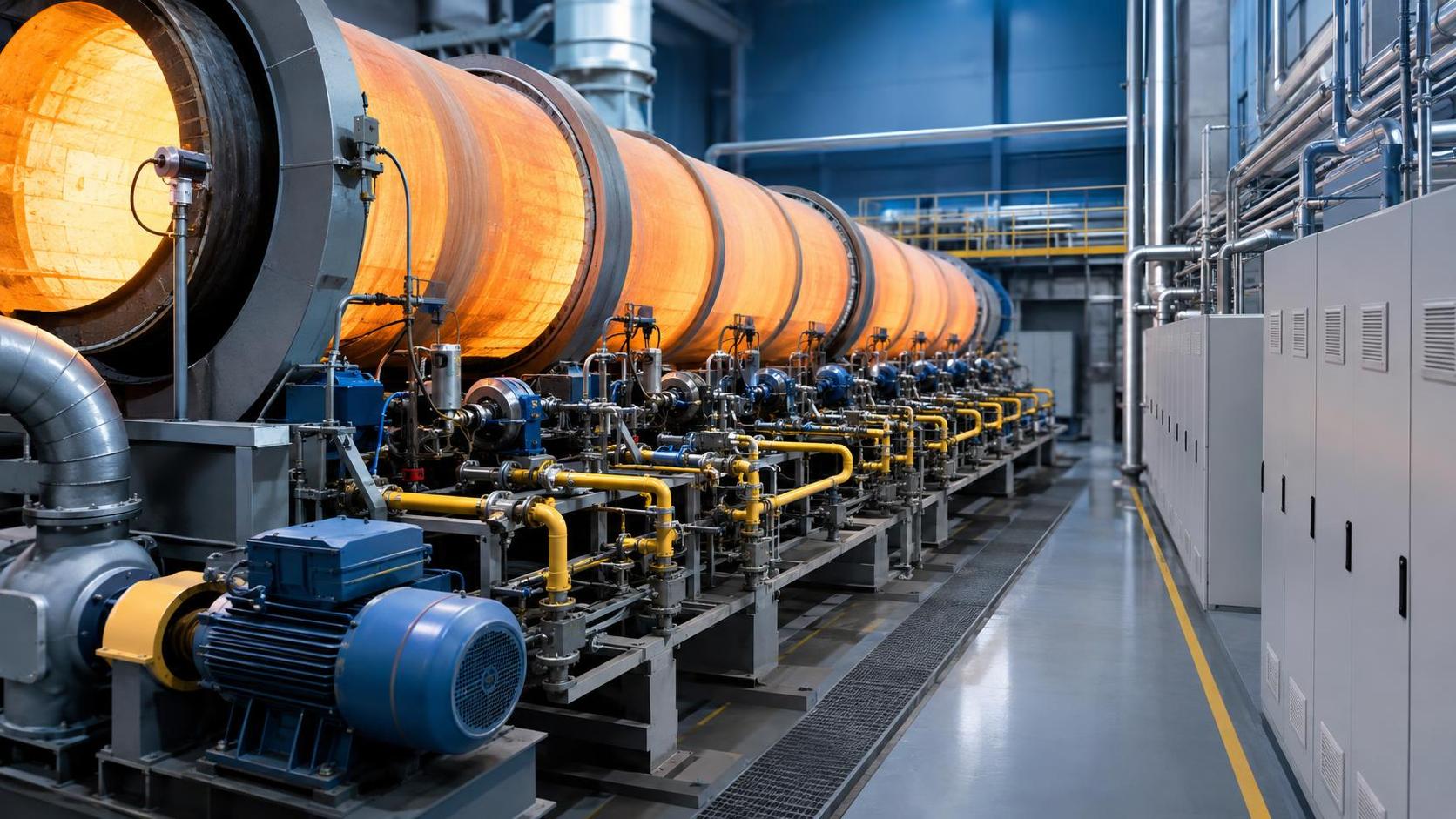
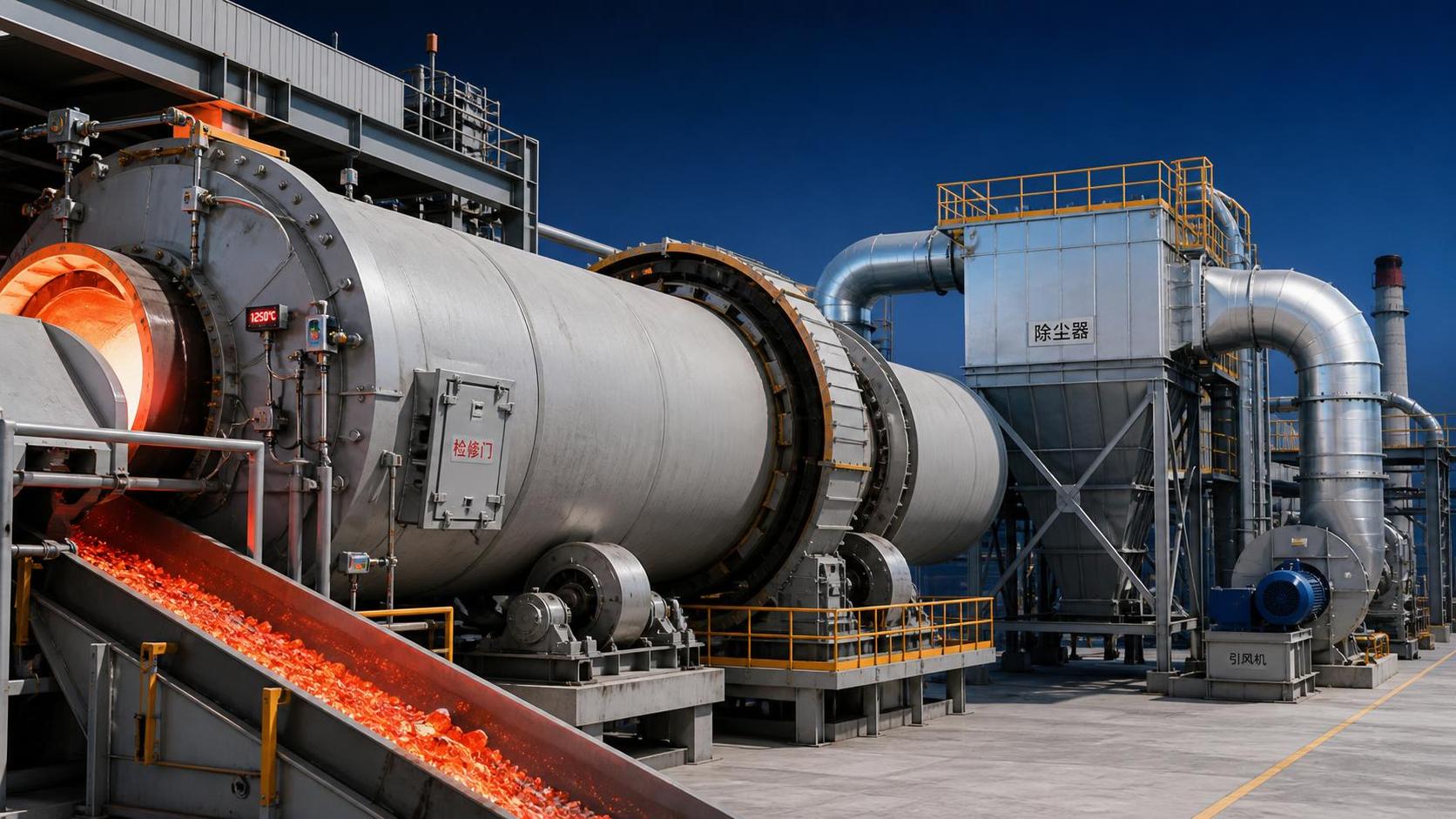
A long rotary kiln handling variable raw feed behaves very differently from an incineration line facing mixed calorific waste.
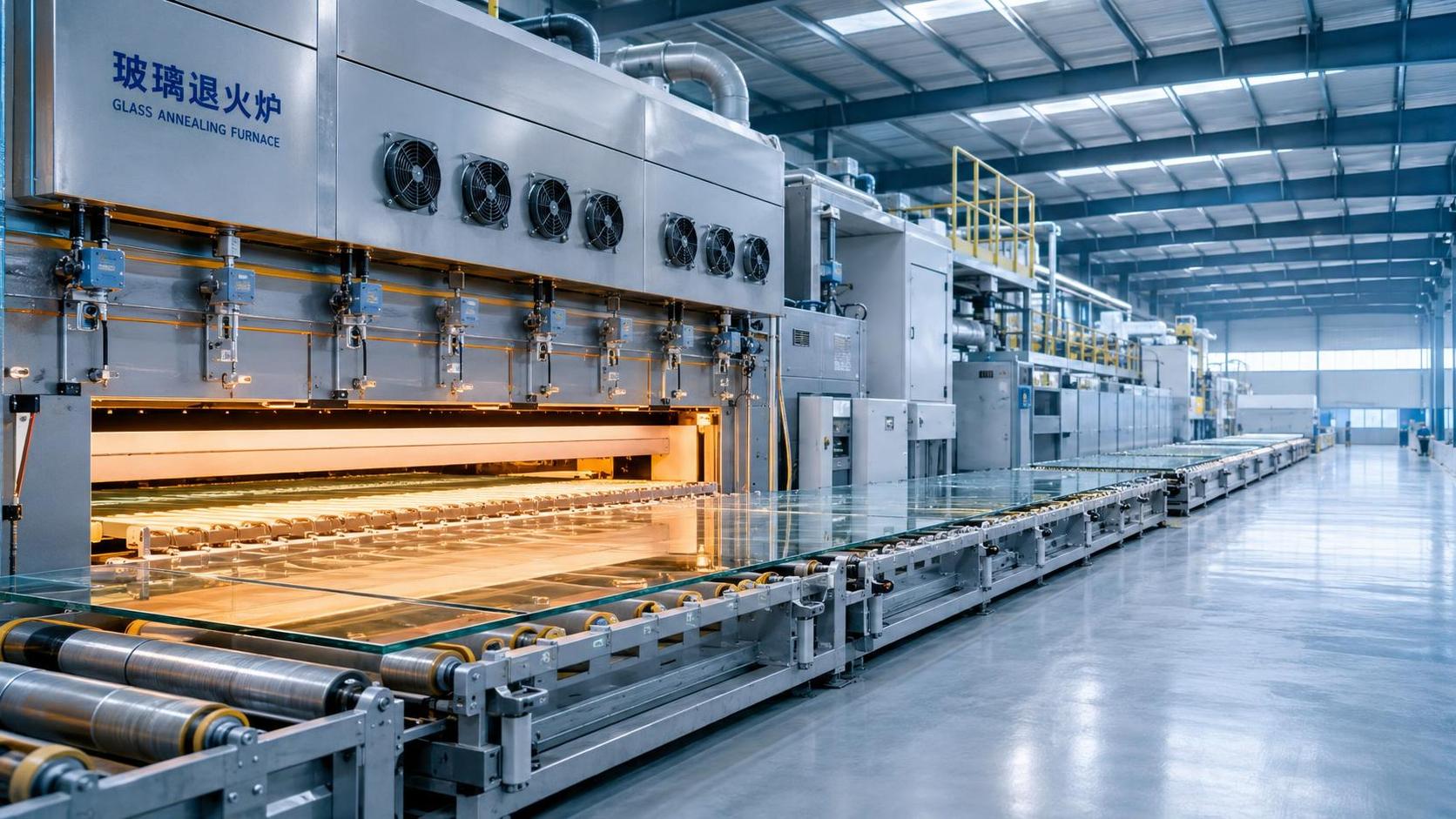
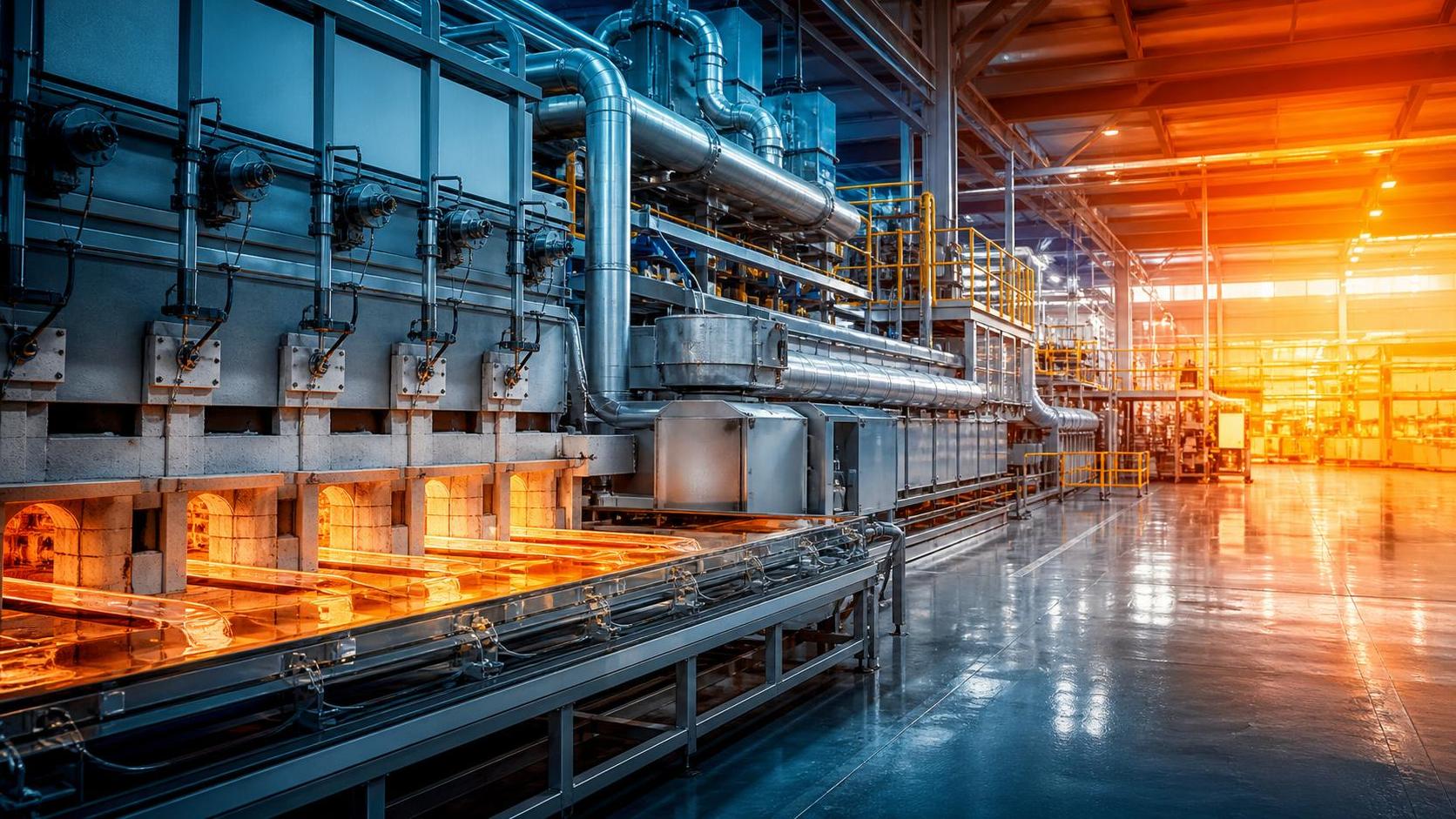
A glass-related thermal stage may value narrow temperature deviation more than aggressive fuel trimming.
Refractory firing often sits somewhere in between, because surface finish, soaking uniformity, and lining stress all interact.
More advanced industrial kiln innovations therefore need to be evaluated against four practical questions.
- Is the thermal load stable, cyclical, or highly variable across shifts?
- Does product quality depend on peak temperature, hold time, or cooling discipline?
- Can the existing lining, fans, and controls support a tighter combustion strategy?
- Will heat recovery improve net energy use without increasing maintenance burden?
Those questions often expose why two plants with similar fuel bills need different upgrade paths.
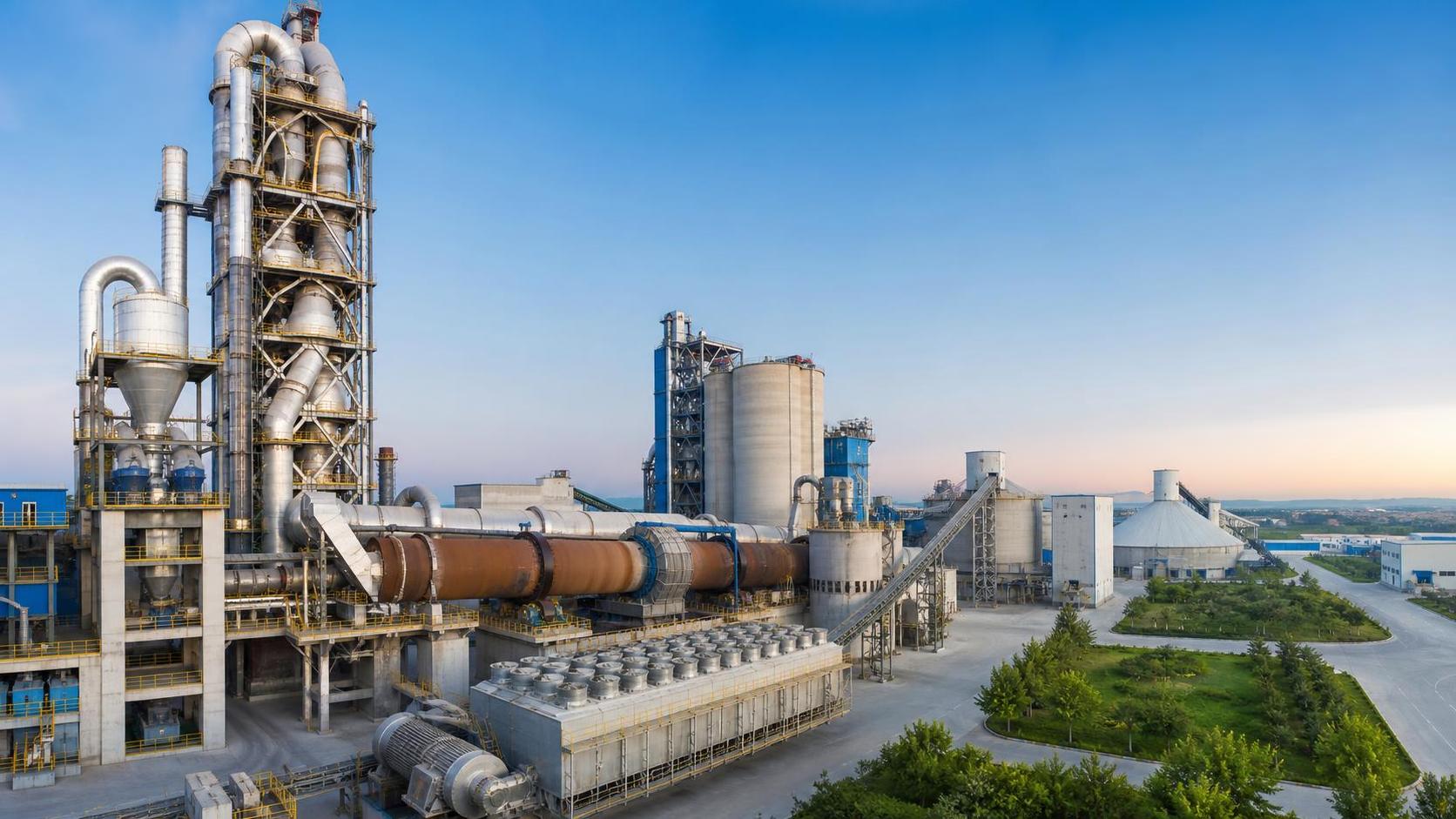
In cement and mineral lines, combustion stability usually comes before maximum savings
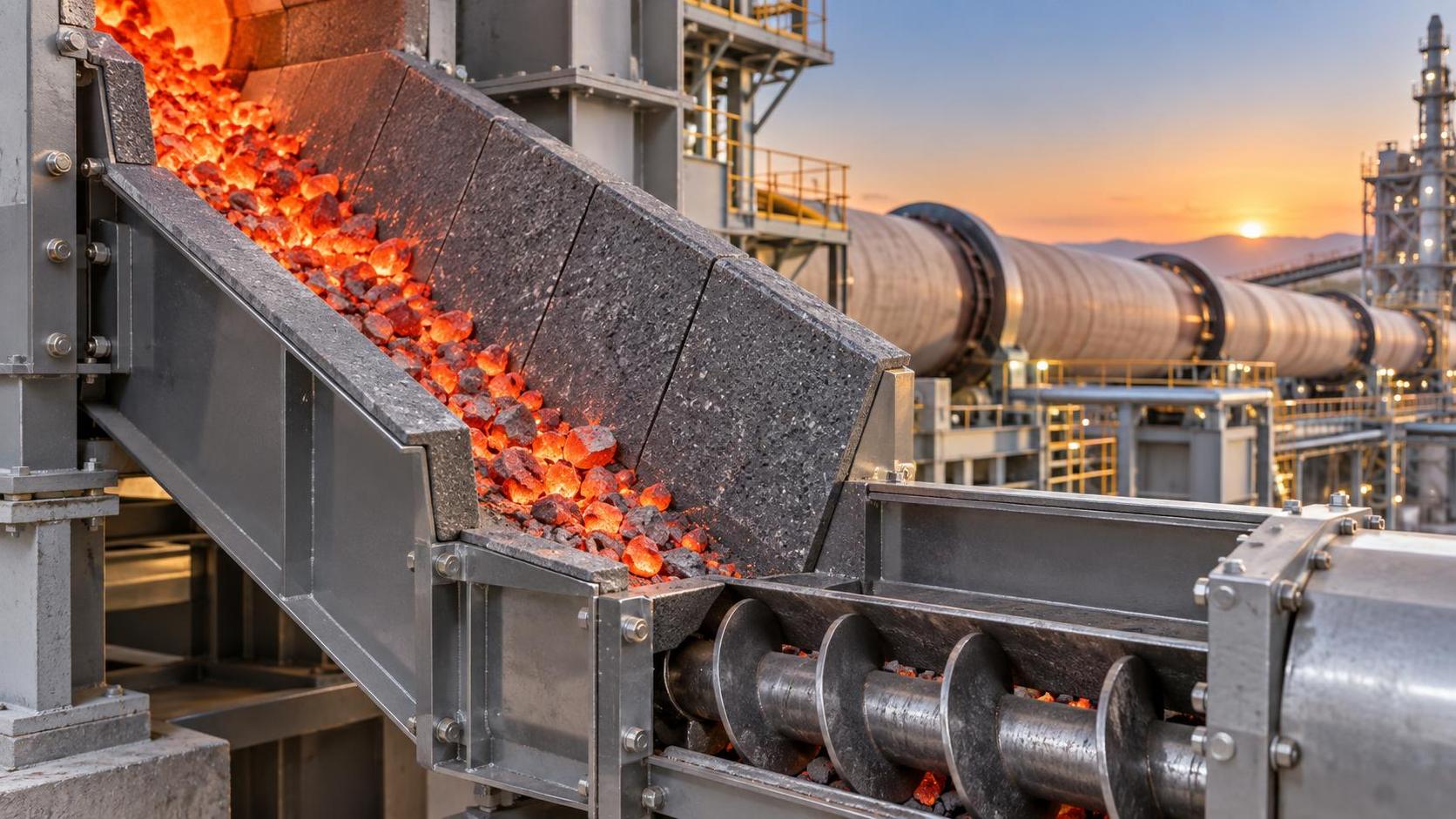
Cement and mineral processing lines often operate with large thermal inertia.
That makes industrial kiln innovations valuable, but only when they improve flame shaping and retention time without disturbing core reactions.
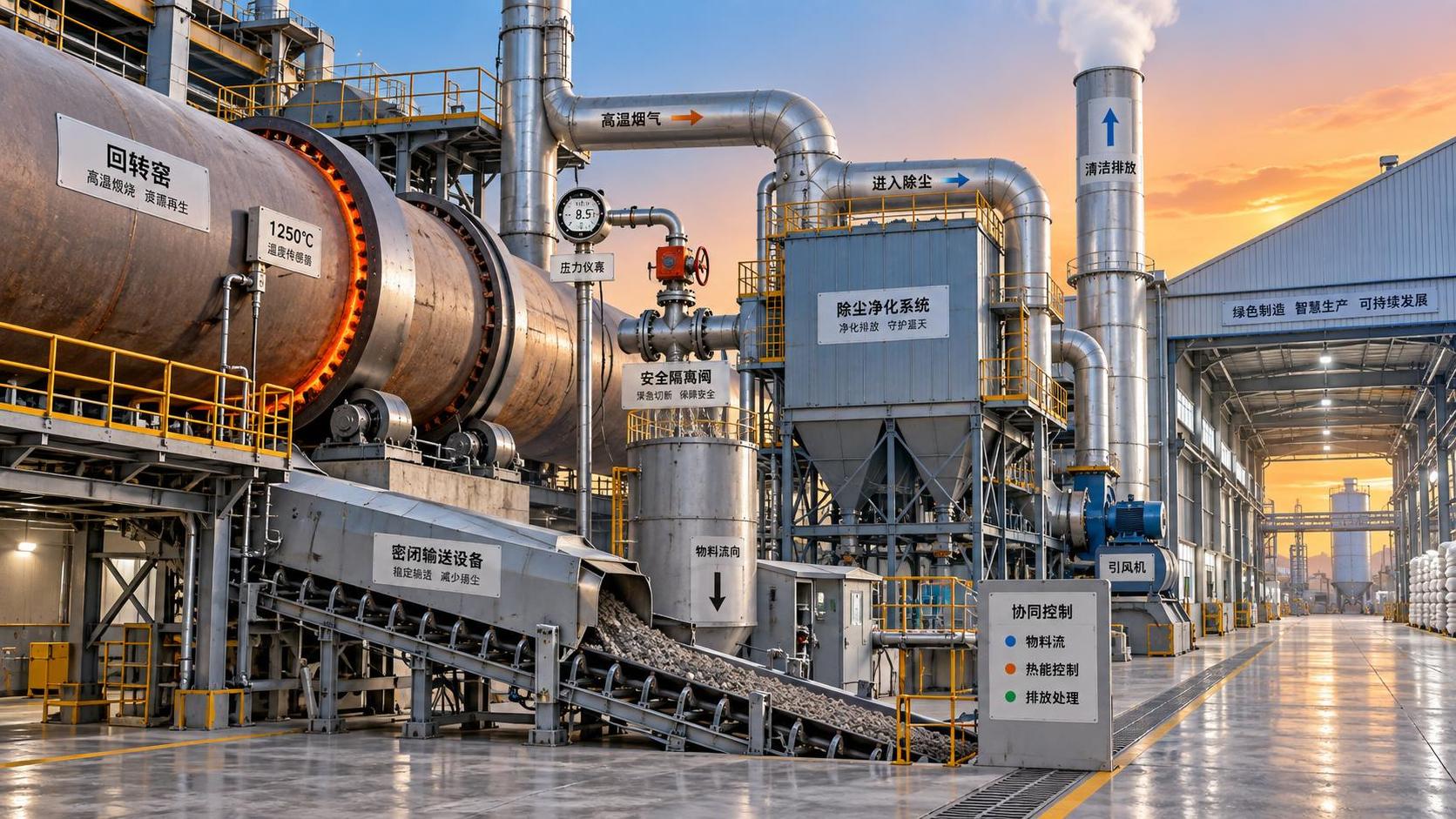
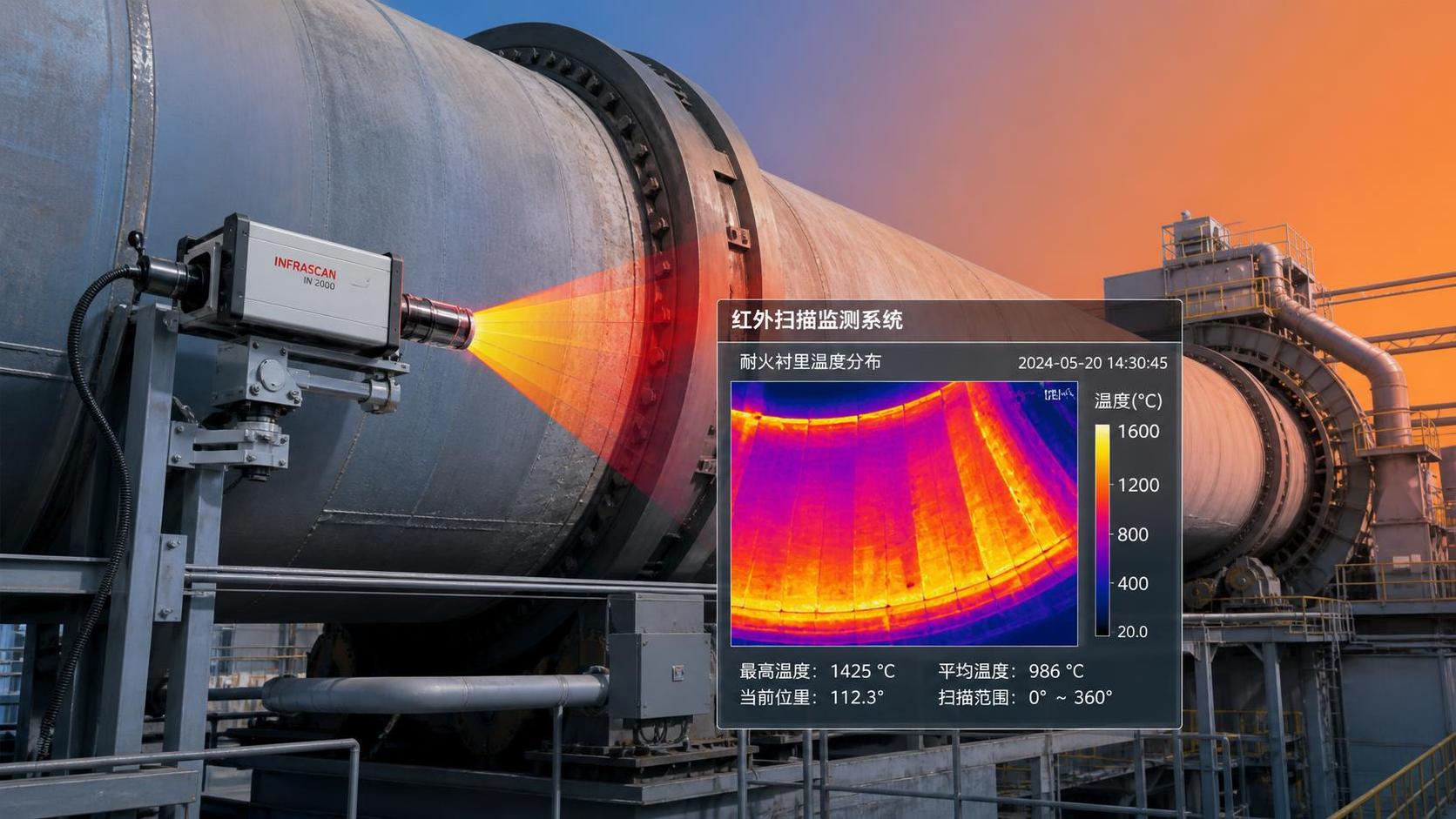
A common upgrade route combines low-NOx burners, secondary air optimization, and continuous temperature profiling.
The fuel benefit is important, yet the stronger business case often comes from fewer hot spots and less unstable clinker formation.
When alternative fuels are introduced, the judgment becomes more demanding.
Calorific value swings, ash chemistry, and flame response can undermine thermal consistency if the control system is too slow.
In this setting, industrial kiln innovations should be assessed with process data, not only equipment brochures.
Burner flexibility, gas analysis speed, and zoning logic usually matter more than one-point efficiency claims.
What usually deserves closer attention
- Response time between feed variation and combustion adjustment.
- Lining wear patterns after hotter and more focused flame profiles.
- Dust recirculation effects on sensors and control accuracy.
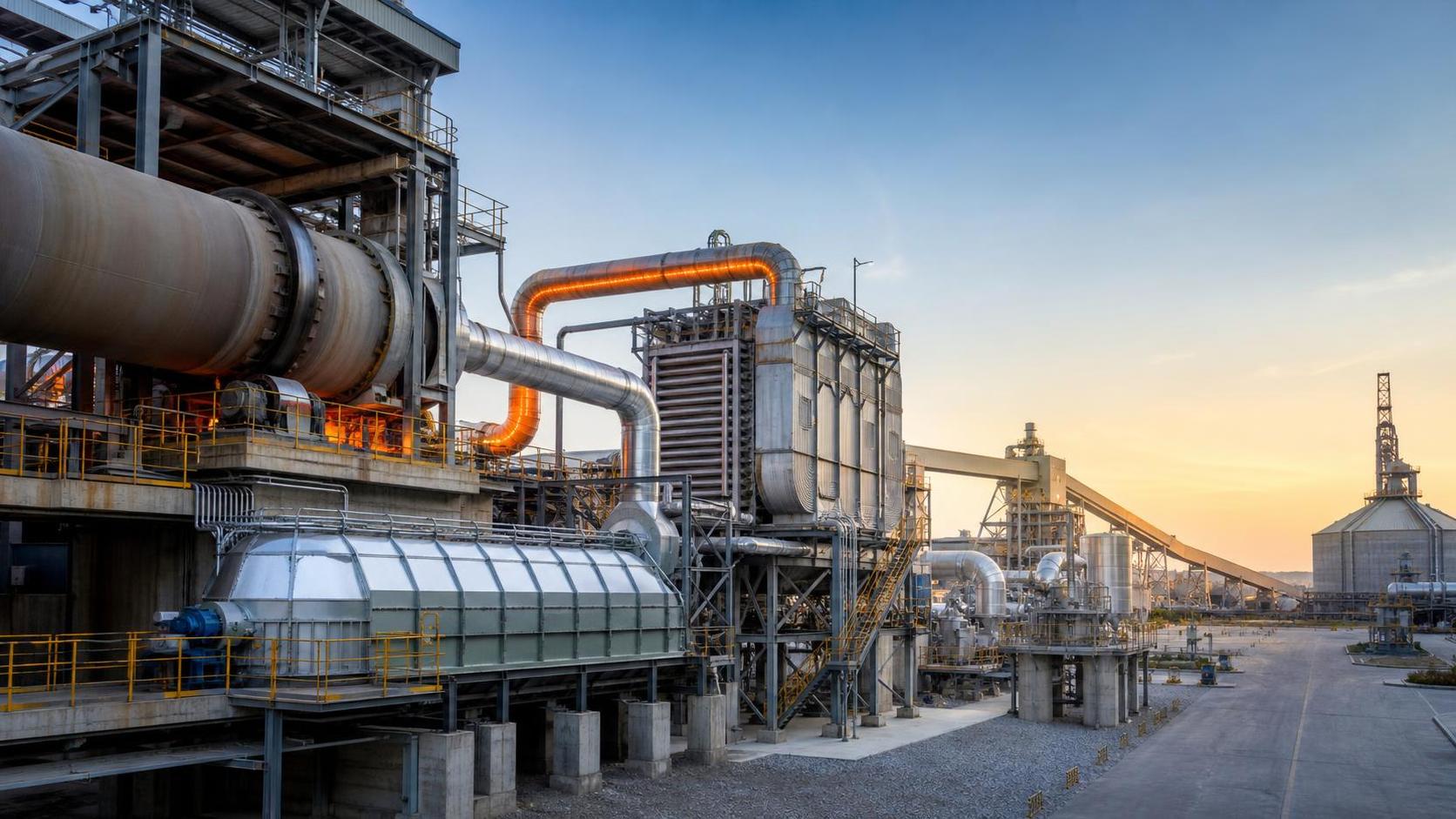
- Waste heat recovery impact on downstream fan balance.
For incineration and co-processing, temperature control is tied to compliance risk
Incineration lines rarely face a uniform heat source.
Feed composition changes fast, moisture shifts unexpectedly, and residence time must still support destruction efficiency.
Here, industrial kiln innovations are less about chasing the absolute lowest fuel rate.
They are more about keeping the thermal window wide enough for safe combustion and narrow enough for compliance control.
This is where advanced sensors, oxygen trim, and predictive control show clear value.
They reduce over-firing, limit temperature swings, and help avoid the hidden cost of unstable emissions performance.
A frequent misjudgment is assuming that stronger burners alone solve waste variability.
In reality, poor feed characterization and delayed control signals can erase the benefit of good hardware.
Precision firing lines care more about uniformity than dramatic burner changes
In refractory, ceramic, and specialty material lines, the conversation shifts.
Temperature deviation across the load can create more damage than a moderate fuel penalty.
That is why industrial kiln innovations in these environments often focus on airflow balance, insulation upgrades, and denser measurement points.
Digital twins and thermal mapping help, but only if operating recipes are disciplined enough to use the insight.
A plant producing high-grade refractories may accept slower ramps to reduce crack risk.
A line tied to green building materials may instead prioritize repeatable cycles and shorter recovery time after stoppages.
The lesson is simple.
The same industrial kiln innovations can create different value depending on whether thermal uniformity or cycle speed drives margins.
Different scenarios do not ask for the same upgrade logic
A side-by-side view makes the differences clearer.
This is the practical lens often used by intelligence platforms like CF-Elite.
The value comes from linking temperature behavior, reaction logic, and decarbonization pressure rather than reviewing equipment in isolation.
Where industrial kiln innovations are often misread before implementation
Several upgrade mistakes appear repeatedly across heavy thermal operations.
- Focusing on burner efficiency while ignoring air leakage and shell heat loss.
- Adding sensors without improving calibration routines or operator response logic.
- Estimating savings from design load, not from actual fluctuating production.
- Comparing similar kilns as if waste mix, feed chemistry, and cycle discipline were identical.
- Treating waste heat recovery as universally positive, despite fouling or maintenance constraints.
In real projects, the hidden limit is often compatibility rather than technology maturity.
Control upgrades may be constrained by legacy PLC architecture.
Insulation improvement may change shell temperature enough to affect inspection routines.
Even highly promising industrial kiln innovations need a site-specific implementation path.
A practical way to choose the right next step
The most reliable starting point is not a catalog comparison.
It is a clear map of where fuel is lost, where temperature drifts, and where process risk becomes expensive.
That map should include load variability, fuel type, zoning limits, sensor coverage, lining condition, and maintenance tolerance.
From there, industrial kiln innovations can be ranked more realistically.
- Confirm whether the main problem is energy intensity, temperature variation, or unstable compliance performance.
- Check which thermal zones create the highest cost or product inconsistency.
- Review whether current controls can act fast enough to use better sensors or burners.
- Estimate maintenance impact alongside fuel reduction, not after commissioning.
- Use scenario-based benchmarking from sectors facing similar thermal and chemical constraints.
When these steps are done carefully, industrial kiln innovations stop being abstract technology choices.
They become measurable operational decisions shaped by process reality, carbon pressure, and long-cycle asset performance.
That is the more durable path for any thermal line aiming to reduce fuel use without losing control where it matters most.
Related News
 Thermal Energy ArchitectHow to Evaluate a Thermal Energy Optimization Company for High-Temperature PlantsChoose a thermal energy optimization company with proven process expertise, measurable savings, and reliable delivery for high-temperature plants. Learn what to assess.Sep 15, 2026
 Thermal Energy ArchitectRotary Kiln Efficiency: How Feed Rate, Fuel Use, and Heat Loss Affect OutputRotary kiln efficiency explained: discover how feed rate, fuel use, heat loss, combustion, and cooling performance shape output, quality, and energy costs.Sep 14, 2026
 Thermal Energy ArchitectHow to Select Heat-Resistant Materials That Maintain Abrasion Resistance in KilnsHeat-resistant materials abrasion resistance: learn how to select kiln linings that withstand heat, wear, thermal cycling, and chemical attack for longer service life.Sep 13, 2026
 Thermal Energy ArchitectHow Rotary Kiln Automation Improves Temperature Control and Fuel EfficiencyRotary kiln technology automation enhances temperature control, stabilizes combustion, and improves fuel efficiency with smarter data, predictive control, and safer operations.Sep 12, 2026
 Silicate Process EngineerCement Plant Emission Control: Selecting Systems for Dust, NOx, and SO2 LimitsCement plant emission control guide: compare dust collectors, NOx reduction, and SO2 systems for reliable compliance across kiln modes, fuel changes, and operating upsets.Sep 11, 2026
 Thermal Energy ArchitectSelecting Abrasion-Resistant High-Temperature Materials for Kiln and Conveyor Wear ZonesHigh-temp material engineering guide to abrasion-resistant kiln and conveyor solutions—match wear, heat, chemistry, and installation design for longer service life.Sep 10, 2026
 Dr. Alistair VaughnIndustrial Process Engineering: How to Map Processes for Safer, More Efficient PlantsIndustrial process engineering reveals bottlenecks, safety risks, and energy losses through practical process mapping for safer, more efficient plants.Sep 09, 2026
 Optical Glass Tech FellowHow to Evaluate a Glass Annealing Equipment Manufacturer for Production StabilityChoose a glass annealing equipment manufacturer with proven thermal uniformity, reliable controls, lifecycle value, and responsive service for stable production.Sep 08, 2026
 Prof. Marcus ChenThermal Energy Architecture in North America: Strategies for Lower Building Energy UseThermal energy architecture North America helps project leaders cut building energy use through stronger envelopes, right-sized HVAC, storage, and smart commissioning.Sep 07, 2026
 Ms. Elena RodriguezHow Should Buyers Evaluate Building Material Industry Intelligence Pricing?Building material industry intelligence pricing: learn how to compare coverage, technical depth, and ROI to choose intelligence that reduces procurement risk.Sep 07, 2026
 Ms. Elena RodriguezHow to Use Building Material Intelligence Data for Market and Investment DecisionsBuilding material industry intelligence data helps leaders evaluate demand, costs, regulation, capacity, and technology to make smarter market and investment decisions.Sep 05, 2026
 Thermal Energy ArchitectHow PLC Control Improves Energy Efficiency and Temperature Stability in KilnsEnergy efficient kilns PLC control improves temperature stability, cuts fuel waste, and optimizes combustion, draft, and material flow. Explore proven strategies for smarter kiln modernization.Sep 04, 2026
 Optical Glass Tech FellowEuropean Glass Melting Processes: Furnace Choices, Energy Use, and Quality ControlGlass melting process Europe: explore furnace choices, energy efficiency, cullet strategy, and quality control to improve output, compliance, and long-term glass performance.Sep 03, 2026
 Thermal Energy ArchitectWhat Determines Refractory Lining Monitoring Price for Industrial Kilns?Refractory lining monitoring price depends on kiln size, sensor technology, installation, software, and support. Compare total lifecycle costs and choose the right solution.Sep 02, 2026
 Silicate Process EngineerCement Production System Costs: A Plant Buyer’s Guide to Budgeting and ROICement production systems cost planning made clear: compare CAPEX, operating costs, compliance, and ROI to build a resilient, profitable cement plant investment.Sep 01, 2026
 Dr. Alistair VaughnWhat Should a Process Technology Database Track for High-Temperature Plants?Process technology database essentials for high-temperature plants: track thermal profiles, feed chemistry, refractory wear, emissions, energy, and maintenance for safer, data-driven decisions.Aug 31, 2026
 Ms. Elena RodriguezHow to Evaluate a Silicate Processing Equipment Manufacturer for Plant ProjectsSilicate processing equipment manufacturer selection: assess process fit, guarantees, energy, compliance, delivery risk, and lifecycle support for dependable plant performance.Aug 30, 2026
 Dr. Alistair VaughnHow to Specify Custom Agricultural Processing Equipment for Throughput and HygieneEquipment customization services for agricultural processing: learn to specify hygienic, high-throughput lines that improve yield, reliability, and long-term efficiency.Aug 29, 2026
 Dr. Alistair VaughnHow to Select Process Plant Equipment for High-Temperature, Abrasive Production LinesProcess plant equipment selection for high-temperature, abrasive lines: reduce downtime, improve durability, and optimize lifecycle performance.Aug 28, 2026
 Silicate Process EngineerHow Kiln Heat Recovery Systems Cut Fuel Use in Cement and Lime ProductionKiln heat recovery helps cement and lime plants cut fuel use, improve thermal stability, and build practical, reliable decarbonization strategies.Aug 27, 2026



Related News
- 00
0000-00
How to Evaluate a Thermal Energy Optimization Company for High-Temperature Plants - 00
0000-00
Rotary Kiln Efficiency: How Feed Rate, Fuel Use, and Heat Loss Affect Output - 00
0000-00
How to Select Heat-Resistant Materials That Maintain Abrasion Resistance in Kilns - 00
0000-00
How Rotary Kiln Automation Improves Temperature Control and Fuel Efficiency - 00
0000-00
Selecting Abrasion-Resistant High-Temperature Materials for Kiln and Conveyor Wear Zones
Weekly Insights
Stay ahead with our curated technology reports delivered every Monday.