
How to Evaluate High-Temp Industrial Solutions for Continuous Kiln Operations




Selecting high-temp industrial solutions for continuous kiln operations is rarely about one headline temperature number. In real projects, the safer decision comes from matching thermal behavior, chemical stability, fuel economics, and maintenance reality to nonstop production.
That is especially true across cement, glass, incineration, refractory, and extrusion systems, where heat profiles shift fast and shutdown costs are high. A smart evaluation process helps reduce risk, protect lining life, and support carbon reduction targets without sacrificing throughput.
CF-Elite tracks these high-heat sectors closely through its Strategic Intelligence Center, connecting process data, thermal engineering logic, and commercial signals. That broader view matters because the best high-temp industrial solutions are not isolated products. They are operating-fit systems.
Start with the real kiln duty, not the brochure rating
Before comparing suppliers, define what the kiln actually sees during daily operation. Continuous service can include stable base load, frequent thermal cycling, fuel changes, raw mix variation, and corrosive gas spikes.
Those details shape which high-temp industrial solutions will last and which will fail early.
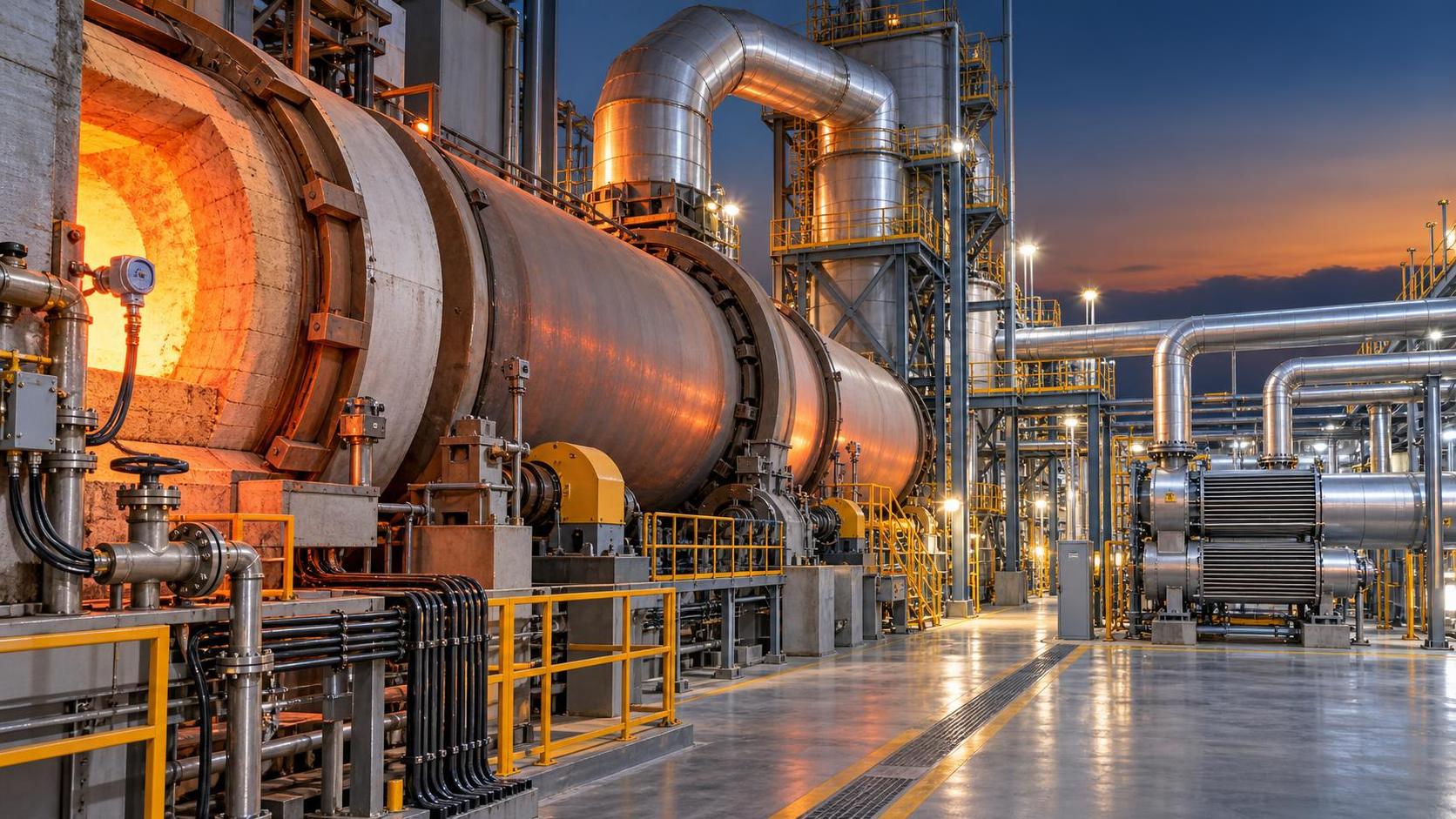
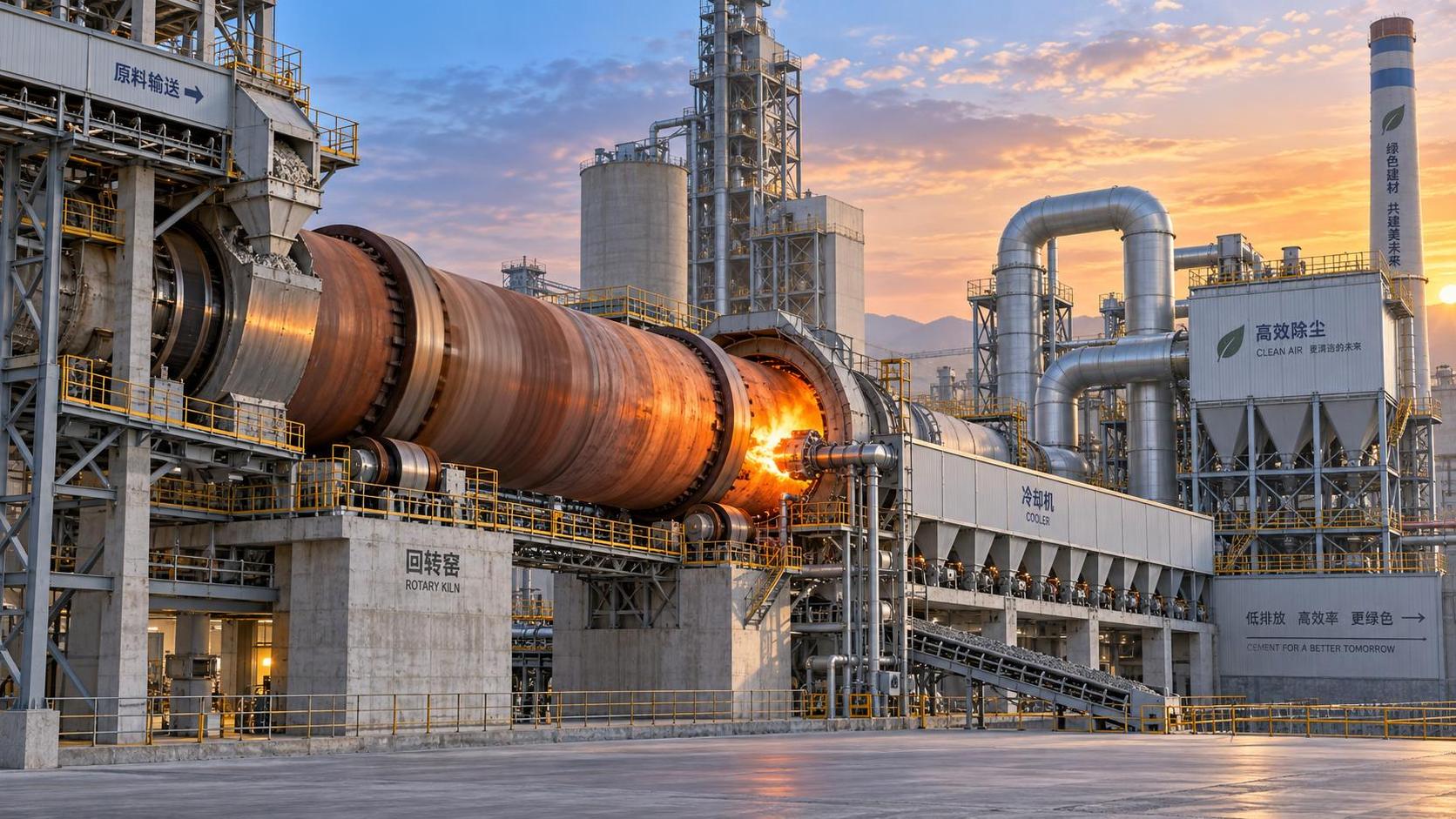
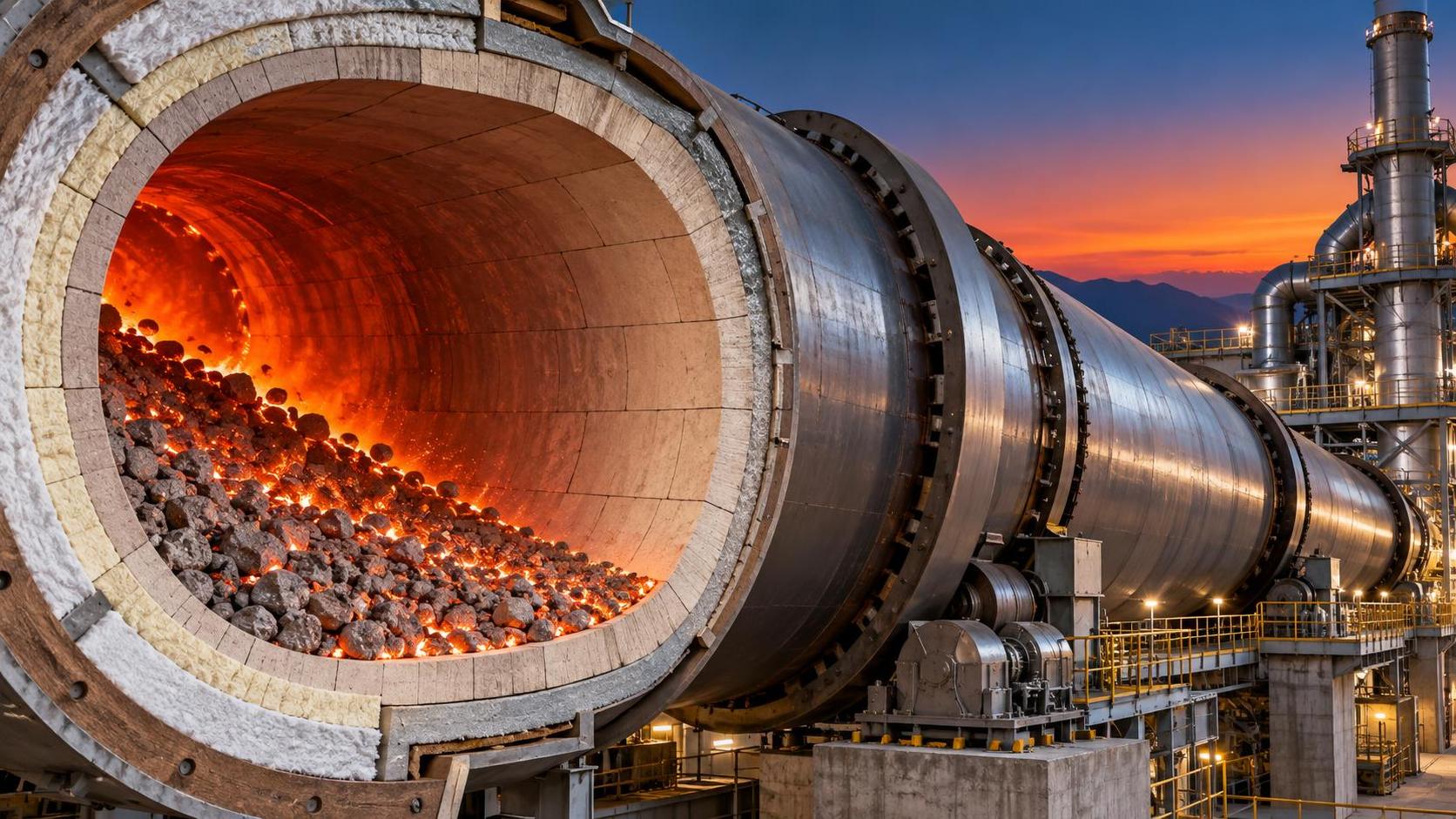
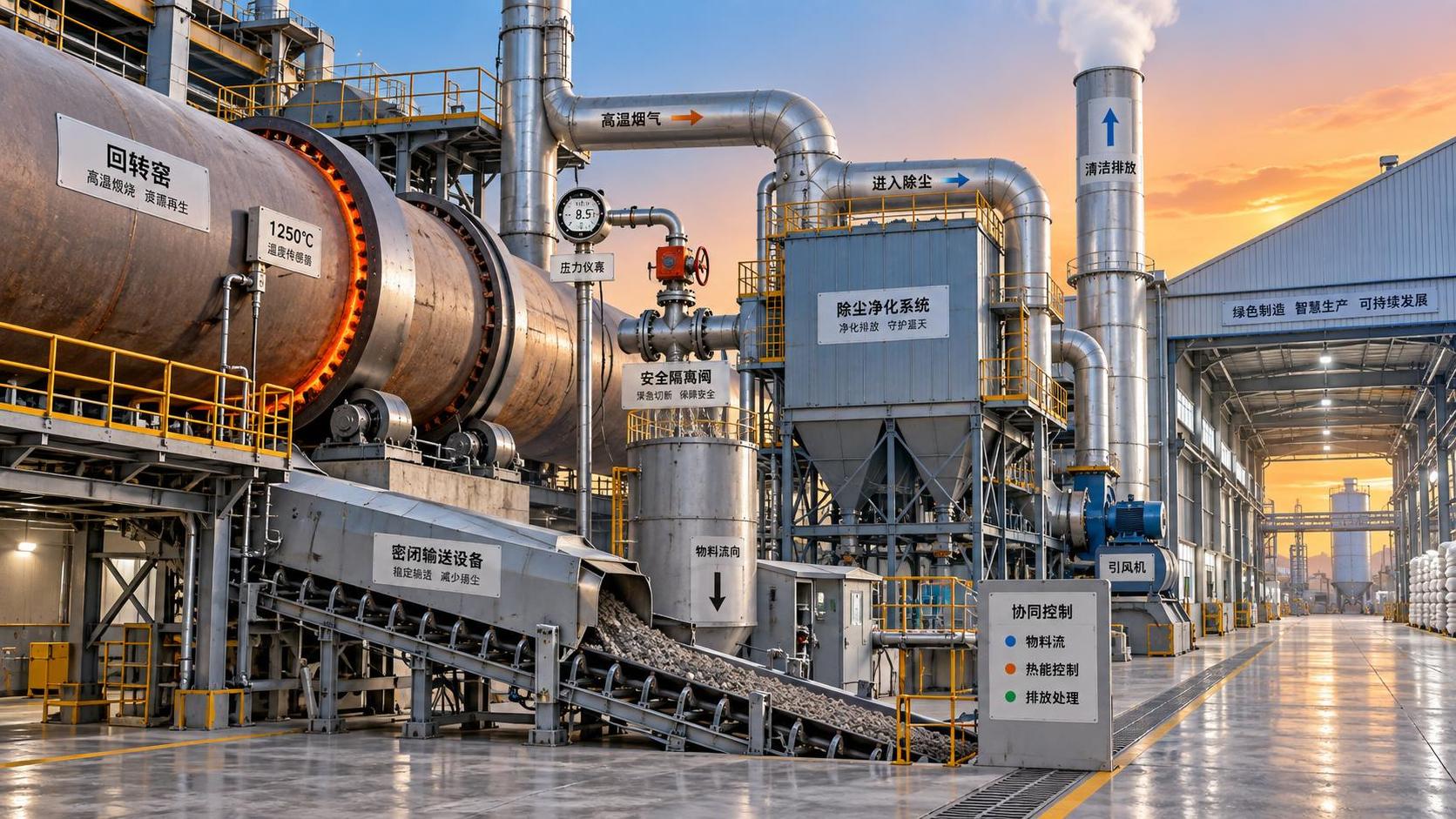
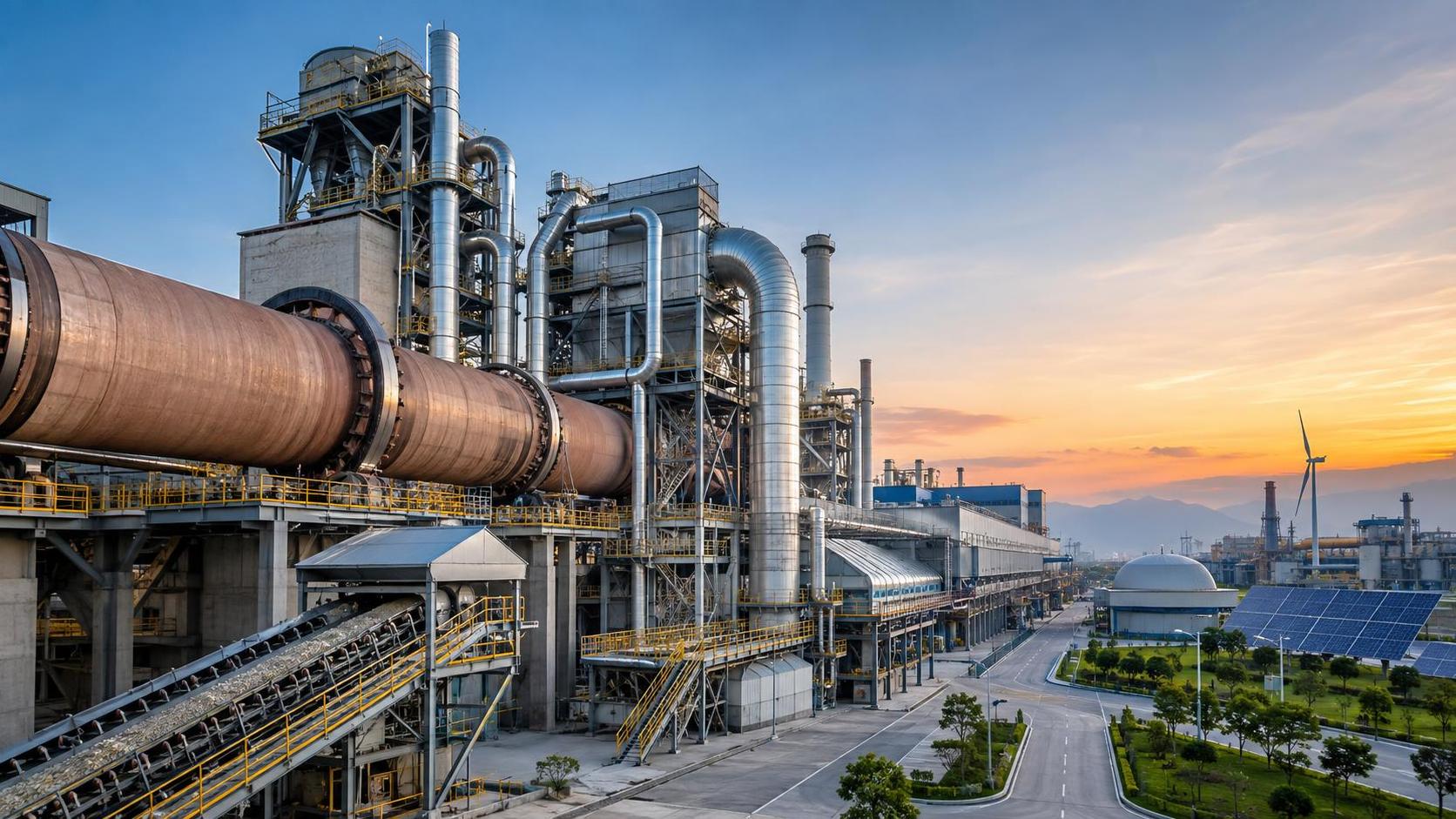
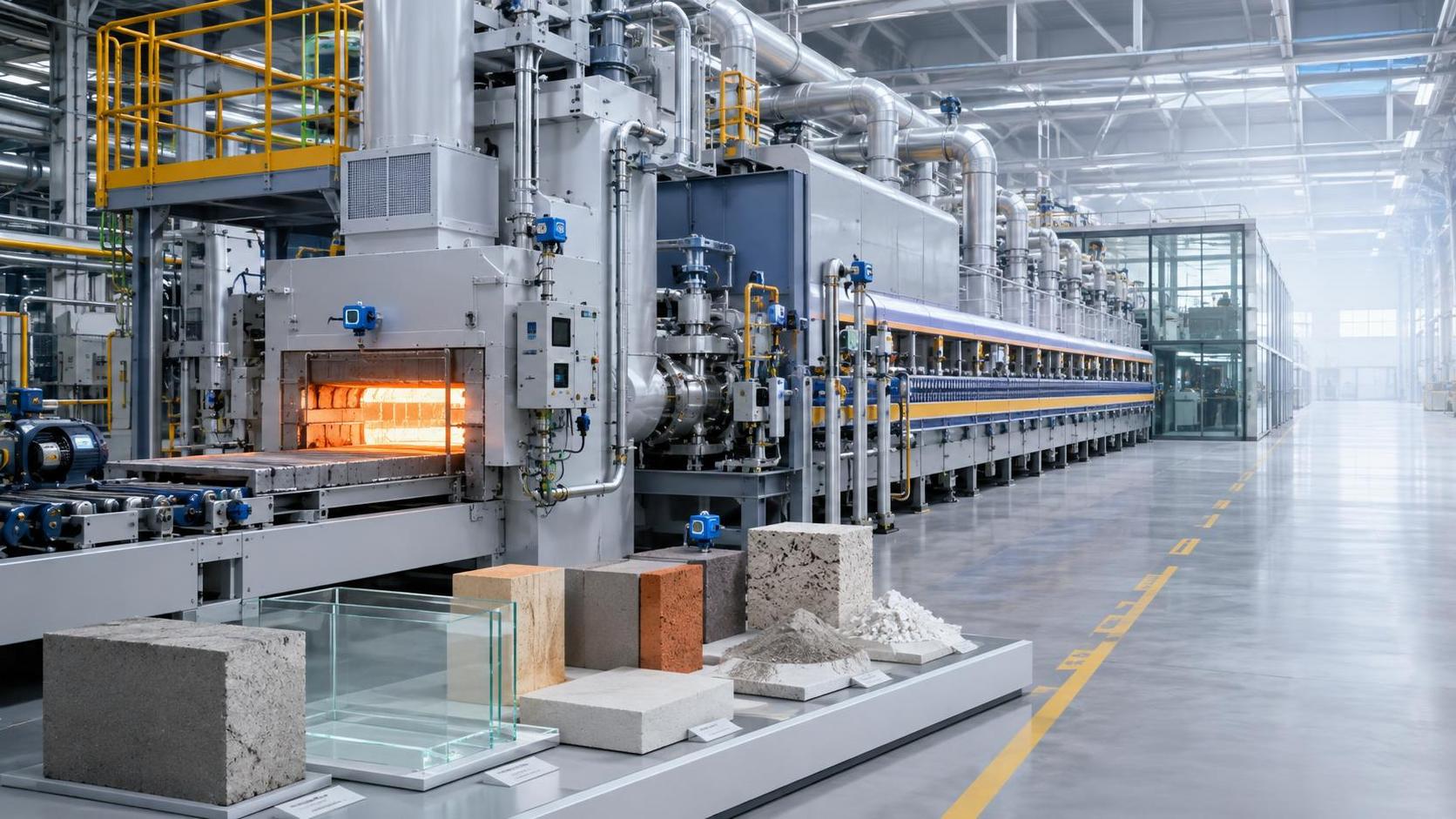
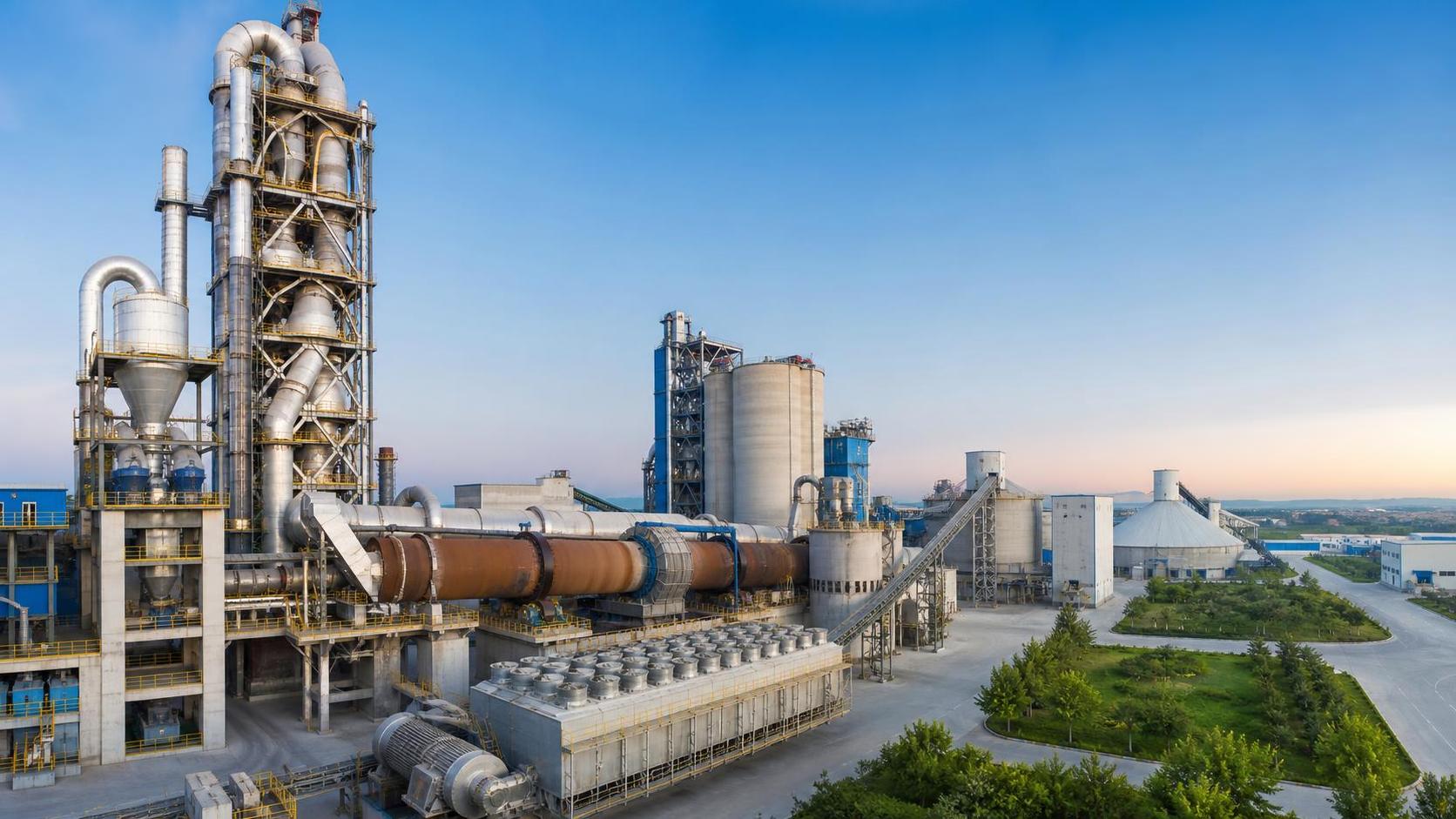
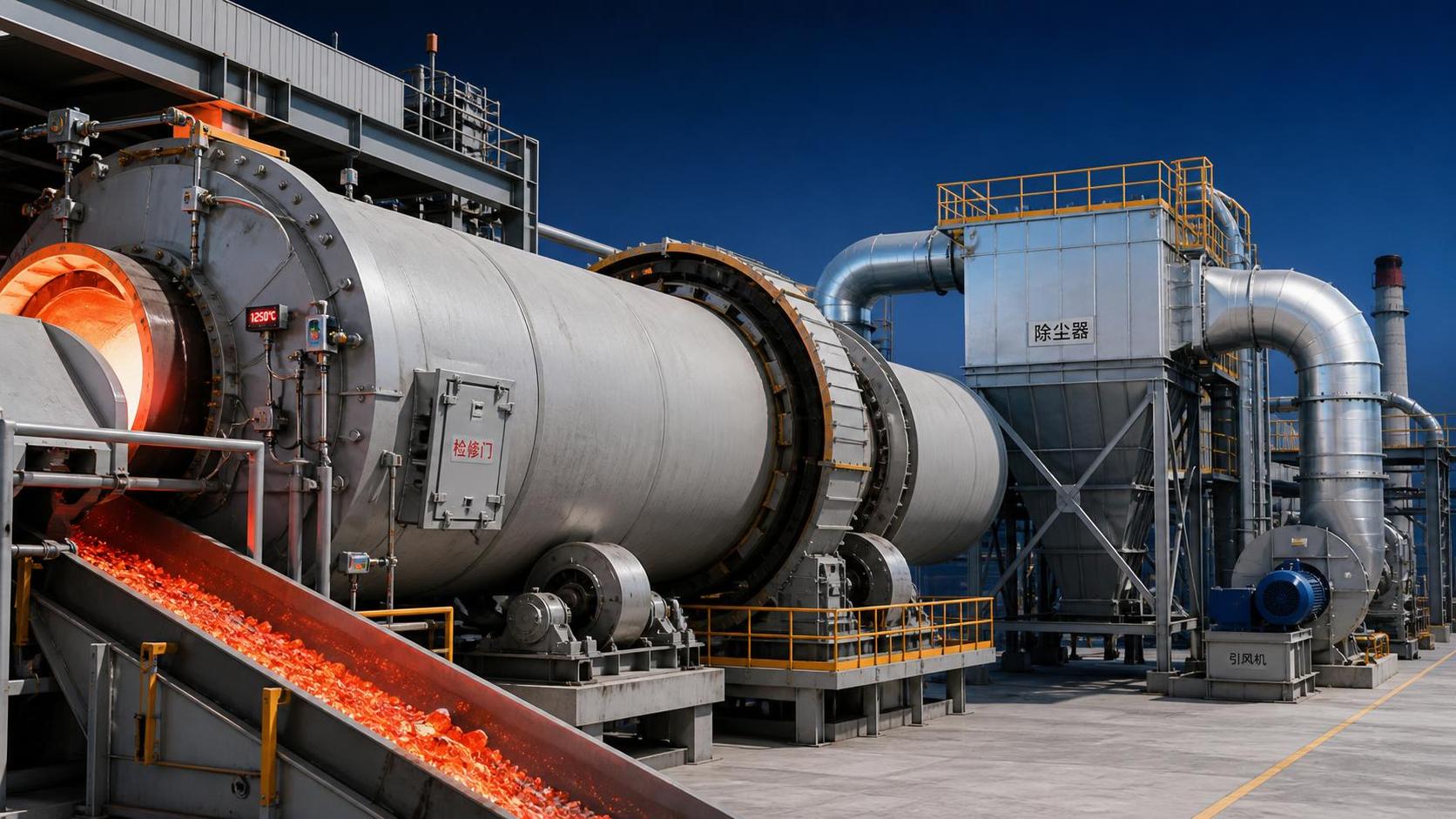
[Image 01: Continuous kiln evaluation framework covering temperature zones, refractory interfaces, fuel inputs, and emission controls]
- Map actual peak, average, and transient temperatures by kiln zone. A solution that survives steady heat may still crack, warp, or drift when startup and upset cycles are frequent.
- Check atmosphere chemistry, including alkalis, chlorides, sulfur, and dust loading. Many high-temp industrial solutions fail from chemical attack long before they hit their stated thermal limit.
- Review residence time and load pattern together. Long exposure at moderate overheating often damages components faster than short excursions at higher temperatures under controlled conditions.
- Confirm whether alternative fuels or waste-derived feeds are planned. Fuel switching changes flame shape, ash chemistry, and local hot spots, which can alter the right equipment choice.
- Separate continuous duty from emergency tolerance. A component rated for brief extremes should not be treated as a reliable answer for permanent, round-the-clock kiln operation.
Focus on the interface between heat, lining, and structure
A common mistake is evaluating burners, insulation, refractories, shell cooling, and monitoring tools one by one. In continuous kilns, those elements interact constantly.
The right high-temp industrial solutions should improve the whole thermal system, not just one component specification.
- Test refractory compatibility with operating chemistry and mechanical anchors. Good thermal resistance means little if brick, castable, coating, and steel supports expand at conflicting rates.
- Compare insulation performance against shell temperature goals. Lower heat loss looks attractive, but trapped heat can accelerate lining stress if the overall kiln balance is ignored.
- Verify burner and airflow design with flame envelope data. Poor mixing or unstable flame geometry often creates localized overheating that standard datasheets do not reveal.
- Assess shell, tire, and support impacts during long campaigns. Thermal imbalance can distort structure over time, raising maintenance cost even when process output initially looks normal.
- Include sensor reliability in the evaluation. Weak temperature or pressure feedback can make strong high-temp industrial solutions perform badly because operators cannot see early drift.
In cement and lime lines
Volatile compounds, dust recirculation, and alternative fuels often reshape the thermal map. That means evaluation should include coating behavior, ring formation risk, and how lining selection affects downstream stability.
CF-Elite’s sector tracking is useful here because small process shifts can turn a seemingly robust choice into a high-maintenance one over a full campaign.
In glass and specialty material heating
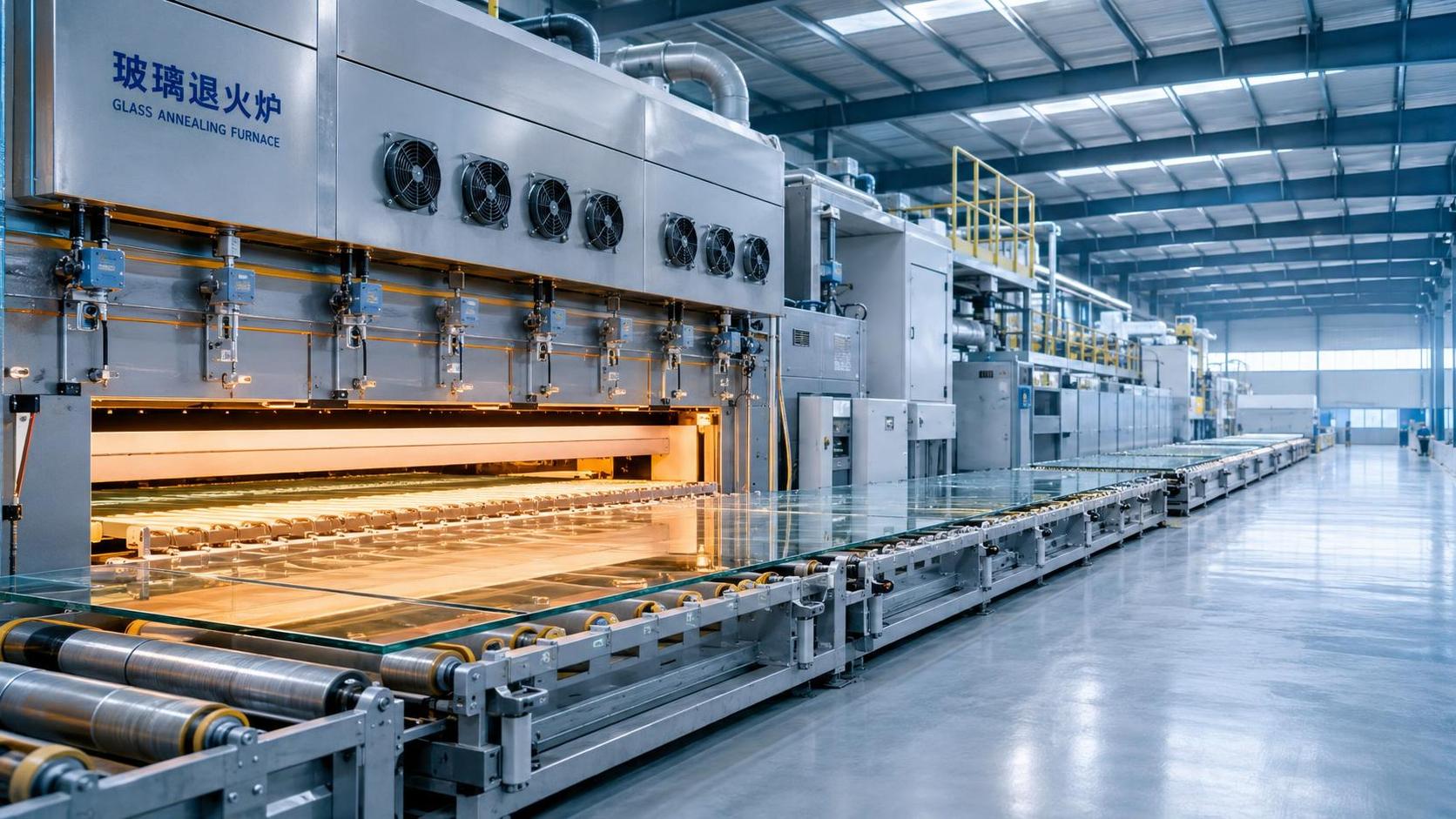
Temperature uniformity is often as important as maximum temperature. Even slight instability can affect melt quality, annealing consistency, and equipment life around crowns, forehearths, or feeder zones.
Measure efficiency and emissions as part of one decision
Energy efficiency should not be treated as a separate sustainability checkbox. In continuous operations, it directly shapes fuel cost, refractory wear, and compliance exposure.
The better high-temp industrial solutions usually deliver thermal performance and environmental performance together.
- Track specific energy consumption by stable output, not nameplate capacity. A solution only looks efficient when measured against real throughput under normal operating conditions.
- Check NOx, SOx, CO, and particulate implications during both normal and upset states. Emission compliance problems often appear during transitions, not during ideal test runs.
- Ask how heat recovery options affect the core system. Waste heat recovery can improve economics, but only if draft balance and material behavior stay under control.
- Review decarbonization readiness, including fuel flexibility and digital optimization support. Future-proof high-temp industrial solutions should handle tighter carbon targets without major redesign.
- Use lifecycle energy models instead of purchase-price comparison alone. Small efficiency gains become major financial differences in continuous kiln service over several years.
Look harder at reliability, serviceability, and data visibility
A technically elegant option can still be a poor fit if it is hard to inspect, slow to repair, or dependent on fragile spare-part chains. Continuous kilns punish hidden maintenance weaknesses.
- Request campaign-life evidence from conditions similar to your process. High-temp industrial solutions proven in batch service may underperform badly in nonstop thermal environments.
- Check installation sensitivity and repair window requirements. A material or device that performs well in theory may be impractical if field execution demands perfect conditions.
- Confirm spare-part availability and technical support response time. Long lead times can turn a localized failure into a major production and compliance event.
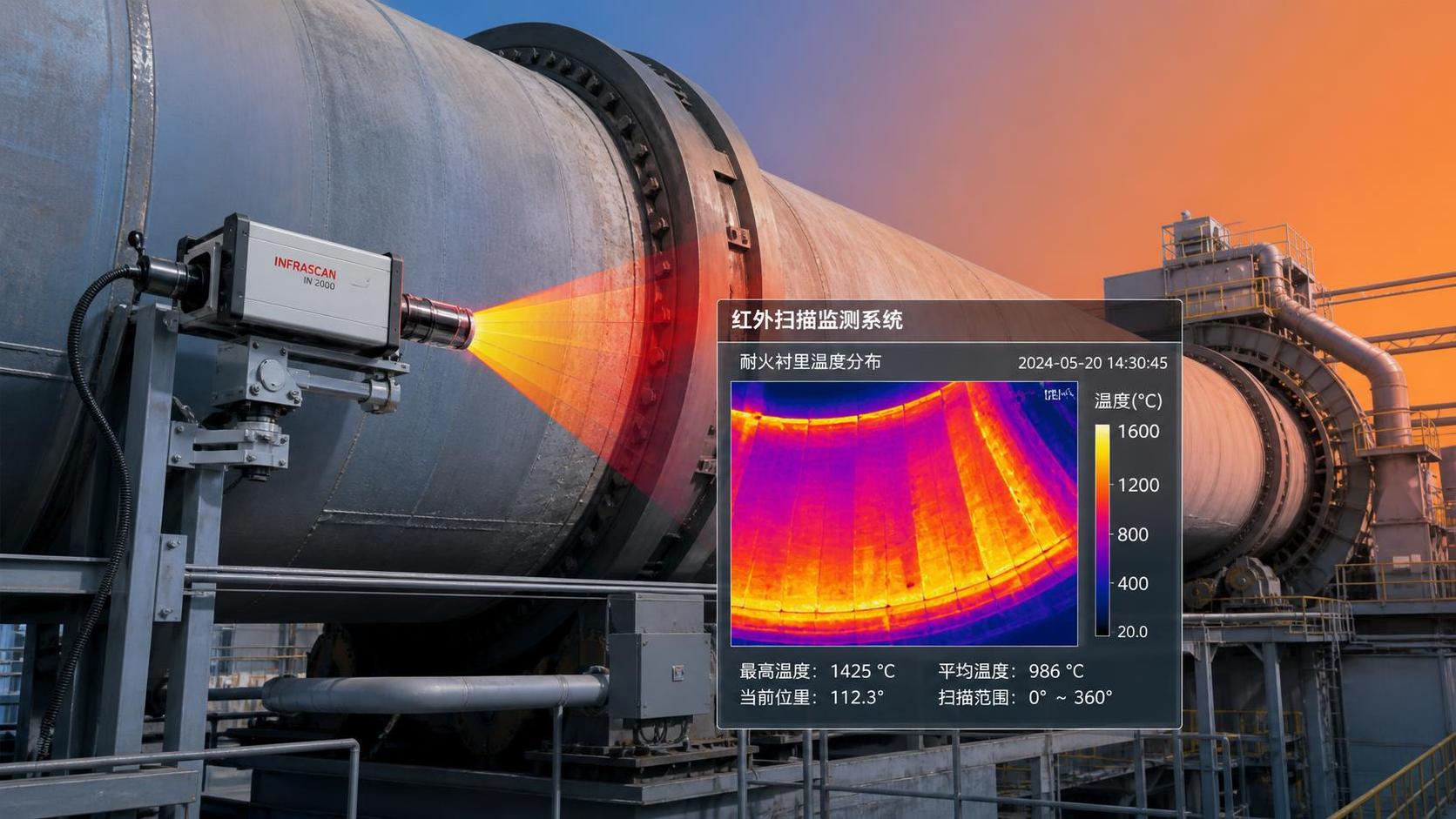
- Prefer solutions with strong online monitoring options. Thickness tracking, shell scanning, pressure trends, and combustion data help catch failure modes before they become shutdowns.
- Ask for failure analysis examples, not just success cases. The most useful suppliers can explain where their solution struggles and how operating limits should be managed.
In incineration and co-processing lines
Feed variability is usually the main issue. Waste composition changes ash chemistry, flame stability, and corrosion patterns fast, so reliability depends on monitoring quality as much as material choice.
This is where CF-Elite’s intelligence on co-processing trends becomes practical. It helps connect policy pressure, fuel substitution, and lining performance into one clearer decision path.
Compare suppliers by evidence quality, not presentation quality
Supplier comparison gets easier when every proposal is forced into the same evaluation frame. That keeps flashy claims from overriding operating reality.
- Standardize bid questions around duty profile, chemistry, maintenance, emissions, and digital support. Consistent inputs make high-temp industrial solutions easier to compare fairly.
- Score field references by process similarity, not brand prestige. A smaller reference in a matching kiln environment is often more useful than a famous but unrelated case.
- Require quantified assumptions behind savings claims. If energy, life, or emission improvements are not tied to conditions, treat them as directional, not bankable.
- Include commissioning and ramp-up support in the decision. Early operating instability can erase the advantage of otherwise strong high-temp industrial solutions.
- Review contract language on performance boundaries and exclusions. The gap between promised results and warranted results is often where project risk hides.
A practical decision path for the next evaluation round
If the choice still feels crowded, narrow it with three filters. First, remove options that do not match real duty conditions. Next, remove options with weak lifecycle evidence. Finally, compare the remaining candidates on energy, emissions, and service support.
That simple sequence keeps the focus on operating fit instead of sales language. It also aligns well with the way CF-Elite approaches industrial intelligence: connecting thermal facts, process behavior, and long-cycle commercial value.
The best high-temp industrial solutions for continuous kiln operations are the ones that stay stable under real chemistry, real maintenance limits, and real carbon pressure. Start with the kiln duty, verify the interfaces, and let evidence decide the shortlist.
For the next step, build a one-page evaluation sheet using the factors above, then test every option against the same operating scenario. That small move usually reveals which solution is truly durable, efficient, and worth advancing.
Related News
 Thermal Energy ArchitectHow to Evaluate a Thermal Energy Optimization Company for High-Temperature PlantsChoose a thermal energy optimization company with proven process expertise, measurable savings, and reliable delivery for high-temperature plants. Learn what to assess.Sep 15, 2026
 Thermal Energy ArchitectRotary Kiln Efficiency: How Feed Rate, Fuel Use, and Heat Loss Affect OutputRotary kiln efficiency explained: discover how feed rate, fuel use, heat loss, combustion, and cooling performance shape output, quality, and energy costs.Sep 14, 2026
 Thermal Energy ArchitectHow to Select Heat-Resistant Materials That Maintain Abrasion Resistance in KilnsHeat-resistant materials abrasion resistance: learn how to select kiln linings that withstand heat, wear, thermal cycling, and chemical attack for longer service life.Sep 13, 2026
 Thermal Energy ArchitectHow Rotary Kiln Automation Improves Temperature Control and Fuel EfficiencyRotary kiln technology automation enhances temperature control, stabilizes combustion, and improves fuel efficiency with smarter data, predictive control, and safer operations.Sep 12, 2026
 Silicate Process EngineerCement Plant Emission Control: Selecting Systems for Dust, NOx, and SO2 LimitsCement plant emission control guide: compare dust collectors, NOx reduction, and SO2 systems for reliable compliance across kiln modes, fuel changes, and operating upsets.Sep 11, 2026
 Thermal Energy ArchitectSelecting Abrasion-Resistant High-Temperature Materials for Kiln and Conveyor Wear ZonesHigh-temp material engineering guide to abrasion-resistant kiln and conveyor solutions—match wear, heat, chemistry, and installation design for longer service life.Sep 10, 2026
 Dr. Alistair VaughnIndustrial Process Engineering: How to Map Processes for Safer, More Efficient PlantsIndustrial process engineering reveals bottlenecks, safety risks, and energy losses through practical process mapping for safer, more efficient plants.Sep 09, 2026
 Optical Glass Tech FellowHow to Evaluate a Glass Annealing Equipment Manufacturer for Production StabilityChoose a glass annealing equipment manufacturer with proven thermal uniformity, reliable controls, lifecycle value, and responsive service for stable production.Sep 08, 2026
 Prof. Marcus ChenThermal Energy Architecture in North America: Strategies for Lower Building Energy UseThermal energy architecture North America helps project leaders cut building energy use through stronger envelopes, right-sized HVAC, storage, and smart commissioning.Sep 07, 2026
 Ms. Elena RodriguezHow Should Buyers Evaluate Building Material Industry Intelligence Pricing?Building material industry intelligence pricing: learn how to compare coverage, technical depth, and ROI to choose intelligence that reduces procurement risk.Sep 07, 2026
 Ms. Elena RodriguezHow to Use Building Material Intelligence Data for Market and Investment DecisionsBuilding material industry intelligence data helps leaders evaluate demand, costs, regulation, capacity, and technology to make smarter market and investment decisions.Sep 05, 2026
 Thermal Energy ArchitectHow PLC Control Improves Energy Efficiency and Temperature Stability in KilnsEnergy efficient kilns PLC control improves temperature stability, cuts fuel waste, and optimizes combustion, draft, and material flow. Explore proven strategies for smarter kiln modernization.Sep 04, 2026
 Optical Glass Tech FellowEuropean Glass Melting Processes: Furnace Choices, Energy Use, and Quality ControlGlass melting process Europe: explore furnace choices, energy efficiency, cullet strategy, and quality control to improve output, compliance, and long-term glass performance.Sep 03, 2026
 Thermal Energy ArchitectWhat Determines Refractory Lining Monitoring Price for Industrial Kilns?Refractory lining monitoring price depends on kiln size, sensor technology, installation, software, and support. Compare total lifecycle costs and choose the right solution.Sep 02, 2026
 Silicate Process EngineerCement Production System Costs: A Plant Buyer’s Guide to Budgeting and ROICement production systems cost planning made clear: compare CAPEX, operating costs, compliance, and ROI to build a resilient, profitable cement plant investment.Sep 01, 2026
 Dr. Alistair VaughnWhat Should a Process Technology Database Track for High-Temperature Plants?Process technology database essentials for high-temperature plants: track thermal profiles, feed chemistry, refractory wear, emissions, energy, and maintenance for safer, data-driven decisions.Aug 31, 2026
 Ms. Elena RodriguezHow to Evaluate a Silicate Processing Equipment Manufacturer for Plant ProjectsSilicate processing equipment manufacturer selection: assess process fit, guarantees, energy, compliance, delivery risk, and lifecycle support for dependable plant performance.Aug 30, 2026
 Dr. Alistair VaughnHow to Specify Custom Agricultural Processing Equipment for Throughput and HygieneEquipment customization services for agricultural processing: learn to specify hygienic, high-throughput lines that improve yield, reliability, and long-term efficiency.Aug 29, 2026
 Dr. Alistair VaughnHow to Select Process Plant Equipment for High-Temperature, Abrasive Production LinesProcess plant equipment selection for high-temperature, abrasive lines: reduce downtime, improve durability, and optimize lifecycle performance.Aug 28, 2026
 Silicate Process EngineerHow Kiln Heat Recovery Systems Cut Fuel Use in Cement and Lime ProductionKiln heat recovery helps cement and lime plants cut fuel use, improve thermal stability, and build practical, reliable decarbonization strategies.Aug 27, 2026


Related News
- 00
0000-00
How to Evaluate a Thermal Energy Optimization Company for High-Temperature Plants - 00
0000-00
Rotary Kiln Efficiency: How Feed Rate, Fuel Use, and Heat Loss Affect Output - 00
0000-00
How to Select Heat-Resistant Materials That Maintain Abrasion Resistance in Kilns - 00
0000-00
How Rotary Kiln Automation Improves Temperature Control and Fuel Efficiency - 00
0000-00
Selecting Abrasion-Resistant High-Temperature Materials for Kiln and Conveyor Wear Zones
Weekly Insights
Stay ahead with our curated technology reports delivered every Monday.