
Industrial Incineration Equipment Selection Guide: Capacity, Fuel Type, and Emission Controls




Industrial incineration equipment sits at the intersection of waste treatment, energy recovery, and environmental control. Selection has become more demanding because capacity planning alone no longer defines success. Throughput must align with feed variability, fuel strategy, emission limits, and the thermal stability needed for continuous operation in high-temperature industrial environments.
That shift matters across the broader industrial landscape. In sectors tied to silicate processing, kiln systems, refractory production, and heavy thermal operations, incineration is increasingly evaluated as part of a wider resource and carbon management strategy. This is also why intelligence platforms such as CF-Elite place industrial thermal systems within a larger framework of process efficiency, reaction control, and decarbonization.
Why industrial incineration equipment demands careful selection
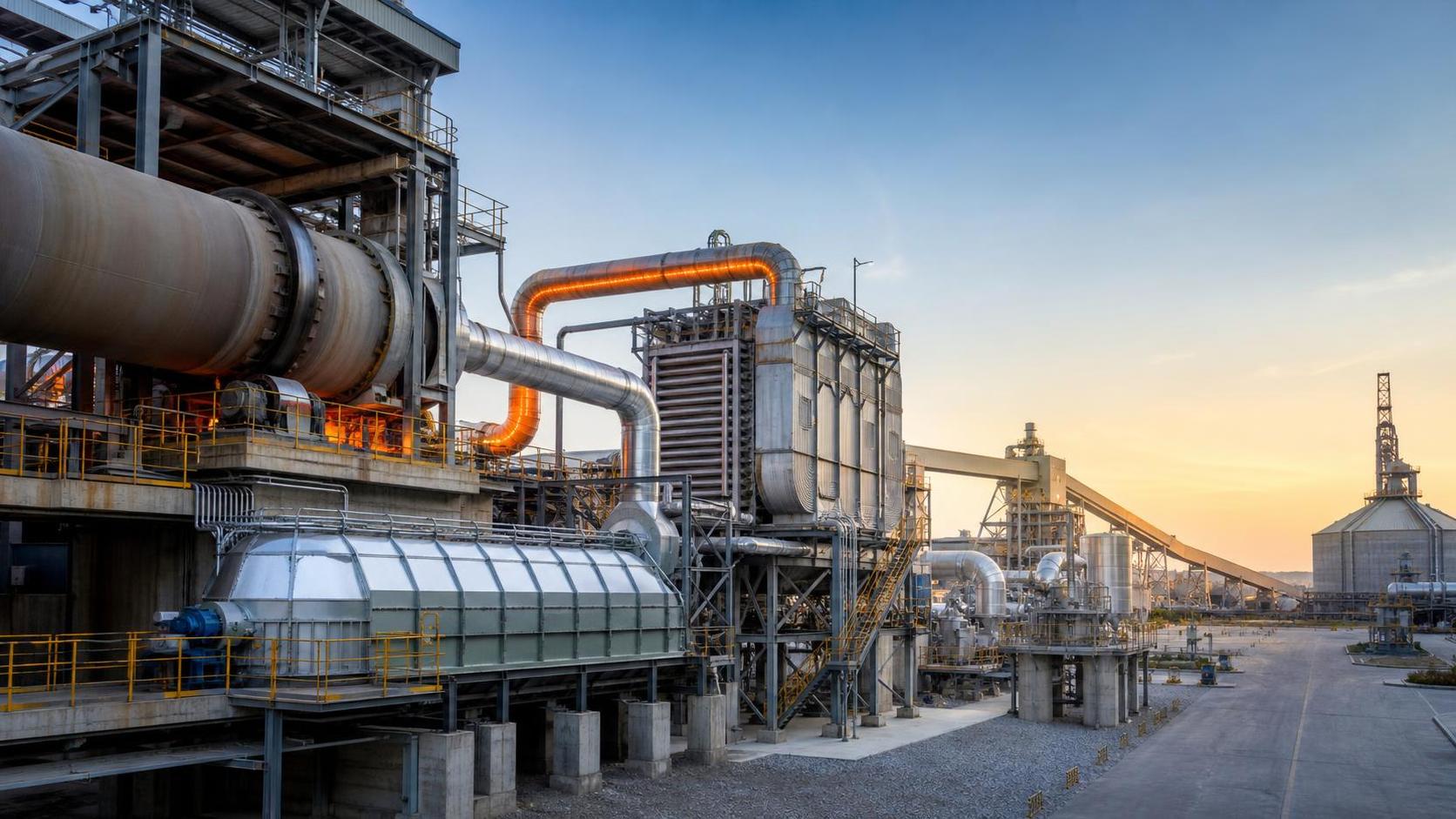
A modern incineration line is not simply a combustion chamber. It is a linked system that combines feed handling, thermal destruction, residence time control, heat transfer, flue gas treatment, ash management, and monitoring.
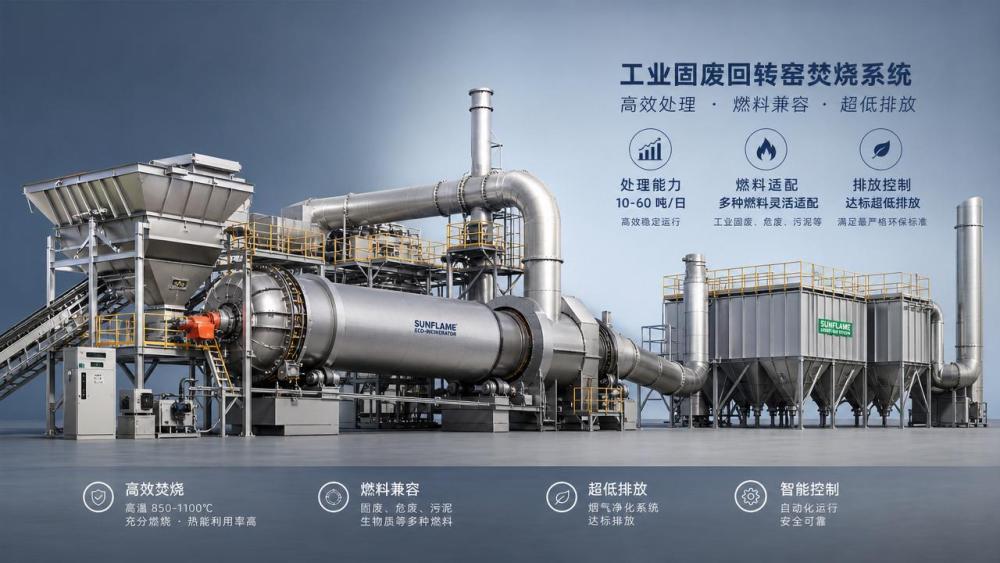
In practical terms, poor equipment matching creates predictable problems. Undersized systems struggle during peak loads. Oversized units often cycle inefficiently, consume excess fuel, and fail to maintain the temperature profile required for stable destruction efficiency.
The discussion becomes even more important when waste streams change over time. Industrial incineration equipment that performs well with uniform sludge, packaging waste, or contaminated solids may respond very differently when moisture rises, calorific value drops, or hazardous components increase.
Capacity is more than nameplate throughput
Capacity is often the first filter in equipment comparison, but nameplate numbers rarely tell the whole story. A quoted tons-per-day figure may assume stable feed composition, defined moisture range, and steady operating hours.
A more useful approach is to examine the operating window. That includes minimum and maximum feed rates, seasonal variation, bulk density, particle size distribution, and the effect of start-stop cycles on thermal balance.
Key capacity checks
- Average throughput versus peak surge load
- Moisture content and its effect on auxiliary fuel demand
- Required residence time for complete burnout
- Turndown ratio during low-volume operation
- Maintenance intervals that reduce annual effective capacity
For high-temperature industries, hidden capacity constraints often come from materials and heat management rather than feed conveyors. Refractory limits, burner stability, and corrosion exposure can cap real output long before design throughput is reached.
Fuel type shapes efficiency, flexibility, and operating risk
Fuel selection affects far more than energy cost. It influences flame control, burner response, achievable temperature uniformity, startup time, maintenance burden, and the chemistry of the exhaust stream.
Natural gas remains attractive where stable combustion, low ash, and simpler emissions control are priorities. Diesel or light oil may support backup operation, but price volatility and soot-related concerns can complicate long-term economics.
Alternative fuels add another layer. Some facilities explore recovered fuel, process off-gas, or co-firing strategies to reduce cost and improve circularity. Yet such options only work when burner design, control logic, and gas cleaning are prepared for variable heat input and changing contaminants.
When reviewing industrial incineration equipment, fuel flexibility should be treated as a technical capability, not a marketing phrase. The real question is how the system maintains combustion quality when actual fuel properties drift away from ideal conditions.
Emission controls now drive equipment architecture
Emission compliance is no longer a downstream add-on. It increasingly shapes furnace design, secondary combustion requirements, quench strategy, dust collection, and reagent selection from the start.
The exact control train depends on feed composition and local rules, but several pollutants dominate most evaluations. These include particulate matter, NOx, SOx, acid gases, heavy metals, VOCs, and dioxin-related risk.
What to verify in the control train
- Combustion temperature and residence time in the secondary chamber
- Quench speed to avoid unfavorable reformation chemistry
- Compatibility between bag filters, scrubbers, and reagent systems
- Continuous emissions monitoring and alarm logic
- Maintenance access for filters, ducts, and induced draft components
This is where broader thermal intelligence becomes valuable. CF-Elite’s focus on linking chemical kinetics, refractory behavior, and carbon reduction is relevant because emission performance often depends on upstream thermal stability, not just on the final filter package.
Matching equipment type to waste and process reality
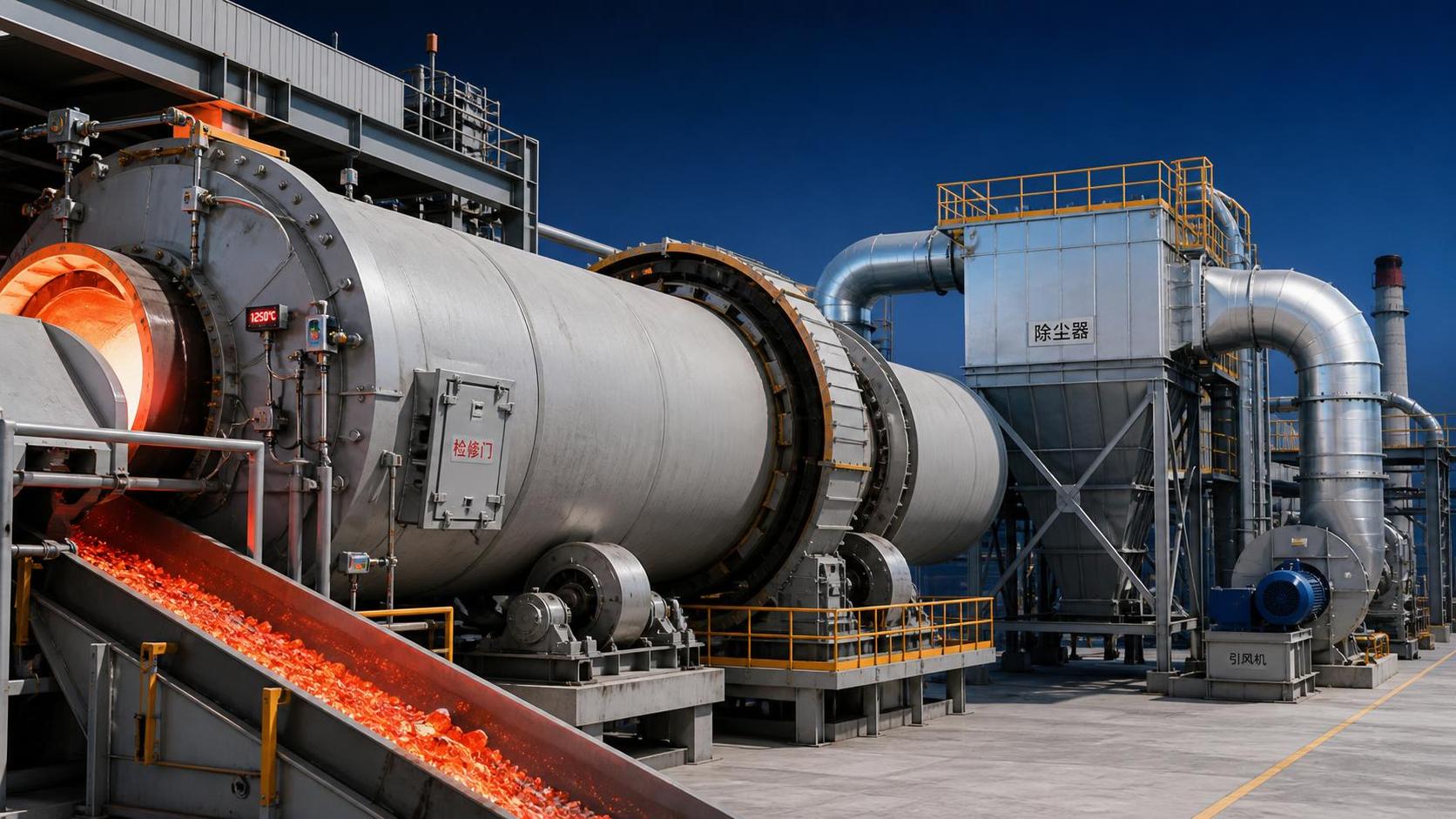
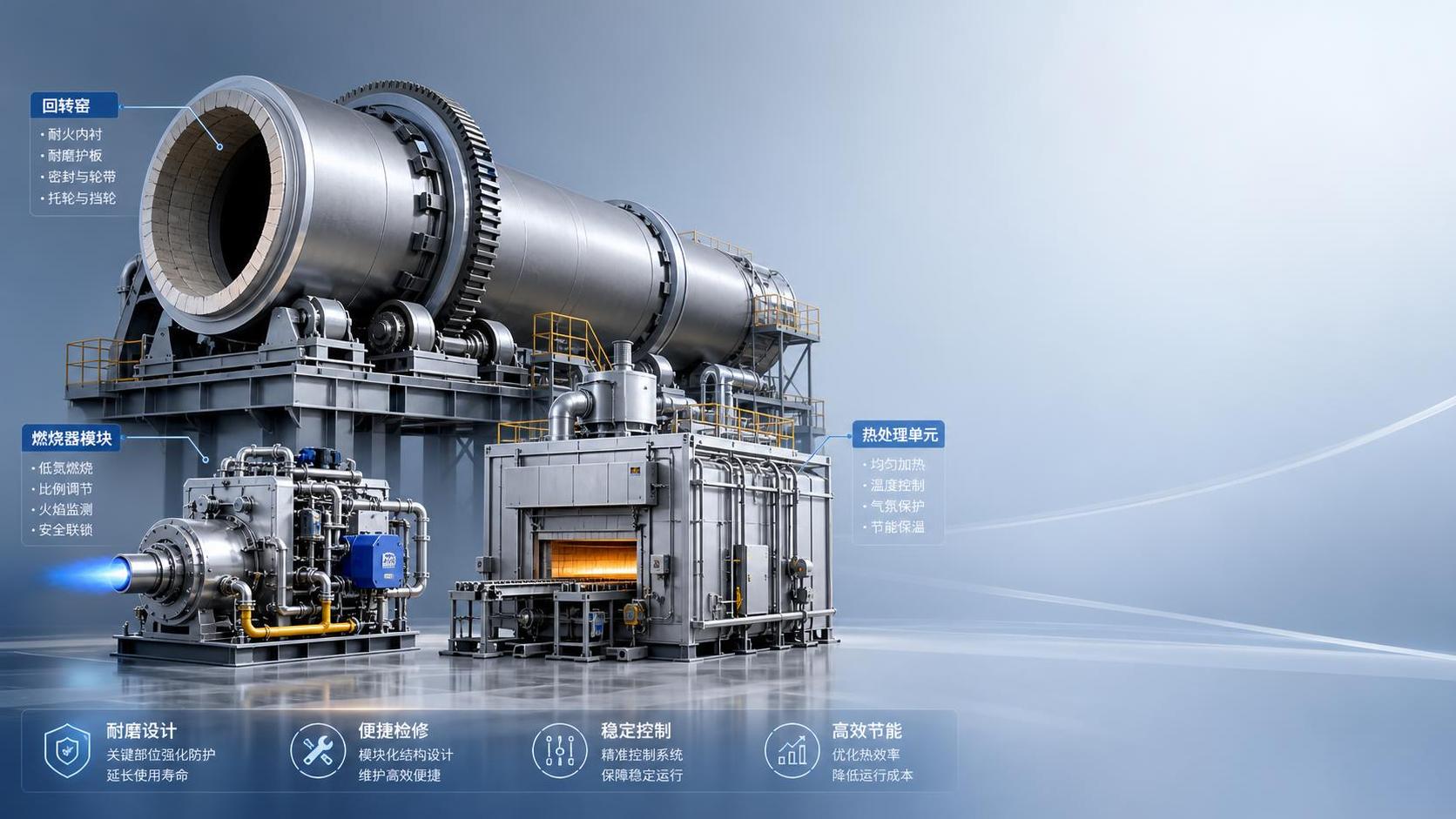
Different waste forms favor different system architectures. Rotary kiln units offer strong flexibility for hazardous and variable feeds. Controlled air systems may suit smaller, more defined streams. Fluidized bed designs can deliver excellent mixing, but feed preparation requirements are stricter.
In mixed industrial settings, the best industrial incineration equipment is often the design that tolerates inconsistency without sacrificing control. That is especially true where plants handle residues from silicate lines, thermal treatment processes, packaging waste, sludges, or contaminated production by-products.
The point is not to chase a universal design. It is to map actual waste behavior, thermal duty, and compliance obligations to the equipment concept that can absorb operational variation.
The business case extends beyond disposal
Industrial incineration equipment is often assessed through capital cost and disposal savings. That view is incomplete. In many facilities, the stronger case comes from avoided downtime, reduced off-site treatment exposure, recovered energy, and lower compliance uncertainty.
This broader view is particularly relevant in industries already managing kilns, furnaces, float lines, or refractory-intensive processes. Thermal assets do not operate in isolation. Fuel strategy, heat recovery, and environmental systems influence plant-wide efficiency and carbon accounting.
That is why market observers increasingly connect incineration selection with digital monitoring, predictive maintenance, and process simulation. A system that looks economical on paper may perform poorly if it cannot be tuned in real time or if refractory wear quickly disrupts availability.
A practical framework for technical evaluation
A useful review process starts with feed reality, not brochure claims. Define the waste envelope first, including expected variability and abnormal cases. Then test whether the proposed industrial incineration equipment remains stable across that full range.
Questions worth carrying into supplier comparison
- Which feed assumptions support the stated capacity figure?
- How much auxiliary fuel is required at low calorific value?
- What emission guarantee applies under variable feed conditions?
- How are refractory life and shutdown frequency estimated?
- Can the control system document trends for compliance and optimization?
- What service support exists for burner tuning and gas treatment maintenance?
When those answers are organized into a comparison matrix, trade-offs become clearer. A slightly higher capital option may prove stronger if it widens feed tolerance, lowers reagent use, or reduces the risk of non-compliance events.
Where to look next
The most effective next step is to translate plant conditions into decision criteria that are measurable. Start with waste profile, target throughput, available fuels, local emission thresholds, and desired level of heat recovery. Then compare equipment designs against those realities, not against idealized performance snapshots.
For organizations tracking developments in industrial kilns, silicate processing, and thermal management, the same discipline applies across technologies. Better selection comes from linking process chemistry, temperature control, materials durability, and environmental performance into one evaluation model.
That approach makes industrial incineration equipment easier to judge with confidence. It also creates a stronger basis for future actions, whether the goal is retrofit planning, alternative fuel adoption, emissions upgrading, or a full review of thermal asset strategy.
Related News
 Optical Glass Tech FellowHow to Evaluate a Glass Annealing Equipment Manufacturer for Production StabilityChoose a glass annealing equipment manufacturer with proven thermal uniformity, reliable controls, lifecycle value, and responsive service for stable production.Sep 08, 2026
 Prof. Marcus ChenThermal Energy Architecture in North America: Strategies for Lower Building Energy UseThermal energy architecture North America helps project leaders cut building energy use through stronger envelopes, right-sized HVAC, storage, and smart commissioning.Sep 07, 2026
 Ms. Elena RodriguezHow Should Buyers Evaluate Building Material Industry Intelligence Pricing?Building material industry intelligence pricing: learn how to compare coverage, technical depth, and ROI to choose intelligence that reduces procurement risk.Sep 07, 2026
 Ms. Elena RodriguezHow to Use Building Material Intelligence Data for Market and Investment DecisionsBuilding material industry intelligence data helps leaders evaluate demand, costs, regulation, capacity, and technology to make smarter market and investment decisions.Sep 05, 2026
 Thermal Energy ArchitectHow PLC Control Improves Energy Efficiency and Temperature Stability in KilnsEnergy efficient kilns PLC control improves temperature stability, cuts fuel waste, and optimizes combustion, draft, and material flow. Explore proven strategies for smarter kiln modernization.Sep 04, 2026
 Optical Glass Tech FellowEuropean Glass Melting Processes: Furnace Choices, Energy Use, and Quality ControlGlass melting process Europe: explore furnace choices, energy efficiency, cullet strategy, and quality control to improve output, compliance, and long-term glass performance.Sep 03, 2026
 Thermal Energy ArchitectWhat Determines Refractory Lining Monitoring Price for Industrial Kilns?Refractory lining monitoring price depends on kiln size, sensor technology, installation, software, and support. Compare total lifecycle costs and choose the right solution.Sep 02, 2026
 Silicate Process EngineerCement Production System Costs: A Plant Buyer’s Guide to Budgeting and ROICement production systems cost planning made clear: compare CAPEX, operating costs, compliance, and ROI to build a resilient, profitable cement plant investment.Sep 01, 2026
 Dr. Alistair VaughnWhat Should a Process Technology Database Track for High-Temperature Plants?Process technology database essentials for high-temperature plants: track thermal profiles, feed chemistry, refractory wear, emissions, energy, and maintenance for safer, data-driven decisions.Aug 31, 2026
 Ms. Elena RodriguezHow to Evaluate a Silicate Processing Equipment Manufacturer for Plant ProjectsSilicate processing equipment manufacturer selection: assess process fit, guarantees, energy, compliance, delivery risk, and lifecycle support for dependable plant performance.Aug 30, 2026
 Dr. Alistair VaughnHow to Specify Custom Agricultural Processing Equipment for Throughput and HygieneEquipment customization services for agricultural processing: learn to specify hygienic, high-throughput lines that improve yield, reliability, and long-term efficiency.Aug 29, 2026
 Dr. Alistair VaughnHow to Select Process Plant Equipment for High-Temperature, Abrasive Production LinesProcess plant equipment selection for high-temperature, abrasive lines: reduce downtime, improve durability, and optimize lifecycle performance.Aug 28, 2026
 Silicate Process EngineerHow Kiln Heat Recovery Systems Cut Fuel Use in Cement and Lime ProductionKiln heat recovery helps cement and lime plants cut fuel use, improve thermal stability, and build practical, reliable decarbonization strategies.Aug 27, 2026
 Ms. Elena RodriguezProcess Equipment Comparison: Which Metrics Matter Most for Reliable Selection?Process equipment comparison made practical: discover which metrics truly drive reliable selection, from energy efficiency and control stability to wear life, maintainability, and uptime.Aug 26, 2026
 Ms. Elena RodriguezWhat Buyers Should Check Before Sourcing Precision Alloy Bars for Critical PartsPrecision Alloy Bars buyers should verify grade, chemistry, tolerances, surface quality, traceability, and lead time before sourcing for critical parts. Learn what prevents costly machining and reliability risks.Aug 27, 2026
 Ms. Elena RodriguezHow to Evaluate Thermal Management Solutions Insulation for High-Heat Industrial SystemsThermal management solutions insulation: learn how to assess high-heat industrial systems by thermal performance, durability, lifecycle cost, and supplier data for smarter decisions.Aug 25, 2026
 Ms. Elena RodriguezWhat Drives Waste Recycling Cost in Industrial Projects and How to Estimate It?Waste recycling cost in industrial projects depends on composition, moisture, transport, pre-treatment, and compliance. Learn how to estimate it accurately and compare suppliers with confidence.Aug 24, 2026
 Silicate Process EngineerHow to Evaluate Cement Production Plants in the Middle East for Capacity, Fuel Flexibility, and ROIcement production plants Middle East: Learn how to assess true capacity, fuel flexibility, and ROI risks to identify resilient assets and smarter investment opportunities.Aug 23, 2026
 Structural Material AnalystHow to Evaluate Lightweight Material Machinery for Output, Energy Use, and Product QualityLightweight material machinery evaluation guide: compare stable output, energy use, and product quality to choose equipment that cuts waste, lowers costs, and improves production confidence.Aug 22, 2026
 Material Heat-Resist ExpertWhat Determines Refractory Production Line Price in a Turnkey Plant Project?Refractory production line price depends on raw materials, forming method, kiln and drying design, automation, utilities, and scope. Learn what really drives turnkey plant cost before you invest.Aug 21, 2026
Related News
- 00
0000-00
How PLC Control Improves Energy Efficiency and Temperature Stability in Kilns - 00
0000-00
What Determines Refractory Lining Monitoring Price for Industrial Kilns? - 00
0000-00
How Digital Twin Simulations Help Kiln Operators Cut Fuel Use and Stabilize Output - 00
0000-00
What to Evaluate in a Rotary Kiln Technology Manufacturer for High-Temperature Process Projects - 00
0000-00
How to Evaluate an Incineration Equipment Exporter for Compliance, Capacity, and After-Sales Support
Weekly Insights
Stay ahead with our curated technology reports delivered every Monday.