
Digital Twin Simulations for Industrial Kilns: Which Data Inputs Matter Most?




Industrial kilns are becoming more data-visible, yet better visibility does not automatically create better decisions. In digital twin simulations, model credibility depends less on graphics and more on whether the input data truly reflects heat transfer, combustion behavior, material change, and lining condition inside the kiln.
That question matters across cement, glass, incineration, refractory processing, and advanced building materials. In these sectors, small deviations in thermal balance or feed chemistry can distort fuel use, throughput, emissions, product quality, and maintenance timing.
For organizations following high-temperature systems through platforms such as CF-Elite, the value of digital twin simulations is not abstract. It sits at the intersection of process intelligence, carbon control, refractory life, and investment judgment.
Why kiln twins are under closer review
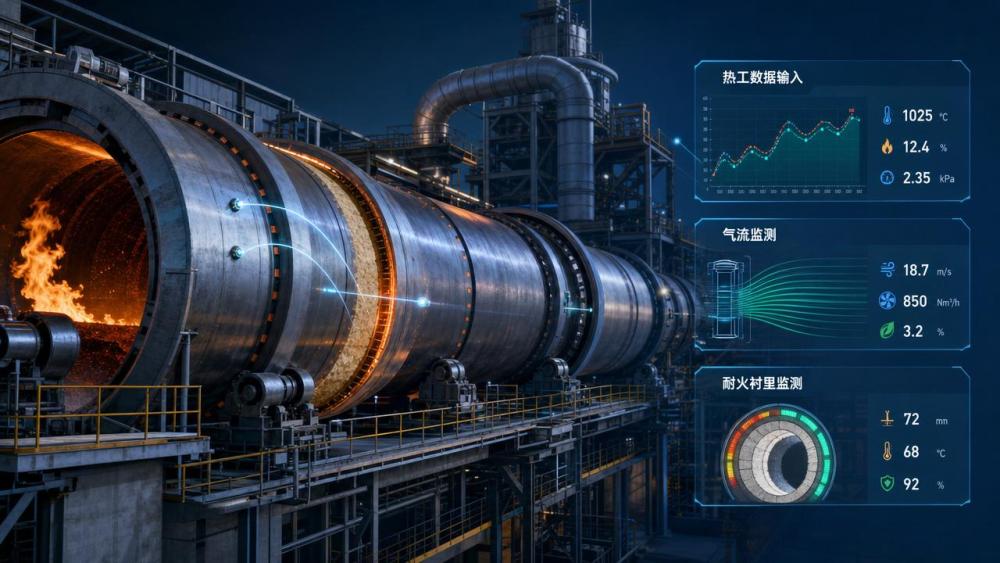
A kiln is not a stable box with steady inputs. It is a moving thermal system shaped by fuel shifts, raw material variability, draft changes, coating behavior, and equipment wear.
Because of that, digital twin simulations are now used less as presentation tools and more as operational test beds. They support scenario comparison before plants change burner settings, alternative fuels, feed blends, or maintenance intervals.
The pressure is also external. Decarbonization targets, tighter emissions limits, and energy cost volatility are forcing operators to understand where the process is truly controllable and where uncertainty is still too high.
A weak model can hide that uncertainty. A strong one exposes it, which is often more valuable during technical evaluation.
The most critical data inputs start with heat and flow
Many kiln models fail early because they underestimate thermal and aerodynamic complexity. Temperature points alone are not enough.
Thermal profile data
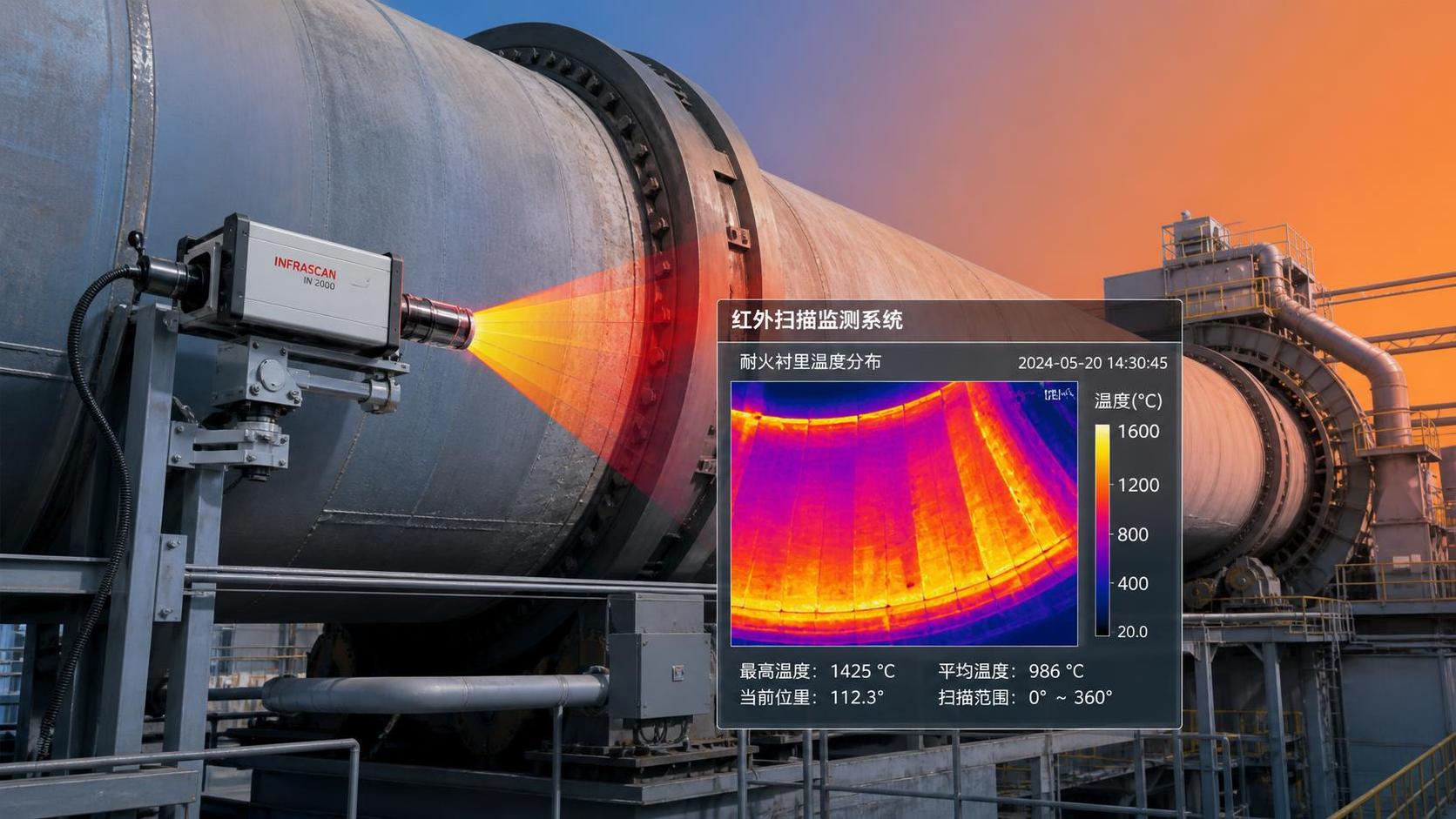
The model needs temperature information along the process path, not just at the inlet and outlet. Shell scans, gas temperatures, material bed temperatures, and zone-specific trends all help anchor the twin to reality.
What matters most is consistency. A dense but unstable temperature dataset can mislead digital twin simulations more than a smaller, validated dataset.
Airflow and pressure behavior
Combustion efficiency depends on draft, secondary air behavior, leak points, fan performance, and pressure distribution. If airflow data is simplified, the model may predict fuel savings that cannot be achieved on the actual line.
This is especially relevant in rotary kilns and incineration systems, where air infiltration changes both flame stability and emissions outcomes.
Residence time and movement
Kiln speed, slope, fill degree, particle size, and internal geometry affect how long material stays in each reaction zone. If residence time is guessed, conversion predictions become unreliable.
Fuel and feed variability often decide model usefulness
In practice, many digital twin simulations are built on “average” fuel and raw mix values. That is convenient, but rarely sufficient for decision-grade work.
Fuel composition and switching effects
Calorific value, moisture, ash, volatile matter, particle size, and substitution rate all shape the flame and the heat release pattern. Alternative fuels add another layer through unstable combustion kinetics and ash interaction.
If the twin does not capture fuel variability over time, optimization results may only describe one favorable operating window.
Material chemistry and reaction kinetics
Feed chemistry influences decomposition, melting, coating, clinker or product formation, and off-gas composition. This is where digital twin simulations move beyond controls engineering into process chemistry.
For silicate systems, changes in alkalis, sulfur, chlorides, silica ratio, lime saturation, or moisture can alter both energy demand and deposition risk. In waste-derived feeds, trace compounds may also shift corrosion behavior.
CF-Elite’s broader intelligence focus on thermal management and chemical reaction linkage is relevant here. Accurate twins need process data that respects chemistry, not only sensors.
Refractory and equipment condition are not secondary inputs
A kiln twin that ignores refractory wear is usually too optimistic. Lining thickness, thermal conductivity changes, coating formation, shell hot spots, and local damage all shift the true heat map.
The same applies to burner condition, seals, drive stability, and heat exchanger fouling. Mechanical degradation changes process behavior gradually, then suddenly.
This is why digital twin simulations become more useful when linked with inspection data and online monitoring. In refractory production lines and incineration assets, this connection can also improve shutdown planning.
What a decision-ready data stack looks like
Not every project needs every possible signal. The goal is not maximum data volume. The goal is the smallest dataset that still explains kiln behavior with acceptable confidence.
Usually, the strongest digital twin simulations combine four layers of information:
- Real-time operating data from sensors, analyzers, and control systems.
- Laboratory and quality data describing fuel, feed, ash, and product chemistry.
- Asset condition data from shell scanners, inspections, and maintenance records.
- Process logic describing reaction steps, flow constraints, and control limits.
When one layer is missing, the twin may still run, but it becomes less reliable for comparing retrofit options or operating strategies.
How the priorities change by application
The right emphasis depends on the line type. A cement kiln, a glass furnace-linked thermal process, and a hazardous waste incinerator do not fail in the same way.
Cement and lime systems
Raw meal chemistry, calcination degree, alternative fuel behavior, cyclone pressure, and refractory condition usually dominate model value.
Incineration and co-processing lines
Waste composition variability, chlorine and sulfur behavior, excess air control, ash fusion risk, and emissions-linked temperature windows are central inputs.
Refractory and special material processing
Heating curve accuracy, atmosphere control, product residence time, and kiln uniformity often matter more than simple fuel economy metrics.
Questions worth asking before trusting results
A useful review of digital twin simulations should test assumptions before it tests software features.
- Which inputs are measured directly, and which are estimated?
- How often are fuel and feed datasets refreshed?
- Does the model include transient behavior or only steady-state conditions?
- How is refractory aging represented across campaigns?
- Can predicted outcomes be checked against historical plant events?
- What uncertainty range is attached to savings, throughput, or emissions claims?
These questions do not slow evaluation. They prevent overconfidence in a model that looks detailed but rests on weak operational foundations.
Where to go next with kiln data strategy
The next step is rarely building a bigger model. It is usually mapping which decisions the twin must support, then ranking the inputs that most influence those decisions.
For some lines, that means improving shell temperature coverage and draft measurement. For others, it means better fuel characterization, tighter chemistry tracking, or more structured refractory inspection records.
In high-temperature industries, reliable digital twin simulations emerge from disciplined data selection, not from software ambition alone. A clear input hierarchy makes it easier to compare optimization paths, validate decarbonization claims, and decide where deeper analysis is justified.
That is also where a sector intelligence view becomes practical: aligning process physics, materials behavior, and operating risk before committing to the next kiln upgrade, control strategy, or monitoring investment.
Related News
 Optical Glass Tech FellowHow to Evaluate a Glass Annealing Equipment Manufacturer for Production StabilityChoose a glass annealing equipment manufacturer with proven thermal uniformity, reliable controls, lifecycle value, and responsive service for stable production.Sep 08, 2026
 Prof. Marcus ChenThermal Energy Architecture in North America: Strategies for Lower Building Energy UseThermal energy architecture North America helps project leaders cut building energy use through stronger envelopes, right-sized HVAC, storage, and smart commissioning.Sep 07, 2026
 Ms. Elena RodriguezHow Should Buyers Evaluate Building Material Industry Intelligence Pricing?Building material industry intelligence pricing: learn how to compare coverage, technical depth, and ROI to choose intelligence that reduces procurement risk.Sep 07, 2026
 Ms. Elena RodriguezHow to Use Building Material Intelligence Data for Market and Investment DecisionsBuilding material industry intelligence data helps leaders evaluate demand, costs, regulation, capacity, and technology to make smarter market and investment decisions.Sep 05, 2026
 Thermal Energy ArchitectHow PLC Control Improves Energy Efficiency and Temperature Stability in KilnsEnergy efficient kilns PLC control improves temperature stability, cuts fuel waste, and optimizes combustion, draft, and material flow. Explore proven strategies for smarter kiln modernization.Sep 04, 2026
 Optical Glass Tech FellowEuropean Glass Melting Processes: Furnace Choices, Energy Use, and Quality ControlGlass melting process Europe: explore furnace choices, energy efficiency, cullet strategy, and quality control to improve output, compliance, and long-term glass performance.Sep 03, 2026
 Thermal Energy ArchitectWhat Determines Refractory Lining Monitoring Price for Industrial Kilns?Refractory lining monitoring price depends on kiln size, sensor technology, installation, software, and support. Compare total lifecycle costs and choose the right solution.Sep 02, 2026
 Silicate Process EngineerCement Production System Costs: A Plant Buyer’s Guide to Budgeting and ROICement production systems cost planning made clear: compare CAPEX, operating costs, compliance, and ROI to build a resilient, profitable cement plant investment.Sep 01, 2026
 Dr. Alistair VaughnWhat Should a Process Technology Database Track for High-Temperature Plants?Process technology database essentials for high-temperature plants: track thermal profiles, feed chemistry, refractory wear, emissions, energy, and maintenance for safer, data-driven decisions.Aug 31, 2026
 Ms. Elena RodriguezHow to Evaluate a Silicate Processing Equipment Manufacturer for Plant ProjectsSilicate processing equipment manufacturer selection: assess process fit, guarantees, energy, compliance, delivery risk, and lifecycle support for dependable plant performance.Aug 30, 2026
 Dr. Alistair VaughnHow to Specify Custom Agricultural Processing Equipment for Throughput and HygieneEquipment customization services for agricultural processing: learn to specify hygienic, high-throughput lines that improve yield, reliability, and long-term efficiency.Aug 29, 2026
 Dr. Alistair VaughnHow to Select Process Plant Equipment for High-Temperature, Abrasive Production LinesProcess plant equipment selection for high-temperature, abrasive lines: reduce downtime, improve durability, and optimize lifecycle performance.Aug 28, 2026
 Silicate Process EngineerHow Kiln Heat Recovery Systems Cut Fuel Use in Cement and Lime ProductionKiln heat recovery helps cement and lime plants cut fuel use, improve thermal stability, and build practical, reliable decarbonization strategies.Aug 27, 2026
 Ms. Elena RodriguezProcess Equipment Comparison: Which Metrics Matter Most for Reliable Selection?Process equipment comparison made practical: discover which metrics truly drive reliable selection, from energy efficiency and control stability to wear life, maintainability, and uptime.Aug 26, 2026
 Ms. Elena RodriguezWhat Buyers Should Check Before Sourcing Precision Alloy Bars for Critical PartsPrecision Alloy Bars buyers should verify grade, chemistry, tolerances, surface quality, traceability, and lead time before sourcing for critical parts. Learn what prevents costly machining and reliability risks.Aug 27, 2026
 Ms. Elena RodriguezHow to Evaluate Thermal Management Solutions Insulation for High-Heat Industrial SystemsThermal management solutions insulation: learn how to assess high-heat industrial systems by thermal performance, durability, lifecycle cost, and supplier data for smarter decisions.Aug 25, 2026
 Ms. Elena RodriguezWhat Drives Waste Recycling Cost in Industrial Projects and How to Estimate It?Waste recycling cost in industrial projects depends on composition, moisture, transport, pre-treatment, and compliance. Learn how to estimate it accurately and compare suppliers with confidence.Aug 24, 2026
 Silicate Process EngineerHow to Evaluate Cement Production Plants in the Middle East for Capacity, Fuel Flexibility, and ROIcement production plants Middle East: Learn how to assess true capacity, fuel flexibility, and ROI risks to identify resilient assets and smarter investment opportunities.Aug 23, 2026
 Structural Material AnalystHow to Evaluate Lightweight Material Machinery for Output, Energy Use, and Product QualityLightweight material machinery evaluation guide: compare stable output, energy use, and product quality to choose equipment that cuts waste, lowers costs, and improves production confidence.Aug 22, 2026
 Material Heat-Resist ExpertWhat Determines Refractory Production Line Price in a Turnkey Plant Project?Refractory production line price depends on raw materials, forming method, kiln and drying design, automation, utilities, and scope. Learn what really drives turnkey plant cost before you invest.Aug 21, 2026

Related News
- 00
0000-00
How PLC Control Improves Energy Efficiency and Temperature Stability in Kilns - 00
0000-00
What Determines Refractory Lining Monitoring Price for Industrial Kilns? - 00
0000-00
How Digital Twin Simulations Help Kiln Operators Cut Fuel Use and Stabilize Output - 00
0000-00
What to Evaluate in a Rotary Kiln Technology Manufacturer for High-Temperature Process Projects - 00
0000-00
How to Evaluate an Incineration Equipment Exporter for Compliance, Capacity, and After-Sales Support
Weekly Insights
Stay ahead with our curated technology reports delivered every Monday.