
Industrial Co-Processing Solutions for Waste-to-Energy Plants: Key System Choices




Selecting the right industrial co-processing solutions is now a strategic decision for waste-to-energy plants facing tighter emissions rules, fuel variability, and efficiency targets. For project managers and engineering leaders, the challenge is not only choosing compatible systems, but also aligning thermal performance, material handling, and long-term compliance. This article outlines the key system choices that shape safer operations, higher energy recovery, and stronger project returns.
What should project teams evaluate first in industrial co-processing solutions?
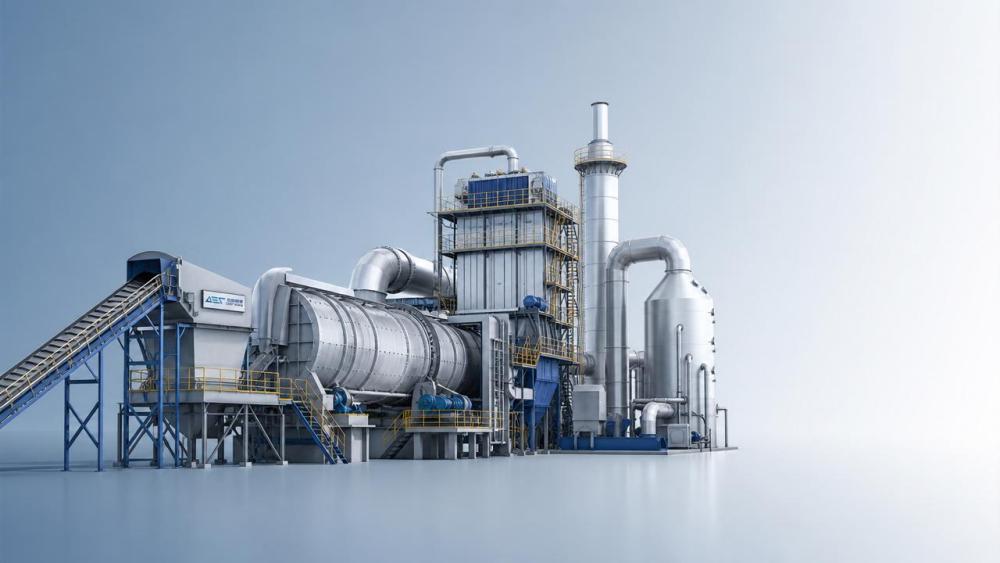
In waste-to-energy plants, industrial co-processing solutions are not a single machine purchase. They are an integrated system decision covering feed preparation, thermal conversion, flue gas treatment, residue handling, and digital control.
For project managers, the main risk is treating co-processing as an isolated combustion upgrade. In practice, every subsystem changes kiln balance, boiler response, refractory wear, maintenance planning, and permitting strategy.
This is where CF-Elite brings value. Its cross-sector intelligence links incineration practice with silicate process engineering, refractory behavior, thermal management, and carbon reduction pathways across heavy industrial environments.
- Waste composition range, including moisture, calorific value, chlorine, sulfur, ash, and particle size, because unstable feed destroys thermal consistency and affects downstream cleaning equipment.
- Core process target, whether the plant prioritizes steam generation, alternative fuel substitution, hazardous waste destruction, or integration with rotary kiln or industrial furnace operations.
- Interface constraints, such as available footprint, crane logistics, bunker design, feeding elevation, shutdown windows, and the compatibility of new systems with existing civil structures.
- Compliance boundaries, including local emissions permits, stack monitoring obligations, ash classification rules, and safety requirements for storage, dosing, and emergency isolation.
A strong evaluation starts with process fit, not vendor claims. If the incoming waste stream is variable, the best industrial co-processing solutions are usually those with high tolerance for feed fluctuations and clear maintenance access.
Why early process definition matters
Many delayed projects begin with a broad goal such as “increase waste utilization.” That is too vague. Engineering teams should define target throughput, annual operating hours, expected lower heating value range, and acceptable downtime before equipment selection starts.
Without that discipline, procurement may compare systems that look similar in brochure language but behave very differently under corrosive, dusty, or sticky waste conditions.
Which system choices have the biggest impact on plant performance?
The most important industrial co-processing solutions are usually decided at system level rather than component level. Project teams should compare the following choices before freezing the basic design.
1. Waste receiving and preprocessing
Preprocessing determines whether the thermal system sees a stable engineered fuel or an inconsistent burden. Shredding, mixing, drying, metal separation, and buffer storage can improve combustion efficiency and reduce upset conditions.
2. Feeding method
Ram feeders, screw feeders, pneumatic injection, and bucket charging each suit different waste forms. The right choice depends on density, stickiness, particle size, and whether continuous or batch dosing is acceptable.
3. Thermal conversion path
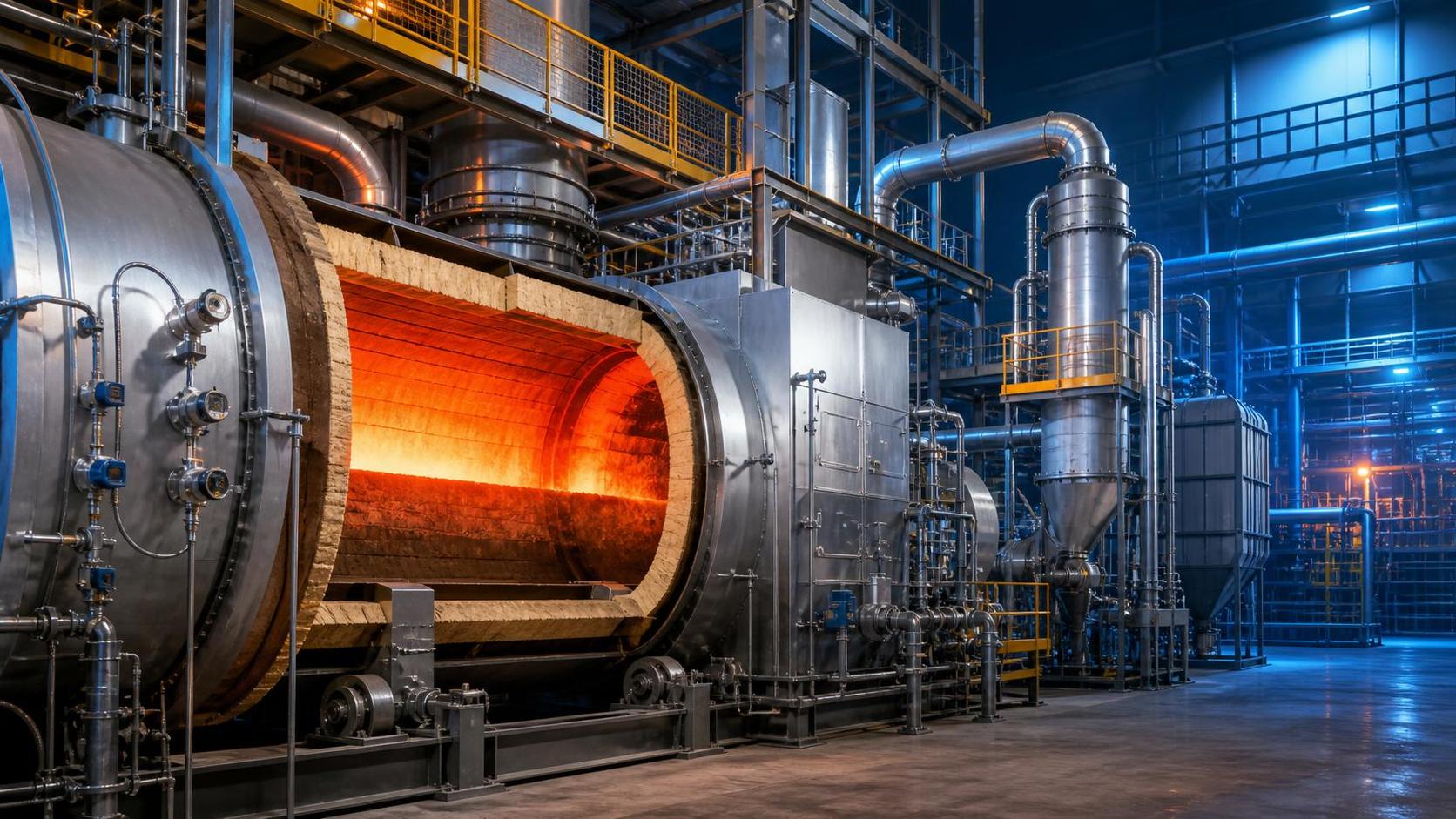
Grate combustion, rotary kiln co-processing, fluidized bed systems, and secondary chamber designs each offer different mixing intensity, residence time, and destruction performance. Hazard profile and ash chemistry strongly affect this decision.
4. Heat recovery configuration
Plants may favor steam production, hot gas use, power generation, or hybrid recovery. A technically sound co-processing project should match heat recovery design with offtake demand rather than maximizing thermal output on paper.
5. Flue gas treatment and residue handling
This area is often underestimated during budgeting. Acid gas control, particulate removal, activated carbon injection, NOx reduction, and fly ash management may define total lifecycle cost more than the combustion chamber itself.
The table below compares common industrial co-processing solutions from a project decision perspective rather than a purely theoretical process view.
The comparison shows that the “best” option depends on waste behavior, process integration, and maintenance capability. CF-Elite’s thermal and refractory intelligence is particularly relevant when projects involve rotary kilns, secondary combustion zones, or aggressive ash chemistry.
How do you match industrial co-processing solutions to different waste-to-energy scenarios?
Application fit is where many engineering teams either avoid future trouble or lock themselves into avoidable operating losses. Different waste streams place different demands on combustion stability and equipment protection.
Scenario-based selection logic
- High-moisture industrial waste benefits from preprocessing, blending, or partial drying before thermal conversion. Otherwise, steam output falls and auxiliary fuel demand rises.
- Chlorine-rich waste requires more careful flue gas treatment and corrosion-resistant design choices around ducts, heat exchangers, and air pollution control equipment.
- Abrasive or high-ash waste may increase erosion and ash handling complexity. Project teams should evaluate discharge systems, hopper geometry, and wear lining early.
- Hazardous or difficult-to-destroy materials often need longer residence time, controlled excess oxygen, and reliable secondary chamber temperature management.
The following table helps project leaders map industrial co-processing solutions to practical plant conditions and decision criteria.
This scenario view is especially useful in multi-industry environments where the same plant may receive seasonal or contract-driven waste changes. System flexibility often delivers more long-term value than headline capacity.
What technical parameters and compliance points should not be overlooked?
Industrial co-processing solutions succeed when thermal design, emissions control, and materials durability are treated as one package. Engineering leaders should insist on parameter verification instead of relying on nominal design values.
Priority technical checks
- Residence time and temperature profile in primary and secondary zones, especially where complete burnout or hazardous destruction is required.
- Air distribution logic, including primary, secondary, and tertiary air balance, because poor mixing increases CO spikes and ash carryover.
- Refractory and wear lining suitability, particularly in kilns and secondary chambers exposed to thermal shock, alkalis, chlorides, or abrasive particulates.
- Continuous emissions monitoring interfaces, calibration access, and stack testing readiness to support permit obligations and operational reporting.
- Heat recovery fouling risk, because ash deposition or corrosive condensation can quickly undermine energy efficiency claims.
From a standards perspective, projects commonly review local emissions permits, pressure equipment rules, electrical safety requirements, hazardous area definitions where relevant, and industrial environmental management practices. The exact framework varies by country, but early alignment reduces redesign risk.
CF-Elite’s value here is its ability to connect process kinetics with refractory monitoring and heat management. That matters because compliance is rarely just a stack issue; it often starts inside the combustion envelope and material contact surfaces.
How should procurement teams compare cost, risk, and lifecycle value?
Lowest capex rarely means lowest project cost. The right industrial co-processing solutions should be evaluated through total operating impact, shutdown frequency, consumables, and the cost of failing compliance targets.
A practical procurement checklist
- Request design basis clarity, including assumed waste range, operating hours, utility conditions, and excluded responsibilities.
- Compare wear parts and consumables, such as refractory, filter media, reagent demand, screw elements, seals, and ash conveyor components.
- Examine maintenance access, lifting requirements, spare parts lead times, and local service capability before final award.
- Check the controls package for alarm logic, trend recording, remote diagnostics potential, and compatibility with plant-wide DCS or SCADA architecture.
- Assess ramp-up support, performance test boundaries, and what happens if actual waste composition differs from the original bid assumption.
The table below gives a practical cost-and-risk view that project managers can use when screening industrial co-processing solutions during tender review.
For project owners under budget pressure, phased implementation can be a workable alternative. However, phasing only succeeds if future interfaces are reserved in civil, electrical, and control design from day one.
What implementation mistakes delay delivery or reduce returns?
Even technically appropriate industrial co-processing solutions can underperform if implementation control is weak. Most setbacks come from poor assumptions rather than major equipment failure.
Common project mistakes
- Designing around average waste data instead of realistic variation bands for moisture, ash, and heating value.
- Underestimating civil and structural modifications required for feeding systems, bunkers, platforms, and maintenance access.
- Treating emissions control as a downstream purchase instead of integrating it with furnace temperature, oxygen control, and reagent strategy.
- Skipping lining condition analysis in retrofit projects, especially where a new waste profile changes alkali, chlorine, or thermal shock exposure.
- Allowing FAT, SAT, and performance testing criteria to remain vague, which later creates disputes over whether the system has met contractual obligations.
A disciplined delivery plan should include waste characterization review, interface mapping, shutdown schedule coordination, commissioning matrix definition, and a stabilization period with operator training.
FAQ: practical questions about industrial co-processing solutions
How do I choose between retrofit and a new co-processing line?
Start with residual life, space availability, emissions gap, and waste variability. If the existing line has sound thermal capacity and upgrade room, a retrofit may work. If corrosion, layout, or permit constraints are severe, a new line may carry lower lifecycle risk.
Which parameters matter most during vendor comparison?
Focus on guaranteed feed range, thermal residence conditions, air pollution control scope, expected reagent consumption, refractory concept, automation depth, and defined maintenance intervals. These items usually reveal more than headline throughput figures.
Are industrial co-processing solutions only relevant for hazardous waste?
No. They are also relevant for mixed industrial residues, prepared alternative fuels, sludge fractions, and plants seeking higher resource circularity. The right solution depends on destruction need, energy recovery target, and by-product management route.
How long does implementation usually take?
Timing depends on whether the project is a modular retrofit or a full new build. Engineering review, permitting, procurement, fabrication, installation, refractory work, control integration, and commissioning all influence schedule. Early interface clarity usually saves more time than rushing equipment orders.
Why choose us for project intelligence and decision support?
CF-Elite supports project managers and engineering leaders who need more than general market information. Our perspective connects industrial incineration, rotary kiln co-processing, refractory durability, silicate process logic, and thermal efficiency under one decision framework.
That integrated view is useful when industrial co-processing solutions must perform across harsh temperatures, complex waste chemistry, and carbon reduction expectations. Instead of looking only at isolated equipment, we help teams judge process compatibility and long-cycle operational implications.
You can contact us to discuss:
- Parameter confirmation for waste characteristics, thermal load, refractory exposure, and heat recovery objectives.
- System selection support for feeding methods, co-processing routes, flue gas treatment architecture, and retrofit feasibility.
- Delivery planning questions covering interface risk, shutdown windows, commissioning scope, and phased implementation options.
- Compliance review topics such as emissions control logic, monitoring expectations, material durability concerns, and operational reporting needs.
- Commercial discussions related to budget direction, technical comparison priorities, supplier evaluation, and custom solution pathways.
If your waste-to-energy plant is evaluating industrial co-processing solutions for expansion, retrofit, or process optimization, CF-Elite can help you clarify the technical path before design assumptions become costly constraints.
Related News
 Optical Glass Tech FellowHow to Evaluate a Glass Annealing Equipment Manufacturer for Production StabilityChoose a glass annealing equipment manufacturer with proven thermal uniformity, reliable controls, lifecycle value, and responsive service for stable production.Sep 08, 2026
 Prof. Marcus ChenThermal Energy Architecture in North America: Strategies for Lower Building Energy UseThermal energy architecture North America helps project leaders cut building energy use through stronger envelopes, right-sized HVAC, storage, and smart commissioning.Sep 07, 2026
 Ms. Elena RodriguezHow Should Buyers Evaluate Building Material Industry Intelligence Pricing?Building material industry intelligence pricing: learn how to compare coverage, technical depth, and ROI to choose intelligence that reduces procurement risk.Sep 07, 2026
 Ms. Elena RodriguezHow to Use Building Material Intelligence Data for Market and Investment DecisionsBuilding material industry intelligence data helps leaders evaluate demand, costs, regulation, capacity, and technology to make smarter market and investment decisions.Sep 05, 2026
 Thermal Energy ArchitectHow PLC Control Improves Energy Efficiency and Temperature Stability in KilnsEnergy efficient kilns PLC control improves temperature stability, cuts fuel waste, and optimizes combustion, draft, and material flow. Explore proven strategies for smarter kiln modernization.Sep 04, 2026
 Optical Glass Tech FellowEuropean Glass Melting Processes: Furnace Choices, Energy Use, and Quality ControlGlass melting process Europe: explore furnace choices, energy efficiency, cullet strategy, and quality control to improve output, compliance, and long-term glass performance.Sep 03, 2026
 Thermal Energy ArchitectWhat Determines Refractory Lining Monitoring Price for Industrial Kilns?Refractory lining monitoring price depends on kiln size, sensor technology, installation, software, and support. Compare total lifecycle costs and choose the right solution.Sep 02, 2026
 Silicate Process EngineerCement Production System Costs: A Plant Buyer’s Guide to Budgeting and ROICement production systems cost planning made clear: compare CAPEX, operating costs, compliance, and ROI to build a resilient, profitable cement plant investment.Sep 01, 2026
 Dr. Alistair VaughnWhat Should a Process Technology Database Track for High-Temperature Plants?Process technology database essentials for high-temperature plants: track thermal profiles, feed chemistry, refractory wear, emissions, energy, and maintenance for safer, data-driven decisions.Aug 31, 2026
 Ms. Elena RodriguezHow to Evaluate a Silicate Processing Equipment Manufacturer for Plant ProjectsSilicate processing equipment manufacturer selection: assess process fit, guarantees, energy, compliance, delivery risk, and lifecycle support for dependable plant performance.Aug 30, 2026
 Dr. Alistair VaughnHow to Specify Custom Agricultural Processing Equipment for Throughput and HygieneEquipment customization services for agricultural processing: learn to specify hygienic, high-throughput lines that improve yield, reliability, and long-term efficiency.Aug 29, 2026
 Dr. Alistair VaughnHow to Select Process Plant Equipment for High-Temperature, Abrasive Production LinesProcess plant equipment selection for high-temperature, abrasive lines: reduce downtime, improve durability, and optimize lifecycle performance.Aug 28, 2026
 Silicate Process EngineerHow Kiln Heat Recovery Systems Cut Fuel Use in Cement and Lime ProductionKiln heat recovery helps cement and lime plants cut fuel use, improve thermal stability, and build practical, reliable decarbonization strategies.Aug 27, 2026
 Ms. Elena RodriguezProcess Equipment Comparison: Which Metrics Matter Most for Reliable Selection?Process equipment comparison made practical: discover which metrics truly drive reliable selection, from energy efficiency and control stability to wear life, maintainability, and uptime.Aug 26, 2026
 Ms. Elena RodriguezWhat Buyers Should Check Before Sourcing Precision Alloy Bars for Critical PartsPrecision Alloy Bars buyers should verify grade, chemistry, tolerances, surface quality, traceability, and lead time before sourcing for critical parts. Learn what prevents costly machining and reliability risks.Aug 27, 2026
 Ms. Elena RodriguezHow to Evaluate Thermal Management Solutions Insulation for High-Heat Industrial SystemsThermal management solutions insulation: learn how to assess high-heat industrial systems by thermal performance, durability, lifecycle cost, and supplier data for smarter decisions.Aug 25, 2026
 Ms. Elena RodriguezWhat Drives Waste Recycling Cost in Industrial Projects and How to Estimate It?Waste recycling cost in industrial projects depends on composition, moisture, transport, pre-treatment, and compliance. Learn how to estimate it accurately and compare suppliers with confidence.Aug 24, 2026
 Silicate Process EngineerHow to Evaluate Cement Production Plants in the Middle East for Capacity, Fuel Flexibility, and ROIcement production plants Middle East: Learn how to assess true capacity, fuel flexibility, and ROI risks to identify resilient assets and smarter investment opportunities.Aug 23, 2026
 Structural Material AnalystHow to Evaluate Lightweight Material Machinery for Output, Energy Use, and Product QualityLightweight material machinery evaluation guide: compare stable output, energy use, and product quality to choose equipment that cuts waste, lowers costs, and improves production confidence.Aug 22, 2026
 Material Heat-Resist ExpertWhat Determines Refractory Production Line Price in a Turnkey Plant Project?Refractory production line price depends on raw materials, forming method, kiln and drying design, automation, utilities, and scope. Learn what really drives turnkey plant cost before you invest.Aug 21, 2026

Related News
- 00
0000-00
How PLC Control Improves Energy Efficiency and Temperature Stability in Kilns - 00
0000-00
What Determines Refractory Lining Monitoring Price for Industrial Kilns? - 00
0000-00
How Digital Twin Simulations Help Kiln Operators Cut Fuel Use and Stabilize Output - 00
0000-00
What to Evaluate in a Rotary Kiln Technology Manufacturer for High-Temperature Process Projects - 00
0000-00
How to Evaluate an Incineration Equipment Exporter for Compliance, Capacity, and After-Sales Support
Weekly Insights
Stay ahead with our curated technology reports delivered every Monday.