
How Refractory Material Innovation Improves Kiln Life and Thermal Efficiency




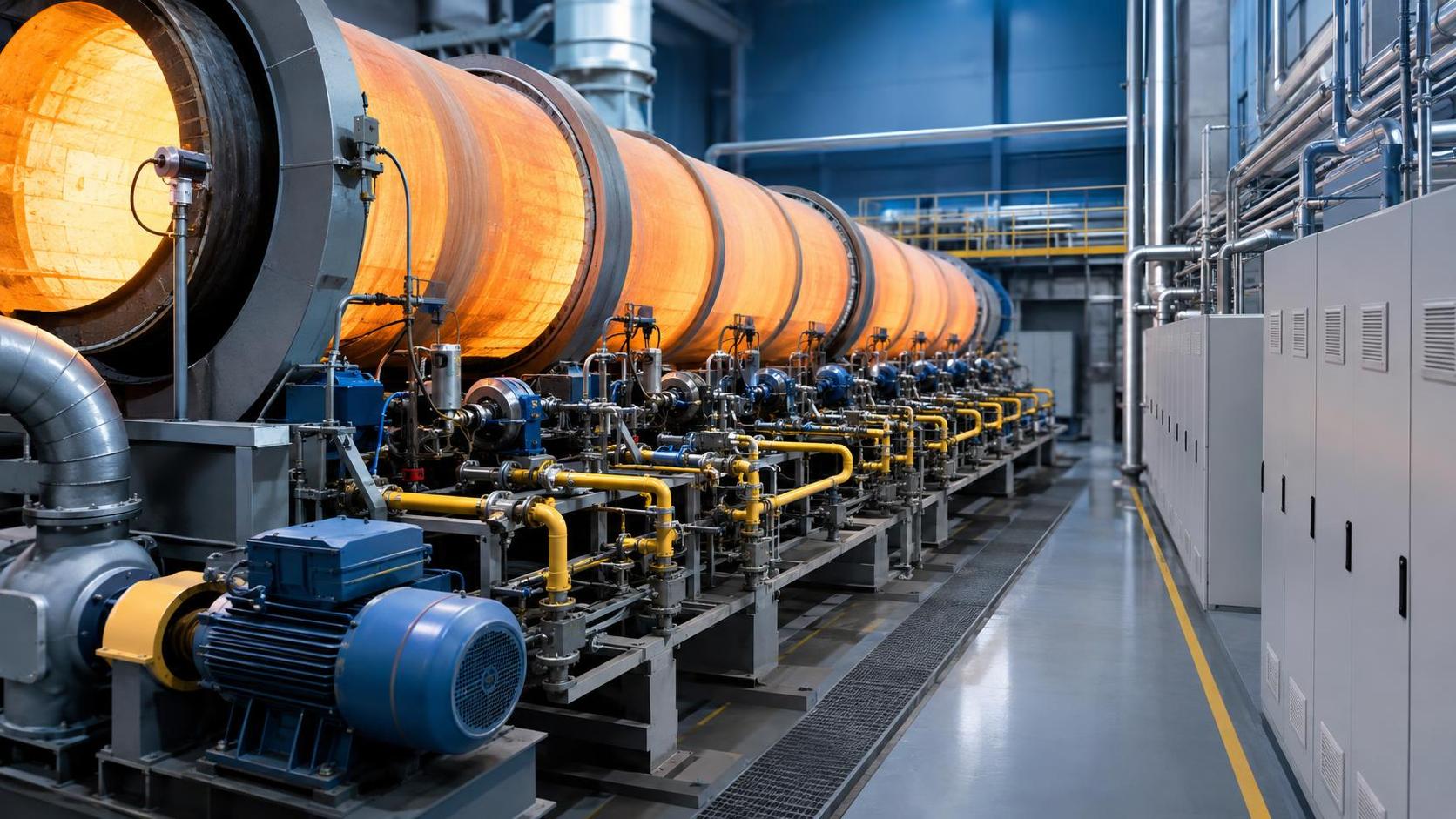
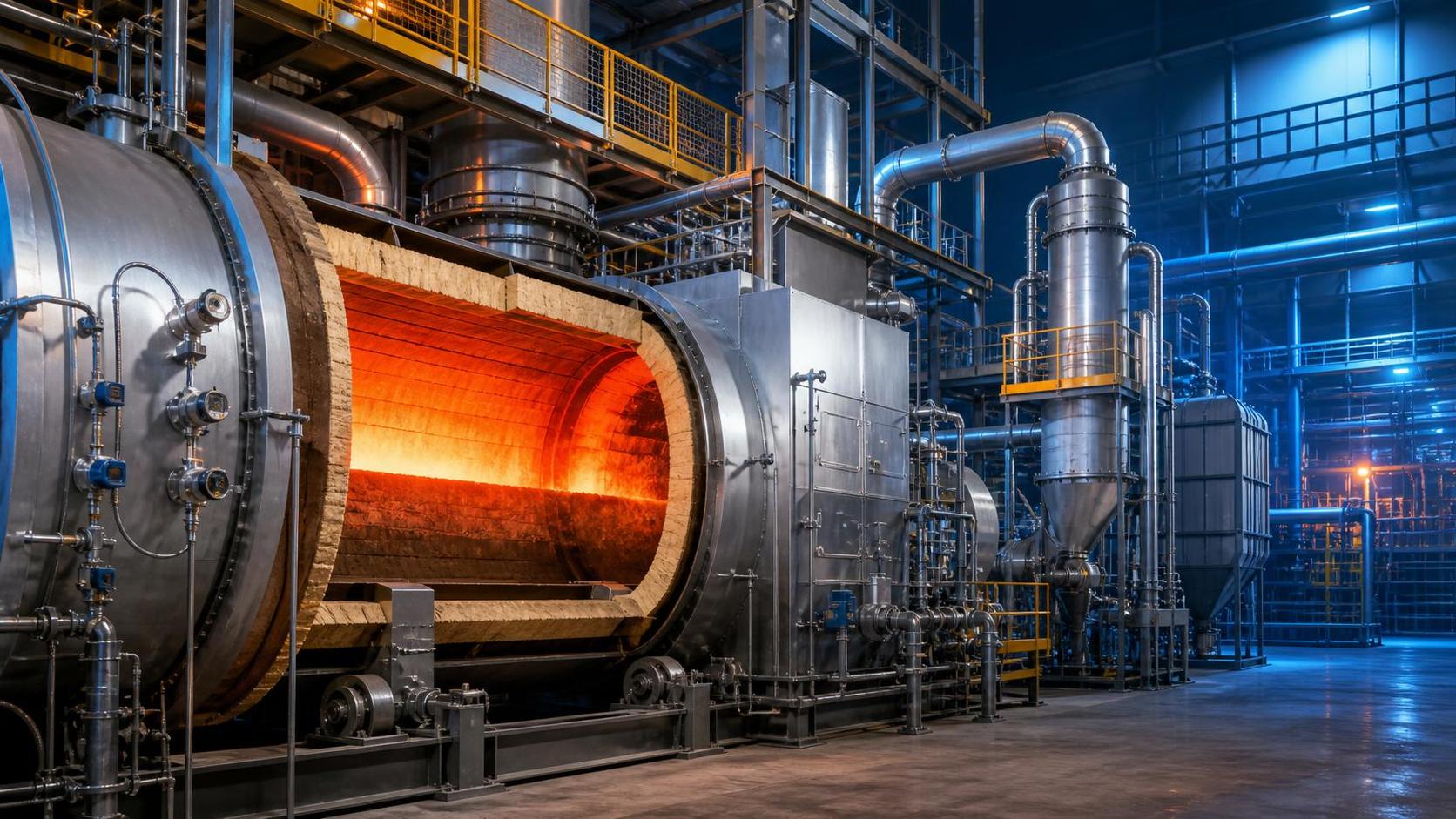
Refractory material innovation has moved far beyond routine relining work. In kilns, calciners, incinerators, glass furnaces, and extrusion-related thermal systems, lining performance now influences equipment life, fuel use, emissions, and process stability at the same time.
That shift matters because thermal assets are under pressure from alternative fuels, tighter carbon targets, faster production cycles, and more complex feed chemistry. A refractory decision that once looked like a maintenance expense can now affect the entire operating model.
Across the sectors tracked by CF-Elite, from cement production plants to industrial incineration and refractory production lines, the same pattern appears: better refractory design improves kiln life only when it also supports heat retention, coating behavior, and monitoring visibility.
Why refractory performance now sits at the center of kiln economics
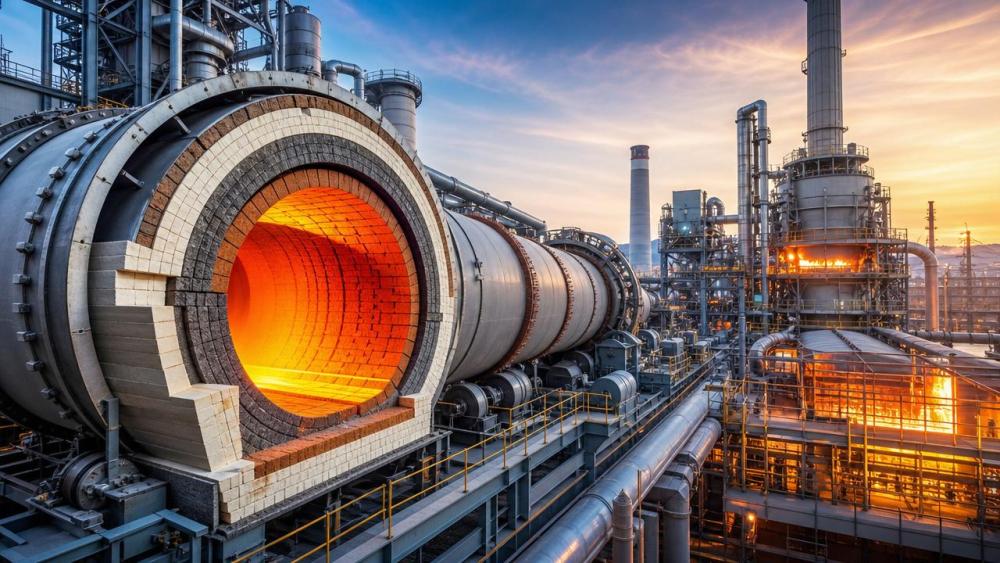
Kilns fail slowly, then suddenly. Shell overheating, ring formation, spalling, alkali attack, and mechanical cracking often develop together rather than in isolation.
This is why refractory material innovation is receiving more attention in technical evaluations. The lining is no longer judged only by rated temperature or purchase price.
It is judged by how it behaves under real operating stress. That includes thermal cycling, fuel ash chemistry, abrasion from raw mix movement, and shutdown frequency.
In practical terms, longer kiln life comes from fewer local failures. Higher thermal efficiency comes from stable insulation value, lower shell heat loss, and more consistent internal temperature profiles.
A modern lining must therefore do two jobs at once: protect the steel structure and preserve process energy.
What refractory material innovation really includes
The term covers more than a new brick composition. It usually combines material science, lining architecture, installation method, and digital compatibility.
Material formulation
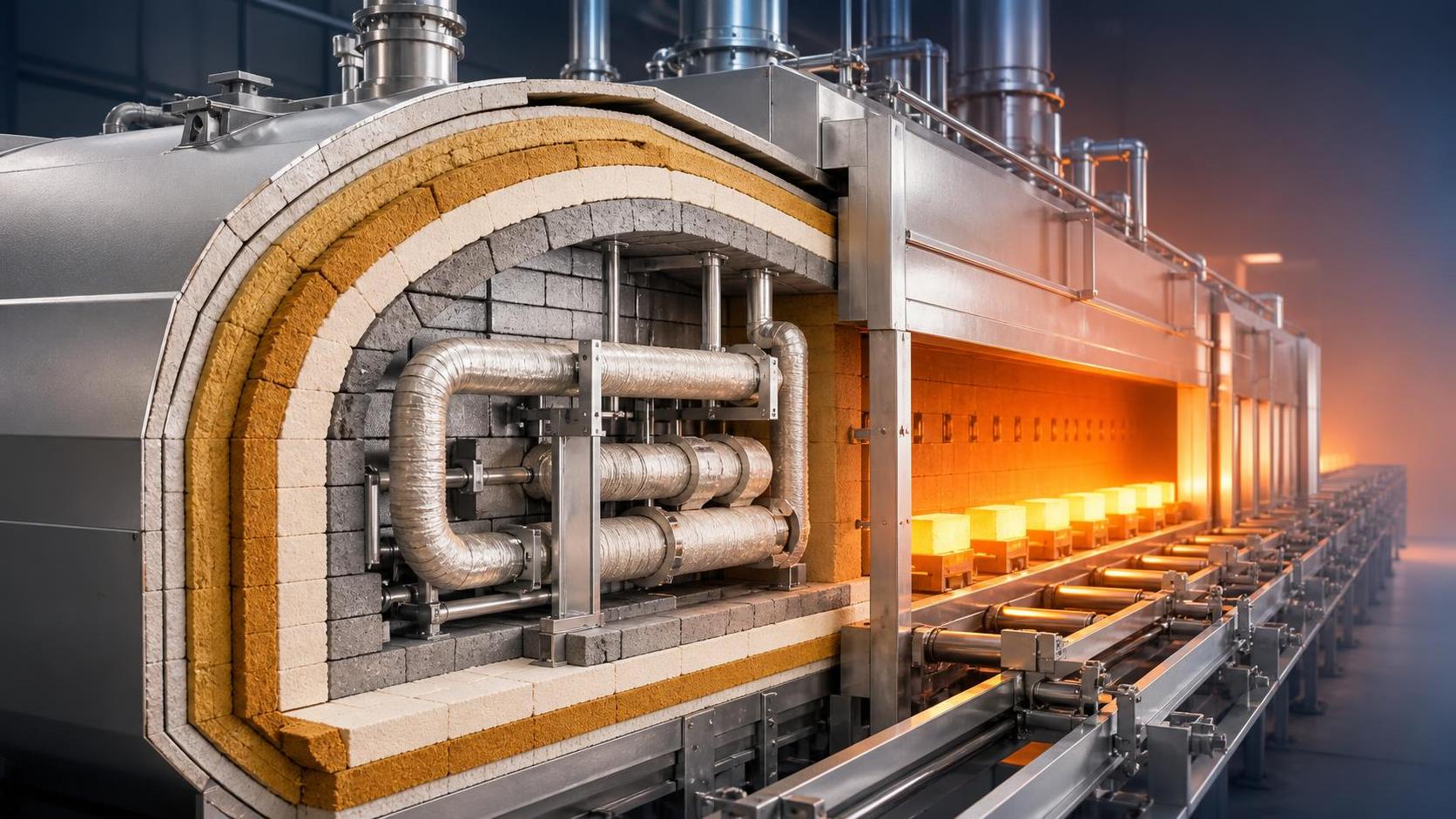
New formulations improve resistance to alkali, chloride, sulfur, slag infiltration, and abrasion. In many kiln zones, low-porosity microstructures now matter more than simple density claims.
Engineered bonding systems also reduce crack propagation. That can delay spalling during repeated heating and cooling cycles.
Lining design
Refractory material innovation also appears in zoned lining concepts. Different sections of a rotary kiln or thermal chamber face very different combinations of stress.
Using one refractory family across all zones may simplify procurement, but it often weakens total lifecycle performance.
Installation and monitoring readiness
Castables, precast modules, anchoring systems, and dry-out protocols increasingly determine whether advanced materials deliver their promised value.
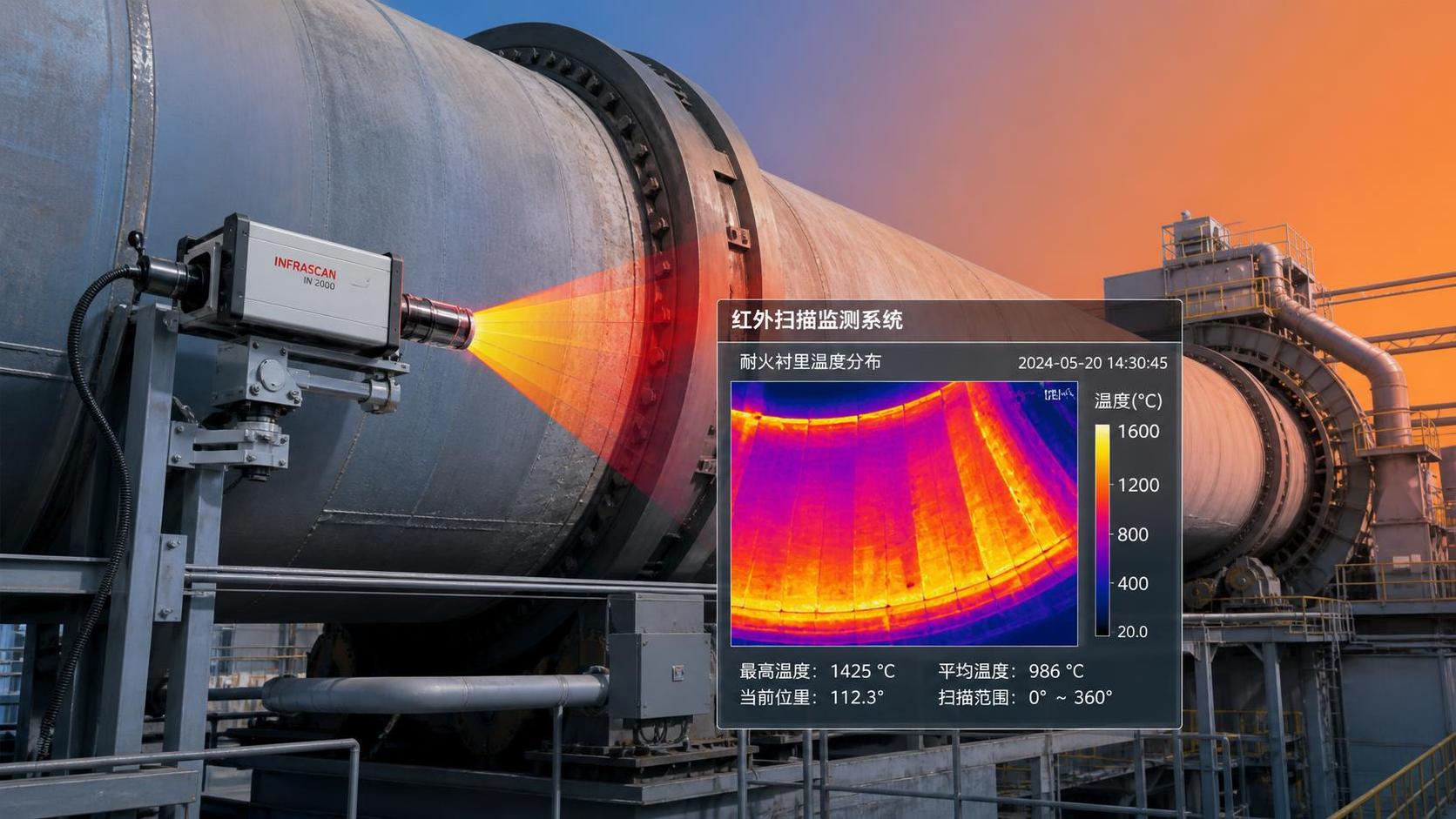
More importantly, newer linings are expected to work with shell scanners, thermal cameras, and online condition monitoring. A smart lining is easier to evaluate before failure appears.
How innovation improves kiln life in real operating conditions
Kiln life improves when refractory wear becomes slower, more predictable, and less sensitive to process disturbance.
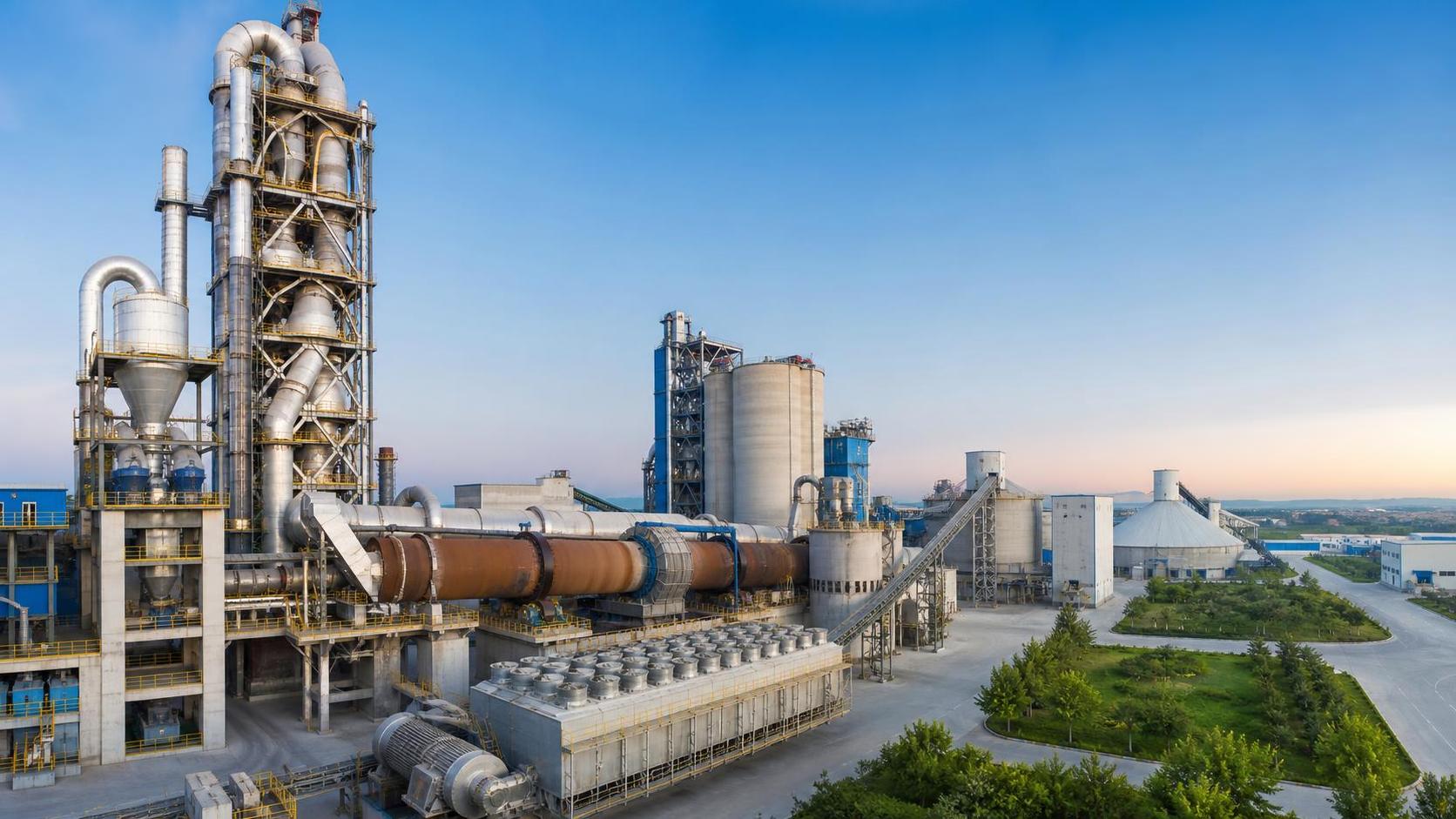
In cement systems, this may mean better coating adherence in the burning zone and reduced chemical attack in transition zones.
In incineration, the challenge often shifts toward aggressive ash chemistry, fluctuating thermal loads, and corrosive gases. Here, refractory material innovation must prioritize chemical stability and thermal shock resistance together.
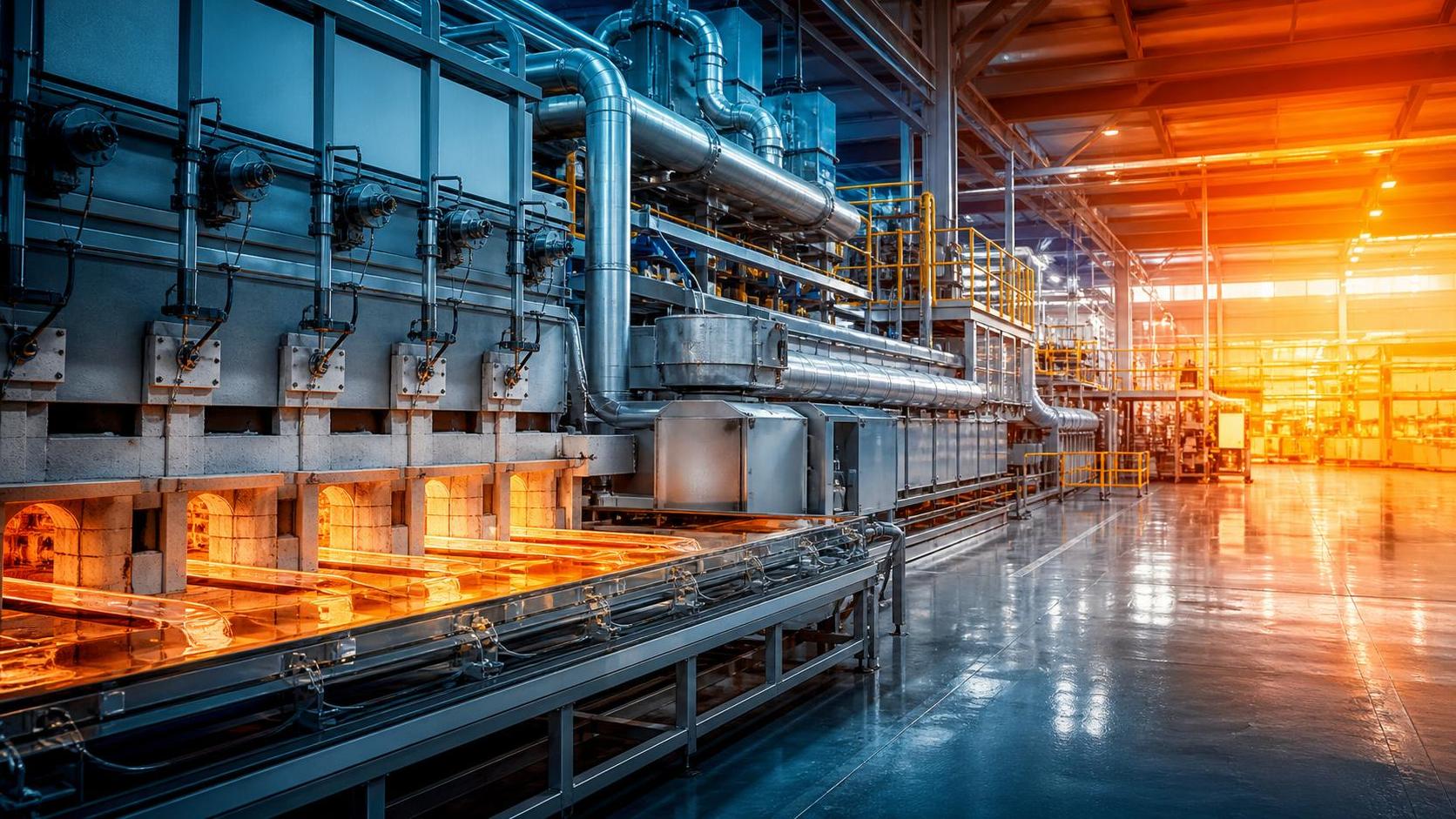
Glass and silicate processes create another pattern. Continuous operation demands exceptional dimensional stability, limited contamination risk, and steady heat transfer behavior over long campaigns.
In all these settings, premature failure usually starts at interfaces. Corners, burner areas, nose rings, discharge ends, and anchoring points deserve special attention during evaluation.
The most valuable innovation is often not the highest-grade material everywhere. It is the right combination of materials where failure risk actually concentrates.
The link between refractory material innovation and thermal efficiency
Heat loss through the shell is a visible symptom, but not the whole story. Thermal efficiency is also shaped by temperature uniformity, flame stability, coating behavior, and unplanned cooling events.
When refractory insulation degrades, fuel demand rises. When hot-face integrity falls, heat flow becomes uneven. When the lining profile changes, gas movement and material residence time may shift.
This is where refractory material innovation supports decarbonization. Lower heat loss cuts fuel use directly, while more stable campaigns reduce start-stop inefficiency and maintenance-related emissions.
CF-Elite’s focus on thermal management is relevant here. In high-temperature industries, carbon reduction is rarely achieved by one device alone. It is usually built from many small efficiency gains that become significant over full campaign life.
Key efficiency pathways
- Lower shell temperature through improved insulating structure.
- Reduced infiltration that preserves hot-face thermal properties.
- Fewer emergency shutdowns and reheating cycles.
- More stable internal geometry for combustion and flow control.
- Better compatibility with alternative fuels and variable raw materials.
Where the evaluation focus should change
A common mistake is comparing refractory options by unit price, bulk density, or headline service temperature alone. Those figures matter, but they do not predict field performance by themselves.
A stronger evaluation model links material properties to zone-specific operating conditions. It also considers installation quality and process variability.
This approach makes refractory material innovation easier to judge on lifecycle value rather than assumptions.
Typical scenarios across high-temperature industries
Different sectors pursue the same goal through different refractory priorities.
Cement and lime kilns
Zone balancing is critical. Burning, transition, inlet, and cooler connection sections often require distinct solutions rather than one specification.
Industrial incineration
Feed variability and corrosive byproducts raise the value of chemically robust linings with stable thermal shock behavior.
Glass-related thermal equipment
Long campaign continuity and contamination control often matter as much as pure wear resistance.
Refractory production and extrusion-linked systems
Process consistency depends on steady thermal containment. Even minor lining drift can affect product quality and energy balance.
Practical signals that an upgrade is justified
A lining change should not wait for visible failure alone. Several early signals usually appear first.
- Recurring hot spots despite stable operating setpoints.
- Campaign length falling after fuel or raw material changes.
- Rising shell temperature with no planned production increase.
- Frequent local patching in the same zones.
- More unstable coating formation or loss events.
- Higher energy consumption after excluding burner and draft issues.
When these patterns emerge, refractory material innovation should be reviewed together with process data, not treated as a standalone material purchase.
A more useful next step
The most effective decisions usually begin with a zone-by-zone operating map. That means matching failure history, chemistry, thermal profile, and inspection data to the current lining concept.
From there, compare alternatives by campaign stability, shell heat loss, shutdown risk, and compatibility with monitoring systems. Price remains relevant, but only within a full lifecycle picture.
For organizations following the intelligence frameworks highlighted by CF-Elite, refractory material innovation is best viewed as part of a broader thermal management strategy. It connects materials science, operational resilience, and decarbonization in one decision chain.
That makes the next move fairly clear: define the critical kiln zones, gather real operating evidence, and evaluate refractory upgrades by the energy and uptime they protect over time.
Related News
 Optical Glass Tech FellowHow to Evaluate a Glass Annealing Equipment Manufacturer for Production StabilityChoose a glass annealing equipment manufacturer with proven thermal uniformity, reliable controls, lifecycle value, and responsive service for stable production.Sep 08, 2026
 Prof. Marcus ChenThermal Energy Architecture in North America: Strategies for Lower Building Energy UseThermal energy architecture North America helps project leaders cut building energy use through stronger envelopes, right-sized HVAC, storage, and smart commissioning.Sep 07, 2026
 Ms. Elena RodriguezHow Should Buyers Evaluate Building Material Industry Intelligence Pricing?Building material industry intelligence pricing: learn how to compare coverage, technical depth, and ROI to choose intelligence that reduces procurement risk.Sep 07, 2026
 Ms. Elena RodriguezHow to Use Building Material Intelligence Data for Market and Investment DecisionsBuilding material industry intelligence data helps leaders evaluate demand, costs, regulation, capacity, and technology to make smarter market and investment decisions.Sep 05, 2026
 Thermal Energy ArchitectHow PLC Control Improves Energy Efficiency and Temperature Stability in KilnsEnergy efficient kilns PLC control improves temperature stability, cuts fuel waste, and optimizes combustion, draft, and material flow. Explore proven strategies for smarter kiln modernization.Sep 04, 2026
 Optical Glass Tech FellowEuropean Glass Melting Processes: Furnace Choices, Energy Use, and Quality ControlGlass melting process Europe: explore furnace choices, energy efficiency, cullet strategy, and quality control to improve output, compliance, and long-term glass performance.Sep 03, 2026
 Thermal Energy ArchitectWhat Determines Refractory Lining Monitoring Price for Industrial Kilns?Refractory lining monitoring price depends on kiln size, sensor technology, installation, software, and support. Compare total lifecycle costs and choose the right solution.Sep 02, 2026
 Silicate Process EngineerCement Production System Costs: A Plant Buyer’s Guide to Budgeting and ROICement production systems cost planning made clear: compare CAPEX, operating costs, compliance, and ROI to build a resilient, profitable cement plant investment.Sep 01, 2026
 Dr. Alistair VaughnWhat Should a Process Technology Database Track for High-Temperature Plants?Process technology database essentials for high-temperature plants: track thermal profiles, feed chemistry, refractory wear, emissions, energy, and maintenance for safer, data-driven decisions.Aug 31, 2026
 Ms. Elena RodriguezHow to Evaluate a Silicate Processing Equipment Manufacturer for Plant ProjectsSilicate processing equipment manufacturer selection: assess process fit, guarantees, energy, compliance, delivery risk, and lifecycle support for dependable plant performance.Aug 30, 2026
 Dr. Alistair VaughnHow to Specify Custom Agricultural Processing Equipment for Throughput and HygieneEquipment customization services for agricultural processing: learn to specify hygienic, high-throughput lines that improve yield, reliability, and long-term efficiency.Aug 29, 2026
 Dr. Alistair VaughnHow to Select Process Plant Equipment for High-Temperature, Abrasive Production LinesProcess plant equipment selection for high-temperature, abrasive lines: reduce downtime, improve durability, and optimize lifecycle performance.Aug 28, 2026
 Silicate Process EngineerHow Kiln Heat Recovery Systems Cut Fuel Use in Cement and Lime ProductionKiln heat recovery helps cement and lime plants cut fuel use, improve thermal stability, and build practical, reliable decarbonization strategies.Aug 27, 2026
 Ms. Elena RodriguezProcess Equipment Comparison: Which Metrics Matter Most for Reliable Selection?Process equipment comparison made practical: discover which metrics truly drive reliable selection, from energy efficiency and control stability to wear life, maintainability, and uptime.Aug 26, 2026
 Ms. Elena RodriguezWhat Buyers Should Check Before Sourcing Precision Alloy Bars for Critical PartsPrecision Alloy Bars buyers should verify grade, chemistry, tolerances, surface quality, traceability, and lead time before sourcing for critical parts. Learn what prevents costly machining and reliability risks.Aug 27, 2026
 Ms. Elena RodriguezHow to Evaluate Thermal Management Solutions Insulation for High-Heat Industrial SystemsThermal management solutions insulation: learn how to assess high-heat industrial systems by thermal performance, durability, lifecycle cost, and supplier data for smarter decisions.Aug 25, 2026
 Ms. Elena RodriguezWhat Drives Waste Recycling Cost in Industrial Projects and How to Estimate It?Waste recycling cost in industrial projects depends on composition, moisture, transport, pre-treatment, and compliance. Learn how to estimate it accurately and compare suppliers with confidence.Aug 24, 2026
 Silicate Process EngineerHow to Evaluate Cement Production Plants in the Middle East for Capacity, Fuel Flexibility, and ROIcement production plants Middle East: Learn how to assess true capacity, fuel flexibility, and ROI risks to identify resilient assets and smarter investment opportunities.Aug 23, 2026
 Structural Material AnalystHow to Evaluate Lightweight Material Machinery for Output, Energy Use, and Product QualityLightweight material machinery evaluation guide: compare stable output, energy use, and product quality to choose equipment that cuts waste, lowers costs, and improves production confidence.Aug 22, 2026
 Material Heat-Resist ExpertWhat Determines Refractory Production Line Price in a Turnkey Plant Project?Refractory production line price depends on raw materials, forming method, kiln and drying design, automation, utilities, and scope. Learn what really drives turnkey plant cost before you invest.Aug 21, 2026

Related News
- 00
0000-00
How PLC Control Improves Energy Efficiency and Temperature Stability in Kilns - 00
0000-00
What Determines Refractory Lining Monitoring Price for Industrial Kilns? - 00
0000-00
How Digital Twin Simulations Help Kiln Operators Cut Fuel Use and Stabilize Output - 00
0000-00
What to Evaluate in a Rotary Kiln Technology Manufacturer for High-Temperature Process Projects - 00
0000-00
How to Evaluate an Incineration Equipment Exporter for Compliance, Capacity, and After-Sales Support
Weekly Insights
Stay ahead with our curated technology reports delivered every Monday.