
Which industrial decarbonization strategies cut costs first?




For enterprise decision-makers, the key issue is timing and sequence. The best industrial decarbonization strategies usually start with actions that cut energy losses before requiring major plant redesign.
In integrated heavy industry, early gains often come from heat recovery, combustion tuning, process control, maintenance discipline, and smarter power management.
These measures lower fuel bills, stabilize output, and reduce exposure to carbon pricing. They also create cleaner data for later investments in electrification, alternative fuels, and carbon capture.
Cost-first logic behind industrial decarbonization strategies
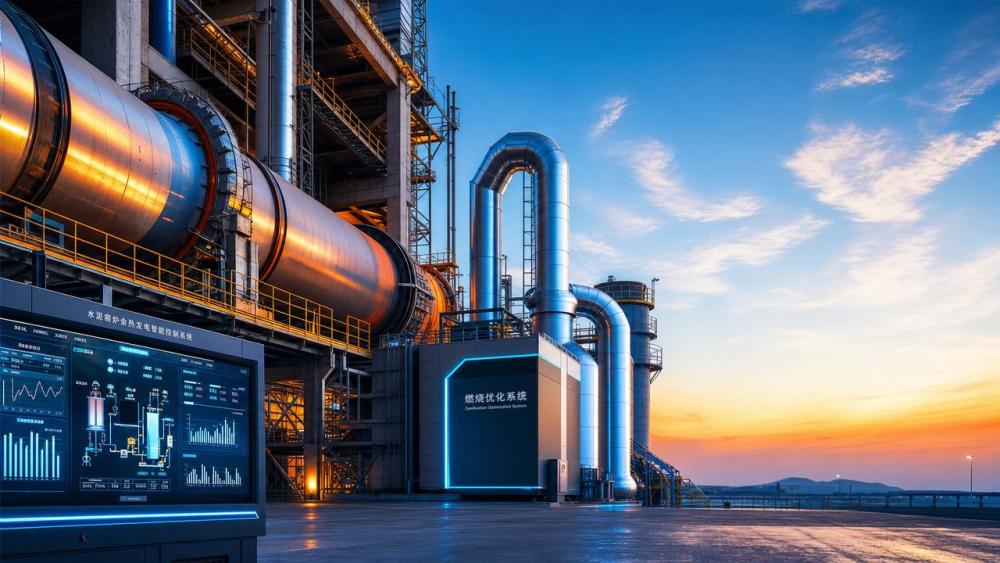
Not all carbon reduction projects behave the same financially. Some require heavy capital and long permitting cycles. Others deliver savings through better use of existing assets.
The fastest industrial decarbonization strategies share four traits. They reduce wasted heat, improve process stability, avoid downtime, and require limited operational disruption.
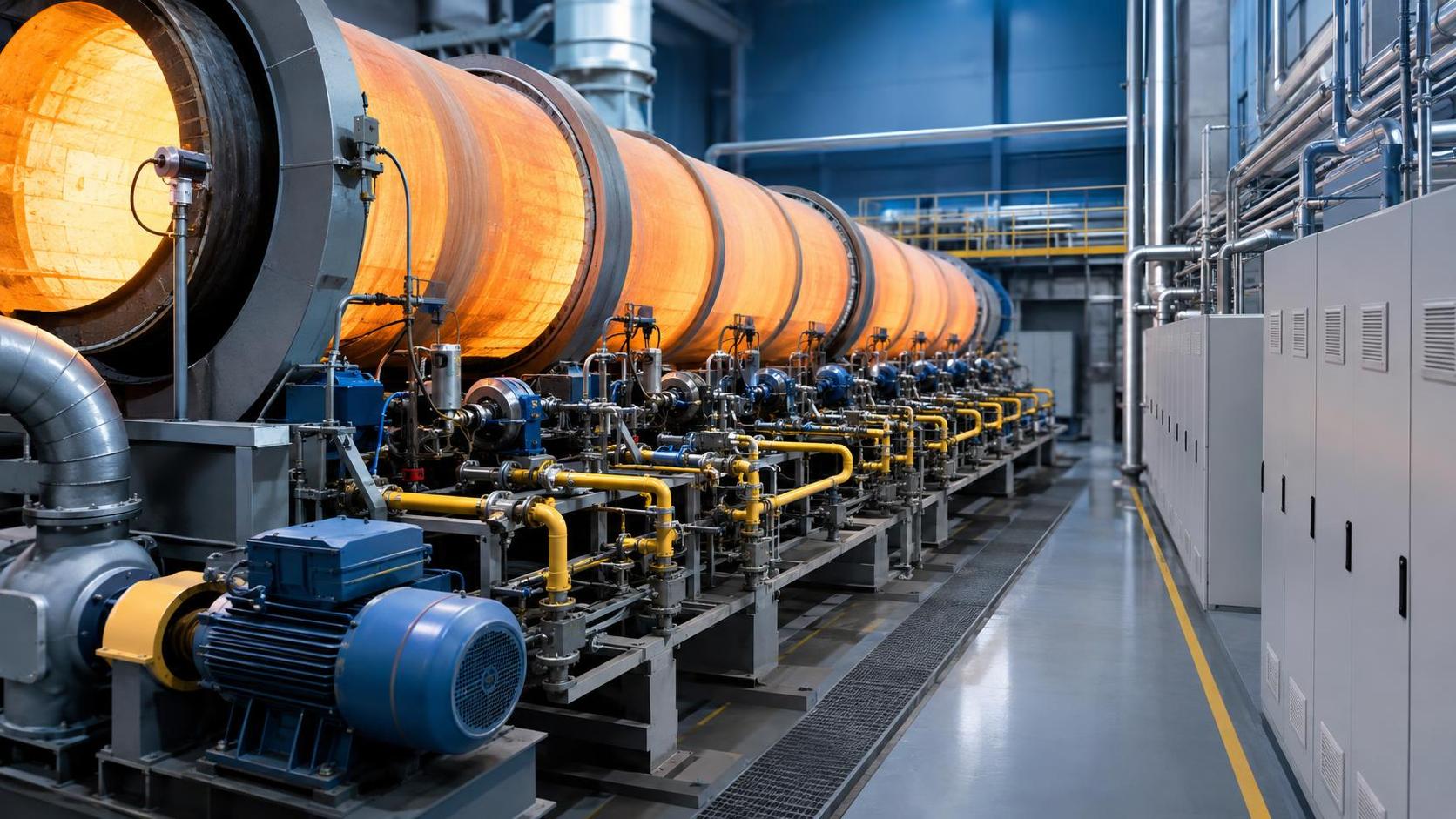
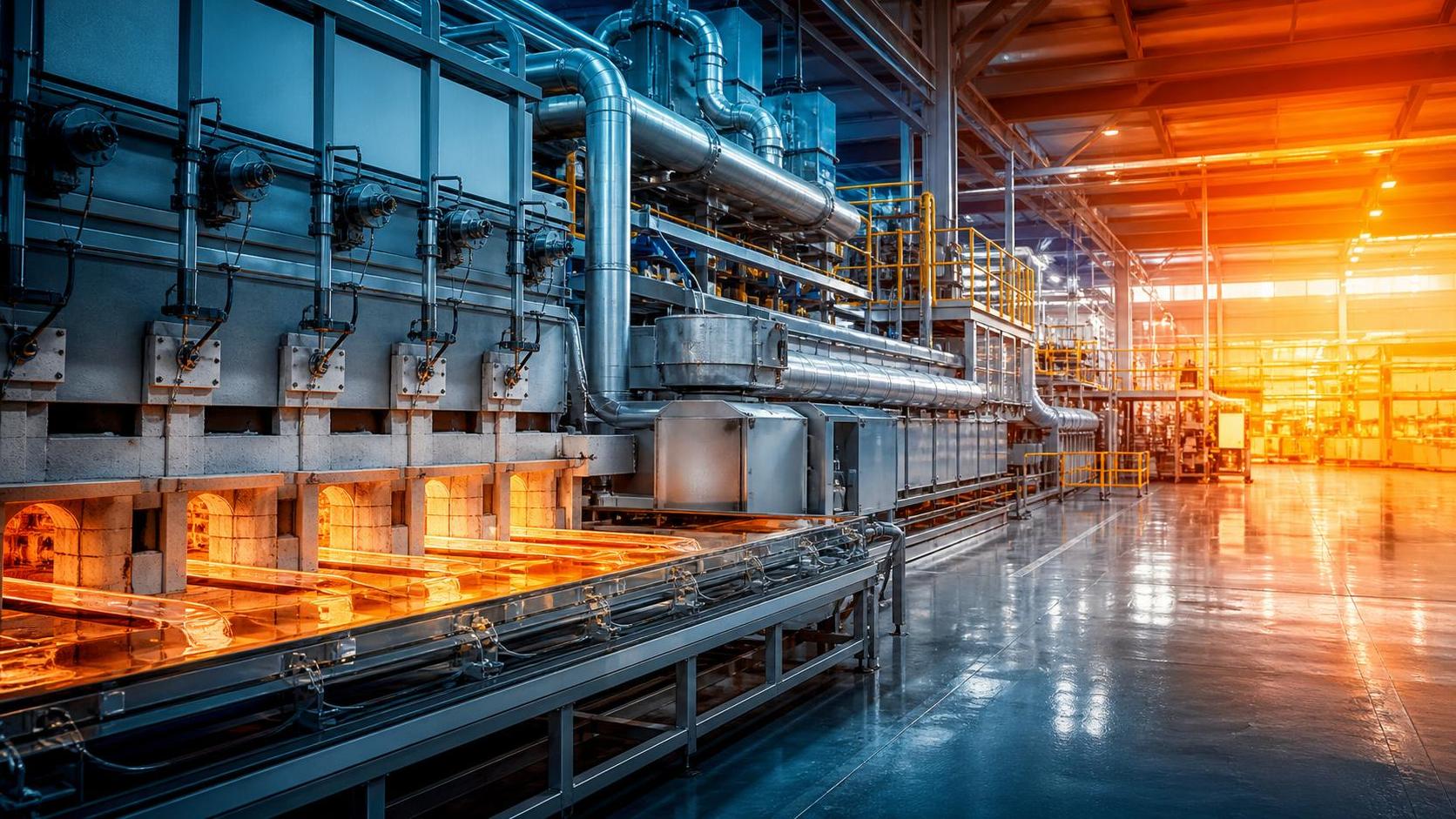
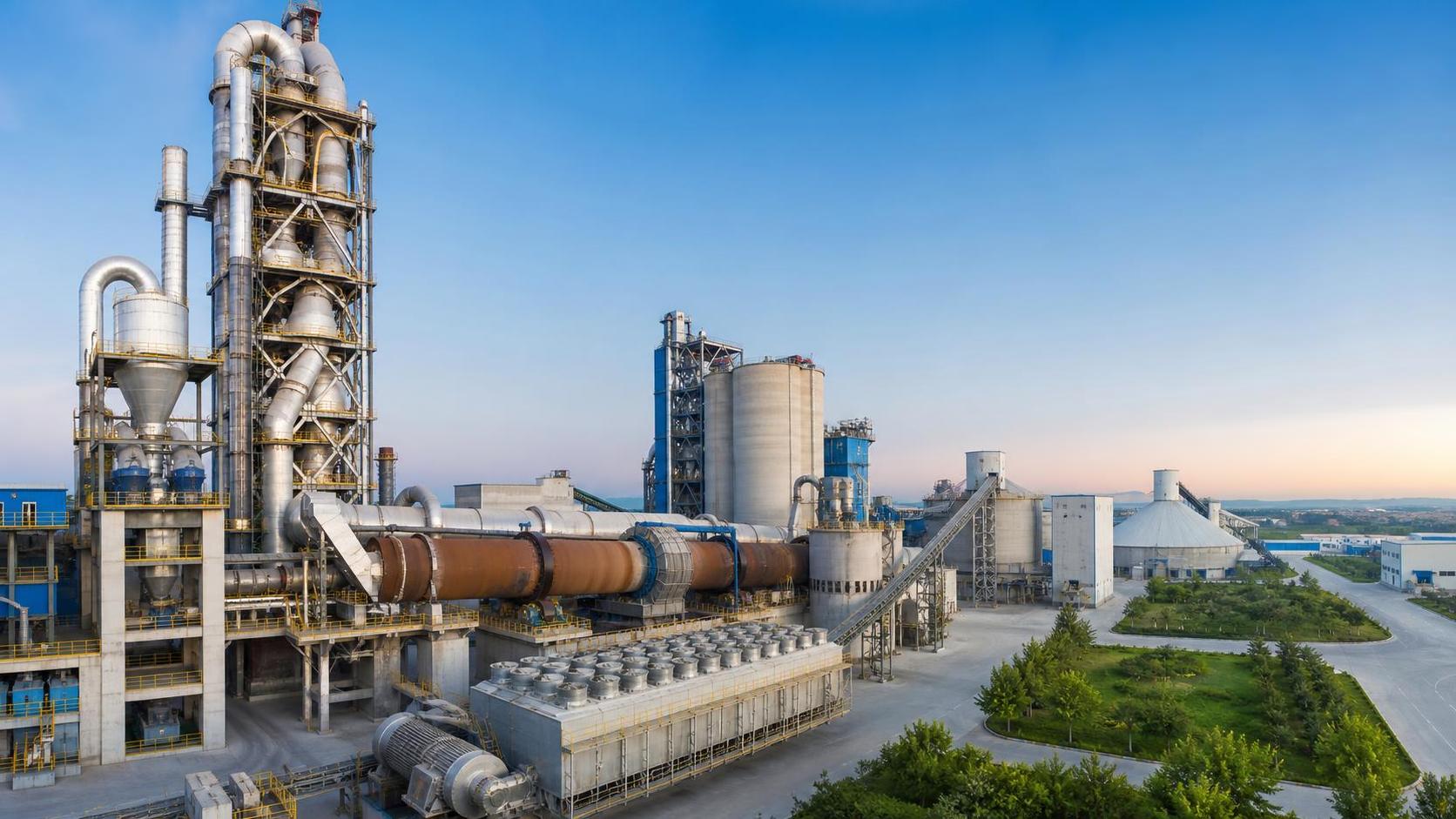
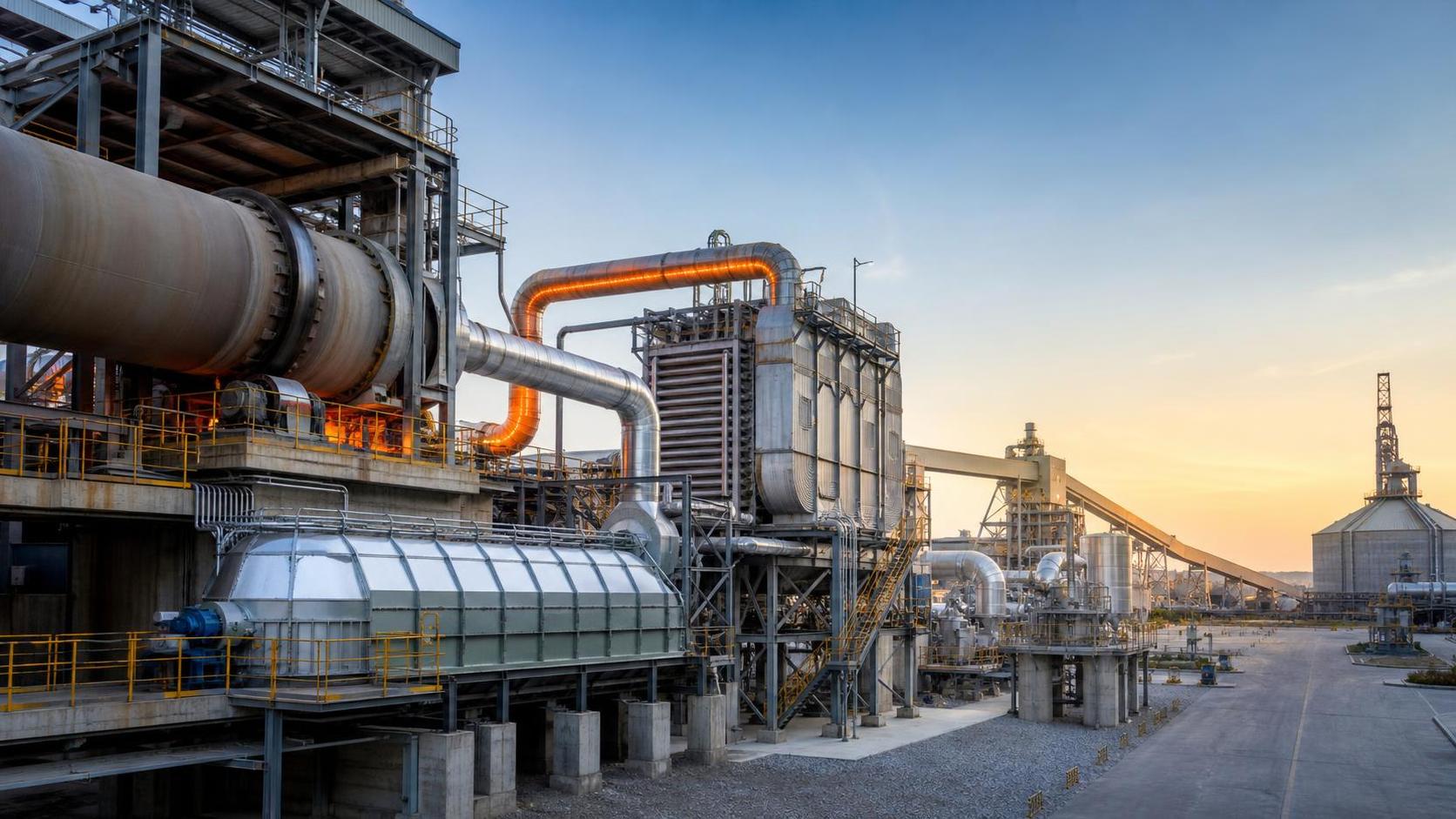
This matters across cement plants, glass melting lines, industrial kilns, incineration systems, refractory production, and extrusion equipment.
In these sectors, thermal intensity is high. Small efficiency gains can therefore produce large financial effects, especially where fuel and electricity prices remain volatile.
What qualifies as a first-wave measure
- Low to moderate capital cost
- Payback commonly under three years
- No major throughput sacrifice
- Measurable energy or emissions reduction
- Easy integration with future decarbonization pathways
Current industry signals shaping investment priorities
Across comprehensive industrial sectors, decarbonization is now tied to cost resilience rather than image alone.
Energy inflation, emissions reporting, customer pressure, and financing scrutiny are changing project ranking methods.
For intelligence-led platforms such as CF-Elite, this shift is significant. High-temperature industries need stitched analysis linking process physics, heat flows, material behavior, and decarbonization economics.
Industrial decarbonization strategies that usually cut costs first
The most practical industrial decarbonization strategies are rarely exotic. They tend to improve the thermal and electrical performance of assets already in service.
1. Waste heat recovery
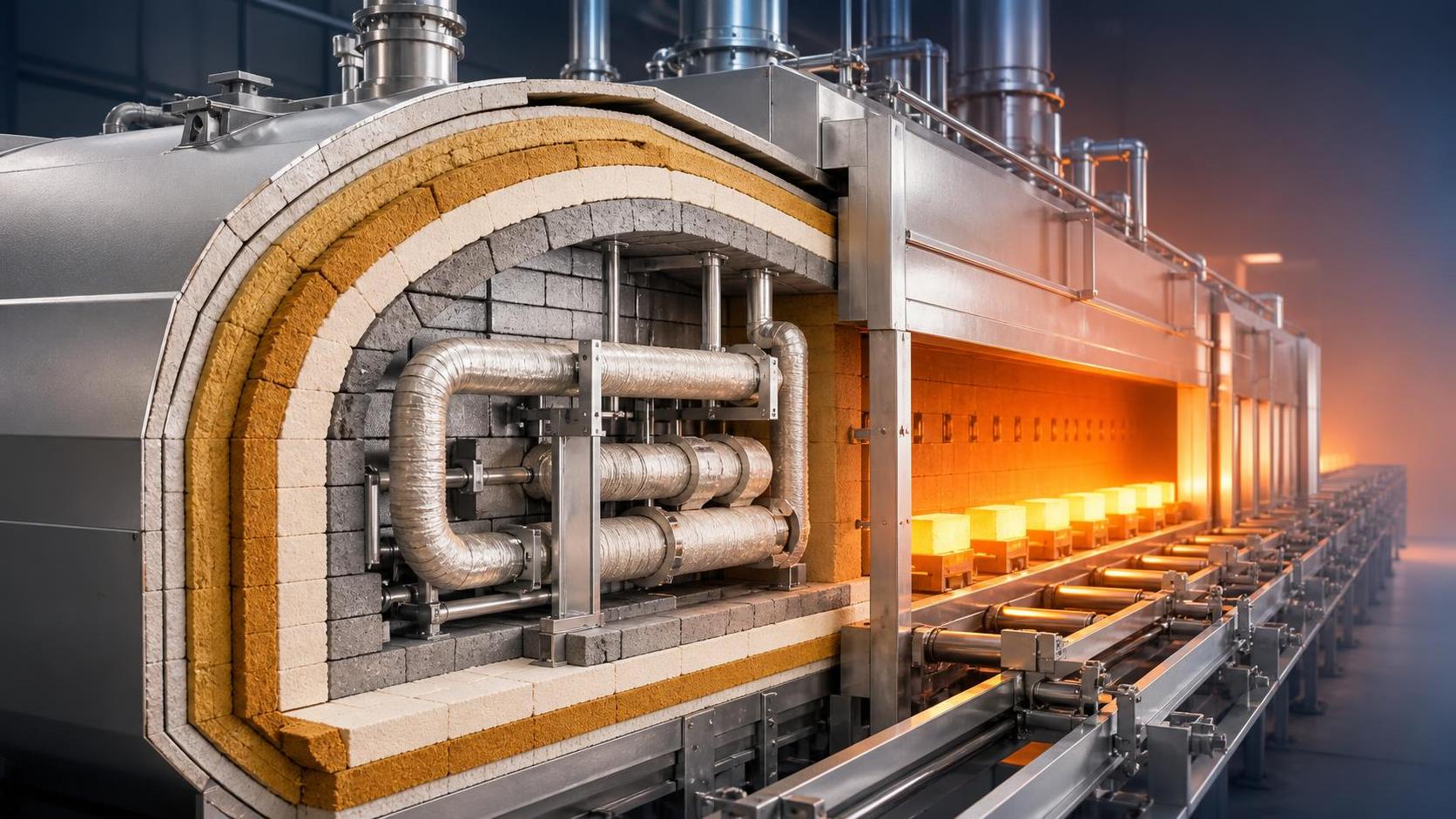
Kilns, furnaces, coolers, and flue systems reject large volumes of usable heat. Capturing part of that energy can lower primary fuel demand quickly.
Applications include combustion air preheating, feed drying, raw material preheating, steam generation, and power recovery.
2. Combustion and fuel optimization
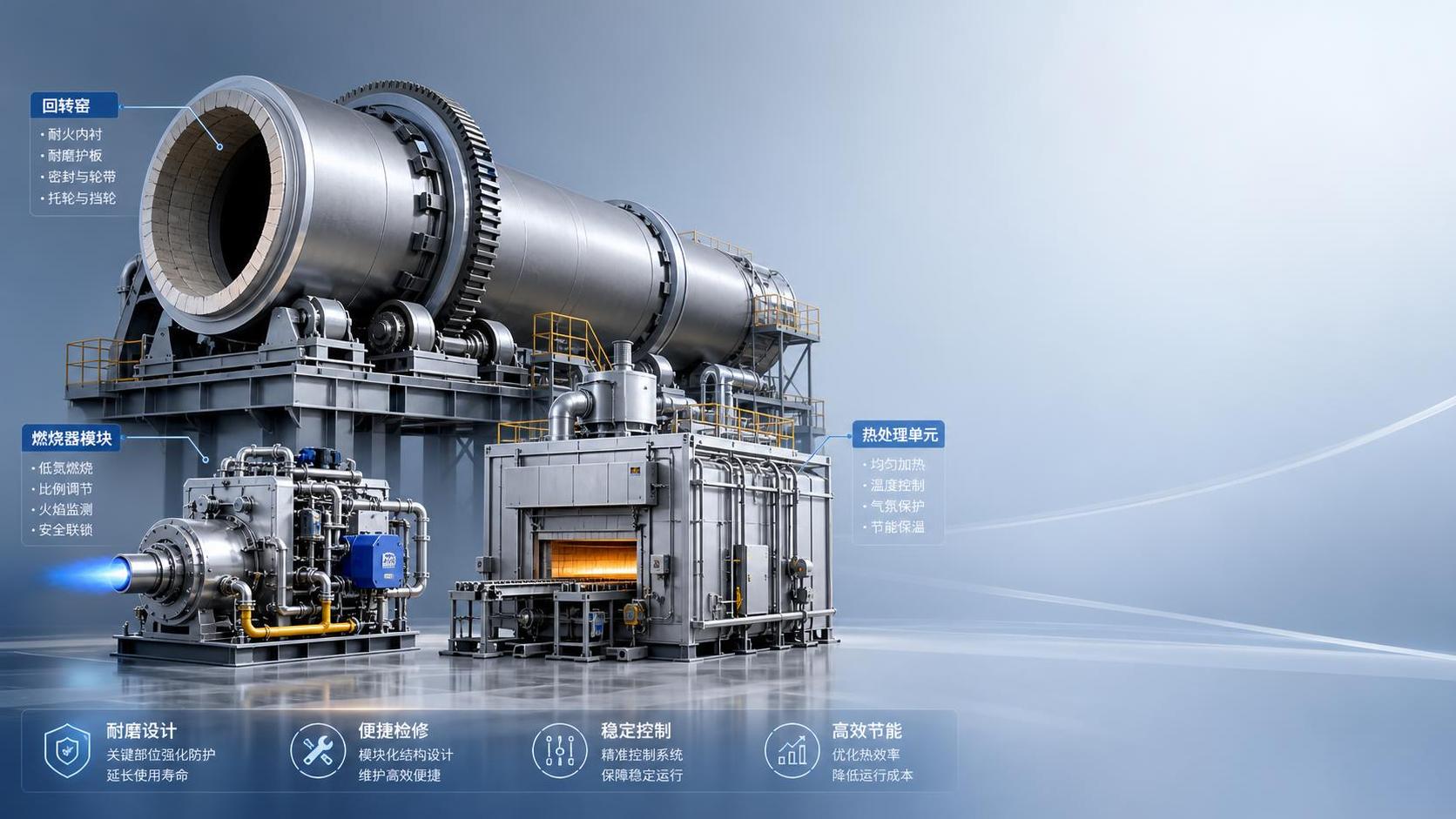
Burner tuning, oxygen control, flame shaping, and air-fuel balancing often deliver immediate savings. Better combustion reduces excess air, fuel waste, and unstable thermal zones.
In incineration and kiln systems, this also improves destruction efficiency and lowers operational variability.
3. Digital process control
Advanced control systems cut hidden carbon by reducing overfiring, off-spec production, and unnecessary thermal cycling.
Where process windows are narrow, stable control can protect quality while reducing specific energy consumption.
4. Maintenance-led efficiency
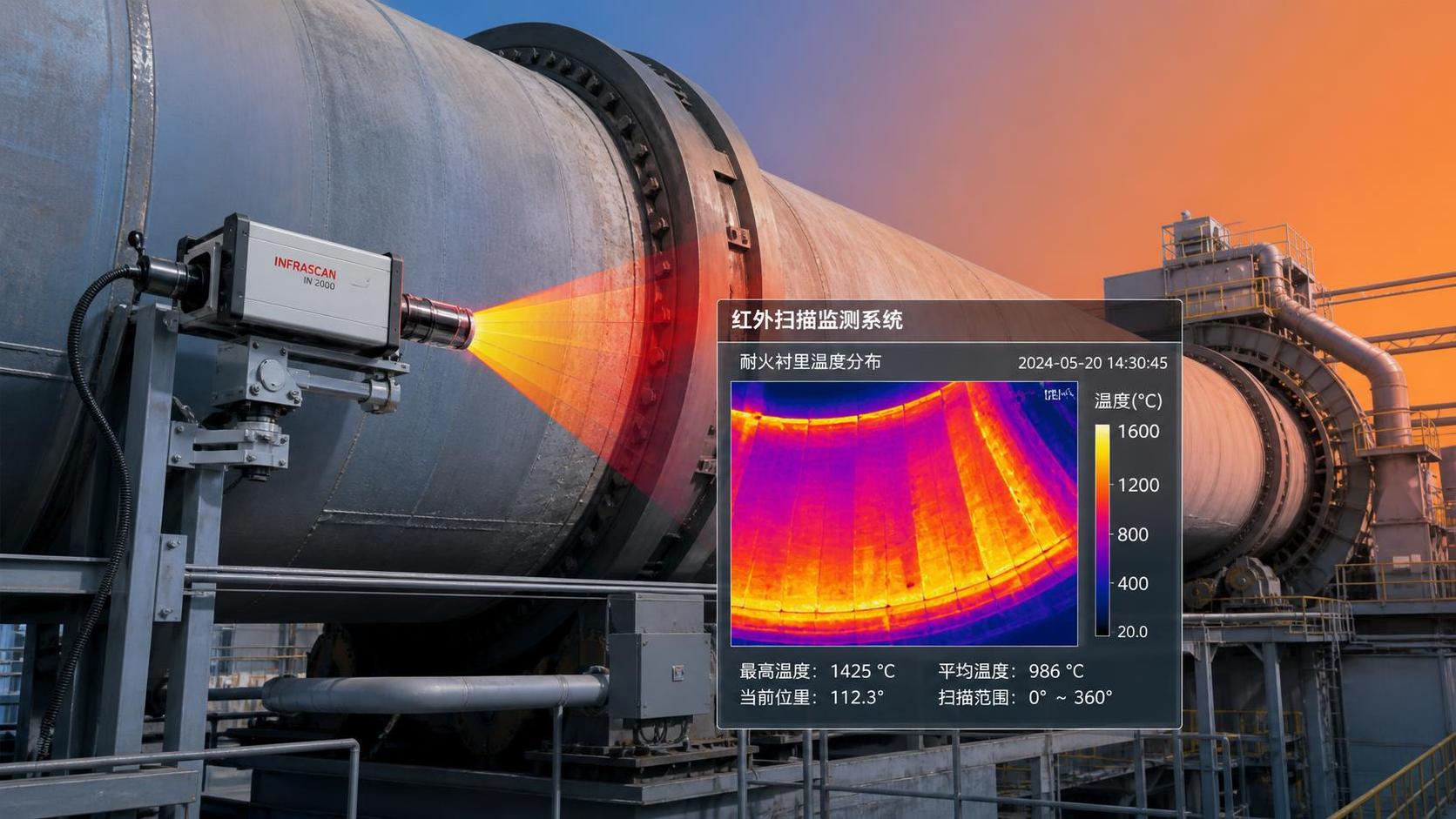
Air leakage, refractory degradation, fouling, poor sealing, and drifted sensors steadily increase fuel use. Correcting them is often one of the cheapest industrial decarbonization strategies available.
5. Motor, fan, and compressed air improvements
Variable speed drives, efficient motors, leak reduction, and better fan curves can produce fast electrical savings.
These measures matter even more as plants electrify auxiliary systems.
Where early savings appear across high-temperature industries
Different assets expose different cost-first opportunities. The table below shows common first-move areas.
These examples show why industrial decarbonization strategies must be process-specific. A universal carbon target is useful, but savings are unlocked at equipment level.
Business value beyond emissions reduction
Early-stage industrial decarbonization strategies create more than utility savings. They strengthen reliability, planning confidence, and asset productivity.
- Lower energy intensity improves unit margins.
- Stable combustion reduces quality deviations.
- Better data supports financing and compliance reporting.
- Reduced thermal stress can extend equipment life.
- Operational discipline prepares plants for deeper retrofits later.
This is especially relevant for sectors tracked by CF-Elite, where plant economics are tightly linked to heat transfer, refractory integrity, reaction kinetics, and throughput continuity.
How to prioritize industrial decarbonization strategies in practice
A practical roadmap should avoid jumping directly to the most visible technology. Sequence matters more than headlines.
Build the baseline first
Map fuel use, electricity loads, exhaust temperatures, downtime causes, and product loss rates. Without this, payback estimates are weak.
Rank by cost, risk, and disruption
Choose measures that preserve output during implementation. Fast wins should not create avoidable production instability.
Link engineering and finance metrics
Track specific heat consumption, power intensity, maintenance frequency, and carbon cost exposure beside traditional ROI and payback.
Use pilots where process complexity is high
Complex furnace and kiln networks benefit from phased trials. Digital twins and monitoring systems can reduce implementation risk.
Keep long-term compatibility in view
The best industrial decarbonization strategies today should not block future fuel switching, electrification, or carbon capture integration.
Common mistakes that delay savings
- Treating decarbonization as a standalone environmental program
- Ignoring heat balance details in high-temperature systems
- Overlooking maintenance faults that erase efficiency gains
- Funding large projects before capturing low-cost efficiency measures
- Using generic benchmarks without process-specific validation
Avoiding these errors helps turn industrial decarbonization strategies into a disciplined operational program rather than a fragmented project list.
Next-step framework for action
A useful first step is an asset-level review of thermal losses, control gaps, and maintenance-related inefficiencies.
Then separate measures into three groups: immediate fixes, medium-capex upgrades, and transformational options.
For organizations operating kilns, furnaces, float lines, incinerators, or extrusion systems, decision quality improves when process intelligence and carbon economics are reviewed together.
CF-Elite’s focus on foundation materials and thermal management supports this exact need. Stronger industrial decarbonization strategies begin with accurate heat, material, and equipment insight.
The cost-first answer is clear: start where energy waste is visible, measurable, and operationally recoverable. That is usually where decarbonization pays first.
Related News
 Optical Glass Tech FellowHow to Evaluate a Glass Annealing Equipment Manufacturer for Production StabilityChoose a glass annealing equipment manufacturer with proven thermal uniformity, reliable controls, lifecycle value, and responsive service for stable production.Sep 08, 2026
 Prof. Marcus ChenThermal Energy Architecture in North America: Strategies for Lower Building Energy UseThermal energy architecture North America helps project leaders cut building energy use through stronger envelopes, right-sized HVAC, storage, and smart commissioning.Sep 07, 2026
 Ms. Elena RodriguezHow Should Buyers Evaluate Building Material Industry Intelligence Pricing?Building material industry intelligence pricing: learn how to compare coverage, technical depth, and ROI to choose intelligence that reduces procurement risk.Sep 07, 2026
 Ms. Elena RodriguezHow to Use Building Material Intelligence Data for Market and Investment DecisionsBuilding material industry intelligence data helps leaders evaluate demand, costs, regulation, capacity, and technology to make smarter market and investment decisions.Sep 05, 2026
 Thermal Energy ArchitectHow PLC Control Improves Energy Efficiency and Temperature Stability in KilnsEnergy efficient kilns PLC control improves temperature stability, cuts fuel waste, and optimizes combustion, draft, and material flow. Explore proven strategies for smarter kiln modernization.Sep 04, 2026
 Optical Glass Tech FellowEuropean Glass Melting Processes: Furnace Choices, Energy Use, and Quality ControlGlass melting process Europe: explore furnace choices, energy efficiency, cullet strategy, and quality control to improve output, compliance, and long-term glass performance.Sep 03, 2026
 Thermal Energy ArchitectWhat Determines Refractory Lining Monitoring Price for Industrial Kilns?Refractory lining monitoring price depends on kiln size, sensor technology, installation, software, and support. Compare total lifecycle costs and choose the right solution.Sep 02, 2026
 Silicate Process EngineerCement Production System Costs: A Plant Buyer’s Guide to Budgeting and ROICement production systems cost planning made clear: compare CAPEX, operating costs, compliance, and ROI to build a resilient, profitable cement plant investment.Sep 01, 2026
 Dr. Alistair VaughnWhat Should a Process Technology Database Track for High-Temperature Plants?Process technology database essentials for high-temperature plants: track thermal profiles, feed chemistry, refractory wear, emissions, energy, and maintenance for safer, data-driven decisions.Aug 31, 2026
 Ms. Elena RodriguezHow to Evaluate a Silicate Processing Equipment Manufacturer for Plant ProjectsSilicate processing equipment manufacturer selection: assess process fit, guarantees, energy, compliance, delivery risk, and lifecycle support for dependable plant performance.Aug 30, 2026
 Dr. Alistair VaughnHow to Specify Custom Agricultural Processing Equipment for Throughput and HygieneEquipment customization services for agricultural processing: learn to specify hygienic, high-throughput lines that improve yield, reliability, and long-term efficiency.Aug 29, 2026
 Dr. Alistair VaughnHow to Select Process Plant Equipment for High-Temperature, Abrasive Production LinesProcess plant equipment selection for high-temperature, abrasive lines: reduce downtime, improve durability, and optimize lifecycle performance.Aug 28, 2026
 Silicate Process EngineerHow Kiln Heat Recovery Systems Cut Fuel Use in Cement and Lime ProductionKiln heat recovery helps cement and lime plants cut fuel use, improve thermal stability, and build practical, reliable decarbonization strategies.Aug 27, 2026
 Ms. Elena RodriguezProcess Equipment Comparison: Which Metrics Matter Most for Reliable Selection?Process equipment comparison made practical: discover which metrics truly drive reliable selection, from energy efficiency and control stability to wear life, maintainability, and uptime.Aug 26, 2026
 Ms. Elena RodriguezWhat Buyers Should Check Before Sourcing Precision Alloy Bars for Critical PartsPrecision Alloy Bars buyers should verify grade, chemistry, tolerances, surface quality, traceability, and lead time before sourcing for critical parts. Learn what prevents costly machining and reliability risks.Aug 27, 2026
 Ms. Elena RodriguezHow to Evaluate Thermal Management Solutions Insulation for High-Heat Industrial SystemsThermal management solutions insulation: learn how to assess high-heat industrial systems by thermal performance, durability, lifecycle cost, and supplier data for smarter decisions.Aug 25, 2026
 Ms. Elena RodriguezWhat Drives Waste Recycling Cost in Industrial Projects and How to Estimate It?Waste recycling cost in industrial projects depends on composition, moisture, transport, pre-treatment, and compliance. Learn how to estimate it accurately and compare suppliers with confidence.Aug 24, 2026
 Silicate Process EngineerHow to Evaluate Cement Production Plants in the Middle East for Capacity, Fuel Flexibility, and ROIcement production plants Middle East: Learn how to assess true capacity, fuel flexibility, and ROI risks to identify resilient assets and smarter investment opportunities.Aug 23, 2026
 Structural Material AnalystHow to Evaluate Lightweight Material Machinery for Output, Energy Use, and Product QualityLightweight material machinery evaluation guide: compare stable output, energy use, and product quality to choose equipment that cuts waste, lowers costs, and improves production confidence.Aug 22, 2026
 Material Heat-Resist ExpertWhat Determines Refractory Production Line Price in a Turnkey Plant Project?Refractory production line price depends on raw materials, forming method, kiln and drying design, automation, utilities, and scope. Learn what really drives turnkey plant cost before you invest.Aug 21, 2026

Related News
- 00
0000-00
How Should Buyers Evaluate Building Material Industry Intelligence Pricing? - 00
0000-00
How to Use Building Material Intelligence Data for Market and Investment Decisions - 00
0000-00
How to Evaluate a Silicate Processing Equipment Manufacturer for Plant Projects - 00
0000-00
Process Equipment Comparison: Which Metrics Matter Most for Reliable Selection? - 00
0000-00
What Buyers Should Check Before Sourcing Precision Alloy Bars for Critical Parts
Weekly Insights
Stay ahead with our curated technology reports delivered every Monday.