
Is thermal barrier technology worth the extra investment?




For financial decision-makers, the real question is not whether thermal barrier technology sounds advanced, but whether it delivers measurable returns. In capital-intensive, high-temperature industries, the extra upfront cost can influence energy efficiency, equipment life, maintenance frequency, and compliance risk. This article examines whether thermal barrier technology is worth the investment by connecting technical performance with lifecycle cost, operational stability, and long-term strategic value.
When thermal barrier technology becomes a financial decision, not just a technical upgrade
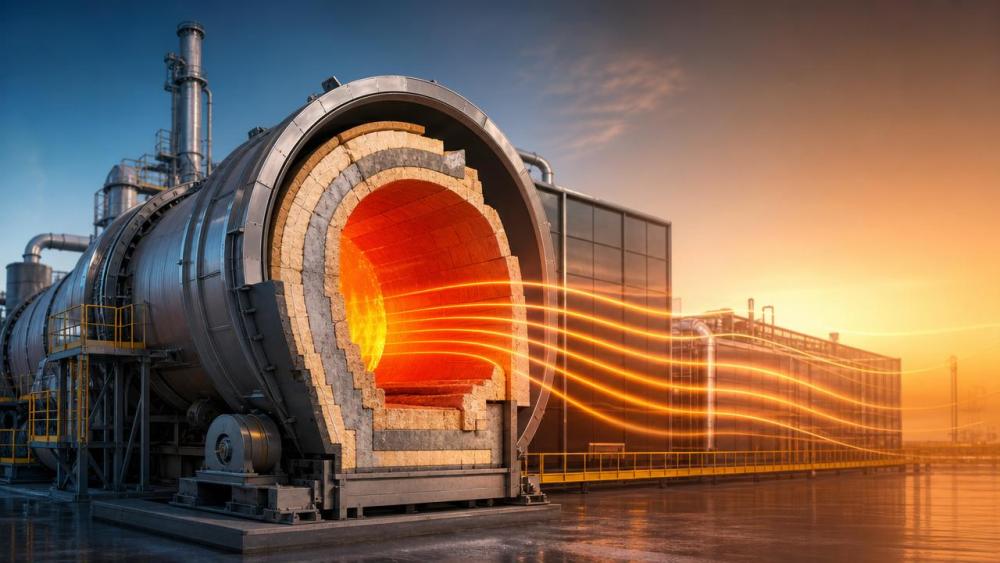
Thermal barrier technology matters most where heat loss directly reduces output, fuel efficiency, and asset life. In these environments, the investment case is usually measurable.
In silicate production, kilns, furnaces, and incineration systems operate under continuous thermal stress. Small insulation failures can become large cost centers over time.
For CF-Elite’s focus sectors, thermal management links process stability, carbon reduction, and equipment uptime. That makes thermal barrier technology relevant beyond engineering departments.
The decision becomes more urgent when energy prices rise, emission controls tighten, or maintenance shutdowns become expensive. Under those conditions, basic refractory protection may no longer be enough.
Which operating scenarios justify the extra investment fastest?
Not every plant gains equally from thermal barrier technology. The best returns appear where heat cycles are severe, temperature consistency affects quality, or downtime has high opportunity cost.
Continuous high-temperature production lines
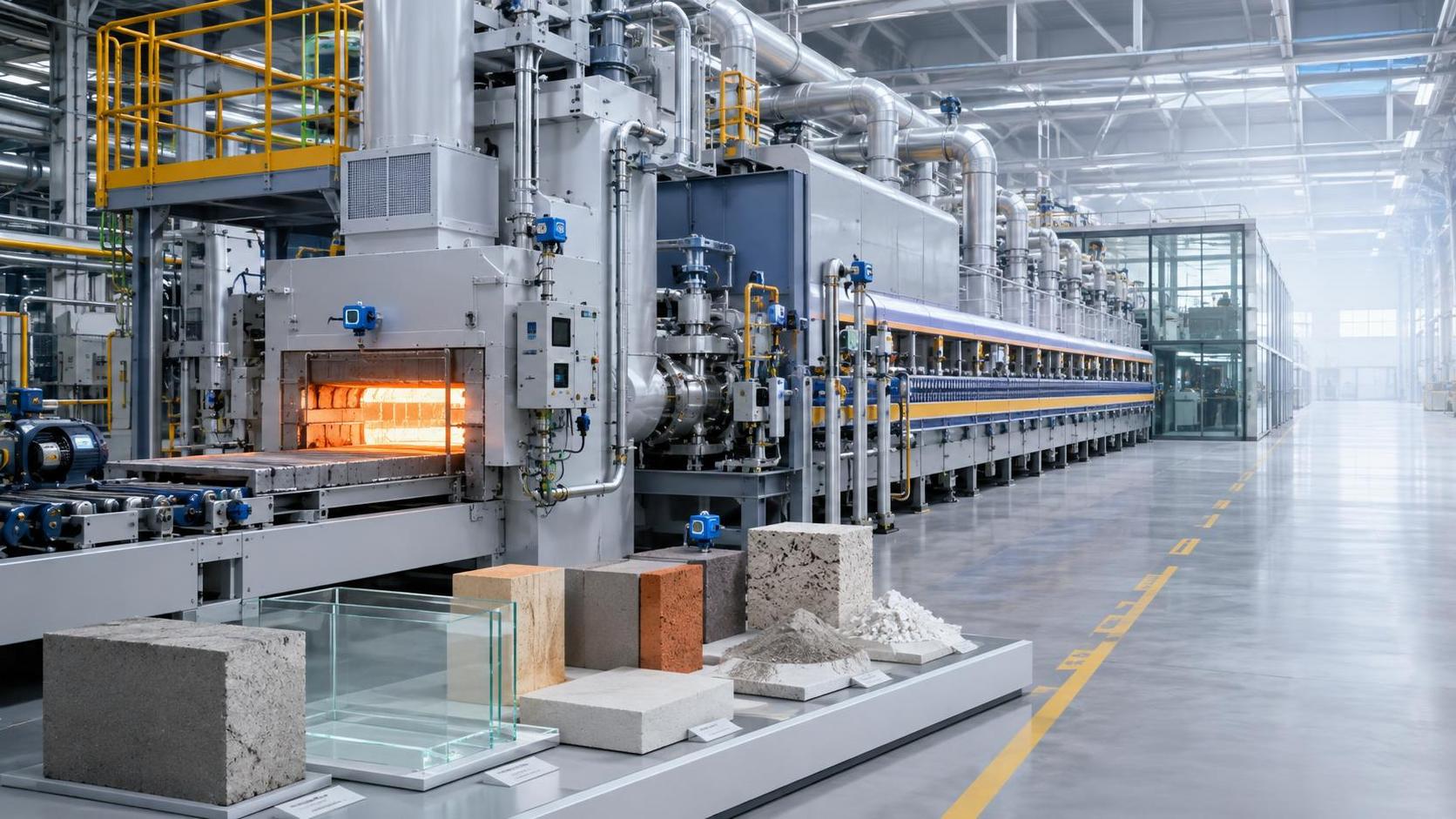
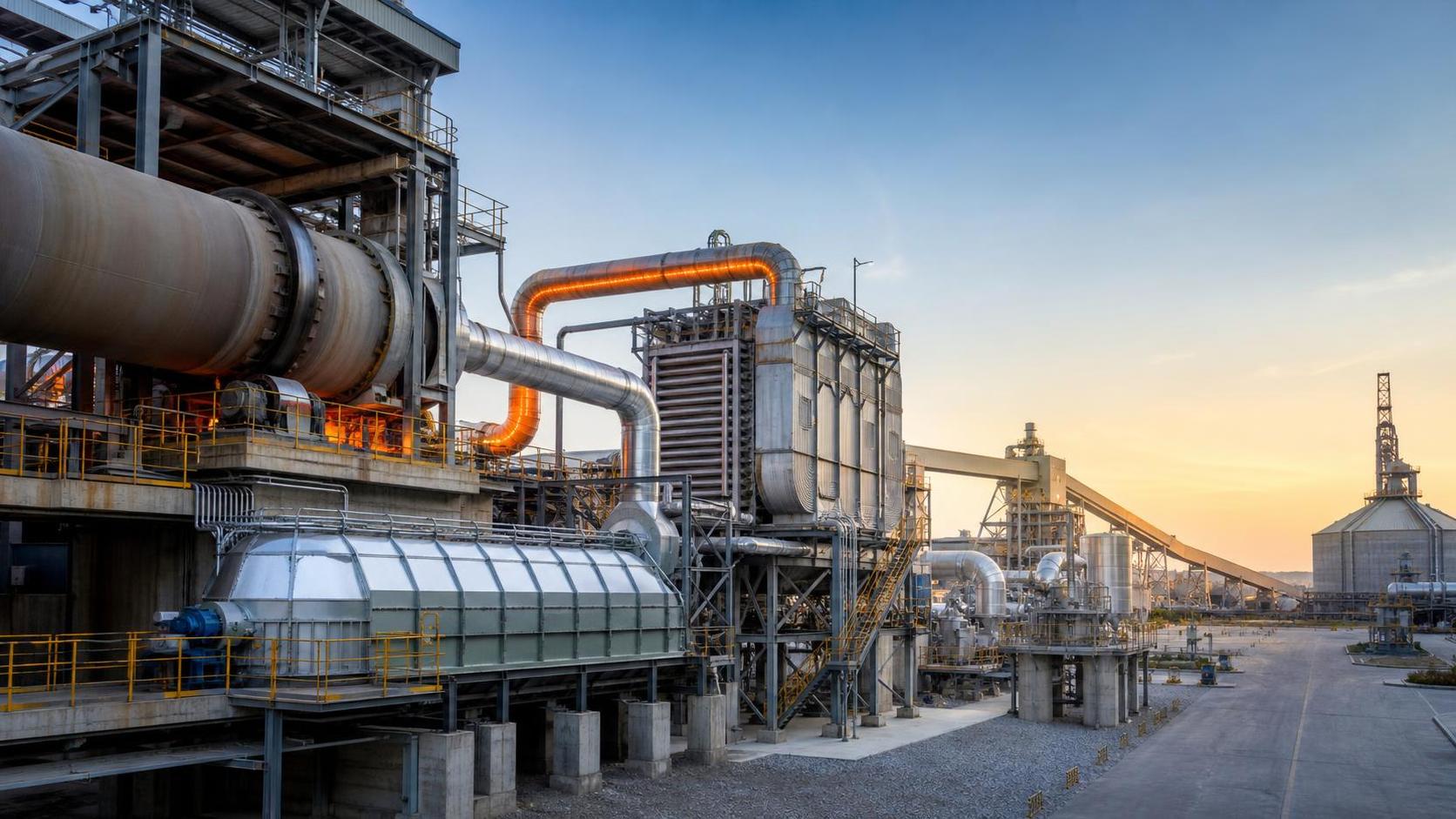
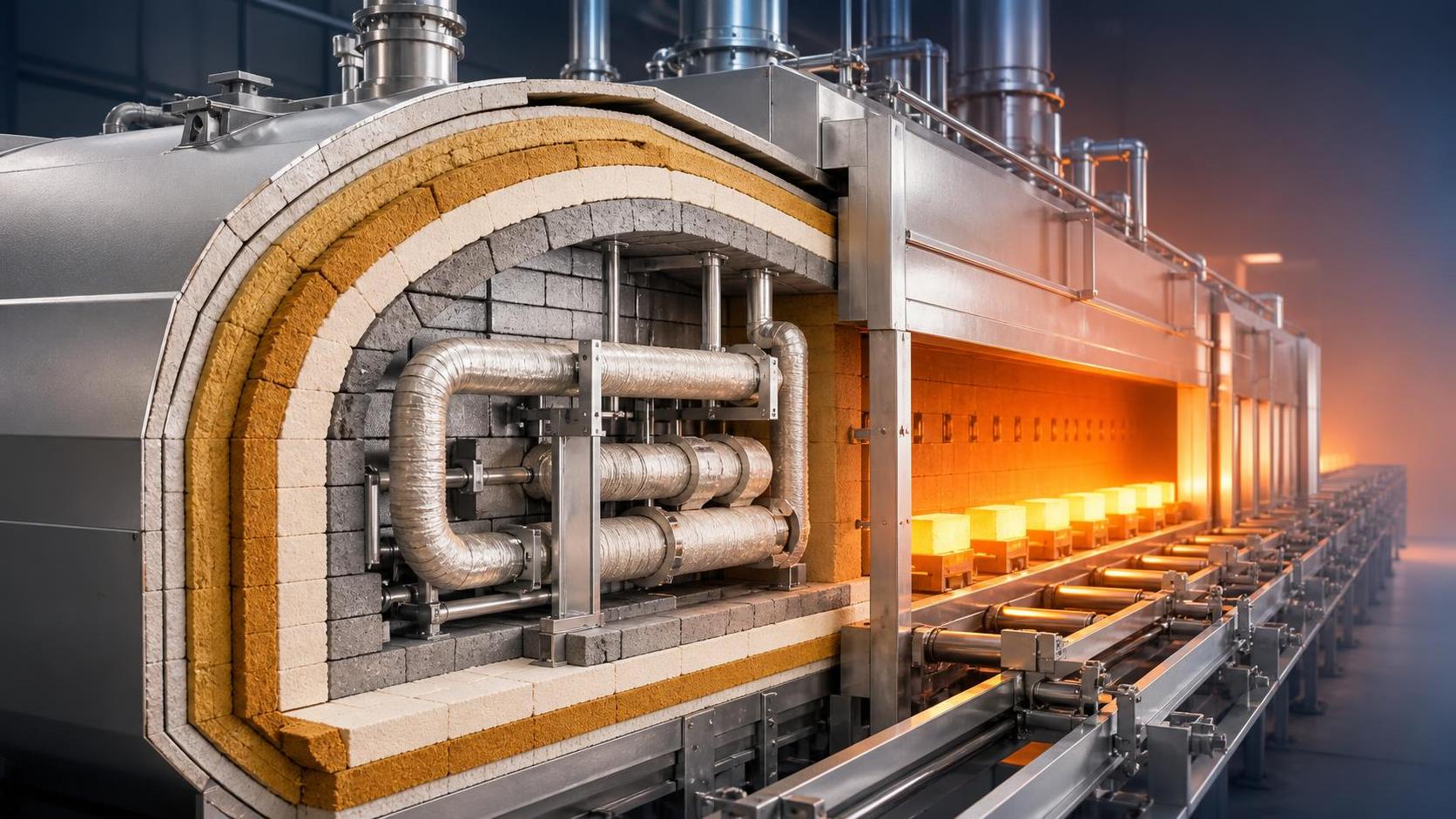
Cement kilns, glass melting lines, and refractory firing systems benefit when heat retention improves fuel use. Even modest efficiency gains can compound across nonstop operations.
In these settings, thermal barrier technology can stabilize inner wall temperatures. That often reduces shell overheating, structural fatigue, and local thermal shock damage.
Equipment exposed to aggressive temperature cycling
Batch furnaces, waste incinerators, and specialty extrusion lines face repeated heating and cooling. These cycles accelerate cracking, delamination, and lining wear.
Here, thermal barrier technology may be worth the premium because it protects against thermal gradients. Better temperature buffering often means fewer repairs and steadier restart performance.
Processes where product quality depends on heat uniformity
Glass forming, advanced ceramics, and specialized material extrusion rely on narrow thermal windows. Uneven heat can create defects, waste, and rework.
In such cases, thermal barrier technology supports temperature consistency. The value comes not only from energy savings, but also from reduced rejection rates.
How thermal barrier technology creates value across major industrial scenarios
Cement production and rotary kiln systems
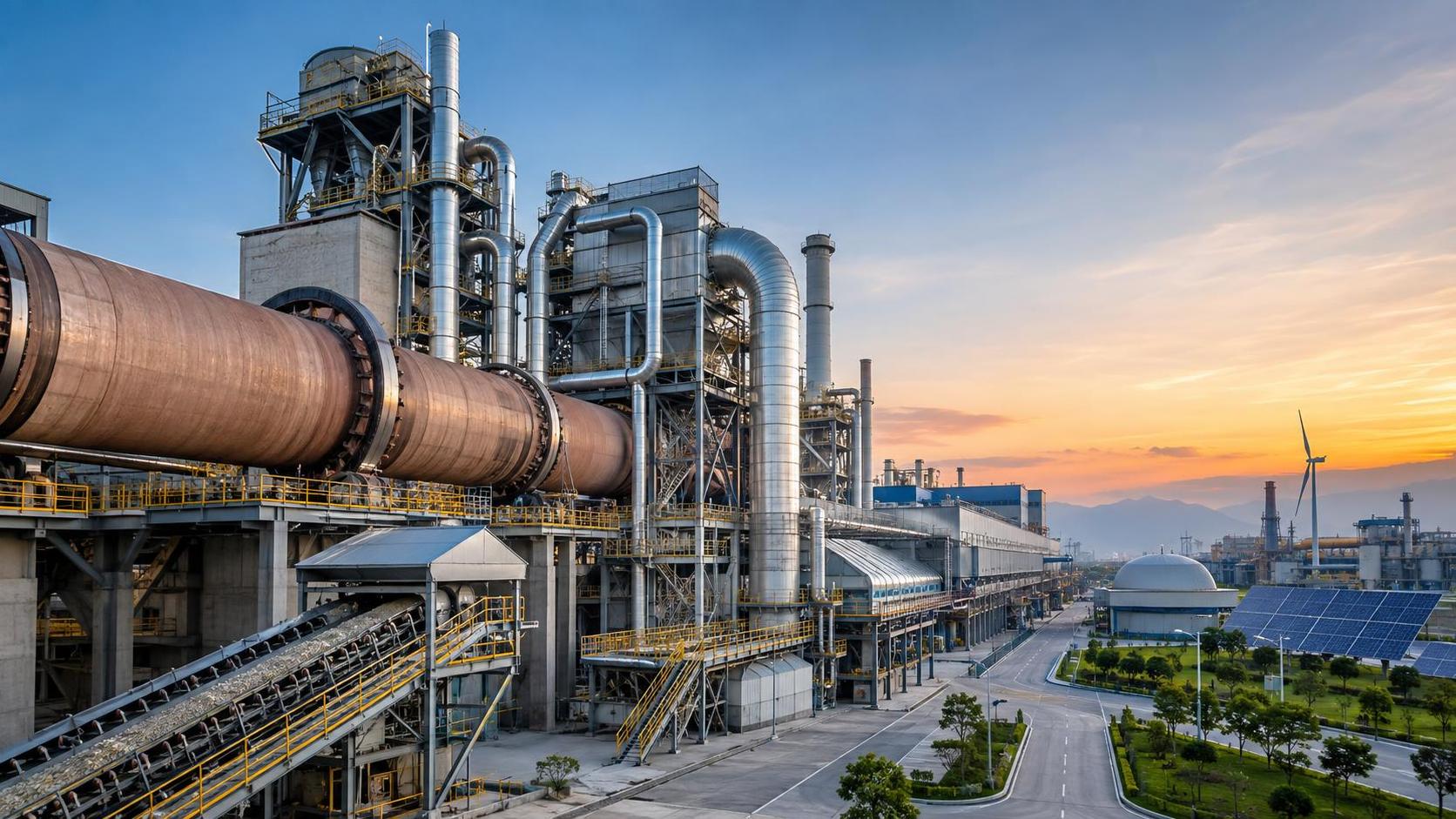
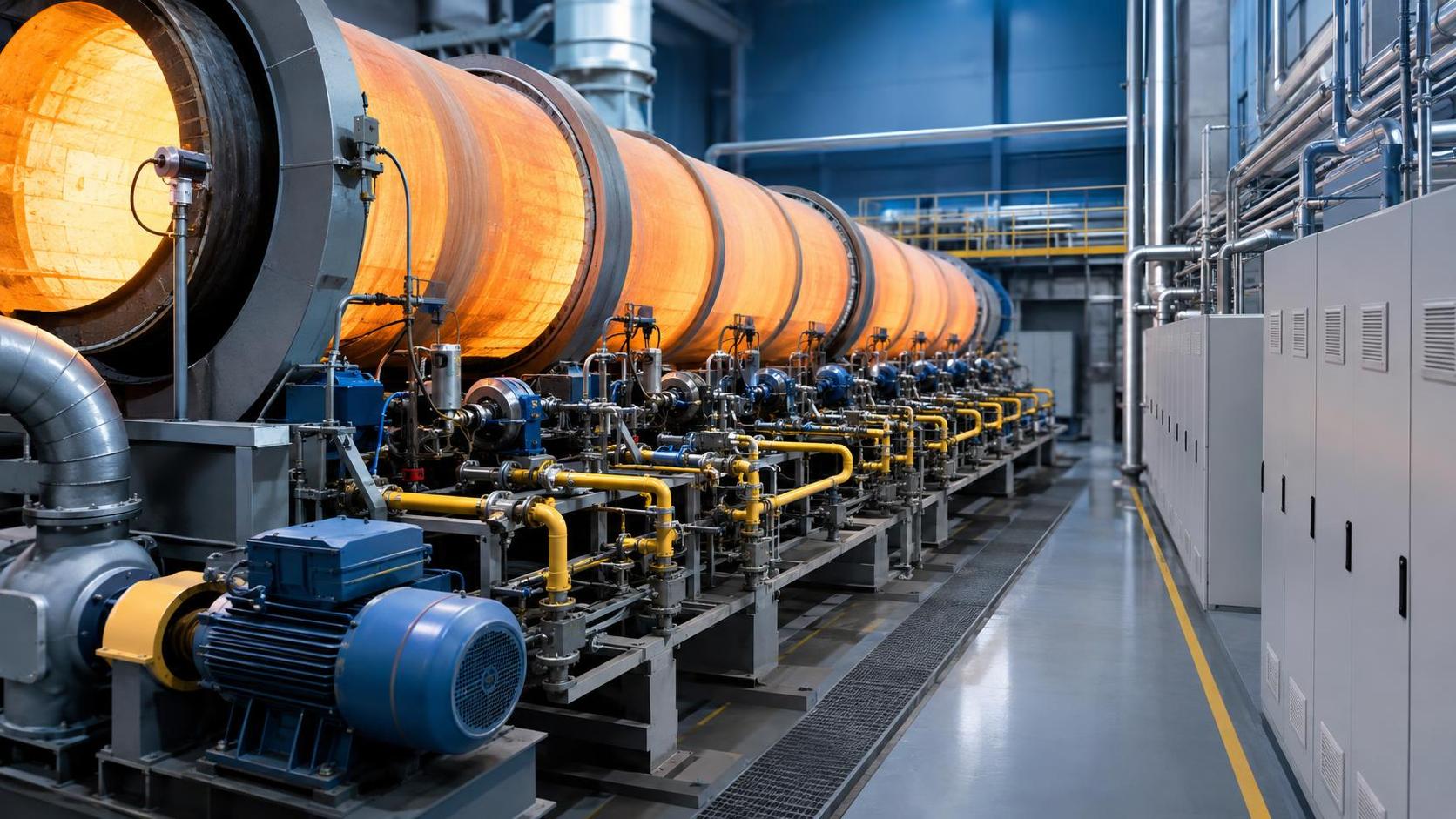
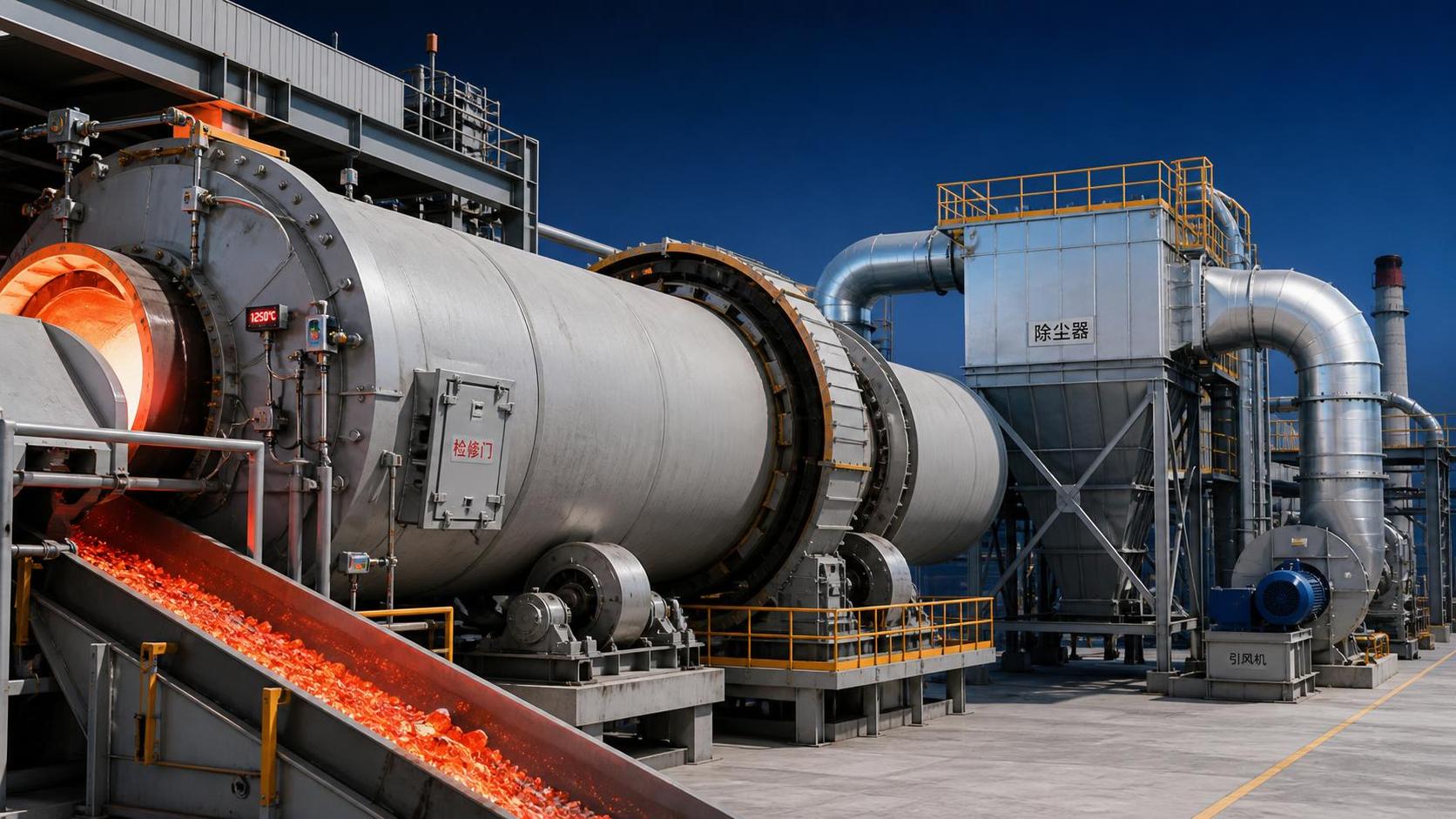
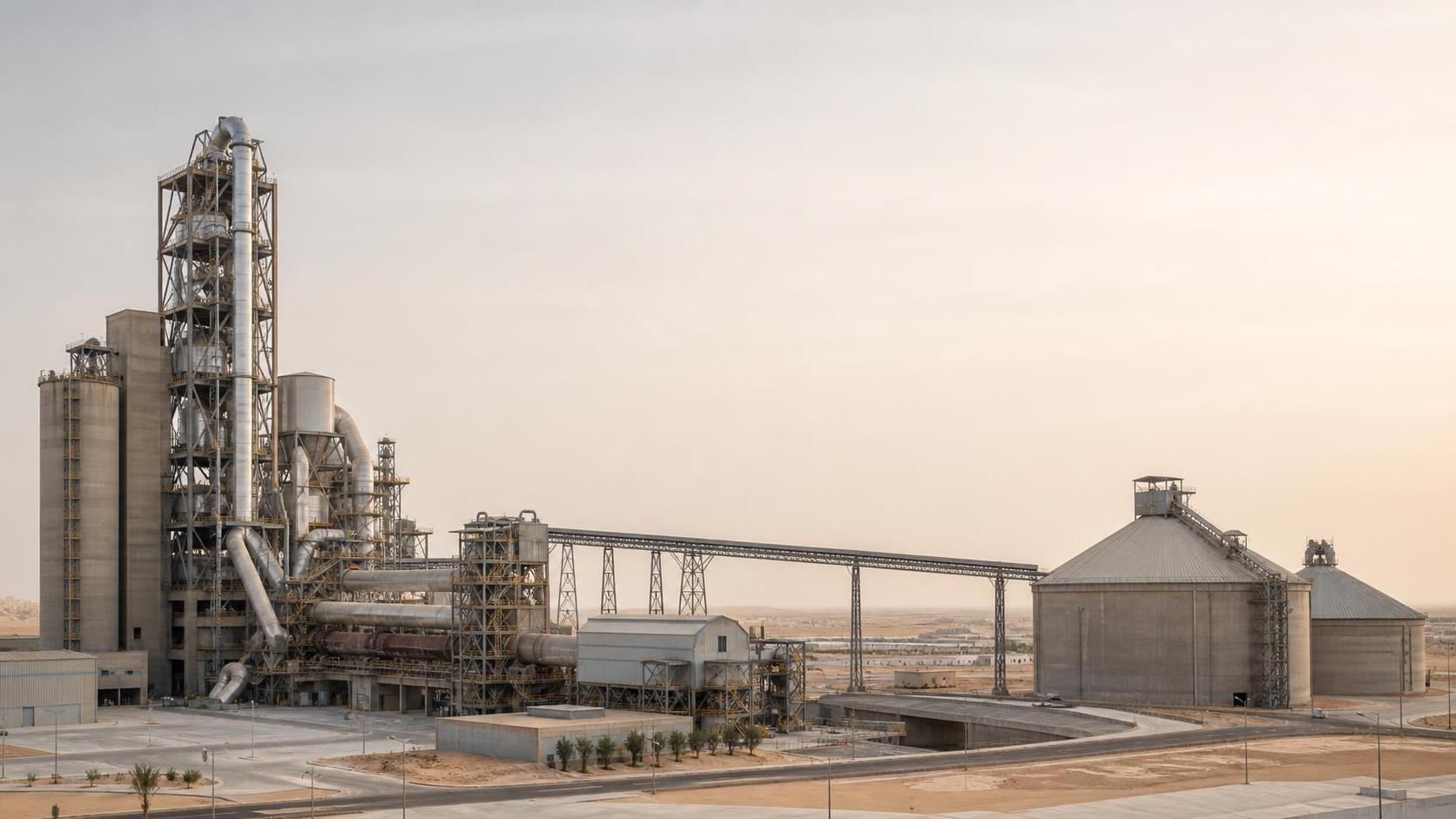
In cement plants, heat loss affects fuel consumption, clinker quality, and kiln shell protection. Thermal barrier technology can improve thermal efficiency and extend campaign life.
The strongest business case appears in large kilns with high annual operating hours. Savings accumulate through lower energy intensity and fewer unplanned refractory interventions.
Glass manufacturing and annealing operations
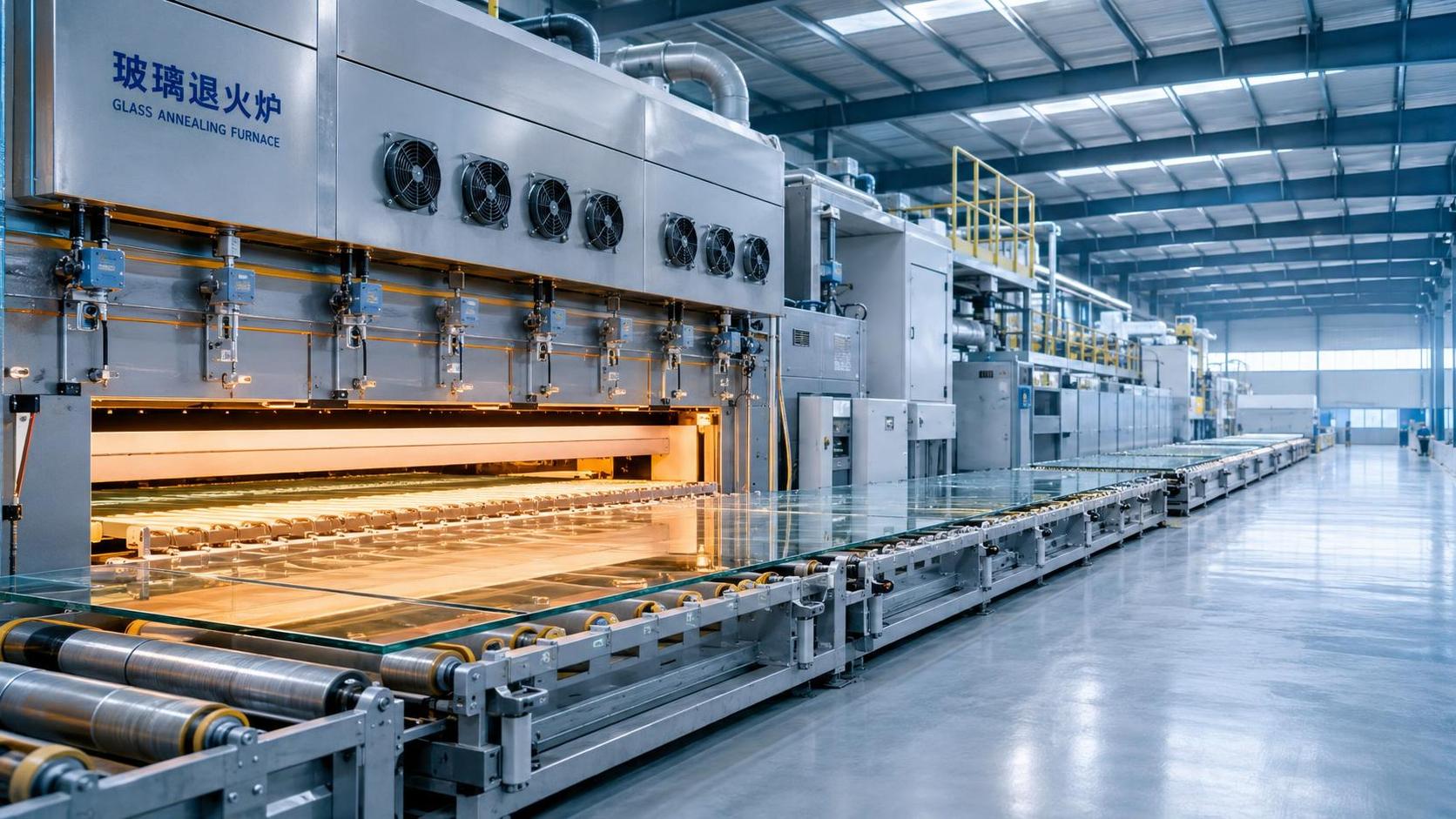
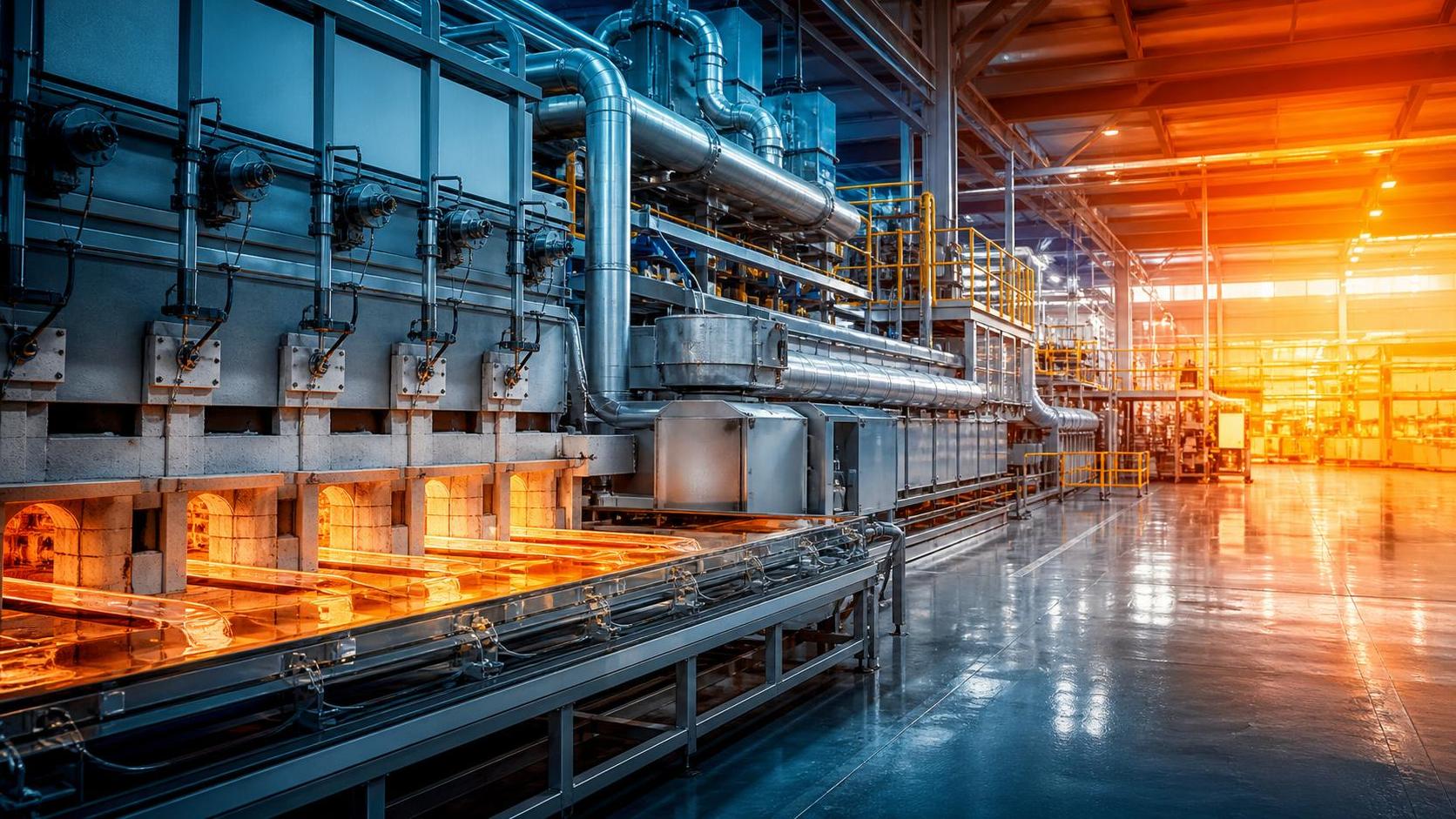
Glass production needs stable thermal profiles from melting to annealing. Thermal barrier technology helps maintain controlled heat zones and lower outer surface losses.
Its value rises when product tolerances are strict, such as PV glass or ultra-thin display glass. Better heat management can support yield and dimensional consistency.
Industrial incineration and waste-to-energy systems
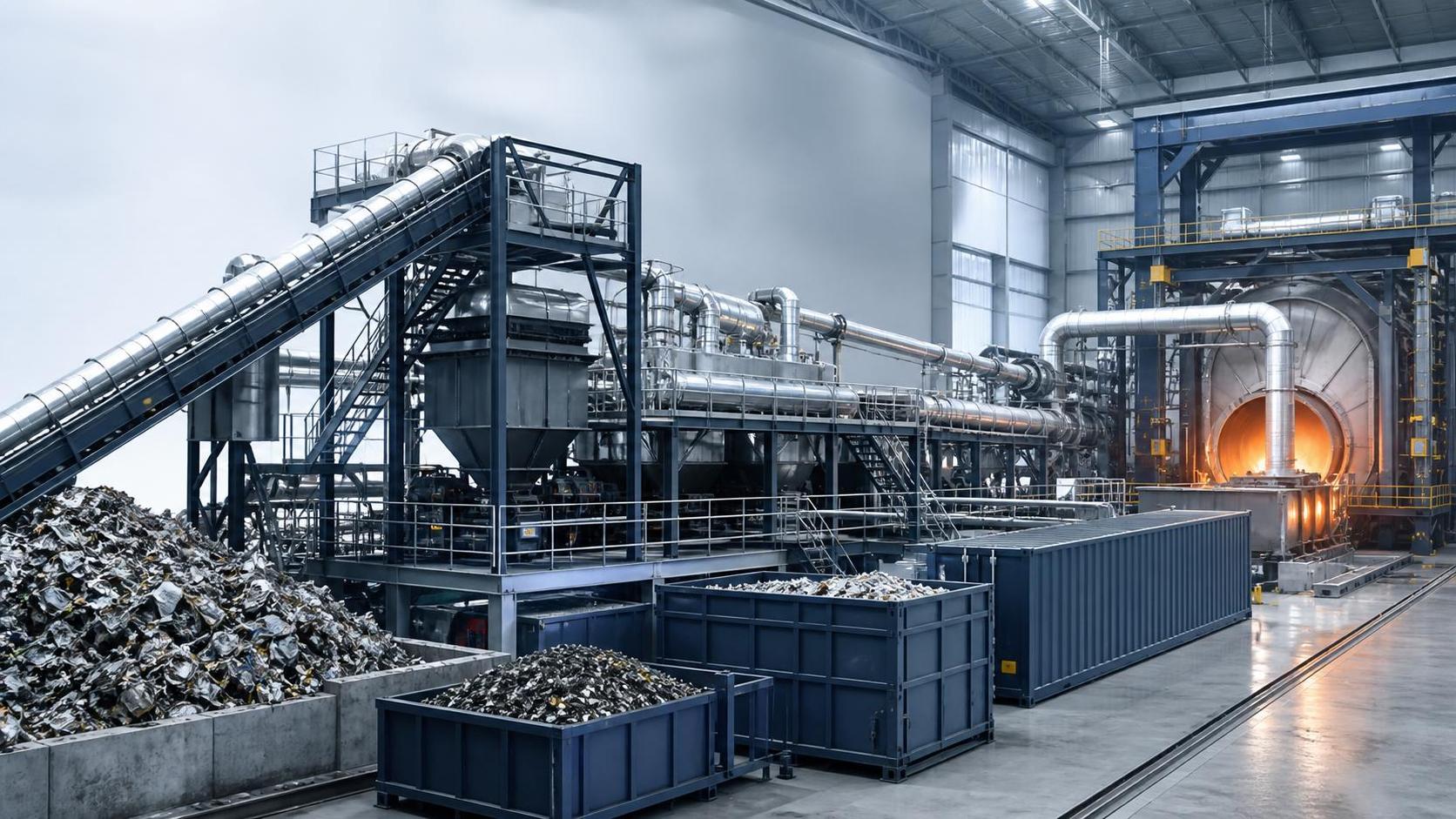
Incineration environments combine corrosive chemistry with extreme temperatures. Thermal barrier technology can protect substrates while supporting more stable combustion conditions.
The investment is often justified when shutdowns are costly or environmental permits are strict. Temperature instability can create compliance problems and maintenance spikes.
Refractory production and thermal protection lines
Facilities producing refractory materials understand the cost of thermal degradation. Applying thermal barrier technology in their own kilns can validate performance and reduce process variability.
This scenario often supports a dual benefit. It improves plant economics while strengthening technical credibility in downstream markets.
New building material extrusion and curing processes
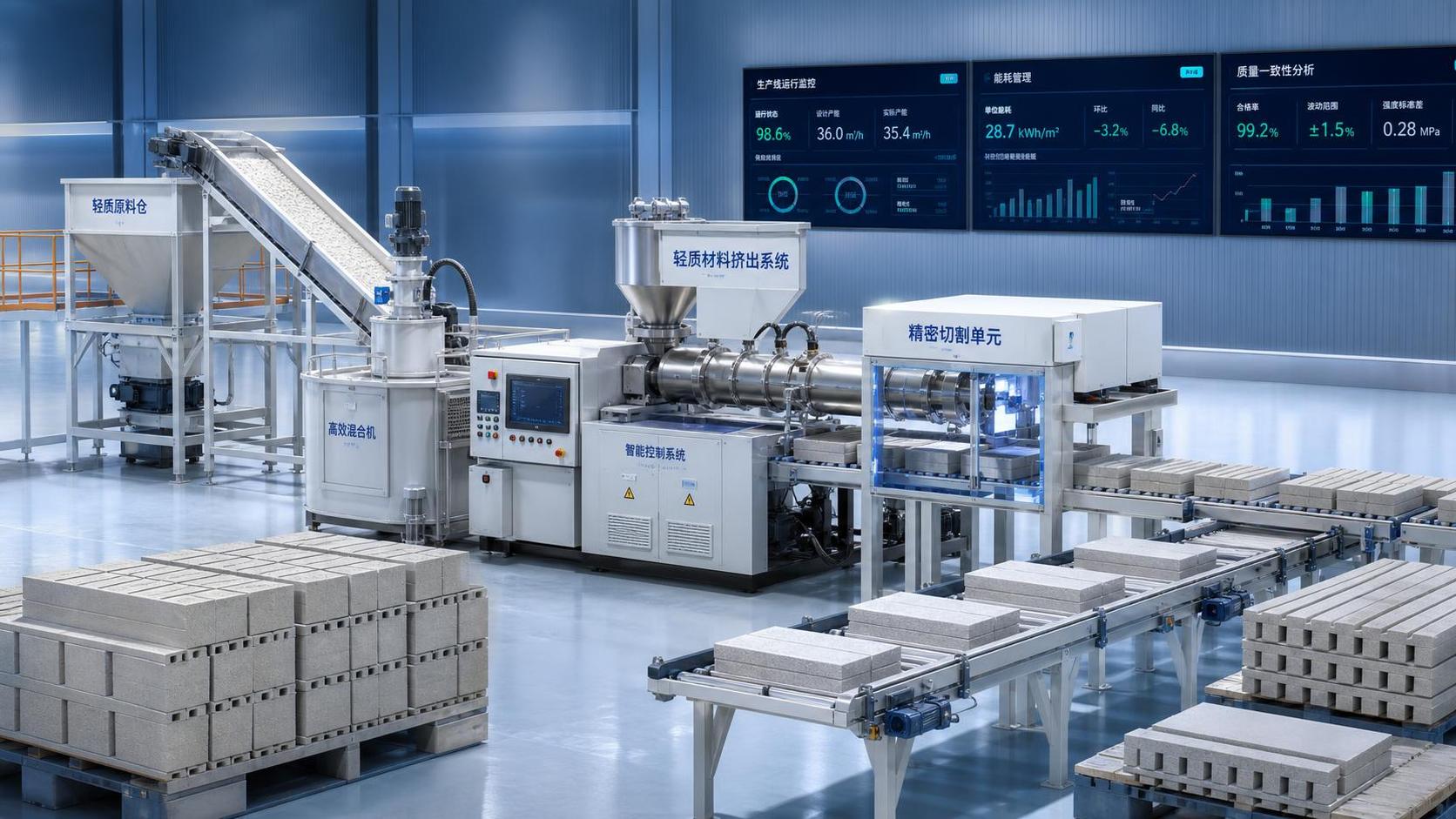
Extrusion systems for lightweight and green materials may not always operate at furnace-level temperatures. Still, localized thermal control can influence curing, density, and throughput.
In this case, thermal barrier technology is most valuable where process consistency matters more than maximum temperature. The return often comes from better output stability.
Where scenario differences change the investment logic
The same thermal barrier technology can deliver very different returns depending on process conditions, downtime economics, and quality sensitivity.
How to decide if thermal barrier technology fits your operating conditions
A sound decision starts with lifecycle thinking, not purchase price alone. The extra cost should be tested against fuel usage, maintenance frequency, and production disruption.
- Measure current heat loss, shell temperature, and energy intensity.
- Estimate maintenance intervals before and after thermal barrier technology adoption.
- Quantify the financial impact of one unplanned shutdown.
- Evaluate whether quality defects are linked to thermal instability.
- Include compliance exposure in any return-on-investment model.
The strongest candidates are assets with high utilization, expensive downtime, and visible thermal stress. Low-duty equipment may not justify the same premium specification.
Common mistakes when evaluating thermal barrier technology
One common mistake is focusing only on initial capital cost. That can hide savings from reduced fuel demand, lower maintenance, and longer service intervals.
Another mistake is applying thermal barrier technology uniformly across all assets. Different lines have different heat loads, duty cycles, and return profiles.
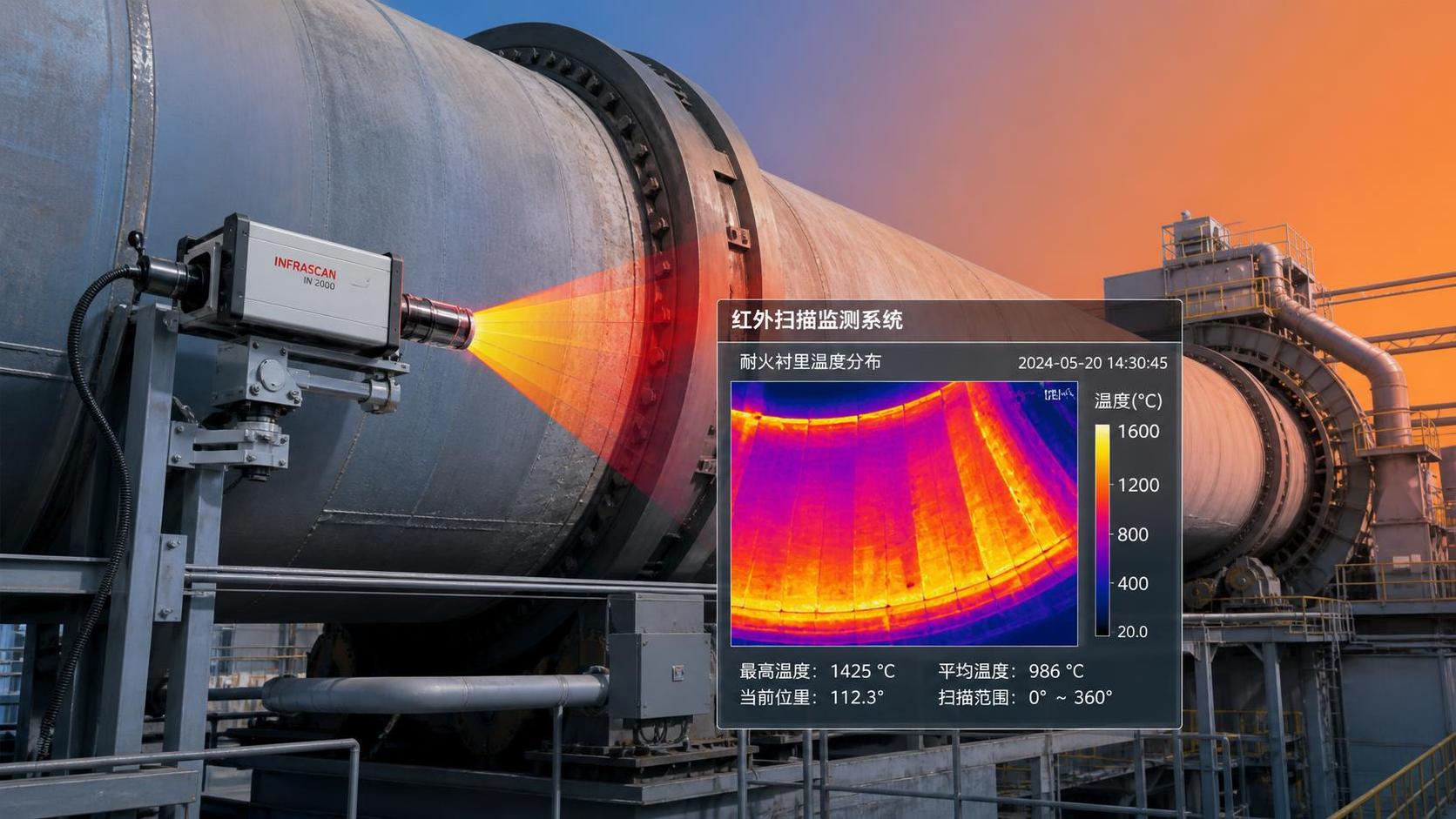
A third error is ignoring installation quality and monitoring. Even advanced thermal barrier technology underperforms if bonding, thickness control, or operating conditions are poor.
Some projects also fail by excluding carbon strategy. In many industries, better thermal management supports both operating margins and emissions reduction targets.
Is thermal barrier technology worth the extra investment in today’s industrial landscape?
In many high-temperature scenarios, yes. Thermal barrier technology is worth the extra investment when it addresses measurable heat loss, quality instability, or costly maintenance exposure.
It is especially compelling in cement, glass, incineration, refractory, and specialized extrusion environments. These sectors depend on thermal stability for economics and operational resilience.
The best approach is scenario-based evaluation. Map each asset’s temperature profile, downtime risk, and quality sensitivity before defining the upgrade scope.
For organizations tracking energy efficiency, decarbonization, and asset longevity, thermal barrier technology often moves from optional enhancement to strategic necessity.
To take the next step, build a comparison model using current energy data, maintenance records, and production loss assumptions. That converts thermal barrier technology from a concept into a defendable investment case.
Related News
 Optical Glass Tech FellowHow to Evaluate a Glass Annealing Equipment Manufacturer for Production StabilityChoose a glass annealing equipment manufacturer with proven thermal uniformity, reliable controls, lifecycle value, and responsive service for stable production.Sep 08, 2026
 Prof. Marcus ChenThermal Energy Architecture in North America: Strategies for Lower Building Energy UseThermal energy architecture North America helps project leaders cut building energy use through stronger envelopes, right-sized HVAC, storage, and smart commissioning.Sep 07, 2026
 Ms. Elena RodriguezHow Should Buyers Evaluate Building Material Industry Intelligence Pricing?Building material industry intelligence pricing: learn how to compare coverage, technical depth, and ROI to choose intelligence that reduces procurement risk.Sep 07, 2026
 Ms. Elena RodriguezHow to Use Building Material Intelligence Data for Market and Investment DecisionsBuilding material industry intelligence data helps leaders evaluate demand, costs, regulation, capacity, and technology to make smarter market and investment decisions.Sep 05, 2026
 Thermal Energy ArchitectHow PLC Control Improves Energy Efficiency and Temperature Stability in KilnsEnergy efficient kilns PLC control improves temperature stability, cuts fuel waste, and optimizes combustion, draft, and material flow. Explore proven strategies for smarter kiln modernization.Sep 04, 2026
 Optical Glass Tech FellowEuropean Glass Melting Processes: Furnace Choices, Energy Use, and Quality ControlGlass melting process Europe: explore furnace choices, energy efficiency, cullet strategy, and quality control to improve output, compliance, and long-term glass performance.Sep 03, 2026
 Thermal Energy ArchitectWhat Determines Refractory Lining Monitoring Price for Industrial Kilns?Refractory lining monitoring price depends on kiln size, sensor technology, installation, software, and support. Compare total lifecycle costs and choose the right solution.Sep 02, 2026
 Silicate Process EngineerCement Production System Costs: A Plant Buyer’s Guide to Budgeting and ROICement production systems cost planning made clear: compare CAPEX, operating costs, compliance, and ROI to build a resilient, profitable cement plant investment.Sep 01, 2026
 Dr. Alistair VaughnWhat Should a Process Technology Database Track for High-Temperature Plants?Process technology database essentials for high-temperature plants: track thermal profiles, feed chemistry, refractory wear, emissions, energy, and maintenance for safer, data-driven decisions.Aug 31, 2026
 Ms. Elena RodriguezHow to Evaluate a Silicate Processing Equipment Manufacturer for Plant ProjectsSilicate processing equipment manufacturer selection: assess process fit, guarantees, energy, compliance, delivery risk, and lifecycle support for dependable plant performance.Aug 30, 2026
 Dr. Alistair VaughnHow to Specify Custom Agricultural Processing Equipment for Throughput and HygieneEquipment customization services for agricultural processing: learn to specify hygienic, high-throughput lines that improve yield, reliability, and long-term efficiency.Aug 29, 2026
 Dr. Alistair VaughnHow to Select Process Plant Equipment for High-Temperature, Abrasive Production LinesProcess plant equipment selection for high-temperature, abrasive lines: reduce downtime, improve durability, and optimize lifecycle performance.Aug 28, 2026
 Silicate Process EngineerHow Kiln Heat Recovery Systems Cut Fuel Use in Cement and Lime ProductionKiln heat recovery helps cement and lime plants cut fuel use, improve thermal stability, and build practical, reliable decarbonization strategies.Aug 27, 2026
 Ms. Elena RodriguezProcess Equipment Comparison: Which Metrics Matter Most for Reliable Selection?Process equipment comparison made practical: discover which metrics truly drive reliable selection, from energy efficiency and control stability to wear life, maintainability, and uptime.Aug 26, 2026
 Ms. Elena RodriguezWhat Buyers Should Check Before Sourcing Precision Alloy Bars for Critical PartsPrecision Alloy Bars buyers should verify grade, chemistry, tolerances, surface quality, traceability, and lead time before sourcing for critical parts. Learn what prevents costly machining and reliability risks.Aug 27, 2026
 Ms. Elena RodriguezHow to Evaluate Thermal Management Solutions Insulation for High-Heat Industrial SystemsThermal management solutions insulation: learn how to assess high-heat industrial systems by thermal performance, durability, lifecycle cost, and supplier data for smarter decisions.Aug 25, 2026
 Ms. Elena RodriguezWhat Drives Waste Recycling Cost in Industrial Projects and How to Estimate It?Waste recycling cost in industrial projects depends on composition, moisture, transport, pre-treatment, and compliance. Learn how to estimate it accurately and compare suppliers with confidence.Aug 24, 2026
 Silicate Process EngineerHow to Evaluate Cement Production Plants in the Middle East for Capacity, Fuel Flexibility, and ROIcement production plants Middle East: Learn how to assess true capacity, fuel flexibility, and ROI risks to identify resilient assets and smarter investment opportunities.Aug 23, 2026
 Structural Material AnalystHow to Evaluate Lightweight Material Machinery for Output, Energy Use, and Product QualityLightweight material machinery evaluation guide: compare stable output, energy use, and product quality to choose equipment that cuts waste, lowers costs, and improves production confidence.Aug 22, 2026
 Material Heat-Resist ExpertWhat Determines Refractory Production Line Price in a Turnkey Plant Project?Refractory production line price depends on raw materials, forming method, kiln and drying design, automation, utilities, and scope. Learn what really drives turnkey plant cost before you invest.Aug 21, 2026
Related News
- 00
0000-00
How Should Buyers Evaluate Building Material Industry Intelligence Pricing? - 00
0000-00
How to Use Building Material Intelligence Data for Market and Investment Decisions - 00
0000-00
How to Evaluate a Silicate Processing Equipment Manufacturer for Plant Projects - 00
0000-00
Process Equipment Comparison: Which Metrics Matter Most for Reliable Selection? - 00
0000-00
What Buyers Should Check Before Sourcing Precision Alloy Bars for Critical Parts
Weekly Insights
Stay ahead with our curated technology reports delivered every Monday.