
What global building material intelligence reveals about demand




For business evaluators tracking industrial opportunity, global building material intelligence offers a sharper view of where demand is forming, why capacity is shifting, and how regulation is reshaping investment priorities.
From cement and glass to kilns, refractories, and extrusion systems, this intelligence supports clearer market screening, better timing, and stronger confidence in capital-heavy decisions.
It also explains how energy efficiency, carbon targets, and industrial modernization are changing equipment demand across multiple regions at once.
What does global building material intelligence actually reveal about demand?
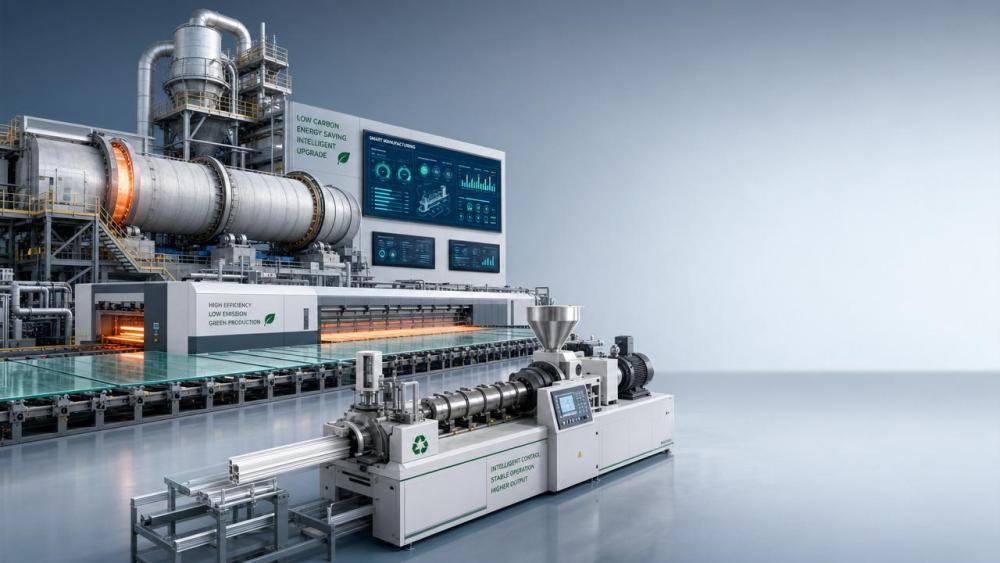
At its core, global building material intelligence turns fragmented signals into a decision framework for industrial markets.
It combines project pipelines, trade flows, regulation updates, energy prices, technology adoption, and construction cycles into one readable picture.
That picture matters because demand rarely appears as a single number. It forms through linked changes in policy, cost, logistics, and technical standards.
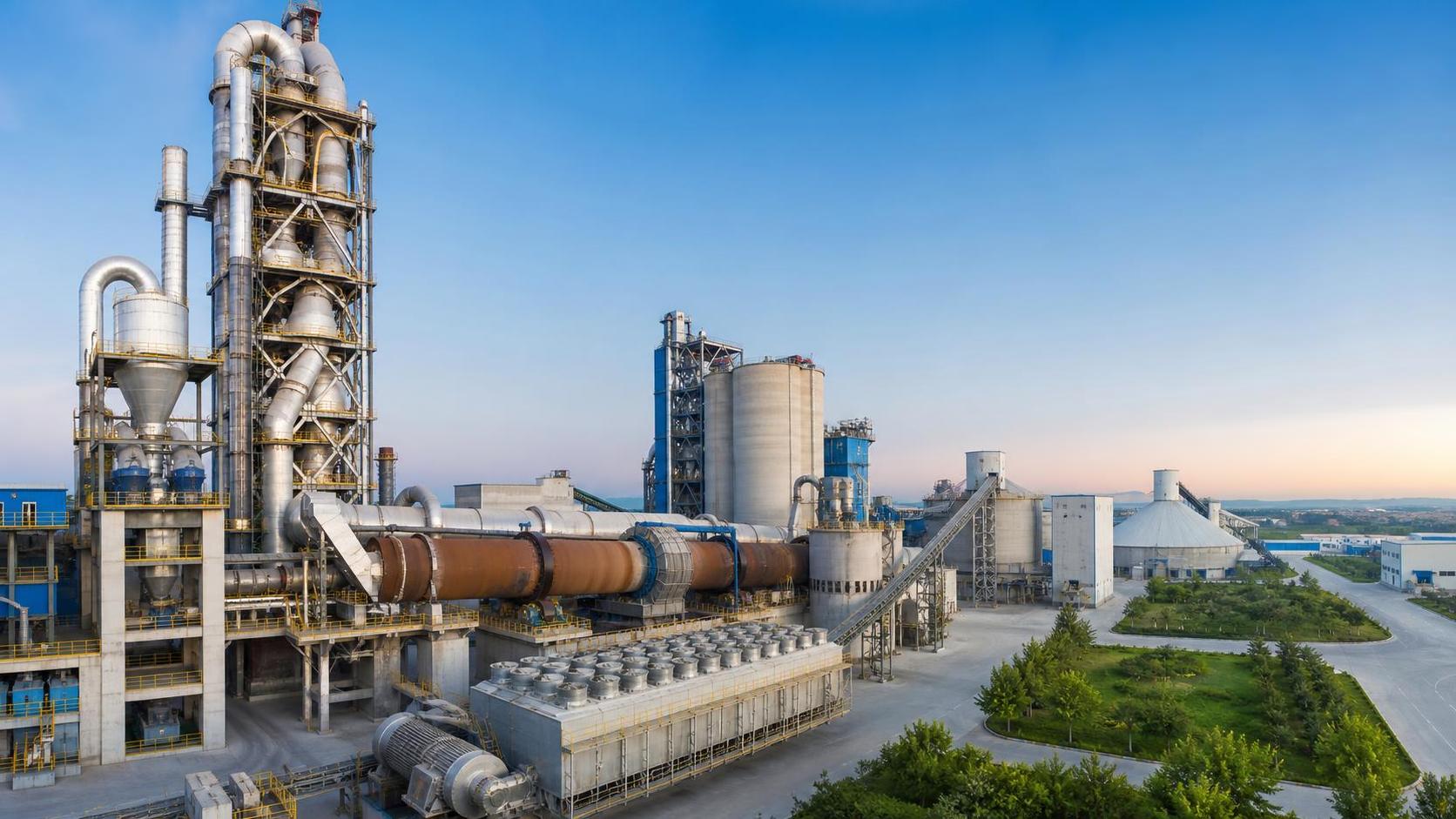
For cement, demand may rise from infrastructure spending, but equipment upgrades often come from emission pressure and fuel substitution needs.
For glass, construction recovery helps, yet higher-value demand may come from photovoltaic expansion, electronics, and precision thermal control requirements.
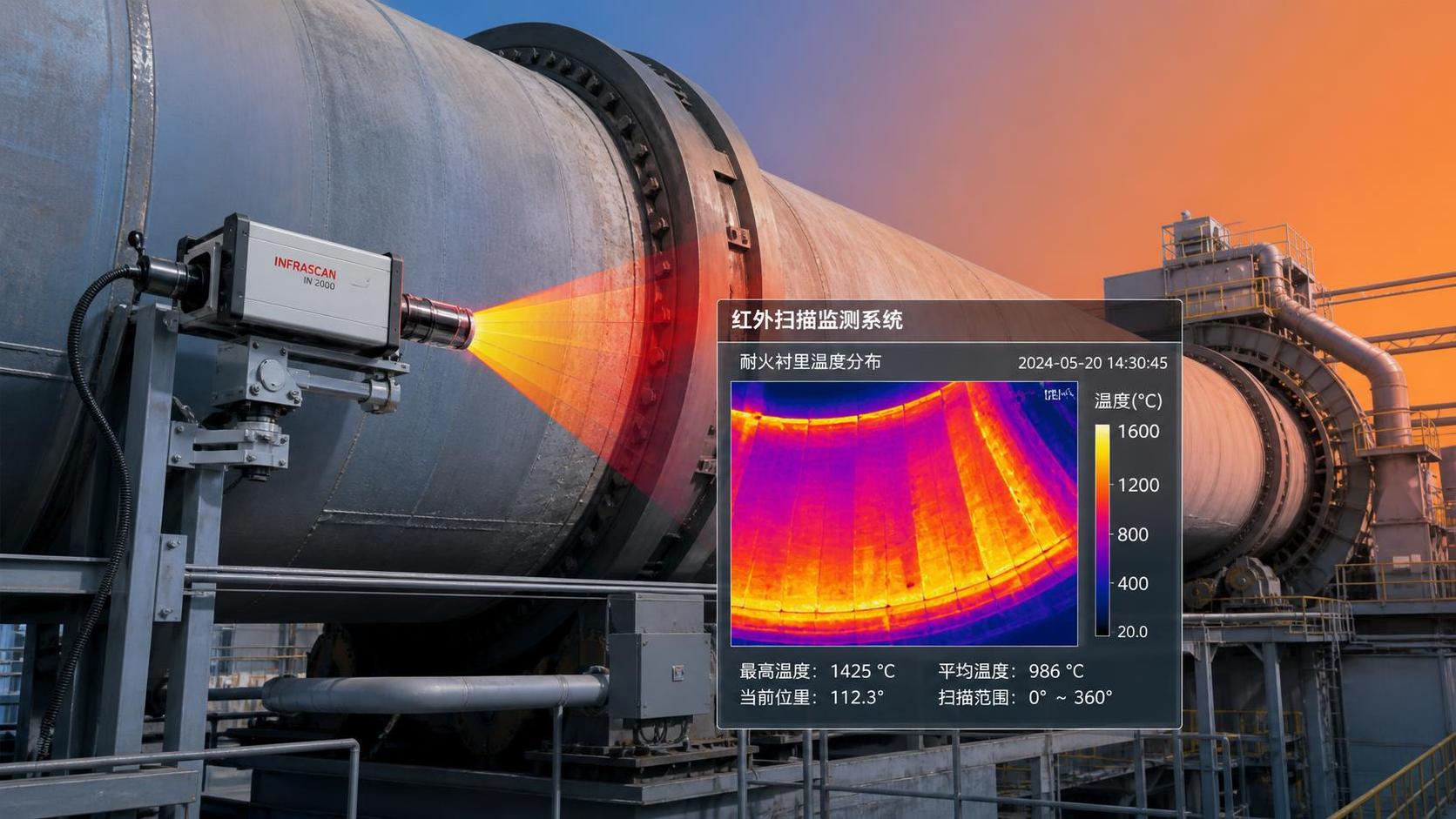
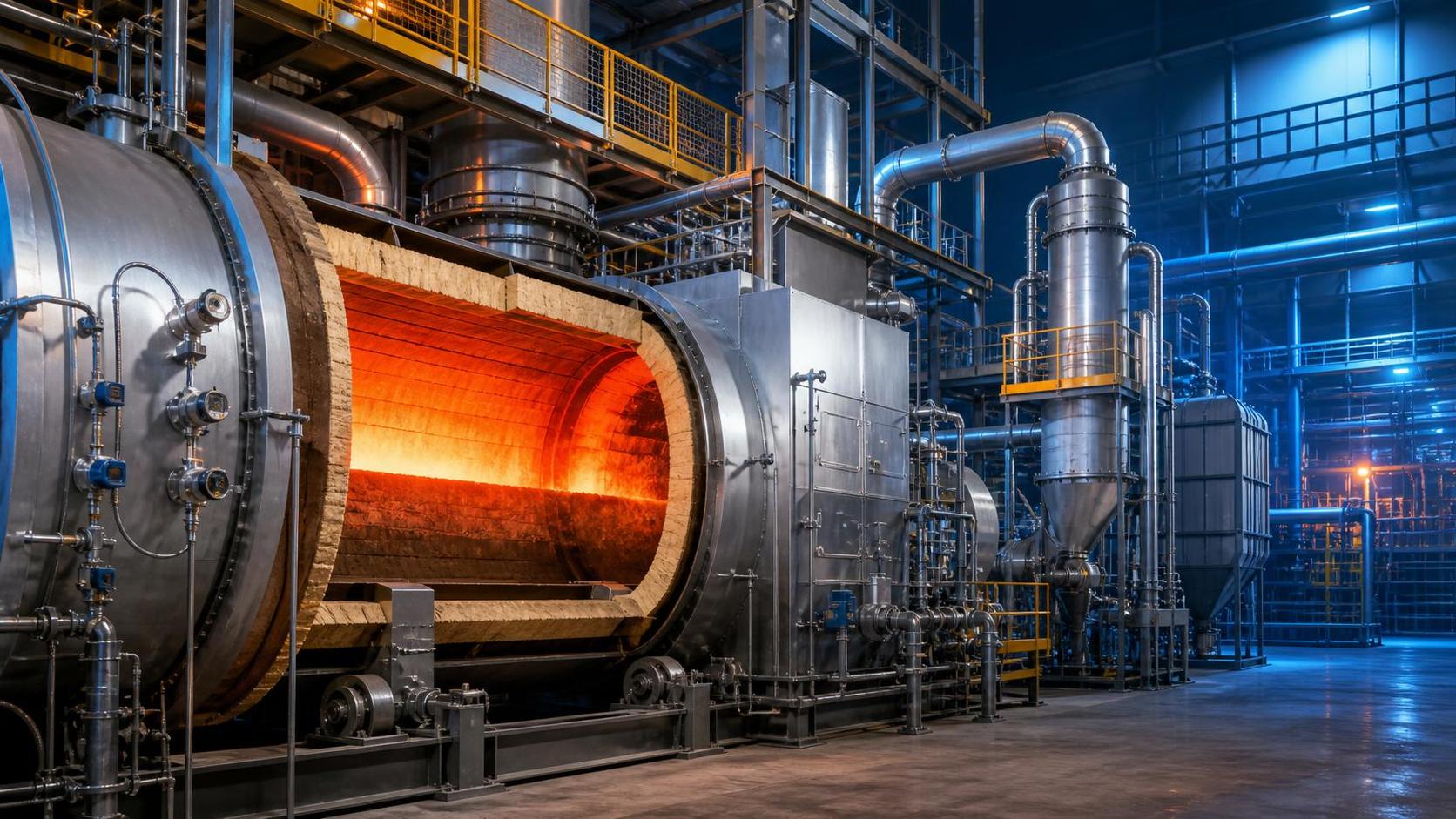
For refractories and kilns, replacement demand can increase even in slow markets because durability, thermal efficiency, and uptime become more valuable.
This is why global building material intelligence is more than market news. It shows where basic volume is growing and where premium capability is needed.
Platforms like CF-Elite focus on these deeper layers by linking thermal processes, material behavior, and regional policy changes.
Why is demand shifting across cement, glass, kilns, and extrusion systems?
Demand is shifting because the market no longer rewards scale alone. It increasingly rewards efficient, flexible, and lower-carbon production capability.
Several forces explain this movement.
- Urban renewal is replacing some greenfield construction with retrofit-driven materials demand.
- Environmental compliance is pushing upgrades in combustion, filtration, heat recovery, and monitoring systems.
- Energy volatility makes thermal efficiency a direct source of competitiveness.
- Green building standards are favoring lightweight, durable, and lower-emission material solutions.
- Digital process control is increasing demand for smarter lines, not only larger lines.
In practical terms, this means some regions buy capacity, while others buy modernization.
A developing market may prioritize new cement production plants and basic kiln infrastructure.
A mature market may focus on co-processing systems, refractory monitoring, or glass line optimization instead.
Global building material intelligence helps separate these patterns. Without that separation, demand can appear larger or simpler than it really is.
CF-Elite’s coverage of silicate production lines, industrial incineration, and specialized extrusion equipment is especially useful here.
It highlights how process engineering and commercial timing now influence each other across the heavy industrial chain.
How can global building material intelligence identify high-value markets instead of only high-volume markets?
High-volume demand is visible. High-value demand is often hidden inside technical requirements, compliance deadlines, and lifecycle cost pressure.
That is where global building material intelligence becomes most valuable.
A market can have moderate construction growth yet produce strong demand for premium kilns, advanced burners, digital twins, or specialized refractory systems.
A second market may show impressive building expansion but remain highly price-driven with limited margin for advanced equipment.
To tell the difference, review five indicators together.
- Carbon policy intensity and implementation speed.
- Industrial electricity and fuel cost trends.
- Average plant age and modernization backlog.
- Demand for precision or specialty output grades.
- Access to financing for process upgrades.
When these indicators align, value-led demand usually follows.
For example, rising waste-to-energy regulation can create demand for industrial incineration systems with stronger thermal control and emissions performance.
Likewise, stricter glass quality requirements can support investment in better annealing logic, furnace stability, and online monitoring.
Global building material intelligence turns these technical pressures into commercial signals before demand becomes obvious to the broader market.
Which risks and common mistakes distort demand interpretation?
The first mistake is treating announced projects as confirmed demand.
Many projects move slowly, change scope, or pause under financing, land, fuel, or permit constraints.
The second mistake is focusing only on macro construction growth.
Construction growth does matter, but equipment demand often follows replacement cycles, emissions rules, and process efficiency gaps more directly.
The third mistake is ignoring technical fit.
A market may need new lines, yet local fuel quality, raw material variability, or emissions thresholds may favor very specific equipment configurations.
The fourth mistake is assuming all decarbonization drives immediate investment.
Some regions set ambitious goals but delay implementation. Others move quickly through tax, permit, or financing rules.
The fifth mistake is underestimating service and monitoring demand.
Not all opportunity sits in full production lines. Sensors, refractory diagnostics, digital simulation, and combustion optimization can carry strong value.
How should market decisions be evaluated using global building material intelligence?
A practical method is to score opportunity through four connected lenses: demand quality, technical fit, regulatory momentum, and execution feasibility.
1. Demand quality
Ask whether demand is short-term volume, cyclical replacement, or structural transition demand tied to regulation and efficiency.
2. Technical fit
Match market needs with process realities such as combustion conditions, raw material behavior, refractory wear, and automation maturity.
3. Regulatory momentum
Measure not only stated carbon goals, but also enforcement mechanisms, reporting obligations, and industrial subsidy design.
4. Execution feasibility
Consider logistics, financing, local service support, installation windows, and project approval speed.
Global building material intelligence becomes most actionable when it is filtered through this framework.
That approach helps explain why CF-Elite emphasizes strategic intelligence, not isolated headlines.
Its focus on rotary kilns, glass lines, refractory systems, incineration, and extrusion reflects how industrial decisions are increasingly interconnected.
What does this mean for the next stage of industrial opportunity?
The next stage will likely reward precision over breadth.
The strongest opportunities may not come from the biggest markets, but from markets with urgent efficiency gaps and clear transition pressure.
In those conditions, global building material intelligence reveals where advanced equipment, smarter monitoring, and thermal optimization create measurable value.
It also shows where low-carbon narratives are supported by real project movement, and where they remain mostly aspirational.
For sectors tied to foundation materials and thermal management, that distinction is critical.
The best next step is to build a market watchlist based on policy deadlines, plant age, energy stress, and process upgrade needs.
Then compare those signals against segment-specific demand in cement, glass, industrial kilns, refractories, and new material extrusion.
Used well, global building material intelligence does not just describe demand. It helps anticipate where industrial value will concentrate next.
That is the space where CF-Elite adds strategic clarity through high-authority insight on energy efficiency, decarbonization, and process-driven market evolution.
Related News
 Optical Glass Tech FellowHow to Evaluate a Glass Annealing Equipment Manufacturer for Production StabilityChoose a glass annealing equipment manufacturer with proven thermal uniformity, reliable controls, lifecycle value, and responsive service for stable production.Sep 08, 2026
 Prof. Marcus ChenThermal Energy Architecture in North America: Strategies for Lower Building Energy UseThermal energy architecture North America helps project leaders cut building energy use through stronger envelopes, right-sized HVAC, storage, and smart commissioning.Sep 07, 2026
 Ms. Elena RodriguezHow Should Buyers Evaluate Building Material Industry Intelligence Pricing?Building material industry intelligence pricing: learn how to compare coverage, technical depth, and ROI to choose intelligence that reduces procurement risk.Sep 07, 2026
 Ms. Elena RodriguezHow to Use Building Material Intelligence Data for Market and Investment DecisionsBuilding material industry intelligence data helps leaders evaluate demand, costs, regulation, capacity, and technology to make smarter market and investment decisions.Sep 05, 2026
 Thermal Energy ArchitectHow PLC Control Improves Energy Efficiency and Temperature Stability in KilnsEnergy efficient kilns PLC control improves temperature stability, cuts fuel waste, and optimizes combustion, draft, and material flow. Explore proven strategies for smarter kiln modernization.Sep 04, 2026
 Optical Glass Tech FellowEuropean Glass Melting Processes: Furnace Choices, Energy Use, and Quality ControlGlass melting process Europe: explore furnace choices, energy efficiency, cullet strategy, and quality control to improve output, compliance, and long-term glass performance.Sep 03, 2026
 Thermal Energy ArchitectWhat Determines Refractory Lining Monitoring Price for Industrial Kilns?Refractory lining monitoring price depends on kiln size, sensor technology, installation, software, and support. Compare total lifecycle costs and choose the right solution.Sep 02, 2026
 Silicate Process EngineerCement Production System Costs: A Plant Buyer’s Guide to Budgeting and ROICement production systems cost planning made clear: compare CAPEX, operating costs, compliance, and ROI to build a resilient, profitable cement plant investment.Sep 01, 2026
 Dr. Alistair VaughnWhat Should a Process Technology Database Track for High-Temperature Plants?Process technology database essentials for high-temperature plants: track thermal profiles, feed chemistry, refractory wear, emissions, energy, and maintenance for safer, data-driven decisions.Aug 31, 2026
 Ms. Elena RodriguezHow to Evaluate a Silicate Processing Equipment Manufacturer for Plant ProjectsSilicate processing equipment manufacturer selection: assess process fit, guarantees, energy, compliance, delivery risk, and lifecycle support for dependable plant performance.Aug 30, 2026
 Dr. Alistair VaughnHow to Specify Custom Agricultural Processing Equipment for Throughput and HygieneEquipment customization services for agricultural processing: learn to specify hygienic, high-throughput lines that improve yield, reliability, and long-term efficiency.Aug 29, 2026
 Dr. Alistair VaughnHow to Select Process Plant Equipment for High-Temperature, Abrasive Production LinesProcess plant equipment selection for high-temperature, abrasive lines: reduce downtime, improve durability, and optimize lifecycle performance.Aug 28, 2026
 Silicate Process EngineerHow Kiln Heat Recovery Systems Cut Fuel Use in Cement and Lime ProductionKiln heat recovery helps cement and lime plants cut fuel use, improve thermal stability, and build practical, reliable decarbonization strategies.Aug 27, 2026
 Ms. Elena RodriguezProcess Equipment Comparison: Which Metrics Matter Most for Reliable Selection?Process equipment comparison made practical: discover which metrics truly drive reliable selection, from energy efficiency and control stability to wear life, maintainability, and uptime.Aug 26, 2026
 Ms. Elena RodriguezWhat Buyers Should Check Before Sourcing Precision Alloy Bars for Critical PartsPrecision Alloy Bars buyers should verify grade, chemistry, tolerances, surface quality, traceability, and lead time before sourcing for critical parts. Learn what prevents costly machining and reliability risks.Aug 27, 2026
 Ms. Elena RodriguezHow to Evaluate Thermal Management Solutions Insulation for High-Heat Industrial SystemsThermal management solutions insulation: learn how to assess high-heat industrial systems by thermal performance, durability, lifecycle cost, and supplier data for smarter decisions.Aug 25, 2026
 Ms. Elena RodriguezWhat Drives Waste Recycling Cost in Industrial Projects and How to Estimate It?Waste recycling cost in industrial projects depends on composition, moisture, transport, pre-treatment, and compliance. Learn how to estimate it accurately and compare suppliers with confidence.Aug 24, 2026
 Silicate Process EngineerHow to Evaluate Cement Production Plants in the Middle East for Capacity, Fuel Flexibility, and ROIcement production plants Middle East: Learn how to assess true capacity, fuel flexibility, and ROI risks to identify resilient assets and smarter investment opportunities.Aug 23, 2026
 Structural Material AnalystHow to Evaluate Lightweight Material Machinery for Output, Energy Use, and Product QualityLightweight material machinery evaluation guide: compare stable output, energy use, and product quality to choose equipment that cuts waste, lowers costs, and improves production confidence.Aug 22, 2026
 Material Heat-Resist ExpertWhat Determines Refractory Production Line Price in a Turnkey Plant Project?Refractory production line price depends on raw materials, forming method, kiln and drying design, automation, utilities, and scope. Learn what really drives turnkey plant cost before you invest.Aug 21, 2026








Related News
- 00
0000-00
How Should Buyers Evaluate Building Material Industry Intelligence Pricing? - 00
0000-00
How to Use Building Material Intelligence Data for Market and Investment Decisions - 00
0000-00
How to Evaluate a Silicate Processing Equipment Manufacturer for Plant Projects - 00
0000-00
Process Equipment Comparison: Which Metrics Matter Most for Reliable Selection? - 00
0000-00
What Buyers Should Check Before Sourcing Precision Alloy Bars for Critical Parts
Weekly Insights
Stay ahead with our curated technology reports delivered every Monday.