
How silicate industrial solutions cut energy loss in plants




In energy-intensive plants, even small thermal inefficiencies can raise costs, disrupt throughput, and slow decarbonization progress.
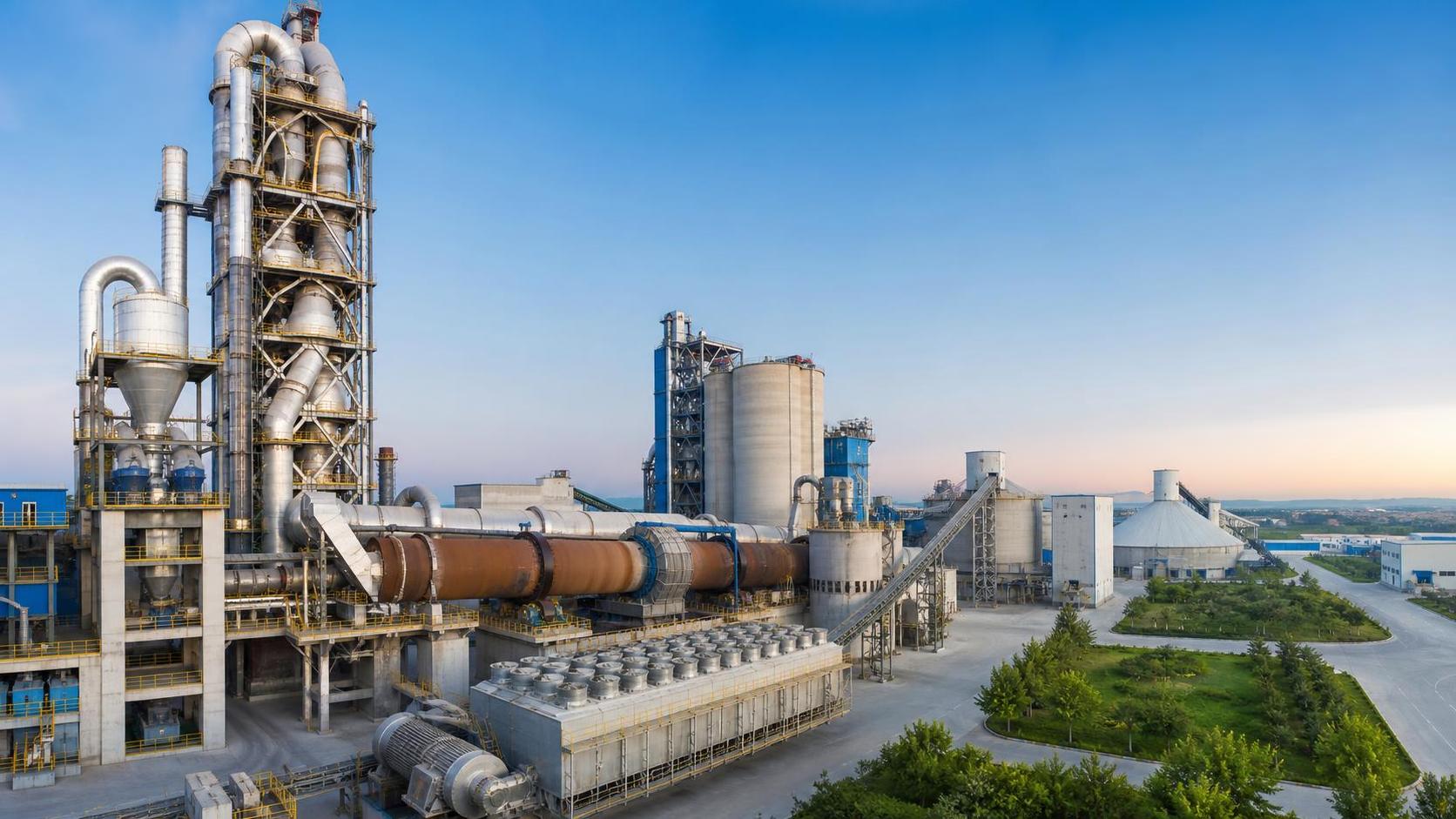
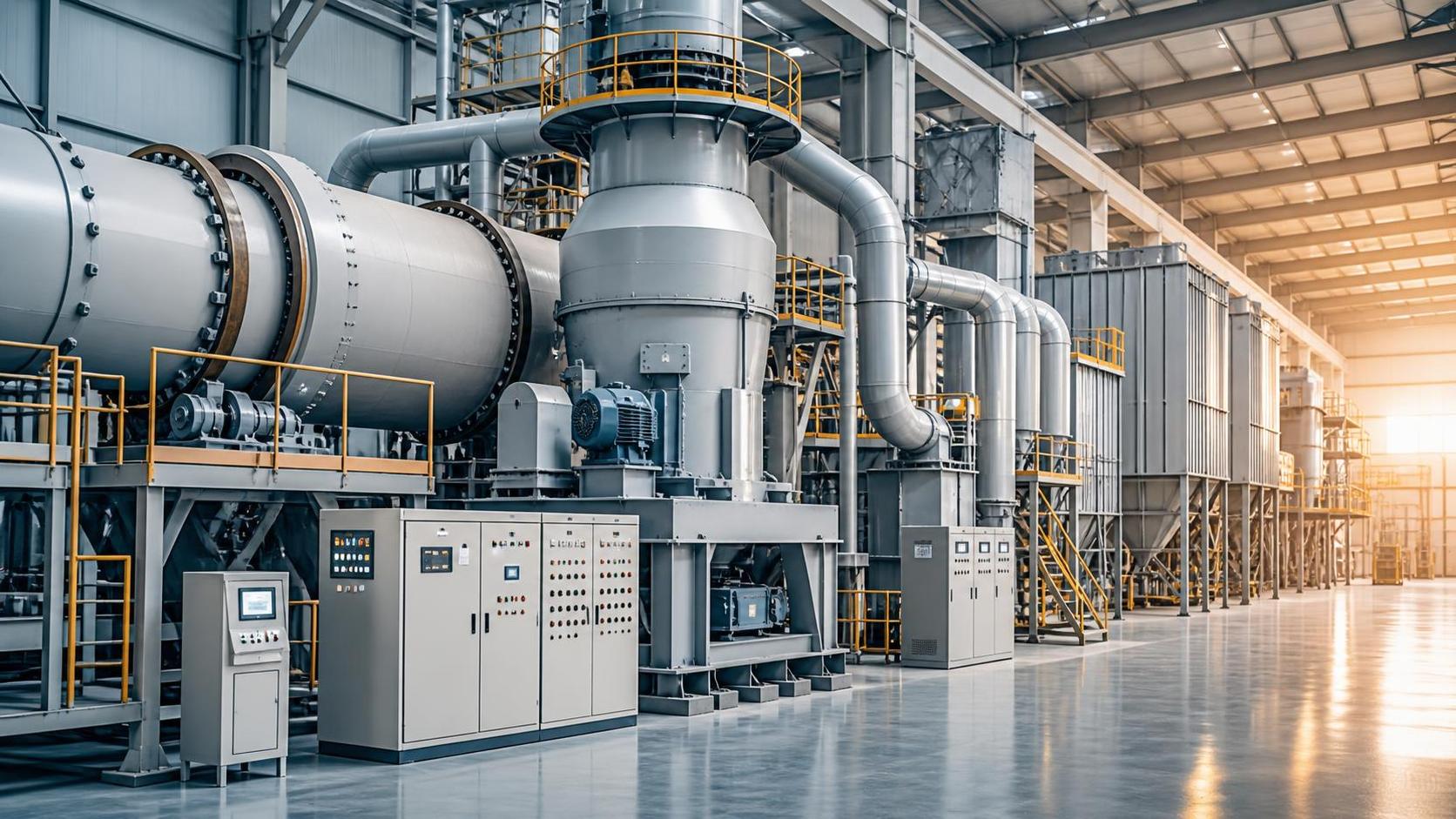
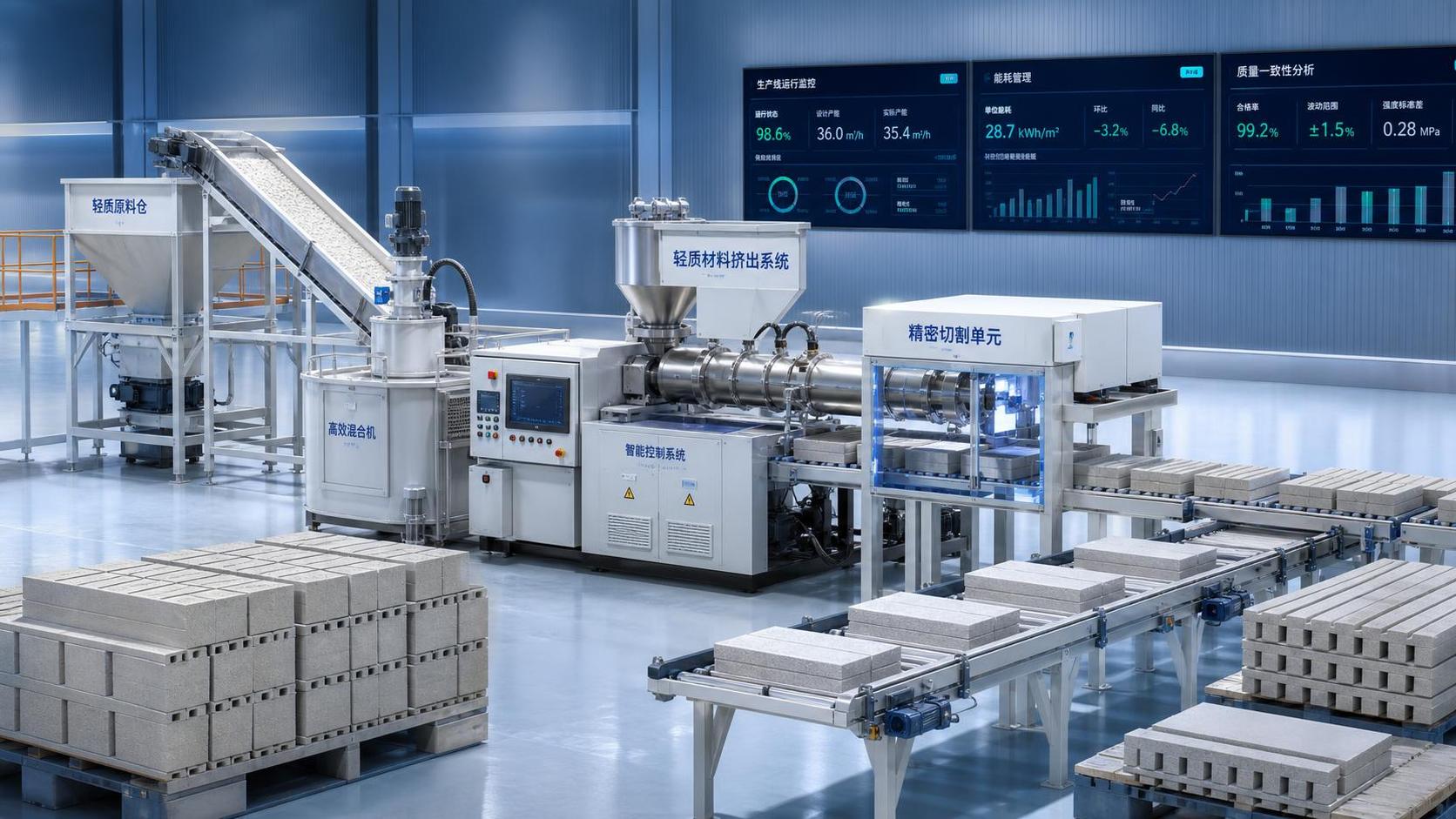
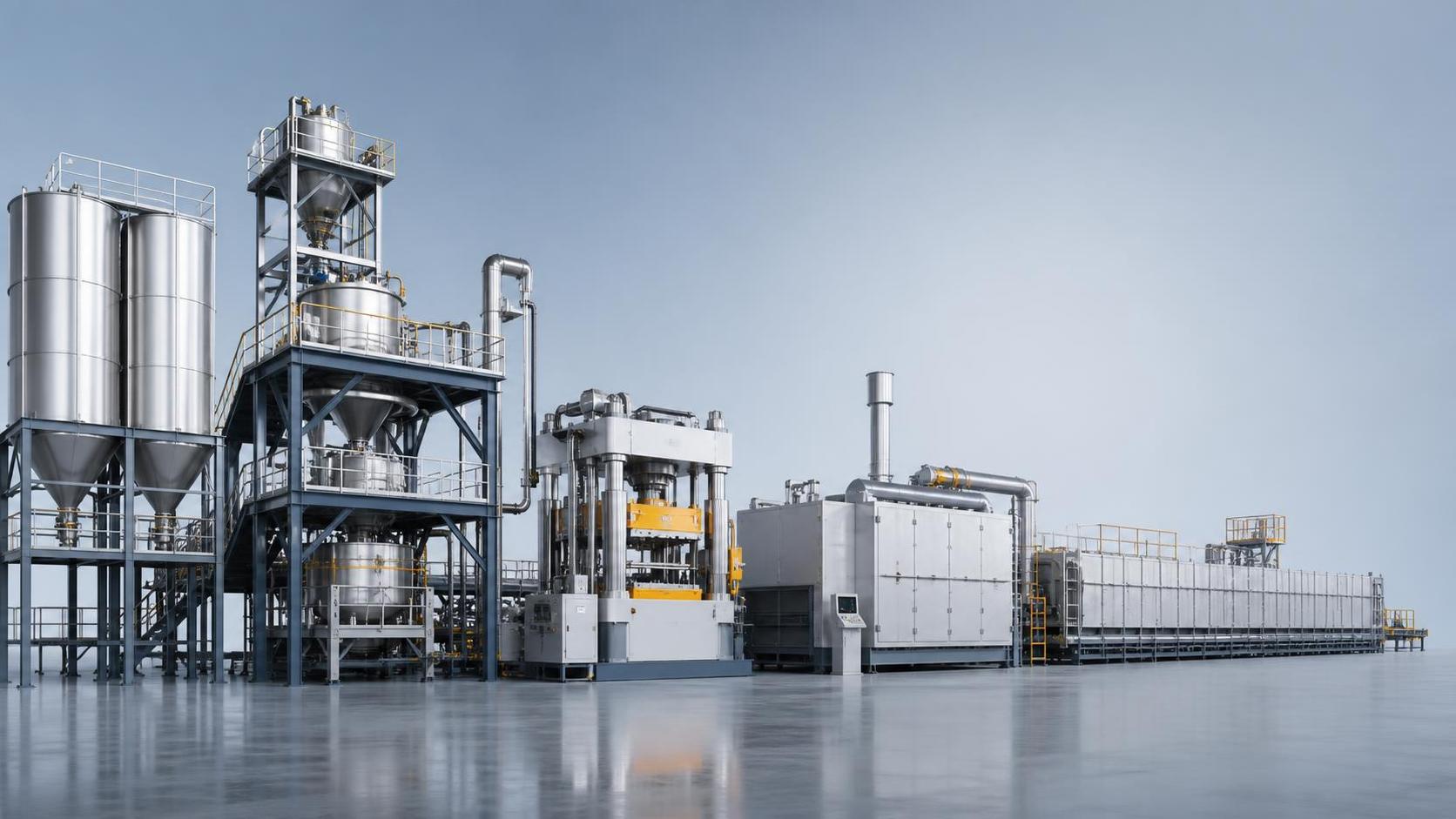
That is why silicate industrial solutions are gaining strategic importance across cement, glass, kilns, incineration, and advanced material extrusion lines.
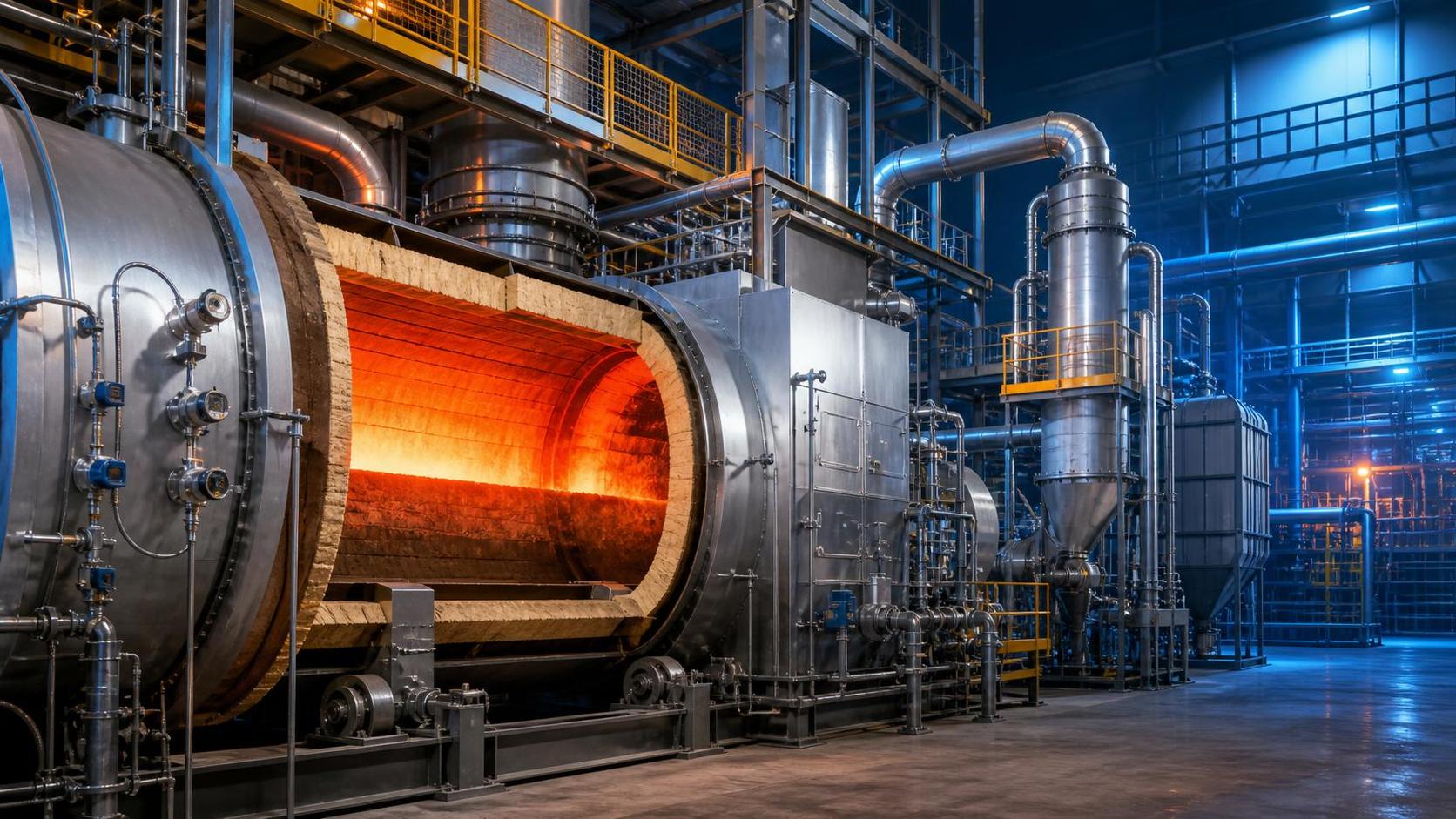
These solutions support better insulation, stronger refractory performance, steadier combustion, and lower heat escape at critical process points.
For operations shaped by fuel volatility and carbon pressure, silicate industrial solutions now influence both operating margins and long-term plant resilience.
This shift is especially visible in high-temperature sectors observed by CF-Elite, where thermal management is no longer a maintenance detail.
It has become a core decision area linking process stability, emissions control, asset life, and energy performance.
Energy loss is moving from hidden overhead to board-level risk
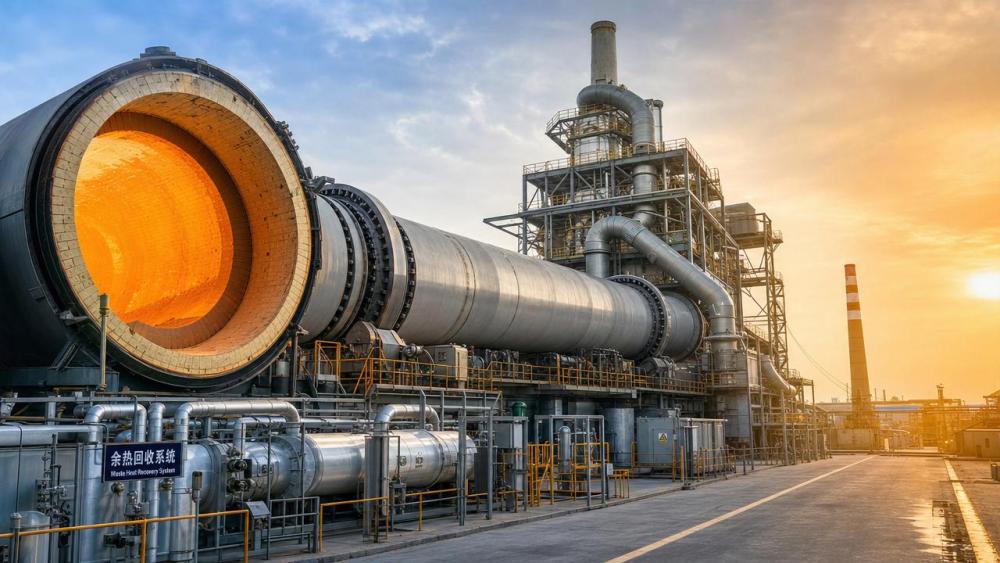
Across integrated plants, energy loss often starts as a technical issue but ends as a financial and strategic problem.
Heat leakage through linings, unstable thermal zones, air infiltration, and material degradation all reduce usable energy.
In earlier cycles, many sites absorbed these losses through fuel buffers and maintenance intervals.
Today, that tolerance is shrinking because energy prices, environmental rules, and uptime targets are all tightening together.
Silicate industrial solutions matter because they address thermal inefficiency at the material and system level.
Instead of treating symptoms, they reduce heat transfer, improve process sealing, and maintain reaction conditions more consistently.
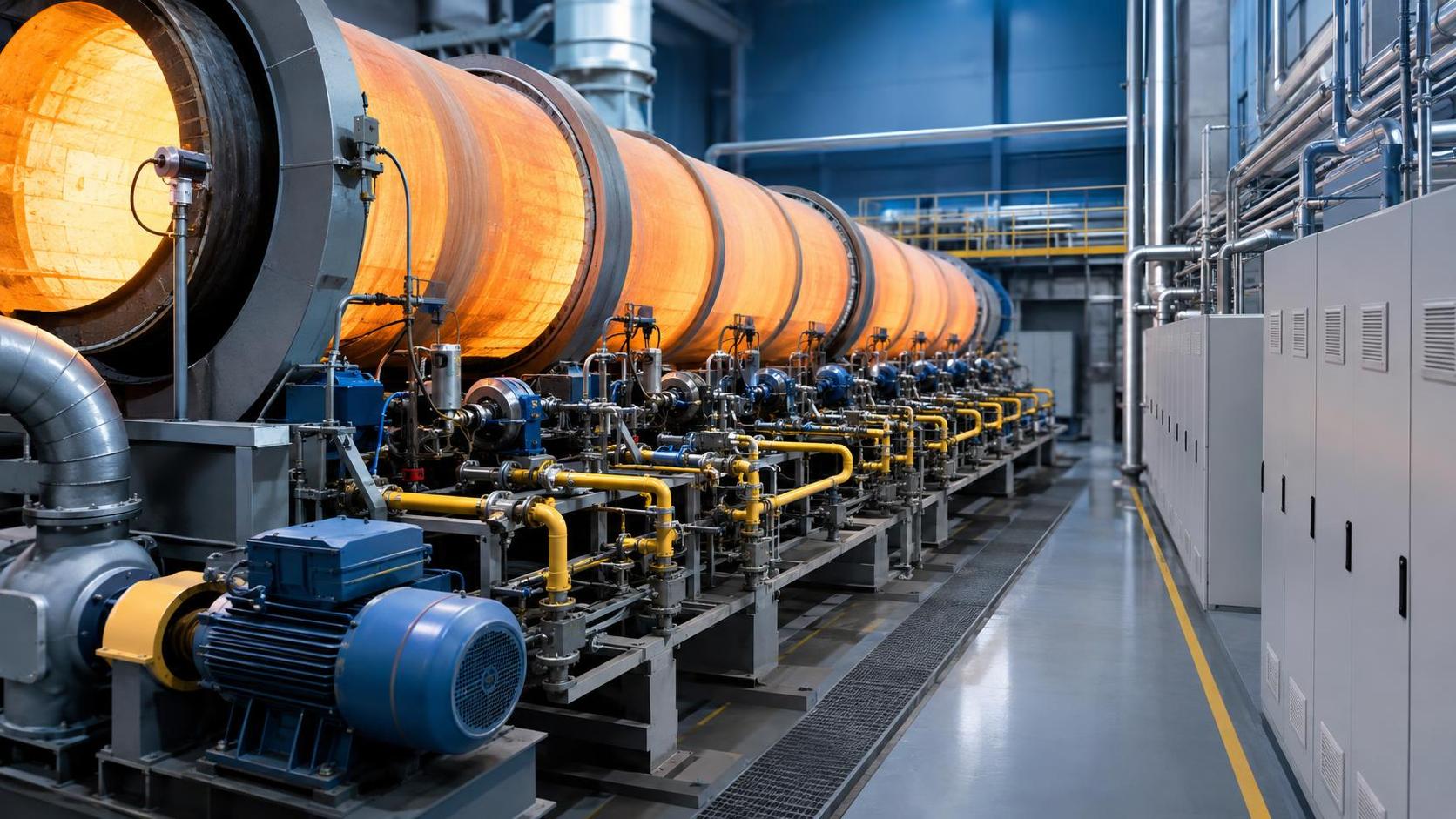
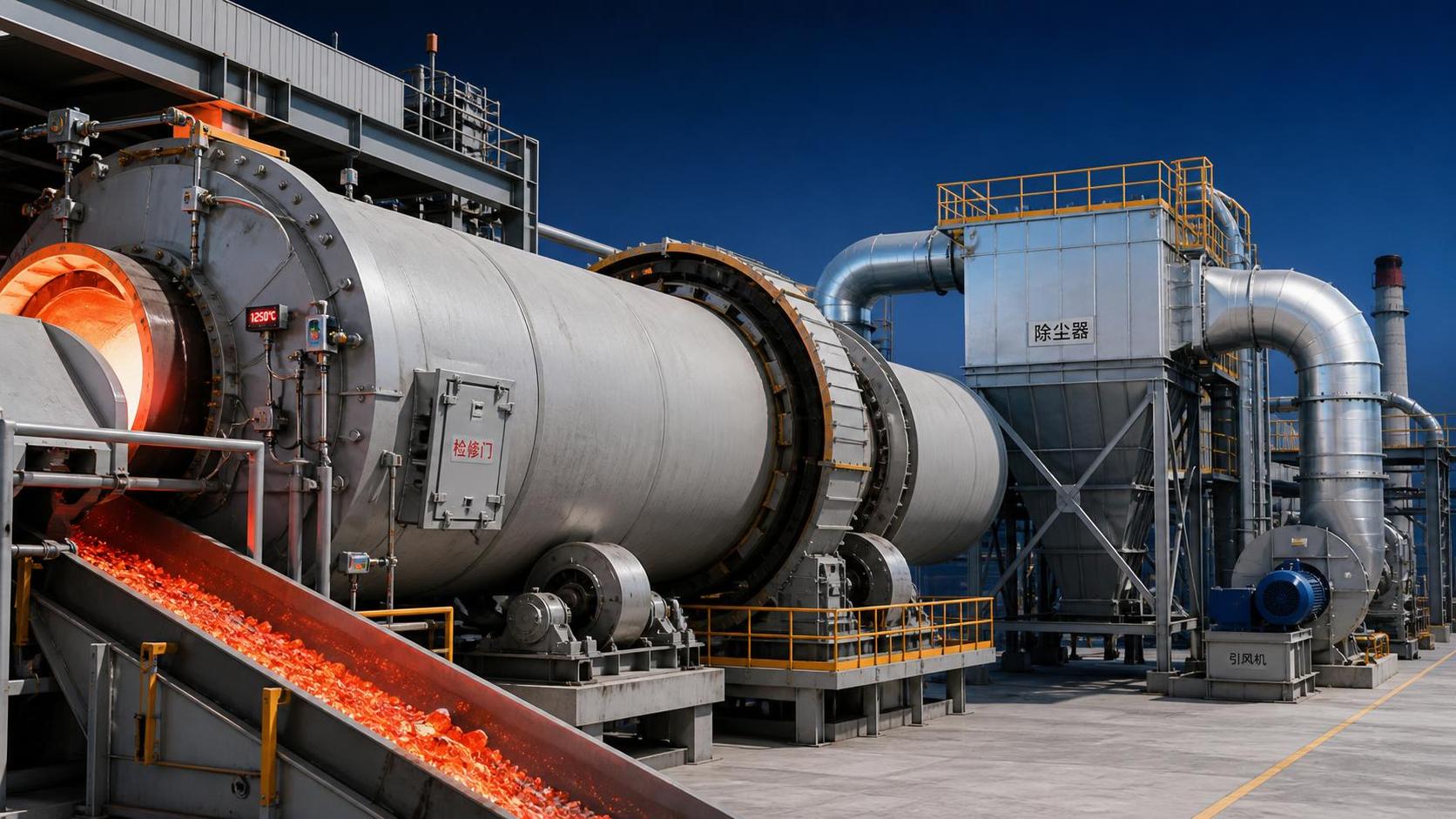
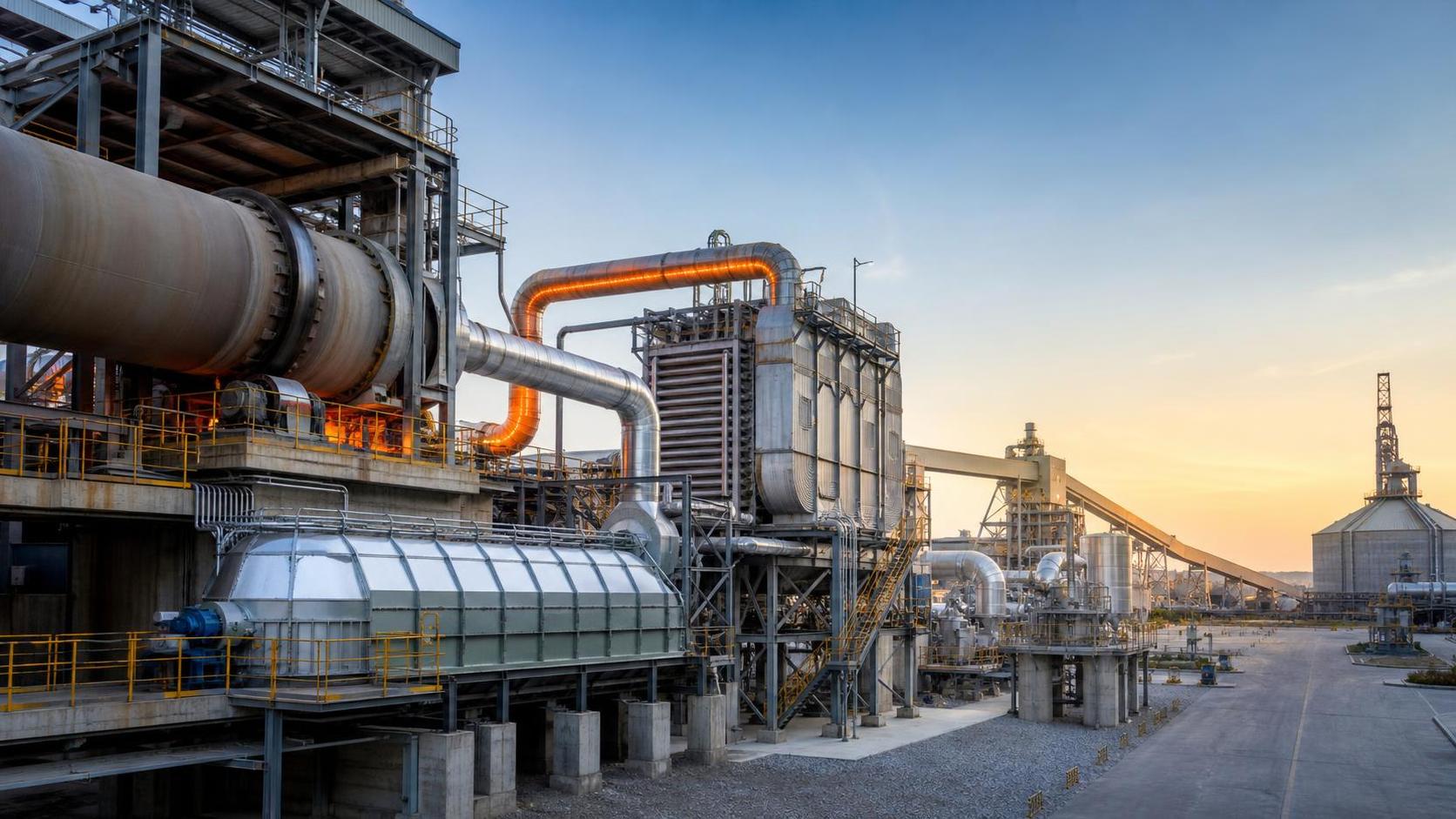
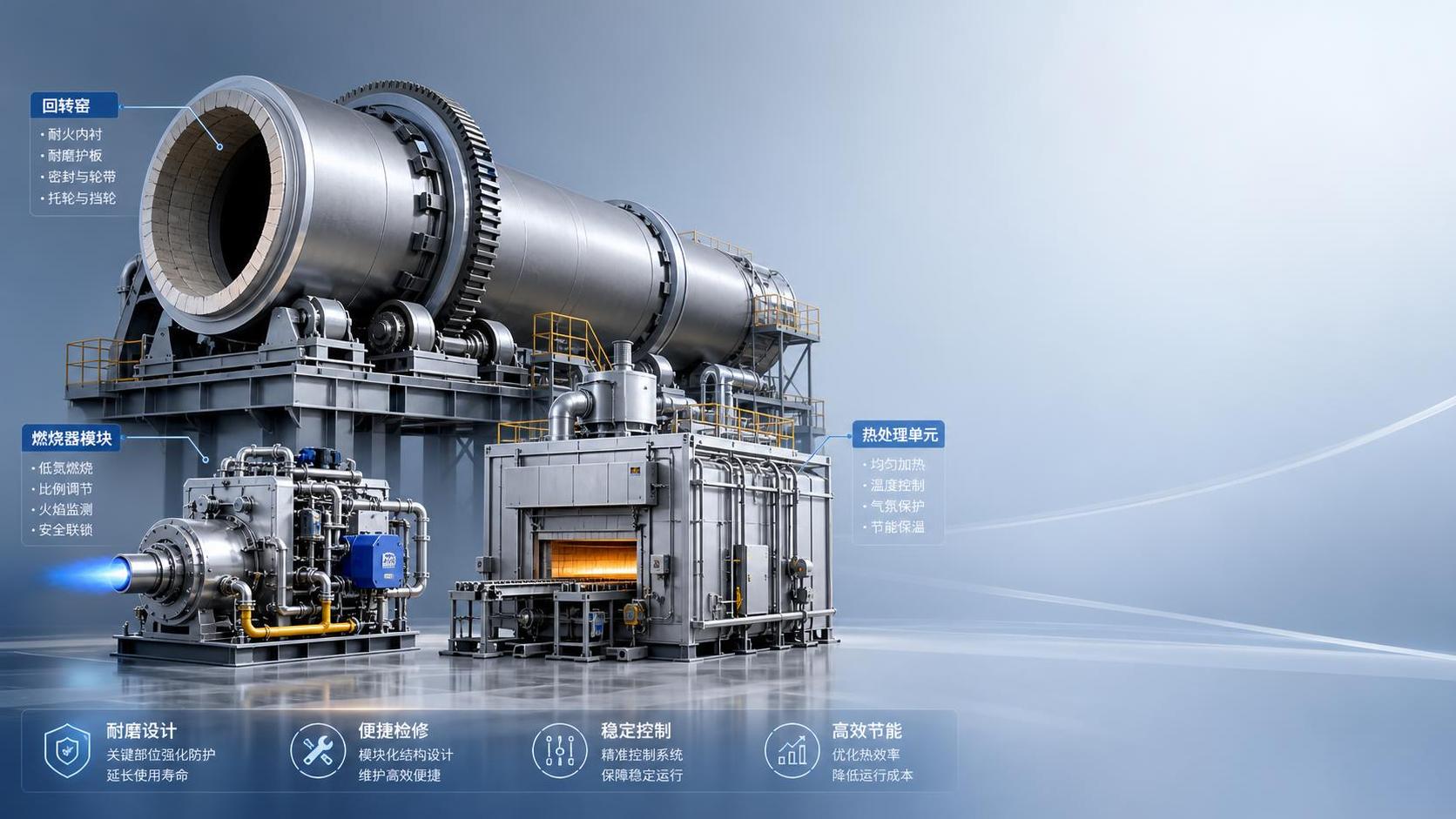
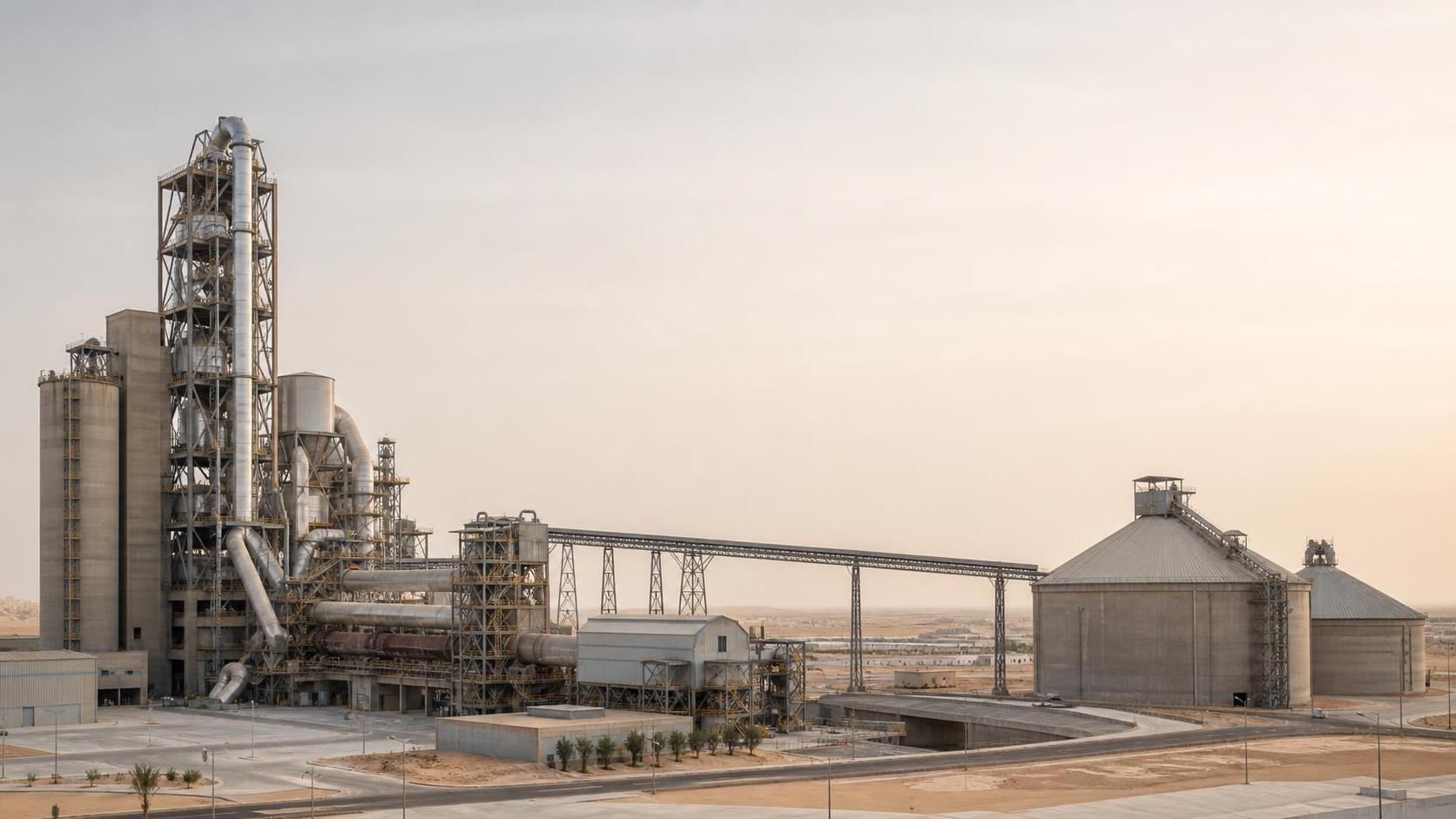
For cement kilns, that can mean lower shell temperatures and steadier clinker formation.
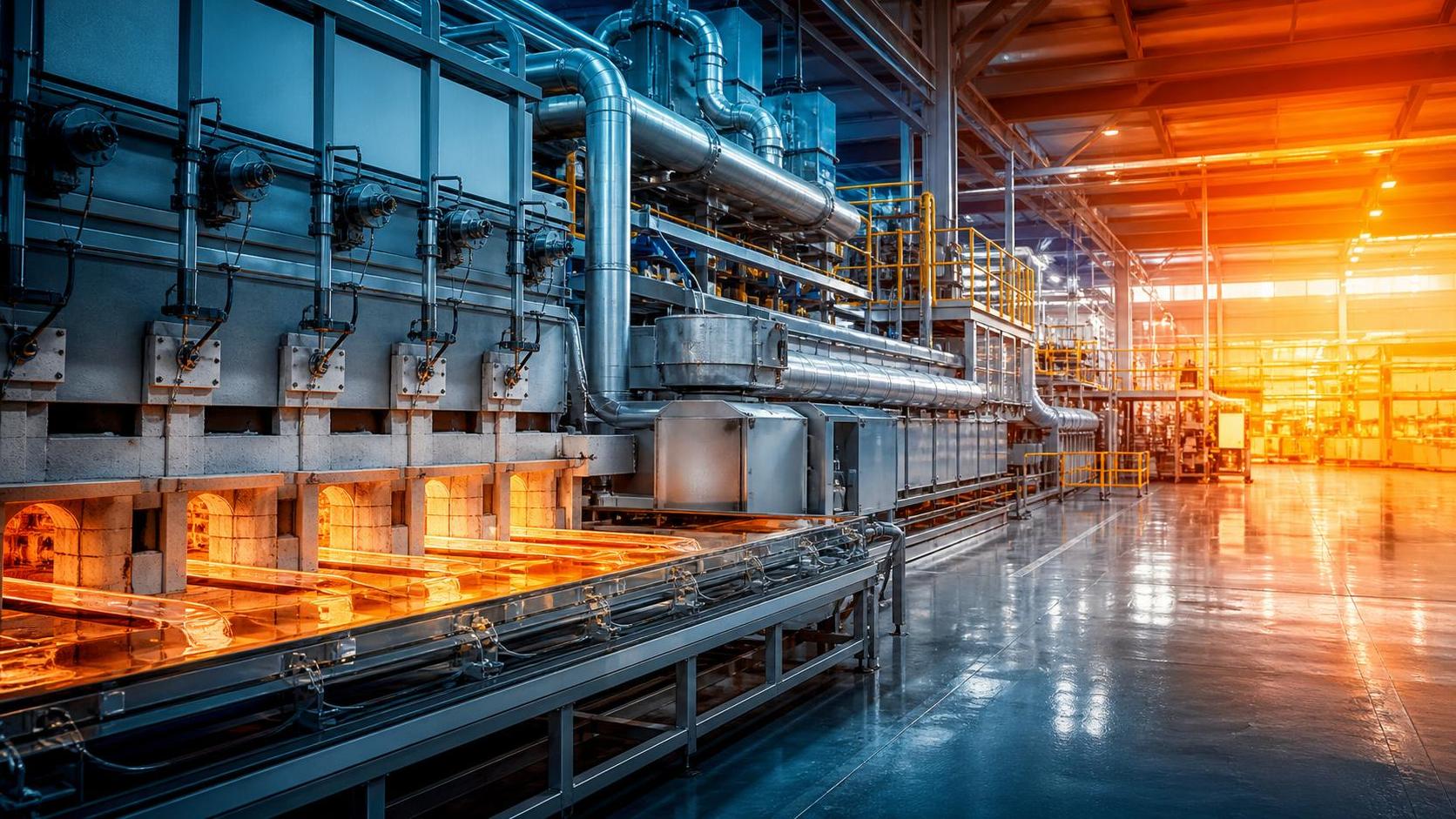
For glass furnaces, it can support melt homogeneity and reduce thermal shock risk.
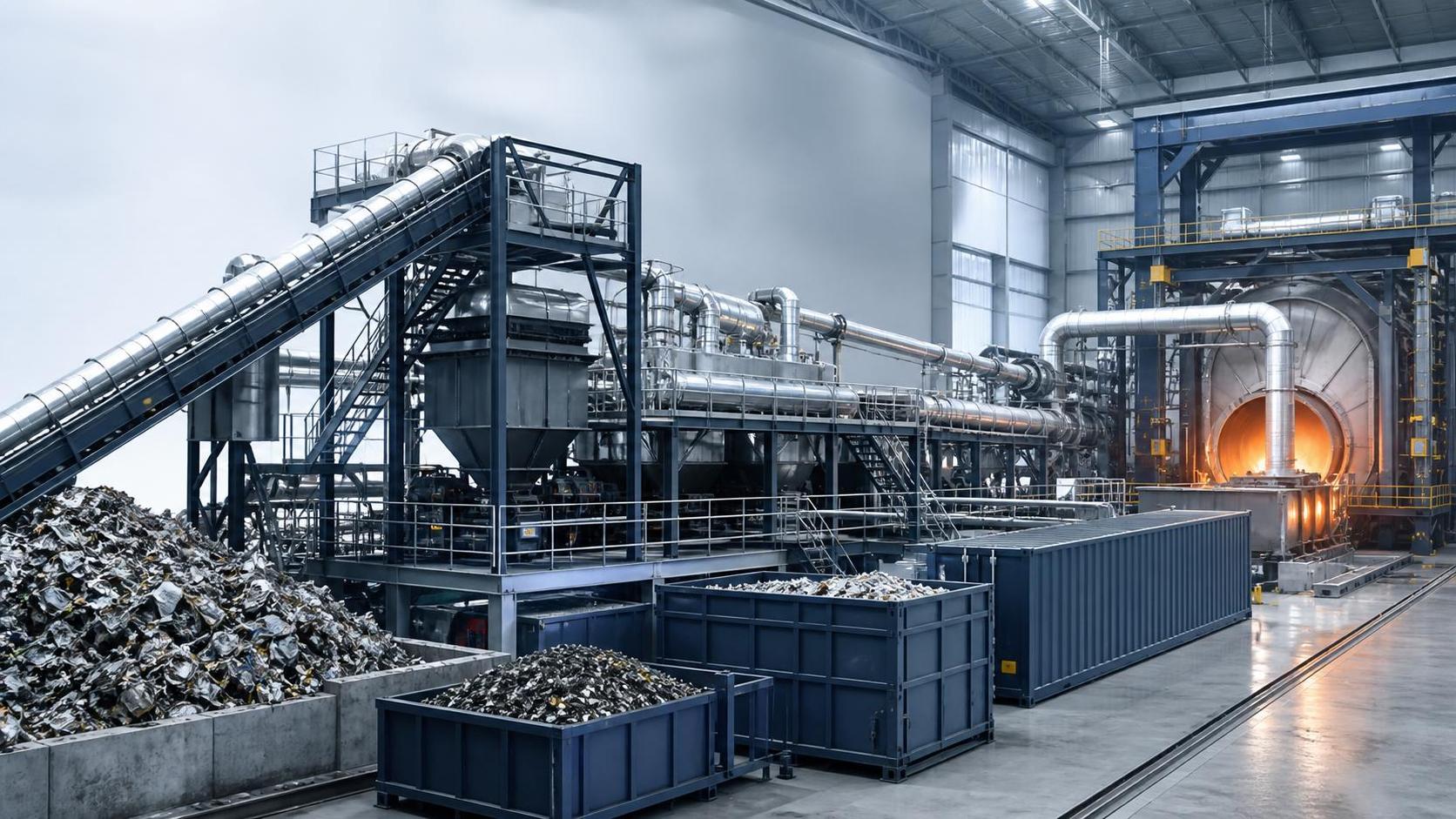
For incineration and refractory lines, it improves energy recovery while protecting assets from premature wear.
The trend signals behind rising demand for silicate industrial solutions
The current market direction is not driven by one issue alone.
It comes from overlapping pressures that make thermal efficiency a more visible operating priority.
- Fuel cost volatility is forcing plants to recover every possible unit of useful heat.
- Carbon reduction programs are pushing sites to cut specific energy consumption, not only total output emissions.
- Higher production precision requires tighter control of thermal gradients, retention time, and refractory stability.
- Longer campaign life is becoming essential as shutdowns grow more expensive and spare windows become shorter.
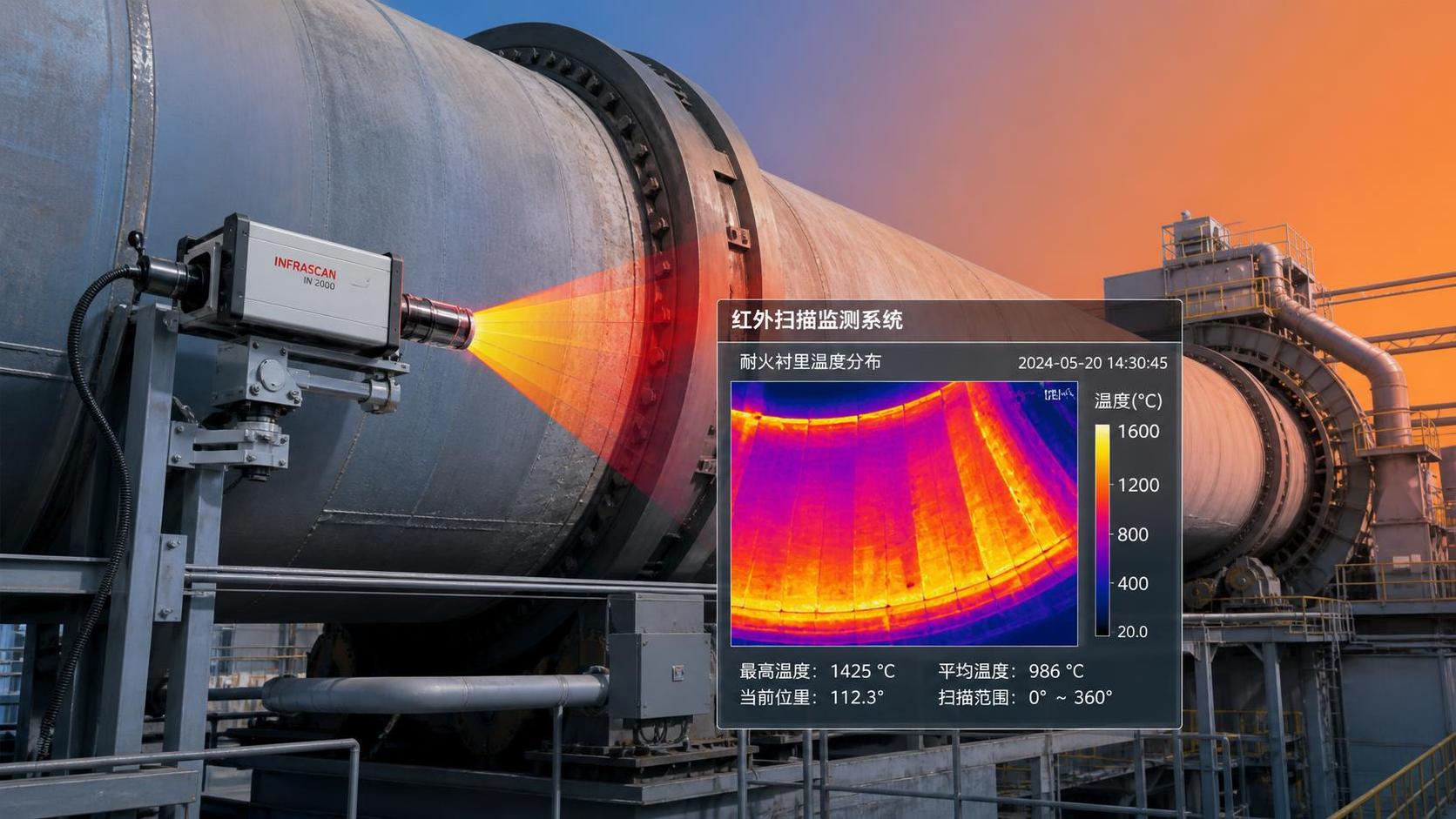
- Digital monitoring tools now reveal heat losses that were previously estimated rather than measured.
These signals explain why silicate industrial solutions are increasingly selected during upgrades, relining plans, and plant modernization projects.
They are not only chosen for durability.
They are chosen for how they influence energy balance, process consistency, and compliance risk over time.
Why these pressures are accelerating now
Where silicate industrial solutions cut energy loss most effectively
Not every energy-saving measure delivers equal value.
The biggest gains often come from zones where heat is hardest to contain and process stability is most sensitive.
High-temperature linings and refractory interfaces
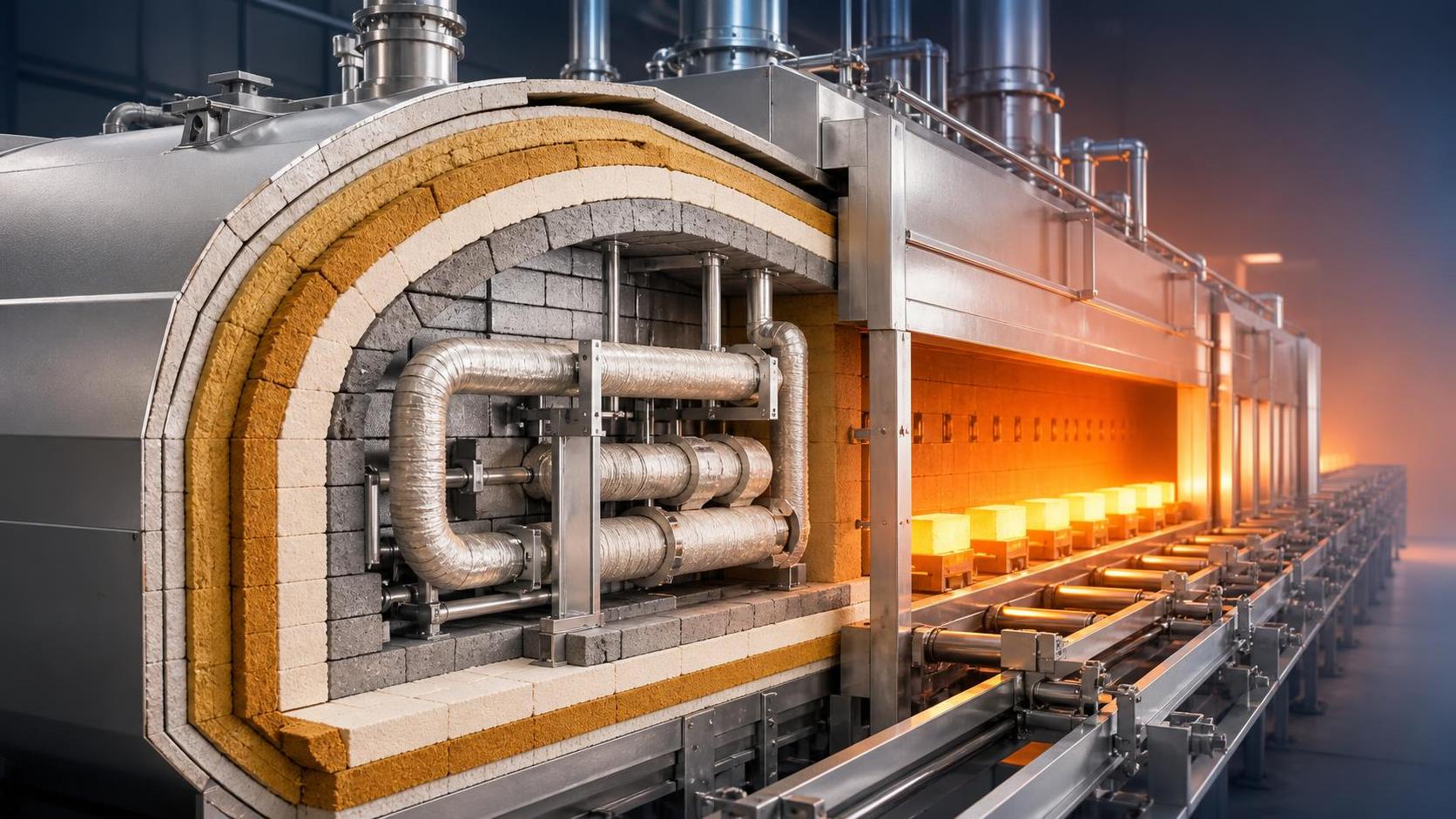
Silicate industrial solutions help reduce conductive and radiative losses through kiln, furnace, and chamber boundaries.
Improved lining design also lowers thermal cycling stress, which reduces cracks and unplanned heat release paths.
Combustion stability and thermal zone control
When internal temperatures fluctuate, fuel use rises because systems compensate for instability rather than productive demand.
Silicate industrial solutions support more even heat distribution, helping burners and controls work with fewer corrections.
Material transfer points and sealing areas
Air ingress and hot gas leakage at transfer points often erode overall efficiency more than expected.
Silicate-based thermal barriers and compatible sealing systems help preserve pressure balance and retain process heat.
Waste heat recovery compatibility
A plant cannot recover heat effectively if too much energy escapes before recovery stages.
Silicate industrial solutions make downstream recovery systems more valuable by keeping thermal profiles usable and predictable.
The operational impact reaches beyond energy bills
The value of silicate industrial solutions should not be judged only by fuel savings.
Their wider impact appears across quality, maintenance, emissions, and equipment reliability.
- More stable thermal conditions support consistent product quality in cement, glass, and engineered materials.
- Lower external shell temperatures improve safety and reduce structural heat stress.
- Longer refractory life cuts downtime, relining labor, and emergency intervention costs.
- Improved combustion efficiency can reduce particulate, NOx, and CO-related operating risks.
- Better thermal retention strengthens the business case for digital optimization and predictive maintenance.
In this sense, silicate industrial solutions act as enabling infrastructure for broader plant modernization.
They create the physical conditions needed for intelligent control strategies to deliver measurable results.
What deserves closer attention before the next upgrade cycle
Many facilities still evaluate thermal materials mainly by upfront procurement cost.
That approach misses the larger performance question.
The better benchmark is total thermal value over the full operating cycle.
Key points to assess
- Actual heat loss by zone, measured through monitoring instead of historical assumptions.
- Compatibility between silicate industrial solutions and current fuels, feed variability, and operating temperatures.
- Resistance to abrasion, corrosion, thermal shock, and chemical attack in specific plant conditions.
- Expected campaign life compared with shutdown planning and maintenance windows.
- Impact on emissions, waste heat recovery, and future digital monitoring integration.
These checks help separate basic replacement decisions from performance-led upgrades.
They also reduce the risk of installing materials that perform well in theory but poorly in actual process conditions.
A practical response path is taking shape across high-temperature industries
The most effective response is usually phased rather than disruptive.
Plants can improve thermal performance step by step while building a stronger data base for future investments.
This approach aligns with the CF-Elite view that thermal intelligence and material performance should be evaluated together.
In modern plants, energy efficiency is rarely solved by one component alone.
It is achieved when materials, process control, and maintenance strategy reinforce each other.
The next step is to treat thermal materials as strategic assets
Silicate industrial solutions are no longer secondary support items in energy-intensive operations.
They are becoming strategic assets that influence efficiency, carbon performance, and operating continuity.
The most useful next step is to compare current heat loss patterns with lining condition, combustion behavior, and recovery potential.
That review often reveals where targeted silicate industrial solutions can deliver fast returns and stronger long-term resilience.
For plants navigating decarbonization and cost pressure together, waiting usually preserves hidden losses rather than reducing them.
A disciplined thermal assessment today can define a more efficient, lower-emission production path tomorrow.
Related News
 Optical Glass Tech FellowHow to Evaluate a Glass Annealing Equipment Manufacturer for Production StabilityChoose a glass annealing equipment manufacturer with proven thermal uniformity, reliable controls, lifecycle value, and responsive service for stable production.Sep 08, 2026
 Prof. Marcus ChenThermal Energy Architecture in North America: Strategies for Lower Building Energy UseThermal energy architecture North America helps project leaders cut building energy use through stronger envelopes, right-sized HVAC, storage, and smart commissioning.Sep 07, 2026
 Ms. Elena RodriguezHow Should Buyers Evaluate Building Material Industry Intelligence Pricing?Building material industry intelligence pricing: learn how to compare coverage, technical depth, and ROI to choose intelligence that reduces procurement risk.Sep 07, 2026
 Ms. Elena RodriguezHow to Use Building Material Intelligence Data for Market and Investment DecisionsBuilding material industry intelligence data helps leaders evaluate demand, costs, regulation, capacity, and technology to make smarter market and investment decisions.Sep 05, 2026
 Thermal Energy ArchitectHow PLC Control Improves Energy Efficiency and Temperature Stability in KilnsEnergy efficient kilns PLC control improves temperature stability, cuts fuel waste, and optimizes combustion, draft, and material flow. Explore proven strategies for smarter kiln modernization.Sep 04, 2026
 Optical Glass Tech FellowEuropean Glass Melting Processes: Furnace Choices, Energy Use, and Quality ControlGlass melting process Europe: explore furnace choices, energy efficiency, cullet strategy, and quality control to improve output, compliance, and long-term glass performance.Sep 03, 2026
 Thermal Energy ArchitectWhat Determines Refractory Lining Monitoring Price for Industrial Kilns?Refractory lining monitoring price depends on kiln size, sensor technology, installation, software, and support. Compare total lifecycle costs and choose the right solution.Sep 02, 2026
 Silicate Process EngineerCement Production System Costs: A Plant Buyer’s Guide to Budgeting and ROICement production systems cost planning made clear: compare CAPEX, operating costs, compliance, and ROI to build a resilient, profitable cement plant investment.Sep 01, 2026
 Dr. Alistair VaughnWhat Should a Process Technology Database Track for High-Temperature Plants?Process technology database essentials for high-temperature plants: track thermal profiles, feed chemistry, refractory wear, emissions, energy, and maintenance for safer, data-driven decisions.Aug 31, 2026
 Ms. Elena RodriguezHow to Evaluate a Silicate Processing Equipment Manufacturer for Plant ProjectsSilicate processing equipment manufacturer selection: assess process fit, guarantees, energy, compliance, delivery risk, and lifecycle support for dependable plant performance.Aug 30, 2026
 Dr. Alistair VaughnHow to Specify Custom Agricultural Processing Equipment for Throughput and HygieneEquipment customization services for agricultural processing: learn to specify hygienic, high-throughput lines that improve yield, reliability, and long-term efficiency.Aug 29, 2026
 Dr. Alistair VaughnHow to Select Process Plant Equipment for High-Temperature, Abrasive Production LinesProcess plant equipment selection for high-temperature, abrasive lines: reduce downtime, improve durability, and optimize lifecycle performance.Aug 28, 2026
 Silicate Process EngineerHow Kiln Heat Recovery Systems Cut Fuel Use in Cement and Lime ProductionKiln heat recovery helps cement and lime plants cut fuel use, improve thermal stability, and build practical, reliable decarbonization strategies.Aug 27, 2026
 Ms. Elena RodriguezProcess Equipment Comparison: Which Metrics Matter Most for Reliable Selection?Process equipment comparison made practical: discover which metrics truly drive reliable selection, from energy efficiency and control stability to wear life, maintainability, and uptime.Aug 26, 2026
 Ms. Elena RodriguezWhat Buyers Should Check Before Sourcing Precision Alloy Bars for Critical PartsPrecision Alloy Bars buyers should verify grade, chemistry, tolerances, surface quality, traceability, and lead time before sourcing for critical parts. Learn what prevents costly machining and reliability risks.Aug 27, 2026
 Ms. Elena RodriguezHow to Evaluate Thermal Management Solutions Insulation for High-Heat Industrial SystemsThermal management solutions insulation: learn how to assess high-heat industrial systems by thermal performance, durability, lifecycle cost, and supplier data for smarter decisions.Aug 25, 2026
 Ms. Elena RodriguezWhat Drives Waste Recycling Cost in Industrial Projects and How to Estimate It?Waste recycling cost in industrial projects depends on composition, moisture, transport, pre-treatment, and compliance. Learn how to estimate it accurately and compare suppliers with confidence.Aug 24, 2026
 Silicate Process EngineerHow to Evaluate Cement Production Plants in the Middle East for Capacity, Fuel Flexibility, and ROIcement production plants Middle East: Learn how to assess true capacity, fuel flexibility, and ROI risks to identify resilient assets and smarter investment opportunities.Aug 23, 2026
 Structural Material AnalystHow to Evaluate Lightweight Material Machinery for Output, Energy Use, and Product QualityLightweight material machinery evaluation guide: compare stable output, energy use, and product quality to choose equipment that cuts waste, lowers costs, and improves production confidence.Aug 22, 2026
 Material Heat-Resist ExpertWhat Determines Refractory Production Line Price in a Turnkey Plant Project?Refractory production line price depends on raw materials, forming method, kiln and drying design, automation, utilities, and scope. Learn what really drives turnkey plant cost before you invest.Aug 21, 2026

Related News
- 00
0000-00
How Should Buyers Evaluate Building Material Industry Intelligence Pricing? - 00
0000-00
How to Use Building Material Intelligence Data for Market and Investment Decisions - 00
0000-00
How to Evaluate a Silicate Processing Equipment Manufacturer for Plant Projects - 00
0000-00
Process Equipment Comparison: Which Metrics Matter Most for Reliable Selection? - 00
0000-00
What Buyers Should Check Before Sourcing Precision Alloy Bars for Critical Parts
Weekly Insights
Stay ahead with our curated technology reports delivered every Monday.