
Can industrial waste conversion lower disposal costs fast




For finance decision-makers, industrial waste conversion is no longer just an environmental topic—it is a practical lever for cutting disposal costs and improving asset efficiency. As regulations tighten and energy prices stay volatile, turning waste streams into usable heat, fuel, or secondary materials can shorten payback cycles and strengthen long-term cost control. This article explores how industrial operators can evaluate fast savings without losing sight of compliance, technology risk, and capital discipline.
What does industrial waste conversion really mean in cost terms?
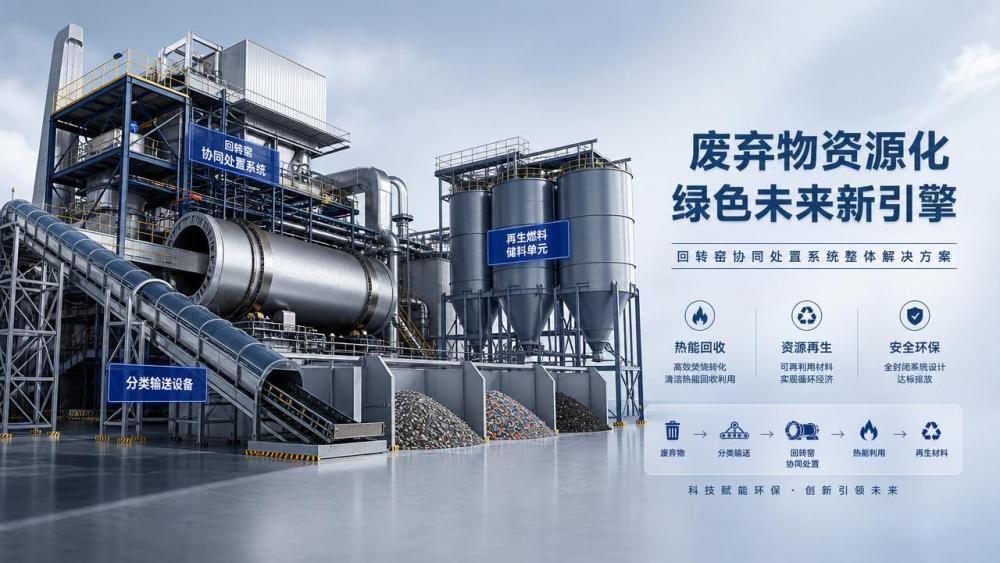
Industrial waste conversion means turning a disposal burden into energy, fuel substitute, or reusable material.
In cost terms, it changes waste from a pure expense line into a partially recoverable asset.
The fastest savings usually come from avoided landfill fees, lower transport volumes, and reduced external treatment charges.
Additional value may come from on-site heat recovery, alternative fuel use, or recycled mineral inputs.
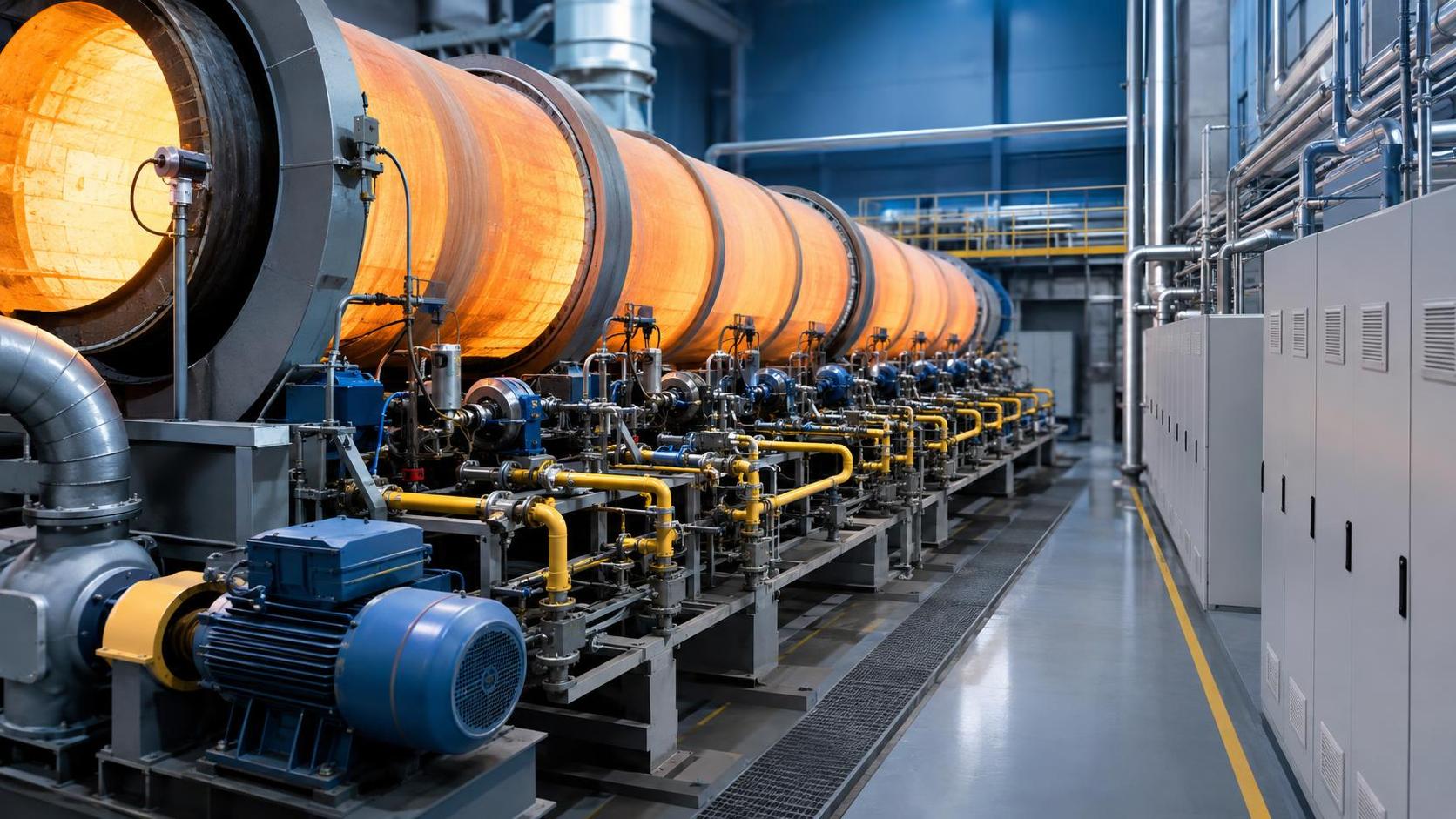
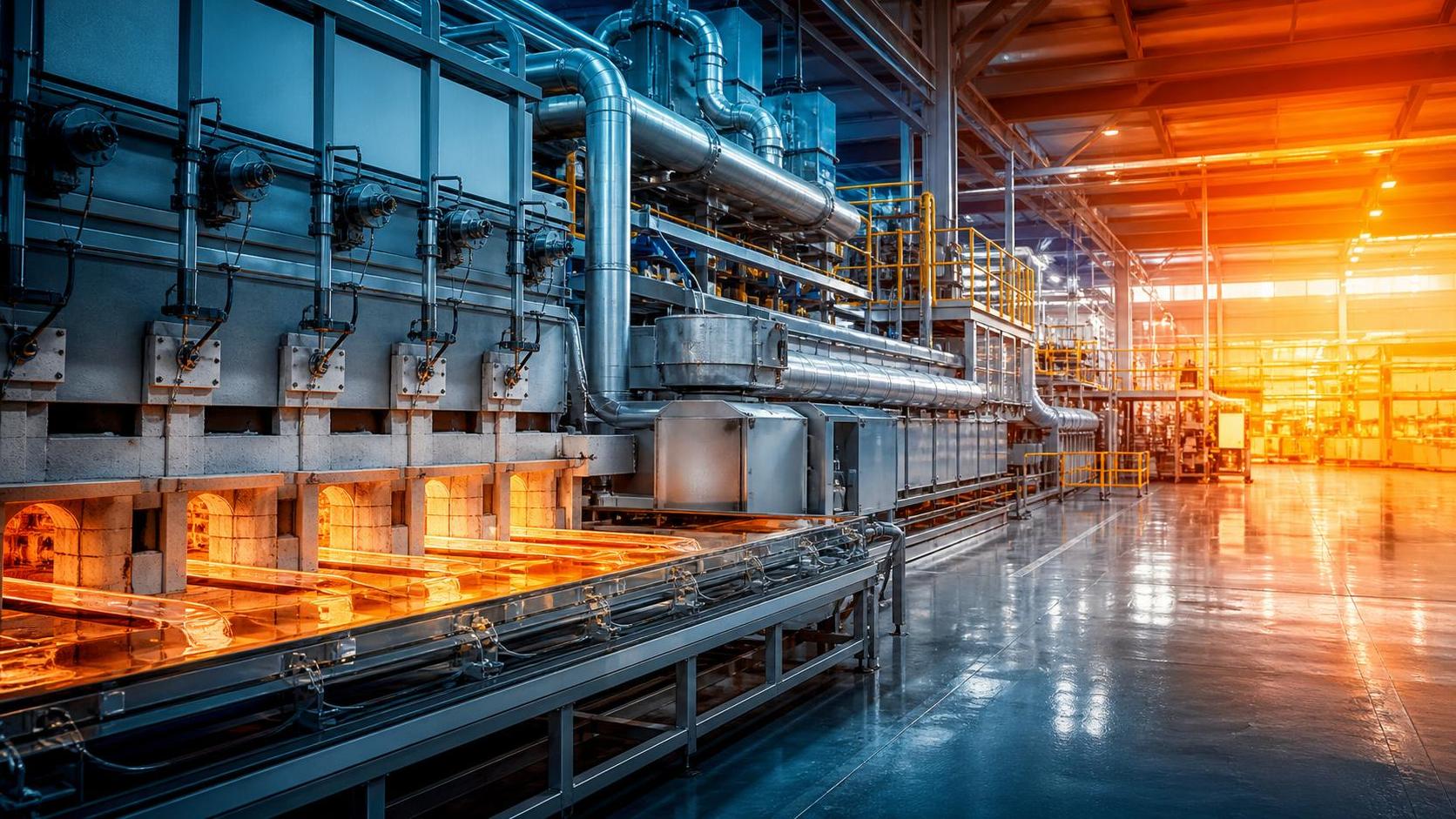
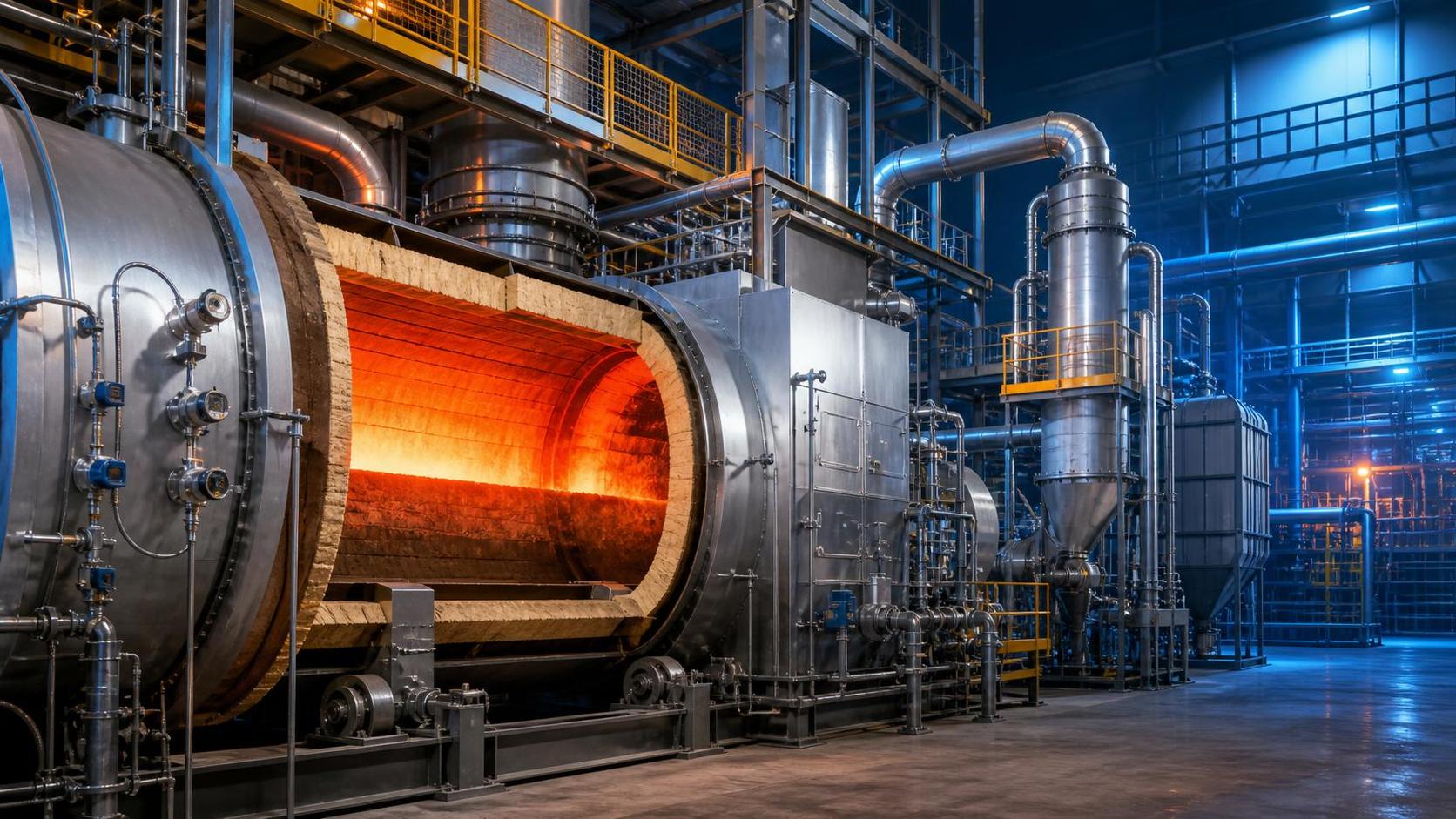
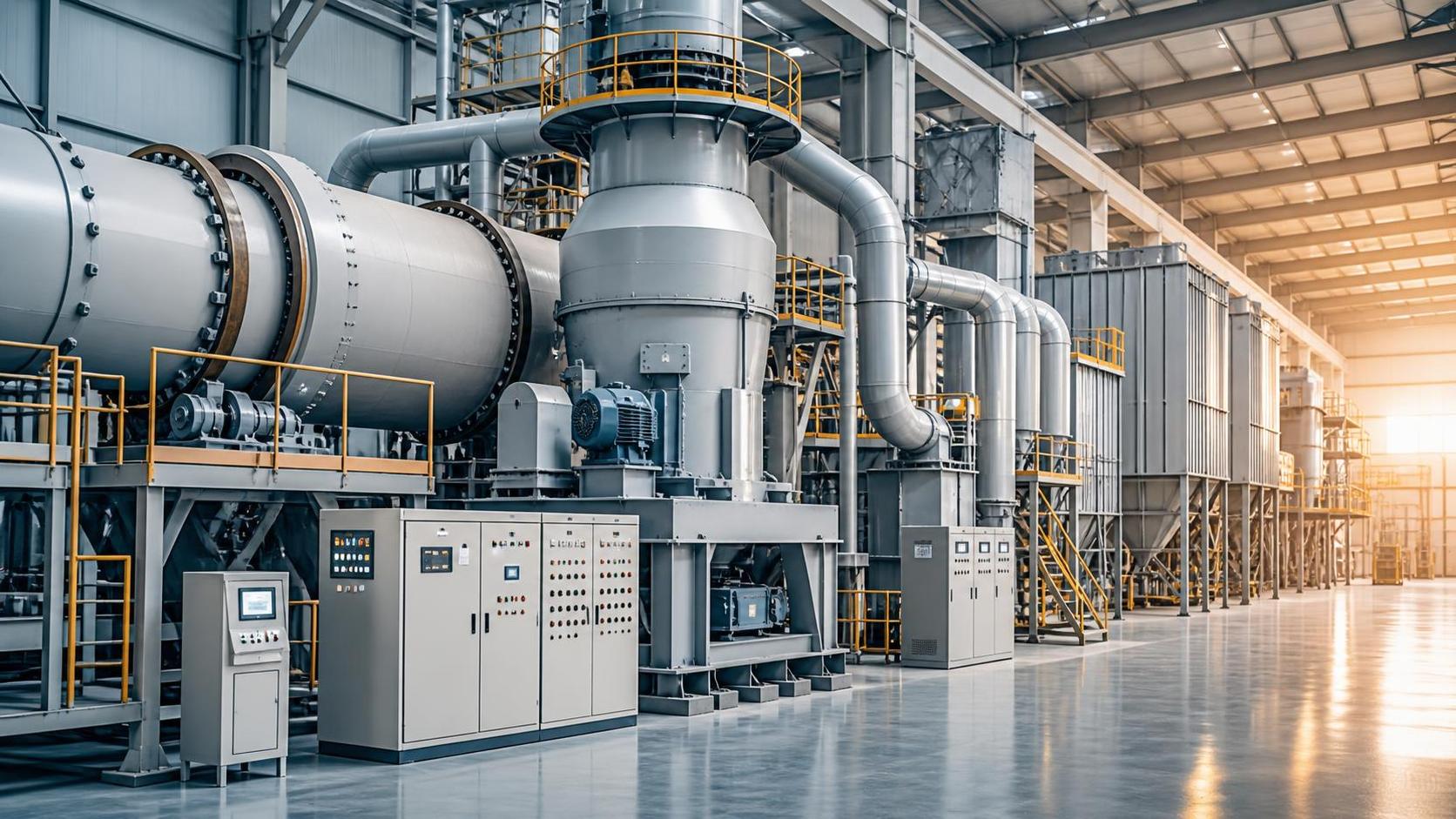
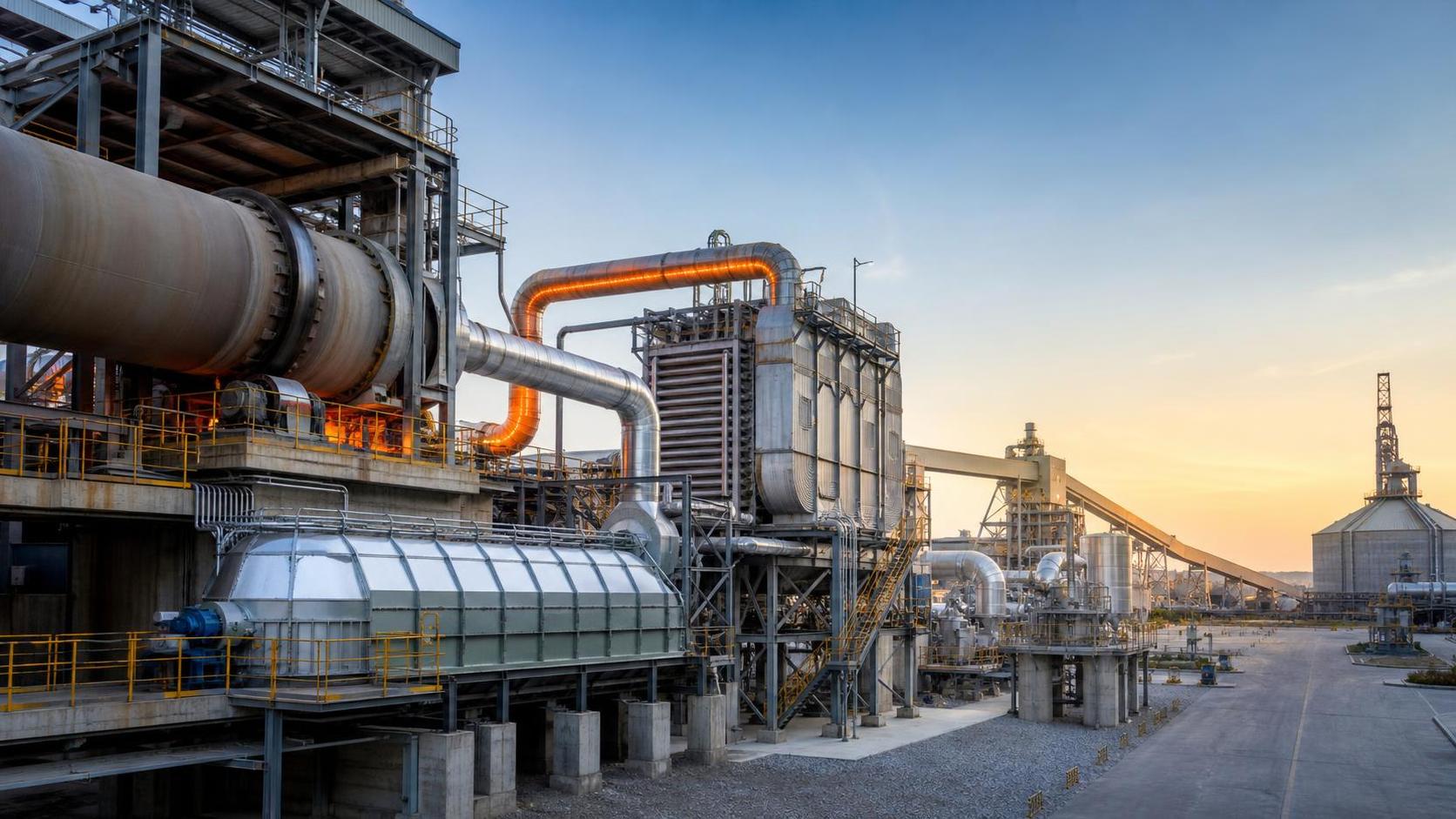
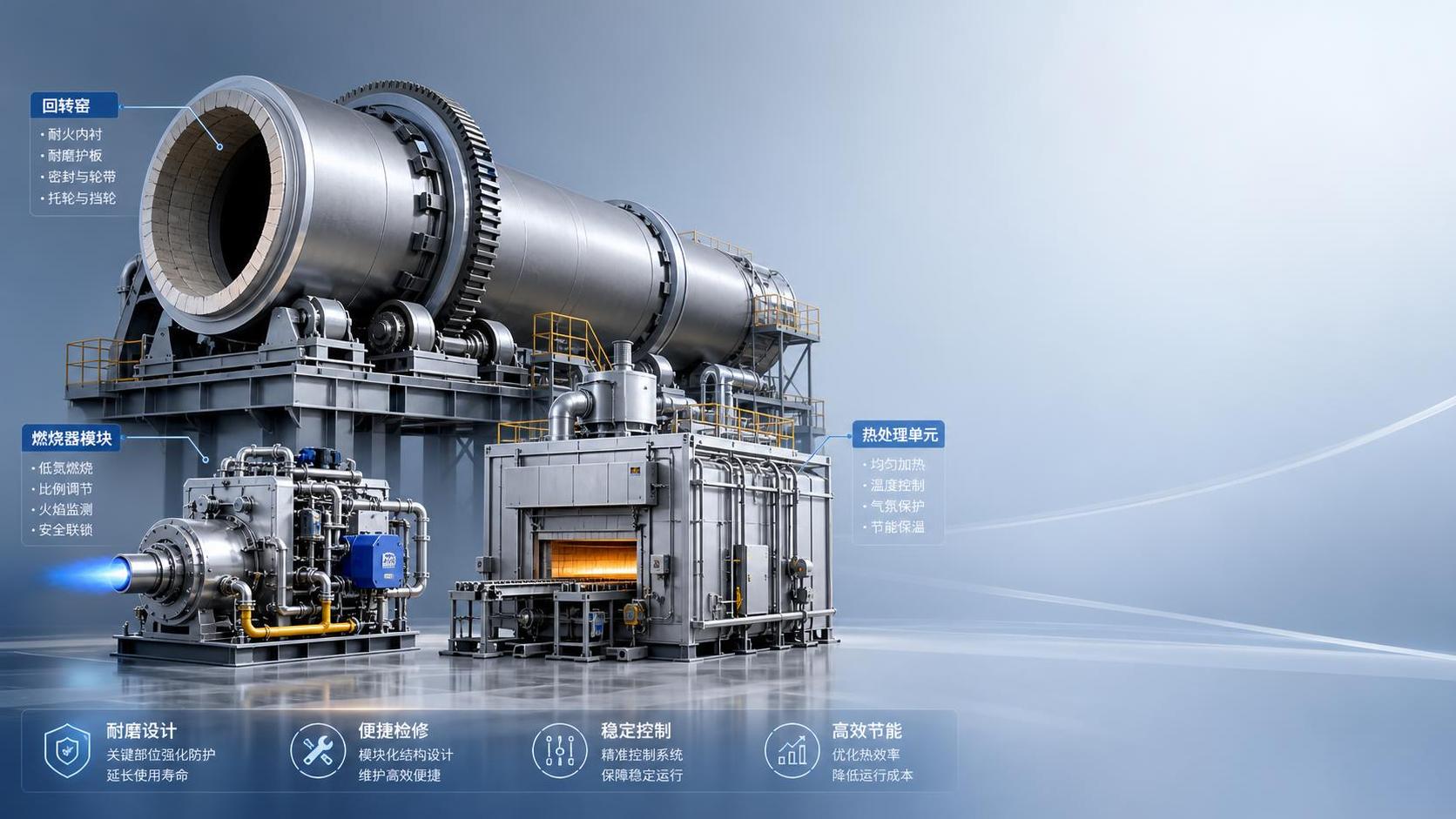
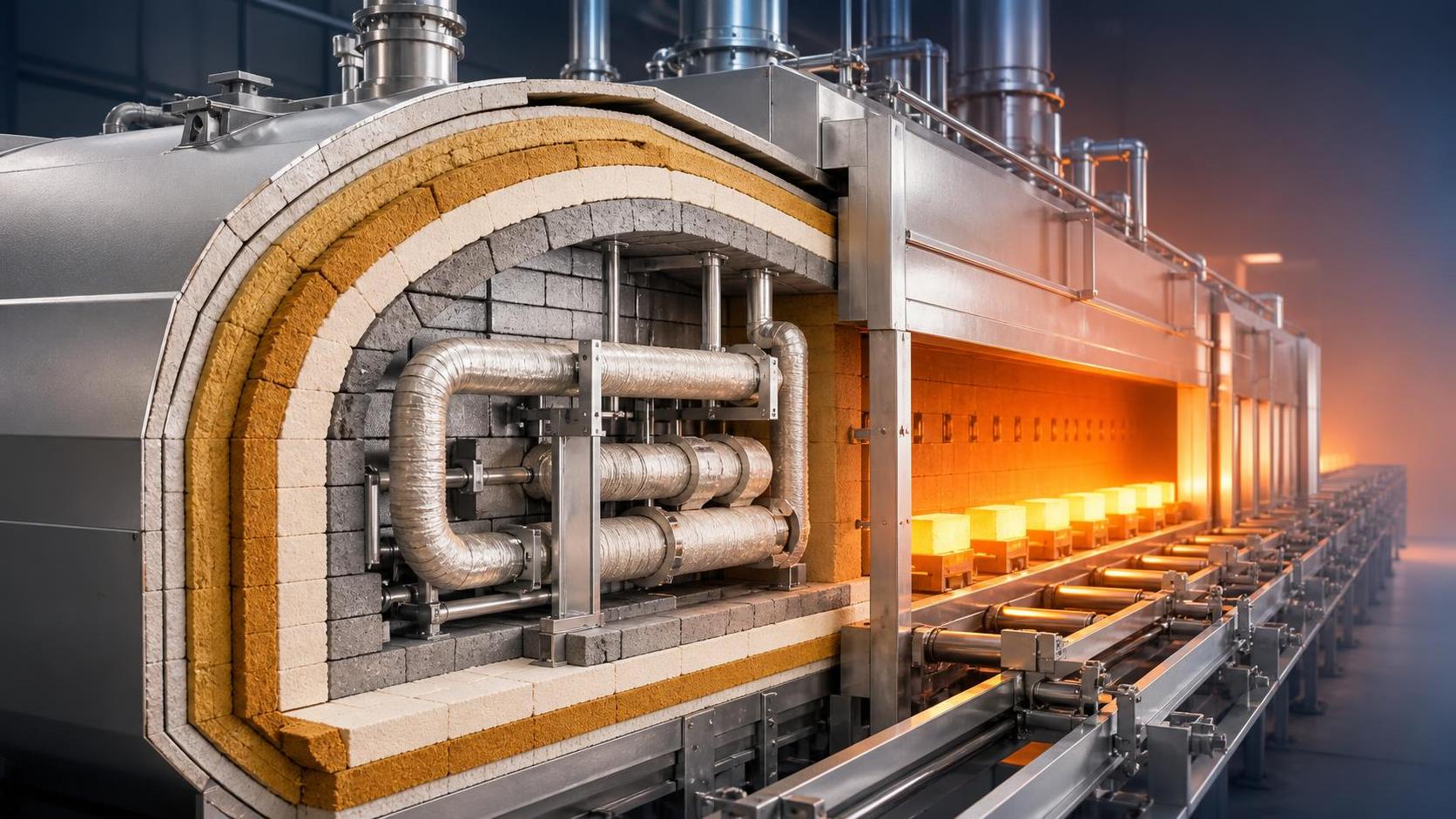
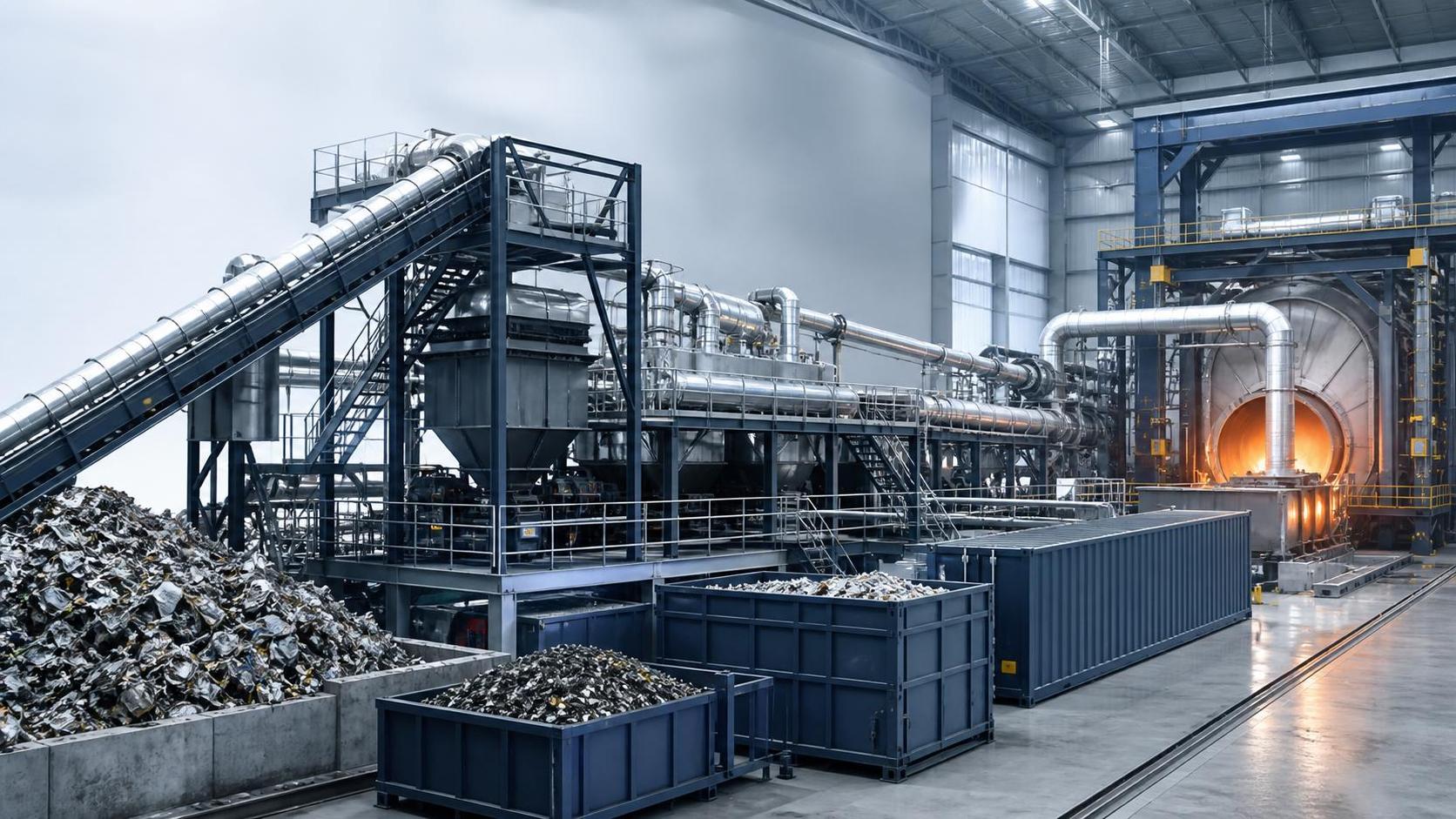
For heavy thermal sectors, industrial waste conversion often links directly with kilns, incineration systems, and material handling upgrades.
This is where CF-Elite’s focus becomes relevant.
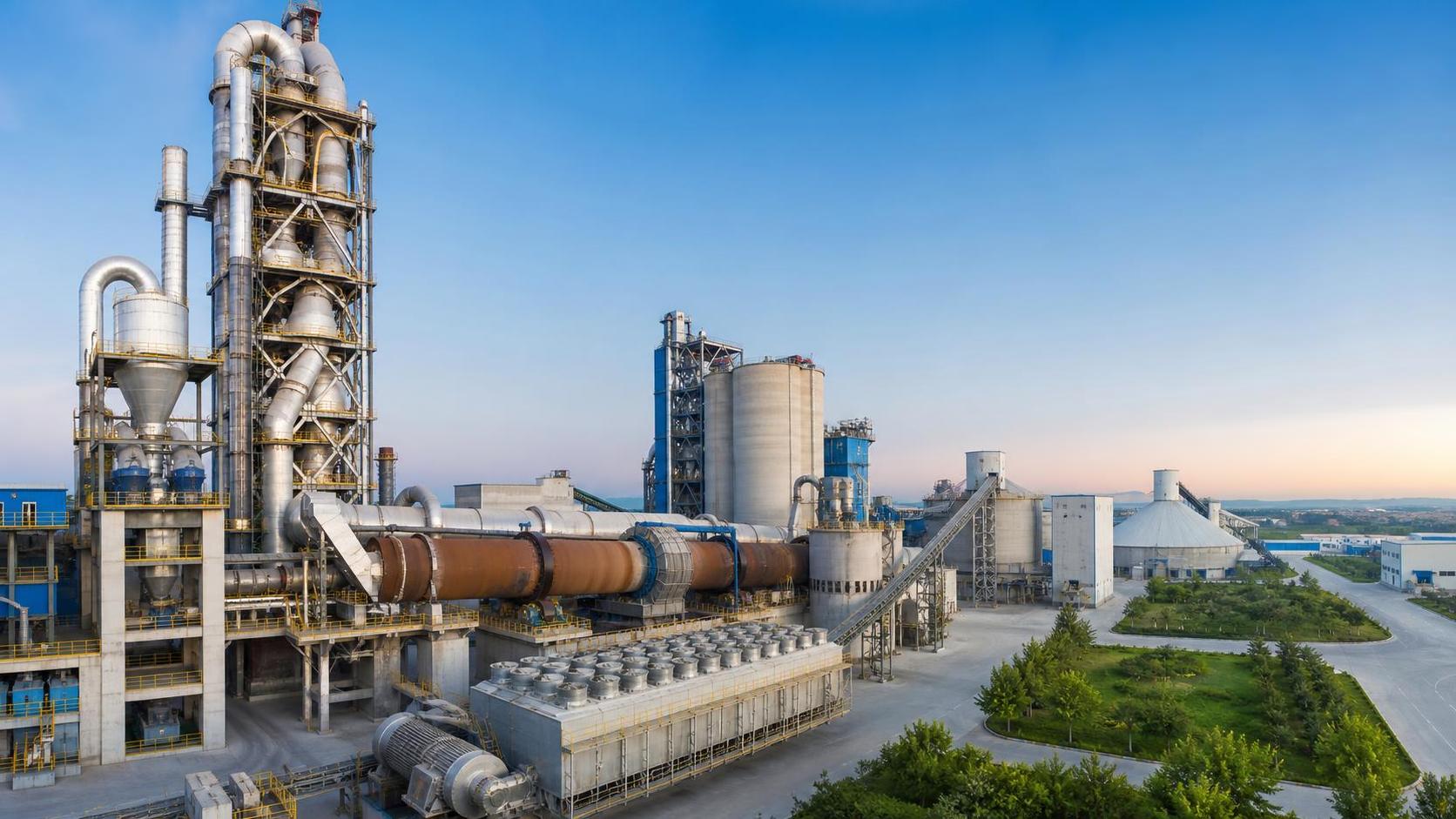
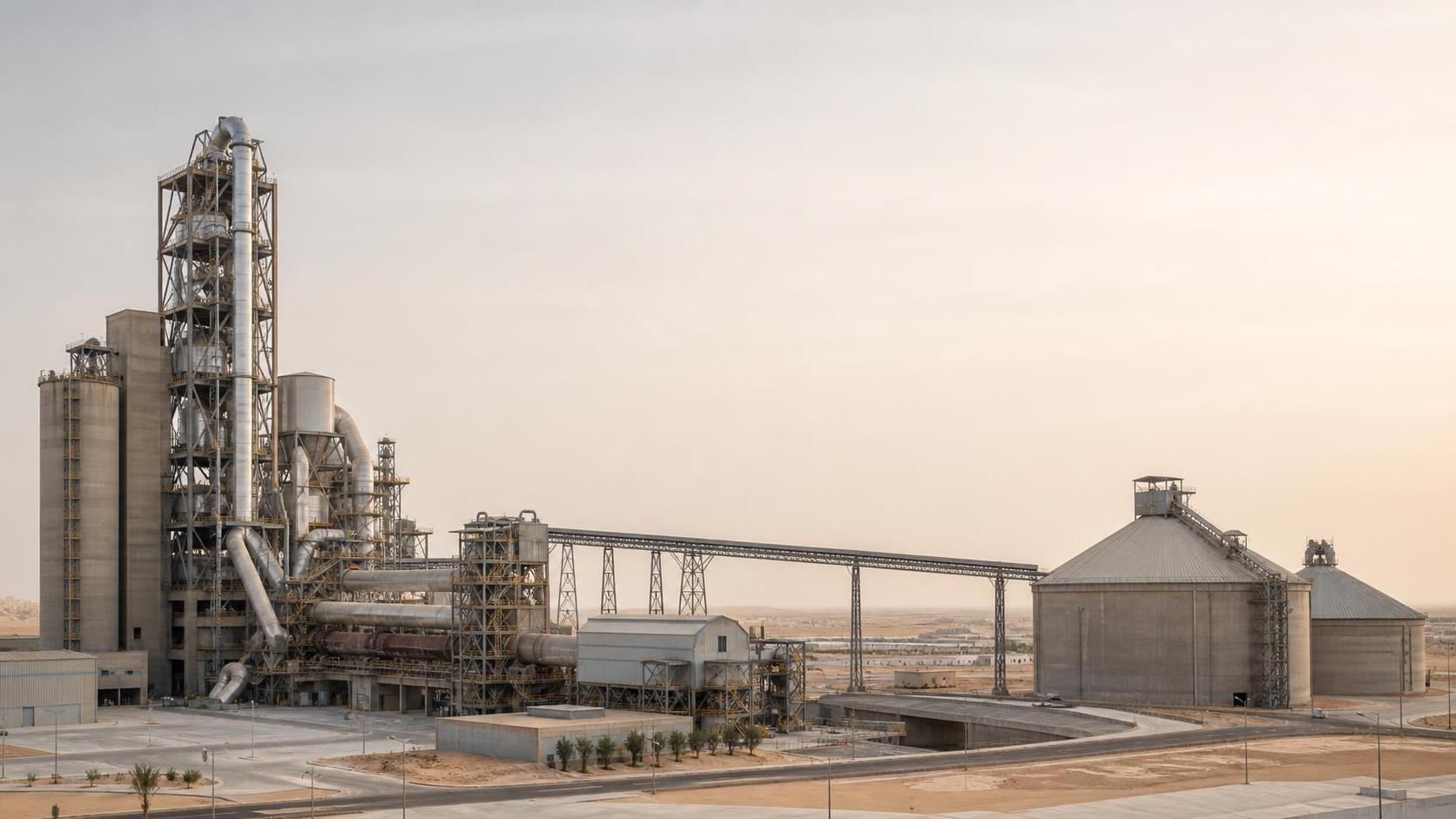
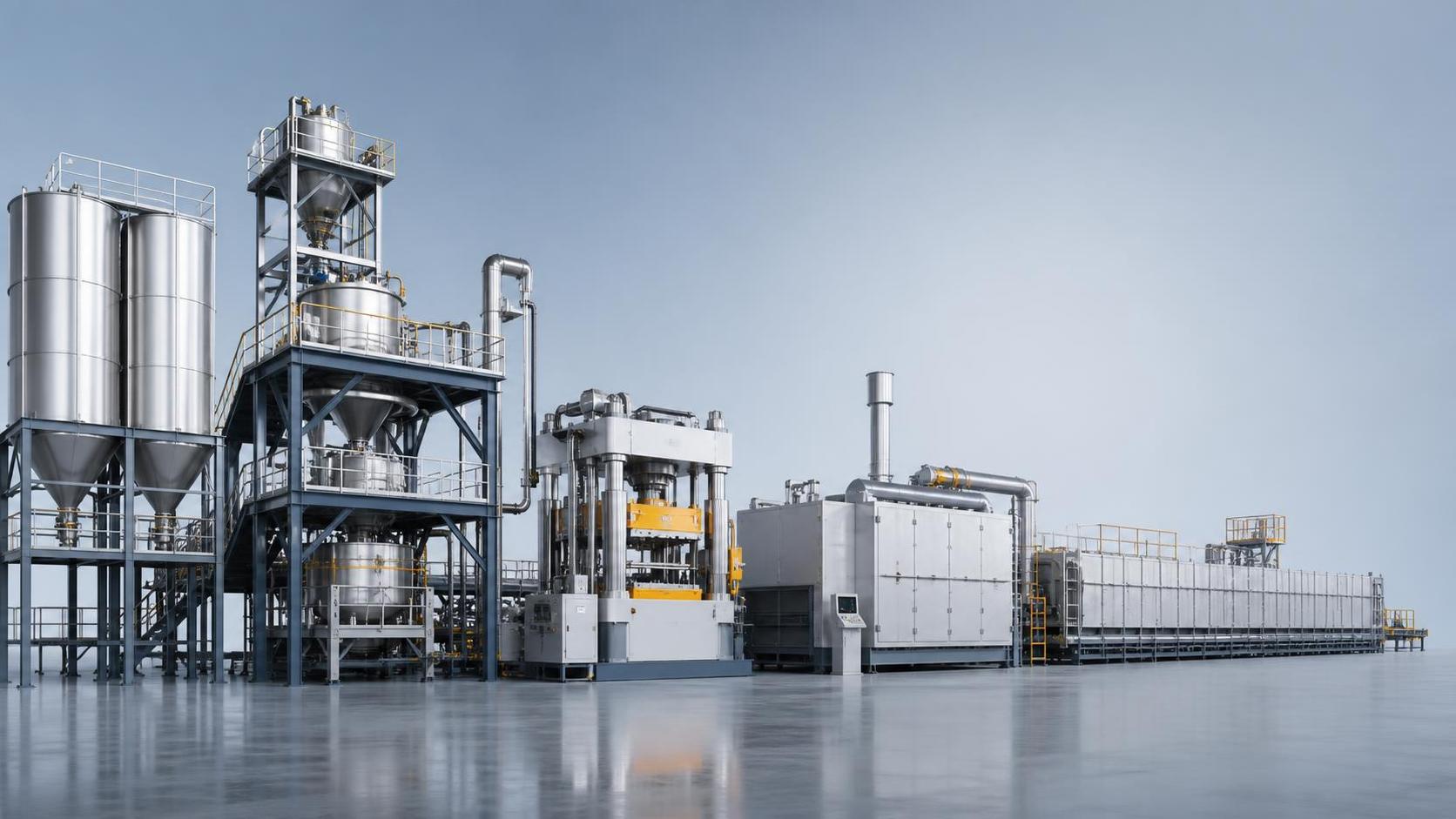
Large-scale silicate production lines and industrial incineration assets can absorb selected waste streams more efficiently than general disposal routes.
However, not every waste stream produces fast savings.
Moisture, chlorine, calorific value, ash chemistry, and pre-treatment needs can change the business case quickly.
That is why industrial waste conversion should be assessed as a process economics decision, not a branding exercise.
Can industrial waste conversion lower disposal costs fast?
Yes, but “fast” depends on the existing disposal baseline and the conversion pathway selected.
Sites paying high gate fees often see the quickest impact from volume reduction and waste segregation.
If combustible waste replaces purchased fossil fuel, savings can appear even faster.
A practical evaluation starts with three questions.
- What is the current all-in disposal cost per ton?
- How much of that stream is technically convertible?
- What offset value can recovered energy or materials generate?
Fast-return cases usually share several traits.
- Stable waste composition
- High local disposal pricing
- Existing thermal equipment capacity
- Short transport distance to processing assets
- Limited pre-treatment requirements
In many industrial settings, industrial waste conversion delivers noticeable savings within one budgeting cycle when low-complexity measures come first.
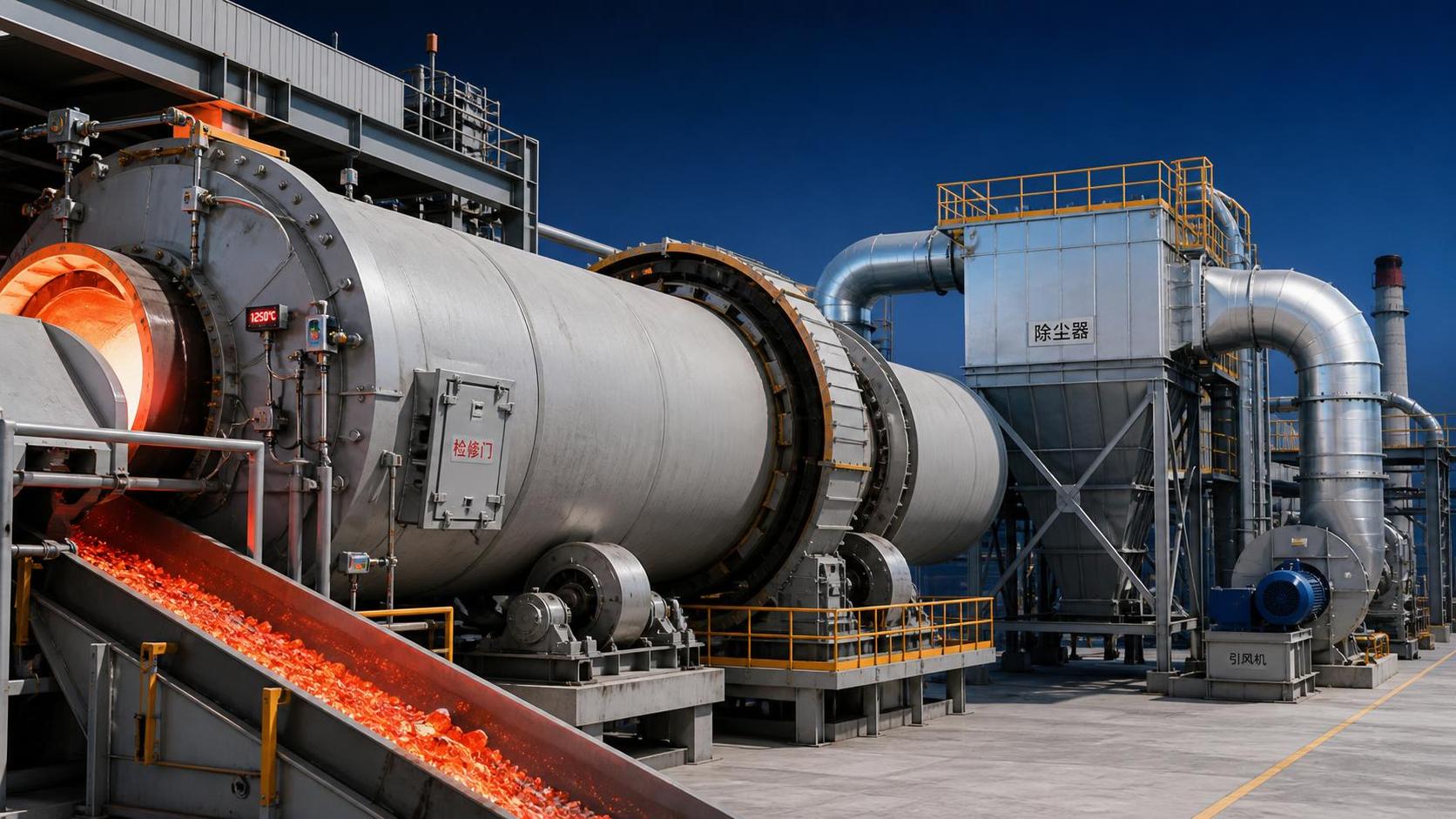
Examples include sorting upgrades, moisture reduction, densification, and co-processing in rotary kilns.
By contrast, greenfield waste-to-energy projects often need longer approval and construction timelines.
Which waste streams are most suitable for quick savings?
Not all waste streams fit the same conversion route.
The most attractive streams are those with predictable composition and clear downstream acceptance.
Common high-potential streams
Packaging residues, production scrap, sludge with energy value, and selected mineral by-products often rank high.
These materials may support industrial waste conversion through thermal recovery or raw material substitution.
Streams needing caution
Highly variable hazardous residues create more risk.
So do wet wastes that need extensive drying before useful combustion or extrusion.
Chlorinated or sulfur-rich materials can also raise corrosion, emissions, and refractory wear concerns.
For sectors connected to cement, glass, refractory, and kiln operations, fit-for-process matters more than volume alone.
A smaller stream with strong fuel value may outperform a larger stream with unstable chemistry.
How should operators compare conversion options?
A simple comparison should balance financial speed with technical certainty.
Industrial waste conversion is strongest when cost reduction and process reliability improve together.
Key decision factors
- Net avoided disposal cost after sorting and handling
- Energy or material substitution value
- Capital intensity and installation time
- Impact on uptime, lining life, and maintenance
- Permitting complexity and reporting burden
This is where specialized intelligence creates an advantage.
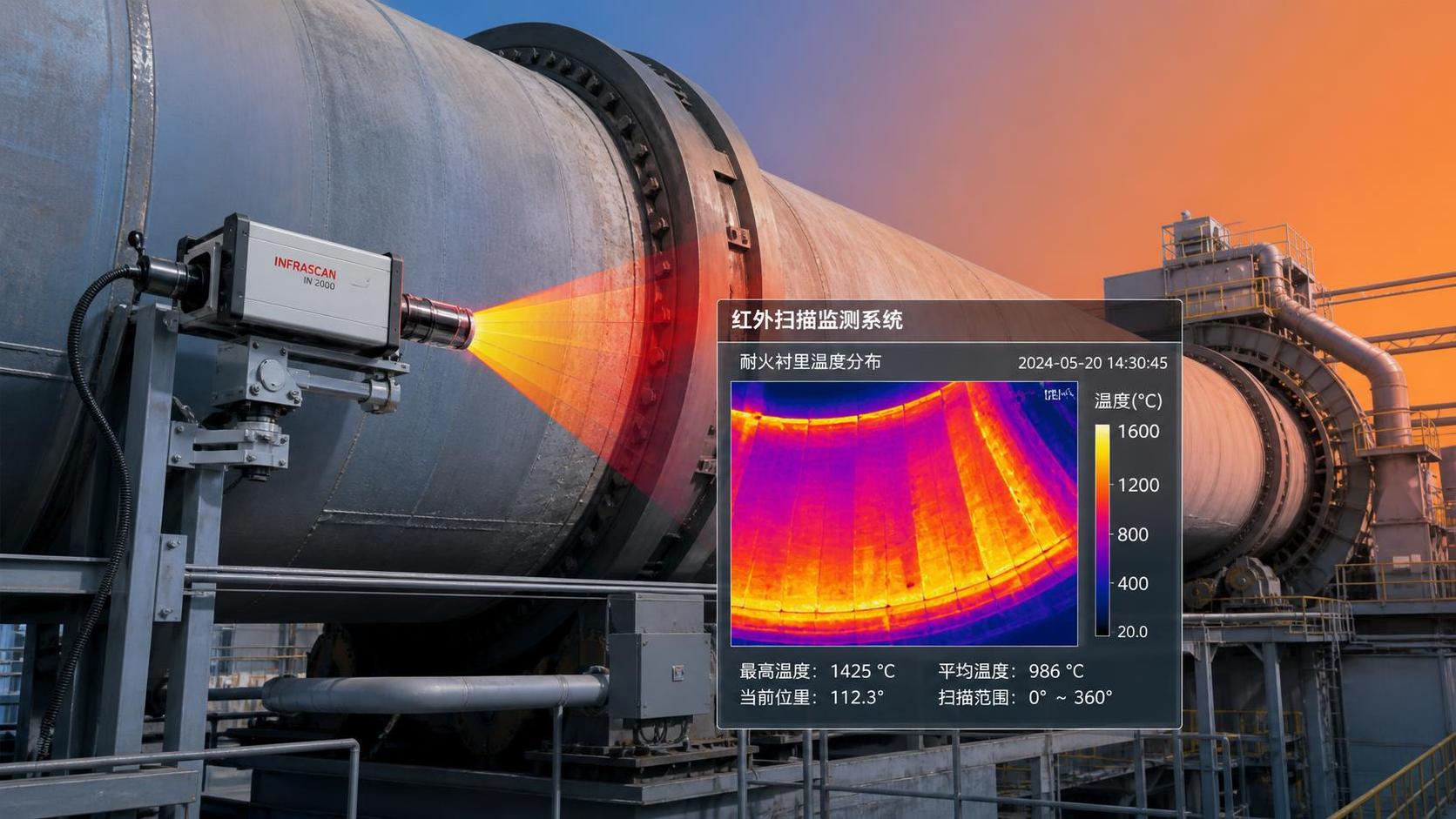
CF-Elite tracks rotary kiln co-processing, digital monitoring, refractory performance, and high-temperature process economics.
That knowledge helps connect waste chemistry with thermal system tolerance and carbon strategy.
A low-capex retrofit may beat a larger energy project if it preserves operating stability.
Likewise, outsourced conversion may outperform on-site investment where permitting is slow or fuel demand is seasonal.
What risks can erase the savings from industrial waste conversion?
The biggest mistake is assuming every diverted ton creates equal value.
Savings often disappear through hidden handling costs, downtime, emissions controls, or rejected batches.
Frequent risk areas
- Unstable waste composition
- Underestimated drying or shredding needs
- Corrosion or refractory damage
- Stack emissions non-compliance
- Weak contracts for off-take or disposal fallback
Another common issue is measuring success only by tonnage diverted.
A better metric is net margin improvement per ton processed, adjusted for operational risk.
Industrial waste conversion should also be stress-tested against carbon pricing, fuel market shifts, and maintenance intervals.
How can a site estimate payback without overcommitting capital?
Start with a staged model, not a full transformation plan.
Industrial waste conversion works best when quick wins fund later complexity.
A practical sequence
- Map each waste stream by volume, chemistry, and current disposal cost.
- Separate easy conversion candidates from difficult streams.
- Run pilot trials with clear quality and emissions thresholds.
- Model savings using conservative uptime and maintenance assumptions.
- Scale only after confirming stable monthly economics.
This phased approach protects capital discipline.
It also creates better internal evidence for future process upgrades.
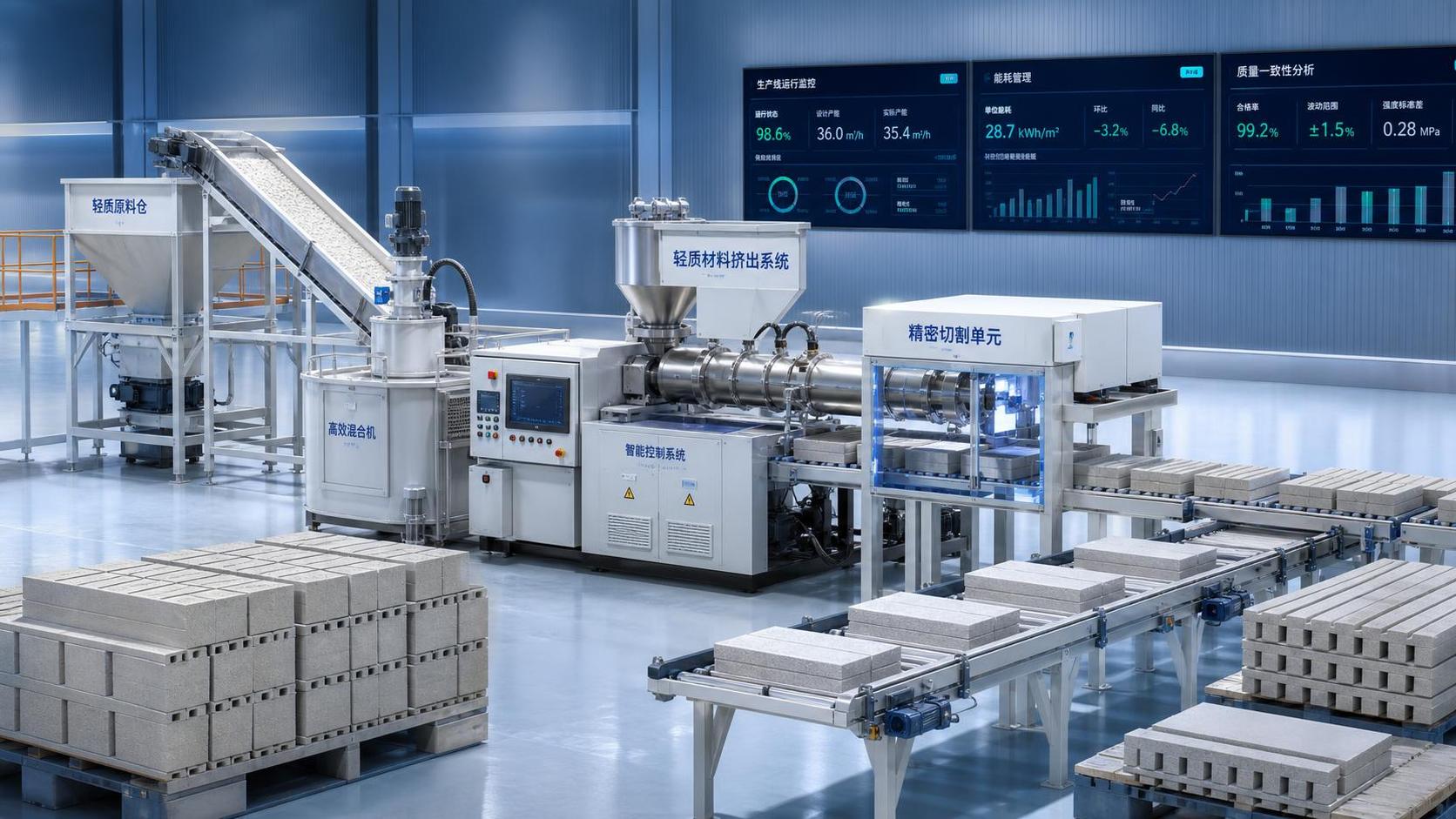
In sectors with kilns, incineration assets, and extrusion lines, cross-functional data is critical.
Feedstock tests, thermal balance, refractory behavior, and emissions trends must align before expansion.
FAQ summary: what should be checked first?
Industrial waste conversion can lower disposal costs fast, but speed comes from fit, not ambition alone.
The strongest cases combine waste quality control, suitable thermal assets, and disciplined financial modeling.
For industries tied to kilns, glass, refractory systems, and high-temperature materials, technical intelligence matters as much as headline savings.
The next practical step is to build a waste-to-value map, test the easiest streams first, and compare real operating data against current disposal spend.
Done well, industrial waste conversion becomes a cost control tool, an energy strategy, and a more resilient foundation for long-term industrial performance.
Related News
 Optical Glass Tech FellowHow to Evaluate a Glass Annealing Equipment Manufacturer for Production StabilityChoose a glass annealing equipment manufacturer with proven thermal uniformity, reliable controls, lifecycle value, and responsive service for stable production.Sep 08, 2026
 Prof. Marcus ChenThermal Energy Architecture in North America: Strategies for Lower Building Energy UseThermal energy architecture North America helps project leaders cut building energy use through stronger envelopes, right-sized HVAC, storage, and smart commissioning.Sep 07, 2026
 Ms. Elena RodriguezHow Should Buyers Evaluate Building Material Industry Intelligence Pricing?Building material industry intelligence pricing: learn how to compare coverage, technical depth, and ROI to choose intelligence that reduces procurement risk.Sep 07, 2026
 Ms. Elena RodriguezHow to Use Building Material Intelligence Data for Market and Investment DecisionsBuilding material industry intelligence data helps leaders evaluate demand, costs, regulation, capacity, and technology to make smarter market and investment decisions.Sep 05, 2026
 Thermal Energy ArchitectHow PLC Control Improves Energy Efficiency and Temperature Stability in KilnsEnergy efficient kilns PLC control improves temperature stability, cuts fuel waste, and optimizes combustion, draft, and material flow. Explore proven strategies for smarter kiln modernization.Sep 04, 2026
 Optical Glass Tech FellowEuropean Glass Melting Processes: Furnace Choices, Energy Use, and Quality ControlGlass melting process Europe: explore furnace choices, energy efficiency, cullet strategy, and quality control to improve output, compliance, and long-term glass performance.Sep 03, 2026
 Thermal Energy ArchitectWhat Determines Refractory Lining Monitoring Price for Industrial Kilns?Refractory lining monitoring price depends on kiln size, sensor technology, installation, software, and support. Compare total lifecycle costs and choose the right solution.Sep 02, 2026
 Silicate Process EngineerCement Production System Costs: A Plant Buyer’s Guide to Budgeting and ROICement production systems cost planning made clear: compare CAPEX, operating costs, compliance, and ROI to build a resilient, profitable cement plant investment.Sep 01, 2026
 Dr. Alistair VaughnWhat Should a Process Technology Database Track for High-Temperature Plants?Process technology database essentials for high-temperature plants: track thermal profiles, feed chemistry, refractory wear, emissions, energy, and maintenance for safer, data-driven decisions.Aug 31, 2026
 Ms. Elena RodriguezHow to Evaluate a Silicate Processing Equipment Manufacturer for Plant ProjectsSilicate processing equipment manufacturer selection: assess process fit, guarantees, energy, compliance, delivery risk, and lifecycle support for dependable plant performance.Aug 30, 2026
 Dr. Alistair VaughnHow to Specify Custom Agricultural Processing Equipment for Throughput and HygieneEquipment customization services for agricultural processing: learn to specify hygienic, high-throughput lines that improve yield, reliability, and long-term efficiency.Aug 29, 2026
 Dr. Alistair VaughnHow to Select Process Plant Equipment for High-Temperature, Abrasive Production LinesProcess plant equipment selection for high-temperature, abrasive lines: reduce downtime, improve durability, and optimize lifecycle performance.Aug 28, 2026
 Silicate Process EngineerHow Kiln Heat Recovery Systems Cut Fuel Use in Cement and Lime ProductionKiln heat recovery helps cement and lime plants cut fuel use, improve thermal stability, and build practical, reliable decarbonization strategies.Aug 27, 2026
 Ms. Elena RodriguezProcess Equipment Comparison: Which Metrics Matter Most for Reliable Selection?Process equipment comparison made practical: discover which metrics truly drive reliable selection, from energy efficiency and control stability to wear life, maintainability, and uptime.Aug 26, 2026
 Ms. Elena RodriguezWhat Buyers Should Check Before Sourcing Precision Alloy Bars for Critical PartsPrecision Alloy Bars buyers should verify grade, chemistry, tolerances, surface quality, traceability, and lead time before sourcing for critical parts. Learn what prevents costly machining and reliability risks.Aug 27, 2026
 Ms. Elena RodriguezHow to Evaluate Thermal Management Solutions Insulation for High-Heat Industrial SystemsThermal management solutions insulation: learn how to assess high-heat industrial systems by thermal performance, durability, lifecycle cost, and supplier data for smarter decisions.Aug 25, 2026
 Ms. Elena RodriguezWhat Drives Waste Recycling Cost in Industrial Projects and How to Estimate It?Waste recycling cost in industrial projects depends on composition, moisture, transport, pre-treatment, and compliance. Learn how to estimate it accurately and compare suppliers with confidence.Aug 24, 2026
 Silicate Process EngineerHow to Evaluate Cement Production Plants in the Middle East for Capacity, Fuel Flexibility, and ROIcement production plants Middle East: Learn how to assess true capacity, fuel flexibility, and ROI risks to identify resilient assets and smarter investment opportunities.Aug 23, 2026
 Structural Material AnalystHow to Evaluate Lightweight Material Machinery for Output, Energy Use, and Product QualityLightweight material machinery evaluation guide: compare stable output, energy use, and product quality to choose equipment that cuts waste, lowers costs, and improves production confidence.Aug 22, 2026
 Material Heat-Resist ExpertWhat Determines Refractory Production Line Price in a Turnkey Plant Project?Refractory production line price depends on raw materials, forming method, kiln and drying design, automation, utilities, and scope. Learn what really drives turnkey plant cost before you invest.Aug 21, 2026

Related News
- 00
0000-00
How Should Buyers Evaluate Building Material Industry Intelligence Pricing? - 00
0000-00
How to Use Building Material Intelligence Data for Market and Investment Decisions - 00
0000-00
How to Evaluate a Silicate Processing Equipment Manufacturer for Plant Projects - 00
0000-00
Process Equipment Comparison: Which Metrics Matter Most for Reliable Selection? - 00
0000-00
What Buyers Should Check Before Sourcing Precision Alloy Bars for Critical Parts
Weekly Insights
Stay ahead with our curated technology reports delivered every Monday.