
Is industrial energy efficiency worth the upfront cost?




For financial decision-makers, industrial energy efficiency is not just a sustainability goal—it is a capital allocation question with measurable returns. In high-temperature sectors such as cement, glass, kilns, and refractory production, the upfront cost can seem significant, but the long-term impact on fuel consumption, compliance risk, uptime, and operating margins often tells a different story. This article examines whether the investment truly pays off.
The short answer is yes—industrial energy efficiency is often worth the upfront cost when projects are evaluated through total lifecycle economics rather than purchase price alone. For finance leaders, the real question is not whether efficient systems cost more, but whether they reduce cash operating costs, protect production continuity, and improve asset competitiveness fast enough to justify the capital.
That is the core search intent behind this topic. Decision-makers searching for industrial energy efficiency usually want proof, not advocacy. They need to know how quickly investments pay back, which savings are reliable, what risks can erode returns, and how to distinguish attractive upgrades from expensive technical overdesign.
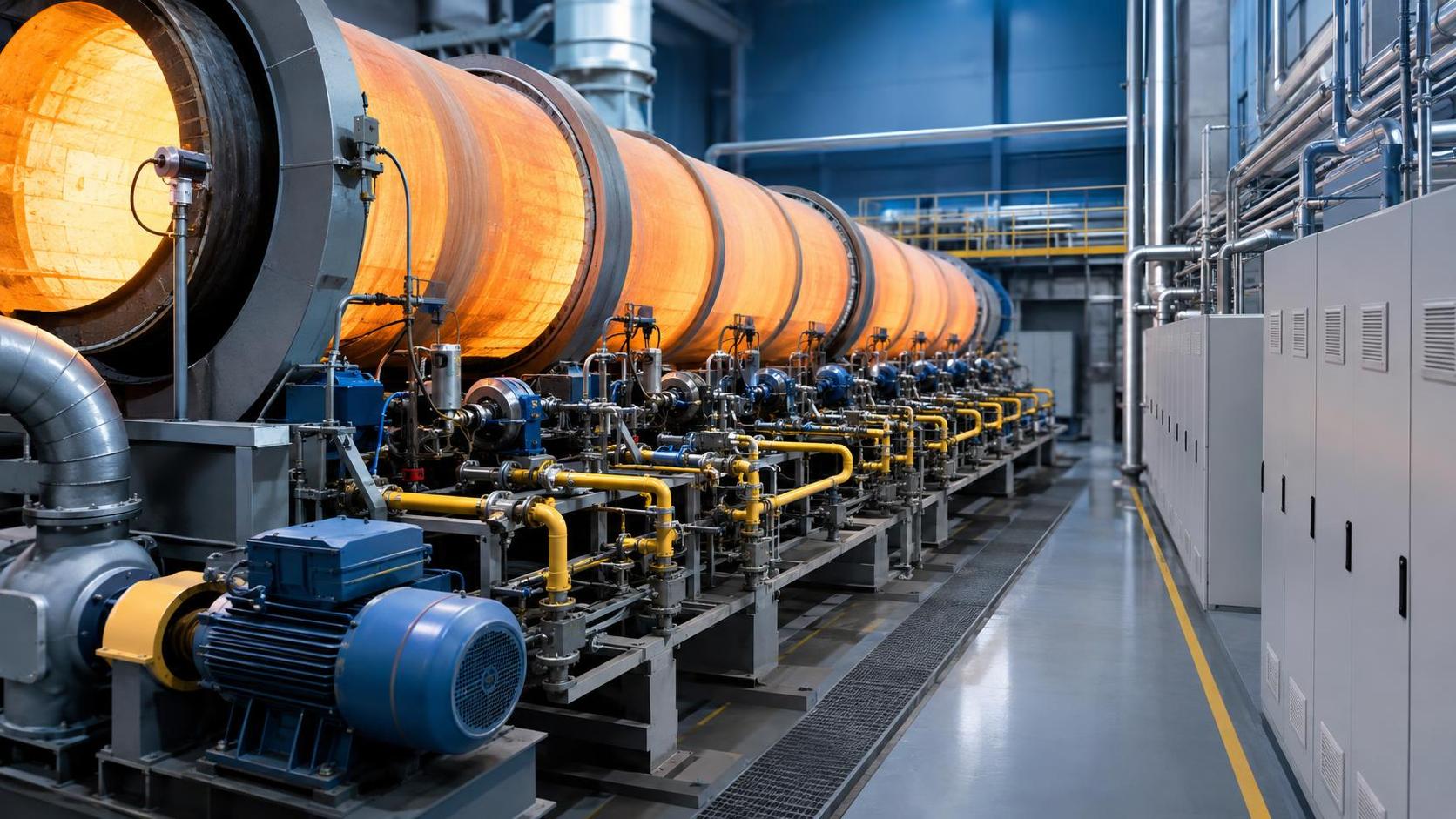
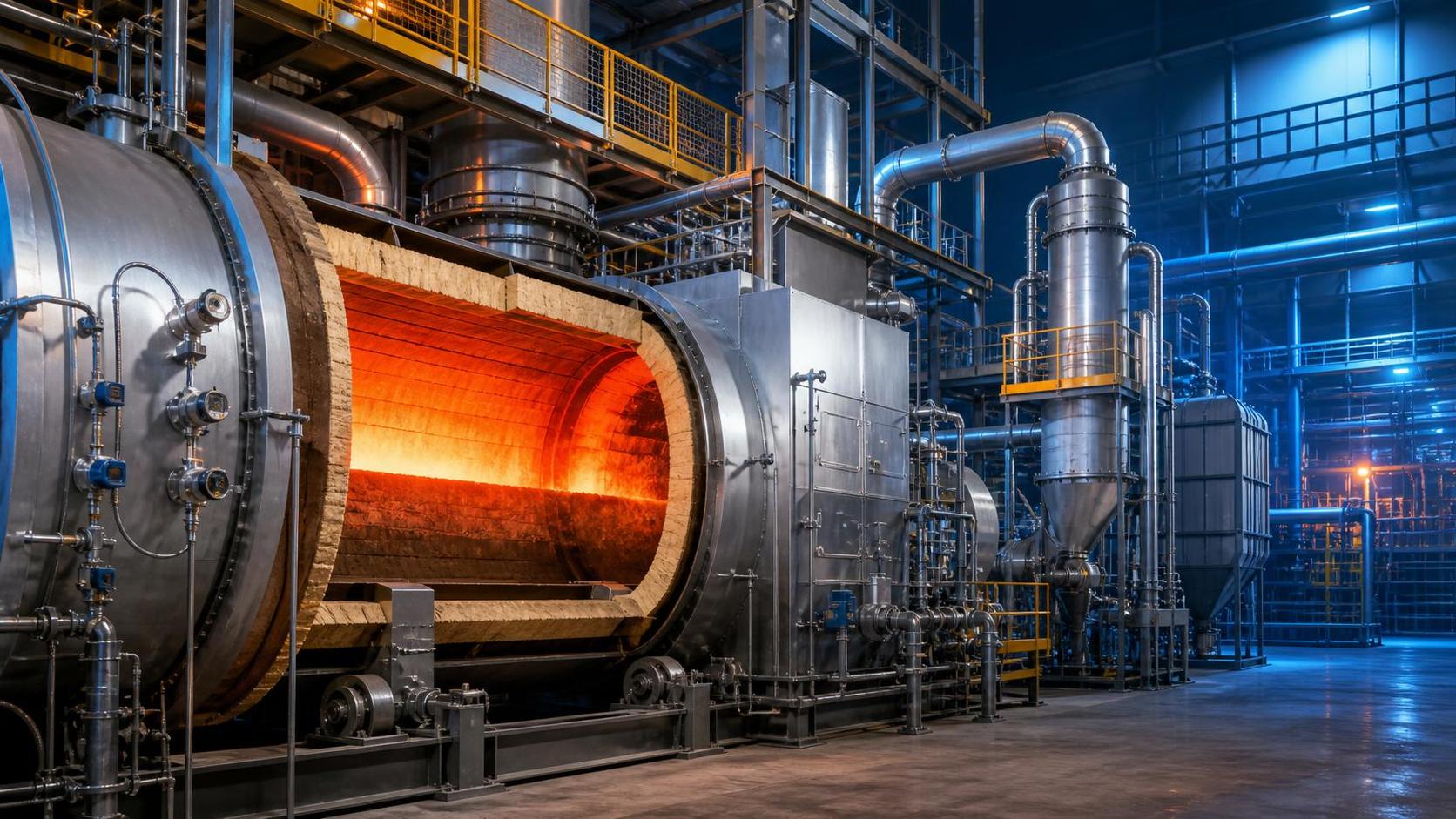
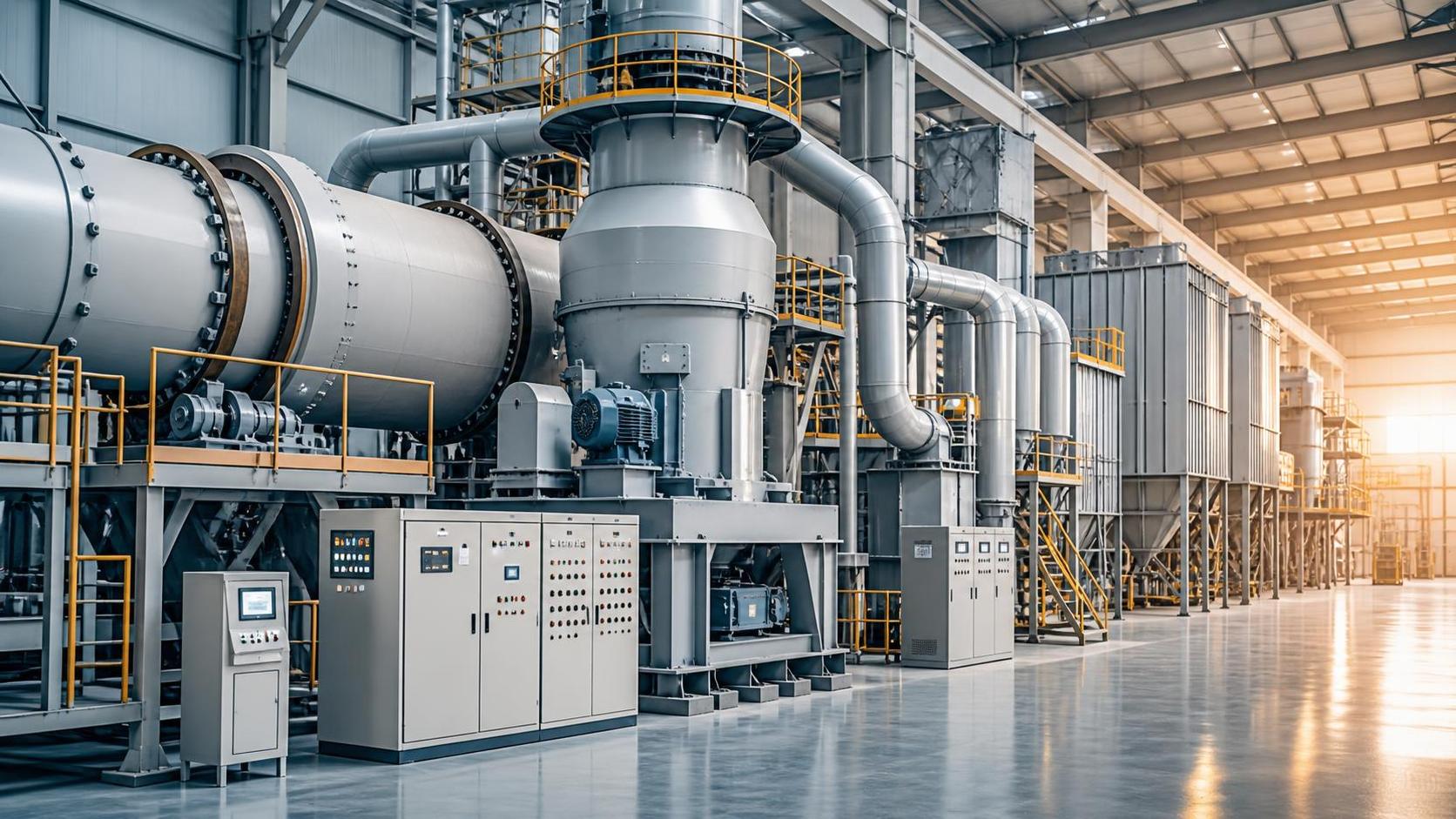
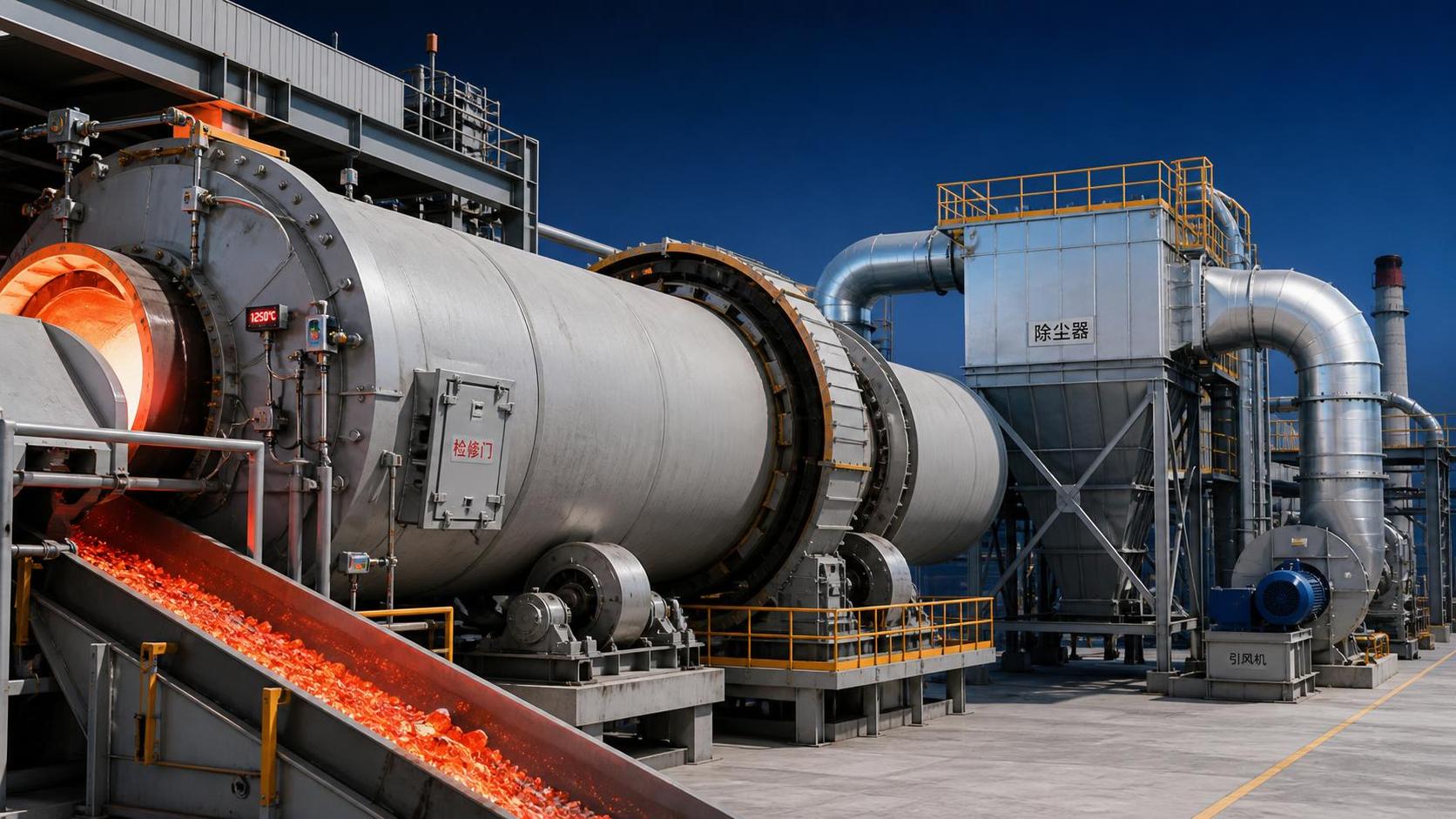
In sectors built around heat, combustion, and continuous production, the stakes are especially high. A small efficiency gain in a rotary kiln, glass furnace, incineration line, or extrusion system can translate into large annual savings because energy costs scale with every operating hour. The financial case becomes stronger when energy prices are volatile or environmental compliance costs are rising.
What financial approvers really need to know before saying yes
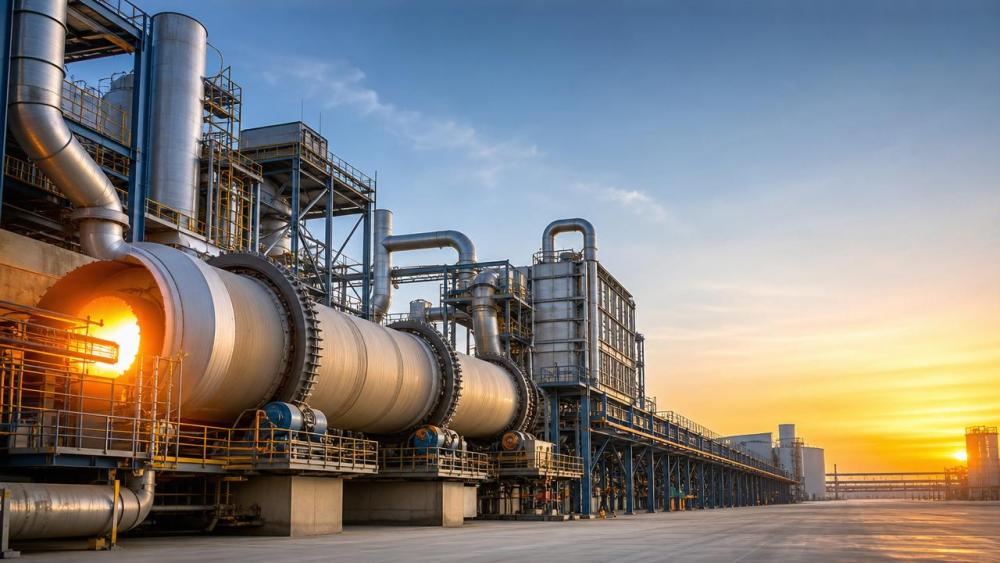
Financial approvers are rarely asking whether efficiency is good in principle. They are asking whether this specific project will improve earnings quality, cash flow resilience, and long-term plant economics. That means the most useful evaluation framework starts with business outcomes, not engineering features.
Three questions usually matter most. First, how much energy cost can realistically be removed per year? Second, how dependable are those savings under actual plant conditions? Third, what additional value comes from lower maintenance, fewer stoppages, better compliance, or higher throughput?
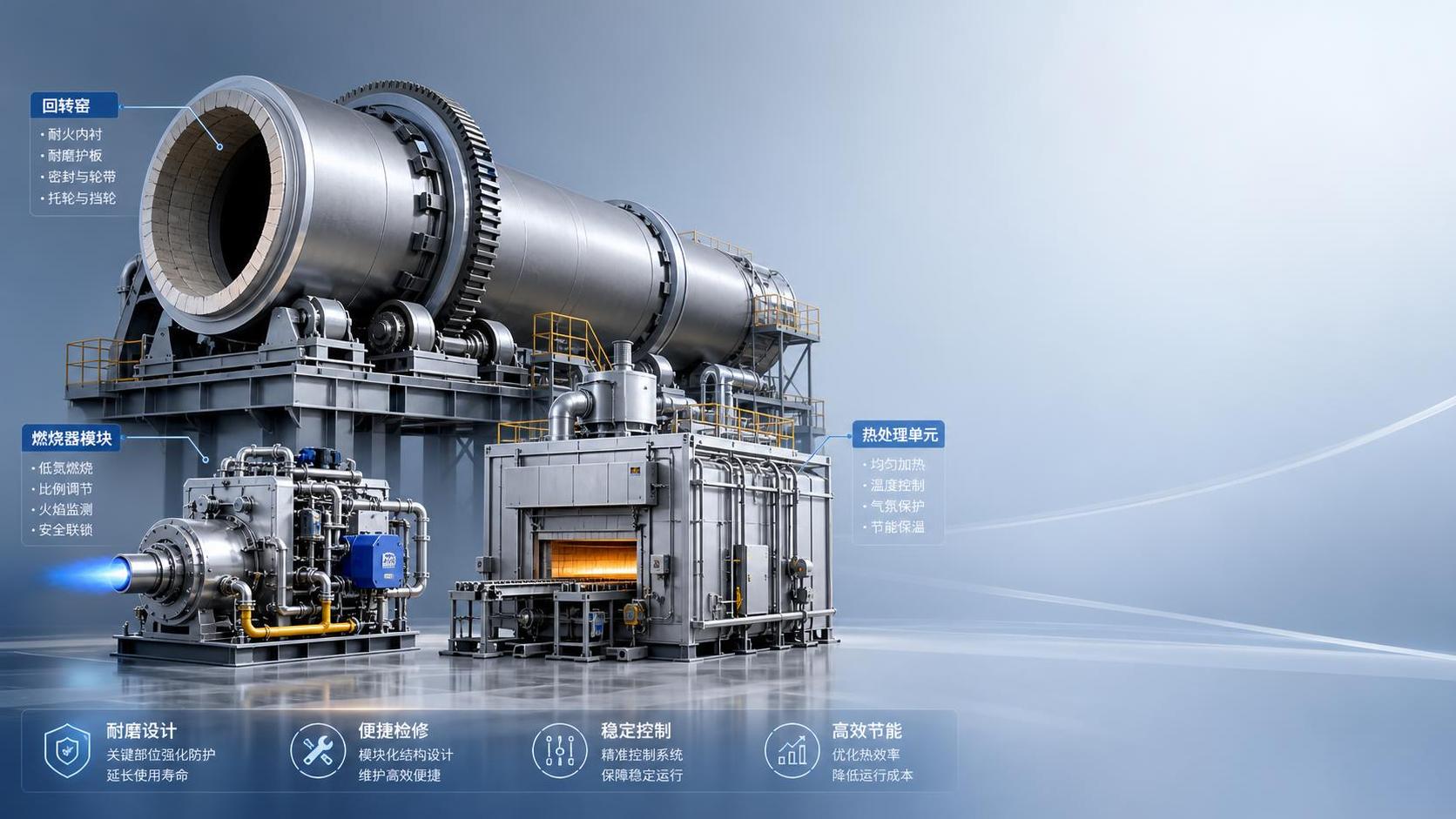
These questions are critical in high-temperature industries because equipment performance affects more than utility bills. A more efficient combustion system, upgraded burner package, better kiln insulation, optimized heat recovery unit, or improved process control architecture can influence fuel intensity, refractory wear, emissions stability, and output consistency at the same time.
For that reason, the best industrial energy efficiency investments are rarely isolated “green” purchases. They are operating margin projects. They can lower unit production cost, make budgeting more predictable, and strengthen a plant’s position against competitors with older and less adaptable thermal systems.
Why upfront cost looks high—and why that can be misleading
The perception problem is real. Industrial energy efficiency projects often require visible capital spending now, while many of the benefits accrue over years. Finance teams see a larger invoice for premium equipment, advanced controls, heat recovery components, or process redesign, and naturally compare it with a cheaper baseline option.
That comparison can be misleading when it ignores lifecycle cost. A lower-priced system may consume more fuel every day, require more operator intervention, create unstable thermal profiles, or increase wear on critical lining and mechanical components. Those costs may not appear in the purchase order, but they appear later in operating budgets.
In continuous or semi-continuous production environments, inefficiency compounds. If a line runs near year-round, even a modest reduction in specific energy consumption can produce substantial annual savings. Over a multi-year horizon, the cost difference between standard and efficient equipment can become small relative to avoided fuel expense.
There is also an accounting psychology issue. Capital expenditure is approved centrally and visibly, while energy waste is often distributed across monthly utility bills and process losses. Because waste arrives gradually, it can be tolerated longer than it should be. Good capital governance requires making those hidden costs explicit.
How to calculate whether industrial energy efficiency is worth it
A credible investment case starts with a disciplined model. Finance leaders should ask for more than headline energy savings percentages. They need a project case built around baseline consumption, expected operating profile, sensitivity to fuel price changes, downtime assumptions, maintenance impacts, and implementation risk.
The first metric is annual energy cost reduction. Estimate current fuel or power use per ton, per operating hour, or per production campaign. Then compare that baseline with projected post-upgrade performance under realistic throughput, product mix, and ambient conditions. Conservative assumptions are better than marketing claims.
The second metric is payback period, but it should not be the only one. A short payback is attractive, yet some projects with slightly longer payback can still be superior when they materially reduce compliance exposure, increase uptime, or extend equipment life. Internal rate of return and net present value usually provide a fuller picture.
Third, include avoided costs. These may include lower carbon charges, fewer burner failures, reduced refractory replacement frequency, lower fan loads, improved heat recovery, reduced scrap, or lower overtime associated with unstable production. In many industrial settings, these secondary gains decide the case.
Fourth, model downside scenarios. What happens if production runs at 80 percent of planned utilization? What if fuel prices fall temporarily? What if commissioning takes longer than expected? Projects that remain attractive under downside conditions are generally safer for capital approval.
Where the strongest returns usually come from in high-temperature industries
Not all efficiency spending performs equally. The strongest returns often come from projects that address large and continuous thermal losses rather than marginal improvements in peripheral systems. In cement, glass, incineration, and refractory processing, heat generation and heat retention are usually the biggest financial levers.
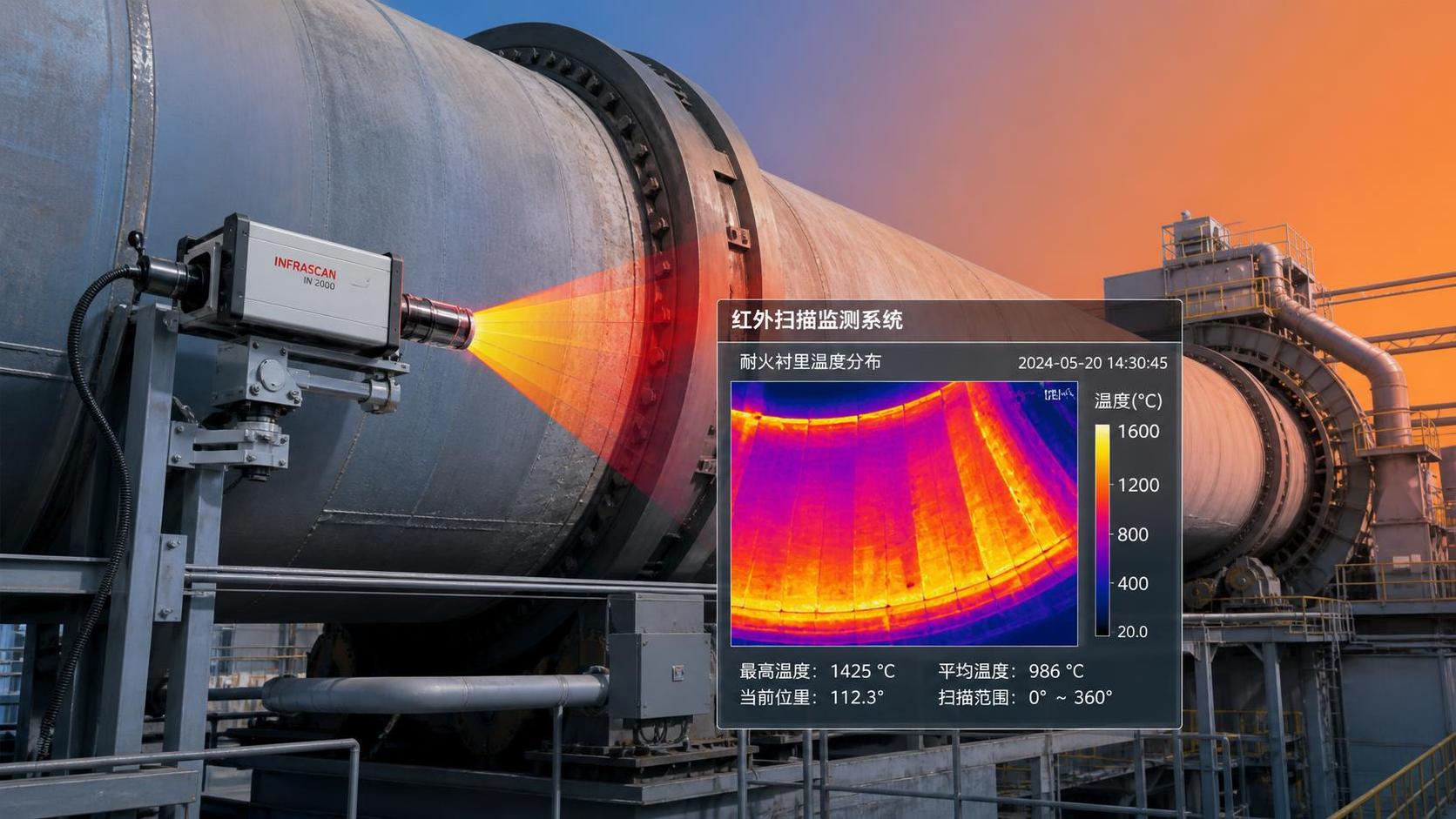
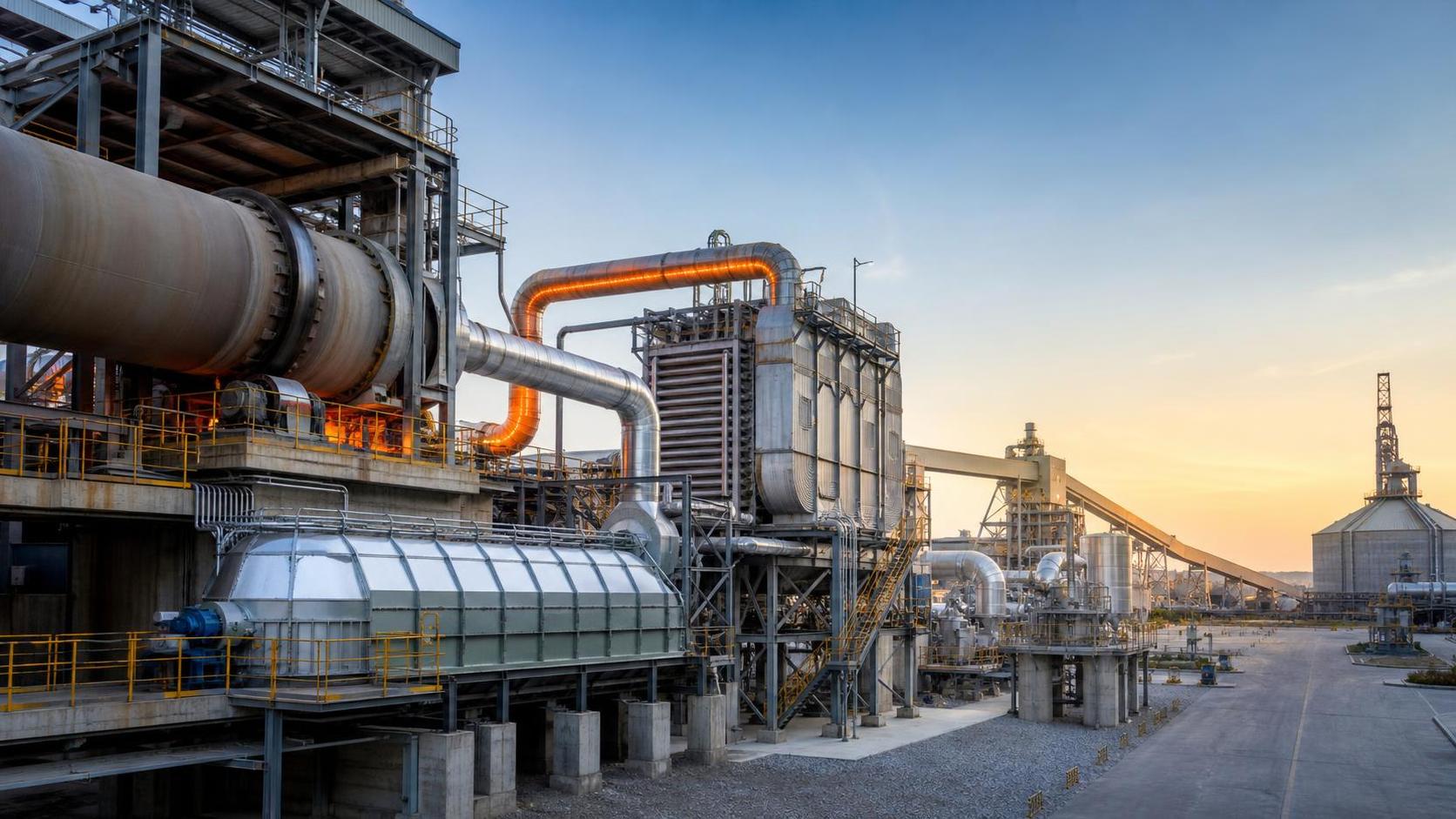
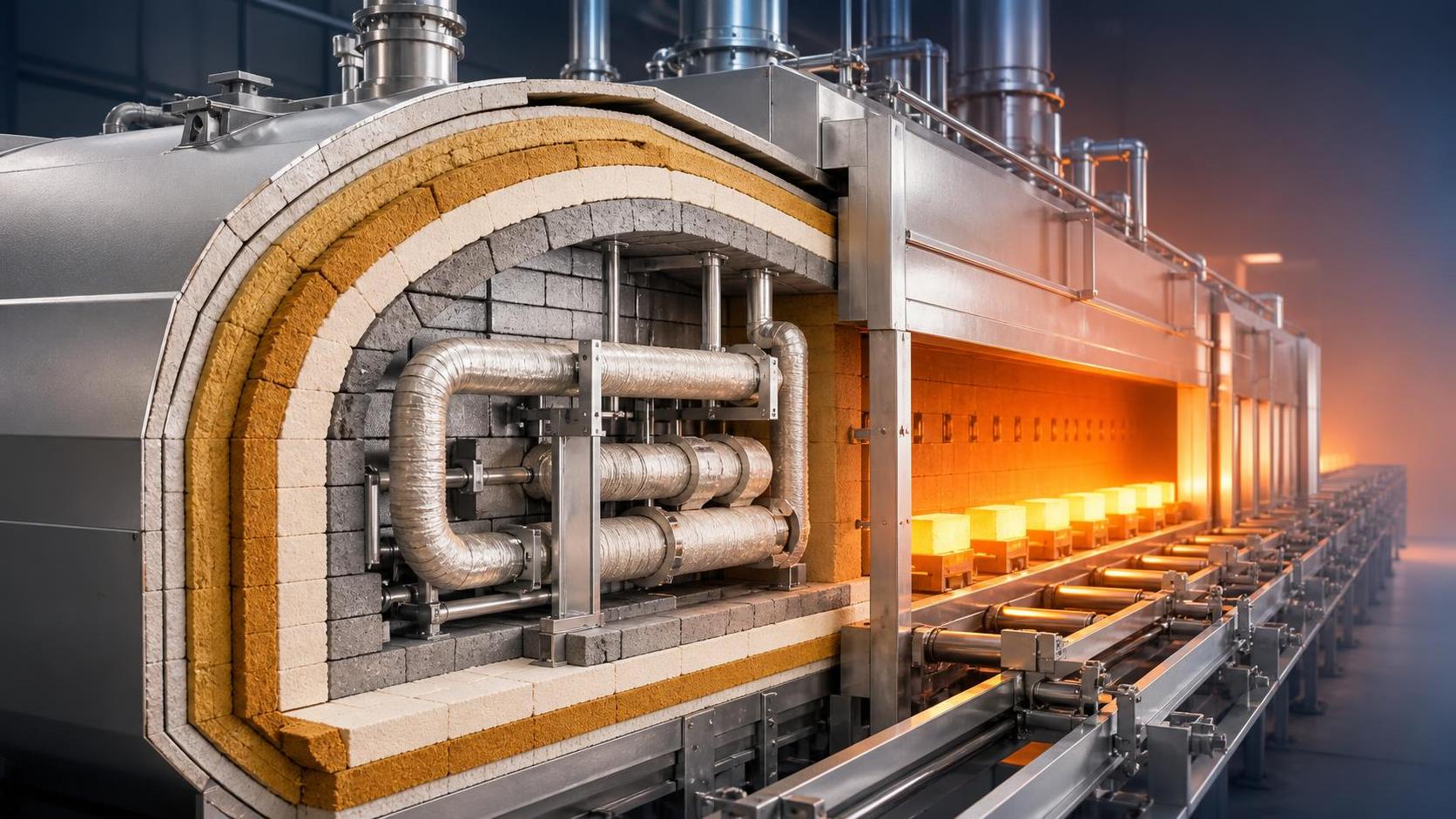
Examples include burner and combustion optimization, kiln shell or furnace insulation improvements, waste heat recovery, variable frequency drives on large fans, better process control logic, sealing upgrades that reduce false air, and digital monitoring that keeps thermal performance within target ranges.
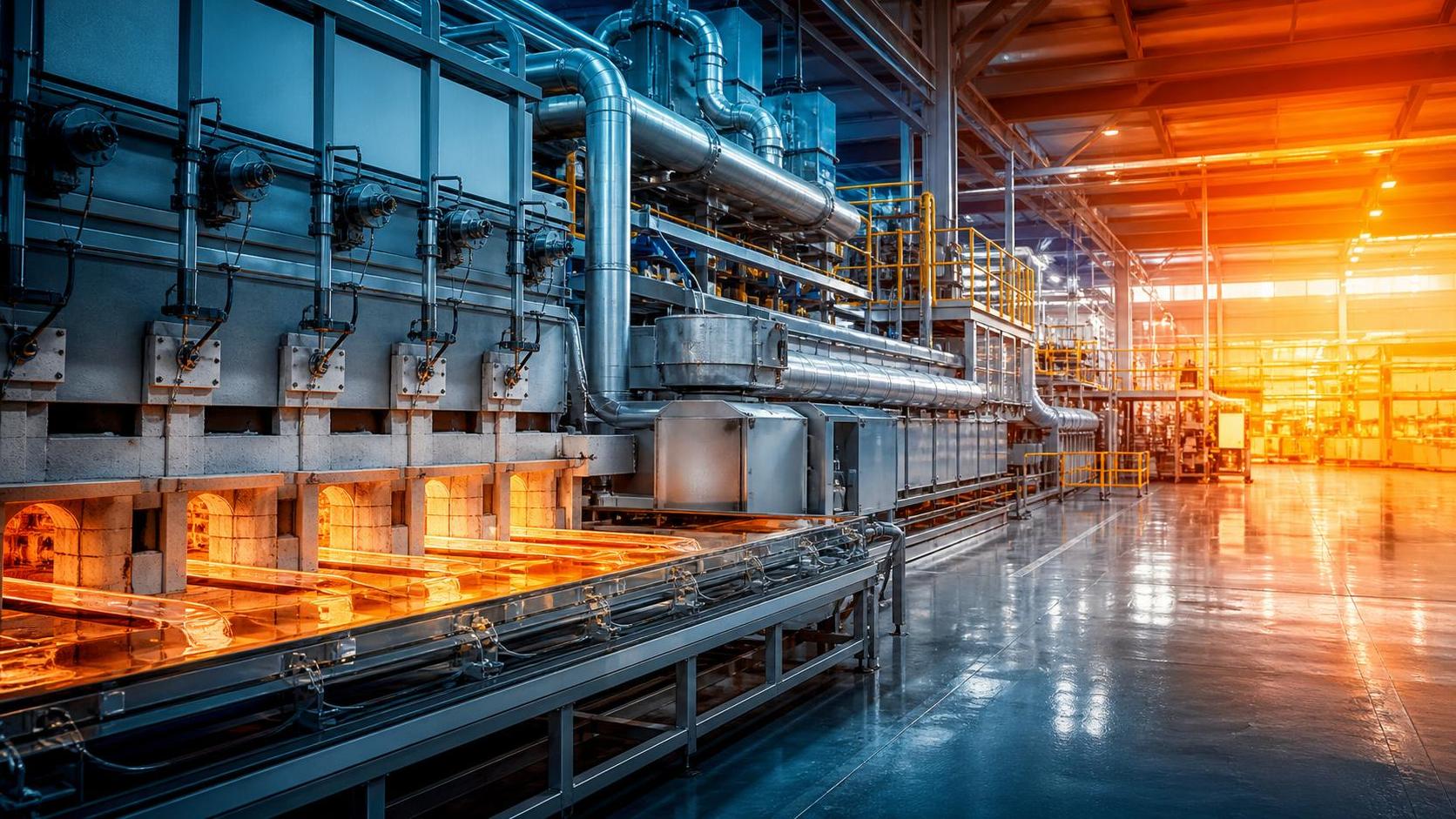
In cement and lime-type systems, even small gains in thermal efficiency can matter because fuel consumption is structurally high. In glass manufacturing, control accuracy and thermal balance can affect both energy use and product quality. In incineration, stable combustion and heat recovery improve both economics and compliance outcomes.
For refractory and extrusion lines, efficiency can also come from reducing thermal cycling, improving drying and firing profiles, and minimizing heat losses through poor lining design or process drift. In all of these cases, the best projects tend to combine engineering improvements with better measurement and control.
What hidden benefits often strengthen the business case
Many approval discussions focus too narrowly on utility savings. Yet in real plants, industrial energy efficiency often creates benefits that are less visible but financially significant. These hidden benefits can shorten effective payback and improve the certainty of returns.
One major benefit is uptime protection. Inefficient thermal systems often run hotter, less stable, or closer to failure thresholds. That can increase unplanned shutdown risk, damage refractory systems, or create operating variability that hurts throughput. A more efficient plant is frequently a more stable plant.
Another benefit is compliance resilience. As emissions rules tighten and carbon reporting becomes more rigorous, energy intensity directly affects regulatory exposure. Facilities with lower fuel consumption per unit of output are usually better positioned to manage future carbon costs, permit pressure, and customer scrutiny.
There is also commercial value. More energy-efficient operations can support stronger pricing discipline in competitive markets because they lower unit cost. They may also help companies qualify for procurement frameworks where sustainability data matters, especially in export markets or large infrastructure supply chains.
When the investment may not be worth it
Not every project deserves approval. Industrial energy efficiency may be less attractive when a plant faces uncertain closure, structurally low utilization, weak baseline data, or poor execution capability. A technically sound idea can still be a weak capital allocation decision if site conditions undermine the return.
Projects should be treated carefully if savings depend on unrealistic operating assumptions. For example, an upgrade may look attractive on paper at full production, but if the line runs intermittently, actual savings could be much lower. The same caution applies when maintenance practices are too weak to preserve expected performance.
Another warning sign is vendor-led optimism without plant-specific validation. Generic saving ranges are not enough for approval. Finance teams should insist on audited baselines, site-adapted engineering assumptions, and a clear measurement plan after commissioning. Without those elements, projected ROI may be overstated.
Finally, some projects fail because they are sequenced badly. Installing advanced efficiency equipment on a process line with unresolved mechanical instability, airflow leakage, or poor instrumentation can limit results. In those cases, prerequisite reliability work may create a better foundation for future energy savings.
How finance teams can approve with confidence
Financial confidence comes from governance, not just technical enthusiasm. A robust approval process should require a documented baseline, transparent assumptions, sensitivity analysis, implementation timeline, and post-installation verification approach. The goal is to convert engineering promise into measurable business accountability.
It also helps to classify projects by strategic purpose. Some are pure cost-reduction projects. Others are compliance-risk projects, reliability projects, or capacity-support projects with efficiency benefits attached. Clear classification prevents good investments from being rejected simply because they do not fit a single payback template.
Cross-functional review is essential. Operations teams understand real plant behavior, maintenance teams understand durability and failure modes, engineering teams understand achievable performance, and finance teams impose capital discipline. The best decisions happen when all four perspectives are integrated early.
Where possible, decision-makers should ask for phased implementation. Pilot upgrades, modular retrofits, or staged controls optimization can reduce execution risk while generating performance data. This is especially useful in older high-temperature plants where hidden process constraints may not be obvious at the proposal stage.
A practical decision framework for capital approval
For finance leaders, a practical rule is simple: approve industrial energy efficiency when the project lowers total production cost, remains viable under conservative scenarios, and creates operational benefits beyond energy reduction alone. Reject or defer proposals that rely on optimistic assumptions or weak measurement discipline.
A strong proposal should show five things clearly. First, a credible baseline. Second, a realistic savings estimate. Third, a full lifecycle financial model. Fourth, a quantified risk assessment. Fifth, a post-project verification plan tied to accountability. If these elements are present, the decision becomes much clearer.
In high-temperature sectors, the long-term direction of policy and market economics also matters. Carbon pressure, fuel volatility, and customer demand for lower-impact materials are unlikely to disappear. That means efficient plants are not only cheaper to run today; they are often better positioned for tomorrow’s competitive conditions.
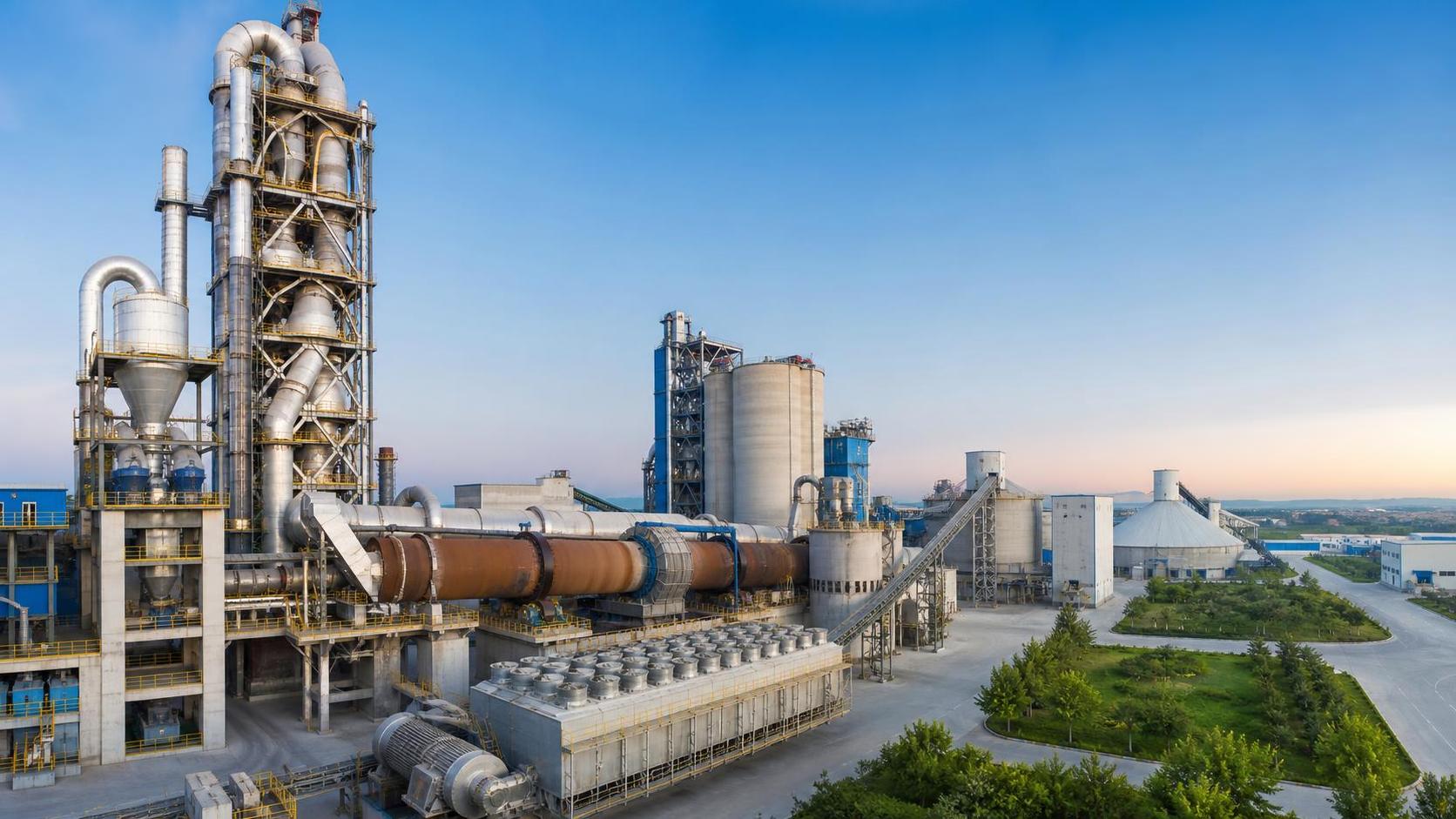
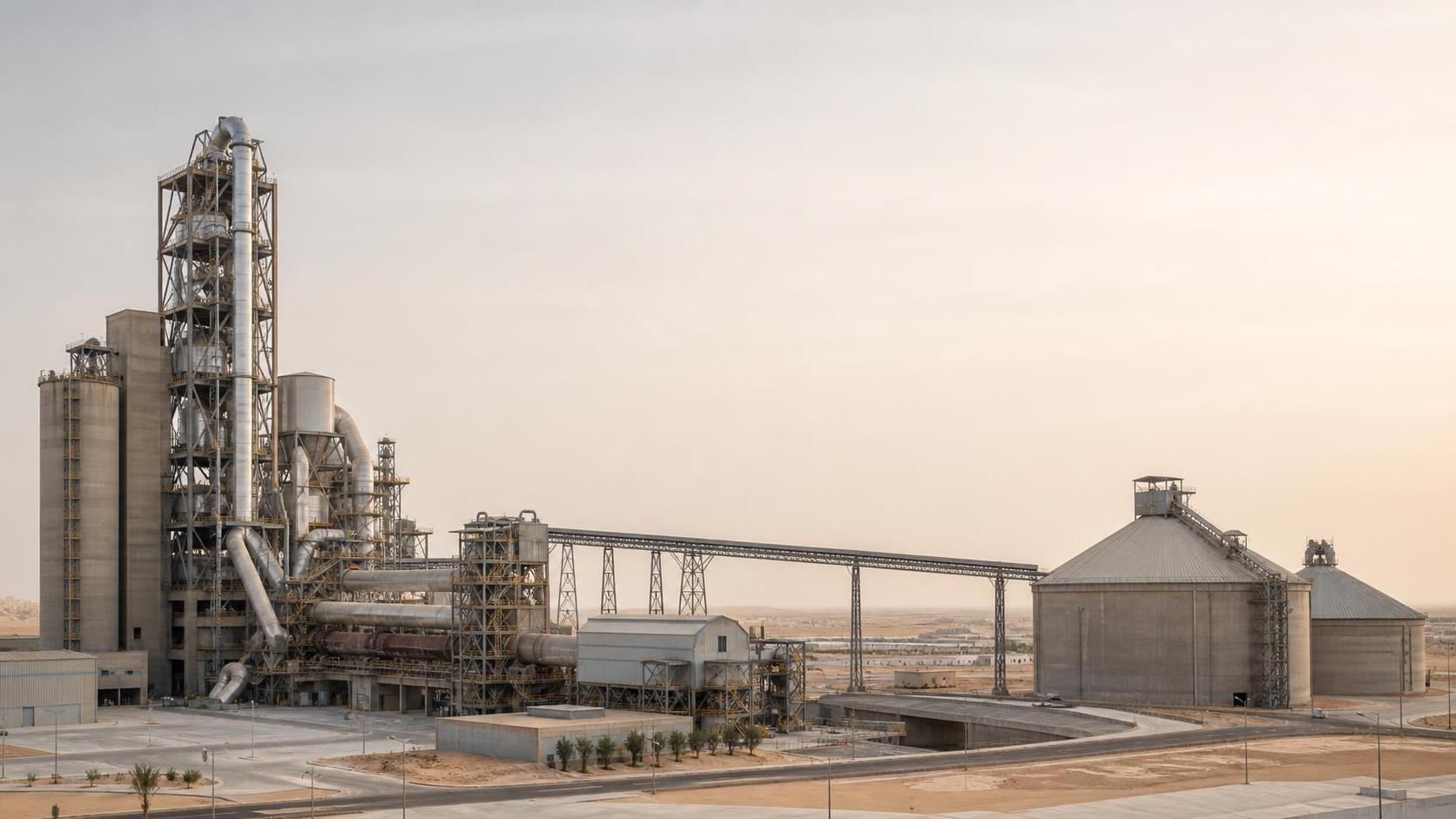
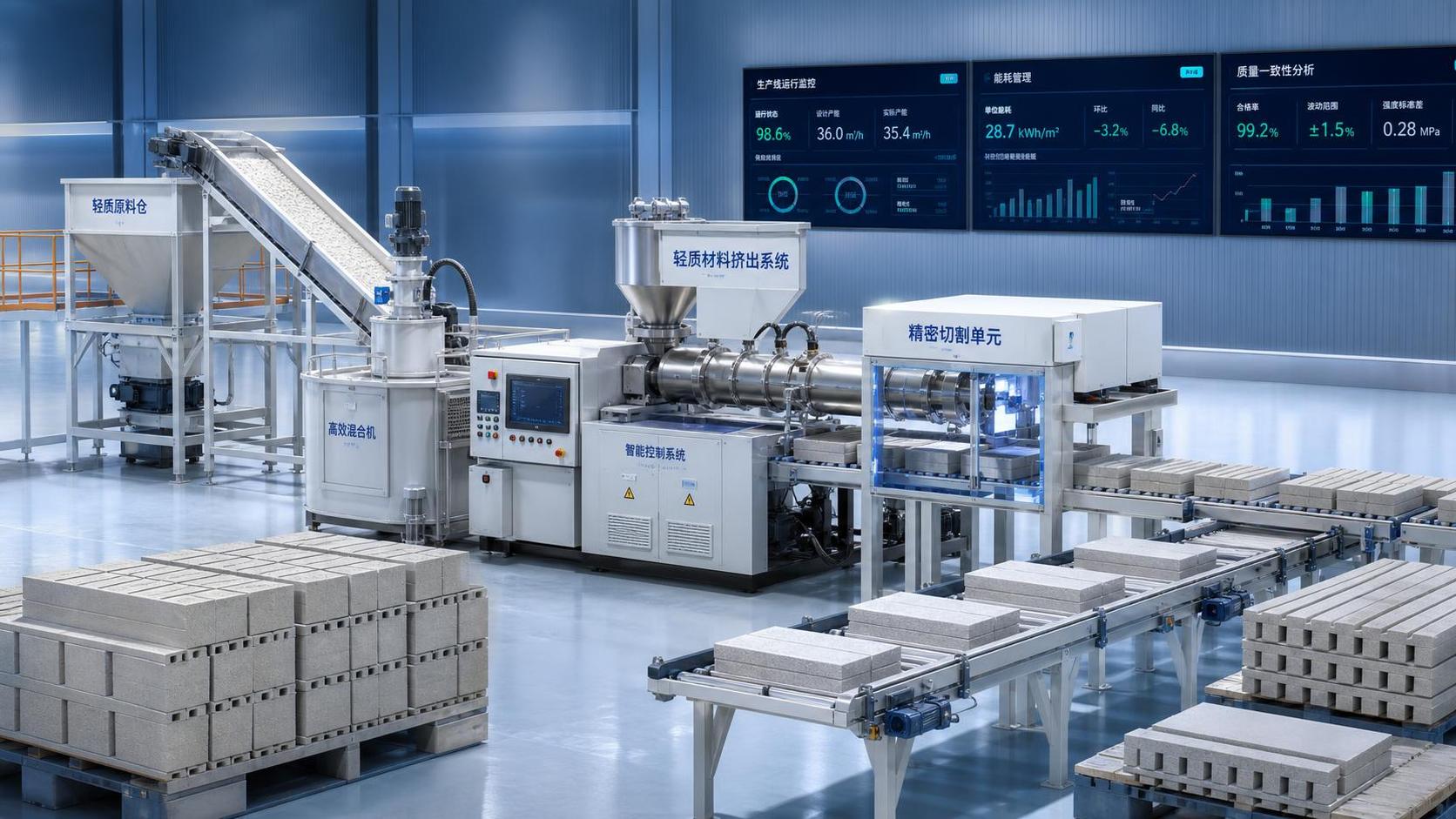
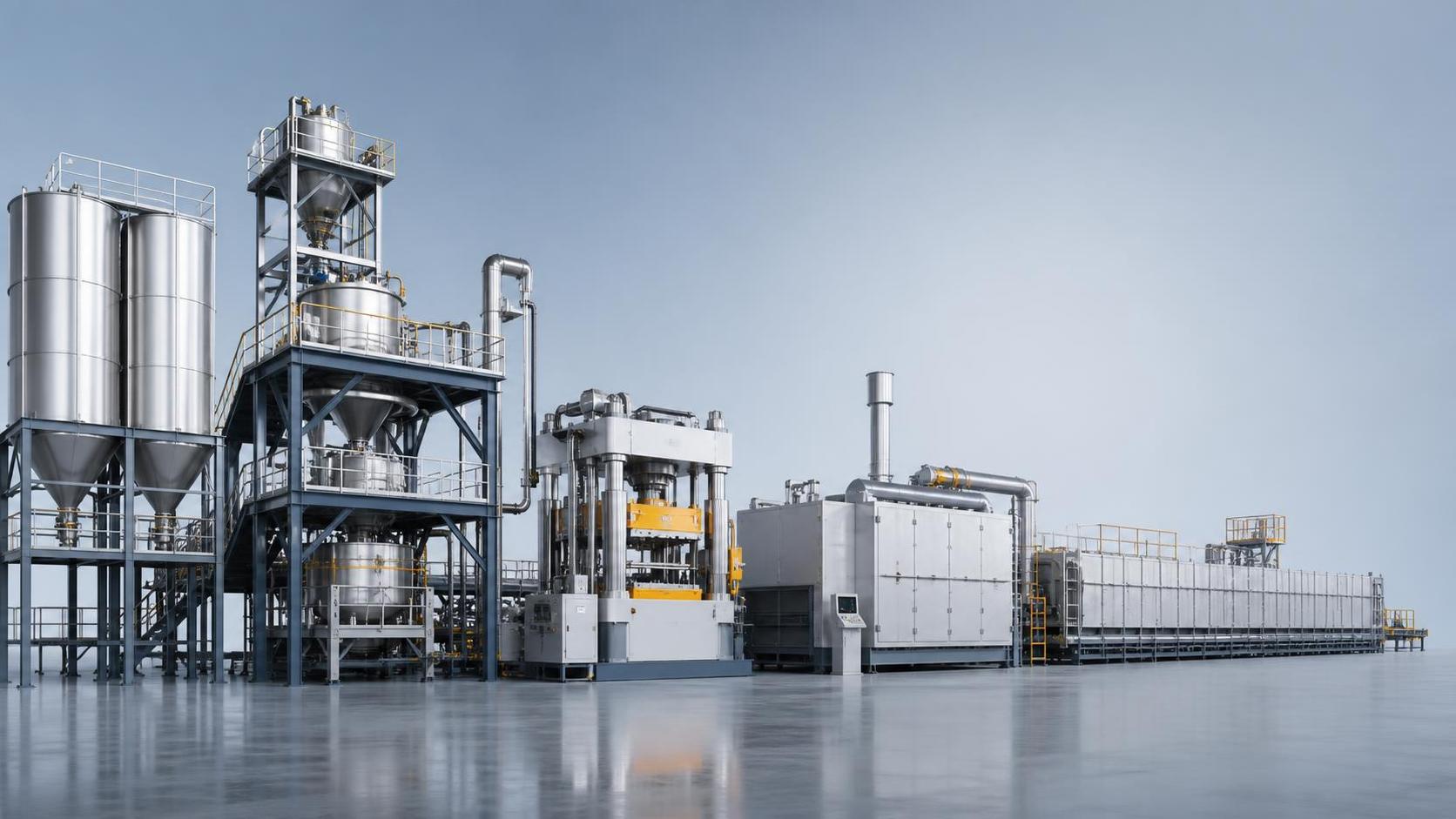
For organizations following the industrial intelligence priorities of platforms like CF-Elite, this conclusion is especially relevant. In cement production plants, glass manufacturing gear, industrial kilns and incineration, refractory production lines, and new building material extrusion, thermal performance is directly linked to cost, resilience, and strategic relevance.
Conclusion: the real question is not cost, but value over time
So, is industrial energy efficiency worth the upfront cost? In most well-structured cases, yes. The economics are strongest when energy use is continuous, thermal loads are high, and the project improves not just consumption but also reliability, compliance, and process control.
For financial approvers, the smartest approach is to look beyond the initial capital number and judge the investment by total value over time. When evaluated on lifecycle economics, many efficiency upgrades stop looking like premium purchases and start looking like disciplined, margin-protecting capital decisions.
The companies that win in energy-intensive industries are rarely those that spend the least upfront. They are the ones that invest selectively, measure rigorously, and build plants that stay efficient, compliant, and competitive under changing market conditions. That is where industrial energy efficiency proves its real worth.
Related News
 Optical Glass Tech FellowHow to Evaluate a Glass Annealing Equipment Manufacturer for Production StabilityChoose a glass annealing equipment manufacturer with proven thermal uniformity, reliable controls, lifecycle value, and responsive service for stable production.Sep 08, 2026
 Prof. Marcus ChenThermal Energy Architecture in North America: Strategies for Lower Building Energy UseThermal energy architecture North America helps project leaders cut building energy use through stronger envelopes, right-sized HVAC, storage, and smart commissioning.Sep 07, 2026
 Ms. Elena RodriguezHow Should Buyers Evaluate Building Material Industry Intelligence Pricing?Building material industry intelligence pricing: learn how to compare coverage, technical depth, and ROI to choose intelligence that reduces procurement risk.Sep 07, 2026
 Ms. Elena RodriguezHow to Use Building Material Intelligence Data for Market and Investment DecisionsBuilding material industry intelligence data helps leaders evaluate demand, costs, regulation, capacity, and technology to make smarter market and investment decisions.Sep 05, 2026
 Thermal Energy ArchitectHow PLC Control Improves Energy Efficiency and Temperature Stability in KilnsEnergy efficient kilns PLC control improves temperature stability, cuts fuel waste, and optimizes combustion, draft, and material flow. Explore proven strategies for smarter kiln modernization.Sep 04, 2026
 Optical Glass Tech FellowEuropean Glass Melting Processes: Furnace Choices, Energy Use, and Quality ControlGlass melting process Europe: explore furnace choices, energy efficiency, cullet strategy, and quality control to improve output, compliance, and long-term glass performance.Sep 03, 2026
 Thermal Energy ArchitectWhat Determines Refractory Lining Monitoring Price for Industrial Kilns?Refractory lining monitoring price depends on kiln size, sensor technology, installation, software, and support. Compare total lifecycle costs and choose the right solution.Sep 02, 2026
 Silicate Process EngineerCement Production System Costs: A Plant Buyer’s Guide to Budgeting and ROICement production systems cost planning made clear: compare CAPEX, operating costs, compliance, and ROI to build a resilient, profitable cement plant investment.Sep 01, 2026
 Dr. Alistair VaughnWhat Should a Process Technology Database Track for High-Temperature Plants?Process technology database essentials for high-temperature plants: track thermal profiles, feed chemistry, refractory wear, emissions, energy, and maintenance for safer, data-driven decisions.Aug 31, 2026
 Ms. Elena RodriguezHow to Evaluate a Silicate Processing Equipment Manufacturer for Plant ProjectsSilicate processing equipment manufacturer selection: assess process fit, guarantees, energy, compliance, delivery risk, and lifecycle support for dependable plant performance.Aug 30, 2026
 Dr. Alistair VaughnHow to Specify Custom Agricultural Processing Equipment for Throughput and HygieneEquipment customization services for agricultural processing: learn to specify hygienic, high-throughput lines that improve yield, reliability, and long-term efficiency.Aug 29, 2026
 Dr. Alistair VaughnHow to Select Process Plant Equipment for High-Temperature, Abrasive Production LinesProcess plant equipment selection for high-temperature, abrasive lines: reduce downtime, improve durability, and optimize lifecycle performance.Aug 28, 2026
 Silicate Process EngineerHow Kiln Heat Recovery Systems Cut Fuel Use in Cement and Lime ProductionKiln heat recovery helps cement and lime plants cut fuel use, improve thermal stability, and build practical, reliable decarbonization strategies.Aug 27, 2026
 Ms. Elena RodriguezProcess Equipment Comparison: Which Metrics Matter Most for Reliable Selection?Process equipment comparison made practical: discover which metrics truly drive reliable selection, from energy efficiency and control stability to wear life, maintainability, and uptime.Aug 26, 2026
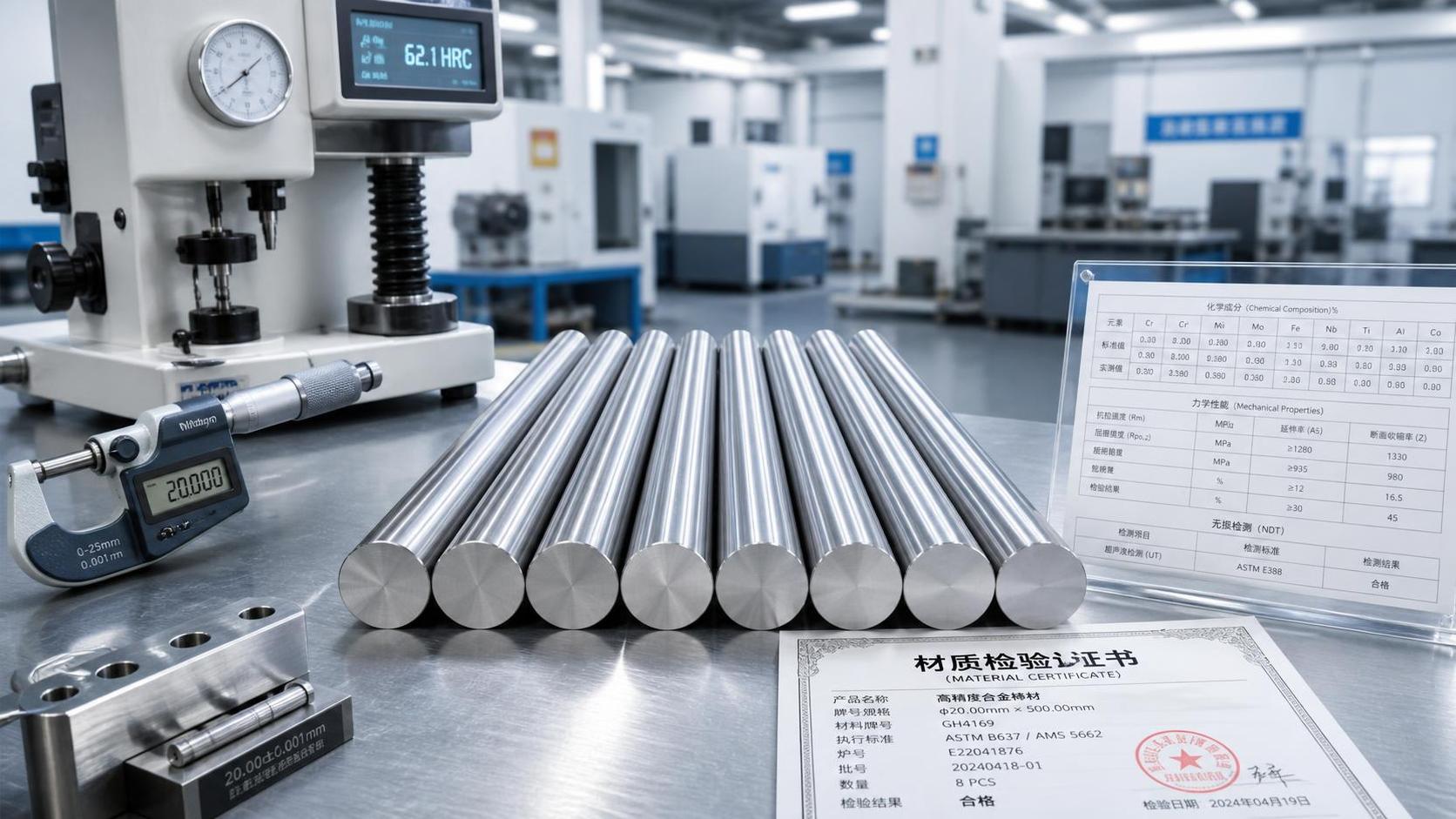
 Ms. Elena RodriguezWhat Buyers Should Check Before Sourcing Precision Alloy Bars for Critical PartsPrecision Alloy Bars buyers should verify grade, chemistry, tolerances, surface quality, traceability, and lead time before sourcing for critical parts. Learn what prevents costly machining and reliability risks.Aug 27, 2026
 Ms. Elena RodriguezHow to Evaluate Thermal Management Solutions Insulation for High-Heat Industrial SystemsThermal management solutions insulation: learn how to assess high-heat industrial systems by thermal performance, durability, lifecycle cost, and supplier data for smarter decisions.Aug 25, 2026
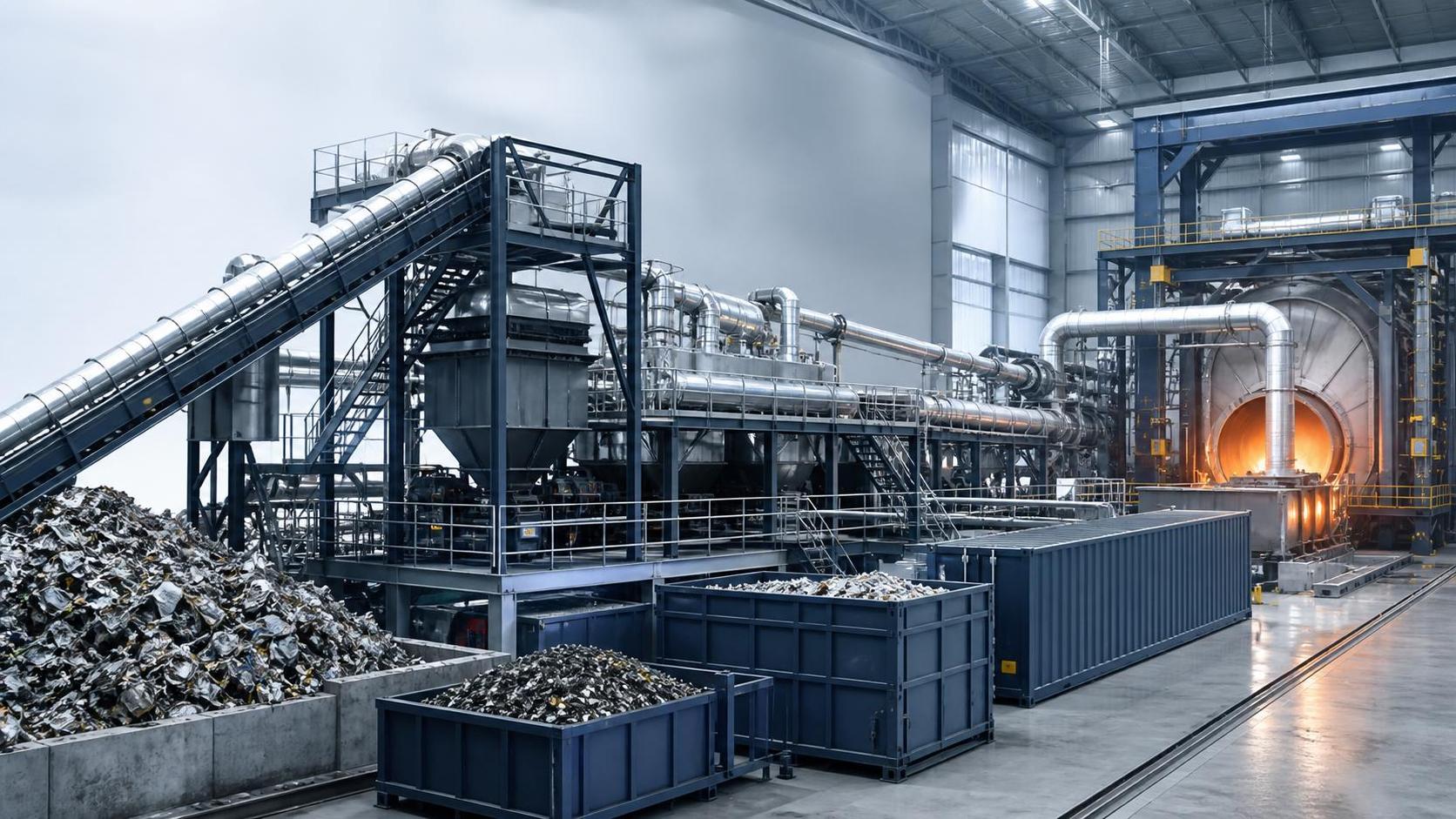
 Ms. Elena RodriguezWhat Drives Waste Recycling Cost in Industrial Projects and How to Estimate It?Waste recycling cost in industrial projects depends on composition, moisture, transport, pre-treatment, and compliance. Learn how to estimate it accurately and compare suppliers with confidence.Aug 24, 2026
 Silicate Process EngineerHow to Evaluate Cement Production Plants in the Middle East for Capacity, Fuel Flexibility, and ROIcement production plants Middle East: Learn how to assess true capacity, fuel flexibility, and ROI risks to identify resilient assets and smarter investment opportunities.Aug 23, 2026
 Structural Material AnalystHow to Evaluate Lightweight Material Machinery for Output, Energy Use, and Product QualityLightweight material machinery evaluation guide: compare stable output, energy use, and product quality to choose equipment that cuts waste, lowers costs, and improves production confidence.Aug 22, 2026
 Material Heat-Resist ExpertWhat Determines Refractory Production Line Price in a Turnkey Plant Project?Refractory production line price depends on raw materials, forming method, kiln and drying design, automation, utilities, and scope. Learn what really drives turnkey plant cost before you invest.Aug 21, 2026


Related News
- 00
0000-00
How Should Buyers Evaluate Building Material Industry Intelligence Pricing? - 00
0000-00
How to Use Building Material Intelligence Data for Market and Investment Decisions - 00
0000-00
How to Evaluate a Silicate Processing Equipment Manufacturer for Plant Projects - 00
0000-00
Process Equipment Comparison: Which Metrics Matter Most for Reliable Selection? - 00
0000-00
What Buyers Should Check Before Sourcing Precision Alloy Bars for Critical Parts
Weekly Insights
Stay ahead with our curated technology reports delivered every Monday.