
What industrial process optimization fixes first




Industrial process optimization usually fixes the highest-cost constraints first: unstable heat balance, energy waste, bottlenecks, quality variation, and unplanned downtime. For project leaders in cement, glass, kilns, refractories, and extrusion, the real priority is not isolated equipment issues but the process factors that limit throughput, compliance, and margin. This article outlines where optimization delivers the fastest operational and strategic gains.
For most project managers, the first question is practical, not theoretical: what should be fixed first to improve output, reduce operating cost, and avoid production risk?
The short answer is consistent across heavy thermal industries. Industrial process optimization should first address the constraint that most directly limits stable throughput, energy efficiency, product quality, or environmental compliance.
That means the first target is rarely “the oldest machine” or “the loudest problem.” It is usually the process condition that causes recurring losses across the full line.
What industrial process optimization fixes first in real plants
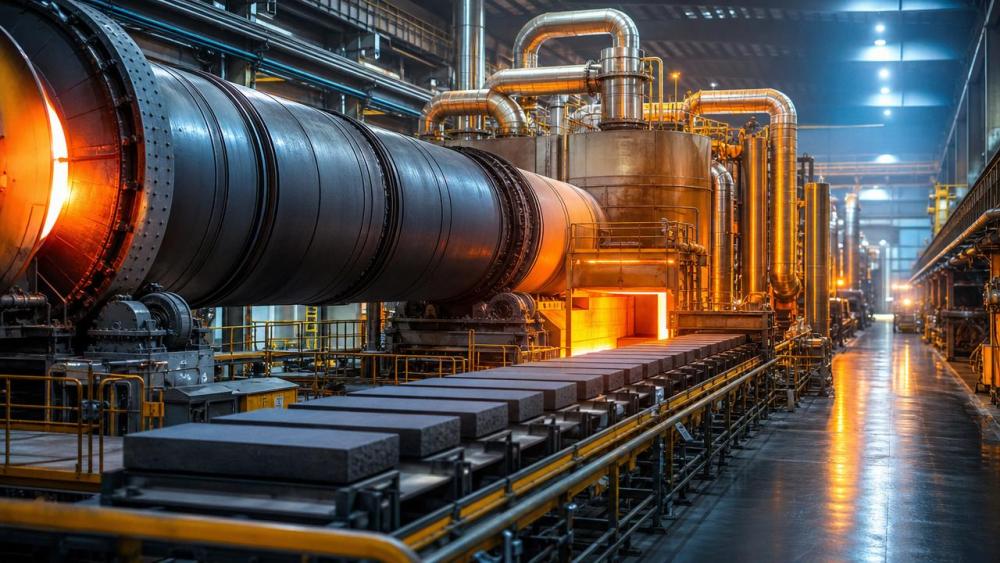
When leaders discuss industrial process optimization, they often discover that the biggest losses do not come from one broken component. They come from unstable process control and hidden system imbalance.
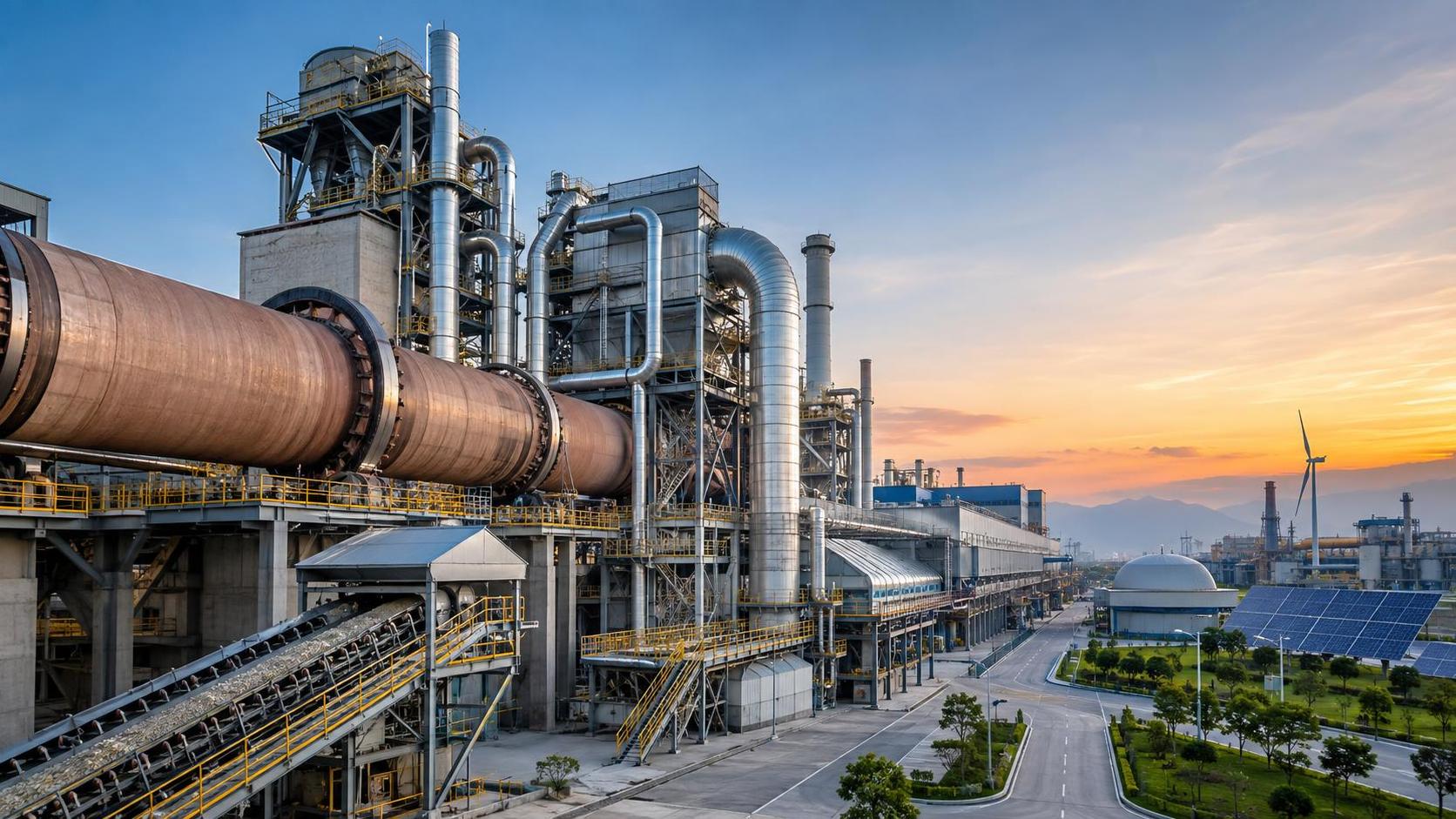
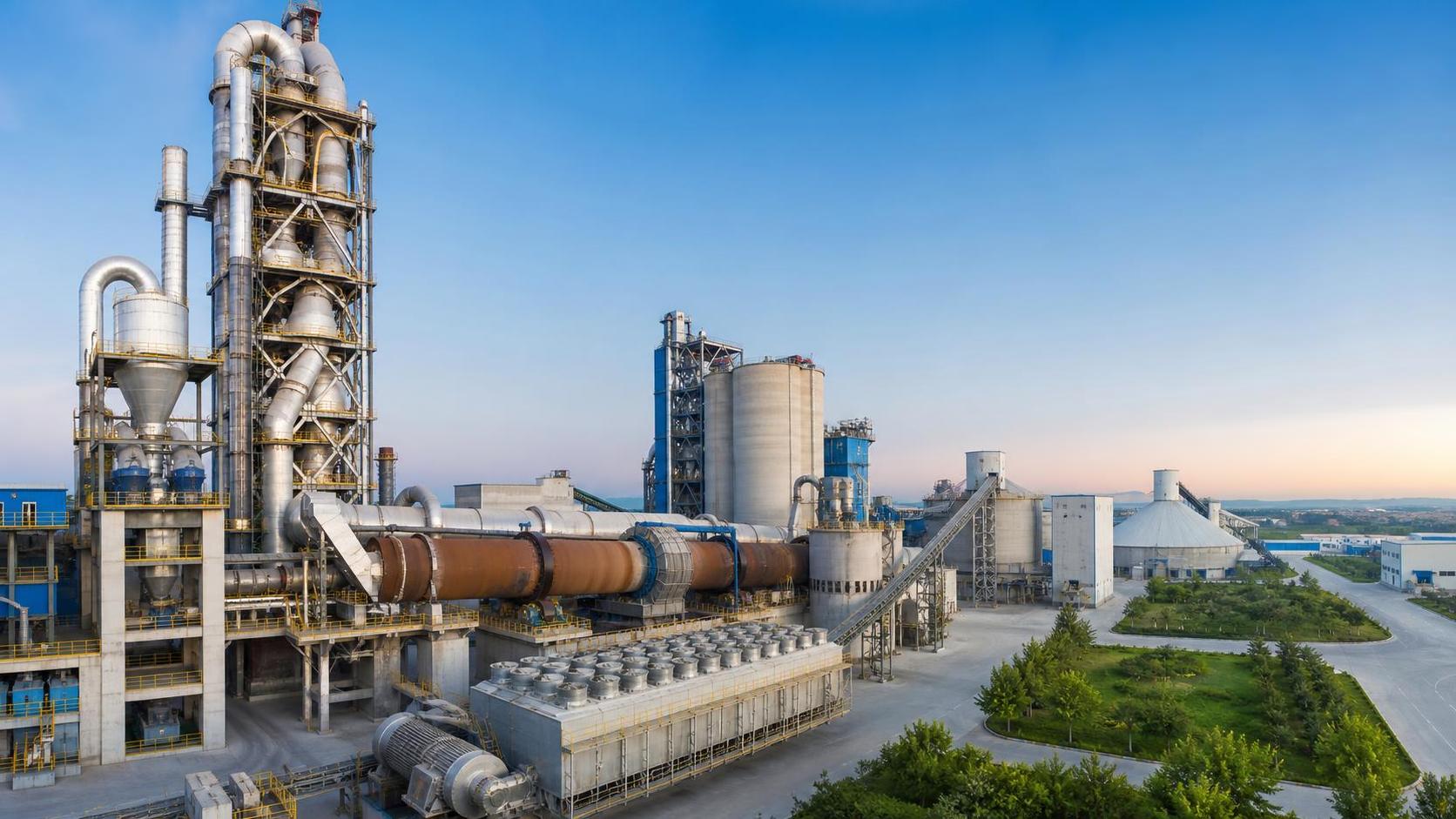
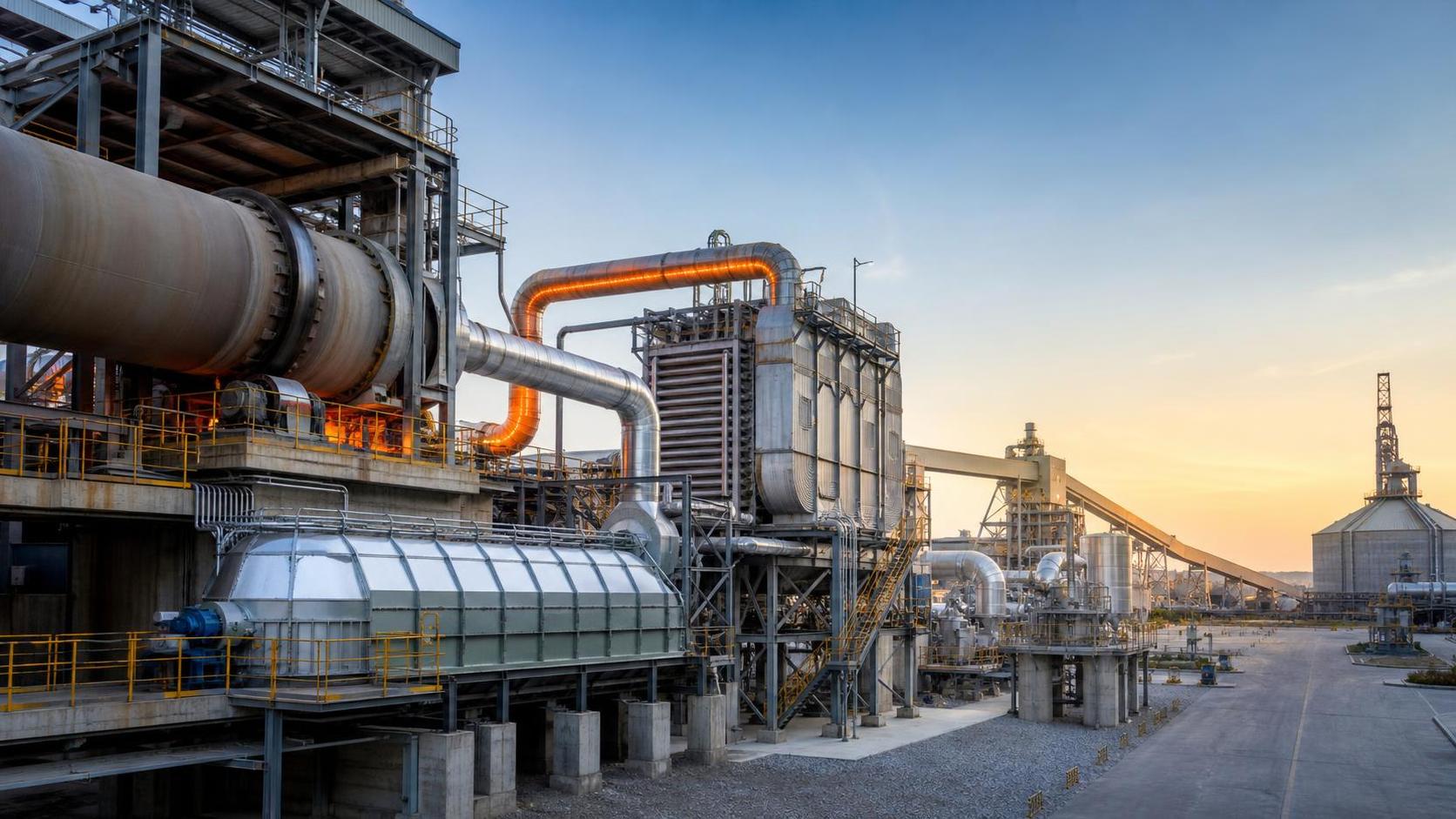
In cement plants, that may mean inconsistent kiln feed, poor combustion tuning, or heat losses that drive fuel use up while reducing clinker stability.
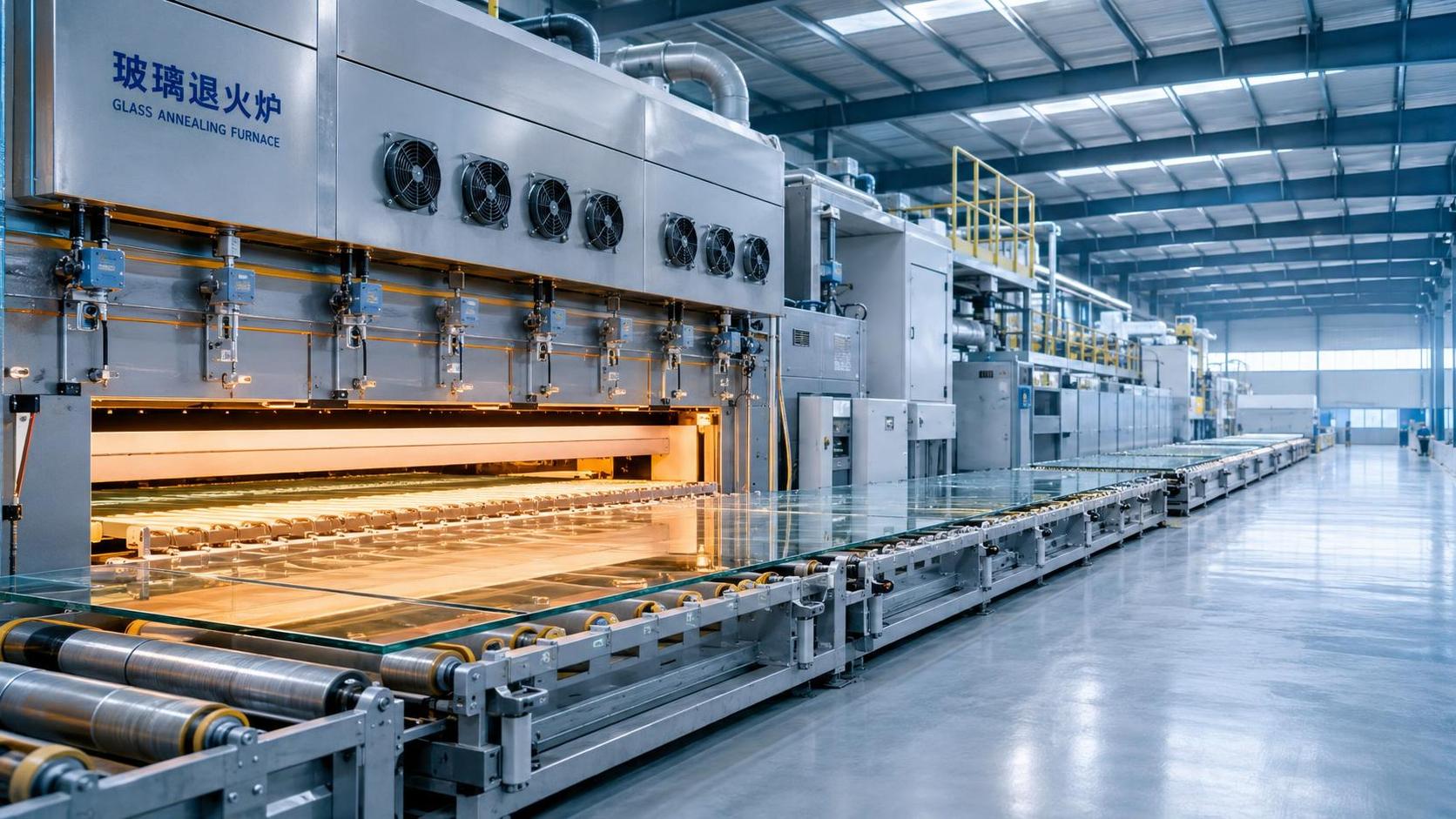
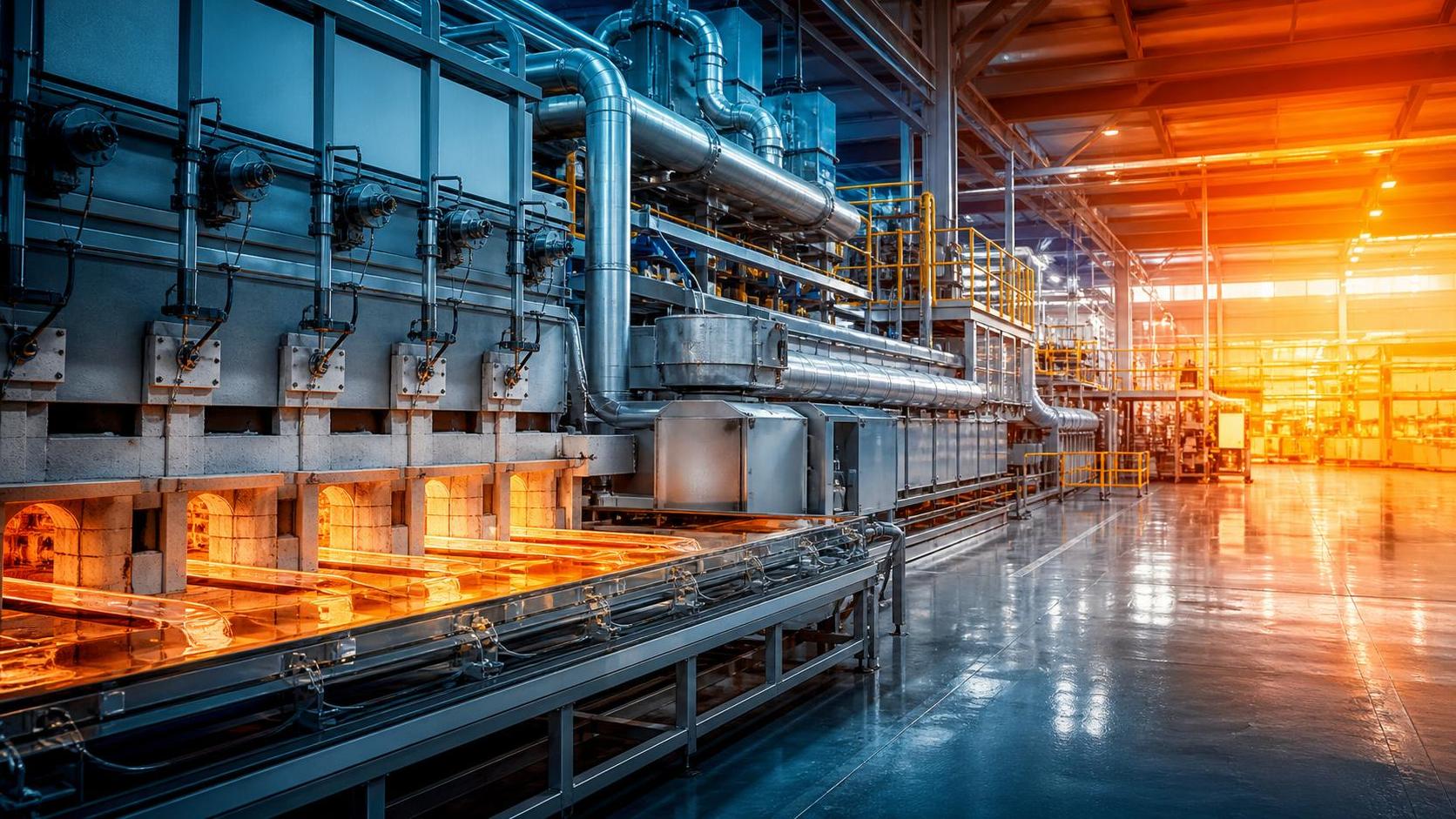
In glass production, the first fix is often furnace thermal uniformity, pull-rate constraints, or annealing instability that causes defects, scrap, or downstream customer complaints.
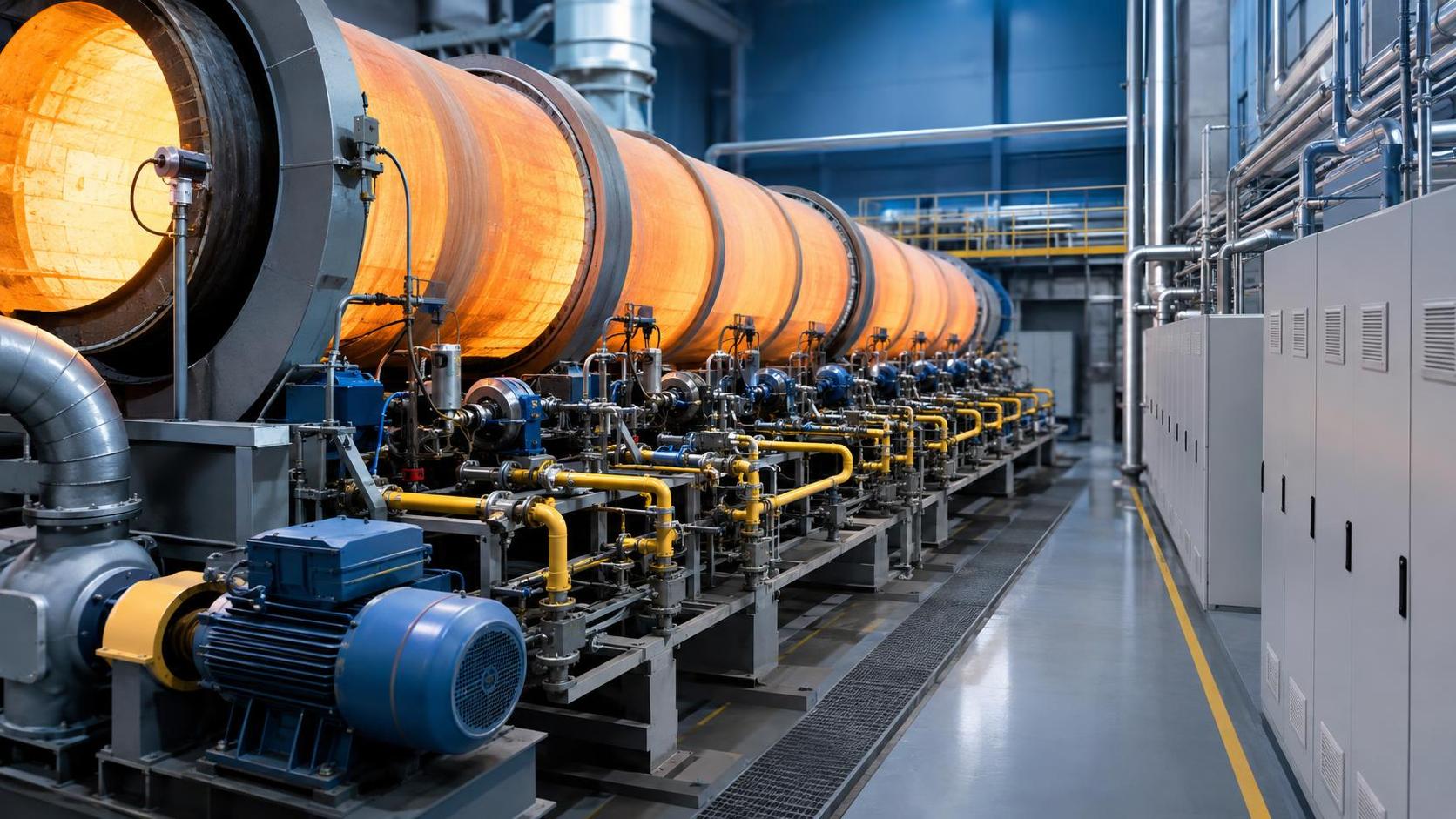
In incineration and industrial kilns, optimization frequently begins with combustion stability, residence time control, excess air management, and refractory condition because these directly affect efficiency and emissions.
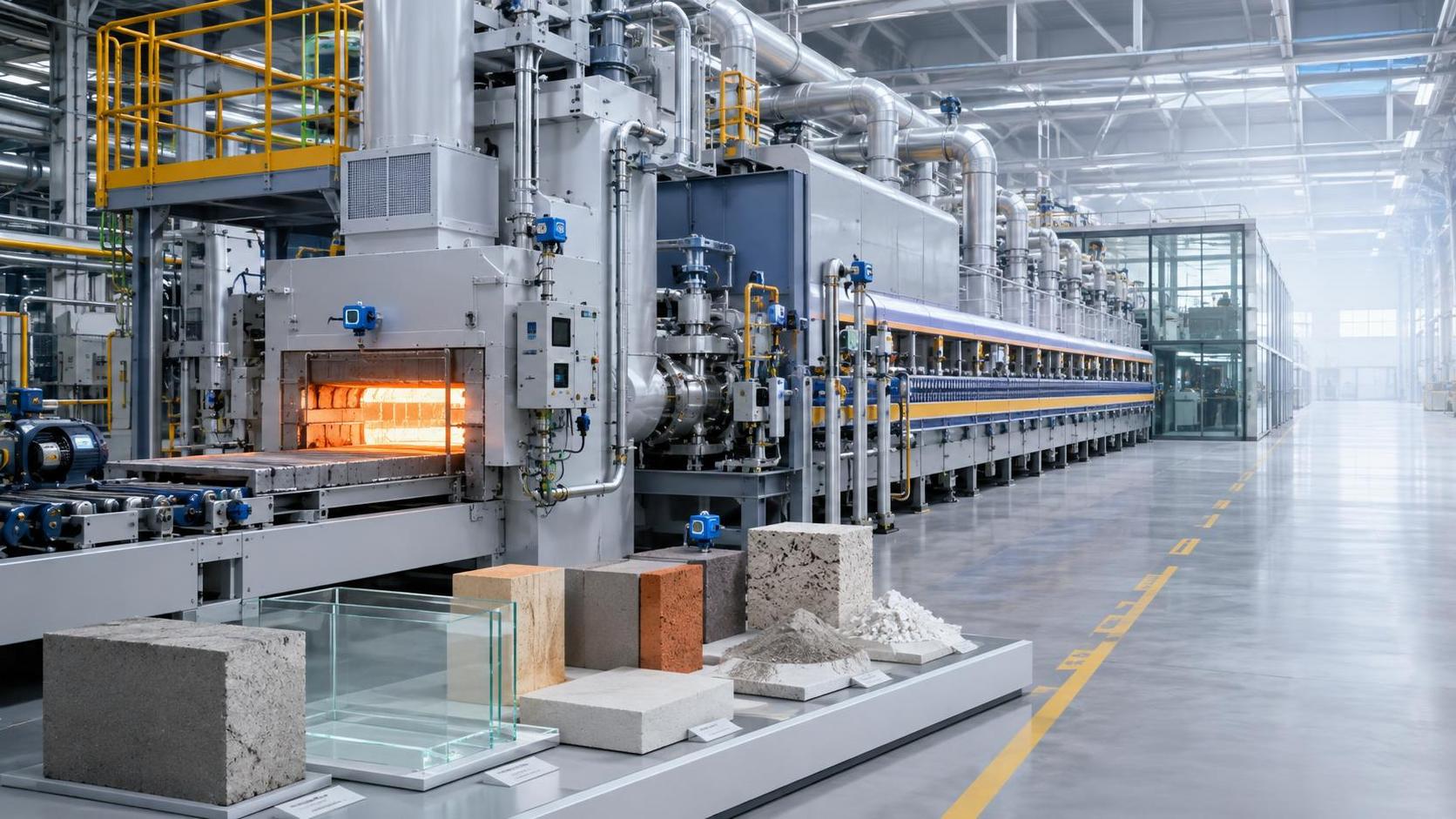
In refractory and extrusion lines, the earliest gains often come from raw material consistency, pressure and temperature balance, drying or firing coordination, and bottlenecks between forming and finishing stages.
So, what gets fixed first? The highest-cost constraint. In most facilities, that constraint belongs to one of five categories: heat balance, energy waste, throughput bottlenecks, quality variation, or unplanned downtime.
Why unstable heat balance is often the first and most valuable correction
For high-temperature operations, heat balance is usually the foundation issue. If thermal input, transfer, retention, and recovery are unstable, every downstream metric becomes harder to control.
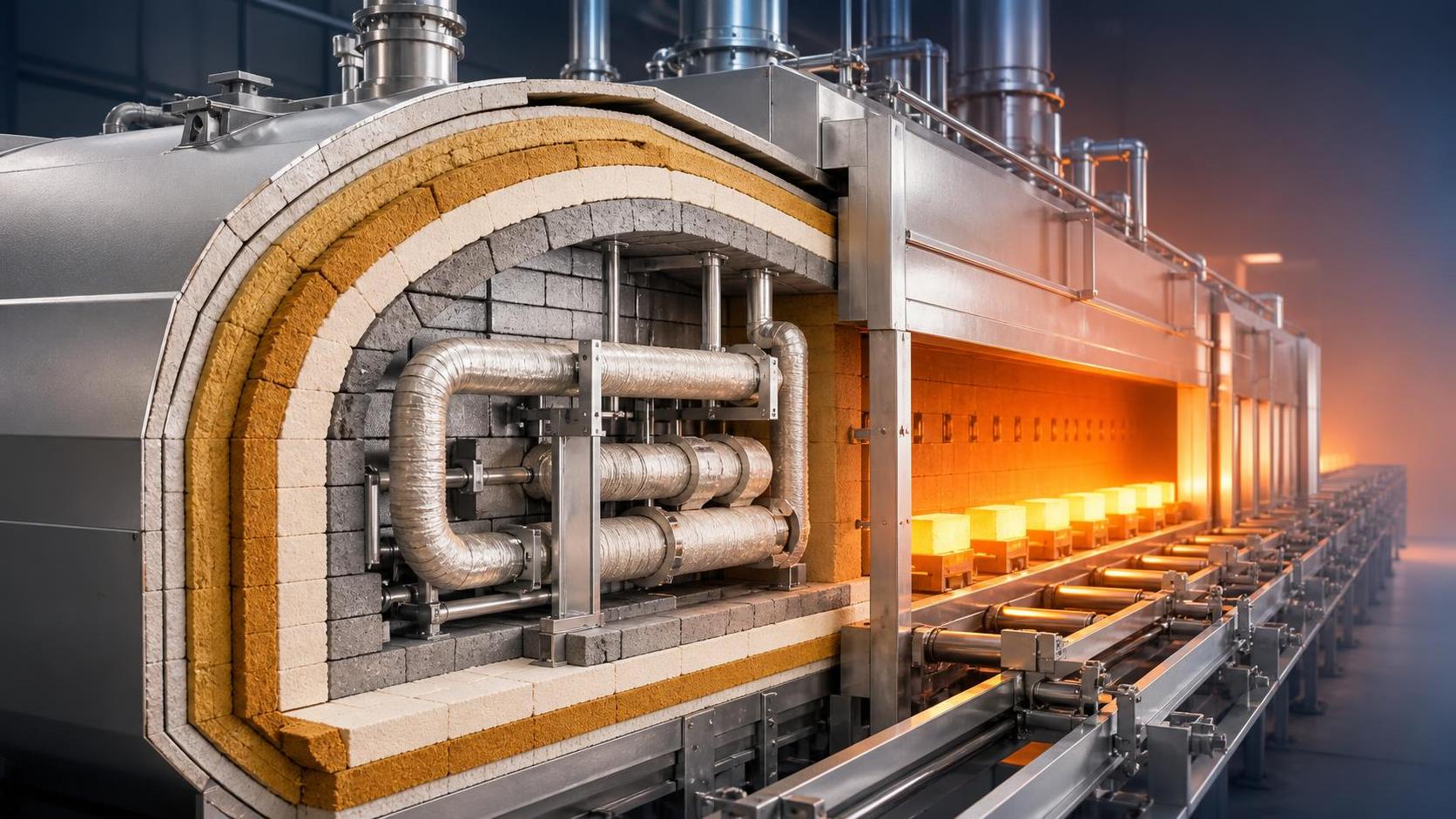
Project leaders should pay close attention to temperature drift, hot and cold spots, fuel-air mismatch, poor insulation, leakage, and weak heat recovery performance.
These issues increase fuel consumption, shorten refractory life, widen product variation, and create unstable production windows that operators must constantly correct by experience rather than by system logic.
In practical terms, poor heat balance creates a multiplier effect. It does not only waste energy. It also damages capacity planning, maintenance schedules, and emission control performance.
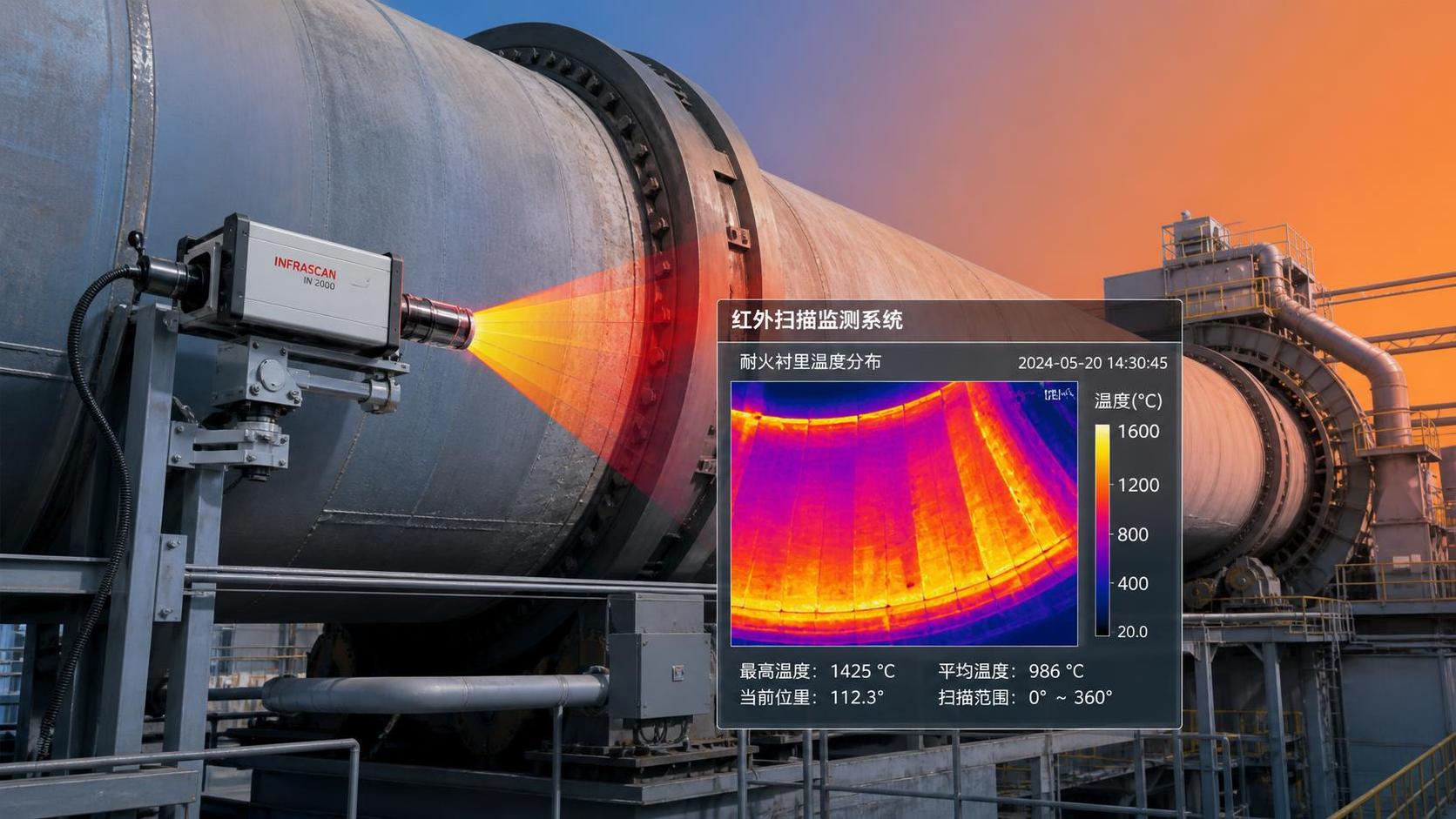
That is why many successful industrial process optimization programs begin with thermal mapping, combustion diagnostics, burner tuning, lining inspection, and process-wide heat flow analysis.
For project managers, this is important because thermal instability often looks like several separate problems. In reality, it may be one root cause creating many symptoms across the line.
Energy waste is usually the second obvious target, but it should not be treated in isolation
Energy waste attracts immediate attention because it is visible in utility bills and carbon reporting. However, the best optimization results come when energy reduction is linked to process stability.
Many plants try to cut fuel or electricity too early, before understanding whether the line is already unstable. That approach can save cost temporarily but may reduce output or increase defects.
The smarter sequence is to stabilize the process first, then reduce excess consumption without harming throughput or product consistency. This is where industrial process optimization becomes strategic.
Examples include lowering excess air after combustion is stabilized, improving waste heat recovery after heat flows are measured correctly, and adjusting drive loads after bottlenecks are removed.
For project leaders, the key question is not “Where is energy used?” It is “Which energy losses are avoidable without creating new operational risk?”
This distinction matters in cement, glass, kiln, and extrusion operations where aggressive energy cuts can unintentionally reduce line flexibility or increase sensitivity to feed variation.
Throughput bottlenecks should be fixed before low-impact efficiency projects
If the line cannot move product smoothly, small efficiency upgrades will rarely produce strong financial returns. Bottlenecks deserve early priority because they cap revenue and distort utilization everywhere else.
A bottleneck may sit in obvious equipment like crushers, mills, feeders, burners, coolers, forming units, conveyors, dryers, or packing systems. But it can also exist in control logic or material flow timing.
In many industrial plants, the bottleneck moves. After one constraint is relieved, another step becomes the new production limit. This is why optimization must be viewed as a system discipline.
Project managers should measure actual line capacity by stage, compare designed versus sustained output, and identify where queues, starvation, waiting, or frequent operator intervention occur.
If one section forces the rest of the process to slow down, optimization should start there. Improving non-constraint areas first may create activity, but not meaningful business improvement.
This is one of the most common decision errors in industrial process optimization: investing in visible upgrades before resolving the true throughput limiter.
Quality variation is often a process problem, not only a quality department problem
Executives usually feel the cost of quality through rework, scrap, claims, delayed shipments, and damaged customer trust. But quality variation is often rooted in process instability rather than final inspection weakness.
When thermal profiles fluctuate, raw material composition shifts, residence time varies, or forming conditions drift, product quality becomes inconsistent even if operators follow normal procedures.
That is why quality-related optimization should focus on process capability first. Final checks can detect defects, but they cannot eliminate the production conditions creating those defects.
For project leaders, useful questions include: Which defects occur repeatedly? At which process stage do they originate? Are they tied to temperature, timing, moisture, pressure, or feed inconsistency?
In glass lines, this may involve bubble formation, thickness variation, or annealing stress. In cement and refractory production, it may involve phase stability, strength variation, or dimensional inconsistency.
Industrial process optimization creates value when it reduces the causes of variation, not just the reporting of variation. That is where margin and customer confidence improve together.
Unplanned downtime should be addressed where it disrupts process continuity most
Not all downtime events deserve equal priority. Some are frequent but low impact. Others are rare but shut down the entire line, damage product in process, or create major restart losses.
Project managers should rank downtime by business effect, not by maintenance count alone. The most urgent events are those that break continuity in critical production zones.
Examples include kiln stoppages, furnace control failures, refractory spalling, induced draft fan issues, material blockages, cooling failures, or instrumentation faults that force conservative operation.
In process industries, restarts are expensive. They consume extra energy, increase wear, create unstable quality conditions, and often delay downstream scheduling and customer delivery.
That is why industrial process optimization often fixes monitoring, controls, predictive maintenance triggers, and failure-prone transition points before adding capacity projects.
From a management standpoint, this is also easier to justify. Reducing severe downtime improves reliability, safety, planning accuracy, and return on asset utilization at the same time.
How project leaders should decide what to optimize first
The strongest decisions come from a structured prioritization model, not from internal opinion alone. A useful framework is to evaluate every issue across five dimensions.
First, measure financial loss: fuel, power, scrap, labor inefficiency, maintenance burden, and lost output. Second, assess operational impact: does the problem constrain throughput or schedule stability?
Third, check quality impact: does it increase variation, claims, or rework? Fourth, review compliance and safety risk: does it threaten emissions, thermal integrity, or operating limits?
Fifth, estimate implementation feasibility: can the issue be corrected through controls, maintenance, process redesign, operator practice, or equipment upgrade within a reasonable project window?
The issues scoring highest across these dimensions usually define the first phase of industrial process optimization. This method helps leaders avoid chasing symptoms or low-value quick wins.
It also supports cross-functional alignment because operations, maintenance, quality, energy, and finance can all understand why one optimization target must come before another.
What results are realistic when optimization is done in the right order
Decision-makers should expect outcomes in stages. The first gains often appear as reduced instability: fewer alarms, smoother operation, lower operator intervention, and better process consistency.
After stabilization, plants typically see better fuel efficiency, reduced waste, improved throughput, and lower defect rates. These results are more durable than savings created by one-time parameter changes.
Longer term, the benefits include stronger maintenance planning, more reliable carbon and energy reporting, improved equipment life, and better confidence for future capacity investments.
For heavy process industries, this sequence matters. Sustainable gains come from removing structural constraints first, then layering digital tools, advanced analytics, and strategic upgrades on top.
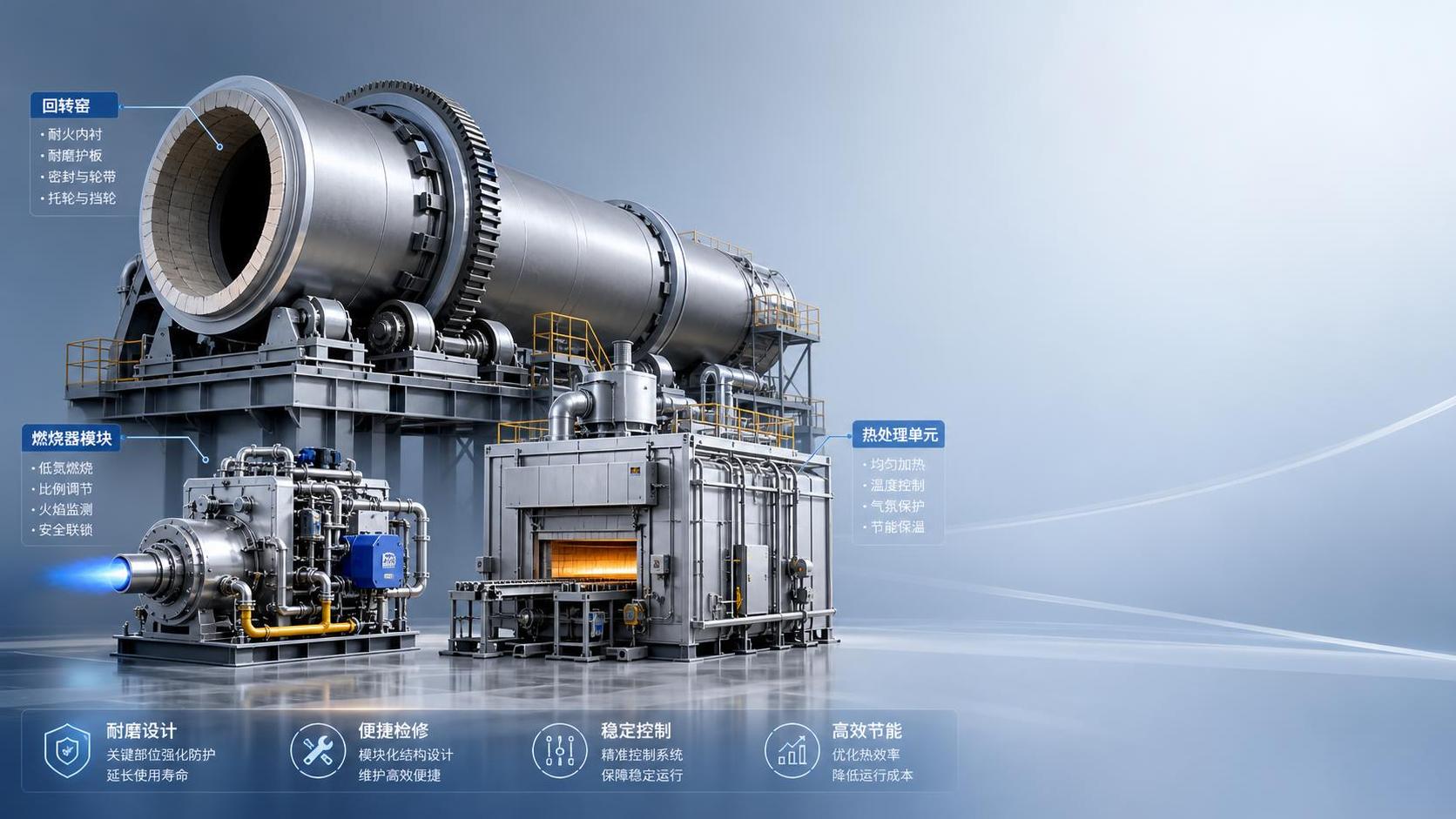
This is especially relevant for sectors covered by CF-Elite, where rotary kilns, float lines, refractory systems, incineration units, and extrusion lines operate under tight thermal and material balances.
In these environments, optimization is not a generic improvement exercise. It is a disciplined effort to identify the factor that most limits stable, efficient, compliant, and profitable production.
Common mistakes that delay optimization value
One common mistake is treating equipment replacement as the default answer. New equipment can help, but not if root process instability remains unresolved.
Another mistake is relying only on average data. Process losses often hide in variation, transients, shifts, startups, and changeovers rather than in daily summary numbers.
A third mistake is dividing optimization into isolated department projects. Heat, flow, quality, maintenance, and emissions are connected, so decisions must be made at system level.
Some plants also overinvest in dashboards before fixing measurement quality. If sensors drift or process boundaries are poorly defined, digital visibility can create false confidence.
Finally, teams sometimes pursue savings targets without protecting throughput and quality. That can produce short-term reporting wins but long-term operating instability and customer risk.
Project leaders avoid these errors by asking a simple question: does this action remove the plant’s most expensive operating constraint, or does it only improve a secondary issue?
Conclusion: fix the constraint that hurts output, cost, quality, or compliance the most
What industrial process optimization fixes first is not a universal component list. It is the highest-value constraint in the real operating system of the plant.
In most thermal and material-intensive industries, that first target is usually unstable heat balance, major energy waste linked to process instability, a throughput bottleneck, recurring quality variation, or critical downtime.
For project managers and engineering leaders, the practical lesson is clear. Do not start with what is most visible. Start with what most limits stable production and business performance.
When optimization follows that logic, investments become easier to defend, results appear faster, and the plant builds a stronger path toward efficiency, decarbonization, and competitive resilience.
In other words, the best industrial process optimization work fixes first what the process can no longer afford to tolerate.
Related News
 Optical Glass Tech FellowHow to Evaluate a Glass Annealing Equipment Manufacturer for Production StabilityChoose a glass annealing equipment manufacturer with proven thermal uniformity, reliable controls, lifecycle value, and responsive service for stable production.Sep 08, 2026
 Prof. Marcus ChenThermal Energy Architecture in North America: Strategies for Lower Building Energy UseThermal energy architecture North America helps project leaders cut building energy use through stronger envelopes, right-sized HVAC, storage, and smart commissioning.Sep 07, 2026
 Ms. Elena RodriguezHow Should Buyers Evaluate Building Material Industry Intelligence Pricing?Building material industry intelligence pricing: learn how to compare coverage, technical depth, and ROI to choose intelligence that reduces procurement risk.Sep 07, 2026
 Ms. Elena RodriguezHow to Use Building Material Intelligence Data for Market and Investment DecisionsBuilding material industry intelligence data helps leaders evaluate demand, costs, regulation, capacity, and technology to make smarter market and investment decisions.Sep 05, 2026
 Thermal Energy ArchitectHow PLC Control Improves Energy Efficiency and Temperature Stability in KilnsEnergy efficient kilns PLC control improves temperature stability, cuts fuel waste, and optimizes combustion, draft, and material flow. Explore proven strategies for smarter kiln modernization.Sep 04, 2026
 Optical Glass Tech FellowEuropean Glass Melting Processes: Furnace Choices, Energy Use, and Quality ControlGlass melting process Europe: explore furnace choices, energy efficiency, cullet strategy, and quality control to improve output, compliance, and long-term glass performance.Sep 03, 2026
 Thermal Energy ArchitectWhat Determines Refractory Lining Monitoring Price for Industrial Kilns?Refractory lining monitoring price depends on kiln size, sensor technology, installation, software, and support. Compare total lifecycle costs and choose the right solution.Sep 02, 2026
 Silicate Process EngineerCement Production System Costs: A Plant Buyer’s Guide to Budgeting and ROICement production systems cost planning made clear: compare CAPEX, operating costs, compliance, and ROI to build a resilient, profitable cement plant investment.Sep 01, 2026
 Dr. Alistair VaughnWhat Should a Process Technology Database Track for High-Temperature Plants?Process technology database essentials for high-temperature plants: track thermal profiles, feed chemistry, refractory wear, emissions, energy, and maintenance for safer, data-driven decisions.Aug 31, 2026
 Ms. Elena RodriguezHow to Evaluate a Silicate Processing Equipment Manufacturer for Plant ProjectsSilicate processing equipment manufacturer selection: assess process fit, guarantees, energy, compliance, delivery risk, and lifecycle support for dependable plant performance.Aug 30, 2026
 Dr. Alistair VaughnHow to Specify Custom Agricultural Processing Equipment for Throughput and HygieneEquipment customization services for agricultural processing: learn to specify hygienic, high-throughput lines that improve yield, reliability, and long-term efficiency.Aug 29, 2026
 Dr. Alistair VaughnHow to Select Process Plant Equipment for High-Temperature, Abrasive Production LinesProcess plant equipment selection for high-temperature, abrasive lines: reduce downtime, improve durability, and optimize lifecycle performance.Aug 28, 2026
 Silicate Process EngineerHow Kiln Heat Recovery Systems Cut Fuel Use in Cement and Lime ProductionKiln heat recovery helps cement and lime plants cut fuel use, improve thermal stability, and build practical, reliable decarbonization strategies.Aug 27, 2026
 Ms. Elena RodriguezProcess Equipment Comparison: Which Metrics Matter Most for Reliable Selection?Process equipment comparison made practical: discover which metrics truly drive reliable selection, from energy efficiency and control stability to wear life, maintainability, and uptime.Aug 26, 2026
 Ms. Elena RodriguezWhat Buyers Should Check Before Sourcing Precision Alloy Bars for Critical PartsPrecision Alloy Bars buyers should verify grade, chemistry, tolerances, surface quality, traceability, and lead time before sourcing for critical parts. Learn what prevents costly machining and reliability risks.Aug 27, 2026
 Ms. Elena RodriguezHow to Evaluate Thermal Management Solutions Insulation for High-Heat Industrial SystemsThermal management solutions insulation: learn how to assess high-heat industrial systems by thermal performance, durability, lifecycle cost, and supplier data for smarter decisions.Aug 25, 2026
 Ms. Elena RodriguezWhat Drives Waste Recycling Cost in Industrial Projects and How to Estimate It?Waste recycling cost in industrial projects depends on composition, moisture, transport, pre-treatment, and compliance. Learn how to estimate it accurately and compare suppliers with confidence.Aug 24, 2026
 Silicate Process EngineerHow to Evaluate Cement Production Plants in the Middle East for Capacity, Fuel Flexibility, and ROIcement production plants Middle East: Learn how to assess true capacity, fuel flexibility, and ROI risks to identify resilient assets and smarter investment opportunities.Aug 23, 2026
 Structural Material AnalystHow to Evaluate Lightweight Material Machinery for Output, Energy Use, and Product QualityLightweight material machinery evaluation guide: compare stable output, energy use, and product quality to choose equipment that cuts waste, lowers costs, and improves production confidence.Aug 22, 2026
 Material Heat-Resist ExpertWhat Determines Refractory Production Line Price in a Turnkey Plant Project?Refractory production line price depends on raw materials, forming method, kiln and drying design, automation, utilities, and scope. Learn what really drives turnkey plant cost before you invest.Aug 21, 2026

Related News
- 00
0000-00
How Should Buyers Evaluate Building Material Industry Intelligence Pricing? - 00
0000-00
How to Use Building Material Intelligence Data for Market and Investment Decisions - 00
0000-00
How to Evaluate a Silicate Processing Equipment Manufacturer for Plant Projects - 00
0000-00
Process Equipment Comparison: Which Metrics Matter Most for Reliable Selection? - 00
0000-00
What Buyers Should Check Before Sourcing Precision Alloy Bars for Critical Parts
Weekly Insights
Stay ahead with our curated technology reports delivered every Monday.