
How to compare heavy industrial equipment beyond price alone




When evaluating heavy industrial equipment, purchase price is only the starting point. Capital projects in cement, glass, kiln systems, refractory production, and extrusion lines succeed or fail on lifecycle performance. A lower quote can hide higher energy use, weaker uptime, poor integration, and long-term compliance exposure.
A better comparison method examines total cost of ownership, process fit, thermal efficiency, spare parts access, automation depth, and environmental performance. This guide shows how to compare heavy industrial equipment with a structured checklist that supports reliability, sustainability, and stronger returns over the asset life.
Why a checklist matters when comparing heavy industrial equipment
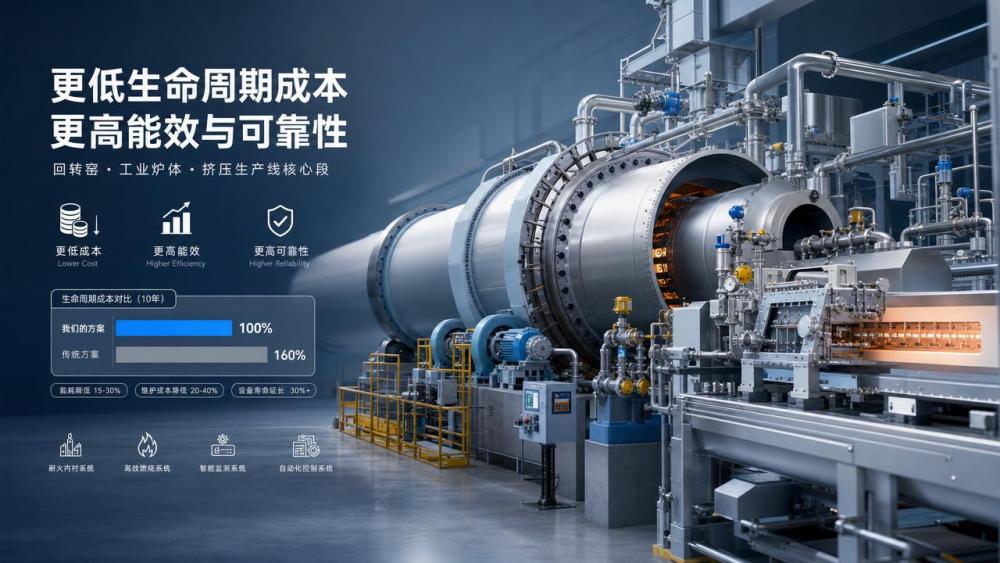
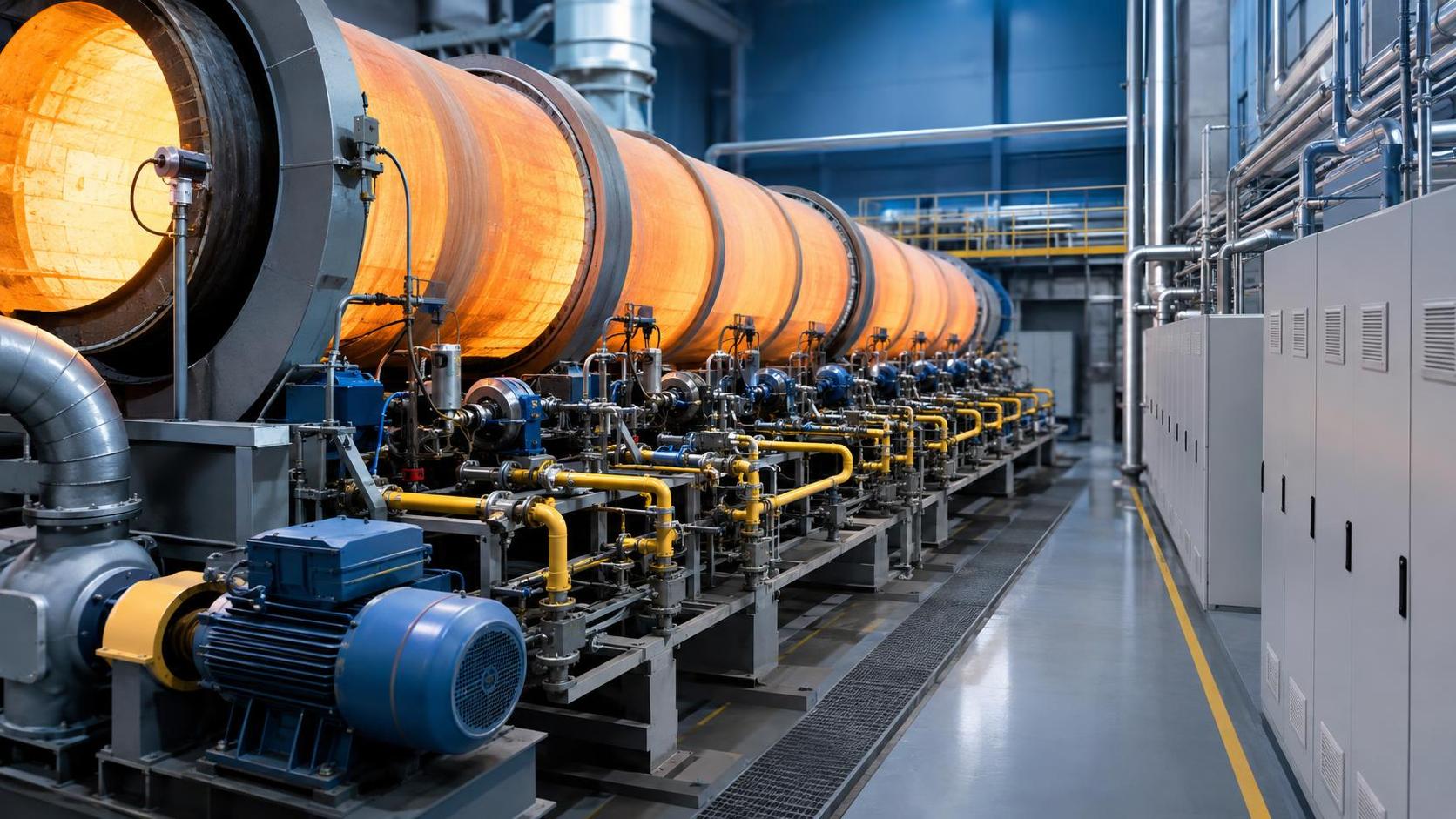
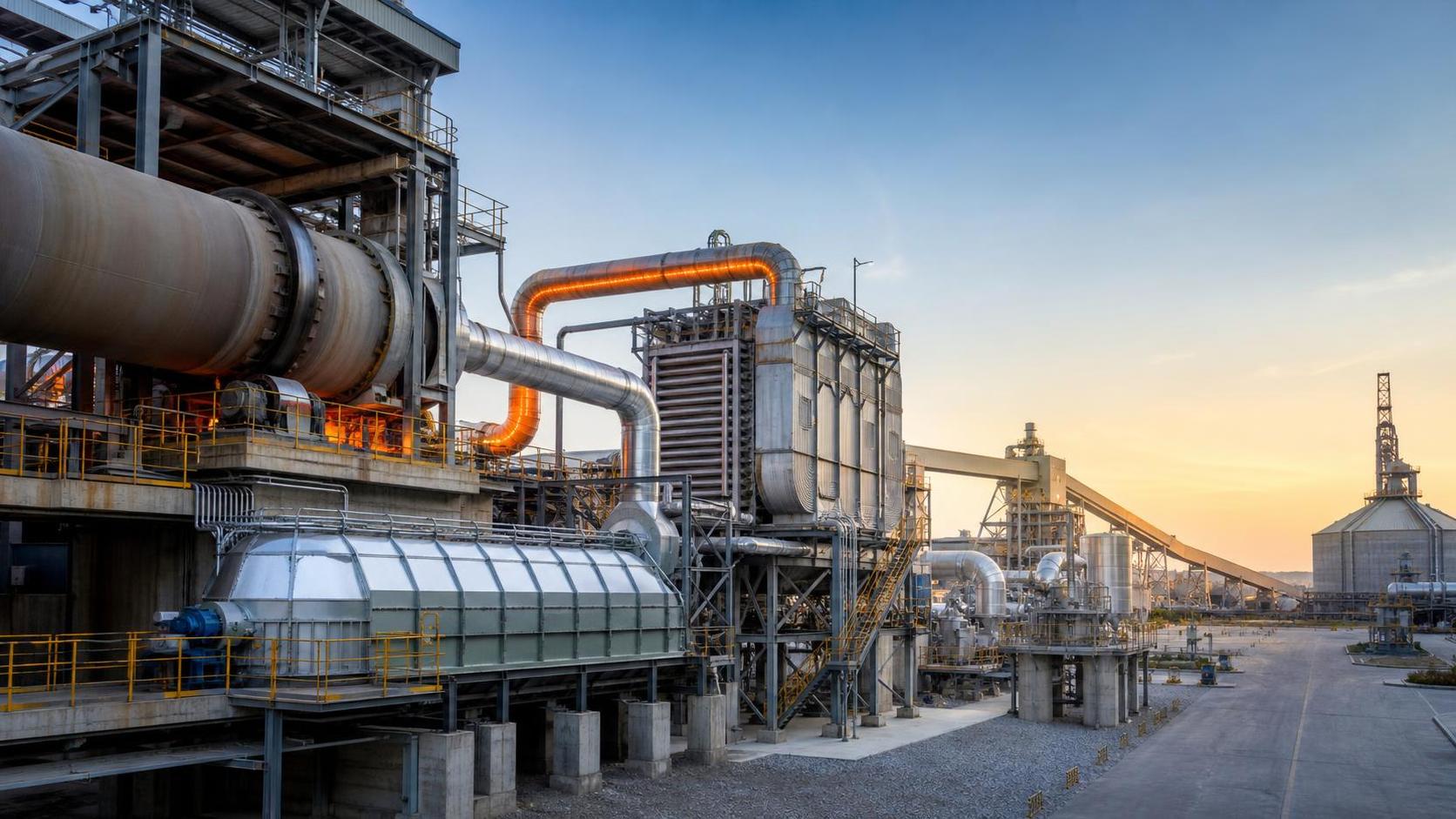
Complex industrial assets operate inside linked systems, not in isolation. A rotary kiln, crusher, furnace, extruder, burner package, or waste heat unit affects fuel balance, material flow, emissions, maintenance windows, and product quality at the same time.
Without a checklist, decisions often favor visible costs and overlook hidden losses. These losses include unstable throughput, refractory wear, utility spikes, unplanned shutdowns, and retrofit work after commissioning. Comparing heavy industrial equipment beyond price alone creates a more disciplined and defensible decision path.
Core checklist for comparing heavy industrial equipment
Use the following checklist to score competing options. Keep the criteria weighted by process importance, site constraints, and expected operating profile.
- Calculate total lifecycle cost, including energy, consumables, labor, maintenance, spare parts, liner replacement, downtime exposure, and decommissioning instead of comparing quote value only.
- Verify process compatibility with feed chemistry, moisture range, particle size, thermal load, target throughput, and downstream equipment to avoid bottlenecks or unstable product quality.
- Measure energy efficiency under real operating conditions, not nameplate claims, using fuel consumption, heat recovery potential, motor efficiency, and control logic performance.
- Compare uptime history, mean time between failures, critical component life, and restart complexity because reliability often creates more value than small purchase savings.
- Audit emissions and compliance capability against dust, NOx, SOx, CO, noise, and waste rules in current and likely future jurisdictions.
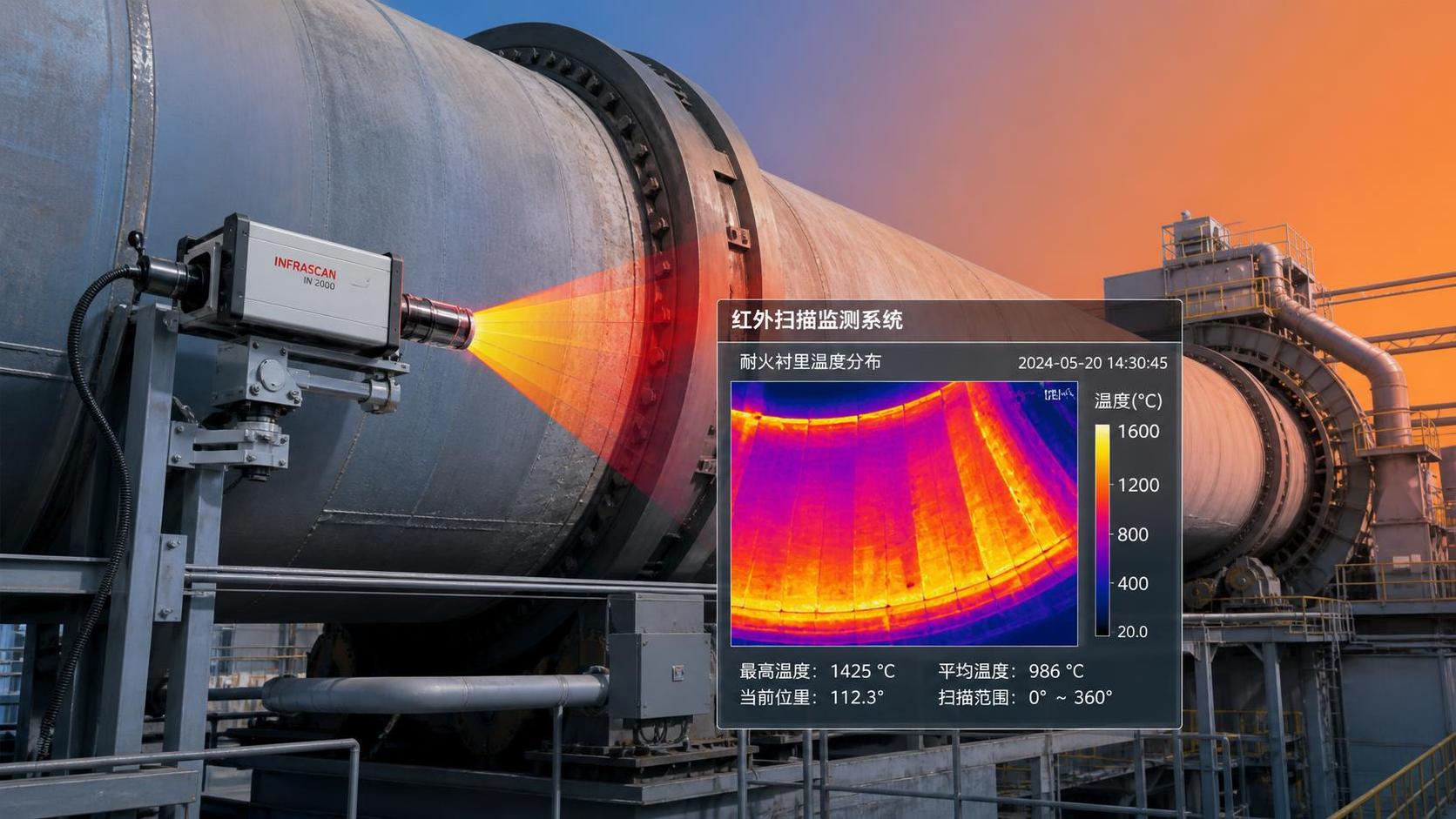
- Review automation architecture, sensor coverage, remote diagnostics, and digital integration so the equipment can support predictive maintenance and stable closed-loop control.
- Check service depth, local field support, training programs, and spare parts lead times to reduce risk during commissioning and long operational cycles.
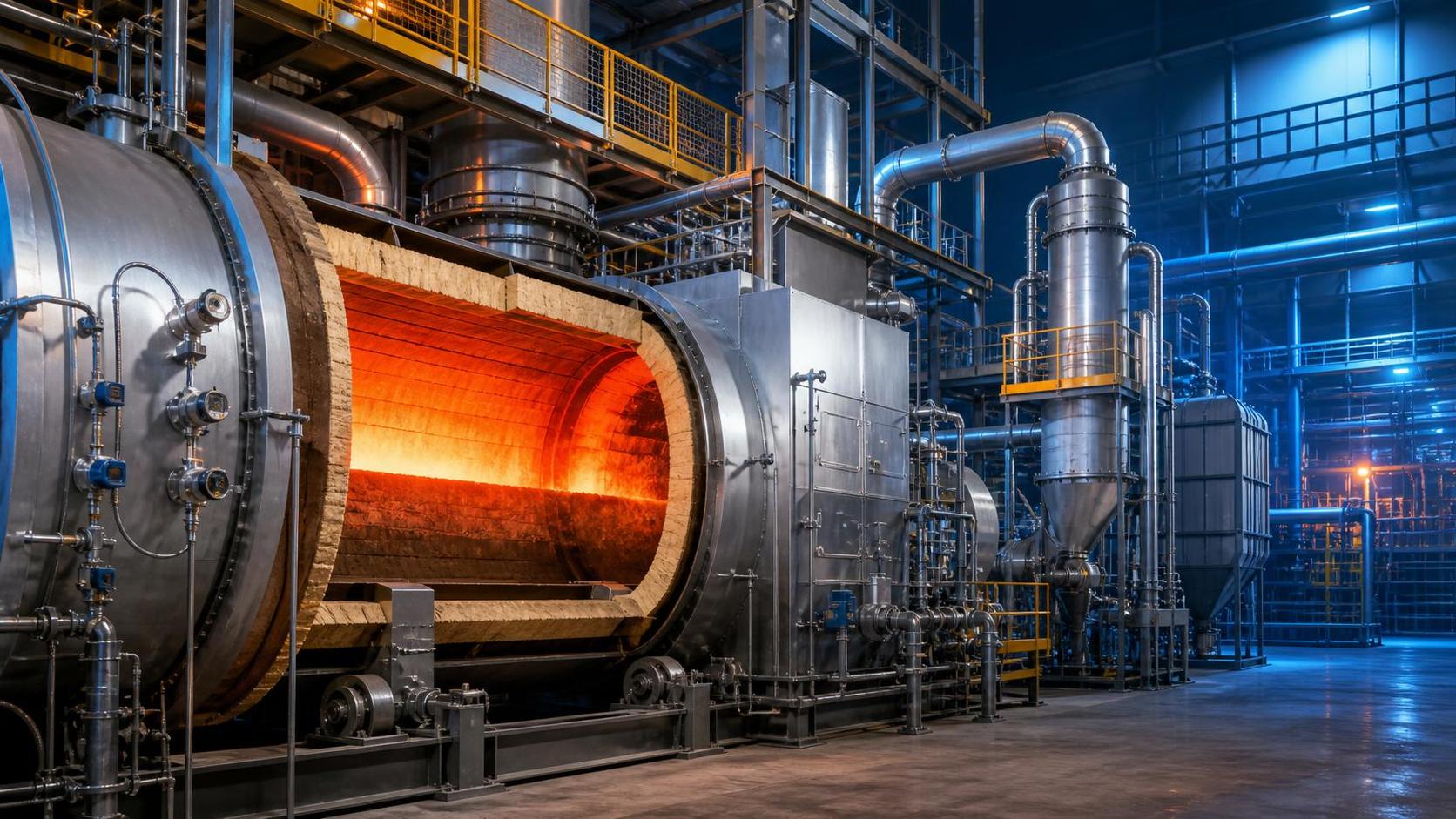
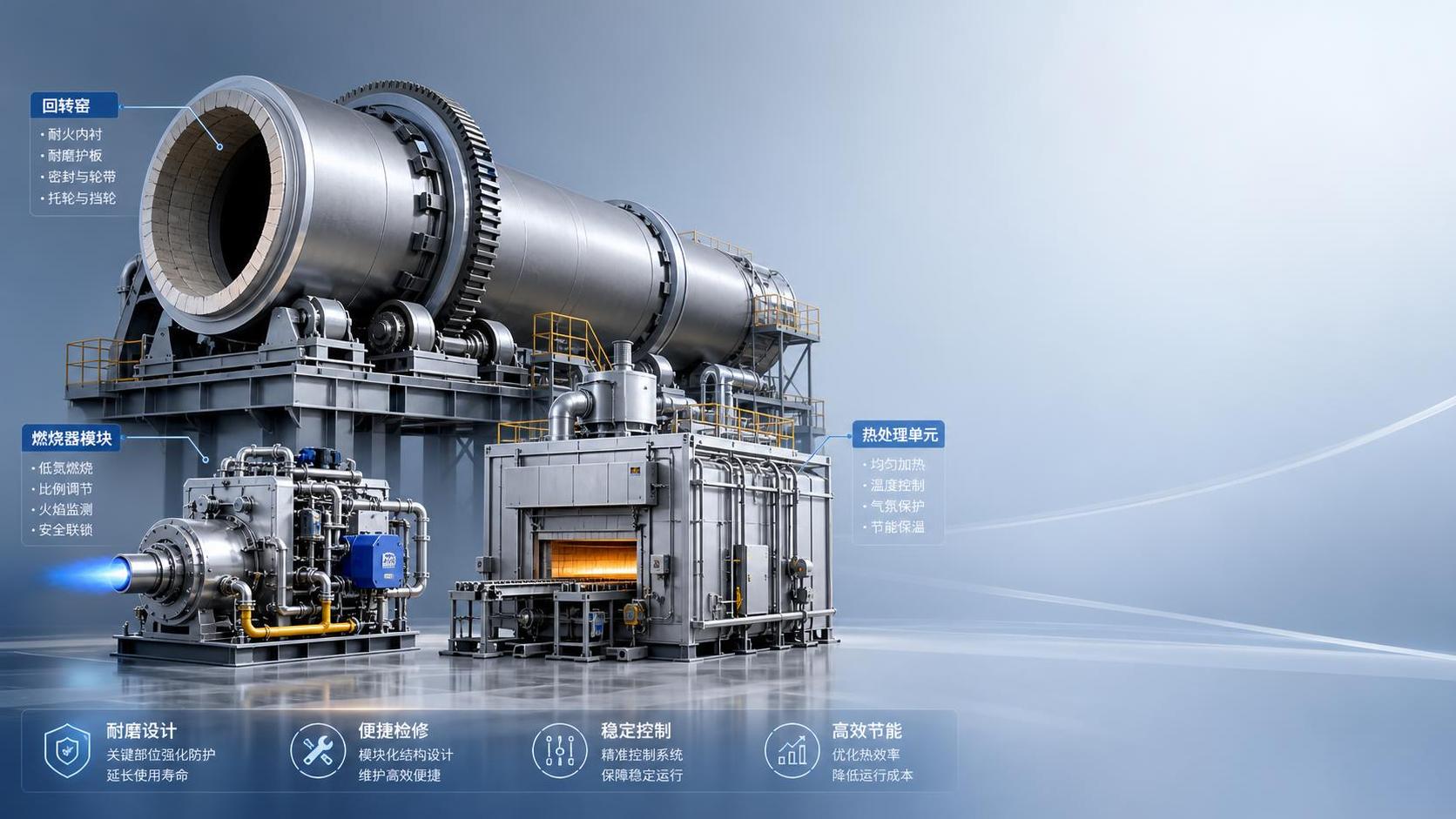
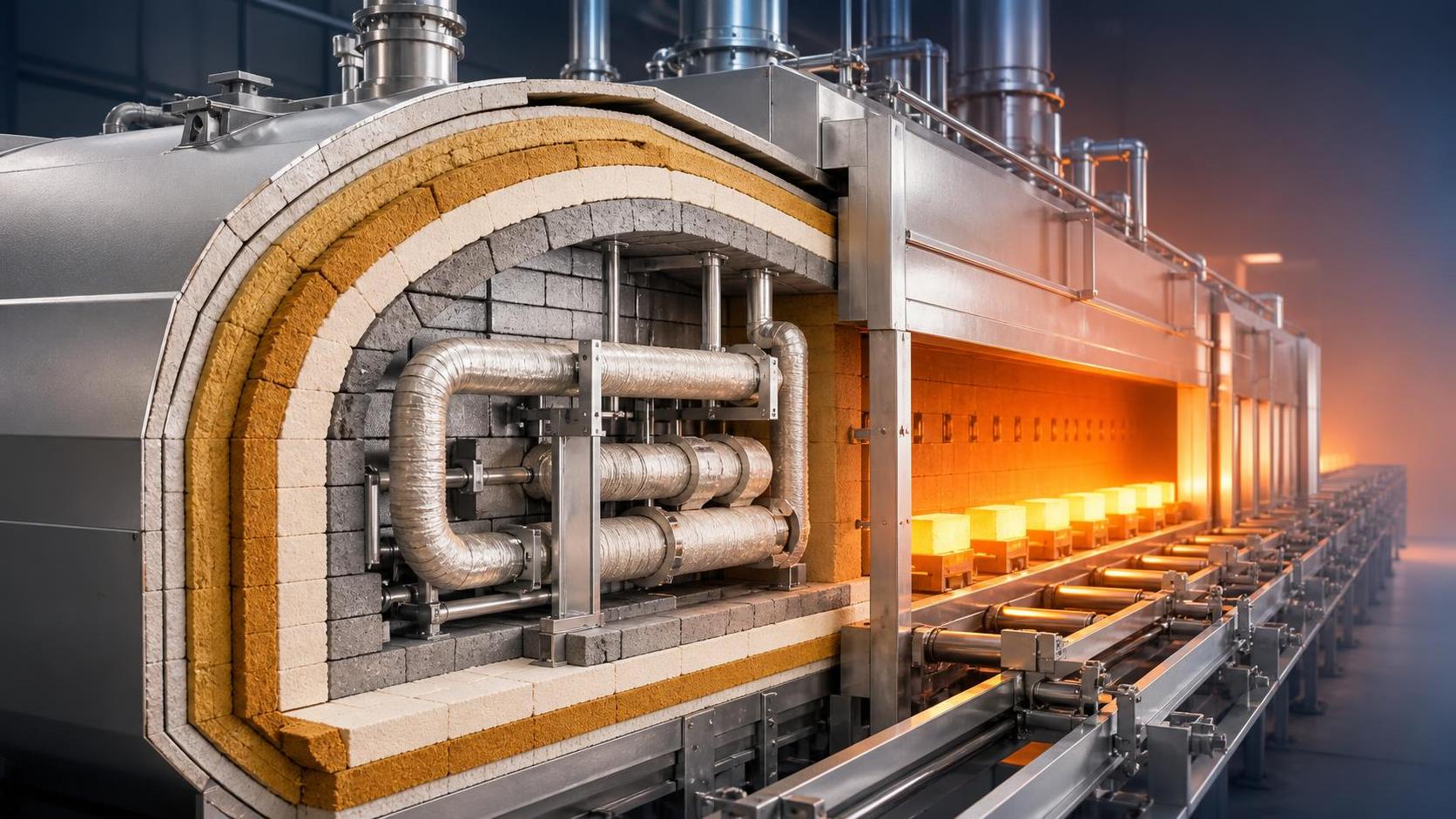
- Inspect material selection, refractory design, corrosion resistance, and thermal stress tolerance because high-temperature duty quickly exposes weak engineering choices.
- Assess installation footprint, civil load, utility demand, and shutdown requirements so site adaptation costs are captured before final comparison.
- Request performance guarantees with test methods, acceptance thresholds, and remedy terms to turn sales claims into enforceable project protection.
How to score the shortlist
Assign weighted scores to cost, efficiency, reliability, compliance, maintainability, and process fit. Then compare options using a simple decision matrix. This prevents one impressive feature from distorting the full evaluation of heavy industrial equipment.
- Use 25% weight for lifecycle cost where energy intensity is high.
- Use 20% weight for uptime in continuous thermal processes.
- Use 15% weight for compliance where regulations are tightening.
- Use 15% weight for serviceability on remote or complex sites.
- Use the remaining weight for process fit, digital capability, and expansion flexibility.
Application notes across different industrial settings
Cement and large silicate production lines
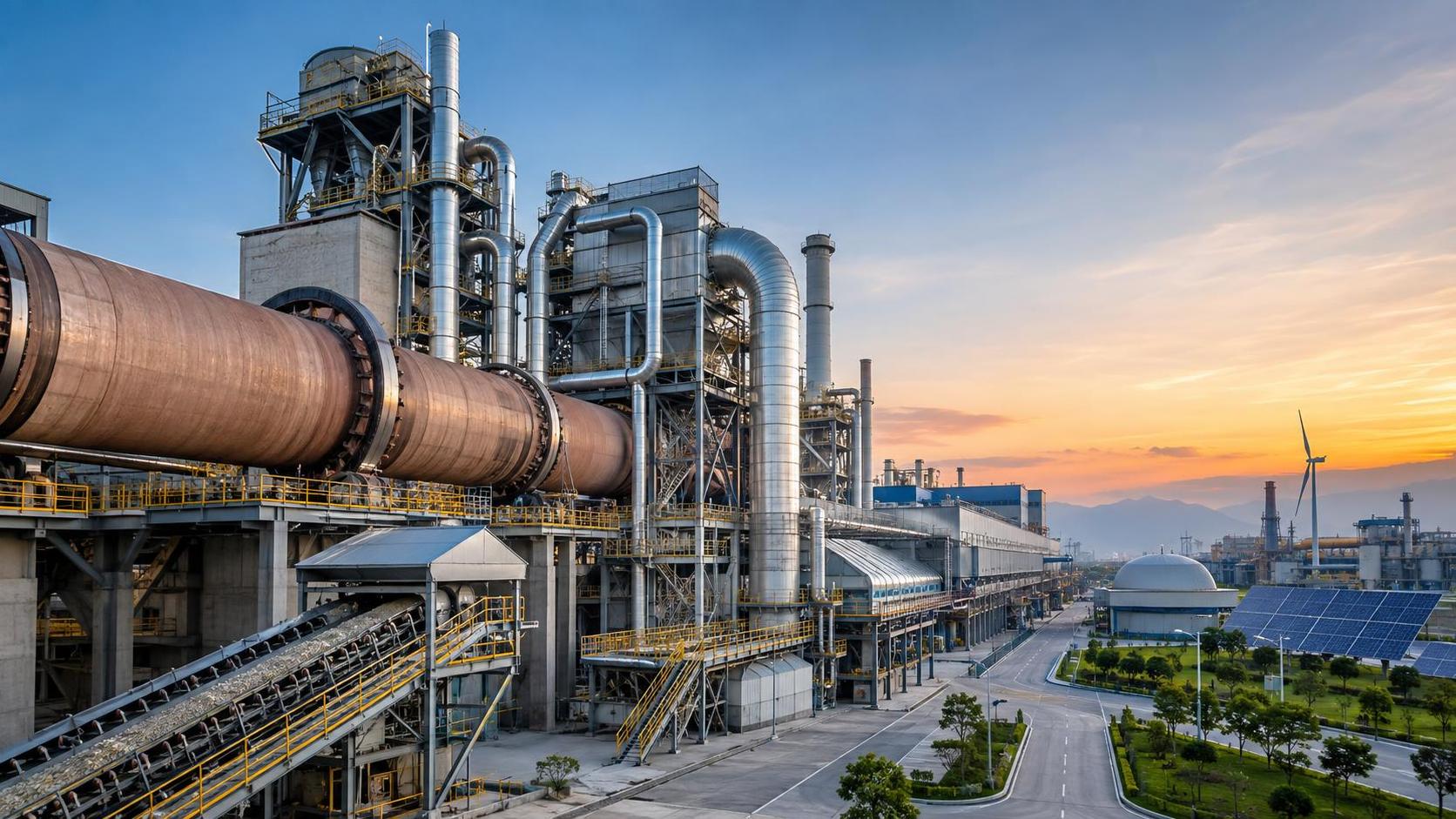
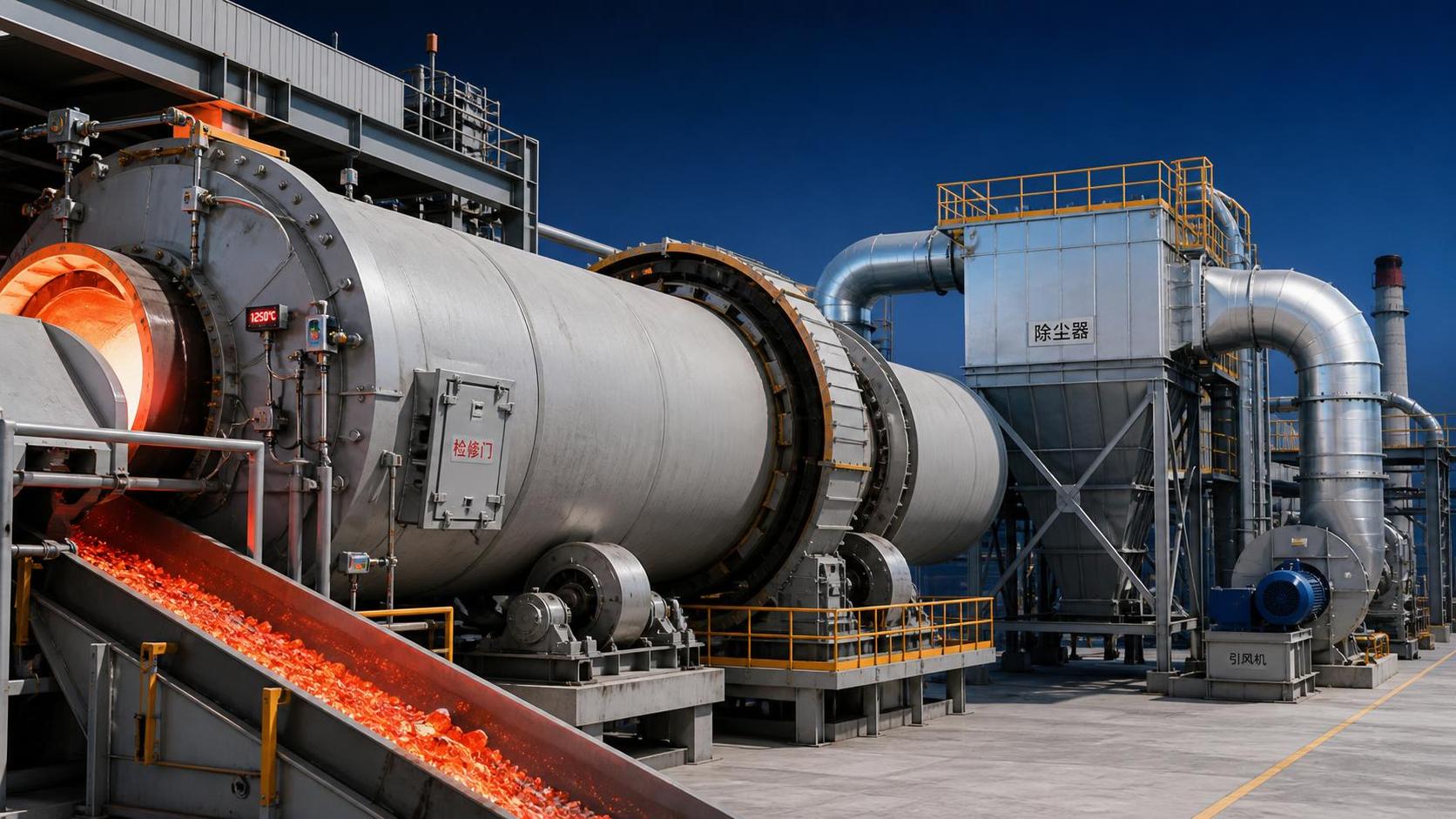
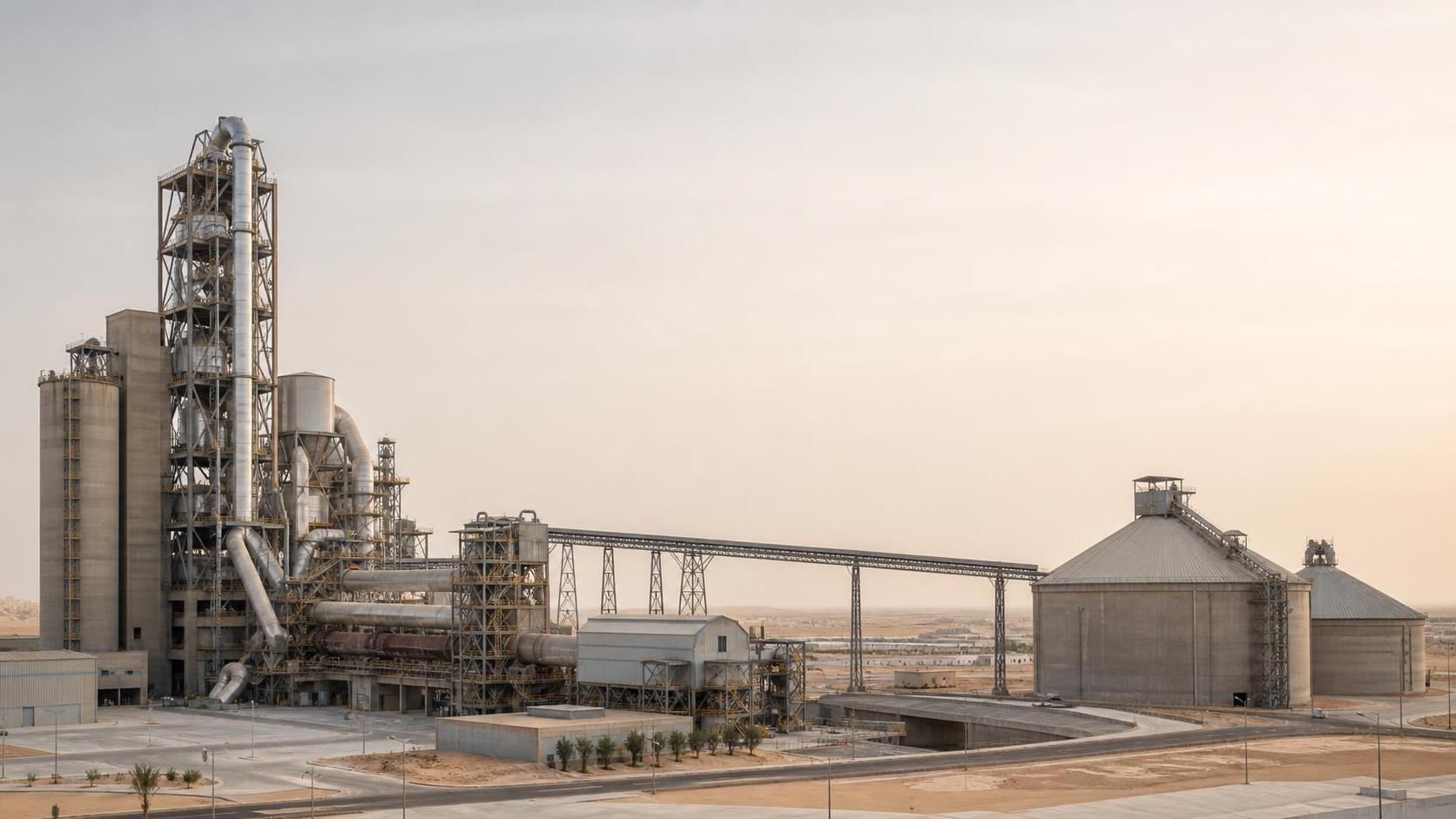
In cement plants and similar silicate systems, the best heavy industrial equipment choice depends on heat balance, alternative fuel flexibility, dust collection performance, and refractory life. Throughput alone is not enough if kiln stability suffers or clinker quality drifts.
Pay close attention to burner design, cooler efficiency, fan power demand, and online analytics. Small gains in thermal efficiency can produce major annual savings in fuel-intensive operations.
Glass manufacturing and high-temperature melting
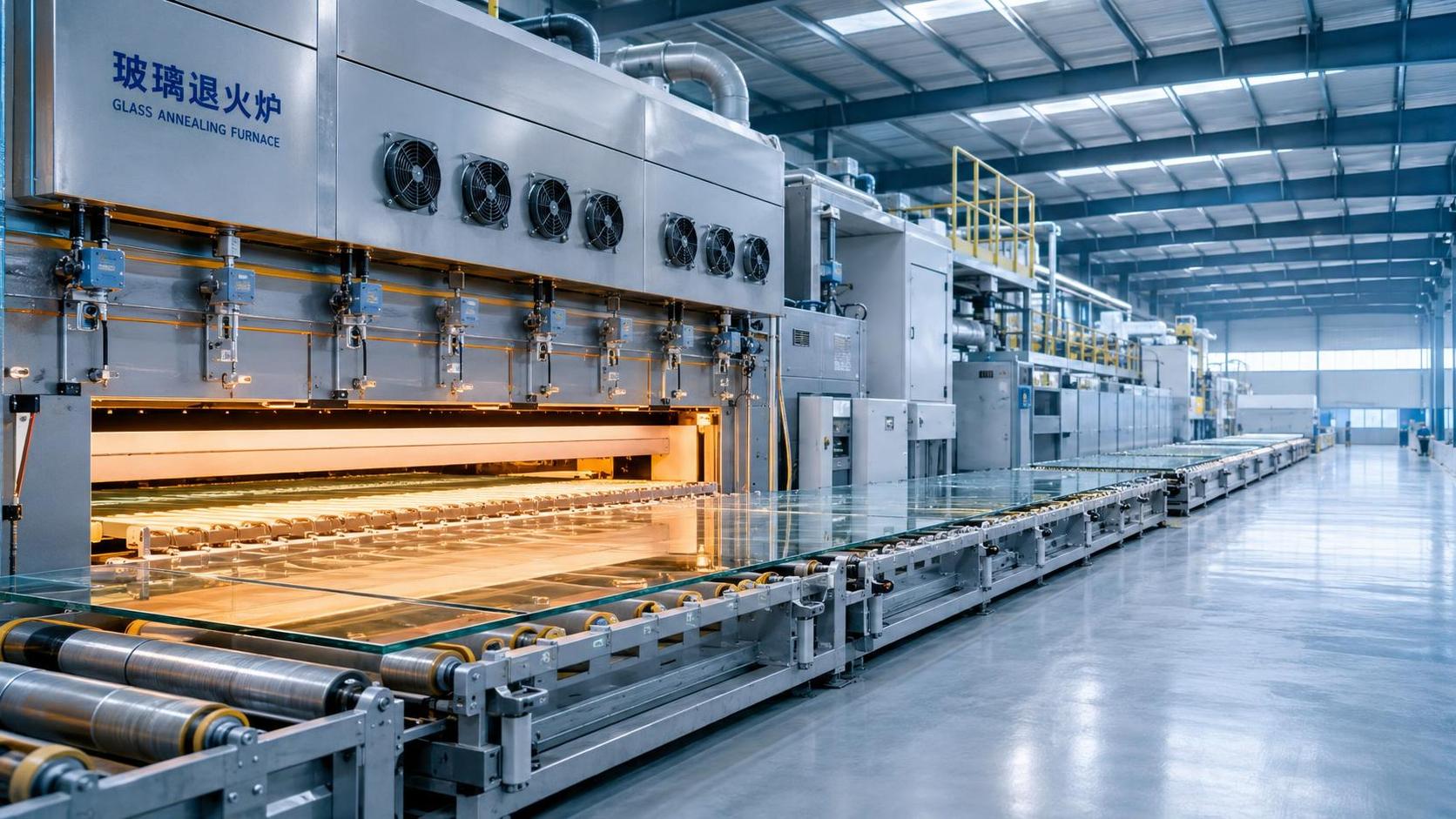
For glass lines, comparison should focus on temperature uniformity, combustion control, furnace lining durability, and annealing stability. A lower-cost system can create defects, optical inconsistency, or excessive energy loss across long campaigns.
Also examine maintenance access and instrumentation accuracy. In melting and forming environments, data quality directly affects yield, emissions, and furnace life.
Industrial kilns, incineration, and waste-to-energy systems
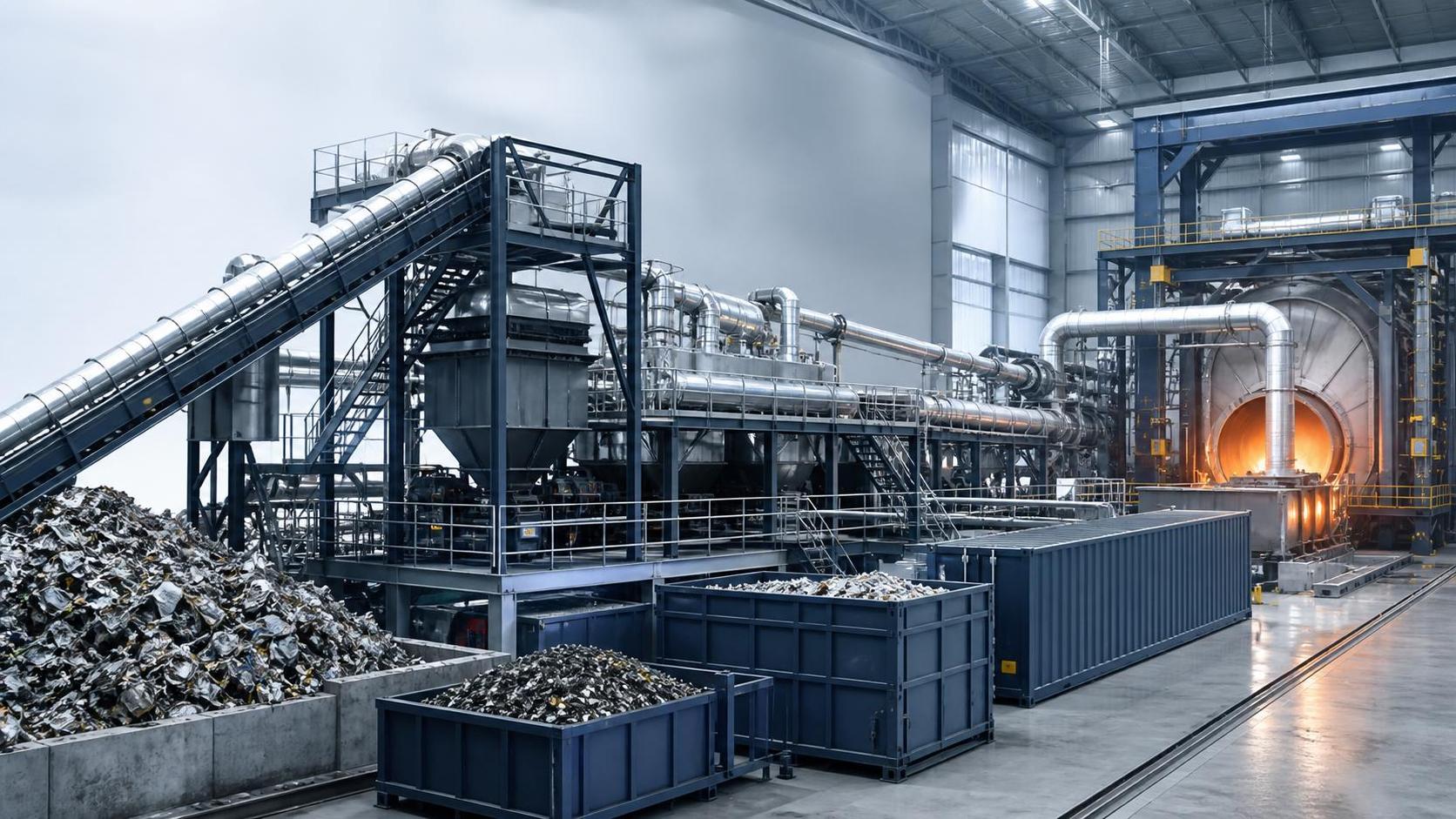
Incineration and thermal treatment projects require stricter comparison criteria. Here, heavy industrial equipment must handle variable feedstock, corrosive gases, ash behavior, and regulatory scrutiny without sacrificing energy recovery.
Check residence time control, secondary combustion stability, flue gas cleaning integration, and ash handling design. Equipment that looks economical upfront may become expensive if emissions controls need early upgrades.
Refractory and specialized extrusion lines
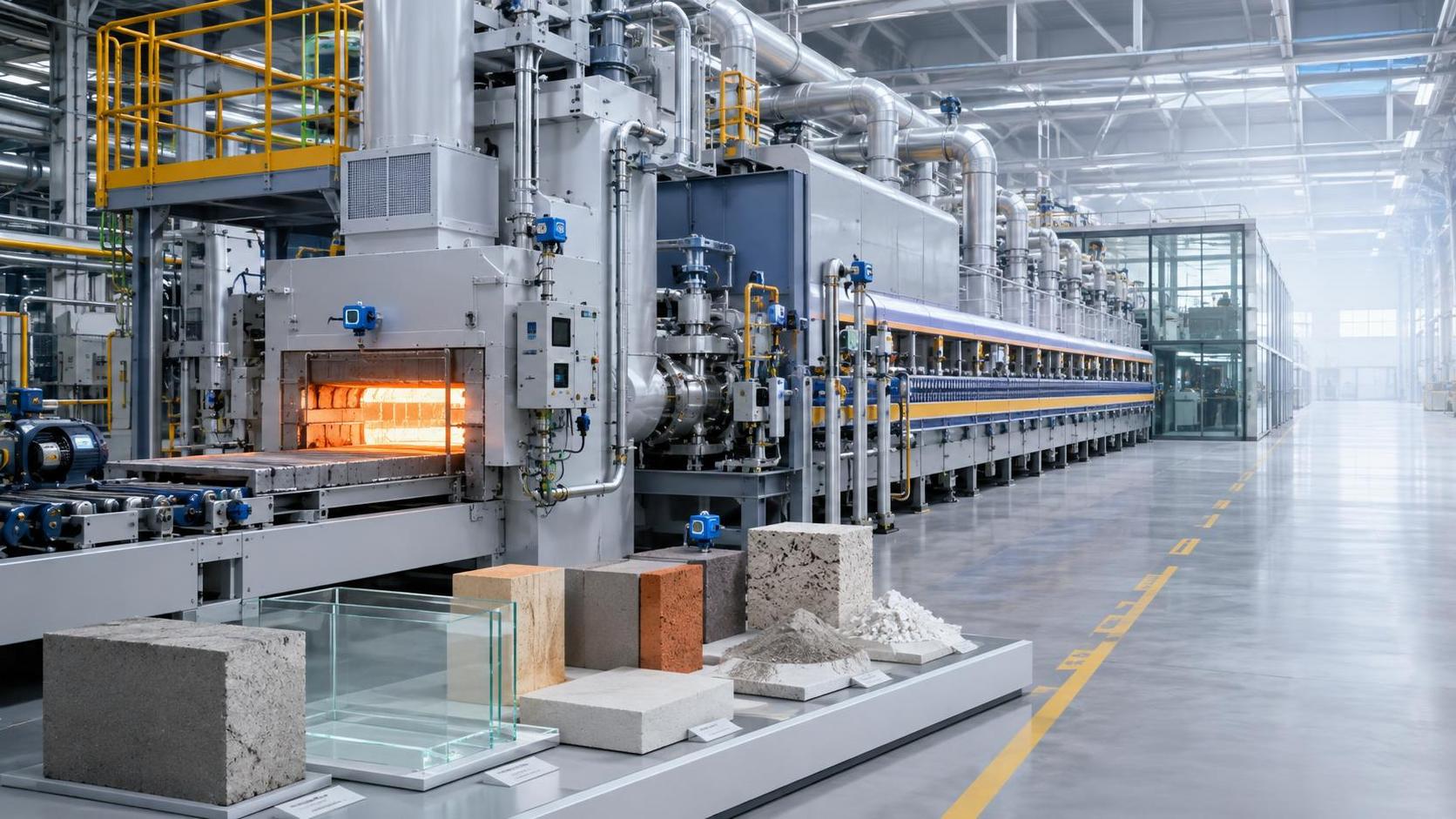
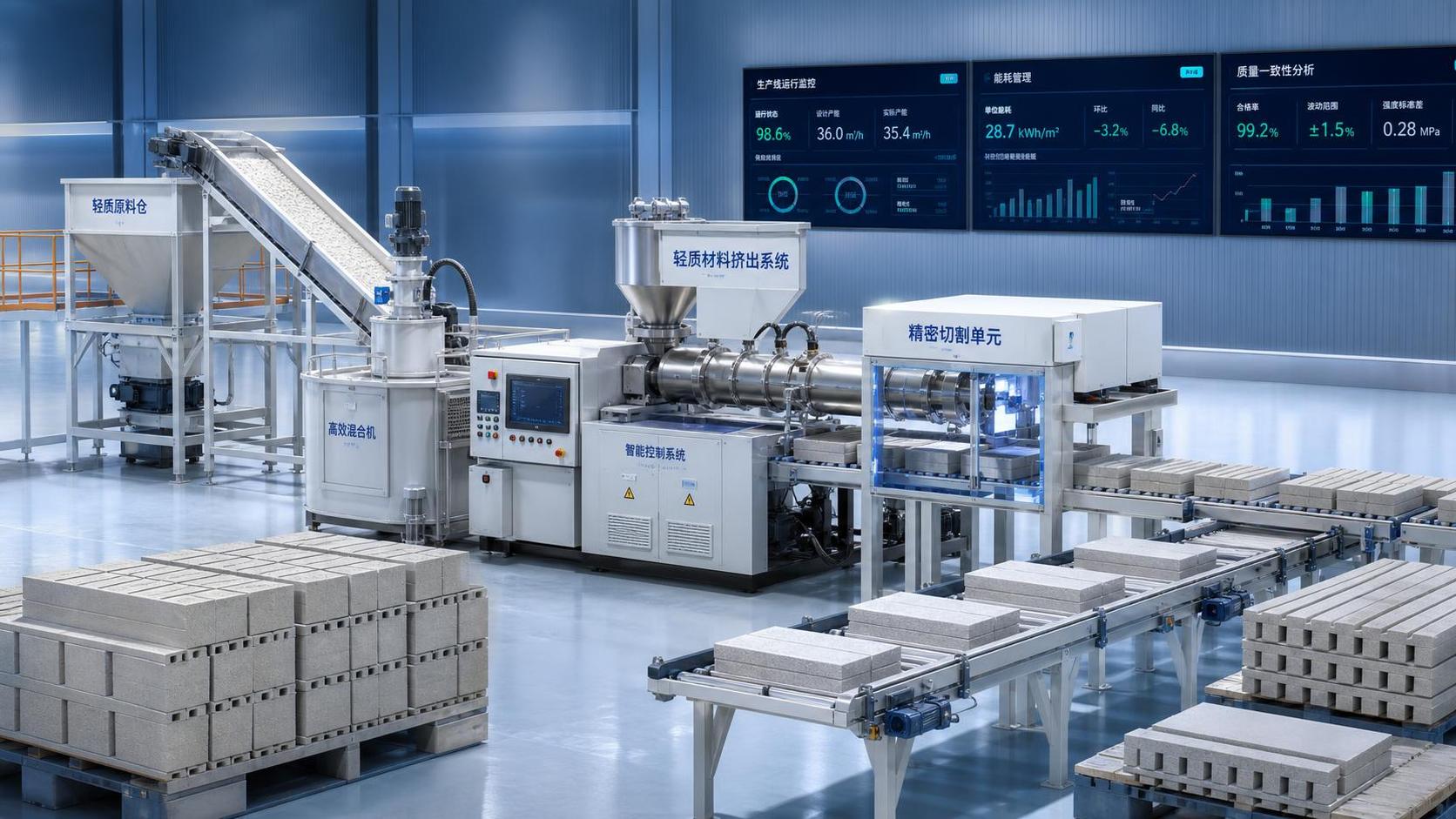
For refractory production and building material extrusion, compare forming pressure stability, die wear rate, moisture handling, and dimensional consistency. Production quality losses often originate in overlooked mechanical or thermal mismatches.
Also test changeover time and recipe flexibility. The right heavy industrial equipment should support both current production and future product variation.
Commonly overlooked items and risk alerts
Hidden utility costs
Compressed air demand, cooling water load, fuel preheating, and induced draft fan power are often underestimated. These utility burdens can outweigh initial savings over the equipment life.
Weak spare parts strategy
A competitive machine price means little if critical seals, rollers, sensors, burners, or control boards have long replacement lead times. Review localized stock and equivalent part options early.
Overreliance on nominal capacity
Some suppliers present peak output under ideal conditions. Compare stable operating capacity at realistic feed quality, ambient conditions, and maintenance intervals instead.
Incomplete compliance assumptions
Current permits are not the full picture. Future carbon rules, particulate limits, and energy reporting standards can change the economics of heavy industrial equipment much faster than expected.
Poor integration planning
Mechanical fit is only one layer. Controls mapping, interlocks, upstream residence time, and downstream buffering must all align, or the asset will underperform from day one.
Practical execution steps
Turn comparison into a repeatable process. Gather technical data, not just brochures, and verify each claim using operating references, test reports, and site-specific assumptions.
- Build a weighted evaluation sheet before requesting final bids.
- Request utility consumption curves across multiple load points.
- Compare guaranteed values against measurable acceptance tests.
- Visit at least one reference installation with similar process conditions.
- Model downtime cost and include it in financial comparison.
- Review service contracts, training scope, and commissioning support in writing.
Where process intensity is high, intelligence-led evaluation becomes even more important. Platforms such as CF-Elite add value by connecting equipment decisions with thermal engineering logic, evolving compliance demands, and long-cycle industrial market signals.
Conclusion and next action
The smartest way to compare heavy industrial equipment is to treat price as one data point, not the decision. Lifecycle cost, energy performance, uptime, compliance resilience, digital integration, and service support define real project value.
Start with a checklist, apply weighted scoring, and test every proposal against actual operating conditions. This approach reduces technical surprises, strengthens capital efficiency, and leads to more durable industrial performance over time.
Related News
 Optical Glass Tech FellowHow to Evaluate a Glass Annealing Equipment Manufacturer for Production StabilityChoose a glass annealing equipment manufacturer with proven thermal uniformity, reliable controls, lifecycle value, and responsive service for stable production.Sep 08, 2026
 Prof. Marcus ChenThermal Energy Architecture in North America: Strategies for Lower Building Energy UseThermal energy architecture North America helps project leaders cut building energy use through stronger envelopes, right-sized HVAC, storage, and smart commissioning.Sep 07, 2026
 Ms. Elena RodriguezHow Should Buyers Evaluate Building Material Industry Intelligence Pricing?Building material industry intelligence pricing: learn how to compare coverage, technical depth, and ROI to choose intelligence that reduces procurement risk.Sep 07, 2026
 Ms. Elena RodriguezHow to Use Building Material Intelligence Data for Market and Investment DecisionsBuilding material industry intelligence data helps leaders evaluate demand, costs, regulation, capacity, and technology to make smarter market and investment decisions.Sep 05, 2026
 Thermal Energy ArchitectHow PLC Control Improves Energy Efficiency and Temperature Stability in KilnsEnergy efficient kilns PLC control improves temperature stability, cuts fuel waste, and optimizes combustion, draft, and material flow. Explore proven strategies for smarter kiln modernization.Sep 04, 2026
 Optical Glass Tech FellowEuropean Glass Melting Processes: Furnace Choices, Energy Use, and Quality ControlGlass melting process Europe: explore furnace choices, energy efficiency, cullet strategy, and quality control to improve output, compliance, and long-term glass performance.Sep 03, 2026
 Thermal Energy ArchitectWhat Determines Refractory Lining Monitoring Price for Industrial Kilns?Refractory lining monitoring price depends on kiln size, sensor technology, installation, software, and support. Compare total lifecycle costs and choose the right solution.Sep 02, 2026
 Silicate Process EngineerCement Production System Costs: A Plant Buyer’s Guide to Budgeting and ROICement production systems cost planning made clear: compare CAPEX, operating costs, compliance, and ROI to build a resilient, profitable cement plant investment.Sep 01, 2026
 Dr. Alistair VaughnWhat Should a Process Technology Database Track for High-Temperature Plants?Process technology database essentials for high-temperature plants: track thermal profiles, feed chemistry, refractory wear, emissions, energy, and maintenance for safer, data-driven decisions.Aug 31, 2026
 Ms. Elena RodriguezHow to Evaluate a Silicate Processing Equipment Manufacturer for Plant ProjectsSilicate processing equipment manufacturer selection: assess process fit, guarantees, energy, compliance, delivery risk, and lifecycle support for dependable plant performance.Aug 30, 2026
 Dr. Alistair VaughnHow to Specify Custom Agricultural Processing Equipment for Throughput and HygieneEquipment customization services for agricultural processing: learn to specify hygienic, high-throughput lines that improve yield, reliability, and long-term efficiency.Aug 29, 2026
 Dr. Alistair VaughnHow to Select Process Plant Equipment for High-Temperature, Abrasive Production LinesProcess plant equipment selection for high-temperature, abrasive lines: reduce downtime, improve durability, and optimize lifecycle performance.Aug 28, 2026
 Silicate Process EngineerHow Kiln Heat Recovery Systems Cut Fuel Use in Cement and Lime ProductionKiln heat recovery helps cement and lime plants cut fuel use, improve thermal stability, and build practical, reliable decarbonization strategies.Aug 27, 2026
 Ms. Elena RodriguezProcess Equipment Comparison: Which Metrics Matter Most for Reliable Selection?Process equipment comparison made practical: discover which metrics truly drive reliable selection, from energy efficiency and control stability to wear life, maintainability, and uptime.Aug 26, 2026
 Ms. Elena RodriguezWhat Buyers Should Check Before Sourcing Precision Alloy Bars for Critical PartsPrecision Alloy Bars buyers should verify grade, chemistry, tolerances, surface quality, traceability, and lead time before sourcing for critical parts. Learn what prevents costly machining and reliability risks.Aug 27, 2026
 Ms. Elena RodriguezHow to Evaluate Thermal Management Solutions Insulation for High-Heat Industrial SystemsThermal management solutions insulation: learn how to assess high-heat industrial systems by thermal performance, durability, lifecycle cost, and supplier data for smarter decisions.Aug 25, 2026
 Ms. Elena RodriguezWhat Drives Waste Recycling Cost in Industrial Projects and How to Estimate It?Waste recycling cost in industrial projects depends on composition, moisture, transport, pre-treatment, and compliance. Learn how to estimate it accurately and compare suppliers with confidence.Aug 24, 2026
 Silicate Process EngineerHow to Evaluate Cement Production Plants in the Middle East for Capacity, Fuel Flexibility, and ROIcement production plants Middle East: Learn how to assess true capacity, fuel flexibility, and ROI risks to identify resilient assets and smarter investment opportunities.Aug 23, 2026
 Structural Material AnalystHow to Evaluate Lightweight Material Machinery for Output, Energy Use, and Product QualityLightweight material machinery evaluation guide: compare stable output, energy use, and product quality to choose equipment that cuts waste, lowers costs, and improves production confidence.Aug 22, 2026
 Material Heat-Resist ExpertWhat Determines Refractory Production Line Price in a Turnkey Plant Project?Refractory production line price depends on raw materials, forming method, kiln and drying design, automation, utilities, and scope. Learn what really drives turnkey plant cost before you invest.Aug 21, 2026




Related News
- 00
0000-00
How Should Buyers Evaluate Building Material Industry Intelligence Pricing? - 00
0000-00
How to Use Building Material Intelligence Data for Market and Investment Decisions - 00
0000-00
How to Evaluate a Silicate Processing Equipment Manufacturer for Plant Projects - 00
0000-00
Process Equipment Comparison: Which Metrics Matter Most for Reliable Selection? - 00
0000-00
What Buyers Should Check Before Sourcing Precision Alloy Bars for Critical Parts
Weekly Insights
Stay ahead with our curated technology reports delivered every Monday.