
What makes industrial decarbonization projects fail?




What makes industrial decarbonization projects fail in real operating scenarios?
Industrial decarbonization is no longer a visionary agenda—it is a capital-intensive test of engineering realism, operational discipline, and market timing.
Many projects fail because ambition outruns process knowledge, utility integration, retrofit constraints, and carbon-market economics.
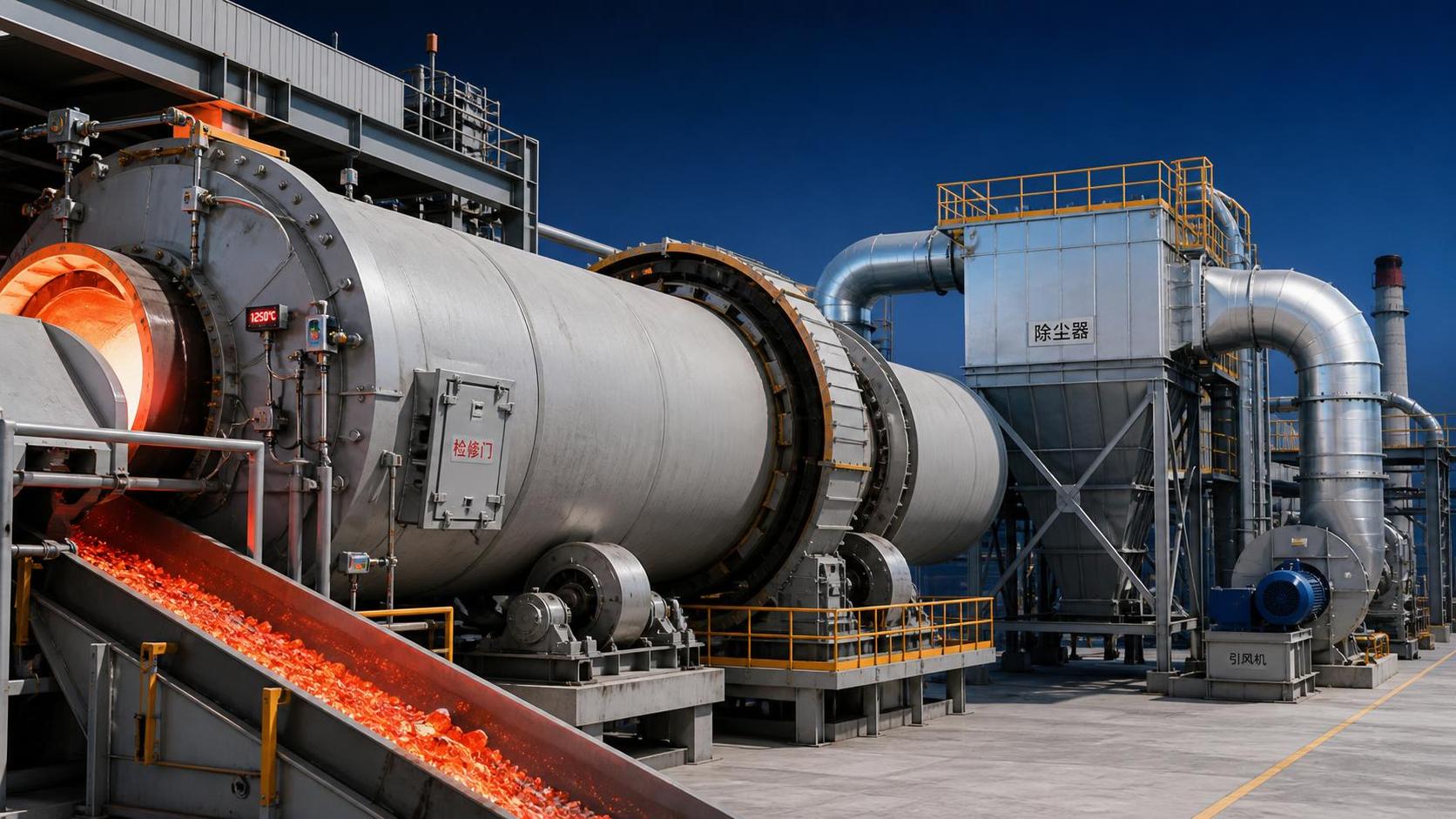
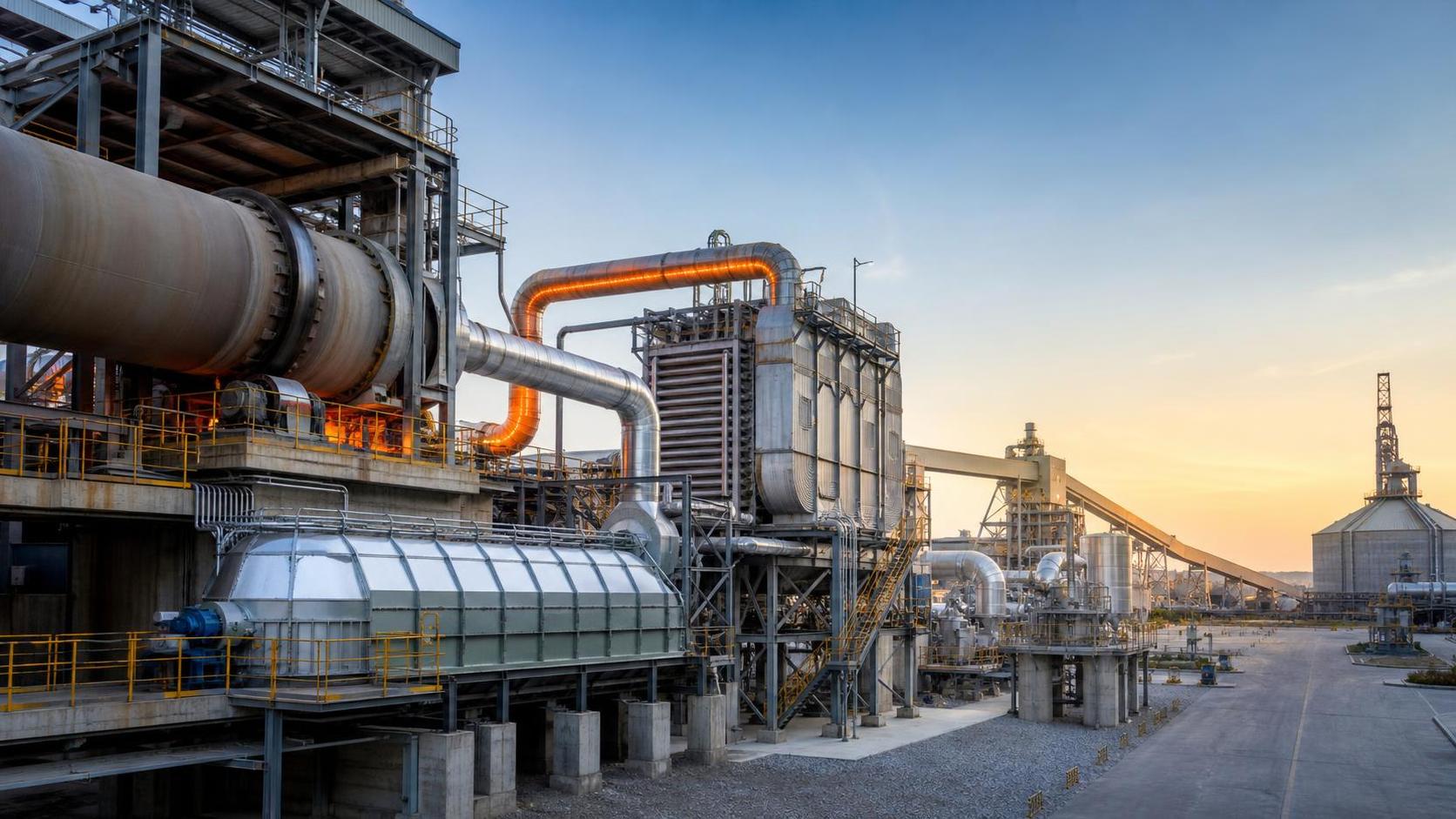
For cement plants, glass lines, kilns, incinerators, refractory facilities, and extrusion systems, failure often begins before installation.
The decisive question is not whether industrial decarbonization matters, but whether each scenario can absorb the technical and financial change.
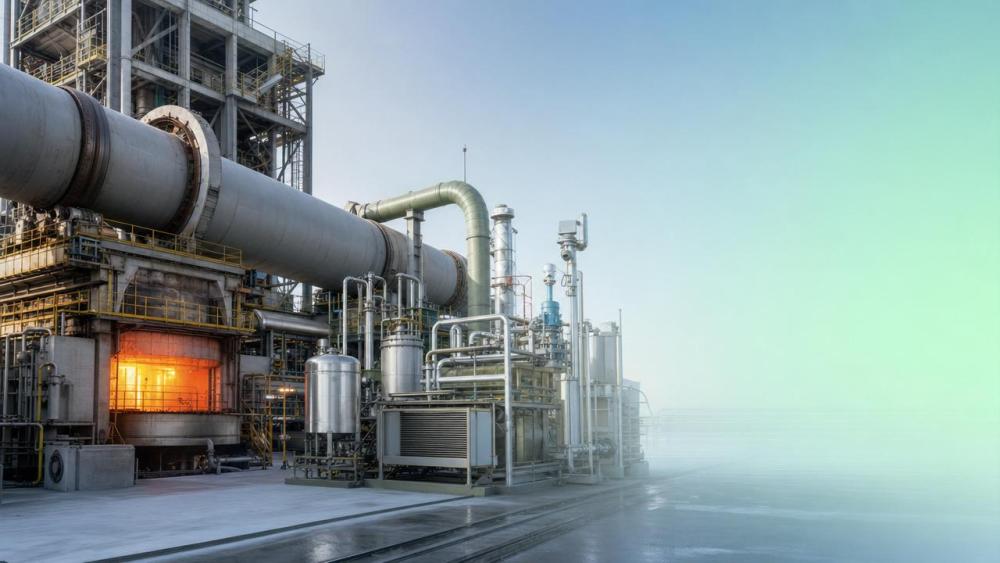
Scenario background: why industrial decarbonization risks differ by asset type
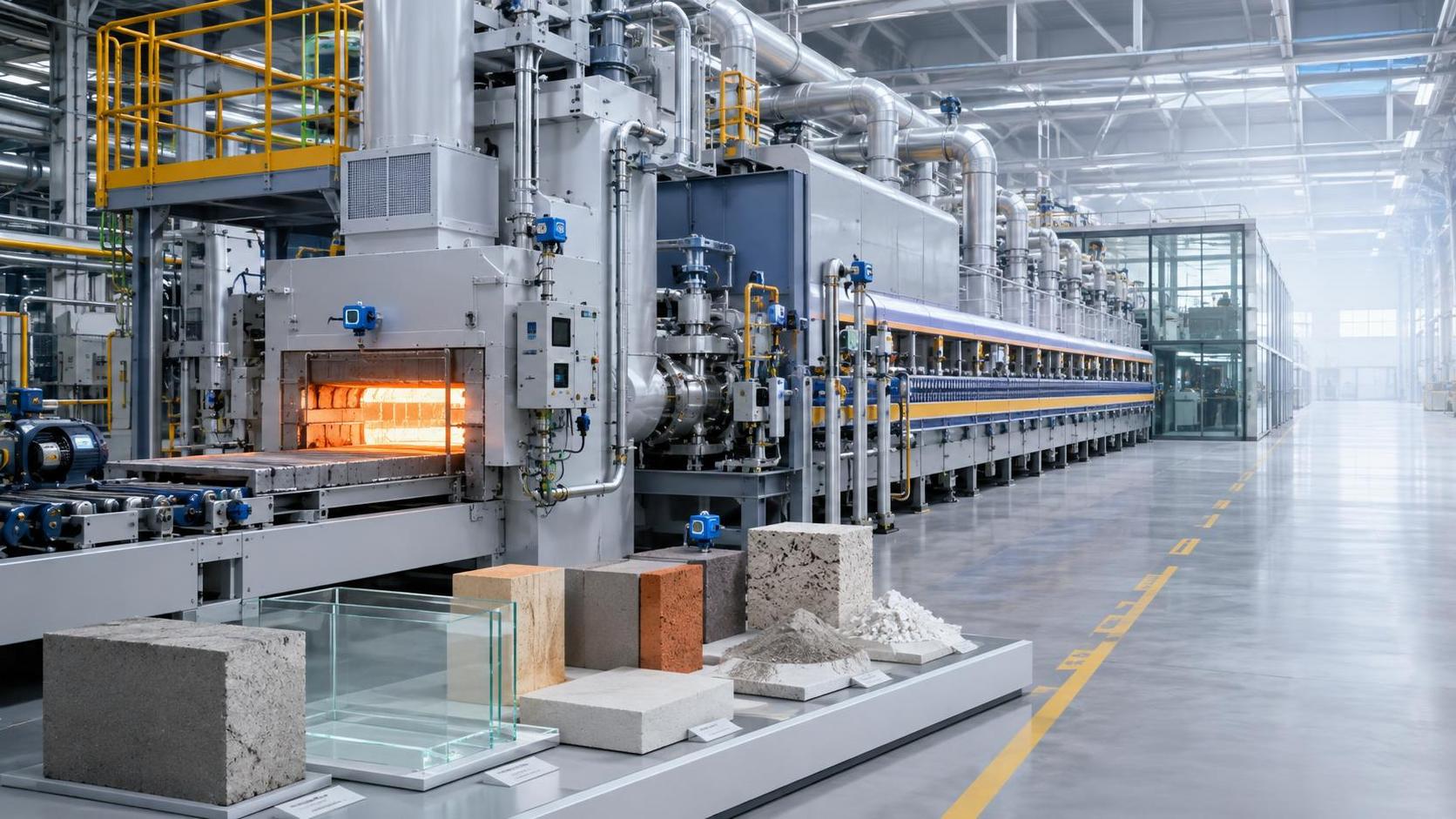
High-temperature industries do not share one decarbonization pathway. Their heat profiles, feedstocks, emissions chemistry, and uptime requirements differ sharply.
A rotary kiln faces different barriers from a float glass furnace or a refractory tunnel kiln.
Industrial decarbonization fails when a generic roadmap ignores these scenario-specific constraints.
The strongest projects begin with process mapping, not vendor selection or public carbon targets.
They separate direct process emissions, combustion emissions, indirect electricity emissions, and logistics-related emissions.
Without this separation, industrial decarbonization budgets drift toward visible equipment while hidden bottlenecks remain unresolved.
Scenario 1: cement plants fail when process emissions are treated like fuel emissions
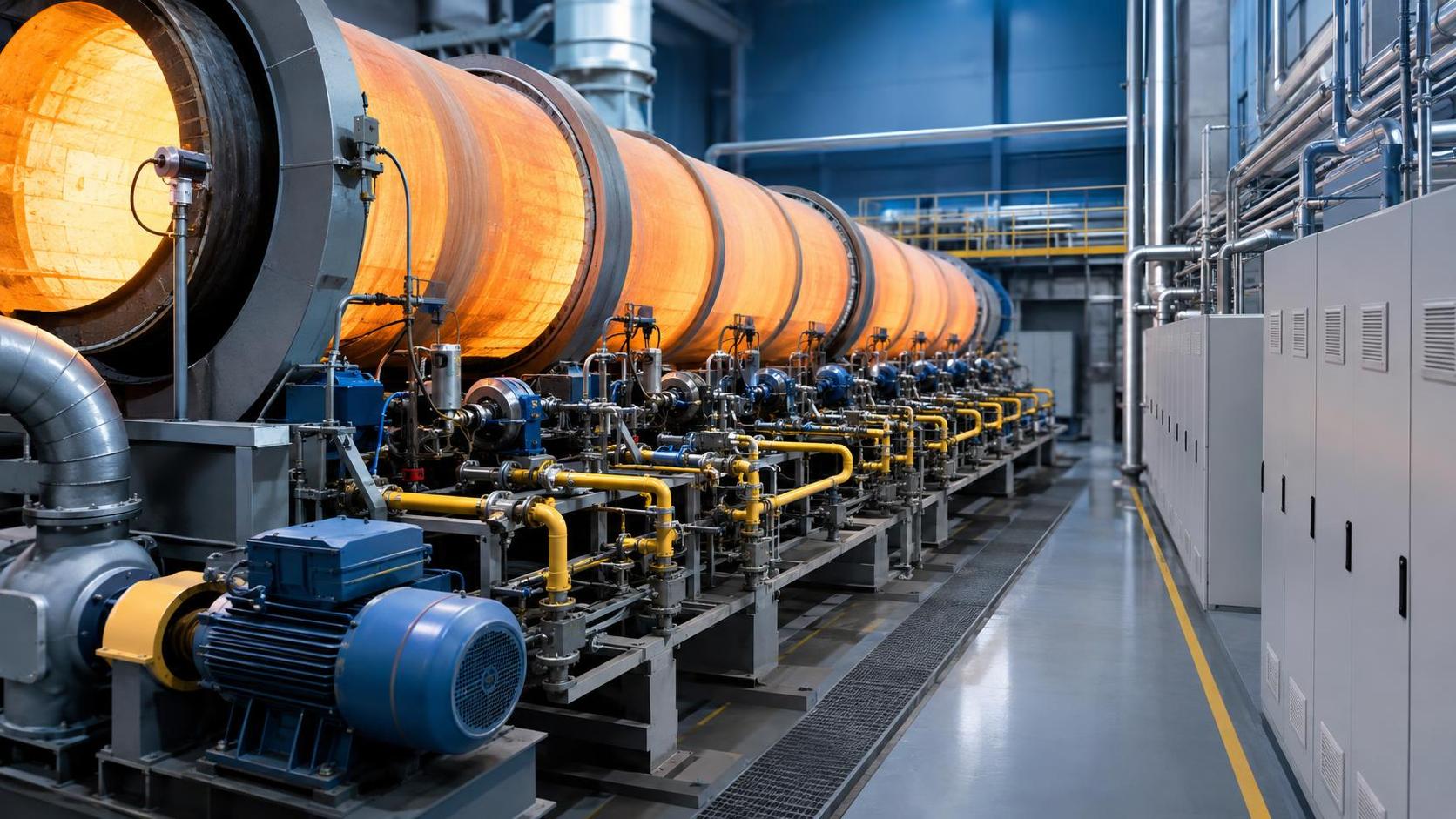
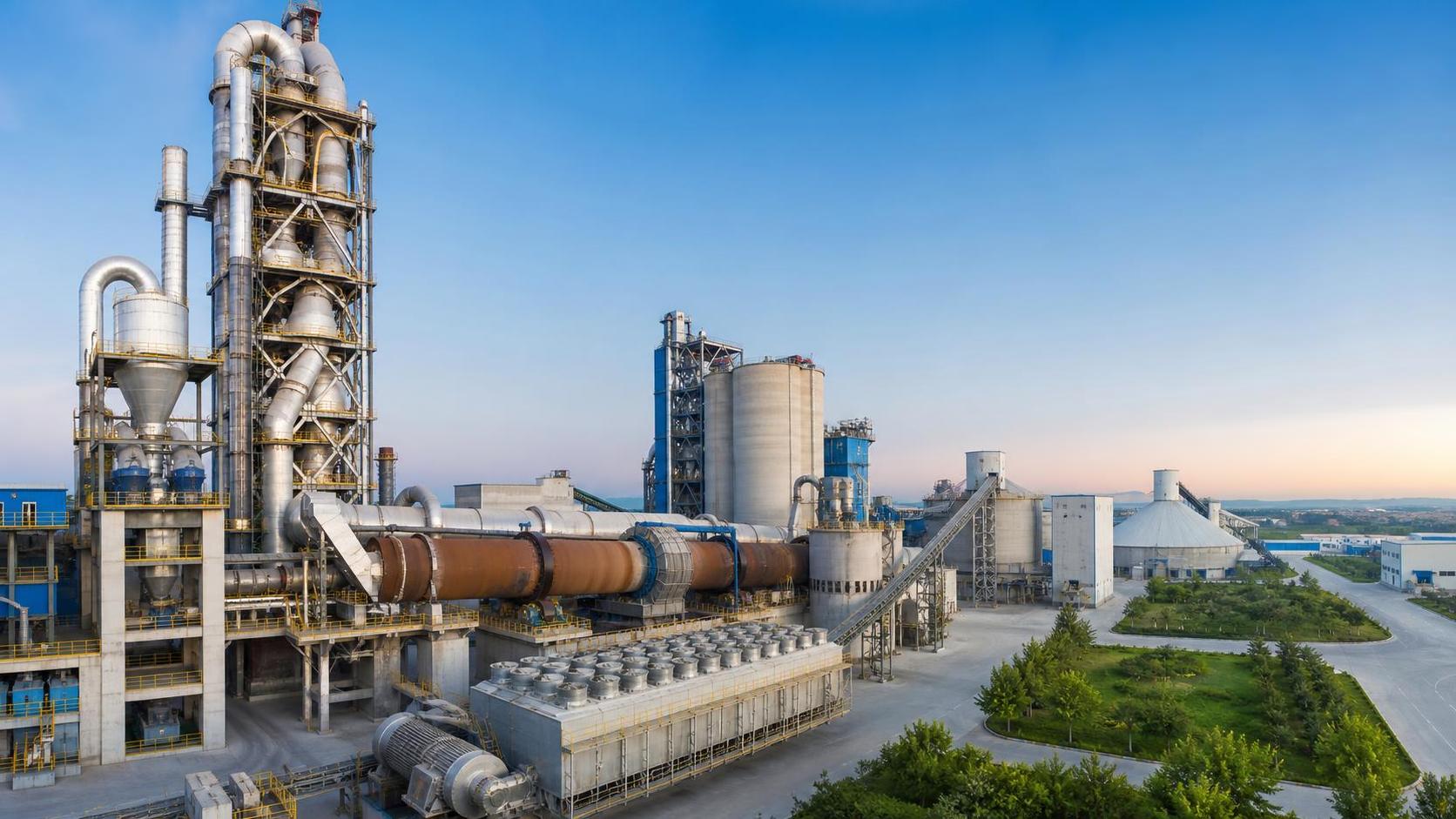
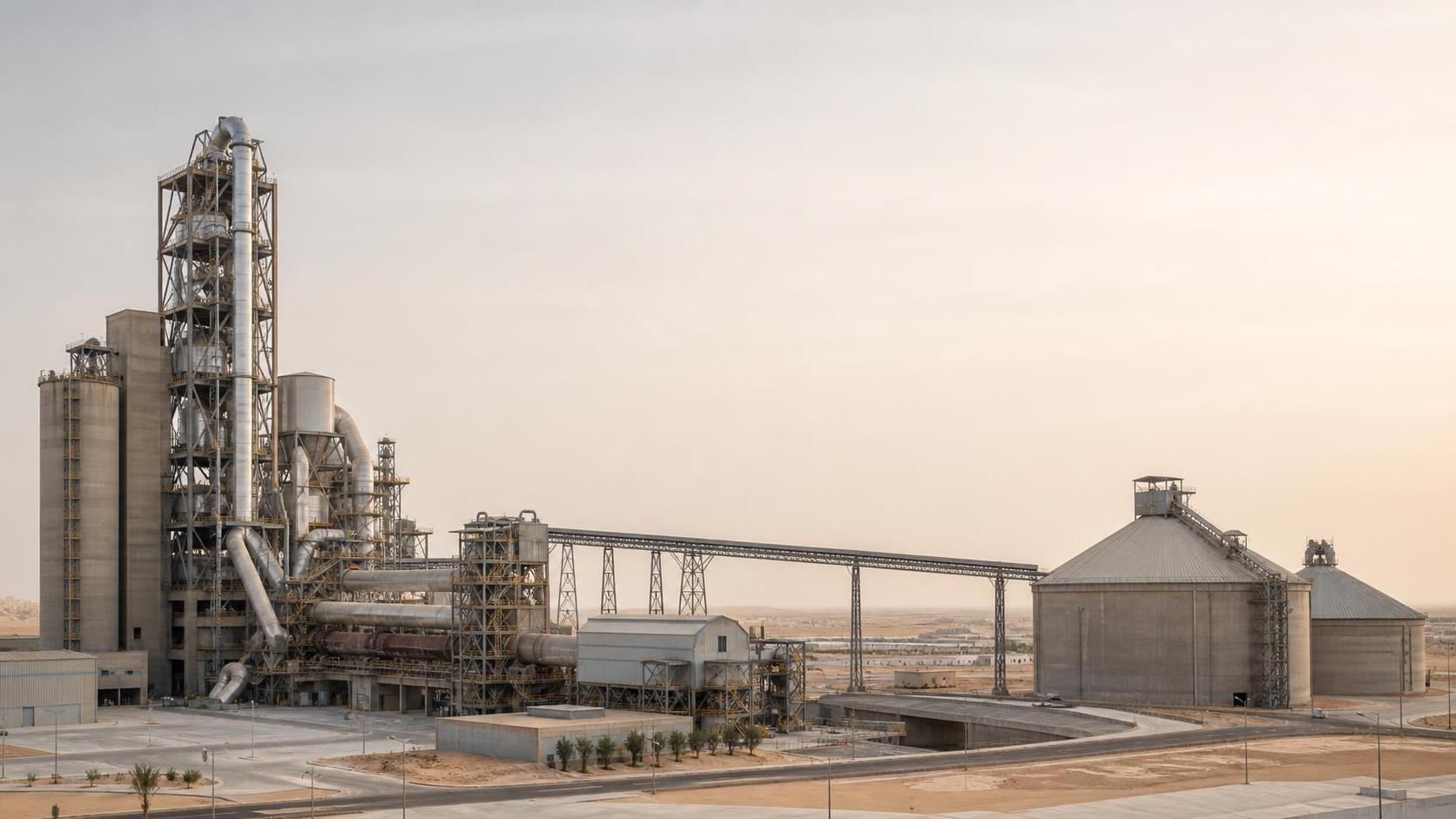
Cement production is difficult because calcination releases carbon dioxide from limestone, independent of fuel choice.
Switching coal to biomass or waste-derived fuel may reduce combustion emissions, but it cannot eliminate process emissions.
Industrial decarbonization in cement often fails when alternative fuels are oversold as a complete solution.
Clinker substitution, carbon capture, kiln optimization, and dust-control upgrades must be evaluated together.
Another failure point is inconsistent raw meal chemistry after fuel changes.
If sulfur, chlorine, alkali circulation, or ash composition changes, kiln stability can decline quickly.
A credible industrial decarbonization plan must protect clinker quality, refractory life, thermal efficiency, and permit compliance simultaneously.
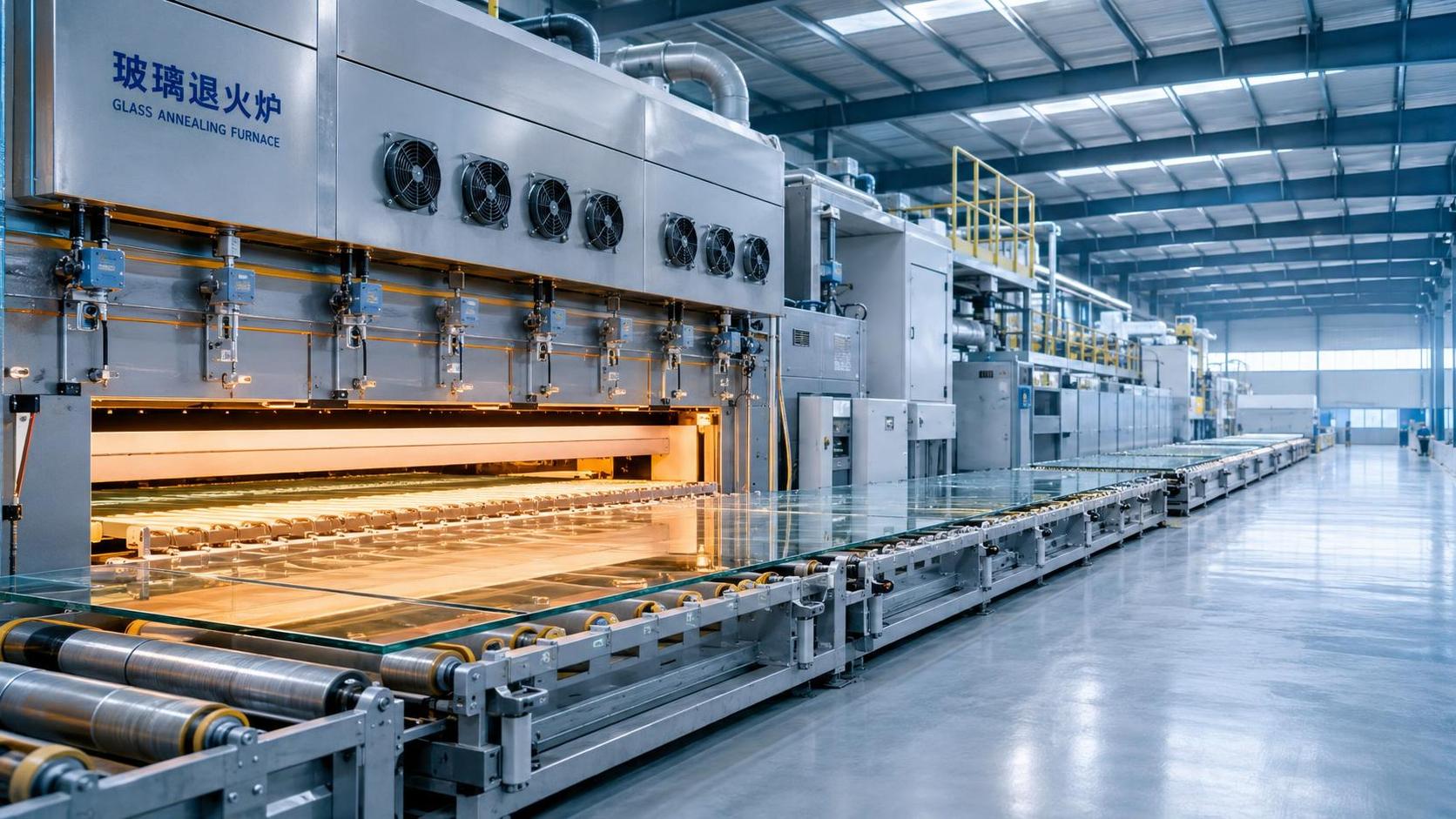
Scenario 2: glass lines fail when furnace life and power quality are underestimated
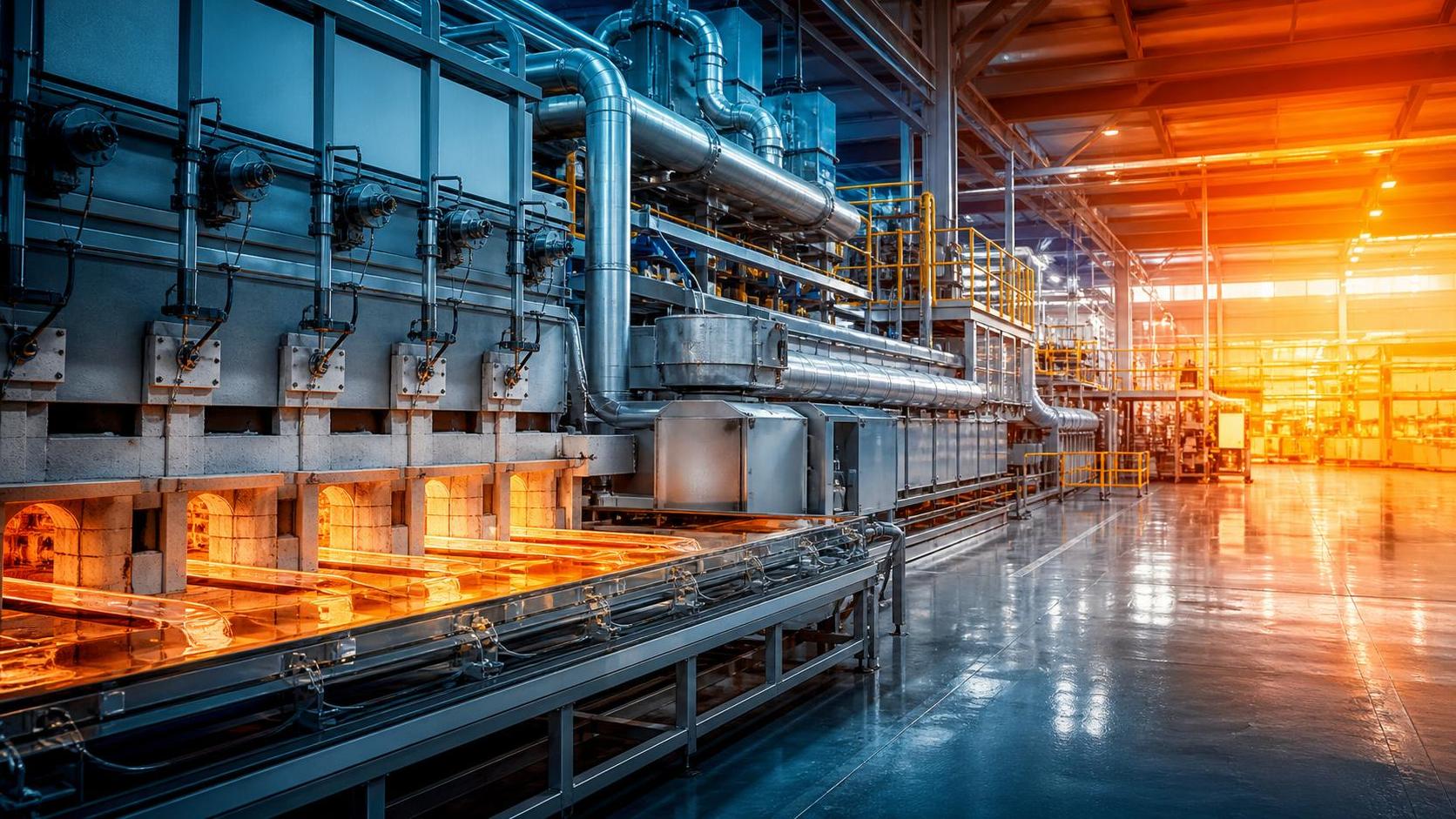
Glass manufacturing depends on stable melting, refining, forming, and annealing conditions.
Electric boosting, oxy-fuel firing, hydrogen blending, and waste heat recovery can support industrial decarbonization.
Yet projects fail when electrical infrastructure cannot guarantee voltage stability, redundancy, or acceptable operating cost.
Float lines and specialty glass furnaces cannot tolerate frequent interruptions without quality losses.
Another overlooked issue is campaign timing. Furnace rebuild cycles define the practical window for major modifications.
Industrial decarbonization actions installed mid-campaign may create excessive risk, downtime, or refractory compatibility problems.
Successful scenarios connect energy transition planning with furnace age, pull rate, glass composition, and grid reliability.
Scenario 3: kilns and incineration systems fail when feedstock variability is ignored
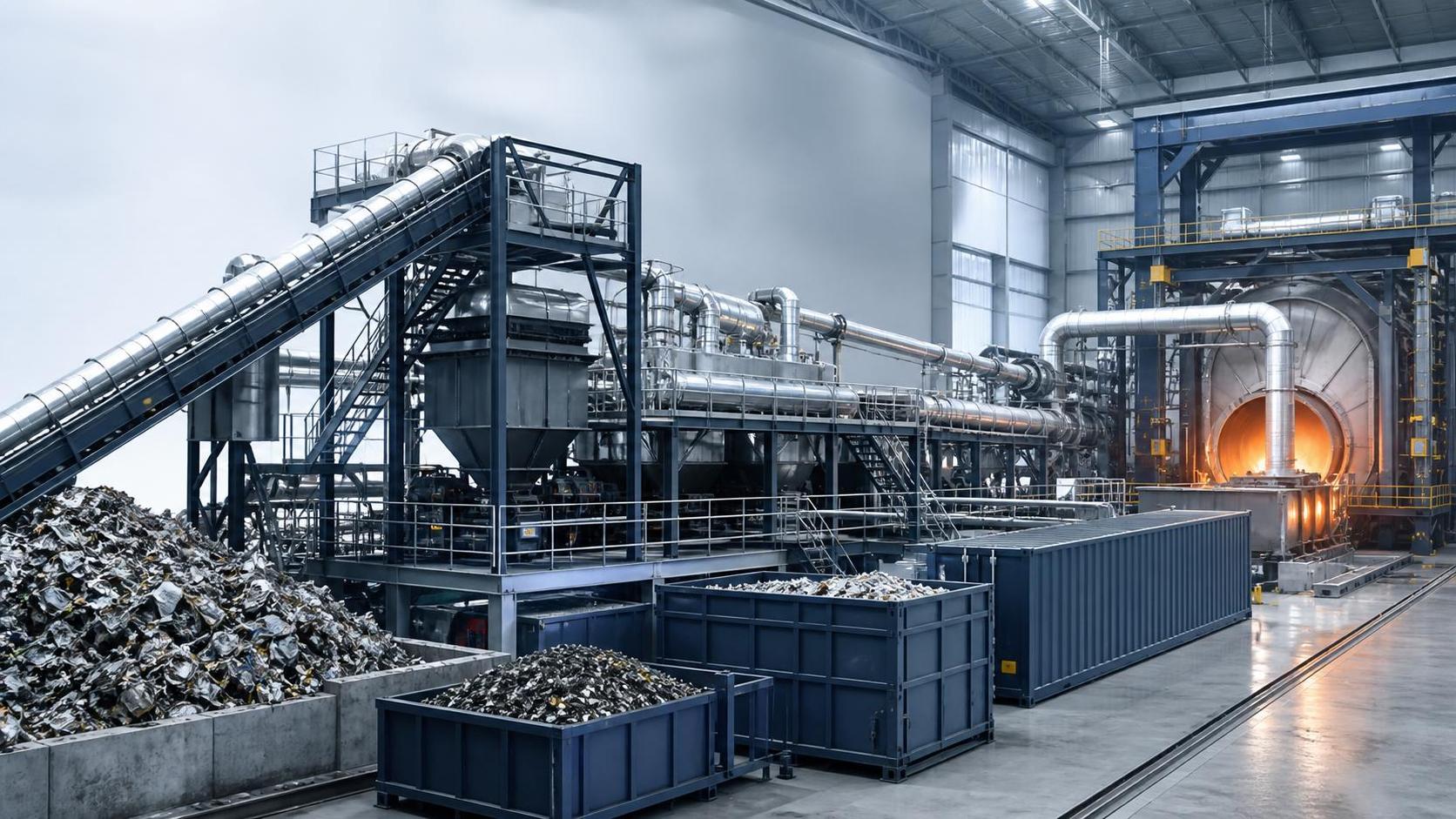
Industrial kilns and incineration systems often promise circularity by converting waste into energy or mineral value.
This pathway supports industrial decarbonization only when feedstock quality is controlled and continuously monitored.
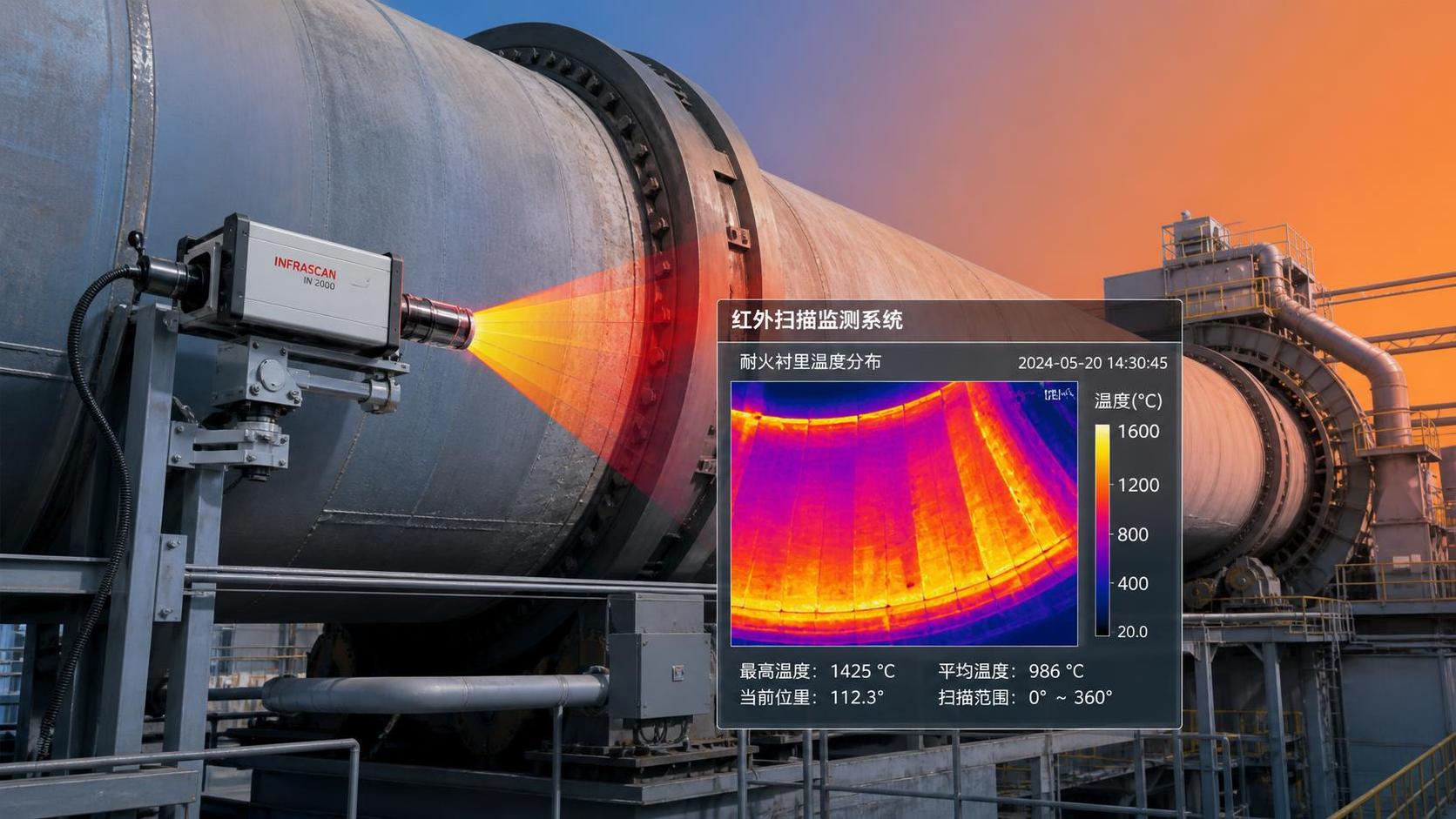
Moisture, calorific value, chlorine, heavy metals, and ash behavior can change combustion chemistry within hours.
Projects fail when fuel contracts assume stable waste streams that do not exist in daily operation.
Emission-control systems then face overload, corrosion, fouling, or permit exceedance.
Industrial decarbonization in these scenarios requires pre-treatment, online sensing, residence-time control, and robust flue-gas cleaning.
The economic model must include waste acceptance risk, not only fuel replacement value.
Scenario 4: refractory and extrusion facilities fail when heat demand is oversimplified
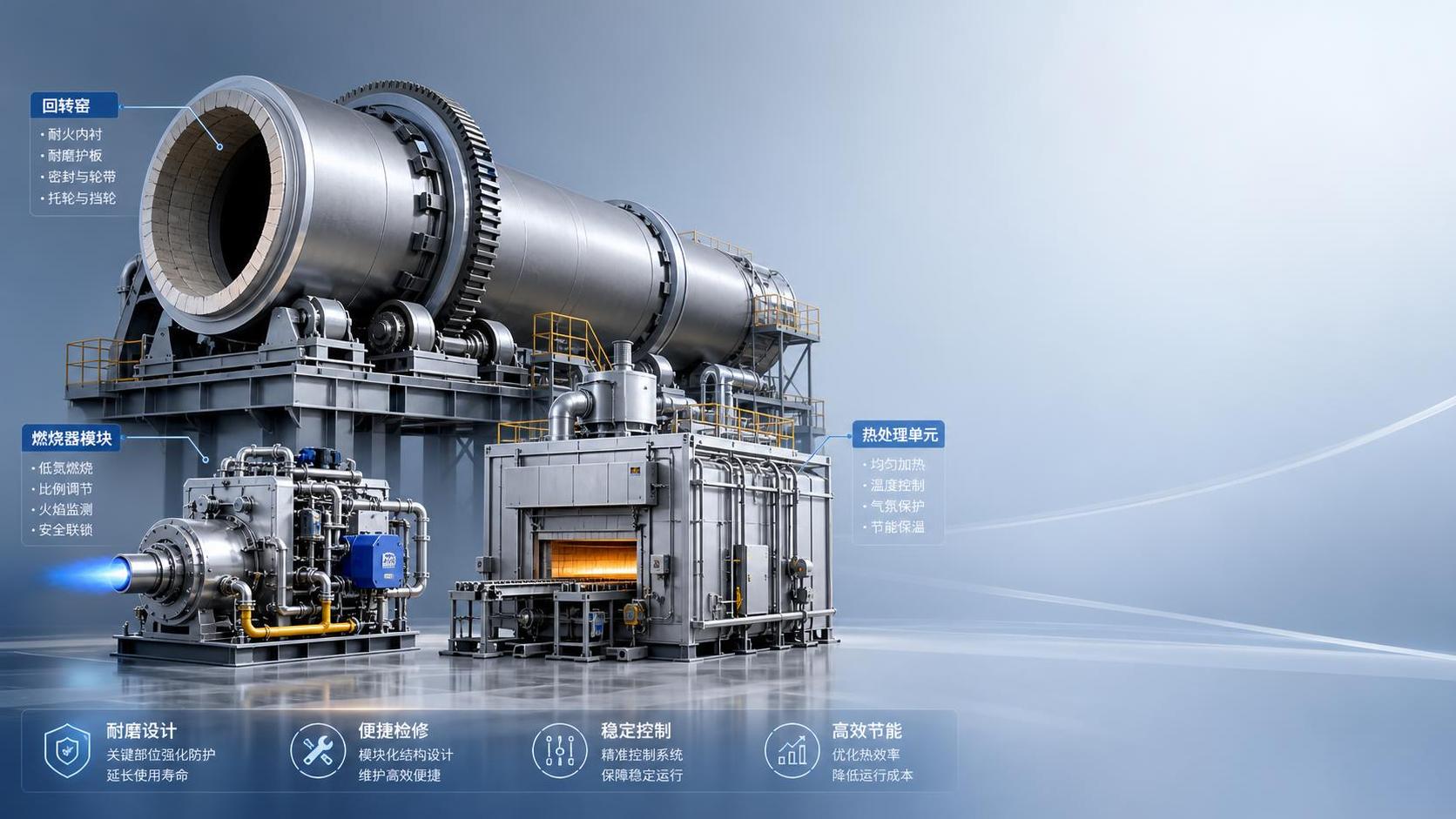
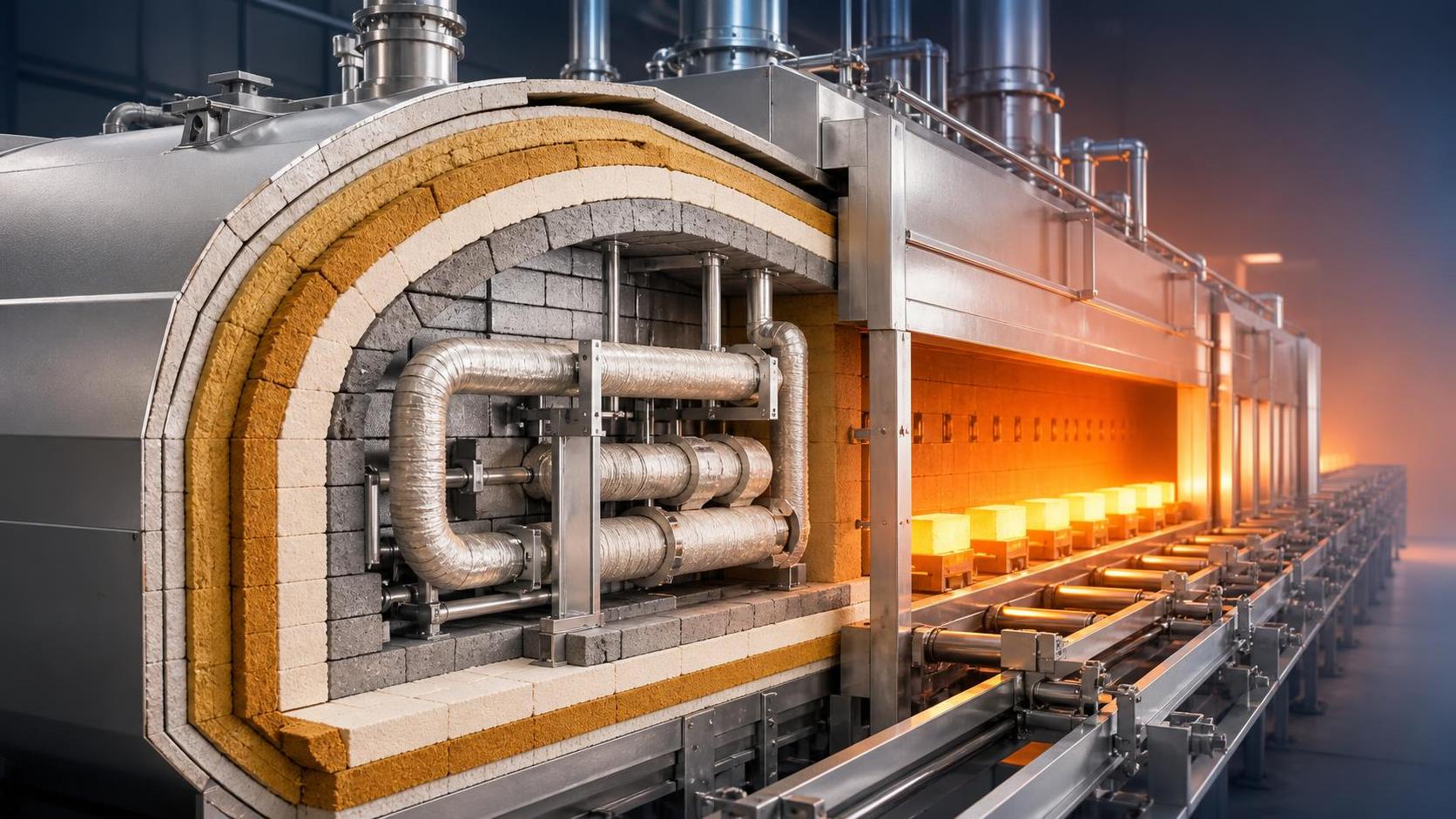
Refractory production lines require controlled firing curves, atmosphere management, and material-specific sintering behavior.
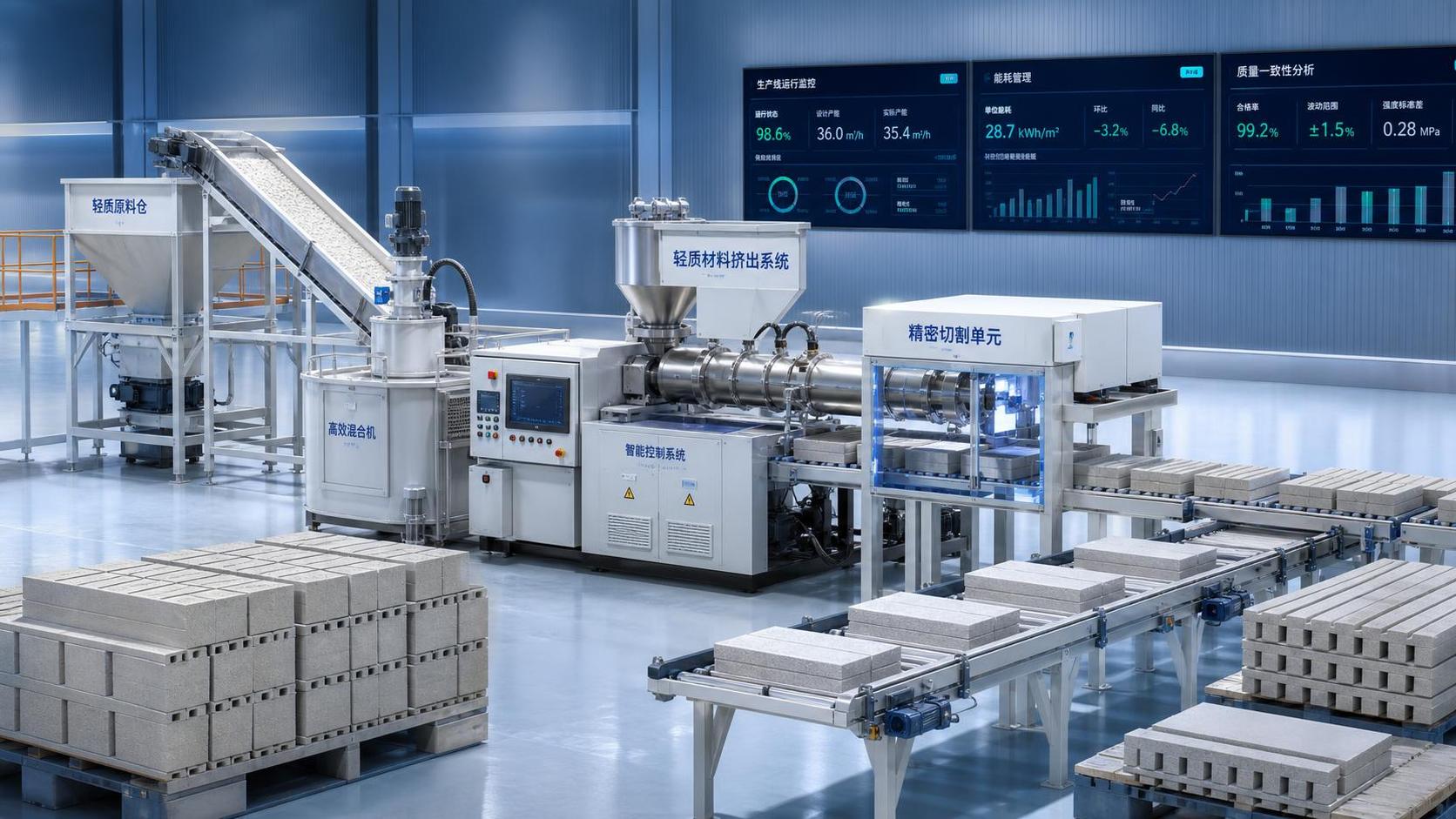
New building material extrusion lines rely more on pressure forming, drying stability, and downstream curing energy.
Industrial decarbonization fails when both are treated as simple fuel-switching cases.
Electrification may work for some thermal steps, but drying bottlenecks and peak-load costs can damage economics.
In refractory plants, product failure can appear after shipment, not during production.
Thermal shock resistance, porosity, phase formation, and dimensional stability must remain within specification.
Industrial decarbonization succeeds only when carbon reduction is tested against final material performance.
Different scenario requirements that change the failure risk
This comparison shows why industrial decarbonization cannot be judged only by headline carbon intensity.
The decisive requirement is operational fit under actual feedstock, energy, product, and regulatory conditions.
Adaptation suggestions before committing capital
- Build a baseline from measured process data, not annual averages alone.
- Separate quick efficiency gains from structural industrial decarbonization investments.
- Run sensitivity cases for energy prices, carbon prices, downtime, and product yield.
- Test retrofit impact on control systems, refractory life, emissions compliance, and maintenance access.
- Evaluate suppliers by reference performance in comparable thermal and chemical conditions.
- Use digital twins where dynamic heat balance and reaction kinetics matter.
Industrial decarbonization planning should also include commercial sequencing.
A staged pathway may outperform a large single conversion when policy, infrastructure, or market premiums remain uncertain.
Common misjudgments that quietly destroy industrial decarbonization returns
Mistaking pilot success for plant-wide feasibility
A pilot can prove chemistry without proving logistics, uptime, maintenance burden, or full-load energy integration.
Industrial decarbonization failure appears when scale exposes hidden constraints.
Ignoring the cost of downtime
High-temperature assets often lose more from interrupted campaigns than from equipment purchase prices.
Shutdown windows must be designed as carefully as the carbon-reduction technology itself.
Assuming regulation moves in one direction
Permits, waste rules, grid incentives, and carbon-credit methods can change during project execution.
Industrial decarbonization contracts need flexibility for changing compliance pathways.
Overlooking measurement credibility
Carbon claims require reliable monitoring, reporting, and verification.
If data boundaries are unclear, financial benefits and brand claims become vulnerable.
Action path: make industrial decarbonization investable before making it visible
A resilient project starts with a scenario audit covering process emissions, heat demand, feedstock variation, and asset age.
The next step is a ranked intervention map, linking each measure to carbon impact, uptime risk, and capital intensity.
Technology selection should follow this map, not precede it.
Industrial decarbonization becomes credible when engineering limits, financial assumptions, and regulatory evidence point in the same direction.
CF-Elite tracks these intersections across silicate production, thermal management, incineration, refractory systems, and green material extrusion.
Before approving a project, compare the chosen pathway against real operating scenarios, not idealized carbon narratives.
That discipline turns industrial decarbonization from a strategic promise into a bankable operating transformation.
Related News
 Optical Glass Tech FellowHow to Evaluate a Glass Annealing Equipment Manufacturer for Production StabilityChoose a glass annealing equipment manufacturer with proven thermal uniformity, reliable controls, lifecycle value, and responsive service for stable production.Sep 08, 2026
 Prof. Marcus ChenThermal Energy Architecture in North America: Strategies for Lower Building Energy UseThermal energy architecture North America helps project leaders cut building energy use through stronger envelopes, right-sized HVAC, storage, and smart commissioning.Sep 07, 2026
 Ms. Elena RodriguezHow Should Buyers Evaluate Building Material Industry Intelligence Pricing?Building material industry intelligence pricing: learn how to compare coverage, technical depth, and ROI to choose intelligence that reduces procurement risk.Sep 07, 2026
 Ms. Elena RodriguezHow to Use Building Material Intelligence Data for Market and Investment DecisionsBuilding material industry intelligence data helps leaders evaluate demand, costs, regulation, capacity, and technology to make smarter market and investment decisions.Sep 05, 2026
 Thermal Energy ArchitectHow PLC Control Improves Energy Efficiency and Temperature Stability in KilnsEnergy efficient kilns PLC control improves temperature stability, cuts fuel waste, and optimizes combustion, draft, and material flow. Explore proven strategies for smarter kiln modernization.Sep 04, 2026
 Optical Glass Tech FellowEuropean Glass Melting Processes: Furnace Choices, Energy Use, and Quality ControlGlass melting process Europe: explore furnace choices, energy efficiency, cullet strategy, and quality control to improve output, compliance, and long-term glass performance.Sep 03, 2026
 Thermal Energy ArchitectWhat Determines Refractory Lining Monitoring Price for Industrial Kilns?Refractory lining monitoring price depends on kiln size, sensor technology, installation, software, and support. Compare total lifecycle costs and choose the right solution.Sep 02, 2026
 Silicate Process EngineerCement Production System Costs: A Plant Buyer’s Guide to Budgeting and ROICement production systems cost planning made clear: compare CAPEX, operating costs, compliance, and ROI to build a resilient, profitable cement plant investment.Sep 01, 2026
 Dr. Alistair VaughnWhat Should a Process Technology Database Track for High-Temperature Plants?Process technology database essentials for high-temperature plants: track thermal profiles, feed chemistry, refractory wear, emissions, energy, and maintenance for safer, data-driven decisions.Aug 31, 2026
 Ms. Elena RodriguezHow to Evaluate a Silicate Processing Equipment Manufacturer for Plant ProjectsSilicate processing equipment manufacturer selection: assess process fit, guarantees, energy, compliance, delivery risk, and lifecycle support for dependable plant performance.Aug 30, 2026
 Dr. Alistair VaughnHow to Specify Custom Agricultural Processing Equipment for Throughput and HygieneEquipment customization services for agricultural processing: learn to specify hygienic, high-throughput lines that improve yield, reliability, and long-term efficiency.Aug 29, 2026
 Dr. Alistair VaughnHow to Select Process Plant Equipment for High-Temperature, Abrasive Production LinesProcess plant equipment selection for high-temperature, abrasive lines: reduce downtime, improve durability, and optimize lifecycle performance.Aug 28, 2026
 Silicate Process EngineerHow Kiln Heat Recovery Systems Cut Fuel Use in Cement and Lime ProductionKiln heat recovery helps cement and lime plants cut fuel use, improve thermal stability, and build practical, reliable decarbonization strategies.Aug 27, 2026
 Ms. Elena RodriguezProcess Equipment Comparison: Which Metrics Matter Most for Reliable Selection?Process equipment comparison made practical: discover which metrics truly drive reliable selection, from energy efficiency and control stability to wear life, maintainability, and uptime.Aug 26, 2026
 Ms. Elena RodriguezWhat Buyers Should Check Before Sourcing Precision Alloy Bars for Critical PartsPrecision Alloy Bars buyers should verify grade, chemistry, tolerances, surface quality, traceability, and lead time before sourcing for critical parts. Learn what prevents costly machining and reliability risks.Aug 27, 2026
 Ms. Elena RodriguezHow to Evaluate Thermal Management Solutions Insulation for High-Heat Industrial SystemsThermal management solutions insulation: learn how to assess high-heat industrial systems by thermal performance, durability, lifecycle cost, and supplier data for smarter decisions.Aug 25, 2026
 Ms. Elena RodriguezWhat Drives Waste Recycling Cost in Industrial Projects and How to Estimate It?Waste recycling cost in industrial projects depends on composition, moisture, transport, pre-treatment, and compliance. Learn how to estimate it accurately and compare suppliers with confidence.Aug 24, 2026
 Silicate Process EngineerHow to Evaluate Cement Production Plants in the Middle East for Capacity, Fuel Flexibility, and ROIcement production plants Middle East: Learn how to assess true capacity, fuel flexibility, and ROI risks to identify resilient assets and smarter investment opportunities.Aug 23, 2026
 Structural Material AnalystHow to Evaluate Lightweight Material Machinery for Output, Energy Use, and Product QualityLightweight material machinery evaluation guide: compare stable output, energy use, and product quality to choose equipment that cuts waste, lowers costs, and improves production confidence.Aug 22, 2026
 Material Heat-Resist ExpertWhat Determines Refractory Production Line Price in a Turnkey Plant Project?Refractory production line price depends on raw materials, forming method, kiln and drying design, automation, utilities, and scope. Learn what really drives turnkey plant cost before you invest.Aug 21, 2026
Related News
- 00
0000-00
How Should Buyers Evaluate Building Material Industry Intelligence Pricing? - 00
0000-00
How to Use Building Material Intelligence Data for Market and Investment Decisions - 00
0000-00
How to Evaluate a Silicate Processing Equipment Manufacturer for Plant Projects - 00
0000-00
Process Equipment Comparison: Which Metrics Matter Most for Reliable Selection? - 00
0000-00
What Buyers Should Check Before Sourcing Precision Alloy Bars for Critical Parts
Weekly Insights
Stay ahead with our curated technology reports delivered every Monday.