
Sustainable Industrial Materials: How to Compare Performance and Cost




Sustainable Industrial Materials Are Becoming a Performance-Cost Benchmark
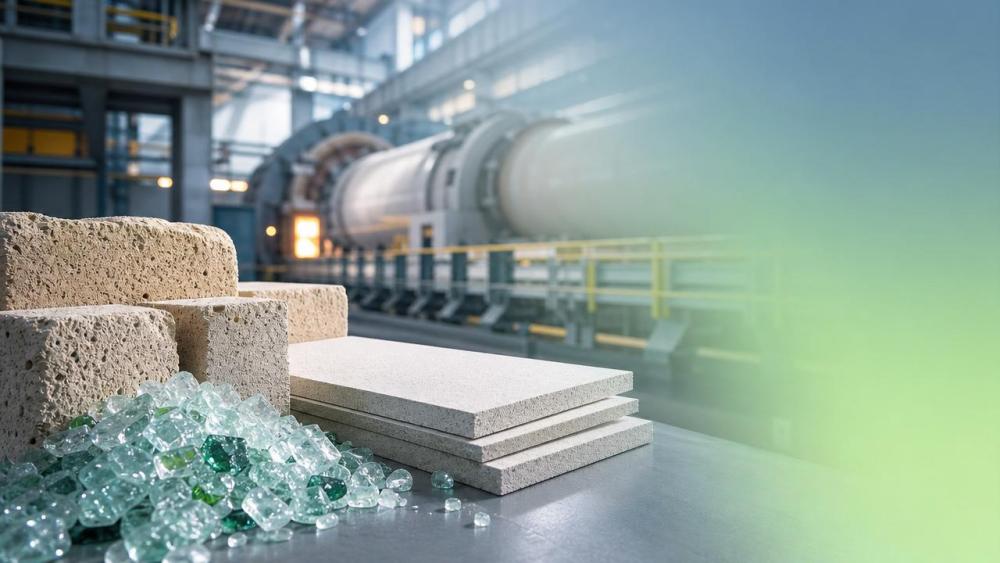
Choosing sustainable industrial materials is no longer only a compliance exercise. It now affects lifecycle cost, equipment efficiency, emissions exposure, and supply stability.
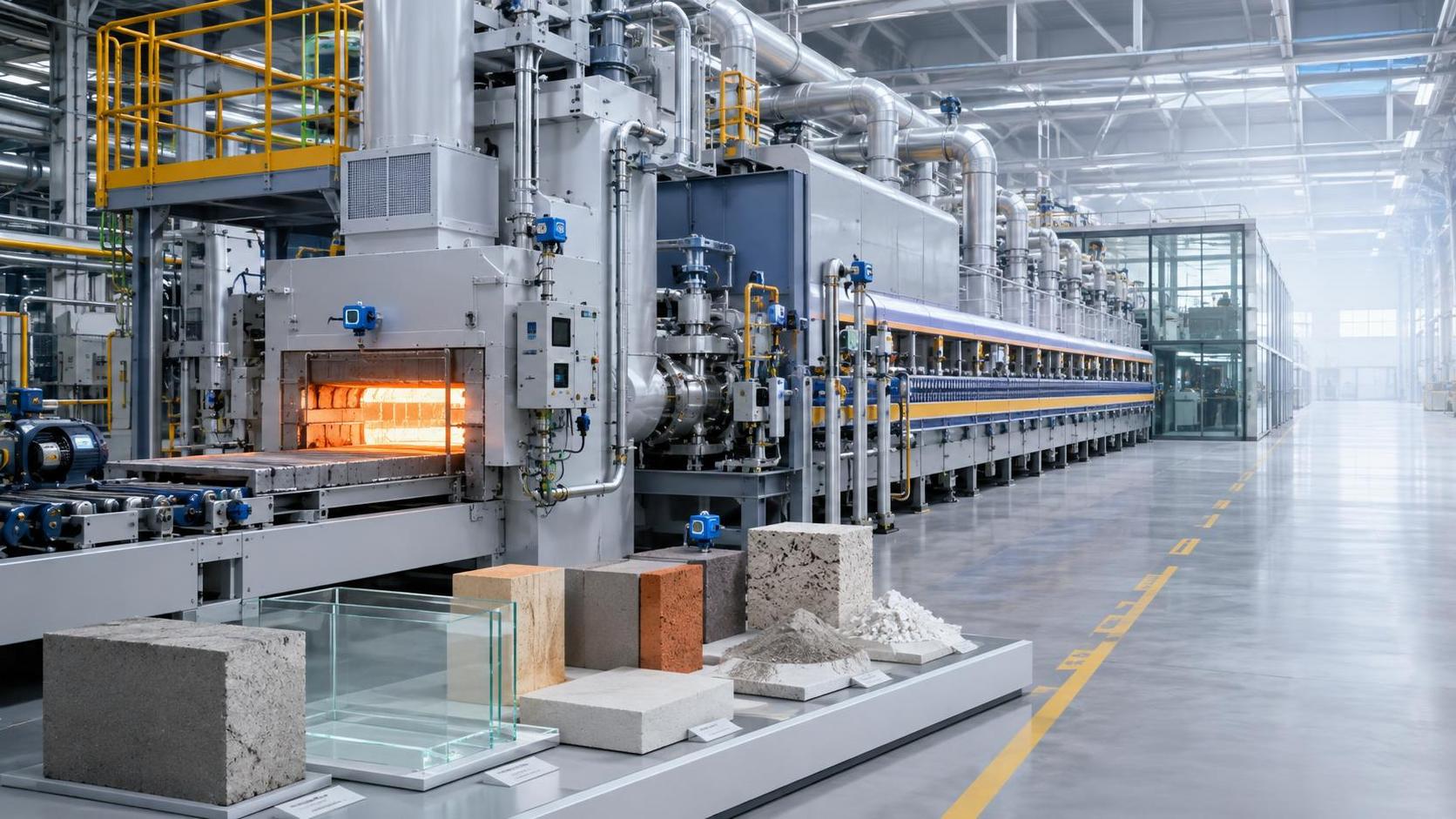
In high-temperature and foundation-material industries, every specification carries operational consequences. Refractory linings, silicate inputs, extrusion compounds, and thermal barriers must prove value under stress.
The comparison should not stop at unit price. Sustainable industrial materials must be evaluated through durability, energy behavior, process compatibility, and carbon-related risk.
For cement plants, glass lines, incinerators, refractory facilities, and new building material extrusion, the best choice is often the most balanced one.
The Market Signal: Green Materials Are Moving Into Core Engineering Decisions
The industrial materials market is shifting from “acceptable performance” to “measurable performance with lower environmental burden.” This changes how material decisions are made.
Sustainable industrial materials are increasingly connected with carbon accounting, energy audits, waste valorization, and long-cycle equipment planning.
In silicate-heavy industries, this trend is visible in low-clinker cement systems, recycled glass cullet, engineered refractories, and lightweight construction materials.
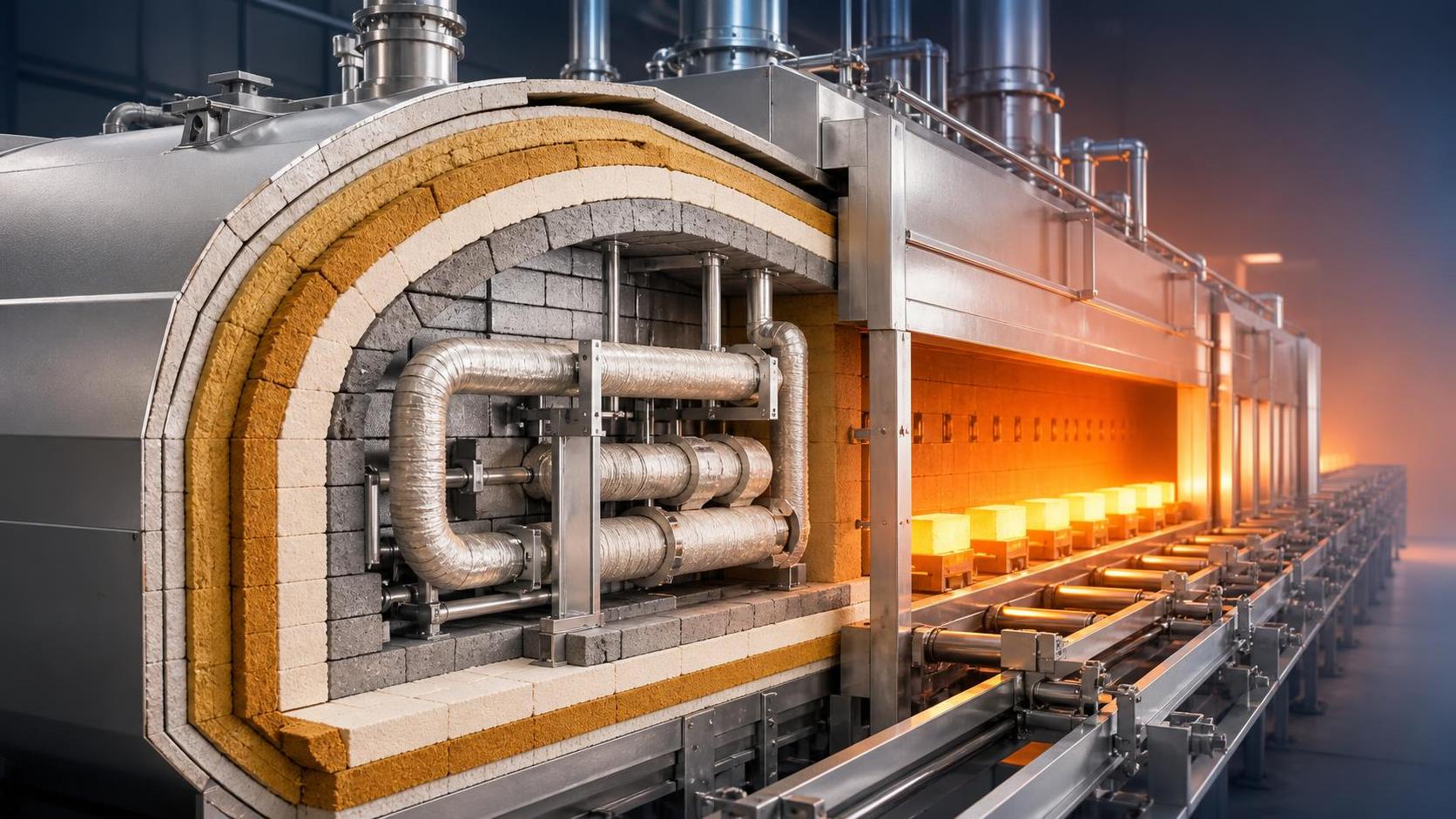
Thermal management is becoming a commercial issue. Materials that reduce heat loss may lower fuel demand across kilns, furnaces, annealing zones, and incineration systems.
This explains why sustainable industrial materials now compete on data, not claims. Buyers increasingly expect traceable performance evidence and operational proof.
Why the Trend Is Accelerating Across High-Temperature Industries
Several structural forces are pushing sustainable industrial materials from optional upgrades into mainstream specifications.
These drivers affect both mature plants and new projects. Sustainable industrial materials must support productivity while lowering long-term risk.
The result is a more demanding comparison model. Performance, cost, environmental value, and supplier capability now belong in the same review.
Performance Comparison Starts With Operating Reality
Material comparison should begin with real operating conditions. Laboratory values are useful, but they rarely tell the full industrial story.
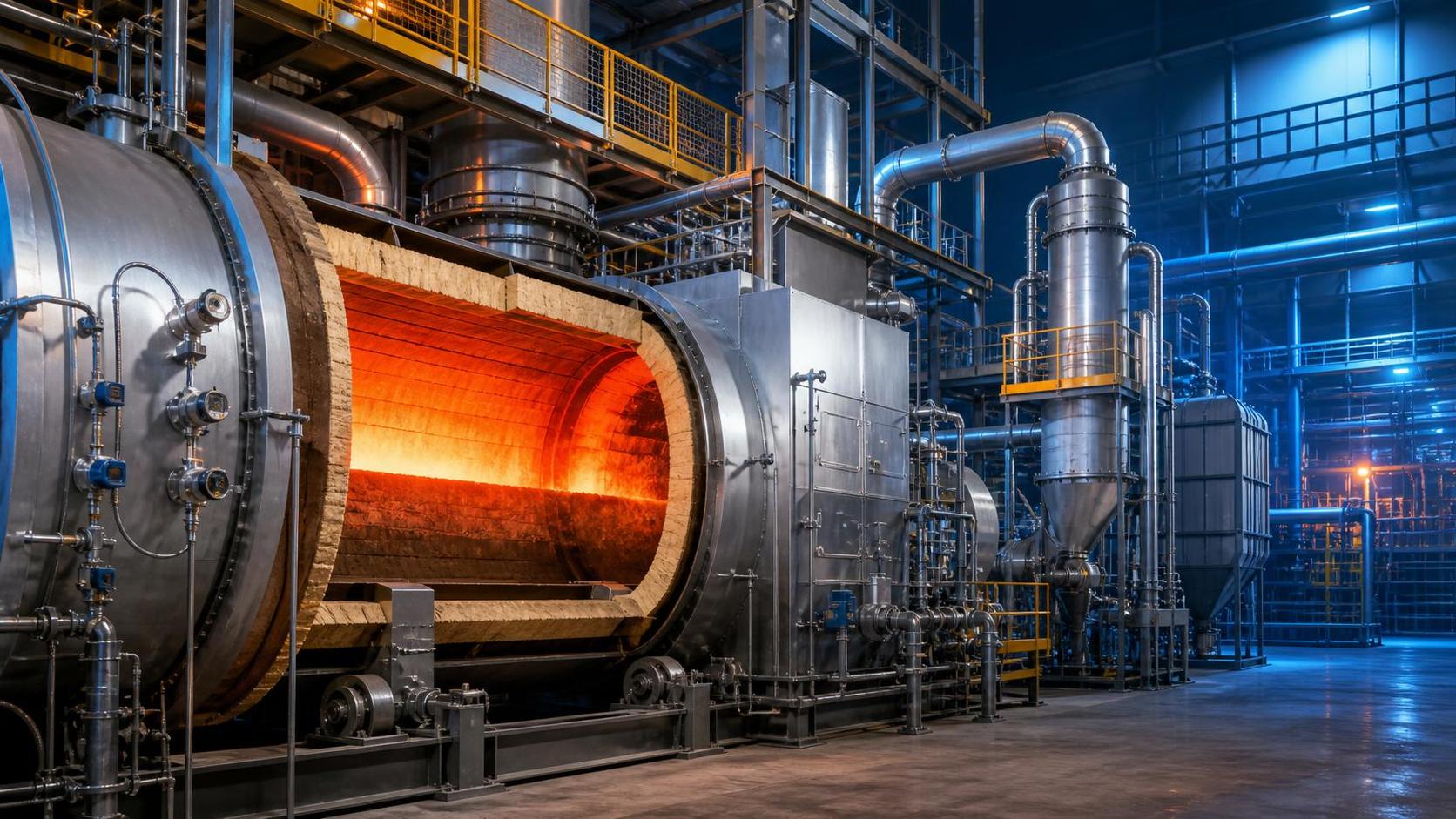
Sustainable industrial materials used in kilns, furnaces, incinerators, and extrusion systems must withstand heat, abrasion, chemistry, pressure, and cycling.
A refractory brick may show high temperature resistance, yet fail early under alkali attack or rapid thermal shock.
A lightweight extrusion compound may reduce embodied carbon, but still require strength retention, dimensional stability, and predictable curing behavior.
Key Technical Indicators to Compare
- Thermal conductivity under actual temperature ranges.
- Cold and hot mechanical strength.
- Resistance to corrosion, slag, alkali, sulfate, or chlorine.
- Abrasion resistance in moving material zones.
- Service life under thermal cycling.
- Compatibility with existing equipment and process chemistry.
The strongest sustainable industrial materials are not always the most advanced on paper. They are the ones that remain stable in the target process.
Cost Comparison Must Move Beyond Purchase Price
Unit price can mislead decisions. Sustainable industrial materials often deliver value through fewer shutdowns, lower heat loss, reduced waste, and easier maintenance.
Total cost of ownership gives a more reliable view. It links technical performance to financial consequences over the full service cycle.
A slightly higher upfront cost can be rational when sustainable industrial materials reduce fuel intensity or extend campaign life.
The opposite is also true. A green label without durable performance can increase downtime, waste, and emissions.
Energy Impact Is Becoming a Decisive Differentiator
In thermal industries, material selection directly affects energy behavior. Insulation, refractoriness, mass, and reaction efficiency influence fuel use.
Sustainable industrial materials should be assessed for their role in heat retention, process stability, and reduced thermal gradients.
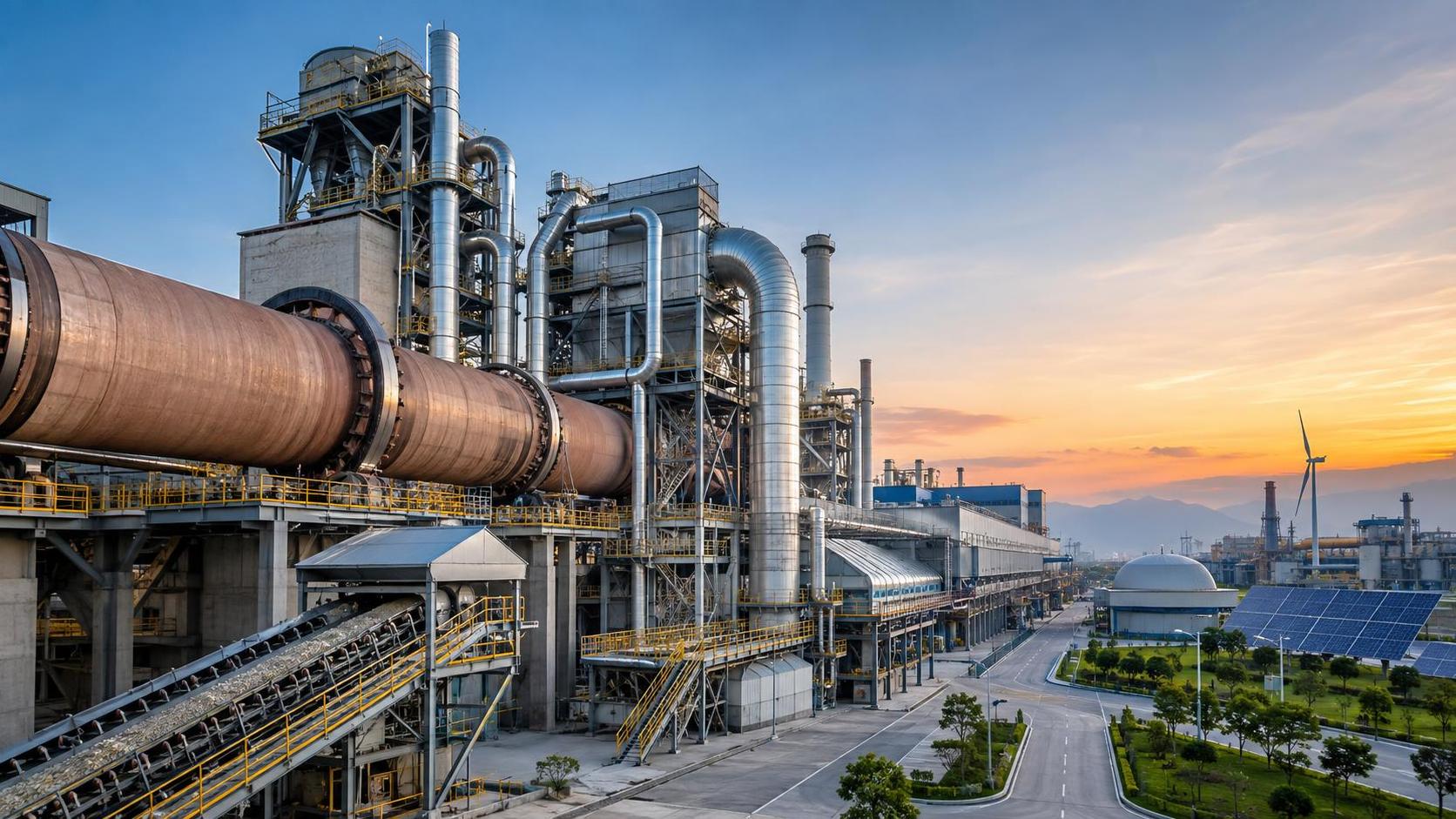
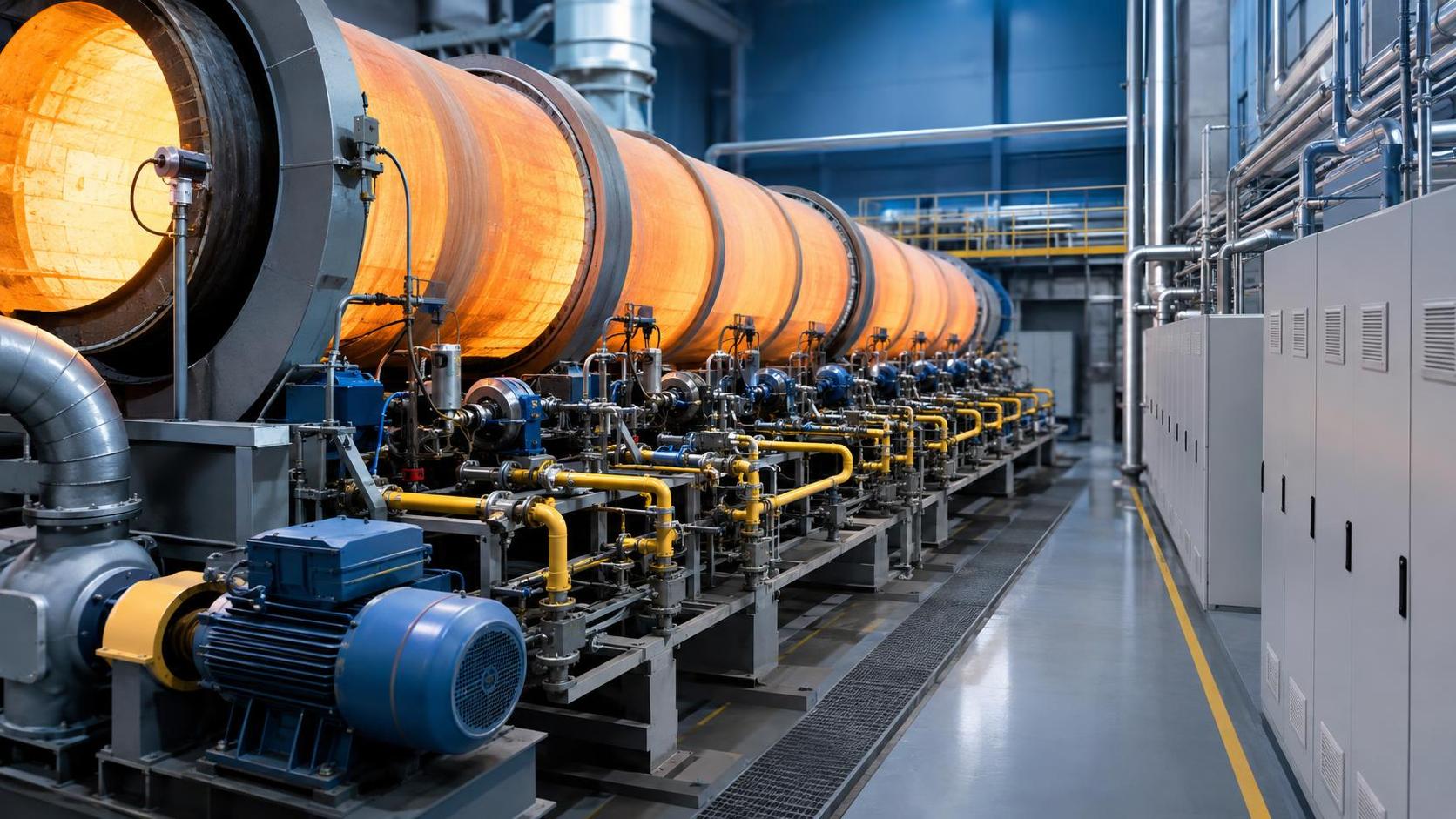
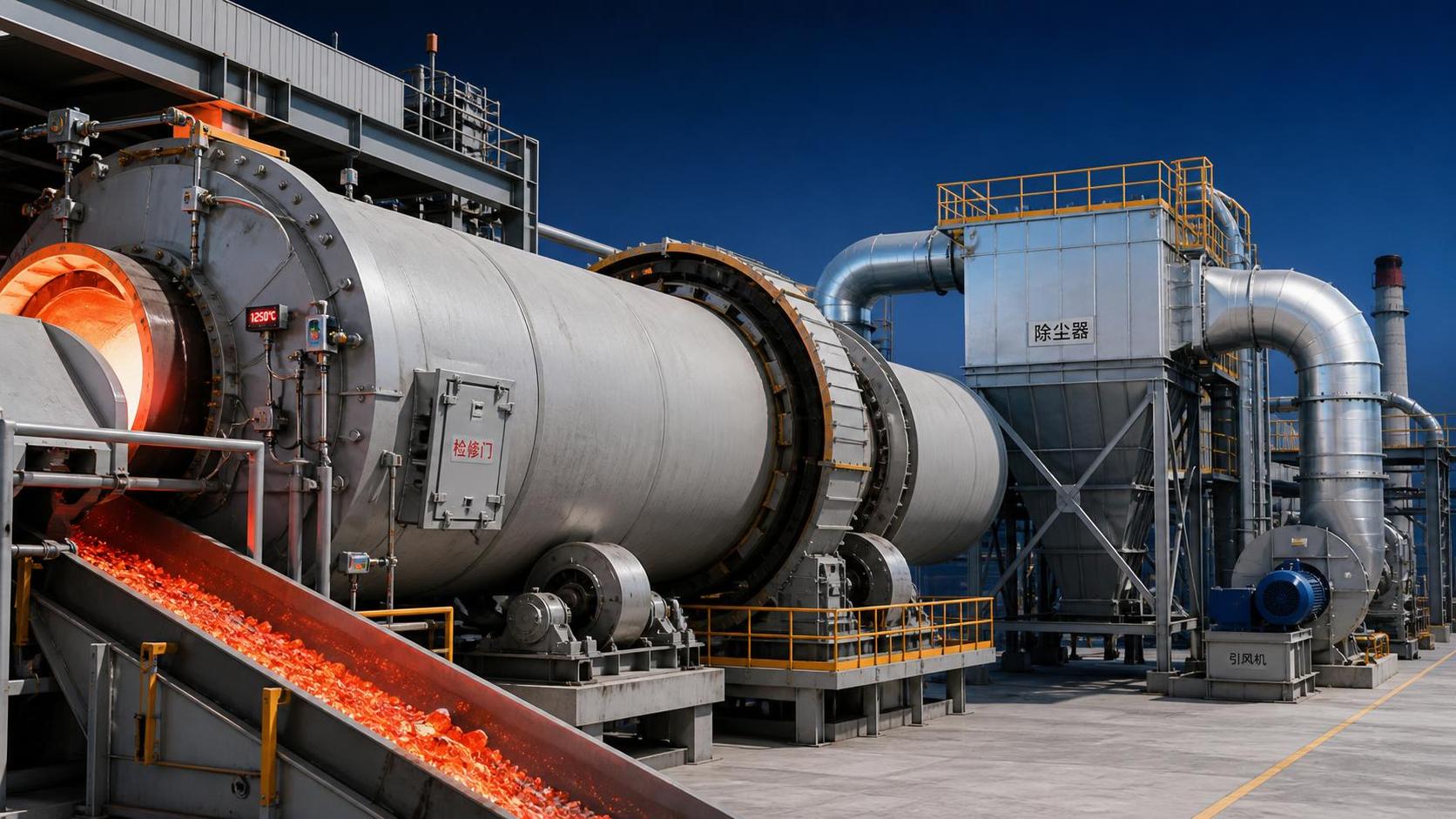
In rotary kilns, better lining stability may support smoother burning zones and reduce unplanned cooling events.
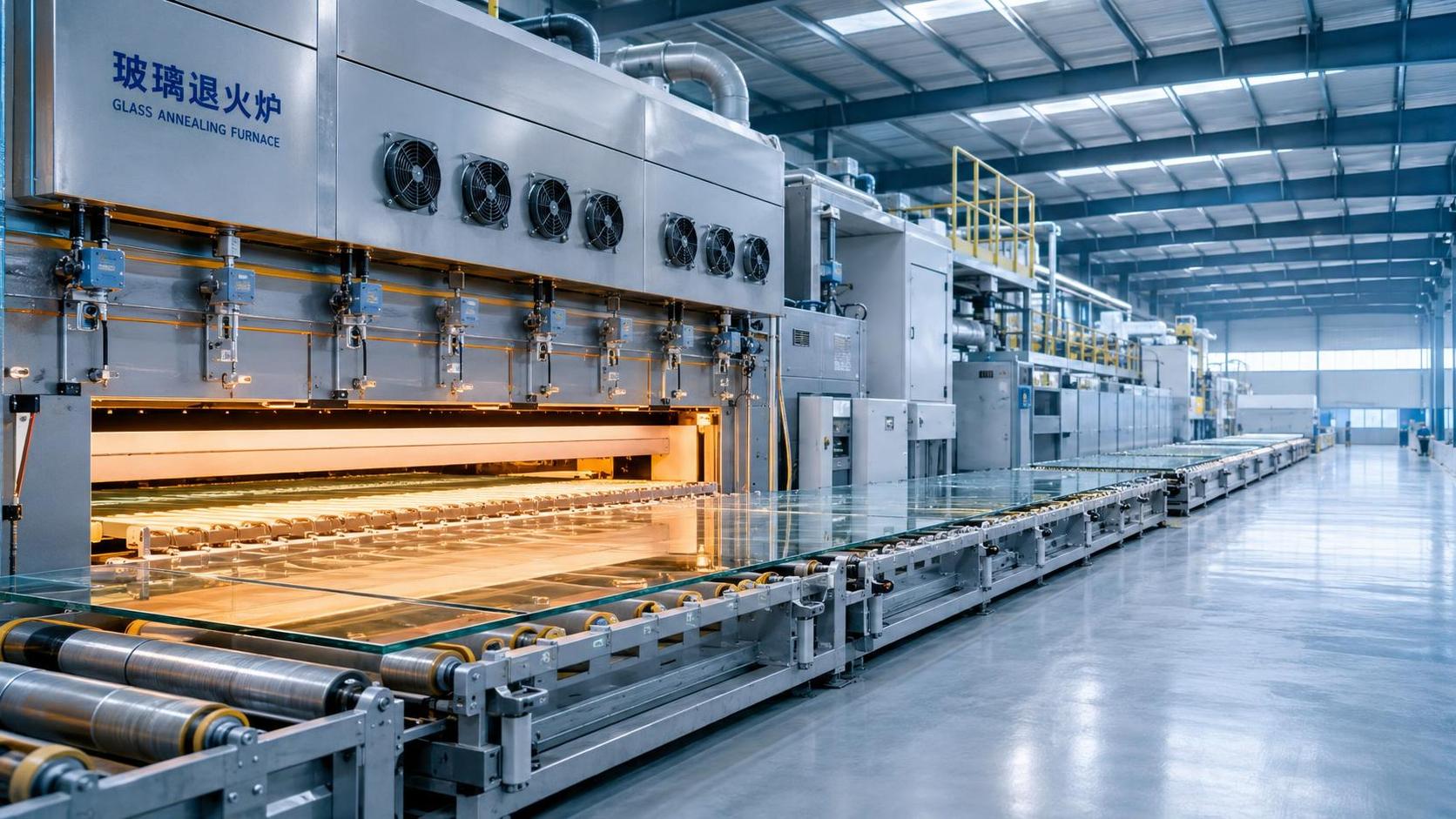
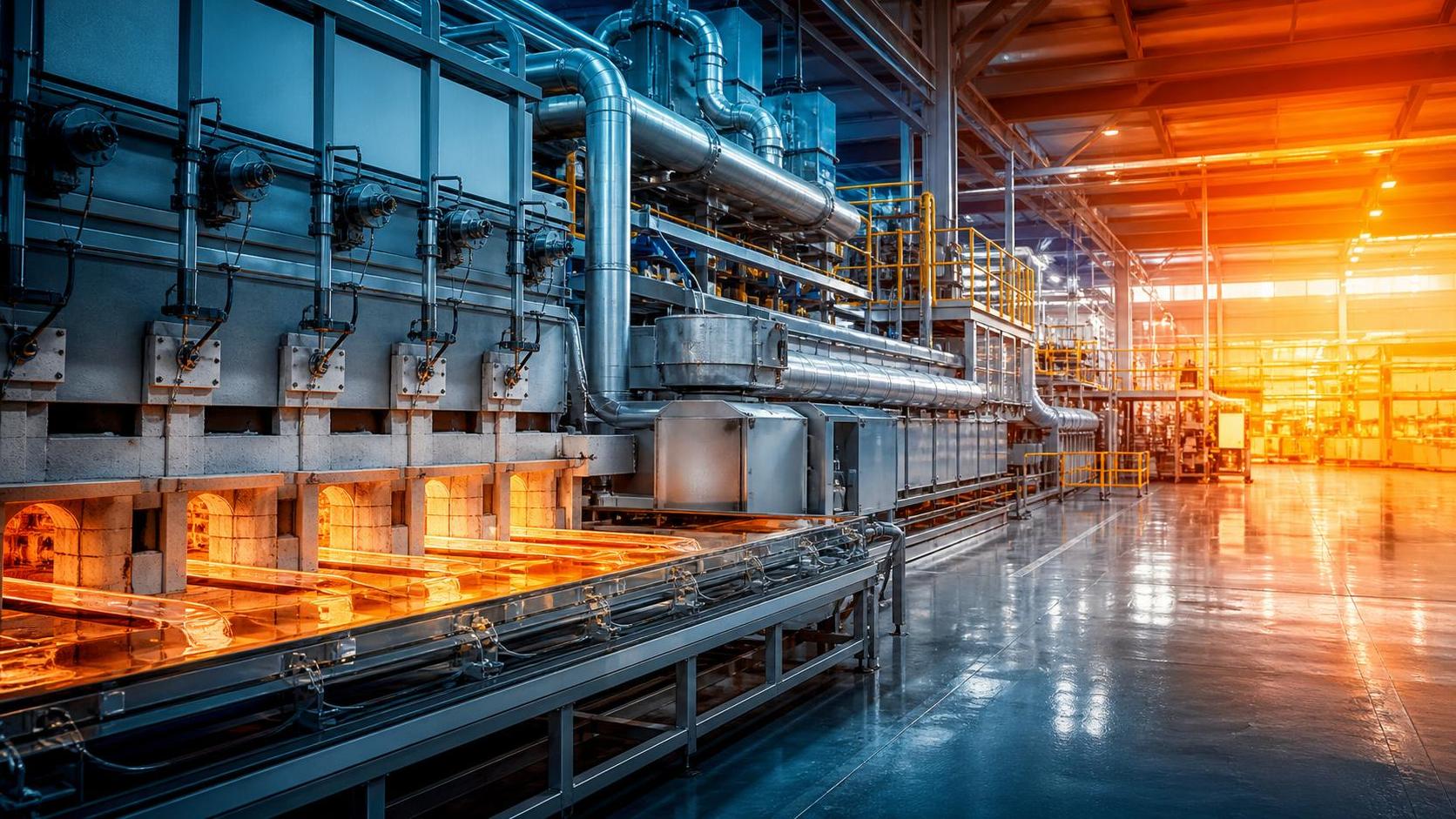
In glass manufacturing, compatible materials can support melting quality, annealing consistency, and lower defect rates.
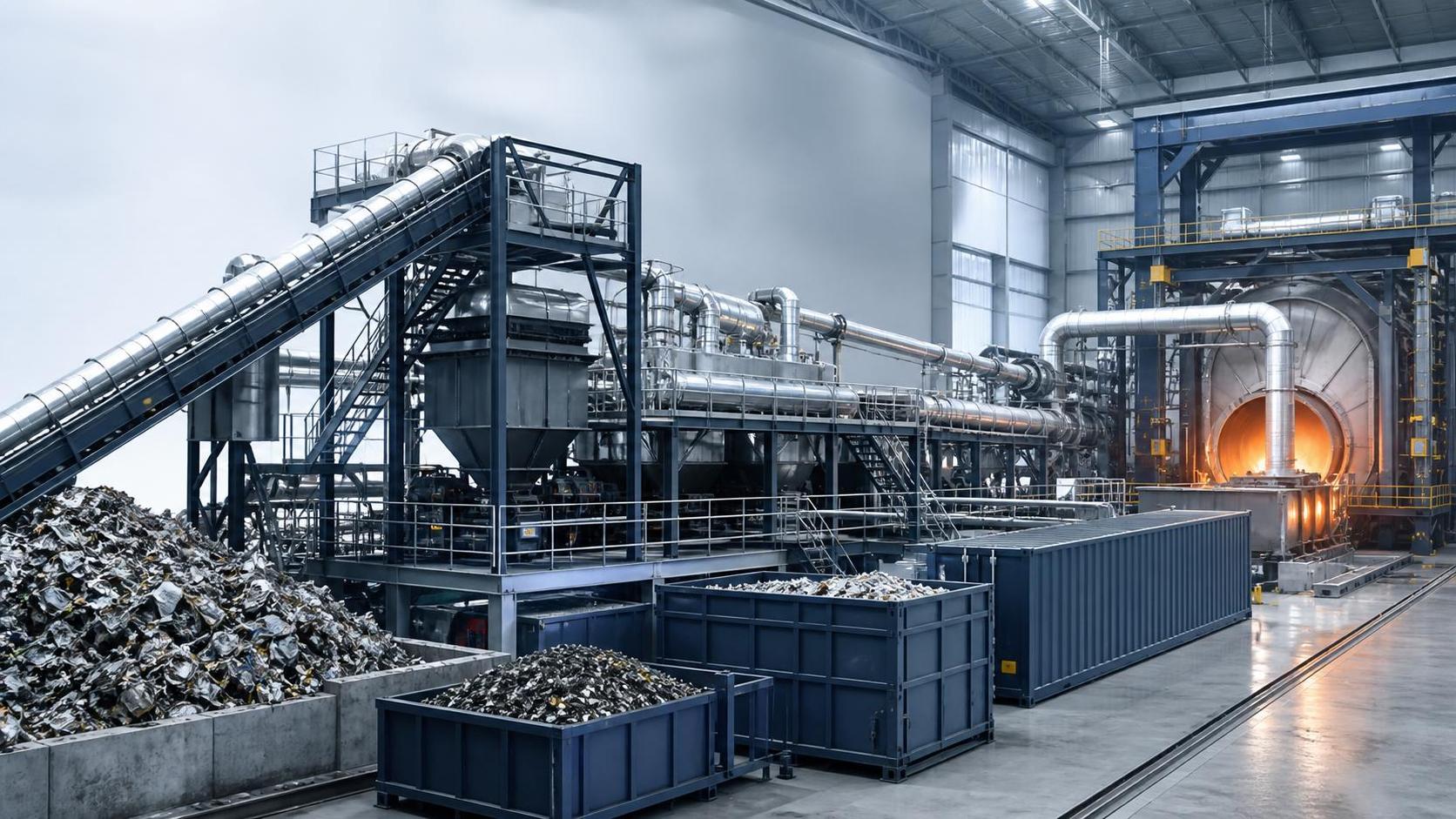
In incineration, corrosion-resistant materials help maintain operating windows while supporting waste-to-energy recovery.
These benefits are especially important when energy costs fluctuate. Sustainable industrial materials can become a hedge against operating uncertainty.
Supply Reliability Now Shapes Material Sustainability
A material cannot be sustainable if supply is fragile. Lead time, raw material origin, quality consistency, and logistics resilience must be reviewed.
Sustainable industrial materials require dependable production, documentation, and technical support. This is critical for long-cycle industrial equipment.
Supplier assessment should include process control, testing capability, batch traceability, and experience in similar operating environments.
Supplier Questions That Reduce Risk
- Can the supplier provide consistent batch-level technical data?
- Are recycled or alternative inputs verified and controlled?
- Is field performance documented in comparable applications?
- Can the supplier support troubleshooting after installation?
- Are logistics routes stable during demand or policy disruptions?
This approach prevents hidden exposure. Sustainable industrial materials should strengthen operational continuity, not create new uncertainty.
Different Industrial Segments Feel the Impact Differently
The same material trend does not affect every process in the same way. Each segment has different failure modes and value drivers.
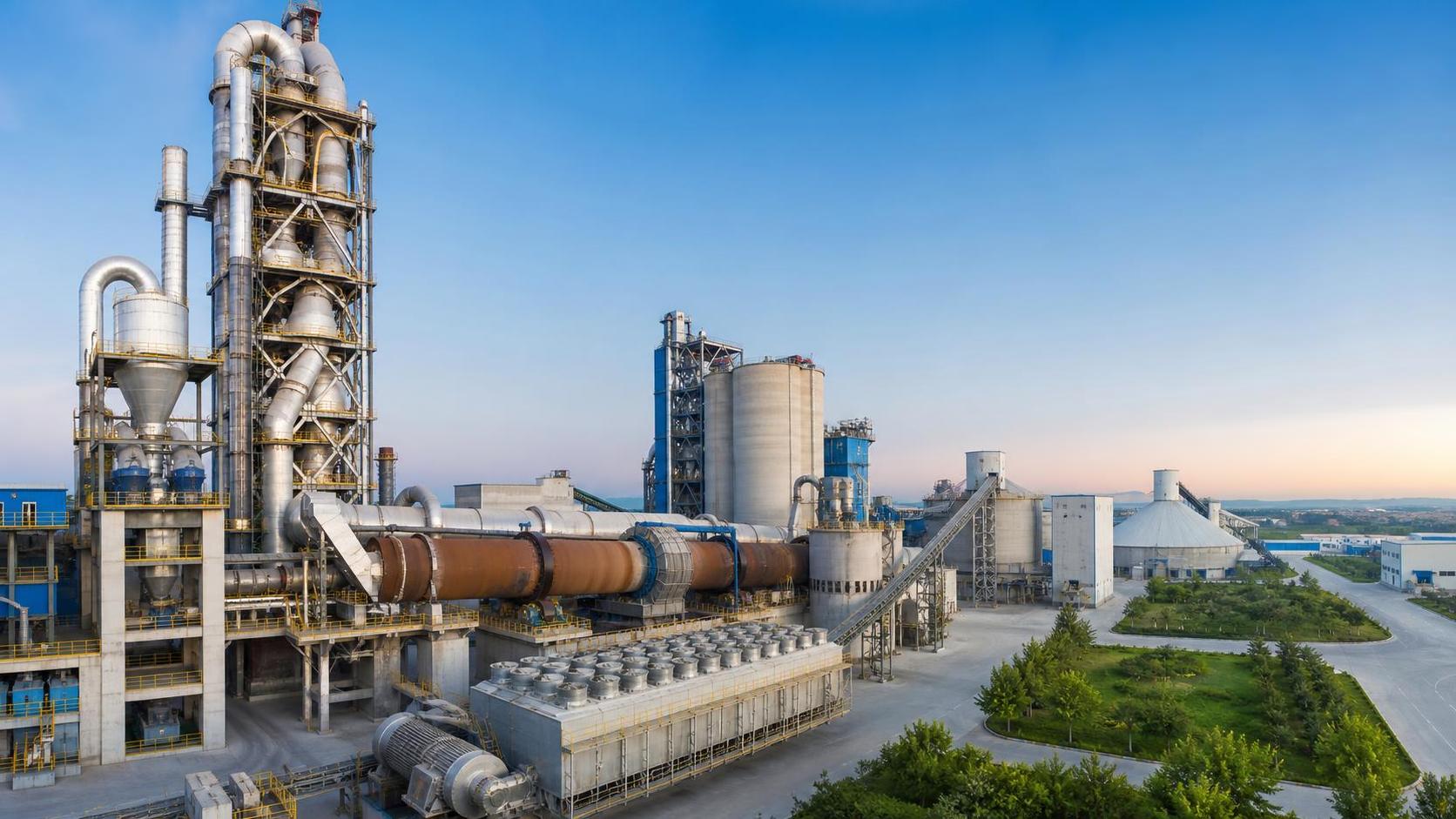
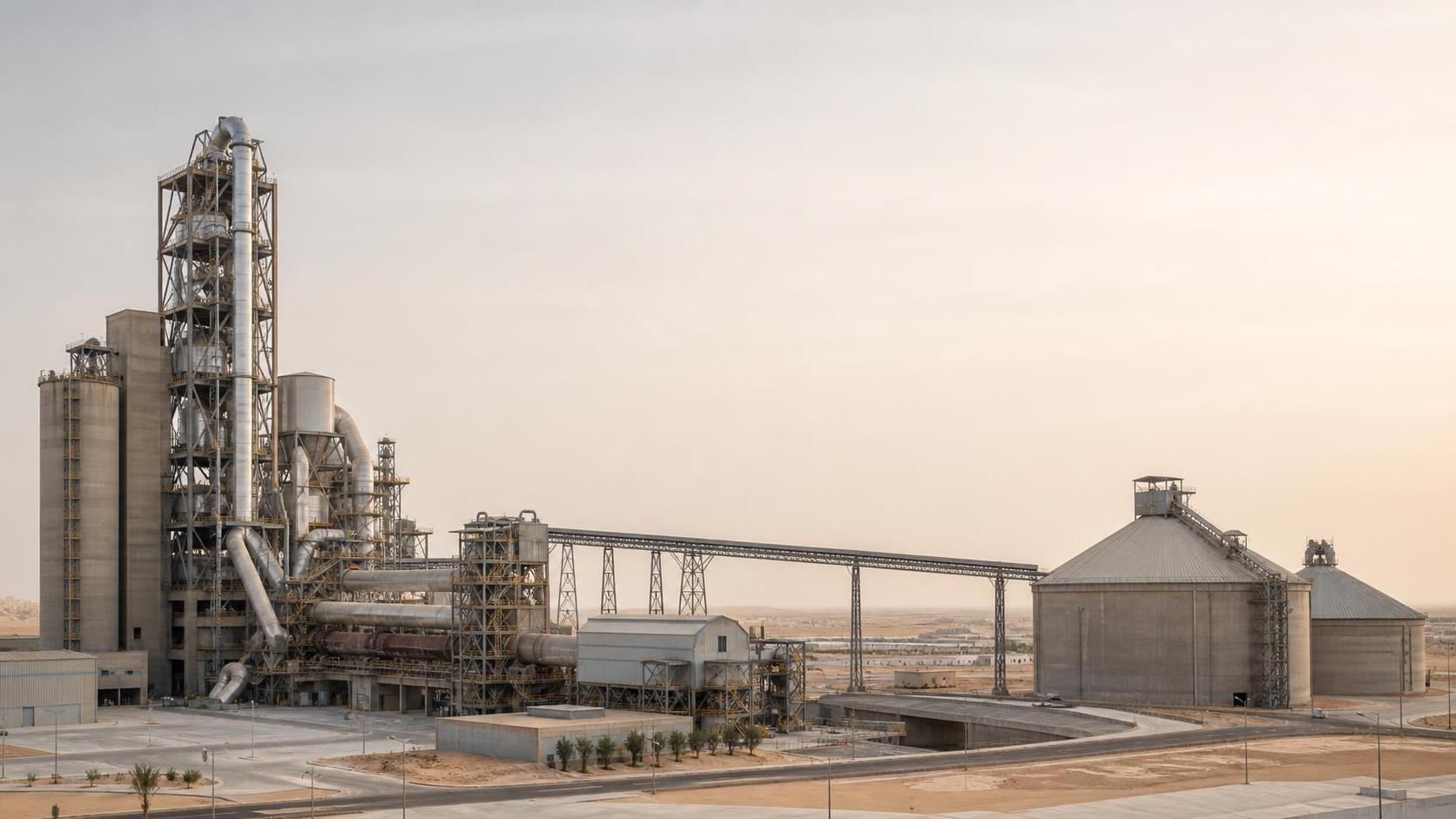
Cement production emphasizes dust control, kiln stability, alternative fuel compatibility, and lower clinker-related emissions.
Glass manufacturing values purity, melting efficiency, thermal uniformity, and defect prevention across demanding production windows.
Industrial incineration requires resistance to chemical attack, temperature fluctuation, and corrosive ash environments.
Refractory production lines must balance energy-intensive firing with product consistency and longer service performance.
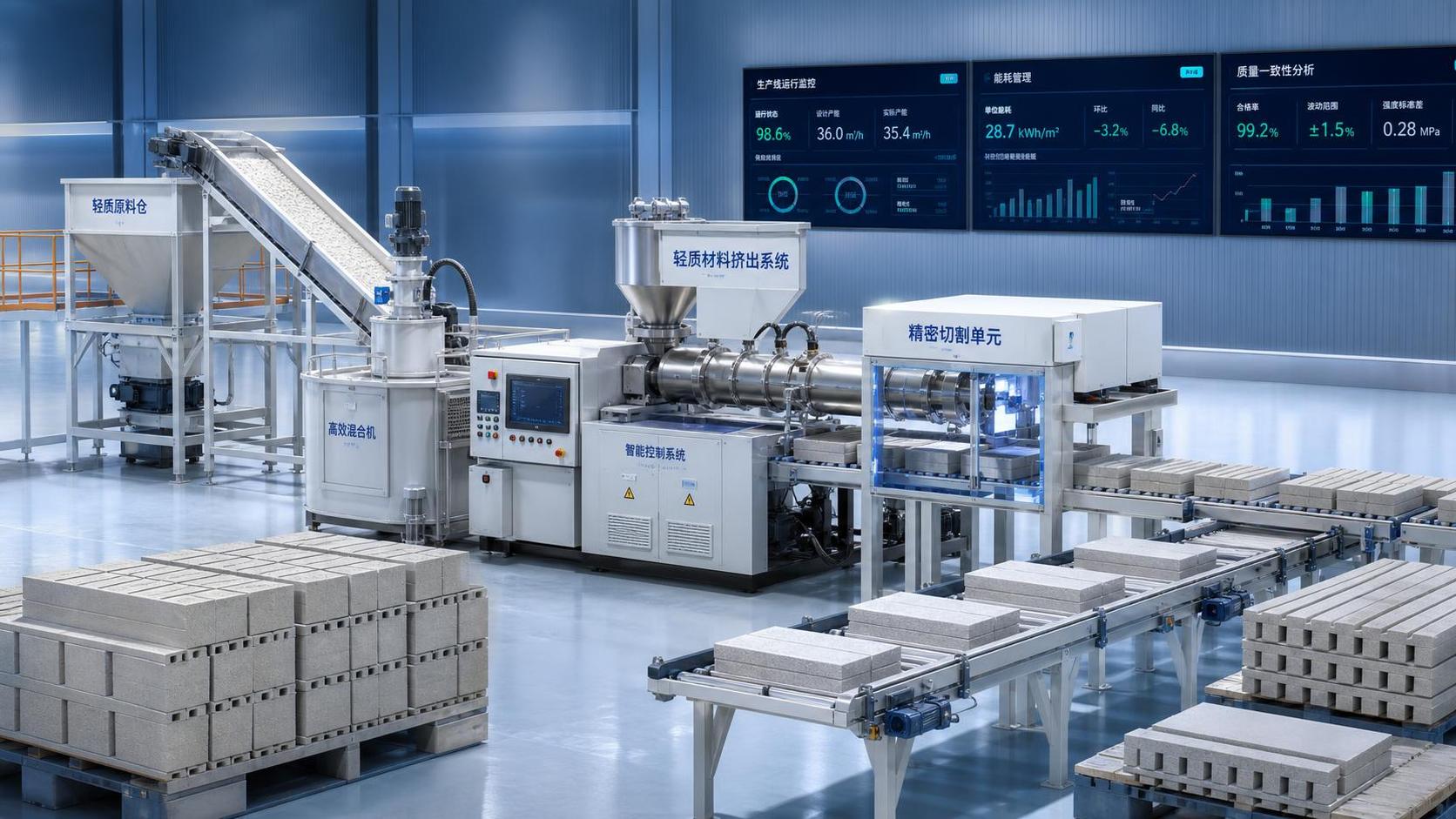
New building material extrusion focuses on lightweight strength, dimensional control, binder efficiency, and lower embodied carbon.
Across all these fields, sustainable industrial materials must prove both environmental improvement and process reliability.
A Practical Comparison Framework for Sustainable Industrial Materials
A structured framework helps avoid emotional or price-only decisions. It also creates a shared language between engineering, finance, and sustainability teams.
- Define the operating envelope, including temperature, chemistry, load, abrasion, and cycle frequency.
- Identify the baseline material and its current failure pattern.
- Compare technical properties against actual service demands.
- Calculate total cost of ownership across one or more service cycles.
- Estimate energy, emissions, and waste reduction potential.
- Review supplier reliability, data transparency, and technical support.
- Run pilot trials before major specification changes.
This framework keeps sustainable industrial materials connected to measurable outcomes. It also reduces the risk of adopting unsuitable alternatives.
What to Watch Before the Next Specification Cycle
The next phase will favor materials with verified data, digital compatibility, and lower lifecycle emissions.
Sustainable industrial materials will increasingly be judged through real-time monitoring, predictive maintenance, and process simulation.
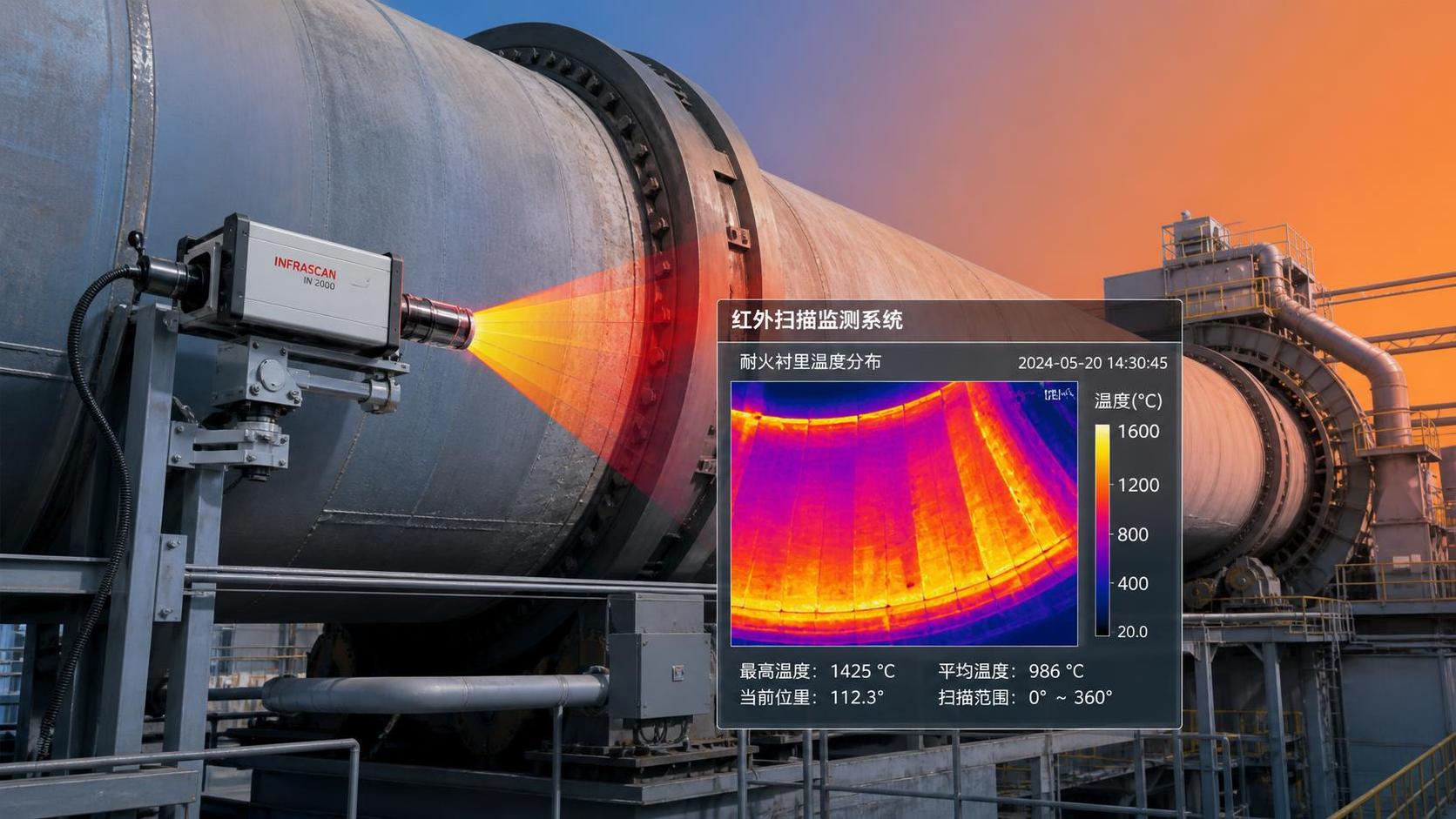
Digital twins for glass production, online refractory lining monitoring, and kiln co-processing models will make material behavior more visible.
This transparency will reward suppliers that can connect laboratory testing with field performance and carbon documentation.
The strongest decision model will combine engineering evidence, commercial logic, and sustainability metrics in one review.
Turning Material Intelligence Into Lower-Risk Decisions
Sustainable industrial materials should be selected through evidence, not slogans. The best option performs reliably while improving resource and energy outcomes.
A practical next step is to build a comparison scorecard for each critical material category.
Include thermal behavior, chemical resistance, lifecycle cost, emissions data, recyclability, supplier resilience, and installation risk.
CF-Elite tracks intelligence across silicate production, industrial incineration, refractory systems, glass manufacturing, and building material extrusion.
Through structured market signals and technical observation, CF-Elite helps connect material choices with decarbonization, efficiency, and long-term competitiveness.
Use the next specification review to compare sustainable industrial materials against actual operating data. Better decisions begin when performance and cost are measured together.
Related News
 Optical Glass Tech FellowHow to Evaluate a Glass Annealing Equipment Manufacturer for Production StabilityChoose a glass annealing equipment manufacturer with proven thermal uniformity, reliable controls, lifecycle value, and responsive service for stable production.Sep 08, 2026
 Prof. Marcus ChenThermal Energy Architecture in North America: Strategies for Lower Building Energy UseThermal energy architecture North America helps project leaders cut building energy use through stronger envelopes, right-sized HVAC, storage, and smart commissioning.Sep 07, 2026
 Ms. Elena RodriguezHow Should Buyers Evaluate Building Material Industry Intelligence Pricing?Building material industry intelligence pricing: learn how to compare coverage, technical depth, and ROI to choose intelligence that reduces procurement risk.Sep 07, 2026
 Ms. Elena RodriguezHow to Use Building Material Intelligence Data for Market and Investment DecisionsBuilding material industry intelligence data helps leaders evaluate demand, costs, regulation, capacity, and technology to make smarter market and investment decisions.Sep 05, 2026
 Thermal Energy ArchitectHow PLC Control Improves Energy Efficiency and Temperature Stability in KilnsEnergy efficient kilns PLC control improves temperature stability, cuts fuel waste, and optimizes combustion, draft, and material flow. Explore proven strategies for smarter kiln modernization.Sep 04, 2026
 Optical Glass Tech FellowEuropean Glass Melting Processes: Furnace Choices, Energy Use, and Quality ControlGlass melting process Europe: explore furnace choices, energy efficiency, cullet strategy, and quality control to improve output, compliance, and long-term glass performance.Sep 03, 2026
 Thermal Energy ArchitectWhat Determines Refractory Lining Monitoring Price for Industrial Kilns?Refractory lining monitoring price depends on kiln size, sensor technology, installation, software, and support. Compare total lifecycle costs and choose the right solution.Sep 02, 2026
 Silicate Process EngineerCement Production System Costs: A Plant Buyer’s Guide to Budgeting and ROICement production systems cost planning made clear: compare CAPEX, operating costs, compliance, and ROI to build a resilient, profitable cement plant investment.Sep 01, 2026
 Dr. Alistair VaughnWhat Should a Process Technology Database Track for High-Temperature Plants?Process technology database essentials for high-temperature plants: track thermal profiles, feed chemistry, refractory wear, emissions, energy, and maintenance for safer, data-driven decisions.Aug 31, 2026
 Ms. Elena RodriguezHow to Evaluate a Silicate Processing Equipment Manufacturer for Plant ProjectsSilicate processing equipment manufacturer selection: assess process fit, guarantees, energy, compliance, delivery risk, and lifecycle support for dependable plant performance.Aug 30, 2026
 Dr. Alistair VaughnHow to Specify Custom Agricultural Processing Equipment for Throughput and HygieneEquipment customization services for agricultural processing: learn to specify hygienic, high-throughput lines that improve yield, reliability, and long-term efficiency.Aug 29, 2026
 Dr. Alistair VaughnHow to Select Process Plant Equipment for High-Temperature, Abrasive Production LinesProcess plant equipment selection for high-temperature, abrasive lines: reduce downtime, improve durability, and optimize lifecycle performance.Aug 28, 2026
 Silicate Process EngineerHow Kiln Heat Recovery Systems Cut Fuel Use in Cement and Lime ProductionKiln heat recovery helps cement and lime plants cut fuel use, improve thermal stability, and build practical, reliable decarbonization strategies.Aug 27, 2026
 Ms. Elena RodriguezProcess Equipment Comparison: Which Metrics Matter Most for Reliable Selection?Process equipment comparison made practical: discover which metrics truly drive reliable selection, from energy efficiency and control stability to wear life, maintainability, and uptime.Aug 26, 2026
 Ms. Elena RodriguezWhat Buyers Should Check Before Sourcing Precision Alloy Bars for Critical PartsPrecision Alloy Bars buyers should verify grade, chemistry, tolerances, surface quality, traceability, and lead time before sourcing for critical parts. Learn what prevents costly machining and reliability risks.Aug 27, 2026
 Ms. Elena RodriguezHow to Evaluate Thermal Management Solutions Insulation for High-Heat Industrial SystemsThermal management solutions insulation: learn how to assess high-heat industrial systems by thermal performance, durability, lifecycle cost, and supplier data for smarter decisions.Aug 25, 2026
 Ms. Elena RodriguezWhat Drives Waste Recycling Cost in Industrial Projects and How to Estimate It?Waste recycling cost in industrial projects depends on composition, moisture, transport, pre-treatment, and compliance. Learn how to estimate it accurately and compare suppliers with confidence.Aug 24, 2026
 Silicate Process EngineerHow to Evaluate Cement Production Plants in the Middle East for Capacity, Fuel Flexibility, and ROIcement production plants Middle East: Learn how to assess true capacity, fuel flexibility, and ROI risks to identify resilient assets and smarter investment opportunities.Aug 23, 2026
 Structural Material AnalystHow to Evaluate Lightweight Material Machinery for Output, Energy Use, and Product QualityLightweight material machinery evaluation guide: compare stable output, energy use, and product quality to choose equipment that cuts waste, lowers costs, and improves production confidence.Aug 22, 2026
 Material Heat-Resist ExpertWhat Determines Refractory Production Line Price in a Turnkey Plant Project?Refractory production line price depends on raw materials, forming method, kiln and drying design, automation, utilities, and scope. Learn what really drives turnkey plant cost before you invest.Aug 21, 2026
Related News
- 00
0000-00
How Should Buyers Evaluate Building Material Industry Intelligence Pricing? - 00
0000-00
How to Use Building Material Intelligence Data for Market and Investment Decisions - 00
0000-00
How to Evaluate a Silicate Processing Equipment Manufacturer for Plant Projects - 00
0000-00
Process Equipment Comparison: Which Metrics Matter Most for Reliable Selection? - 00
0000-00
What Buyers Should Check Before Sourcing Precision Alloy Bars for Critical Parts
Weekly Insights
Stay ahead with our curated technology reports delivered every Monday.