
Heavy Industrial Equipment Buying Guide: Capacity, Duty Cycle, and Maintenance




Buying heavy industrial equipment is a long-cycle decision where capacity, duty cycle, energy efficiency, and maintenance exposure directly shape total cost of ownership. For procurement teams evaluating kilns, incineration systems, extrusion lines, or other high-temperature production assets, the right specification can protect uptime, support carbon-reduction goals, and prevent costly underperformance. This guide highlights the key technical and commercial factors buyers should assess before committing capital.
In foundation materials and thermal-management industries, equipment selection is rarely a simple price comparison. A rotary kiln, float glass line, incineration system, refractory press, or building material extruder can influence production stability for 10–20 years.
For procurement teams, the goal is to translate process requirements into clear commercial specifications. The right heavy industrial equipment should match throughput, thermal load, maintenance access, automation level, emissions targets, and operator capability.
Capacity Planning: Match Output to Real Operating Demand
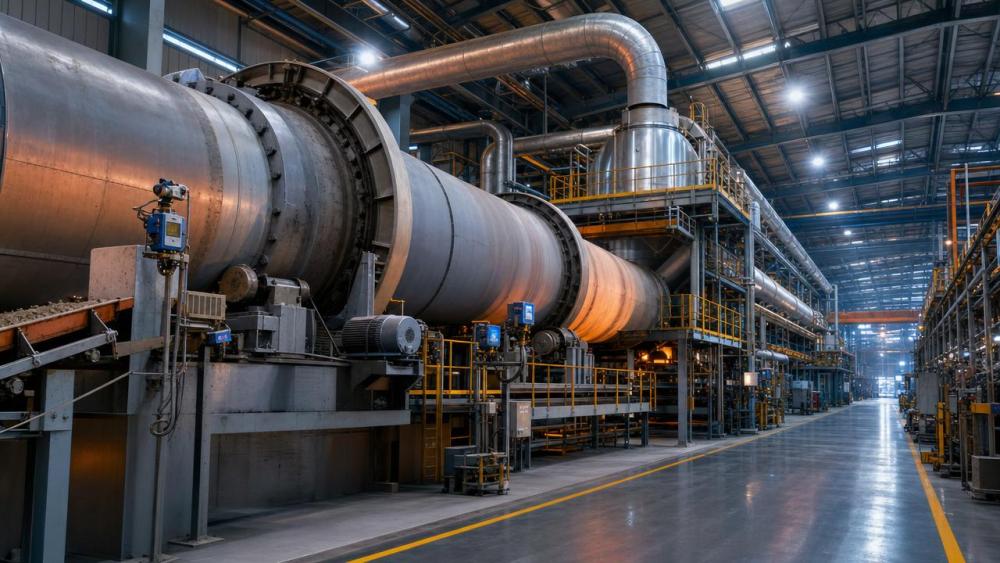
Capacity is usually the first number buyers request, yet it is often the most misunderstood. Nameplate capacity shows maximum design output, while practical capacity reflects feed variability, heat transfer limits, downtime, and shift patterns.
For heavy industrial equipment in silicate processing, a 5%–15% mismatch between planned and actual throughput can create bottlenecks. Oversizing increases fuel use, while undersizing forces longer operating hours and faster wear.
Define the Production Envelope Before Requesting Quotes
Procurement should start with a 3-part production envelope: average output, peak output, and minimum stable load. This prevents vendors from designing only around optimistic peak figures.
- Average output: expected daily or monthly production under normal feed and staffing conditions.
- Peak output: short-term production requirement, often needed during seasonal demand or inventory recovery.
- Minimum stable load: the lowest output where combustion, extrusion pressure, or melt quality remains controlled.
In cement, glass, refractory, and incineration applications, capacity should also include buffer logic. A 10% operating reserve is common where feed composition changes, but excessive reserve may reduce energy efficiency.
Typical Capacity Questions for High-Temperature Assets
The table below shows how procurement teams can translate technical output requirements into purchasing questions for different heavy industrial equipment categories.
The key conclusion is simple: capacity cannot be evaluated without process variability. Buyers should require vendors to document operating assumptions instead of accepting a single headline output figure.
Procurement Takeaway
Before comparing prices, issue a technical schedule covering feed characteristics, shift hours, utility constraints, emissions requirements, and target quality. A complete schedule reduces clarification cycles by 2–4 weeks.
Duty Cycle and Reliability: Design for How the Asset Will Work
Duty cycle describes how long and how intensively equipment operates. For heavy industrial equipment, the difference between 8-hour batch operation and 24/7 continuous service affects bearings, refractories, drives, seals, cooling systems, and controls.
A procurement specification should state expected annual operating hours. Many high-temperature assets run 6,000–8,000 hours per year, leaving only planned windows for inspection, relining, calibration, and major overhaul.
Continuous, Intermittent, and Campaign Operation
Continuous equipment needs stronger thermal stability and predictable maintenance planning. Intermittent equipment needs robust start-stop logic because thermal shock can damage linings, burners, seals, and structural components.
- Continuous duty: preferred for cement kilns, float glass furnaces, and waste-to-energy systems requiring stable temperature profiles.
- Intermittent duty: common in specialty refractory firing, batch extrusion, or smaller thermal treatment lines.
- Campaign duty: used where production runs for several weeks, then stops for cleaning, die change, or refractory inspection.
Duty cycle also changes spare-part strategy. A 24/7 incineration line may need critical spares on site, while a seasonal extrusion line may accept 7–15 day supplier replenishment.
Reliability Questions Buyers Should Ask
Procurement teams should request evidence that the proposed equipment architecture matches operating intensity. The most useful questions are practical, measurable, and linked to uptime risk.
- What components are rated for continuous duty at the specified temperature, load, and dust level?
- Which inspections are required every shift, every week, every month, and every year?
- What safety interlocks prevent overheating, overpressure, belt overload, or uncontrolled feed conditions?
- How does the control system record alarms, trends, energy consumption, and maintenance events?
For mission-critical heavy industrial equipment, reliability is not only mechanical. It also depends on instrumentation quality, operator training, software access, and the supplier’s response capability.
Avoid the Low-Duty Specification Trap
A lower initial price may hide light-duty drives, undersized cooling, limited automation, or thin wear protection. These savings can disappear after 1–2 unplanned shutdowns.
Energy Efficiency and Carbon Exposure in Equipment Selection
Energy efficiency has become a procurement variable, not only an engineering concern. Fuel, electricity, compressed air, and cooling water can represent a major share of lifecycle cost.
For kilns, furnaces, incinerators, and dryers, a 3%–8% difference in thermal efficiency may influence payback more than a modest purchase-price gap. Buyers should evaluate energy consumption per ton, per piece, or per operating hour.
Evaluate Efficiency at Multiple Load Points
Many suppliers present energy figures at full load. Procurement should also request performance at 60%, 80%, and 100% load because real factories rarely operate at one fixed point.
High-temperature heavy industrial equipment should include clear control logic for combustion air, waste heat recovery, insulation, draft control, and material residence time. These variables directly affect emissions and product quality.
Efficiency and Emissions Evaluation Matrix
The following matrix helps procurement teams compare technical proposals in a way that connects energy performance, environmental compliance, and operating discipline.
This comparison prevents buyers from treating green performance as a brochure claim. It turns efficiency into a contract discussion based on load points, measurement methods, and site integration.
Digital Monitoring Matters
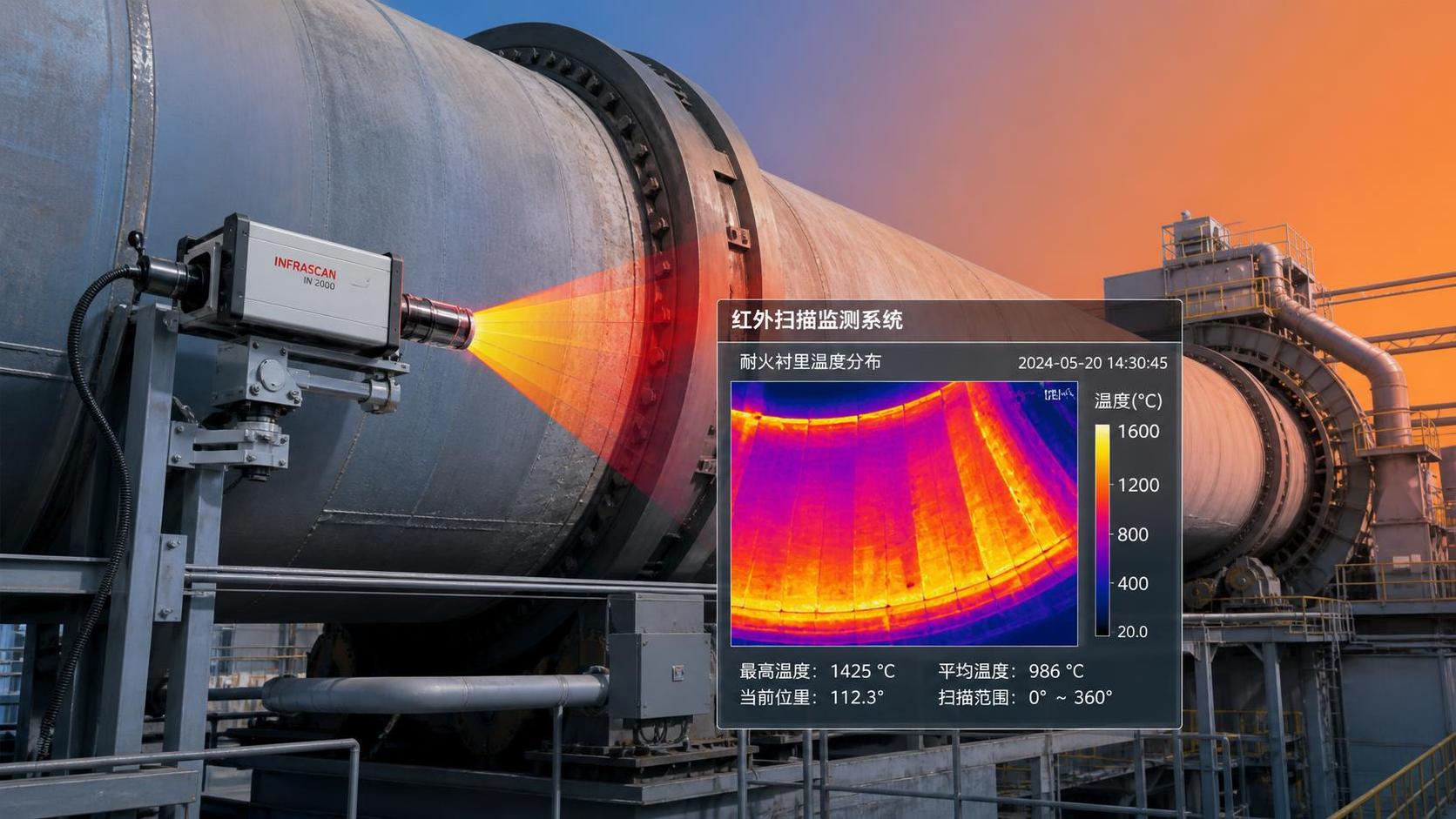
Digital twin simulations, online lining monitoring, vibration sensors, and energy dashboards can improve decision speed. Even 15-minute trend data may help detect abnormal combustion or drive overload early.
Maintenance Exposure, Spare Parts, and Serviceability
Maintenance exposure is the hidden side of heavy industrial equipment procurement. Two machines with similar capacity may require very different inspection hours, consumables, shutdown access, and technician skill levels.
For high-temperature systems, maintenance planning must consider refractory wear, burner alignment, gear lubrication, roller adjustment, sealing surfaces, hydraulic components, and instrumentation drift.
Build a Maintenance Map Before Purchase Approval
A practical maintenance map divides tasks into 4 levels: operator checks, routine maintenance, planned shutdown work, and specialist overhaul. Each level should identify frequency, tools, access space, and safety lockout requirements.
- Daily checks: temperature readings, abnormal noise, leakage, pressure, vibration, and visible dust escape.
- Weekly checks: lubrication points, belt tension, burner condition, sensor cleaning, and control-panel alarms.
- Monthly checks: alignment, refractory hot spots, hydraulic sealing, fan balance, and electrical cabinet condition.
- Annual work: major inspection, refractory repair, drive overhaul, calibration, and performance verification.
Procurement should confirm whether critical components can be replaced in 4–8 hours, 1–2 days, or only during a full shutdown. Access design directly shapes downtime cost.
Spare-Part Strategy for Long-Cycle Assets
Spare parts should be classified by criticality, not by purchase price. A low-cost sensor can stop a furnace line if no compatible replacement is available.
- Critical spares: burners, control modules, hydraulic seals, bearings, and safety components that can stop production.
- Wear parts: refractory blocks, nozzles, liners, dies, chains, scraper plates, and filters with predictable replacement cycles.
- Convenience spares: standard fittings, gauges, fasteners, lamps, hoses, and common electrical accessories.
For imported or customized heavy industrial equipment, buyers should ask for a 2-year recommended spare list, lead times, part interchangeability, and storage requirements.
Maintenance Documentation to Require
The purchase package should include manuals, lubrication charts, electrical drawings, PLC backup rules, troubleshooting trees, and training materials. A useful document set can shorten commissioning recovery by several shifts.
Commercial Evaluation: From Quote Comparison to Total Cost of Ownership
The lowest quoted price is rarely the lowest-cost solution. Heavy industrial equipment should be evaluated through total cost of ownership, including utilities, installation, civil works, operator training, downtime risk, and environmental upgrades.
Procurement teams can use a 6-factor comparison model: technical fit, energy profile, maintenance exposure, supplier support, delivery risk, and contractual clarity.
Clarify Scope Before Comparing Prices
A quote may exclude foundations, platforms, ducting, automation integration, refractory dry-out, emission monitoring, spare parts, or commissioning labor. These exclusions can create 10%–25% budget variance.
- Confirm battery limits for mechanical, electrical, automation, and utility interfaces.
- Separate mandatory equipment from optional efficiency, monitoring, or redundancy packages.
- Request a delivery schedule with engineering, manufacturing, inspection, shipment, installation, and start-up milestones.
- Define acceptance testing, performance tolerance, documentation language, and training responsibilities.
Typical industrial equipment projects may require 8–20 weeks for engineering and fabrication, depending on customization. Site preparation and permitting may add additional time.
Contract Terms That Protect Procurement Teams
Contracts should convert technical promises into measurable obligations. For high-temperature equipment, acceptance terms should reference output, product quality, energy use, emissions readiness, and stable operation duration.
- Factory acceptance test: verify assembly, key components, controls, and safety logic before shipment.
- Site acceptance test: confirm operation with actual utilities, feedstock, operators, and environmental conditions.
- Performance test: run agreed capacity and quality conditions for 8–72 hours, depending on process type.
A disciplined commercial review prevents scope disputes after equipment arrives. It also gives finance, engineering, and operations a shared basis for capital approval.
Common Buying Mistakes
Frequent mistakes include comparing incomplete quotations, ignoring utilities, underestimating spare parts, skipping operator training, and accepting vague performance language without test methods.
A Practical Procurement Workflow for Heavy Industrial Equipment
A structured workflow reduces uncertainty and shortens decision cycles. For procurement personnel, the process should connect technical validation with supplier qualification and financial control.
The following 7-step approach works well for kilns, incineration systems, glass equipment, refractory lines, and extrusion assets where specification quality determines long-term operating performance.
Seven Steps from Requirement to Commissioning
- Map process requirements, including capacity, material properties, temperature range, emissions constraints, and available utilities.
- Issue a technical request for proposal with drawings, site data, operating hours, and acceptance criteria.
- Shortlist suppliers based on technical response quality, service capability, and relevant project experience.
- Compare total cost of ownership, not only equipment price or delivery date.
- Conduct technical clarification meetings involving engineering, operations, maintenance, safety, and finance.
- Secure contract terms covering testing, documentation, spares, training, warranty, and change management.
- Manage installation, commissioning, ramp-up, and post-start performance tracking for at least 30–90 days.
This workflow helps buyers avoid fragmented decision-making. It also makes supplier proposals easier to compare because each offer is tested against the same operating realities.
Where CF-Elite Intelligence Adds Value
CF-Elite focuses on foundation materials and thermal-management intelligence, linking process engineering, heat-resistant materials, equipment trends, and carbon-reduction priorities for procurement decision support.
For teams evaluating heavy industrial equipment, strategic intelligence can clarify technology trends such as kiln co-processing, digital twin simulation, online refractory monitoring, and energy-efficiency upgrades.
Decision Support for Long-Cycle Purchasing
Better intelligence does not replace engineering due diligence. It strengthens it by helping buyers ask sharper questions, benchmark supplier claims, and identify risks before capital is committed.
Final Buyer Guidance
Buying heavy industrial equipment requires a balanced view of capacity, duty cycle, energy efficiency, maintenance exposure, supplier support, and contract discipline. Each factor affects uptime and lifecycle cost.
Procurement teams should avoid one-dimensional decisions based only on price or nameplate output. The strongest purchasing cases are built on measurable specifications, realistic operating scenarios, and clear acceptance standards.
CF-Elite helps buyers, distributors, and industrial decision-makers interpret complex equipment choices across cement production, glass manufacturing, incineration, refractory production, and building material extrusion.
If your team is preparing a capital purchase or comparing supplier proposals, connect with CF-Elite to obtain tailored decision intelligence, review technical assumptions, and explore more solutions for high-temperature industrial assets.
Related News
 Optical Glass Tech FellowHow to Evaluate a Glass Annealing Equipment Manufacturer for Production StabilityChoose a glass annealing equipment manufacturer with proven thermal uniformity, reliable controls, lifecycle value, and responsive service for stable production.Sep 08, 2026
 Prof. Marcus ChenThermal Energy Architecture in North America: Strategies for Lower Building Energy UseThermal energy architecture North America helps project leaders cut building energy use through stronger envelopes, right-sized HVAC, storage, and smart commissioning.Sep 07, 2026
 Ms. Elena RodriguezHow Should Buyers Evaluate Building Material Industry Intelligence Pricing?Building material industry intelligence pricing: learn how to compare coverage, technical depth, and ROI to choose intelligence that reduces procurement risk.Sep 07, 2026
 Ms. Elena RodriguezHow to Use Building Material Intelligence Data for Market and Investment DecisionsBuilding material industry intelligence data helps leaders evaluate demand, costs, regulation, capacity, and technology to make smarter market and investment decisions.Sep 05, 2026
 Thermal Energy ArchitectHow PLC Control Improves Energy Efficiency and Temperature Stability in KilnsEnergy efficient kilns PLC control improves temperature stability, cuts fuel waste, and optimizes combustion, draft, and material flow. Explore proven strategies for smarter kiln modernization.Sep 04, 2026
 Optical Glass Tech FellowEuropean Glass Melting Processes: Furnace Choices, Energy Use, and Quality ControlGlass melting process Europe: explore furnace choices, energy efficiency, cullet strategy, and quality control to improve output, compliance, and long-term glass performance.Sep 03, 2026
 Thermal Energy ArchitectWhat Determines Refractory Lining Monitoring Price for Industrial Kilns?Refractory lining monitoring price depends on kiln size, sensor technology, installation, software, and support. Compare total lifecycle costs and choose the right solution.Sep 02, 2026
 Silicate Process EngineerCement Production System Costs: A Plant Buyer’s Guide to Budgeting and ROICement production systems cost planning made clear: compare CAPEX, operating costs, compliance, and ROI to build a resilient, profitable cement plant investment.Sep 01, 2026
 Dr. Alistair VaughnWhat Should a Process Technology Database Track for High-Temperature Plants?Process technology database essentials for high-temperature plants: track thermal profiles, feed chemistry, refractory wear, emissions, energy, and maintenance for safer, data-driven decisions.Aug 31, 2026
 Ms. Elena RodriguezHow to Evaluate a Silicate Processing Equipment Manufacturer for Plant ProjectsSilicate processing equipment manufacturer selection: assess process fit, guarantees, energy, compliance, delivery risk, and lifecycle support for dependable plant performance.Aug 30, 2026
 Dr. Alistair VaughnHow to Specify Custom Agricultural Processing Equipment for Throughput and HygieneEquipment customization services for agricultural processing: learn to specify hygienic, high-throughput lines that improve yield, reliability, and long-term efficiency.Aug 29, 2026
 Dr. Alistair VaughnHow to Select Process Plant Equipment for High-Temperature, Abrasive Production LinesProcess plant equipment selection for high-temperature, abrasive lines: reduce downtime, improve durability, and optimize lifecycle performance.Aug 28, 2026
 Silicate Process EngineerHow Kiln Heat Recovery Systems Cut Fuel Use in Cement and Lime ProductionKiln heat recovery helps cement and lime plants cut fuel use, improve thermal stability, and build practical, reliable decarbonization strategies.Aug 27, 2026
 Ms. Elena RodriguezProcess Equipment Comparison: Which Metrics Matter Most for Reliable Selection?Process equipment comparison made practical: discover which metrics truly drive reliable selection, from energy efficiency and control stability to wear life, maintainability, and uptime.Aug 26, 2026
 Ms. Elena RodriguezWhat Buyers Should Check Before Sourcing Precision Alloy Bars for Critical PartsPrecision Alloy Bars buyers should verify grade, chemistry, tolerances, surface quality, traceability, and lead time before sourcing for critical parts. Learn what prevents costly machining and reliability risks.Aug 27, 2026
 Ms. Elena RodriguezHow to Evaluate Thermal Management Solutions Insulation for High-Heat Industrial SystemsThermal management solutions insulation: learn how to assess high-heat industrial systems by thermal performance, durability, lifecycle cost, and supplier data for smarter decisions.Aug 25, 2026
 Ms. Elena RodriguezWhat Drives Waste Recycling Cost in Industrial Projects and How to Estimate It?Waste recycling cost in industrial projects depends on composition, moisture, transport, pre-treatment, and compliance. Learn how to estimate it accurately and compare suppliers with confidence.Aug 24, 2026
 Silicate Process EngineerHow to Evaluate Cement Production Plants in the Middle East for Capacity, Fuel Flexibility, and ROIcement production plants Middle East: Learn how to assess true capacity, fuel flexibility, and ROI risks to identify resilient assets and smarter investment opportunities.Aug 23, 2026
 Structural Material AnalystHow to Evaluate Lightweight Material Machinery for Output, Energy Use, and Product QualityLightweight material machinery evaluation guide: compare stable output, energy use, and product quality to choose equipment that cuts waste, lowers costs, and improves production confidence.Aug 22, 2026
 Material Heat-Resist ExpertWhat Determines Refractory Production Line Price in a Turnkey Plant Project?Refractory production line price depends on raw materials, forming method, kiln and drying design, automation, utilities, and scope. Learn what really drives turnkey plant cost before you invest.Aug 21, 2026


Related News
- 00
0000-00
How Should Buyers Evaluate Building Material Industry Intelligence Pricing? - 00
0000-00
How to Use Building Material Intelligence Data for Market and Investment Decisions - 00
0000-00
How to Evaluate a Silicate Processing Equipment Manufacturer for Plant Projects - 00
0000-00
Process Equipment Comparison: Which Metrics Matter Most for Reliable Selection? - 00
0000-00
What Buyers Should Check Before Sourcing Precision Alloy Bars for Critical Parts
Weekly Insights
Stay ahead with our curated technology reports delivered every Monday.