
High-Temp Industrial Solutions: Which Processes Benefit Most From Custom System Design?




In energy-intensive sectors, standard equipment often solves only part of the challenge. Real performance depends on how heat, airflow, residence time, and controls work together.
That is why high-temp industrial solutions based on custom system design are gaining attention across heavy industry. Better engineering can improve output, cut emissions, and reduce avoidable energy loss.
For cement, glass, incineration, refractories, and advanced extrusion, the question is not whether heat matters. The real question is which processes benefit most from tailored design.
What do custom high-temp industrial solutions actually mean?
Custom design goes beyond selecting a furnace, kiln, or burner. It aligns thermal loads, material properties, fuel type, emissions targets, and plant layout into one operating system.
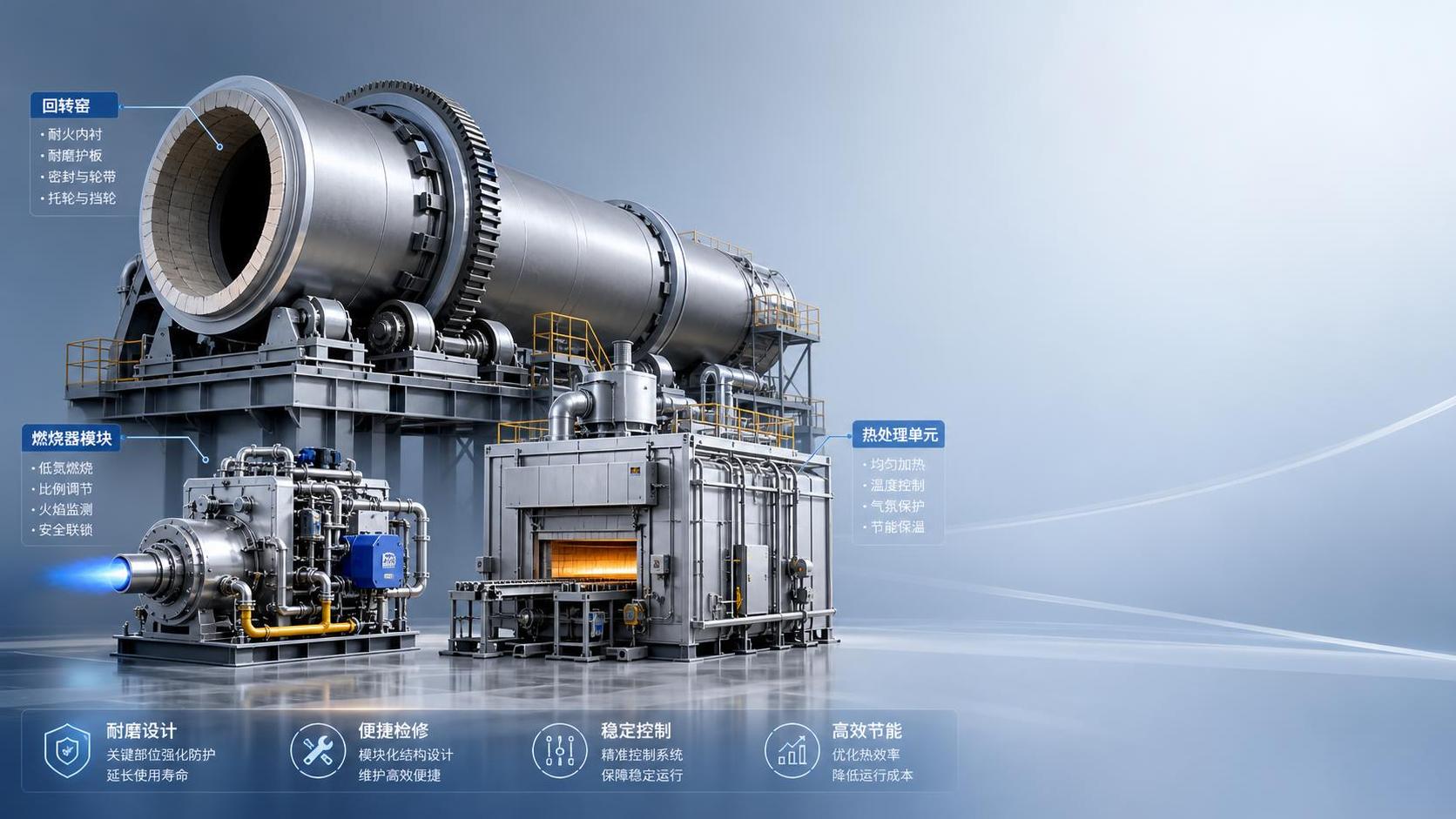
In practice, high-temp industrial solutions may include burner tuning, refractory selection, waste heat recovery, digital monitoring, feed handling, and exhaust treatment.
The value appears when process variables interact. A hotter flame alone does not guarantee better results. Heat transfer efficiency, product quality, and equipment life must move together.
CF-Elite tracks this intersection closely. In high-temperature industries, thermal engineering is no longer isolated from carbon strategy, process intelligence, and lifecycle economics.
Key design elements usually include:
- Temperature profile matching across process zones
- Combustion optimization for available fuels
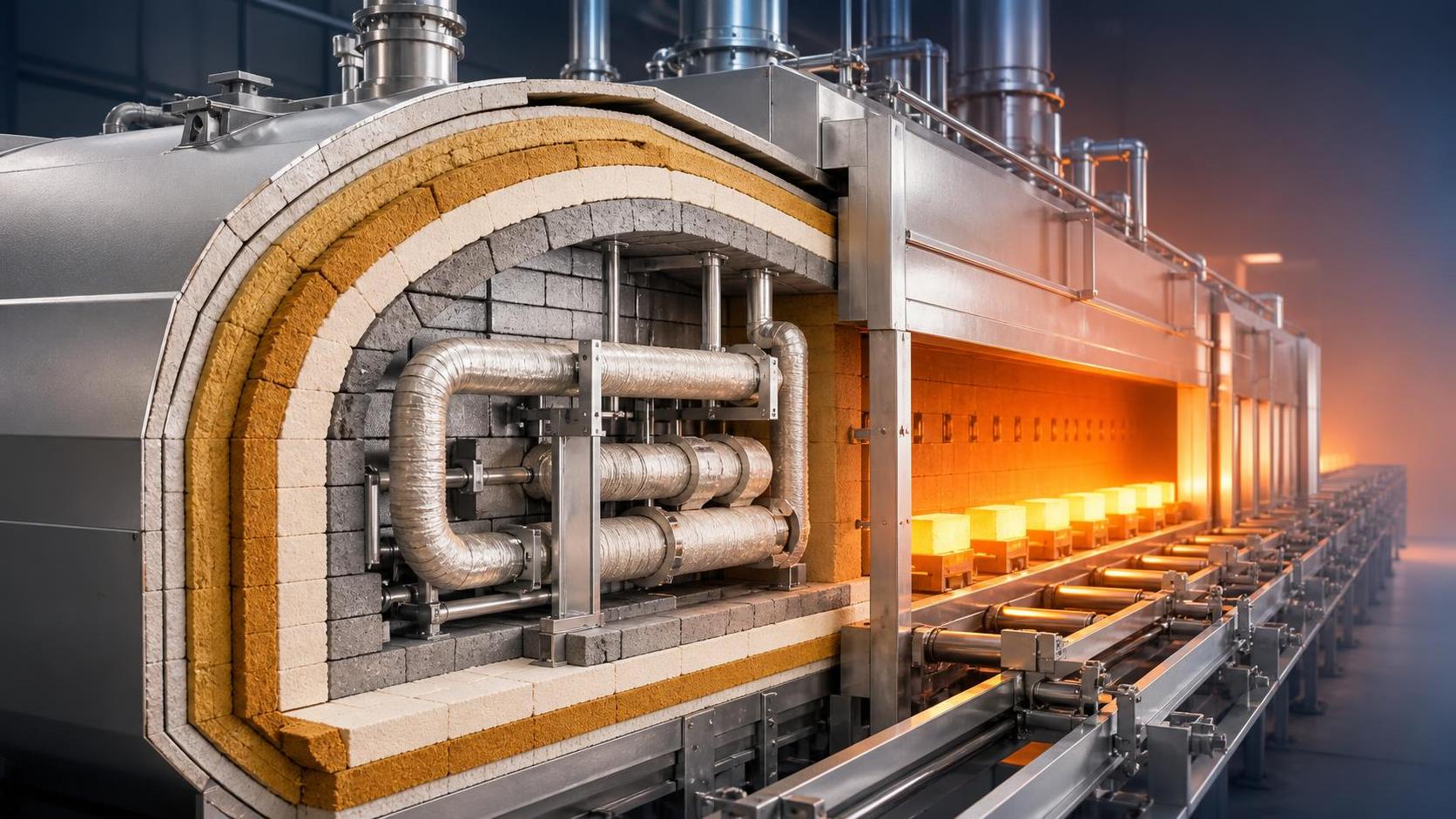
- Refractory systems suited to thermal shock and corrosion
- Emission control integration from the start
- Automation, sensors, and predictive maintenance logic
Which industrial processes benefit most from custom system design?
Almost every thermal process can gain from optimization. However, the strongest returns usually appear where energy use is high, chemistry is sensitive, and downtime is expensive.
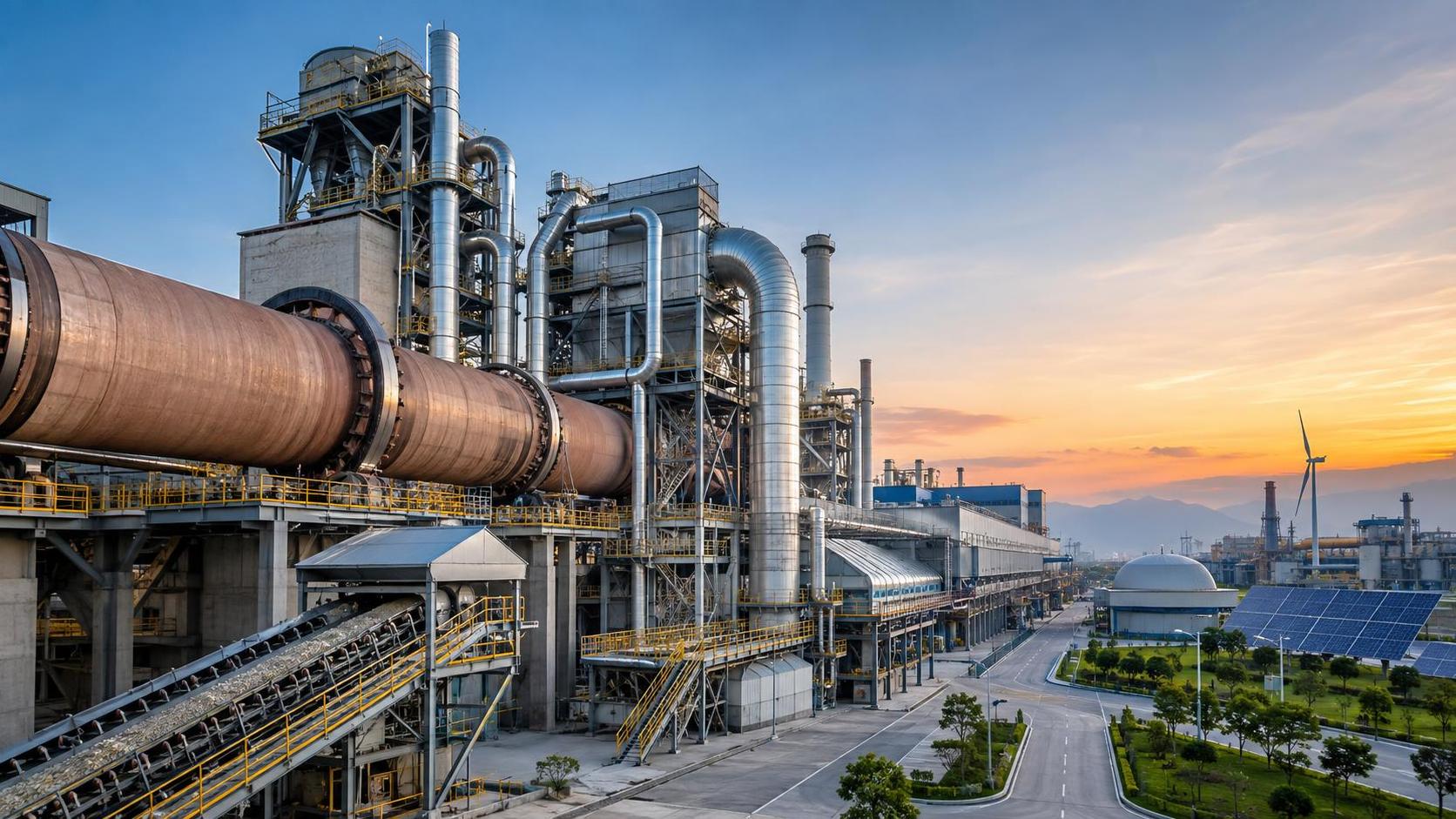
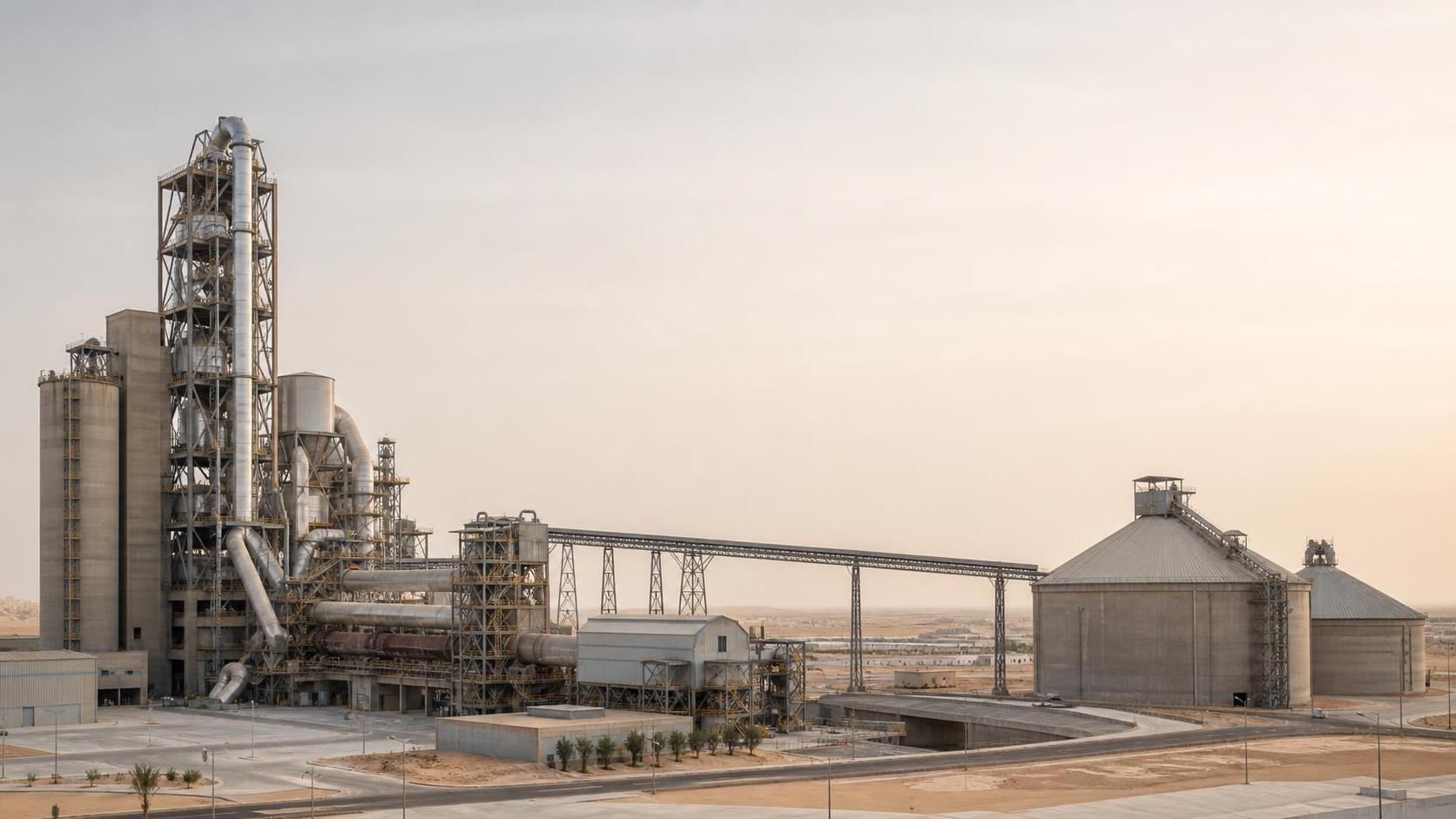
1. Cement production lines
Rotary kilns, precalciners, coolers, and dust systems form a tightly linked chain. Small mismatches in combustion or airflow can increase fuel use, coating instability, and clinker variation.
Custom high-temp industrial solutions help balance alternative fuels, raw meal conditions, kiln shell protection, and emission compliance. This is especially important under carbon reduction pressure.
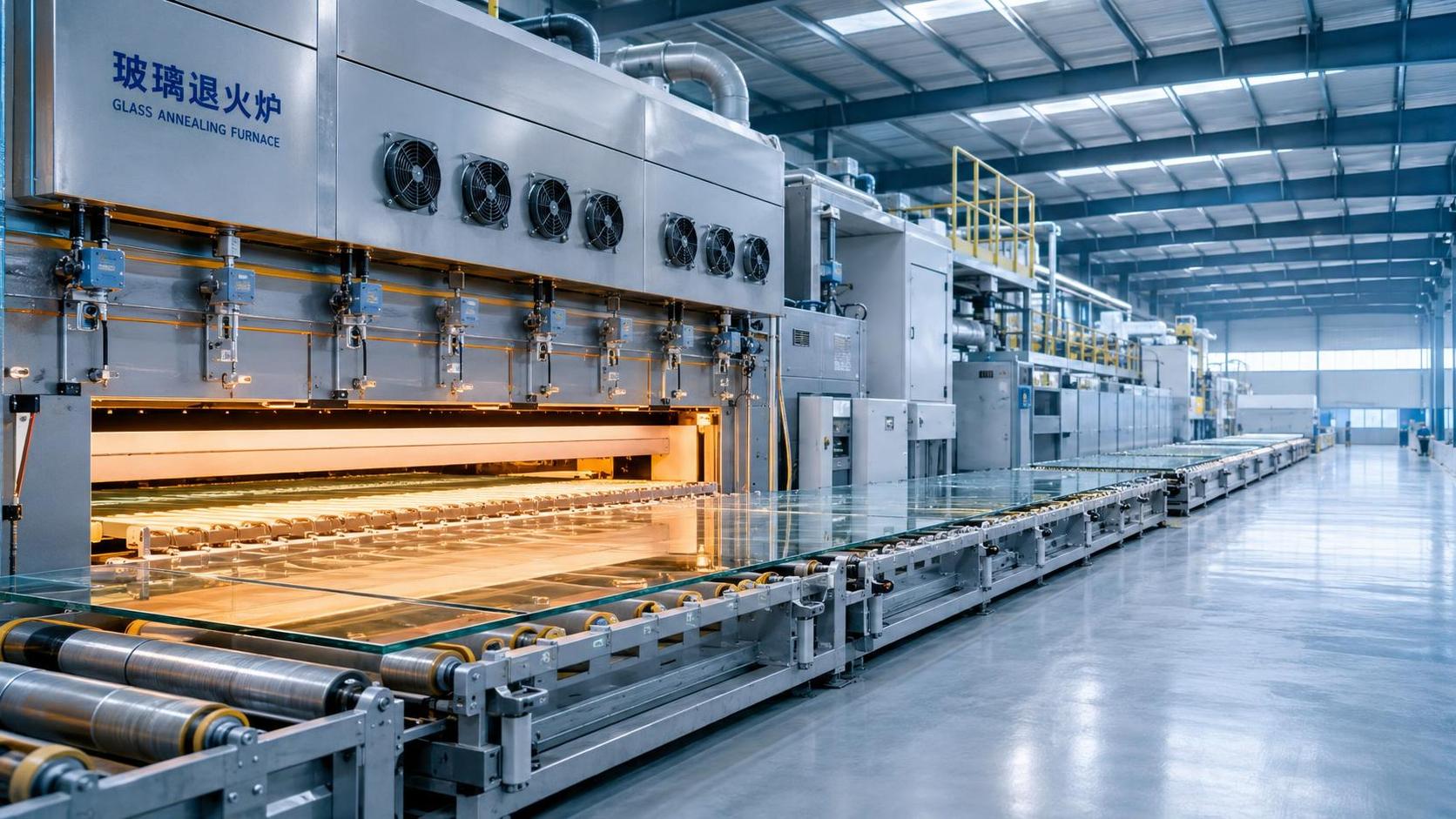
2. Glass melting and annealing
Glass furnaces require precise thermal uniformity. Poor heat distribution can cause defects, unstable viscosity, and higher rejection rates across float glass, container glass, or specialty thin glass.
Tailored designs often improve burner arrangement, regenerator performance, batch charging, and annealing control. The result is better melt quality and lower specific energy consumption.
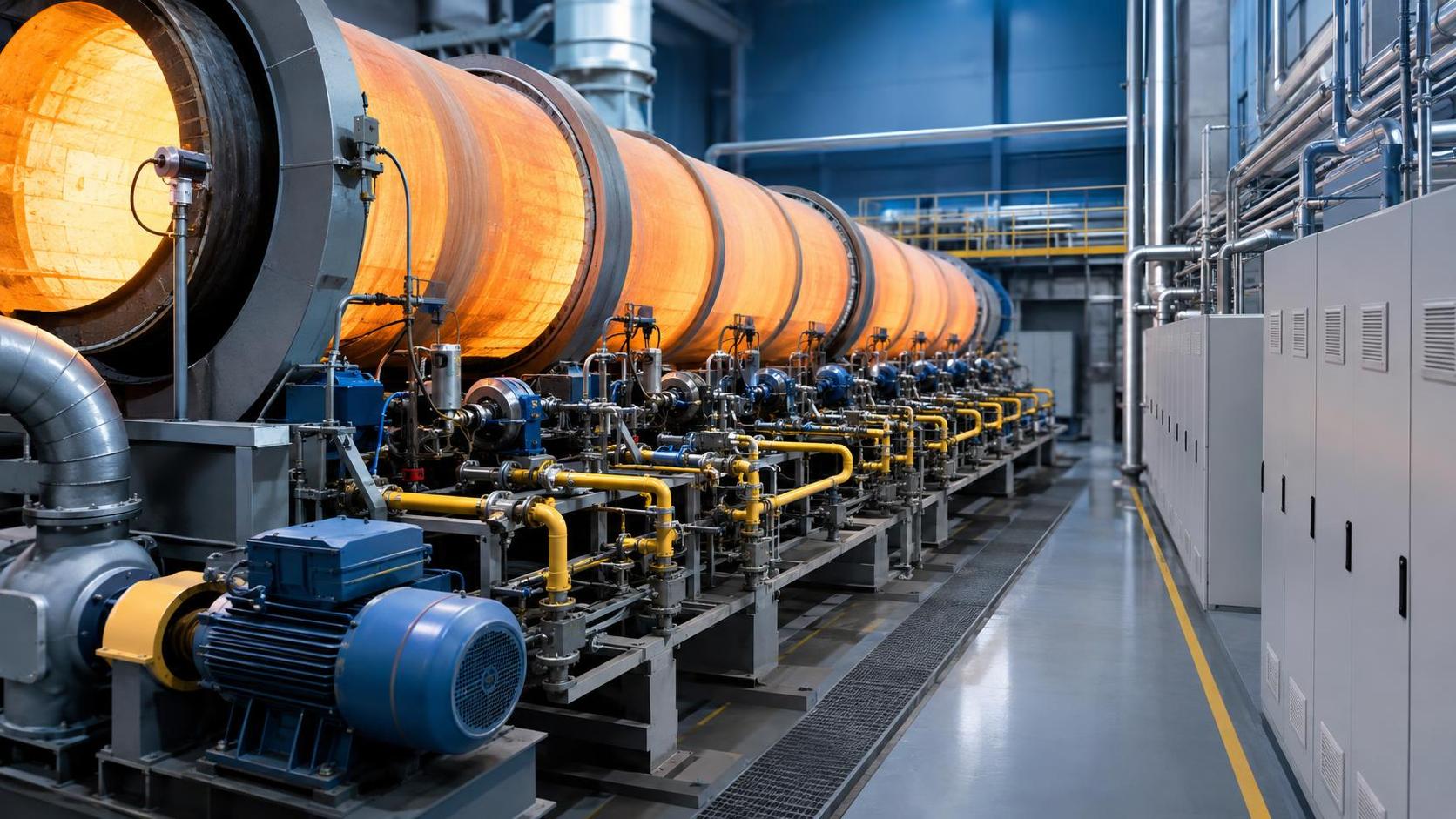
3. Industrial kilns and incineration systems
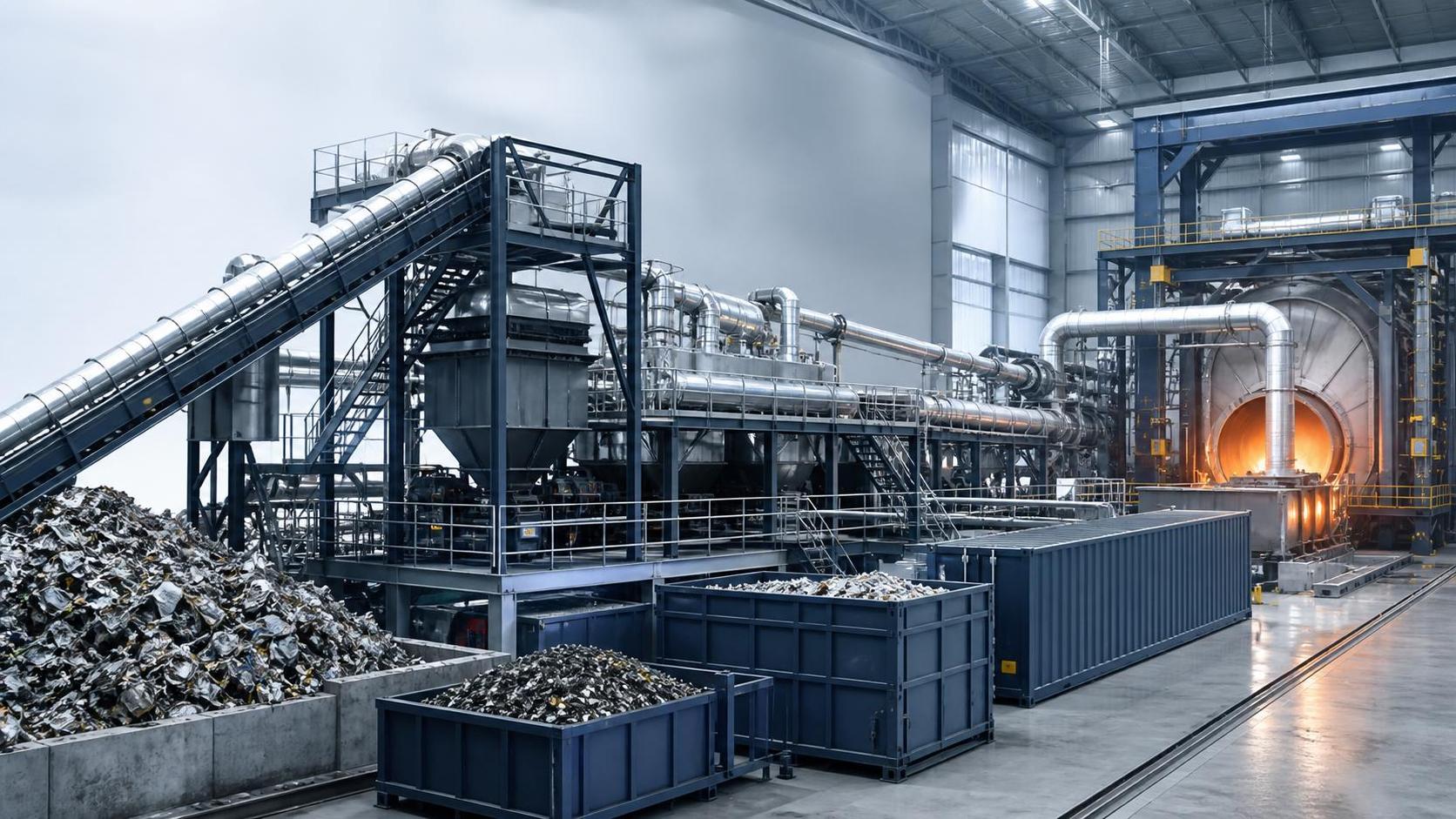
Waste composition changes constantly. That makes off-the-shelf thermal systems risky. Residence time, turbulence, and secondary combustion must fit the actual waste stream.
Effective high-temp industrial solutions support stable destruction efficiency, energy recovery, and tighter flue gas control. They also reduce corrosion and refractory wear.
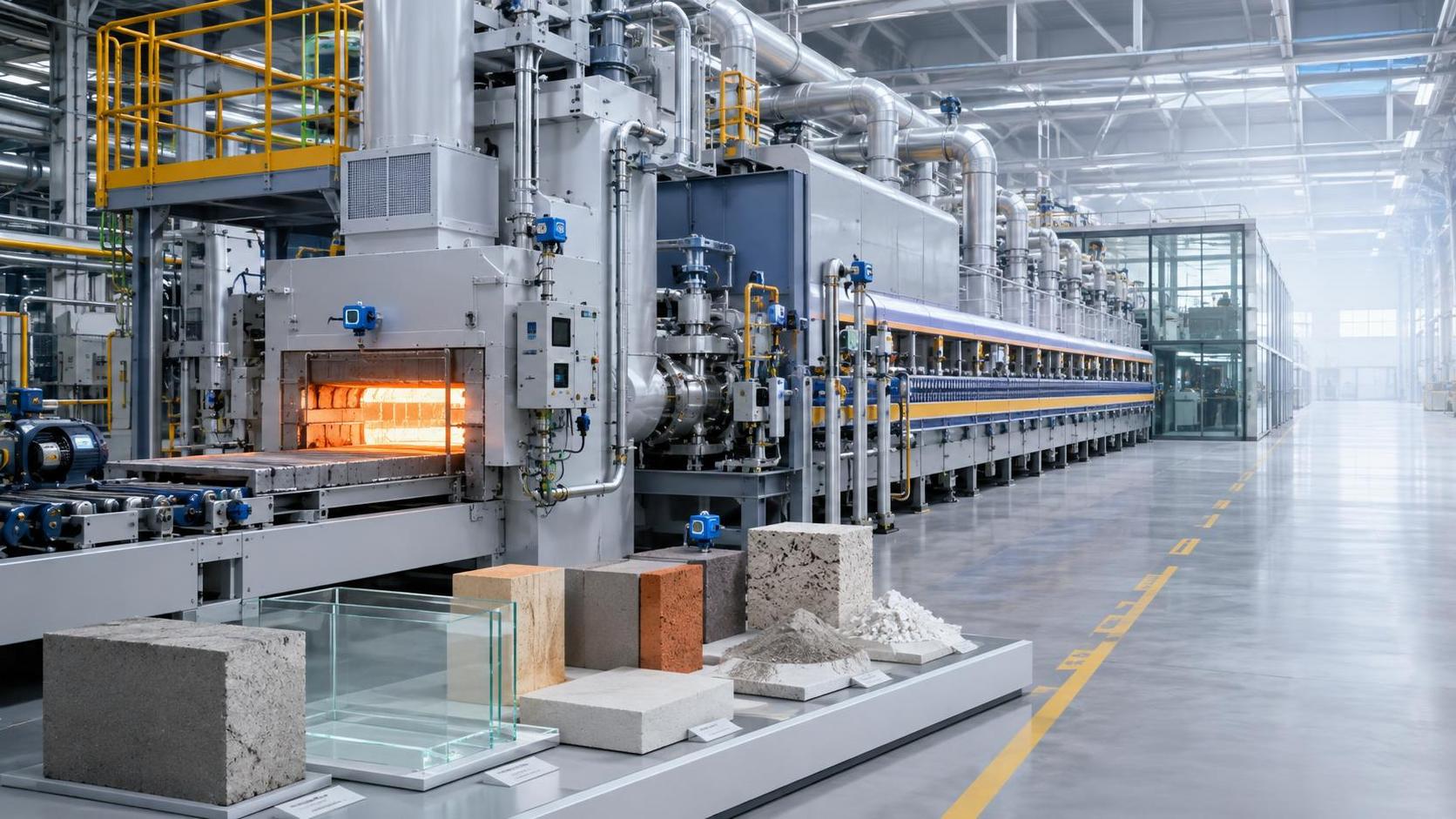
4. Refractory production lines
Refractory products face demanding firing curves and raw material variation. Inconsistent heating can harm density, phase development, and final strength.
Custom thermal design improves kiln zoning, atmosphere control, and lining durability. That supports quality consistency for steel, metallurgy, and other high-temperature users.
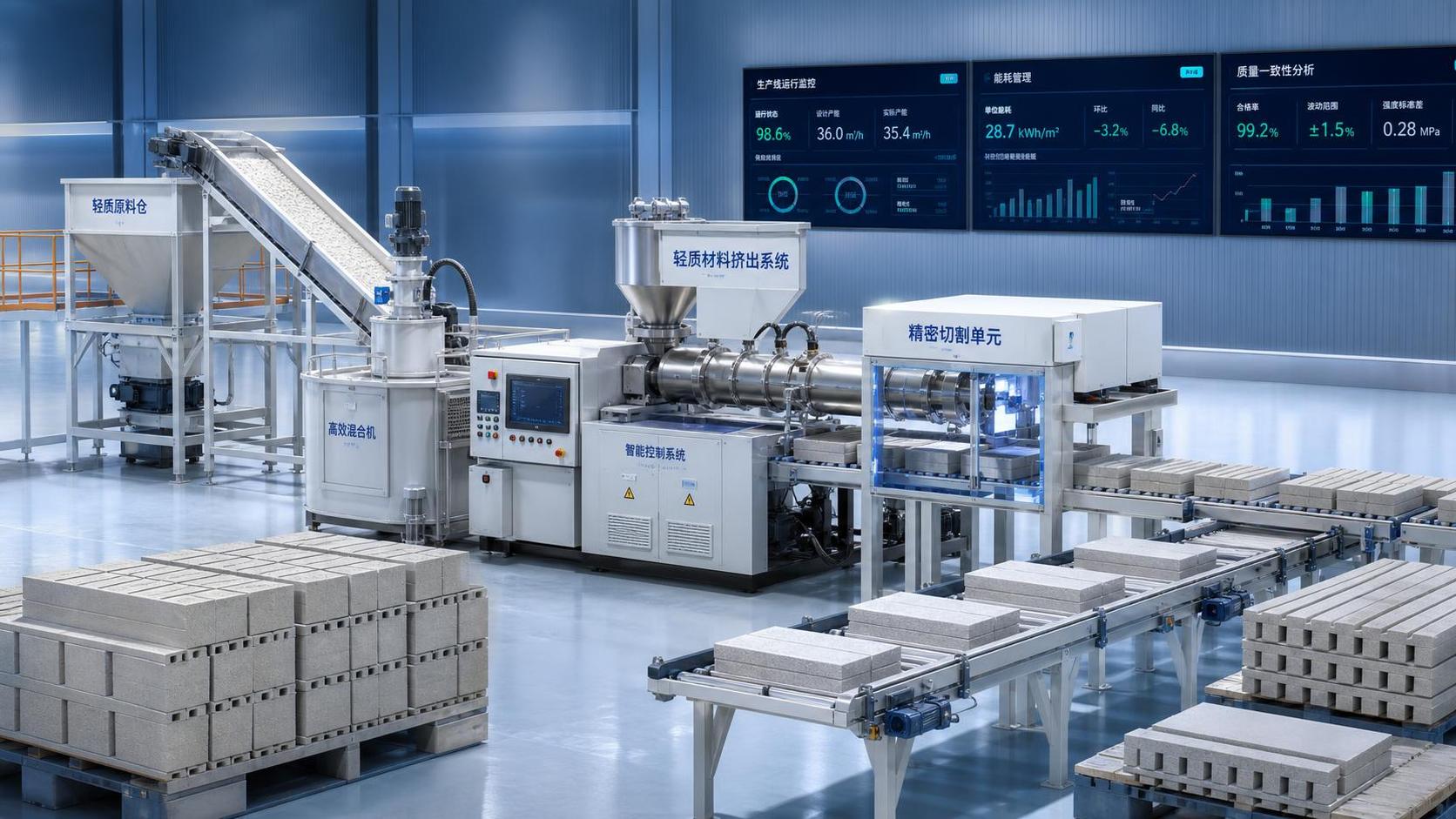
5. New building material extrusion
Extrusion lines for lightweight and green materials involve heat, pressure, moisture, and shaping at the same time. Product defects often come from system imbalance, not a single machine fault.
Customized layouts can coordinate preheating, die temperature, drying, and material flow. This improves dimensional stability and lowers scrap rates.
How can you tell when standard equipment is no longer enough?
Many plants keep adding patches to old systems. At some point, repeated fixes cost more than a structured redesign. The signs are usually visible in daily operations.
Warning signals include:
- Fuel consumption rising without higher throughput
- Frequent refractory failures or hot spots
- Product quality drifting between batches
- Emission compliance becoming harder each year
- Control systems unable to respond to feed variation
- Maintenance shutdowns occurring too often
If several of these issues appear together, custom high-temp industrial solutions are often more effective than isolated equipment replacement.
A process audit should review heat balance, material behavior, line bottlenecks, and regulatory exposure. That creates a realistic basis for redesign decisions.
What are the main advantages compared with off-the-shelf systems?
The first advantage is process fit. Standard systems are built for average conditions. High-temperature plants rarely operate under average conditions for long.
The second advantage is integration. Custom high-temp industrial solutions connect combustion, heat recovery, lining design, controls, and environmental performance from the beginning.
The third advantage is resilience. Tailored systems are better prepared for fuel switching, raw material volatility, and future emissions requirements.
Typical performance gains may include:
- Lower specific heat consumption
- Improved throughput stability
- More consistent product quality
- Reduced unplanned maintenance
- Better alignment with decarbonization targets
These benefits matter even more where thermal processes define total plant economics. In many sectors, heat is the cost center and the quality center at once.
What risks and mistakes should be avoided during custom design?
A custom project is not automatically a good project. Problems appear when design starts from equipment preference instead of process reality.
One common mistake is underestimating feed variability. Another is treating emission control as a separate downstream topic rather than part of the thermal core.
Some projects focus only on peak temperature. That overlooks uniformity, residence time, and material reactions. In high-temperature systems, balance matters more than extremes.
Another risk involves refractory selection. A lining must match abrasion, alkali attack, thermal cycling, and installation reality. Wrong lining logic can erase expected energy savings.
Practical reminders:
- Validate design assumptions with operating data.
- Model different fuel and raw material scenarios.
- Include maintenance access in early layouts.
- Plan instrumentation before commissioning.
- Review carbon and compliance impacts together.
How should cost, timeline, and implementation be evaluated?
Initial cost is only one layer. The better measure is lifecycle return, including fuel savings, output gains, maintenance reduction, and avoided regulatory penalties.
Custom high-temp industrial solutions often require more front-end engineering time. However, they can shorten future troubleshooting and reduce expensive retrofits.
Implementation works best in phases. Start with diagnosis, define thermal and production targets, compare alternatives, then coordinate installation around realistic shutdown windows.
FAQ comparison table
A solid evaluation also looks at data readiness. Without reliable temperature, pressure, and flow information, it becomes difficult to verify expected improvements after startup.
That is where intelligence-led planning matters. CF-Elite’s focus on silicate production, kilns, incineration, and thermal management supports clearer decisions in complex heavy-equipment environments.
Final answer: which processes benefit most from custom system design?
The biggest gains come from processes with high heat demand, variable chemistry, strict quality requirements, and rising environmental pressure. That includes cement, glass, incineration, refractories, and advanced extrusion.
In these settings, high-temp industrial solutions are not simply technical upgrades. They are strategic tools for efficiency, durability, and carbon-aware growth.
The most practical next step is a structured process review. Map thermal losses, identify failure points, compare design scenarios, and prioritize the changes with the strongest operational impact.
When system design matches real process conditions, high-temperature operations become more stable, more efficient, and better prepared for the next industrial transition.
Related News
 Optical Glass Tech FellowHow to Evaluate a Glass Annealing Equipment Manufacturer for Production StabilityChoose a glass annealing equipment manufacturer with proven thermal uniformity, reliable controls, lifecycle value, and responsive service for stable production.Sep 08, 2026
 Prof. Marcus ChenThermal Energy Architecture in North America: Strategies for Lower Building Energy UseThermal energy architecture North America helps project leaders cut building energy use through stronger envelopes, right-sized HVAC, storage, and smart commissioning.Sep 07, 2026
 Ms. Elena RodriguezHow Should Buyers Evaluate Building Material Industry Intelligence Pricing?Building material industry intelligence pricing: learn how to compare coverage, technical depth, and ROI to choose intelligence that reduces procurement risk.Sep 07, 2026
 Ms. Elena RodriguezHow to Use Building Material Intelligence Data for Market and Investment DecisionsBuilding material industry intelligence data helps leaders evaluate demand, costs, regulation, capacity, and technology to make smarter market and investment decisions.Sep 05, 2026
 Thermal Energy ArchitectHow PLC Control Improves Energy Efficiency and Temperature Stability in KilnsEnergy efficient kilns PLC control improves temperature stability, cuts fuel waste, and optimizes combustion, draft, and material flow. Explore proven strategies for smarter kiln modernization.Sep 04, 2026
 Optical Glass Tech FellowEuropean Glass Melting Processes: Furnace Choices, Energy Use, and Quality ControlGlass melting process Europe: explore furnace choices, energy efficiency, cullet strategy, and quality control to improve output, compliance, and long-term glass performance.Sep 03, 2026
 Thermal Energy ArchitectWhat Determines Refractory Lining Monitoring Price for Industrial Kilns?Refractory lining monitoring price depends on kiln size, sensor technology, installation, software, and support. Compare total lifecycle costs and choose the right solution.Sep 02, 2026
 Silicate Process EngineerCement Production System Costs: A Plant Buyer’s Guide to Budgeting and ROICement production systems cost planning made clear: compare CAPEX, operating costs, compliance, and ROI to build a resilient, profitable cement plant investment.Sep 01, 2026
 Dr. Alistair VaughnWhat Should a Process Technology Database Track for High-Temperature Plants?Process technology database essentials for high-temperature plants: track thermal profiles, feed chemistry, refractory wear, emissions, energy, and maintenance for safer, data-driven decisions.Aug 31, 2026
 Ms. Elena RodriguezHow to Evaluate a Silicate Processing Equipment Manufacturer for Plant ProjectsSilicate processing equipment manufacturer selection: assess process fit, guarantees, energy, compliance, delivery risk, and lifecycle support for dependable plant performance.Aug 30, 2026
 Dr. Alistair VaughnHow to Specify Custom Agricultural Processing Equipment for Throughput and HygieneEquipment customization services for agricultural processing: learn to specify hygienic, high-throughput lines that improve yield, reliability, and long-term efficiency.Aug 29, 2026
 Dr. Alistair VaughnHow to Select Process Plant Equipment for High-Temperature, Abrasive Production LinesProcess plant equipment selection for high-temperature, abrasive lines: reduce downtime, improve durability, and optimize lifecycle performance.Aug 28, 2026
 Silicate Process EngineerHow Kiln Heat Recovery Systems Cut Fuel Use in Cement and Lime ProductionKiln heat recovery helps cement and lime plants cut fuel use, improve thermal stability, and build practical, reliable decarbonization strategies.Aug 27, 2026
 Ms. Elena RodriguezProcess Equipment Comparison: Which Metrics Matter Most for Reliable Selection?Process equipment comparison made practical: discover which metrics truly drive reliable selection, from energy efficiency and control stability to wear life, maintainability, and uptime.Aug 26, 2026
 Ms. Elena RodriguezWhat Buyers Should Check Before Sourcing Precision Alloy Bars for Critical PartsPrecision Alloy Bars buyers should verify grade, chemistry, tolerances, surface quality, traceability, and lead time before sourcing for critical parts. Learn what prevents costly machining and reliability risks.Aug 27, 2026
 Ms. Elena RodriguezHow to Evaluate Thermal Management Solutions Insulation for High-Heat Industrial SystemsThermal management solutions insulation: learn how to assess high-heat industrial systems by thermal performance, durability, lifecycle cost, and supplier data for smarter decisions.Aug 25, 2026
 Ms. Elena RodriguezWhat Drives Waste Recycling Cost in Industrial Projects and How to Estimate It?Waste recycling cost in industrial projects depends on composition, moisture, transport, pre-treatment, and compliance. Learn how to estimate it accurately and compare suppliers with confidence.Aug 24, 2026
 Silicate Process EngineerHow to Evaluate Cement Production Plants in the Middle East for Capacity, Fuel Flexibility, and ROIcement production plants Middle East: Learn how to assess true capacity, fuel flexibility, and ROI risks to identify resilient assets and smarter investment opportunities.Aug 23, 2026
 Structural Material AnalystHow to Evaluate Lightweight Material Machinery for Output, Energy Use, and Product QualityLightweight material machinery evaluation guide: compare stable output, energy use, and product quality to choose equipment that cuts waste, lowers costs, and improves production confidence.Aug 22, 2026
 Material Heat-Resist ExpertWhat Determines Refractory Production Line Price in a Turnkey Plant Project?Refractory production line price depends on raw materials, forming method, kiln and drying design, automation, utilities, and scope. Learn what really drives turnkey plant cost before you invest.Aug 21, 2026

Related News
- 00
0000-00
How Should Buyers Evaluate Building Material Industry Intelligence Pricing? - 00
0000-00
How to Use Building Material Intelligence Data for Market and Investment Decisions - 00
0000-00
How to Evaluate a Silicate Processing Equipment Manufacturer for Plant Projects - 00
0000-00
Process Equipment Comparison: Which Metrics Matter Most for Reliable Selection? - 00
0000-00
What Buyers Should Check Before Sourcing Precision Alloy Bars for Critical Parts
Weekly Insights
Stay ahead with our curated technology reports delivered every Monday.