
How to Assess Global Material Supply Chain Risk for Long-Cycle Industrial Projects




For procurement teams managing long-cycle industrial projects, evaluating global material supply chain risk is no longer optional—it is central to cost control, schedule certainty, and technical reliability. From refractory inputs and kiln components to glass and extrusion systems, a structured view of the global material supply chain helps buyers identify disruption signals early and make more resilient sourcing decisions.
In heavy industrial projects, a delayed burner system, a missing kiln shell section, or an inconsistent refractory batch can push commissioning back by 4–12 weeks. For buyers responsible for cement plants, glass production equipment, incineration lines, refractory systems, or new building material extrusion lines, supply chain risk assessment must cover far more than price and lead time.
The challenge is especially sharp in projects with 9–24 month execution cycles, multi-country sourcing, and strict thermal or chemical performance requirements. A practical risk model should combine supplier capability, logistics exposure, raw material concentration, compliance change, and installation criticality. That is where a sector-focused intelligence approach becomes a real procurement advantage.
Why Global Material Supply Chain Risk Matters More in Long-Cycle Industrial Projects
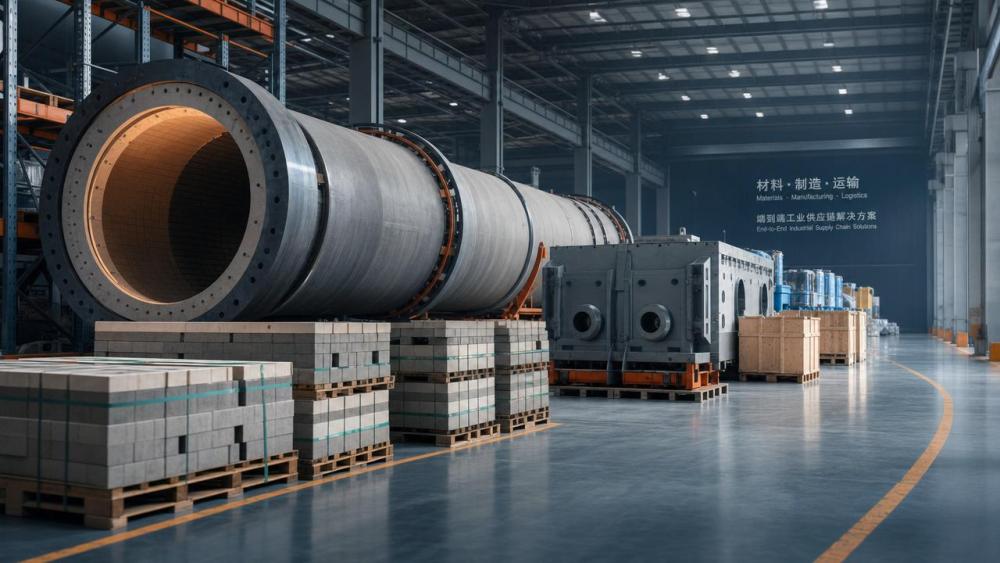
The longer the project cycle, the more likely the global material supply chain will face disruption at multiple points. Industrial buyers often lock technical specifications early, while market conditions for freight, energy, mineral feedstocks, and trade policy can shift three or four times before final delivery.
For high-temperature industries, material risk is not only commercial. It is also operational. A 2% deviation in refractory composition, a 15-day customs delay for kiln drive components, or a late arrival of annealing line parts can affect thermal balance, lining life, start-up sequencing, and warranty exposure.
Typical Risk Exposure Across Industrial Equipment Categories
Procurement teams should classify risk by material type and process role. Commodity steel plates and electrical cable are managed differently from silica bricks, burner nozzles, castables, expansion joints, rollers, insulation modules, and specialty glass forming components.
- Critical-path components: items that can delay erection or commissioning by more than 7 days
- Performance-sensitive materials: items where quality variation affects heat efficiency, wear rate, or emissions
- Single-source inputs: items with fewer than 2 qualified suppliers in a target region
- Logistics-sensitive cargo: oversized or hazardous items requiring special transport windows
Five Risk Drivers Procurement Teams Should Track
- Supply concentration at mine, smelter, or specialty processing level
- Manufacturing bottlenecks caused by furnace capacity, machining load, or labor availability
- Port, inland transport, and customs volatility across 2–3 routing options
- Technical substitution difficulty when original specifications are delayed
- Regulatory shifts tied to emissions, waste handling, or cross-border certification
The table below gives procurement teams a practical way to separate low, medium, and high exposure categories within the global material supply chain for long-cycle industrial projects.
A clear pattern appears: the highest-risk items are usually not the most expensive by unit price. They are the least substitutable, the most technically sensitive, or the hardest to move internationally. Procurement teams that focus only on visible cost often miss the hidden schedule risk embedded in the global material supply chain.
A Practical Framework to Assess Global Material Supply Chain Risk
An effective framework should be simple enough to use during tendering, but detailed enough to support supplier approval, contract negotiation, and expediting. In most industrial projects, a 5-factor scoring system works well because it aligns commercial and technical teams around the same risk language.
Step 1: Map the Bill of Materials by Criticality
Start by dividing the bill of materials into three groups: commissioning-critical, performance-critical, and replaceable. This first pass often covers 80% of procurement exposure in less than 2 working sessions. A rotary kiln shell section and a high-alumina brick set do not deserve the same sourcing logic as a cable tray or standard valve.
Suggested Criticality Questions
- If this item is late by 10 days, does site installation stop?
- If the material varies from spec, does thermal performance drop by more than 3%?
- Can another approved supplier deliver an equivalent item within 4–6 weeks?
- Does this item require pre-installation inspection, drying, curing, or alignment?
Step 2: Score Supplier-Side Exposure
Next, assess each supplier on capacity, process control, raw material dependency, documentation discipline, and export readiness. For large-scale silicate and thermal equipment projects, buyers should ask for the last 6–12 months of production loading, not just a promise on lead time.
A supplier with acceptable pricing but unstable furnace scheduling or outsourced machining may carry more risk than a higher-priced vendor with integrated production. In the global material supply chain, visible capacity and actual available capacity are often not the same.
Step 3: Measure Logistics and Border Complexity
Logistics risk should be measured at shipment level, not only supplier country level. Two suppliers in the same country may have very different export profiles depending on inland distance, port congestion, cargo dimensions, and document accuracy. For oversized kiln sections or containerized refractory deliveries, even a 5-day documentation error can cascade into a 2-week site impact.
Step 4: Test Specification Flexibility
Some risks can be lowered if engineering approves controlled alternatives. For example, a specified lining system may allow 2 qualified castable sources, or a drive package may accept equivalent bearings from 3 approved brands. Procurement should identify these substitution windows before disruption occurs, not after.
Step 5: Build an Early Warning Dashboard
A workable dashboard usually tracks 8–12 indicators: confirmed lead time, production start date, raw material booking, inspection date, packaging readiness, customs documents, vessel booking, inland transfer, and site arrival variance. Updating these every 2 weeks is often enough for normal items; high-risk components may need weekly review.
The scoring matrix below can help procurement teams assign comparable risk ratings across suppliers and components in the global material supply chain.
Items scoring 9–12 typically deserve executive attention, milestone-based expediting, and contingency planning. Items scoring 4–6 can often be managed through routine supplier follow-up and document control. This method brings discipline to global material supply chain decisions without creating an unmanageable reporting burden.
Key Risk Signals in Cement, Glass, Incineration, Refractory, and Extrusion Projects
Different process lines show different risk signatures. Buyers who understand category-specific warning signs can intervene earlier and avoid treating every supplier issue as a generic delay. In CF-Elite’s focus sectors, the most valuable signal is often technical rather than purely commercial.
Cement Production Plants
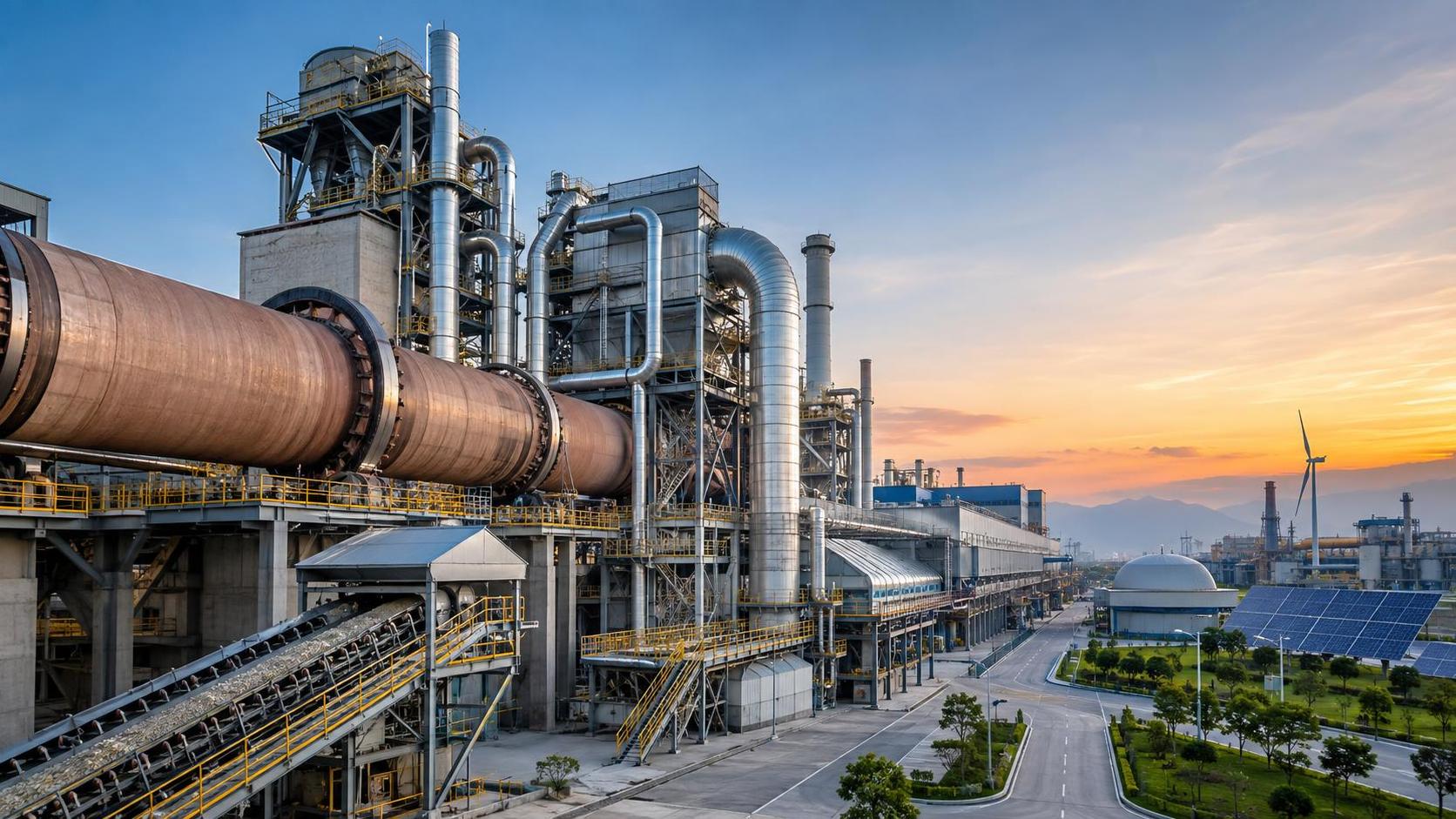
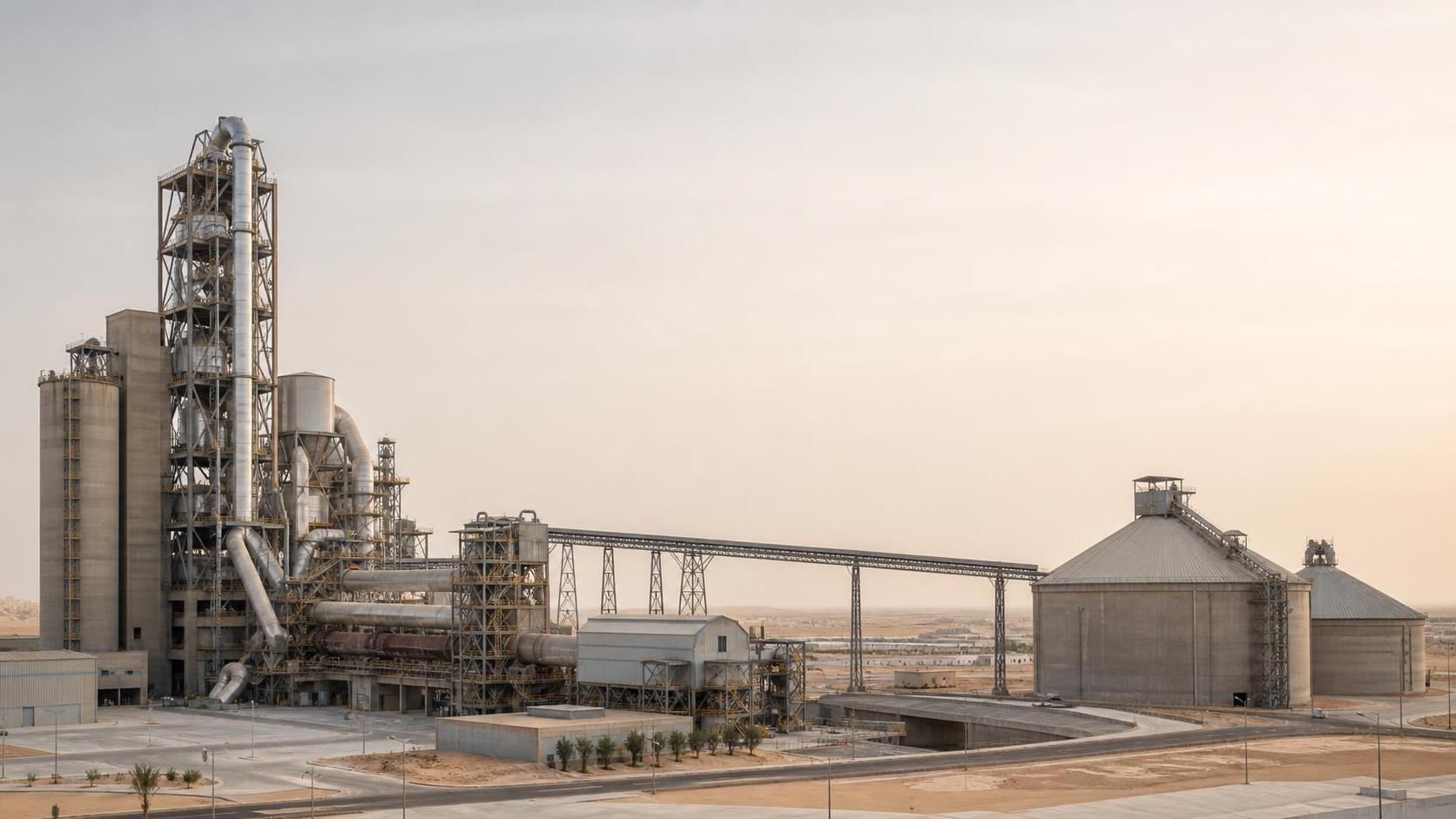
Watch kiln shell sections, support rollers, tire machining windows, refractory package sequencing, and bag filter components. Cement projects often suffer when fabricated steel and thermal lining packages are sourced separately without a shared installation timeline. A 14-day mismatch between shell completion and brick delivery can create idle erection crews and extra site cost.
Glass Manufacturing Gear
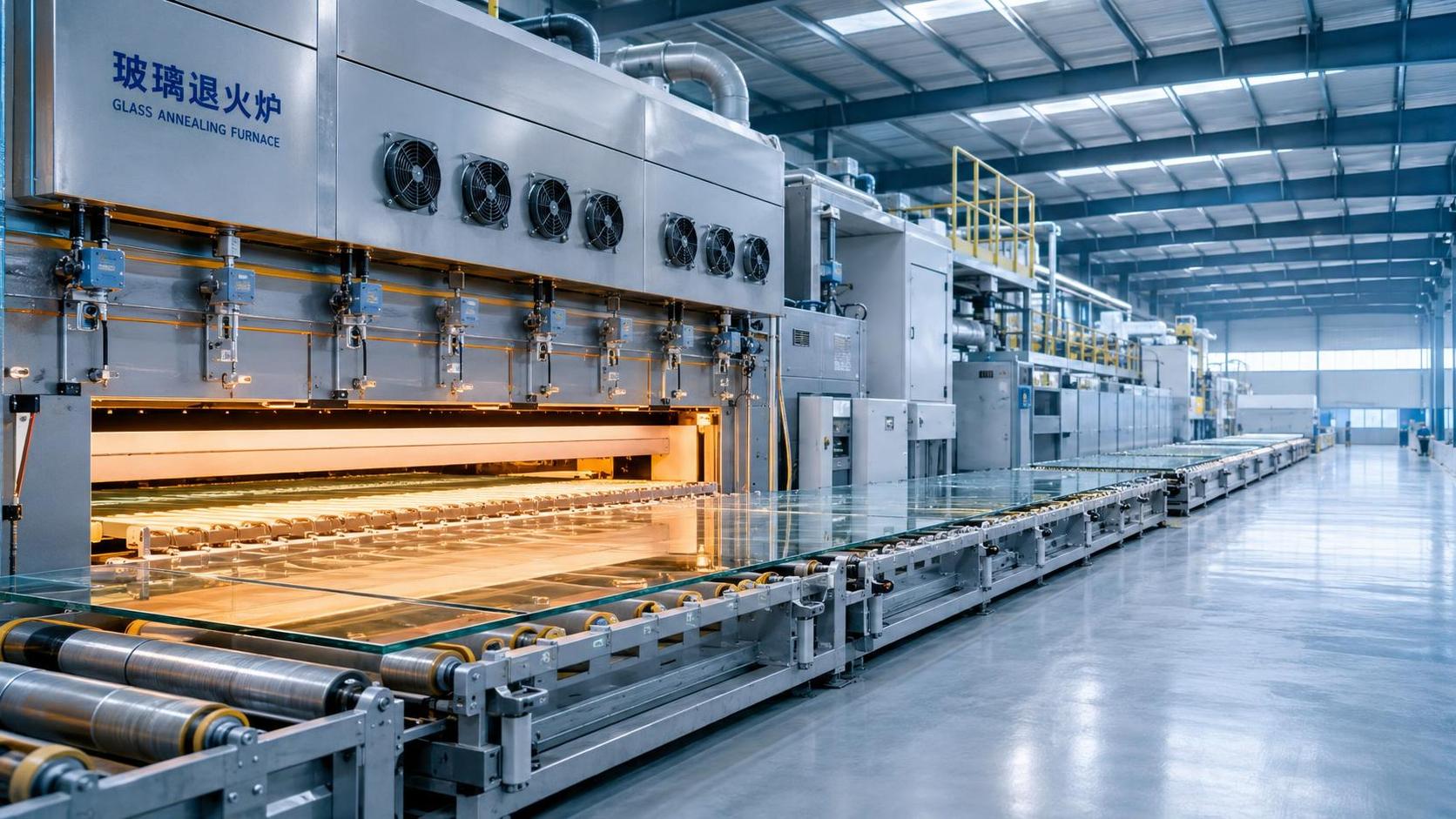
Glass lines are vulnerable to precision parts, furnace materials, burners, annealing section controls, and highly specialized thermal components. Here, the global material supply chain risk is amplified by narrow supplier pools and tight tolerance requirements. Procurement should verify process capability, not only delivery promises.
Industrial Kilns and Incineration
Incineration systems add another layer of risk through corrosion exposure, emissions compliance, and waste-heat integration. Key materials may include alloy parts, refractory anchors, combustion equipment, and gas treatment modules. Components exposed to 850–1100°C duty require stronger traceability and acceptance planning than standard plant items.
Refractory Production Lines and New Material Extrusion
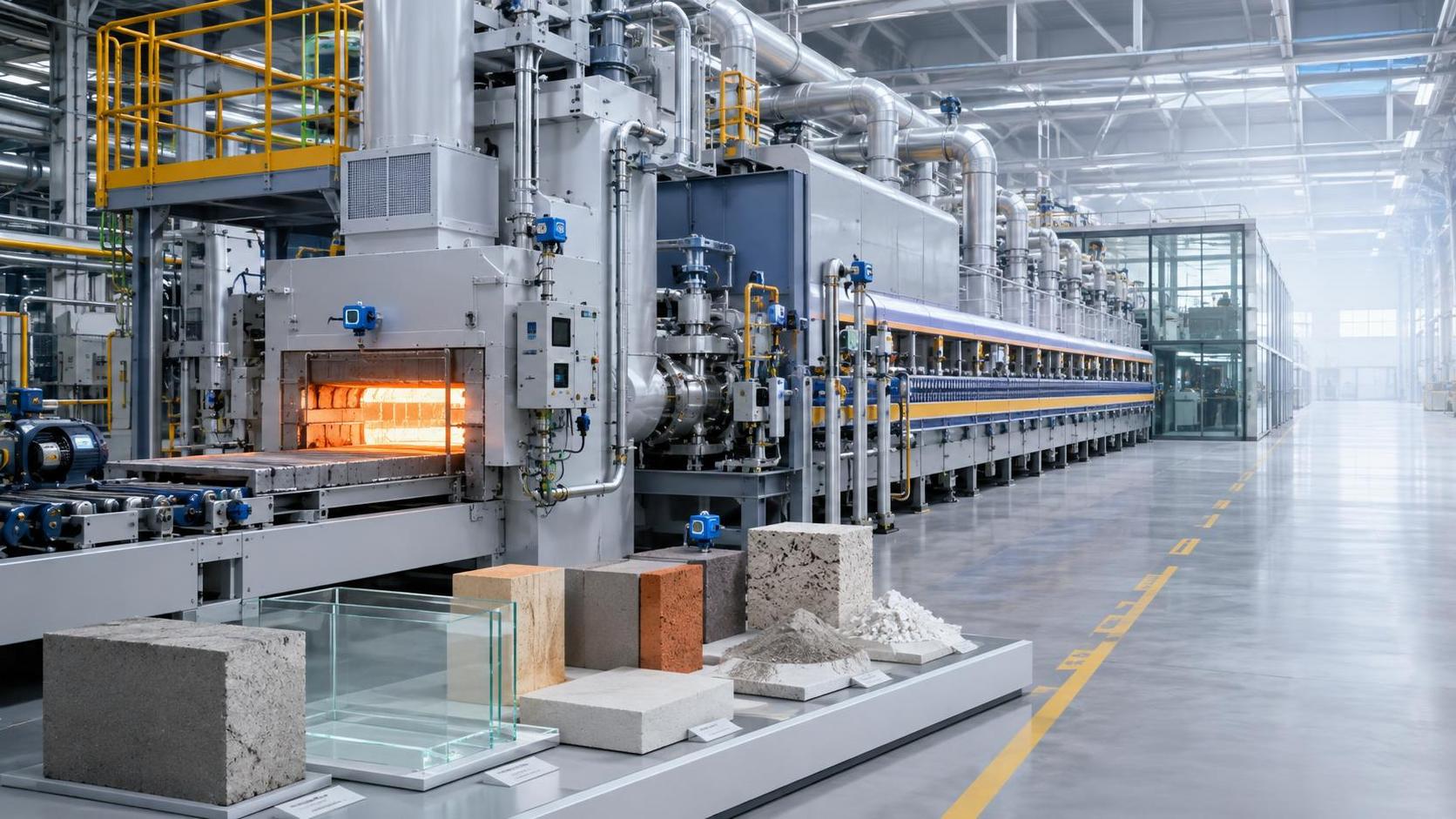
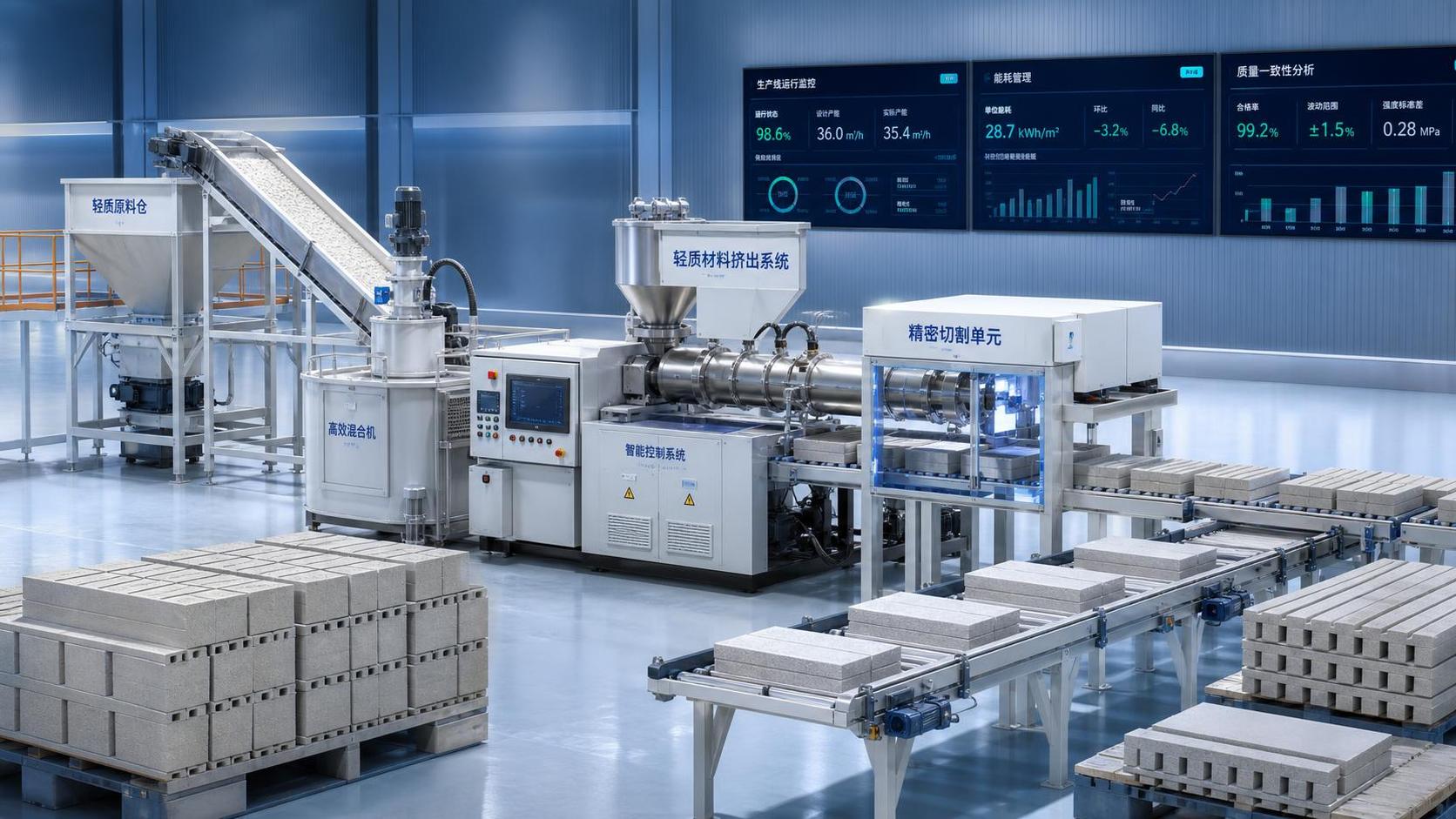
These projects depend on stable feedstock quality, die and screw precision, drying or firing consistency, and wear-part availability. For extrusion lines, a small dimensional drift such as ±0.5 mm can affect product acceptance downstream. Buyers should review consumable replacement cycles, not only initial machine shipment dates.
How Procurement Teams Can Reduce Exposure Before Purchase Orders Are Released
Risk reduction starts before the first formal order. Buyers can prevent many global material supply chain failures through better prequalification, clearer technical alignment, and tighter contract structure. The most effective actions are usually procedural rather than expensive.
Pre-Award Controls That Make a Measurable Difference
- Audit the supplier’s true manufacturing route, including outsourced heat treatment, machining, or packaging steps
- Confirm at least 2 logistics routes for critical imports, especially if inland transfer exceeds 300 km
- Define document deadlines 7–10 days before cargo readiness to reduce customs error risk
- Lock inspection and witness points for high-value thermal or rotating equipment
- Agree on acceptable substitution rules in writing before production begins
Contract Terms Worth Prioritizing
Procurement contracts for long-cycle industrial equipment should distinguish between ex-works completion, inspection release, port delivery, and site arrival. Those are 4 different milestones with different risks. Combining them into a single delivery date often hides the true health of the global material supply chain.
It is also wise to request milestone reporting at 20%, 50%, and 90% production progress for high-risk items. This is especially useful for refractory packages, fabricated kiln sections, and glass furnace assemblies where late-stage problems are expensive to correct.
Common Procurement Mistakes
- Selecting a supplier based on lowest price without checking raw material access
- Assuming standard lead times apply to oversized or specialty thermal components
- Ignoring packaging and preservation for sea transit longer than 25–40 days
- Failing to connect engineering change control with sourcing decisions
- Waiting for a delay notice instead of tracking early production indicators
For procurement teams serving high-temperature industries, market intelligence can strengthen every one of these steps. CF-Elite’s sector focus on silicate process systems, industrial thermal equipment, refractory applications, and decarbonization-driven plant upgrades helps buyers interpret not just supplier quotations, but the deeper operational realities behind them.
Turning Supply Chain Assessment Into Better Sourcing Decisions
A strong global material supply chain strategy is not about predicting every disruption. It is about identifying which 10–15 items can threaten project economics, then assigning the right controls before disruption spreads into site delays, quality claims, or energy performance losses.
For buyers in cement, glass, incineration, refractory, and extrusion projects, the most resilient sourcing model combines technical due diligence, multi-layer supplier review, and milestone-based logistics tracking. That approach protects schedule certainty while preserving performance in demanding thermal environments.
If your team needs clearer visibility into global sourcing exposure, supplier capability signals, or category-specific procurement risk in high-temperature industries, CF-Elite can help you translate market intelligence into practical purchasing decisions. Contact us to discuss your project, request a tailored risk review, or explore more sourcing solutions for long-cycle industrial equipment.
Related News
 Optical Glass Tech FellowHow to Evaluate a Glass Annealing Equipment Manufacturer for Production StabilityChoose a glass annealing equipment manufacturer with proven thermal uniformity, reliable controls, lifecycle value, and responsive service for stable production.Sep 08, 2026
 Prof. Marcus ChenThermal Energy Architecture in North America: Strategies for Lower Building Energy UseThermal energy architecture North America helps project leaders cut building energy use through stronger envelopes, right-sized HVAC, storage, and smart commissioning.Sep 07, 2026
 Ms. Elena RodriguezHow Should Buyers Evaluate Building Material Industry Intelligence Pricing?Building material industry intelligence pricing: learn how to compare coverage, technical depth, and ROI to choose intelligence that reduces procurement risk.Sep 07, 2026
 Ms. Elena RodriguezHow to Use Building Material Intelligence Data for Market and Investment DecisionsBuilding material industry intelligence data helps leaders evaluate demand, costs, regulation, capacity, and technology to make smarter market and investment decisions.Sep 05, 2026
 Thermal Energy ArchitectHow PLC Control Improves Energy Efficiency and Temperature Stability in KilnsEnergy efficient kilns PLC control improves temperature stability, cuts fuel waste, and optimizes combustion, draft, and material flow. Explore proven strategies for smarter kiln modernization.Sep 04, 2026
 Optical Glass Tech FellowEuropean Glass Melting Processes: Furnace Choices, Energy Use, and Quality ControlGlass melting process Europe: explore furnace choices, energy efficiency, cullet strategy, and quality control to improve output, compliance, and long-term glass performance.Sep 03, 2026
 Thermal Energy ArchitectWhat Determines Refractory Lining Monitoring Price for Industrial Kilns?Refractory lining monitoring price depends on kiln size, sensor technology, installation, software, and support. Compare total lifecycle costs and choose the right solution.Sep 02, 2026
 Silicate Process EngineerCement Production System Costs: A Plant Buyer’s Guide to Budgeting and ROICement production systems cost planning made clear: compare CAPEX, operating costs, compliance, and ROI to build a resilient, profitable cement plant investment.Sep 01, 2026
 Dr. Alistair VaughnWhat Should a Process Technology Database Track for High-Temperature Plants?Process technology database essentials for high-temperature plants: track thermal profiles, feed chemistry, refractory wear, emissions, energy, and maintenance for safer, data-driven decisions.Aug 31, 2026
 Ms. Elena RodriguezHow to Evaluate a Silicate Processing Equipment Manufacturer for Plant ProjectsSilicate processing equipment manufacturer selection: assess process fit, guarantees, energy, compliance, delivery risk, and lifecycle support for dependable plant performance.Aug 30, 2026
 Dr. Alistair VaughnHow to Specify Custom Agricultural Processing Equipment for Throughput and HygieneEquipment customization services for agricultural processing: learn to specify hygienic, high-throughput lines that improve yield, reliability, and long-term efficiency.Aug 29, 2026
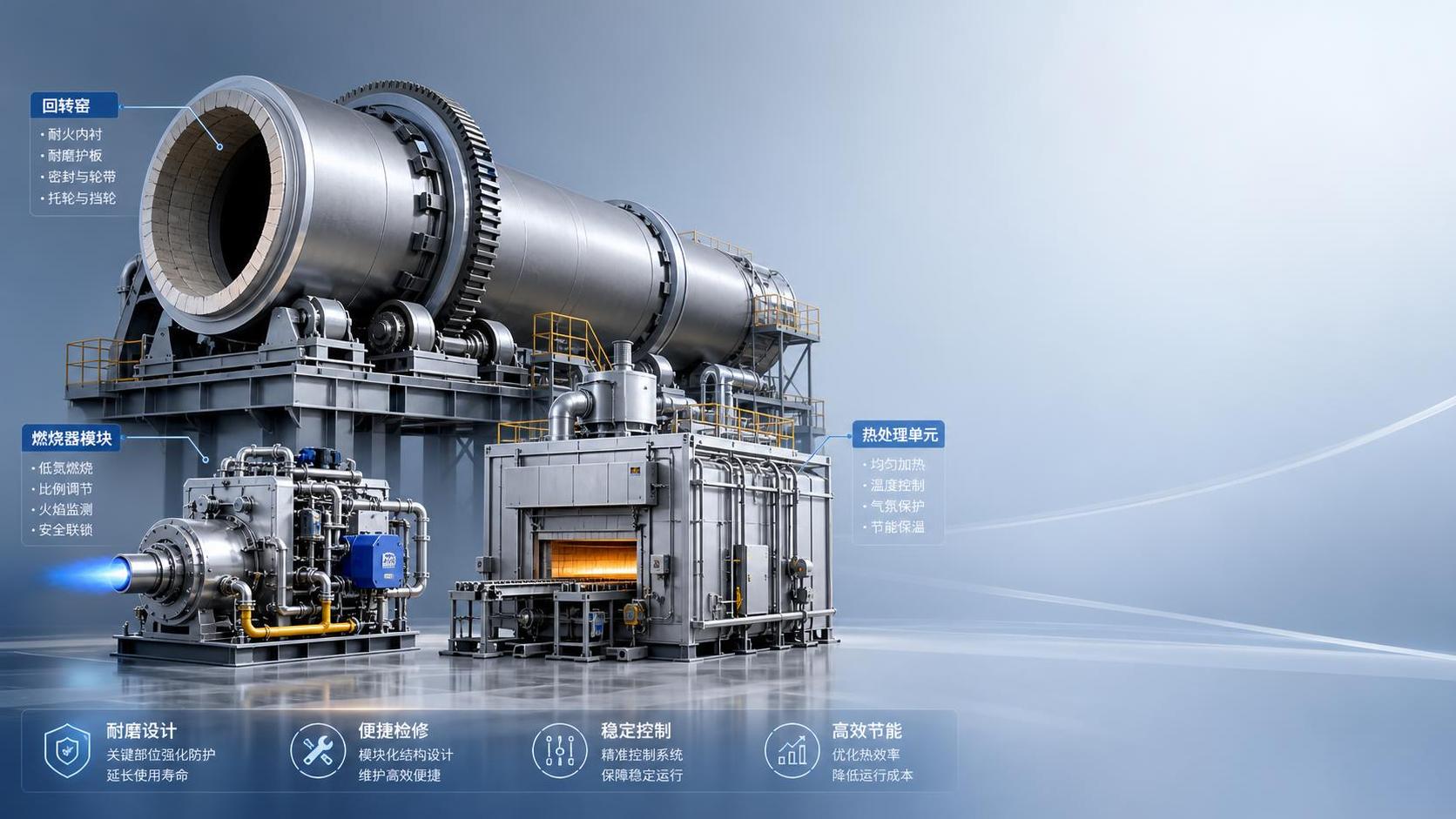
 Dr. Alistair VaughnHow to Select Process Plant Equipment for High-Temperature, Abrasive Production LinesProcess plant equipment selection for high-temperature, abrasive lines: reduce downtime, improve durability, and optimize lifecycle performance.Aug 28, 2026
 Silicate Process EngineerHow Kiln Heat Recovery Systems Cut Fuel Use in Cement and Lime ProductionKiln heat recovery helps cement and lime plants cut fuel use, improve thermal stability, and build practical, reliable decarbonization strategies.Aug 27, 2026
 Ms. Elena RodriguezProcess Equipment Comparison: Which Metrics Matter Most for Reliable Selection?Process equipment comparison made practical: discover which metrics truly drive reliable selection, from energy efficiency and control stability to wear life, maintainability, and uptime.Aug 26, 2026
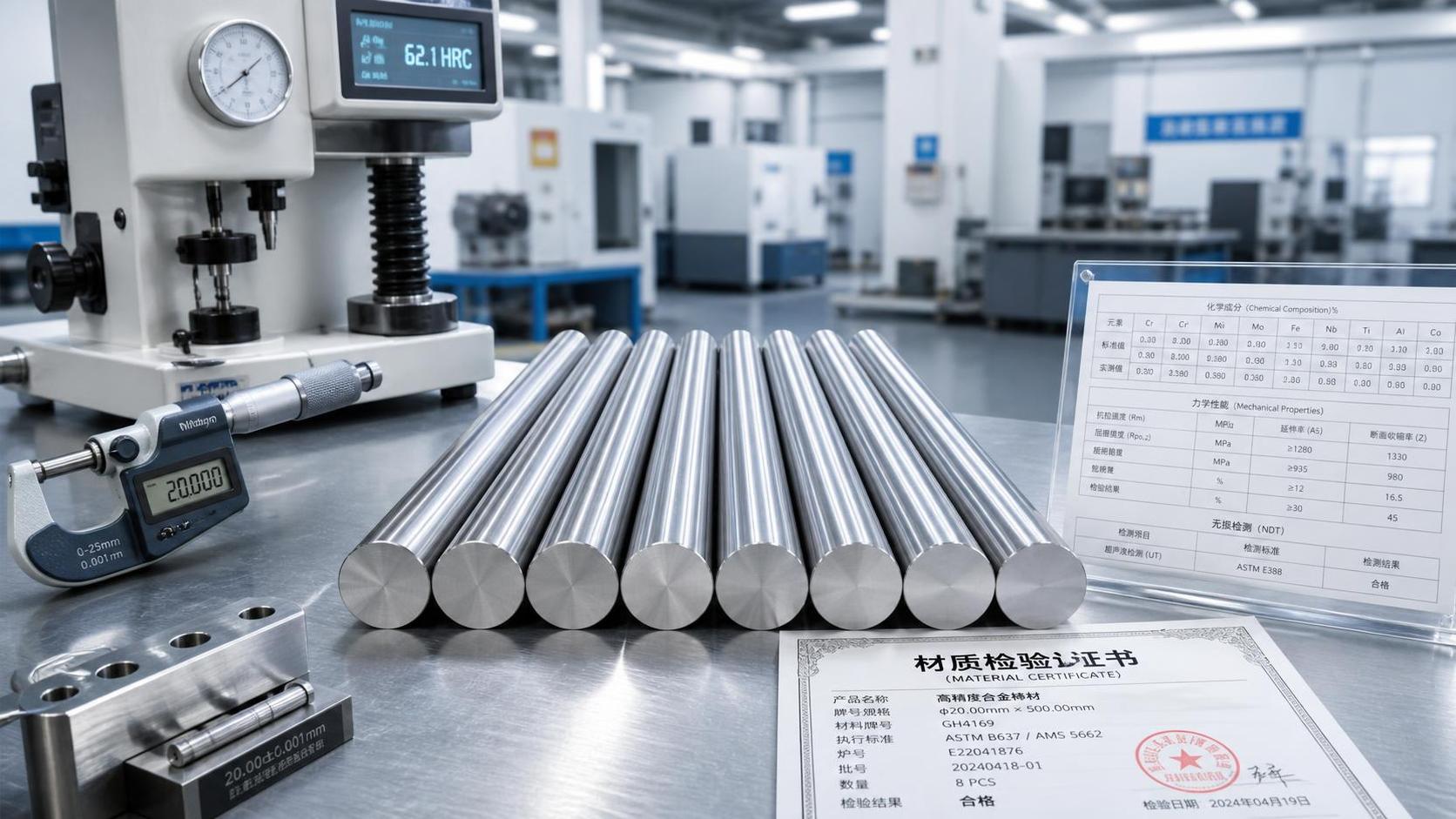
 Ms. Elena RodriguezWhat Buyers Should Check Before Sourcing Precision Alloy Bars for Critical PartsPrecision Alloy Bars buyers should verify grade, chemistry, tolerances, surface quality, traceability, and lead time before sourcing for critical parts. Learn what prevents costly machining and reliability risks.Aug 27, 2026
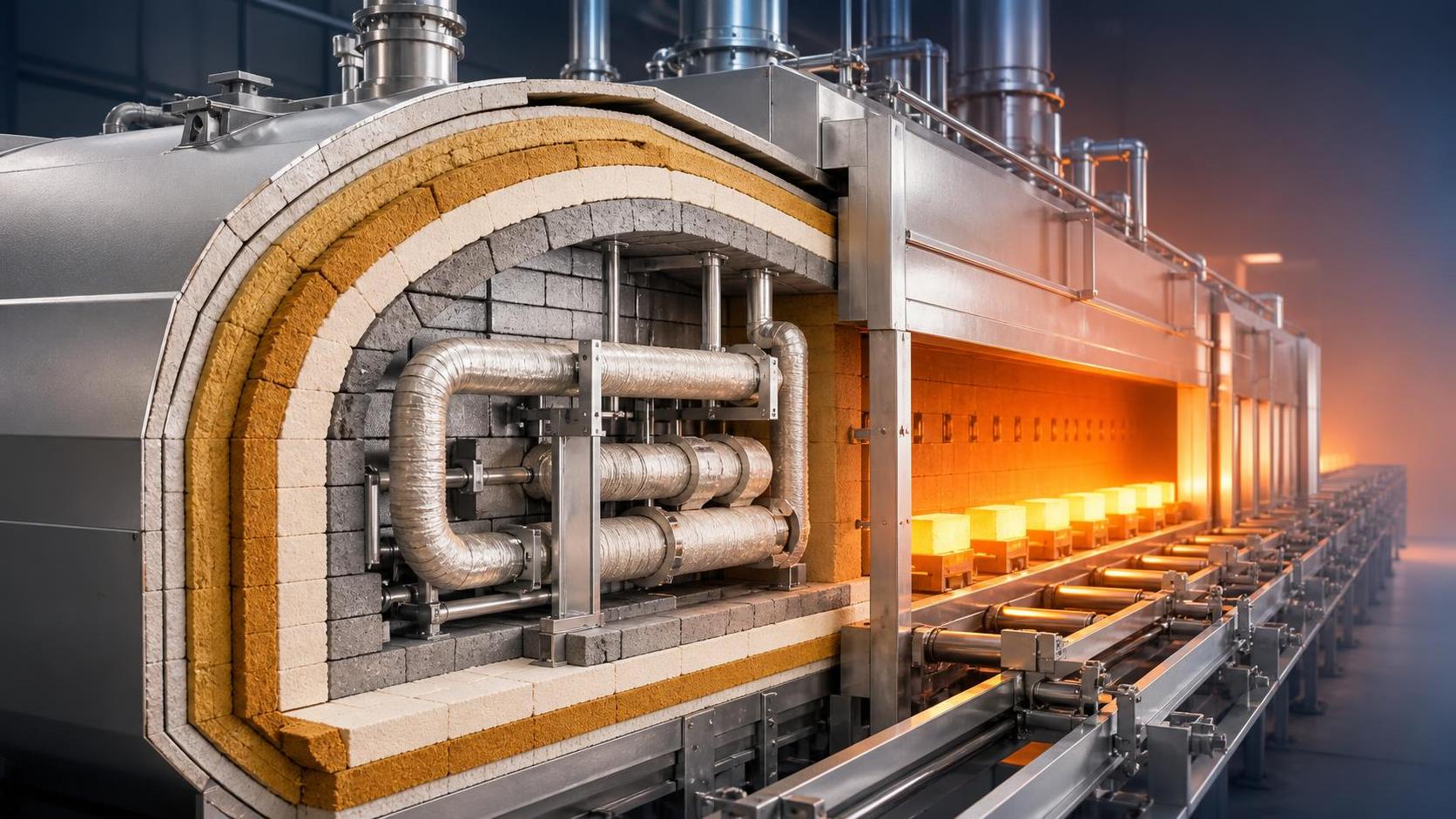
 Ms. Elena RodriguezHow to Evaluate Thermal Management Solutions Insulation for High-Heat Industrial SystemsThermal management solutions insulation: learn how to assess high-heat industrial systems by thermal performance, durability, lifecycle cost, and supplier data for smarter decisions.Aug 25, 2026
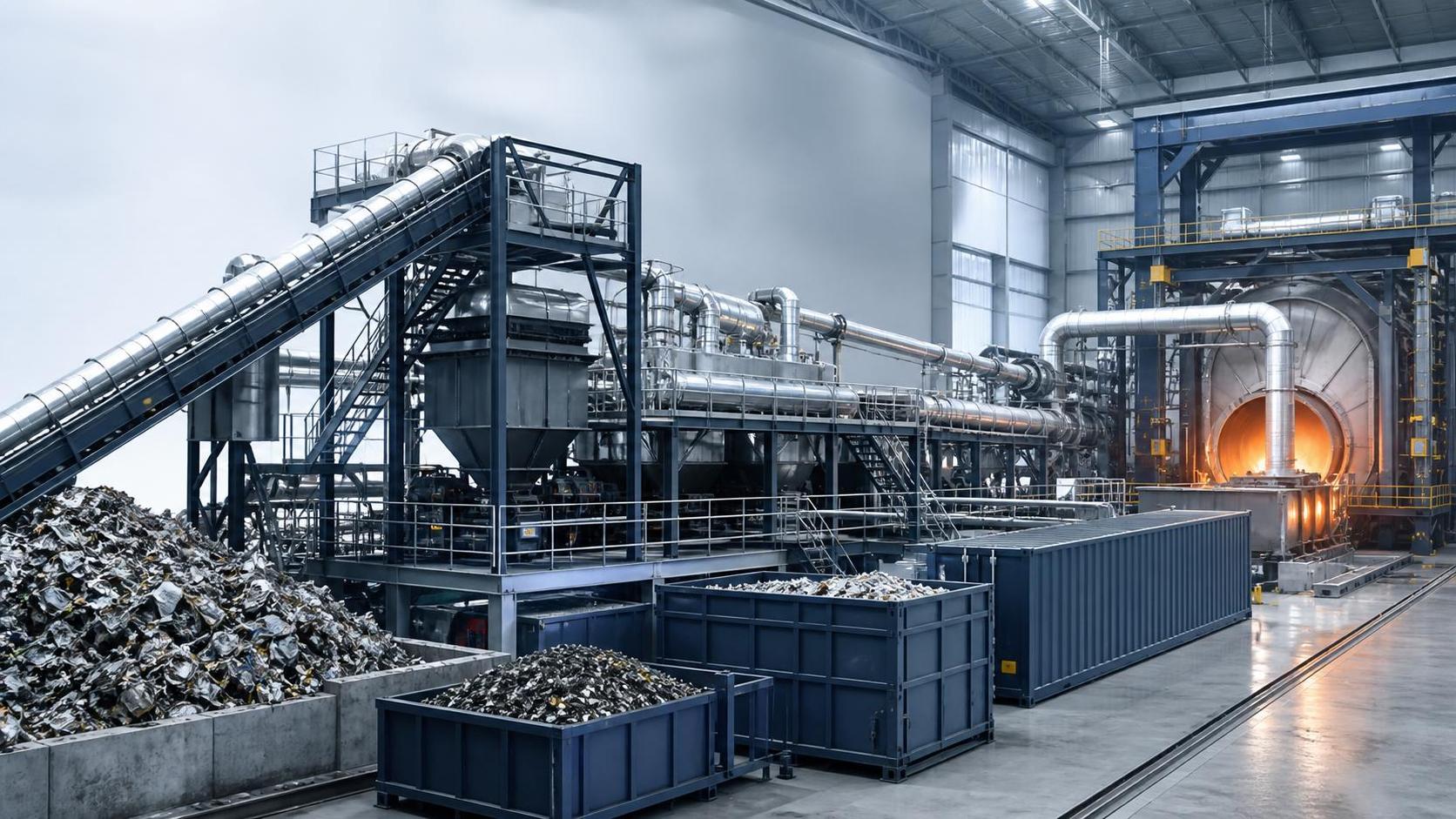
 Ms. Elena RodriguezWhat Drives Waste Recycling Cost in Industrial Projects and How to Estimate It?Waste recycling cost in industrial projects depends on composition, moisture, transport, pre-treatment, and compliance. Learn how to estimate it accurately and compare suppliers with confidence.Aug 24, 2026
 Silicate Process EngineerHow to Evaluate Cement Production Plants in the Middle East for Capacity, Fuel Flexibility, and ROIcement production plants Middle East: Learn how to assess true capacity, fuel flexibility, and ROI risks to identify resilient assets and smarter investment opportunities.Aug 23, 2026
 Structural Material AnalystHow to Evaluate Lightweight Material Machinery for Output, Energy Use, and Product QualityLightweight material machinery evaluation guide: compare stable output, energy use, and product quality to choose equipment that cuts waste, lowers costs, and improves production confidence.Aug 22, 2026
 Material Heat-Resist ExpertWhat Determines Refractory Production Line Price in a Turnkey Plant Project?Refractory production line price depends on raw materials, forming method, kiln and drying design, automation, utilities, and scope. Learn what really drives turnkey plant cost before you invest.Aug 21, 2026


Related News
- 00
0000-00
How Should Buyers Evaluate Building Material Industry Intelligence Pricing? - 00
0000-00
How to Use Building Material Intelligence Data for Market and Investment Decisions - 00
0000-00
How to Evaluate a Silicate Processing Equipment Manufacturer for Plant Projects - 00
0000-00
Process Equipment Comparison: Which Metrics Matter Most for Reliable Selection? - 00
0000-00
What Buyers Should Check Before Sourcing Precision Alloy Bars for Critical Parts
Weekly Insights
Stay ahead with our curated technology reports delivered every Monday.