
Can heavy industrial equipment cut downtime?




Can heavy industrial equipment cut downtime in high-temperature production environments? For systems managing kilns, incinerators, extrusion lines, glass lines, or cement plants, the answer depends on smarter monitoring, preventive maintenance, and process intelligence.
As production demands rise and energy targets tighten, downtime is no longer just a maintenance issue. It affects safety, output, emissions, quality, and profitability.
Can heavy industrial equipment really reduce unplanned downtime?
Yes, heavy industrial equipment can reduce downtime when it is designed, monitored, and maintained as part of a connected operating system.
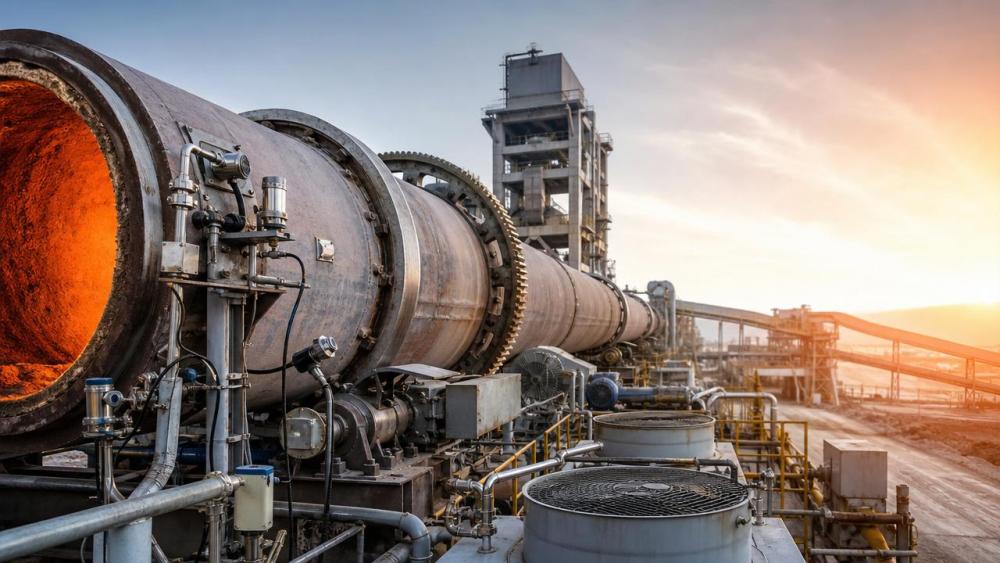
In high-temperature industries, equipment rarely fails without signals. Vibration, temperature drift, pressure instability, dust load, and abnormal current often appear first.
The challenge is not only detecting these signals. The bigger task is turning signals into decisions before production stops.
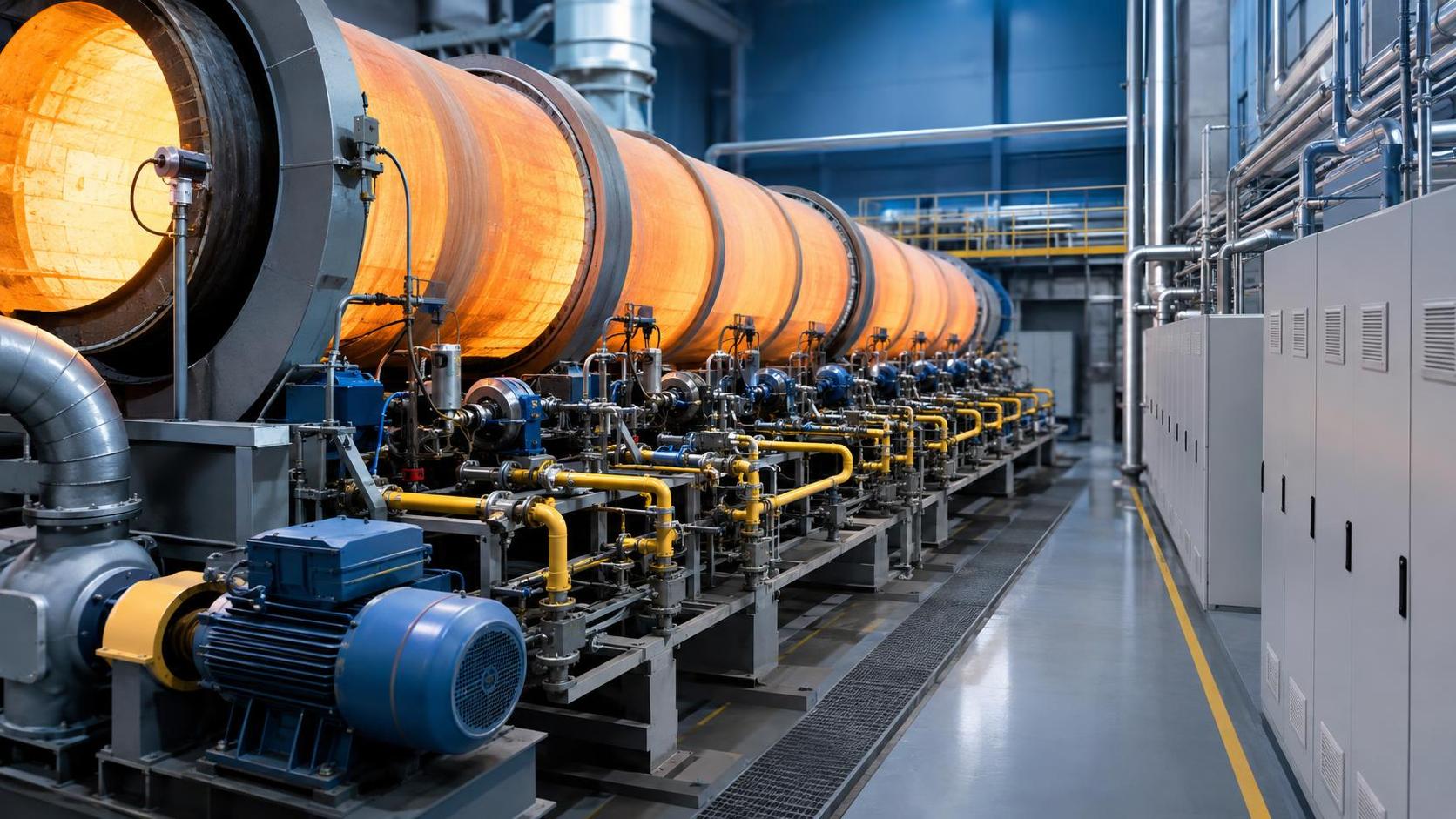
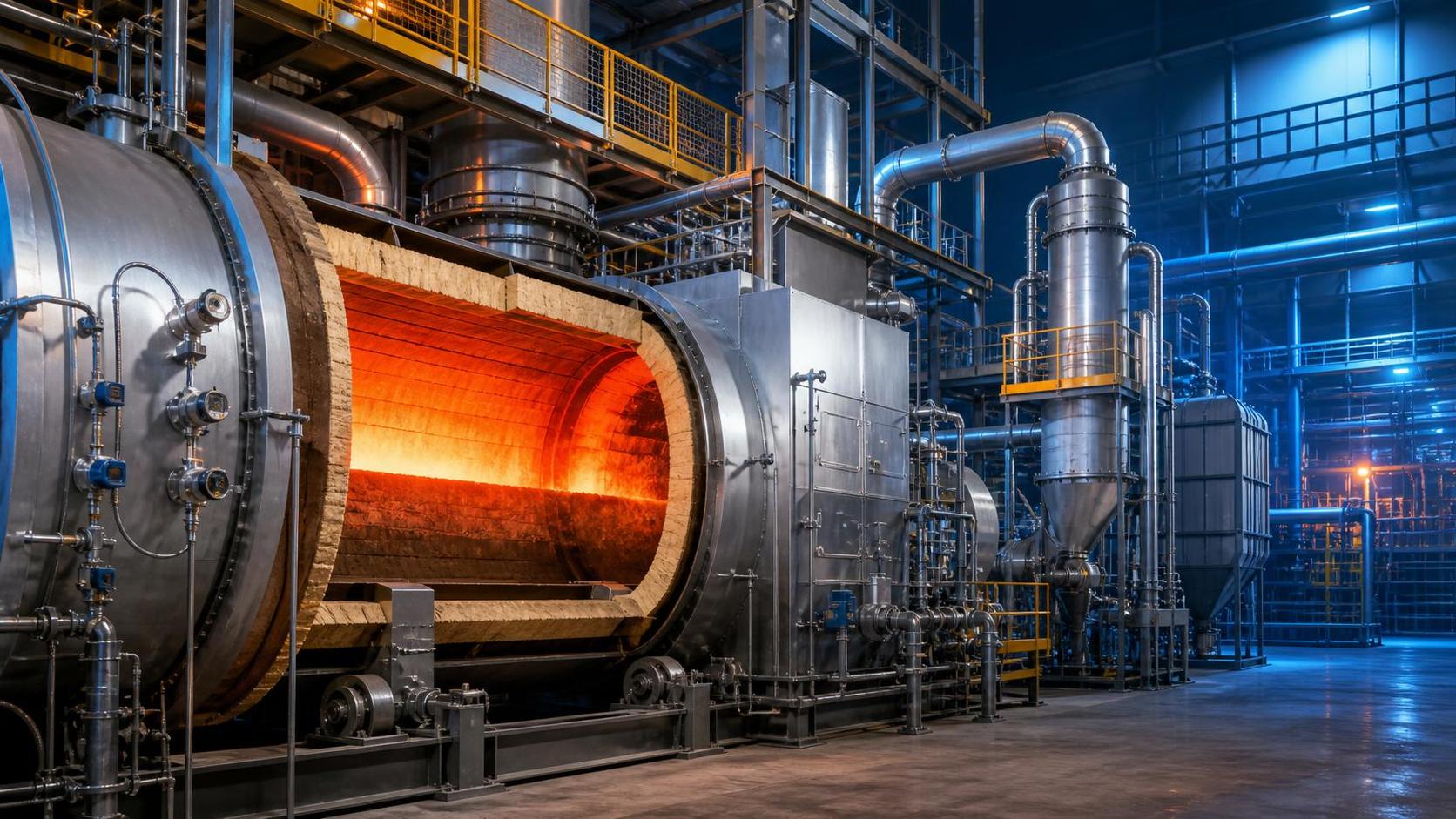
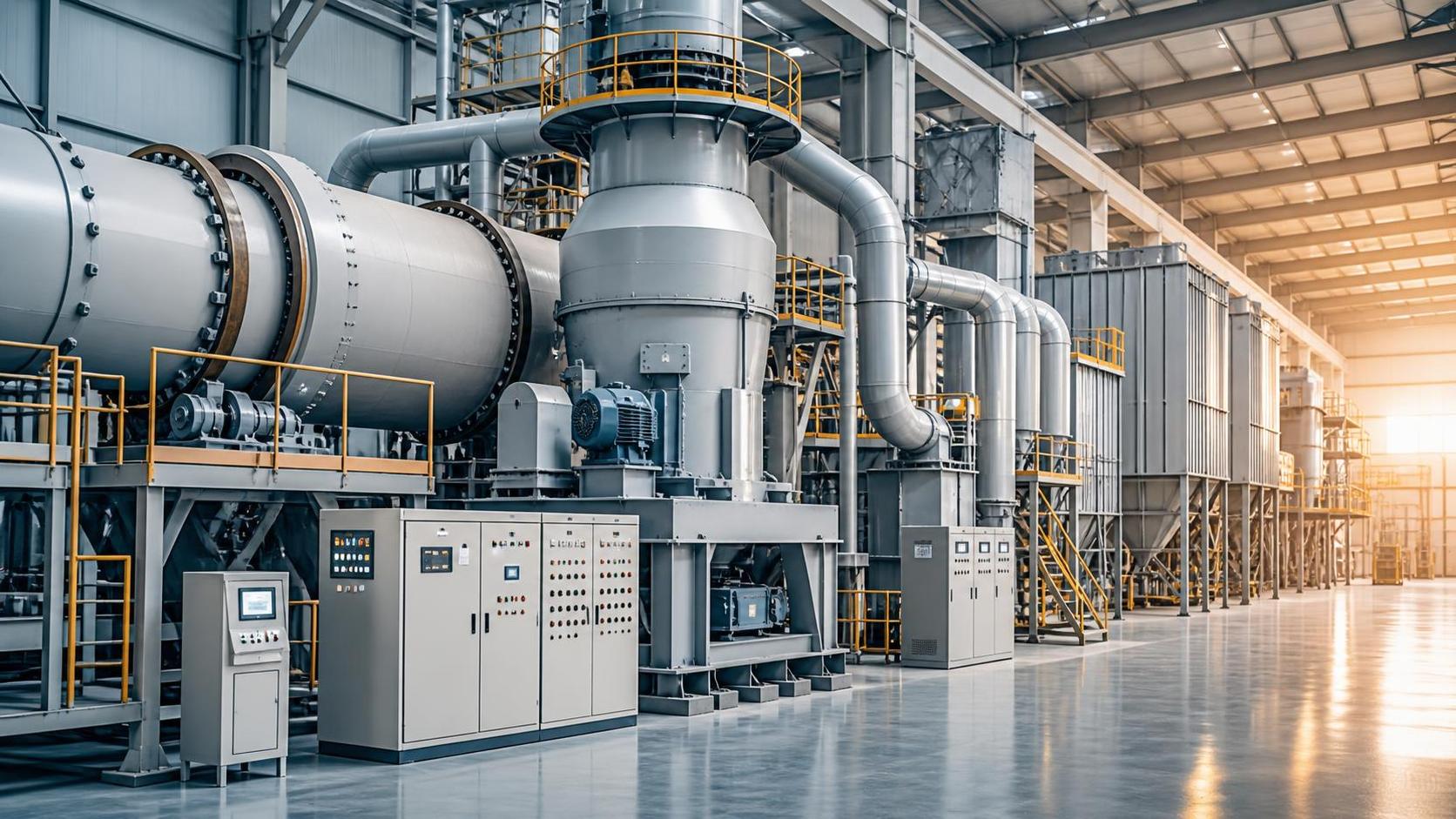
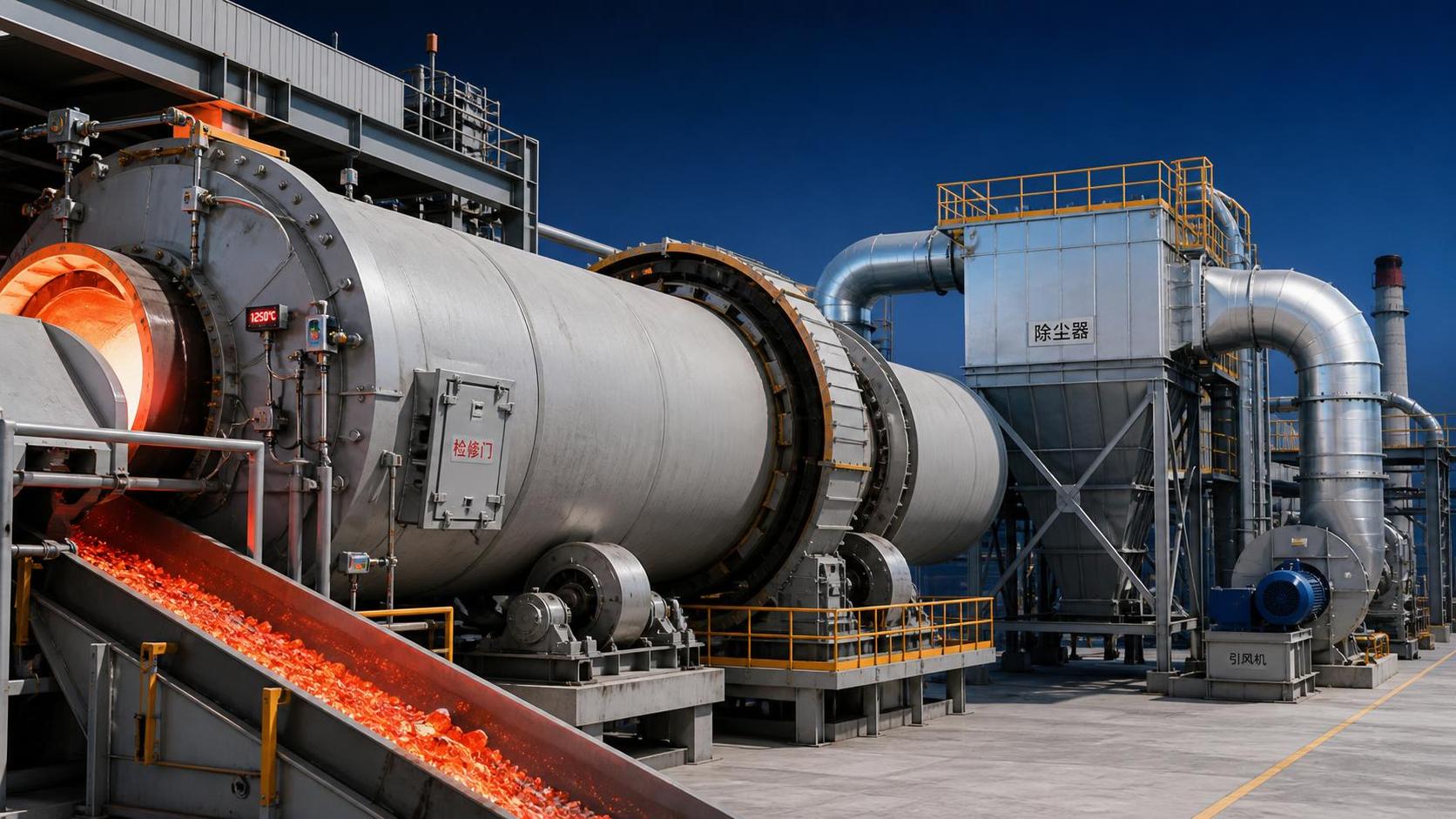
Heavy industrial equipment used in cement, glass, refractory, incineration, and extrusion work under thermal stress, abrasive wear, and chemical attack.
Downtime falls when each critical asset has known limits, inspection rules, spare part logic, and data-supported maintenance windows.
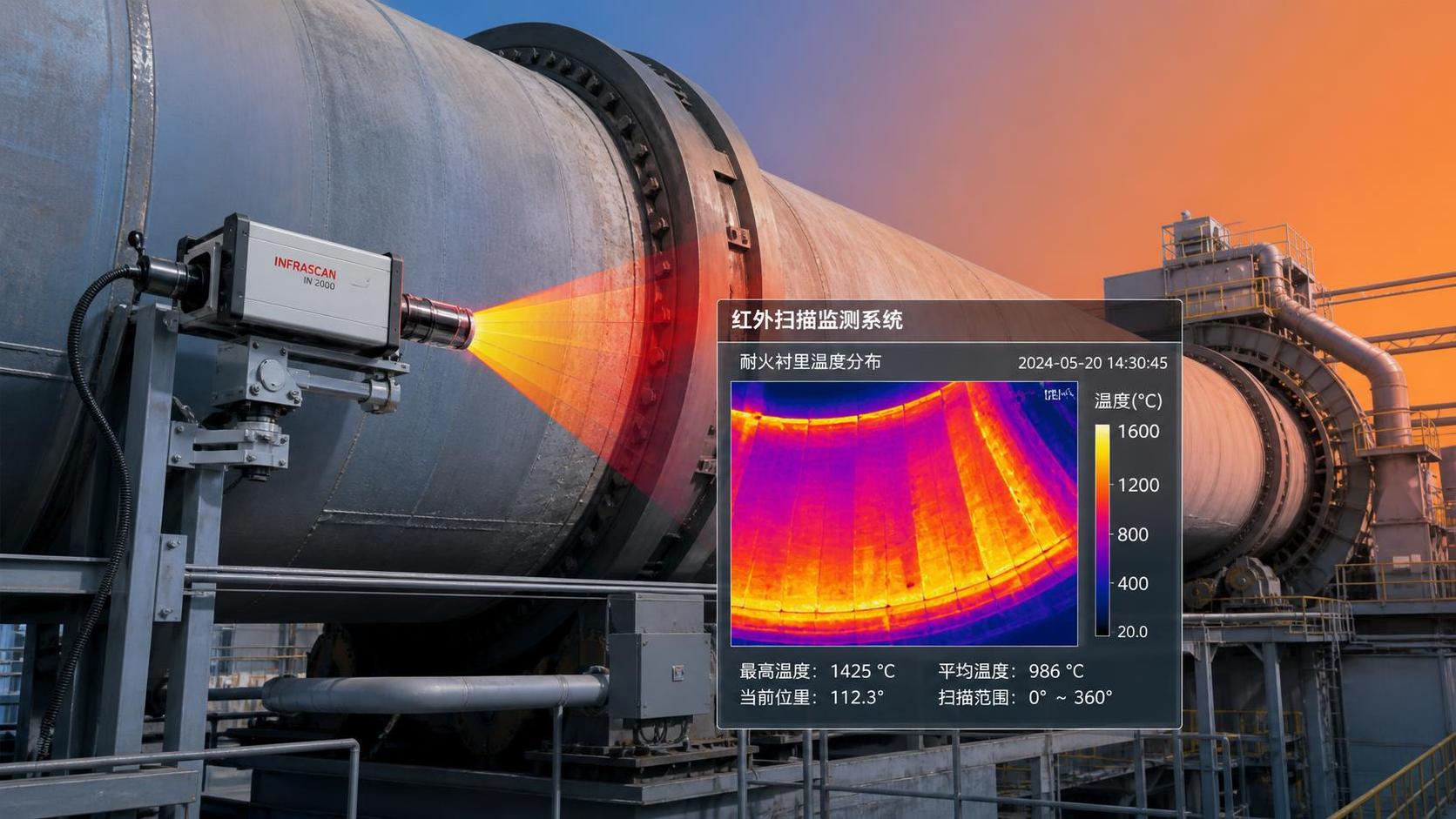
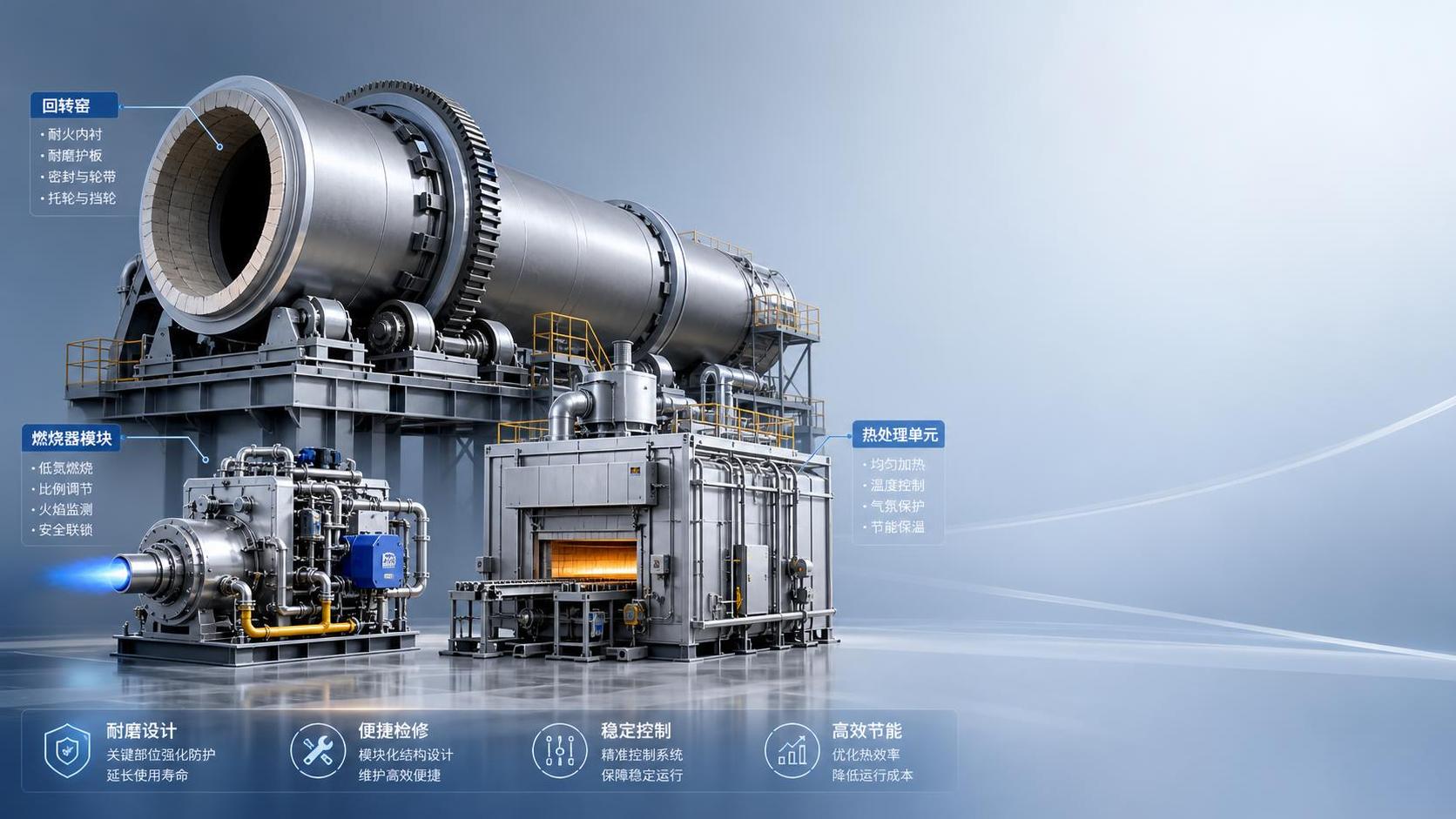
For example, a rotary kiln may keep running while shell temperature rises slowly. Without context, this looks manageable.
With process intelligence, that change may indicate refractory thinning, burner imbalance, or raw meal variation requiring early action.
CF-Elite studies these links across foundation materials and thermal management. The goal is practical uptime, not isolated equipment reporting.
What causes downtime in heavy industrial equipment?
Downtime usually comes from combined causes. Mechanical fatigue, poor lubrication, heat distortion, operator delay, and process instability often interact.
In heavy industrial equipment, one weak point can force a complete line shutdown. A fan bearing can stop a kiln.
A blocked feeder can disturb combustion. A cracked refractory zone can trigger emergency cooling and long restart cycles.
Common downtime sources
- Thermal overload in kilns, furnaces, dryers, incinerators, and melting zones.
- Abrasive wear in conveyors, crushers, feeders, pumps, and dust handling systems.
- Refractory damage caused by chemical corrosion, thermal cycling, or mechanical shock.
- Control instability from poor sensor calibration or delayed process feedback.
- Spare part shortages during planned or emergency maintenance windows.
The most expensive failures are often predictable. They become expensive because signals were scattered across teams, machines, and reports.
Effective downtime reduction starts by ranking critical equipment. Not every motor or valve has the same production impact.
Heavy industrial equipment should be assessed by failure probability, restart difficulty, safety exposure, environmental risk, and production loss per hour.
Which monitoring methods help heavy industrial equipment stay online?
Reliable monitoring combines physical inspection, online sensors, process data, and maintenance history. No single method gives a full picture.
Heavy industrial equipment benefits most from monitoring that connects condition data with operating context. Temperature alone is not enough.
A hot bearing during overload means something different from a hot bearing during normal load and stable ambient conditions.
Useful monitoring layers
Digital twin models add another layer. They compare expected behavior with actual performance under changing production conditions.
In glass manufacturing, digital simulation can expose annealing stress, melting imbalance, or cooling variation before defects multiply.
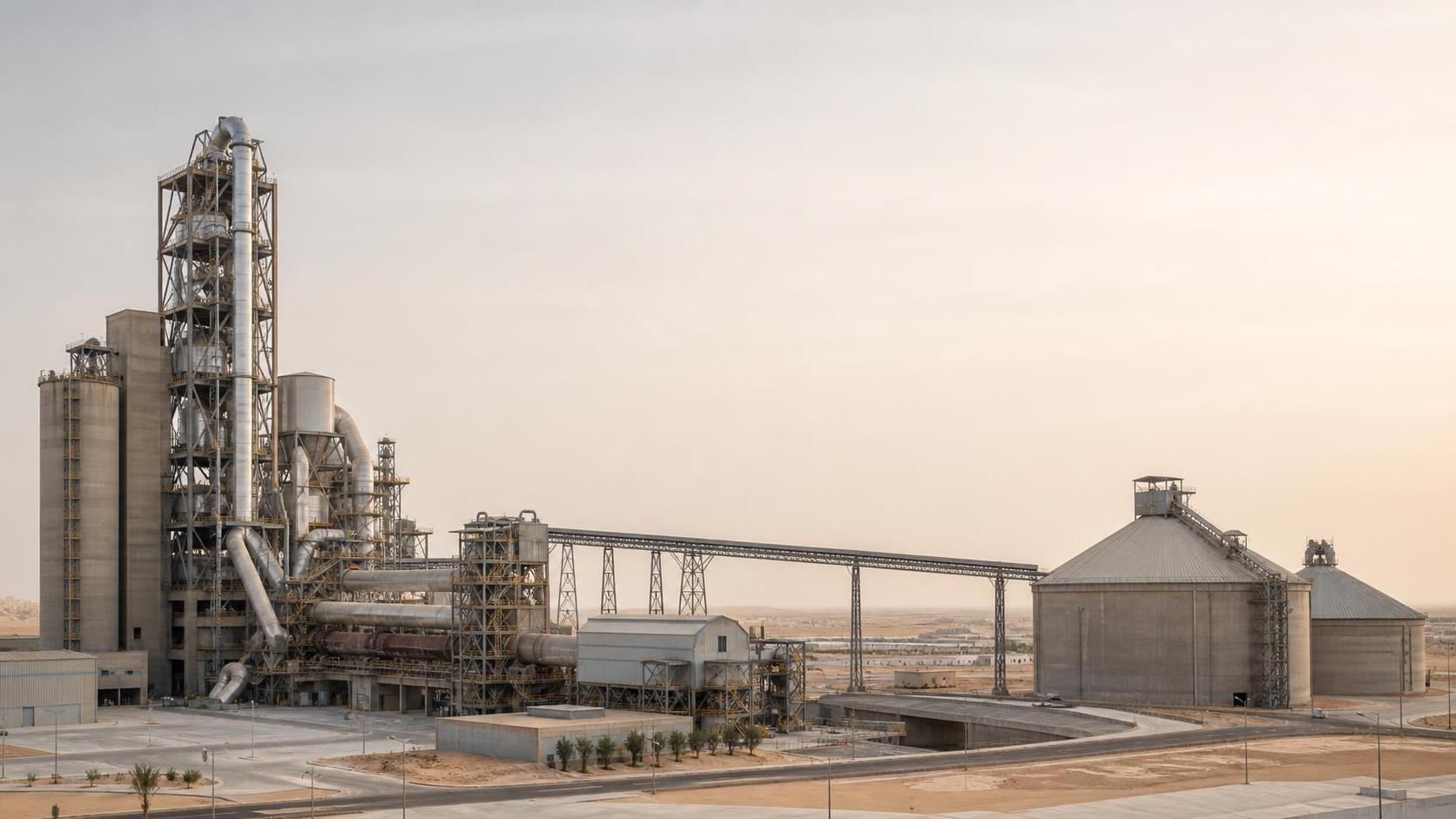
In cement production, online monitoring helps align kiln temperature, dust control, fuel mix, and clinker quality.
The best monitoring program for heavy industrial equipment is not the most complex. It is the one that triggers timely action.
How does preventive maintenance compare with reactive repair?
Reactive repair waits for failure. Preventive maintenance uses schedules, inspections, and thresholds to avoid predictable shutdowns.
For heavy industrial equipment, reactive repair is risky because restart can be slower than the repair itself.
A stopped kiln, cooled furnace, or interrupted extrusion line may require cleaning, reheating, recalibration, and quality stabilization.
Preventive maintenance works best when it is condition-based. Fixed intervals alone may cause unnecessary work or miss accelerated damage.
Practical maintenance priorities
- Identify production-critical heavy industrial equipment and define acceptable risk levels.
- Build inspection routes around temperature, vibration, lubrication, alignment, and wear points.
- Connect maintenance records with process events, not only calendar dates.
- Prepare spare parts for long-lead components before failure probability rises.
- Review every stoppage to separate root causes from visible symptoms.
In industrial incineration, preventive maintenance also protects emissions compliance. A fan, burner, or feed system fault can affect combustion stability.
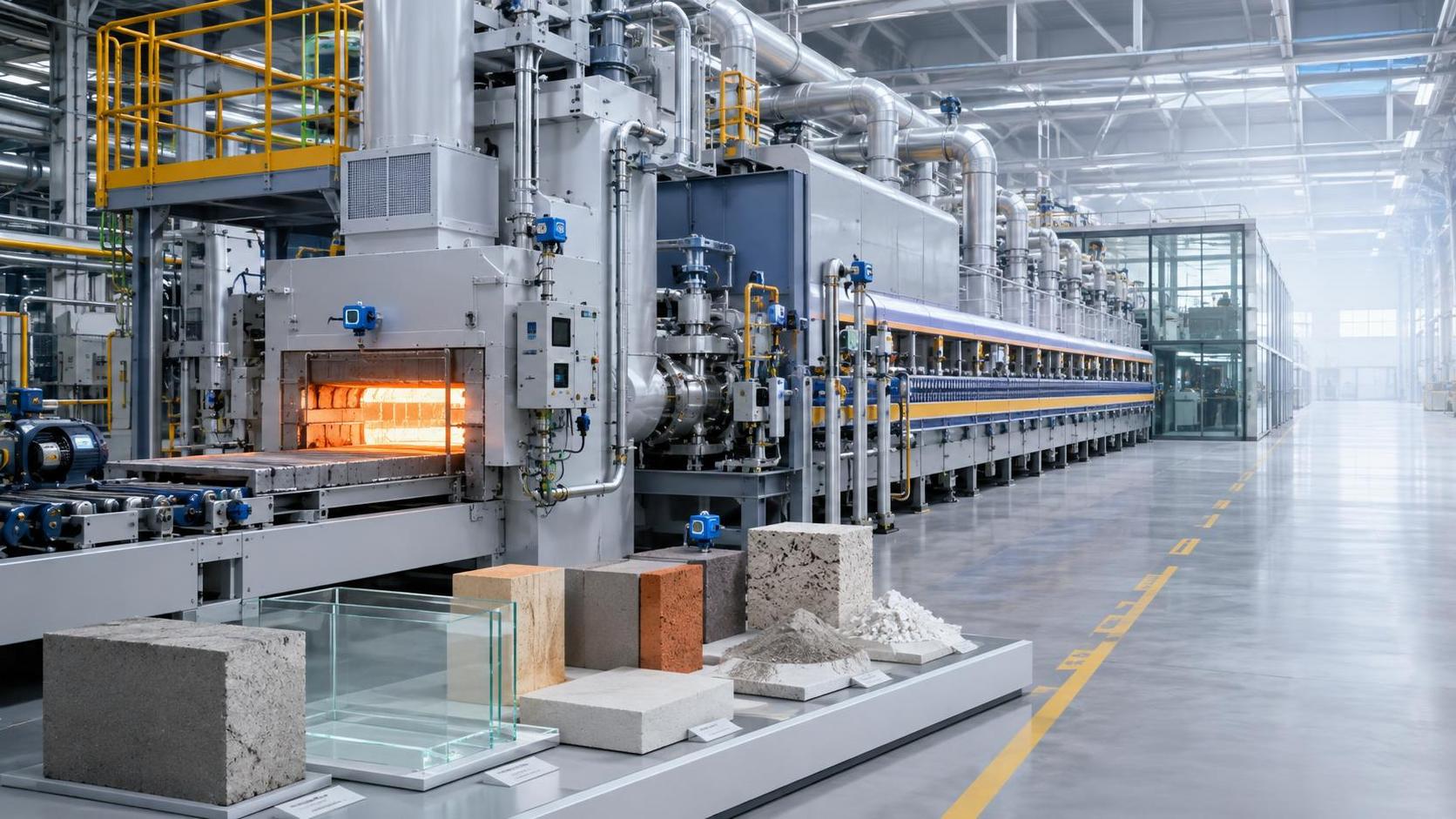
In refractory production lines, maintenance planning protects drying curves, forming accuracy, firing quality, and energy use.
The strongest result appears when heavy industrial equipment maintenance is planned around production windows and thermal constraints.
Where does heavy industrial equipment deliver the biggest uptime gains?
The biggest gains appear where downtime creates cascading losses. Continuous high-temperature lines are the clearest examples.
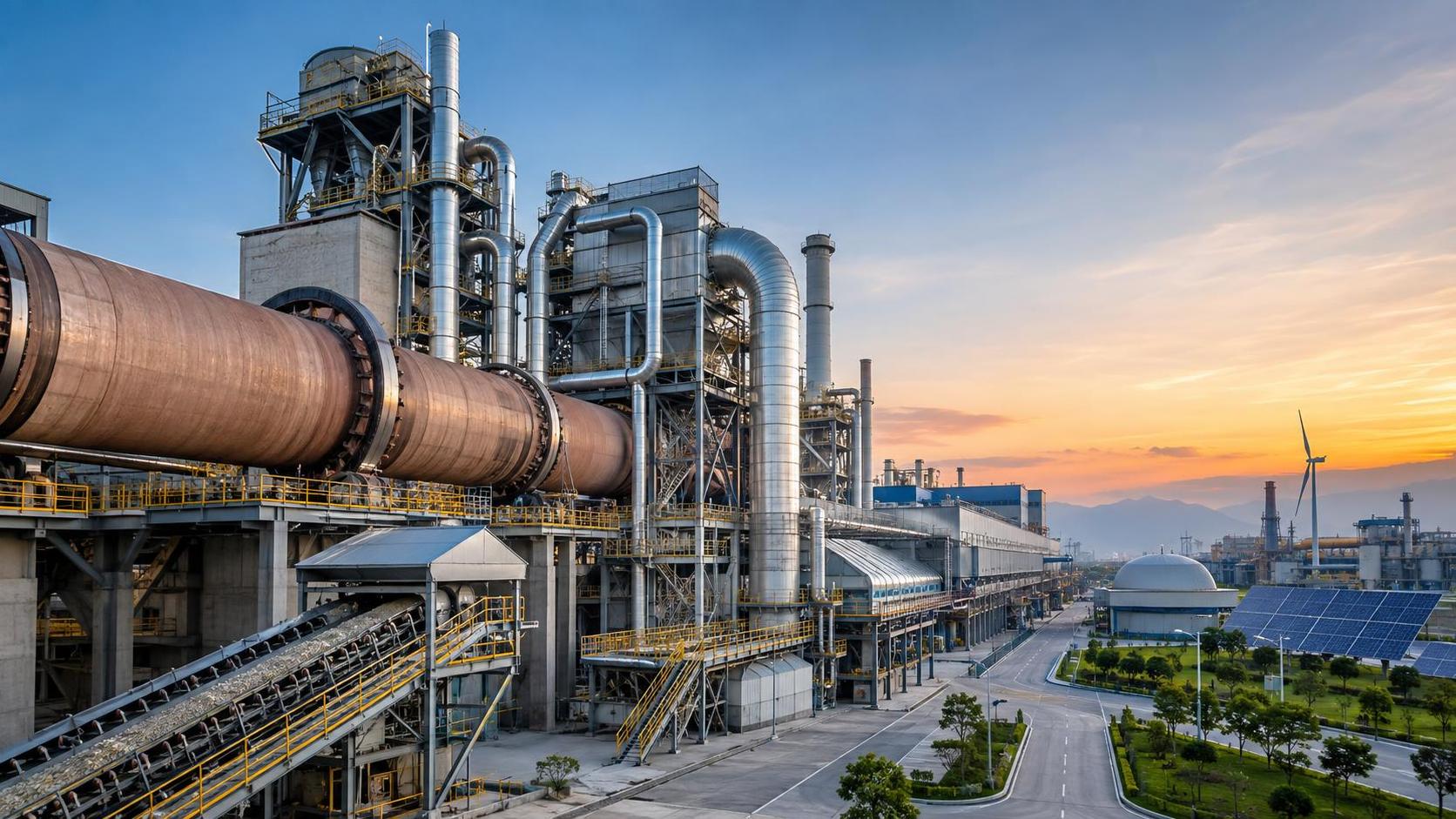
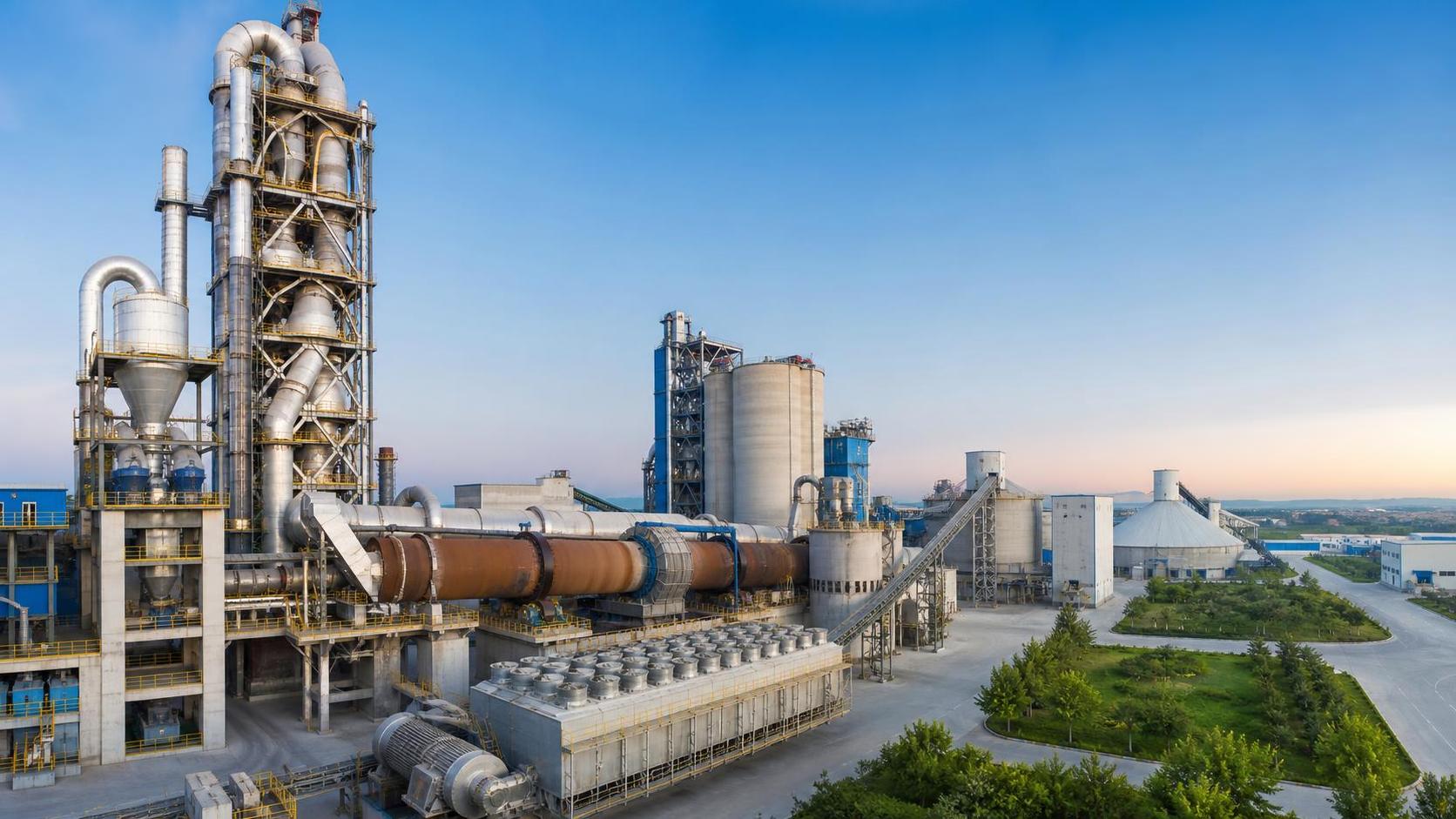
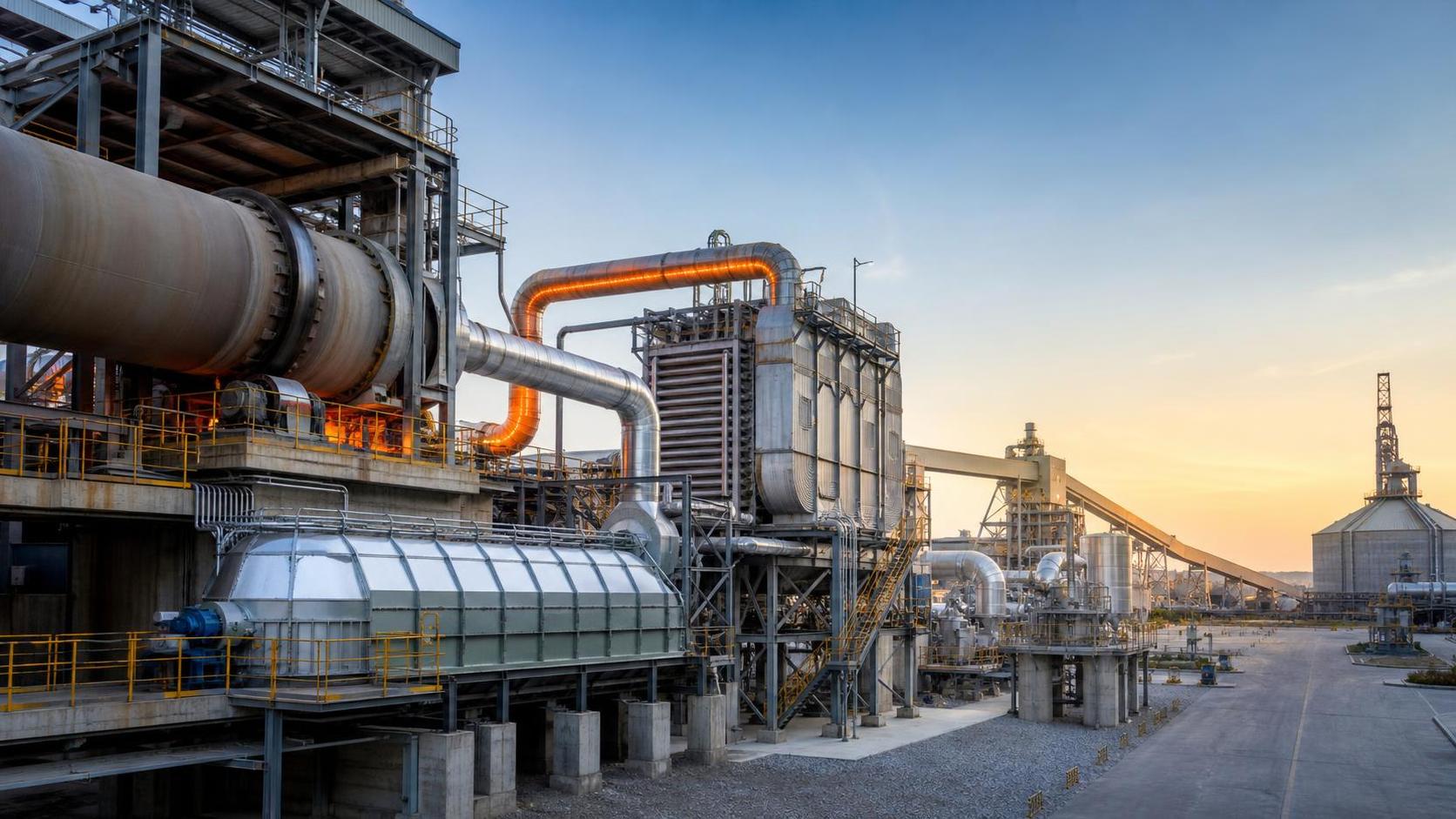
Cement plants depend on stable crushing, grinding, preheating, kiln operation, cooling, conveying, and dust collection.
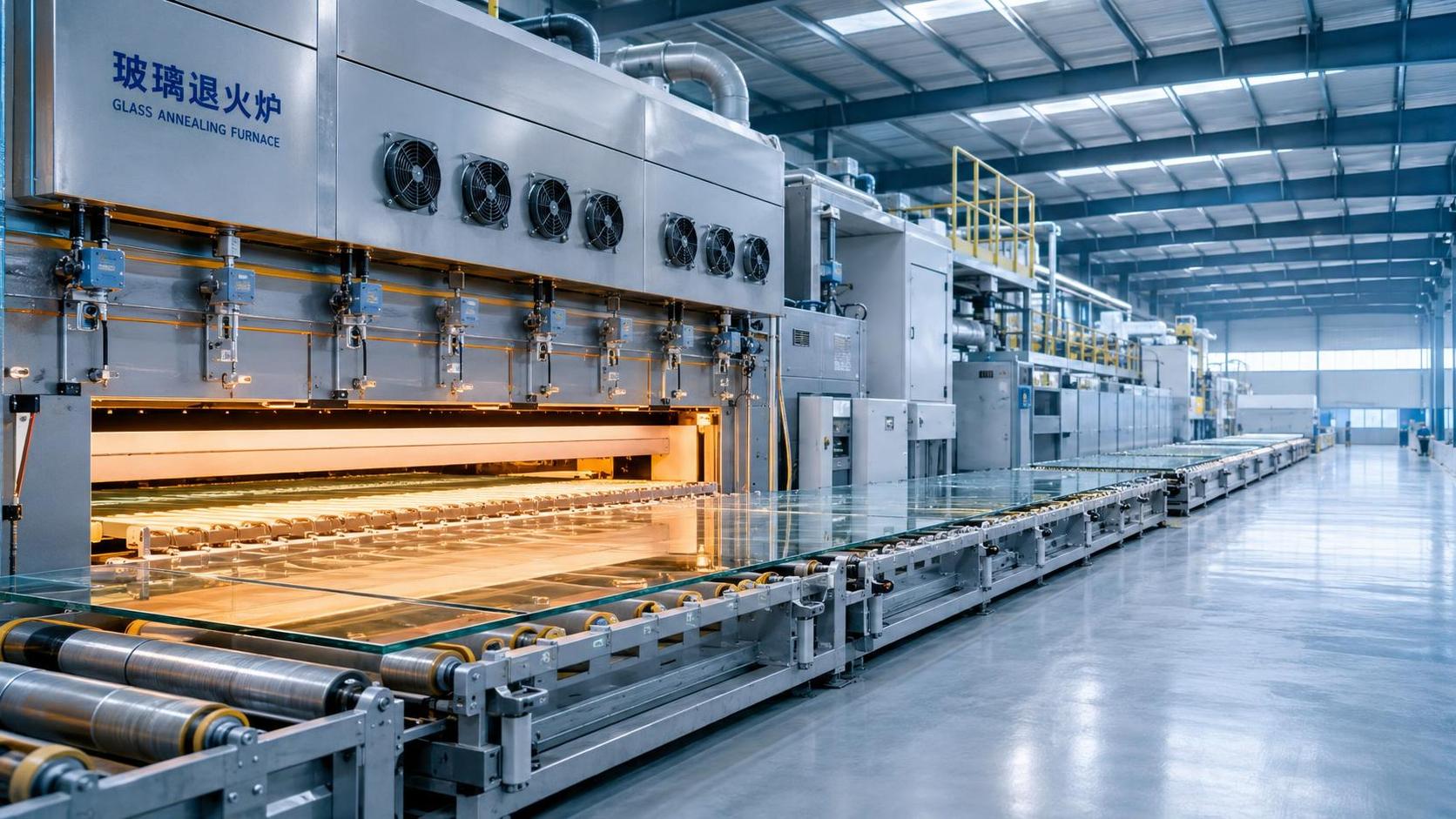
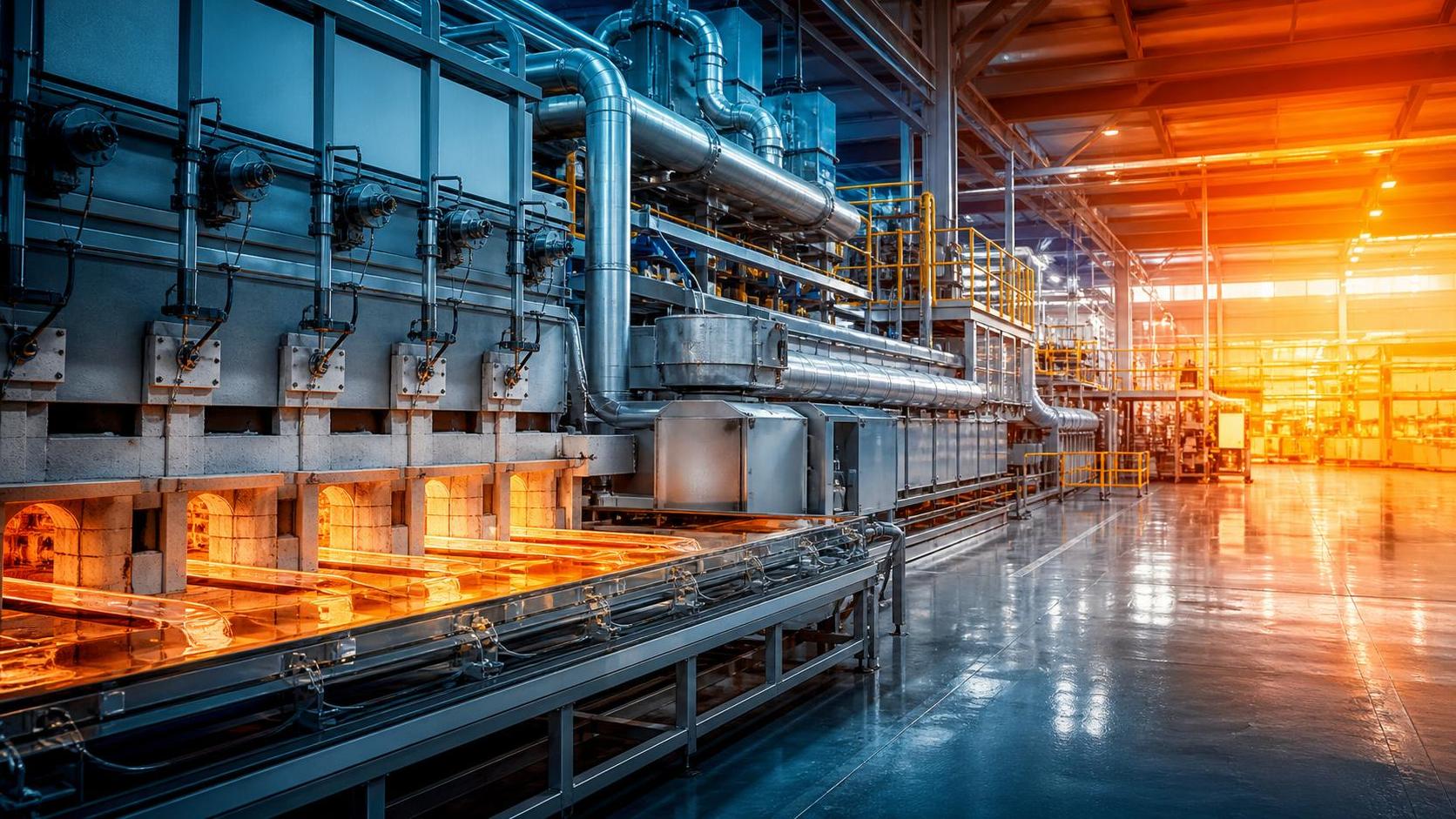
Glass production depends on melting, forming, annealing, cutting, and inspection working as one controlled thermal chain.
Incineration systems depend on feed uniformity, chamber temperature, flue gas treatment, ash handling, and emissions monitoring.
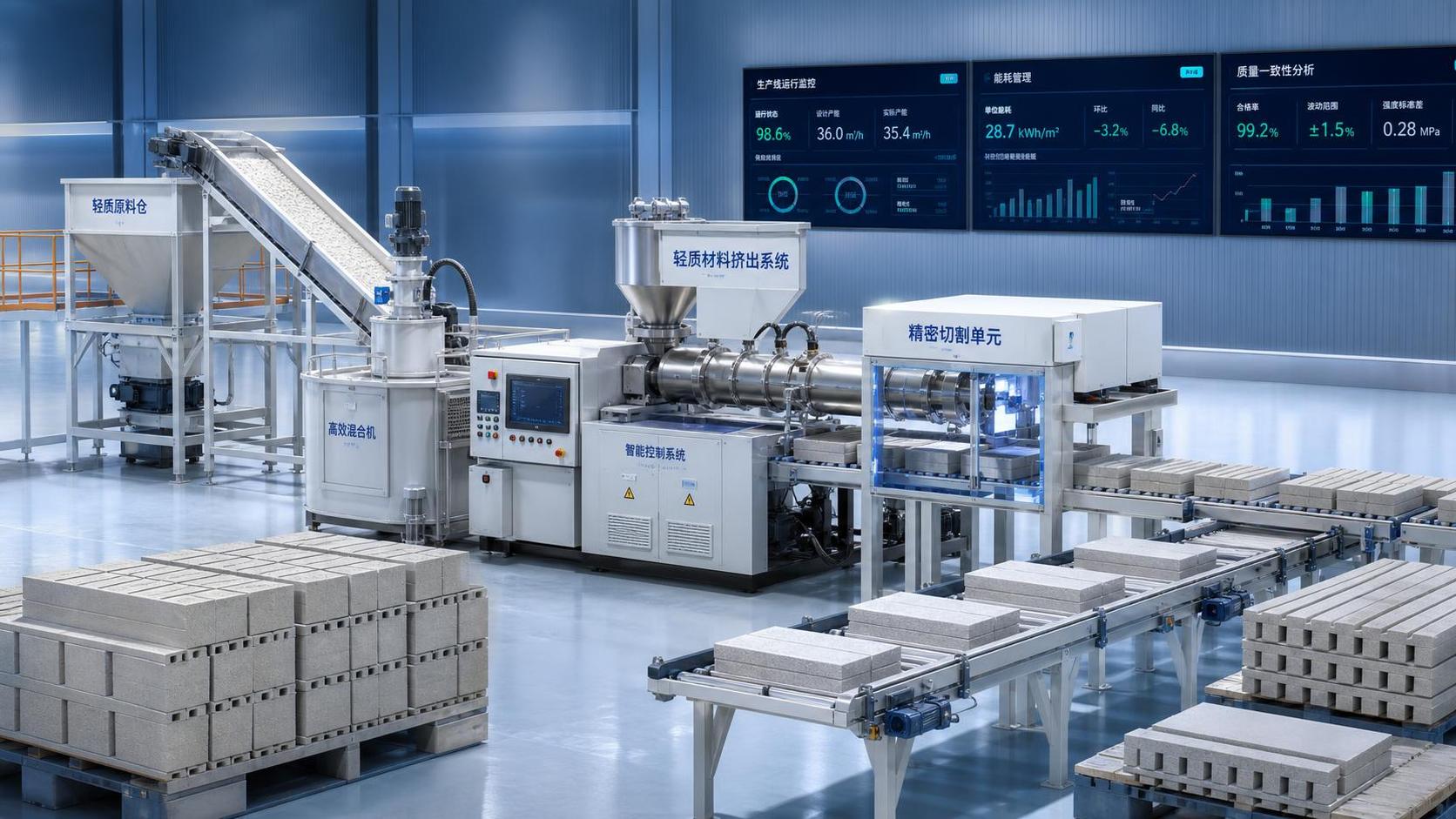
Extrusion lines for new building materials depend on stable pressure, die condition, material moisture, cooling, and cutting accuracy.
Across these settings, heavy industrial equipment reduces downtime by improving repeatability. Stable inputs create stable outputs.
Application questions to ask
- Which asset stops the entire line if it fails?
- Which failure requires the longest restart cycle?
- Which component has the longest delivery time?
- Which process variable changes before failure appears?
- Which maintenance task is delayed most often?
These questions convert broad reliability goals into practical action. They also support investment decisions for upgrades or replacements.
A high-efficiency fan, improved burner, stronger lining, or smarter control system may reduce more downtime than a full line overhaul.
What mistakes prevent downtime reduction?
The first mistake is treating heavy industrial equipment as isolated hardware. Downtime often comes from the process around the machine.
A second mistake is collecting data without ownership. Alerts must have response rules, escalation paths, and documented closure.
A third mistake is delaying small interventions. Minor misalignment, dirty sensors, or unstable feed can become shutdown events.
Another common risk is ignoring environmental pressure. Carbon reduction and emissions targets make inefficient downtime more expensive.
When heavy industrial equipment restarts after a stoppage, energy consumption may spike. Product quality may also fluctuate during stabilization.
FAQ-style downtime guide
Cost also needs a wider view. The cheapest repair may be expensive if it increases future stoppage risk.
Downtime cost should include lost output, energy loss, labor, waste, emissions exposure, quality rejection, and delayed delivery.
How can downtime reduction be started in a practical way?
Start with a short reliability review. Select the assets where heavy industrial equipment failure would stop output or create safety risk.
Then compare known failures with available data. Look for missing signals, delayed inspections, repeated alarms, and unclear response ownership.
Next, define three levels of action. Normal monitoring, planned intervention, and urgent shutdown criteria should be clear.
For high-temperature operations, maintenance planning must respect thermal behavior. Cooling too fast can damage refractory or metal structures.
Restart logic is equally important. Stable reheating, controlled feeding, and verified emissions systems shorten the return to normal output.
Recommended first actions
- Create a top-ten list of downtime drivers from recent production history.
- Assign measurable thresholds for temperature, vibration, pressure, and energy use.
- Review spare part readiness for burners, bearings, drives, seals, and sensors.
- Link maintenance plans with production schedules and environmental compliance needs.
- Use CF-Elite intelligence to compare technology trends and upgrade pathways.
Heavy industrial equipment can cut downtime when reliability becomes a daily operating discipline. The strongest gains come from early signals and fast decisions.
For cement, glass, incineration, refractory, and extrusion systems, uptime is built through data, maintenance planning, thermal understanding, and process control.
A practical next step is to audit the most critical heavy industrial equipment, rank failure impact, and define the first monitoring improvements.
With structured intelligence and disciplined execution, downtime becomes less random, less costly, and easier to prevent.
Related News
 Optical Glass Tech FellowHow to Evaluate a Glass Annealing Equipment Manufacturer for Production StabilityChoose a glass annealing equipment manufacturer with proven thermal uniformity, reliable controls, lifecycle value, and responsive service for stable production.Sep 08, 2026
 Prof. Marcus ChenThermal Energy Architecture in North America: Strategies for Lower Building Energy UseThermal energy architecture North America helps project leaders cut building energy use through stronger envelopes, right-sized HVAC, storage, and smart commissioning.Sep 07, 2026
 Ms. Elena RodriguezHow Should Buyers Evaluate Building Material Industry Intelligence Pricing?Building material industry intelligence pricing: learn how to compare coverage, technical depth, and ROI to choose intelligence that reduces procurement risk.Sep 07, 2026
 Ms. Elena RodriguezHow to Use Building Material Intelligence Data for Market and Investment DecisionsBuilding material industry intelligence data helps leaders evaluate demand, costs, regulation, capacity, and technology to make smarter market and investment decisions.Sep 05, 2026
 Thermal Energy ArchitectHow PLC Control Improves Energy Efficiency and Temperature Stability in KilnsEnergy efficient kilns PLC control improves temperature stability, cuts fuel waste, and optimizes combustion, draft, and material flow. Explore proven strategies for smarter kiln modernization.Sep 04, 2026
 Optical Glass Tech FellowEuropean Glass Melting Processes: Furnace Choices, Energy Use, and Quality ControlGlass melting process Europe: explore furnace choices, energy efficiency, cullet strategy, and quality control to improve output, compliance, and long-term glass performance.Sep 03, 2026
 Thermal Energy ArchitectWhat Determines Refractory Lining Monitoring Price for Industrial Kilns?Refractory lining monitoring price depends on kiln size, sensor technology, installation, software, and support. Compare total lifecycle costs and choose the right solution.Sep 02, 2026
 Silicate Process EngineerCement Production System Costs: A Plant Buyer’s Guide to Budgeting and ROICement production systems cost planning made clear: compare CAPEX, operating costs, compliance, and ROI to build a resilient, profitable cement plant investment.Sep 01, 2026
 Dr. Alistair VaughnWhat Should a Process Technology Database Track for High-Temperature Plants?Process technology database essentials for high-temperature plants: track thermal profiles, feed chemistry, refractory wear, emissions, energy, and maintenance for safer, data-driven decisions.Aug 31, 2026
 Ms. Elena RodriguezHow to Evaluate a Silicate Processing Equipment Manufacturer for Plant ProjectsSilicate processing equipment manufacturer selection: assess process fit, guarantees, energy, compliance, delivery risk, and lifecycle support for dependable plant performance.Aug 30, 2026
 Dr. Alistair VaughnHow to Specify Custom Agricultural Processing Equipment for Throughput and HygieneEquipment customization services for agricultural processing: learn to specify hygienic, high-throughput lines that improve yield, reliability, and long-term efficiency.Aug 29, 2026
 Dr. Alistair VaughnHow to Select Process Plant Equipment for High-Temperature, Abrasive Production LinesProcess plant equipment selection for high-temperature, abrasive lines: reduce downtime, improve durability, and optimize lifecycle performance.Aug 28, 2026
 Silicate Process EngineerHow Kiln Heat Recovery Systems Cut Fuel Use in Cement and Lime ProductionKiln heat recovery helps cement and lime plants cut fuel use, improve thermal stability, and build practical, reliable decarbonization strategies.Aug 27, 2026
 Ms. Elena RodriguezProcess Equipment Comparison: Which Metrics Matter Most for Reliable Selection?Process equipment comparison made practical: discover which metrics truly drive reliable selection, from energy efficiency and control stability to wear life, maintainability, and uptime.Aug 26, 2026
 Ms. Elena RodriguezWhat Buyers Should Check Before Sourcing Precision Alloy Bars for Critical PartsPrecision Alloy Bars buyers should verify grade, chemistry, tolerances, surface quality, traceability, and lead time before sourcing for critical parts. Learn what prevents costly machining and reliability risks.Aug 27, 2026
 Ms. Elena RodriguezHow to Evaluate Thermal Management Solutions Insulation for High-Heat Industrial SystemsThermal management solutions insulation: learn how to assess high-heat industrial systems by thermal performance, durability, lifecycle cost, and supplier data for smarter decisions.Aug 25, 2026
 Ms. Elena RodriguezWhat Drives Waste Recycling Cost in Industrial Projects and How to Estimate It?Waste recycling cost in industrial projects depends on composition, moisture, transport, pre-treatment, and compliance. Learn how to estimate it accurately and compare suppliers with confidence.Aug 24, 2026
 Silicate Process EngineerHow to Evaluate Cement Production Plants in the Middle East for Capacity, Fuel Flexibility, and ROIcement production plants Middle East: Learn how to assess true capacity, fuel flexibility, and ROI risks to identify resilient assets and smarter investment opportunities.Aug 23, 2026
 Structural Material AnalystHow to Evaluate Lightweight Material Machinery for Output, Energy Use, and Product QualityLightweight material machinery evaluation guide: compare stable output, energy use, and product quality to choose equipment that cuts waste, lowers costs, and improves production confidence.Aug 22, 2026
 Material Heat-Resist ExpertWhat Determines Refractory Production Line Price in a Turnkey Plant Project?Refractory production line price depends on raw materials, forming method, kiln and drying design, automation, utilities, and scope. Learn what really drives turnkey plant cost before you invest.Aug 21, 2026


Related News
- 00
0000-00
How Should Buyers Evaluate Building Material Industry Intelligence Pricing? - 00
0000-00
How to Use Building Material Intelligence Data for Market and Investment Decisions - 00
0000-00
How to Evaluate a Silicate Processing Equipment Manufacturer for Plant Projects - 00
0000-00
Process Equipment Comparison: Which Metrics Matter Most for Reliable Selection? - 00
0000-00
What Buyers Should Check Before Sourcing Precision Alloy Bars for Critical Parts
Weekly Insights
Stay ahead with our curated technology reports delivered every Monday.