
What drives profit in the heavy equipment trade?




In the heavy equipment trade, profit is rarely driven by price alone; it comes from technical confidence, lifecycle value, regulatory alignment, and the ability to read long-cycle industrial demand. For business evaluators assessing cement plants, glass manufacturing systems, kilns, incineration assets, refractory lines, or extrusion equipment, the real advantage lies in connecting equipment performance with energy efficiency, carbon strategy, maintenance risk, and market timing. CF-Elite examines these profit drivers through high-authority intelligence for high-temperature and foundation materials industries.
Where does profit really come from in the heavy equipment trade?

Profit in the heavy equipment trade starts before a quotation is issued. It begins when evaluators understand why an asset will be purchased, how it will perform under process stress, and whether it can remain compliant across its operating life.
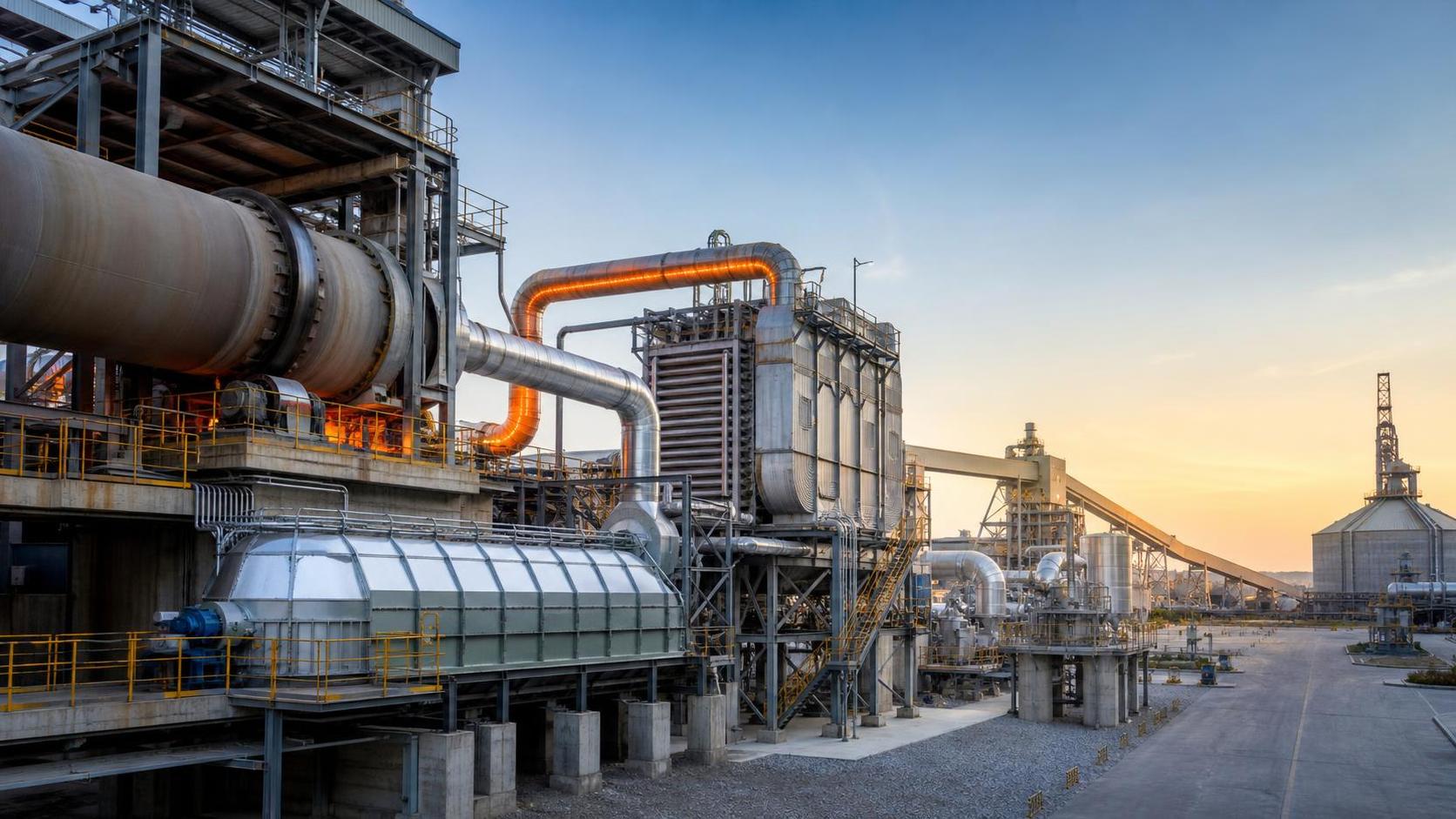
In high-temperature industries, a rotary kiln, float glass line, incineration system, refractory press, or extrusion unit is not a simple machine. It is a capital-intensive production platform tied to fuel pricing, emissions limits, uptime, logistics, operator skills, and downstream material quality.
For business evaluators, the key question is not “Which equipment is cheapest?” but “Which decision protects margin after commissioning, maintenance, carbon exposure, and market cycles are considered?” This shift changes the logic of the heavy equipment trade.
- Technical fit determines whether the asset can meet throughput, thermal stability, material compatibility, and process control expectations.
- Lifecycle cost determines whether lower upfront pricing becomes higher fuel consumption, spare part dependency, or unplanned downtime.
- Regulatory alignment determines whether the asset can survive tightening dust, NOx, CO2, waste processing, and safety requirements.
- Market timing determines whether capacity expansion enters demand growth, oversupply, or policy-driven replacement cycles.
CF-Elite’s Strategic Intelligence Center treats these factors as connected signals. Its focus on foundation materials and thermal management helps evaluators compare production assets through engineering logic, not only supplier claims.
The margin chain behind industrial buying decisions
In the heavy equipment trade, the margin chain includes sourcing intelligence, negotiation leverage, financing structure, installation risk, energy performance, spare parts planning, and resale or retrofit potential. Missing one link weakens the entire investment case.
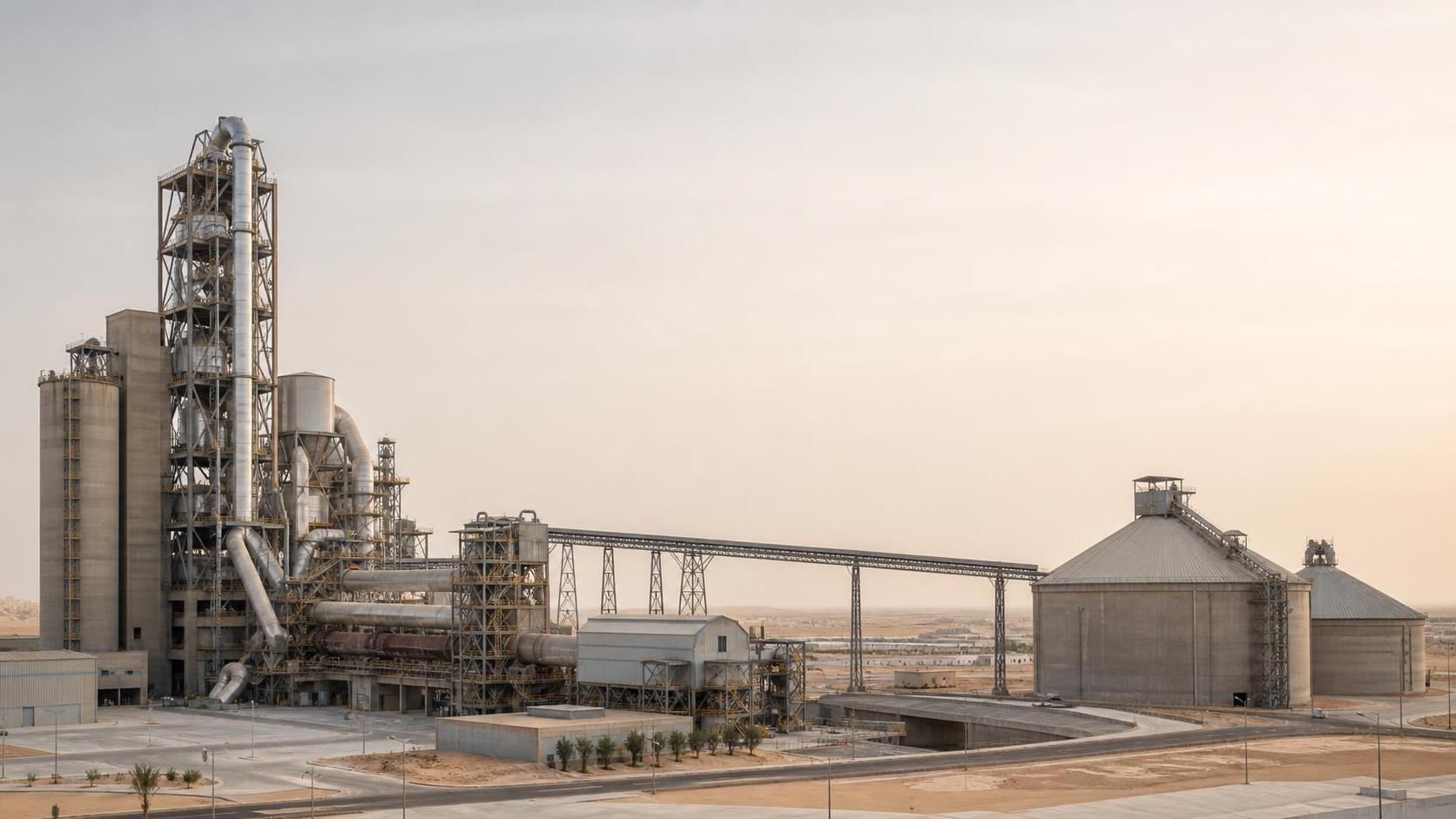
A cement plant upgrade may look profitable on capacity alone, but its return can fall if dust control, clinker quality, heat recovery, or fuel substitution are underestimated. The same applies to glass, refractory, incineration, and extrusion systems.
Which profit drivers should business evaluators measure first?
A disciplined assessment converts broad commercial questions into measurable evaluation dimensions. The following framework helps business evaluators compare assets in the heavy equipment trade without relying on isolated price points.
This structure shows why the heavy equipment trade rewards evaluators who combine commercial screening with engineering interpretation. A buyer who understands process variables can negotiate better, forecast risk more accurately, and avoid hidden cost traps.
Why price-only comparisons mislead procurement teams
Price-only comparison fails because heavy assets operate under high temperature, abrasive feedstock, corrosive gas, vibration, and long duty cycles. A small design difference can affect years of operating cost.
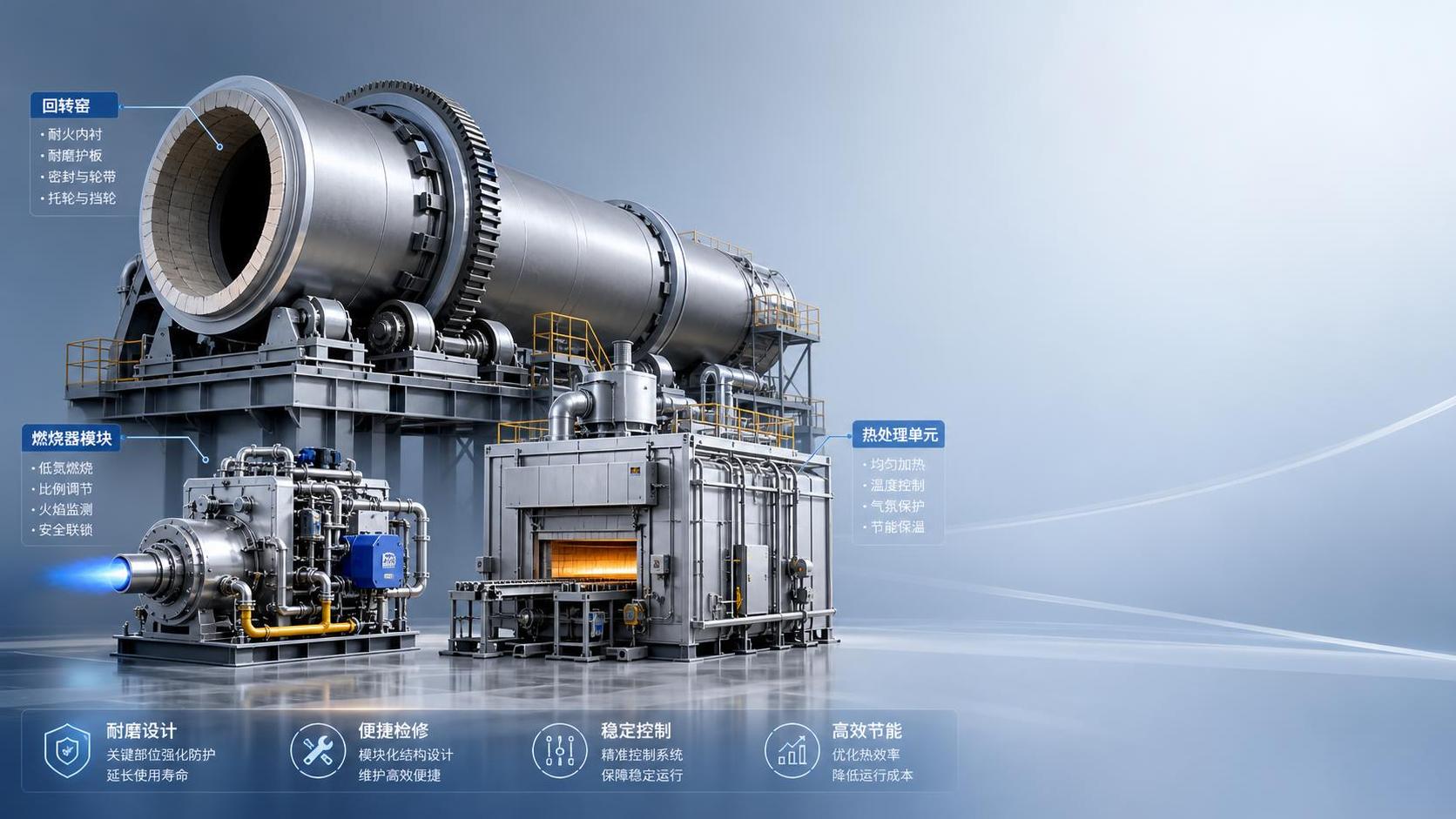
For example, a cheaper kiln package may exclude advanced process monitoring, efficient preheating, robust sealing, or refractory condition tracking. The initial saving may disappear after fuel losses, maintenance shutdowns, or compliance retrofits.
How do sector applications change heavy equipment trade value?
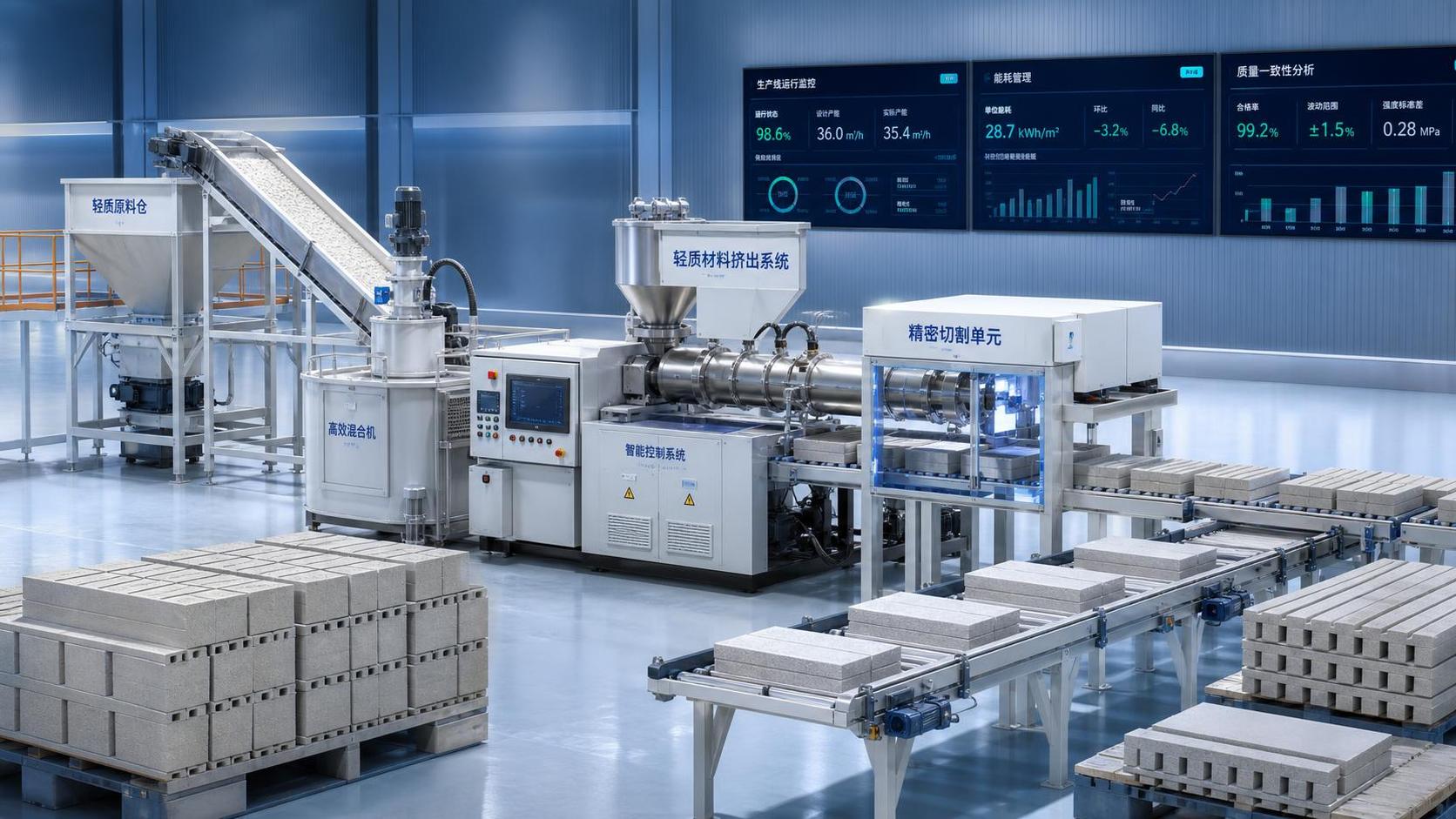
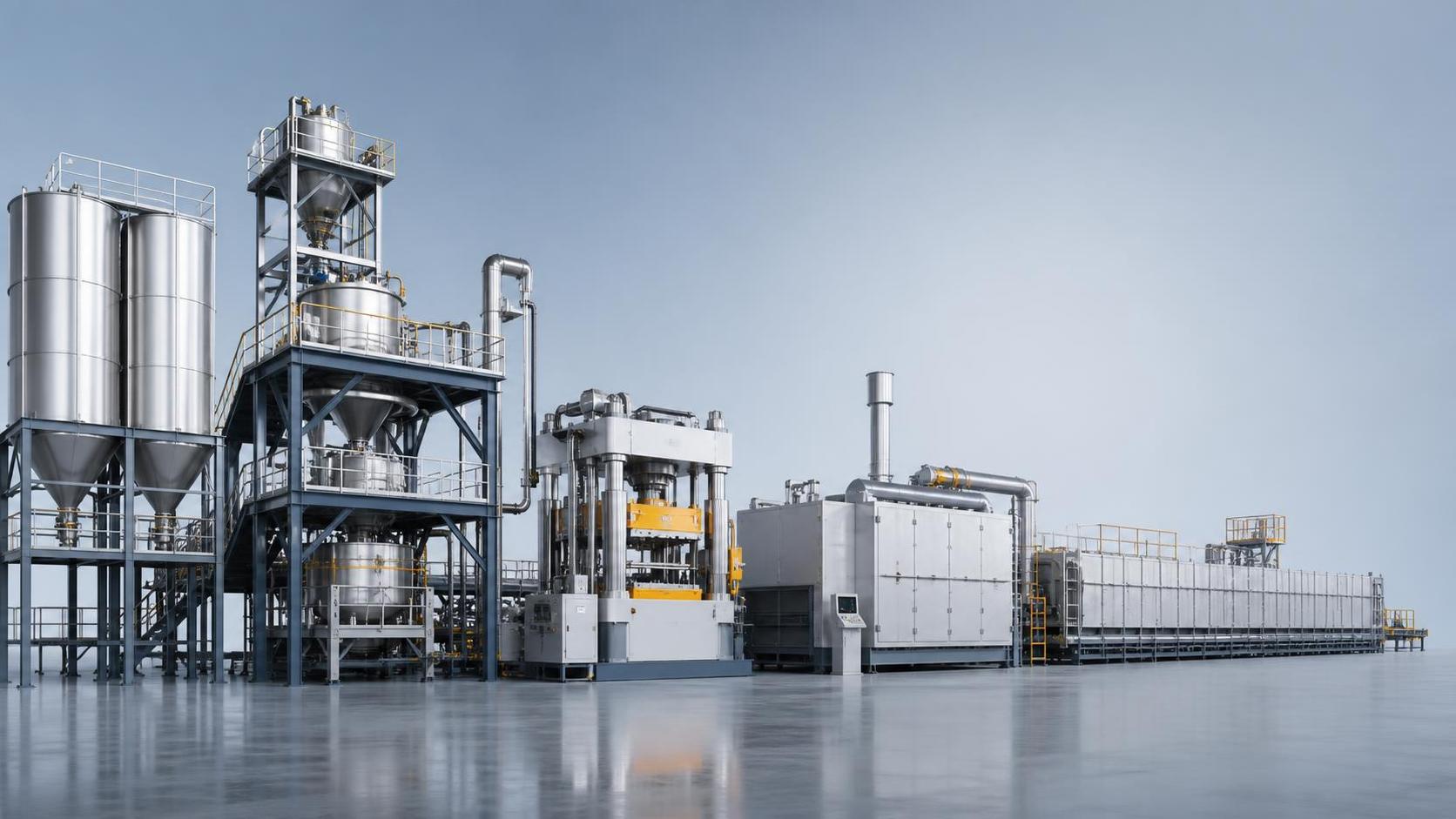
The heavy equipment trade covers many industrial assets, but the profit logic differs by application. CF-Elite focuses on five pillars where thermal management, material transformation, and environmental strategy directly shape commercial results.
Business evaluators should avoid using one generic checklist for every purchase. Cement, glass, incineration, refractory, and extrusion equipment each carry different production risks, output metrics, and regulatory sensitivities.
The table highlights a central rule: the same purchase price can produce different returns depending on application stress. In the heavy equipment trade, profitable selection depends on matching equipment capability to process economics.
Scenario questions before supplier shortlisting
- Will the equipment operate in a stable production environment, or must it handle variable raw material chemistry and uneven feed conditions?
- Is the project driven by new capacity, replacement of obsolete assets, emissions compliance, or energy reduction targets?
- Does the buyer need standardized equipment, or is process customization required for temperature profile, residence time, and product specification?
- Are local regulations moving toward stricter carbon reporting, continuous emissions monitoring, or circular resource utilization?
These questions make procurement more precise. They also help distributors and investors position technical intelligence as a commercial barrier in the heavy equipment trade.
What technical parameters protect long-term profit?
Technical parameters matter because they translate directly into operating risk. A business evaluator does not need to replace process engineers, but should understand which parameters change revenue, cost, and compliance outcomes.
Parameters that deserve commercial attention
In high-temperature systems, evaluation should connect mechanical design with thermal behavior. Temperature uniformity, residence time, heat transfer efficiency, atmosphere control, and material wear all affect output reliability.
- Define the target production window, including hourly output, acceptable defect rate, material grade, and planned operating days per year.
- Request energy consumption assumptions under realistic feedstock, fuel, and ambient conditions rather than ideal laboratory conditions.
- Review automation depth, including data acquisition, alarm logic, remote diagnostics, and compatibility with plant-level control systems.
- Check maintainability through access design, replacement intervals, critical spare parts, and required shutdown duration.
CF-Elite’s intelligence approach links these engineering variables with market signals. That is useful because the heavy equipment trade often involves decisions made months or years before demand becomes visible in order books.
Digital monitoring as a margin safeguard
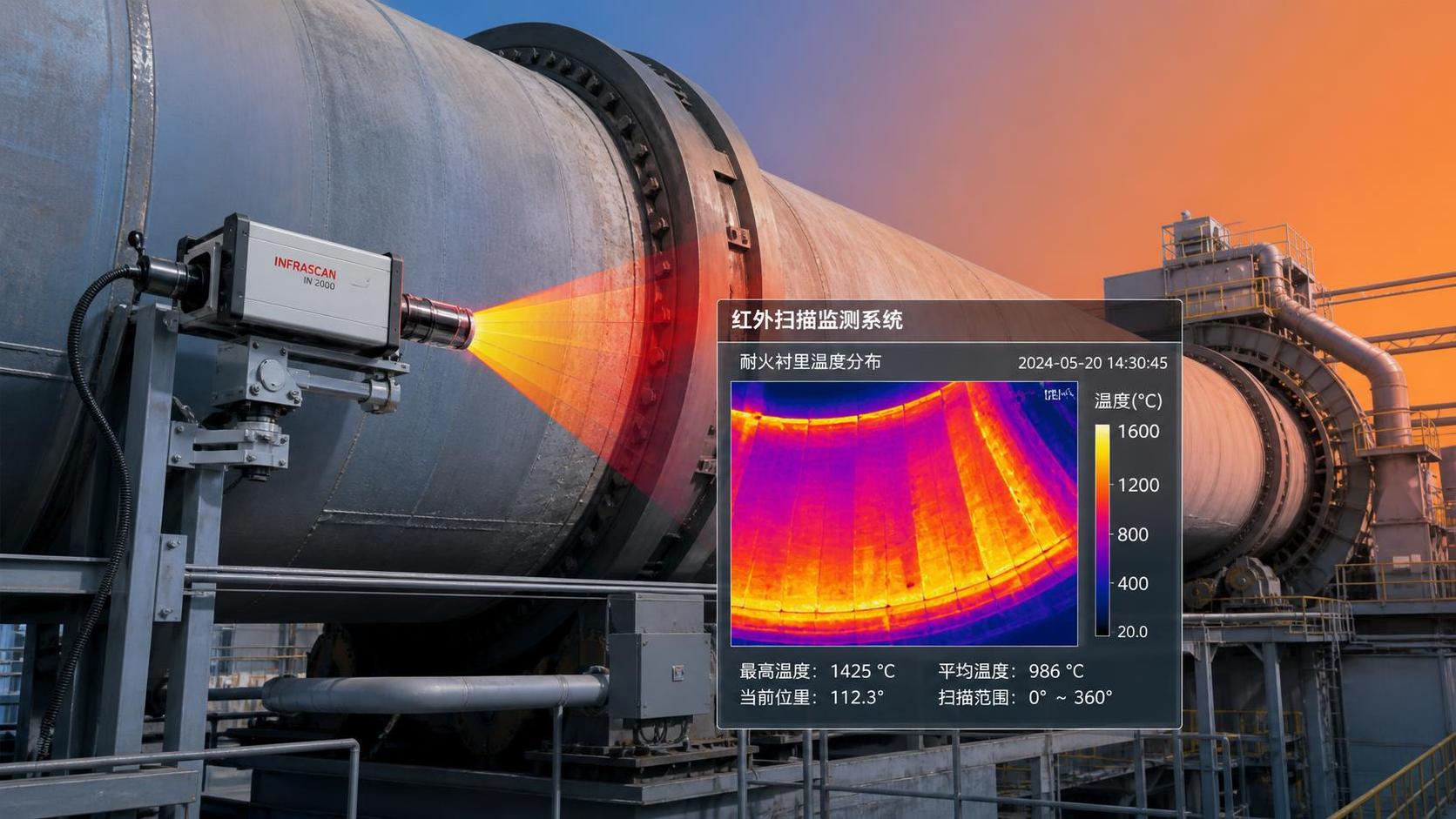
Digital twin simulations, online refractory lining monitoring, combustion optimization, and emissions tracking can reduce decision uncertainty. They help evaluators compare not only installed assets, but also the quality of operational feedback.
In glass production, digital models may reveal melting and annealing bottlenecks. In cement, they can support kiln stability and fuel substitution. In incineration, they help control variable waste streams and regulatory reporting.
How should total cost be compared beyond purchase price?
Total cost analysis is central to the heavy equipment trade because most losses appear after installation. Evaluators should separate capital expenditure from operating expenditure, risk cost, and strategic opportunity cost.
The following cost map supports procurement discussion when buyers compare new equipment, retrofit projects, used assets, or phased modernization options.
A strong business case includes these cost layers before contract negotiation. This approach improves transparency and reduces the chance that a low bid becomes an expensive long-term commitment.
When are alternatives worth considering?
Alternatives can be profitable when demand uncertainty is high. Retrofitting burners, upgrading dust collection, adding monitoring systems, or improving refractory design may create faster returns than full replacement.
However, used equipment or partial modernization should be tested against energy efficiency, remaining service life, compliance limits, and integration difficulty. In the heavy equipment trade, cheap alternatives must still survive process reality.
Which compliance and carbon signals influence trading margins?
Compliance is now a profit factor, not an administrative afterthought. Environmental rules, carbon reduction policies, and safety expectations can increase the value of efficient, monitorable, and upgrade-ready equipment.
Regulatory themes that shape selection
- Air emissions requirements often affect cement kilns, glass furnaces, and incineration systems through dust, NOx, SOx, volatile components, and particulate controls.
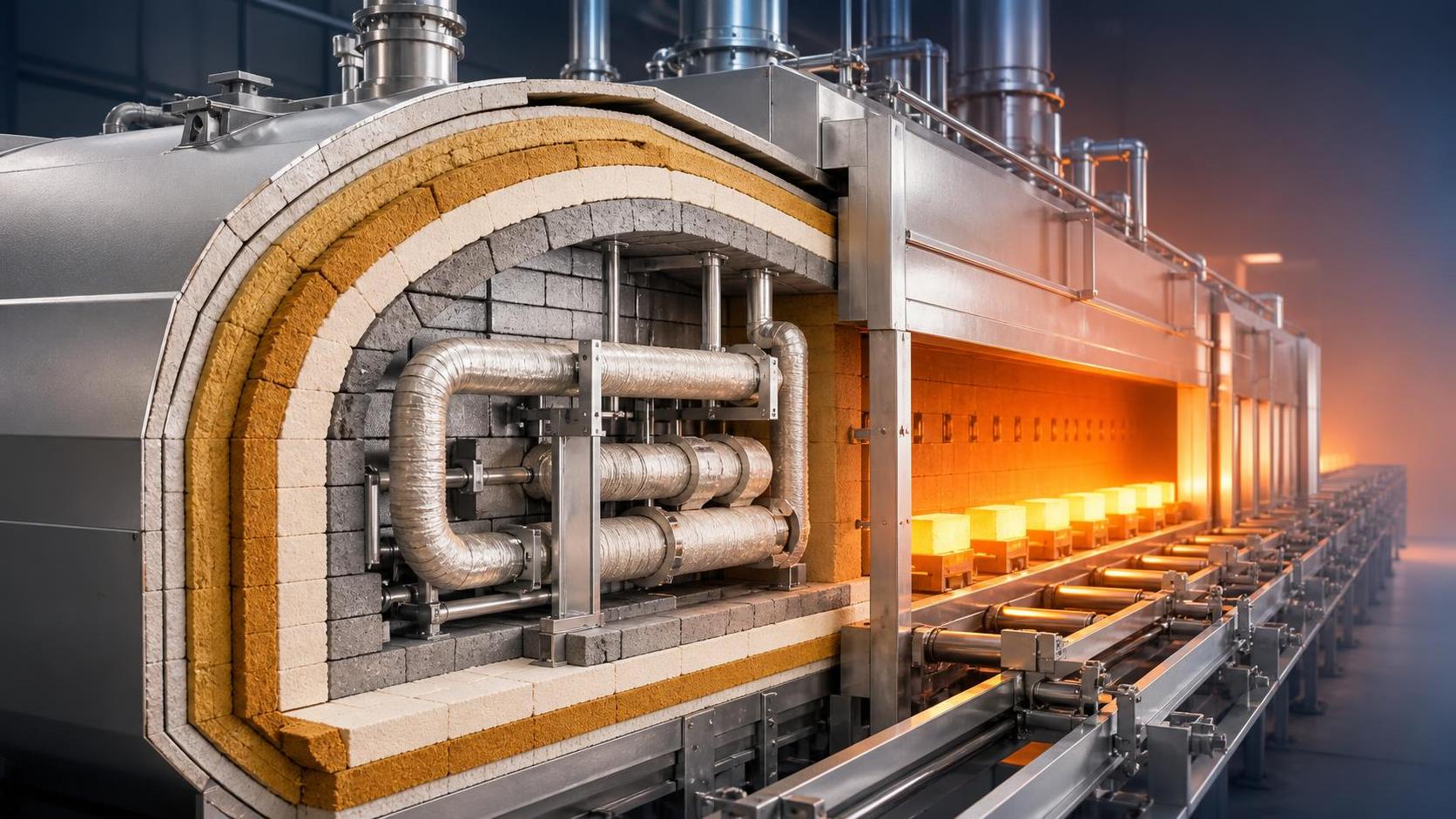
- Energy efficiency policies encourage heat recovery, improved insulation, optimized combustion, and electrification options where technically feasible.
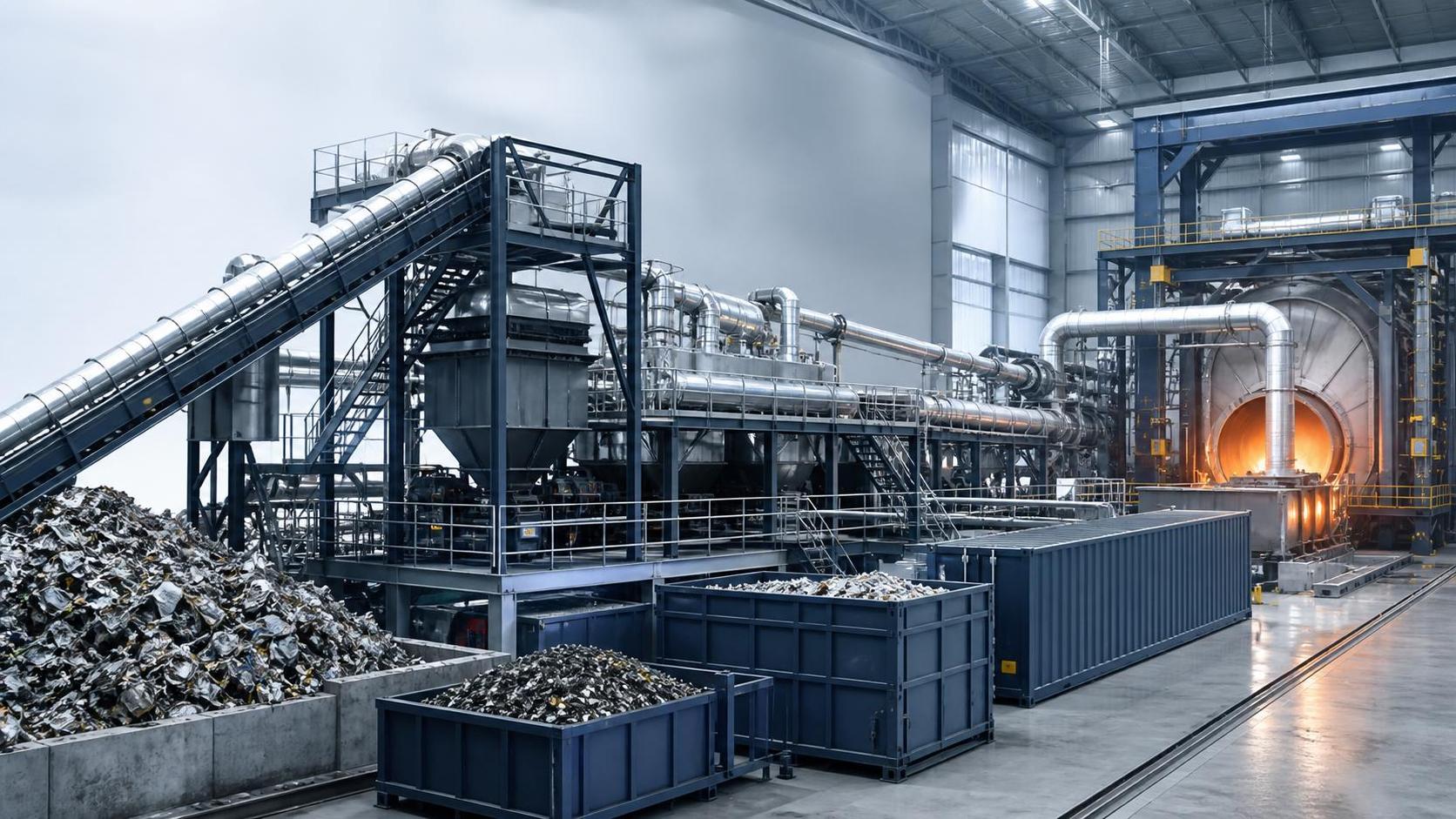
- Waste utilization rules may support co-processing in rotary kilns and industrial incineration, but they require reliable feed control and emissions management.
- Occupational safety expectations influence guarding, interlocks, emergency systems, hot-zone access, and operator training documentation.
Business evaluators commonly reference general frameworks such as ISO management systems, CE-related machinery safety principles where applicable, local emissions permits, and plant-specific safety standards. The exact requirement depends on project jurisdiction.
CF-Elite’s value is not to replace legal review. Its role is to help evaluators recognize which technical choices are likely to face carbon, emissions, or resource circularity pressure during the asset’s life.
What procurement process reduces risk in the heavy equipment trade?
Procurement in the heavy equipment trade should be staged. A rushed shortlist can overlook interface risk, utility limits, civil foundation needs, automation compatibility, and commissioning responsibilities.
A practical evaluation sequence
- Define the business objective, including output growth, energy reduction, compliance recovery, product diversification, or replacement of aging assets.
- Translate the objective into process requirements, such as temperature range, residence time, throughput, feed chemistry, and product tolerance.
- Screen suppliers by project relevance, technical disclosure quality, service model, and ability to explain trade-offs honestly.
- Compare total lifecycle assumptions, including energy, maintenance, spare parts, installation, regulatory upgrades, and financing exposure.
- Confirm delivery logic, commissioning milestones, operator training, documentation package, acceptance testing, and post-startup support.
This process gives evaluators a defensible procurement path. It also improves negotiation quality because suppliers must respond to defined operating conditions rather than vague purchasing language.
Red flags during negotiation
- A supplier cannot explain energy consumption assumptions under actual feedstock and operating schedules.
- Key auxiliary systems are excluded from the quotation but required for safe or compliant operation.
- Maintenance intervals are presented without wear-zone details, spare part strategy, or shutdown duration estimates.
- The proposed design does not address future carbon pressure, emissions monitoring, or waste utilization opportunities.
FAQ: common questions from business evaluators
How can evaluators judge whether a heavy equipment trade opportunity is profitable?
Start with the application economics. Estimate sellable output, energy cost, maintenance frequency, compliance burden, commissioning risk, and demand timing. Profitability improves when the asset solves a defined production or regulatory bottleneck.
What is the most common mistake in heavy equipment trade decisions?
The most common mistake is treating machinery as a standalone purchase. In thermal industries, equipment must be evaluated with raw materials, fuel strategy, emissions systems, operators, utilities, and downstream quality requirements.
When should a buyer choose retrofit instead of new equipment?
Retrofit may be suitable when the main structure remains reliable and the bottleneck is specific, such as burner performance, dust collection, control systems, or refractory monitoring. Full replacement is stronger when capacity, compliance, and efficiency gaps are structural.
Why is carbon strategy relevant to equipment trading margins?
Carbon strategy affects fuel choice, heat recovery, reporting obligations, customer preference, and financing conditions. Assets that cannot adapt to lower-emission operation may lose value before their mechanical life ends.
Why choose CF-Elite for heavy equipment trade intelligence?
CF-Elite supports evaluators who need clearer judgment in long-cycle industrial decisions. Its Strategic Intelligence Center connects silicate process engineering, thermal energy architecture, refractory expertise, and commercial market analysis.
For cement plants, glass manufacturing gear, industrial kilns, incineration systems, refractory production lines, and building material extrusion equipment, CF-Elite helps translate technical complexity into procurement-ready intelligence.
- Consult CF-Elite to clarify key parameters before comparing equipment proposals, including throughput, temperature control, energy assumptions, and monitoring requirements.
- Use CF-Elite insights to evaluate product selection, retrofit alternatives, carbon exposure, compliance checkpoints, and long-term maintenance risks.
- Discuss delivery cycle, documentation needs, commissioning expectations, supplier due diligence, and customized intelligence for specific regional markets.
- Request support for quotation review, application scenario analysis, certification requirement interpretation, and commercial timing in the heavy equipment trade.
The strongest profit decisions are built on connected intelligence. When technical parameters, lifecycle economics, regulation, and demand signals are evaluated together, the heavy equipment trade becomes less speculative and more strategic.
Contact CF-Elite to review your equipment selection logic, confirm critical parameters, compare procurement routes, assess compliance exposure, and prepare a more defensible investment case for high-temperature industrial assets.
Related News
 Optical Glass Tech FellowHow to Evaluate a Glass Annealing Equipment Manufacturer for Production StabilityChoose a glass annealing equipment manufacturer with proven thermal uniformity, reliable controls, lifecycle value, and responsive service for stable production.Sep 08, 2026
 Prof. Marcus ChenThermal Energy Architecture in North America: Strategies for Lower Building Energy UseThermal energy architecture North America helps project leaders cut building energy use through stronger envelopes, right-sized HVAC, storage, and smart commissioning.Sep 07, 2026
 Ms. Elena RodriguezHow Should Buyers Evaluate Building Material Industry Intelligence Pricing?Building material industry intelligence pricing: learn how to compare coverage, technical depth, and ROI to choose intelligence that reduces procurement risk.Sep 07, 2026
 Ms. Elena RodriguezHow to Use Building Material Intelligence Data for Market and Investment DecisionsBuilding material industry intelligence data helps leaders evaluate demand, costs, regulation, capacity, and technology to make smarter market and investment decisions.Sep 05, 2026
 Thermal Energy ArchitectHow PLC Control Improves Energy Efficiency and Temperature Stability in KilnsEnergy efficient kilns PLC control improves temperature stability, cuts fuel waste, and optimizes combustion, draft, and material flow. Explore proven strategies for smarter kiln modernization.Sep 04, 2026
 Optical Glass Tech FellowEuropean Glass Melting Processes: Furnace Choices, Energy Use, and Quality ControlGlass melting process Europe: explore furnace choices, energy efficiency, cullet strategy, and quality control to improve output, compliance, and long-term glass performance.Sep 03, 2026
 Thermal Energy ArchitectWhat Determines Refractory Lining Monitoring Price for Industrial Kilns?Refractory lining monitoring price depends on kiln size, sensor technology, installation, software, and support. Compare total lifecycle costs and choose the right solution.Sep 02, 2026
 Silicate Process EngineerCement Production System Costs: A Plant Buyer’s Guide to Budgeting and ROICement production systems cost planning made clear: compare CAPEX, operating costs, compliance, and ROI to build a resilient, profitable cement plant investment.Sep 01, 2026
 Dr. Alistair VaughnWhat Should a Process Technology Database Track for High-Temperature Plants?Process technology database essentials for high-temperature plants: track thermal profiles, feed chemistry, refractory wear, emissions, energy, and maintenance for safer, data-driven decisions.Aug 31, 2026
 Ms. Elena RodriguezHow to Evaluate a Silicate Processing Equipment Manufacturer for Plant ProjectsSilicate processing equipment manufacturer selection: assess process fit, guarantees, energy, compliance, delivery risk, and lifecycle support for dependable plant performance.Aug 30, 2026
 Dr. Alistair VaughnHow to Specify Custom Agricultural Processing Equipment for Throughput and HygieneEquipment customization services for agricultural processing: learn to specify hygienic, high-throughput lines that improve yield, reliability, and long-term efficiency.Aug 29, 2026
 Dr. Alistair VaughnHow to Select Process Plant Equipment for High-Temperature, Abrasive Production LinesProcess plant equipment selection for high-temperature, abrasive lines: reduce downtime, improve durability, and optimize lifecycle performance.Aug 28, 2026
 Silicate Process EngineerHow Kiln Heat Recovery Systems Cut Fuel Use in Cement and Lime ProductionKiln heat recovery helps cement and lime plants cut fuel use, improve thermal stability, and build practical, reliable decarbonization strategies.Aug 27, 2026
 Ms. Elena RodriguezProcess Equipment Comparison: Which Metrics Matter Most for Reliable Selection?Process equipment comparison made practical: discover which metrics truly drive reliable selection, from energy efficiency and control stability to wear life, maintainability, and uptime.Aug 26, 2026
 Ms. Elena RodriguezWhat Buyers Should Check Before Sourcing Precision Alloy Bars for Critical PartsPrecision Alloy Bars buyers should verify grade, chemistry, tolerances, surface quality, traceability, and lead time before sourcing for critical parts. Learn what prevents costly machining and reliability risks.Aug 27, 2026
 Ms. Elena RodriguezHow to Evaluate Thermal Management Solutions Insulation for High-Heat Industrial SystemsThermal management solutions insulation: learn how to assess high-heat industrial systems by thermal performance, durability, lifecycle cost, and supplier data for smarter decisions.Aug 25, 2026
 Ms. Elena RodriguezWhat Drives Waste Recycling Cost in Industrial Projects and How to Estimate It?Waste recycling cost in industrial projects depends on composition, moisture, transport, pre-treatment, and compliance. Learn how to estimate it accurately and compare suppliers with confidence.Aug 24, 2026
 Silicate Process EngineerHow to Evaluate Cement Production Plants in the Middle East for Capacity, Fuel Flexibility, and ROIcement production plants Middle East: Learn how to assess true capacity, fuel flexibility, and ROI risks to identify resilient assets and smarter investment opportunities.Aug 23, 2026
 Structural Material AnalystHow to Evaluate Lightweight Material Machinery for Output, Energy Use, and Product QualityLightweight material machinery evaluation guide: compare stable output, energy use, and product quality to choose equipment that cuts waste, lowers costs, and improves production confidence.Aug 22, 2026
 Material Heat-Resist ExpertWhat Determines Refractory Production Line Price in a Turnkey Plant Project?Refractory production line price depends on raw materials, forming method, kiln and drying design, automation, utilities, and scope. Learn what really drives turnkey plant cost before you invest.Aug 21, 2026




Related News
- 00
0000-00
How Should Buyers Evaluate Building Material Industry Intelligence Pricing? - 00
0000-00
How to Use Building Material Intelligence Data for Market and Investment Decisions - 00
0000-00
How to Evaluate a Silicate Processing Equipment Manufacturer for Plant Projects - 00
0000-00
Process Equipment Comparison: Which Metrics Matter Most for Reliable Selection? - 00
0000-00
What Buyers Should Check Before Sourcing Precision Alloy Bars for Critical Parts
Weekly Insights
Stay ahead with our curated technology reports delivered every Monday.