
How global building material intelligence guides market bets




For business evaluators tracking heavy-industry opportunities, global building material intelligence is no longer optional—it is the basis for smarter market bets. From cement plants and glass lines to kilns, refractories, and extrusion systems, CF-Elite connects technology signals, regulatory shifts, and decarbonization trends into decision-ready insight that helps identify demand, assess risk, and time strategic moves with greater confidence.
In building materials, long asset lives, high thermal loads, and policy-sensitive operating costs make traditional market screening too slow. A 12–24 month equipment cycle can be reshaped by a fuel rule, a carbon cap, a waste co-processing incentive, or a change in urban construction demand.
That is why global building material intelligence matters most where capital intensity is highest. For business evaluators, the goal is not only to know where projects exist, but to understand which projects are technically viable, commercially bankable, and strategically timed.
Why global building material intelligence changes heavy-industry investment logic

Heavy-industry decisions rarely depend on one signal. In cement, glass, refractory, and extrusion markets, opportunity quality is shaped by at least 4 interacting layers: regional construction demand, energy pricing, emissions pressure, and process technology maturity.
CF-Elite focuses on those layers through a sector lens built around foundation materials and thermal management. This is valuable because equipment in high-temperature industries often operates above 800°C, with some kiln and melting sections running well beyond 1,200°C, where efficiency shifts have direct commercial impact.
From market visibility to decision-grade signals
Basic market news tells evaluators what happened. Global building material intelligence goes further by explaining why a project pipeline is strengthening, stalling, or changing specification. For example, a cement line expansion and a waste co-processing retrofit may serve different policy goals, different financing structures, and different vendor pools.
The difference is critical in long-cycle trade. If a distributor or investor enters 6 months too early, demand may still be conceptual. Enter 9–12 months too late, and technical standards may already favor established suppliers with localized engineering support.
The five sectors where intelligence creates leverage
CF-Elite tracks five high-impact segments because each one reflects a different industrial demand driver. Together, they form a practical map for assessing whether a market is driven by volume growth, modernization pressure, emissions compliance, or product innovation.
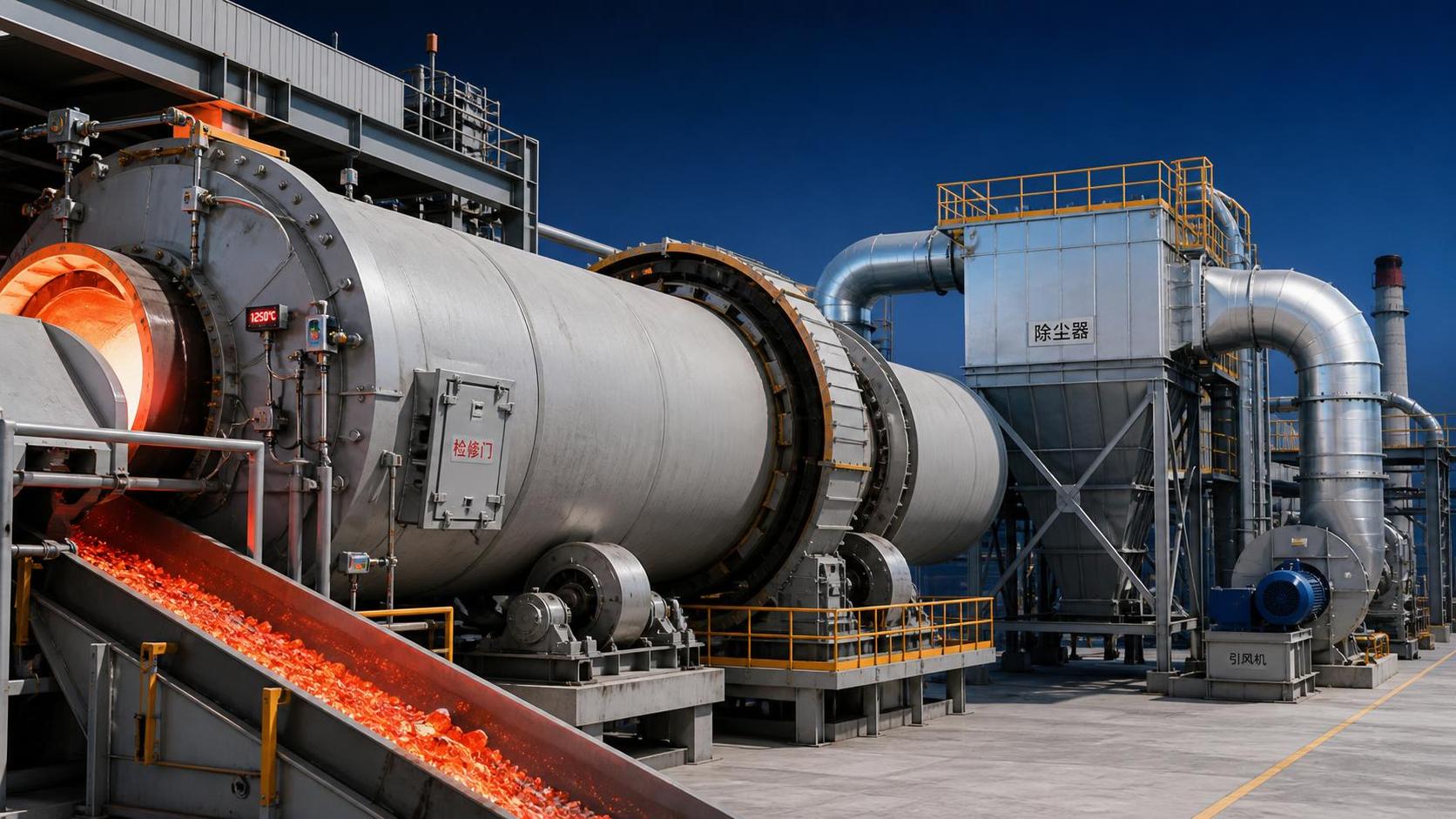
- Cement production plants: capacity utilization, dust control upgrades, alternative fuel readiness
- Glass manufacturing gear: furnace efficiency, annealing precision, PV and ultra-thin glass demand
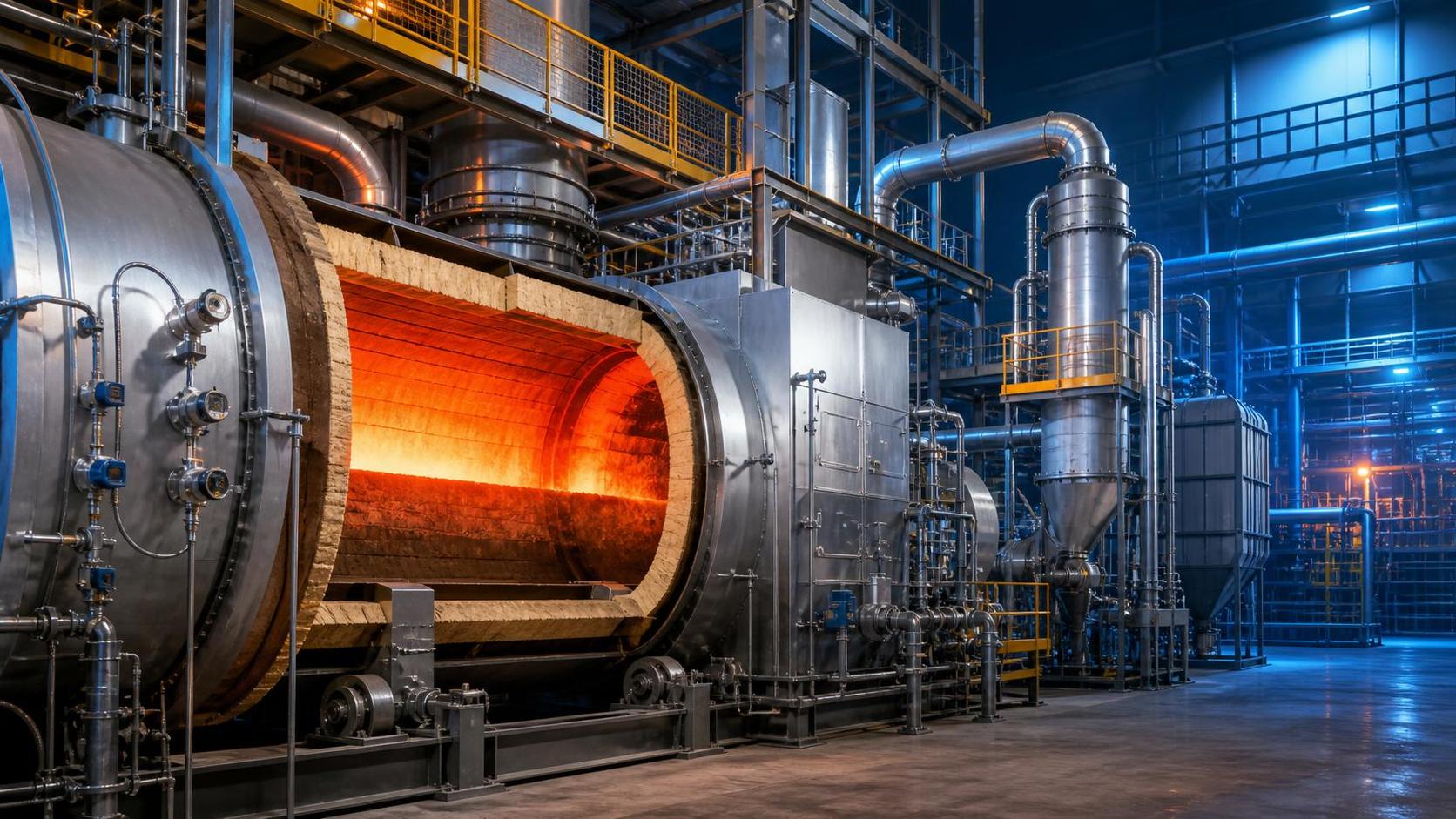
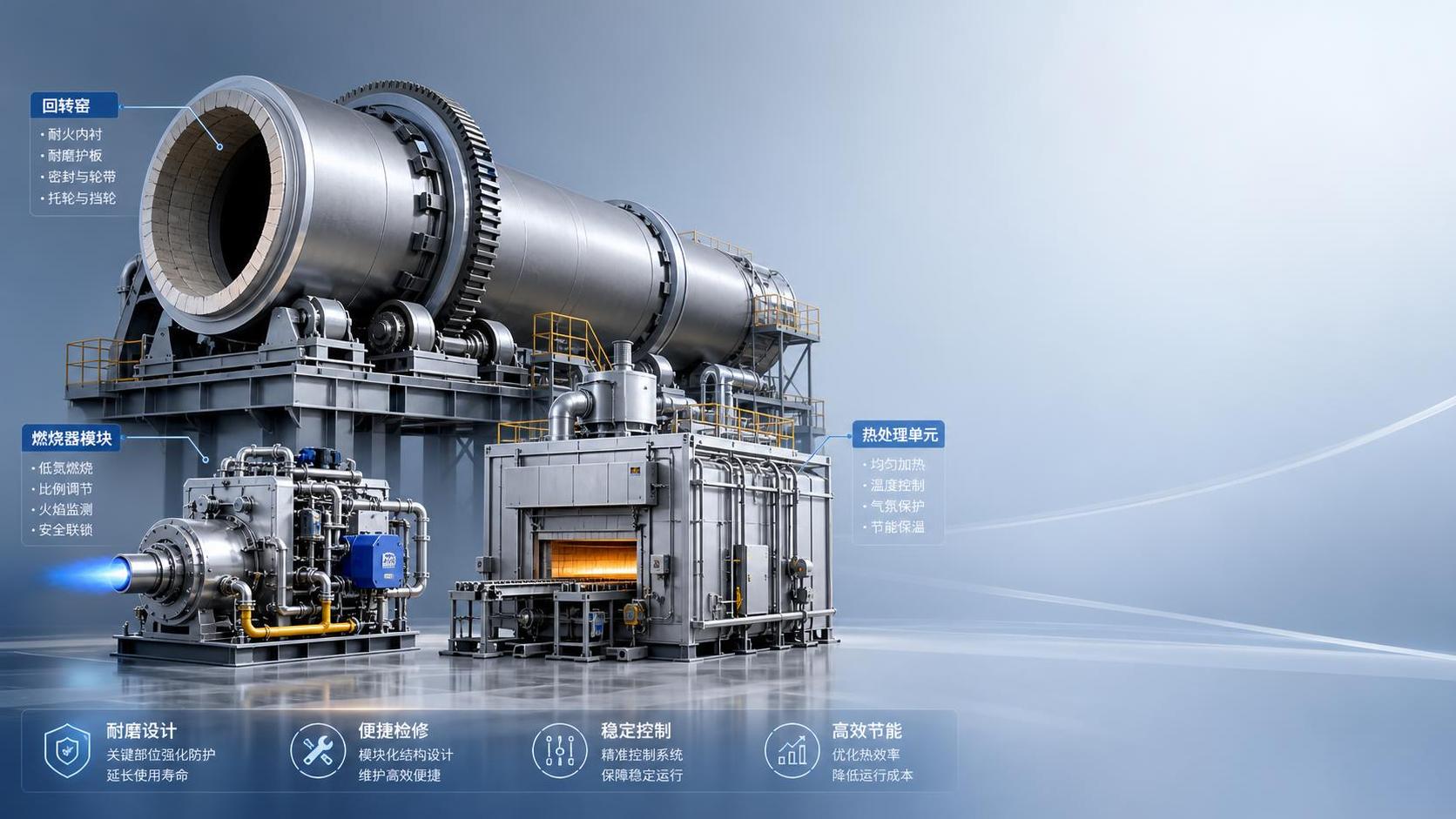
- Industrial kilns and incineration: waste-to-energy integration, thermal recovery, permitting complexity
- Refractory production lines: lining life, thermal shock resistance, shutdown-risk management
- New building material extrusion: lightweight panels, molded green materials, throughput stability
For business evaluators, this structure prevents a common error: treating all building material projects as simple capacity additions. In practice, one project may be expansion-led, another retrofit-led, and another entirely dependent on environmental compliance deadlines within 3–18 months.
Why thermal and process data matter commercially
A market can look attractive on paper while being difficult to monetize. If fuel volatility, refractory wear rates, line downtime, or emissions-control retrofits are underestimated, headline demand will not convert into stable orders. Intelligence tied to process conditions helps evaluators distinguish nominal demand from executable demand.
That is especially relevant in silicate and high-temperature sectors, where a 2%–5% efficiency gain or an extra 20–40 days of lining life can materially change project economics over a yearly operating cycle.
How to read market bets across cement, glass, kilns, refractories, and extrusion
The most practical use of global building material intelligence is comparative screening. Evaluators need to know which sub-sector is responding to infrastructure spending, which one is policy-driven, and which one requires deeper technical qualification before commercial engagement.
The table below organizes five core sectors by decision factors that frequently shape project timing, supplier selection, and risk exposure.
The key takeaway is that each segment has a different trigger pattern. Cement and extrusion may follow construction cycles, while kilns, incineration, and some refractory investments are often pulled forward by regulation, maintenance economics, or decarbonization targets.
What business evaluators should score first
A strong screening model usually starts with 5 dimensions: demand durability, technical complexity, policy dependency, local service burden, and project timing. Scoring these on a 1–5 scale helps compare markets that appear similar in value but differ sharply in execution risk.
- Demand durability: Is the project pipeline stable for 12–36 months?
- Technical barrier: Does success require process engineering support or only equipment supply?
- Regulatory dependency: Will emissions or waste rules determine order release?
- After-sales burden: Are commissioning, refractory inspection, or thermal tuning required on site?
- Commercial timing: Is the buyer in concept, tender, retrofit, or shutdown planning stage?
Global building material intelligence becomes most useful when these scores are updated continuously rather than once per quarter. In fast-moving project clusters, a 60-day delay in market reading can change bidding relevance, especially when buyers shift from general inquiry to specification-led procurement.
Signals that often precede real orders
Not every announcement creates equipment demand. Evaluators should watch for practical pre-order signals such as environmental approvals, energy supply arrangements, engineering tender releases, plant shutdown schedules, and raw material logistics upgrades. These indicators usually appear 3–9 months before meaningful supplier engagement.
CF-Elite’s sector observation model is useful here because it links commercial movement to process realities. A glass project, for instance, only becomes actionable when furnace design, product mix, and line precision targets begin to align with actual equipment scope.
How CF-Elite turns fragmented information into strategic intelligence
Many intelligence sources stop at headlines. CF-Elite is positioned differently because it bridges sector news with process engineering logic, thermal performance considerations, and decarbonization pathways. For evaluators, that means less noise and more commercially usable context.
Its Strategic Intelligence Center brings together silicate process engineers, thermal energy specialists, and heat-resistant material experts. This matters because heavy-equipment demand in these industries is rarely separable from process chemistry, operating temperature, and lining behavior over time.
Three intelligence layers with practical decision value
Business evaluators often need answers at three levels: market direction, technical evolution, and trade conversion. CF-Elite’s structure aligns with those needs through latest sector news, evolutionary trends analysis, and commercial insights focused on long-cycle equipment trade.
The strongest advantage of this model is integration. Instead of reading demand, technology, and regulation separately, evaluators can judge whether all three are converging. When they do, the probability of real procurement usually improves.
Examples of intelligence that improves timing
If rotary kiln co-processing becomes more attractive because waste-disposal economics improve, suppliers of related systems may see earlier inquiry activity. If digital twin adoption spreads in glass production, buyers may shift preference toward vendors able to support simulation-linked optimization, not just mechanical delivery.
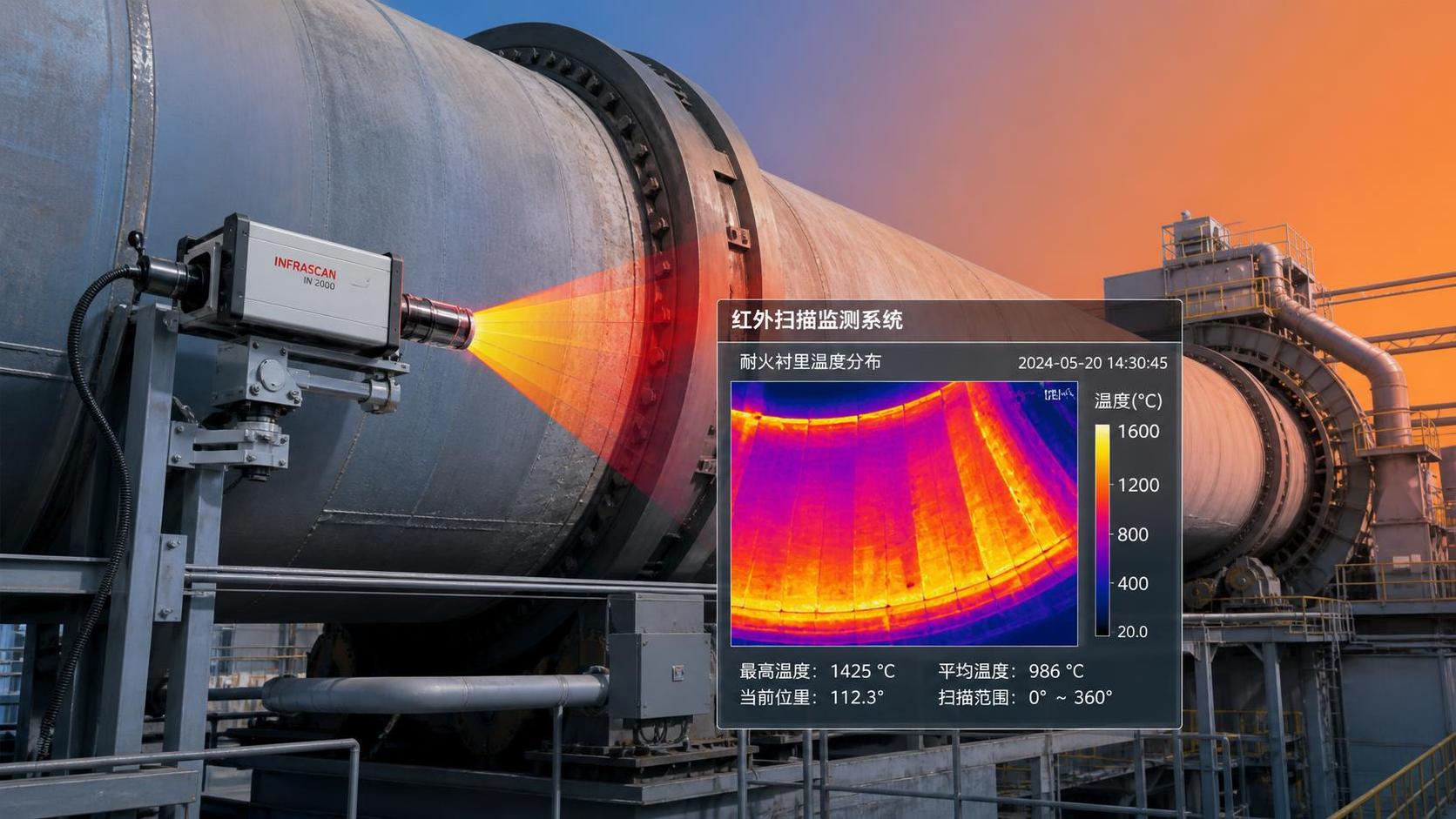
Likewise, online refractory monitoring can alter maintenance planning. A buyer once replacing linings at fixed intervals may move toward condition-based intervention, creating demand for better sensors, analytics support, and shorter service response windows such as 24–72 hours during shutdown events.
A practical evaluation framework for smarter market bets
Global building material intelligence delivers value only when it supports action. For business evaluators, that means translating insight into a repeatable framework for territory selection, partner qualification, and pipeline prioritization.
A four-step market review process
An effective review process does not need to be overly complex, but it must account for technical and policy realities. The following 4-step model is widely applicable across cement, glass, thermal processing, and building material extrusion markets.
- Map project density by region and sub-sector over the next 12–24 months.
- Check policy and emissions triggers likely to accelerate retrofits or new builds.
- Assess technical fit, including temperature profile, process stability needs, and service burden.
- Prioritize targets by conversion readiness, not only project size.
This process helps avoid a familiar B2B trap: chasing large nominal markets with weak execution conditions while ignoring smaller but faster-converting opportunities with clearer technical requirements and defined procurement windows.
Common mistakes in evaluating high-temperature sectors
Mistake one is assuming that all decarbonization narratives create immediate equipment demand. In reality, some projects remain in policy discussion for 6–18 months without budget release. Mistake two is underestimating local engineering support, especially where commissioning, thermal balancing, or refractory installation quality determines operating success.
Mistake three is ignoring replacement economics. In refractory, kiln, and furnace-related segments, buying behavior may be driven less by growth and more by avoiding downtime losses during planned shutdown windows that can last only 7–21 days.
What strong opportunities usually look like
High-quality opportunities typically show three signs at once: visible end-market demand, a technical problem that cannot be solved by generic supply, and an external trigger such as efficiency pressure or emissions compliance. When these align, global building material intelligence supports sharper market bets and better resource allocation.
For distributors and evaluators, that also means identifying where technical content itself becomes a market barrier. In long-cycle heavy equipment trade, insight around kiln co-processing, glass line optimization, or refractory monitoring can help position a company above price-only competition.
CF-Elite’s value lies in making these industrial signals easier to interpret across cement plants, glass manufacturing gear, industrial kilns, refractory lines, and new building material extrusion systems. By connecting market movement with process logic and carbon transition pressures, it helps business evaluators decide where to focus, when to engage, and how to reduce avoidable risk.
If your team is reviewing heavy-industry expansion, retrofit demand, or distributor positioning in high-temperature sectors, now is the right time to use global building material intelligence more systematically. Contact CF-Elite to discuss your target market, request tailored insight, and explore decision-ready solutions built for smarter industrial bets.
Related News
 Optical Glass Tech FellowHow to Evaluate a Glass Annealing Equipment Manufacturer for Production StabilityChoose a glass annealing equipment manufacturer with proven thermal uniformity, reliable controls, lifecycle value, and responsive service for stable production.Sep 08, 2026
 Prof. Marcus ChenThermal Energy Architecture in North America: Strategies for Lower Building Energy UseThermal energy architecture North America helps project leaders cut building energy use through stronger envelopes, right-sized HVAC, storage, and smart commissioning.Sep 07, 2026
 Ms. Elena RodriguezHow Should Buyers Evaluate Building Material Industry Intelligence Pricing?Building material industry intelligence pricing: learn how to compare coverage, technical depth, and ROI to choose intelligence that reduces procurement risk.Sep 07, 2026
 Ms. Elena RodriguezHow to Use Building Material Intelligence Data for Market and Investment DecisionsBuilding material industry intelligence data helps leaders evaluate demand, costs, regulation, capacity, and technology to make smarter market and investment decisions.Sep 05, 2026
 Thermal Energy ArchitectHow PLC Control Improves Energy Efficiency and Temperature Stability in KilnsEnergy efficient kilns PLC control improves temperature stability, cuts fuel waste, and optimizes combustion, draft, and material flow. Explore proven strategies for smarter kiln modernization.Sep 04, 2026
 Optical Glass Tech FellowEuropean Glass Melting Processes: Furnace Choices, Energy Use, and Quality ControlGlass melting process Europe: explore furnace choices, energy efficiency, cullet strategy, and quality control to improve output, compliance, and long-term glass performance.Sep 03, 2026
 Thermal Energy ArchitectWhat Determines Refractory Lining Monitoring Price for Industrial Kilns?Refractory lining monitoring price depends on kiln size, sensor technology, installation, software, and support. Compare total lifecycle costs and choose the right solution.Sep 02, 2026
 Silicate Process EngineerCement Production System Costs: A Plant Buyer’s Guide to Budgeting and ROICement production systems cost planning made clear: compare CAPEX, operating costs, compliance, and ROI to build a resilient, profitable cement plant investment.Sep 01, 2026
 Dr. Alistair VaughnWhat Should a Process Technology Database Track for High-Temperature Plants?Process technology database essentials for high-temperature plants: track thermal profiles, feed chemistry, refractory wear, emissions, energy, and maintenance for safer, data-driven decisions.Aug 31, 2026
 Ms. Elena RodriguezHow to Evaluate a Silicate Processing Equipment Manufacturer for Plant ProjectsSilicate processing equipment manufacturer selection: assess process fit, guarantees, energy, compliance, delivery risk, and lifecycle support for dependable plant performance.Aug 30, 2026
 Dr. Alistair VaughnHow to Specify Custom Agricultural Processing Equipment for Throughput and HygieneEquipment customization services for agricultural processing: learn to specify hygienic, high-throughput lines that improve yield, reliability, and long-term efficiency.Aug 29, 2026
 Dr. Alistair VaughnHow to Select Process Plant Equipment for High-Temperature, Abrasive Production LinesProcess plant equipment selection for high-temperature, abrasive lines: reduce downtime, improve durability, and optimize lifecycle performance.Aug 28, 2026
 Silicate Process EngineerHow Kiln Heat Recovery Systems Cut Fuel Use in Cement and Lime ProductionKiln heat recovery helps cement and lime plants cut fuel use, improve thermal stability, and build practical, reliable decarbonization strategies.Aug 27, 2026
 Ms. Elena RodriguezProcess Equipment Comparison: Which Metrics Matter Most for Reliable Selection?Process equipment comparison made practical: discover which metrics truly drive reliable selection, from energy efficiency and control stability to wear life, maintainability, and uptime.Aug 26, 2026
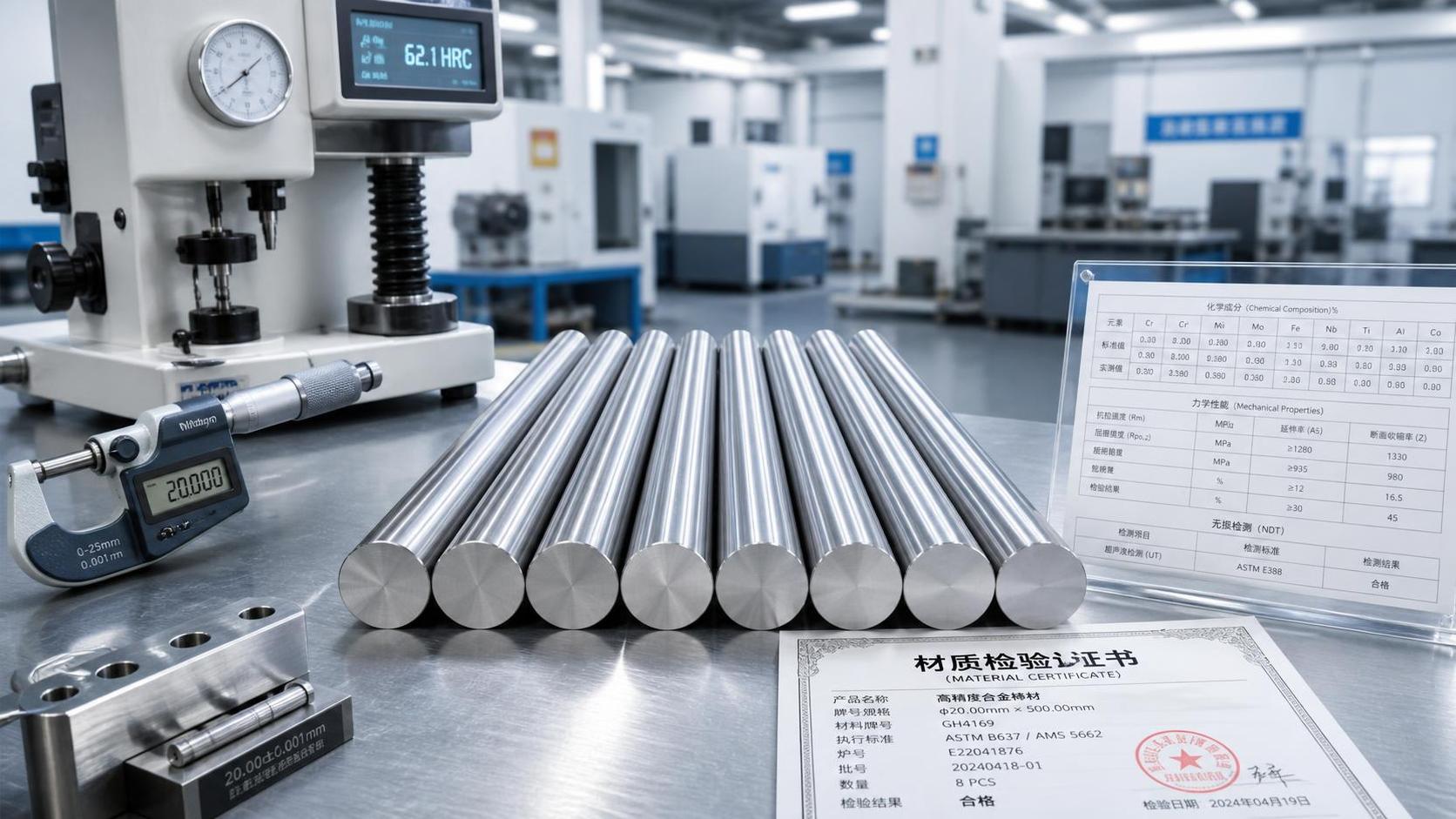
 Ms. Elena RodriguezWhat Buyers Should Check Before Sourcing Precision Alloy Bars for Critical PartsPrecision Alloy Bars buyers should verify grade, chemistry, tolerances, surface quality, traceability, and lead time before sourcing for critical parts. Learn what prevents costly machining and reliability risks.Aug 27, 2026
 Ms. Elena RodriguezHow to Evaluate Thermal Management Solutions Insulation for High-Heat Industrial SystemsThermal management solutions insulation: learn how to assess high-heat industrial systems by thermal performance, durability, lifecycle cost, and supplier data for smarter decisions.Aug 25, 2026
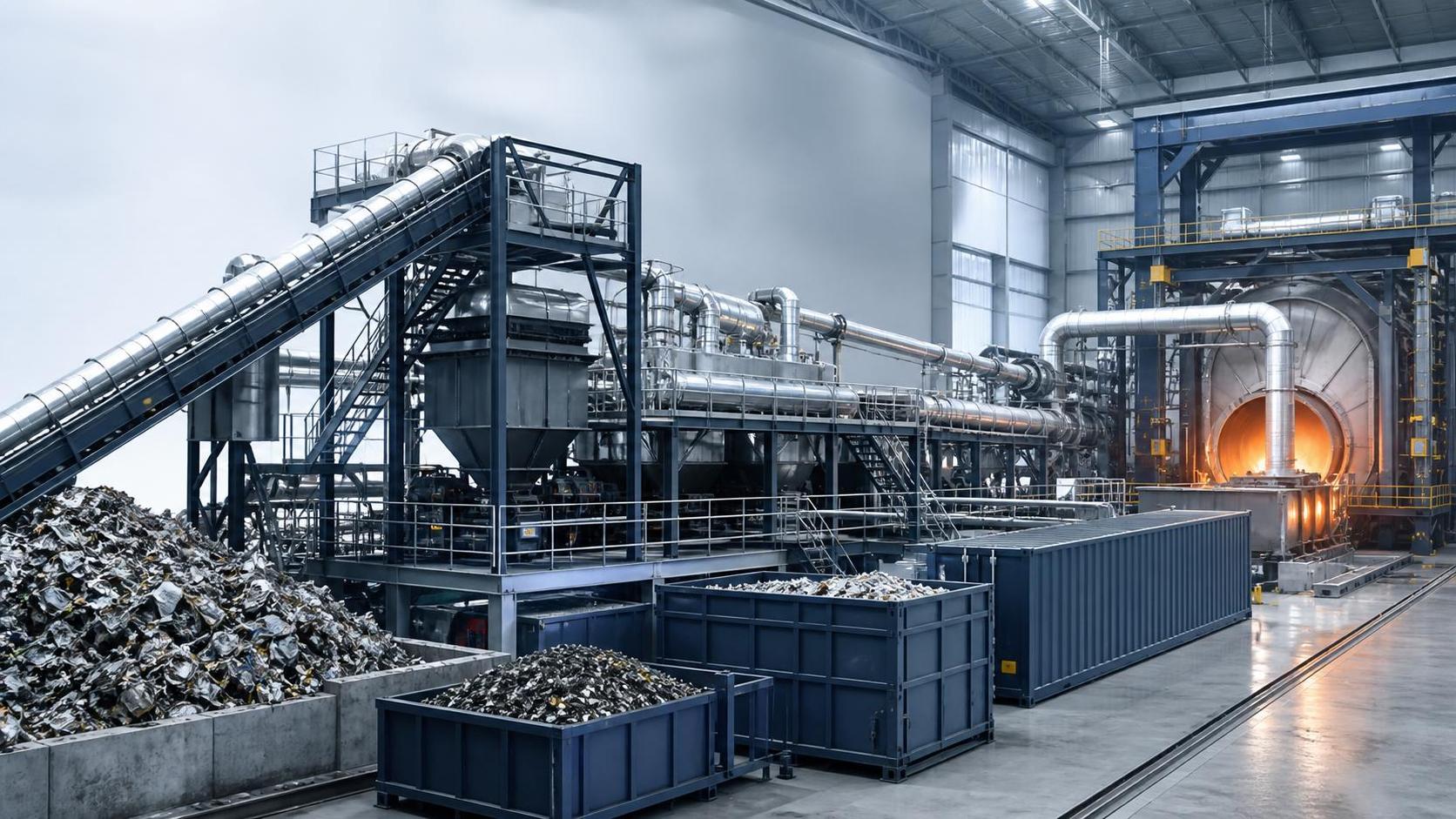
 Ms. Elena RodriguezWhat Drives Waste Recycling Cost in Industrial Projects and How to Estimate It?Waste recycling cost in industrial projects depends on composition, moisture, transport, pre-treatment, and compliance. Learn how to estimate it accurately and compare suppliers with confidence.Aug 24, 2026
 Silicate Process EngineerHow to Evaluate Cement Production Plants in the Middle East for Capacity, Fuel Flexibility, and ROIcement production plants Middle East: Learn how to assess true capacity, fuel flexibility, and ROI risks to identify resilient assets and smarter investment opportunities.Aug 23, 2026
 Structural Material AnalystHow to Evaluate Lightweight Material Machinery for Output, Energy Use, and Product QualityLightweight material machinery evaluation guide: compare stable output, energy use, and product quality to choose equipment that cuts waste, lowers costs, and improves production confidence.Aug 22, 2026
 Material Heat-Resist ExpertWhat Determines Refractory Production Line Price in a Turnkey Plant Project?Refractory production line price depends on raw materials, forming method, kiln and drying design, automation, utilities, and scope. Learn what really drives turnkey plant cost before you invest.Aug 21, 2026














Related News
- 00
0000-00
How Should Buyers Evaluate Building Material Industry Intelligence Pricing? - 00
0000-00
How to Use Building Material Intelligence Data for Market and Investment Decisions - 00
0000-00
How to Evaluate a Silicate Processing Equipment Manufacturer for Plant Projects - 00
0000-00
Process Equipment Comparison: Which Metrics Matter Most for Reliable Selection? - 00
0000-00
What Buyers Should Check Before Sourcing Precision Alloy Bars for Critical Parts
Weekly Insights
Stay ahead with our curated technology reports delivered every Monday.