
What Drives the Cost of Heat-Resistant Materials in Industrial Purchasing?




What really drives the cost of heat-resistant materials?
The short answer is that price tags rarely tell the full story.
In high-temperature operations, heat-resistant materials carry the burden of stability, safety, and production continuity.
That is why two materials with similar dimensions can show very different total cost profiles.
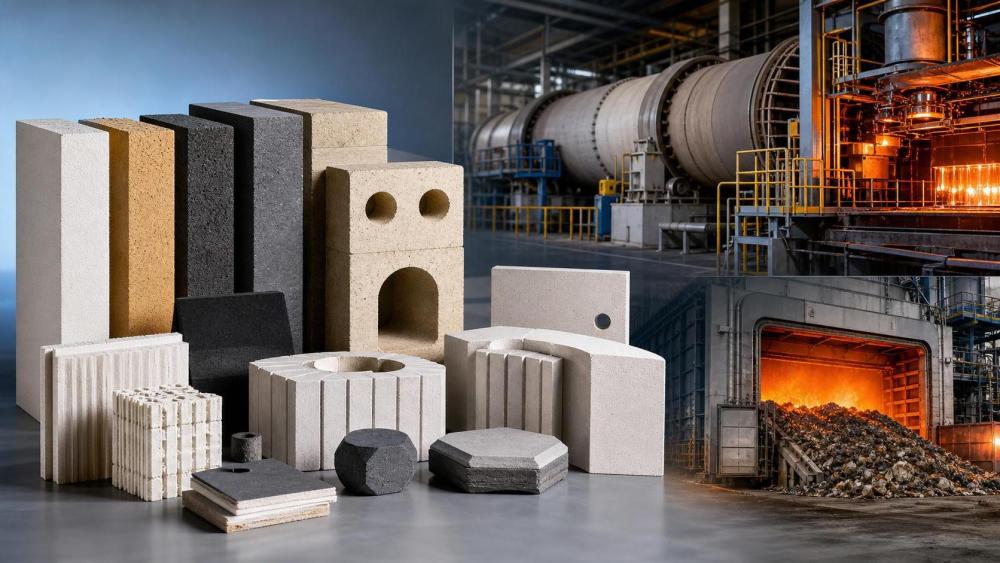
Raw material grade matters first. High-purity alumina, zirconia, silicon carbide, and specialty binders are expensive because their thermal behavior is more predictable.
When purity drops, resistance to slag attack, thermal shock, or chemical corrosion often drops with it.
Temperature rating also reshapes cost. A lining built for intermittent heat is not priced like one designed for continuous exposure above 1400°C.
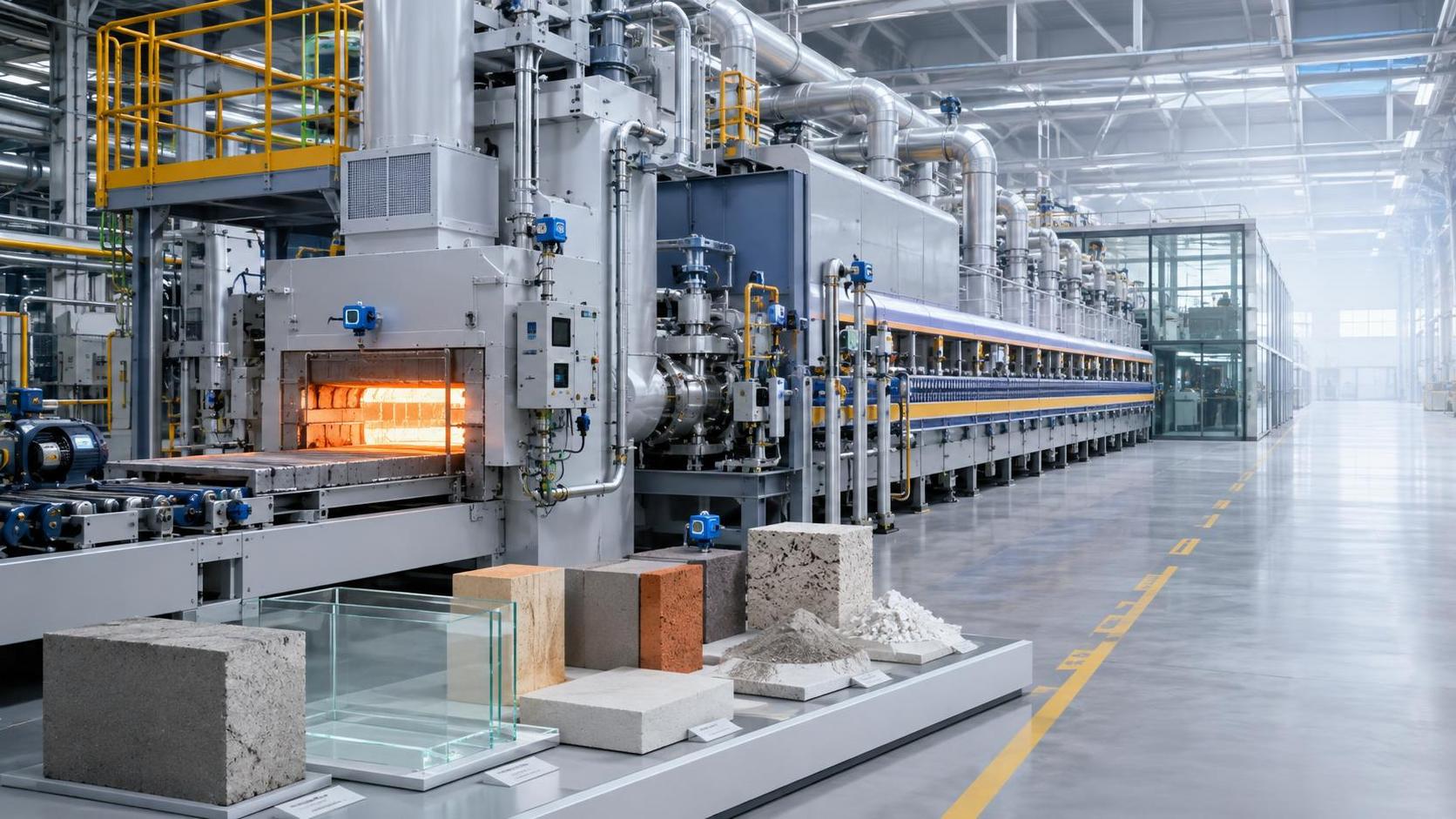
Production method is another hidden factor. Fused casting, isostatic pressing, precision extrusion, and controlled firing all add technical cost.
Still, those methods can improve density, dimensional tolerance, and service life.
In sectors tracked closely by CF-Elite, this is a familiar pattern.
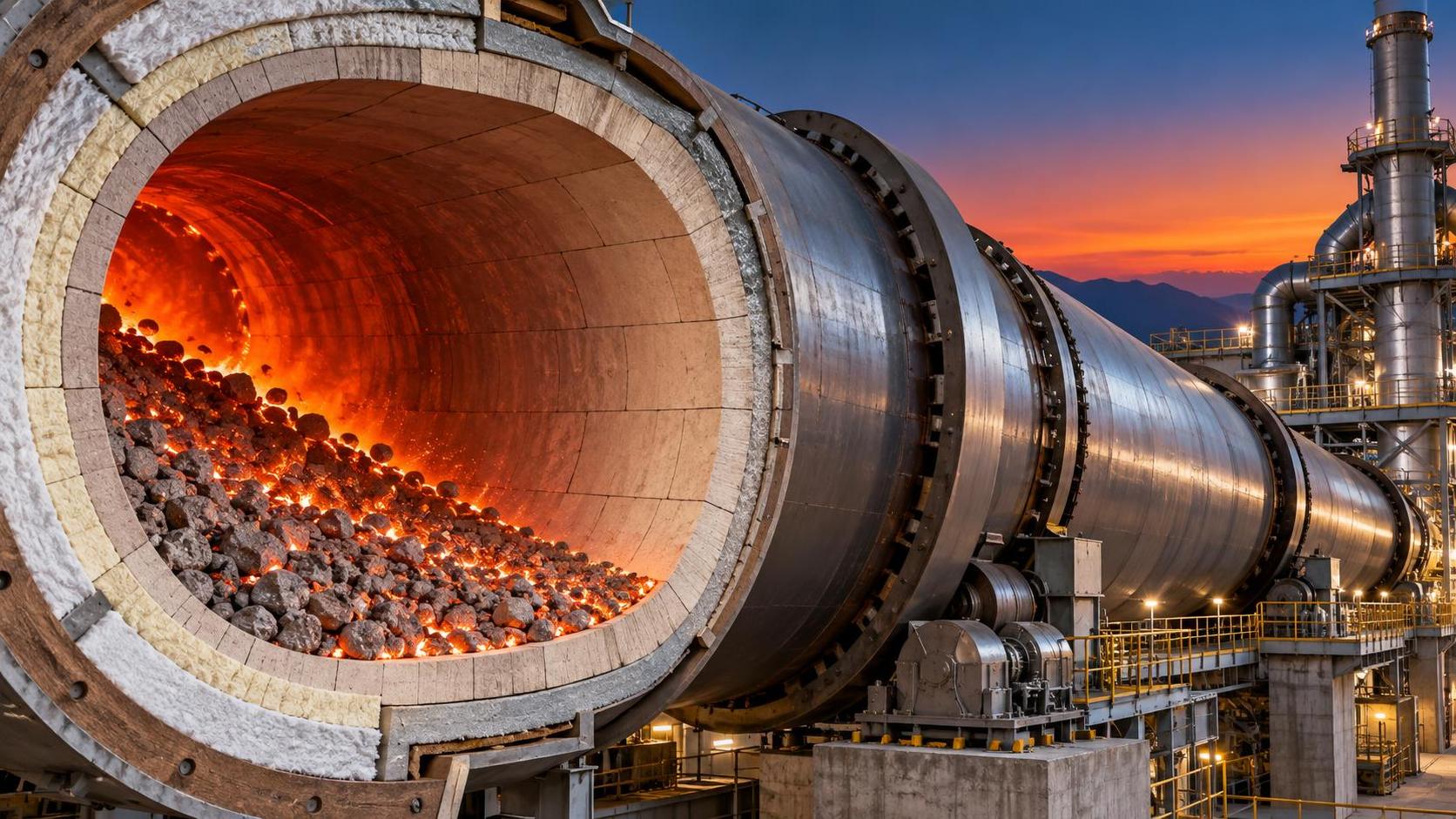
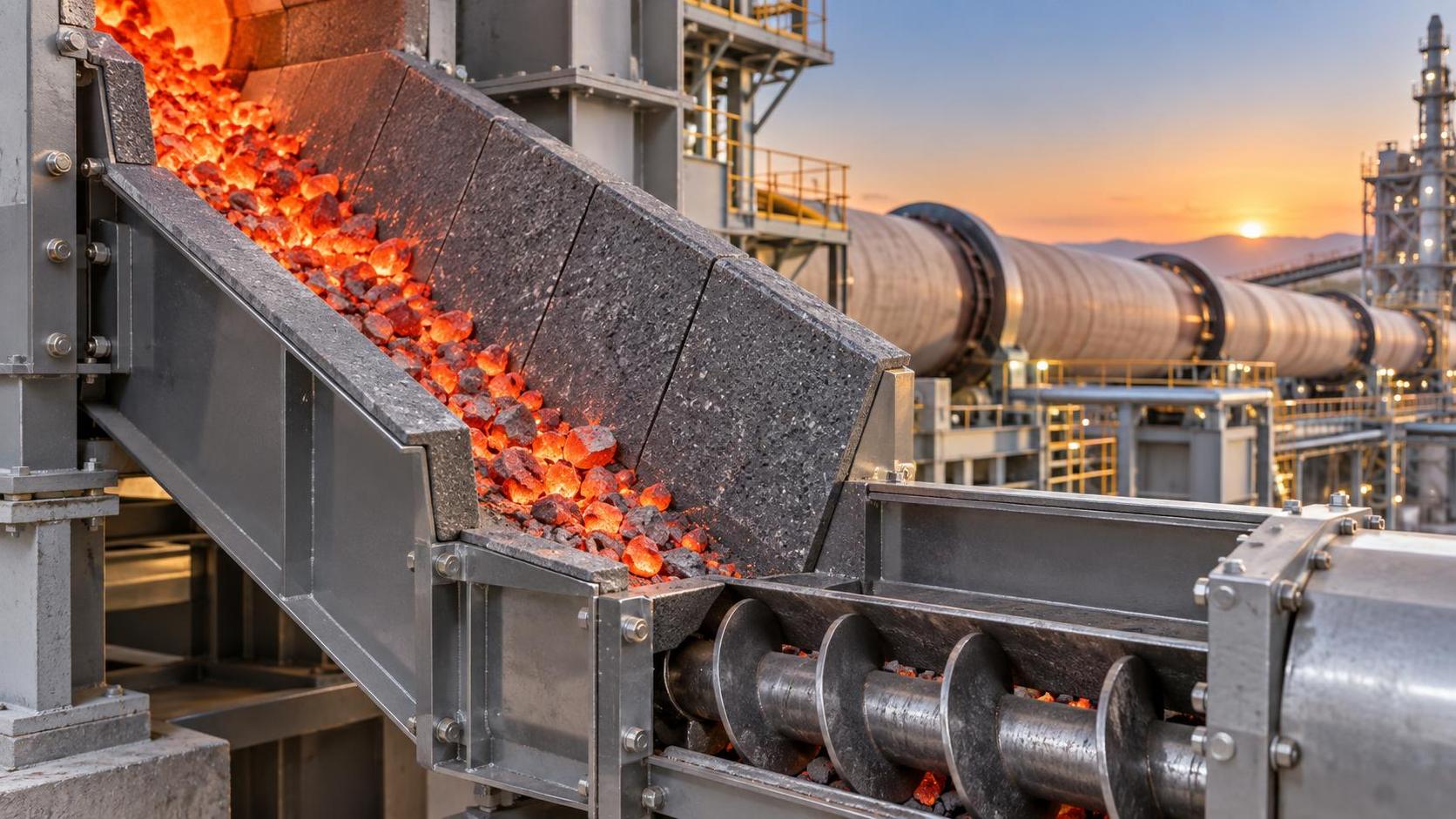
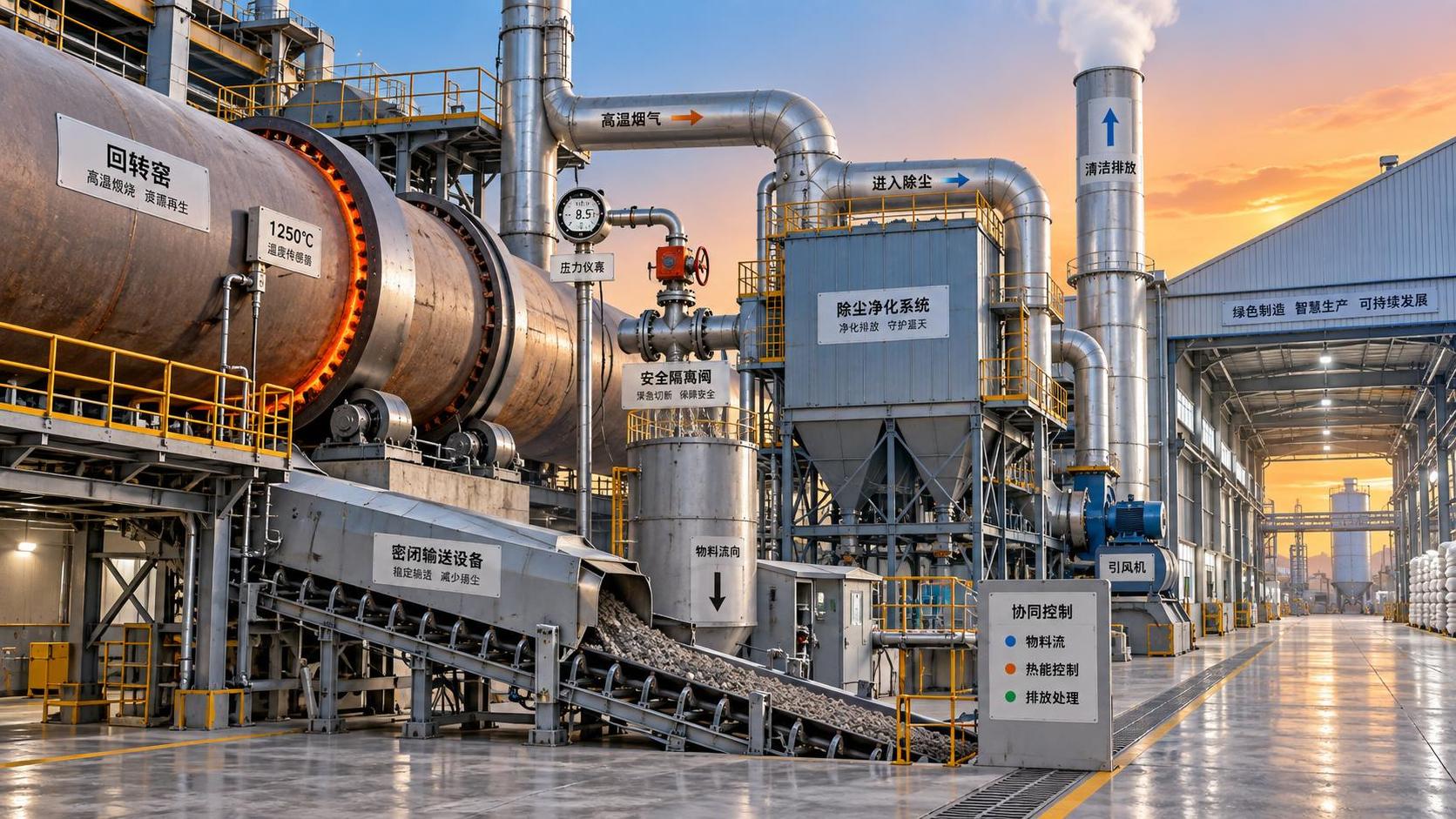
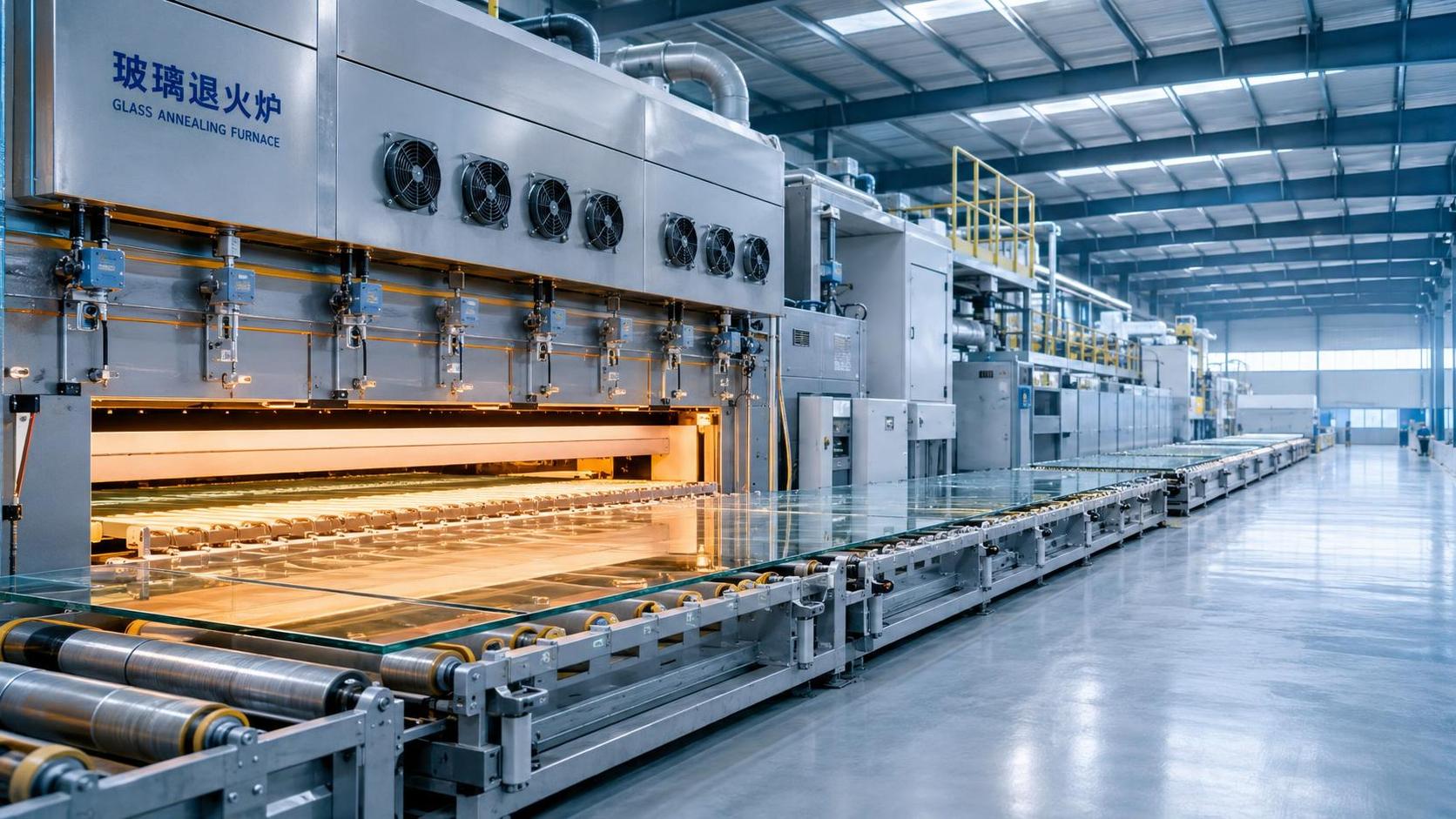
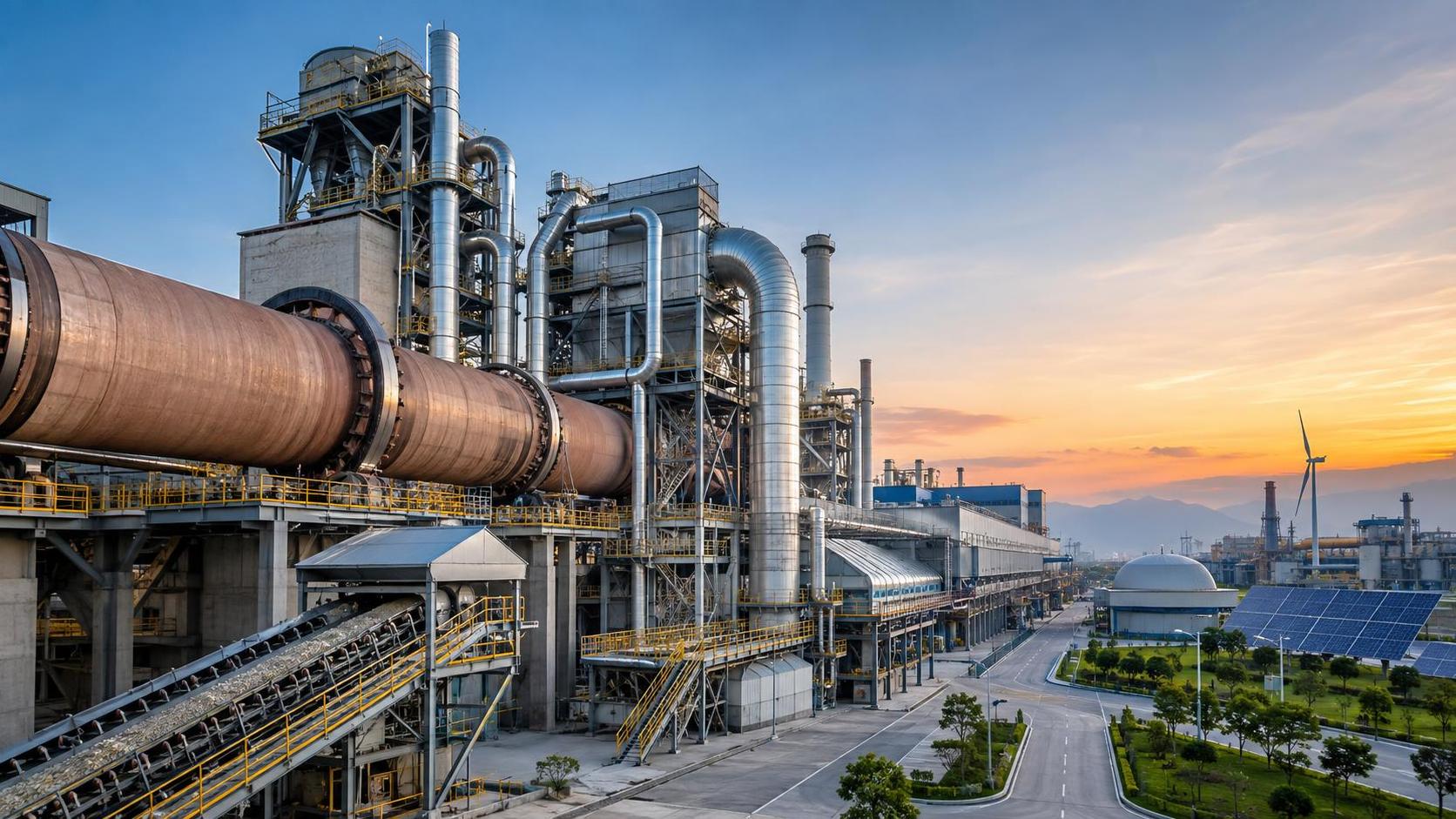
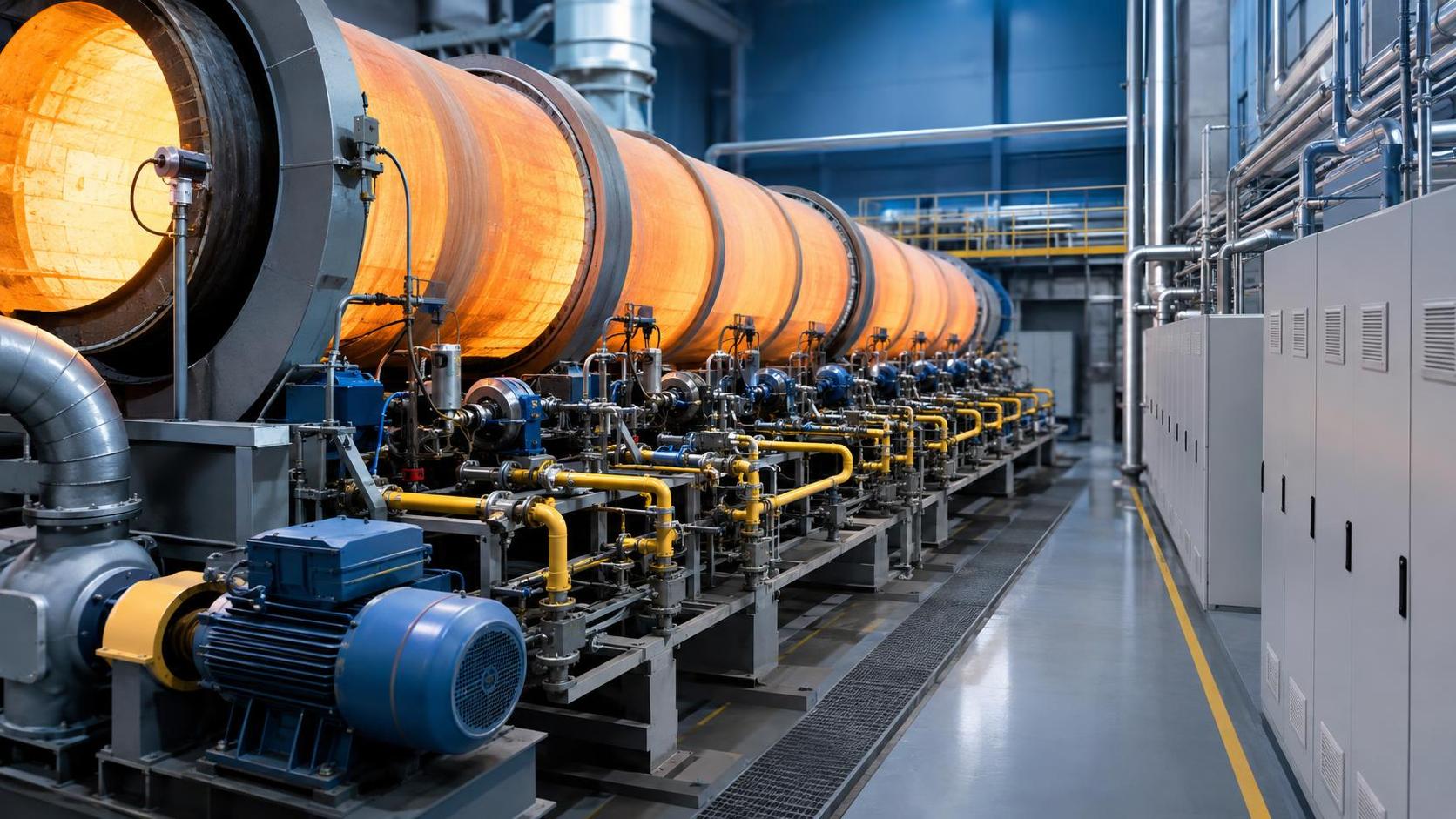
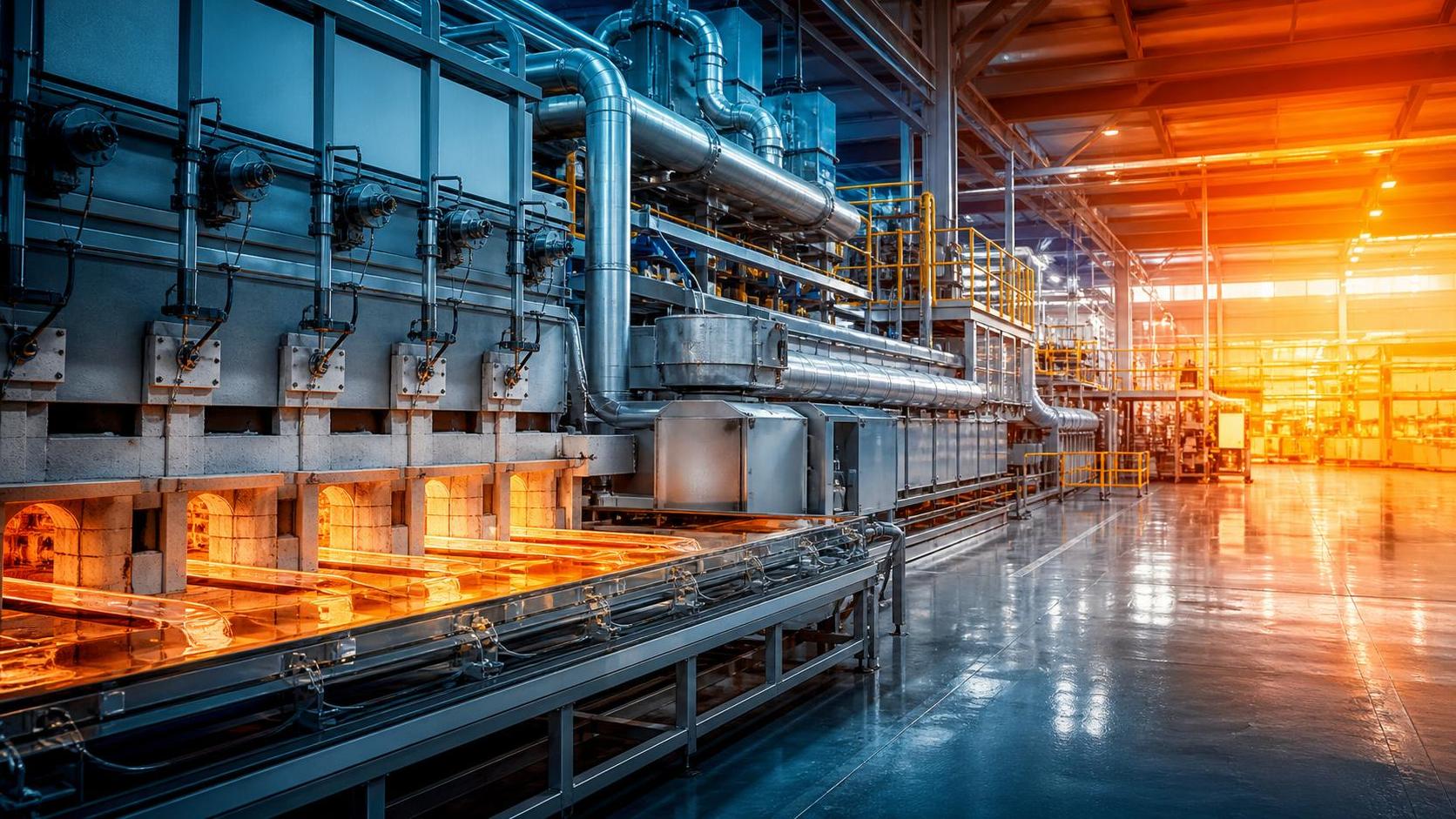
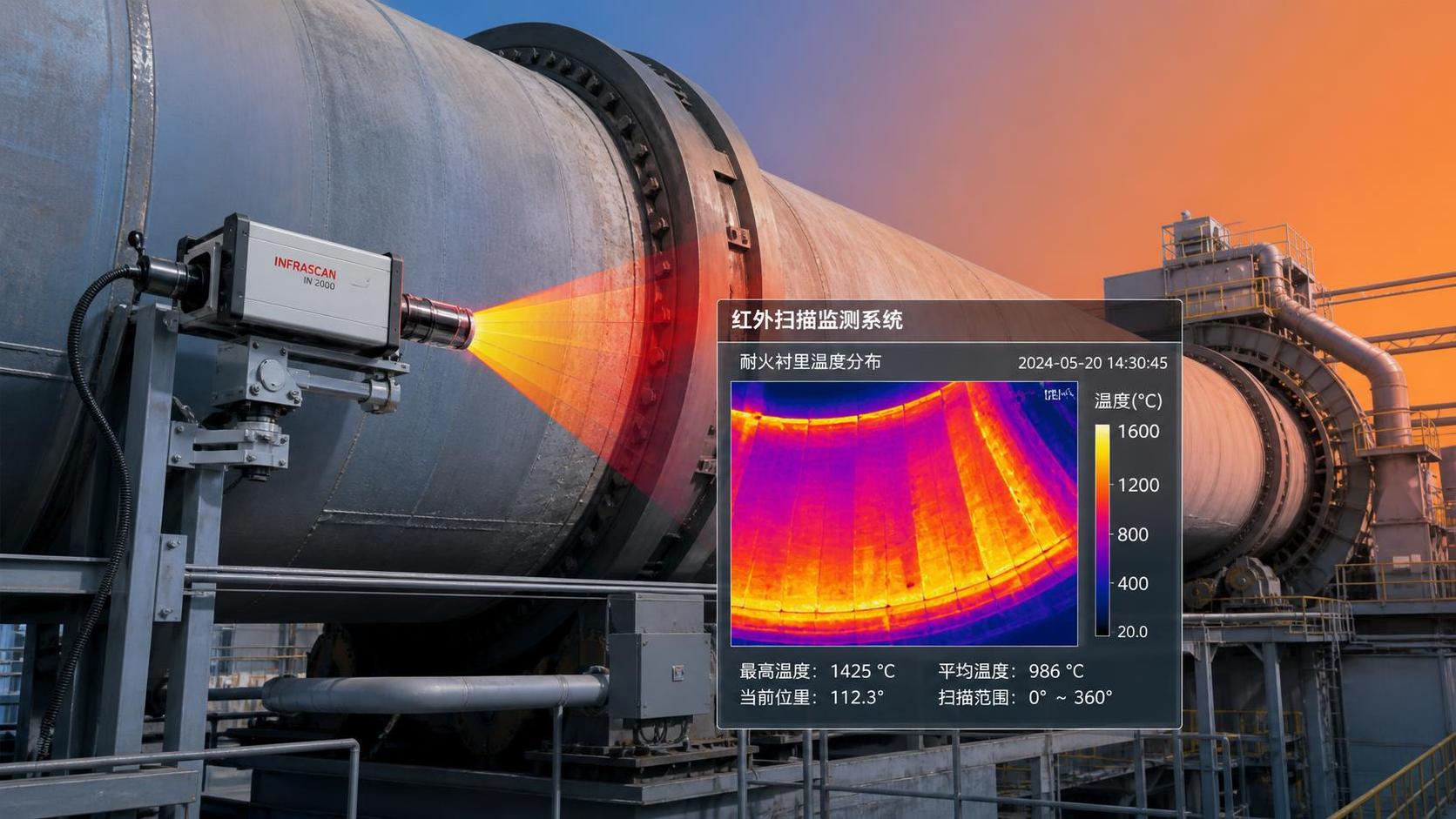
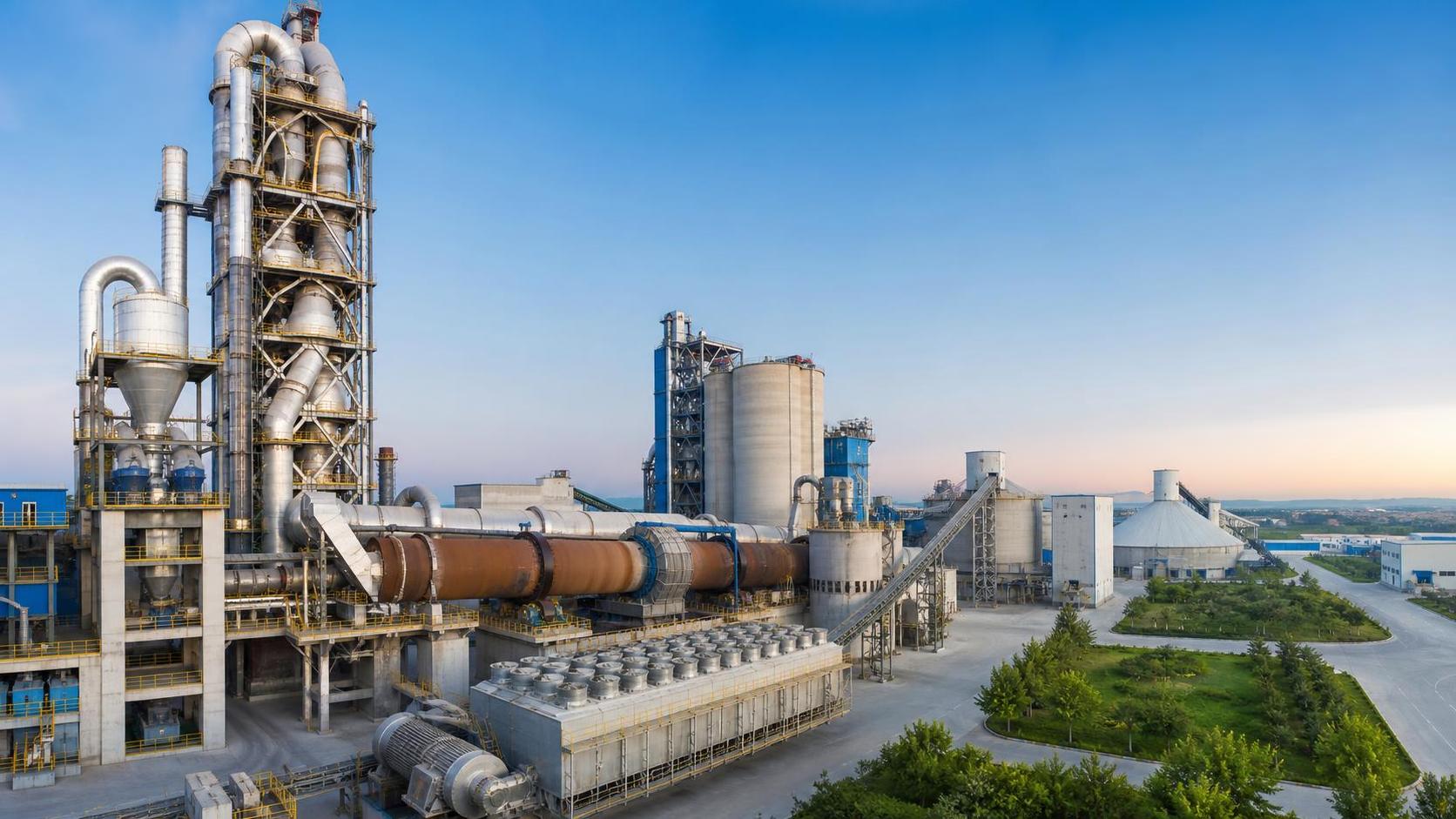
Cement lines, float glass furnaces, waste incineration units, refractory plants, and extrusion systems all demand different heat-resistant materials for different failure risks.
So the cost question is not just, “How much per ton?”
A better question is, “What level of thermal performance prevents downtime, premature wear, or excessive energy loss?”
Why do similar heat-resistant materials vary so much in quotation?
This is where many comparisons go off track.
Two suppliers may both quote heat-resistant materials, yet the offers can be built on very different assumptions.
One may price for basic thermal containment.
Another may price for thermal cycling, abrasion, alkali attack, or longer campaign life.
The following table helps separate the main cost drivers from the usual buying questions.
In practical terms, a cheaper quote can reflect lower density, looser tolerances, or weaker resistance to process chemistry.
That may be acceptable in low-stress zones, but costly in critical hot sections.
More advanced suppliers also build pricing around testing data, installation guidance, and documented operating references.
Those items look indirect, yet they often reduce failure risk during commissioning.
Is the highest-temperature material always the best buying choice?
Not necessarily, and this is a common misunderstanding.
Heat-resistant materials should match the real operating profile, not the most extreme theoretical number.
A furnace door, burner block, kiln hood, glass contact zone, or incinerator wall does not face the same conditions.
Some zones suffer from thermal shock.
Others fail because of alkali vapor, molten glass attack, clinker abrasion, or mechanical stress.
Choosing only by maximum temperature can lead to over-specification in one area and under-protection in another.
A more useful decision path is to compare:
- Continuous operating temperature versus peak excursions
- Chemical exposure versus simple heat exposure
- Expected lining life versus shutdown cost
- Energy retention value versus replacement budget
CF-Elite’s intelligence approach is useful here because heat-resistant materials do not work in isolation.
Performance depends on kiln atmosphere, line stability, fuel changes, and evolving carbon reduction requirements.
In many cases, the best value comes from balancing durability, thermal efficiency, and maintenance interval.
That balance often beats simply buying the top specification on paper.
Where do lifecycle costs become more important than purchase price?
Usually in continuous-process industries, downtime changes the economics very quickly.
If a lower-cost lining fails early in a rotary kiln or glass furnace, replacement cost is only one part of the loss.
There may also be lost output, extra fuel consumption, emergency labor, and unstable product quality.
That is why experienced buyers look at total installed cost per service cycle.
A material that lasts 20 percent longer can be economically stronger, even when the initial quote is much higher.
Lifecycle thinking becomes especially important in these situations:
- Large kilns where shutdown windows are limited
- Incineration systems facing corrosive and variable feedstock
- Glass lines where thermal stability affects product consistency
- Extrusion or refractory plants requiring tight thermal control
Another overlooked point is insulation performance.
Some heat-resistant materials cost more because they reduce shell temperature and fuel demand over time.
As energy markets remain volatile, that benefit can be substantial.
In operations under emissions pressure, thermal efficiency also supports compliance goals, not just operating savings.
What hidden risks push the cost up after the order is placed?
This is often where budget surprises appear.
Heat-resistant materials may seem comparable during sourcing, yet post-order costs rise because critical details were left unverified.
The most common issue is incomplete application data.
If operating temperature, atmosphere, mechanical load, and chemical exposure are not clearly defined, material selection becomes a guess.
Lead time is another pressure point.
Special formulations, large-format shapes, or imported raw materials can extend delivery schedules and increase buffer inventory needs.
Testing and certification should also be checked early.
A missing test report may delay approval, installation, or insurance acceptance.
The following checklist helps reduce avoidable cost escalation.
- Confirm exact temperature range, not a rough estimate
- Map chemical attack sources, including vapor and dust
- Review installation method and dry-out requirements
- Ask for reference life under similar operating conditions
- Check logistics exposure for fragile or custom shapes
- Compare replacement cycle cost, not only delivered price
In sectors covered by CF-Elite, these checks matter even more because equipment campaigns are long and process interruptions are expensive.
A disciplined data review usually saves more than aggressive price negotiation alone.
How can heat-resistant materials be evaluated more accurately before buying?
A good evaluation starts with operating reality, not catalog language.
Heat-resistant materials should be screened against process conditions, maintenance strategy, and energy targets at the same time.
That means asking a few practical questions.
Will this material face direct flame, molten product contact, dust erosion, or rapid cooling?
Is the application sensitive to dimensional drift or insulation loss?
Does a small performance gain reduce fuel use or extend campaign length enough to pay back the premium?
A structured comparison often works better than broad supplier claims.
This is also where industry intelligence becomes valuable.
When market signals show rising energy cost, environmental pressure, or changing feed chemistry, the economics of heat-resistant materials can shift quickly.
That broader view is central to CF-Elite’s role in thermal management decision support.
So what is the smartest next step when comparing options?
Start by narrowing the decision to a real operating window.
The cost of heat-resistant materials becomes easier to judge once temperature profile, atmosphere, wear mechanism, and shutdown economics are clearly defined.
From there, compare materials on total value rather than unit price alone.
That includes service life, energy retention, installation demands, and supply reliability.
It also helps to build a short decision sheet for each candidate.
Include expected campaign life, risk of unplanned shutdown, and likely replacement timing.
In high-temperature industries, the best buying result usually comes from informed matching, not the lowest quote.
A careful review of process data, supplier evidence, and lifecycle assumptions will lead to stronger choices.
If the comparison still feels unclear, the next useful move is to benchmark options against similar kiln, furnace, incineration, or extrusion environments before finalizing the order.
Related News
 Thermal Energy ArchitectHow European Plants Can Evaluate Energy Recovery Equipment for High-Temperature ProcessesIndustrial energy recovery equipment Europe: learn how high-temperature plants can assess waste-heat sources, integration risks, lifecycle value, and reliable recovery routes.Sep 20, 2026
 Thermal Energy ArchitectIndustrial Furnace Process Optimization: Reducing Fuel Use Without Sacrificing ThroughputIndustrial process optimization furnace strategies that cut fuel use while protecting throughput. Explore combustion control, heat recovery, refractory performance, and data-driven efficiency gains.Sep 19, 2026
 Ms. Elena RodriguezWhat Drives High-Pressure Extrusion Equipment Cost in Industrial Projects?High pressure extrusion equipment cost explained: compare pressure, die design, automation, wear, energy, and installation factors for smarter industrial investments.Sep 18, 2026
 Thermal Energy ArchitectHow to Size a Waste Heat Recovery Exchanger for High-Temperature Kiln Exhaust?Waste heat recovery exchanger sizing for high-temperature kiln exhaust: balance recoverable duty, fouling, corrosion limits, pressure drop, and reliable heat use.Sep 17, 2026
 Thermal Energy ArchitectWhy Heat-Resistant Materials Lose Abrasion Resistance at High TemperaturesHeat-resistant materials abrasion resistance can decline at high temperatures. Discover the thermal, chemical, and mechanical causes of wear—and how to choose longer-lasting linings.Sep 16, 2026
 Thermal Energy ArchitectHow to Evaluate a Thermal Energy Optimization Company for High-Temperature PlantsChoose a thermal energy optimization company with proven process expertise, measurable savings, and reliable delivery for high-temperature plants. Learn what to assess.Sep 15, 2026
 Thermal Energy ArchitectRotary Kiln Efficiency: How Feed Rate, Fuel Use, and Heat Loss Affect OutputRotary kiln efficiency explained: discover how feed rate, fuel use, heat loss, combustion, and cooling performance shape output, quality, and energy costs.Sep 14, 2026
 Thermal Energy ArchitectHow to Select Heat-Resistant Materials That Maintain Abrasion Resistance in KilnsHeat-resistant materials abrasion resistance: learn how to select kiln linings that withstand heat, wear, thermal cycling, and chemical attack for longer service life.Sep 13, 2026
 Thermal Energy ArchitectHow Rotary Kiln Automation Improves Temperature Control and Fuel EfficiencyRotary kiln technology automation enhances temperature control, stabilizes combustion, and improves fuel efficiency with smarter data, predictive control, and safer operations.Sep 12, 2026
 Silicate Process EngineerCement Plant Emission Control: Selecting Systems for Dust, NOx, and SO2 LimitsCement plant emission control guide: compare dust collectors, NOx reduction, and SO2 systems for reliable compliance across kiln modes, fuel changes, and operating upsets.Sep 11, 2026
 Thermal Energy ArchitectSelecting Abrasion-Resistant High-Temperature Materials for Kiln and Conveyor Wear ZonesHigh-temp material engineering guide to abrasion-resistant kiln and conveyor solutions—match wear, heat, chemistry, and installation design for longer service life.Sep 10, 2026
 Dr. Alistair VaughnIndustrial Process Engineering: How to Map Processes for Safer, More Efficient PlantsIndustrial process engineering reveals bottlenecks, safety risks, and energy losses through practical process mapping for safer, more efficient plants.Sep 09, 2026
 Optical Glass Tech FellowHow to Evaluate a Glass Annealing Equipment Manufacturer for Production StabilityChoose a glass annealing equipment manufacturer with proven thermal uniformity, reliable controls, lifecycle value, and responsive service for stable production.Sep 08, 2026
 Prof. Marcus ChenThermal Energy Architecture in North America: Strategies for Lower Building Energy UseThermal energy architecture North America helps project leaders cut building energy use through stronger envelopes, right-sized HVAC, storage, and smart commissioning.Sep 07, 2026
 Ms. Elena RodriguezHow Should Buyers Evaluate Building Material Industry Intelligence Pricing?Building material industry intelligence pricing: learn how to compare coverage, technical depth, and ROI to choose intelligence that reduces procurement risk.Sep 07, 2026
 Ms. Elena RodriguezHow to Use Building Material Intelligence Data for Market and Investment DecisionsBuilding material industry intelligence data helps leaders evaluate demand, costs, regulation, capacity, and technology to make smarter market and investment decisions.Sep 05, 2026
 Thermal Energy ArchitectHow PLC Control Improves Energy Efficiency and Temperature Stability in KilnsEnergy efficient kilns PLC control improves temperature stability, cuts fuel waste, and optimizes combustion, draft, and material flow. Explore proven strategies for smarter kiln modernization.Sep 04, 2026
 Optical Glass Tech FellowEuropean Glass Melting Processes: Furnace Choices, Energy Use, and Quality ControlGlass melting process Europe: explore furnace choices, energy efficiency, cullet strategy, and quality control to improve output, compliance, and long-term glass performance.Sep 03, 2026
 Thermal Energy ArchitectWhat Determines Refractory Lining Monitoring Price for Industrial Kilns?Refractory lining monitoring price depends on kiln size, sensor technology, installation, software, and support. Compare total lifecycle costs and choose the right solution.Sep 02, 2026
 Silicate Process EngineerCement Production System Costs: A Plant Buyer’s Guide to Budgeting and ROICement production systems cost planning made clear: compare CAPEX, operating costs, compliance, and ROI to build a resilient, profitable cement plant investment.Sep 01, 2026



Related News
- 00
0000-00
What Drives High-Pressure Extrusion Equipment Cost in Industrial Projects? - 00
0000-00
How Should Buyers Evaluate Building Material Industry Intelligence Pricing? - 00
0000-00
How to Use Building Material Intelligence Data for Market and Investment Decisions - 00
0000-00
How to Evaluate a Silicate Processing Equipment Manufacturer for Plant Projects - 00
0000-00
Process Equipment Comparison: Which Metrics Matter Most for Reliable Selection?
Weekly Insights
Stay ahead with our curated technology reports delivered every Monday.