
Thermal Management Architecture in Buildings: Key Design Strategies for Heat Control




Why thermal management architecture changes from one building context to another

Thermal management architecture now shapes how buildings consume energy, handle peak loads, and protect long-term asset value.
The same wall assembly or cooling strategy rarely performs equally well across every project type.
A logistics hub, a hospital extension, and a mixed-use tower face very different heat profiles.
Solar gain, internal equipment heat, occupancy rhythm, ventilation rates, and envelope exposure all shift the design priority.
That is why thermal management architecture is no longer just an insulation discussion.
It becomes a coordination issue linking facade design, mechanical systems, fire safety, material durability, and carbon targets.
In practice, stronger decisions come from reading the building as a heat flow system.
This systems view also reflects the intelligence model seen across CF-Elite.
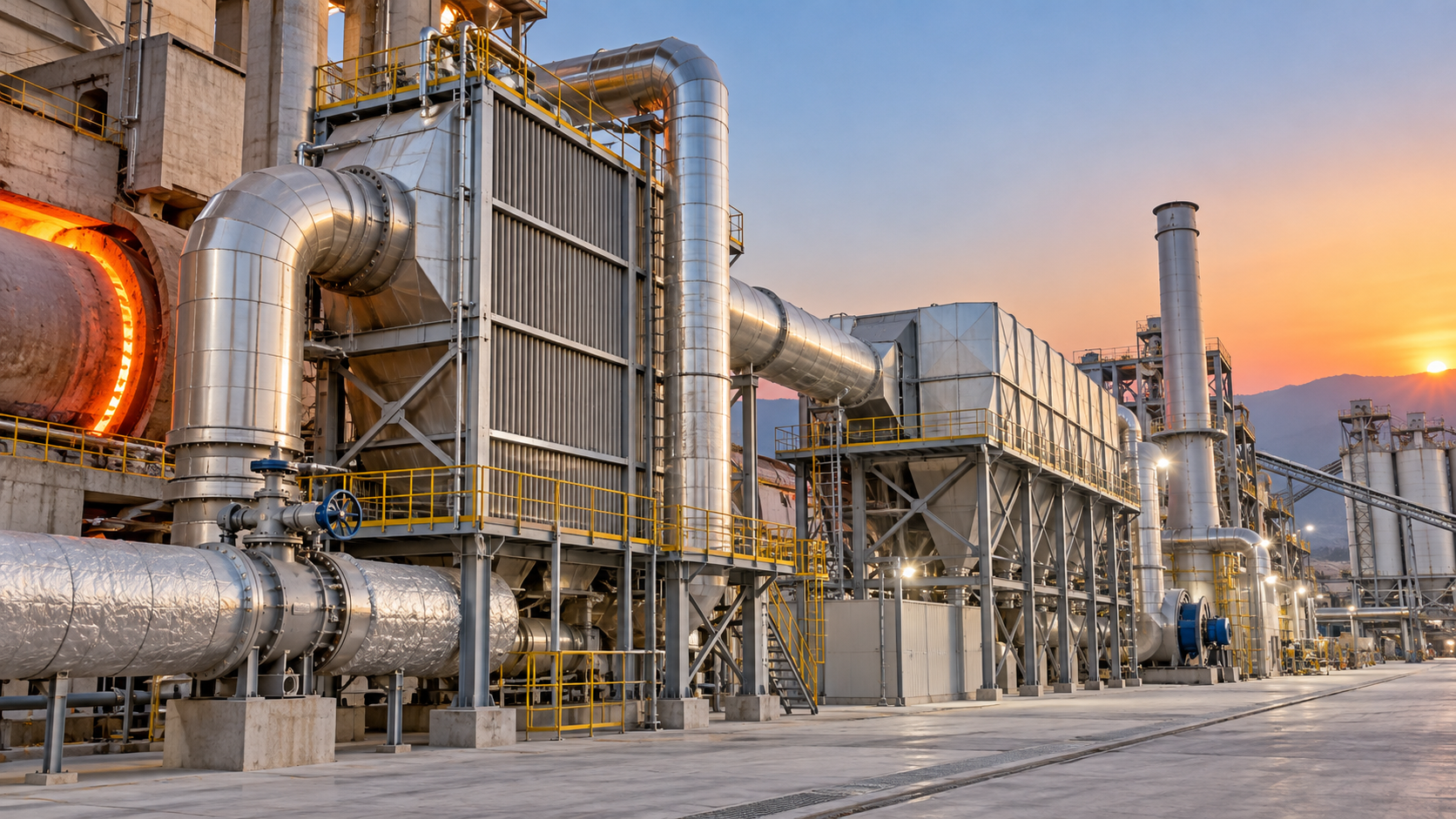
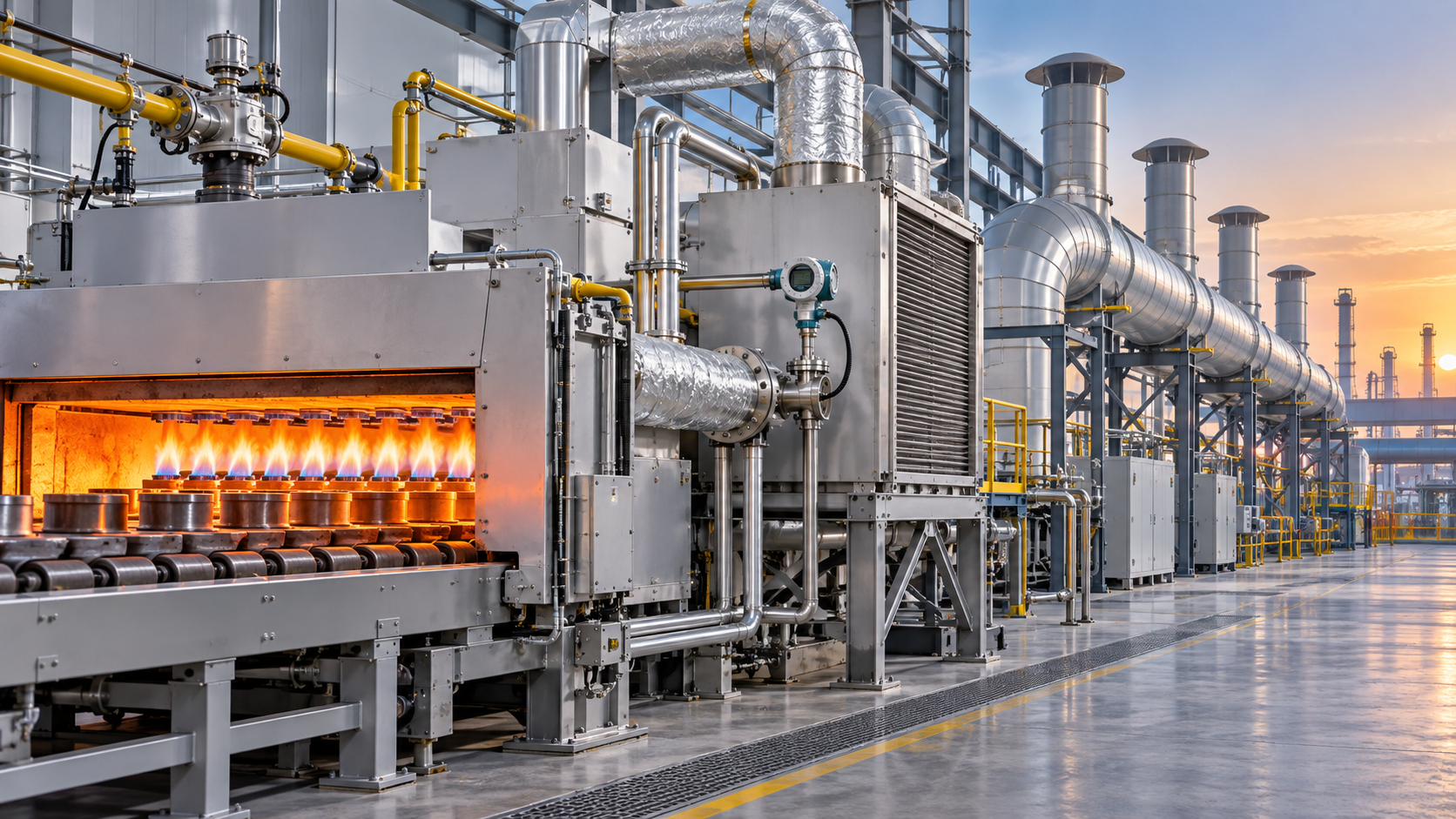
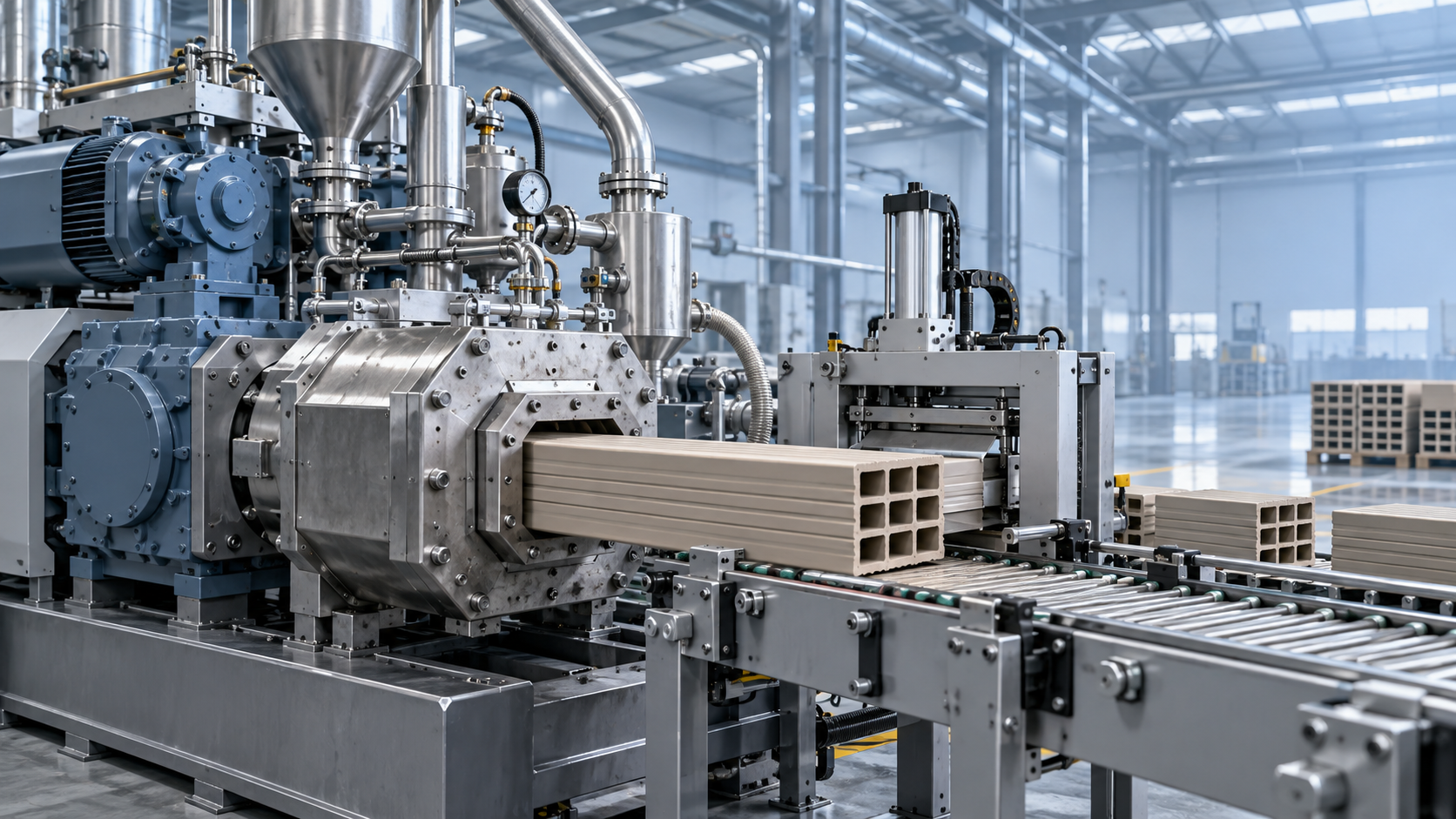
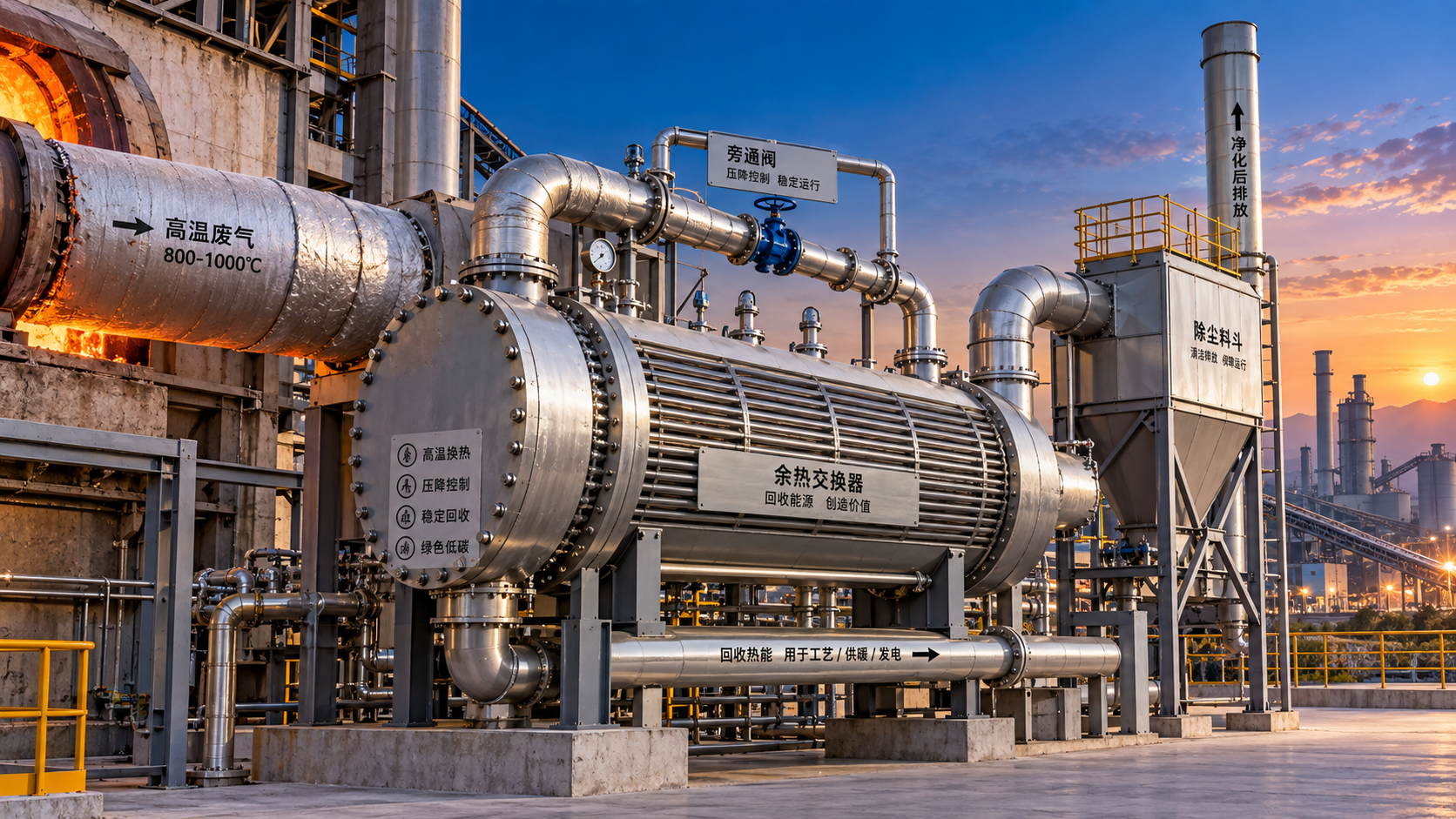
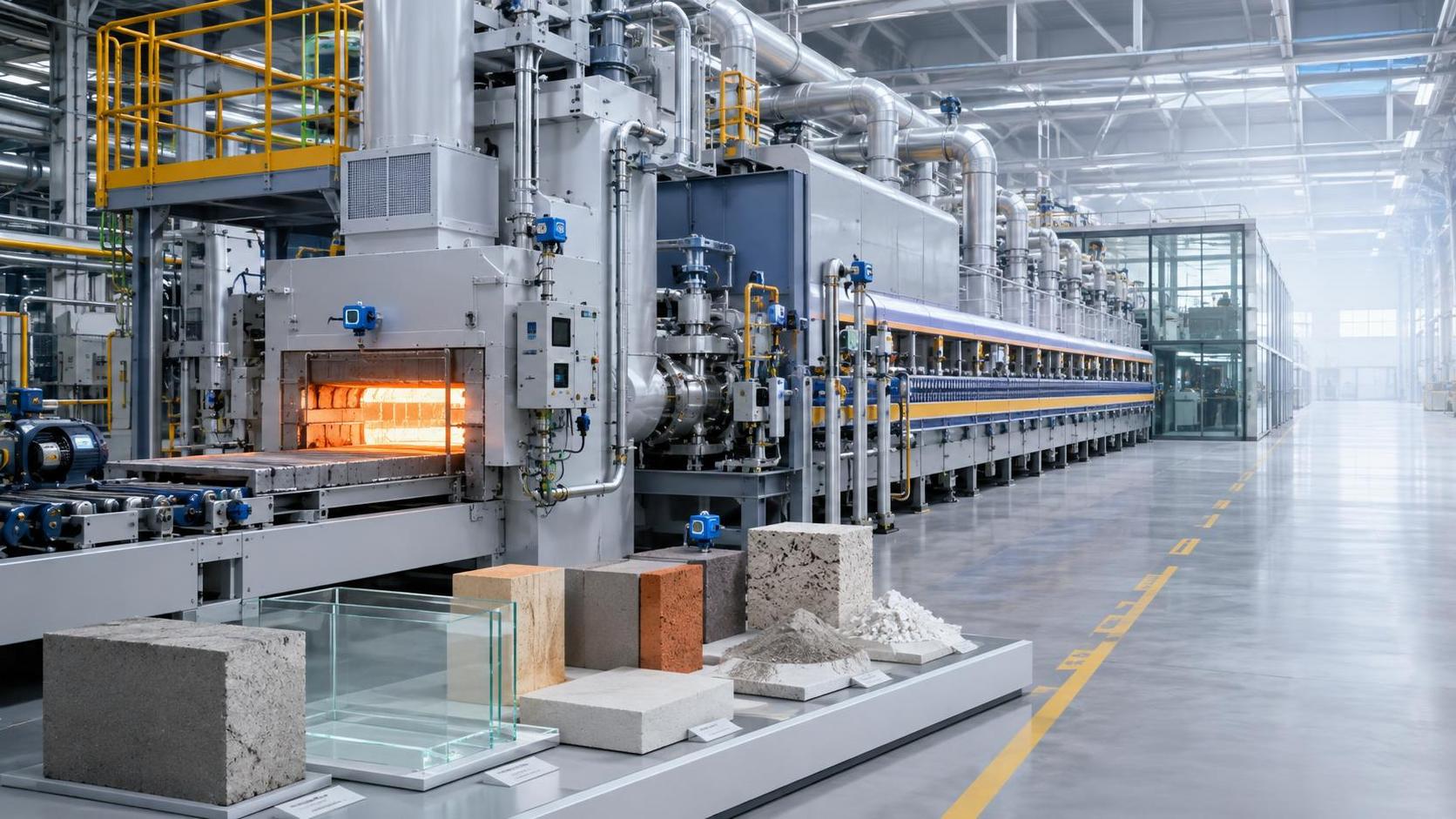
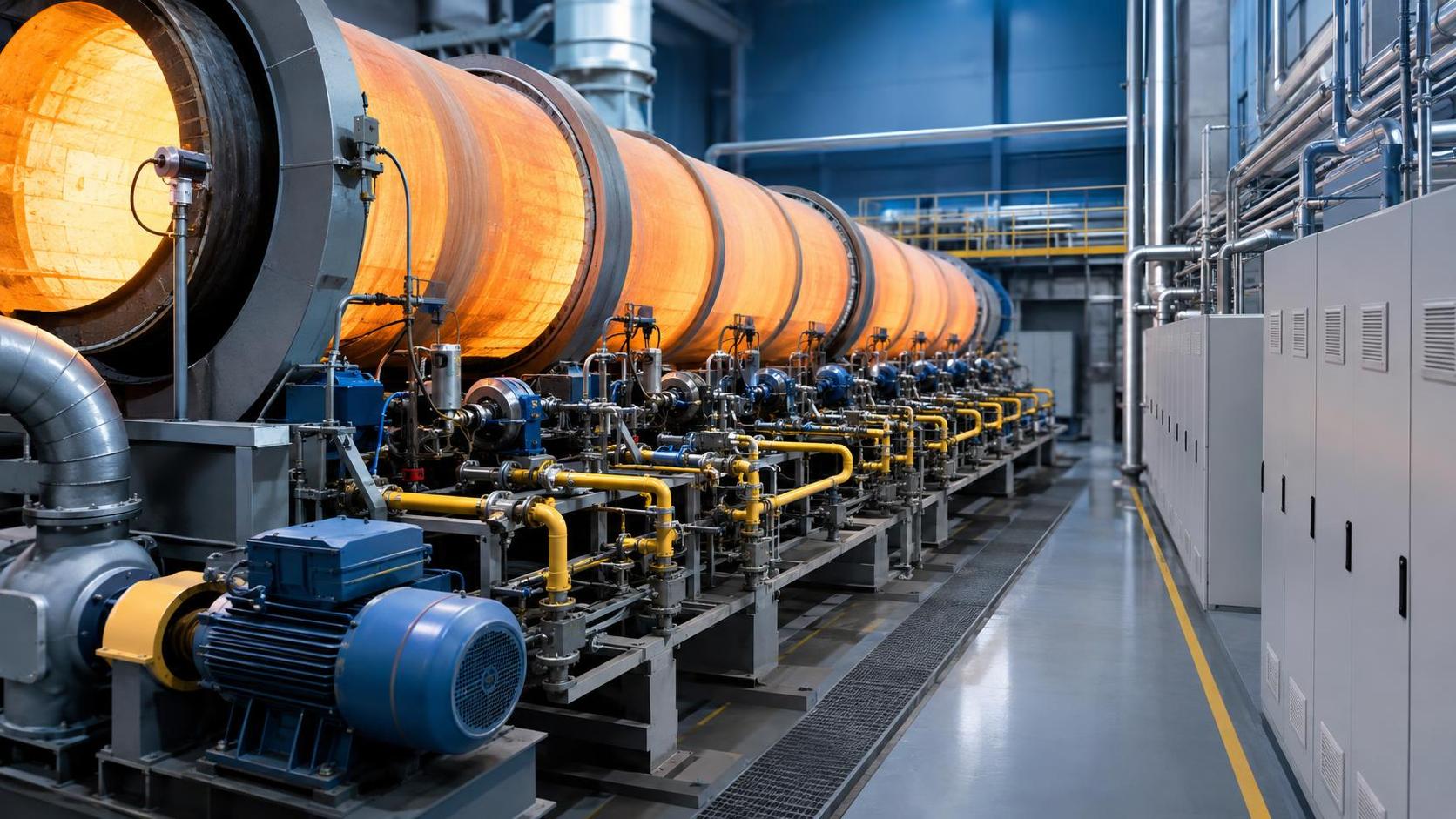
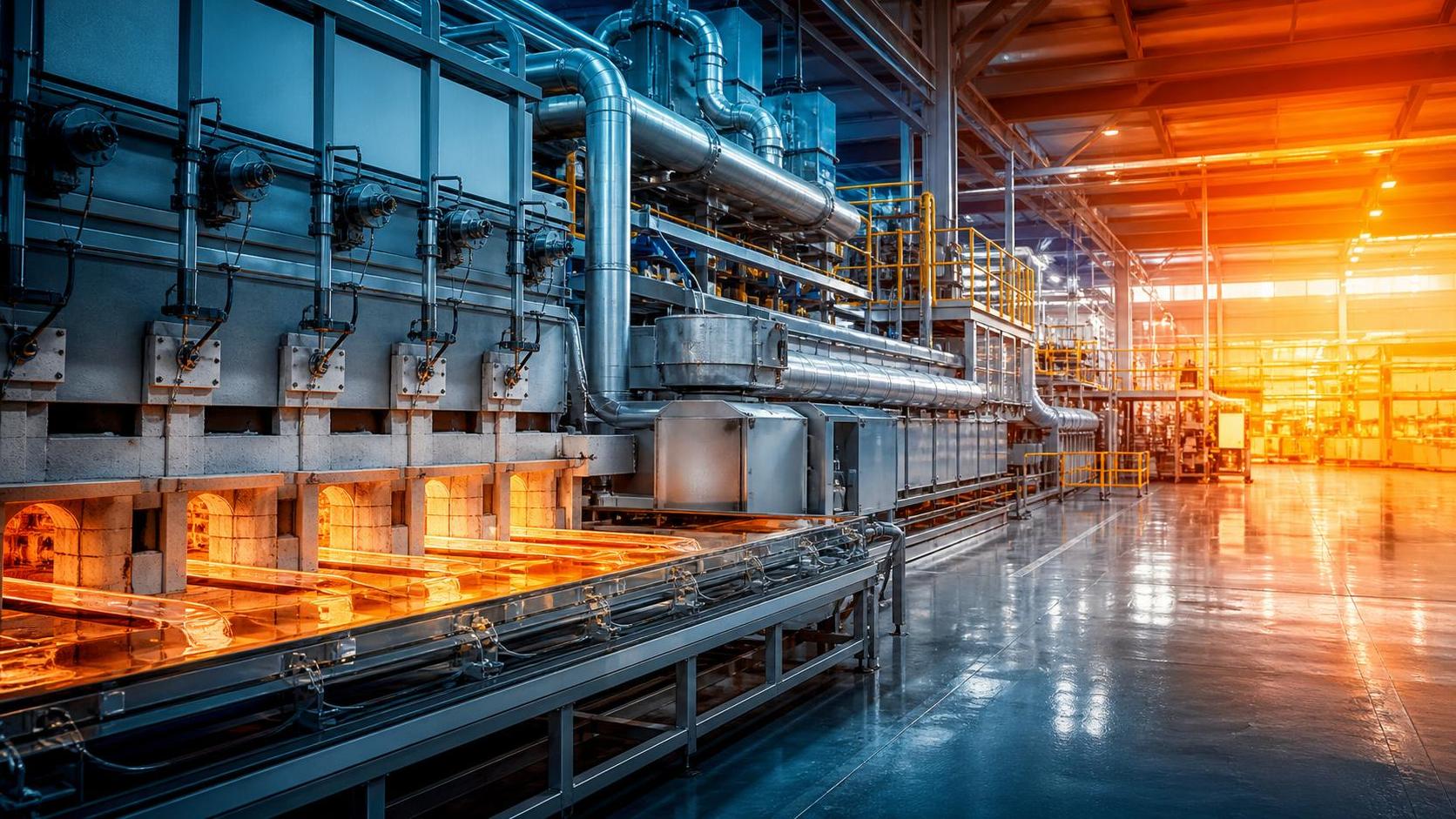
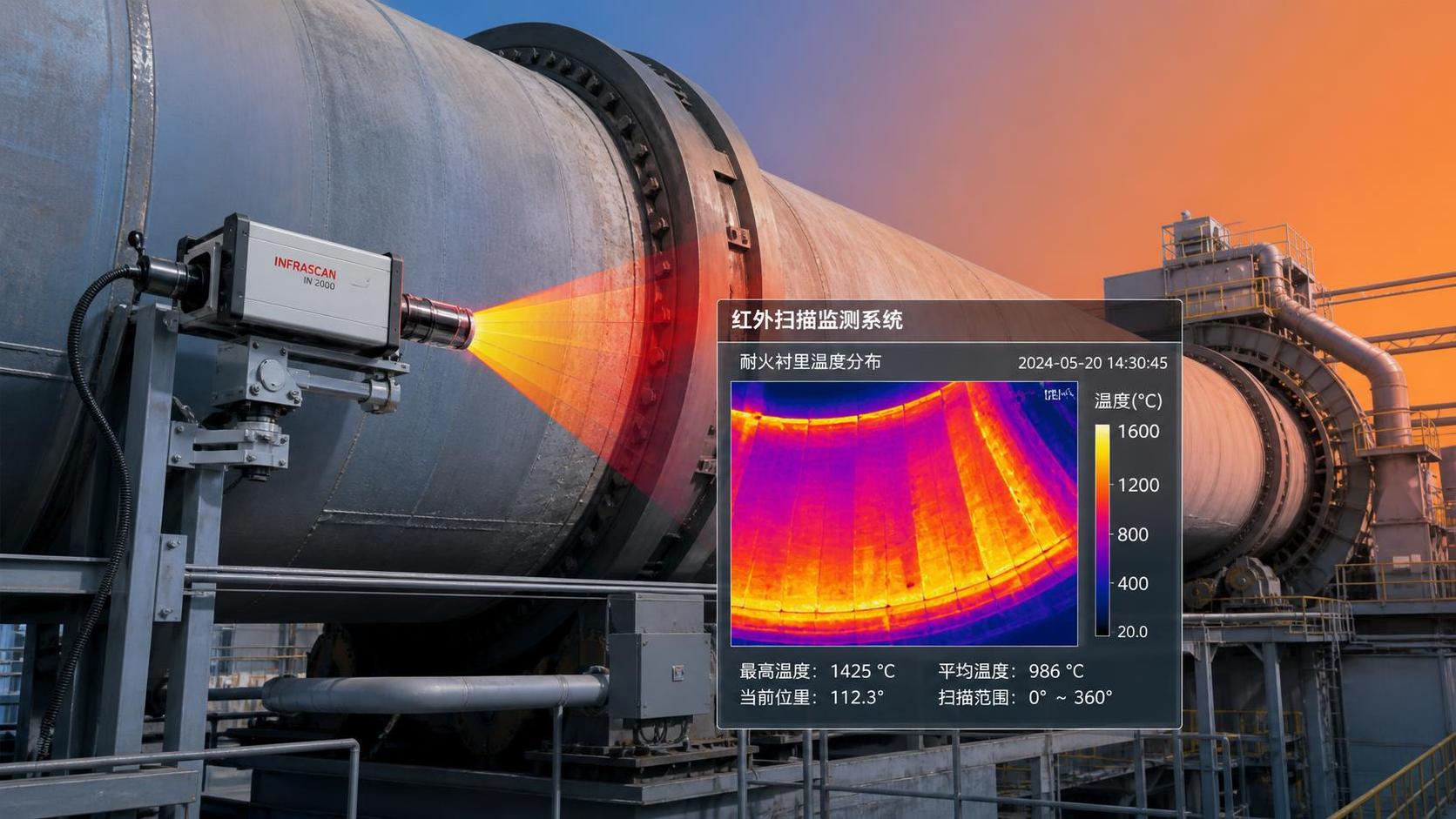
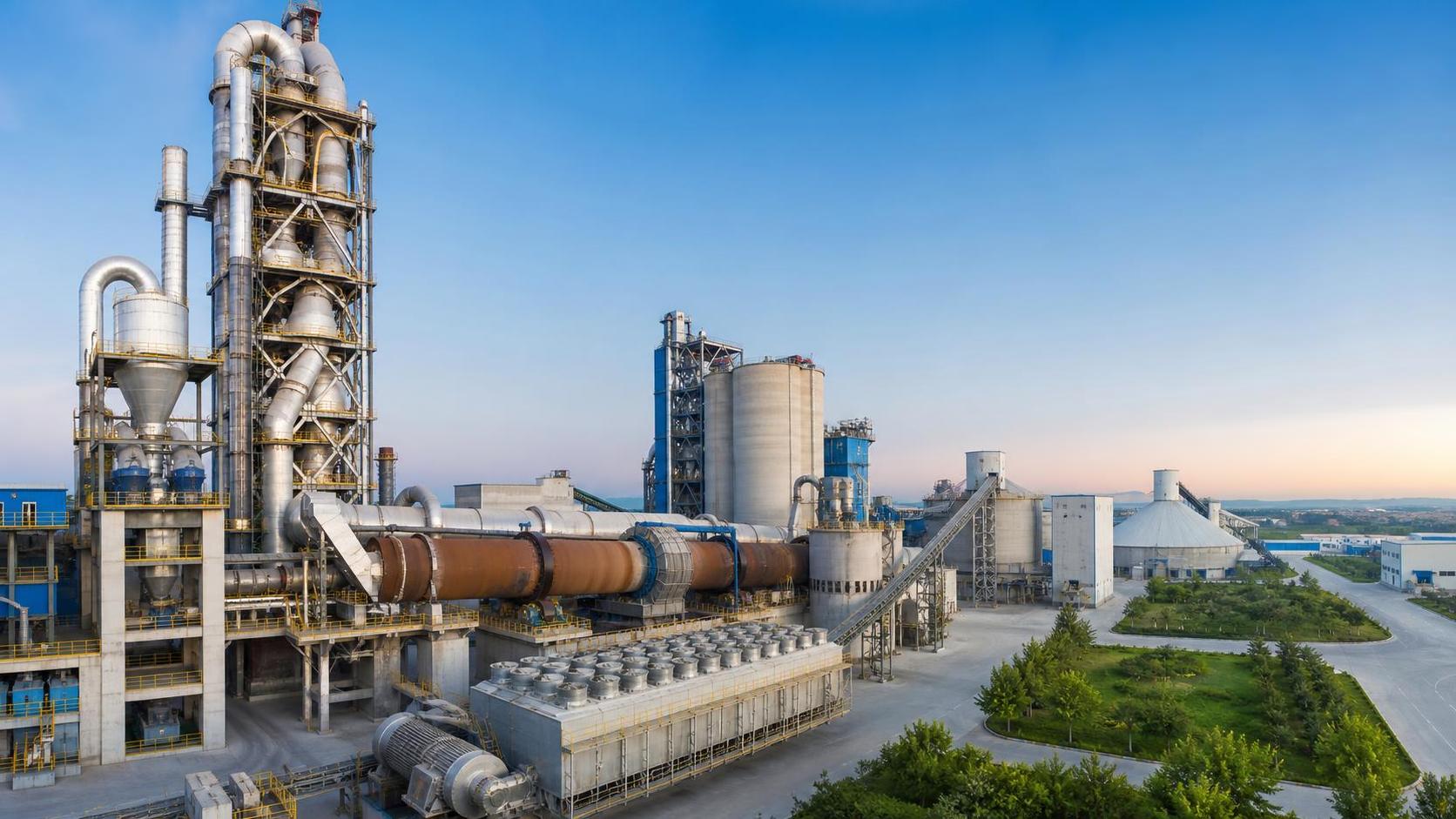
Its analysis of kilns, glass lines, refractory barriers, and extrusion processes highlights a familiar principle.
Heat control works best when material behavior, operational conditions, and energy strategy are assessed together.
Where heat-control priorities shift in real building use
Office buildings often struggle with changing occupancy and solar exposure across elevations.
Here, thermal management architecture should reduce afternoon overheating without forcing oversized cooling equipment.
Glazing ratio, shading depth, air-tightness, and thermal bridging usually matter more than nominal insulation thickness alone.
Healthcare and laboratory spaces create a different challenge.
They carry high ventilation demand, stable temperature expectations, and continuous internal heat from equipment.
In those settings, thermal management architecture must balance envelope performance with strict airflow and redundancy requirements.
Industrial and processing facilities add another layer.
Waste heat, intermittent peaks, corrosive conditions, and process-driven ventilation can overwhelm standard building assumptions.
This is where lessons from high-temperature sectors become useful.
Understanding thermal barriers, refractory durability, and controlled heat loss helps refine building-scale strategies near production environments.
Residential and hospitality projects usually place more weight on comfort variation and operating cost predictability.
The best approach is often quieter and less visible.
Continuous insulation, better moisture control, and responsive zoning can outperform complex systems with difficult maintenance needs.
Different conditions create different thermal management architecture decisions
A quick comparison helps clarify why similar-looking buildings can require very different heat-control logic.
Material choices matter most when the heat path is clear
Many projects still evaluate materials by datasheet values alone.
That tends to miss how thermal management architecture actually performs after installation, weather exposure, and service aging.
For facade systems, low conductivity is only part of the answer.
Joint detailing, fastening methods, vapor control, and fire-rated interfaces can change the real heat path.
Roof assemblies need similar scrutiny.
A high-reflectance surface may help with cooling loads, but moisture trapping or poor edge detailing can reduce long-term performance.
Buildings near furnaces, incineration zones, or heavy process equipment face stricter material demands.
In those environments, heat resistance, dimensional stability, and protective layering become more important than standard office-building metrics.
This is where cross-sector knowledge from silicate and refractory systems becomes valuable.
Thermal management architecture benefits from materials that keep performance under repeated thermal cycling, not only under laboratory conditions.
What to confirm before selecting materials
- Check whether peak heat is external, internal, or process-related.
- Confirm moisture exposure and condensation risk at transition details.
- Review service life under cycling, not only initial rated values.
- Compare repair access and replacement complexity across assemblies.
- Align fire performance with thermal goals from the start.
System planning works better than chasing isolated efficiency gains
A common mistake is treating thermal management architecture as a single component upgrade.
Higher insulation, better glass, or a larger chiller may help, yet still leave the building thermally unstable.
Real improvement usually comes from coordination across layers.
Envelope design should be tested against HVAC control logic, occupancy schedules, and local climate extremes.
For campuses and industrial parks, district-scale heat recovery may be more valuable than aggressive upgrades in every standalone block.
For retrofit projects, the better question is often where the biggest thermal imbalance starts.
That could be facade leakage, plant-room overheating, or poorly separated high-load spaces.
CF-Elite’s broader industry lens reinforces this systems habit.
In kilns, float lines, and extrusion operations, heat efficiency depends on process continuity and monitoring quality.
Buildings are different in scale, yet the planning logic is similar.
Thermal management architecture improves when design teams map heat sources, barriers, losses, and recovery opportunities before fixing specifications.
Misjudgments that weaken thermal management architecture
Several errors appear repeatedly, especially when schedules are tight.
- Assuming similar facade types will perform equally across different climate zones.
- Optimizing for capital cost while ignoring maintenance shutdowns or access limits.
- Using thermal models without updating occupancy, equipment, or ventilation assumptions.
- Treating process-adjacent buildings like ordinary conditioned space.
- Overlooking thermal bridges around anchors, slab edges, and service penetrations.
In actual use, the most expensive issue is often not average inefficiency.
It is localized failure.
Condensation at a junction, overheating in one occupied zone, or repeated lining fatigue near a heat source can trigger larger operational losses.
That is why thermal management architecture should be judged by weak points, not just by headline performance numbers.
A practical way to match strategy with the building’s heat reality
A useful next step is to organize decisions around actual heat behavior rather than product categories.
Start by mapping where heat enters, where it is generated, and where it becomes difficult to remove.
Then compare those findings with material limits, operational patterns, and required comfort ranges.
If the building interfaces with industrial production, confirm whether standard envelope logic is sufficient.
If the project is a retrofit, identify the thermal bottleneck before selecting upgrades.
If the goal is carbon reduction, test whether heat recovery, passive control, or durable thermal barriers bring the strongest return.
Good thermal management architecture rarely comes from one heroic specification.
It comes from clear scene-based judgment, realistic operating assumptions, and disciplined coordination between materials and systems.
That approach creates buildings that are more stable, more efficient, and easier to adapt as performance expectations rise.
For deeper evaluation, it helps to build a checklist covering climate loads, internal heat sources, maintenance constraints, compliance limits, and lifecycle risk.
Once that baseline is visible, thermal management architecture becomes easier to compare, prioritize, and refine.
Related News
 Thermal Energy ArchitectHow European Plants Can Evaluate Energy Recovery Equipment for High-Temperature ProcessesIndustrial energy recovery equipment Europe: learn how high-temperature plants can assess waste-heat sources, integration risks, lifecycle value, and reliable recovery routes.Sep 20, 2026
 Thermal Energy ArchitectIndustrial Furnace Process Optimization: Reducing Fuel Use Without Sacrificing ThroughputIndustrial process optimization furnace strategies that cut fuel use while protecting throughput. Explore combustion control, heat recovery, refractory performance, and data-driven efficiency gains.Sep 19, 2026
 Ms. Elena RodriguezWhat Drives High-Pressure Extrusion Equipment Cost in Industrial Projects?High pressure extrusion equipment cost explained: compare pressure, die design, automation, wear, energy, and installation factors for smarter industrial investments.Sep 18, 2026
 Thermal Energy ArchitectHow to Size a Waste Heat Recovery Exchanger for High-Temperature Kiln Exhaust?Waste heat recovery exchanger sizing for high-temperature kiln exhaust: balance recoverable duty, fouling, corrosion limits, pressure drop, and reliable heat use.Sep 17, 2026
 Thermal Energy ArchitectWhy Heat-Resistant Materials Lose Abrasion Resistance at High TemperaturesHeat-resistant materials abrasion resistance can decline at high temperatures. Discover the thermal, chemical, and mechanical causes of wear—and how to choose longer-lasting linings.Sep 16, 2026
 Thermal Energy ArchitectHow to Evaluate a Thermal Energy Optimization Company for High-Temperature PlantsChoose a thermal energy optimization company with proven process expertise, measurable savings, and reliable delivery for high-temperature plants. Learn what to assess.Sep 15, 2026
 Thermal Energy ArchitectRotary Kiln Efficiency: How Feed Rate, Fuel Use, and Heat Loss Affect OutputRotary kiln efficiency explained: discover how feed rate, fuel use, heat loss, combustion, and cooling performance shape output, quality, and energy costs.Sep 14, 2026
 Thermal Energy ArchitectHow to Select Heat-Resistant Materials That Maintain Abrasion Resistance in KilnsHeat-resistant materials abrasion resistance: learn how to select kiln linings that withstand heat, wear, thermal cycling, and chemical attack for longer service life.Sep 13, 2026
 Thermal Energy ArchitectHow Rotary Kiln Automation Improves Temperature Control and Fuel EfficiencyRotary kiln technology automation enhances temperature control, stabilizes combustion, and improves fuel efficiency with smarter data, predictive control, and safer operations.Sep 12, 2026
 Silicate Process EngineerCement Plant Emission Control: Selecting Systems for Dust, NOx, and SO2 LimitsCement plant emission control guide: compare dust collectors, NOx reduction, and SO2 systems for reliable compliance across kiln modes, fuel changes, and operating upsets.Sep 11, 2026
 Thermal Energy ArchitectSelecting Abrasion-Resistant High-Temperature Materials for Kiln and Conveyor Wear ZonesHigh-temp material engineering guide to abrasion-resistant kiln and conveyor solutions—match wear, heat, chemistry, and installation design for longer service life.Sep 10, 2026
 Dr. Alistair VaughnIndustrial Process Engineering: How to Map Processes for Safer, More Efficient PlantsIndustrial process engineering reveals bottlenecks, safety risks, and energy losses through practical process mapping for safer, more efficient plants.Sep 09, 2026
 Optical Glass Tech FellowHow to Evaluate a Glass Annealing Equipment Manufacturer for Production StabilityChoose a glass annealing equipment manufacturer with proven thermal uniformity, reliable controls, lifecycle value, and responsive service for stable production.Sep 08, 2026
 Prof. Marcus ChenThermal Energy Architecture in North America: Strategies for Lower Building Energy UseThermal energy architecture North America helps project leaders cut building energy use through stronger envelopes, right-sized HVAC, storage, and smart commissioning.Sep 07, 2026
 Ms. Elena RodriguezHow Should Buyers Evaluate Building Material Industry Intelligence Pricing?Building material industry intelligence pricing: learn how to compare coverage, technical depth, and ROI to choose intelligence that reduces procurement risk.Sep 07, 2026
 Ms. Elena RodriguezHow to Use Building Material Intelligence Data for Market and Investment DecisionsBuilding material industry intelligence data helps leaders evaluate demand, costs, regulation, capacity, and technology to make smarter market and investment decisions.Sep 05, 2026
 Thermal Energy ArchitectHow PLC Control Improves Energy Efficiency and Temperature Stability in KilnsEnergy efficient kilns PLC control improves temperature stability, cuts fuel waste, and optimizes combustion, draft, and material flow. Explore proven strategies for smarter kiln modernization.Sep 04, 2026
 Optical Glass Tech FellowEuropean Glass Melting Processes: Furnace Choices, Energy Use, and Quality ControlGlass melting process Europe: explore furnace choices, energy efficiency, cullet strategy, and quality control to improve output, compliance, and long-term glass performance.Sep 03, 2026
 Thermal Energy ArchitectWhat Determines Refractory Lining Monitoring Price for Industrial Kilns?Refractory lining monitoring price depends on kiln size, sensor technology, installation, software, and support. Compare total lifecycle costs and choose the right solution.Sep 02, 2026
 Silicate Process EngineerCement Production System Costs: A Plant Buyer’s Guide to Budgeting and ROICement production systems cost planning made clear: compare CAPEX, operating costs, compliance, and ROI to build a resilient, profitable cement plant investment.Sep 01, 2026



Related News
- 00
0000-00
What Drives High-Pressure Extrusion Equipment Cost in Industrial Projects? - 00
0000-00
How Should Buyers Evaluate Building Material Industry Intelligence Pricing? - 00
0000-00
How to Use Building Material Intelligence Data for Market and Investment Decisions - 00
0000-00
How to Evaluate a Silicate Processing Equipment Manufacturer for Plant Projects - 00
0000-00
Process Equipment Comparison: Which Metrics Matter Most for Reliable Selection?
Weekly Insights
Stay ahead with our curated technology reports delivered every Monday.