
Thermal Management Solutions vs Traditional Cooling Methods: What Should Buyers Compare?




Why does the comparison go beyond price?
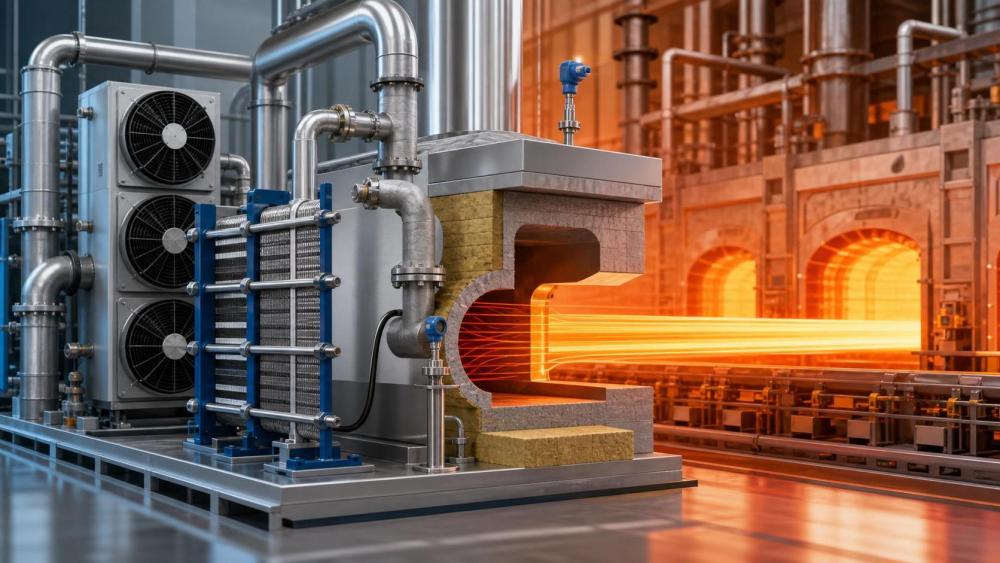
Thermal management solutions are often compared with fans, water loops, vents, or basic chillers.
That sounds straightforward, but in process industries, the choice changes much more than utility cost.
It affects heat stability, refractory life, output consistency, maintenance intervals, and unplanned shutdown risk.
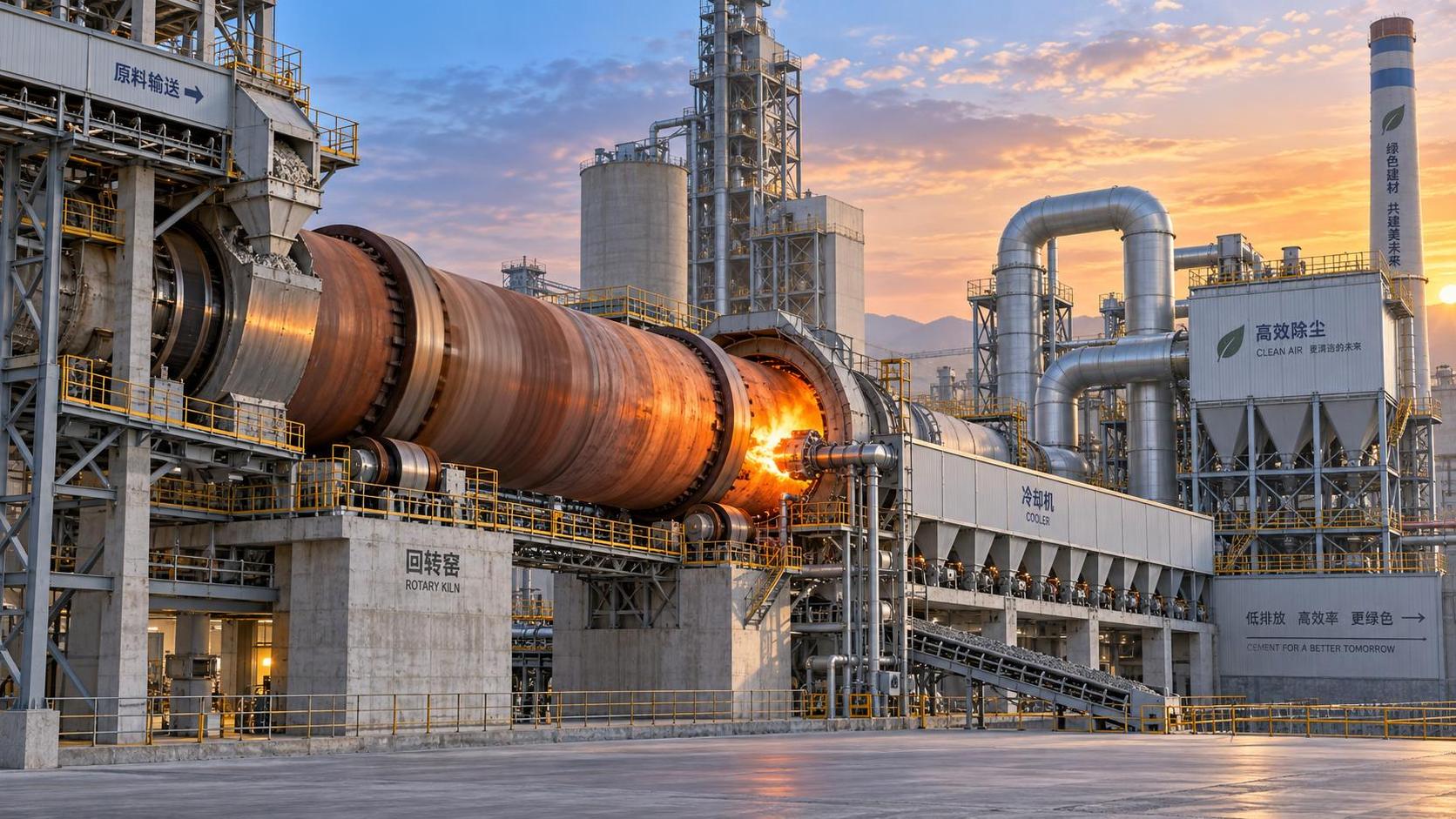
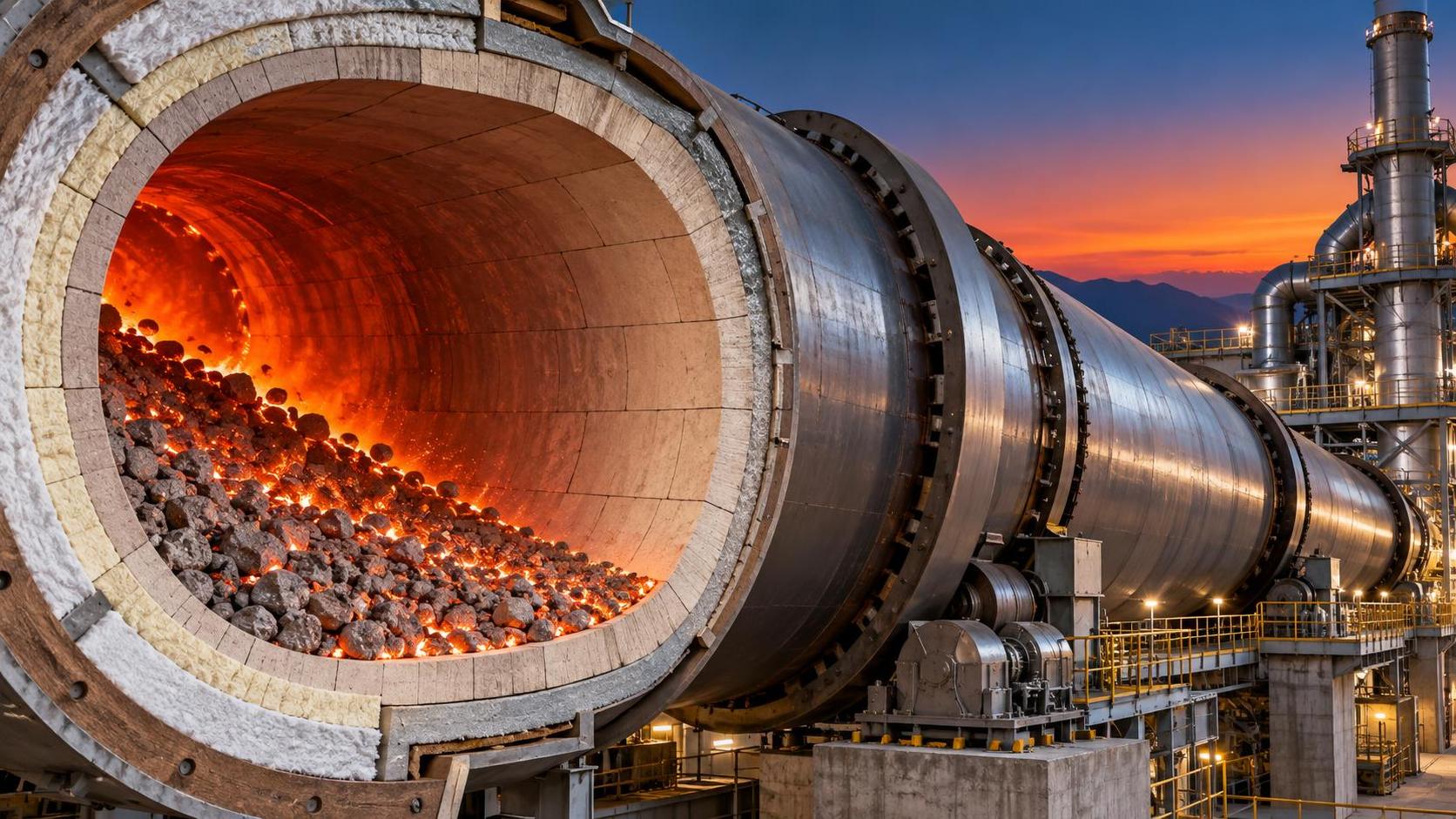
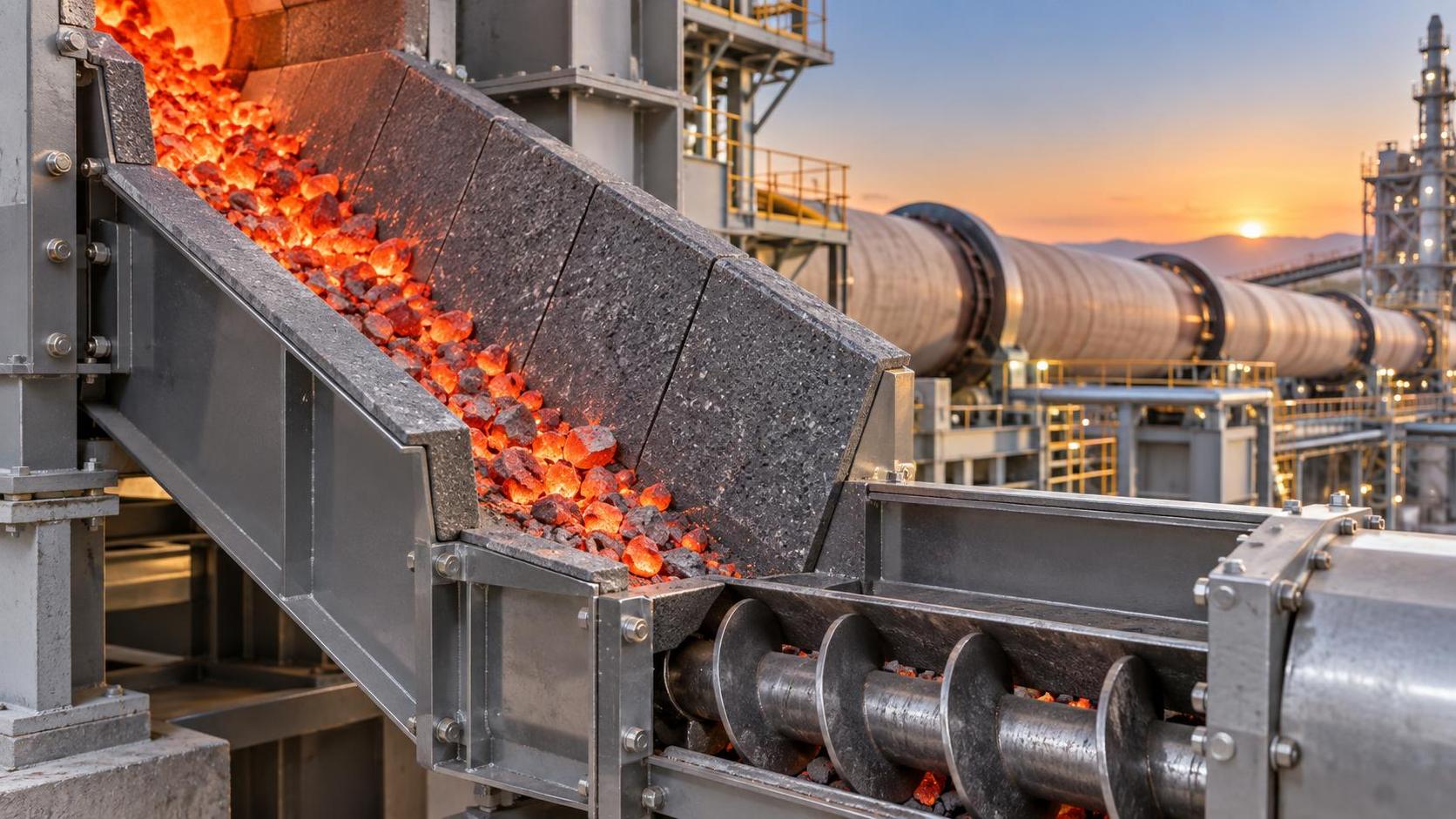
In cement, glass, incineration, and extrusion lines, heat is not just a byproduct.
It is part of the production logic itself.
That is why thermal management solutions deserve a broader evaluation than traditional cooling methods usually receive.
A conventional cooling method may remove excess heat.
A stronger thermal management approach also controls heat flow, response speed, temperature uniformity, and energy recovery potential.
For operations tracked by carbon targets, that difference matters even more.
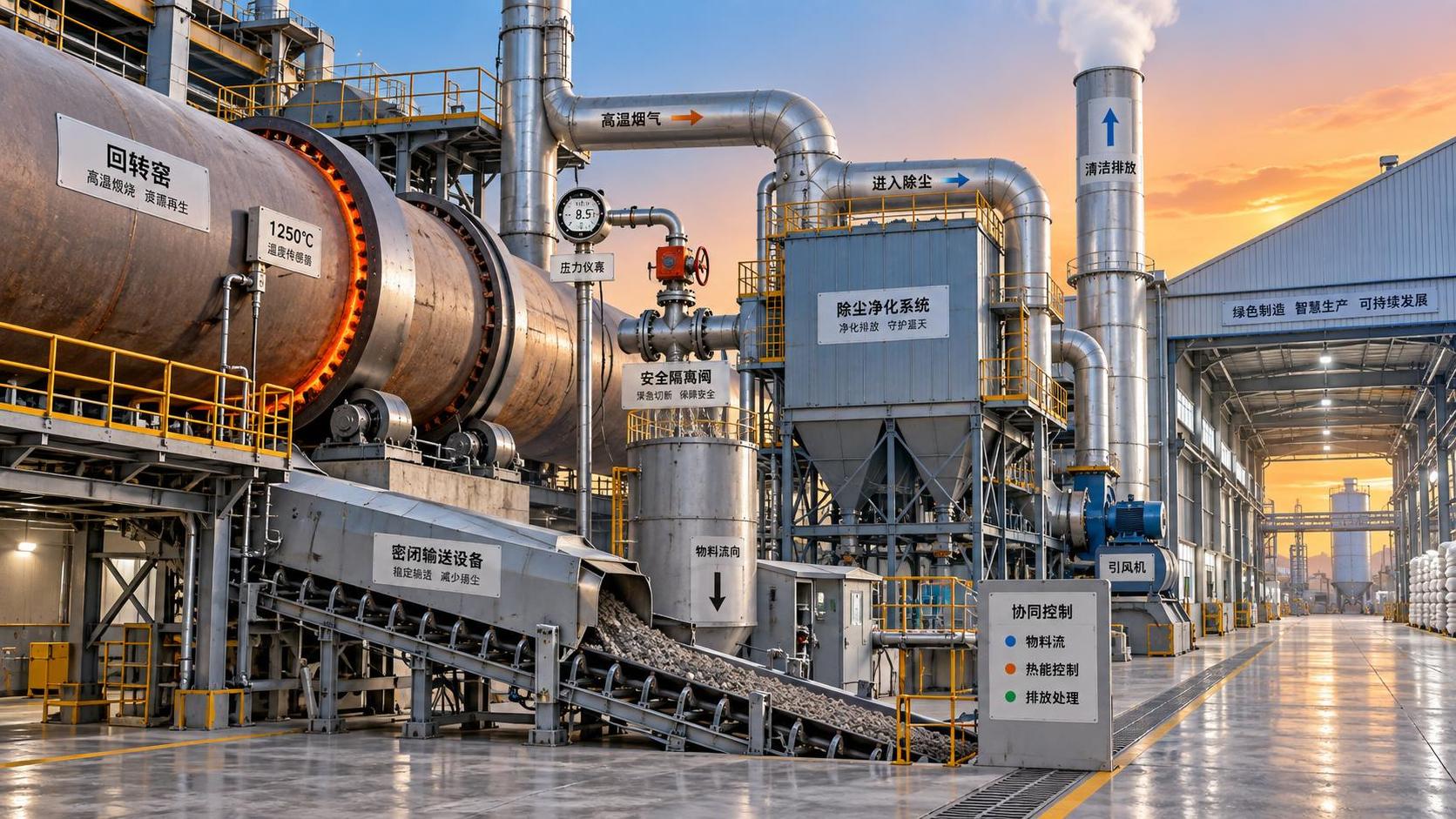
CF-Elite frequently follows these decisions across rotary kilns, float lines, refractory systems, and material forming equipment.
A recurring pattern appears.
Buyers who compare only purchase price often underestimate lifecycle cost and operational exposure.
So what exactly counts as thermal management solutions?
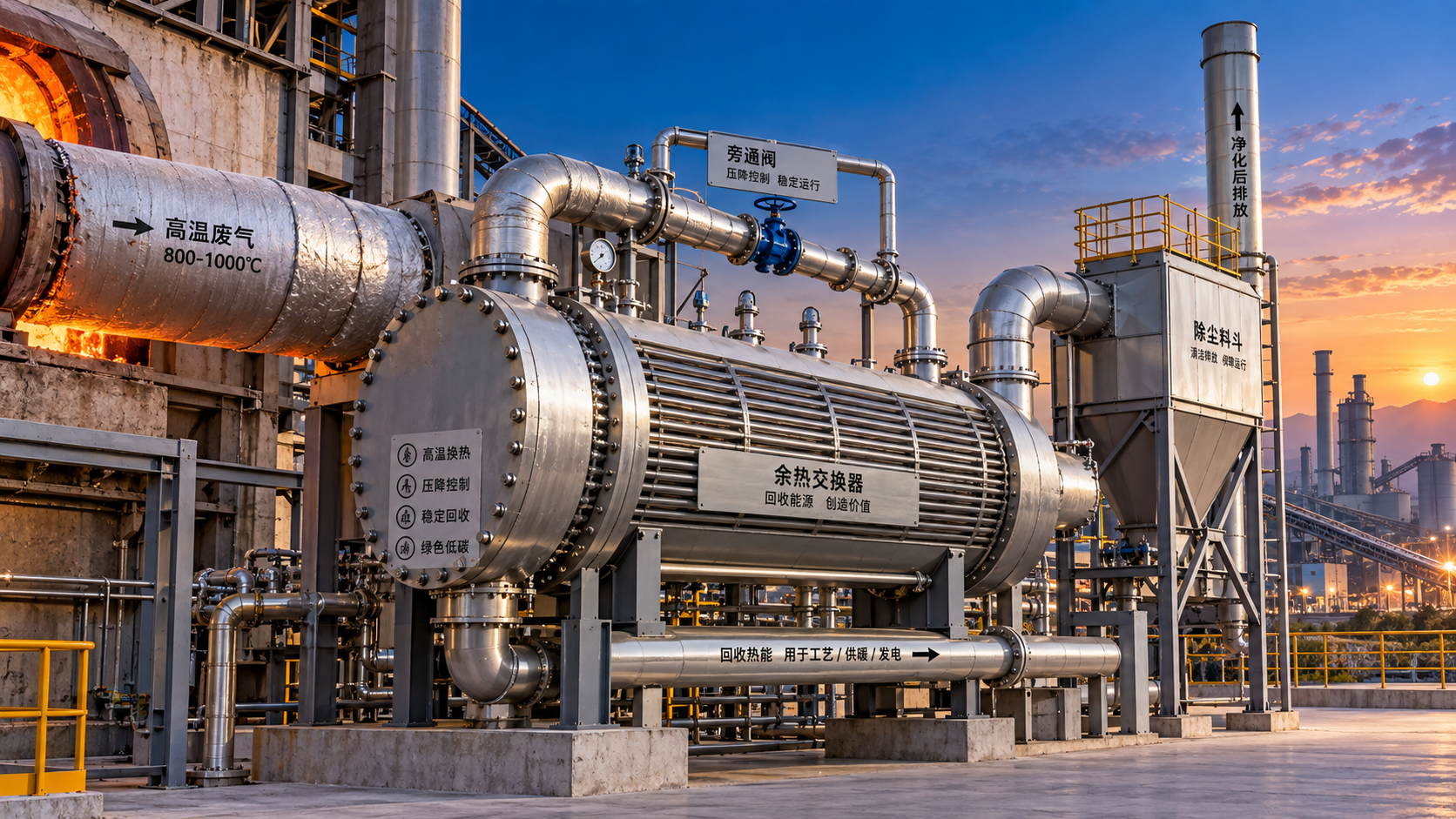
In practical terms, thermal management solutions are coordinated methods for controlling heat generation, transfer, storage, and release.
They may include advanced cooling assemblies, insulation design, heat exchangers, sensors, controls, and predictive monitoring.
Traditional cooling methods are usually narrower.
They focus on lowering temperature after heat becomes a problem.
The broader thermal management model asks a different question.
How can heat be controlled before it harms throughput, product quality, or asset integrity?
This distinction becomes visible in high-temperature sectors.
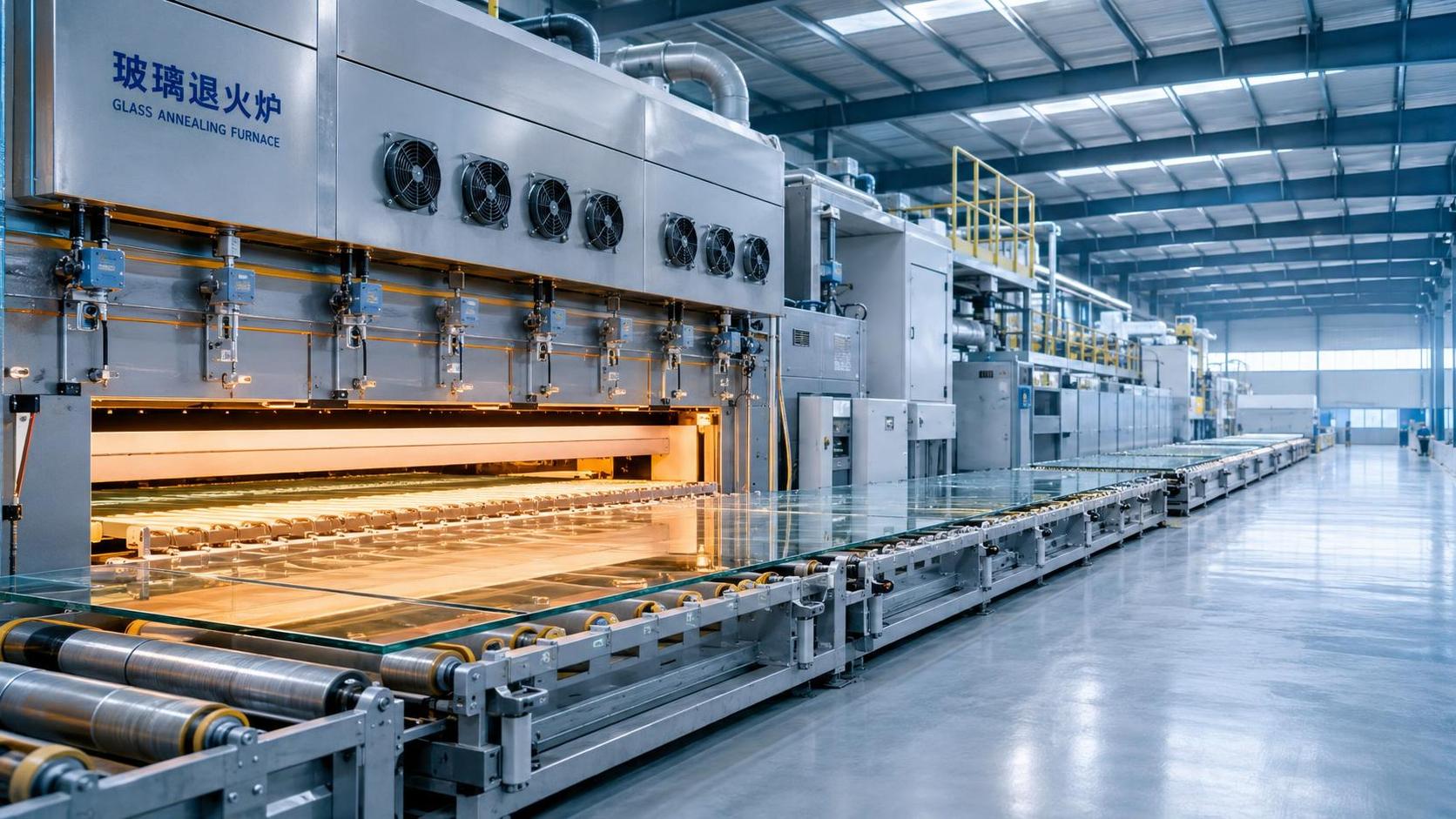
A glass line may need uniform cooling to prevent stress defects.
An incineration system may need thermal balance to protect combustion efficiency and emissions compliance.
An extrusion setup may need stable thermal zones to avoid dimensional variation.
In those settings, thermal management solutions are not premium add-ons.
They are process control tools.
Which comparison points reveal the real difference?
A useful comparison starts with operating reality, not brochure language.
The table below helps separate headline claims from decision-grade criteria.
This is where many decisions become clearer.
If the process is sensitive, intermittent savings from simpler cooling may disappear quickly.
More common indicators include scrap rate, thermal cycling stress, fuel intensity, and downtime frequency.
When do traditional cooling methods still make sense?
Not every application needs a sophisticated thermal management platform.
Traditional cooling methods can still be appropriate in stable, low-variation operating environments.
They also fit non-critical auxiliary equipment where temperature precision is not tied to product performance.
For example, simple ventilation or fixed cooling loops may be acceptable for peripheral motors, housings, or non-process enclosures.
The key is to avoid extending that logic to core thermal zones.
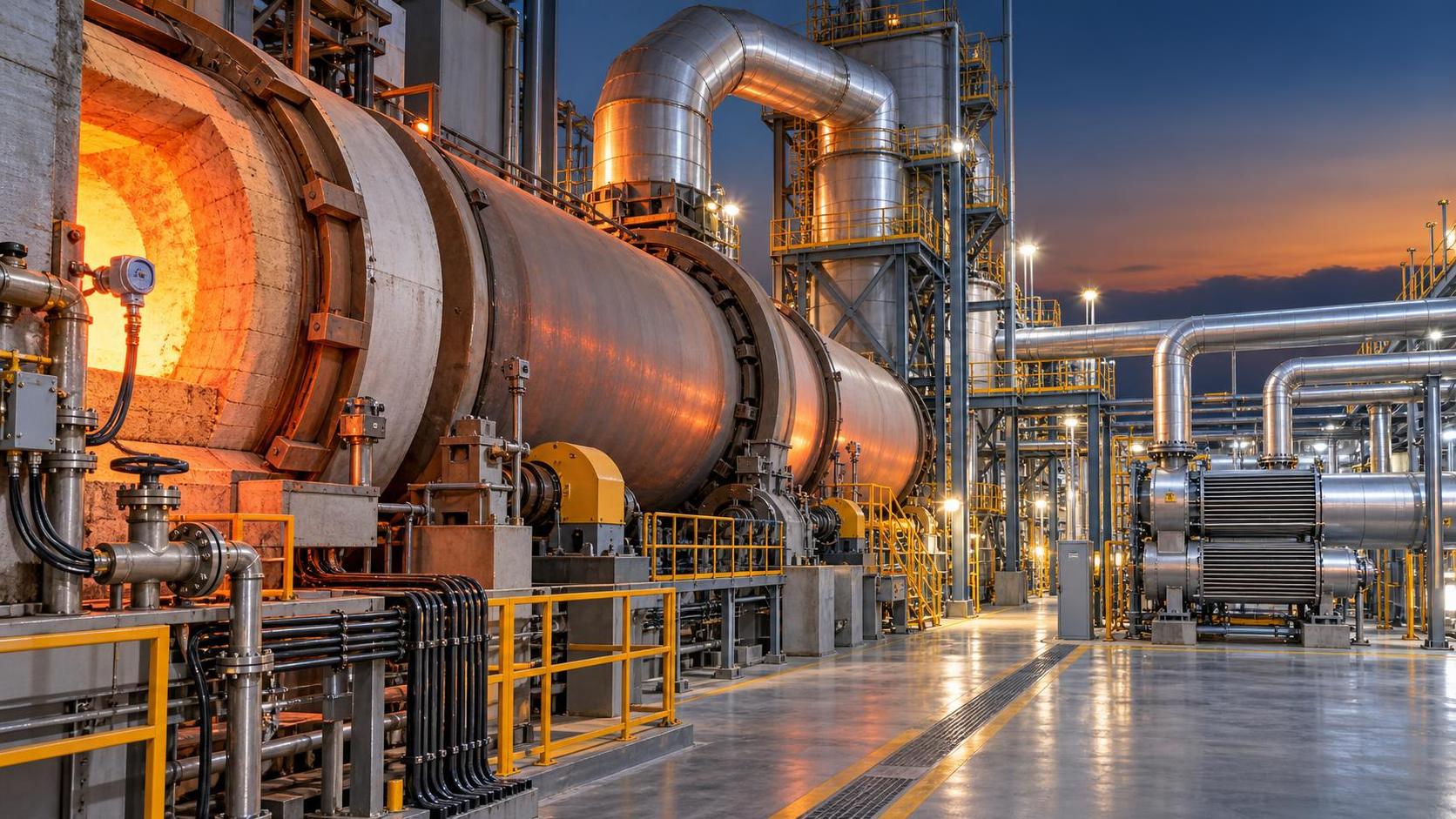
In kilns, annealing areas, incineration chambers, or heated extrusion sections, the margin for thermal error is small.
A lower-cost cooling method can become expensive if it creates unstable heat distribution.
CF-Elite's market tracking often shows that capital-light decisions work best when process loads are predictable.
Once the line faces variable feedstock, stricter environmental limits, or tighter product tolerances, buyers usually revisit the decision.
How should cost be judged without missing hidden risk?
The purchase price is only the entry point.
A better comparison uses total cost of ownership over the expected operating window.
That means energy draw, spare parts, planned service, operator intervention, failure frequency, and heat-related production loss.
In real projects, hidden cost often appears in four places.
- Temperature instability that lowers yield or product consistency
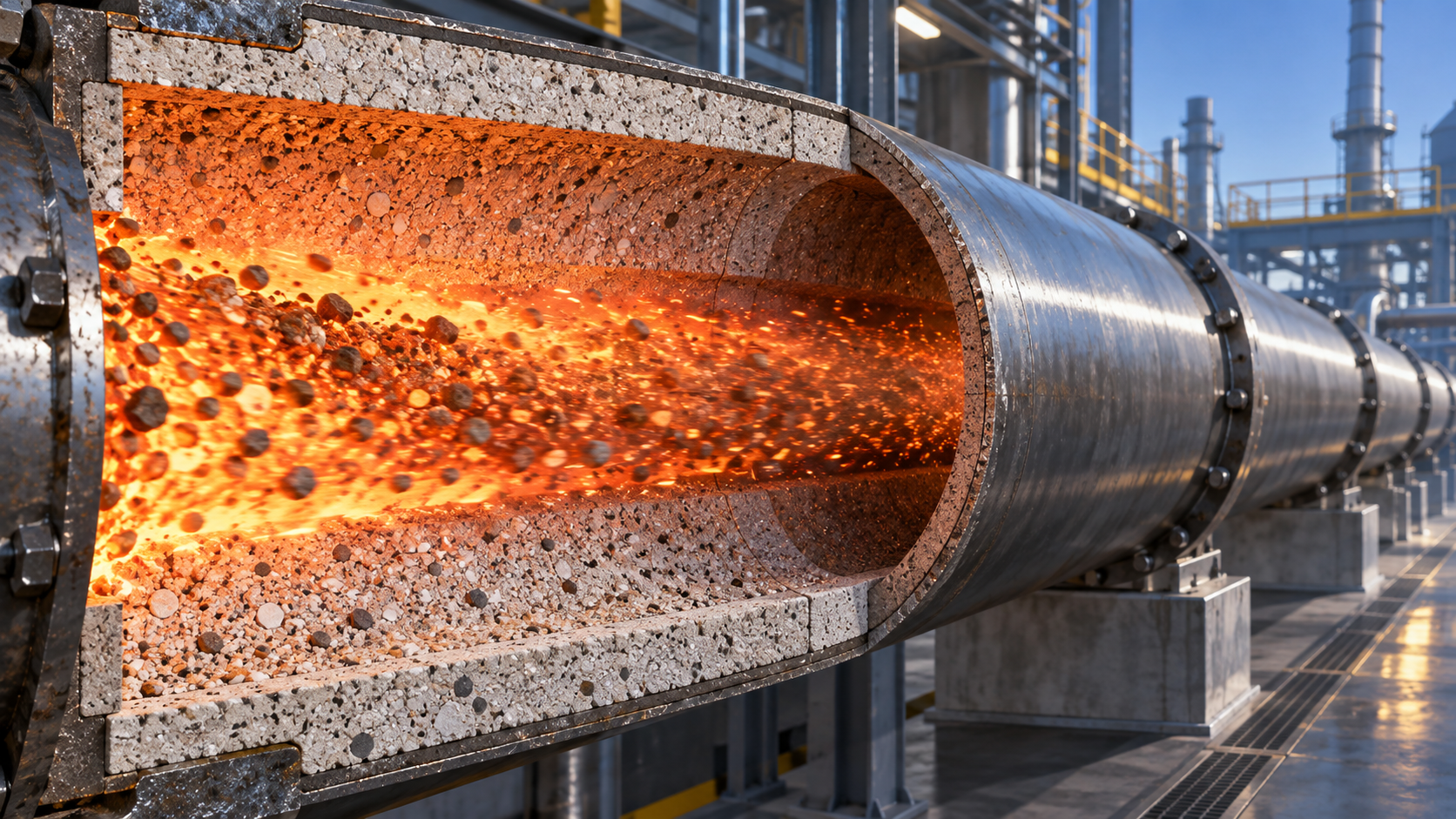
- Thermal stress that shortens refractory, seal, or bearing life
- Higher fuel or power demand from poor heat control
- Compliance pressure when emissions or efficiency thresholds tighten
That last point deserves attention.
Decarbonization is no longer a distant policy discussion in many industrial markets.
If thermal management solutions help recover heat, reduce overcooling, or support smarter control, they can protect future operating flexibility.
This matters in global supply chains where environmental reporting is becoming part of commercial qualification.
What should be confirmed before choosing a system?
A good decision usually starts with a sharper internal checklist.
Instead of asking which option is cheaper, ask which option protects the process better.
Several confirmation points help.
- Map the actual heat load, including peaks, cycling, and upset conditions
- Check whether temperature uniformity affects quality or emissions
- Review compatibility with existing controls, sensors, and maintenance routines
- Estimate service life under dust, corrosion, vibration, and high-temperature exposure
- Ask how performance will be verified after commissioning
It is also worth checking data capability.
Many thermal management solutions create value because they improve visibility, not just cooling intensity.
Trend data can reveal slow deterioration before a shutdown occurs.
That is especially relevant in long-cycle heavy equipment.
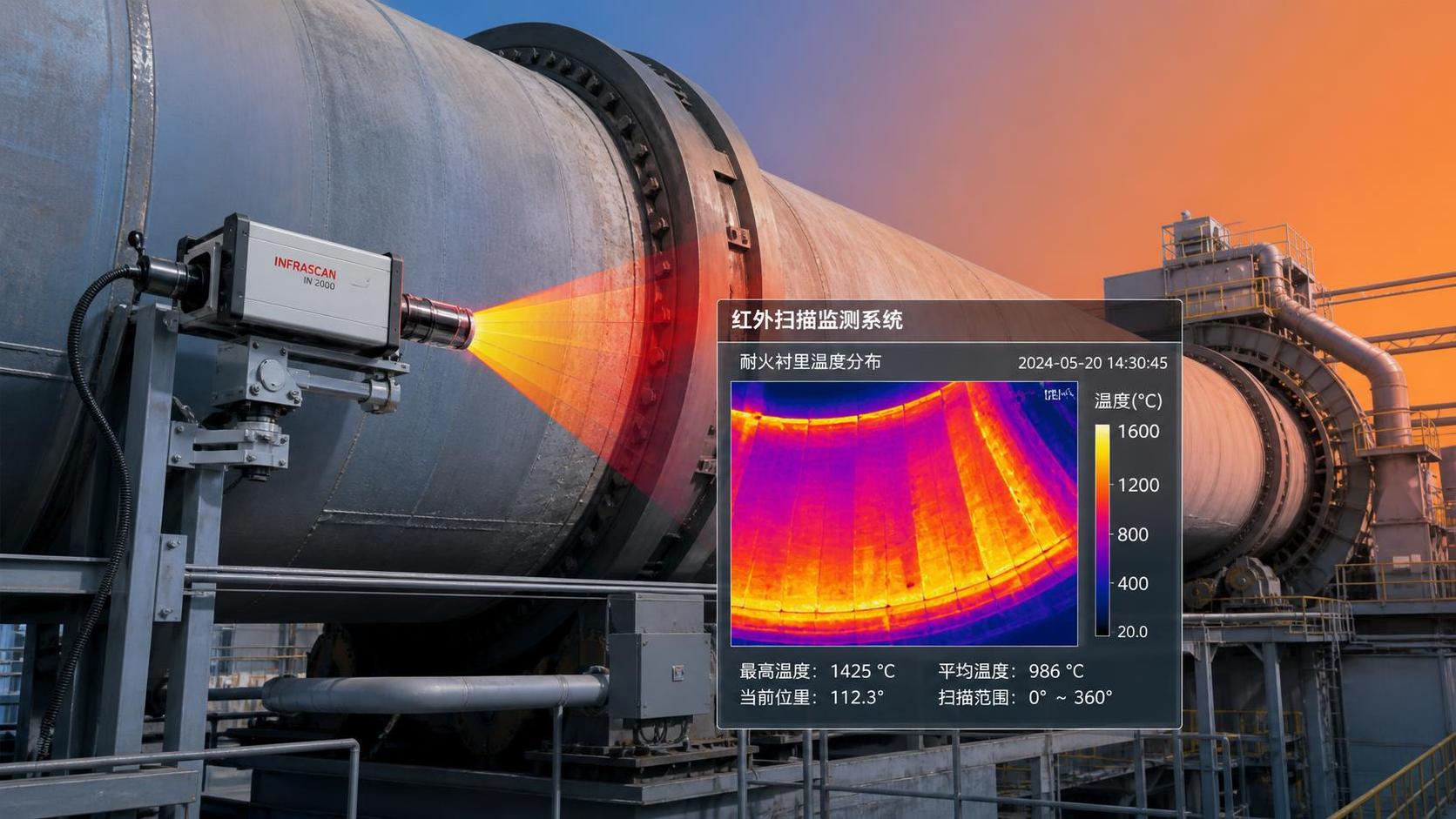
CF-Elite's intelligence work around digital twins, refractory monitoring, and heat-resist design reflects this broader shift.
Thermal decisions are increasingly linked to predictive operations, not isolated utility functions.
What are the most common mistakes in this comparison?
One common mistake is treating all heat problems as identical.
Excess temperature, uneven temperature, delayed response, and thermal shock require different answers.
Another mistake is relying on nominal capacity alone.
A system may look strong on paper yet perform poorly under dust loading, feed variability, or frequent starts and stops.
There is also a tendency to ignore implementation fit.
If the solution needs special water quality, complex controls, or rare spare parts, the practical burden may rise.
Finally, some comparisons separate cooling from broader process strategy.
That is risky in sectors where energy, material behavior, and emissions performance interact.
In high-temperature industries, the smarter view is integrated.
Thermal management solutions should be judged by how well they support stable production and long-term efficiency.
What is the best next step if the answer still seems unclear?
Start with the process, not the product category.
List where heat instability creates measurable loss today.
Then compare thermal management solutions and traditional cooling methods against those specific loss points.
In many cases, the decision becomes easier when framed around uptime, heat uniformity, service life, and carbon exposure.
If the application sits in cement, glass, incineration, refractory, or advanced material extrusion, temperature control usually deserves strategic attention.
That is the space where CF-Elite's industry intelligence is especially useful.
It helps connect equipment decisions with process physics, market direction, and environmental pressure.
A careful comparison does not need to be complicated.
It simply needs to look beyond immediate cost and ask what kind of thermal control the operation truly requires.
That is usually where lower-risk decisions begin.
Related News
 Thermal Energy ArchitectHow European Plants Can Evaluate Energy Recovery Equipment for High-Temperature ProcessesIndustrial energy recovery equipment Europe: learn how high-temperature plants can assess waste-heat sources, integration risks, lifecycle value, and reliable recovery routes.Sep 20, 2026
 Thermal Energy ArchitectIndustrial Furnace Process Optimization: Reducing Fuel Use Without Sacrificing ThroughputIndustrial process optimization furnace strategies that cut fuel use while protecting throughput. Explore combustion control, heat recovery, refractory performance, and data-driven efficiency gains.Sep 19, 2026
 Ms. Elena RodriguezWhat Drives High-Pressure Extrusion Equipment Cost in Industrial Projects?High pressure extrusion equipment cost explained: compare pressure, die design, automation, wear, energy, and installation factors for smarter industrial investments.Sep 18, 2026
 Thermal Energy ArchitectHow to Size a Waste Heat Recovery Exchanger for High-Temperature Kiln Exhaust?Waste heat recovery exchanger sizing for high-temperature kiln exhaust: balance recoverable duty, fouling, corrosion limits, pressure drop, and reliable heat use.Sep 17, 2026
 Thermal Energy ArchitectWhy Heat-Resistant Materials Lose Abrasion Resistance at High TemperaturesHeat-resistant materials abrasion resistance can decline at high temperatures. Discover the thermal, chemical, and mechanical causes of wear—and how to choose longer-lasting linings.Sep 16, 2026
 Thermal Energy ArchitectHow to Evaluate a Thermal Energy Optimization Company for High-Temperature PlantsChoose a thermal energy optimization company with proven process expertise, measurable savings, and reliable delivery for high-temperature plants. Learn what to assess.Sep 15, 2026
 Thermal Energy ArchitectRotary Kiln Efficiency: How Feed Rate, Fuel Use, and Heat Loss Affect OutputRotary kiln efficiency explained: discover how feed rate, fuel use, heat loss, combustion, and cooling performance shape output, quality, and energy costs.Sep 14, 2026
 Thermal Energy ArchitectHow to Select Heat-Resistant Materials That Maintain Abrasion Resistance in KilnsHeat-resistant materials abrasion resistance: learn how to select kiln linings that withstand heat, wear, thermal cycling, and chemical attack for longer service life.Sep 13, 2026
 Thermal Energy ArchitectHow Rotary Kiln Automation Improves Temperature Control and Fuel EfficiencyRotary kiln technology automation enhances temperature control, stabilizes combustion, and improves fuel efficiency with smarter data, predictive control, and safer operations.Sep 12, 2026
 Silicate Process EngineerCement Plant Emission Control: Selecting Systems for Dust, NOx, and SO2 LimitsCement plant emission control guide: compare dust collectors, NOx reduction, and SO2 systems for reliable compliance across kiln modes, fuel changes, and operating upsets.Sep 11, 2026
 Thermal Energy ArchitectSelecting Abrasion-Resistant High-Temperature Materials for Kiln and Conveyor Wear ZonesHigh-temp material engineering guide to abrasion-resistant kiln and conveyor solutions—match wear, heat, chemistry, and installation design for longer service life.Sep 10, 2026
 Dr. Alistair VaughnIndustrial Process Engineering: How to Map Processes for Safer, More Efficient PlantsIndustrial process engineering reveals bottlenecks, safety risks, and energy losses through practical process mapping for safer, more efficient plants.Sep 09, 2026
 Optical Glass Tech FellowHow to Evaluate a Glass Annealing Equipment Manufacturer for Production StabilityChoose a glass annealing equipment manufacturer with proven thermal uniformity, reliable controls, lifecycle value, and responsive service for stable production.Sep 08, 2026
 Prof. Marcus ChenThermal Energy Architecture in North America: Strategies for Lower Building Energy UseThermal energy architecture North America helps project leaders cut building energy use through stronger envelopes, right-sized HVAC, storage, and smart commissioning.Sep 07, 2026
 Ms. Elena RodriguezHow Should Buyers Evaluate Building Material Industry Intelligence Pricing?Building material industry intelligence pricing: learn how to compare coverage, technical depth, and ROI to choose intelligence that reduces procurement risk.Sep 07, 2026
 Ms. Elena RodriguezHow to Use Building Material Intelligence Data for Market and Investment DecisionsBuilding material industry intelligence data helps leaders evaluate demand, costs, regulation, capacity, and technology to make smarter market and investment decisions.Sep 05, 2026
 Thermal Energy ArchitectHow PLC Control Improves Energy Efficiency and Temperature Stability in KilnsEnergy efficient kilns PLC control improves temperature stability, cuts fuel waste, and optimizes combustion, draft, and material flow. Explore proven strategies for smarter kiln modernization.Sep 04, 2026
 Optical Glass Tech FellowEuropean Glass Melting Processes: Furnace Choices, Energy Use, and Quality ControlGlass melting process Europe: explore furnace choices, energy efficiency, cullet strategy, and quality control to improve output, compliance, and long-term glass performance.Sep 03, 2026
 Thermal Energy ArchitectWhat Determines Refractory Lining Monitoring Price for Industrial Kilns?Refractory lining monitoring price depends on kiln size, sensor technology, installation, software, and support. Compare total lifecycle costs and choose the right solution.Sep 02, 2026
 Silicate Process EngineerCement Production System Costs: A Plant Buyer’s Guide to Budgeting and ROICement production systems cost planning made clear: compare CAPEX, operating costs, compliance, and ROI to build a resilient, profitable cement plant investment.Sep 01, 2026



Related News
- 00
0000-00
What Drives High-Pressure Extrusion Equipment Cost in Industrial Projects? - 00
0000-00
How Should Buyers Evaluate Building Material Industry Intelligence Pricing? - 00
0000-00
How to Use Building Material Intelligence Data for Market and Investment Decisions - 00
0000-00
How to Evaluate a Silicate Processing Equipment Manufacturer for Plant Projects - 00
0000-00
Process Equipment Comparison: Which Metrics Matter Most for Reliable Selection?
Weekly Insights
Stay ahead with our curated technology reports delivered every Monday.