
Heavy Industrial Equipment Procurement: What to Check Before Comparing Vendors




Heavy Industrial Equipment Procurement: What to Check Before Comparing Vendors
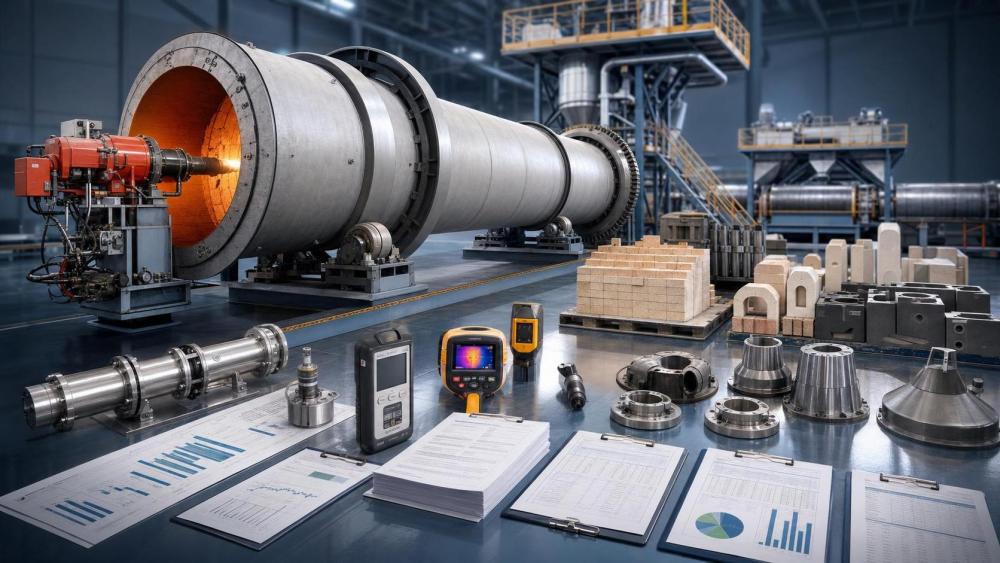
Before vendor talks begin, heavy industrial equipment procurement needs a technical filter, not only a price comparison sheet.
That matters even more in cement, glass, kiln, refractory, and extrusion projects, where one mismatch can lock in years of inefficiency.
The best purchasing decisions start by checking process fit, thermal performance, compliance exposure, operating cost, and service depth.
In practice, heavy industrial equipment procurement is rarely about the lowest bid.
It is about controlling downtime, fuel use, spare parts risk, and long-cycle asset performance.
CF-Elite follows this space closely across silicate production, thermal systems, and material processing.
From recent market changes, the clearer signal is simple: procurement teams now need stronger technical due diligence before comparing vendors.
Start With Process Fit, Not Vendor Reputation
A well-known supplier can still be the wrong choice if the equipment does not match the actual process window.
For heavy industrial equipment, process fit means verifying raw material properties, throughput targets, fuel type, ambient conditions, and product quality goals.
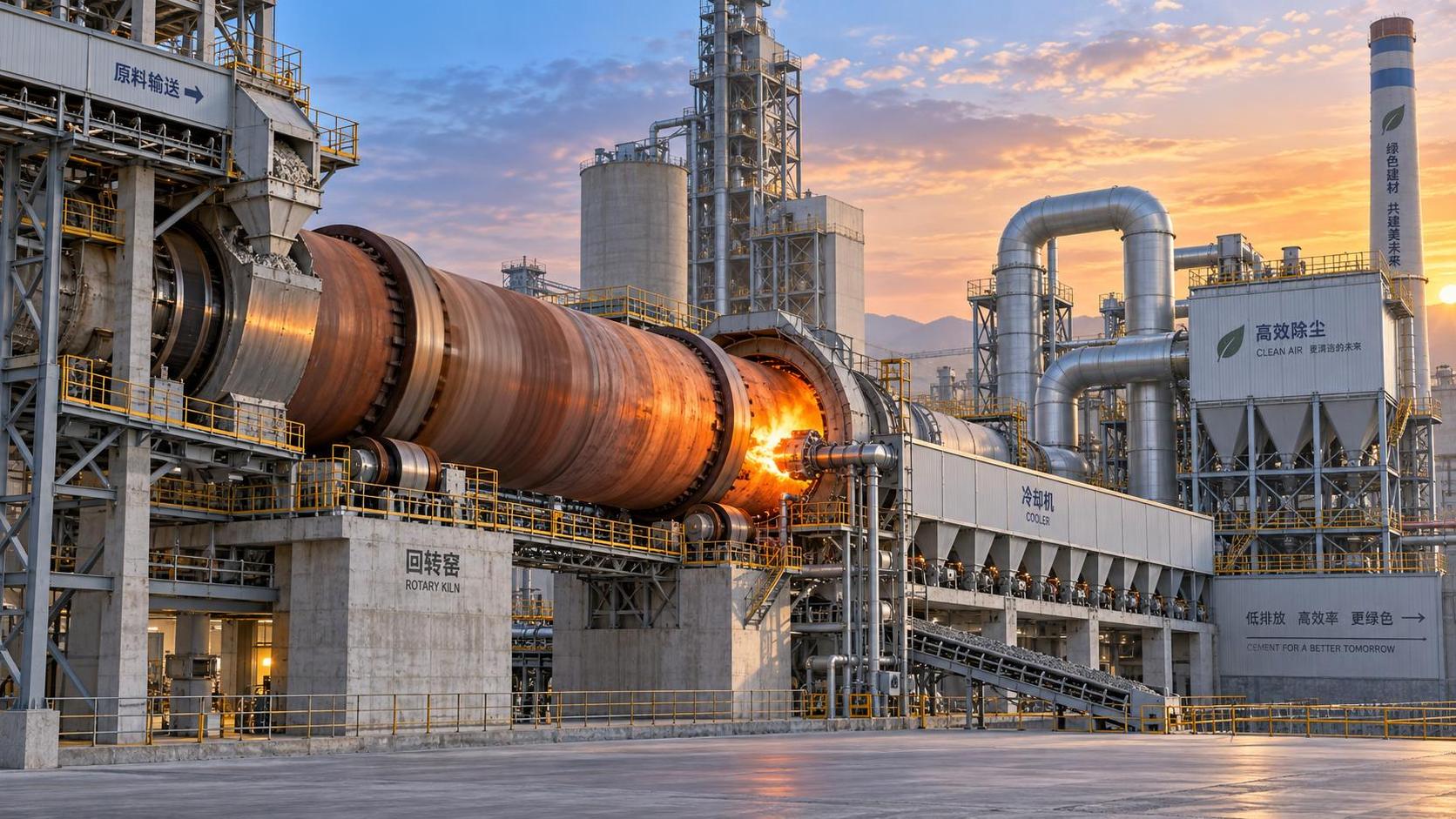
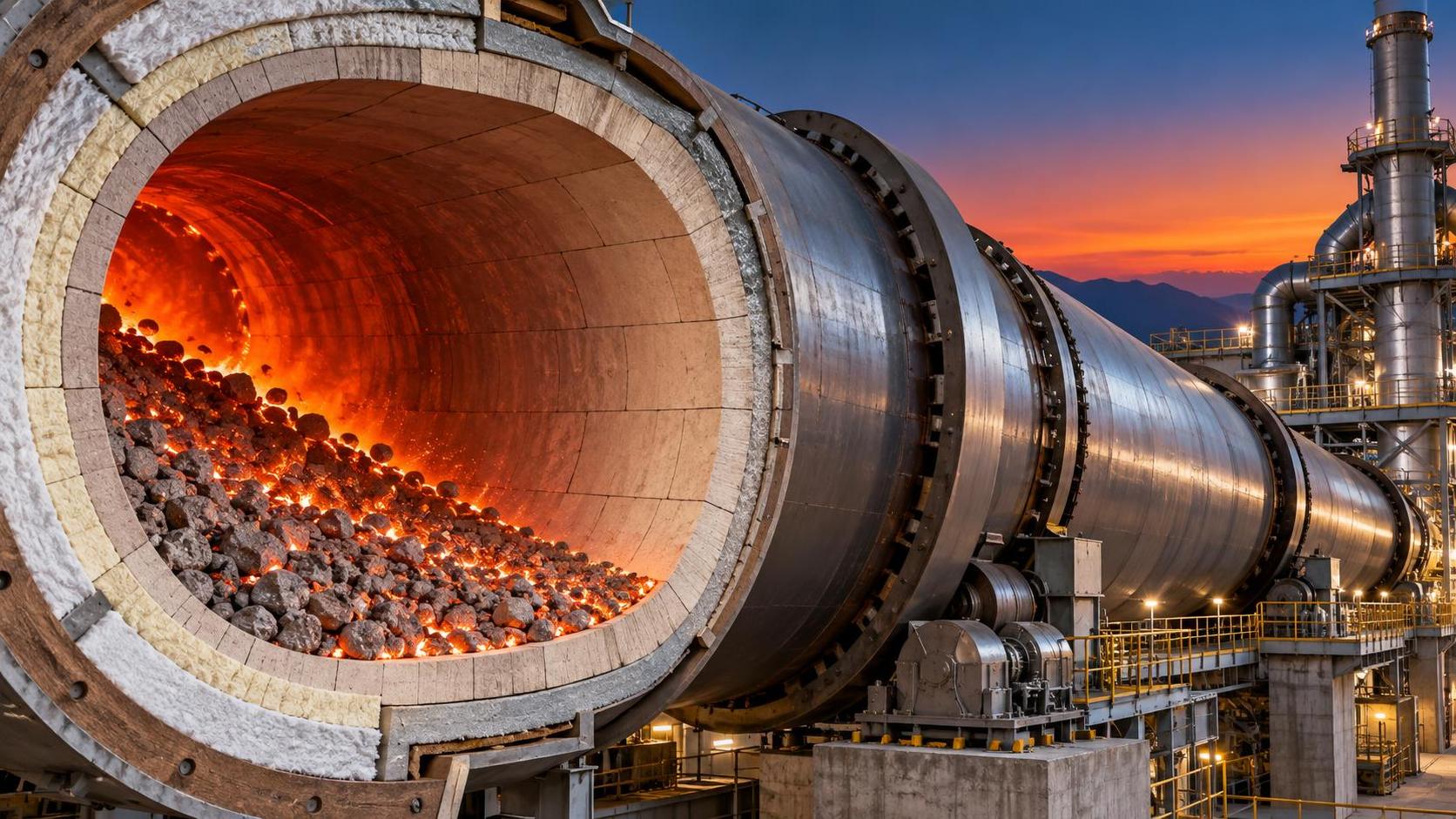
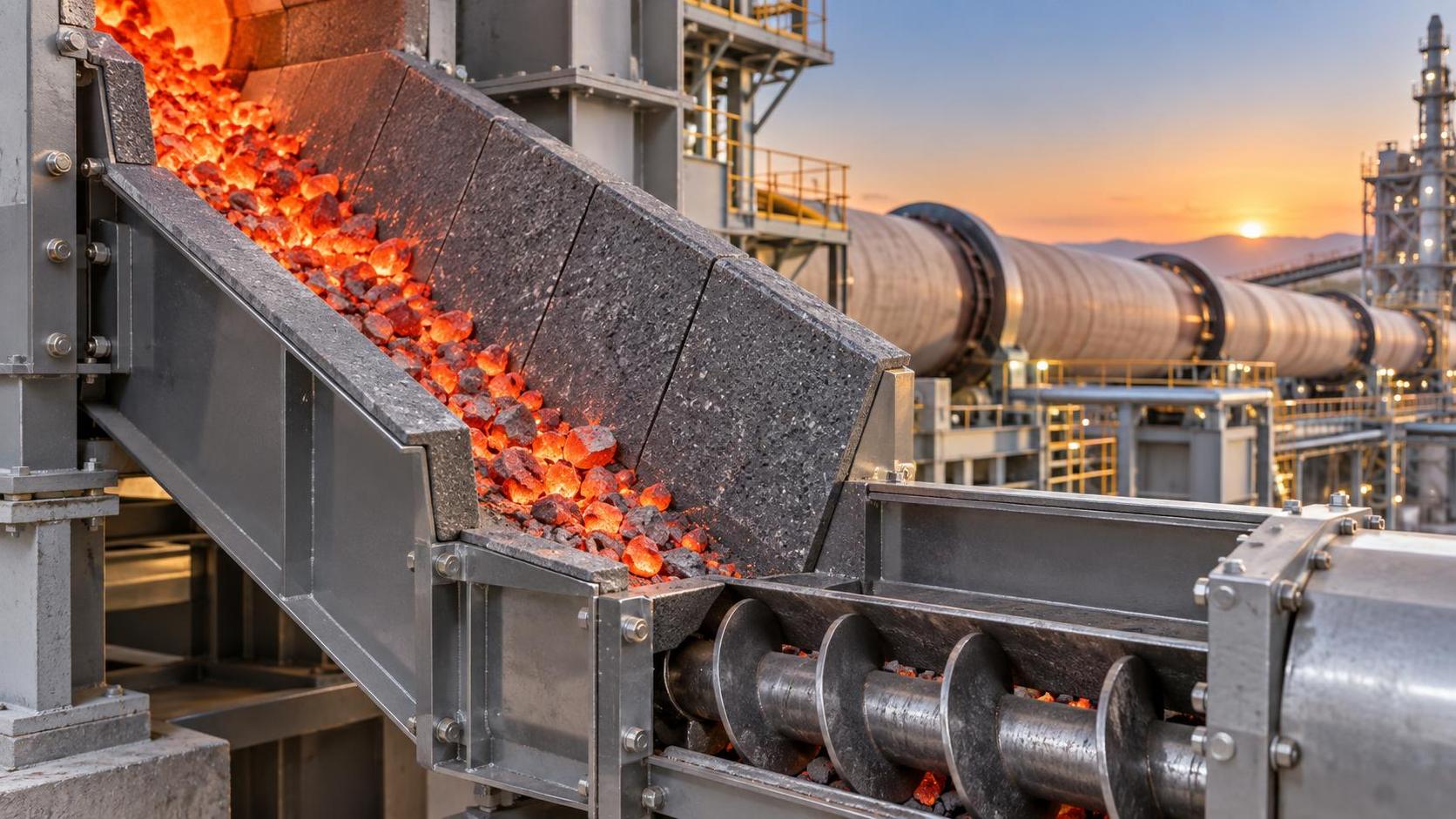
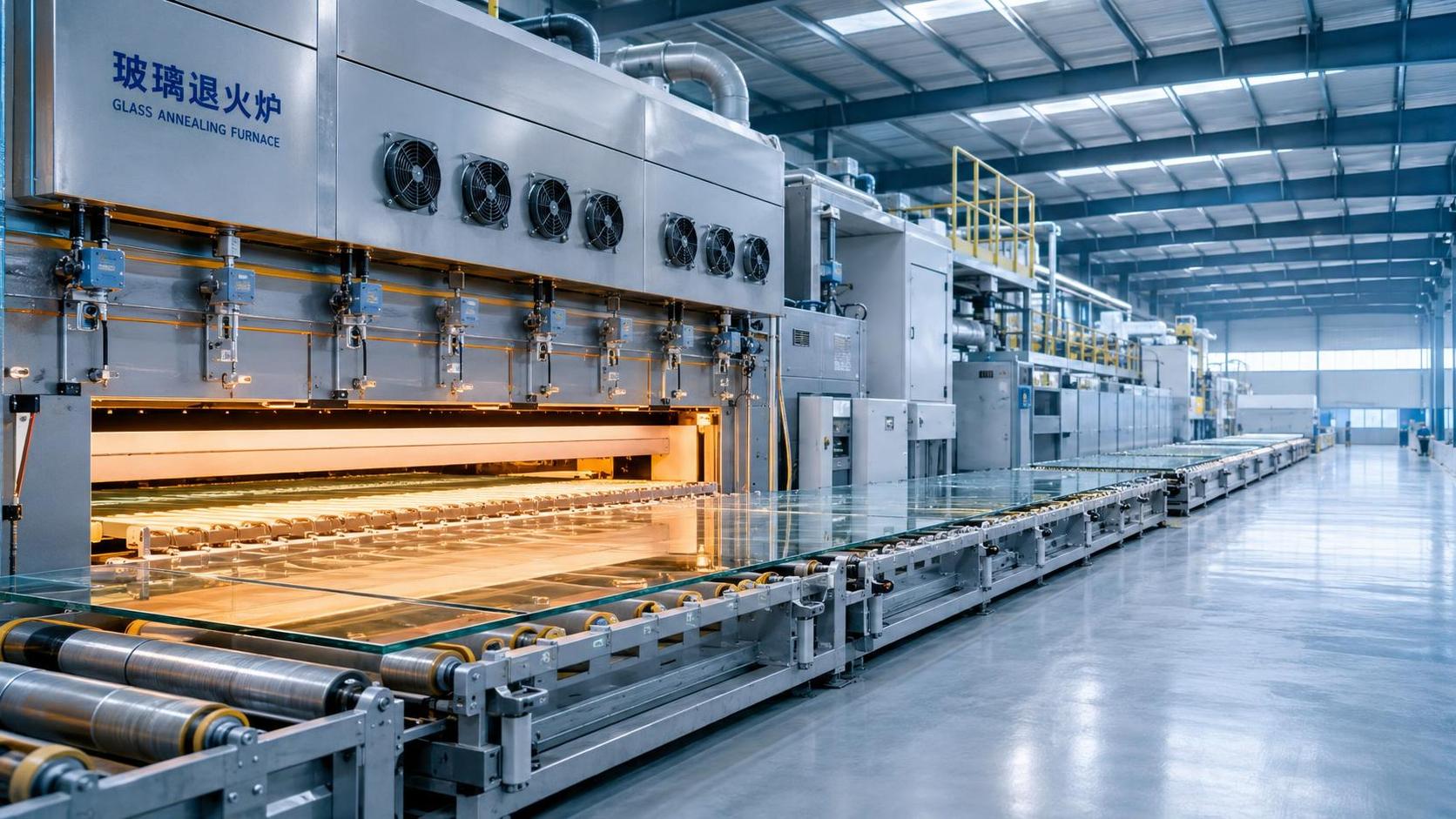
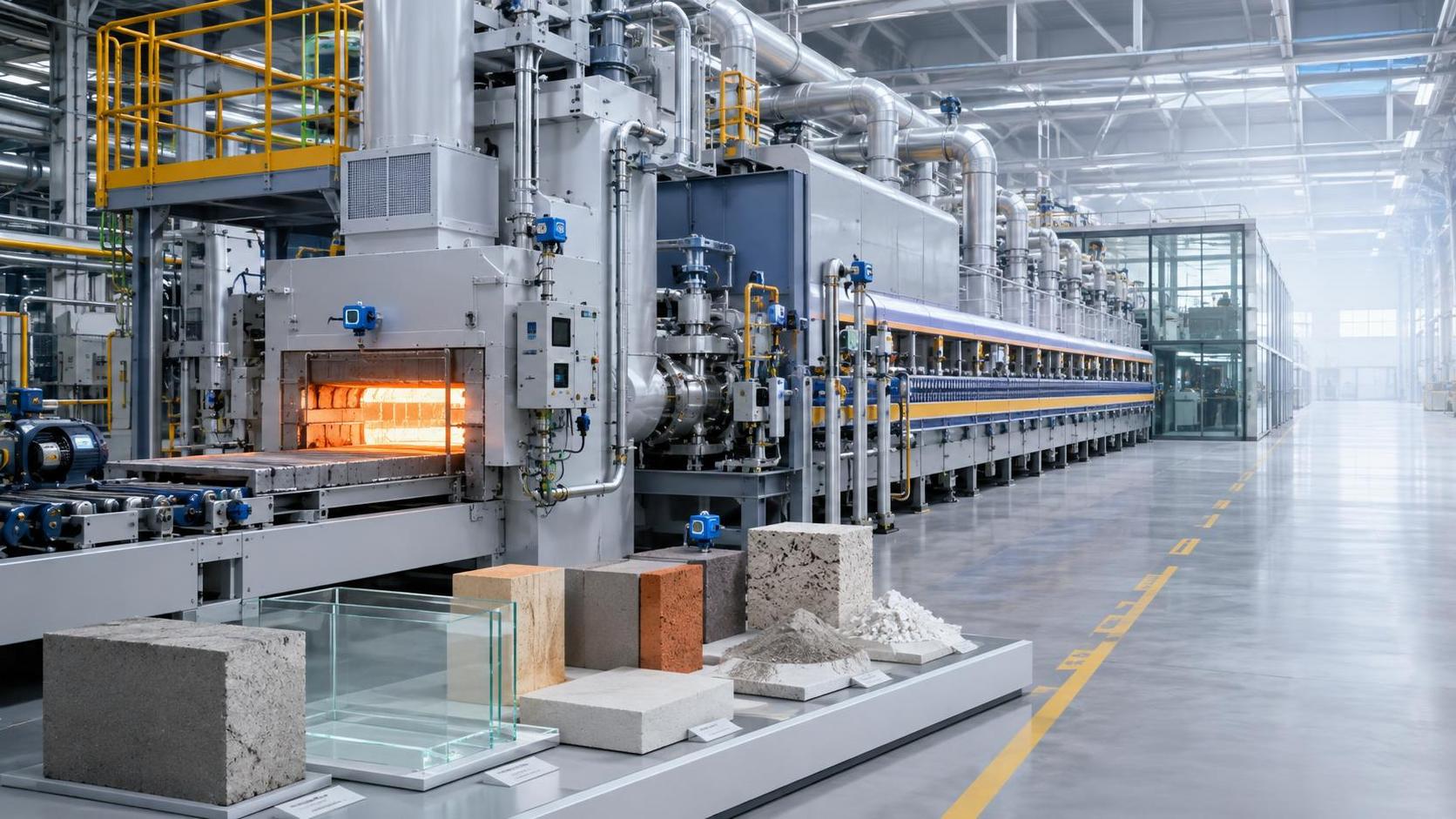
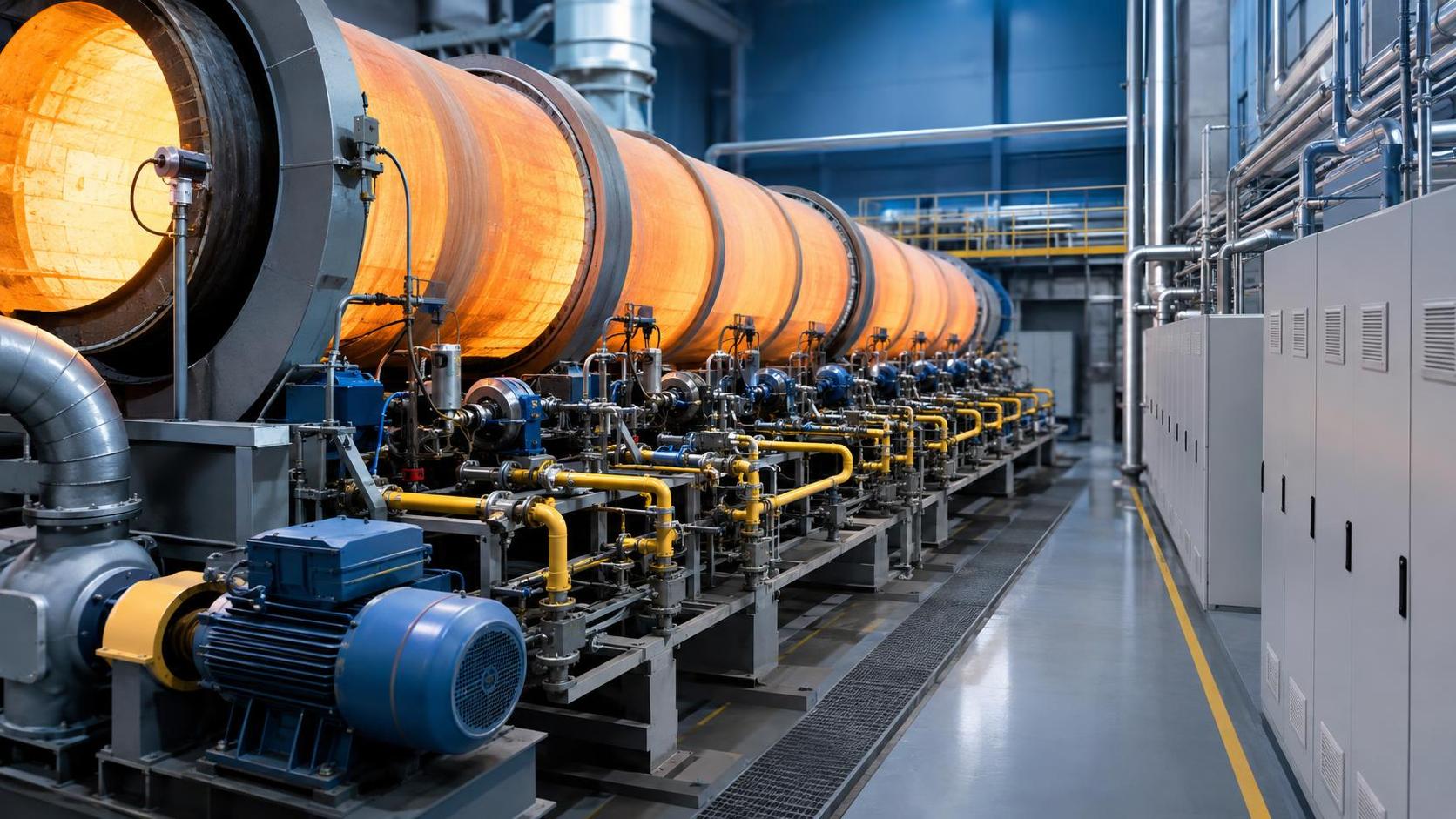
This is especially important in rotary kilns, glass melting systems, refractory production lines, and extrusion equipment.
A proposal may look strong on paper while underperforming under real dust load, moisture variation, or thermal cycling.
Before comparing vendors, confirm these baseline items:
- Feedstock range, including particle size, chemistry, and moisture swings.
- Required output quality and tolerance stability.
- Design capacity versus stable operating capacity.
- Fuel flexibility and thermal efficiency assumptions.
- Utility demand for power, water, compressed air, and controls.
If these details remain vague, heavy industrial equipment procurement becomes a negotiation exercise instead of a decision process.
That usually increases technical risk later.
Check Energy Performance Under Real Operating Conditions
Energy cost is often the biggest long-term cost driver in heavy industrial equipment ownership.
That is why claimed efficiency should never be accepted without context.
Ask vendors how performance changes during startup, partial load, recipe switching, and seasonal temperature shifts.
In high-temperature systems, a small difference in thermal loss can create a major yearly cost gap.
For example, kiln insulation design, burner control logic, and heat recovery integration can outweigh a lower purchase price.
Useful questions include:
- What test conditions support the stated energy figures?
- What is the expected consumption per ton at stable and partial load?
- Which assumptions were used for fuel quality and ambient temperature?
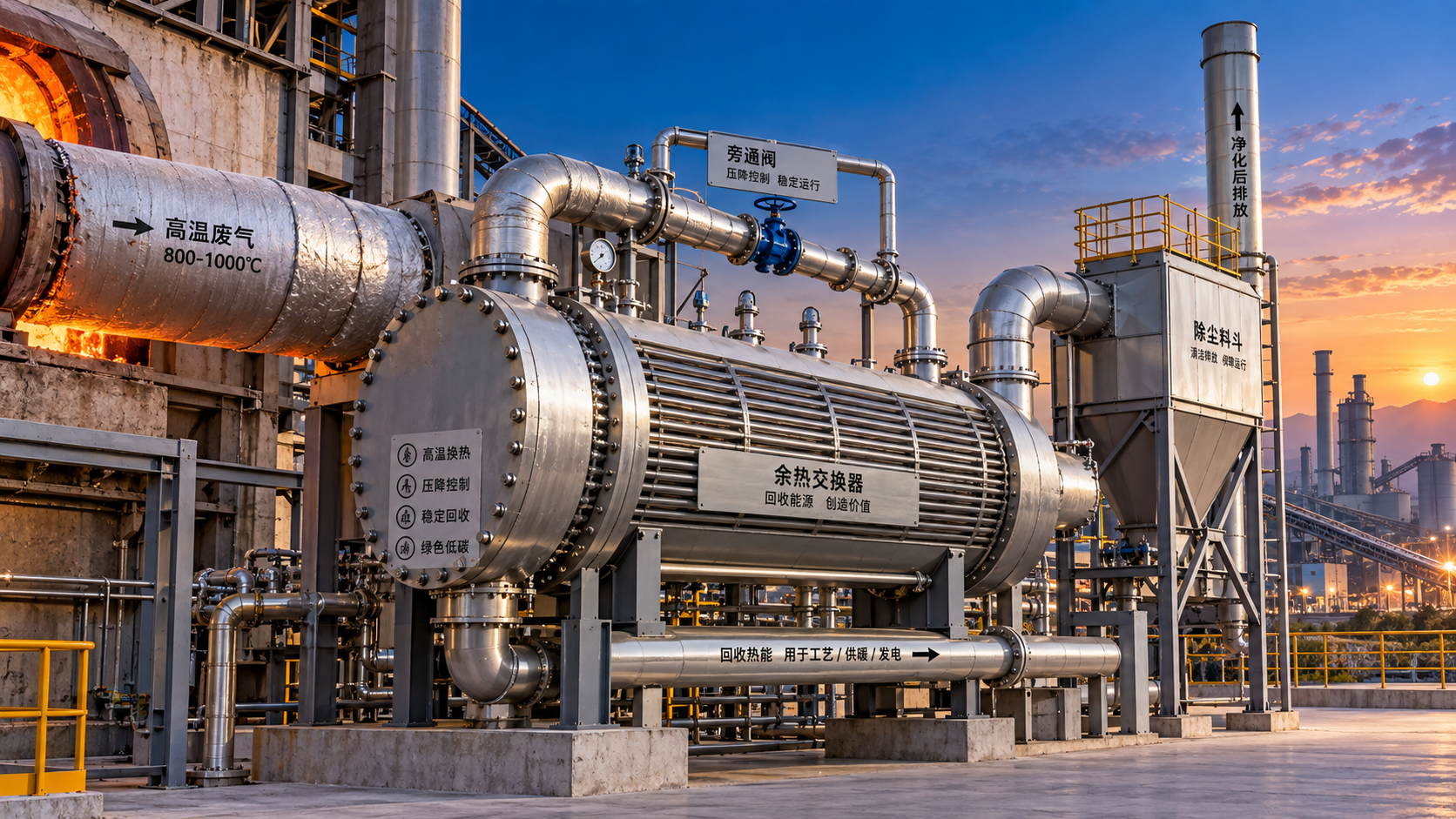
- Can the system support waste heat recovery or future decarbonization upgrades?
- How does control automation improve thermal consistency?
For heavy industrial equipment procurement, this step connects purchase cost with real operating economics.
It also aligns with the wider push toward carbon reduction and energy accountability.
Review Compliance, Safety, and Site Constraints Early
Many heavy industrial equipment delays are not caused by fabrication.
They are caused by emissions rules, permitting limits, site layout conflicts, or safety redesign.
This also means early compliance review can protect both budget and schedule.
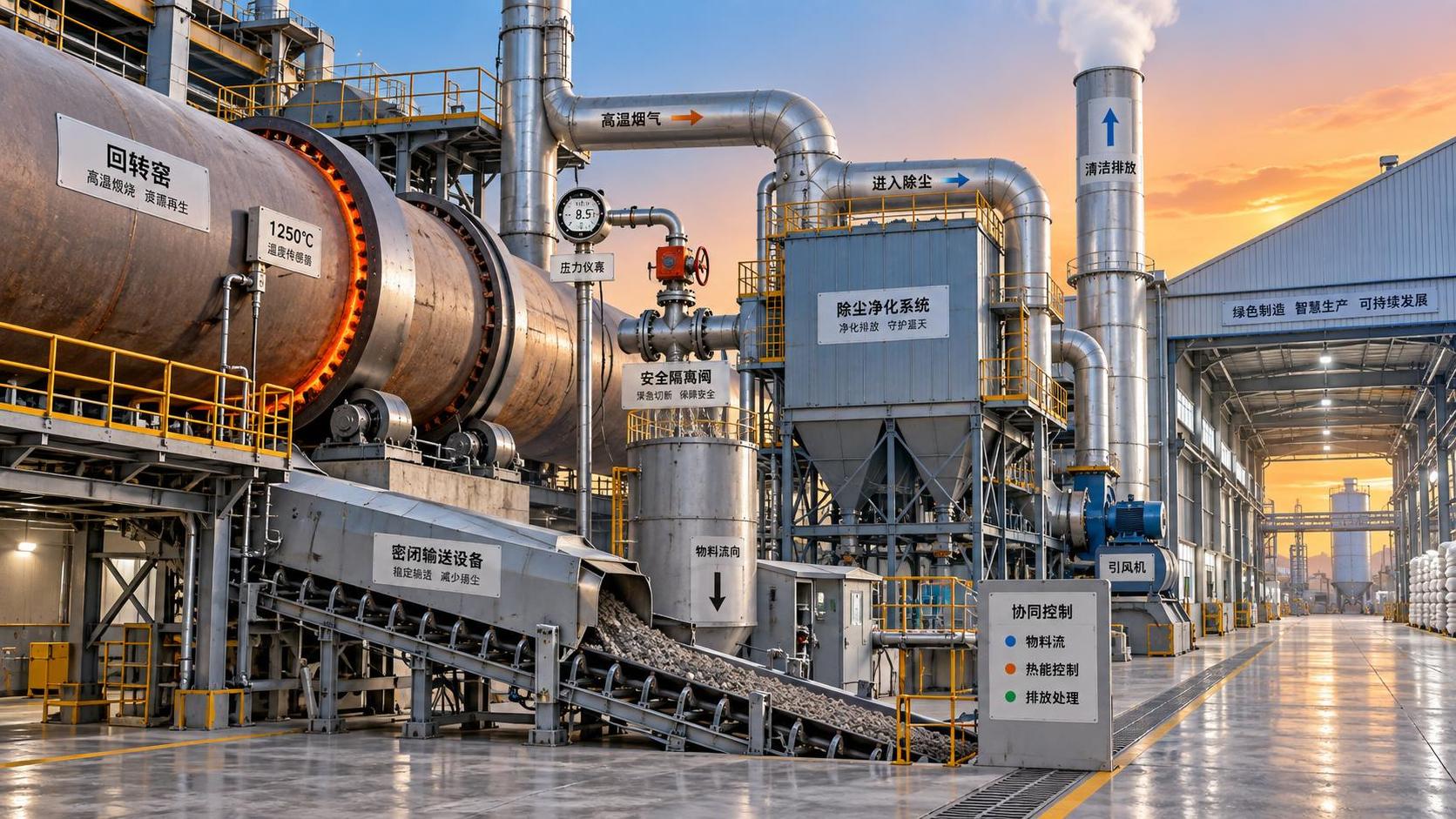
For thermal processing equipment, key checkpoints often include dust control, NOx or SOx limits, waste heat routing, refractory safety, guarding, and remote monitoring capability.
Imported systems may require local adaptation for electrical standards, environmental reporting, or operator safety rules.
A practical review table helps.
When comparing vendors, the better offer is often the one that creates fewer downstream approvals and fewer site modifications.
Calculate Lifecycle Cost, Not Just Purchase Price
This is where many heavy industrial equipment decisions either become strategic or become expensive.
A lower upfront quote can hide higher energy use, shorter refractory life, weak wear resistance, and frequent maintenance stoppages.
Over five to fifteen years, those factors matter far more than a narrow purchase discount.
A clear lifecycle review should include:
- Energy use per ton of output.
- Expected wear part replacement frequency.
- Annual maintenance labor and shutdown duration.
- Availability of local service and spare inventory.
- Expected equipment life before major overhaul.
- Residual value or upgrade potential.
In actual business decisions, this is often the point where premium vendors become more competitive.
The reason is simple.
Reliable heavy industrial equipment lowers the cost of instability.
That includes scrap, quality drift, fuel loss, and emergency repairs.
Assess Vendor Execution and After-Sales Depth
Heavy industrial equipment procurement does not end at contract award.
Execution quality after the order often determines whether the project reaches stable production on time.
A strong vendor should show more than references and brochures.
They should show project management discipline, commissioning support, parts planning, training capability, and measurable service response.
Ask for evidence in these areas:
- Similar installations with comparable feedstock and output.
- Factory acceptance test scope and documentation standards.
- Commissioning timeline, staffing plan, and troubleshooting method.
- Spare parts lead times for critical components.
- Remote diagnostics, training, and maintenance manuals.
More importantly, check how the vendor handles underperformance claims.
Service language in the contract should match the promises made during bidding.
That small check can prevent major friction later.
Build a Smarter Vendor Comparison Framework
Once the technical checks are complete, vendor comparison becomes much clearer.
At this stage, heavy industrial equipment bids should be scored through a weighted framework, not through price ranking alone.
A useful structure often includes technical fit, lifecycle cost, compliance readiness, execution confidence, and commercial terms.
For example, a buyer may assign more weight to energy efficiency in glass melting equipment, or to refractory life in kiln applications.
That also keeps the decision aligned with plant priorities.
A simple scoring approach can include:
- Eliminate offers that fail critical process or compliance requirements.
- Score remaining vendors on total cost and technical reliability.
- Stress-test assumptions behind energy, output, and wear life claims.
- Review contract terms for guarantees, delays, and spare support.
- Select the bid with the strongest long-term operating value.
This is usually where better procurement discipline turns into better asset performance.
Final Takeaway
Heavy industrial equipment procurement works best when vendor comparison comes after technical clarity, not before it.
The smartest buyers check process fit, thermal efficiency, compliance exposure, lifecycle cost, and service capability in one connected review.
That approach reduces hidden cost and improves project confidence.
For sectors shaped by high temperatures, material complexity, and carbon pressure, the value of a structured heavy industrial equipment decision is only becoming more obvious.
Use this checklist as a working framework.
Then compare vendors with sharper questions, cleaner assumptions, and a stronger view of long-term cost.
Related News
 Optical Glass Tech FellowSilicate Process Automation: Improving Batch Consistency and Energy ControlSilicate process automation improves batch consistency, energy control, traceability, and operator confidence across high-temperature manufacturing operations.Sep 22, 2026
 Optical Glass Tech FellowHow Silicate Industrial Processes Control Viscosity, Energy Use, and Product QualitySilicate industrial processes: learn how viscosity, chemistry, heat transfer, and atmosphere control reduce energy use, improve stability, and protect product quality.Sep 21, 2026
 Thermal Energy ArchitectHow European Plants Can Evaluate Energy Recovery Equipment for High-Temperature ProcessesIndustrial energy recovery equipment Europe: learn how high-temperature plants can assess waste-heat sources, integration risks, lifecycle value, and reliable recovery routes.Sep 20, 2026
 Thermal Energy ArchitectIndustrial Furnace Process Optimization: Reducing Fuel Use Without Sacrificing ThroughputIndustrial process optimization furnace strategies that cut fuel use while protecting throughput. Explore combustion control, heat recovery, refractory performance, and data-driven efficiency gains.Sep 19, 2026
 Ms. Elena RodriguezWhat Drives High-Pressure Extrusion Equipment Cost in Industrial Projects?High pressure extrusion equipment cost explained: compare pressure, die design, automation, wear, energy, and installation factors for smarter industrial investments.Sep 18, 2026
 Thermal Energy ArchitectHow to Size a Waste Heat Recovery Exchanger for High-Temperature Kiln Exhaust?Waste heat recovery exchanger sizing for high-temperature kiln exhaust: balance recoverable duty, fouling, corrosion limits, pressure drop, and reliable heat use.Sep 17, 2026
 Thermal Energy ArchitectWhy Heat-Resistant Materials Lose Abrasion Resistance at High TemperaturesHeat-resistant materials abrasion resistance can decline at high temperatures. Discover the thermal, chemical, and mechanical causes of wear—and how to choose longer-lasting linings.Sep 16, 2026
 Thermal Energy ArchitectHow to Evaluate a Thermal Energy Optimization Company for High-Temperature PlantsChoose a thermal energy optimization company with proven process expertise, measurable savings, and reliable delivery for high-temperature plants. Learn what to assess.Sep 15, 2026
 Thermal Energy ArchitectRotary Kiln Efficiency: How Feed Rate, Fuel Use, and Heat Loss Affect OutputRotary kiln efficiency explained: discover how feed rate, fuel use, heat loss, combustion, and cooling performance shape output, quality, and energy costs.Sep 14, 2026
 Thermal Energy ArchitectHow to Select Heat-Resistant Materials That Maintain Abrasion Resistance in KilnsHeat-resistant materials abrasion resistance: learn how to select kiln linings that withstand heat, wear, thermal cycling, and chemical attack for longer service life.Sep 13, 2026
 Thermal Energy ArchitectHow Rotary Kiln Automation Improves Temperature Control and Fuel EfficiencyRotary kiln technology automation enhances temperature control, stabilizes combustion, and improves fuel efficiency with smarter data, predictive control, and safer operations.Sep 12, 2026
 Silicate Process EngineerCement Plant Emission Control: Selecting Systems for Dust, NOx, and SO2 LimitsCement plant emission control guide: compare dust collectors, NOx reduction, and SO2 systems for reliable compliance across kiln modes, fuel changes, and operating upsets.Sep 11, 2026
 Thermal Energy ArchitectSelecting Abrasion-Resistant High-Temperature Materials for Kiln and Conveyor Wear ZonesHigh-temp material engineering guide to abrasion-resistant kiln and conveyor solutions—match wear, heat, chemistry, and installation design for longer service life.Sep 10, 2026
 Dr. Alistair VaughnIndustrial Process Engineering: How to Map Processes for Safer, More Efficient PlantsIndustrial process engineering reveals bottlenecks, safety risks, and energy losses through practical process mapping for safer, more efficient plants.Sep 09, 2026
 Optical Glass Tech FellowHow to Evaluate a Glass Annealing Equipment Manufacturer for Production StabilityChoose a glass annealing equipment manufacturer with proven thermal uniformity, reliable controls, lifecycle value, and responsive service for stable production.Sep 08, 2026
 Prof. Marcus ChenThermal Energy Architecture in North America: Strategies for Lower Building Energy UseThermal energy architecture North America helps project leaders cut building energy use through stronger envelopes, right-sized HVAC, storage, and smart commissioning.Sep 07, 2026
 Ms. Elena RodriguezHow Should Buyers Evaluate Building Material Industry Intelligence Pricing?Building material industry intelligence pricing: learn how to compare coverage, technical depth, and ROI to choose intelligence that reduces procurement risk.Sep 07, 2026
 Ms. Elena RodriguezHow to Use Building Material Intelligence Data for Market and Investment DecisionsBuilding material industry intelligence data helps leaders evaluate demand, costs, regulation, capacity, and technology to make smarter market and investment decisions.Sep 05, 2026
 Thermal Energy ArchitectHow PLC Control Improves Energy Efficiency and Temperature Stability in KilnsEnergy efficient kilns PLC control improves temperature stability, cuts fuel waste, and optimizes combustion, draft, and material flow. Explore proven strategies for smarter kiln modernization.Sep 04, 2026
 Optical Glass Tech FellowEuropean Glass Melting Processes: Furnace Choices, Energy Use, and Quality ControlGlass melting process Europe: explore furnace choices, energy efficiency, cullet strategy, and quality control to improve output, compliance, and long-term glass performance.Sep 03, 2026







Related News
- 00
0000-00
What Drives High-Pressure Extrusion Equipment Cost in Industrial Projects? - 00
0000-00
How Should Buyers Evaluate Building Material Industry Intelligence Pricing? - 00
0000-00
How to Use Building Material Intelligence Data for Market and Investment Decisions - 00
0000-00
How to Evaluate a Silicate Processing Equipment Manufacturer for Plant Projects - 00
0000-00
Process Equipment Comparison: Which Metrics Matter Most for Reliable Selection?
Weekly Insights
Stay ahead with our curated technology reports delivered every Monday.