
Industrial Waste Conversion Systems: Key Cost Drivers Before You Compare Suppliers




Why do industrial waste conversion systems vary so much in total cost?
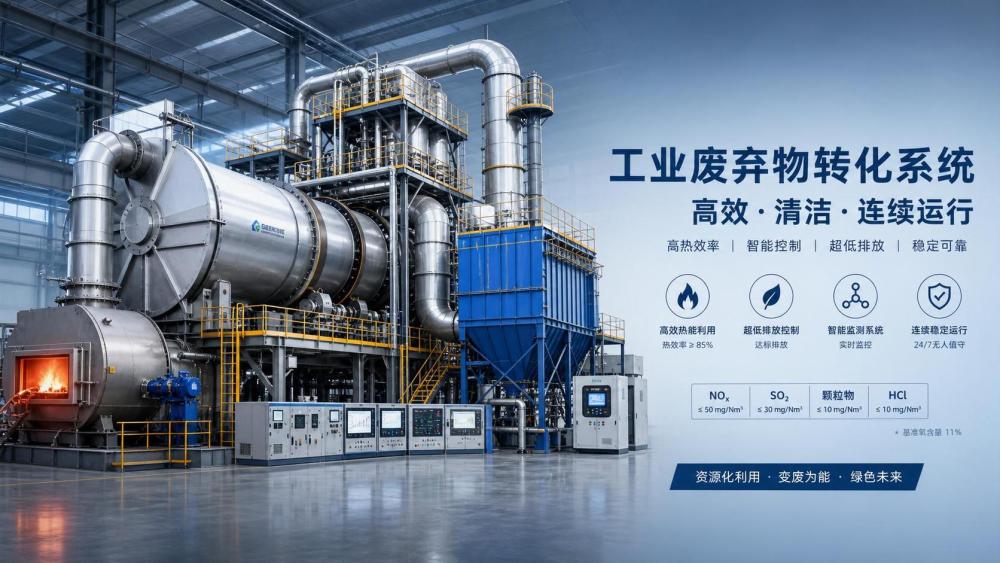
Industrial waste conversion systems can look similar in proposals, yet perform very differently over ten or fifteen years.
The main reason is simple: purchase price covers only the visible shell, while operating cost sits inside thermal behavior, emissions stability, and maintenance exposure.
Before comparing suppliers, it helps to ask what the system must actually process, recover, and comply with.
In practical terms, industrial waste conversion systems are judged by four linked outcomes: conversion efficiency, environmental performance, uptime, and adaptability.
That is why CF-Elite often frames equipment analysis around thermal management, refractory life, reaction kinetics, and carbon reduction pressure.
For heavy industries, especially kilns, incineration lines, and material processing plants, small design choices can reshape lifetime economics.
A lower bid may hide higher auxiliary fuel demand, faster lining wear, stricter operator dependence, or expensive flue gas upgrades later.
So the better question is not only, “What does this system cost today?” but also, “What will it cost to keep stable under real feedstock conditions?”
Which cost drivers usually matter more than the quoted equipment price?
Several cost drivers tend to outweigh the initial quote once the line enters continuous service.
Thermal efficiency is often the first one. If heat recovery is weak, fuel use rises quickly, especially with wet or variable industrial waste streams.
Feedstock variability comes next. A system designed for narrow input ranges may struggle when moisture, calorific value, ash, or chlorine content shifts.
Emissions control is another major driver. Dust, acid gases, NOx, dioxins, and heavy metals can force larger downstream treatment packages.
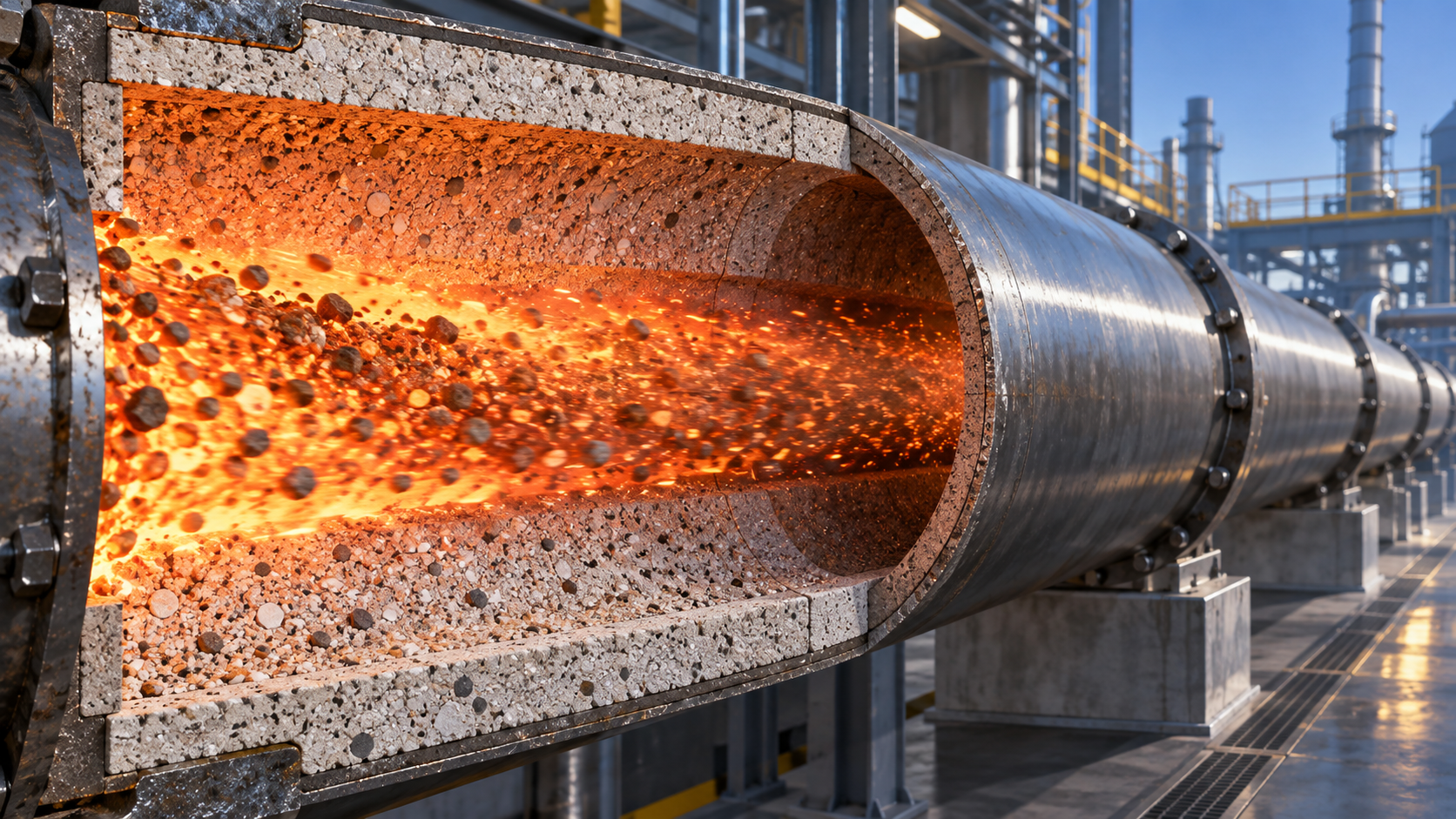
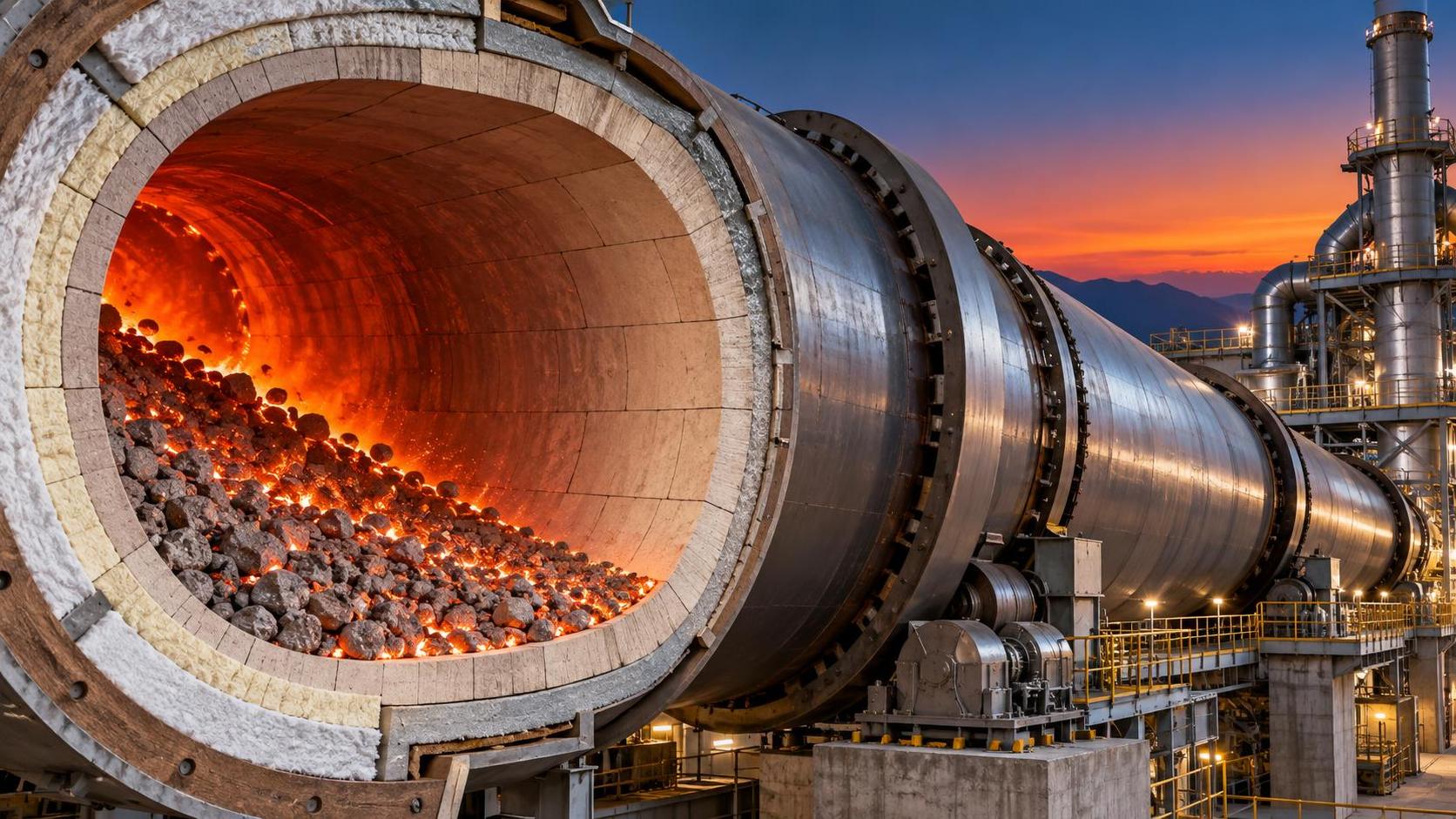
Refractory durability matters more than many first-time buyers expect. High thermal cycling and corrosive compounds can turn shutdowns into recurring capital events.
Automation depth also changes cost structure. Better controls usually reduce instability, but overcomplicated architectures can raise integration and training expense.
To make these factors easier to compare, the table below summarizes what usually deserves closer review.
The most reliable comparisons treat industrial waste conversion systems as operating assets, not just installed equipment.
How should feedstock and process conditions influence supplier comparison?
This is where many sourcing decisions become either solid or fragile.
Industrial waste conversion systems are never evaluated in a vacuum. The chemistry and physical condition of the incoming waste shape the whole balance.
A supplier may show excellent reference data, but that data loses value if the reference plant handles cleaner, drier, or more uniform waste.
In real applications, key variables include moisture, calorific swings, abrasive solids, alkalis, sulfur, chlorine, and metal contamination.
Those variables affect flame stability, retention time, slagging tendency, corrosion, bag filter life, and even ash handling costs.
That is why process-focused platforms such as CF-Elite pay close attention to the link between high-temperature physics and commercial decision quality.
A technically acceptable system on paper can become expensive if it needs constant blending, pretreatment, or backup fuel support.
When reviewing offers, it helps to request evidence in conditions close to the intended duty.
- Ask for proven operating windows, not only nameplate capacity.
- Check how the system responds to off-spec batches.
- Review required pretreatment steps and their utility load.
- Confirm residue volume, handling method, and disposal cost assumptions.
More often than not, the cheapest offer becomes expensive when waste quality is less predictable than expected.
Is emissions compliance just a permitting issue, or a direct cost issue?
It is very much a direct cost issue.
For industrial waste conversion systems, compliance affects design complexity, reagent consumption, fan power, spare parts, monitoring obligations, and shutdown risk.
A line intended for industrial kilns or incineration duty may face different limits depending on jurisdiction, waste category, and heat recovery route.
That means supplier comparison should include both current standards and likely tightening over the asset life.
Some systems meet emissions targets only under ideal combustion balance. Others are designed with enough residence time, mixing quality, and control stability to stay compliant routinely.
The difference matters because stable compliance usually costs less than repeated corrective action.
It also influences reputation, especially in sectors linked to green materials, circular resource use, and carbon reduction strategies.
A practical review should cover these points:
- Continuous emissions monitoring scope and calibration burden.
- Expected reagent use for acid gases and NOx control.
- Pressure drop across the gas cleaning train.
- By-product handling from filters, scrubbers, or sorbent injection.
If these items are vague in the proposal, total ownership cost is still unknown.
What hidden lifecycle costs tend to surprise buyers later?
The biggest surprises usually appear after commissioning, not before contract award.
Refractory replacement is one common example. In high-temperature service, lining failure can interrupt production, damage shell sections, and disrupt downstream schedules.
Another hidden area is spare parts localization. If key burners, actuators, control modules, or analyzer components come from narrow channels, downtime risk increases.
Utilities are often underestimated as well. Water treatment, compressed air quality, induced draft power, and startup fuel can materially change the operating budget.
Then there is digital support. Industrial waste conversion systems with weak data visibility are harder to tune and harder to defend during performance disputes.
CF-Elite’s industry coverage repeatedly shows that online monitoring, thermal diagnostics, and process traceability are no longer optional extras in many projects.
They are part of the cost-control strategy, especially where energy efficiency and decarbonization targets are linked.
A useful way to screen lifecycle risk is to compare suppliers on documented support depth, not only engineering promises.
A short checklist that often reveals hidden cost exposure
- Guaranteed refractory campaign life under actual waste chemistry.
- Response time for critical spare parts and service engineers.
- Clear limits for performance guarantees and test conditions.
- Training scope for operations, safety, and emissions handling.
- Data access rights for historians, alarms, and remote support.
When comparing suppliers, what questions usually lead to better decisions?
Good comparisons rarely come from the broad question, “Who is cheaper?”
Better decisions come from sharper questions tied to process reality, lifecycle economics, and compliance resilience.
For industrial waste conversion systems, the most useful questions usually test assumptions hidden inside the offer.
For example, ask whether guaranteed throughput assumes pre-sorted waste, steady moisture, or limited chlorine peaks.
Ask whether fuel figures include startup, standby, and upset recovery.
Ask what maintenance intervals are based on, and whether similar references exist in cement, glass, refractory, or thermal processing environments.
This matters because adjacent high-temperature sectors often reveal whether a supplier truly understands harsh duty cycles.
That broader industrial perspective is one reason intelligence sources like CF-Elite are useful during early comparison work.
They help connect equipment claims with field conditions, policy pressure, and technology maturity.
A disciplined final review often includes these decision points:
- Compare total cost scenarios, not just capital expenditure.
- Stress-test proposals against worst-case waste characteristics.
- Check whether emissions compliance is guaranteed continuously or conditionally.
- Review service coverage for commissioning, tuning, and shutdown support.
- Score suppliers on transparency, not presentation quality alone.
In the end, industrial waste conversion systems should be compared as long-cycle thermal assets with environmental obligations, not as interchangeable hardware packages.
A practical next step is to build a comparison matrix around feedstock range, energy balance, emissions stability, refractory life, automation depth, and support capability.
That approach usually makes supplier differences clearer, reduces blind spots, and leads to a more defensible sourcing decision.
Related News
 Optical Glass Tech FellowHow to Specify Glass Annealing Equipment for European Quality and Energy RequirementsGlass annealing equipment Europe: learn how to specify lehrs for consistent glass quality, energy efficiency, compliance, automation, and reliable long-term performance.Sep 23, 2026
 Optical Glass Tech FellowSilicate Process Automation: Improving Batch Consistency and Energy ControlSilicate process automation improves batch consistency, energy control, traceability, and operator confidence across high-temperature manufacturing operations.Sep 22, 2026
 Optical Glass Tech FellowHow Silicate Industrial Processes Control Viscosity, Energy Use, and Product QualitySilicate industrial processes: learn how viscosity, chemistry, heat transfer, and atmosphere control reduce energy use, improve stability, and protect product quality.Sep 21, 2026
 Thermal Energy ArchitectHow European Plants Can Evaluate Energy Recovery Equipment for High-Temperature ProcessesIndustrial energy recovery equipment Europe: learn how high-temperature plants can assess waste-heat sources, integration risks, lifecycle value, and reliable recovery routes.Sep 20, 2026
 Thermal Energy ArchitectIndustrial Furnace Process Optimization: Reducing Fuel Use Without Sacrificing ThroughputIndustrial process optimization furnace strategies that cut fuel use while protecting throughput. Explore combustion control, heat recovery, refractory performance, and data-driven efficiency gains.Sep 19, 2026
 Ms. Elena RodriguezWhat Drives High-Pressure Extrusion Equipment Cost in Industrial Projects?High pressure extrusion equipment cost explained: compare pressure, die design, automation, wear, energy, and installation factors for smarter industrial investments.Sep 18, 2026
 Thermal Energy ArchitectHow to Size a Waste Heat Recovery Exchanger for High-Temperature Kiln Exhaust?Waste heat recovery exchanger sizing for high-temperature kiln exhaust: balance recoverable duty, fouling, corrosion limits, pressure drop, and reliable heat use.Sep 17, 2026
 Thermal Energy ArchitectWhy Heat-Resistant Materials Lose Abrasion Resistance at High TemperaturesHeat-resistant materials abrasion resistance can decline at high temperatures. Discover the thermal, chemical, and mechanical causes of wear—and how to choose longer-lasting linings.Sep 16, 2026
 Thermal Energy ArchitectHow to Evaluate a Thermal Energy Optimization Company for High-Temperature PlantsChoose a thermal energy optimization company with proven process expertise, measurable savings, and reliable delivery for high-temperature plants. Learn what to assess.Sep 15, 2026
 Thermal Energy ArchitectRotary Kiln Efficiency: How Feed Rate, Fuel Use, and Heat Loss Affect OutputRotary kiln efficiency explained: discover how feed rate, fuel use, heat loss, combustion, and cooling performance shape output, quality, and energy costs.Sep 14, 2026
 Thermal Energy ArchitectHow to Select Heat-Resistant Materials That Maintain Abrasion Resistance in KilnsHeat-resistant materials abrasion resistance: learn how to select kiln linings that withstand heat, wear, thermal cycling, and chemical attack for longer service life.Sep 13, 2026
 Thermal Energy ArchitectHow Rotary Kiln Automation Improves Temperature Control and Fuel EfficiencyRotary kiln technology automation enhances temperature control, stabilizes combustion, and improves fuel efficiency with smarter data, predictive control, and safer operations.Sep 12, 2026
 Silicate Process EngineerCement Plant Emission Control: Selecting Systems for Dust, NOx, and SO2 LimitsCement plant emission control guide: compare dust collectors, NOx reduction, and SO2 systems for reliable compliance across kiln modes, fuel changes, and operating upsets.Sep 11, 2026
 Thermal Energy ArchitectSelecting Abrasion-Resistant High-Temperature Materials for Kiln and Conveyor Wear ZonesHigh-temp material engineering guide to abrasion-resistant kiln and conveyor solutions—match wear, heat, chemistry, and installation design for longer service life.Sep 10, 2026
 Dr. Alistair VaughnIndustrial Process Engineering: How to Map Processes for Safer, More Efficient PlantsIndustrial process engineering reveals bottlenecks, safety risks, and energy losses through practical process mapping for safer, more efficient plants.Sep 09, 2026
 Optical Glass Tech FellowHow to Evaluate a Glass Annealing Equipment Manufacturer for Production StabilityChoose a glass annealing equipment manufacturer with proven thermal uniformity, reliable controls, lifecycle value, and responsive service for stable production.Sep 08, 2026
 Prof. Marcus ChenThermal Energy Architecture in North America: Strategies for Lower Building Energy UseThermal energy architecture North America helps project leaders cut building energy use through stronger envelopes, right-sized HVAC, storage, and smart commissioning.Sep 07, 2026
 Ms. Elena RodriguezHow Should Buyers Evaluate Building Material Industry Intelligence Pricing?Building material industry intelligence pricing: learn how to compare coverage, technical depth, and ROI to choose intelligence that reduces procurement risk.Sep 07, 2026
 Ms. Elena RodriguezHow to Use Building Material Intelligence Data for Market and Investment DecisionsBuilding material industry intelligence data helps leaders evaluate demand, costs, regulation, capacity, and technology to make smarter market and investment decisions.Sep 05, 2026
 Thermal Energy ArchitectHow PLC Control Improves Energy Efficiency and Temperature Stability in KilnsEnergy efficient kilns PLC control improves temperature stability, cuts fuel waste, and optimizes combustion, draft, and material flow. Explore proven strategies for smarter kiln modernization.Sep 04, 2026


Related News
- 00
0000-00
What Drives High-Pressure Extrusion Equipment Cost in Industrial Projects? - 00
0000-00
How Should Buyers Evaluate Building Material Industry Intelligence Pricing? - 00
0000-00
How to Use Building Material Intelligence Data for Market and Investment Decisions - 00
0000-00
How to Evaluate a Silicate Processing Equipment Manufacturer for Plant Projects - 00
0000-00
Process Equipment Comparison: Which Metrics Matter Most for Reliable Selection?
Weekly Insights
Stay ahead with our curated technology reports delivered every Monday.