
Industrial Decarbonization Insights: What to Compare Before Funding Plant Upgrades




Industrial Decarbonization Insights: What to Compare Before Funding Plant Upgrades

For financial approvers evaluating plant modernization, industrial decarbonization insights are no longer optional.
They now shape capital discipline, risk control, and long-term asset value.
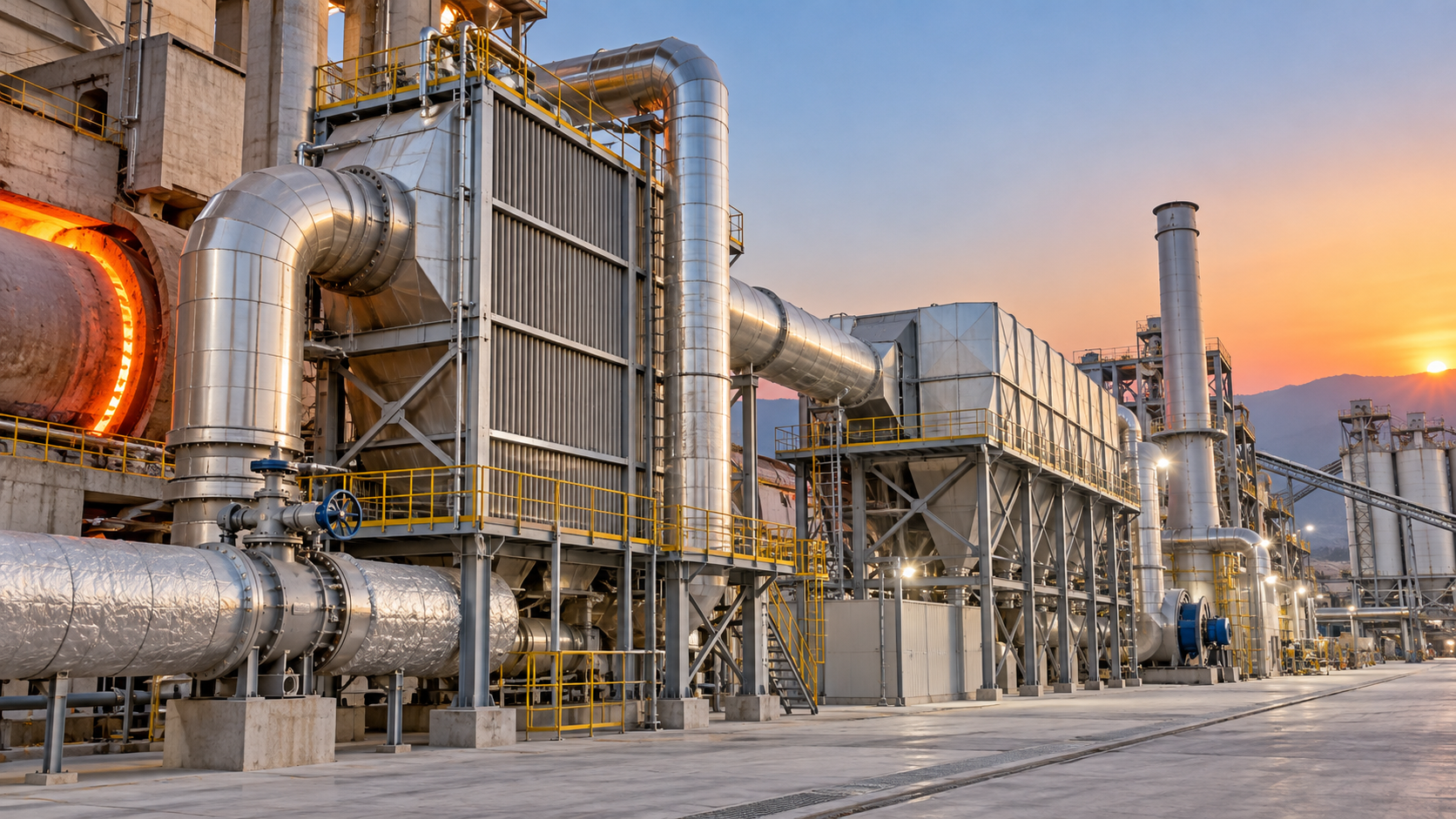
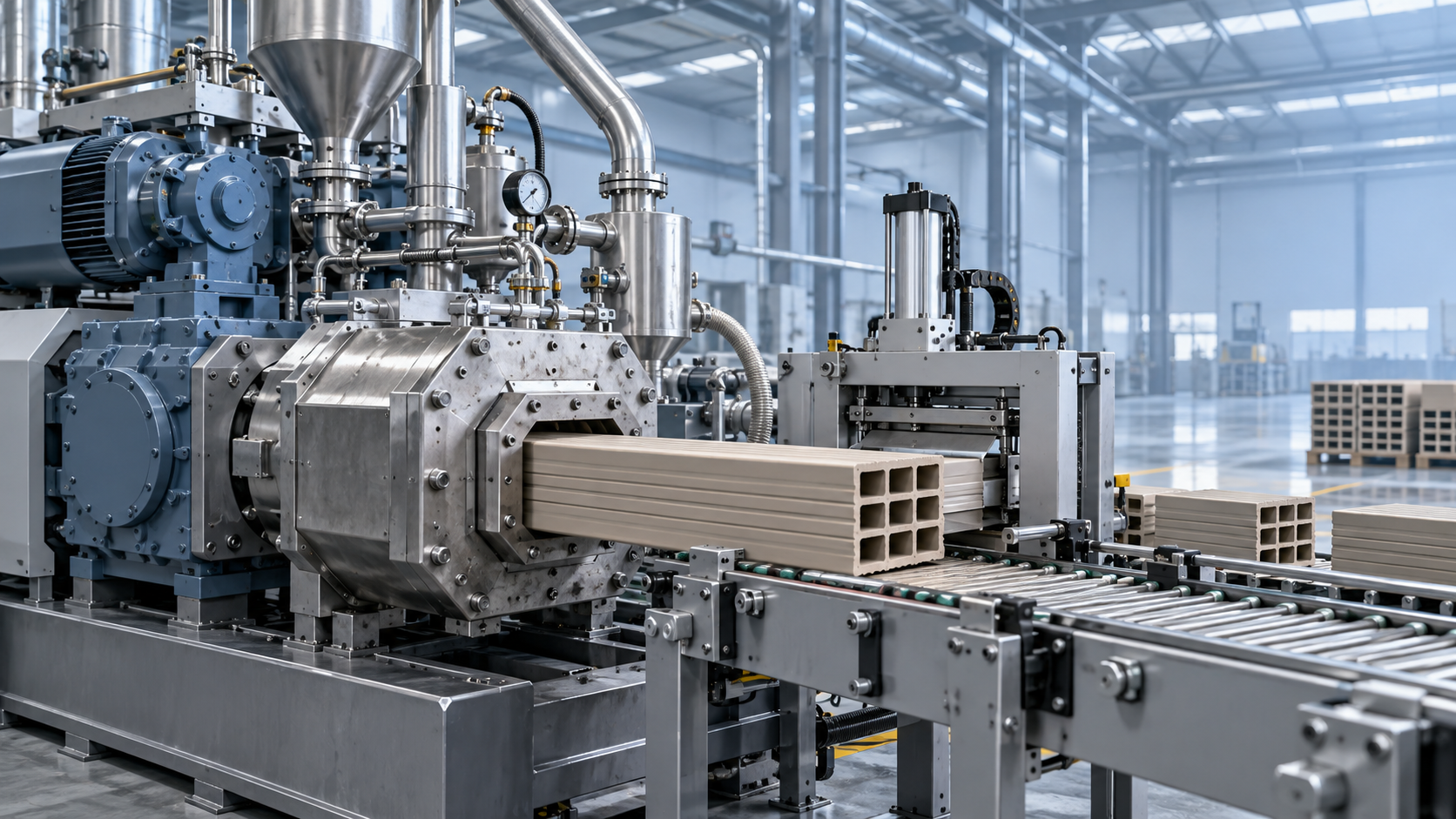
That is especially true in cement, glass, incineration, refractory, and extrusion operations.
The question is not whether to upgrade.
The real question is what to compare before releasing capital.
Good industrial decarbonization insights turn a technical proposal into a finance-ready decision.
They help separate impressive presentations from durable business value.
In practical terms, a plant upgrade should be judged on five linked dimensions.
Those dimensions are energy performance, emissions impact, technology maturity, payback profile, and regulatory exposure.
When these factors are compared together, spending becomes more precise and less reactive.
Start with energy performance, not brochure efficiency
Many upgrade proposals promise lower fuel use.
But useful industrial decarbonization insights go beyond nameplate claims.
They ask how performance changes under real feedstock, real loads, and real maintenance conditions.
A kiln burner upgrade may look attractive in isolation.
Yet the total result depends on draft stability, refractory condition, heat recovery, and operator control logic.
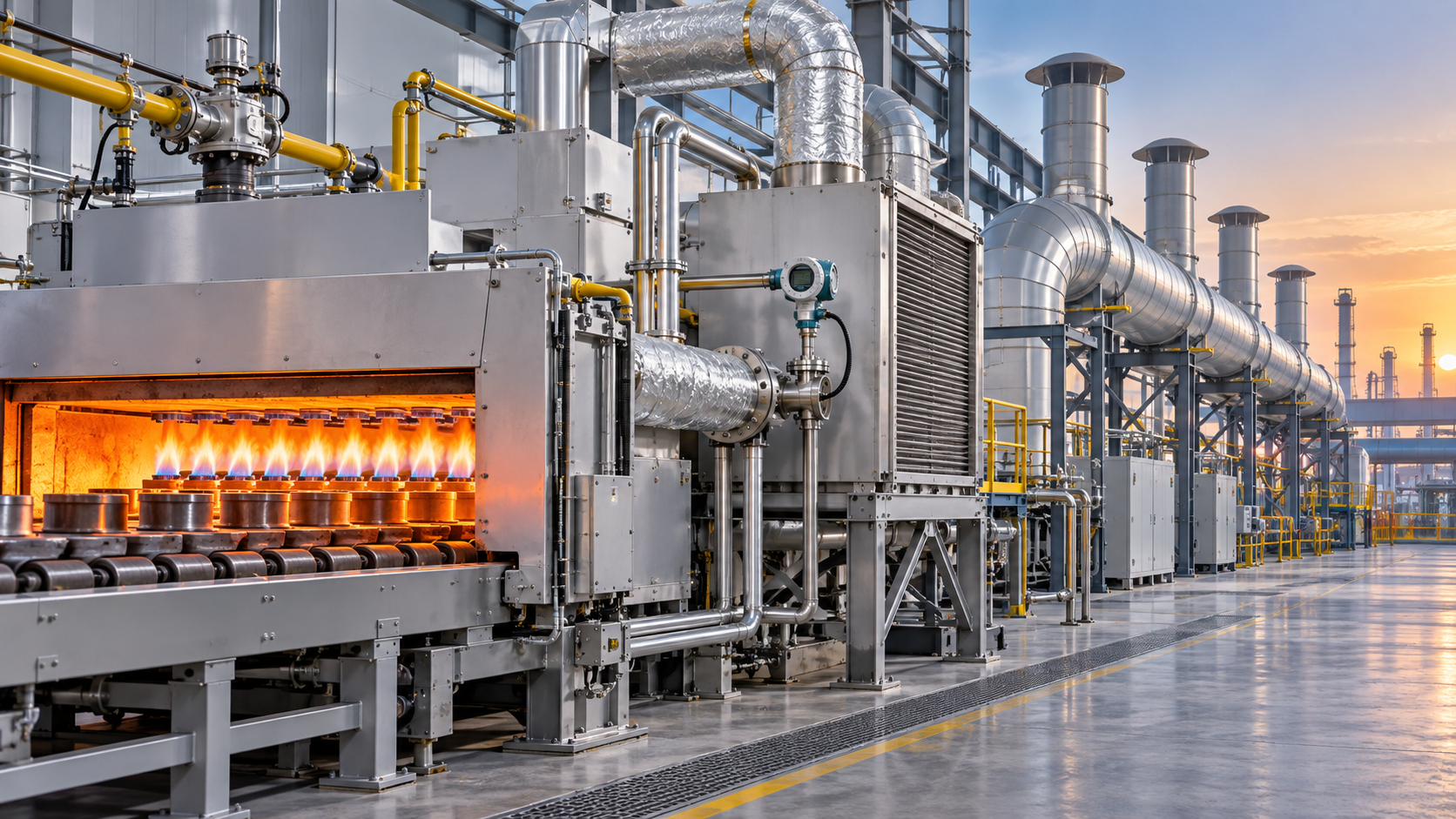
The same applies to glass furnaces and thermal oxidation systems.
A finance review should compare:
- Specific energy consumption before and after the upgrade
- Performance at partial loads, not only peak output
- Sensitivity to fuel quality and raw material variation
- Impact on downtime, maintenance intervals, and spare consumption
- Interaction with existing controls, fans, insulation, and exhaust systems
This is where CF-Elite style market intelligence becomes useful.
Cross-sector operating benchmarks often reveal whether expected savings are conservative or inflated.
From a funding perspective, energy gains must be measurable, auditable, and resilient.
Compare emissions impact with operational reality
Industrial decarbonization insights are not just about lower carbon headlines.
They should show what emissions are reduced, how they are reduced, and at what operating cost.
A project may cut CO2 while increasing electricity demand or reagent costs.
That tradeoff is not necessarily bad.
It simply needs to be transparent before approval.
In heavy thermal industries, emissions comparison should include direct and indirect effects.
For example, electrification may reduce stack emissions while shifting cost and carbon exposure to grid intensity.
Alternative fuel systems may lower fossil dependence but change ash behavior, corrosion risk, or product quality.
That is why better industrial decarbonization insights always compare:
- Annual CO2 reduction per dollar invested
- Effect on NOx, SOx, dust, and waste handling
- Carbon impact across electricity, fuel, and logistics inputs
- Risk of production instability during emissions optimization
- Ability to verify performance for reporting or incentive claims
More investors and regulators now test the credibility of reported savings.
That means weak baselines can become a financial problem later.
Check technology maturity before chasing headline reductions
Another common mistake is to compare only the size of expected carbon reduction.
In reality, finance teams need industrial decarbonization insights tied to execution risk.
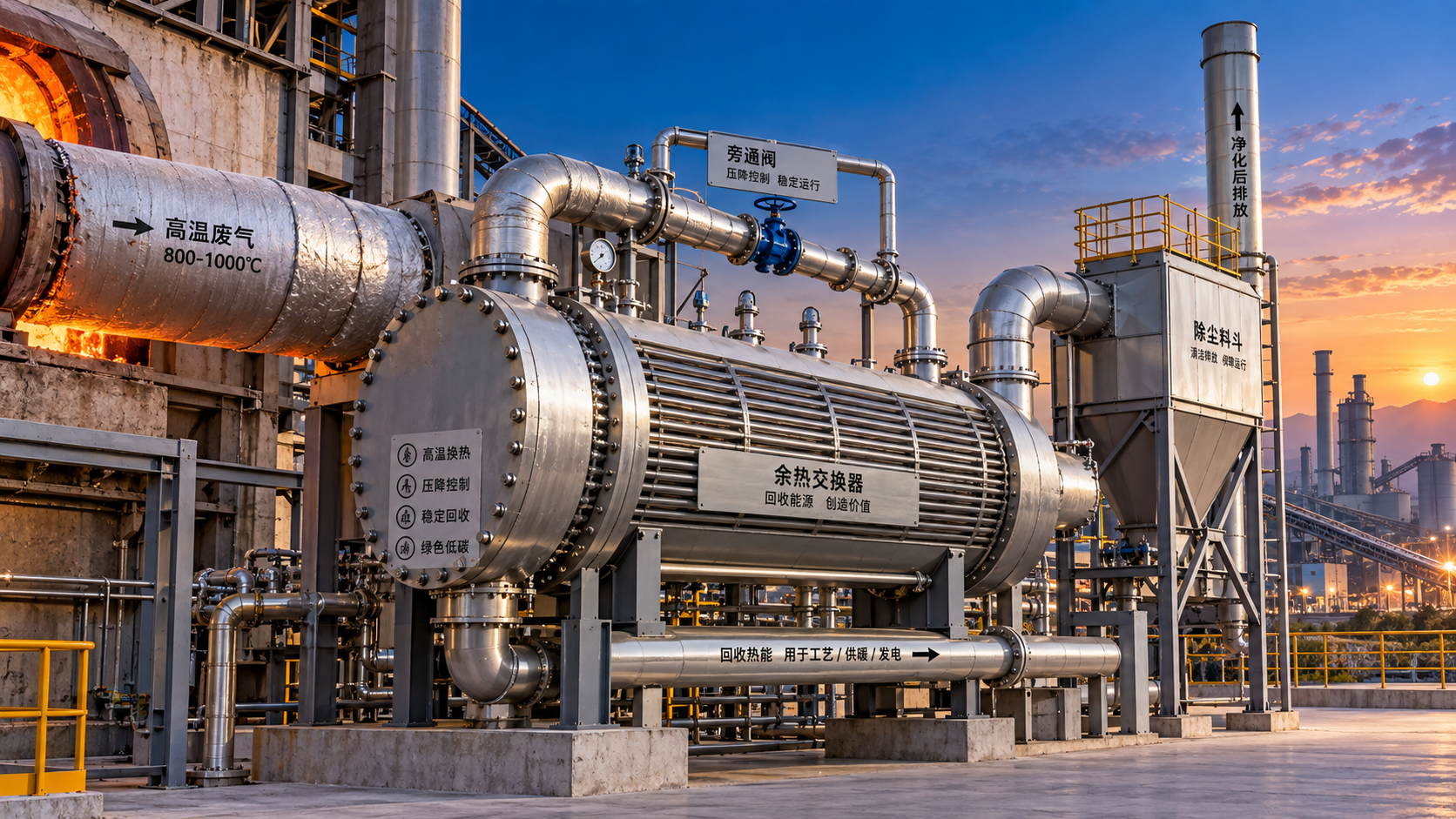
A proven heat recovery package is very different from an early-stage carbon capture integration.
Both may be valid.
But they should never be funded using the same risk assumptions.
A mature solution usually brings better cost certainty, easier training, and faster ramp-up.
A less mature solution may offer strategic upside, though often with schedule and performance uncertainty.
Before approving capital, compare these maturity signals:
- Installed base in similar plant conditions
- Documented operating hours and reference cases
- Integration complexity with existing lines
- Vendor service depth and commissioning capability
- Required operator skill upgrades and digital monitoring support
This is particularly important in rotary kilns, float glass systems, and waste-to-energy plants.
A technically advanced retrofit can still destroy value if commissioning takes too long.
Better industrial decarbonization insights make risk visible before contracts are signed.
Model payback with realistic cash flows
Payback remains central in procurement and cost decisions.
Still, industrial decarbonization insights become far more useful when payback is modeled beyond simple fuel savings.
A narrow calculation can hide major costs or understate strategic benefits.
A better funding model captures the full cash impact over the asset life.
That includes installation losses, ramp-up delays, maintenance, consumables, carbon pricing, and avoided compliance spending.
For some plants, the strongest value comes from reduced shutdowns and better output consistency.
Those gains matter just as much as direct energy savings.
From recent market changes, this wider view is becoming standard.
Lenders and boards increasingly want scenario testing, not single-point forecasts.
Assess regulatory exposure and strategic timing
Industrial decarbonization insights also help answer a timing question.
Is the project urgent, opportunistic, or better delayed?
The answer depends on regulation, customer pressure, and asset age.
In some regions, carbon costs and emissions reporting rules are tightening quickly.
In others, customer procurement standards are moving faster than regulation.
That shift matters for cement, glass, and industrial heating suppliers competing in export markets.
A delayed upgrade can become more expensive if future compliance requires rushed retrofits.
On the other hand, moving too early on an immature pathway can lock in avoidable cost.
That is why industrial decarbonization insights should compare:
- Upcoming emissions rules and likely enforcement timing
- Customer expectations for lower-carbon product supply
- Asset remaining life and retrofit compatibility
- Availability of incentives, grants, or green financing
- Competitive risk if rivals modernize faster
This also explains why intelligence-led reviews outperform isolated vendor comparisons.
The best decision is often not the cheapest equipment.
It is the option that balances compliance, cost, uptime, and future flexibility.
Build a comparison framework that supports smarter approvals
In actual business practice, approval quality improves when every project is filtered through the same framework.
That framework should convert industrial decarbonization insights into comparable decision criteria.
A simple scoring model often works better than a long technical narrative.
Score each option across energy savings, emissions reduction, implementation risk, payback strength, and regulatory fit.
Then stress-test the top options using fuel price changes, carbon cost changes, and downtime sensitivity.
This approach keeps decisions disciplined even when technologies are complex.
For organizations tracking high-temperature sectors, this is where specialized intelligence has real value.
CF-Elite’s perspective across silicate production lines, incineration systems, and advanced extrusion helps connect plant data with market reality.
That means capital planning becomes less reactive and more strategic.
The clearest takeaway is simple.
Before funding any plant upgrade, compare what the asset saves, what it risks, and what it unlocks.
When industrial decarbonization insights are used this way, funding decisions become sharper, faster, and more defensible.
That is the kind of discipline that protects budgets today while building lower-carbon industrial value for the years ahead.
Related News
 Dr. Alistair VaughnHow Waste Recycling Technology Improves Material Recovery in Industrial PlantsWaste recycling technology improves material recovery through source segregation, smart separation, thermal treatment, and quality control for industrial plants.Sep 24, 2026
 Optical Glass Tech FellowHow to Specify Glass Annealing Equipment for European Quality and Energy RequirementsGlass annealing equipment Europe: learn how to specify lehrs for consistent glass quality, energy efficiency, compliance, automation, and reliable long-term performance.Sep 23, 2026
 Optical Glass Tech FellowSilicate Process Automation: Improving Batch Consistency and Energy ControlSilicate process automation improves batch consistency, energy control, traceability, and operator confidence across high-temperature manufacturing operations.Sep 22, 2026
 Optical Glass Tech FellowHow Silicate Industrial Processes Control Viscosity, Energy Use, and Product QualitySilicate industrial processes: learn how viscosity, chemistry, heat transfer, and atmosphere control reduce energy use, improve stability, and protect product quality.Sep 21, 2026
 Thermal Energy ArchitectHow European Plants Can Evaluate Energy Recovery Equipment for High-Temperature ProcessesIndustrial energy recovery equipment Europe: learn how high-temperature plants can assess waste-heat sources, integration risks, lifecycle value, and reliable recovery routes.Sep 20, 2026
 Thermal Energy ArchitectIndustrial Furnace Process Optimization: Reducing Fuel Use Without Sacrificing ThroughputIndustrial process optimization furnace strategies that cut fuel use while protecting throughput. Explore combustion control, heat recovery, refractory performance, and data-driven efficiency gains.Sep 19, 2026
 Ms. Elena RodriguezWhat Drives High-Pressure Extrusion Equipment Cost in Industrial Projects?High pressure extrusion equipment cost explained: compare pressure, die design, automation, wear, energy, and installation factors for smarter industrial investments.Sep 18, 2026
 Thermal Energy ArchitectHow to Size a Waste Heat Recovery Exchanger for High-Temperature Kiln Exhaust?Waste heat recovery exchanger sizing for high-temperature kiln exhaust: balance recoverable duty, fouling, corrosion limits, pressure drop, and reliable heat use.Sep 17, 2026
 Thermal Energy ArchitectWhy Heat-Resistant Materials Lose Abrasion Resistance at High TemperaturesHeat-resistant materials abrasion resistance can decline at high temperatures. Discover the thermal, chemical, and mechanical causes of wear—and how to choose longer-lasting linings.Sep 16, 2026
 Thermal Energy ArchitectHow to Evaluate a Thermal Energy Optimization Company for High-Temperature PlantsChoose a thermal energy optimization company with proven process expertise, measurable savings, and reliable delivery for high-temperature plants. Learn what to assess.Sep 15, 2026
 Thermal Energy ArchitectRotary Kiln Efficiency: How Feed Rate, Fuel Use, and Heat Loss Affect OutputRotary kiln efficiency explained: discover how feed rate, fuel use, heat loss, combustion, and cooling performance shape output, quality, and energy costs.Sep 14, 2026
 Thermal Energy ArchitectHow to Select Heat-Resistant Materials That Maintain Abrasion Resistance in KilnsHeat-resistant materials abrasion resistance: learn how to select kiln linings that withstand heat, wear, thermal cycling, and chemical attack for longer service life.Sep 13, 2026
 Thermal Energy ArchitectHow Rotary Kiln Automation Improves Temperature Control and Fuel EfficiencyRotary kiln technology automation enhances temperature control, stabilizes combustion, and improves fuel efficiency with smarter data, predictive control, and safer operations.Sep 12, 2026
 Silicate Process EngineerCement Plant Emission Control: Selecting Systems for Dust, NOx, and SO2 LimitsCement plant emission control guide: compare dust collectors, NOx reduction, and SO2 systems for reliable compliance across kiln modes, fuel changes, and operating upsets.Sep 11, 2026
 Thermal Energy ArchitectSelecting Abrasion-Resistant High-Temperature Materials for Kiln and Conveyor Wear ZonesHigh-temp material engineering guide to abrasion-resistant kiln and conveyor solutions—match wear, heat, chemistry, and installation design for longer service life.Sep 10, 2026
 Dr. Alistair VaughnIndustrial Process Engineering: How to Map Processes for Safer, More Efficient PlantsIndustrial process engineering reveals bottlenecks, safety risks, and energy losses through practical process mapping for safer, more efficient plants.Sep 09, 2026
 Optical Glass Tech FellowHow to Evaluate a Glass Annealing Equipment Manufacturer for Production StabilityChoose a glass annealing equipment manufacturer with proven thermal uniformity, reliable controls, lifecycle value, and responsive service for stable production.Sep 08, 2026
 Prof. Marcus ChenThermal Energy Architecture in North America: Strategies for Lower Building Energy UseThermal energy architecture North America helps project leaders cut building energy use through stronger envelopes, right-sized HVAC, storage, and smart commissioning.Sep 07, 2026
 Ms. Elena RodriguezHow Should Buyers Evaluate Building Material Industry Intelligence Pricing?Building material industry intelligence pricing: learn how to compare coverage, technical depth, and ROI to choose intelligence that reduces procurement risk.Sep 07, 2026
 Ms. Elena RodriguezHow to Use Building Material Intelligence Data for Market and Investment DecisionsBuilding material industry intelligence data helps leaders evaluate demand, costs, regulation, capacity, and technology to make smarter market and investment decisions.Sep 05, 2026



Related News
- 00
0000-00
What Drives High-Pressure Extrusion Equipment Cost in Industrial Projects? - 00
0000-00
How Should Buyers Evaluate Building Material Industry Intelligence Pricing? - 00
0000-00
How to Use Building Material Intelligence Data for Market and Investment Decisions - 00
0000-00
How to Evaluate a Silicate Processing Equipment Manufacturer for Plant Projects - 00
0000-00
Process Equipment Comparison: Which Metrics Matter Most for Reliable Selection?
Weekly Insights
Stay ahead with our curated technology reports delivered every Monday.