
What Is Silicate Industry Intelligence and Which Metrics Matter Most?




Silicate industry intelligence sits at the intersection of process engineering, capital equipment, regulation, and long-cycle market demand. In high-temperature manufacturing, it helps clarify whether a production line is efficient, exposed, scalable, or already falling behind. For operations tied to cement, glass, kilns, refractories, and extrusion systems, the real value lies in turning technical signals into better timing, better comparisons, and better business judgment.
A broader definition than market news
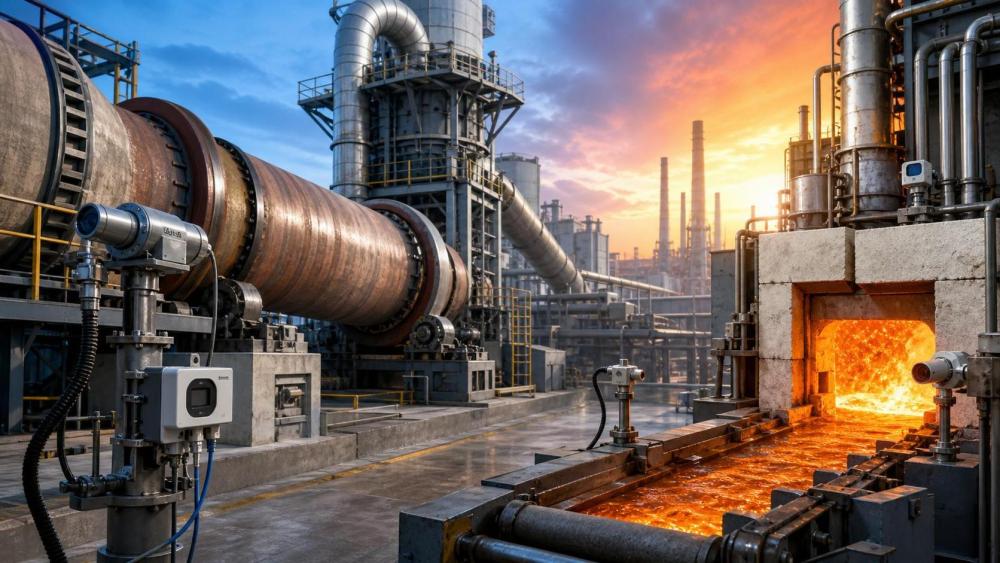
At its core, silicate industry intelligence is structured knowledge about how heat-intensive material systems perform, evolve, and compete.
It is not limited to price reports or headline policy updates.
It combines plant-level operating data, equipment capability, fuel strategy, emissions pressure, maintenance reliability, and downstream demand patterns.
That matters because silicate sectors do not move on one variable.
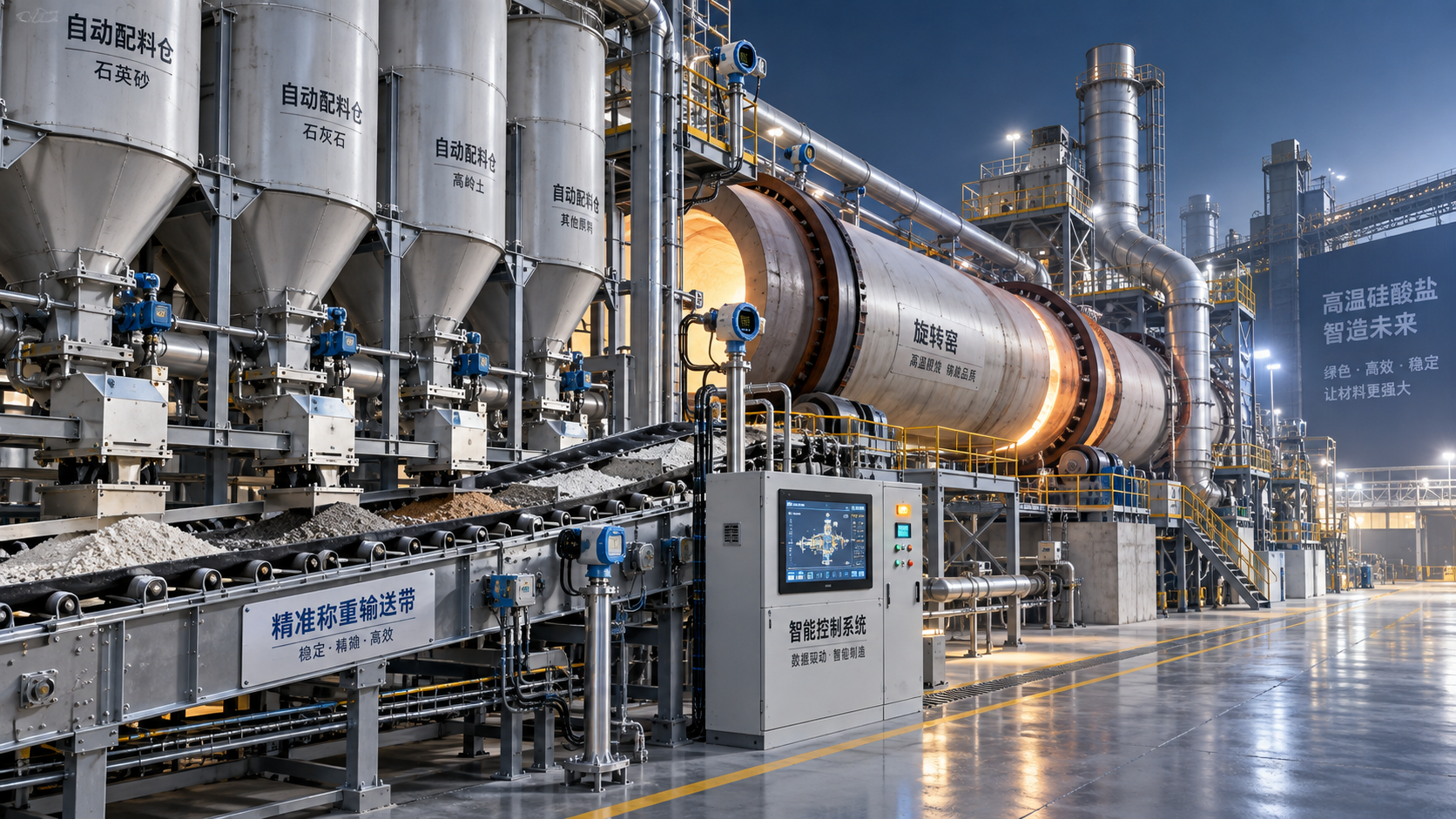
A cement line can show solid output while hiding thermal inefficiency.
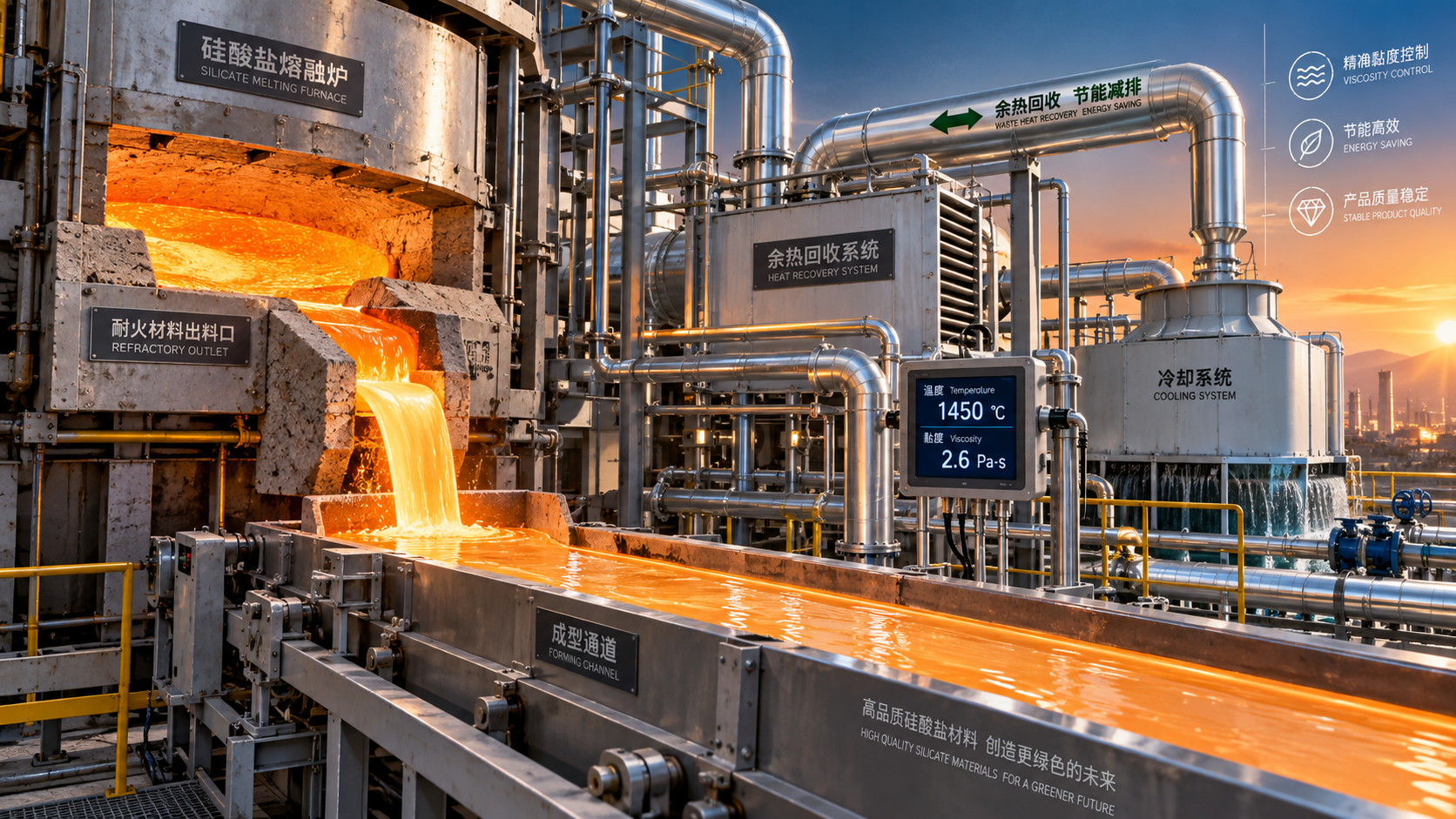
A glass furnace may look advanced on paper but struggle with yield stability.
An incineration system may meet current compliance yet remain vulnerable to future carbon costs.
Seen this way, silicate industry intelligence is a decision framework.
It links ultra-high-temperature physics, chemical reaction behavior, and commercial risk into a usable picture.
That is also why specialized platforms such as CF-Elite matter.
They do more than collect sector updates.
They connect process conditions, energy performance, environmental requirements, and equipment evolution across the major silicate chains.
Why the topic is drawing more attention now
Three pressures are reshaping how silicate assets are evaluated.
The first is energy intensity.
Fuel mix, thermal losses, and power pricing now influence competitiveness as much as installed capacity.
The second is decarbonization.
Carbon reporting, dust control, waste co-processing, and furnace efficiency are no longer side issues.
They affect financing, market access, and contract credibility.
The third is technology unevenness.
Some facilities adopt digital twins, online refractory monitoring, and tighter combustion control.
Others still operate with weak data visibility and higher process variability.
This gap creates both opportunity and risk.
Silicate industry intelligence helps distinguish between short-lived volume growth and durable operational strength.
It also helps identify whether a supplier advantage comes from actual process capability or from temporary market conditions.
Which metrics matter most
The most useful indicators are the ones that connect plant behavior to business outcomes.
They should explain cost resilience, compliance risk, technical maturity, and demand fit.
These metrics work best when read together.
A low energy figure without stable uptime may signal deferred maintenance.
Strong utilization without yield discipline may hide quality losses.
Good current emissions performance without process flexibility may still leave a line exposed.
Metrics that deserve closer reading
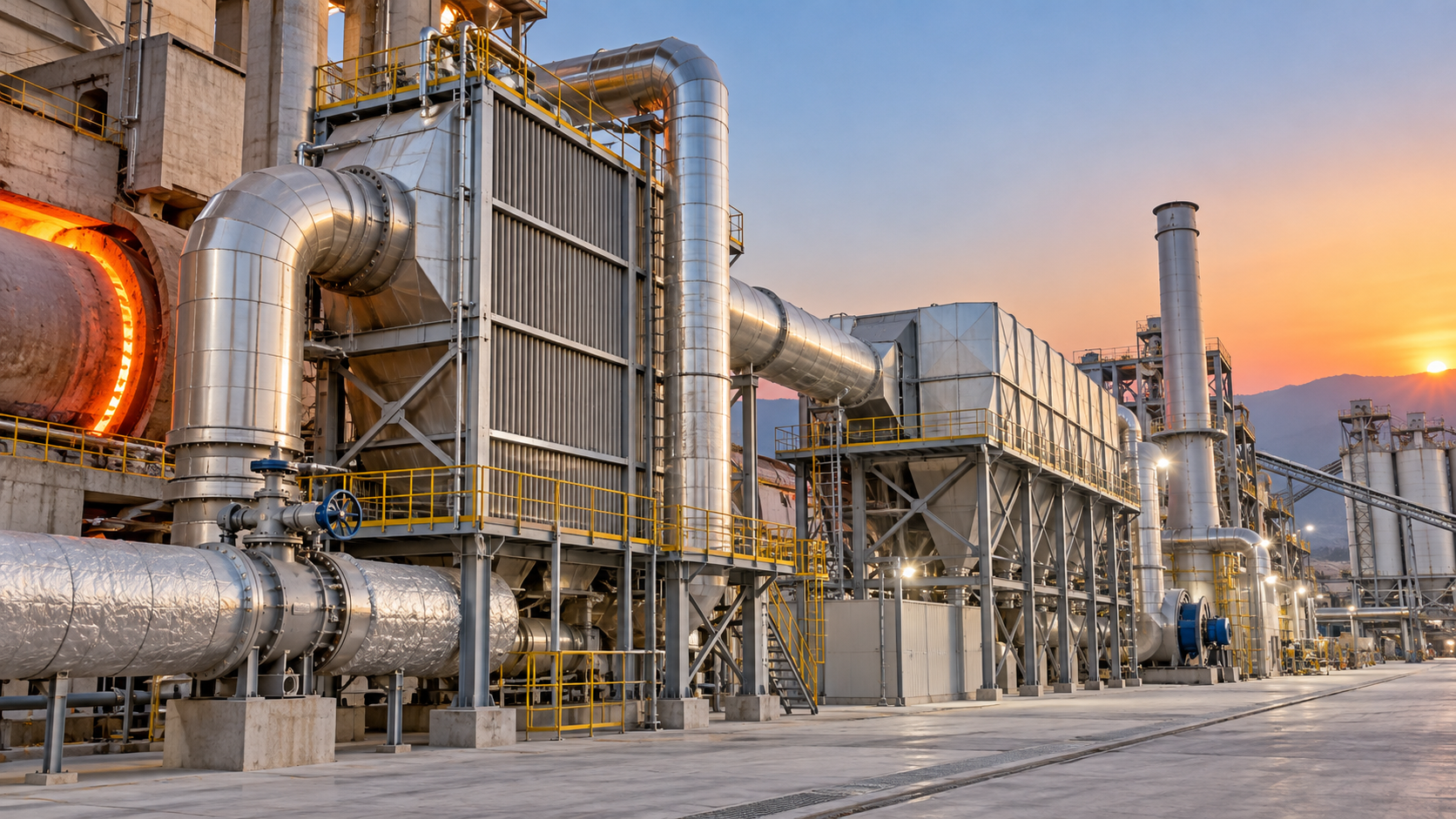
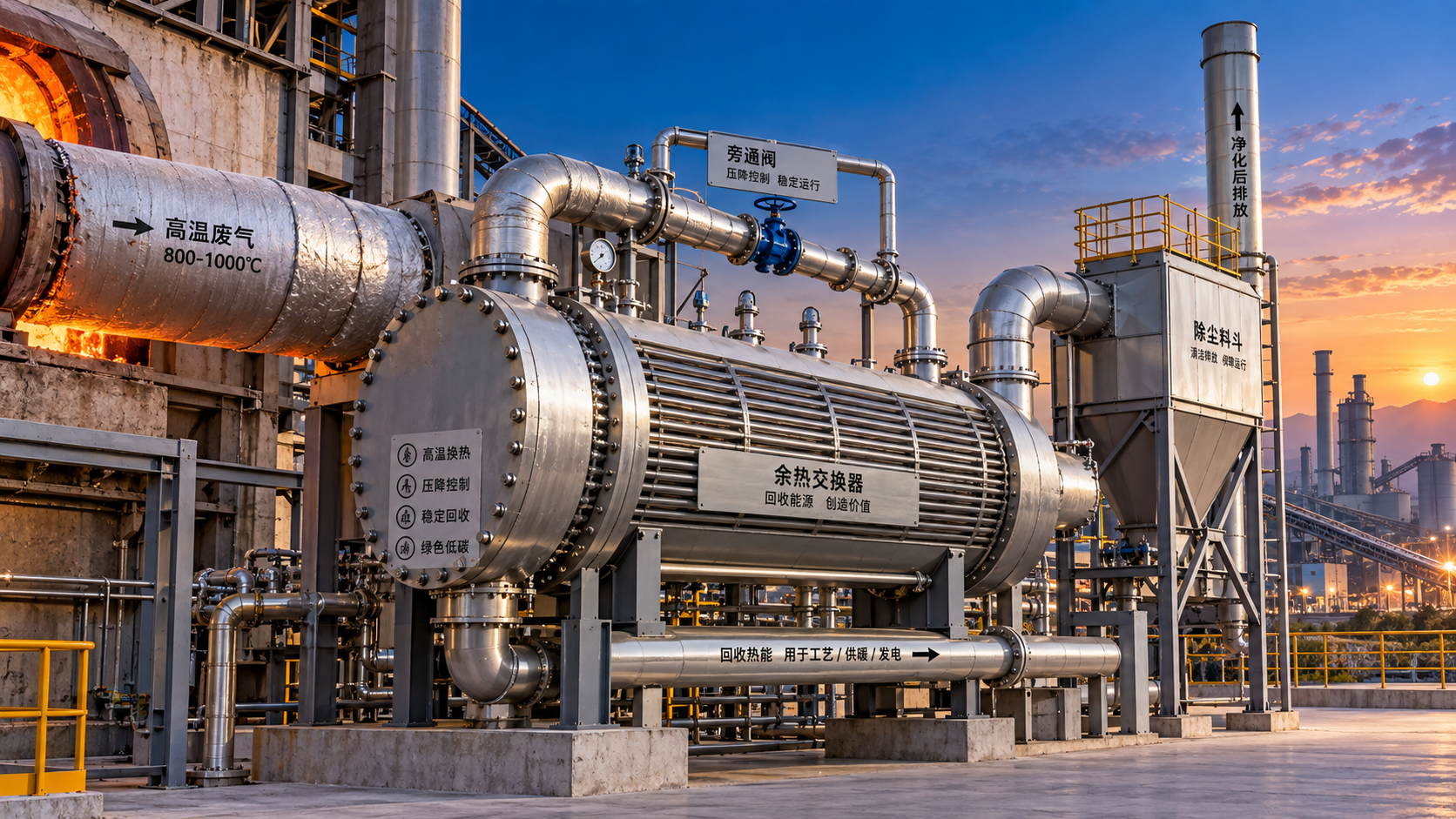
- Heat recovery efficiency often signals whether energy optimization is systematic or superficial.
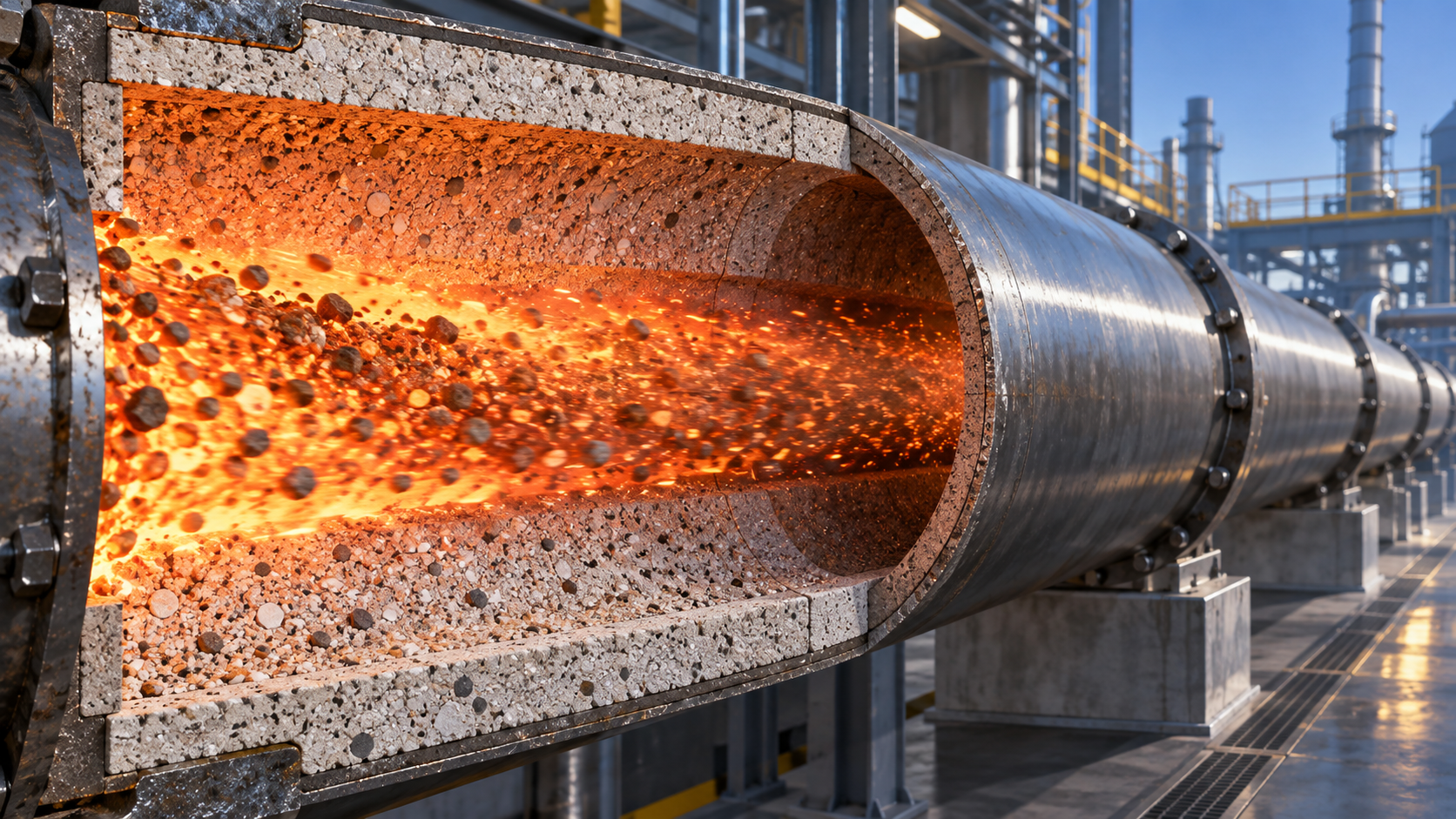
- Refractory life cycle data can reveal both thermal discipline and shutdown planning quality.
- Digital monitoring coverage shows how quickly a plant can detect drift, failure, or fuel imbalance.
- Product mix flexibility matters when demand shifts between commodity and higher-value output.
How this applies across silicate sectors
Silicate industry intelligence is not one-size-fits-all.
Each segment has its own operating logic and risk profile.
Cement production
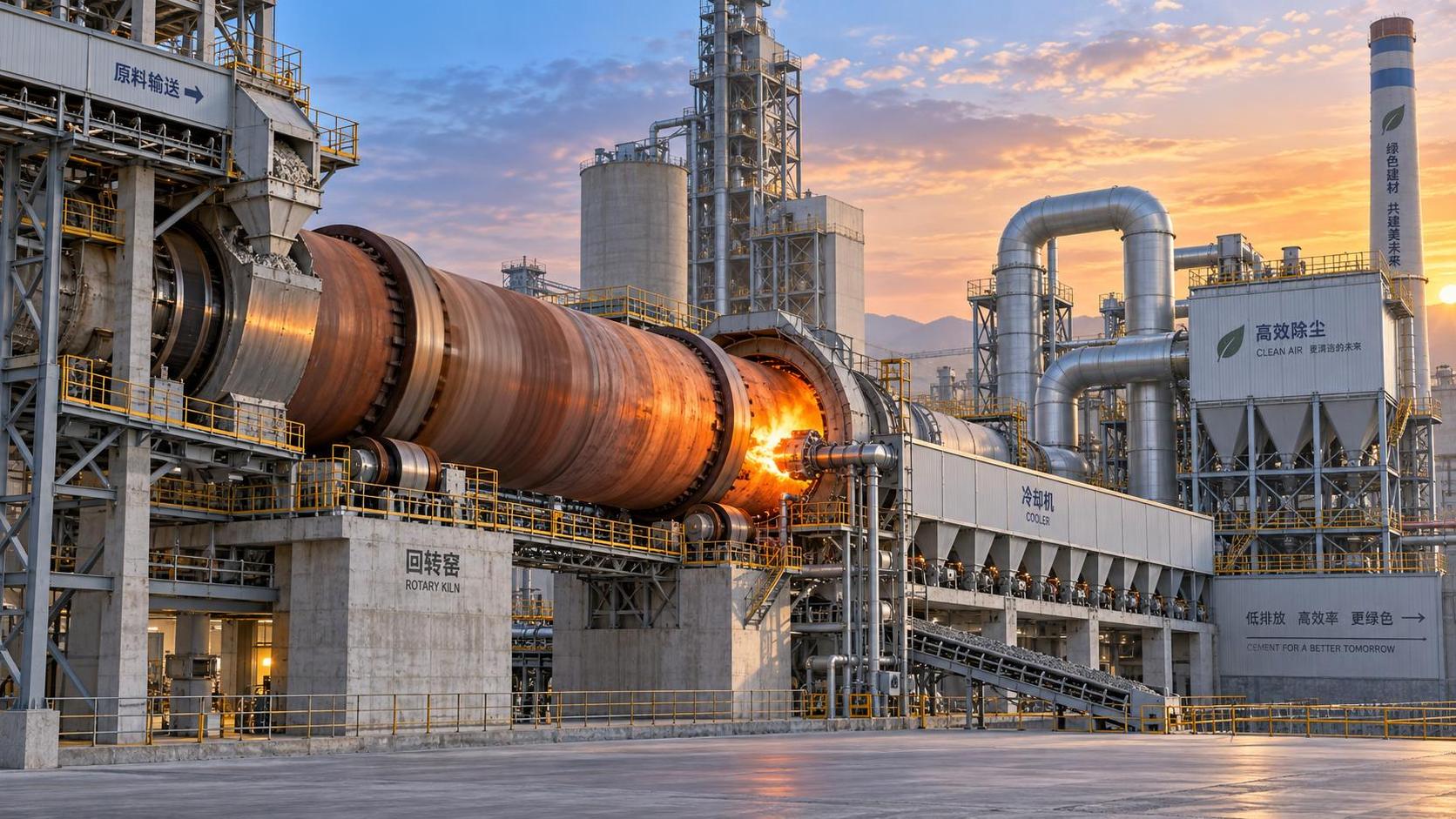
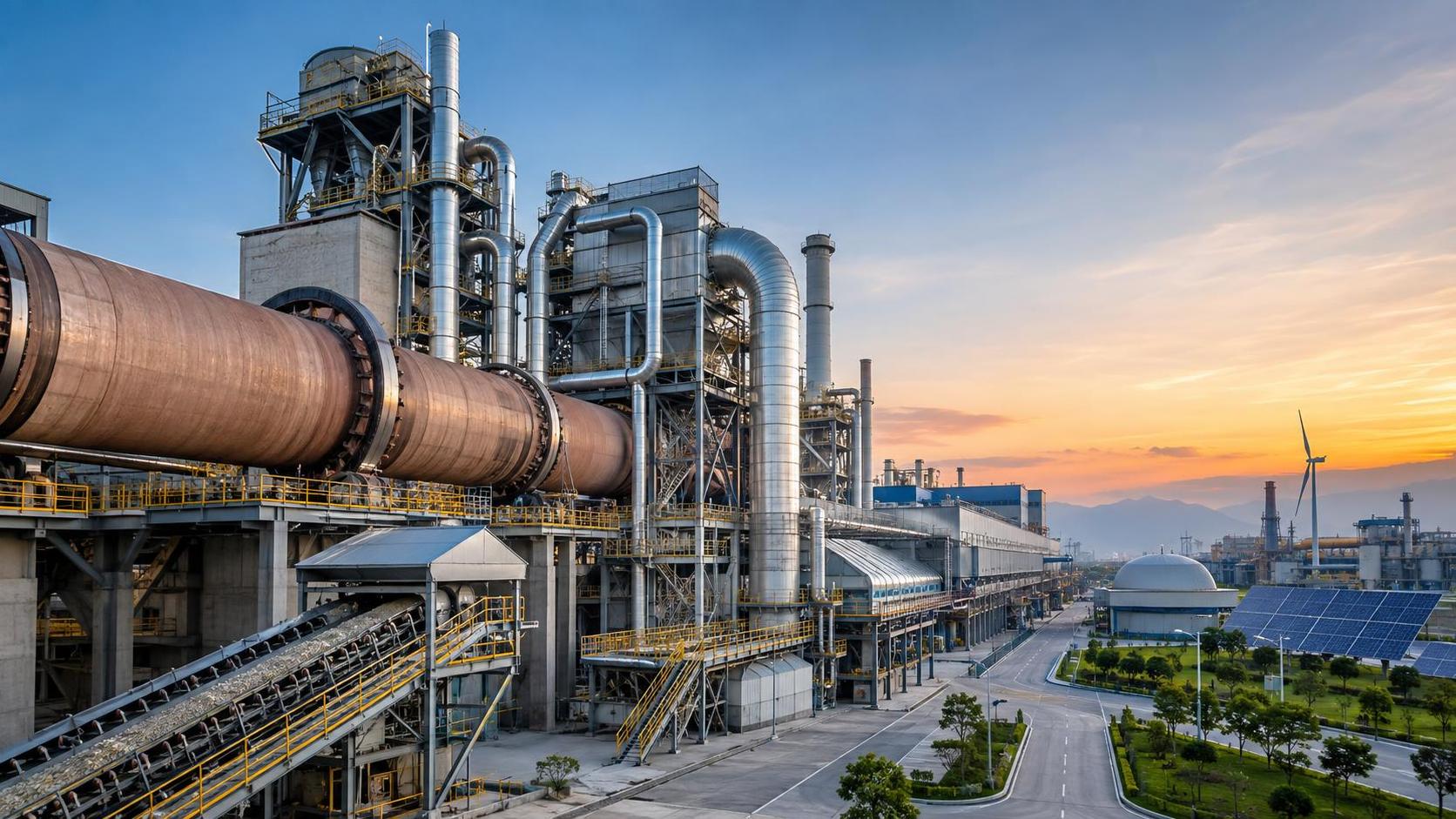
The critical signals usually include clinker factor, kiln stability, fuel efficiency, dust control performance, and regional infrastructure demand.
Volume alone says very little without those supporting indicators.
Glass manufacturing
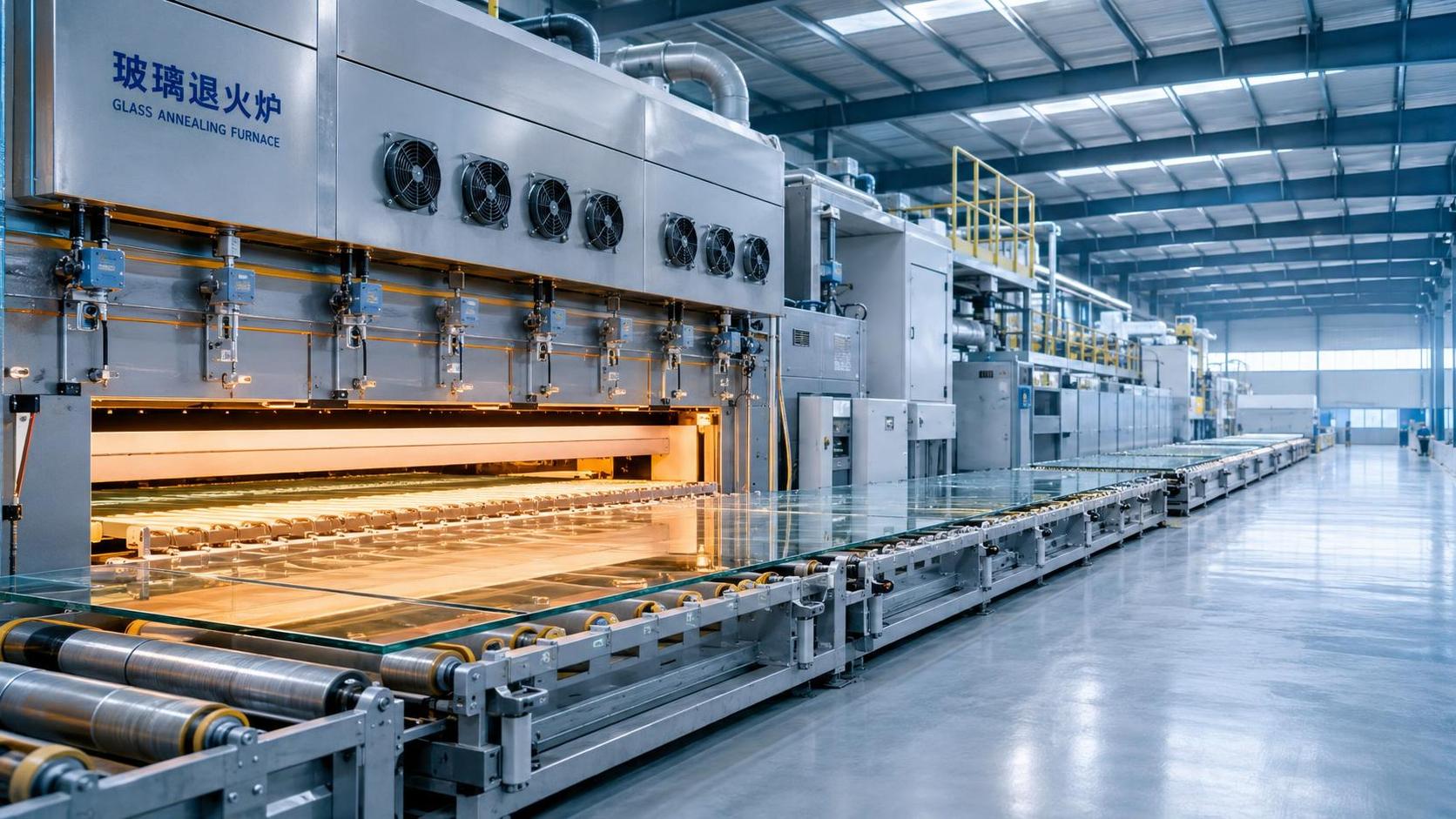
For float glass, PV glass, or specialty thin glass, melting consistency, annealing control, defect rates, and furnace campaign life are central.
Margins often depend on precision more than scale.
Industrial kilns and incineration
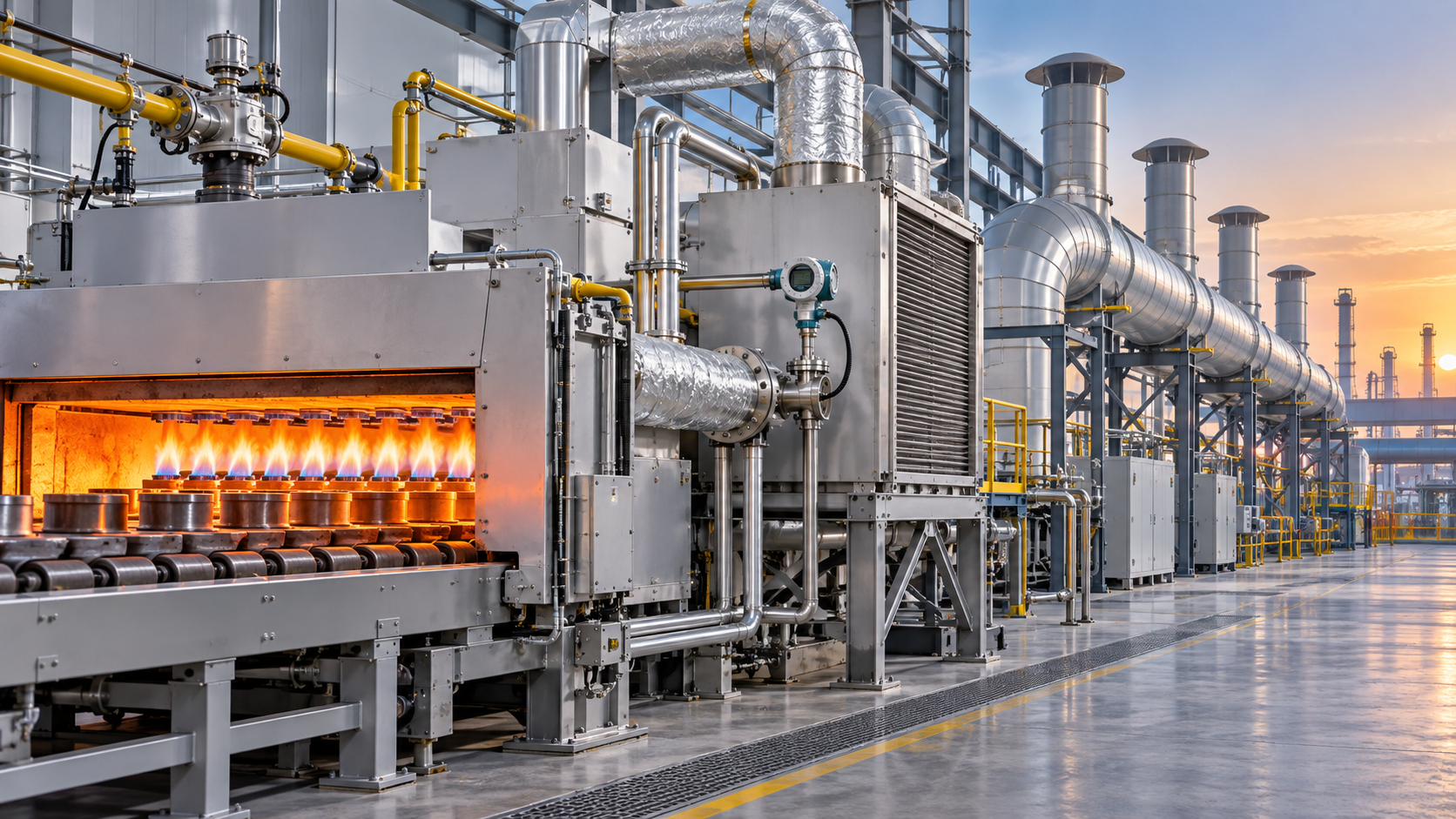
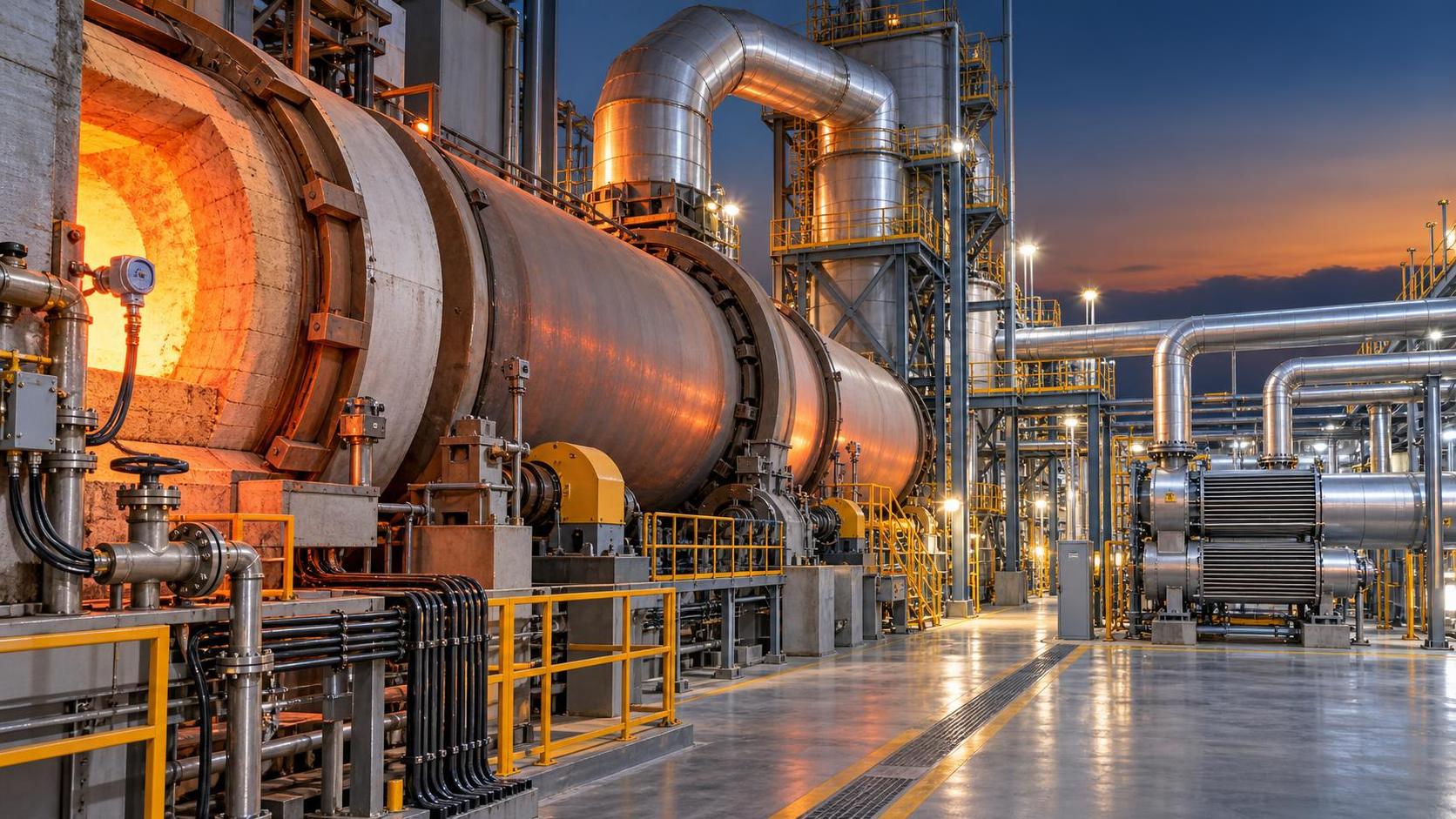
Here the focus expands to waste handling capability, combustion stability, residue management, energy recovery, and environmental compliance strength.
Policy shifts can change economics quickly.
Refractory lines and material extrusion
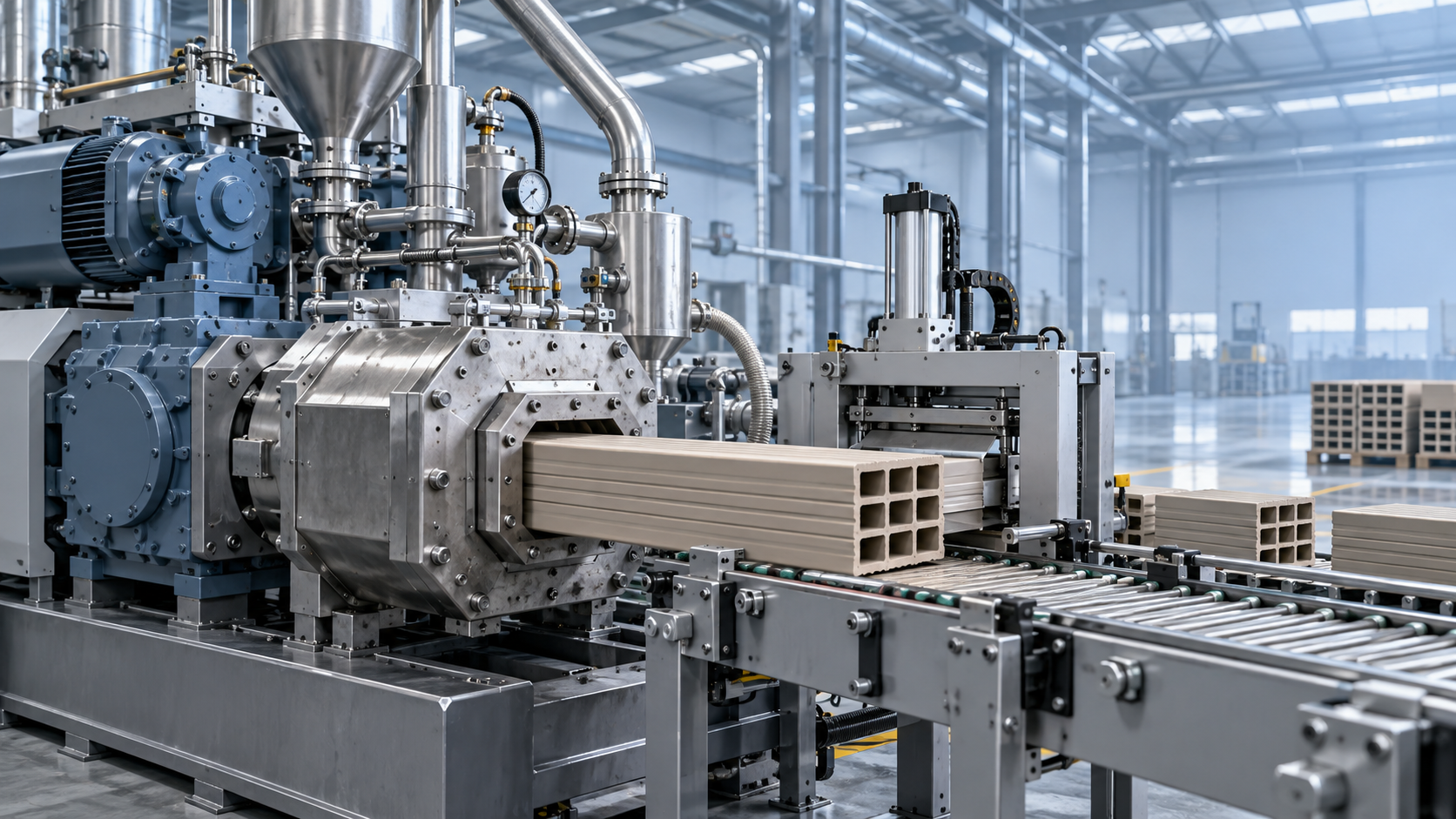
Key points include thermal shock performance, formulation consistency, extrusion pressure control, and alignment with green building demand.
These segments often reward technical depth and stable process execution.
What stronger intelligence looks like in practice
Useful silicate industry intelligence should reduce ambiguity, not add more dashboards.
That means combining three layers of evidence.
The first layer is technical.
This includes thermal parameters, reaction kinetics, lining condition, process balance, and control-system maturity.
The second layer is commercial.
This covers demand structure, replacement cycles, export exposure, and the likelihood of premium equipment adoption.
The third layer is regulatory.
It includes carbon policy, particulate limits, waste co-processing rules, and disclosure requirements.
CF-Elite’s industry approach is relevant here because it treats these layers as connected, not separate.
Coverage across cement plants, glass lines, industrial kilns, refractories, and new building material extrusion makes cross-comparison more realistic.
Its intelligence model also reflects a practical truth.
In heat-intensive sectors, technical weakness eventually becomes financial weakness.
A disciplined way to use the data
The best use of silicate industry intelligence is comparative, not isolated.
One plant, one quarter, or one specification sheet rarely tells the full story.
- Compare energy, uptime, and emissions against similar process configurations.
- Check whether reported performance is stable across maintenance cycles.
- Separate technology claims from evidence such as monitoring depth or yield improvement.
- Read policy exposure by geography, especially where carbon costs may rise faster than demand.
- Track whether demand growth supports the exact product category, not just the wider sector.
This prevents a common mistake.
High-temperature assets are often judged by installed scale, while their actual value depends on control, resilience, and upgrade readiness.
Where to look next
Anyone working with silicate industry intelligence should move from broad sector awareness to a narrower scorecard.
Start with the line type, fuel profile, emissions burden, and demand segment.
Then test which metrics actually explain future performance, not just recent output.
In many cases, the strongest next step is to map technical indicators against commercial exposure and policy direction at the same time.
That is where silicate industry intelligence becomes most useful.
It stops being a collection of facts and starts becoming a clearer basis for screening suppliers, timing expansion, comparing equipment pathways, and identifying which assets are built for the next cycle of green materials and energy efficiency.
Related News
 Material Heat-Resist ExpertHow to Evaluate Refractory Production Lines for Output, Quality, and Energy UseRefractory production lines: learn how to assess qualified output, consistent quality, and total energy use for smarter, lower-risk investment decisions.Sep 25, 2026
 Dr. Alistair VaughnHow Waste Recycling Technology Improves Material Recovery in Industrial PlantsWaste recycling technology improves material recovery through source segregation, smart separation, thermal treatment, and quality control for industrial plants.Sep 24, 2026
 Optical Glass Tech FellowHow to Specify Glass Annealing Equipment for European Quality and Energy RequirementsGlass annealing equipment Europe: learn how to specify lehrs for consistent glass quality, energy efficiency, compliance, automation, and reliable long-term performance.Sep 23, 2026
 Optical Glass Tech FellowSilicate Process Automation: Improving Batch Consistency and Energy ControlSilicate process automation improves batch consistency, energy control, traceability, and operator confidence across high-temperature manufacturing operations.Sep 22, 2026
 Optical Glass Tech FellowHow Silicate Industrial Processes Control Viscosity, Energy Use, and Product QualitySilicate industrial processes: learn how viscosity, chemistry, heat transfer, and atmosphere control reduce energy use, improve stability, and protect product quality.Sep 21, 2026
 Thermal Energy ArchitectHow European Plants Can Evaluate Energy Recovery Equipment for High-Temperature ProcessesIndustrial energy recovery equipment Europe: learn how high-temperature plants can assess waste-heat sources, integration risks, lifecycle value, and reliable recovery routes.Sep 20, 2026
 Thermal Energy ArchitectIndustrial Furnace Process Optimization: Reducing Fuel Use Without Sacrificing ThroughputIndustrial process optimization furnace strategies that cut fuel use while protecting throughput. Explore combustion control, heat recovery, refractory performance, and data-driven efficiency gains.Sep 19, 2026
 Ms. Elena RodriguezWhat Drives High-Pressure Extrusion Equipment Cost in Industrial Projects?High pressure extrusion equipment cost explained: compare pressure, die design, automation, wear, energy, and installation factors for smarter industrial investments.Sep 18, 2026
 Thermal Energy ArchitectHow to Size a Waste Heat Recovery Exchanger for High-Temperature Kiln Exhaust?Waste heat recovery exchanger sizing for high-temperature kiln exhaust: balance recoverable duty, fouling, corrosion limits, pressure drop, and reliable heat use.Sep 17, 2026
 Thermal Energy ArchitectWhy Heat-Resistant Materials Lose Abrasion Resistance at High TemperaturesHeat-resistant materials abrasion resistance can decline at high temperatures. Discover the thermal, chemical, and mechanical causes of wear—and how to choose longer-lasting linings.Sep 16, 2026
 Thermal Energy ArchitectHow to Evaluate a Thermal Energy Optimization Company for High-Temperature PlantsChoose a thermal energy optimization company with proven process expertise, measurable savings, and reliable delivery for high-temperature plants. Learn what to assess.Sep 15, 2026
 Thermal Energy ArchitectRotary Kiln Efficiency: How Feed Rate, Fuel Use, and Heat Loss Affect OutputRotary kiln efficiency explained: discover how feed rate, fuel use, heat loss, combustion, and cooling performance shape output, quality, and energy costs.Sep 14, 2026
 Thermal Energy ArchitectHow to Select Heat-Resistant Materials That Maintain Abrasion Resistance in KilnsHeat-resistant materials abrasion resistance: learn how to select kiln linings that withstand heat, wear, thermal cycling, and chemical attack for longer service life.Sep 13, 2026
 Thermal Energy ArchitectHow Rotary Kiln Automation Improves Temperature Control and Fuel EfficiencyRotary kiln technology automation enhances temperature control, stabilizes combustion, and improves fuel efficiency with smarter data, predictive control, and safer operations.Sep 12, 2026
 Silicate Process EngineerCement Plant Emission Control: Selecting Systems for Dust, NOx, and SO2 LimitsCement plant emission control guide: compare dust collectors, NOx reduction, and SO2 systems for reliable compliance across kiln modes, fuel changes, and operating upsets.Sep 11, 2026
 Thermal Energy ArchitectSelecting Abrasion-Resistant High-Temperature Materials for Kiln and Conveyor Wear ZonesHigh-temp material engineering guide to abrasion-resistant kiln and conveyor solutions—match wear, heat, chemistry, and installation design for longer service life.Sep 10, 2026
 Dr. Alistair VaughnIndustrial Process Engineering: How to Map Processes for Safer, More Efficient PlantsIndustrial process engineering reveals bottlenecks, safety risks, and energy losses through practical process mapping for safer, more efficient plants.Sep 09, 2026
 Optical Glass Tech FellowHow to Evaluate a Glass Annealing Equipment Manufacturer for Production StabilityChoose a glass annealing equipment manufacturer with proven thermal uniformity, reliable controls, lifecycle value, and responsive service for stable production.Sep 08, 2026
 Prof. Marcus ChenThermal Energy Architecture in North America: Strategies for Lower Building Energy UseThermal energy architecture North America helps project leaders cut building energy use through stronger envelopes, right-sized HVAC, storage, and smart commissioning.Sep 07, 2026
 Ms. Elena RodriguezHow Should Buyers Evaluate Building Material Industry Intelligence Pricing?Building material industry intelligence pricing: learn how to compare coverage, technical depth, and ROI to choose intelligence that reduces procurement risk.Sep 07, 2026



Related News
- 00
0000-00
What Drives High-Pressure Extrusion Equipment Cost in Industrial Projects? - 00
0000-00
How Should Buyers Evaluate Building Material Industry Intelligence Pricing? - 00
0000-00
How to Use Building Material Intelligence Data for Market and Investment Decisions - 00
0000-00
How to Evaluate a Silicate Processing Equipment Manufacturer for Plant Projects - 00
0000-00
Process Equipment Comparison: Which Metrics Matter Most for Reliable Selection?
Weekly Insights
Stay ahead with our curated technology reports delivered every Monday.