
How to Use Silicate Industry Intelligence to Compare Suppliers and Capacity Risk




How to Use Silicate Industry Intelligence to Compare Suppliers and Capacity Risk
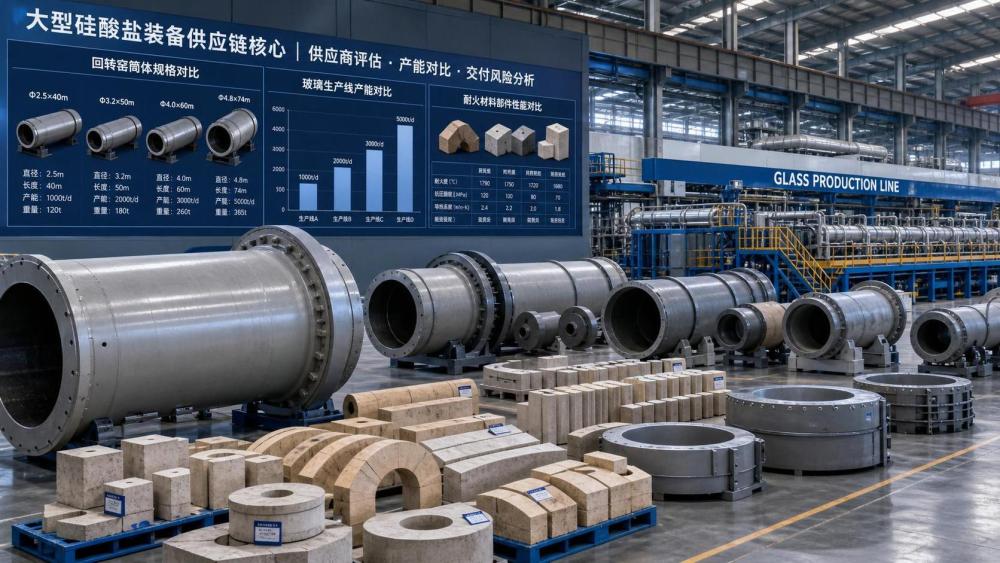
For procurement teams evaluating kilns, glass lines, refractory systems, or extrusion equipment, silicate industry intelligence turns scattered signals into usable decisions.
It helps compare suppliers beyond price sheets, catalog claims, and polished factory presentations.
That matters because capacity risk rarely appears in the quotation itself.
It shows up later as delayed fabrication, subcontracting changes, unstable quality, or missed commissioning windows.
Used well, silicate industry intelligence gives a clearer view of who can truly deliver, who is overcommitted, and where hidden bottlenecks may sit.
In practical terms, it supports supplier benchmarking, cost control, delivery planning, and negotiation strategy at the same time.
Why Capacity Risk Is Harder to Spot in Silicate Equipment Markets
Large silicate projects move slowly, but supplier conditions can change fast.
A supplier may look stable on paper while facing pressure in casting, machining, refractory sourcing, burner integration, or field service scheduling.
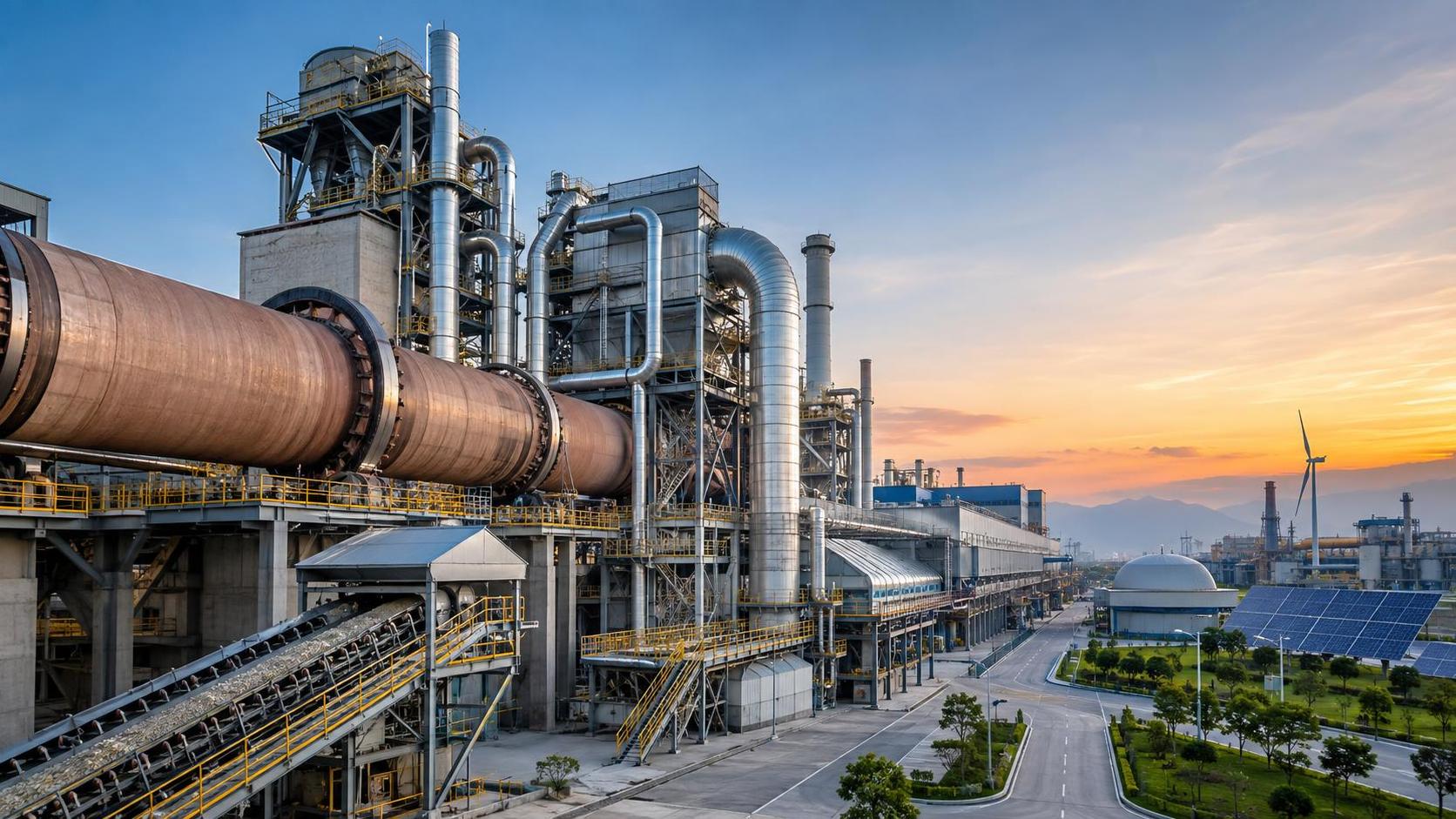
This is common in cement plants, float glass lines, kilns, incineration systems, and new building material extrusion projects.
Capacity risk also extends beyond factory output.
Engineering bandwidth, environmental approvals, export controls, and installation crews can all limit real delivery capability.
This is where silicate industry intelligence becomes valuable.
It connects production line data, order activity, policy shifts, and technical signals into one procurement view.
Build a Comparison Framework Before Contacting Suppliers
The first step is defining what “comparable” actually means.
Many buyers compare only headline price, lead time, and nominal throughput.
That is usually too shallow for heavy process equipment.
A better structure uses silicate industry intelligence to evaluate six areas.
- Installed project references in similar thermal and process conditions.
- Actual manufacturing capacity by key component type.
- Critical supply chain dependence for steel, refractories, controls, and burners.
- Compliance position on emissions, efficiency, and export documentation.
- After-sales strength, especially commissioning and spare parts support.
- Regional exposure to energy costs, logistics disruption, and policy uncertainty.
This framework prevents weak comparisons between suppliers with very different operating realities.
What Silicate Industry Intelligence Should Include
Not all market information is useful for procurement.
The most effective silicate industry intelligence combines technical, commercial, and regional signals.
Technical signals
- Kiln diameter range, burner system compatibility, and thermal efficiency history.
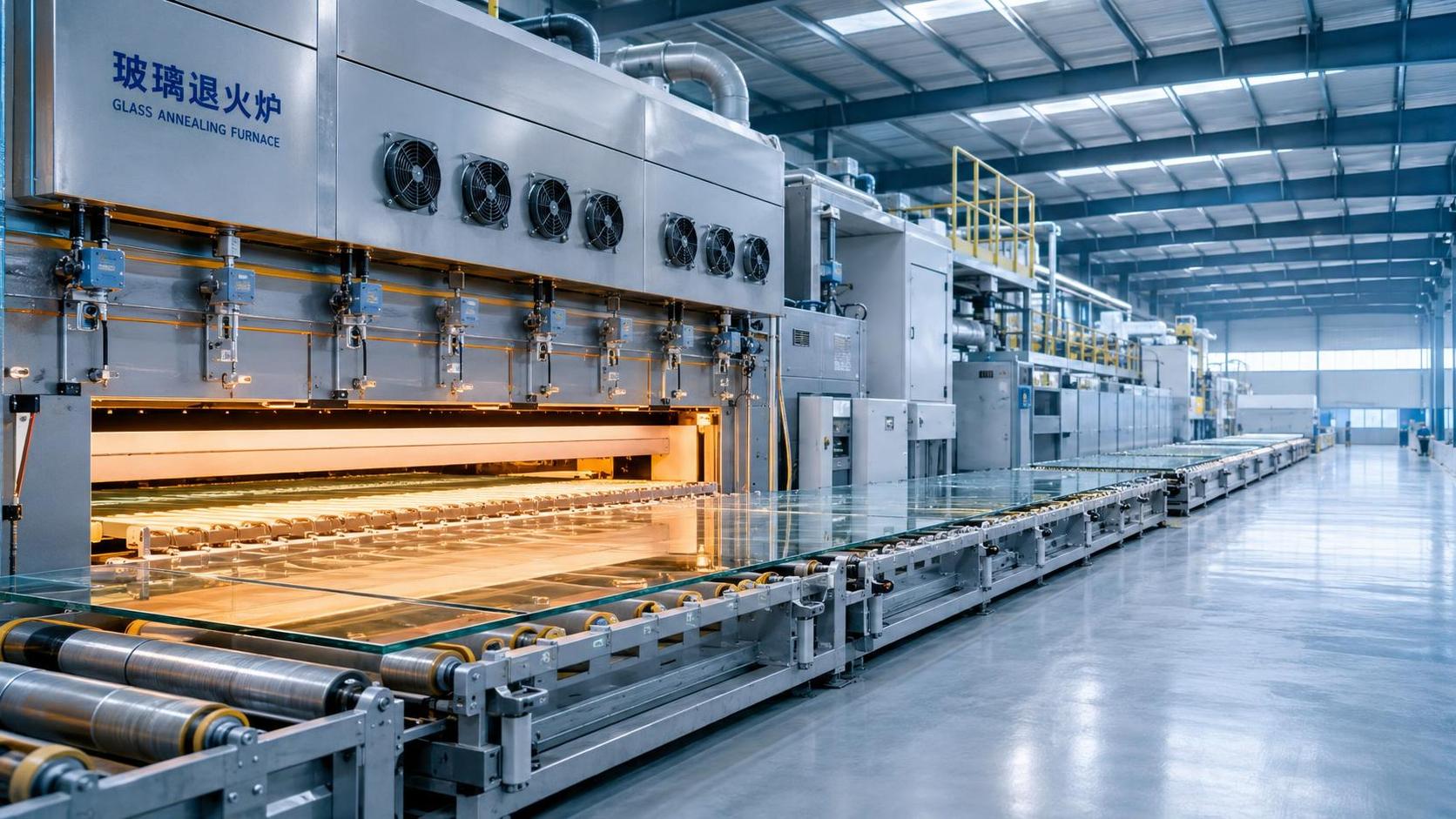
- Glass melting, annealing, and line stability performance.
- Refractory life cycle, lining monitoring, and shutdown frequency.
- Extrusion pressure range, mold wear rate, and automation maturity.
Commercial signals
- Order backlog, recent contract wins, and expansion announcements.
- Dependence on a few major customers or regions.
- Evidence of discounting that may indicate weak utilization or cash pressure.
Risk signals
- Local energy volatility affecting furnace, casting, or fabrication operations.
- Environmental inspections that may slow factory output.
- Port congestion, sanctions, or customs issues that can stretch lead times.
When those layers are reviewed together, silicate industry intelligence becomes decision support rather than background reading.
How to Benchmark Suppliers with Better Depth
A simple scorecard works best when it reflects real execution risk.
Instead of treating every factor equally, weight categories by project sensitivity.
For example, an incineration line may prioritize compliance and combustion stability.
A float glass project may give more weight to precision control, annealing consistency, and service capability.
This kind of scorecard makes silicate industry intelligence visible inside a sourcing process.
How to Detect Hidden Capacity Pressure
Some warning signs are subtle but consistent.
One is mismatch between a supplier’s recent project wins and its known production footprint.
Another is aggressive commercial behavior during a period of rising material prices.
That can suggest a need to fill orders quickly, even when internal capacity is tight.
More obvious signals include repeated design revisions, slow technical clarification, and unclear allocation of site engineers.
Silicate industry intelligence helps validate those signals against external facts.
If a supplier announces several large projects in one quarter, check whether it also expanded workshops, staff, or strategic subcontractors.
If not, the delivery promise deserves closer scrutiny.
Use Regional Intelligence to Improve Cost and Timing Decisions
Supplier comparison is not only about the supplier.
It is also about the region where that supplier operates.
Energy pricing, industrial regulation, labor availability, and export infrastructure can all shift delivered cost.
In recent years, this has become more important for high-temperature industries.
A technically strong supplier in a stressed region may still create higher landed cost and schedule risk.
That is why silicate industry intelligence should include regional operations data, not just company profiles.
This also improves negotiation.
When buyers understand regional pressure points, they can ask for buffer stock, milestone protection, or staged shipment terms with better precision.
Questions That Strengthen Due Diligence
Good intelligence becomes more useful when matched with direct supplier questions.
The goal is not to ask more questions.
The goal is to ask sharper ones.
- What percentage of the system is built in-house versus outsourced?
- Which components currently have the longest confirmed lead time?
- How many similar lines are under execution now?
- What is the contingency plan if refractory or control parts are delayed?
- Which site services are guaranteed by the supplier’s own team?
- How has the supplier handled recent compliance or emissions changes?
The value of silicate industry intelligence is that it lets buyers test answers against external evidence.
Where CF-Elite Supports Better Procurement Judgment
For projects in cement, glass, incineration, refractory production, and extrusion, supplier evaluation needs both technical depth and market perspective.
CF-Elite is built around that exact need.
Its coverage of high-temperature process lines, thermal management, and industrial equipment trends helps turn specialist data into actionable procurement insight.
That includes sector news, process evolution, equipment direction, and commercial intelligence linked to real operating conditions.
For decision-making, this matters because supplier strength is rarely static.
A live intelligence view gives earlier warning when capacity, compliance, or market demand starts shifting.
Turn Intelligence into a Repeatable Buying Process
The strongest procurement teams do not use silicate industry intelligence only once.
They build it into each sourcing stage.
Start with market mapping.
Then screen suppliers by technical fit and regional exposure.
Next, validate capacity through project activity, component sourcing, and service readiness.
Finally, translate the findings into contract terms, delivery buffers, and risk-sharing clauses.
That process makes supplier comparison more grounded and less reactive.
In a market shaped by long lead times and complex thermal systems, silicate industry intelligence is not just helpful research.
It is a practical tool for reducing cost exposure, avoiding capacity surprises, and choosing suppliers with more confidence.
Related News
 Material Heat-Resist ExpertHow to Evaluate Refractory Production Lines for Output, Quality, and Energy UseRefractory production lines: learn how to assess qualified output, consistent quality, and total energy use for smarter, lower-risk investment decisions.Sep 25, 2026
 Dr. Alistair VaughnHow Waste Recycling Technology Improves Material Recovery in Industrial PlantsWaste recycling technology improves material recovery through source segregation, smart separation, thermal treatment, and quality control for industrial plants.Sep 24, 2026
 Optical Glass Tech FellowHow to Specify Glass Annealing Equipment for European Quality and Energy RequirementsGlass annealing equipment Europe: learn how to specify lehrs for consistent glass quality, energy efficiency, compliance, automation, and reliable long-term performance.Sep 23, 2026
 Optical Glass Tech FellowSilicate Process Automation: Improving Batch Consistency and Energy ControlSilicate process automation improves batch consistency, energy control, traceability, and operator confidence across high-temperature manufacturing operations.Sep 22, 2026
 Optical Glass Tech FellowHow Silicate Industrial Processes Control Viscosity, Energy Use, and Product QualitySilicate industrial processes: learn how viscosity, chemistry, heat transfer, and atmosphere control reduce energy use, improve stability, and protect product quality.Sep 21, 2026
 Thermal Energy ArchitectHow European Plants Can Evaluate Energy Recovery Equipment for High-Temperature ProcessesIndustrial energy recovery equipment Europe: learn how high-temperature plants can assess waste-heat sources, integration risks, lifecycle value, and reliable recovery routes.Sep 20, 2026
 Thermal Energy ArchitectIndustrial Furnace Process Optimization: Reducing Fuel Use Without Sacrificing ThroughputIndustrial process optimization furnace strategies that cut fuel use while protecting throughput. Explore combustion control, heat recovery, refractory performance, and data-driven efficiency gains.Sep 19, 2026
 Ms. Elena RodriguezWhat Drives High-Pressure Extrusion Equipment Cost in Industrial Projects?High pressure extrusion equipment cost explained: compare pressure, die design, automation, wear, energy, and installation factors for smarter industrial investments.Sep 18, 2026
 Thermal Energy ArchitectHow to Size a Waste Heat Recovery Exchanger for High-Temperature Kiln Exhaust?Waste heat recovery exchanger sizing for high-temperature kiln exhaust: balance recoverable duty, fouling, corrosion limits, pressure drop, and reliable heat use.Sep 17, 2026
 Thermal Energy ArchitectWhy Heat-Resistant Materials Lose Abrasion Resistance at High TemperaturesHeat-resistant materials abrasion resistance can decline at high temperatures. Discover the thermal, chemical, and mechanical causes of wear—and how to choose longer-lasting linings.Sep 16, 2026
 Thermal Energy ArchitectHow to Evaluate a Thermal Energy Optimization Company for High-Temperature PlantsChoose a thermal energy optimization company with proven process expertise, measurable savings, and reliable delivery for high-temperature plants. Learn what to assess.Sep 15, 2026
 Thermal Energy ArchitectRotary Kiln Efficiency: How Feed Rate, Fuel Use, and Heat Loss Affect OutputRotary kiln efficiency explained: discover how feed rate, fuel use, heat loss, combustion, and cooling performance shape output, quality, and energy costs.Sep 14, 2026
 Thermal Energy ArchitectHow to Select Heat-Resistant Materials That Maintain Abrasion Resistance in KilnsHeat-resistant materials abrasion resistance: learn how to select kiln linings that withstand heat, wear, thermal cycling, and chemical attack for longer service life.Sep 13, 2026
 Thermal Energy ArchitectHow Rotary Kiln Automation Improves Temperature Control and Fuel EfficiencyRotary kiln technology automation enhances temperature control, stabilizes combustion, and improves fuel efficiency with smarter data, predictive control, and safer operations.Sep 12, 2026
 Silicate Process EngineerCement Plant Emission Control: Selecting Systems for Dust, NOx, and SO2 LimitsCement plant emission control guide: compare dust collectors, NOx reduction, and SO2 systems for reliable compliance across kiln modes, fuel changes, and operating upsets.Sep 11, 2026
 Thermal Energy ArchitectSelecting Abrasion-Resistant High-Temperature Materials for Kiln and Conveyor Wear ZonesHigh-temp material engineering guide to abrasion-resistant kiln and conveyor solutions—match wear, heat, chemistry, and installation design for longer service life.Sep 10, 2026
 Dr. Alistair VaughnIndustrial Process Engineering: How to Map Processes for Safer, More Efficient PlantsIndustrial process engineering reveals bottlenecks, safety risks, and energy losses through practical process mapping for safer, more efficient plants.Sep 09, 2026
 Optical Glass Tech FellowHow to Evaluate a Glass Annealing Equipment Manufacturer for Production StabilityChoose a glass annealing equipment manufacturer with proven thermal uniformity, reliable controls, lifecycle value, and responsive service for stable production.Sep 08, 2026
 Prof. Marcus ChenThermal Energy Architecture in North America: Strategies for Lower Building Energy UseThermal energy architecture North America helps project leaders cut building energy use through stronger envelopes, right-sized HVAC, storage, and smart commissioning.Sep 07, 2026
 Ms. Elena RodriguezHow Should Buyers Evaluate Building Material Industry Intelligence Pricing?Building material industry intelligence pricing: learn how to compare coverage, technical depth, and ROI to choose intelligence that reduces procurement risk.Sep 07, 2026



Related News
- 00
0000-00
What Drives High-Pressure Extrusion Equipment Cost in Industrial Projects? - 00
0000-00
How Should Buyers Evaluate Building Material Industry Intelligence Pricing? - 00
0000-00
How to Use Building Material Intelligence Data for Market and Investment Decisions - 00
0000-00
How to Evaluate a Silicate Processing Equipment Manufacturer for Plant Projects - 00
0000-00
Process Equipment Comparison: Which Metrics Matter Most for Reliable Selection?
Weekly Insights
Stay ahead with our curated technology reports delivered every Monday.