
What Is an Industrial Equipment Knowledge Base and How Does It Improve Troubleshooting?




An industrial equipment knowledge base is the operating memory behind faster troubleshooting. It organizes fault history, service records, parameter references, and repair logic into a searchable system. In heavy process industries, that shift matters because downtime is rarely caused by missing data alone. The real problem is fragmented knowledge, spread across manuals, field notes, alarms, supplier documents, and personal experience.
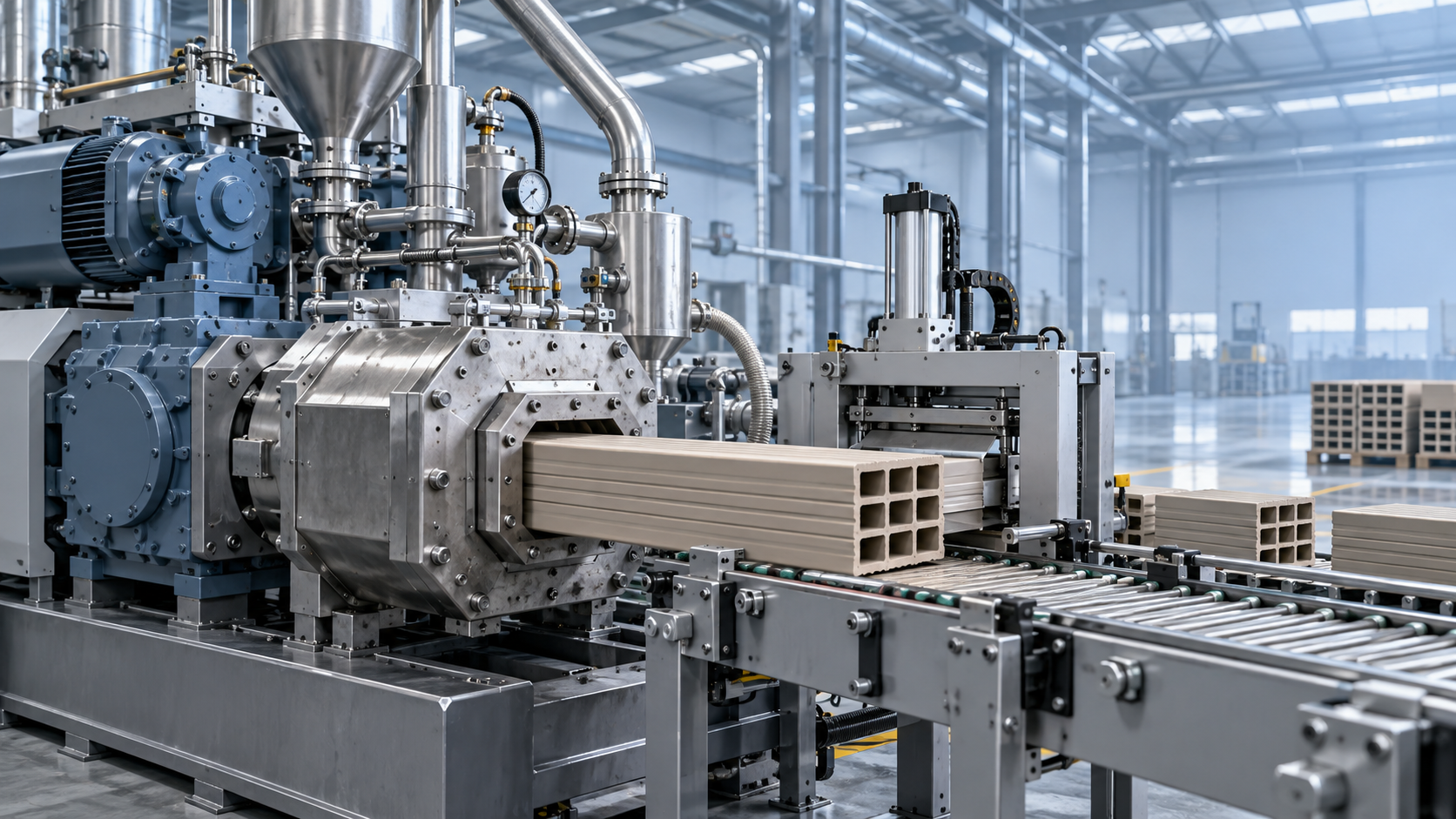
When kilns, float lines, incineration systems, or extrusion equipment fail, every minute spent locating the right insight extends production loss. A well-built industrial equipment knowledge base reduces that delay. It helps teams compare symptoms, verify root causes, and apply consistent corrective actions, especially in plants where thermal behavior, material chemistry, and mechanical wear interact in complex ways.
Why the topic matters now
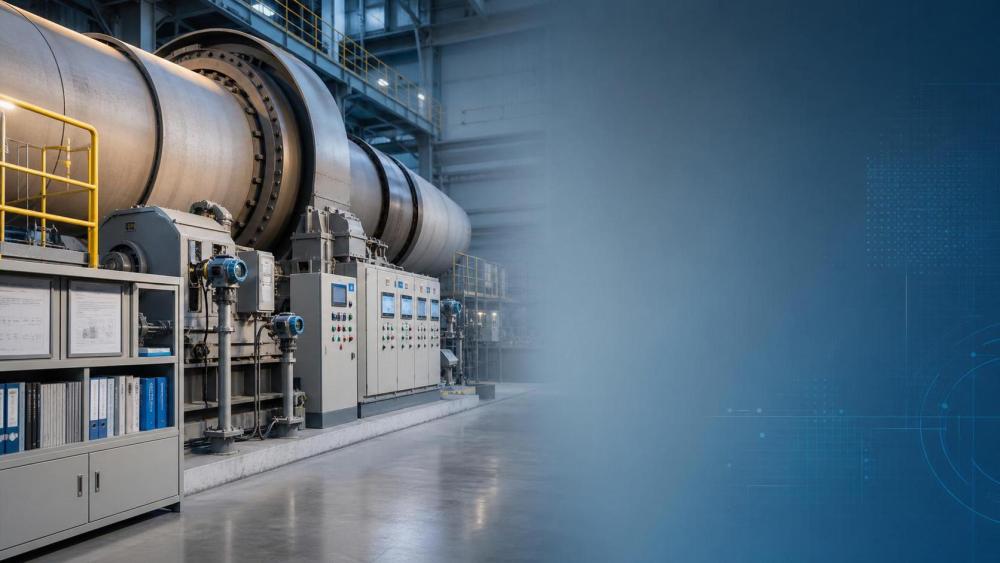
Industrial assets are becoming harder to maintain with experience alone. Production lines now combine automation, sensors, combustion control, process chemistry, and environmental compliance in one operating environment.
That is especially visible in sectors covered by CF-Elite, from cement plants and glass manufacturing gear to industrial kilns, refractory lines, and new building material extrusion systems.
In these settings, one fault rarely stays local. A burner issue may alter temperature curves, change material quality, increase fuel use, and trigger emissions concerns at the same time.
This is why the industrial equipment knowledge base has moved from a support tool to a strategic asset. It connects maintenance decisions with process stability, energy efficiency, and carbon reduction goals.
CF-Elite’s focus on thermal management and silicate process intelligence reflects this broader shift. Troubleshooting is no longer only about replacing failed parts. It is also about understanding process context.
What an industrial equipment knowledge base really includes
At a basic level, an industrial equipment knowledge base stores information that helps identify, explain, and resolve equipment problems. The useful version goes further than a file archive.
It should connect several layers of knowledge:
- equipment structure, component functions, and design limits;
- operating parameters, alarm thresholds, and normal process windows;
- known failure modes, symptom patterns, and likely root causes;
- inspection steps, repair methods, and restart precautions;
- field cases, recurring faults, and lessons from previous interventions.
Simple documents explain what equipment is supposed to do. A mature industrial equipment knowledge base explains what happens when reality drifts from design assumptions.
That difference becomes critical in high-temperature operations. Refractory wear, uneven heat distribution, feed inconsistency, or actuator lag can produce similar symptoms while requiring different responses.
How it improves troubleshooting in practice
The most immediate benefit is diagnostic speed. Instead of starting from zero, teams can search by alarm code, component, process area, symptom, or production condition.
That shortens the path from observation to action. It also reduces the risk of replacing healthy parts because the failure was interpreted too narrowly.
A stronger industrial equipment knowledge base also improves troubleshooting quality in four specific ways.
It preserves field experience
Service knowledge often lives inside individual notebooks, chat threads, or memory. When experienced personnel change roles, that knowledge can disappear.
Capturing repair logic, temporary workarounds, and verified root causes keeps problem-solving consistent over time.
It links symptoms to process conditions
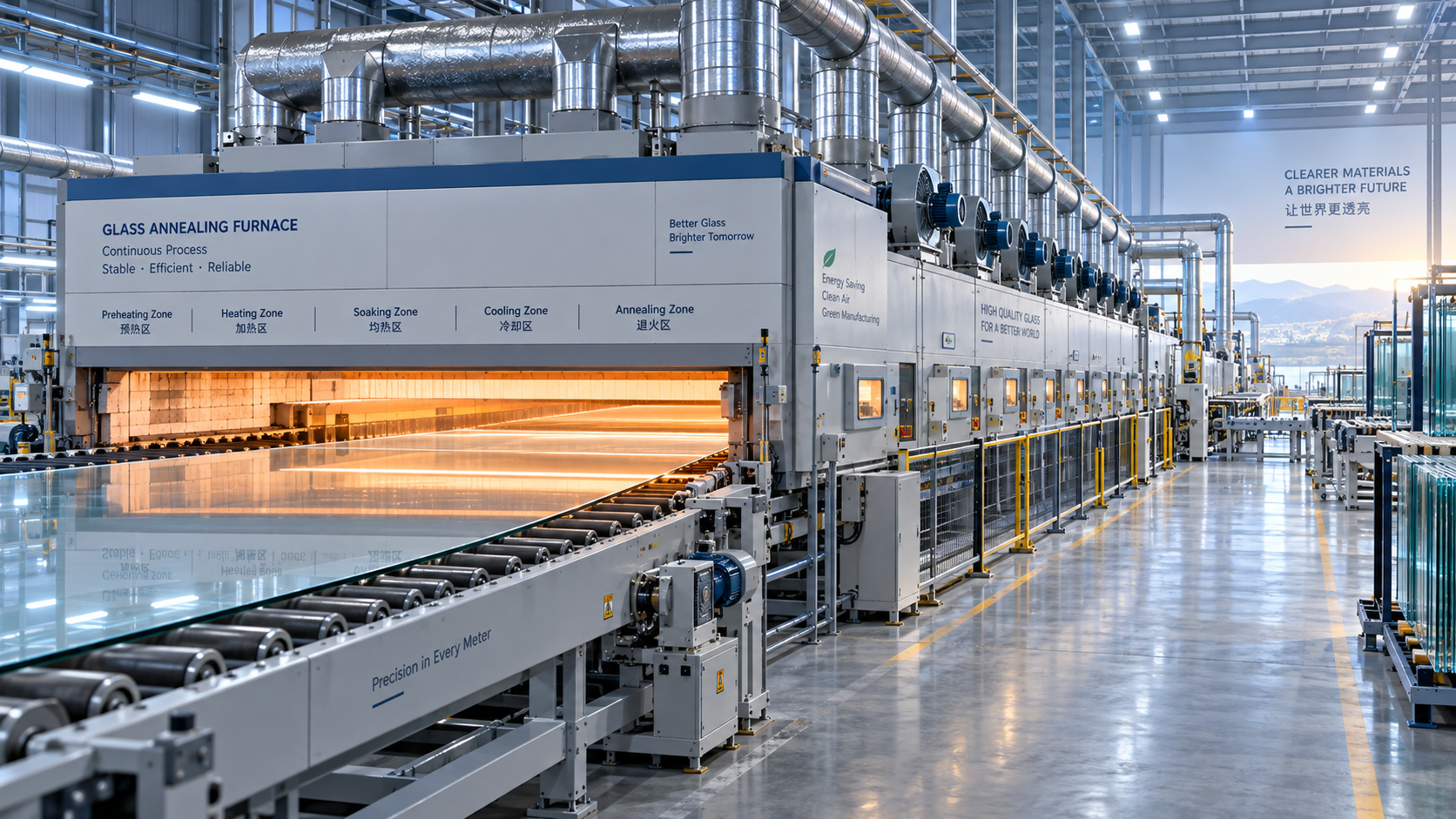
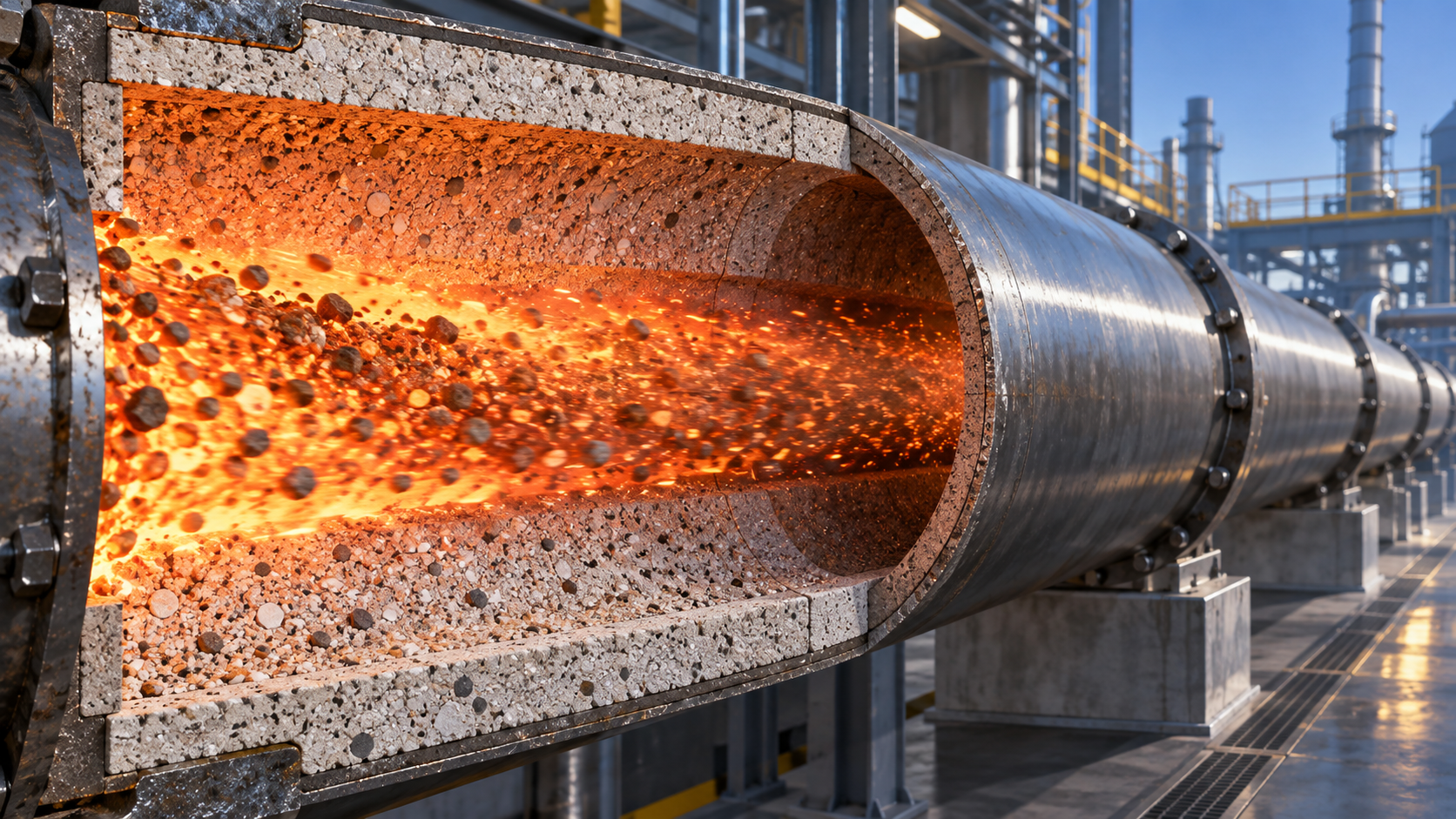
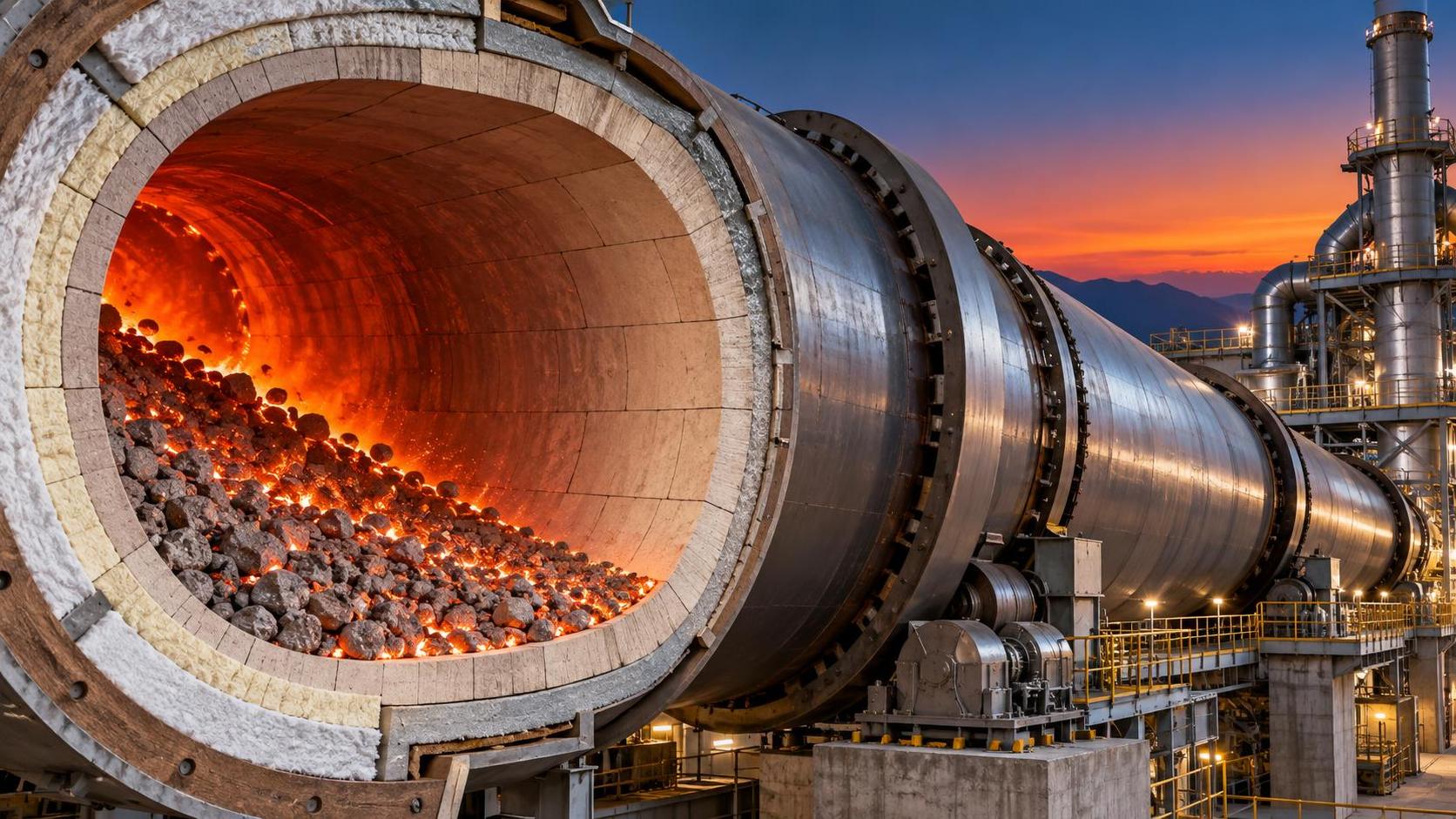
Many failures are not purely mechanical. In glass lines, unstable thermal balance may look like equipment trouble. In kilns, material variability may trigger abnormal loads or shell temperature changes.
A useful industrial equipment knowledge base records those relationships, making diagnosis more precise.
It standardizes repair decisions
Different people often solve the same issue in different ways. Standard decision paths help reduce unsafe improvisation, repeated mistakes, and inconsistent spare part use.
It supports faster handover
When a fault escalates across shifts or regions, clean records matter. A searchable case history gives the next person a clear starting point instead of a vague summary.
Where the value becomes most visible
The industrial equipment knowledge base is useful across sectors, but its value is easier to see in process-intensive operations where faults develop through interaction, not isolation.
These examples also show why CF-Elite’s intelligence model is relevant. In high-temperature industries, service information is strongest when it combines operating data, material behavior, and sector-specific case knowledge.
What separates a useful system from a document dump
Not every repository becomes a usable industrial equipment knowledge base. Many fail because they collect documents without creating decision value.
A practical system usually has several characteristics.
- Search is built around real fault language, not only file names.
- Cases are tagged by equipment type, symptom, cause, and corrective action.
- Parameter ranges are tied to actual operating scenarios.
- Updates are controlled, so obsolete advice does not remain active.
- Service records include outcomes, not just activities performed.
This matters because troubleshooting depends on pattern recognition. If the structure is weak, teams still spend time reading instead of solving.
The best industrial equipment knowledge base feels closer to an operational guide than a storage cabinet.
How to build or evaluate one
In actual use, the right starting point is not software selection. It is fault flow. The system should reflect how problems appear in the field.
A practical evaluation can begin with these questions:
- Can recurring faults be found in minutes, with clear repair history?
- Does the content show both equipment and process-side causes?
- Are thermal, mechanical, electrical, and control issues linked together?
- Can users distinguish temporary fixes from verified root-cause solutions?
- Is there a method to retire outdated troubleshooting logic?
Where digital twin models, online monitoring, or remote diagnostics exist, the industrial equipment knowledge base should complement them, not compete with them.
Monitoring tools can show what is changing. The knowledge base helps explain why it is changing and what has worked before.
A sensible implementation path
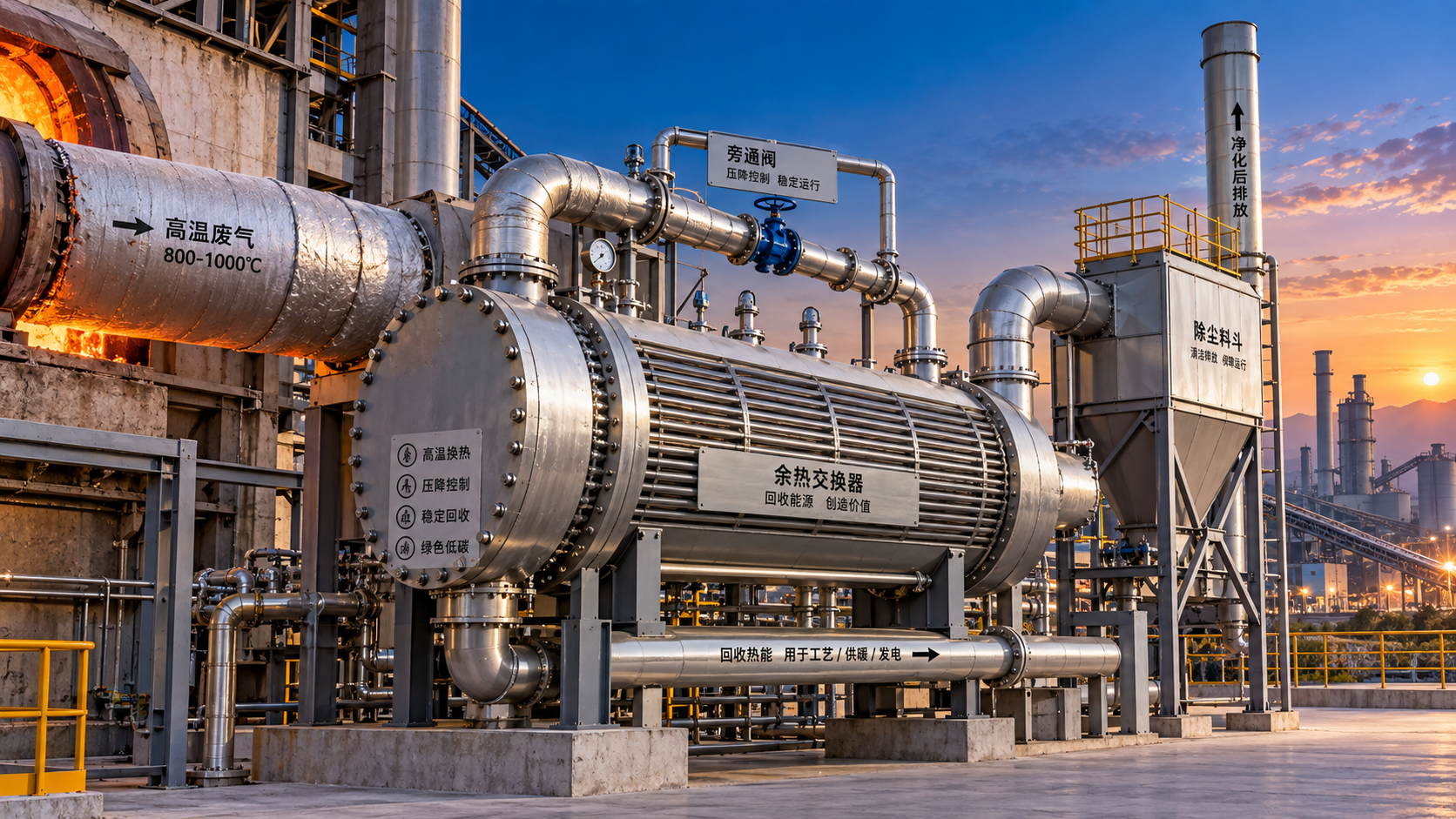
Start with the failure categories that create the highest downtime or safety exposure. For many plants, that means combustion, lining, drive systems, heat exchange, controls, or material feed stability.
Then build case structure around real troubleshooting steps: symptom, operating condition, inspection point, probable cause, corrective action, and result.
That approach is usually more effective than uploading every manual first.
What to watch next
The industrial equipment knowledge base is becoming more valuable as decarbonization, process efficiency, and asset intelligence move closer together.
For high-temperature sectors, troubleshooting will increasingly depend on combined visibility into fuel use, thermal profiles, refractory condition, and production quality.
This is where platforms like CF-Elite offer a useful reference point. Industry intelligence, equipment cases, market shifts, and process evolution trends can help shape stronger maintenance judgment over time.
A good next step is to review the most frequent faults across the installed equipment base, then check whether current records truly support diagnosis, not just reporting.
If the answer is unclear, that is usually the signal to define a more structured industrial equipment knowledge base, grounded in actual service cases, process data, and equipment-specific operating reality.
Related News
 Silicate Process EngineerHow Latin American Cement Plants Can Reduce Dust Emissions in Kilns and Transfer PointsCement plant dust control Latin America: reduce kiln and transfer-point emissions with practical airflow, filtration, monitoring, and maintenance strategies.Sep 26, 2026
 Material Heat-Resist ExpertHow to Evaluate Refractory Production Lines for Output, Quality, and Energy UseRefractory production lines: learn how to assess qualified output, consistent quality, and total energy use for smarter, lower-risk investment decisions.Sep 25, 2026
 Dr. Alistair VaughnHow Waste Recycling Technology Improves Material Recovery in Industrial PlantsWaste recycling technology improves material recovery through source segregation, smart separation, thermal treatment, and quality control for industrial plants.Sep 24, 2026
 Optical Glass Tech FellowHow to Specify Glass Annealing Equipment for European Quality and Energy RequirementsGlass annealing equipment Europe: learn how to specify lehrs for consistent glass quality, energy efficiency, compliance, automation, and reliable long-term performance.Sep 23, 2026
 Optical Glass Tech FellowSilicate Process Automation: Improving Batch Consistency and Energy ControlSilicate process automation improves batch consistency, energy control, traceability, and operator confidence across high-temperature manufacturing operations.Sep 22, 2026
 Optical Glass Tech FellowHow Silicate Industrial Processes Control Viscosity, Energy Use, and Product QualitySilicate industrial processes: learn how viscosity, chemistry, heat transfer, and atmosphere control reduce energy use, improve stability, and protect product quality.Sep 21, 2026
 Thermal Energy ArchitectHow European Plants Can Evaluate Energy Recovery Equipment for High-Temperature ProcessesIndustrial energy recovery equipment Europe: learn how high-temperature plants can assess waste-heat sources, integration risks, lifecycle value, and reliable recovery routes.Sep 20, 2026
 Thermal Energy ArchitectIndustrial Furnace Process Optimization: Reducing Fuel Use Without Sacrificing ThroughputIndustrial process optimization furnace strategies that cut fuel use while protecting throughput. Explore combustion control, heat recovery, refractory performance, and data-driven efficiency gains.Sep 19, 2026
 Ms. Elena RodriguezWhat Drives High-Pressure Extrusion Equipment Cost in Industrial Projects?High pressure extrusion equipment cost explained: compare pressure, die design, automation, wear, energy, and installation factors for smarter industrial investments.Sep 18, 2026
 Thermal Energy ArchitectHow to Size a Waste Heat Recovery Exchanger for High-Temperature Kiln Exhaust?Waste heat recovery exchanger sizing for high-temperature kiln exhaust: balance recoverable duty, fouling, corrosion limits, pressure drop, and reliable heat use.Sep 17, 2026
 Thermal Energy ArchitectWhy Heat-Resistant Materials Lose Abrasion Resistance at High TemperaturesHeat-resistant materials abrasion resistance can decline at high temperatures. Discover the thermal, chemical, and mechanical causes of wear—and how to choose longer-lasting linings.Sep 16, 2026
 Thermal Energy ArchitectHow to Evaluate a Thermal Energy Optimization Company for High-Temperature PlantsChoose a thermal energy optimization company with proven process expertise, measurable savings, and reliable delivery for high-temperature plants. Learn what to assess.Sep 15, 2026
 Thermal Energy ArchitectRotary Kiln Efficiency: How Feed Rate, Fuel Use, and Heat Loss Affect OutputRotary kiln efficiency explained: discover how feed rate, fuel use, heat loss, combustion, and cooling performance shape output, quality, and energy costs.Sep 14, 2026
 Thermal Energy ArchitectHow to Select Heat-Resistant Materials That Maintain Abrasion Resistance in KilnsHeat-resistant materials abrasion resistance: learn how to select kiln linings that withstand heat, wear, thermal cycling, and chemical attack for longer service life.Sep 13, 2026
 Thermal Energy ArchitectHow Rotary Kiln Automation Improves Temperature Control and Fuel EfficiencyRotary kiln technology automation enhances temperature control, stabilizes combustion, and improves fuel efficiency with smarter data, predictive control, and safer operations.Sep 12, 2026
 Silicate Process EngineerCement Plant Emission Control: Selecting Systems for Dust, NOx, and SO2 LimitsCement plant emission control guide: compare dust collectors, NOx reduction, and SO2 systems for reliable compliance across kiln modes, fuel changes, and operating upsets.Sep 11, 2026
 Thermal Energy ArchitectSelecting Abrasion-Resistant High-Temperature Materials for Kiln and Conveyor Wear ZonesHigh-temp material engineering guide to abrasion-resistant kiln and conveyor solutions—match wear, heat, chemistry, and installation design for longer service life.Sep 10, 2026
 Dr. Alistair VaughnIndustrial Process Engineering: How to Map Processes for Safer, More Efficient PlantsIndustrial process engineering reveals bottlenecks, safety risks, and energy losses through practical process mapping for safer, more efficient plants.Sep 09, 2026
 Optical Glass Tech FellowHow to Evaluate a Glass Annealing Equipment Manufacturer for Production StabilityChoose a glass annealing equipment manufacturer with proven thermal uniformity, reliable controls, lifecycle value, and responsive service for stable production.Sep 08, 2026
 Prof. Marcus ChenThermal Energy Architecture in North America: Strategies for Lower Building Energy UseThermal energy architecture North America helps project leaders cut building energy use through stronger envelopes, right-sized HVAC, storage, and smart commissioning.Sep 07, 2026






Related News
- 00
0000-00
What Drives High-Pressure Extrusion Equipment Cost in Industrial Projects? - 00
0000-00
How Should Buyers Evaluate Building Material Industry Intelligence Pricing? - 00
0000-00
How to Use Building Material Intelligence Data for Market and Investment Decisions - 00
0000-00
How to Evaluate a Silicate Processing Equipment Manufacturer for Plant Projects - 00
0000-00
Process Equipment Comparison: Which Metrics Matter Most for Reliable Selection?
Weekly Insights
Stay ahead with our curated technology reports delivered every Monday.