
Silicate Industrial Solutions for Glass and Cement: How to Match Materials to Process Needs




Silicate Industrial Solutions for Glass and Cement: How to Match Materials to Process Needs
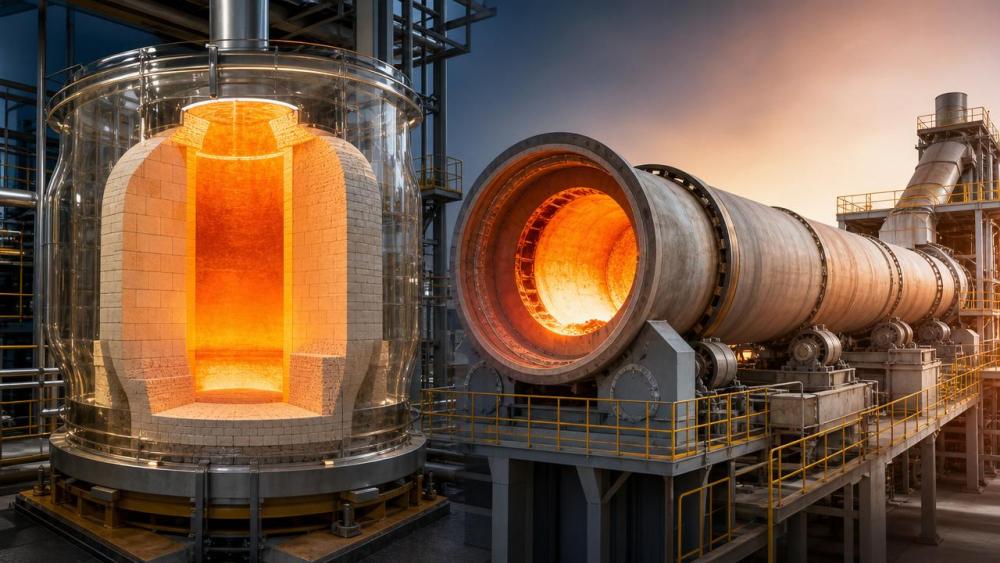
Choosing silicate industrial solutions is rarely a simple equipment purchase.
In glass and cement, materials behave differently under heat, load, abrasion, and chemical attack.
That is why process fit matters more than catalog specifications.
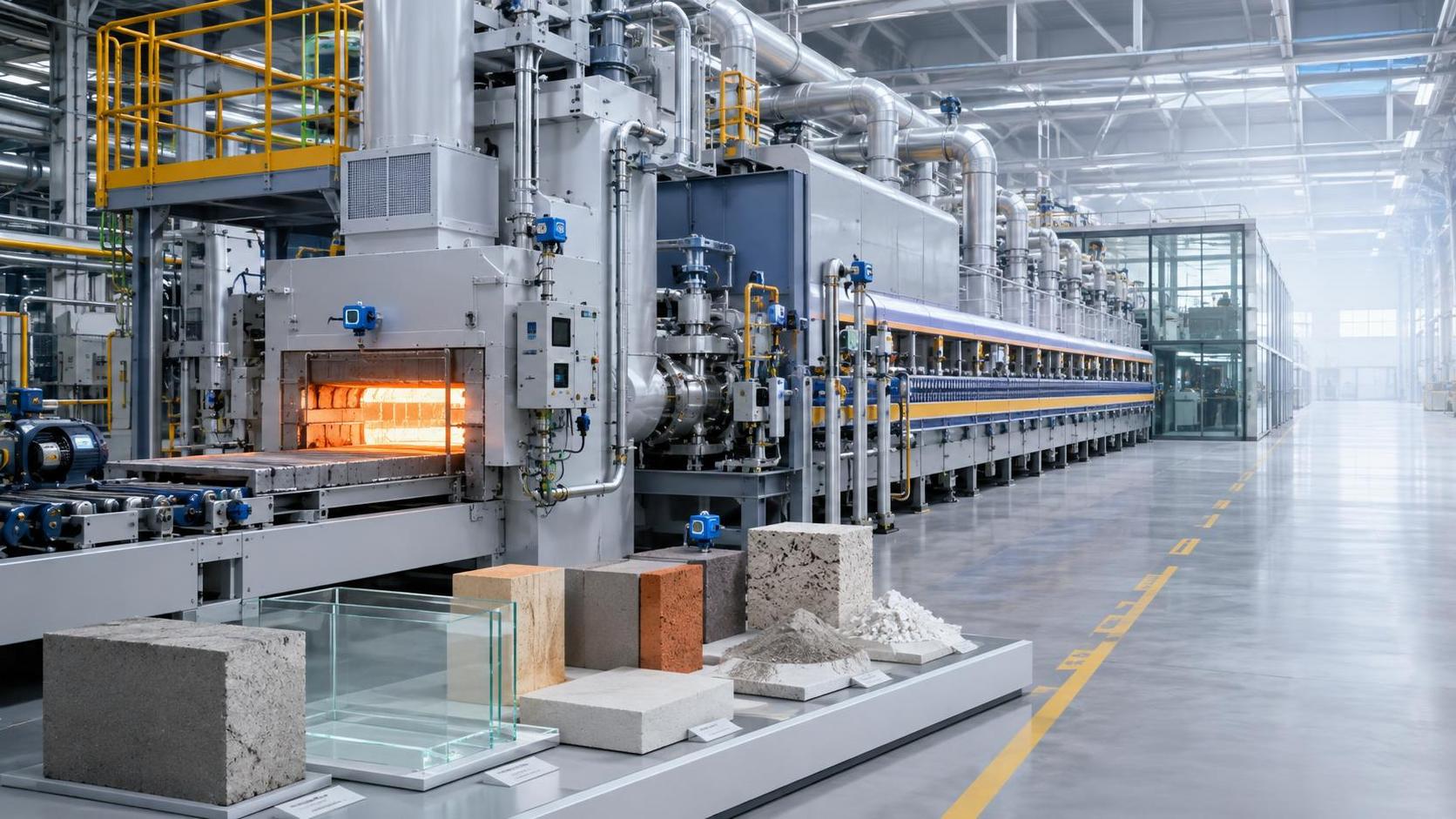
The best silicate industrial solutions connect raw materials, furnace conditions, lining life, and emissions targets in one decision path.
For glass plants, the focus often starts with melt stability, energy efficiency, and defect control.
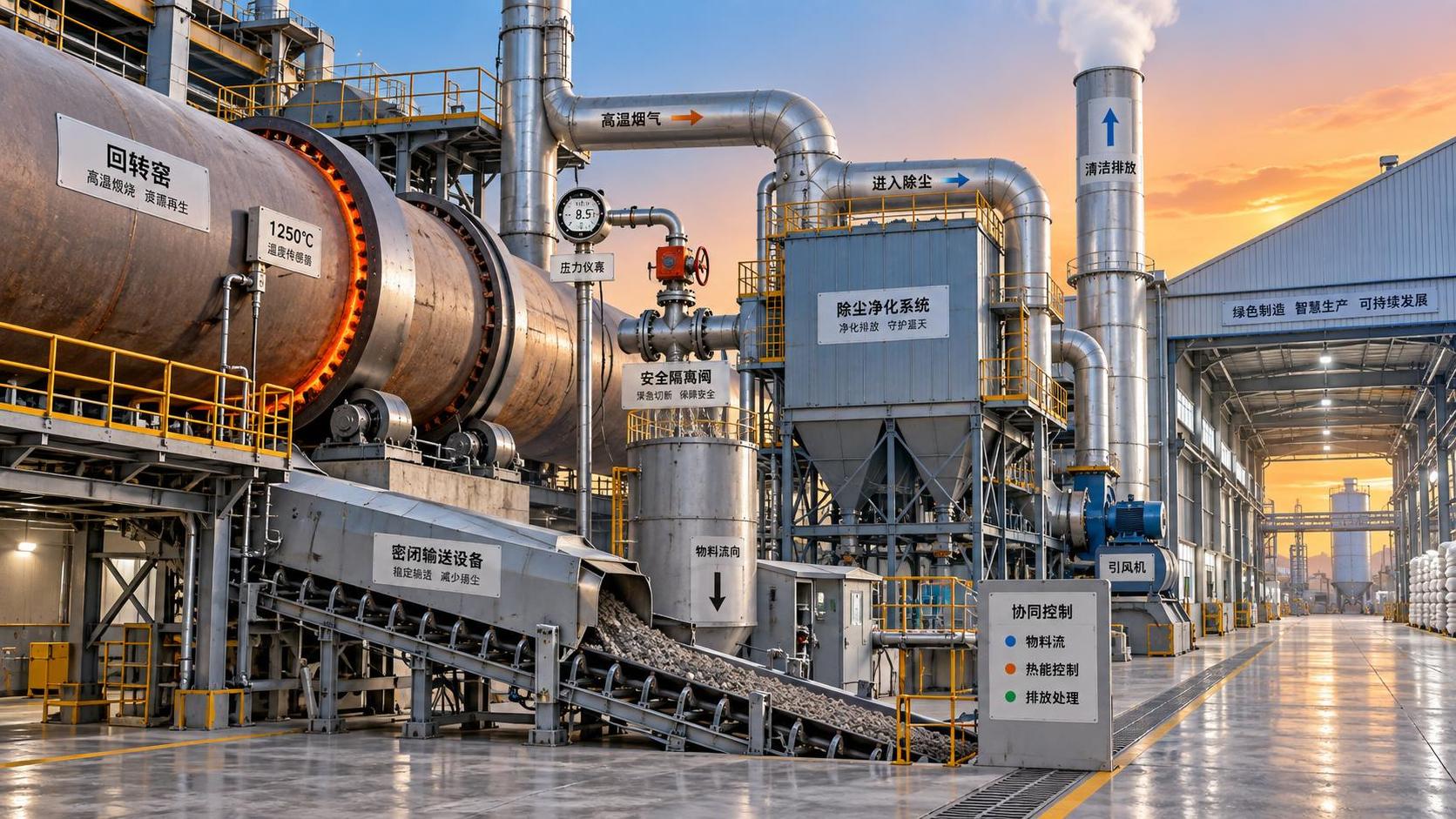
For cement lines, the pressure shifts toward calcination efficiency, coating control, alkali resistance, and dust management.
In both cases, the wrong match creates hidden costs long before visible failure appears.
From recent market changes, a clearer signal is emerging.
Buyers are no longer comparing only price, capacity, and delivery time.
They are comparing lifecycle risk, thermal performance, maintenance intervals, and compliance readiness.
This article explains how to evaluate silicate industrial solutions with process needs in mind.
It also highlights practical checkpoints that support lower-risk sourcing decisions.
Why Process Matching Matters More Than Product Labels
Many industrial materials are sold by grade, density, chemistry, or temperature rating.
Those numbers are useful, but they do not tell the whole operating story.
A silicate industrial solution that performs well in one kiln zone may fail quickly in another.
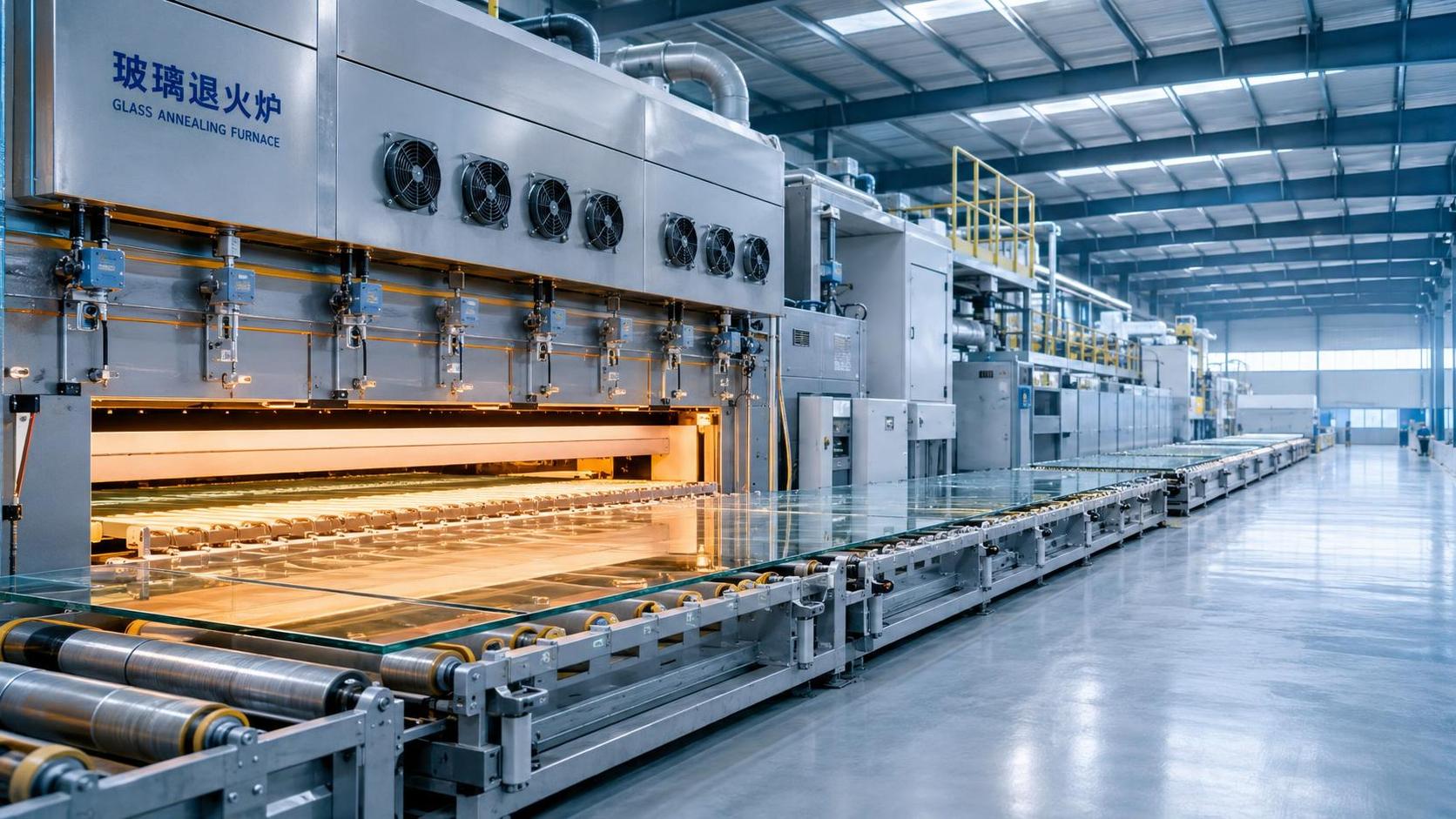
The same applies to glass forehearths, regenerators, melting tanks, and annealing sections.
In practical operations, three factors shape the correct match.
- Thermal profile, including peak temperature, cycling frequency, and heat distribution.
- Chemical load, including alkalis, sulfates, chlorides, and vapor-phase attack.
- Mechanical stress, including abrasion, build-up, pressure, and expansion behavior.
This means silicate industrial solutions should be selected by operating zone, not only by plant type.
When sourcing starts from process mapping, both maintenance and output become easier to predict.
How Glass Production Defines Material Priorities
Glass manufacturing demands tight thermal control and low contamination risk.
Even small material instability can affect bubble levels, optical quality, or furnace efficiency.
That is why silicate industrial solutions for glass lines must support stable melting and clean heat transfer.
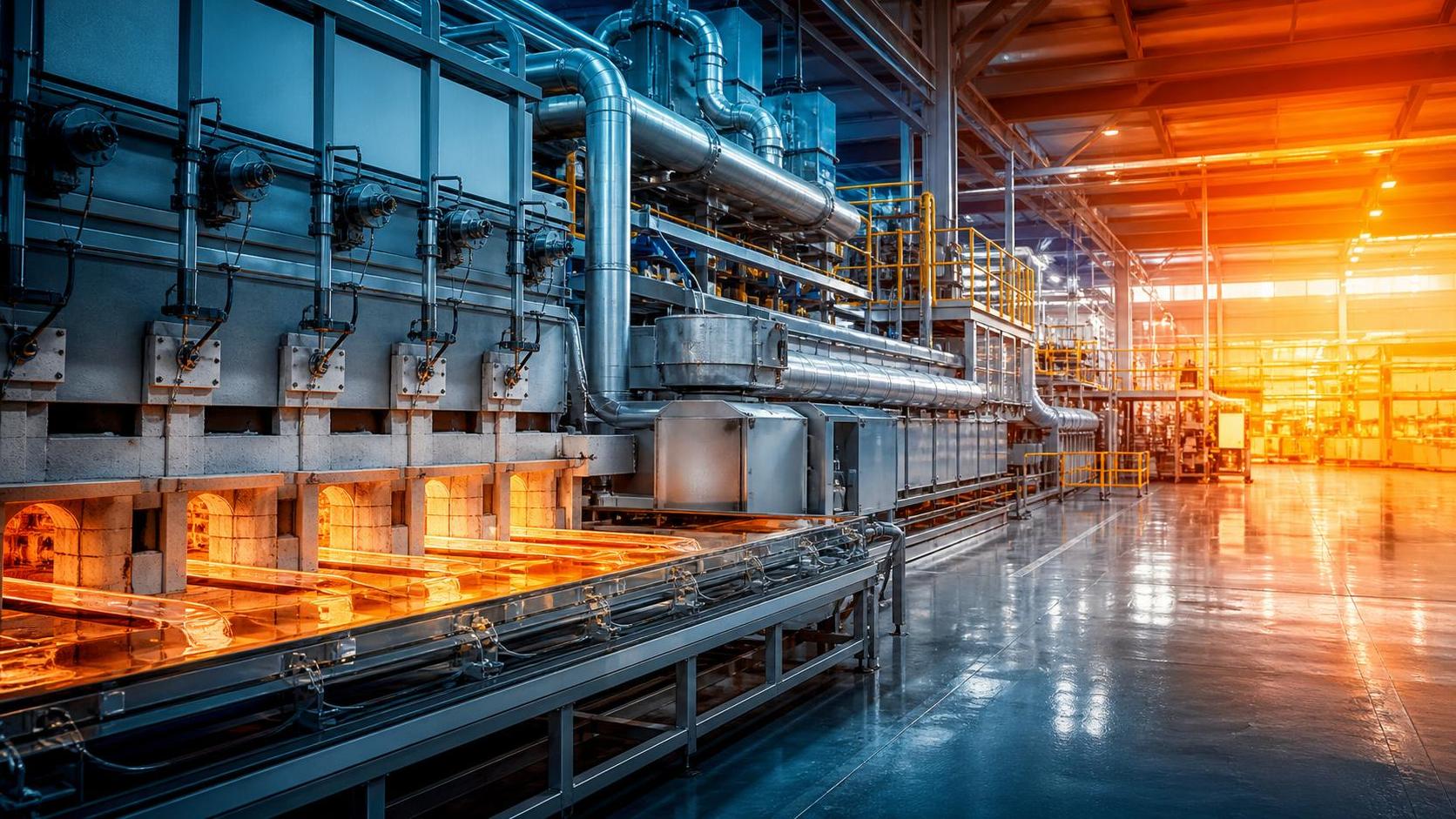
The key process areas usually include the melting tank, regenerator, throat, forehearth, and annealing system.
What to prioritize in glass applications
- High corrosion resistance against molten glass and vapor attack.
- Low impurity release to reduce product defects.
- Dimensional stability under long thermal cycles.
- Insulation performance that supports lower specific energy consumption.
- Repairability during planned shutdowns or hot maintenance windows.
For float glass, consistency is usually the deciding issue.
For container glass, resistance to thermal shock and campaign durability often move higher on the list.
For PV and ultra-thin glass, tighter heat balance and defect prevention become even more critical.
A reliable silicate industrial solution in glass is one that protects quality while stabilizing furnace economics.
How Cement Production Changes the Selection Logic
Cement production runs under a very different process logic.
The system involves raw meal variability, abrasive solids, flame zones, coating formation, and aggressive gas chemistry.
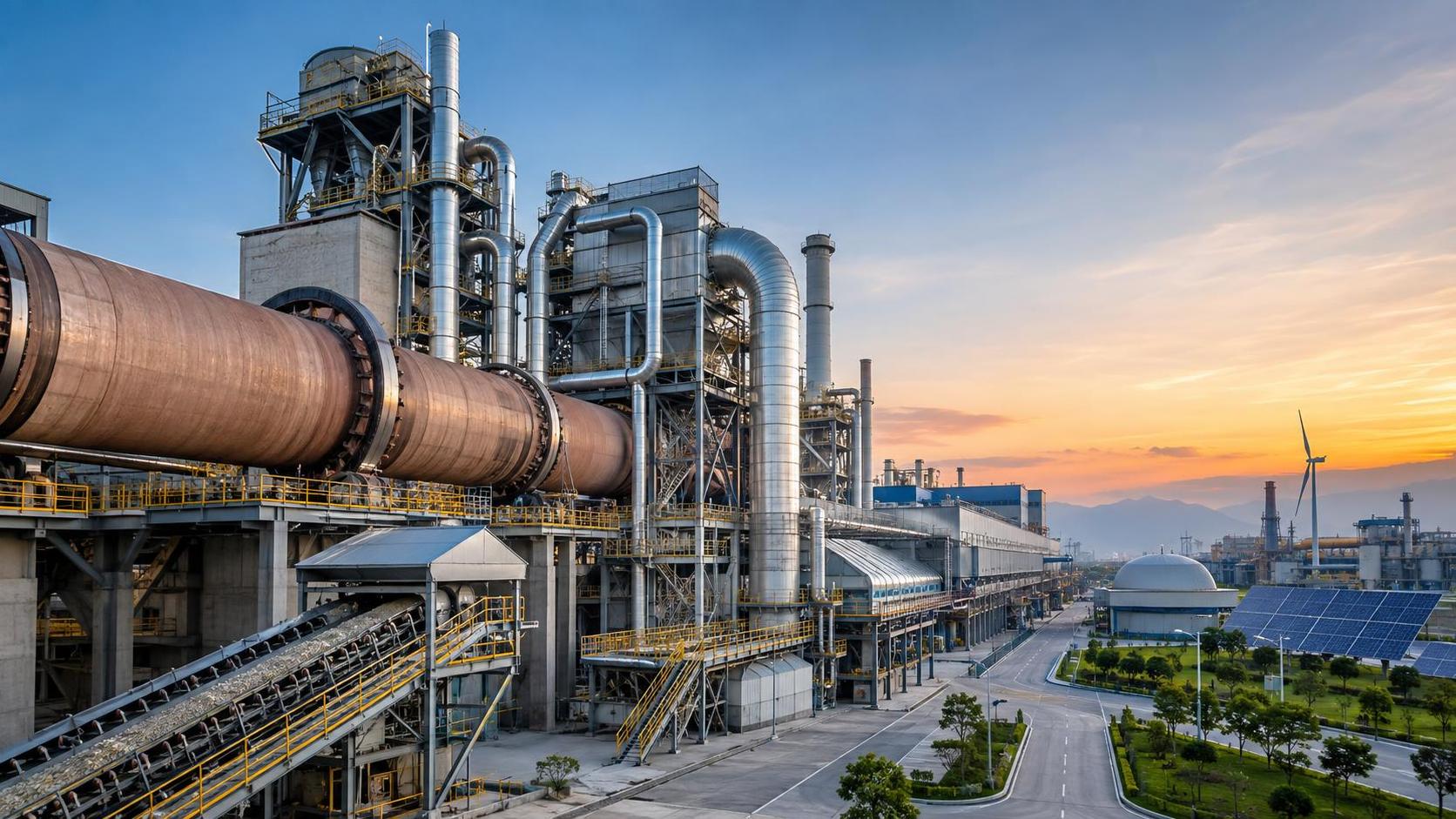
Because of this, silicate industrial solutions for cement must balance durability with thermal efficiency.
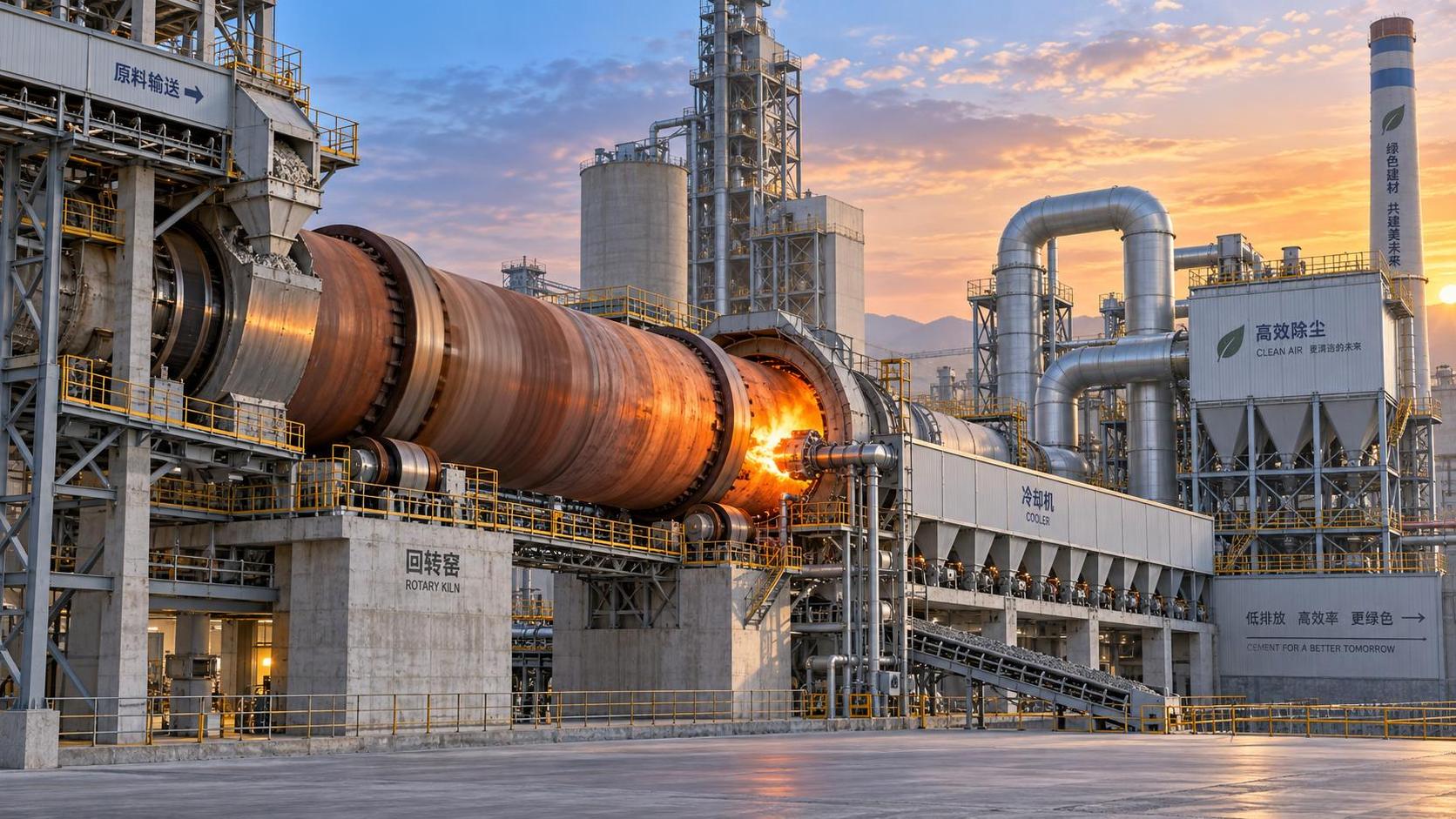
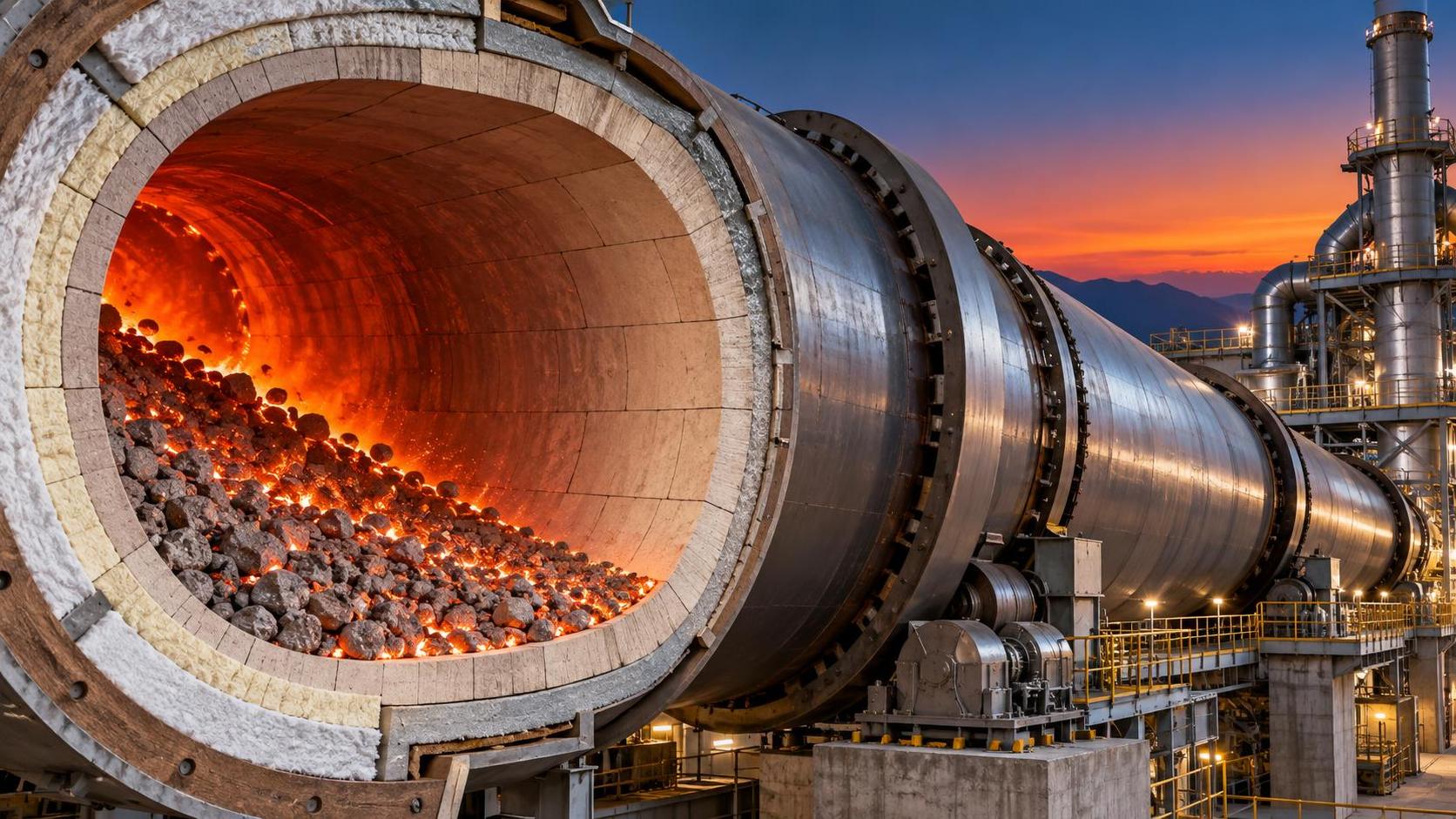
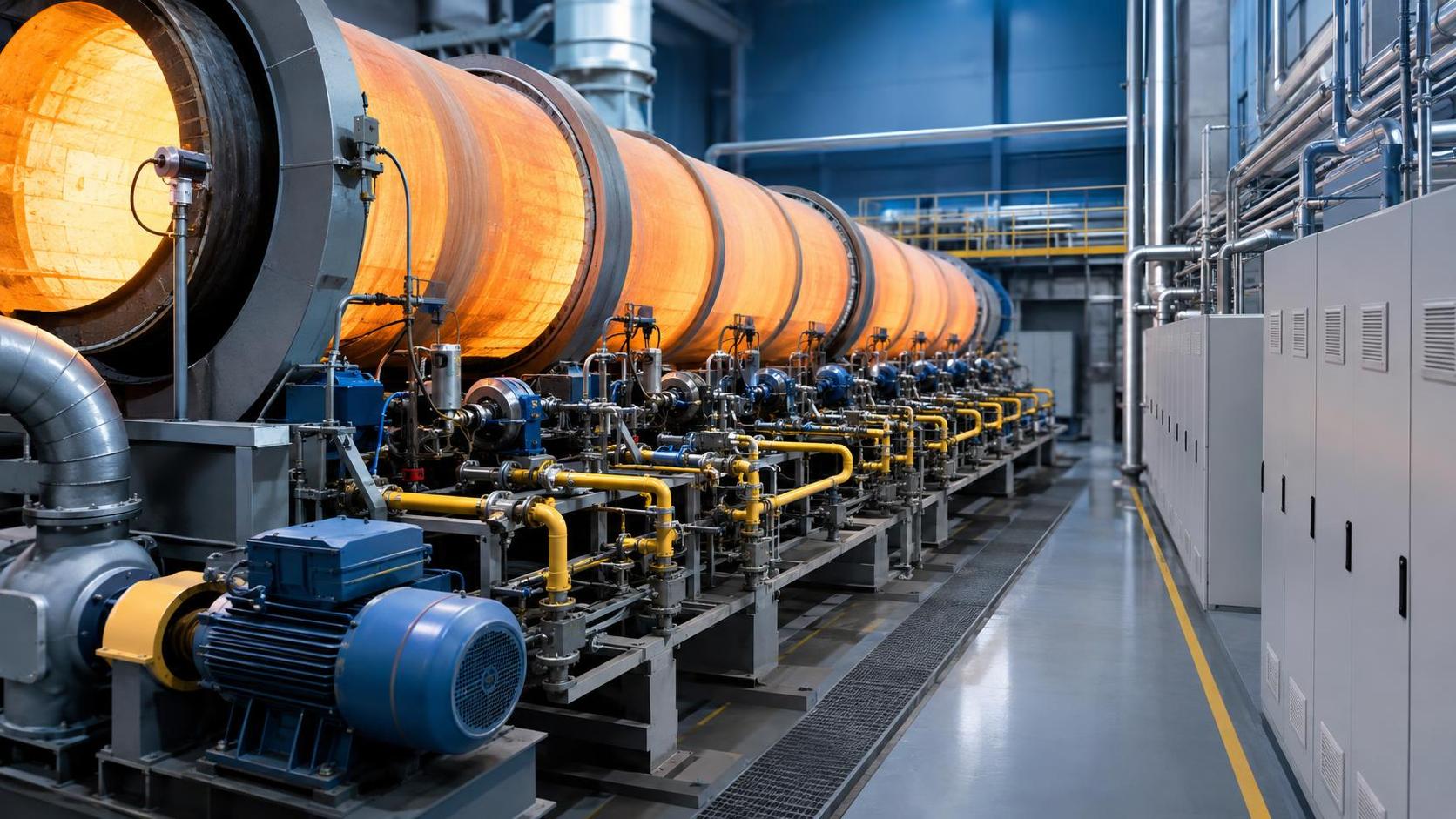
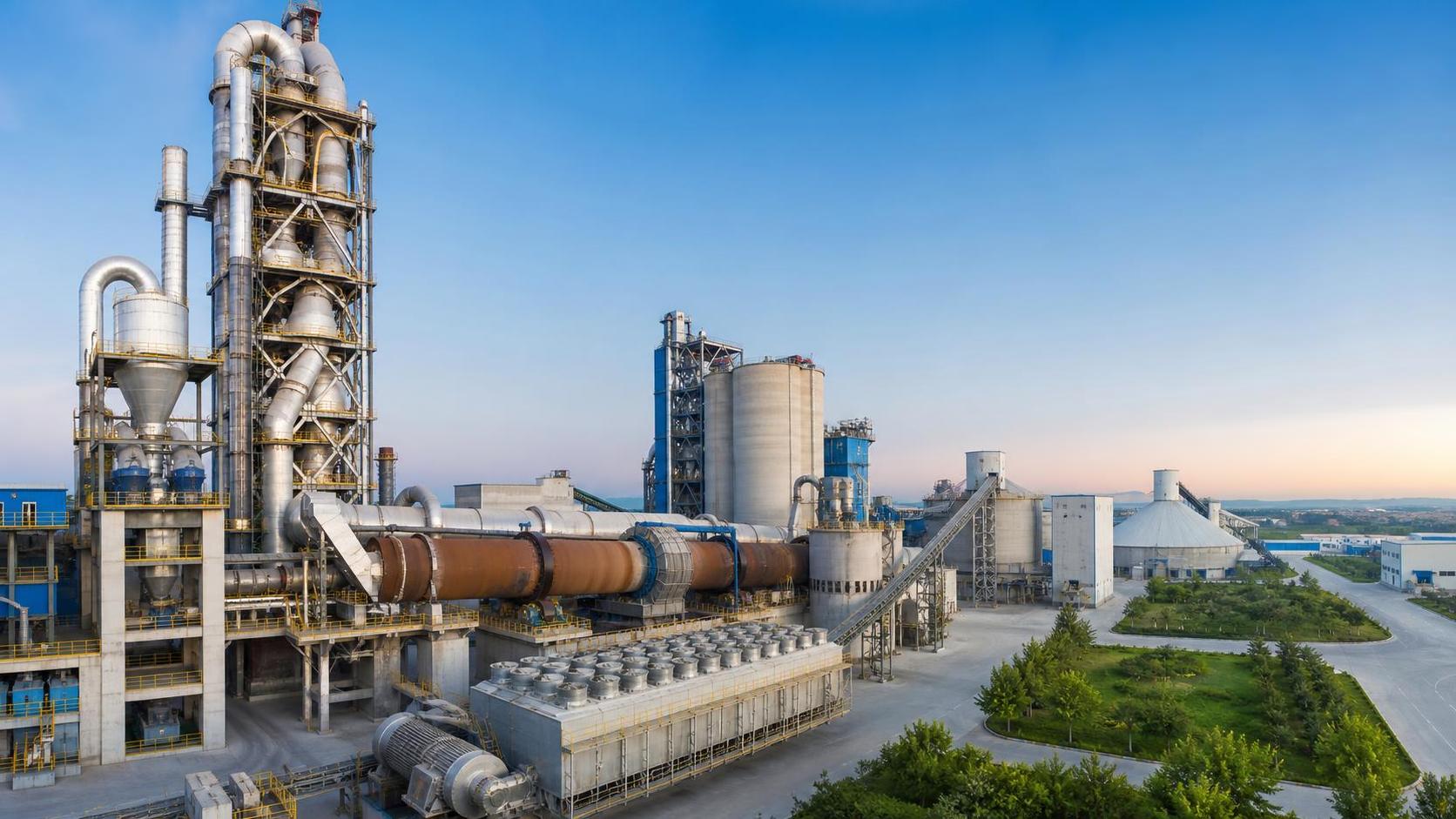
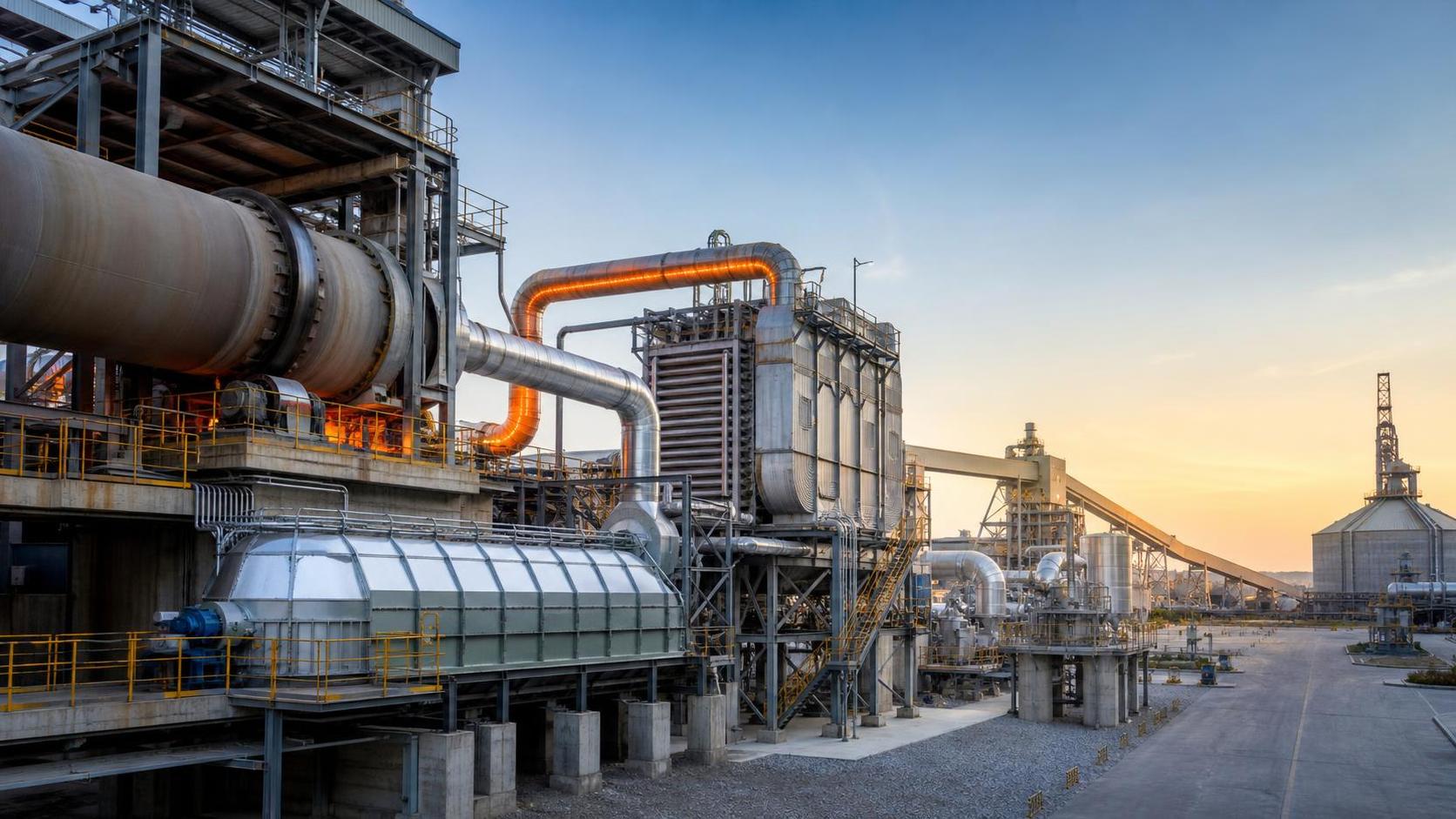
The preheater, calciner, rotary kiln, cooler, and dust handling units each create different failure risks.
Critical concerns in cement lines
- Alkali and sulfate resistance in high-reaction zones.
- Abrasion resistance where solids move at high velocity.
- Thermal shock performance during start-stop cycles.
- Coating compatibility in the burning zone.
- Lower shell heat loss to improve fuel efficiency.
This is also where sourcing mistakes become expensive very quickly.
An overdesigned material may increase cost without solving the actual failure mode.
An underdesigned material may shorten campaign life and create unscheduled stoppages.
The right silicate industrial solution for cement is therefore zone-specific, fuel-aware, and maintenance-informed.
A Practical Comparison Table for Sourcing Decisions
A simple comparison framework helps convert technical complexity into sourcing clarity.
This type of matrix keeps silicate industrial solutions tied to process outcomes, not generic descriptions.
Questions That Reduce Sourcing Risk Early
In real projects, strong sourcing starts with better technical questions.
This is especially true when comparing several silicate industrial solutions with similar brochures.
Use these checkpoints before shortlisting suppliers
- What exact zone conditions will the material face each day?
- What is the dominant failure mode in the current installation?
- How does the solution perform under fuel or raw mix variation?
- What campaign life data exists in similar process environments?
- What shutdown time is needed for installation, curing, or commissioning?
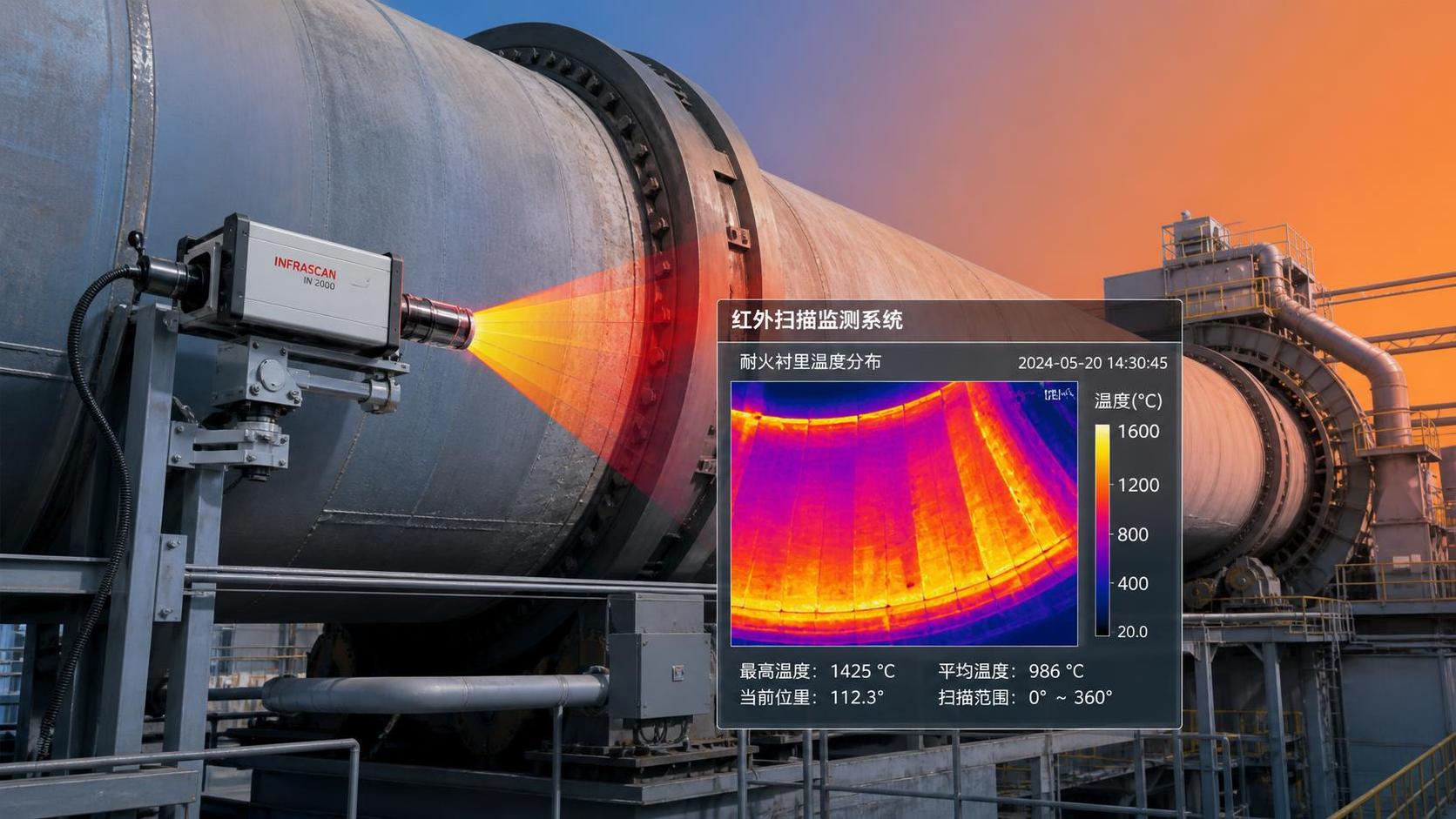
- How does the supplier support monitoring, inspection, and replacement planning?
These questions reveal whether a supplier understands process reality or only product positioning.
They also improve side-by-side evaluation when multiple silicate industrial solutions appear technically close.
Where Energy, Compliance, and Lifecycle Value Meet
Today, process matching is no longer only about durability.
Energy cost, carbon pressure, dust rules, and uptime expectations now shape material choices together.
This gives silicate industrial solutions a wider business role.
A better lining, insulation package, or thermal component can reduce fuel use and stabilize emissions performance.
It can also extend campaign duration and reduce emergency maintenance exposure.
That means lifecycle value should be measured across four dimensions.
- Energy impact per ton of output.
- Maintenance frequency and shutdown cost.
- Quality stability and scrap reduction.
- Compliance resilience under tighter environmental standards.
This is where intelligence-led evaluation becomes valuable.
Platforms such as CF-Elite help connect thermal data, materials behavior, and industry trends into more confident sourcing decisions.
How to Build a Smarter Evaluation Workflow
A strong workflow keeps technical, financial, and operational teams aligned.
It also turns silicate industrial solutions into measurable process upgrades rather than isolated purchases.
Recommended evaluation sequence
- Map each operating zone and define its actual thermal and chemical load.
- Rank failure history by cost, downtime, and quality impact.
- Match candidate silicate industrial solutions to those specific risks.
- Request reference cases from similar fuels, raw materials, and output targets.
- Compare total lifecycle value, not unit price alone.
- Set inspection and performance review points after installation.
This approach creates a clearer link between sourcing decisions and plant performance.
It also makes supplier conversations more technical, transparent, and outcome-focused.
When process data leads the conversation, silicate industrial solutions become easier to compare fairly.
That reduces guesswork and protects long-cycle investment value.
In the end, the best decision is not the most complex one.
It is the one that matches material behavior to actual process needs, with fewer blind spots.
For teams reviewing glass and cement projects, that is the real value behind smarter silicate industrial solutions.
Start with the zone, verify the risk, compare lifecycle evidence, and let process fit guide the final choice.
Related News
 Thermal Energy ArchitectRotary Kiln Efficiency: How Feed Rate, Fuel Use, and Heat Loss Affect OutputRotary kiln efficiency explained: discover how feed rate, fuel use, heat loss, combustion, and cooling performance shape output, quality, and energy costs.Sep 14, 2026
 Thermal Energy ArchitectHow to Select Heat-Resistant Materials That Maintain Abrasion Resistance in KilnsHeat-resistant materials abrasion resistance: learn how to select kiln linings that withstand heat, wear, thermal cycling, and chemical attack for longer service life.Sep 13, 2026
 Thermal Energy ArchitectHow Rotary Kiln Automation Improves Temperature Control and Fuel EfficiencyRotary kiln technology automation enhances temperature control, stabilizes combustion, and improves fuel efficiency with smarter data, predictive control, and safer operations.Sep 12, 2026
 Silicate Process EngineerCement Plant Emission Control: Selecting Systems for Dust, NOx, and SO2 LimitsCement plant emission control guide: compare dust collectors, NOx reduction, and SO2 systems for reliable compliance across kiln modes, fuel changes, and operating upsets.Sep 11, 2026
 Thermal Energy ArchitectSelecting Abrasion-Resistant High-Temperature Materials for Kiln and Conveyor Wear ZonesHigh-temp material engineering guide to abrasion-resistant kiln and conveyor solutions—match wear, heat, chemistry, and installation design for longer service life.Sep 10, 2026
 Dr. Alistair VaughnIndustrial Process Engineering: How to Map Processes for Safer, More Efficient PlantsIndustrial process engineering reveals bottlenecks, safety risks, and energy losses through practical process mapping for safer, more efficient plants.Sep 09, 2026
 Optical Glass Tech FellowHow to Evaluate a Glass Annealing Equipment Manufacturer for Production StabilityChoose a glass annealing equipment manufacturer with proven thermal uniformity, reliable controls, lifecycle value, and responsive service for stable production.Sep 08, 2026
 Prof. Marcus ChenThermal Energy Architecture in North America: Strategies for Lower Building Energy UseThermal energy architecture North America helps project leaders cut building energy use through stronger envelopes, right-sized HVAC, storage, and smart commissioning.Sep 07, 2026
 Ms. Elena RodriguezHow Should Buyers Evaluate Building Material Industry Intelligence Pricing?Building material industry intelligence pricing: learn how to compare coverage, technical depth, and ROI to choose intelligence that reduces procurement risk.Sep 07, 2026
 Ms. Elena RodriguezHow to Use Building Material Intelligence Data for Market and Investment DecisionsBuilding material industry intelligence data helps leaders evaluate demand, costs, regulation, capacity, and technology to make smarter market and investment decisions.Sep 05, 2026
 Thermal Energy ArchitectHow PLC Control Improves Energy Efficiency and Temperature Stability in KilnsEnergy efficient kilns PLC control improves temperature stability, cuts fuel waste, and optimizes combustion, draft, and material flow. Explore proven strategies for smarter kiln modernization.Sep 04, 2026
 Optical Glass Tech FellowEuropean Glass Melting Processes: Furnace Choices, Energy Use, and Quality ControlGlass melting process Europe: explore furnace choices, energy efficiency, cullet strategy, and quality control to improve output, compliance, and long-term glass performance.Sep 03, 2026
 Thermal Energy ArchitectWhat Determines Refractory Lining Monitoring Price for Industrial Kilns?Refractory lining monitoring price depends on kiln size, sensor technology, installation, software, and support. Compare total lifecycle costs and choose the right solution.Sep 02, 2026
 Silicate Process EngineerCement Production System Costs: A Plant Buyer’s Guide to Budgeting and ROICement production systems cost planning made clear: compare CAPEX, operating costs, compliance, and ROI to build a resilient, profitable cement plant investment.Sep 01, 2026
 Dr. Alistair VaughnWhat Should a Process Technology Database Track for High-Temperature Plants?Process technology database essentials for high-temperature plants: track thermal profiles, feed chemistry, refractory wear, emissions, energy, and maintenance for safer, data-driven decisions.Aug 31, 2026
 Ms. Elena RodriguezHow to Evaluate a Silicate Processing Equipment Manufacturer for Plant ProjectsSilicate processing equipment manufacturer selection: assess process fit, guarantees, energy, compliance, delivery risk, and lifecycle support for dependable plant performance.Aug 30, 2026
 Dr. Alistair VaughnHow to Specify Custom Agricultural Processing Equipment for Throughput and HygieneEquipment customization services for agricultural processing: learn to specify hygienic, high-throughput lines that improve yield, reliability, and long-term efficiency.Aug 29, 2026
 Dr. Alistair VaughnHow to Select Process Plant Equipment for High-Temperature, Abrasive Production LinesProcess plant equipment selection for high-temperature, abrasive lines: reduce downtime, improve durability, and optimize lifecycle performance.Aug 28, 2026
 Silicate Process EngineerHow Kiln Heat Recovery Systems Cut Fuel Use in Cement and Lime ProductionKiln heat recovery helps cement and lime plants cut fuel use, improve thermal stability, and build practical, reliable decarbonization strategies.Aug 27, 2026
 Ms. Elena RodriguezProcess Equipment Comparison: Which Metrics Matter Most for Reliable Selection?Process equipment comparison made practical: discover which metrics truly drive reliable selection, from energy efficiency and control stability to wear life, maintainability, and uptime.Aug 26, 2026



Related News
- 00
0000-00
How Should Buyers Evaluate Building Material Industry Intelligence Pricing? - 00
0000-00
How to Use Building Material Intelligence Data for Market and Investment Decisions - 00
0000-00
How to Evaluate a Silicate Processing Equipment Manufacturer for Plant Projects - 00
0000-00
Process Equipment Comparison: Which Metrics Matter Most for Reliable Selection? - 00
0000-00
What Buyers Should Check Before Sourcing Precision Alloy Bars for Critical Parts
Weekly Insights
Stay ahead with our curated technology reports delivered every Monday.