
How to Evaluate Heavy Industrial Equipment for Capacity, Footprint, and Maintenance




How to Evaluate Heavy Industrial Equipment for Capacity, Footprint, and Maintenance
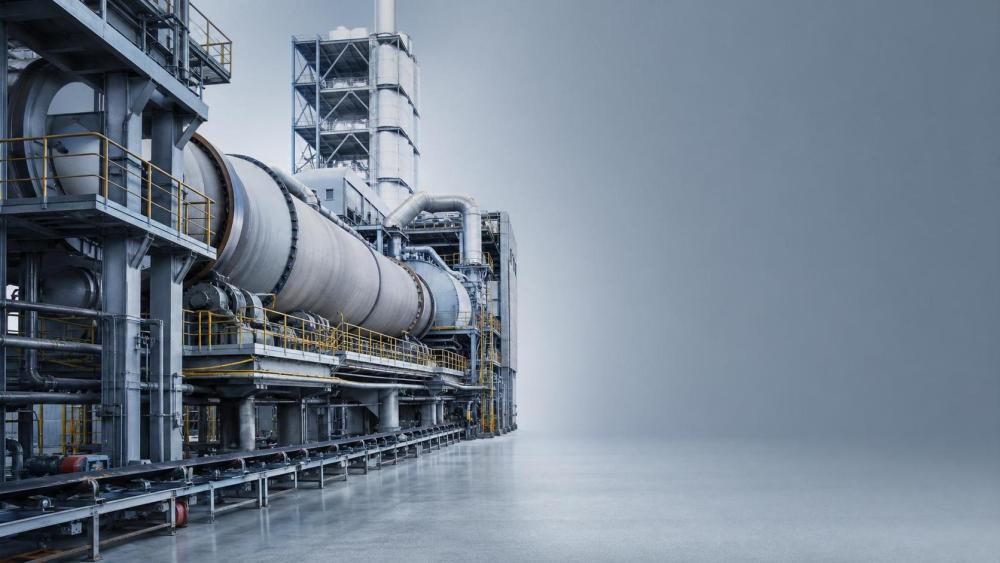
Evaluating heavy industrial equipment starts well before a purchase order is signed.
Nameplate output matters, but it rarely tells the full story.
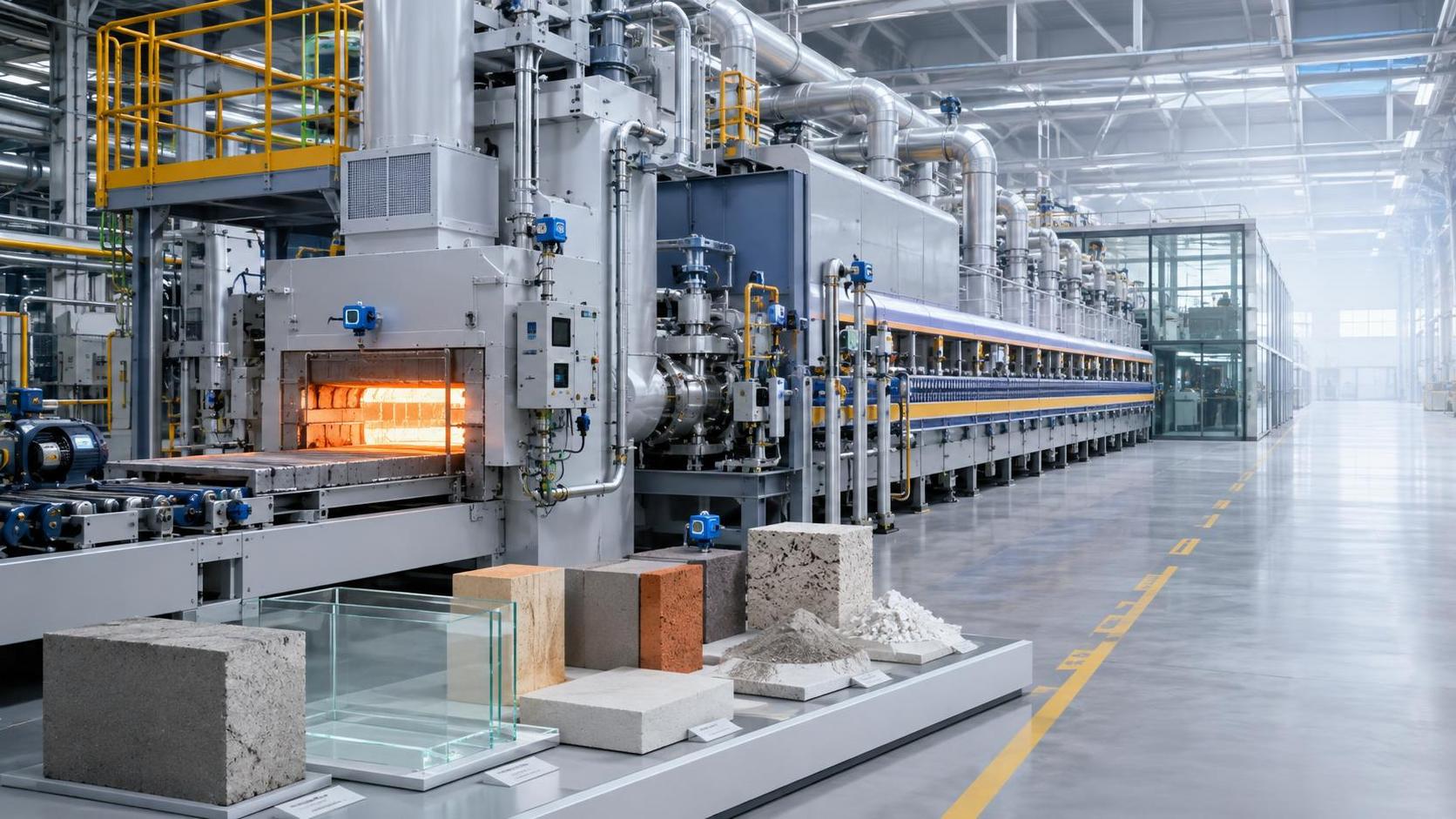
In cement, glass, incineration, and extrusion, actual performance depends on process fit.
That means reviewing throughput, thermal balance, utility demand, layout limits, and service access together.
A solid heavy industrial equipment review also reduces hidden cost later.
This includes shutdown frequency, spare parts exposure, labor intensity, and environmental compliance risk.
For CF-Elite, these checks are central to smarter decisions in high-temperature industrial systems.
The goal is simple: choose equipment that fits production targets and remains dependable under real operating stress.
Start with Real Capacity, Not Catalog Capacity
The first question is not, “How much can it produce at peak?”
A better question is, “What sustained output can this heavy industrial equipment deliver at my raw material quality?”
This difference is often where projects succeed or fail.
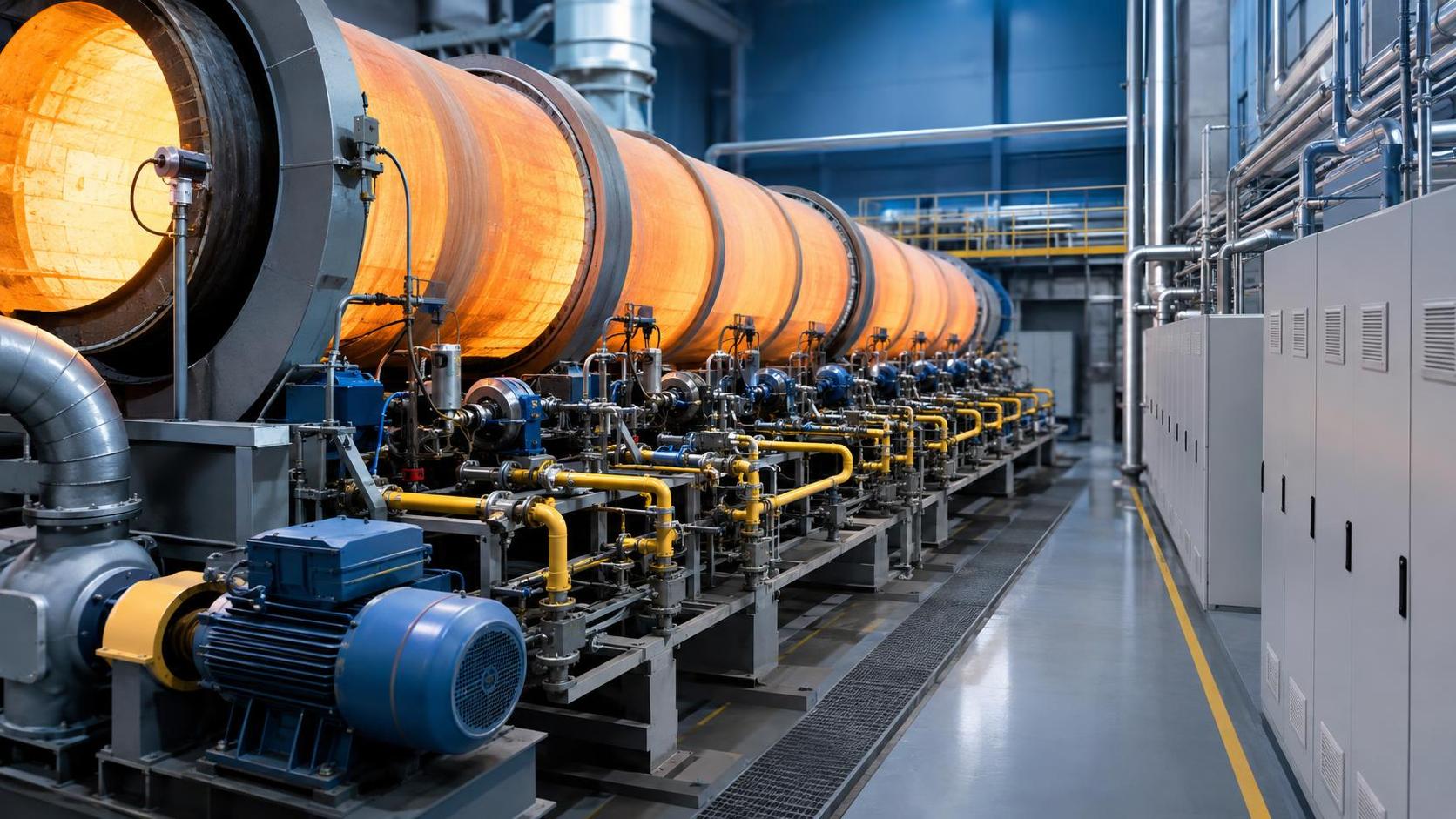
For rotary kilns, melting furnaces, and extrusion lines, nominal capacity may assume ideal feed conditions.
Actual plants rarely operate under ideal conditions for long.
Moisture swings, particle variation, fuel quality, and operator behavior all change performance.
Key capacity checks
- Compare rated output with stable 24-hour and 30-day operating output.
- Check performance at partial load, not only full-load conditions.
- Review product quality at different throughput levels.
- Confirm energy use per ton under expected feedstock variation.
- Ask how quickly the equipment recovers after process disturbance.
This is especially important when comparing two similar heavy industrial equipment options.
One may promise higher output, yet the other may deliver more saleable product over a year.
From a decision perspective, annual effective capacity usually matters more than a short benchmark test.
Measure Footprint as a System, Not a Machine
Footprint is another area where equipment selection often becomes too narrow.
Buyers sometimes focus on machine dimensions and miss the total installation envelope.
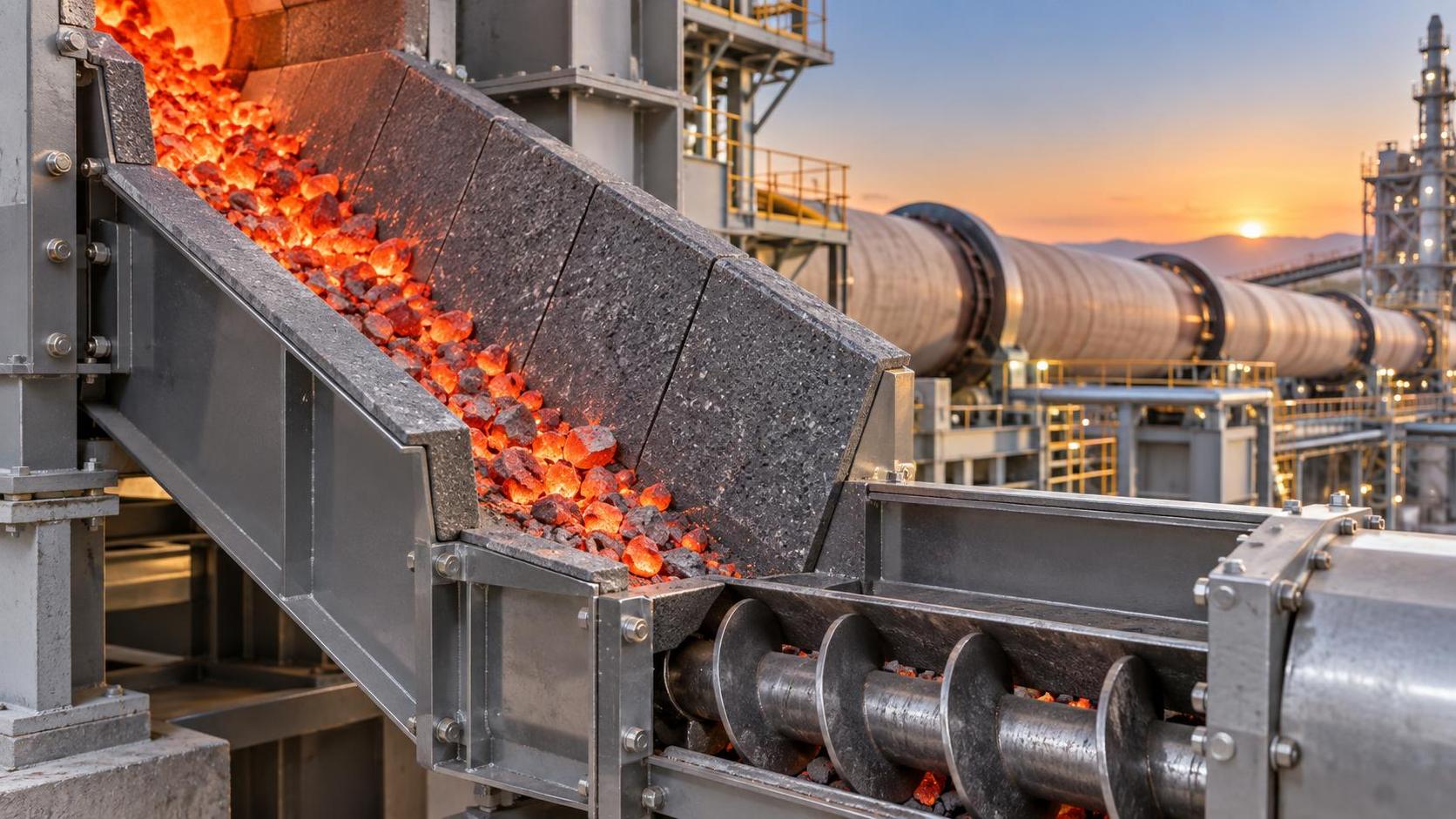
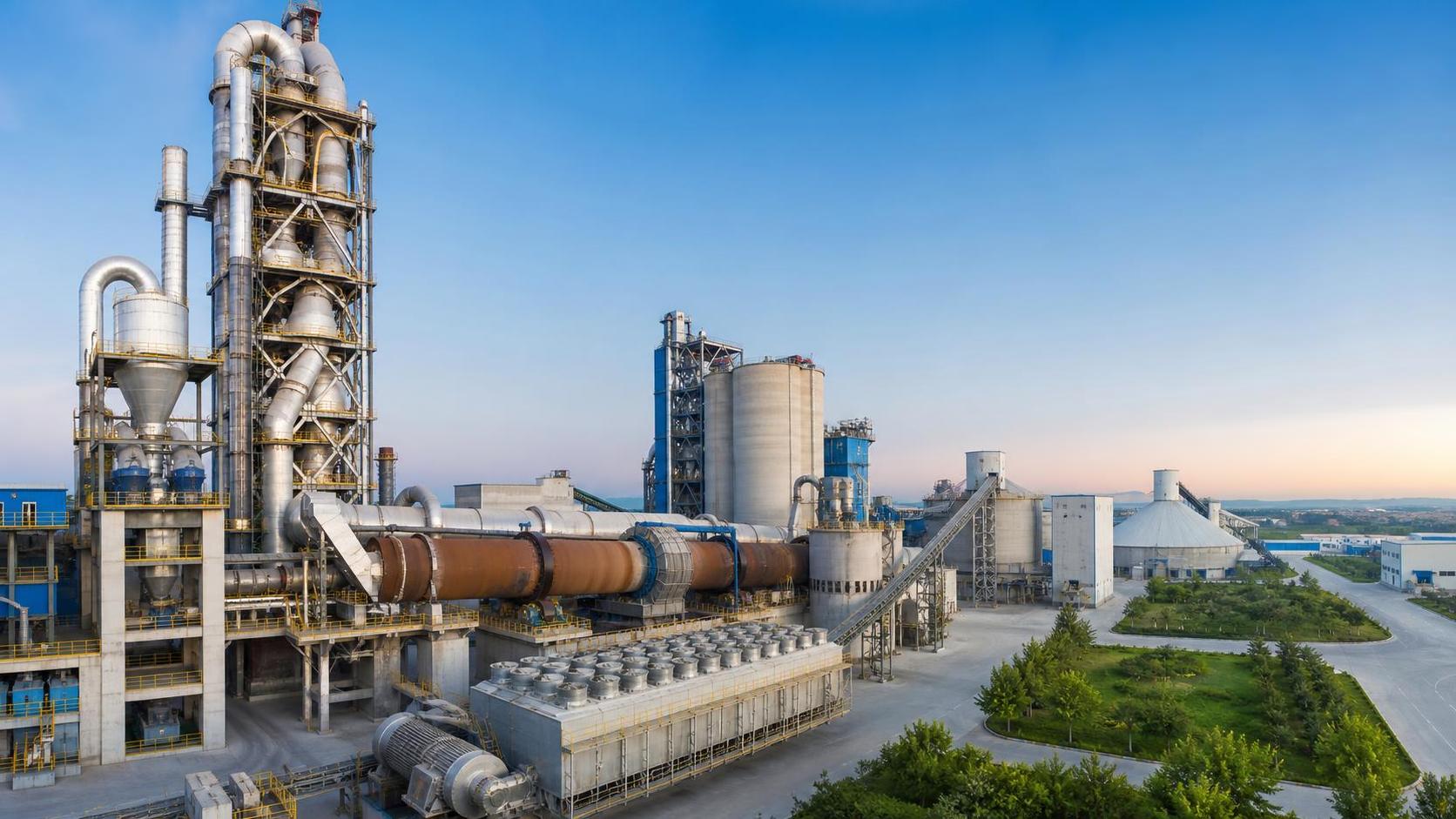
In practice, heavy industrial equipment needs space for foundations, ducts, conveyors, burners, controls, and maintenance clearance.
It also needs room for future process upgrades.
That is why layout review should include both operating space and intervention space.
What to map before approval
- Foundation load, vibration zone, and thermal expansion area.
- Access routes for installation, replacement parts, and crane movement.
- Operator pathways, inspection points, and safety barriers.
- Connection points for gas, power, compressed air, water, and exhaust handling.
- Available tie-ins for pollution control and heat recovery systems.
A compact machine is not always the best heavy industrial equipment choice.
If technicians cannot service bearings, refractory zones, or burner assemblies safely, downtime rises fast.
More importantly, restricted access can increase repair cost every year of the asset lifecycle.
Evaluate Maintenance Burden Early
Maintenance is where the real personality of heavy industrial equipment appears.
Two systems with similar capacity can create very different workload for operations teams.
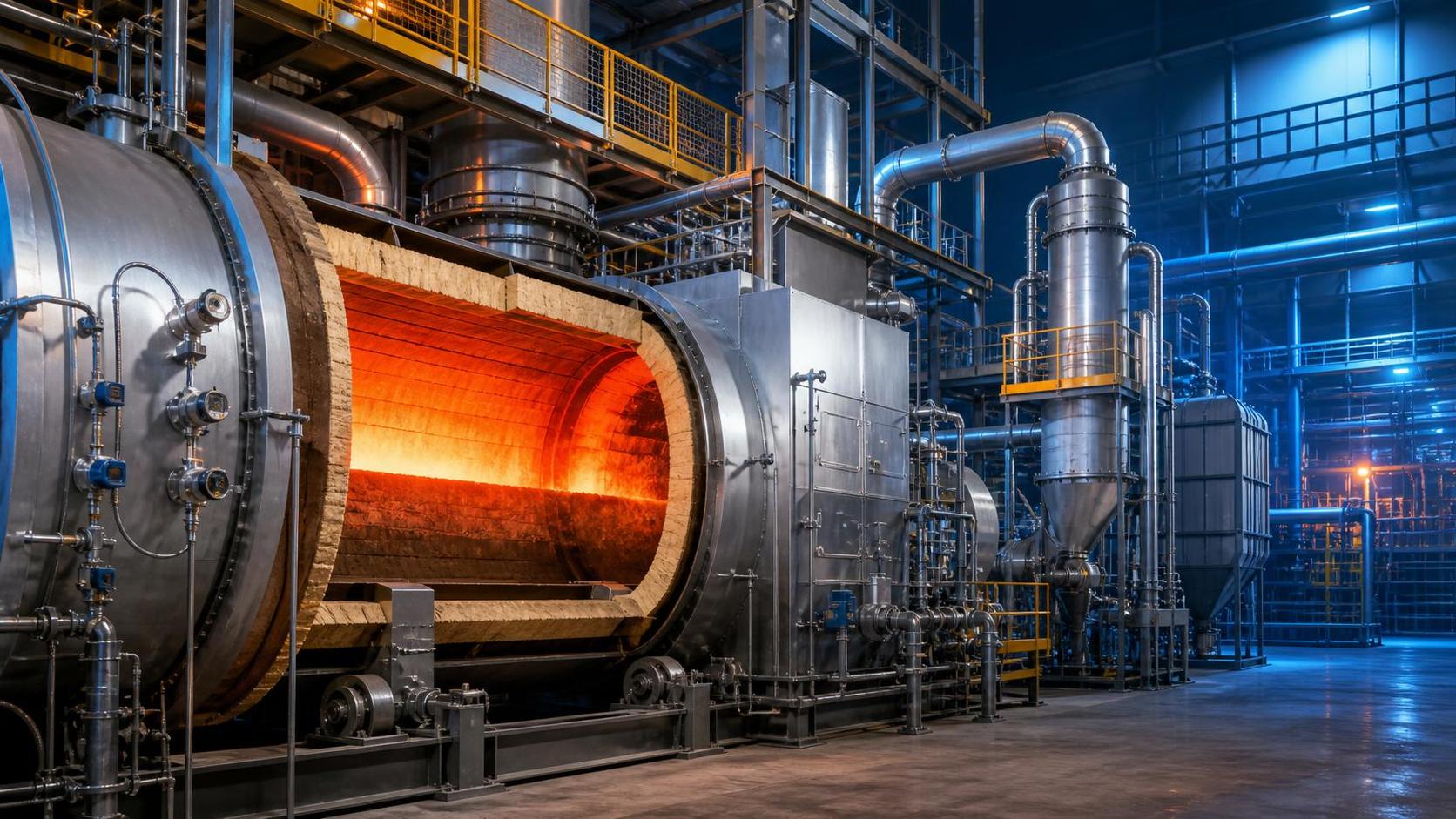
This becomes critical in high-temperature industries, where wear rates are aggressive and stoppages are expensive.
Recent market shifts make this even more visible.
Plants now expect better uptime while also reducing labor intensity and energy waste.
That means maintenance evaluation should be built into equipment selection, not added later.
Questions that reveal maintenance risk
- How often do wear parts need replacement under normal operation?
- Which tasks require shutdown, and for how long?
- Can key components be serviced in place?
- Are refractory, rollers, seals, screws, or combustion parts locally available?
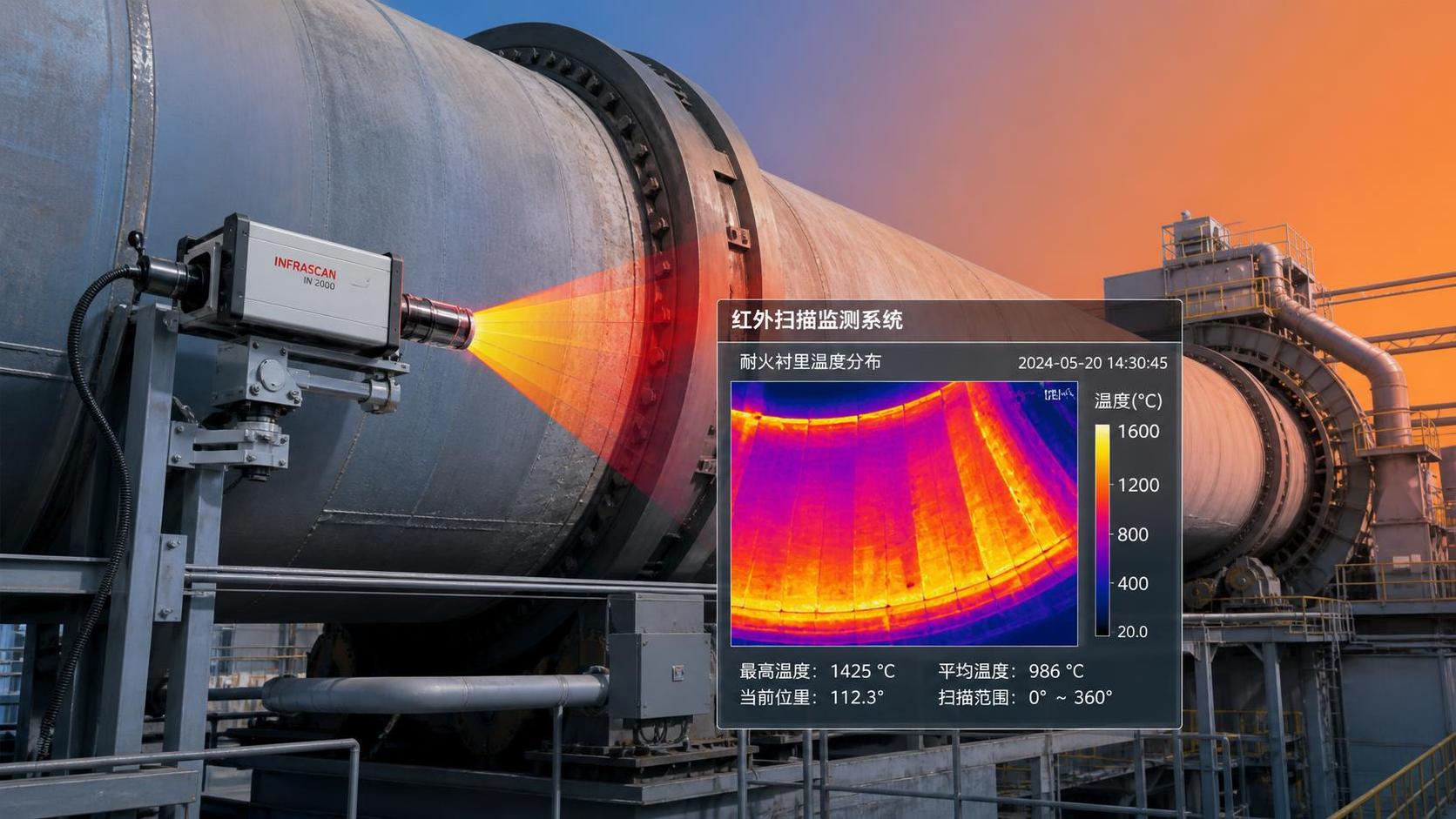
- Does the supplier provide condition monitoring tools and failure history data?
A useful rule is to separate routine maintenance from high-consequence maintenance.
Routine work affects labor planning.
High-consequence work affects financial risk, production continuity, and spare inventory policy.
For heavy industrial equipment, both must be visible before final comparison.
Look Beyond the Core Machine
A strong evaluation always includes supporting systems.
Heavy industrial equipment does not operate alone.
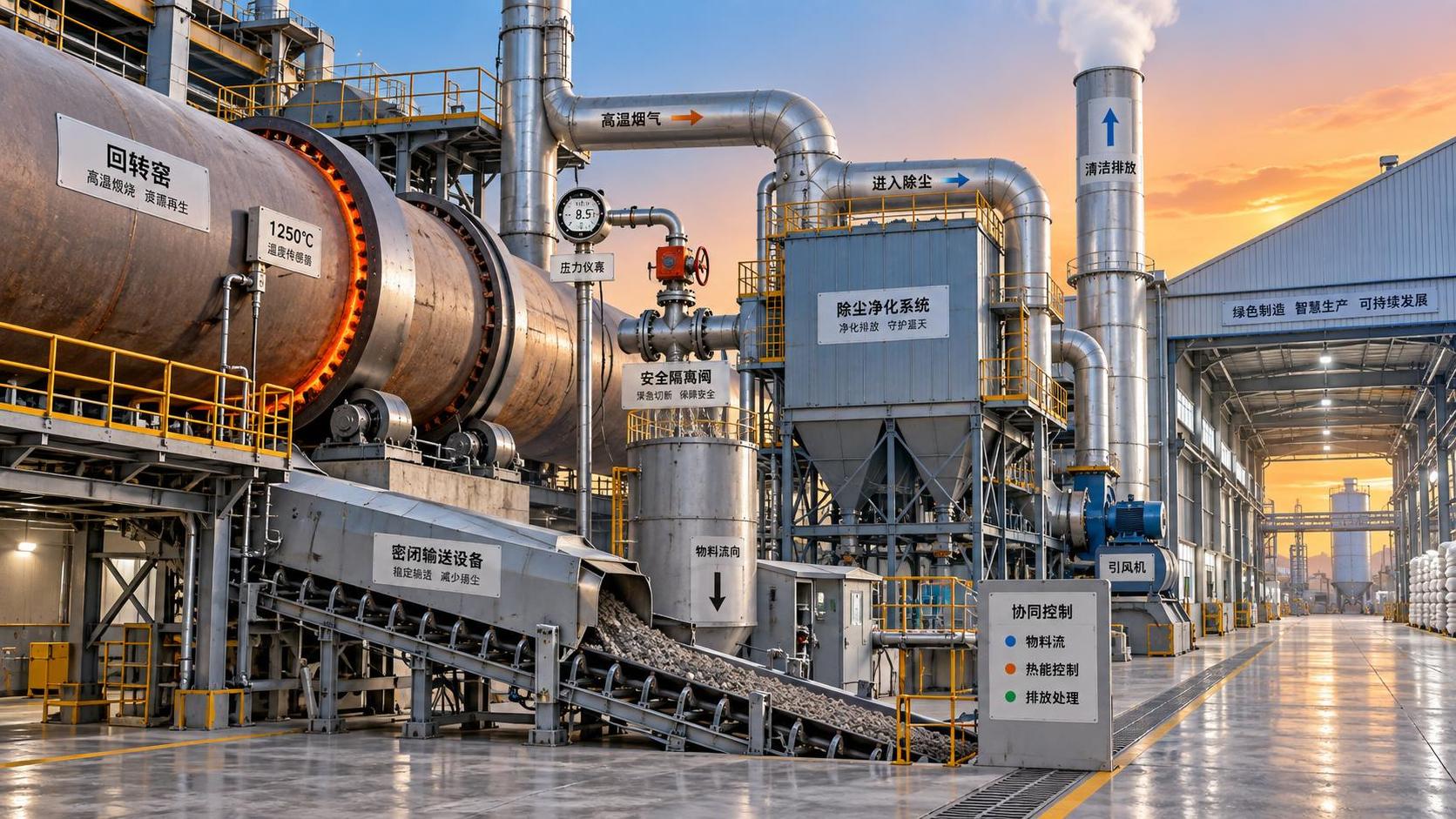
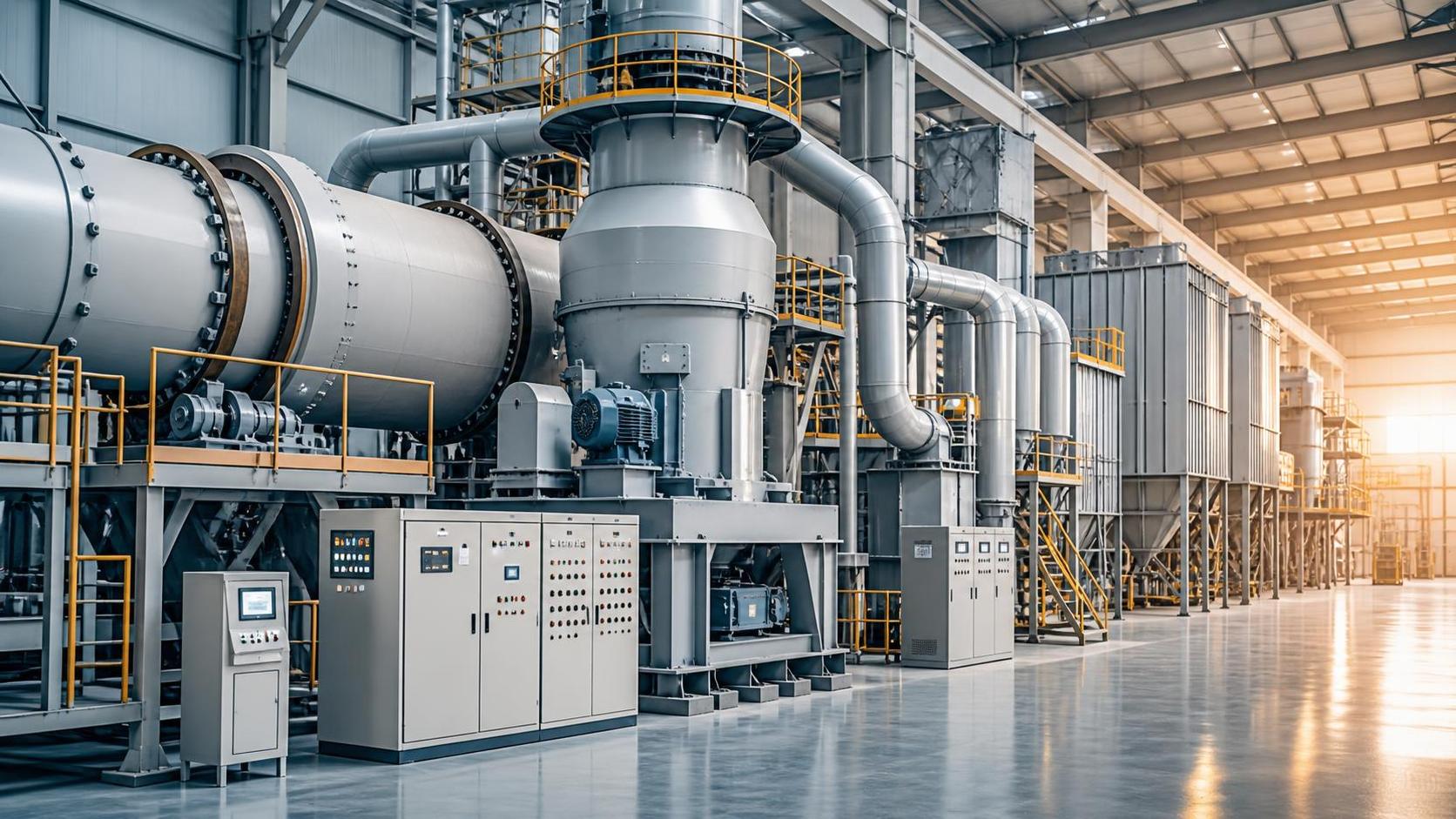
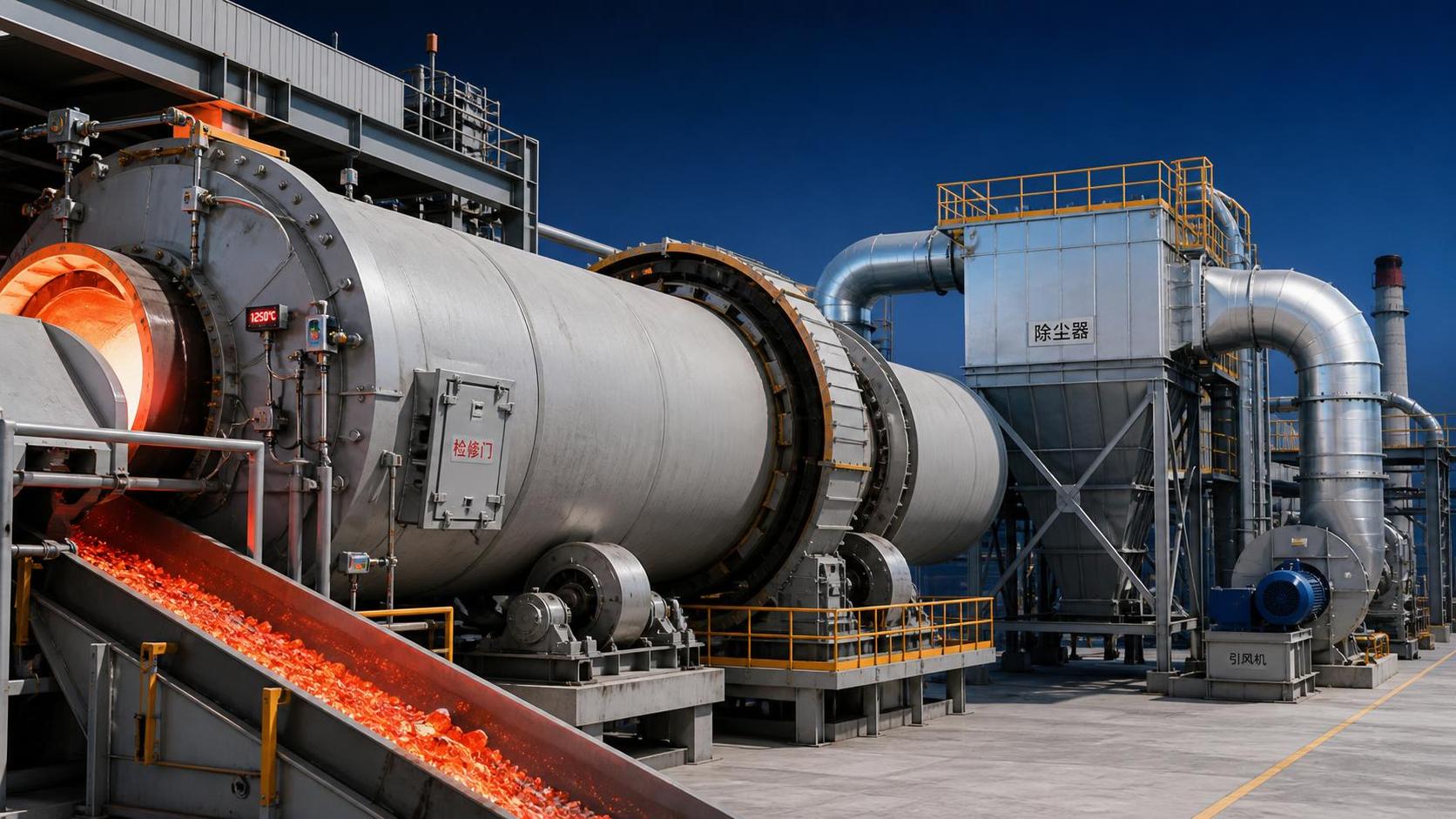
Fans, feeders, dust collection, heat recovery, digital controls, and emissions systems shape total performance.
This is where many hidden constraints show up.
For example, a kiln may meet capacity targets, but a weak fuel system may limit stability.
An extrusion line may fit the building, but downstream curing or cutting may become the bottleneck.
System-level review areas
This wider view fits the CF-Elite approach to industrial intelligence.
High-temperature assets should be evaluated as linked process ecosystems, not isolated machines.
Factor in Energy, Carbon, and Lifecycle Cost
Today, heavy industrial equipment decisions are shaped by more than production economics.
Energy intensity, carbon exposure, and future retrofit flexibility are now part of serious selection work.
This trend is stronger in thermal industries because fuel and emissions are strategic cost drivers.
A cheaper machine may become the more expensive asset over ten years.
That is why lifecycle cost should sit beside purchase price during comparison.
Useful lifecycle metrics
- Specific energy consumption per ton of qualified output.
- Expected annual maintenance spend.
- Predicted downtime hours and lost production cost.
- Refractory or wear component life under local conditions.
- Future compatibility with alternative fuels, waste heat recovery, or digital optimization.
This also supports decarbonization planning.
More efficient heavy industrial equipment often strengthens permit resilience and brand positioning at the same time.
In practical terms, better thermal efficiency can widen both commercial and regulatory breathing room.
Build a Decision Framework That Works Under Pressure
Equipment selection often happens under deadline pressure.
Even so, a structured scoring method keeps trade-offs visible.
The best heavy industrial equipment decision is rarely based on one winning feature.
It comes from balanced performance across several risk categories.
A practical scoring model
- Define must-have thresholds for capacity, utilities, safety, and compliance.
- Assign weighted scores for footprint, maintenance, flexibility, and lifecycle cost.
- Stress-test each option against upset conditions and future expansion needs.
- Verify supplier references in similar process environments.
- Document assumptions clearly before commercial negotiation begins.
This step matters because selection errors often come from unspoken assumptions.
A supplier may assume premium fuel.
The plant may assume infrequent shutdowns.
The gap between those assumptions becomes project risk.
Make the Final Choice with Operational Reality in Mind
The final evaluation of heavy industrial equipment should feel grounded, not theoretical.
Capacity must be usable.
Footprint must support safe access.
Maintenance must be manageable with the actual workforce and spare parts ecosystem.
That is the difference between a promising project and a reliable asset.
For plants operating in thermal and silicate industries, disciplined evaluation creates long-term advantage.
It improves output stability, lowers energy waste, and reduces avoidable intervention cost.
If the next investment decision involves kilns, furnaces, incineration systems, or extrusion assets, start with a structured heavy industrial equipment checklist.
Then test every claim against site reality, maintenance logic, and long-term process strategy.
That approach usually leads to better equipment choices and fewer surprises after commissioning.
Related News
 Thermal Energy ArchitectHow to Evaluate a Thermal Energy Optimization Company for High-Temperature PlantsChoose a thermal energy optimization company with proven process expertise, measurable savings, and reliable delivery for high-temperature plants. Learn what to assess.Sep 15, 2026
 Thermal Energy ArchitectRotary Kiln Efficiency: How Feed Rate, Fuel Use, and Heat Loss Affect OutputRotary kiln efficiency explained: discover how feed rate, fuel use, heat loss, combustion, and cooling performance shape output, quality, and energy costs.Sep 14, 2026
 Thermal Energy ArchitectHow to Select Heat-Resistant Materials That Maintain Abrasion Resistance in KilnsHeat-resistant materials abrasion resistance: learn how to select kiln linings that withstand heat, wear, thermal cycling, and chemical attack for longer service life.Sep 13, 2026
 Thermal Energy ArchitectHow Rotary Kiln Automation Improves Temperature Control and Fuel EfficiencyRotary kiln technology automation enhances temperature control, stabilizes combustion, and improves fuel efficiency with smarter data, predictive control, and safer operations.Sep 12, 2026
 Silicate Process EngineerCement Plant Emission Control: Selecting Systems for Dust, NOx, and SO2 LimitsCement plant emission control guide: compare dust collectors, NOx reduction, and SO2 systems for reliable compliance across kiln modes, fuel changes, and operating upsets.Sep 11, 2026
 Thermal Energy ArchitectSelecting Abrasion-Resistant High-Temperature Materials for Kiln and Conveyor Wear ZonesHigh-temp material engineering guide to abrasion-resistant kiln and conveyor solutions—match wear, heat, chemistry, and installation design for longer service life.Sep 10, 2026
 Dr. Alistair VaughnIndustrial Process Engineering: How to Map Processes for Safer, More Efficient PlantsIndustrial process engineering reveals bottlenecks, safety risks, and energy losses through practical process mapping for safer, more efficient plants.Sep 09, 2026
 Optical Glass Tech FellowHow to Evaluate a Glass Annealing Equipment Manufacturer for Production StabilityChoose a glass annealing equipment manufacturer with proven thermal uniformity, reliable controls, lifecycle value, and responsive service for stable production.Sep 08, 2026
 Prof. Marcus ChenThermal Energy Architecture in North America: Strategies for Lower Building Energy UseThermal energy architecture North America helps project leaders cut building energy use through stronger envelopes, right-sized HVAC, storage, and smart commissioning.Sep 07, 2026
 Ms. Elena RodriguezHow Should Buyers Evaluate Building Material Industry Intelligence Pricing?Building material industry intelligence pricing: learn how to compare coverage, technical depth, and ROI to choose intelligence that reduces procurement risk.Sep 07, 2026
 Ms. Elena RodriguezHow to Use Building Material Intelligence Data for Market and Investment DecisionsBuilding material industry intelligence data helps leaders evaluate demand, costs, regulation, capacity, and technology to make smarter market and investment decisions.Sep 05, 2026
 Thermal Energy ArchitectHow PLC Control Improves Energy Efficiency and Temperature Stability in KilnsEnergy efficient kilns PLC control improves temperature stability, cuts fuel waste, and optimizes combustion, draft, and material flow. Explore proven strategies for smarter kiln modernization.Sep 04, 2026
 Optical Glass Tech FellowEuropean Glass Melting Processes: Furnace Choices, Energy Use, and Quality ControlGlass melting process Europe: explore furnace choices, energy efficiency, cullet strategy, and quality control to improve output, compliance, and long-term glass performance.Sep 03, 2026
 Thermal Energy ArchitectWhat Determines Refractory Lining Monitoring Price for Industrial Kilns?Refractory lining monitoring price depends on kiln size, sensor technology, installation, software, and support. Compare total lifecycle costs and choose the right solution.Sep 02, 2026
 Silicate Process EngineerCement Production System Costs: A Plant Buyer’s Guide to Budgeting and ROICement production systems cost planning made clear: compare CAPEX, operating costs, compliance, and ROI to build a resilient, profitable cement plant investment.Sep 01, 2026
 Dr. Alistair VaughnWhat Should a Process Technology Database Track for High-Temperature Plants?Process technology database essentials for high-temperature plants: track thermal profiles, feed chemistry, refractory wear, emissions, energy, and maintenance for safer, data-driven decisions.Aug 31, 2026
 Ms. Elena RodriguezHow to Evaluate a Silicate Processing Equipment Manufacturer for Plant ProjectsSilicate processing equipment manufacturer selection: assess process fit, guarantees, energy, compliance, delivery risk, and lifecycle support for dependable plant performance.Aug 30, 2026
 Dr. Alistair VaughnHow to Specify Custom Agricultural Processing Equipment for Throughput and HygieneEquipment customization services for agricultural processing: learn to specify hygienic, high-throughput lines that improve yield, reliability, and long-term efficiency.Aug 29, 2026
 Dr. Alistair VaughnHow to Select Process Plant Equipment for High-Temperature, Abrasive Production LinesProcess plant equipment selection for high-temperature, abrasive lines: reduce downtime, improve durability, and optimize lifecycle performance.Aug 28, 2026
 Silicate Process EngineerHow Kiln Heat Recovery Systems Cut Fuel Use in Cement and Lime ProductionKiln heat recovery helps cement and lime plants cut fuel use, improve thermal stability, and build practical, reliable decarbonization strategies.Aug 27, 2026




Related News
- 00
0000-00
How Should Buyers Evaluate Building Material Industry Intelligence Pricing? - 00
0000-00
How to Use Building Material Intelligence Data for Market and Investment Decisions - 00
0000-00
How to Evaluate a Silicate Processing Equipment Manufacturer for Plant Projects - 00
0000-00
Process Equipment Comparison: Which Metrics Matter Most for Reliable Selection? - 00
0000-00
What Buyers Should Check Before Sourcing Precision Alloy Bars for Critical Parts
Weekly Insights
Stay ahead with our curated technology reports delivered every Monday.