
Industrial Thermal Management Standards: What to Check for Safety and Compliance




Industrial thermal management sits at the intersection of process stability, worker protection, emissions control, and asset life. In heavy heat environments, compliance is rarely about one device or one temperature limit. It depends on whether the full thermal system, from combustion zone to insulation layer, is designed, monitored, and maintained against recognized standards.
That is why this topic matters across cement plants, glass lines, incineration units, refractory production, and extrusion operations. A hot surface, drifting burner, failed lining, or weak alarm logic can become a quality deviation first, then a safety event, then a regulatory issue.
For operations working with high-temperature materials, industrial thermal management is also becoming more visible in audits linked to energy efficiency and decarbonization. The practical question is not whether standards exist, but which ones deserve attention during specification, inspection, and daily control.
Where thermal compliance really begins
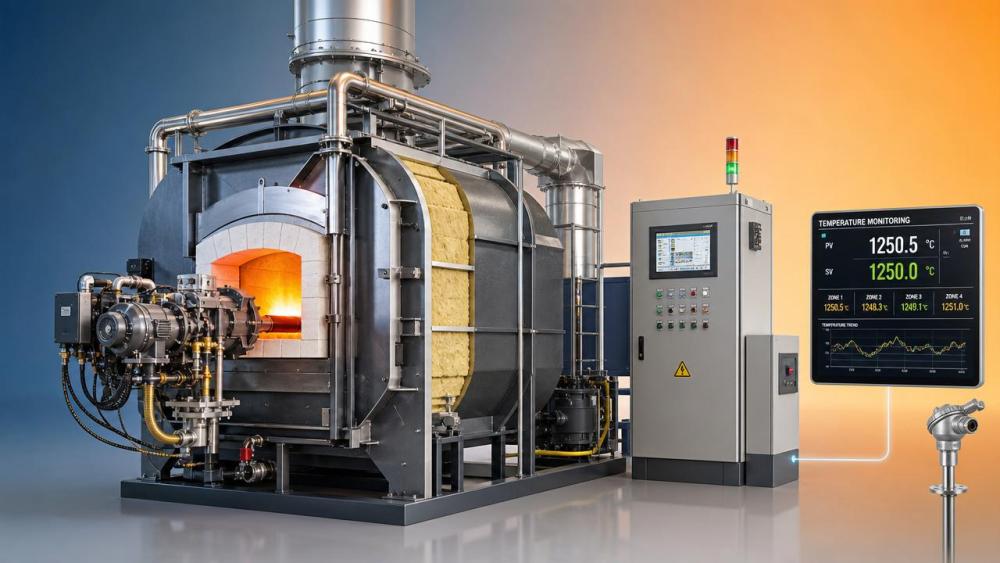
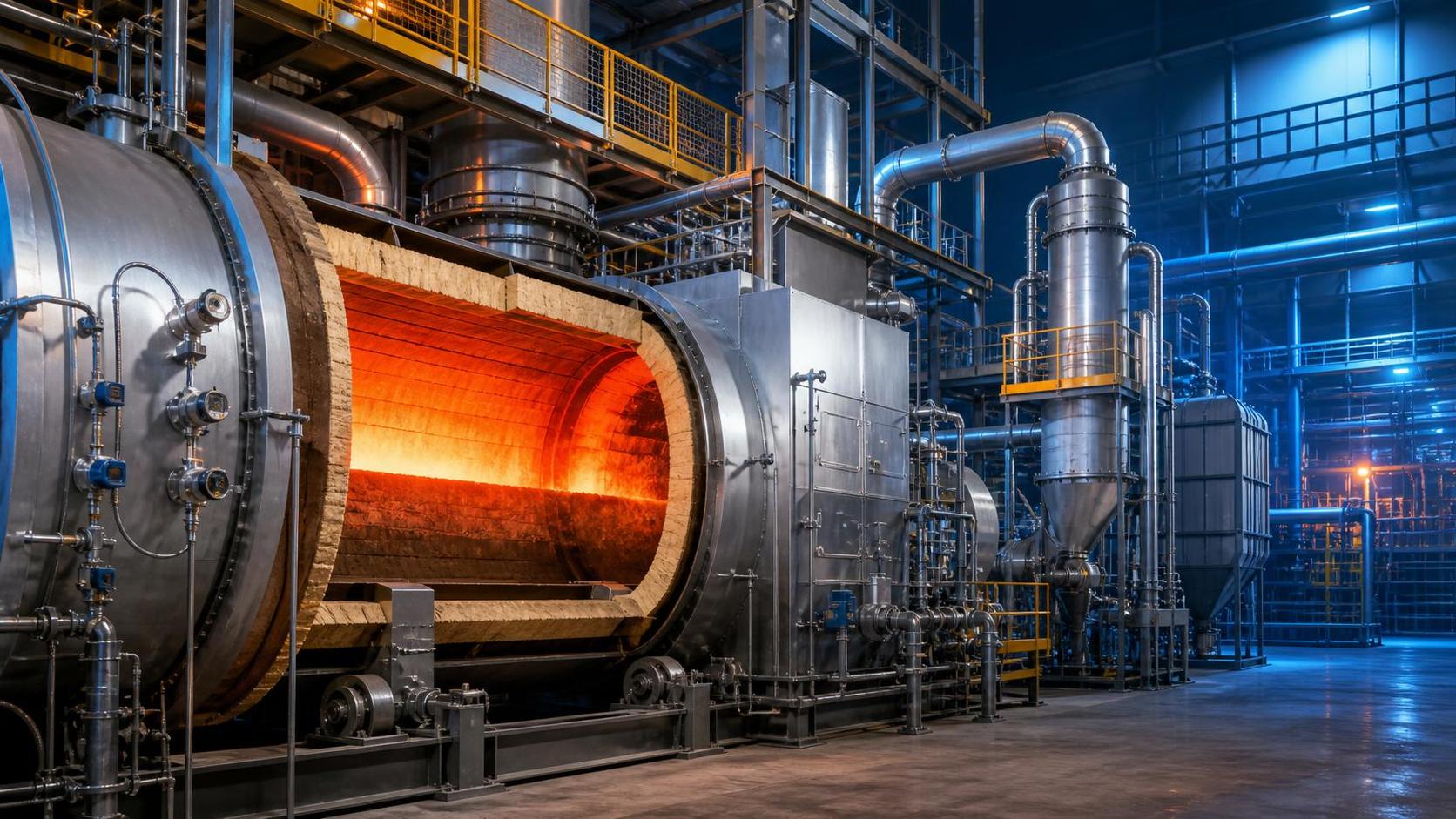
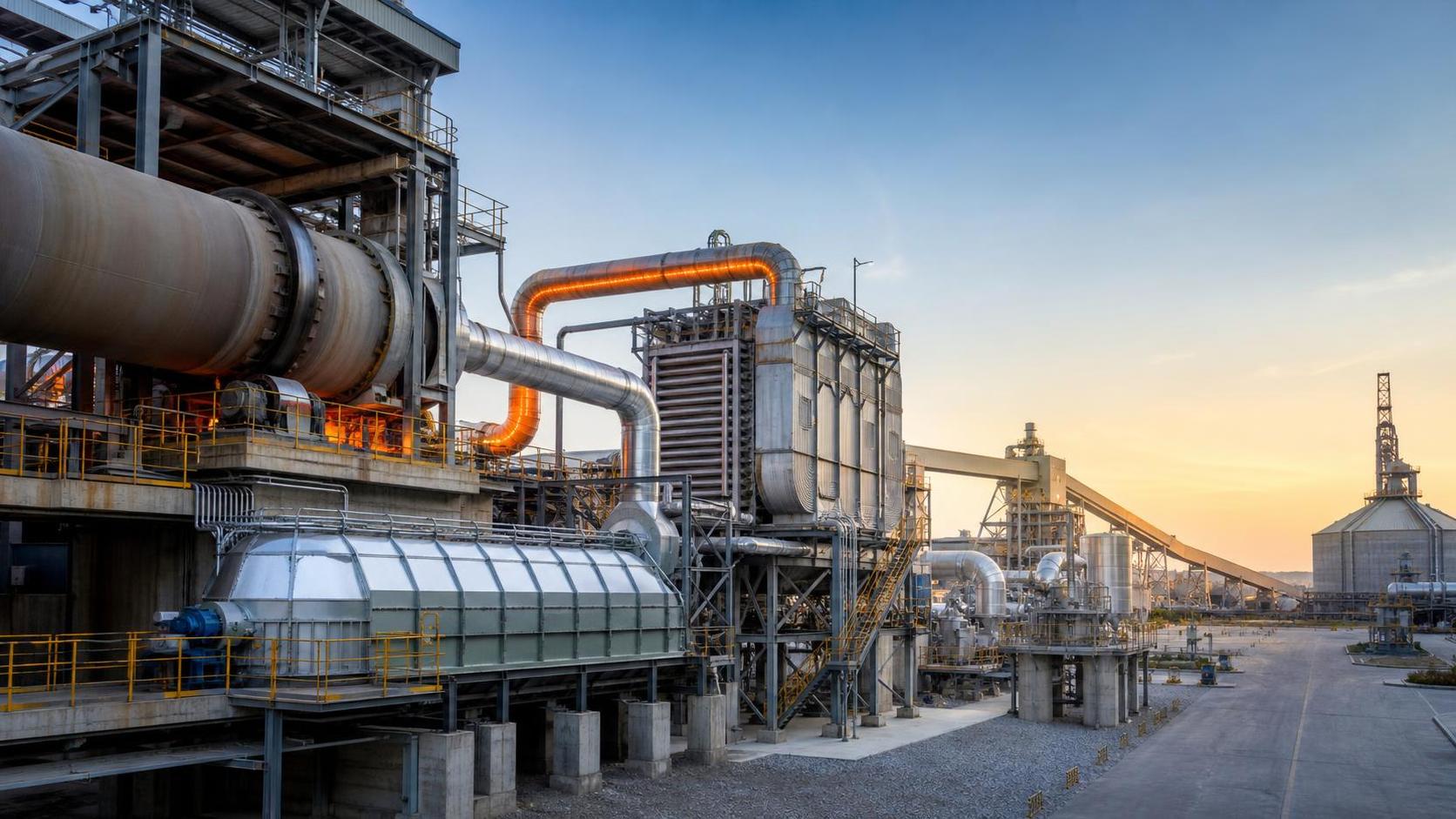
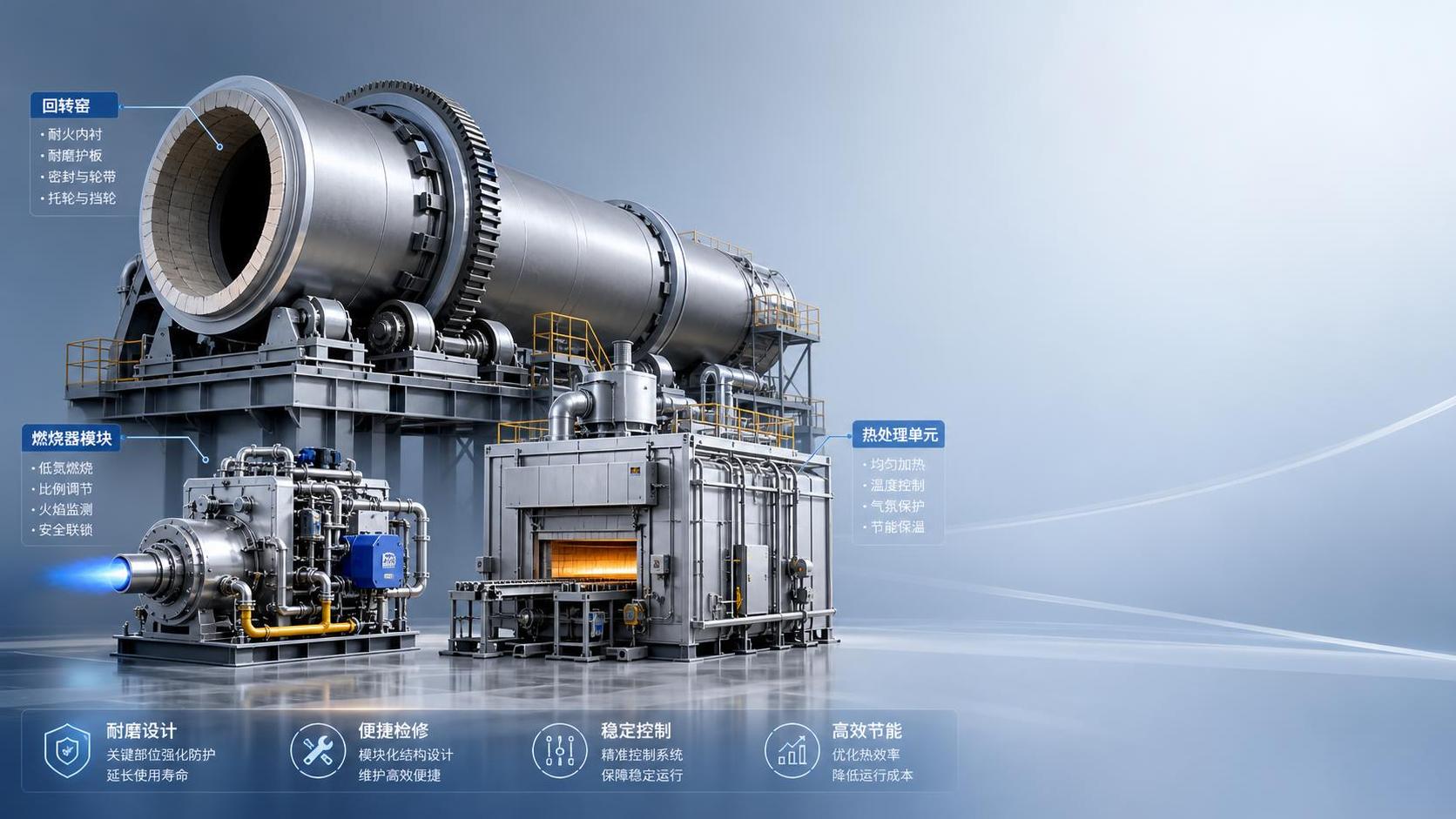
In practice, industrial thermal management covers heat generation, transfer, containment, release, and response. It includes burners, fans, ducts, refractory systems, insulation packages, sensors, controls, pressure relief, and shutdown logic.
Many facilities treat thermal risk as a maintenance issue. Standards take a wider view. They connect equipment design, operating limits, operator exposure, product quality, fire prevention, and environmental performance.
This is especially relevant in sectors tracked by CF-Elite, where extreme temperatures meet chemical reaction control. In kilns, float glass furnaces, incinerators, and extrusion systems, small thermal deviations can cascade across fuel use, lining wear, emissions, and throughput.
Standards are layered, not isolated
A useful compliance review usually draws from several layers at once. One layer addresses machine or furnace safety. Another covers electrical and control integrity. Others address insulation materials, pressure systems, workplace exposure, and emissions.
That means a thermal audit should not stop at checking a nameplate or a temperature reading. It should ask whether the relevant standard framework is complete for the actual duty cycle and process chemistry.
Which standards and references should be on the checklist
The exact list varies by country and process, but several categories appear again and again in industrial thermal management reviews. The value lies in mapping them to the equipment boundary and the risk profile.
Depending on jurisdiction, this may involve ISO, IEC, NFPA, OSHA, EN, API, ASME, or local environmental codes. The important point is not the label alone. It is whether the chosen reference reflects the real operating hazards.
The checks that matter most during audits
When audits fail, the problem is often not a missing policy. It is a gap between thermal design assumptions and plant reality. Several checks consistently reveal that gap.
Surface temperature and containment
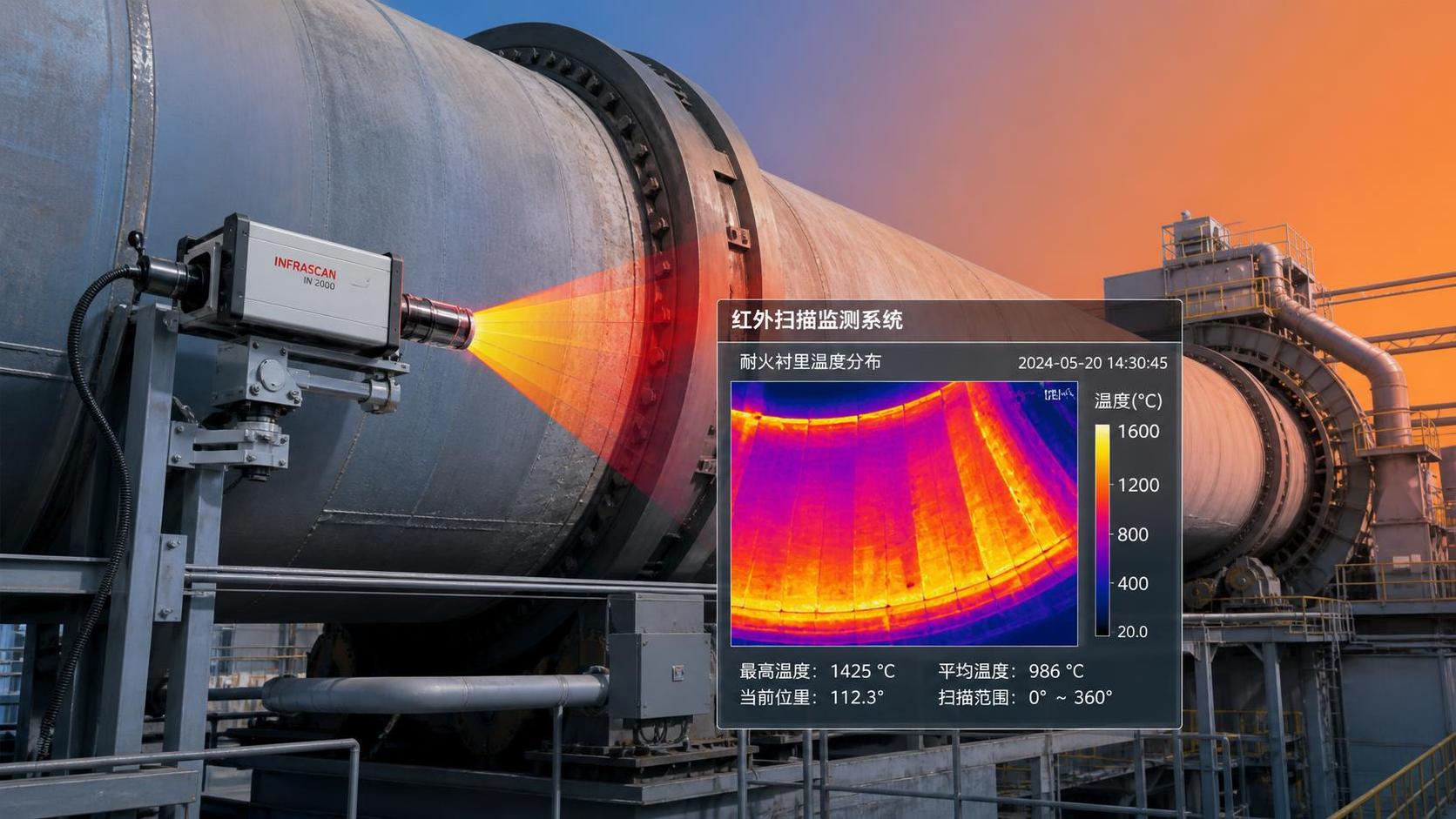
External skin temperature should be compared against both design expectations and personnel exposure limits. Rising shell temperature often signals insulation loss, refractory thinning, air leakage, or process imbalance.
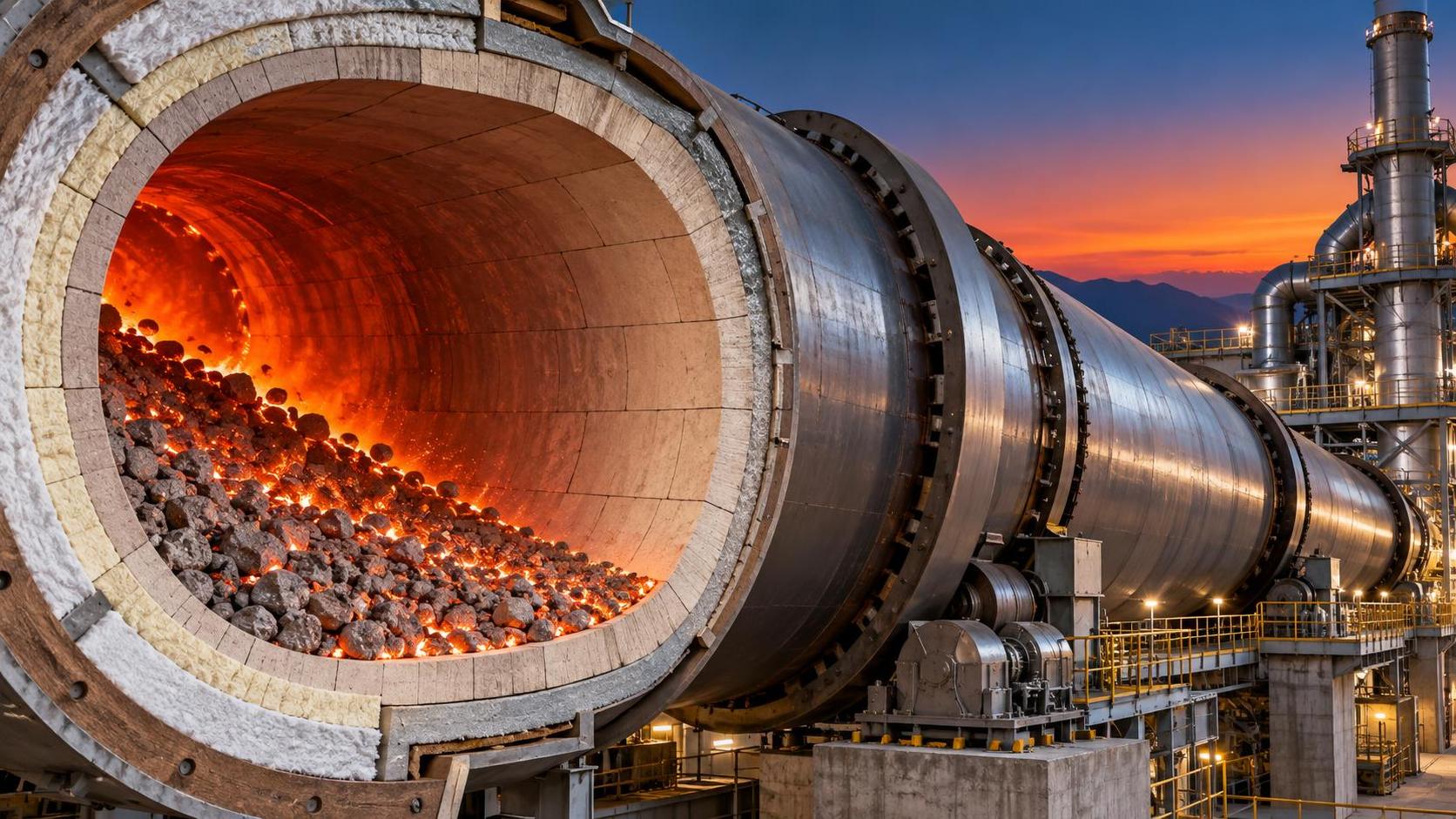
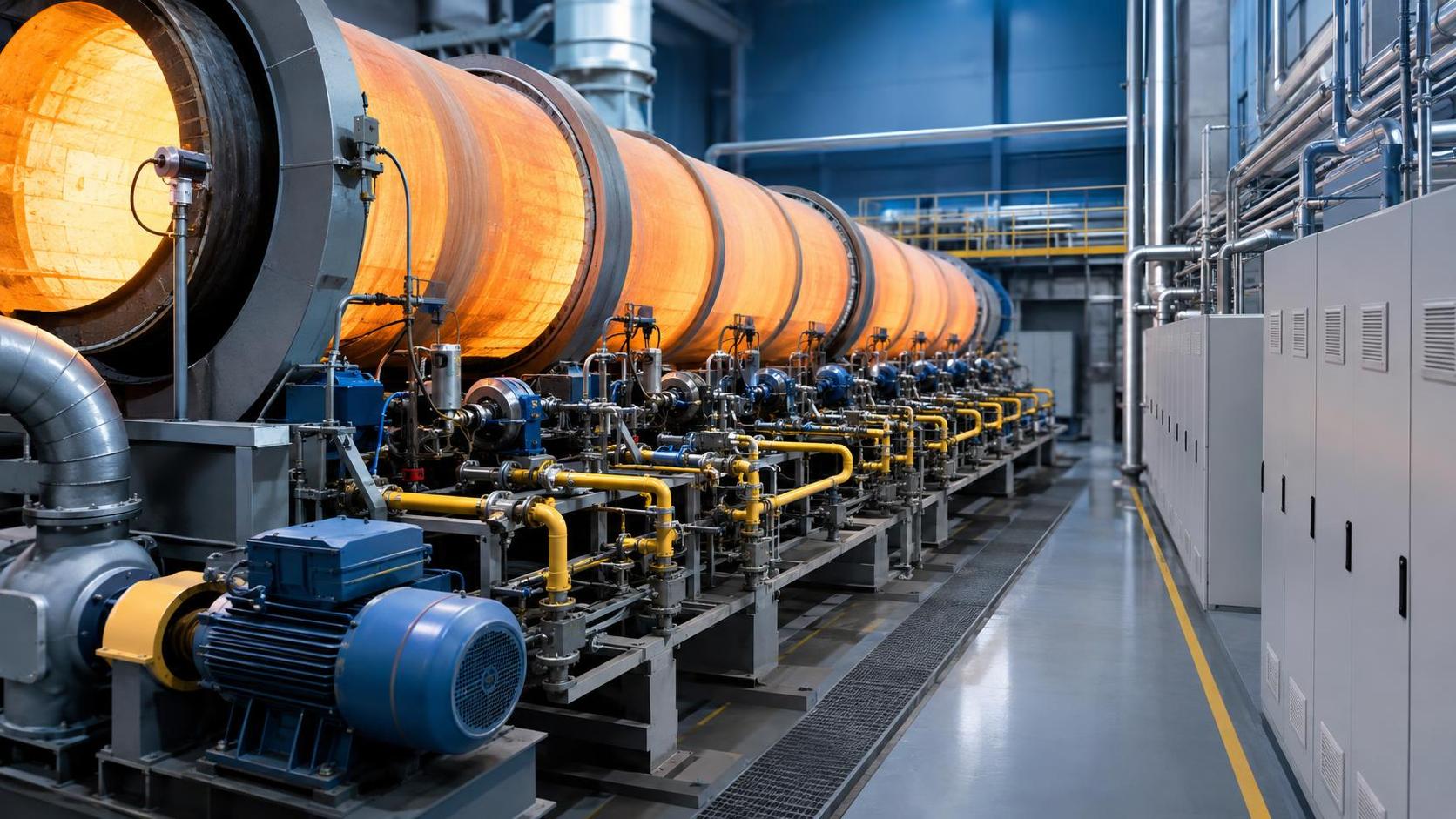
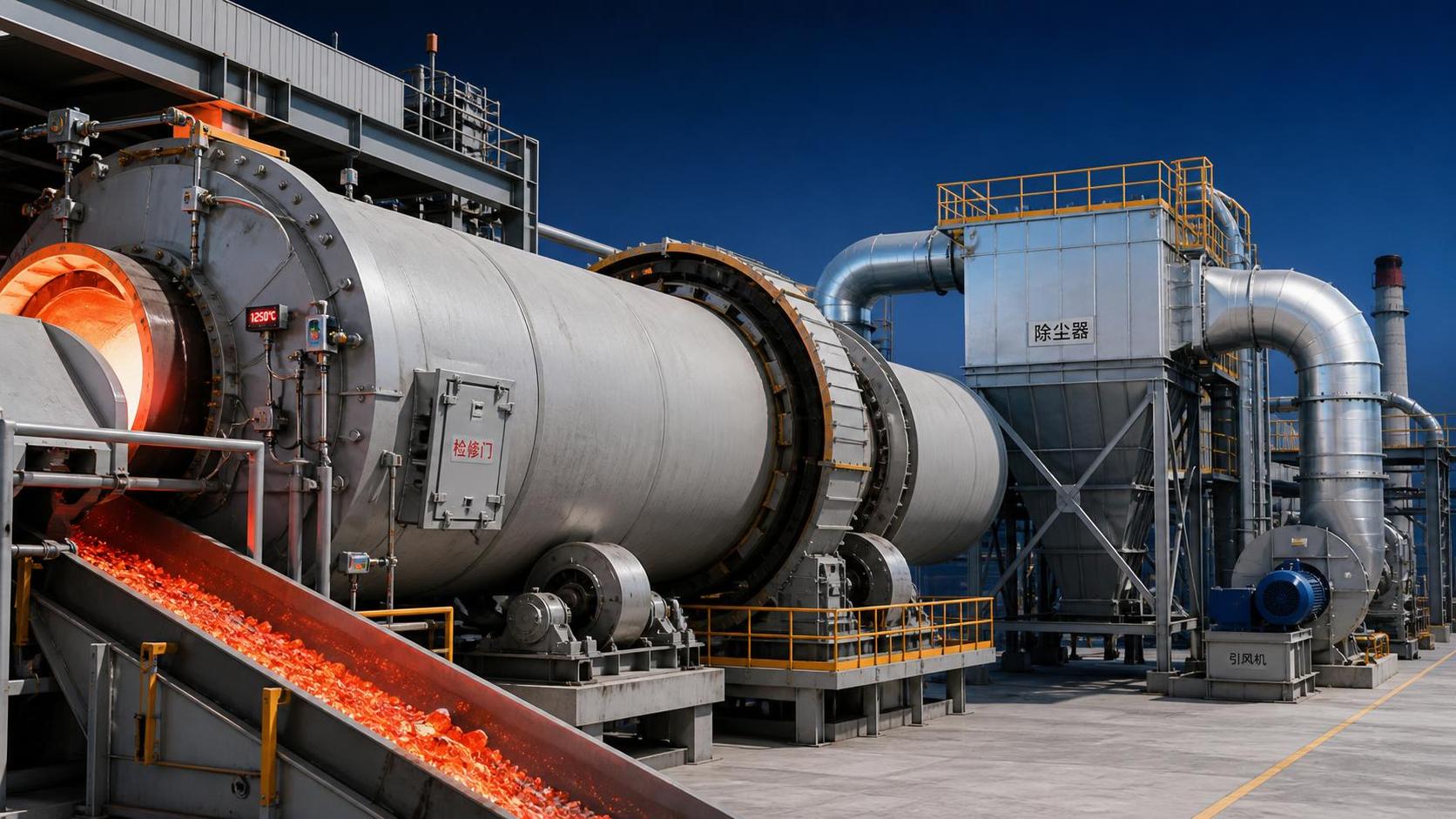
In rotary kilns and incinerators, isolated hot spots deserve immediate trending rather than one-time recording. In glass and refractory lines, the same pattern can indicate developing structural stress.
Instrumentation reliability
Industrial thermal management depends on trustworthy data. Thermocouples, infrared sensors, pressure transmitters, and flow meters should be checked for range suitability, calibration history, drift, and response lag.
A compliant system is not simply one with many sensors. It is one where critical measurements are validated, redundant where necessary, and linked to clear alarm actions.
Combustion control and air balance
Fuel-to-air ratio, draft stability, burner sequencing, and purge timing should all be reviewed. Poor combustion control can create carbon monoxide risk, refractory damage, temperature non-uniformity, and off-spec output.
This is one reason thermal compliance increasingly overlaps with carbon strategy. Efficient combustion reduces both hazard exposure and avoidable energy loss.
Interlocks and emergency response logic
Shutdown functions should be reviewed against actual upset scenarios. Sensor failure, flame loss, overtemperature, fan trip, blocked exhaust, and door opening events all need predictable system responses.
In many cases, the weakest point is not hardware. It is unclear trip setpoints, undocumented bypasses, or alarm flooding that hides the first abnormal signal.
How requirements shift across high-temperature sectors
The same industrial thermal management principles apply broadly, but the emphasis changes by process. A useful review adapts the checklist to the thermal behavior of each line.
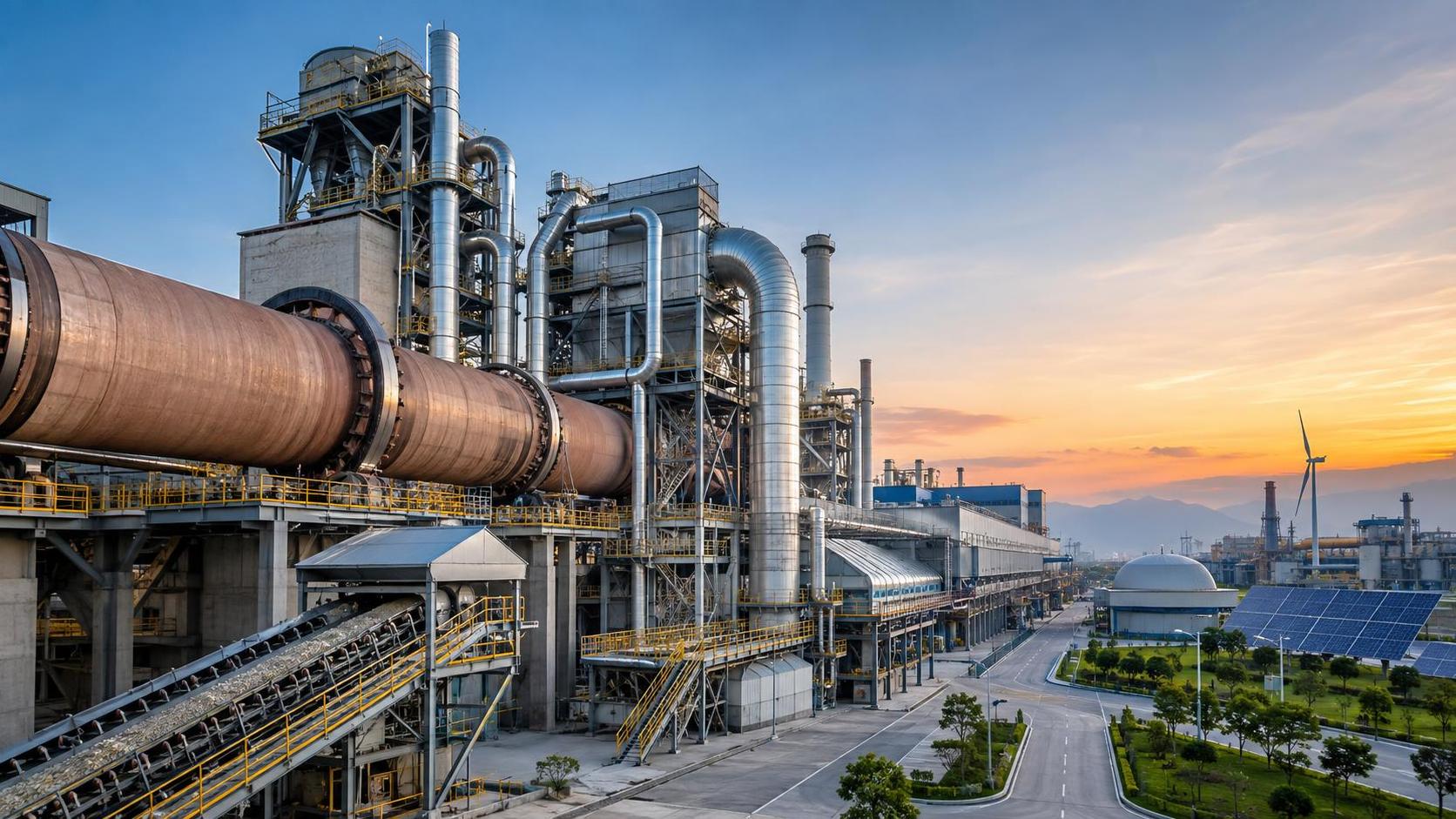
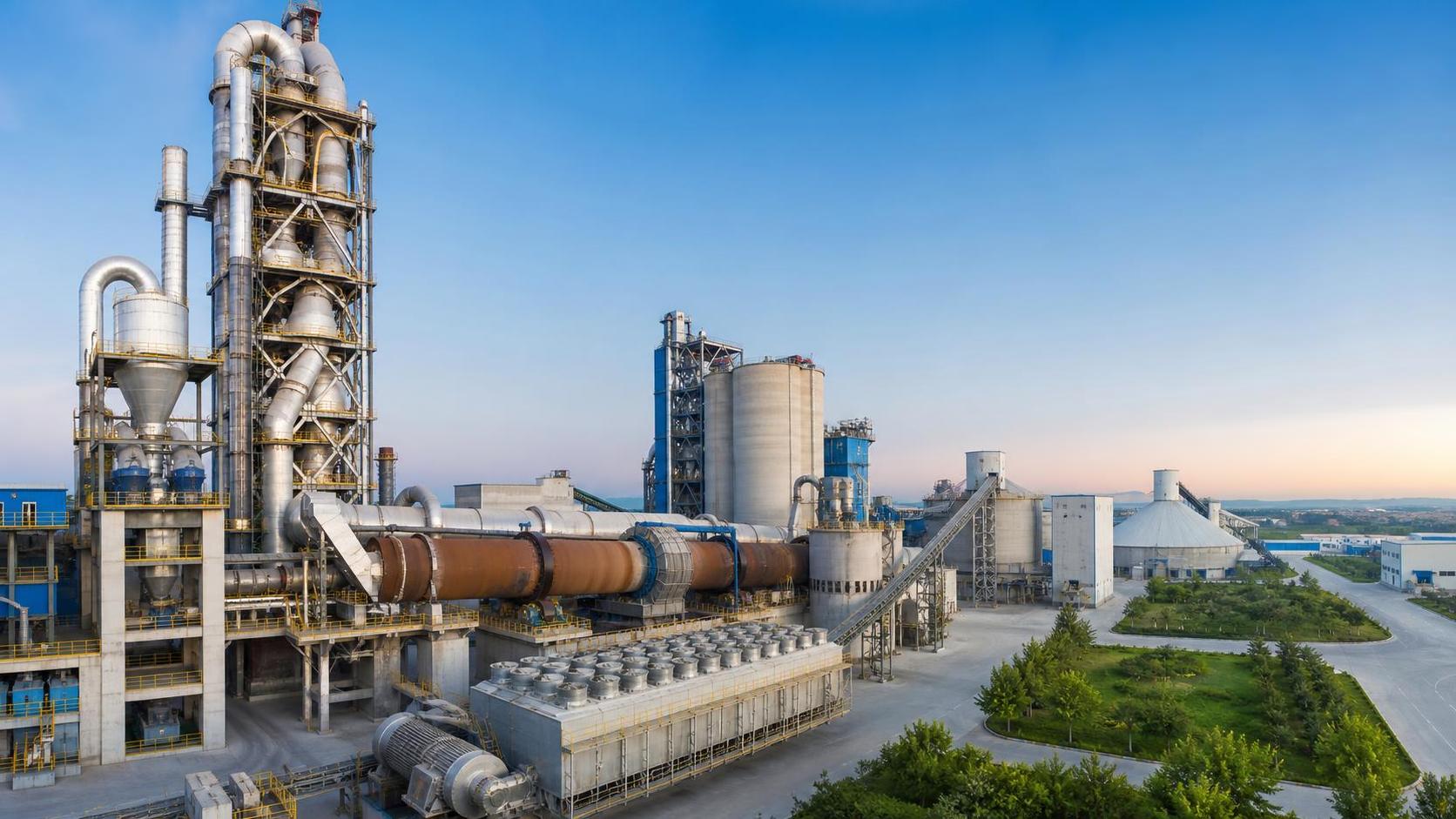
- Cement production focuses on kiln shell conditions, burner stability, clinker zone temperature, and dust-laden gas handling.
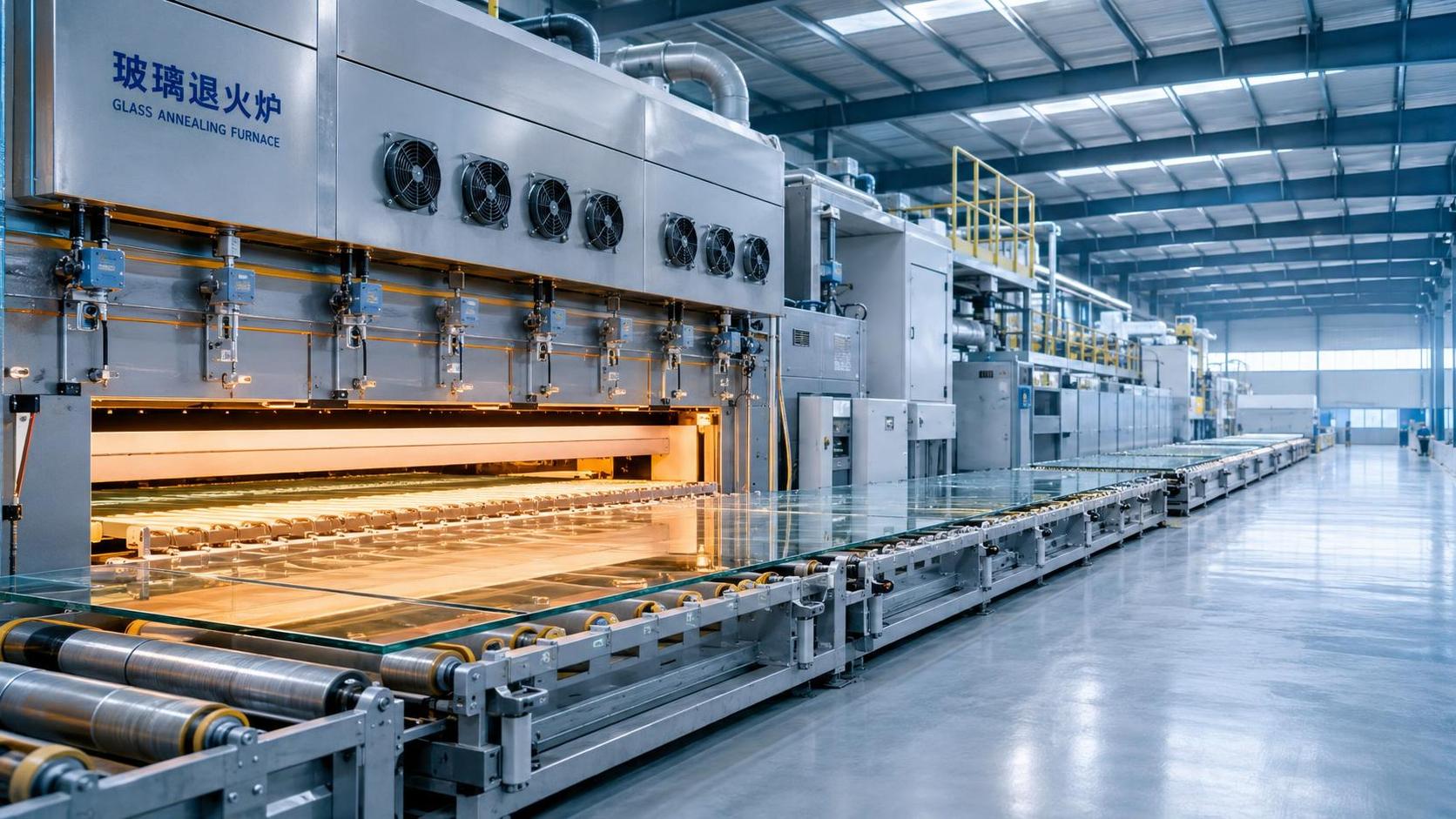
- Glass manufacturing gives more weight to melting uniformity, crown temperature control, annealing accuracy, and refractory corrosion behavior.
- Incineration systems require close review of secondary combustion temperature, residence time, waste variability, and emissions-linked thermal control.
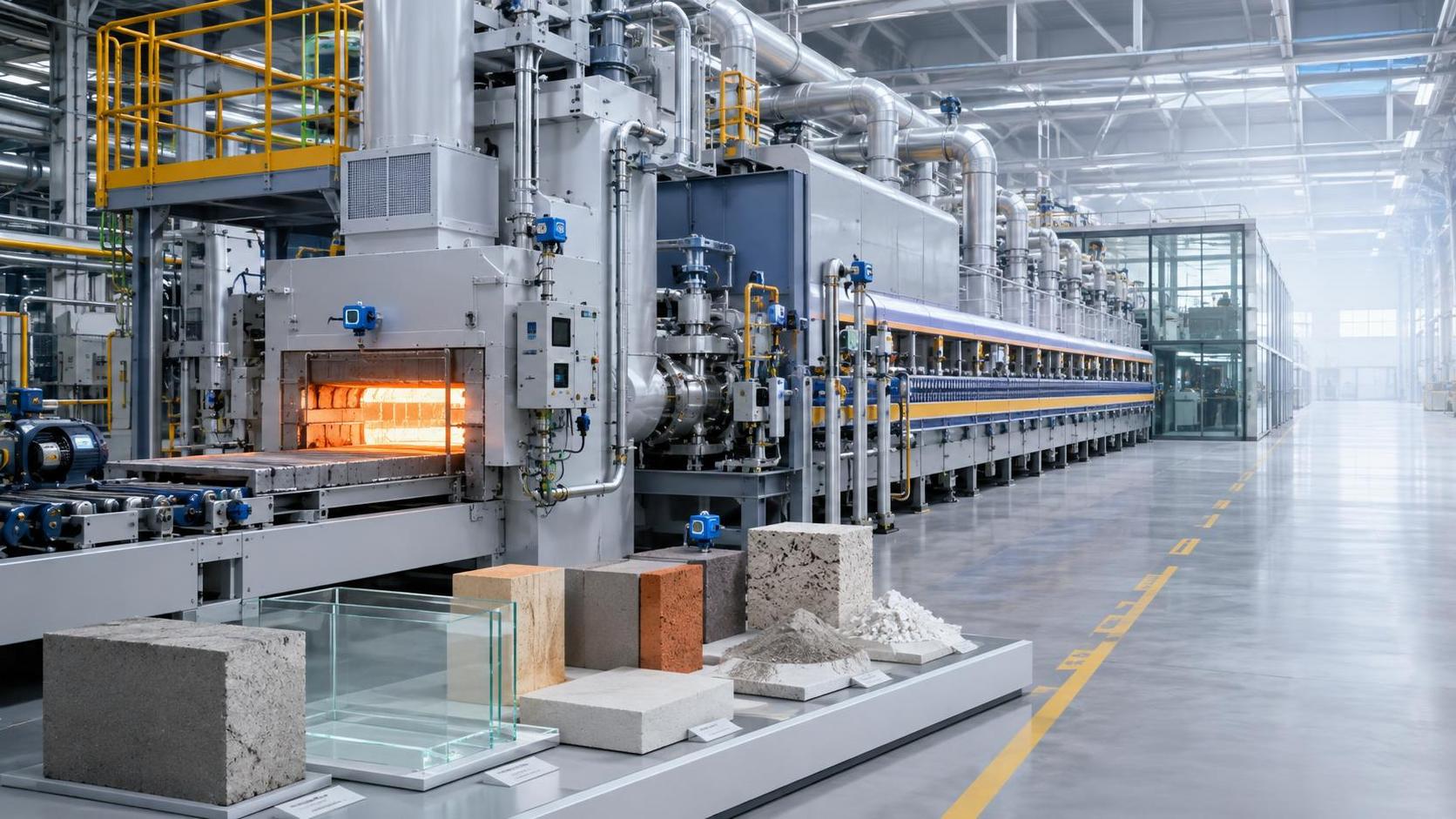
- Refractory production lines prioritize firing curves, thermal shock exposure, kiln furniture durability, and lining performance during repeated cycles.
- Material extrusion lines depend on barrel zone consistency, die temperature balance, heater reliability, and safe management of localized overheating.
This sector-by-sector reading is where intelligence platforms such as CF-Elite become useful. Cross-industry thermal insights help identify patterns that may be invisible within one plant alone.
Why documentation is part of thermal safety
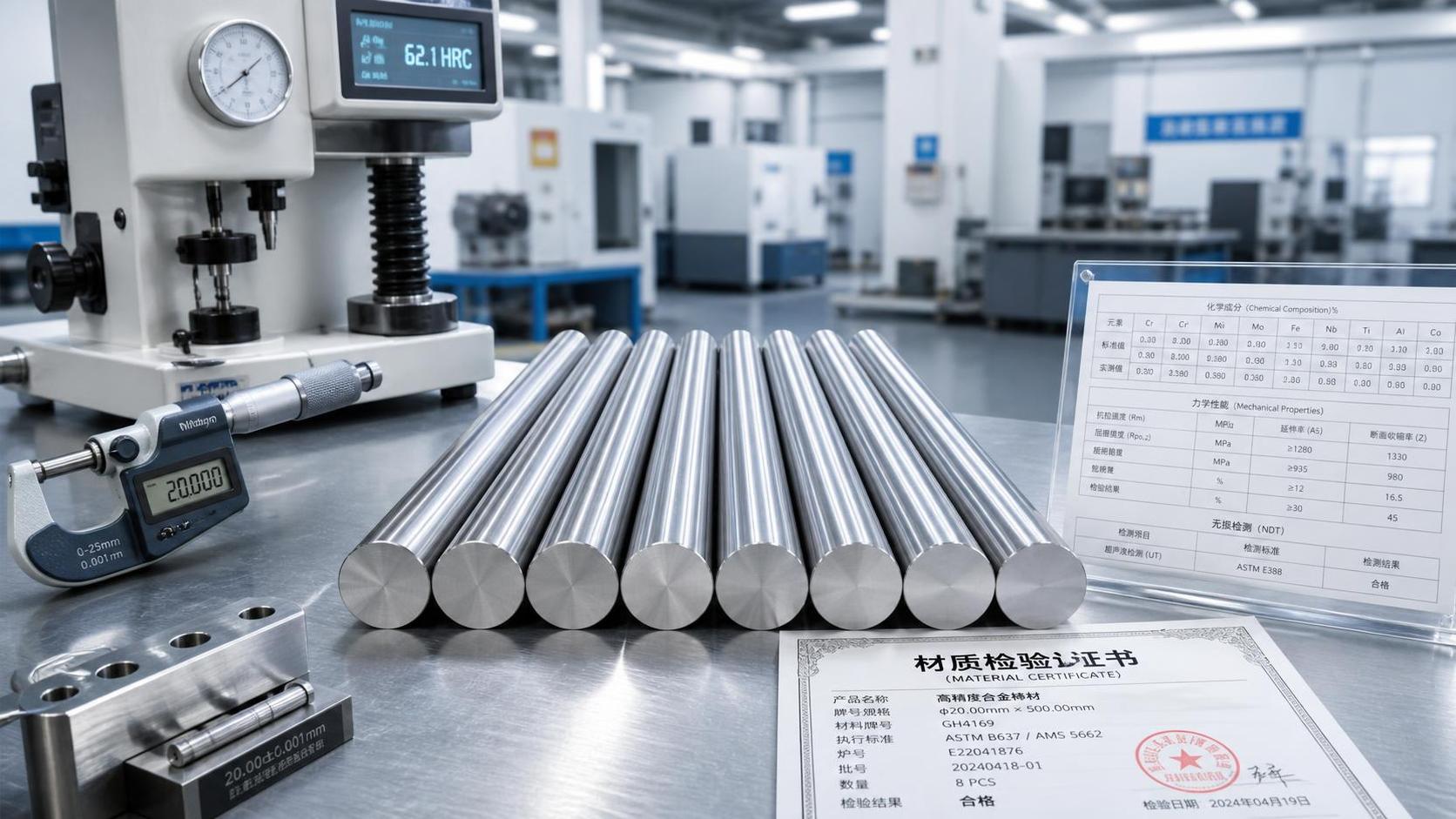
A system can look technically sound and still fail a serious review if records are weak. Standards are enforced through evidence. That includes commissioning data, calibration certificates, refractory installation logs, dry-out records, alarm histories, and change management files.
Thermal incidents often develop slowly. Without trend records, there is no way to separate random variation from degradation. This is why digital monitoring, thermal imaging archives, and inspection traceability are becoming central to industrial thermal management.
Useful records to keep current
- Critical temperature and pressure setpoints with revision history
- Sensor calibration intervals and out-of-tolerance findings
- Thermal imaging routes, hot spot maps, and repair actions
- Lining inspection reports and dry-out or heat-up procedures
- Alarm rationalization documents and bypass authorization records
A practical way to strengthen compliance
A strong review starts by defining the thermal boundary of each critical asset. Then compare design intent, current operating window, and governing standards. Differences between those three points usually reveal the highest-priority risks.
From there, focus on three questions. Are temperatures measured accurately? Are abnormal conditions contained quickly? Are records good enough to prove control over time?
If the answer is uncertain, the next step is not a broad rewrite of every procedure. It is a sharper thermal compliance map, built around the hottest zones, the most failure-sensitive materials, and the most audit-visible controls.
For facilities navigating energy transition and stricter environmental rules, industrial thermal management should be reviewed as both a safety discipline and a strategic operating metric. That creates a clearer basis for selecting upgrades, validating controls, and deciding which standards deserve deeper attention next.
Related News
 Thermal Energy ArchitectHow to Select Heat-Resistant Materials That Maintain Abrasion Resistance in KilnsHeat-resistant materials abrasion resistance: learn how to select kiln linings that withstand heat, wear, thermal cycling, and chemical attack for longer service life.Sep 13, 2026
 Thermal Energy ArchitectHow Rotary Kiln Automation Improves Temperature Control and Fuel EfficiencyRotary kiln technology automation enhances temperature control, stabilizes combustion, and improves fuel efficiency with smarter data, predictive control, and safer operations.Sep 12, 2026
 Silicate Process EngineerCement Plant Emission Control: Selecting Systems for Dust, NOx, and SO2 LimitsCement plant emission control guide: compare dust collectors, NOx reduction, and SO2 systems for reliable compliance across kiln modes, fuel changes, and operating upsets.Sep 11, 2026
 Thermal Energy ArchitectSelecting Abrasion-Resistant High-Temperature Materials for Kiln and Conveyor Wear ZonesHigh-temp material engineering guide to abrasion-resistant kiln and conveyor solutions—match wear, heat, chemistry, and installation design for longer service life.Sep 10, 2026
 Dr. Alistair VaughnIndustrial Process Engineering: How to Map Processes for Safer, More Efficient PlantsIndustrial process engineering reveals bottlenecks, safety risks, and energy losses through practical process mapping for safer, more efficient plants.Sep 09, 2026
 Optical Glass Tech FellowHow to Evaluate a Glass Annealing Equipment Manufacturer for Production StabilityChoose a glass annealing equipment manufacturer with proven thermal uniformity, reliable controls, lifecycle value, and responsive service for stable production.Sep 08, 2026
 Prof. Marcus ChenThermal Energy Architecture in North America: Strategies for Lower Building Energy UseThermal energy architecture North America helps project leaders cut building energy use through stronger envelopes, right-sized HVAC, storage, and smart commissioning.Sep 07, 2026
 Ms. Elena RodriguezHow Should Buyers Evaluate Building Material Industry Intelligence Pricing?Building material industry intelligence pricing: learn how to compare coverage, technical depth, and ROI to choose intelligence that reduces procurement risk.Sep 07, 2026
 Ms. Elena RodriguezHow to Use Building Material Intelligence Data for Market and Investment DecisionsBuilding material industry intelligence data helps leaders evaluate demand, costs, regulation, capacity, and technology to make smarter market and investment decisions.Sep 05, 2026
 Thermal Energy ArchitectHow PLC Control Improves Energy Efficiency and Temperature Stability in KilnsEnergy efficient kilns PLC control improves temperature stability, cuts fuel waste, and optimizes combustion, draft, and material flow. Explore proven strategies for smarter kiln modernization.Sep 04, 2026
 Optical Glass Tech FellowEuropean Glass Melting Processes: Furnace Choices, Energy Use, and Quality ControlGlass melting process Europe: explore furnace choices, energy efficiency, cullet strategy, and quality control to improve output, compliance, and long-term glass performance.Sep 03, 2026
 Thermal Energy ArchitectWhat Determines Refractory Lining Monitoring Price for Industrial Kilns?Refractory lining monitoring price depends on kiln size, sensor technology, installation, software, and support. Compare total lifecycle costs and choose the right solution.Sep 02, 2026
 Silicate Process EngineerCement Production System Costs: A Plant Buyer’s Guide to Budgeting and ROICement production systems cost planning made clear: compare CAPEX, operating costs, compliance, and ROI to build a resilient, profitable cement plant investment.Sep 01, 2026
 Dr. Alistair VaughnWhat Should a Process Technology Database Track for High-Temperature Plants?Process technology database essentials for high-temperature plants: track thermal profiles, feed chemistry, refractory wear, emissions, energy, and maintenance for safer, data-driven decisions.Aug 31, 2026
 Ms. Elena RodriguezHow to Evaluate a Silicate Processing Equipment Manufacturer for Plant ProjectsSilicate processing equipment manufacturer selection: assess process fit, guarantees, energy, compliance, delivery risk, and lifecycle support for dependable plant performance.Aug 30, 2026
 Dr. Alistair VaughnHow to Specify Custom Agricultural Processing Equipment for Throughput and HygieneEquipment customization services for agricultural processing: learn to specify hygienic, high-throughput lines that improve yield, reliability, and long-term efficiency.Aug 29, 2026
 Dr. Alistair VaughnHow to Select Process Plant Equipment for High-Temperature, Abrasive Production LinesProcess plant equipment selection for high-temperature, abrasive lines: reduce downtime, improve durability, and optimize lifecycle performance.Aug 28, 2026
 Silicate Process EngineerHow Kiln Heat Recovery Systems Cut Fuel Use in Cement and Lime ProductionKiln heat recovery helps cement and lime plants cut fuel use, improve thermal stability, and build practical, reliable decarbonization strategies.Aug 27, 2026
 Ms. Elena RodriguezProcess Equipment Comparison: Which Metrics Matter Most for Reliable Selection?Process equipment comparison made practical: discover which metrics truly drive reliable selection, from energy efficiency and control stability to wear life, maintainability, and uptime.Aug 26, 2026
 Ms. Elena RodriguezWhat Buyers Should Check Before Sourcing Precision Alloy Bars for Critical PartsPrecision Alloy Bars buyers should verify grade, chemistry, tolerances, surface quality, traceability, and lead time before sourcing for critical parts. Learn what prevents costly machining and reliability risks.Aug 27, 2026





Related News
- 00
0000-00
How Should Buyers Evaluate Building Material Industry Intelligence Pricing? - 00
0000-00
How to Use Building Material Intelligence Data for Market and Investment Decisions - 00
0000-00
How to Evaluate a Silicate Processing Equipment Manufacturer for Plant Projects - 00
0000-00
Process Equipment Comparison: Which Metrics Matter Most for Reliable Selection? - 00
0000-00
What Buyers Should Check Before Sourcing Precision Alloy Bars for Critical Parts
Weekly Insights
Stay ahead with our curated technology reports delivered every Monday.