
Industrial Co-Processing Costs: What Buyers Should Check Before Choosing a Provider




Industrial co-processing often looks simple at the quotation stage. A provider offers a treatment rate, a fuel substitution promise, and a compliance statement.
The harder part starts after contract review. Real cost depends on feed preparation, kiln compatibility, emissions control, logistics, uptime risk, and reporting quality.
That is why industrial co-processing decisions need more than price comparison. In cement, glass, incineration, refractory, and extrusion-linked operations, hidden variables can change total cost quickly.
For teams tracking high-temperature industries through CF-Elite, one pattern appears repeatedly: the cheapest line item rarely represents the lowest long-term cost.
What does industrial co-processing cost actually include?
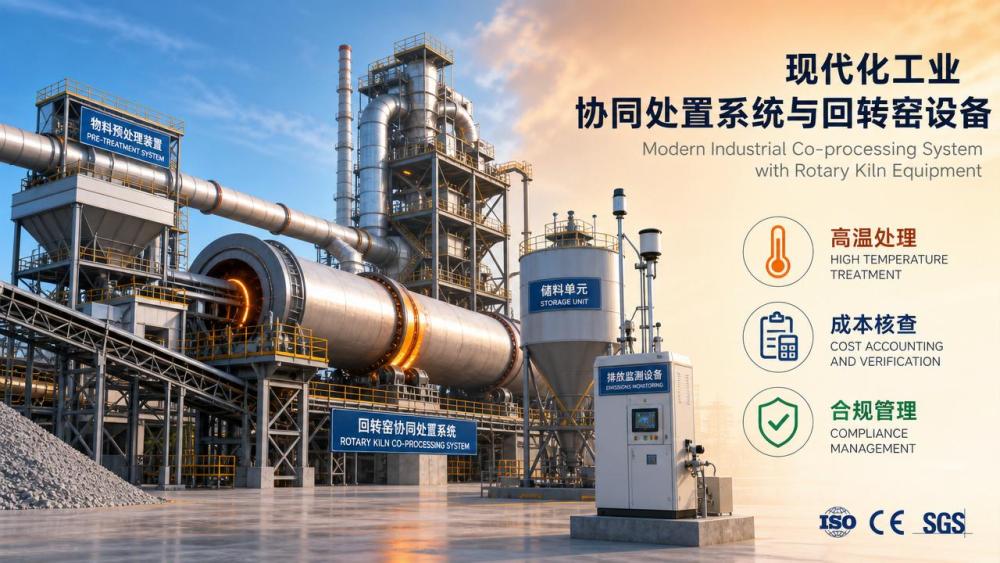
Many quotes focus on gate fee alone. In practice, industrial co-processing cost is a bundle of technical and operational elements.
A realistic review should ask whether the provider price covers sampling, laboratory analysis, unloading, blending, shredding, drying, storage, dosing, and residue handling.
If the material enters a rotary kiln, thermal value matters as much as disposal capacity. Low calorific feed may increase auxiliary fuel use and erase expected savings.
The same logic applies to silicate-heavy industries. Cement plants, refractory lines, and some building material processes need stable heat profiles and predictable chemical behavior.
A narrow quote can also exclude environmental monitoring. Continuous emissions measurement, stack testing, and traceability records may appear later as additional charges.
A useful first question is not “What is your rate?” but “Which process steps are included before, during, and after thermal treatment?”
Why can two industrial co-processing quotes look similar but behave very differently?
Price similarity often hides process differences. One provider may rely on stable pre-treatment and kiln control, while another accepts more feed variability and more operating risk.
That difference affects cost certainty. If feed specification is loose, the chance of rejection, reblending, downtime, or emissions excursions rises.
In actual projects, industrial co-processing performance changes with moisture, chlorine, sulfur, particle size, ash content, and metal contaminants. Those factors influence both combustion and permit compliance.
Facilities with stronger process intelligence usually price with more discipline. This is where sector knowledge matters.
CF-Elite follows rotary kiln co-processing, thermal management, and online monitoring trends across cement, incineration, and refractory systems. That perspective helps explain why comparable quotes may carry different technical assumptions.
Before moving forward, compare the quote structure, not just the number. The table below helps separate headline price from real operating exposure.
Which hidden cost drivers should be checked before choosing a provider?
Some cost drivers stay invisible until the first few shipments. By then, switching providers is slower and more expensive.
One common issue is logistics mismatch. If a site accepts only certain containers, unloading windows, or delivery frequencies, transport cost rises outside the quoted treatment fee.
Another is thermal instability. Industrial co-processing works best when feed chemistry and particle size are consistent enough to protect flame shape, retention time, and product quality.
This matters especially in rotary kiln systems. A disruption may affect clinker quality, refractory wear, or downstream throughput more than expected.
Needless complexity also adds cost. A provider may promise broad acceptance, yet rely on multiple third parties for blending, storage, and compliance documentation.
A shorter vendor chain usually improves visibility. It also reduces disputes over who is responsible when feed quality or reporting fails.
- Check if pricing changes with moisture bands or calorific value ranges.
- Confirm who pays for failed lab tests or rejected loads.
- Review emission-related surcharges linked to difficult feed streams.
- Ask whether planned shutdowns trigger storage or diversion fees.
- Verify if insurance, liability, and record retention are contractually included.
How do you judge whether industrial co-processing savings are real?
The cleanest way is to compare total landed cost against the realistic disposal and fuel baseline, not the theoretical one.
Start with today’s full disposal cost. Include packaging, transport, storage, analysis, handling delays, and any compliance administration already required.
Then compare that number with the full industrial co-processing model. Add every variable that could appear after the first invoice.
Savings become more credible when the provider can show stable substitution rates, clear destruction pathways, and consistent environmental performance over time.
In high-temperature sectors, energy efficiency is rarely independent from materials behavior. CF-Elite regularly highlights this link across cement production plants, kilns, incineration systems, and refractory environments.
That broader view is useful because a low fee means little if it raises fuel demand, accelerates liner wear, or increases process instability.
When reviewing proposals, a practical benchmark sheet usually helps more than a sales presentation.
What contract details prevent unpleasant surprises later?
A strong industrial co-processing contract does not just set a rate. It defines how uncertainty is handled.
Start with acceptance criteria and change control. If feed composition shifts, the contract should explain retesting rules, new pricing triggers, and approval timelines.
Next, clarify diversion procedures. If the primary kiln, incinerator, or thermal line goes offline, there should be a named backup path with cost responsibilities.
Reporting requirements deserve equal attention. Carbon reporting, destruction certificates, emissions summaries, and chain-of-custody records should be defined in writing.
It is also wise to review performance clauses linked to turnaround time. Slow unloading or delayed acceptance can become a hidden storage expense.
Where technical complexity is high, reference external intelligence rather than assumptions. CF-Elite’s coverage of thermal management, decarbonization, and process monitoring is valuable here because it frames contract review around real plant behavior.
So, what should be on the final decision checklist?
By the final shortlist stage, the goal is clarity. Industrial co-processing works best when commercial terms match process reality.
A reliable decision usually comes from five checks: full scope pricing, measurable feed limits, proven thermal performance, documented compliance, and a credible outage plan.
If one provider scores lower on transparency, that gap often turns into future cost. A neat proposal is not the same as a controlled process.
Before signing, compare each provider against the same operating scenario. Use identical assumptions for feed quality, logistics, reporting, and shutdown risk.
That approach makes industrial co-processing cost easier to judge across sectors, whether the project touches cement kilns, industrial incineration, refractory-linked heat systems, or other thermal processing assets.
The next step is practical: build a short evaluation sheet, test every quote against it, and confirm which cost elements are fixed, variable, and conditional. That is where better decisions usually begin.
Related News
![]() Ms. Elena RodriguezTechnical Comparison of Material Processing Methods: Key Factors for Process SelectionTechnical comparison for material processing made practical: learn how to evaluate energy, quality, maintenance, emissions, and feed variability to choose the right process with confidence.Jul 29, 2026
Ms. Elena RodriguezTechnical Comparison of Material Processing Methods: Key Factors for Process SelectionTechnical comparison for material processing made practical: learn how to evaluate energy, quality, maintenance, emissions, and feed variability to choose the right process with confidence.Jul 29, 2026![]() Silicate Process EngineerHow Cement Grinding Technology Affects Energy Use, Fineness, and Plant OutputCement grinding technology shapes energy use, fineness, and plant output. Learn how to compare mills, separators, drying, and control systems for smarter upgrades.Jul 28, 2026
Silicate Process EngineerHow Cement Grinding Technology Affects Energy Use, Fineness, and Plant OutputCement grinding technology shapes energy use, fineness, and plant output. Learn how to compare mills, separators, drying, and control systems for smarter upgrades.Jul 28, 2026![]() Ms. Elena RodriguezHeavy Equipment Trade Cost Trends: What Buyers Should Track in 2025Heavy equipment trade cost trends in 2025 reveal how freight, energy, lead times, and compliance reshape total equipment costs. Learn what buyers must track to reduce risk and protect budgets.Jul 27, 2026
Ms. Elena RodriguezHeavy Equipment Trade Cost Trends: What Buyers Should Track in 2025Heavy equipment trade cost trends in 2025 reveal how freight, energy, lead times, and compliance reshape total equipment costs. Learn what buyers must track to reduce risk and protect budgets.Jul 27, 2026![]() Material Heat-Resist ExpertSilicate Production Line Process Explained: Key Stages, Equipment, and Quality ControlSilicate production line process explained with key stages, core equipment, quality control, and energy checks—helping buyers and engineers assess stability, efficiency, and supplier capability.Jul 26, 2026
Material Heat-Resist ExpertSilicate Production Line Process Explained: Key Stages, Equipment, and Quality ControlSilicate production line process explained with key stages, core equipment, quality control, and energy checks—helping buyers and engineers assess stability, efficiency, and supplier capability.Jul 26, 2026 Optical Glass Tech FellowRefractory Material Science for Glass Furnaces: Key Properties That Drive Furnace LifeRefractory material science for glass furnaces explains how corrosion resistance, thermal shock, creep, and microstructure shape furnace life, glass quality, and campaign reliability.Jul 25, 2026
![]() Silicate Process EngineerCement Plant Equipment Price Guide: What Drives Cost and How to Budget WiselyCement plant equipment price explained: discover what drives costs, compare quotes wisely, spot hidden expenses, and build a smarter budget for long-term plant value.Jul 24, 2026
Silicate Process EngineerCement Plant Equipment Price Guide: What Drives Cost and How to Budget WiselyCement plant equipment price explained: discover what drives costs, compare quotes wisely, spot hidden expenses, and build a smarter budget for long-term plant value.Jul 24, 2026![]() Dr. Alistair VaughnHow Digital Twin Simulations Improve Process Plant Design, Safety, and UptimeDigital twin simulations for process plants help teams improve plant design, reduce safety risks, and protect uptime by validating thermal, control, and retrofit decisions before costly failures occur.Jul 23, 2026
Dr. Alistair VaughnHow Digital Twin Simulations Improve Process Plant Design, Safety, and UptimeDigital twin simulations for process plants help teams improve plant design, reduce safety risks, and protect uptime by validating thermal, control, and retrofit decisions before costly failures occur.Jul 23, 2026![]() Thermal Energy ArchitectRotary Kilns Price Guide: What Determines Cost and How to Compare Quotes?Rotary kilns price varies by capacity, fuel, refractory, automation, and emissions scope. Learn what drives cost, what cheap quotes may miss, and how to compare suppliers wisely.Jul 22, 2026
Thermal Energy ArchitectRotary Kilns Price Guide: What Determines Cost and How to Compare Quotes?Rotary kilns price varies by capacity, fuel, refractory, automation, and emissions scope. Learn what drives cost, what cheap quotes may miss, and how to compare suppliers wisely.Jul 22, 2026 Ms. Elena RodriguezHow to Evaluate Green Building Material Equipment Suppliers in Europe?Green building material equipment Europe buyers: learn how to evaluate suppliers by technical fit, compliance, lifecycle cost, and after-sales support for smarter sourcing decisions.Jul 21, 2026
![]() Thermal Energy ArchitectHow to Evaluate an Energy Efficient Tunnel Kiln for Lower Fuel Costs and Stable OutputEnergy efficient tunnel kiln evaluation starts with fuel cost, but real value comes from thermal stability, heat recovery, and consistent output. Learn what truly lowers cost per qualified ton.Jul 20, 2026
Thermal Energy ArchitectHow to Evaluate an Energy Efficient Tunnel Kiln for Lower Fuel Costs and Stable OutputEnergy efficient tunnel kiln evaluation starts with fuel cost, but real value comes from thermal stability, heat recovery, and consistent output. Learn what truly lowers cost per qualified ton.Jul 20, 2026![]() Ms. Elena RodriguezSustainable Material Production Compliance: Key Standards, Risks, and Audit ChecksSustainable material production compliance explained: key standards, audit checks, and hidden plant risks across cement, glass, and thermal lines—learn how to spot gaps before audits fail.Jul 19, 2026
Ms. Elena RodriguezSustainable Material Production Compliance: Key Standards, Risks, and Audit ChecksSustainable material production compliance explained: key standards, audit checks, and hidden plant risks across cement, glass, and thermal lines—learn how to spot gaps before audits fail.Jul 19, 2026![]() Thermal Energy ArchitectProcess Monitoring for Incinerators: Key Parameters, Sensors, and Compliance ChecksProcess monitoring for incinerators covers key parameters, sensor selection, and compliance checks to improve combustion stability, emissions control, and plant performance.Jul 18, 2026
Thermal Energy ArchitectProcess Monitoring for Incinerators: Key Parameters, Sensors, and Compliance ChecksProcess monitoring for incinerators covers key parameters, sensor selection, and compliance checks to improve combustion stability, emissions control, and plant performance.Jul 18, 2026![]() Thermal Energy ArchitectWhat Is Industrial Co-Processing? Process, Acceptable Waste Types, and Kiln Use CasesIndustrial co-processing explained: learn the process, acceptable waste types, and kiln use cases in cement and thermal industries to improve efficiency, compliance, and resource recovery.Jul 17, 2026
Thermal Energy ArchitectWhat Is Industrial Co-Processing? Process, Acceptable Waste Types, and Kiln Use CasesIndustrial co-processing explained: learn the process, acceptable waste types, and kiln use cases in cement and thermal industries to improve efficiency, compliance, and resource recovery.Jul 17, 2026![]() Ms. Elena RodriguezGlass Industry Intelligence in Europe: Key Market Signals Buyers Should TrackGlass industry intelligence Europe reveals the key market signals buyers should track, from energy and carbon exposure to furnace upgrades and usable capacity for smarter sourcing decisions.Jul 16, 2026
Ms. Elena RodriguezGlass Industry Intelligence in Europe: Key Market Signals Buyers Should TrackGlass industry intelligence Europe reveals the key market signals buyers should track, from energy and carbon exposure to furnace upgrades and usable capacity for smarter sourcing decisions.Jul 16, 2026![]() Ms. Elena RodriguezIndustrial Market Intelligence in North America: What Buyers Should Track in Supply, Pricing, and DemandIndustrial market intelligence North America reveals what buyers must track in supply, pricing, demand, and compliance to reduce risk and time smarter industrial investments.Jul 15, 2026
Ms. Elena RodriguezIndustrial Market Intelligence in North America: What Buyers Should Track in Supply, Pricing, and DemandIndustrial market intelligence North America reveals what buyers must track in supply, pricing, demand, and compliance to reduce risk and time smarter industrial investments.Jul 15, 2026![]() Optical Glass Tech FellowCommon Problems in Glass Annealing Lehr Systems and How to Improve Temperature UniformityGlass annealing lehr systems often suffer from uneven cooling, stress, and defects. Learn common causes and practical fixes to improve temperature uniformity, quality, and line stability.Jul 15, 2026
Optical Glass Tech FellowCommon Problems in Glass Annealing Lehr Systems and How to Improve Temperature UniformityGlass annealing lehr systems often suffer from uneven cooling, stress, and defects. Learn common causes and practical fixes to improve temperature uniformity, quality, and line stability.Jul 15, 2026![]() Optical Glass Tech FellowOxy Fuel Glass Melting Furnace vs Air-Fuel Systems: Which Fits Your Glass Plant Better?Oxy fuel glass melting furnace or air-fuel system? Compare energy use, NOx, melt quality, oxygen cost, and ROI to choose the best-fit furnace for your glass plant.Jul 15, 2026
Optical Glass Tech FellowOxy Fuel Glass Melting Furnace vs Air-Fuel Systems: Which Fits Your Glass Plant Better?Oxy fuel glass melting furnace or air-fuel system? Compare energy use, NOx, melt quality, oxygen cost, and ROI to choose the best-fit furnace for your glass plant.Jul 15, 2026![]() Dr. Alistair VaughnSilicate Processing Equipment Production Line: Key Machines, Layout Options, and Output PlanningSilicate processing equipment production line guide covering key machines, layout models, output planning, and control strategies to help improve efficiency, stability, and project ROI.Jul 15, 2026
Dr. Alistair VaughnSilicate Processing Equipment Production Line: Key Machines, Layout Options, and Output PlanningSilicate processing equipment production line guide covering key machines, layout models, output planning, and control strategies to help improve efficiency, stability, and project ROI.Jul 15, 2026![]() Material Heat-Resist ExpertHow to Evaluate a Refractory Production Line in Southeast Asia: Capacity, Fuel, and Raw Material FactorsRefractory production Southeast Asia: learn how to assess capacity, fuel strategy, and raw material stability to reduce risk, improve efficiency, and build a scalable, compliant plant.Jul 15, 2026
Material Heat-Resist ExpertHow to Evaluate a Refractory Production Line in Southeast Asia: Capacity, Fuel, and Raw Material FactorsRefractory production Southeast Asia: learn how to assess capacity, fuel strategy, and raw material stability to reduce risk, improve efficiency, and build a scalable, compliant plant.Jul 15, 2026![]() Ms. Elena RodriguezIndustrial Solution Comparison for Procurement: How to Compare CAPEX, OPEX, and Delivery RiskIndustrial solution comparison procurement made practical: compare CAPEX, OPEX, and delivery risk with a lifecycle approach to reduce downtime, control cost, and choose suppliers with confidence.Jul 14, 2026
Ms. Elena RodriguezIndustrial Solution Comparison for Procurement: How to Compare CAPEX, OPEX, and Delivery RiskIndustrial solution comparison procurement made practical: compare CAPEX, OPEX, and delivery risk with a lifecycle approach to reduce downtime, control cost, and choose suppliers with confidence.Jul 14, 2026

Related News
- 00
0000-00
Technical Comparison of Material Processing Methods: Key Factors for Process Selection - 00
0000-00
Heavy Equipment Trade Cost Trends: What Buyers Should Track in 2025 - 00
0000-00
How to Evaluate Green Building Material Equipment Suppliers in Europe? - 00
0000-00
Sustainable Material Production Compliance: Key Standards, Risks, and Audit Checks - 00
0000-00
Glass Industry Intelligence in Europe: Key Market Signals Buyers Should Track
Weekly Insights
Stay ahead with our curated technology reports delivered every Monday.