
How to Compare High-Temp Industrial Solutions for Continuous Production Lines




How to Compare High-Temp Industrial Solutions for Continuous Production Lines
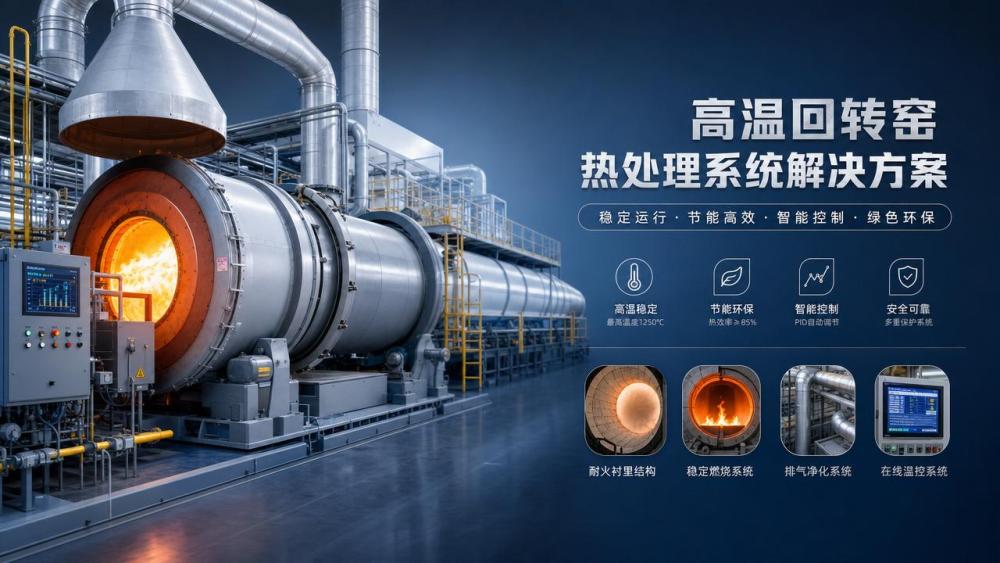
Choosing among high-temp industrial solutions for continuous production lines requires more than a price check.
A lower upfront quote can hide higher fuel use, shorter lining life, and unstable product quality.
That matters in cement plants, glass lines, industrial kilns, incineration systems, refractory production, and extrusion equipment.
In real projects, the best comparison starts with production continuity.
Can the system hold temperature, protect throughput, meet emissions limits, and stay serviceable during long campaigns?
This is where high-temp industrial solutions should be judged as operating systems, not isolated machines.
CF-Elite tracks these comparisons across thermal process industries, where energy efficiency, carbon pressure, and uptime now move together.
Start with the actual production duty
Not every high-temp industrial solution faces the same heat profile.
A glass melting furnace behaves differently from a rotary kiln or a waste-to-energy line.
Before comparing suppliers, define the real duty cycle in measurable terms.
- Peak and average temperature range
- Continuous versus batch-like operating behavior
- Feedstock variation and moisture swings
- Corrosive gases, alkali load, or ash chemistry
- Required output quality tolerance
- Planned annual runtime and shutdown windows
This first step prevents weak comparisons.
Two vendors may both claim suitability for continuous service, yet only one matches the thermal and chemical reality.
For high-temp industrial solutions, duty mismatch is often the root cause of future instability.
Compare thermal stability before headline output
Suppliers often lead with capacity numbers.
For continuous lines, thermal stability usually matters more.
A line that reaches target output briefly but drifts thermally can create chronic waste and maintenance risk.
When comparing high-temp industrial solutions, ask how the system handles heat distribution, not only total heat input.
- Temperature uniformity across process zones
- Response speed during load changes
- Hot spot prevention and shell protection
- Burner or heating control precision
- Heat recovery integration
- Insulation and refractory retention performance
This is especially important in float glass, calcination, clinker production, and thermal disposal.
More stable heat means more predictable reaction kinetics and fewer quality deviations.
In practice, better thermal control often beats nominally larger equipment.
Check lifecycle energy performance, not fuel claims alone
Energy cost is where many high-temp industrial solutions win or lose their value.
Still, quoted efficiency can be selective.
One vendor may cite ideal fuel consumption under stable feed.
Another may include startup losses, idle heat loss, and part-load performance.
For a fair comparison, standardize the energy review.
- Measure energy per ton of acceptable output.
- Separate design values from field values.
- Review heat recovery and exhaust reuse options.
- Include power demand for fans, drives, and controls.
- Model performance at reduced throughput.
This also supports decarbonization planning.
High-temp industrial solutions with lower specific energy use usually reduce both cost exposure and emissions pressure.
That becomes more valuable as carbon accounting grows stricter across global heavy industry.
Look closely at refractory and wear strategy
In many continuous lines, refractory life quietly determines plant economics.
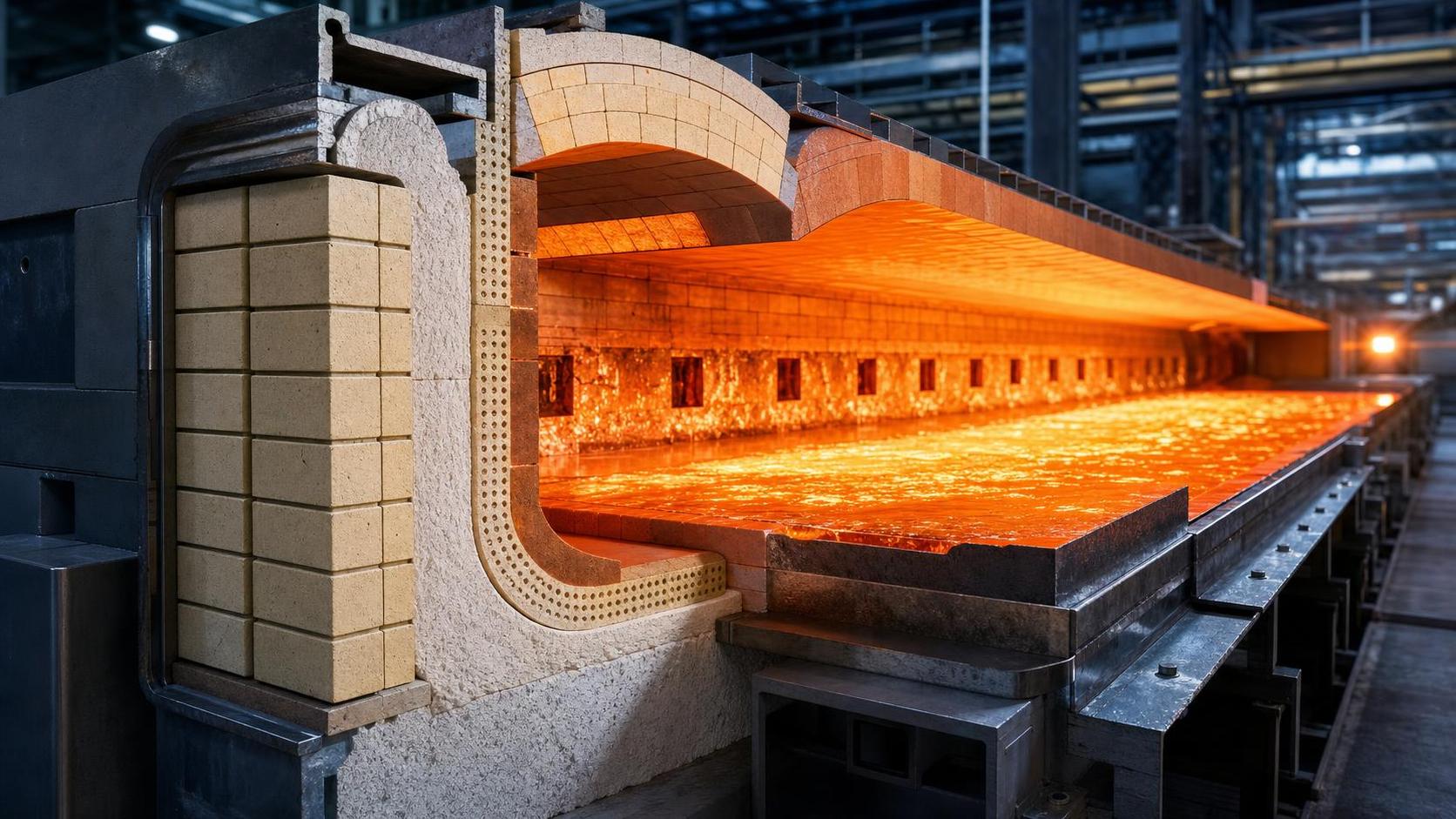
The best high-temp industrial solutions are designed around wear behavior, not just heating hardware.
Short lining cycles can erase the savings from a competitive purchase price.
Ask how each solution manages abrasion, thermal shock, slag attack, alkali penetration, and emergency cooling events.
- Expected campaign life by zone
- Material grade and installation method
- Local repair accessibility
- Online temperature monitoring support
- Failure history in similar chemistry conditions
This is one area where reference cases matter more than brochures.
A proven lining strategy in similar operating chemistry is a stronger signal than generic durability claims.
Evaluate automation, diagnostics, and controllability
Modern high-temp industrial solutions increasingly compete on intelligence, not only mechanics.
That shift is more visible in glass lines, digital kiln supervision, and advanced incineration control.
A well-controlled process can reduce fuel waste, avoid operator overcorrection, and extend equipment life.
During comparison, focus on practical automation value.
- Real-time temperature and pressure visibility
- Alarm logic tied to failure modes
- Predictive maintenance features
- Recipe and process repeatability
- Remote service capability
- Compatibility with plant MES or digital twin tools
The point is not digital complexity for its own sake.
The point is whether the controls help maintain stable production with fewer surprises.
Assess compliance risk early
Environmental compliance should not be checked at the end.
For high-temp industrial solutions, emissions performance can shape equipment layout, burner choice, gas cleaning scope, and operating cost.
This is especially true where NOx, SOx, particulates, dioxins, heavy metals, or CO limits are tight.
A technically strong line that struggles with permits may become a commercial burden.
Ask vendors to clarify:
- Guaranteed emissions basis and operating conditions
- Need for secondary treatment systems
- Monitoring and reporting architecture
- Fuel flexibility under compliance limits
- Impact of feed variation on emissions stability
From a risk perspective, stable compliance is part of stable production.
It protects uptime, reputation, and future expansion options.
Use a comparison table that reflects operational reality
A simple matrix makes supplier discussions more objective.
The key is to score high-temp industrial solutions against weighted business needs, not marketing claims.
This approach helps separate attractive pricing from dependable performance.
Ask better vendor questions
Good procurement teams often get similar presentations from every supplier.
Better questions expose the differences between high-temp industrial solutions quickly.
- Which performance values are guaranteed, and under what feed conditions?
- What are the common failure points after two years of operation?
- How does the solution behave during partial load or abnormal feed?
- What maintenance tasks require full shutdown?
- Which reference lines match this process chemistry most closely?
- How fast can critical spares and field service be mobilized?
These questions bring the discussion back to operational truth.
They also make technical review meetings more decisive.
Make the final decision on lifecycle resilience
The strongest high-temp industrial solutions are not always the most complex or the cheapest.
They are the options that keep output stable over years of real industrial pressure.
That means balancing thermal stability, energy intensity, wear resistance, automation value, compliance safety, and service depth.
For continuous production lines, comparison should always move beyond equipment labels.
It should focus on how each solution performs across changing loads, long campaigns, and tighter environmental expectations.
That is the practical path to lower lifecycle risk.
It is also how better high-temp industrial solutions support stronger returns in modern thermal manufacturing.
If the next review cycle is approaching, build your comparison sheet around operating evidence first, then let price confirm the decision, not drive it.
Related News
![]() Ms. Elena RodriguezTechnical Comparison of Material Processing Methods: Key Factors for Process SelectionTechnical comparison for material processing made practical: learn how to evaluate energy, quality, maintenance, emissions, and feed variability to choose the right process with confidence.Jul 29, 2026
Ms. Elena RodriguezTechnical Comparison of Material Processing Methods: Key Factors for Process SelectionTechnical comparison for material processing made practical: learn how to evaluate energy, quality, maintenance, emissions, and feed variability to choose the right process with confidence.Jul 29, 2026![]() Silicate Process EngineerHow Cement Grinding Technology Affects Energy Use, Fineness, and Plant OutputCement grinding technology shapes energy use, fineness, and plant output. Learn how to compare mills, separators, drying, and control systems for smarter upgrades.Jul 28, 2026
Silicate Process EngineerHow Cement Grinding Technology Affects Energy Use, Fineness, and Plant OutputCement grinding technology shapes energy use, fineness, and plant output. Learn how to compare mills, separators, drying, and control systems for smarter upgrades.Jul 28, 2026![]() Ms. Elena RodriguezHeavy Equipment Trade Cost Trends: What Buyers Should Track in 2025Heavy equipment trade cost trends in 2025 reveal how freight, energy, lead times, and compliance reshape total equipment costs. Learn what buyers must track to reduce risk and protect budgets.Jul 27, 2026
Ms. Elena RodriguezHeavy Equipment Trade Cost Trends: What Buyers Should Track in 2025Heavy equipment trade cost trends in 2025 reveal how freight, energy, lead times, and compliance reshape total equipment costs. Learn what buyers must track to reduce risk and protect budgets.Jul 27, 2026![]() Material Heat-Resist ExpertSilicate Production Line Process Explained: Key Stages, Equipment, and Quality ControlSilicate production line process explained with key stages, core equipment, quality control, and energy checks—helping buyers and engineers assess stability, efficiency, and supplier capability.Jul 26, 2026
Material Heat-Resist ExpertSilicate Production Line Process Explained: Key Stages, Equipment, and Quality ControlSilicate production line process explained with key stages, core equipment, quality control, and energy checks—helping buyers and engineers assess stability, efficiency, and supplier capability.Jul 26, 2026 Optical Glass Tech FellowRefractory Material Science for Glass Furnaces: Key Properties That Drive Furnace LifeRefractory material science for glass furnaces explains how corrosion resistance, thermal shock, creep, and microstructure shape furnace life, glass quality, and campaign reliability.Jul 25, 2026
![]() Silicate Process EngineerCement Plant Equipment Price Guide: What Drives Cost and How to Budget WiselyCement plant equipment price explained: discover what drives costs, compare quotes wisely, spot hidden expenses, and build a smarter budget for long-term plant value.Jul 24, 2026
Silicate Process EngineerCement Plant Equipment Price Guide: What Drives Cost and How to Budget WiselyCement plant equipment price explained: discover what drives costs, compare quotes wisely, spot hidden expenses, and build a smarter budget for long-term plant value.Jul 24, 2026![]() Dr. Alistair VaughnHow Digital Twin Simulations Improve Process Plant Design, Safety, and UptimeDigital twin simulations for process plants help teams improve plant design, reduce safety risks, and protect uptime by validating thermal, control, and retrofit decisions before costly failures occur.Jul 23, 2026
Dr. Alistair VaughnHow Digital Twin Simulations Improve Process Plant Design, Safety, and UptimeDigital twin simulations for process plants help teams improve plant design, reduce safety risks, and protect uptime by validating thermal, control, and retrofit decisions before costly failures occur.Jul 23, 2026![]() Thermal Energy ArchitectRotary Kilns Price Guide: What Determines Cost and How to Compare Quotes?Rotary kilns price varies by capacity, fuel, refractory, automation, and emissions scope. Learn what drives cost, what cheap quotes may miss, and how to compare suppliers wisely.Jul 22, 2026
Thermal Energy ArchitectRotary Kilns Price Guide: What Determines Cost and How to Compare Quotes?Rotary kilns price varies by capacity, fuel, refractory, automation, and emissions scope. Learn what drives cost, what cheap quotes may miss, and how to compare suppliers wisely.Jul 22, 2026 Ms. Elena RodriguezHow to Evaluate Green Building Material Equipment Suppliers in Europe?Green building material equipment Europe buyers: learn how to evaluate suppliers by technical fit, compliance, lifecycle cost, and after-sales support for smarter sourcing decisions.Jul 21, 2026
![]() Thermal Energy ArchitectHow to Evaluate an Energy Efficient Tunnel Kiln for Lower Fuel Costs and Stable OutputEnergy efficient tunnel kiln evaluation starts with fuel cost, but real value comes from thermal stability, heat recovery, and consistent output. Learn what truly lowers cost per qualified ton.Jul 20, 2026
Thermal Energy ArchitectHow to Evaluate an Energy Efficient Tunnel Kiln for Lower Fuel Costs and Stable OutputEnergy efficient tunnel kiln evaluation starts with fuel cost, but real value comes from thermal stability, heat recovery, and consistent output. Learn what truly lowers cost per qualified ton.Jul 20, 2026![]() Ms. Elena RodriguezSustainable Material Production Compliance: Key Standards, Risks, and Audit ChecksSustainable material production compliance explained: key standards, audit checks, and hidden plant risks across cement, glass, and thermal lines—learn how to spot gaps before audits fail.Jul 19, 2026
Ms. Elena RodriguezSustainable Material Production Compliance: Key Standards, Risks, and Audit ChecksSustainable material production compliance explained: key standards, audit checks, and hidden plant risks across cement, glass, and thermal lines—learn how to spot gaps before audits fail.Jul 19, 2026![]() Thermal Energy ArchitectProcess Monitoring for Incinerators: Key Parameters, Sensors, and Compliance ChecksProcess monitoring for incinerators covers key parameters, sensor selection, and compliance checks to improve combustion stability, emissions control, and plant performance.Jul 18, 2026
Thermal Energy ArchitectProcess Monitoring for Incinerators: Key Parameters, Sensors, and Compliance ChecksProcess monitoring for incinerators covers key parameters, sensor selection, and compliance checks to improve combustion stability, emissions control, and plant performance.Jul 18, 2026![]() Thermal Energy ArchitectWhat Is Industrial Co-Processing? Process, Acceptable Waste Types, and Kiln Use CasesIndustrial co-processing explained: learn the process, acceptable waste types, and kiln use cases in cement and thermal industries to improve efficiency, compliance, and resource recovery.Jul 17, 2026
Thermal Energy ArchitectWhat Is Industrial Co-Processing? Process, Acceptable Waste Types, and Kiln Use CasesIndustrial co-processing explained: learn the process, acceptable waste types, and kiln use cases in cement and thermal industries to improve efficiency, compliance, and resource recovery.Jul 17, 2026![]() Ms. Elena RodriguezGlass Industry Intelligence in Europe: Key Market Signals Buyers Should TrackGlass industry intelligence Europe reveals the key market signals buyers should track, from energy and carbon exposure to furnace upgrades and usable capacity for smarter sourcing decisions.Jul 16, 2026
Ms. Elena RodriguezGlass Industry Intelligence in Europe: Key Market Signals Buyers Should TrackGlass industry intelligence Europe reveals the key market signals buyers should track, from energy and carbon exposure to furnace upgrades and usable capacity for smarter sourcing decisions.Jul 16, 2026![]() Ms. Elena RodriguezIndustrial Market Intelligence in North America: What Buyers Should Track in Supply, Pricing, and DemandIndustrial market intelligence North America reveals what buyers must track in supply, pricing, demand, and compliance to reduce risk and time smarter industrial investments.Jul 15, 2026
Ms. Elena RodriguezIndustrial Market Intelligence in North America: What Buyers Should Track in Supply, Pricing, and DemandIndustrial market intelligence North America reveals what buyers must track in supply, pricing, demand, and compliance to reduce risk and time smarter industrial investments.Jul 15, 2026![]() Optical Glass Tech FellowCommon Problems in Glass Annealing Lehr Systems and How to Improve Temperature UniformityGlass annealing lehr systems often suffer from uneven cooling, stress, and defects. Learn common causes and practical fixes to improve temperature uniformity, quality, and line stability.Jul 15, 2026
Optical Glass Tech FellowCommon Problems in Glass Annealing Lehr Systems and How to Improve Temperature UniformityGlass annealing lehr systems often suffer from uneven cooling, stress, and defects. Learn common causes and practical fixes to improve temperature uniformity, quality, and line stability.Jul 15, 2026![]() Optical Glass Tech FellowOxy Fuel Glass Melting Furnace vs Air-Fuel Systems: Which Fits Your Glass Plant Better?Oxy fuel glass melting furnace or air-fuel system? Compare energy use, NOx, melt quality, oxygen cost, and ROI to choose the best-fit furnace for your glass plant.Jul 15, 2026
Optical Glass Tech FellowOxy Fuel Glass Melting Furnace vs Air-Fuel Systems: Which Fits Your Glass Plant Better?Oxy fuel glass melting furnace or air-fuel system? Compare energy use, NOx, melt quality, oxygen cost, and ROI to choose the best-fit furnace for your glass plant.Jul 15, 2026![]() Dr. Alistair VaughnSilicate Processing Equipment Production Line: Key Machines, Layout Options, and Output PlanningSilicate processing equipment production line guide covering key machines, layout models, output planning, and control strategies to help improve efficiency, stability, and project ROI.Jul 15, 2026
Dr. Alistair VaughnSilicate Processing Equipment Production Line: Key Machines, Layout Options, and Output PlanningSilicate processing equipment production line guide covering key machines, layout models, output planning, and control strategies to help improve efficiency, stability, and project ROI.Jul 15, 2026![]() Material Heat-Resist ExpertHow to Evaluate a Refractory Production Line in Southeast Asia: Capacity, Fuel, and Raw Material FactorsRefractory production Southeast Asia: learn how to assess capacity, fuel strategy, and raw material stability to reduce risk, improve efficiency, and build a scalable, compliant plant.Jul 15, 2026
Material Heat-Resist ExpertHow to Evaluate a Refractory Production Line in Southeast Asia: Capacity, Fuel, and Raw Material FactorsRefractory production Southeast Asia: learn how to assess capacity, fuel strategy, and raw material stability to reduce risk, improve efficiency, and build a scalable, compliant plant.Jul 15, 2026![]() Ms. Elena RodriguezIndustrial Solution Comparison for Procurement: How to Compare CAPEX, OPEX, and Delivery RiskIndustrial solution comparison procurement made practical: compare CAPEX, OPEX, and delivery risk with a lifecycle approach to reduce downtime, control cost, and choose suppliers with confidence.Jul 14, 2026
Ms. Elena RodriguezIndustrial Solution Comparison for Procurement: How to Compare CAPEX, OPEX, and Delivery RiskIndustrial solution comparison procurement made practical: compare CAPEX, OPEX, and delivery risk with a lifecycle approach to reduce downtime, control cost, and choose suppliers with confidence.Jul 14, 2026

Related News
- 00
0000-00
Technical Comparison of Material Processing Methods: Key Factors for Process Selection - 00
0000-00
Heavy Equipment Trade Cost Trends: What Buyers Should Track in 2025 - 00
0000-00
How to Evaluate Green Building Material Equipment Suppliers in Europe? - 00
0000-00
Sustainable Material Production Compliance: Key Standards, Risks, and Audit Checks - 00
0000-00
Glass Industry Intelligence in Europe: Key Market Signals Buyers Should Track
Weekly Insights
Stay ahead with our curated technology reports delivered every Monday.