
Industrial Waste Conversion vs Disposal: Which Delivers Better ROI for Manufacturers?




Industrial Waste Conversion or Disposal: where does ROI really come from?
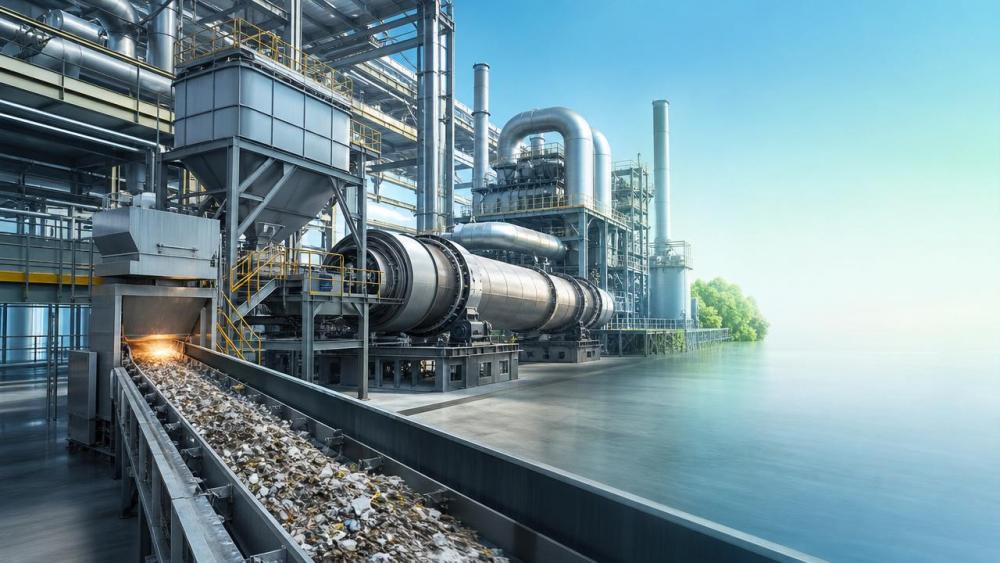
For many industrial sites, waste handling used to be a back-end cost. That view is changing fast.
Energy prices remain volatile. Environmental rules are tighter. Capital decisions now face ESG scrutiny as well as margin pressure.
In that context, industrial waste conversion is no longer just a technical upgrade. It becomes a financial and strategic choice.
Disposal can still be necessary. Yet in many operations, paying to remove calorific or reusable waste means giving away hidden value.
That is why high-temperature sectors watch this issue closely. The logic seen in cement kilns, glass furnaces, incineration systems, and refractory lines now influences wider manufacturing decisions.
CF-Elite has tracked this shift through its intelligence work on thermal systems, co-processing, and carbon reduction pathways. The recurring question is simple: when does conversion outperform disposal in real business terms?
Is industrial waste conversion simply another name for waste treatment?
Not exactly. Disposal is mainly about safe removal and compliance. Industrial waste conversion aims to recover value from waste streams.
That value may come from energy recovery, material substitution, metal recovery, alternative fuels, or feedstock reuse.
The difference matters because ROI follows value creation, not merely risk avoidance.
In practical terms, industrial waste conversion often fits operations with steady waste generation, measurable heating value, or reusable mineral content.
For example, kiln-based co-processing can replace part of conventional fuel. Certain ash or by-product streams can also replace virgin raw materials.
Disposal remains the better path when waste is unstable, contaminated beyond safe recovery, or too low in volume to justify equipment changes.
So the real comparison is not “old versus new.” It is “cost center versus recovery model.”
When does conversion beat disposal on cost, not just on sustainability claims?
The strongest cases appear when waste handling costs are already high and energy demand is continuous.
Facilities with thermal processes usually have an advantage. They can absorb recovered energy more directly than low-heat operations.
A useful way to compare options is to separate visible costs from hidden costs. Disposal invoices show only part of the picture.
The table highlights a common pattern. Disposal usually wins on simplicity. Industrial waste conversion wins when the waste stream is reliable and the recovered value is measurable.
In real projects, the payback often depends on three variables: annual waste volume, substitution rate, and uptime.
If one of those variables is weak, the business case can soften quickly. That is why technical due diligence matters as much as financial modeling.
Which waste streams usually justify industrial waste conversion?
Not every waste stream deserves the same treatment. A better question is whether the waste has stable recoverable value.
The more common candidates include combustible residues, sludge with usable calorific value, mineral by-products, and consistent production scrap.
High-temperature industries provide strong reference points here. Rotary kilns and incineration systems can process certain wastes that other facilities cannot handle safely.
That is one reason CF-Elite’s coverage of thermal management is relevant beyond silicate sectors. The engineering logic transfers well across industries.
- Waste with predictable composition is easier to convert efficiently.
- Waste requiring heavy pre-sorting may erode project returns.
- Moisture, chlorine, sulfur, and ash content can change equipment needs.
- Local permitting rules may determine whether recovery is viable at all.
In other words, the best industrial waste conversion projects start with characterization, not equipment brochures.
What do decision teams often miss when they compare ROI?
The biggest mistake is comparing disposal cost per ton against conversion capex alone. That is too narrow.
A stronger ROI model should include avoided fuel purchases, avoided carbon costs, reduced landfill exposure, and future compliance savings.
It should also include less comfortable questions. What happens if waste composition changes? What if utilization stays below target? What if permitting takes longer than expected?
In actual procurement reviews, the more reliable approach is to use a scenario model instead of a single payback number.
A practical ROI checklist
- Confirm annual waste quantity by month, not by annual average only.
- Test chemical composition and heating value across seasonal variations.
- Model substitution benefits against current fuel and raw material prices.
- Add monitoring, maintenance, operator training, and downtime assumptions.
- Stress-test the case against future environmental reporting requirements.
This is also where strategic intelligence becomes useful. Market signals, regulation shifts, and equipment trends can change ROI more than small engineering tweaks.
CF-Elite’s research focus on co-processing and digital monitoring reflects exactly that point. The best decisions usually combine plant data with external industry intelligence.
Is disposal still the better option in some cases?
Yes, and pretending otherwise creates bad investments.
Disposal may remain the smarter route when waste volumes are small, hazardous components are difficult to neutralize, or logistics dominate total cost.
It also makes sense when a facility lacks stable thermal demand, available space, or the operational discipline needed for conversion systems.
Some plants are better served by improving segregation first. Mixed waste often destroys the economics of industrial waste conversion before the project even begins.
A balanced view is more useful than a fashionable one. Conversion is not automatically superior. It is superior when recovery value is consistent, compliance is manageable, and integration risk stays controlled.
How should the next step be evaluated before choosing a path?
Start with a waste map. Identify volumes, composition, moisture, contamination risk, current disposal cost, and internal energy demand.
Then compare three routes, not two: continue disposal, partial industrial waste conversion, or full conversion with process integration.
In many facilities, the best answer is hybrid. High-value fractions go into recovery. Non-viable fractions stay in compliant disposal channels.
It also helps to benchmark against sectors already advanced in thermal reuse. Cement, incineration, glass, and refractory operations offer useful lessons on feed stability, emissions control, and uptime economics.
That is where a platform such as CF-Elite becomes relevant in a practical way. It helps connect process data, equipment pathways, and carbon strategy without reducing the issue to marketing claims.
The strongest decision usually comes from a phased review:
- Audit current waste economics and compliance exposure.
- Screen waste streams for conversion suitability.
- Validate technical fit with existing thermal or material systems.
- Build base, downside, and upside ROI scenarios.
- Set implementation checkpoints before major capex is released.
If the numbers hold under those conditions, industrial waste conversion often delivers better long-term ROI than disposal alone.
If they do not, the review still creates value by clarifying where disposal should be optimized and where future conversion may become viable.
The decision is not about following a trend. It is about knowing which waste streams can become assets, which must remain liabilities, and how to judge the difference with discipline.
Related News
![]() Ms. Elena RodriguezTechnical Comparison of Material Processing Methods: Key Factors for Process SelectionTechnical comparison for material processing made practical: learn how to evaluate energy, quality, maintenance, emissions, and feed variability to choose the right process with confidence.Jul 29, 2026
Ms. Elena RodriguezTechnical Comparison of Material Processing Methods: Key Factors for Process SelectionTechnical comparison for material processing made practical: learn how to evaluate energy, quality, maintenance, emissions, and feed variability to choose the right process with confidence.Jul 29, 2026![]() Silicate Process EngineerHow Cement Grinding Technology Affects Energy Use, Fineness, and Plant OutputCement grinding technology shapes energy use, fineness, and plant output. Learn how to compare mills, separators, drying, and control systems for smarter upgrades.Jul 28, 2026
Silicate Process EngineerHow Cement Grinding Technology Affects Energy Use, Fineness, and Plant OutputCement grinding technology shapes energy use, fineness, and plant output. Learn how to compare mills, separators, drying, and control systems for smarter upgrades.Jul 28, 2026![]() Ms. Elena RodriguezHeavy Equipment Trade Cost Trends: What Buyers Should Track in 2025Heavy equipment trade cost trends in 2025 reveal how freight, energy, lead times, and compliance reshape total equipment costs. Learn what buyers must track to reduce risk and protect budgets.Jul 27, 2026
Ms. Elena RodriguezHeavy Equipment Trade Cost Trends: What Buyers Should Track in 2025Heavy equipment trade cost trends in 2025 reveal how freight, energy, lead times, and compliance reshape total equipment costs. Learn what buyers must track to reduce risk and protect budgets.Jul 27, 2026![]() Material Heat-Resist ExpertSilicate Production Line Process Explained: Key Stages, Equipment, and Quality ControlSilicate production line process explained with key stages, core equipment, quality control, and energy checks—helping buyers and engineers assess stability, efficiency, and supplier capability.Jul 26, 2026
Material Heat-Resist ExpertSilicate Production Line Process Explained: Key Stages, Equipment, and Quality ControlSilicate production line process explained with key stages, core equipment, quality control, and energy checks—helping buyers and engineers assess stability, efficiency, and supplier capability.Jul 26, 2026 Optical Glass Tech FellowRefractory Material Science for Glass Furnaces: Key Properties That Drive Furnace LifeRefractory material science for glass furnaces explains how corrosion resistance, thermal shock, creep, and microstructure shape furnace life, glass quality, and campaign reliability.Jul 25, 2026
![]() Silicate Process EngineerCement Plant Equipment Price Guide: What Drives Cost and How to Budget WiselyCement plant equipment price explained: discover what drives costs, compare quotes wisely, spot hidden expenses, and build a smarter budget for long-term plant value.Jul 24, 2026
Silicate Process EngineerCement Plant Equipment Price Guide: What Drives Cost and How to Budget WiselyCement plant equipment price explained: discover what drives costs, compare quotes wisely, spot hidden expenses, and build a smarter budget for long-term plant value.Jul 24, 2026![]() Dr. Alistair VaughnHow Digital Twin Simulations Improve Process Plant Design, Safety, and UptimeDigital twin simulations for process plants help teams improve plant design, reduce safety risks, and protect uptime by validating thermal, control, and retrofit decisions before costly failures occur.Jul 23, 2026
Dr. Alistair VaughnHow Digital Twin Simulations Improve Process Plant Design, Safety, and UptimeDigital twin simulations for process plants help teams improve plant design, reduce safety risks, and protect uptime by validating thermal, control, and retrofit decisions before costly failures occur.Jul 23, 2026![]() Thermal Energy ArchitectRotary Kilns Price Guide: What Determines Cost and How to Compare Quotes?Rotary kilns price varies by capacity, fuel, refractory, automation, and emissions scope. Learn what drives cost, what cheap quotes may miss, and how to compare suppliers wisely.Jul 22, 2026
Thermal Energy ArchitectRotary Kilns Price Guide: What Determines Cost and How to Compare Quotes?Rotary kilns price varies by capacity, fuel, refractory, automation, and emissions scope. Learn what drives cost, what cheap quotes may miss, and how to compare suppliers wisely.Jul 22, 2026 Ms. Elena RodriguezHow to Evaluate Green Building Material Equipment Suppliers in Europe?Green building material equipment Europe buyers: learn how to evaluate suppliers by technical fit, compliance, lifecycle cost, and after-sales support for smarter sourcing decisions.Jul 21, 2026
![]() Thermal Energy ArchitectHow to Evaluate an Energy Efficient Tunnel Kiln for Lower Fuel Costs and Stable OutputEnergy efficient tunnel kiln evaluation starts with fuel cost, but real value comes from thermal stability, heat recovery, and consistent output. Learn what truly lowers cost per qualified ton.Jul 20, 2026
Thermal Energy ArchitectHow to Evaluate an Energy Efficient Tunnel Kiln for Lower Fuel Costs and Stable OutputEnergy efficient tunnel kiln evaluation starts with fuel cost, but real value comes from thermal stability, heat recovery, and consistent output. Learn what truly lowers cost per qualified ton.Jul 20, 2026![]() Ms. Elena RodriguezSustainable Material Production Compliance: Key Standards, Risks, and Audit ChecksSustainable material production compliance explained: key standards, audit checks, and hidden plant risks across cement, glass, and thermal lines—learn how to spot gaps before audits fail.Jul 19, 2026
Ms. Elena RodriguezSustainable Material Production Compliance: Key Standards, Risks, and Audit ChecksSustainable material production compliance explained: key standards, audit checks, and hidden plant risks across cement, glass, and thermal lines—learn how to spot gaps before audits fail.Jul 19, 2026![]() Thermal Energy ArchitectProcess Monitoring for Incinerators: Key Parameters, Sensors, and Compliance ChecksProcess monitoring for incinerators covers key parameters, sensor selection, and compliance checks to improve combustion stability, emissions control, and plant performance.Jul 18, 2026
Thermal Energy ArchitectProcess Monitoring for Incinerators: Key Parameters, Sensors, and Compliance ChecksProcess monitoring for incinerators covers key parameters, sensor selection, and compliance checks to improve combustion stability, emissions control, and plant performance.Jul 18, 2026![]() Thermal Energy ArchitectWhat Is Industrial Co-Processing? Process, Acceptable Waste Types, and Kiln Use CasesIndustrial co-processing explained: learn the process, acceptable waste types, and kiln use cases in cement and thermal industries to improve efficiency, compliance, and resource recovery.Jul 17, 2026
Thermal Energy ArchitectWhat Is Industrial Co-Processing? Process, Acceptable Waste Types, and Kiln Use CasesIndustrial co-processing explained: learn the process, acceptable waste types, and kiln use cases in cement and thermal industries to improve efficiency, compliance, and resource recovery.Jul 17, 2026![]() Ms. Elena RodriguezGlass Industry Intelligence in Europe: Key Market Signals Buyers Should TrackGlass industry intelligence Europe reveals the key market signals buyers should track, from energy and carbon exposure to furnace upgrades and usable capacity for smarter sourcing decisions.Jul 16, 2026
Ms. Elena RodriguezGlass Industry Intelligence in Europe: Key Market Signals Buyers Should TrackGlass industry intelligence Europe reveals the key market signals buyers should track, from energy and carbon exposure to furnace upgrades and usable capacity for smarter sourcing decisions.Jul 16, 2026![]() Ms. Elena RodriguezIndustrial Market Intelligence in North America: What Buyers Should Track in Supply, Pricing, and DemandIndustrial market intelligence North America reveals what buyers must track in supply, pricing, demand, and compliance to reduce risk and time smarter industrial investments.Jul 15, 2026
Ms. Elena RodriguezIndustrial Market Intelligence in North America: What Buyers Should Track in Supply, Pricing, and DemandIndustrial market intelligence North America reveals what buyers must track in supply, pricing, demand, and compliance to reduce risk and time smarter industrial investments.Jul 15, 2026![]() Optical Glass Tech FellowCommon Problems in Glass Annealing Lehr Systems and How to Improve Temperature UniformityGlass annealing lehr systems often suffer from uneven cooling, stress, and defects. Learn common causes and practical fixes to improve temperature uniformity, quality, and line stability.Jul 15, 2026
Optical Glass Tech FellowCommon Problems in Glass Annealing Lehr Systems and How to Improve Temperature UniformityGlass annealing lehr systems often suffer from uneven cooling, stress, and defects. Learn common causes and practical fixes to improve temperature uniformity, quality, and line stability.Jul 15, 2026![]() Optical Glass Tech FellowOxy Fuel Glass Melting Furnace vs Air-Fuel Systems: Which Fits Your Glass Plant Better?Oxy fuel glass melting furnace or air-fuel system? Compare energy use, NOx, melt quality, oxygen cost, and ROI to choose the best-fit furnace for your glass plant.Jul 15, 2026
Optical Glass Tech FellowOxy Fuel Glass Melting Furnace vs Air-Fuel Systems: Which Fits Your Glass Plant Better?Oxy fuel glass melting furnace or air-fuel system? Compare energy use, NOx, melt quality, oxygen cost, and ROI to choose the best-fit furnace for your glass plant.Jul 15, 2026![]() Dr. Alistair VaughnSilicate Processing Equipment Production Line: Key Machines, Layout Options, and Output PlanningSilicate processing equipment production line guide covering key machines, layout models, output planning, and control strategies to help improve efficiency, stability, and project ROI.Jul 15, 2026
Dr. Alistair VaughnSilicate Processing Equipment Production Line: Key Machines, Layout Options, and Output PlanningSilicate processing equipment production line guide covering key machines, layout models, output planning, and control strategies to help improve efficiency, stability, and project ROI.Jul 15, 2026![]() Material Heat-Resist ExpertHow to Evaluate a Refractory Production Line in Southeast Asia: Capacity, Fuel, and Raw Material FactorsRefractory production Southeast Asia: learn how to assess capacity, fuel strategy, and raw material stability to reduce risk, improve efficiency, and build a scalable, compliant plant.Jul 15, 2026
Material Heat-Resist ExpertHow to Evaluate a Refractory Production Line in Southeast Asia: Capacity, Fuel, and Raw Material FactorsRefractory production Southeast Asia: learn how to assess capacity, fuel strategy, and raw material stability to reduce risk, improve efficiency, and build a scalable, compliant plant.Jul 15, 2026![]() Ms. Elena RodriguezIndustrial Solution Comparison for Procurement: How to Compare CAPEX, OPEX, and Delivery RiskIndustrial solution comparison procurement made practical: compare CAPEX, OPEX, and delivery risk with a lifecycle approach to reduce downtime, control cost, and choose suppliers with confidence.Jul 14, 2026
Ms. Elena RodriguezIndustrial Solution Comparison for Procurement: How to Compare CAPEX, OPEX, and Delivery RiskIndustrial solution comparison procurement made practical: compare CAPEX, OPEX, and delivery risk with a lifecycle approach to reduce downtime, control cost, and choose suppliers with confidence.Jul 14, 2026

Related News
- 00
0000-00
Technical Comparison of Material Processing Methods: Key Factors for Process Selection - 00
0000-00
Heavy Equipment Trade Cost Trends: What Buyers Should Track in 2025 - 00
0000-00
How to Evaluate Green Building Material Equipment Suppliers in Europe? - 00
0000-00
Sustainable Material Production Compliance: Key Standards, Risks, and Audit Checks - 00
0000-00
Glass Industry Intelligence in Europe: Key Market Signals Buyers Should Track
Weekly Insights
Stay ahead with our curated technology reports delivered every Monday.