
Global Building Material Intelligence: What Buyers Should Track in Supply, Pricing, and Risk




Volatile freight, energy shocks, emissions rules, and uneven construction demand have changed how sourcing decisions are made. In this setting, global building material intelligence is less about reading market headlines and more about connecting supply, pricing, technical fit, and risk across cement, glass, kilns, refractories, and extrusion systems.
That broader view matters because heavy industrial equipment and process materials move through long cycles. A price shift today may reflect fuel costs, plant utilization, carbon policy, maintenance outages, or port congestion several regions away.
For organizations comparing suppliers or planning capacity, the useful question is not only where prices stand. The better question is what signals explain those prices, how durable those signals are, and where operational exposure could appear next.
Why global building material intelligence now carries more decision weight

Building material supply chains have become more technical and more political at the same time. Thermal efficiency targets, waste co-processing rules, export controls, and local subsidy programs now shape availability as much as manufacturing capacity does.
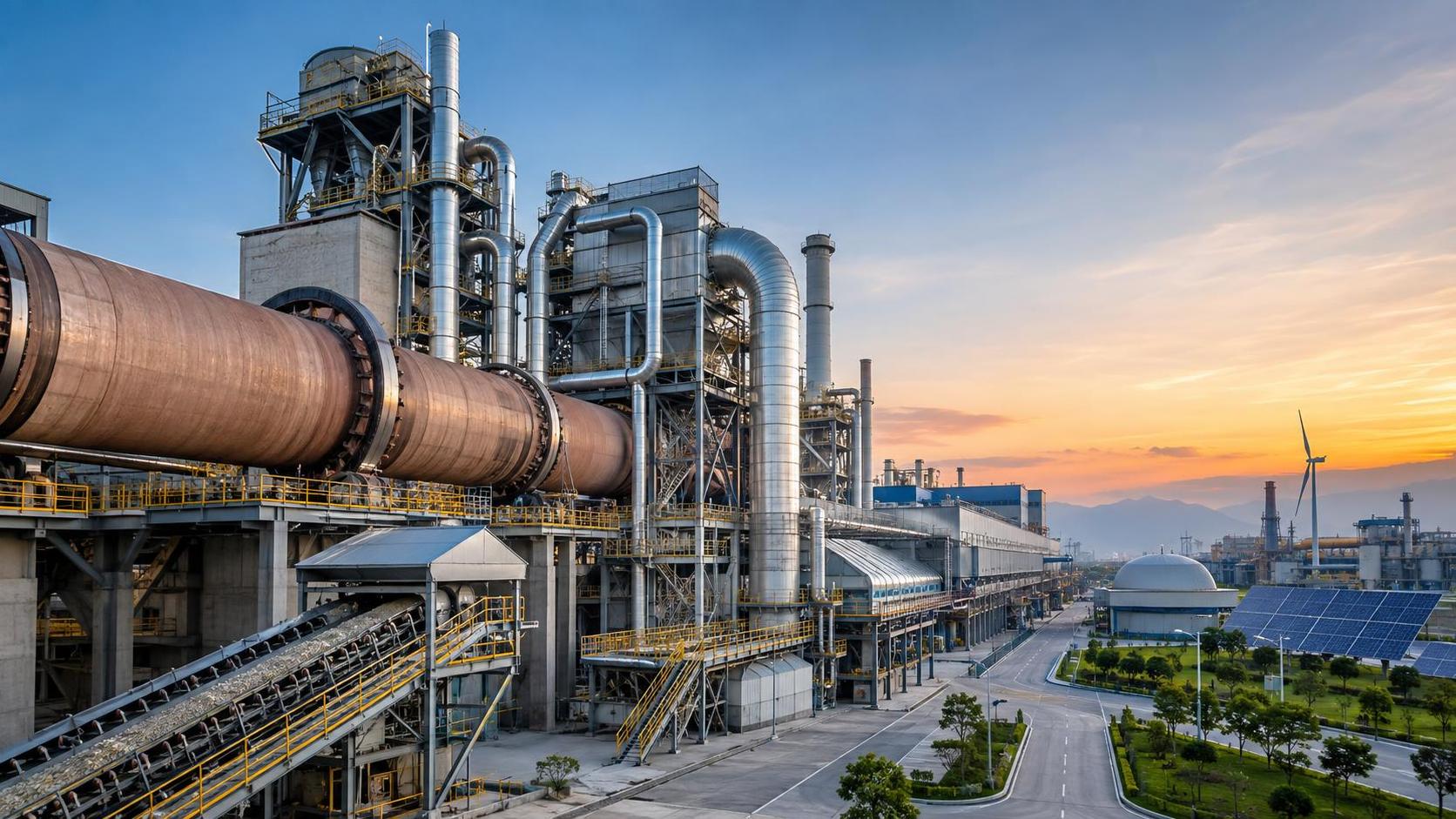
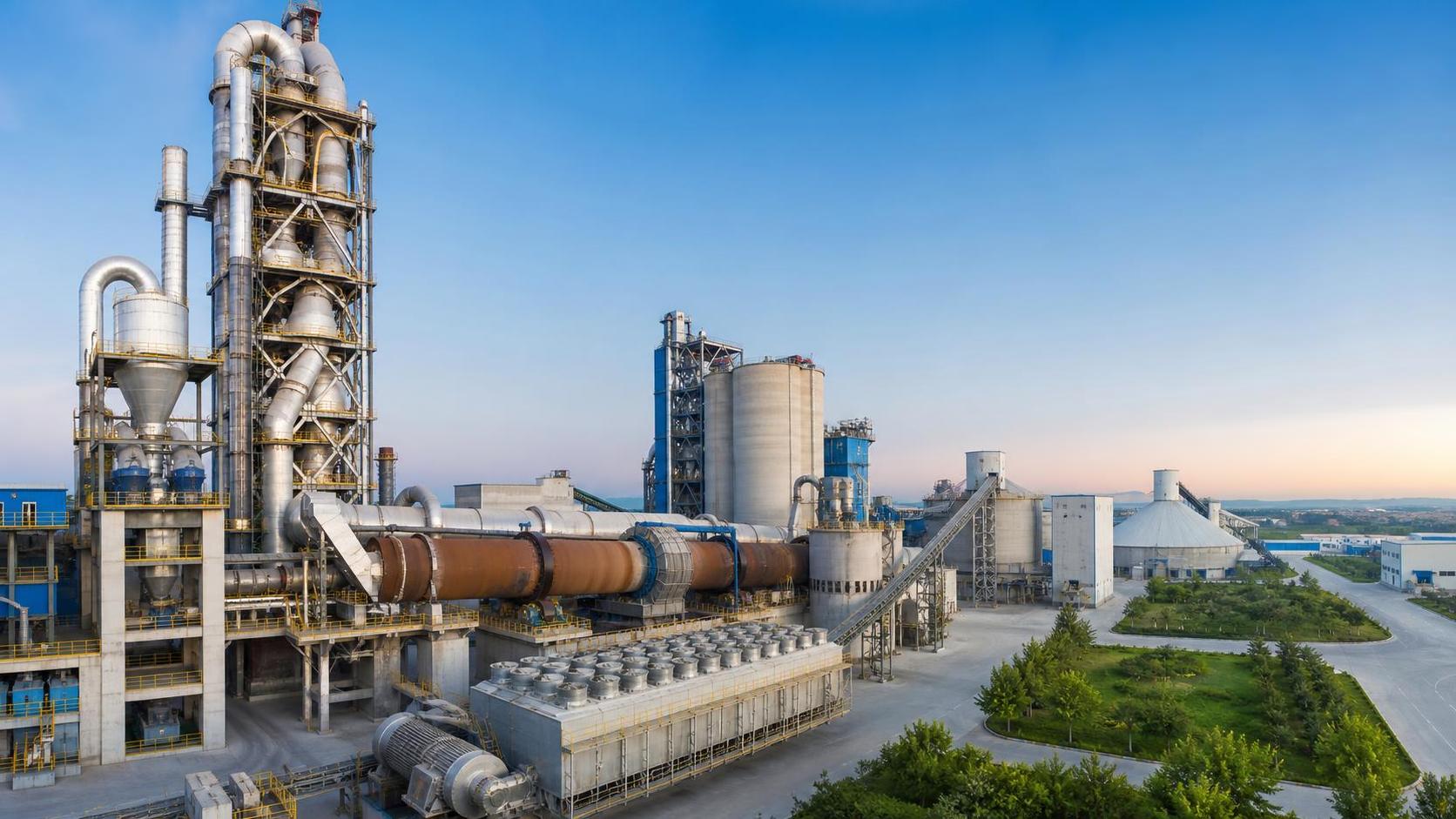
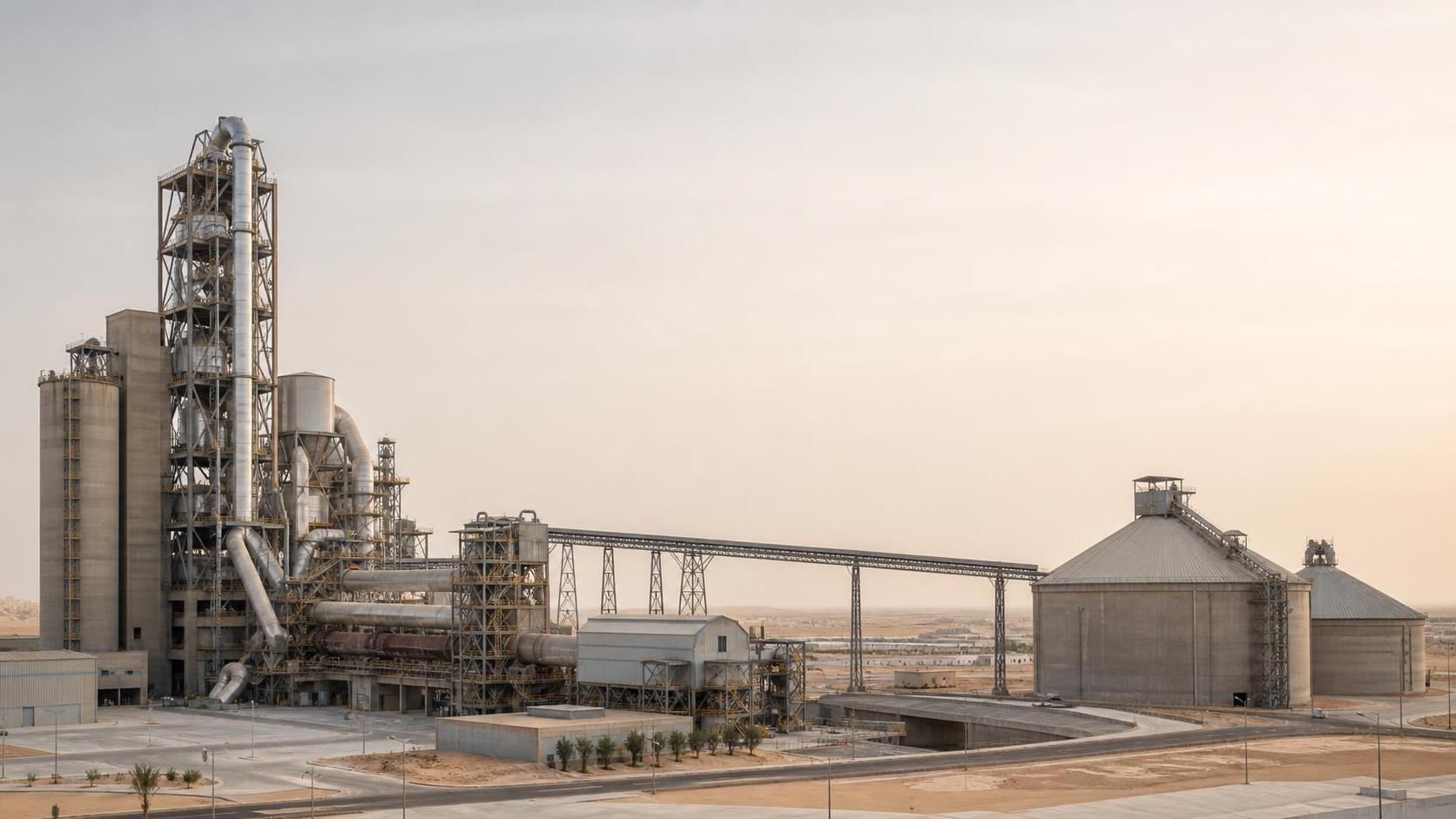
This is especially visible in high-temperature sectors. Cement lines depend on fuel strategy and dust control performance. Glass systems react sharply to energy pricing and furnace uptime. Refractory supply depends on mineral quality, lining life, and heat-load expectations.
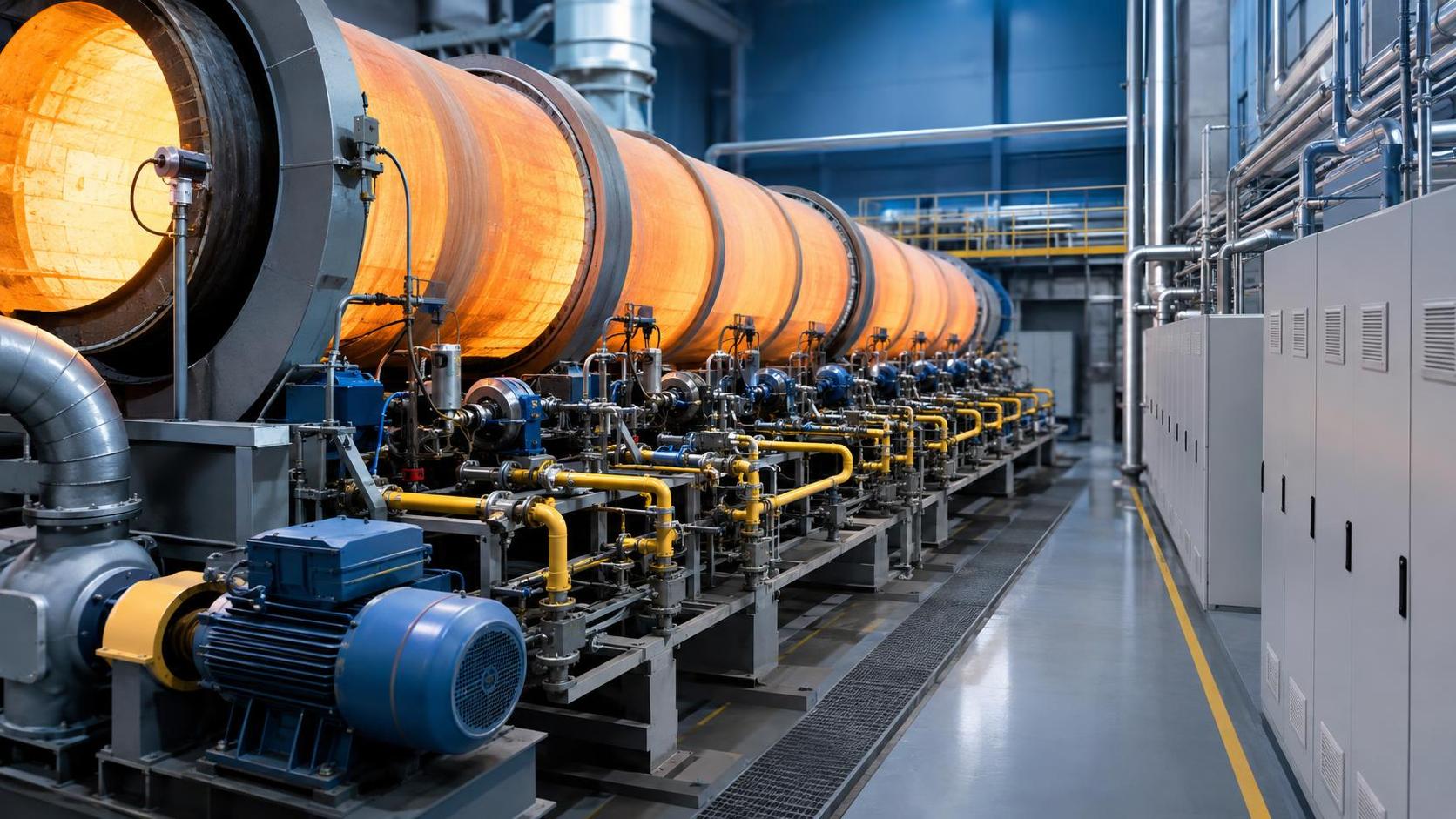
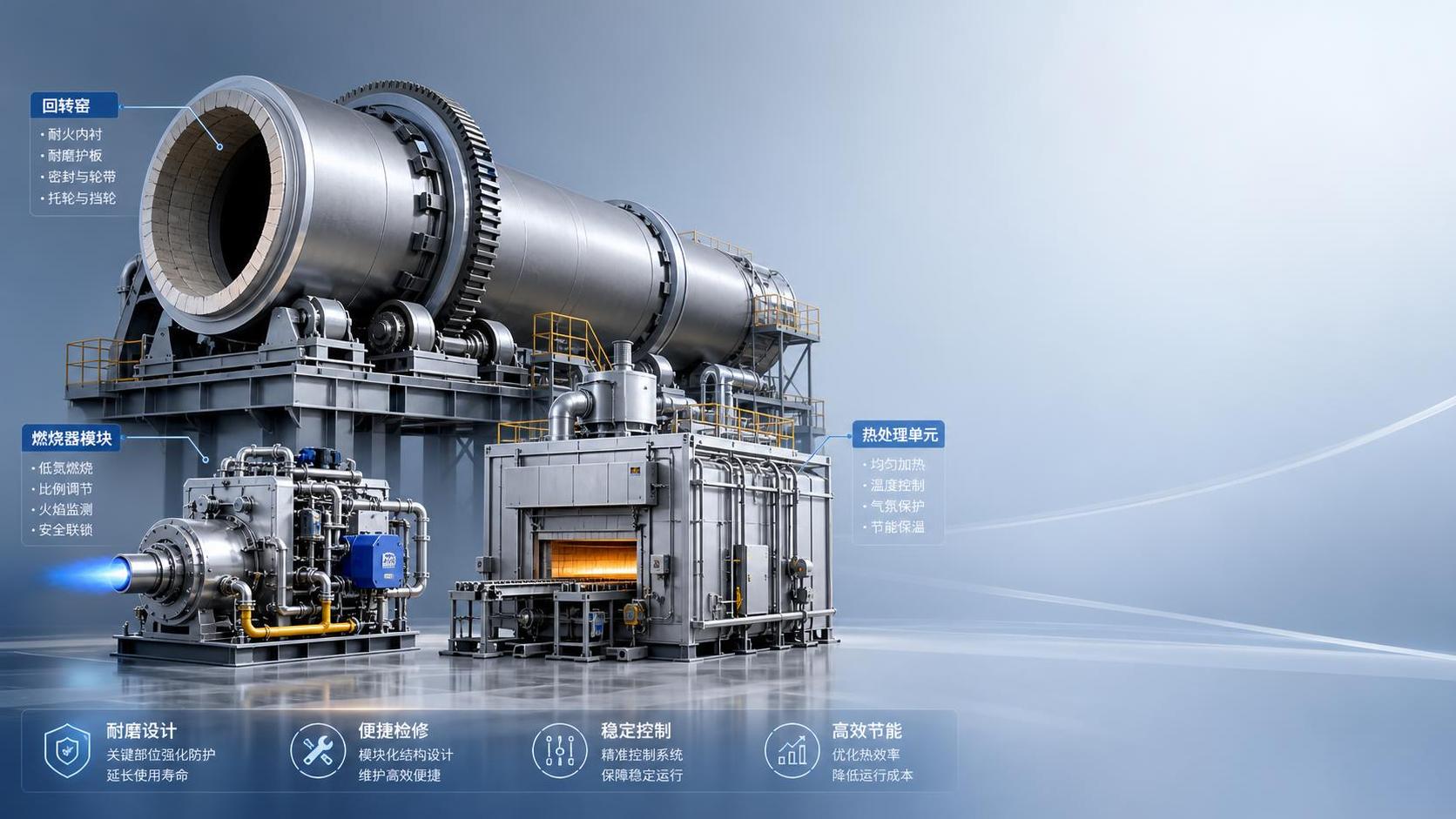
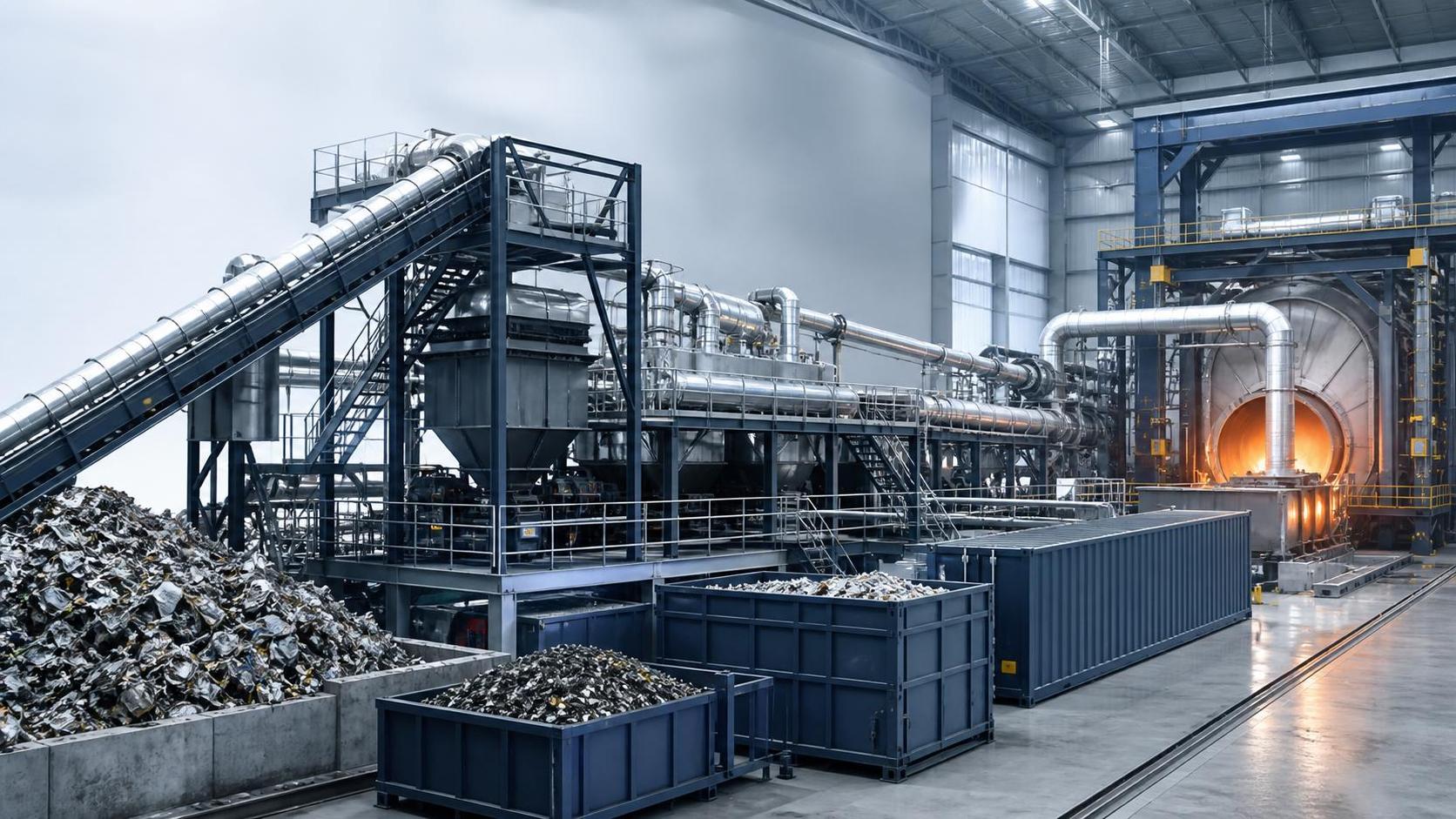
Industrial kilns, incineration assets, and new building material extrusion lines add another layer. Their economics are tied to feedstock stability, automation depth, spare-part access, and environmental permitting.
This is where global building material intelligence becomes practical. It helps turn scattered updates into a sourcing map that explains whether a market is tight, temporarily distorted, or structurally changing.
What the term really covers in daily sourcing work
In practical terms, global building material intelligence combines market data with process understanding. It tracks not only who can supply, but also which technical and regulatory variables will affect delivered performance.
For heavy industrial categories, that means reading markets through five linked lenses: production capacity, energy exposure, logistics reliability, compliance pressure, and lifecycle efficiency.
A supplier with attractive pricing may still carry hidden risk if its plant depends on unstable power, constrained raw minerals, or a refractory design unsuited to the intended thermal profile.
A higher initial offer may prove safer if it includes stronger combustion control, digital monitoring, better emissions alignment, and lower unplanned shutdown probability.
CF-Elite’s market perspective is built around this exact intersection. Its coverage of silicate processes, thermal management, and carbon transition issues helps link price signals to engineering reality rather than treating procurement as a spreadsheet exercise alone.
The signals worth tracking across supply and pricing
Some indicators move faster than contracts. Others reveal structural pressure early. The most reliable decisions usually come from watching both.
Short-cycle market signals
- Fuel and electricity costs in major manufacturing regions.
- Freight rates, port delays, and inland transport bottlenecks.
- Scheduled shutdowns, furnace rebuilds, and kiln maintenance windows.
- Currency volatility affecting imported equipment and mineral inputs.
- Seasonal construction demand and public infrastructure releases.
Structural pricing signals
- Carbon pricing frameworks and emissions reporting obligations.
- Access to quality silica, alumina, magnesia, and other core minerals.
- Shifts toward waste heat recovery, co-processing, and smarter controls.
- Regional investment in green building materials and lightweight products.
- Replacement cycles for aging industrial plants and process lines.
When those two groups of signals point in the same direction, the market trend is usually more durable. When they conflict, short-term price movements may be misleading.
How risk looks different by category
Not every building material segment carries the same risk pattern. A useful global building material intelligence framework separates them by operating logic, not only by product name.
This category view is useful because it prevents false comparisons. A low bid on equipment for one thermal environment may underperform badly in another.
Where compliance and carbon strategy enter the buying equation
Price pressure is visible. Compliance pressure is often quieter, but it can reshape total cost more dramatically over time. That includes emissions caps, waste treatment rules, traceability requests, and local content requirements.
In high-temperature industries, carbon reduction is not only a reporting topic. It affects burner design, heat recovery choices, digital controls, refractory wear, and the feasibility of alternative fuels.
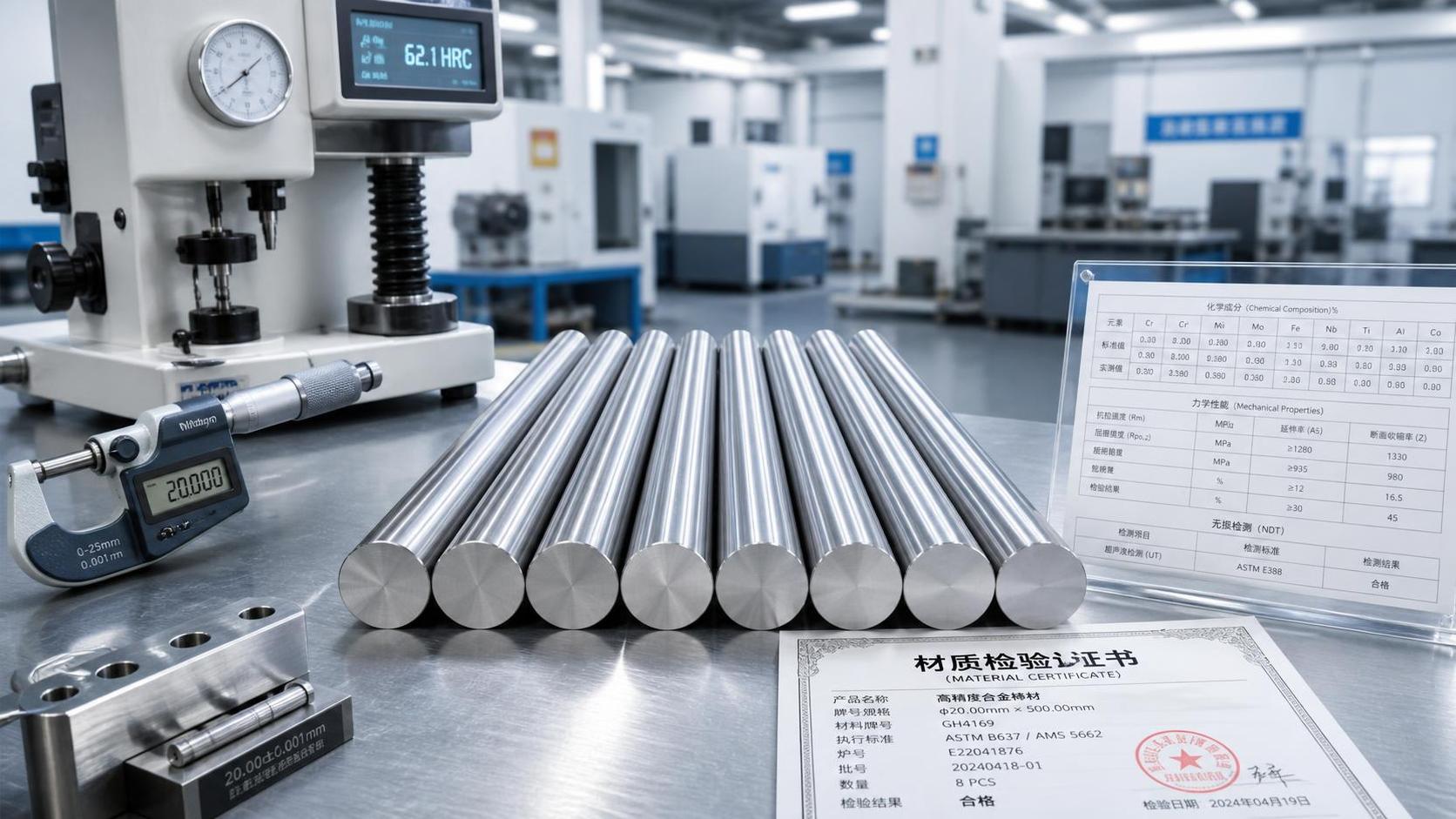
Global building material intelligence should therefore include technical documentation review. Certifications matter, but so do process assumptions behind them.
A line presented as efficient under one operating load may behave differently under unstable feedstock, higher moisture, or tighter emissions standards. Those gaps often appear only after installation if they are not checked early.
CF-Elite’s focus on ultra-high temperature parameters and chemical reaction kinetics is relevant here. It adds context for understanding whether claims about decarbonization or energy efficiency are operationally credible.
Turning intelligence into a workable sourcing framework
The most effective use of global building material intelligence is not constant market watching. It is building a repeatable way to compare offers, timing, and exposure.
A practical review sequence
- Define the thermal, chemical, and throughput conditions clearly.
- Separate base price from energy, maintenance, and compliance cost.
- Check supplier dependence on volatile minerals or constrained logistics routes.
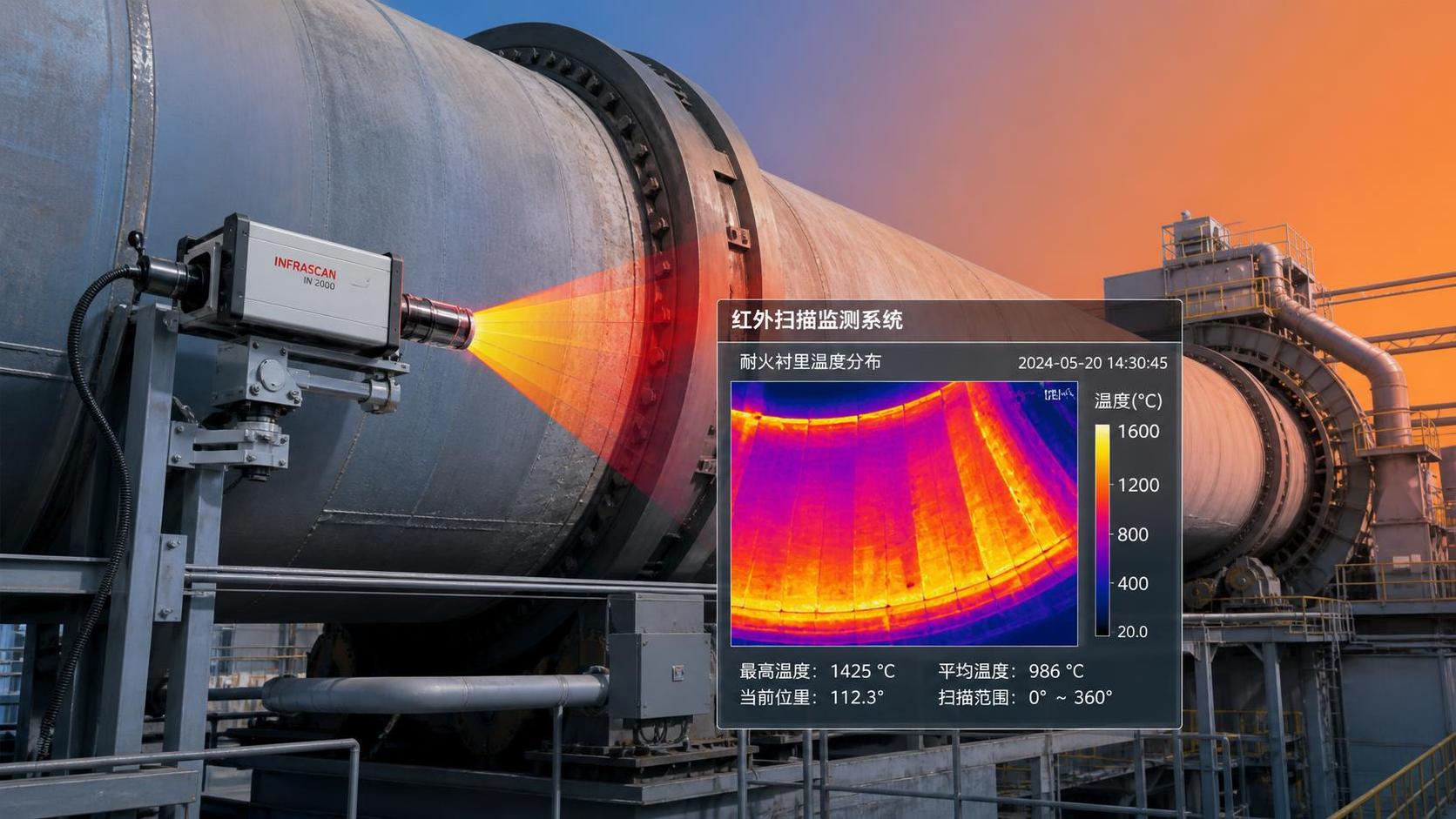
- Review uptime support, monitoring capability, and spare-part lead times.
- Test whether environmental claims match local regulatory conditions.
- Compare lifecycle resilience, not only commissioning cost.
This sequence is especially relevant for long-cycle assets. Kilns, float lines, refractory systems, and extrusion units are difficult to replace quickly once installed. Early intelligence reduces expensive correction later.
What to watch next in the market
Several trends deserve close attention over the next planning cycle. One is the tighter link between environmental policy and industrial equipment design. Another is the rise of digital twins, online monitoring, and predictive maintenance as sourcing criteria rather than optional upgrades.
A third trend is the changing demand mix. Urban renewal, lower-carbon construction, PV glass expansion, and lightweight material systems are creating uneven growth across categories and regions.
That unevenness makes static supplier lists less reliable. A partner strong in one market phase may become less competitive when energy tariffs, refractory inputs, or emissions enforcement shift.
For that reason, global building material intelligence should be treated as an ongoing discipline. It is most useful when it links market movement, plant physics, and regulatory direction into a single decision view.
A sensible next step is to review current sourcing categories against three filters: exposure to energy volatility, exposure to compliance change, and exposure to downtime. From there, compare suppliers and projects with a clearer set of priorities, and use market intelligence sources such as CF-Elite to validate assumptions before commitments become costly.
Related News
 Optical Glass Tech FellowHow to Evaluate a Glass Annealing Equipment Manufacturer for Production StabilityChoose a glass annealing equipment manufacturer with proven thermal uniformity, reliable controls, lifecycle value, and responsive service for stable production.Sep 08, 2026
 Prof. Marcus ChenThermal Energy Architecture in North America: Strategies for Lower Building Energy UseThermal energy architecture North America helps project leaders cut building energy use through stronger envelopes, right-sized HVAC, storage, and smart commissioning.Sep 07, 2026
 Ms. Elena RodriguezHow Should Buyers Evaluate Building Material Industry Intelligence Pricing?Building material industry intelligence pricing: learn how to compare coverage, technical depth, and ROI to choose intelligence that reduces procurement risk.Sep 07, 2026
 Ms. Elena RodriguezHow to Use Building Material Intelligence Data for Market and Investment DecisionsBuilding material industry intelligence data helps leaders evaluate demand, costs, regulation, capacity, and technology to make smarter market and investment decisions.Sep 05, 2026
 Thermal Energy ArchitectHow PLC Control Improves Energy Efficiency and Temperature Stability in KilnsEnergy efficient kilns PLC control improves temperature stability, cuts fuel waste, and optimizes combustion, draft, and material flow. Explore proven strategies for smarter kiln modernization.Sep 04, 2026
 Optical Glass Tech FellowEuropean Glass Melting Processes: Furnace Choices, Energy Use, and Quality ControlGlass melting process Europe: explore furnace choices, energy efficiency, cullet strategy, and quality control to improve output, compliance, and long-term glass performance.Sep 03, 2026
 Thermal Energy ArchitectWhat Determines Refractory Lining Monitoring Price for Industrial Kilns?Refractory lining monitoring price depends on kiln size, sensor technology, installation, software, and support. Compare total lifecycle costs and choose the right solution.Sep 02, 2026
 Silicate Process EngineerCement Production System Costs: A Plant Buyer’s Guide to Budgeting and ROICement production systems cost planning made clear: compare CAPEX, operating costs, compliance, and ROI to build a resilient, profitable cement plant investment.Sep 01, 2026
 Dr. Alistair VaughnWhat Should a Process Technology Database Track for High-Temperature Plants?Process technology database essentials for high-temperature plants: track thermal profiles, feed chemistry, refractory wear, emissions, energy, and maintenance for safer, data-driven decisions.Aug 31, 2026
 Ms. Elena RodriguezHow to Evaluate a Silicate Processing Equipment Manufacturer for Plant ProjectsSilicate processing equipment manufacturer selection: assess process fit, guarantees, energy, compliance, delivery risk, and lifecycle support for dependable plant performance.Aug 30, 2026
 Dr. Alistair VaughnHow to Specify Custom Agricultural Processing Equipment for Throughput and HygieneEquipment customization services for agricultural processing: learn to specify hygienic, high-throughput lines that improve yield, reliability, and long-term efficiency.Aug 29, 2026
 Dr. Alistair VaughnHow to Select Process Plant Equipment for High-Temperature, Abrasive Production LinesProcess plant equipment selection for high-temperature, abrasive lines: reduce downtime, improve durability, and optimize lifecycle performance.Aug 28, 2026
 Silicate Process EngineerHow Kiln Heat Recovery Systems Cut Fuel Use in Cement and Lime ProductionKiln heat recovery helps cement and lime plants cut fuel use, improve thermal stability, and build practical, reliable decarbonization strategies.Aug 27, 2026
 Ms. Elena RodriguezProcess Equipment Comparison: Which Metrics Matter Most for Reliable Selection?Process equipment comparison made practical: discover which metrics truly drive reliable selection, from energy efficiency and control stability to wear life, maintainability, and uptime.Aug 26, 2026
 Ms. Elena RodriguezWhat Buyers Should Check Before Sourcing Precision Alloy Bars for Critical PartsPrecision Alloy Bars buyers should verify grade, chemistry, tolerances, surface quality, traceability, and lead time before sourcing for critical parts. Learn what prevents costly machining and reliability risks.Aug 27, 2026
 Ms. Elena RodriguezHow to Evaluate Thermal Management Solutions Insulation for High-Heat Industrial SystemsThermal management solutions insulation: learn how to assess high-heat industrial systems by thermal performance, durability, lifecycle cost, and supplier data for smarter decisions.Aug 25, 2026
 Ms. Elena RodriguezWhat Drives Waste Recycling Cost in Industrial Projects and How to Estimate It?Waste recycling cost in industrial projects depends on composition, moisture, transport, pre-treatment, and compliance. Learn how to estimate it accurately and compare suppliers with confidence.Aug 24, 2026
 Silicate Process EngineerHow to Evaluate Cement Production Plants in the Middle East for Capacity, Fuel Flexibility, and ROIcement production plants Middle East: Learn how to assess true capacity, fuel flexibility, and ROI risks to identify resilient assets and smarter investment opportunities.Aug 23, 2026
 Structural Material AnalystHow to Evaluate Lightweight Material Machinery for Output, Energy Use, and Product QualityLightweight material machinery evaluation guide: compare stable output, energy use, and product quality to choose equipment that cuts waste, lowers costs, and improves production confidence.Aug 22, 2026
 Material Heat-Resist ExpertWhat Determines Refractory Production Line Price in a Turnkey Plant Project?Refractory production line price depends on raw materials, forming method, kiln and drying design, automation, utilities, and scope. Learn what really drives turnkey plant cost before you invest.Aug 21, 2026







Related News
- 00
0000-00
How Should Buyers Evaluate Building Material Industry Intelligence Pricing? - 00
0000-00
How to Use Building Material Intelligence Data for Market and Investment Decisions - 00
0000-00
How to Evaluate a Silicate Processing Equipment Manufacturer for Plant Projects - 00
0000-00
Process Equipment Comparison: Which Metrics Matter Most for Reliable Selection? - 00
0000-00
What Buyers Should Check Before Sourcing Precision Alloy Bars for Critical Parts
Weekly Insights
Stay ahead with our curated technology reports delivered every Monday.