
Industrial Decarbonization Insights: How Manufacturers Prioritize the Highest-Impact Projects




Industrial Decarbonization Insights: How Manufacturers Prioritize the Highest-Impact Projects
Industrial decarbonization insights are changing how manufacturers judge capital allocation, fuel strategy, and operating risk.
In energy-intensive sectors, the issue is rarely awareness.
The harder task is choosing which projects create the strongest business case first.
That matters even more in cement, glass, kilns, incineration, refractory production, and extrusion lines.
These operations face high heat loads, volatile energy prices, rising carbon rules, and long asset cycles.
From recent market shifts, one signal stands out.
Leaders do not chase the most visible project.
They rank projects by measurable impact across cost, uptime, emissions, and strategic flexibility.
That is where practical industrial decarbonization insights become valuable.
For buyers and planners, better prioritization reduces wasted investment and improves procurement timing.
Why project prioritization now drives decarbonization results
Decarbonization is no longer a side program.
It now shapes procurement decisions, maintenance planning, and supplier evaluation.
In high-temperature industries, budgets are limited and shutdown windows are short.
That means every upgrade must earn its place.
The best industrial decarbonization insights connect carbon reduction with production economics.
A project becomes attractive when it cuts fuel use, stabilizes quality, and lowers compliance exposure.
That is why heat recovery, burner optimization, alternative fuel systems, and digital monitoring often move ahead first.
They deliver visible operational returns before more capital-heavy technologies mature.
This also explains why many manufacturers treat carbon strategy as a sequencing problem, not a single purchase.
What decision-makers typically rank first
- Projects with fast payback and low integration risk.
- Upgrades that improve energy intensity per ton.
- Systems that reduce downtime or unstable thermal performance.
- Solutions that support future fuel switching or tighter emissions limits.
- Digital tools that turn process data into procurement and maintenance decisions.
The five filters behind high-impact project selection
Strong industrial decarbonization insights usually pass through five filters.
These filters help compare projects that look attractive on paper but behave differently in the plant.
1. Carbon impact per dollar invested
The first question is simple.
How much emissions reduction comes from each unit of capital?
For many facilities, combustion tuning beats large frontier investments in the early phase.
2. Energy cost reduction
Energy remains the fastest bridge between sustainability and profit.
If a project cuts fuel and power demand, it usually gains priority quickly.
3. Process stability and throughput
A decarbonization project loses value if it disrupts yield or quality.
Manufacturers therefore favor solutions that improve thermal balance and material consistency.
4. Compliance and future readiness
Some projects matter because regulation is moving faster than replacement cycles.
Equipment that supports lower emissions today and fuel flexibility tomorrow carries extra value.
5. Implementation risk
Good industrial decarbonization insights also test execution reality.
If spare parts, engineering support, refractory life, or operator readiness are weak, the ranking should change.
Where manufacturers often find the earliest wins
In practice, the first wave of decarbonization usually targets thermal efficiency.
That is especially true for foundation-material and heat-intensive operations.
CF-Elite closely tracks this pattern across kilns, glass lines, and material processing systems.
The reason is practical.
Thermal losses are measurable, persistent, and expensive.
That makes them ideal starting points for procurement-led improvement.
Typical high-priority categories
- Waste heat recovery for kilns, furnaces, and incineration systems.
- Burner and combustion control retrofits.
- Advanced refractory upgrades that cut shell heat loss.
- Alternative fuel handling and dosing systems.
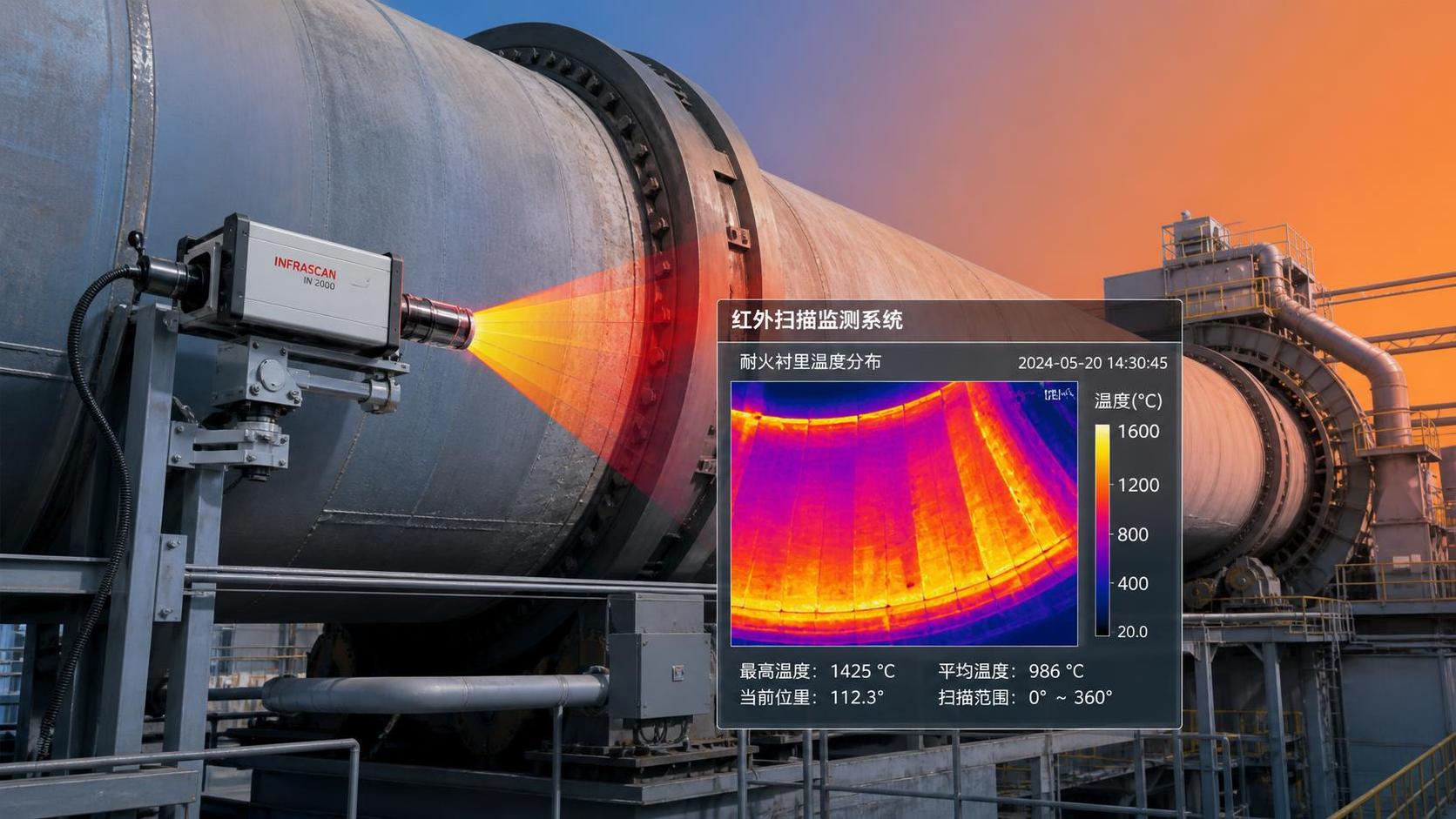
- Digital twin and online monitoring platforms for thermal assets.
- Electric drive, fan, and compressed air efficiency improvements.
These options appear repeatedly in industrial decarbonization insights because they combine technical familiarity with controllable payback.
They also build a stronger base for larger future steps, including carbon capture or deeper electrification.
How to compare projects with a procurement lens
A technical ranking is useful, but procurement needs a clearer decision frame.
This is where industrial decarbonization insights become more commercial and actionable.
Instead of asking which technology sounds advanced, ask which package lowers total ownership risk.
In real operations, buyers also compare retrofit depth against replacement timing.
A modest upgrade today may be smarter if a full line rebuild is already planned within several years.
Common mistakes that weaken decarbonization investment
Not every low-carbon project creates high value.
That is why honest industrial decarbonization insights must include failure patterns.
- Choosing technology before auditing the real heat and process bottlenecks.
- Using carbon targets without linking them to throughput and quality metrics.
- Ignoring refractory behavior during fuel or temperature profile changes.
- Overvaluing vendor claims without site-specific performance data.
- Treating digital monitoring as optional rather than operational infrastructure.
These mistakes are expensive because they hide in otherwise reasonable proposals.
A better process starts with baseline measurement, then ranks options by site conditions and commercial consequences.
What stronger industrial decarbonization insights look like in practice
The strongest strategies are rarely dramatic.
They are structured, phased, and linked to operating evidence.
CF-Elite follows this logic across foundation materials and thermal management systems worldwide.
Its intelligence focus is useful because it connects ultra-high temperature parameters, reaction kinetics, and global carbon reduction strategy.
That broader view helps compare equipment not only by specification, but by long-cycle industrial value.
A practical selection path
- Audit fuel, electricity, heat loss, and process deviation data.
- Map projects by carbon impact, cost savings, and downtime effect.
- Shortlist options that improve both efficiency and resilience.
- Validate supplier execution strength and post-installation support.
- Sequence quick wins before complex infrastructure shifts.
This approach keeps industrial decarbonization insights grounded in plant reality.
It also gives procurement teams a clearer way to defend investment timing.
In the end, the highest-impact project is not always the largest or newest.
It is the one that cuts emissions while strengthening energy performance, equipment reliability, and future optionality.
That is the core message behind today’s most useful industrial decarbonization insights.
Start with measurable thermal and process opportunities, compare them through a total-value lens, and build the roadmap in stages that the operation can truly absorb.
Related News
 Optical Glass Tech FellowHow to Evaluate a Glass Annealing Equipment Manufacturer for Production StabilityChoose a glass annealing equipment manufacturer with proven thermal uniformity, reliable controls, lifecycle value, and responsive service for stable production.Sep 08, 2026
 Prof. Marcus ChenThermal Energy Architecture in North America: Strategies for Lower Building Energy UseThermal energy architecture North America helps project leaders cut building energy use through stronger envelopes, right-sized HVAC, storage, and smart commissioning.Sep 07, 2026
 Ms. Elena RodriguezHow Should Buyers Evaluate Building Material Industry Intelligence Pricing?Building material industry intelligence pricing: learn how to compare coverage, technical depth, and ROI to choose intelligence that reduces procurement risk.Sep 07, 2026
 Ms. Elena RodriguezHow to Use Building Material Intelligence Data for Market and Investment DecisionsBuilding material industry intelligence data helps leaders evaluate demand, costs, regulation, capacity, and technology to make smarter market and investment decisions.Sep 05, 2026
 Thermal Energy ArchitectHow PLC Control Improves Energy Efficiency and Temperature Stability in KilnsEnergy efficient kilns PLC control improves temperature stability, cuts fuel waste, and optimizes combustion, draft, and material flow. Explore proven strategies for smarter kiln modernization.Sep 04, 2026
 Optical Glass Tech FellowEuropean Glass Melting Processes: Furnace Choices, Energy Use, and Quality ControlGlass melting process Europe: explore furnace choices, energy efficiency, cullet strategy, and quality control to improve output, compliance, and long-term glass performance.Sep 03, 2026
 Thermal Energy ArchitectWhat Determines Refractory Lining Monitoring Price for Industrial Kilns?Refractory lining monitoring price depends on kiln size, sensor technology, installation, software, and support. Compare total lifecycle costs and choose the right solution.Sep 02, 2026
 Silicate Process EngineerCement Production System Costs: A Plant Buyer’s Guide to Budgeting and ROICement production systems cost planning made clear: compare CAPEX, operating costs, compliance, and ROI to build a resilient, profitable cement plant investment.Sep 01, 2026
 Dr. Alistair VaughnWhat Should a Process Technology Database Track for High-Temperature Plants?Process technology database essentials for high-temperature plants: track thermal profiles, feed chemistry, refractory wear, emissions, energy, and maintenance for safer, data-driven decisions.Aug 31, 2026
 Ms. Elena RodriguezHow to Evaluate a Silicate Processing Equipment Manufacturer for Plant ProjectsSilicate processing equipment manufacturer selection: assess process fit, guarantees, energy, compliance, delivery risk, and lifecycle support for dependable plant performance.Aug 30, 2026
 Dr. Alistair VaughnHow to Specify Custom Agricultural Processing Equipment for Throughput and HygieneEquipment customization services for agricultural processing: learn to specify hygienic, high-throughput lines that improve yield, reliability, and long-term efficiency.Aug 29, 2026
 Dr. Alistair VaughnHow to Select Process Plant Equipment for High-Temperature, Abrasive Production LinesProcess plant equipment selection for high-temperature, abrasive lines: reduce downtime, improve durability, and optimize lifecycle performance.Aug 28, 2026
 Silicate Process EngineerHow Kiln Heat Recovery Systems Cut Fuel Use in Cement and Lime ProductionKiln heat recovery helps cement and lime plants cut fuel use, improve thermal stability, and build practical, reliable decarbonization strategies.Aug 27, 2026
 Ms. Elena RodriguezProcess Equipment Comparison: Which Metrics Matter Most for Reliable Selection?Process equipment comparison made practical: discover which metrics truly drive reliable selection, from energy efficiency and control stability to wear life, maintainability, and uptime.Aug 26, 2026
 Ms. Elena RodriguezWhat Buyers Should Check Before Sourcing Precision Alloy Bars for Critical PartsPrecision Alloy Bars buyers should verify grade, chemistry, tolerances, surface quality, traceability, and lead time before sourcing for critical parts. Learn what prevents costly machining and reliability risks.Aug 27, 2026
 Ms. Elena RodriguezHow to Evaluate Thermal Management Solutions Insulation for High-Heat Industrial SystemsThermal management solutions insulation: learn how to assess high-heat industrial systems by thermal performance, durability, lifecycle cost, and supplier data for smarter decisions.Aug 25, 2026
 Ms. Elena RodriguezWhat Drives Waste Recycling Cost in Industrial Projects and How to Estimate It?Waste recycling cost in industrial projects depends on composition, moisture, transport, pre-treatment, and compliance. Learn how to estimate it accurately and compare suppliers with confidence.Aug 24, 2026
 Silicate Process EngineerHow to Evaluate Cement Production Plants in the Middle East for Capacity, Fuel Flexibility, and ROIcement production plants Middle East: Learn how to assess true capacity, fuel flexibility, and ROI risks to identify resilient assets and smarter investment opportunities.Aug 23, 2026
 Structural Material AnalystHow to Evaluate Lightweight Material Machinery for Output, Energy Use, and Product QualityLightweight material machinery evaluation guide: compare stable output, energy use, and product quality to choose equipment that cuts waste, lowers costs, and improves production confidence.Aug 22, 2026
 Material Heat-Resist ExpertWhat Determines Refractory Production Line Price in a Turnkey Plant Project?Refractory production line price depends on raw materials, forming method, kiln and drying design, automation, utilities, and scope. Learn what really drives turnkey plant cost before you invest.Aug 21, 2026

Related News
- 00
0000-00
How Should Buyers Evaluate Building Material Industry Intelligence Pricing? - 00
0000-00
How to Use Building Material Intelligence Data for Market and Investment Decisions - 00
0000-00
How to Evaluate a Silicate Processing Equipment Manufacturer for Plant Projects - 00
0000-00
Process Equipment Comparison: Which Metrics Matter Most for Reliable Selection? - 00
0000-00
What Buyers Should Check Before Sourcing Precision Alloy Bars for Critical Parts
Weekly Insights
Stay ahead with our curated technology reports delivered every Monday.